Lumopt Lumopt

How to Choose the Right Optical Transceiver for Your Needs?

Time:2026-06-16 Author:Mason
0%

Choosing the right optical transceiver is crucial for ensuring efficient data transmission. Optical transceivers play a vital role in modern networking. They convert electrical signals into optical signals and vice versa. Selecting the right model can seem overwhelming due to the variety available.

Consider the specific requirements of your network. Factors like distance, bandwidth, and compatibility are essential. An optical transceiver that performs well in one setup may not suit another. Misjudgments can lead to inefficiencies and increased costs. It's important to understand your needs clearly.

Consulting with experts can provide valuable insight. Their experience can guide you to make informed choices. Look for reliable sources and reputable brands. Never underestimate the power of proper selection. The right optical transceiver enhances connectivity and performance significantly.
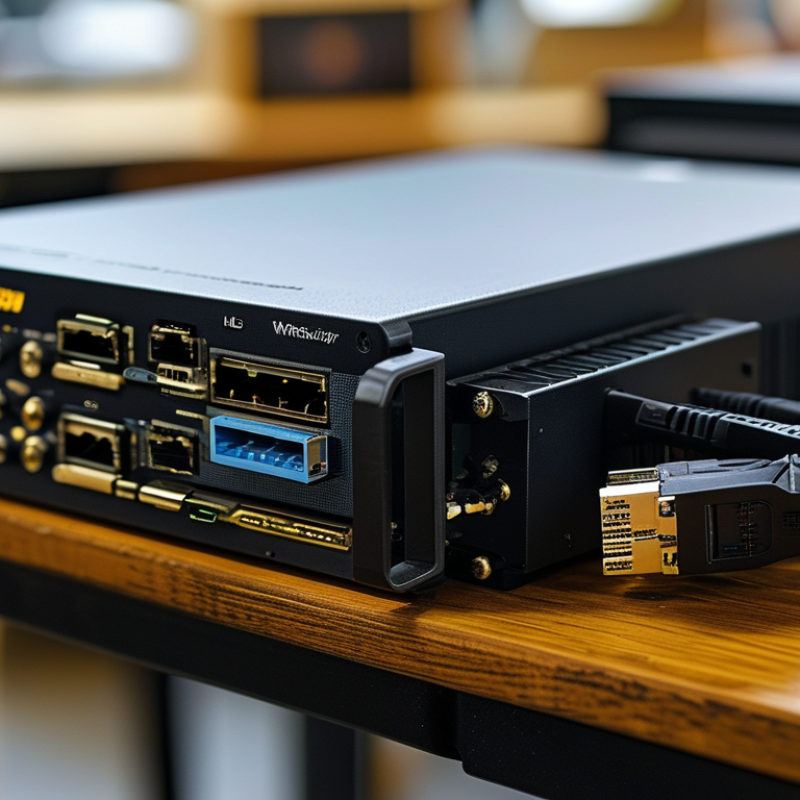
How to Choose the Right Optical Transceiver for Your Needs?

Understanding the Basics of Optical Transceivers

Optical transceivers are crucial in modern communication systems. They convert electrical signals to optical signals and vice versa. Understanding their basics can greatly enhance your decision-making process. These small devices play a significant role in data transmission over fiber optic cables. They ensure high-speed and reliable connections within networks.

There are several types of optical transceivers, such as SFP, SFP+, and QSFP+. Each type has unique specifications and performance metrics. For instance, the SFP transceiver is common for 1 Gbps connections. It has limitations on distance and data rate. In contrast, the QSFP+ can handle up to 40 Gbps, offering a higher capacity for data transfer. One must consider the specific needs of the network when choosing between these options.

Though there is a wealth of information available, confusion persists. Not every transceiver is suitable for every application. Sometimes, users make choices based on fleeting preferences rather than actual needs. This can lead to inefficiencies or increased costs in the long run. It's essential to weigh all factors, including compatibility and future scalability, when selecting an optical transceiver. A careful evaluation can prevent common pitfalls in network design.

Identifying Your Network Requirements for Transceivers

When selecting an optical transceiver, understanding your network requirements is key. Consider your data rate first. Different applications demand varying speeds. For example, a network requiring 10 Gbps may need different transceivers than one operating at 100 Gbps. Be aware that compatibility is crucial for seamless operation. Ensure the transceiver aligns with your existing equipment specifications.

Another factor is the transmission distance. Different transceivers are designed for short-range or long-range communication. For short distances, a multimode transceiver works well. Conversely, for extended distances, a single-mode transceiver is necessary. Assessing your infrastructure layout helps in making the right choice.

Tips: Always check the environment where the transceiver will be deployed. High temperatures and humidity can impact performance. Additionally, understanding the fiber type is vital; using the wrong type can lead to increased loss and downtime. Regularly review your network growth plans to ensure that your optical transceiver remains relevant as your needs evolve. Remember, a wrong decision now could lead to costly adjustments later.

Evaluating Different Types of Optical Transceivers

Choosing the right optical transceiver can be daunting. Evaluating the various types is crucial for making informed decisions. Different transceivers serve different needs. There are SFP, SFP+, QSFP, and others. Each has its specifications. Knowing these is vital.

SFP (Small Form-factor Pluggable) is common for short and moderate distances. It's compact and efficient. SFP+ enhances speed, supporting 10 Gbps connections. For higher demands, QSFP (Quad SFP) offers multiple channels. This can reach up to 100 Gbps. However, these speeds bring complexity. It's essential to assess your actual requirements before choosing.

Compatibility is another important aspect. Newer technologies may offer higher performance but might not be necessary. Consider the equipment you have. An optical transceiver should integrate seamlessly. Reflect on your operational needs. Sometimes, less is more, leading to simplicity and reliability. Balancing performance and cost is a constant challenge. Assess your needs carefully to find the optimal solution.

Key Specifications to Consider When Choosing a Transceiver

When selecting an optical transceiver, several key specifications deserve attention. Data rate is crucial. It defines how much information can be transmitted. Common rates range from 1 Gbps to 100 Gbps. It's essential to match this to your network needs. Many users overlook this aspect and end up with underperforming systems.

Another specification is the transmission distance. Different transceivers are designed for varying ranges. Some work well for short distances, while others can cover long stretches. For instance, a specific transceiver might support up to 80 kilometers. Ignoring this can lead to connectivity issues.

Wavelength is also significant. It influences signal quality over distance. Shorter wavelengths typically provide better performance for certain applications. Users sometimes choose based on cost alone. This can create challenges in network performance. Assessing these specifications ensures a better alignment with your operational demands.

Assessing Compatibility with Existing Network Infrastructure

When selecting an optical transceiver, compatibility with your existing network infrastructure is crucial. According to industry reports, over 40% of network failures stem from compatibility issues. Understanding your current equipment can prevent costly mistakes. Evaluating factors like form factor, wavelength, and data rate helps ensure seamless integration.

Tips: Check the specifications of your switches and routers. Confirm the type of connections supported. Using mismatched components can lead to malfunction or reduced performance.

Pay attention to your cabling. The choice between single-mode and multi-mode fiber must align with your transceiver. Single-mode fibers are ideal for long-distance transmission, while multi-mode suits shorter runs. Recent studies show that nearly 30% of installations fail due to improper cabling decisions.

Tips: Use reliable tools to measure fiber optics performance. Invest in quality components to avoid future headaches. Never underestimate the importance of detailed assessments.

Optical Transceiver Compatibility Assessment

FAQS

: What is an optical transceiver?

: An optical transceiver converts electrical signals to optical signals. It also converts optical signals back to electrical.

Why are optical transceivers important?

They are vital for data transmission over fiber optic cables. They ensure high-speed and stable network connections.

What are the types of optical transceivers?

Common types include SFP, SFP+, and QSFP+. Each has unique specifications and performance capabilities.

How do SFP and QSFP+ differ?

SFP handles 1 Gbps connections, while QSFP+ can manage up to 40 Gbps. QSFP+ offers higher data transfer capacity.

How can I ensure compatibility with my network?

Check your existing equipment specifications. Consider form factor, wavelength, and data rate for seamless integration.

What common mistakes occur with optical transceivers?

Users often choose based on fleeting preferences. This can lead to inefficiencies or increased costs.

How important is cabling for optical transceivers?

Cabling choices impact performance significantly. Single-mode is for long distances, while multi-mode suits shorter runs.

What percentage of network failures relate to compatibility issues?

Industry reports indicate over 40% stem from compatibility problems. Assessing equipment can prevent costly mistakes.

Should I invest in quality components?

Yes, investing in quality components can avoid future issues. Reliable tools for measuring performance are crucial.

What is a common pitfall in network design?

Ignoring detailed assessments leads to failures. Users often underestimate the importance of thorough evaluations.

Conclusion

When choosing the right optical transceiver, it is important to first understand the basics of these devices, which are integral to high-speed data communication. Begin by identifying your network requirements, including data transfer rates and distances, as different types of optical transceivers serve varying purposes.

Evaluating the specific types of optical transceivers available—such as SFP, SFP+, and QSFP+—can significantly influence performance. Key specifications to consider include wavelength, power consumption, and transmission distance. Lastly, ensure that the selected optical transceiver is compatible with your existing network infrastructure to guarantee seamless integration and functionality. By carefully assessing these factors, you can make an informed decision that meets your networking needs.

Mason

Mason

Mason is a seasoned marketing professional with a deep expertise in the company's offerings and a passion for driving brand awareness. With a strong background in digital marketing strategies, he has an innate ability to connect with diverse audiences and effectively communicate product benefits.......