Lumopt
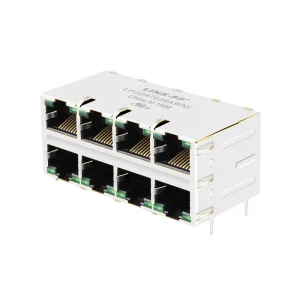
Evolution & Trends in Stacked RJ45 Integration
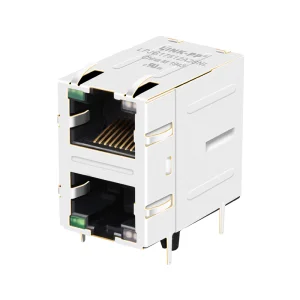
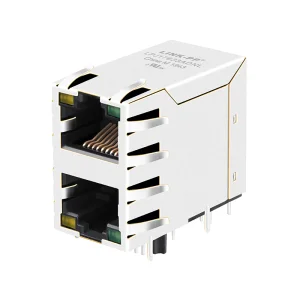
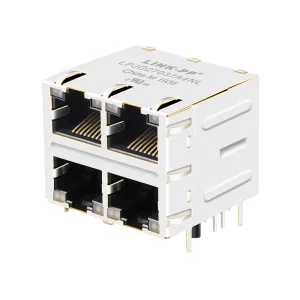
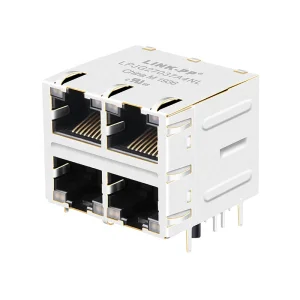
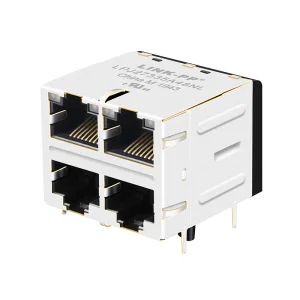
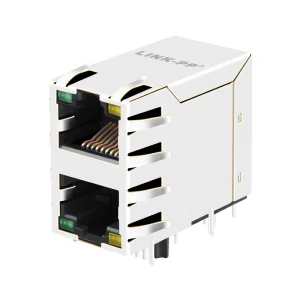
As networks transition from traditional Gigabit Ethernet to high-bandwidth multi-gigabit speeds (2.5G, 5G, and 10G Base-T), physical hardware density on PCB layouts must scale proportionally. The integration of Stacked Port RJ45 Connectors directly addresses the space limitations of 1U enterprise equipment and data center switches.
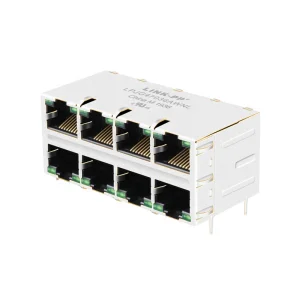
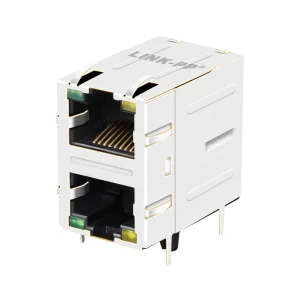
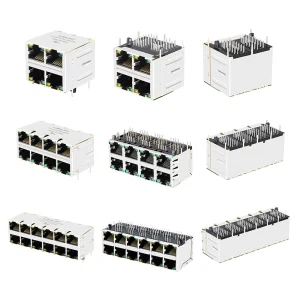
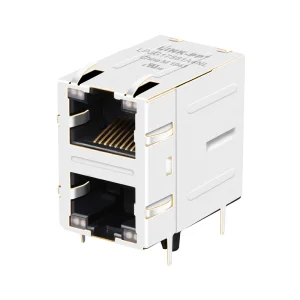
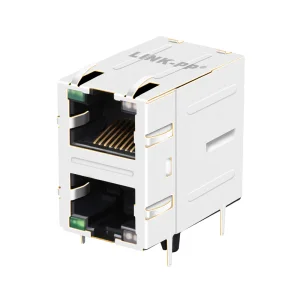
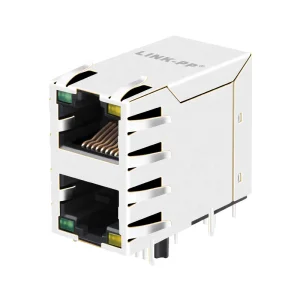
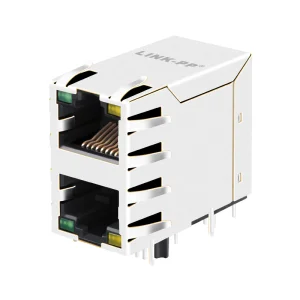
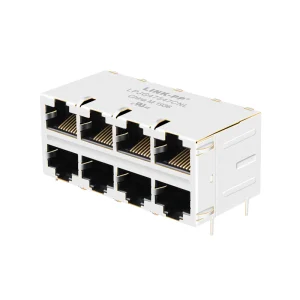
Modern layouts stack connectors vertically (e.g., 2x1, 2x4, or 2x8 port configurations) to halve the board footprint compared to single-layer layouts. This shift brings complex design challenges:
- Vertical Crosstalk Mitigation: High frequency transmission (up to 500 MHz for 10G) demands custom shield designs between stacked ports to prevent internal channel noise.
- Thermal Management: Higher density combined with Power over Ethernet (PoE/PoE+/PoE++) introduces thermal loads that demand high-grade engineering polymers (LCP or Nylon-9T) capable of surviving wave and reflow soldering.
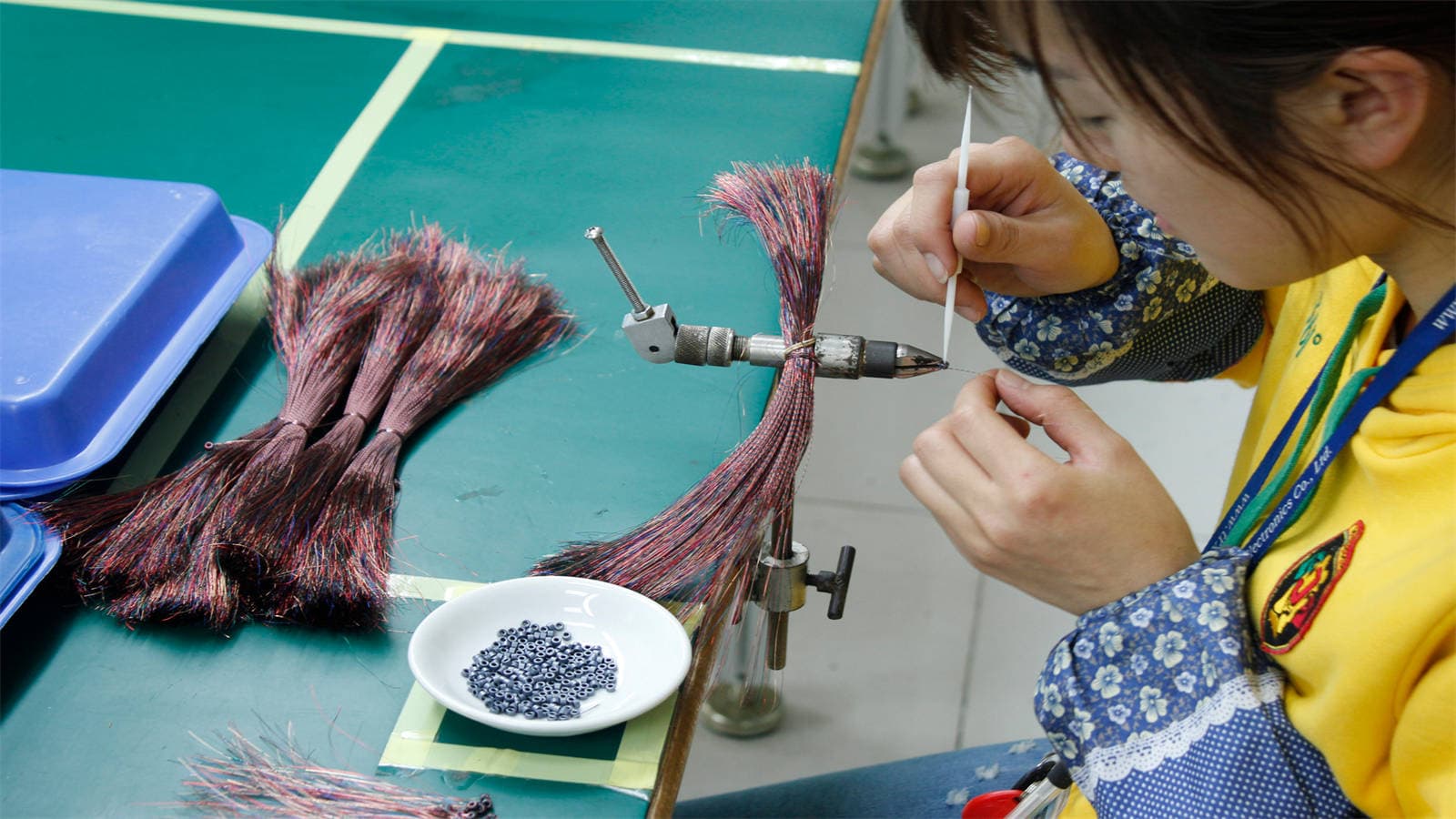
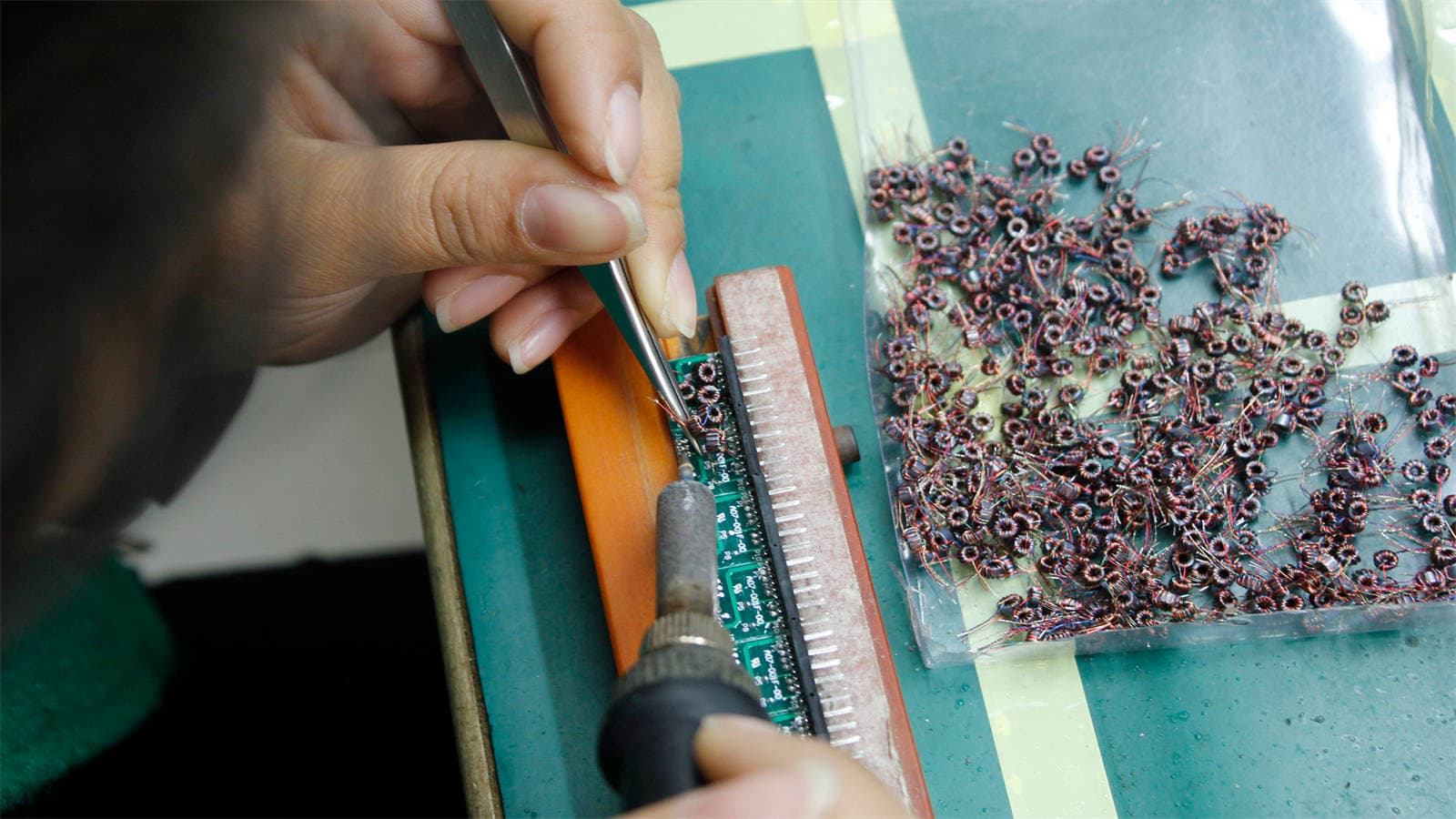
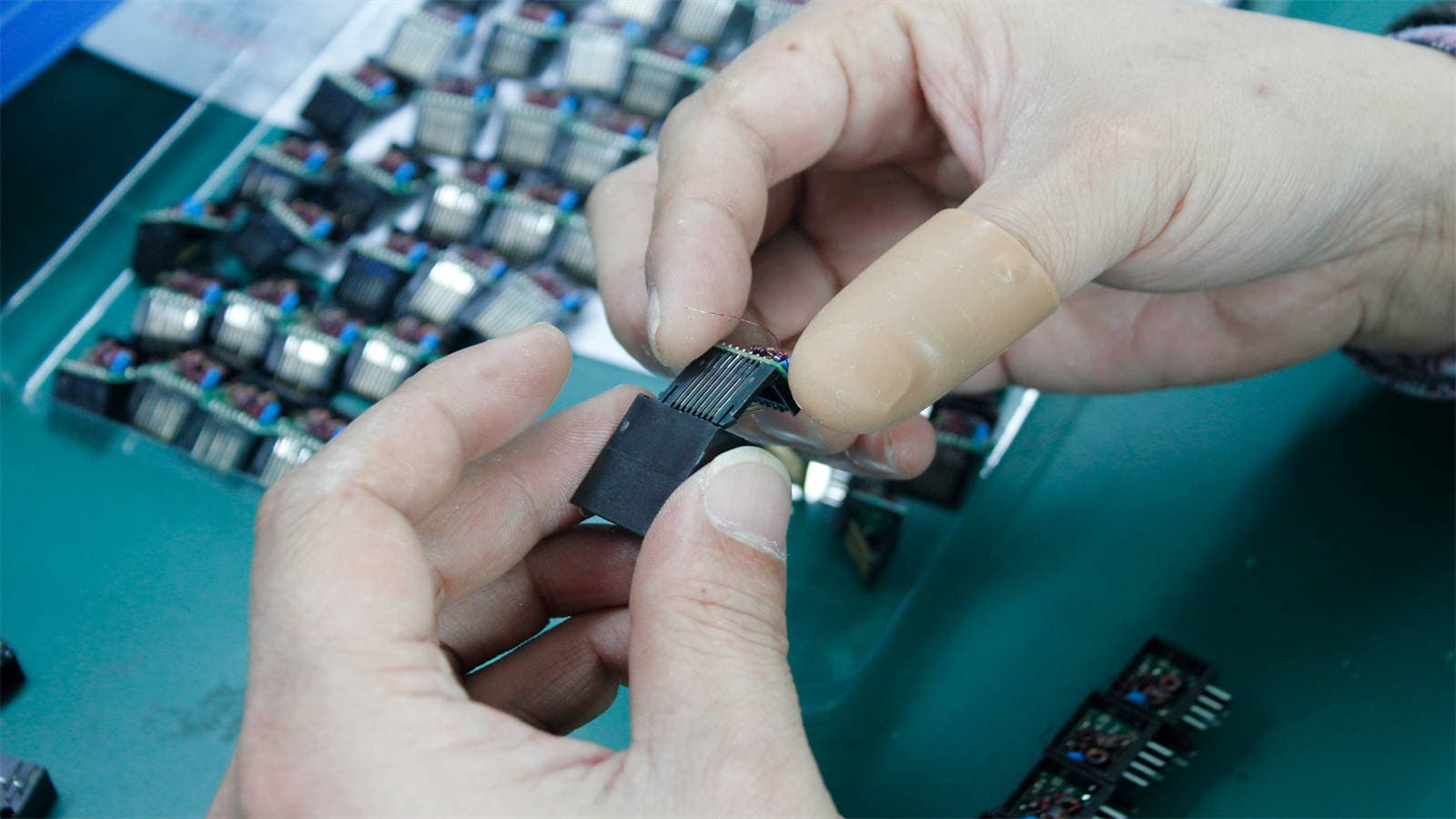
- Integrated Magnetics: Consolidating discrete transformers, common mode chokes, and termination resistors directly into the RJ45 body limits EMI emissions and stabilizes signal paths.