Lumopt
Lumopt
Lumopt
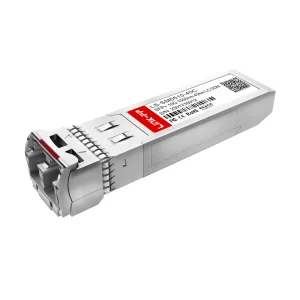
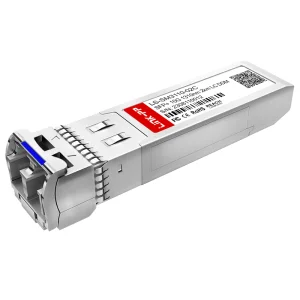
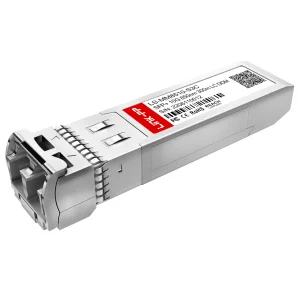
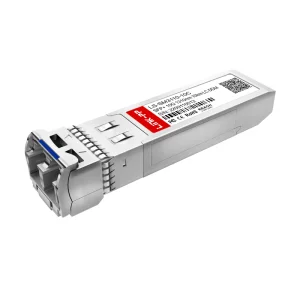
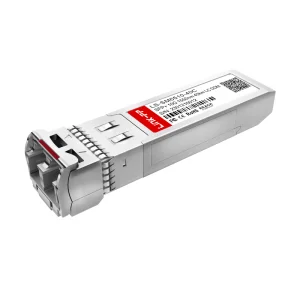
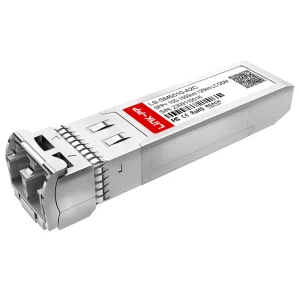
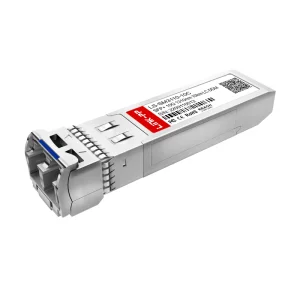
While next-generation data centers are transitioning rapidly to 100G, 400G, and 800G fabrics, the foundational tiers of global data processing remain highly reliant on 10G and 16G SFP+ technologies. Edge networks, industrial IoT configurations, telecommunication access layers, and mid-tier enterprises utilize SFP+ as their default interconnect format due to its unparalleled cost-per-gigabit ratio and established low thermal output.
In enterprise Storage Area Networks (SANs), 16G SFP+ transceivers represent the optimized sweet spot for high-reliability data exchange. Running on Fibre Channel protocols, these modules ensure lossless packet delivery and minimal latency for transactional databases and high-frequency financial platforms, bridging the gap between legacy 8G configurations and hyper-scale SAS storage setups.
Modern edge networking switches demand massive port density. 10G/16G SFP+ modules operate under stringent power envelopes—often under 1.0W to 1.5W per port. This minimized thermal load drastically lowers cooling costs (OPEX) for enterprise layouts and prevents thermal runaway events in dense server racks.
Lumopt Opto Technology Co., Ltd. (registered as Luguang Communication Technology Co., Ltd. in China) represents the pinnacle of Chinese high-precision optoelectronic engineering. Over our history, we have established ourselves not merely as a manufacturer, but as a system-level solution provider for global network operators, cloud service providers, and telecommunication enterprises.
Our core mission focuses on delivering transceivers that comply rigorously with MSA (Multi-Source Agreement) guidelines, ensuring seamless drop-in compatibility across 20+ networking brands (including Cisco, Juniper, Arista, Huawei, and HP). Our transceivers are configured with specialized EEPROM coding profiles, allowing them to bypass system lockouts and operate natively within host switches.
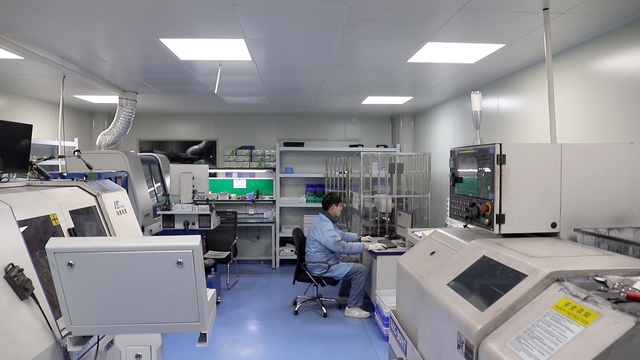
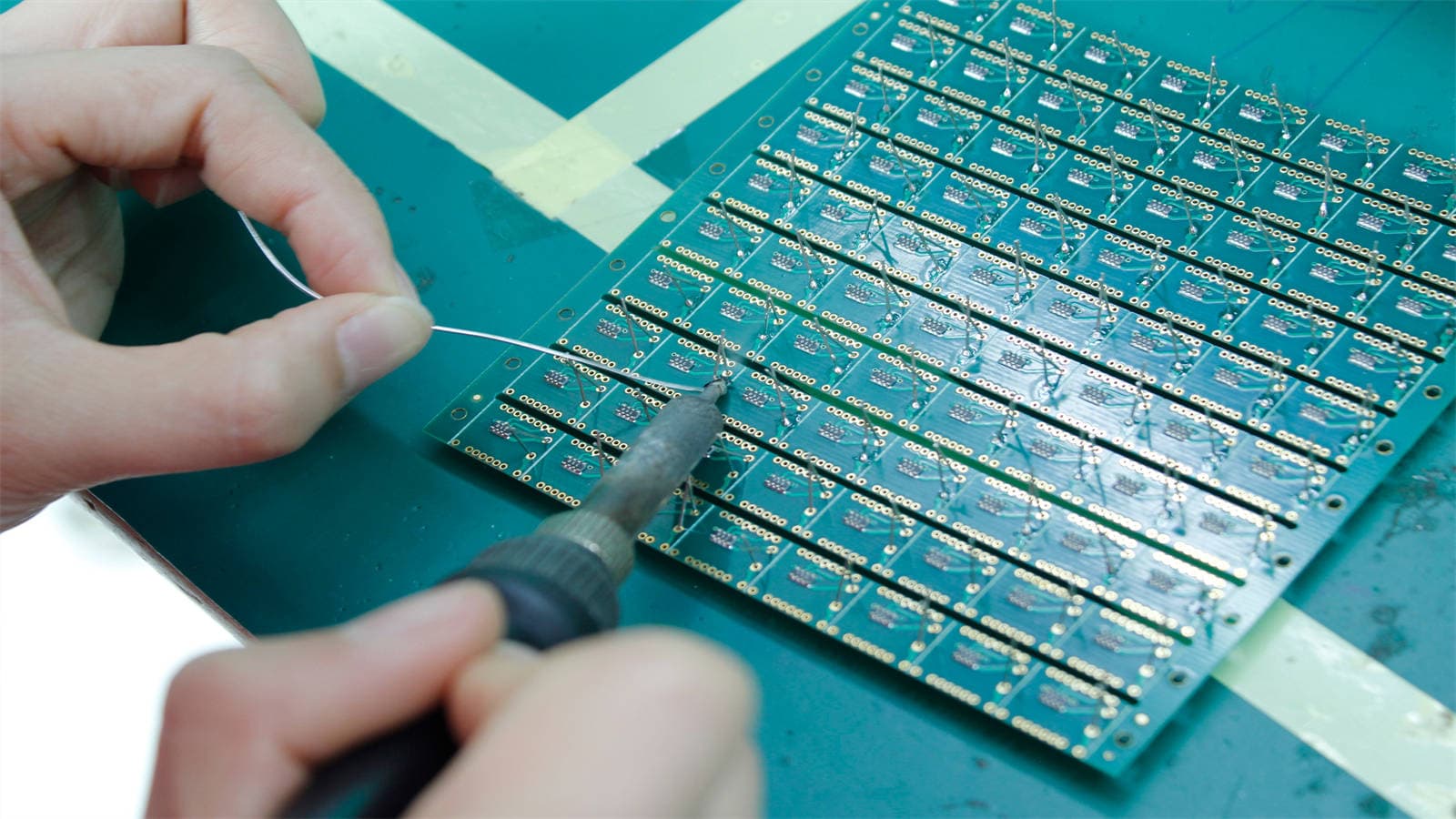
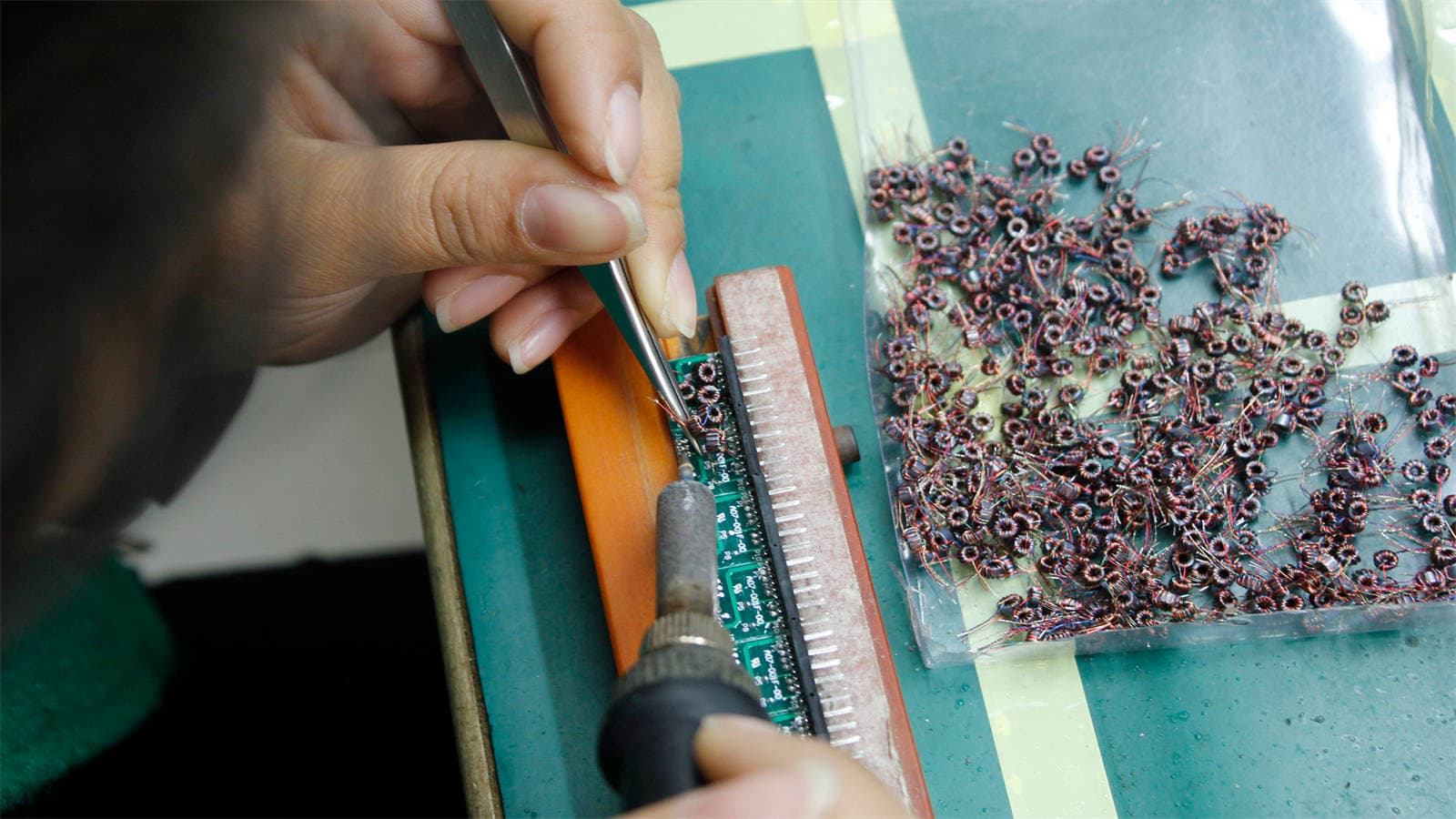
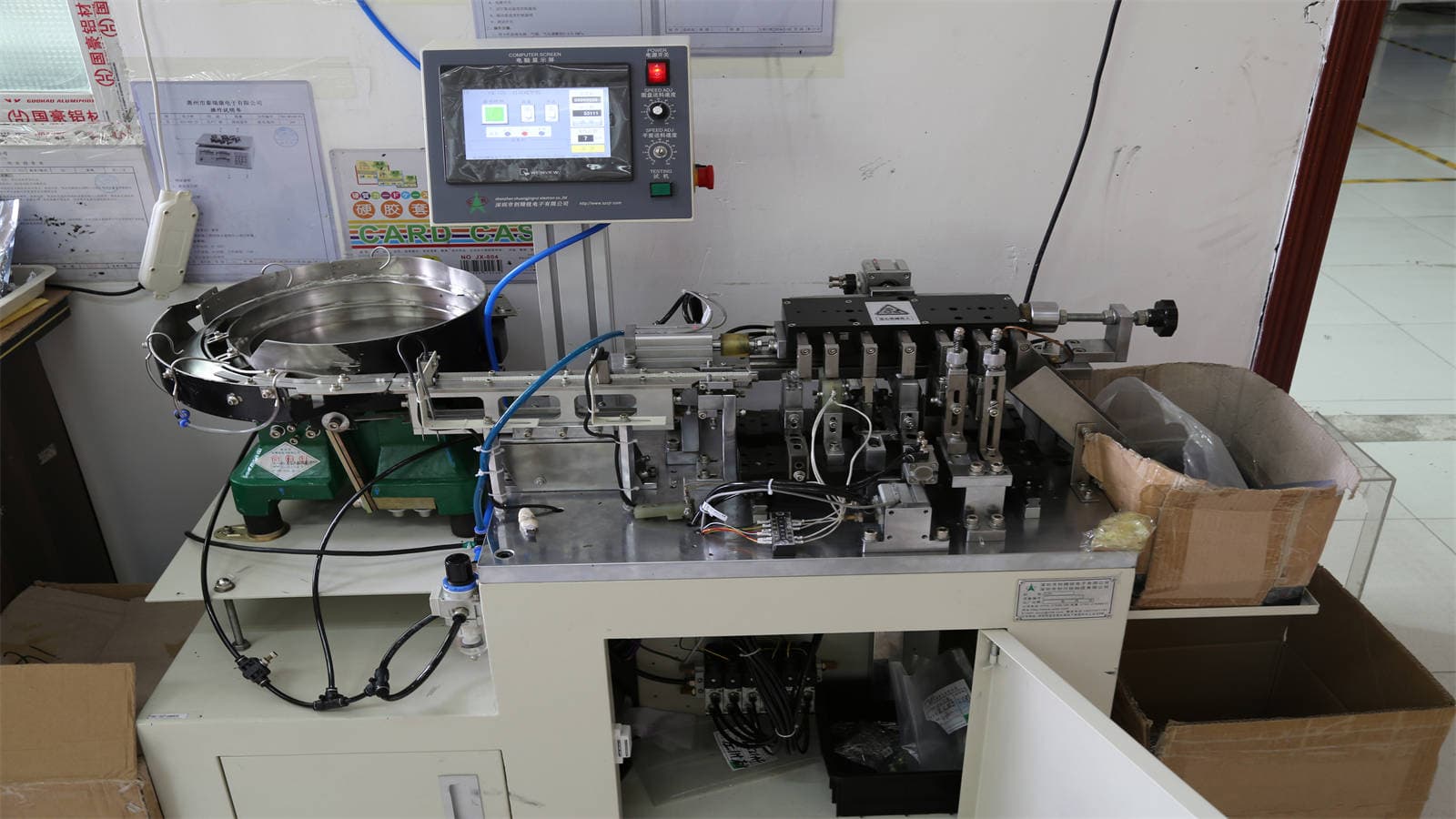
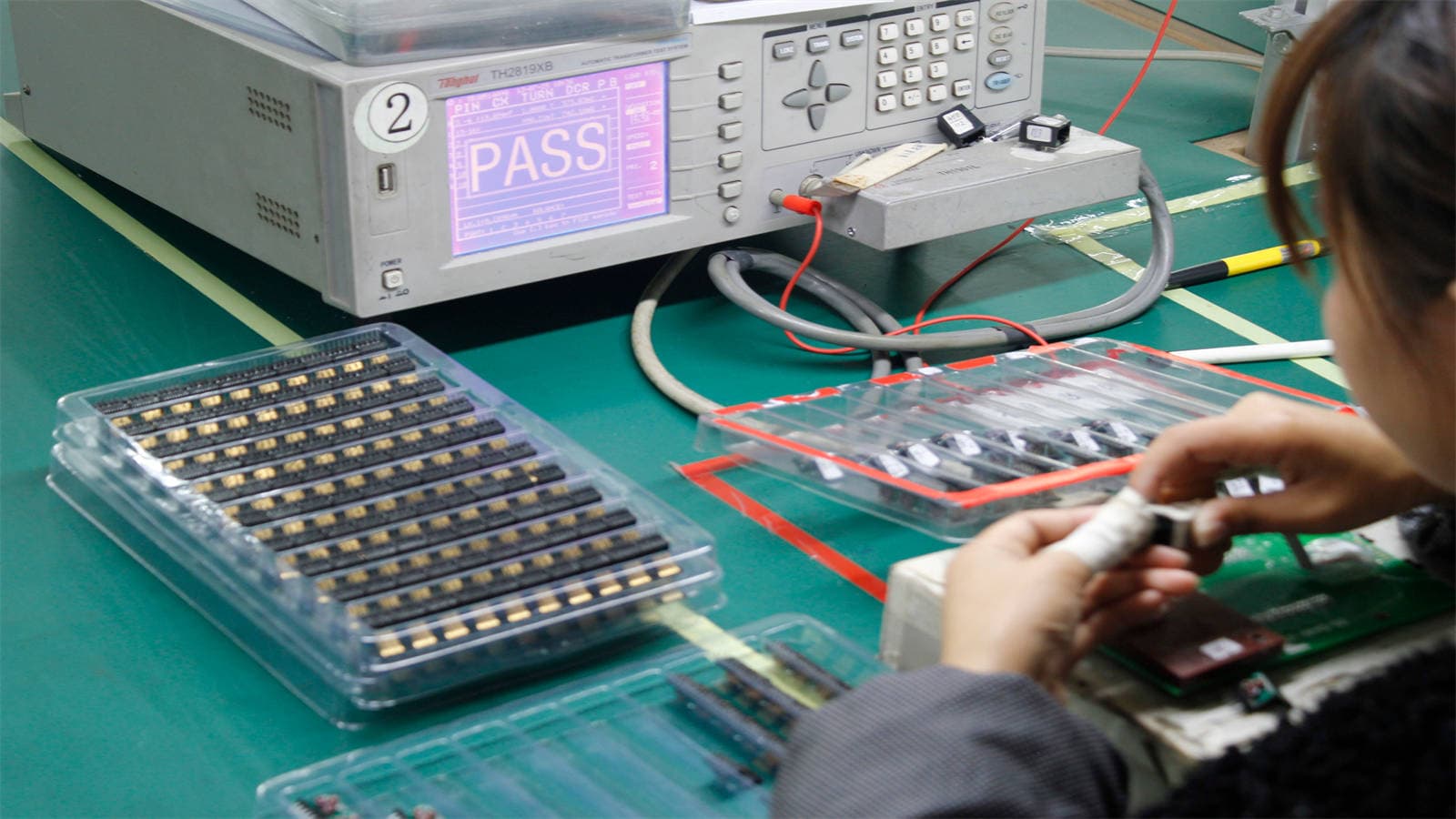
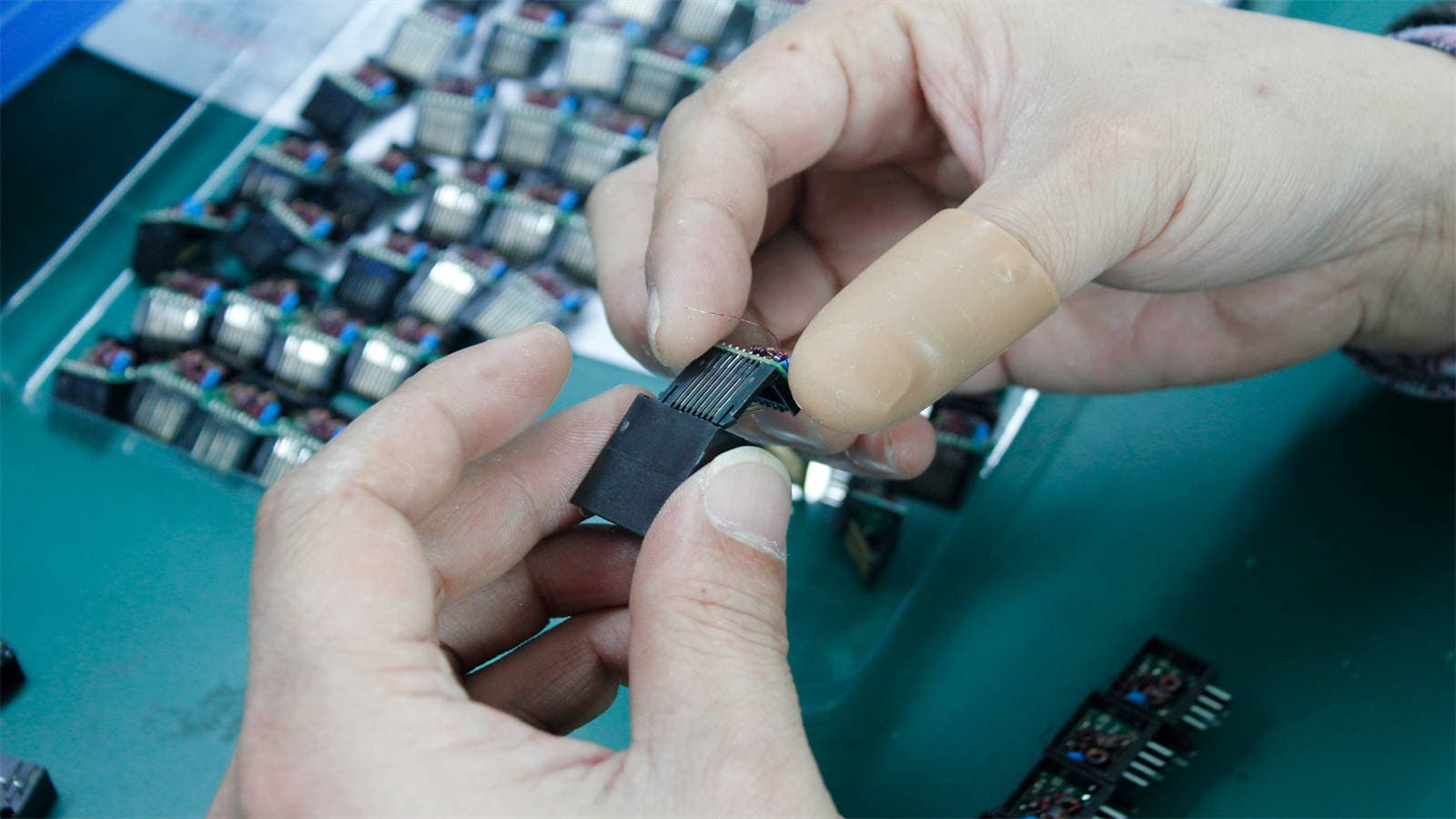
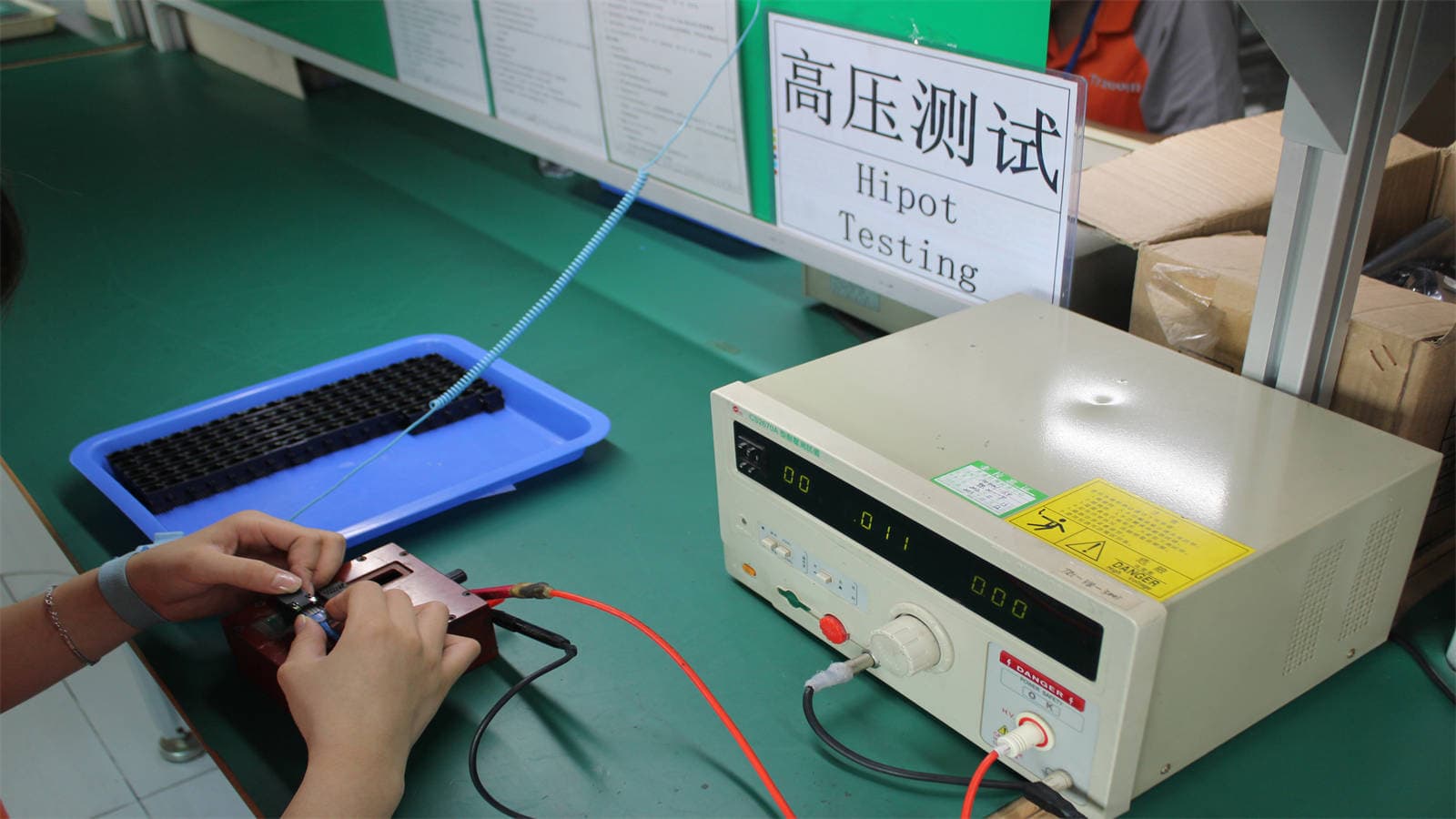
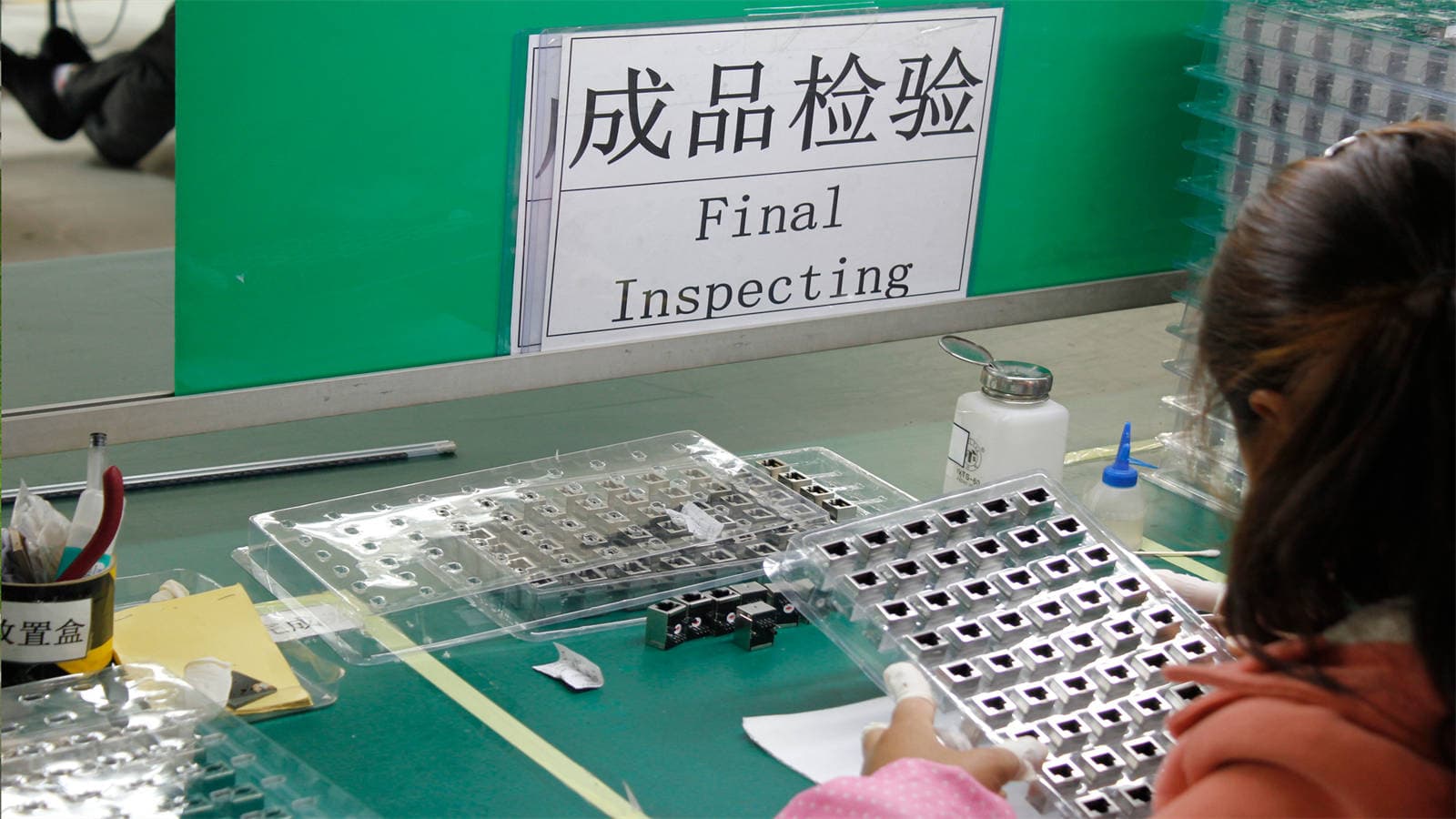
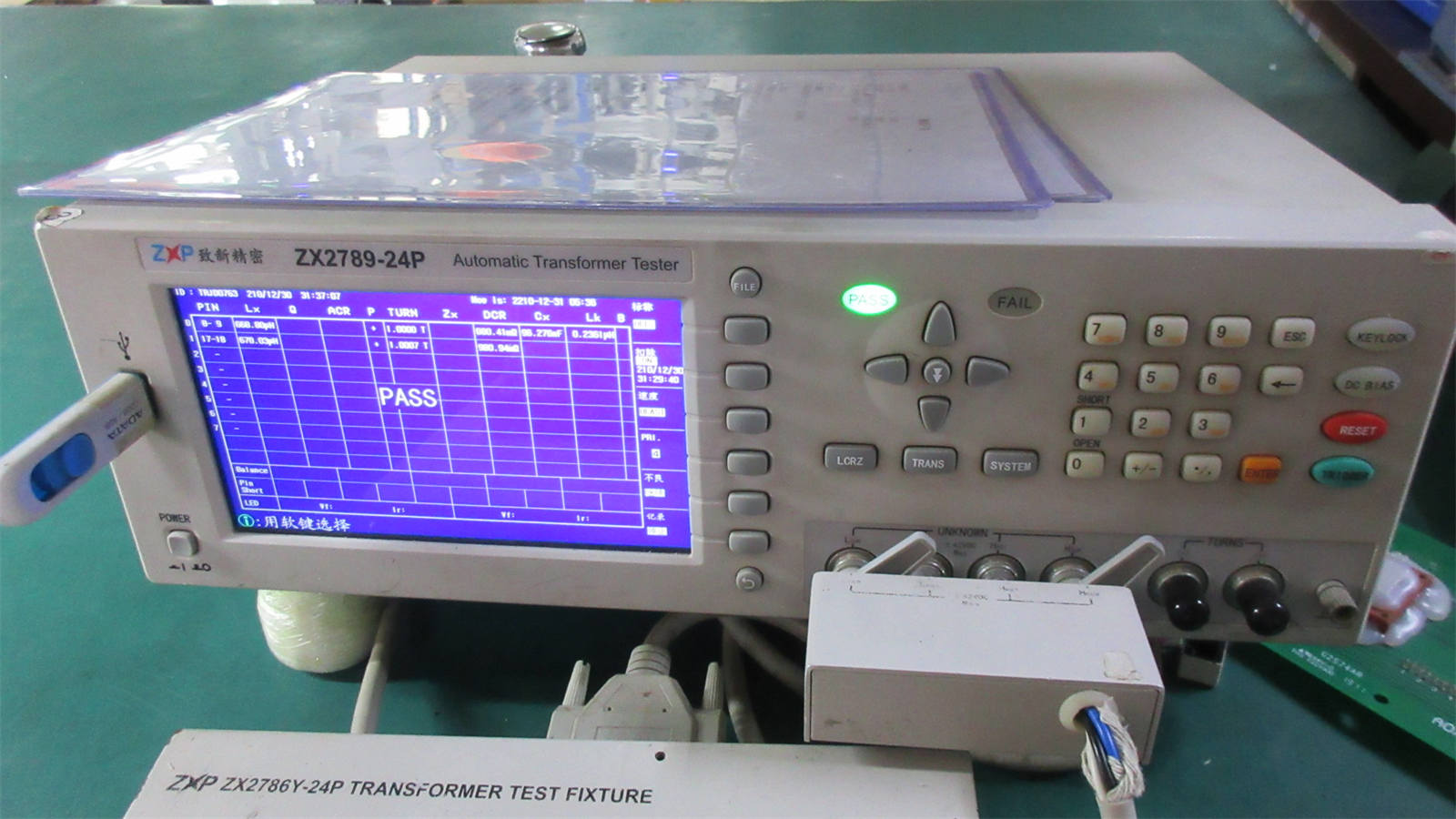
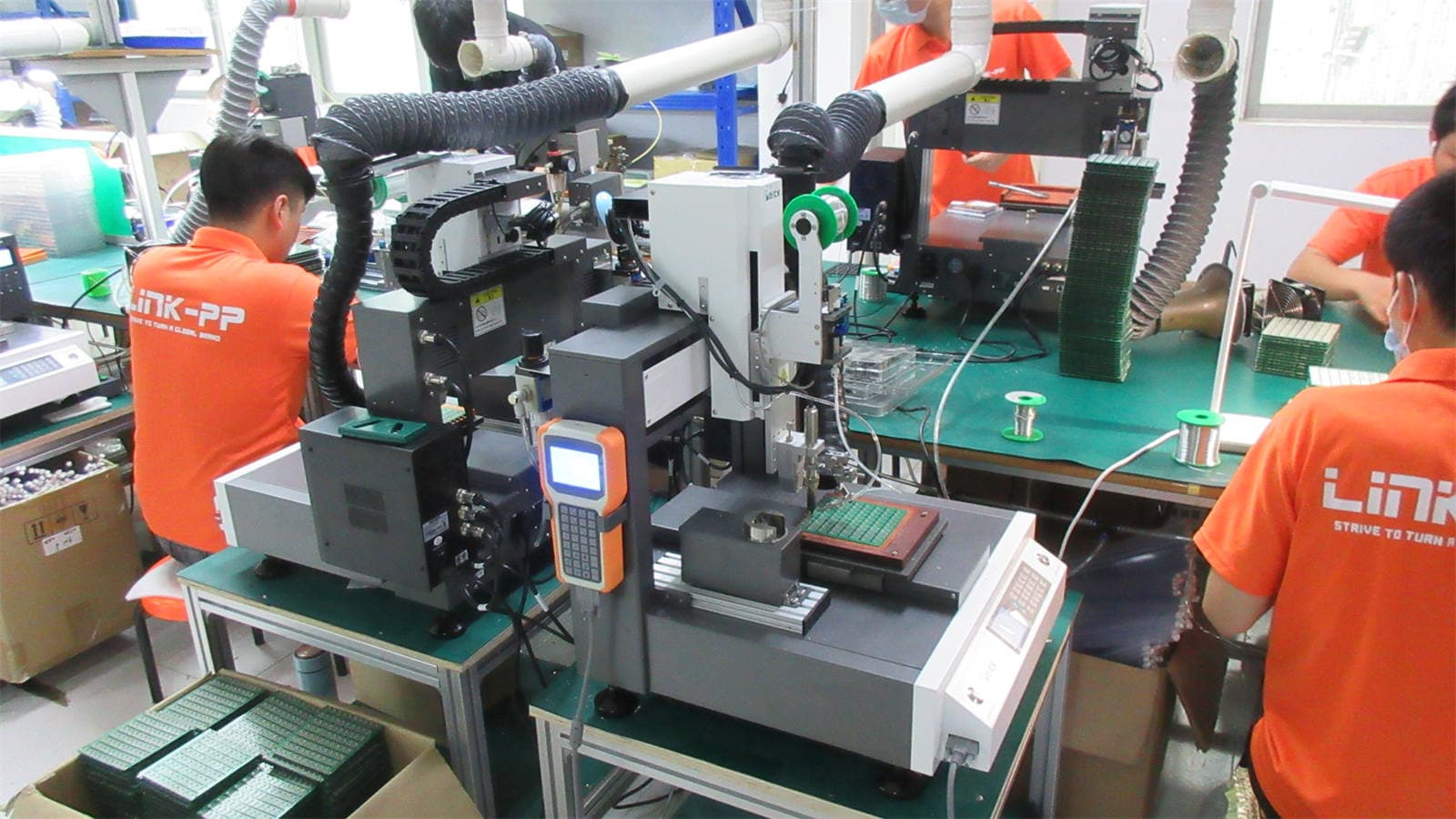
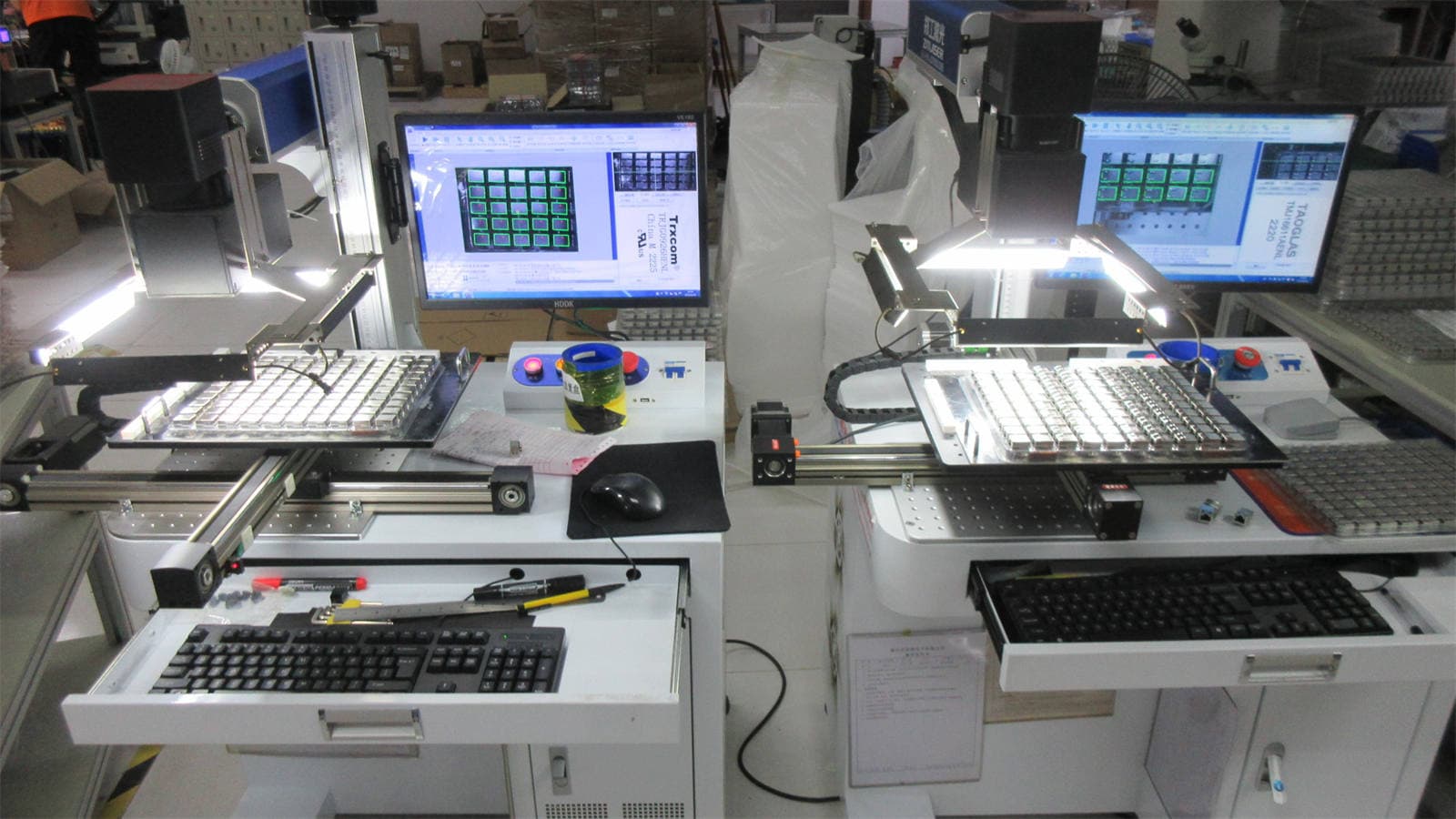
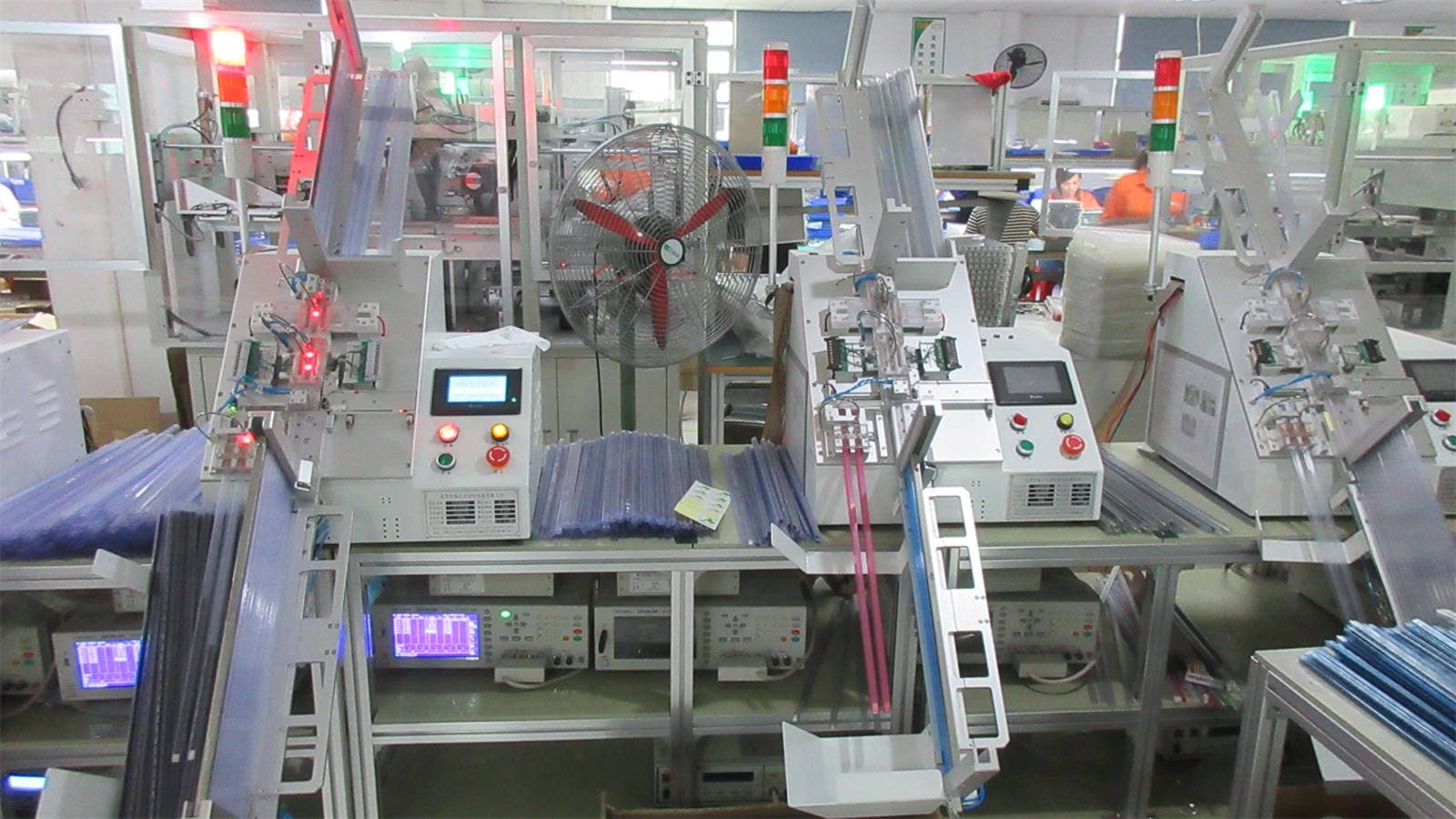
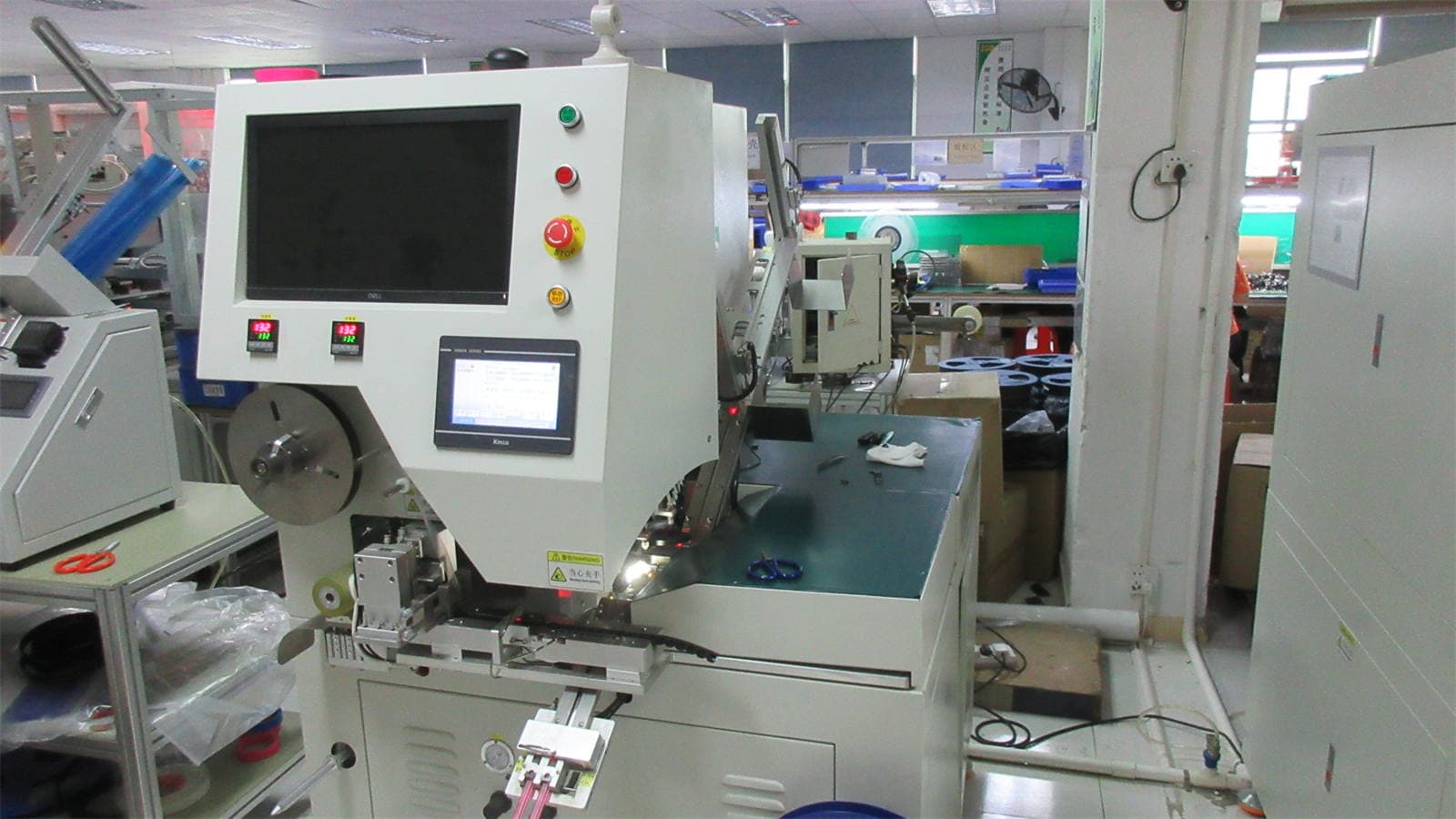
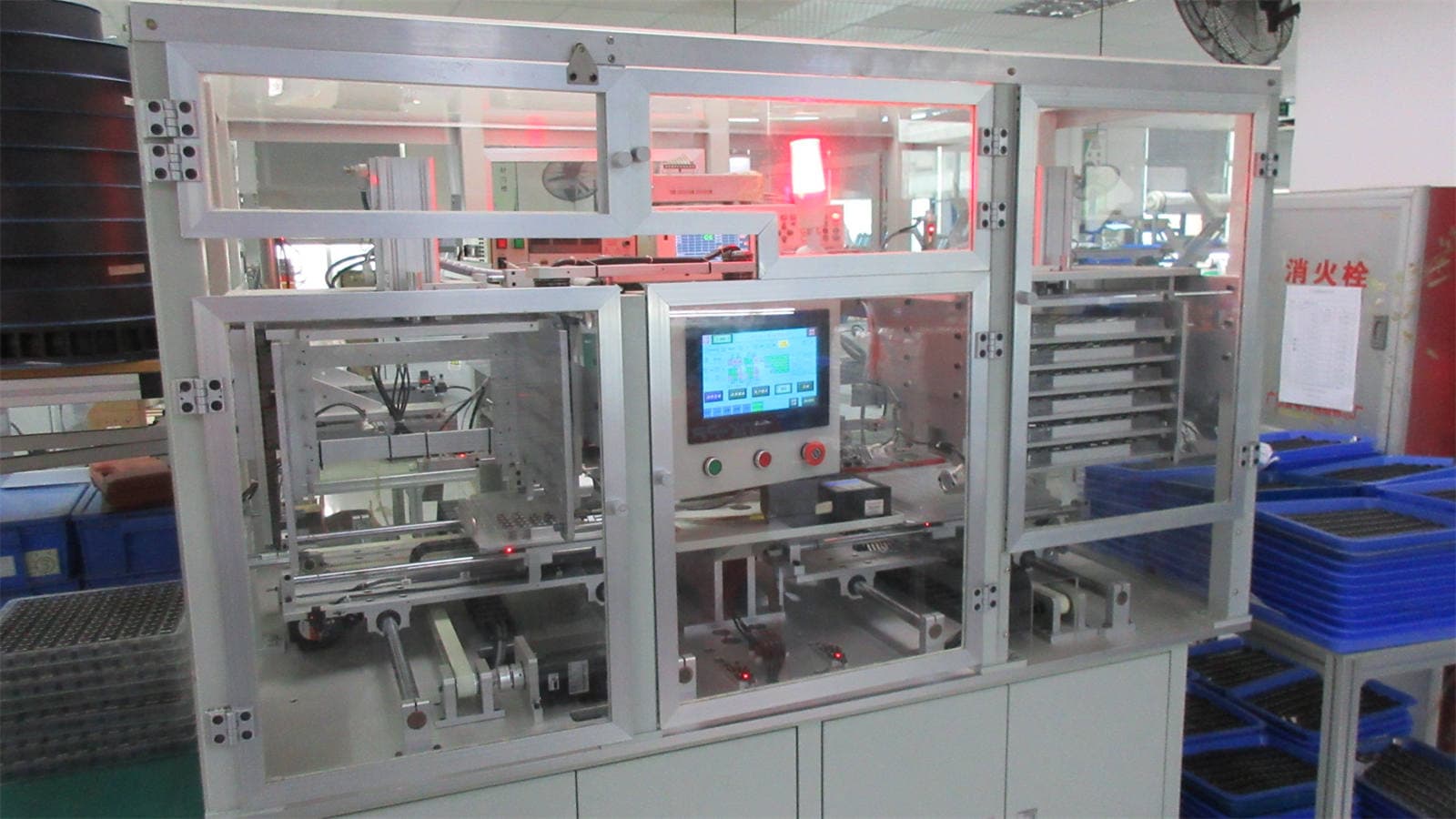
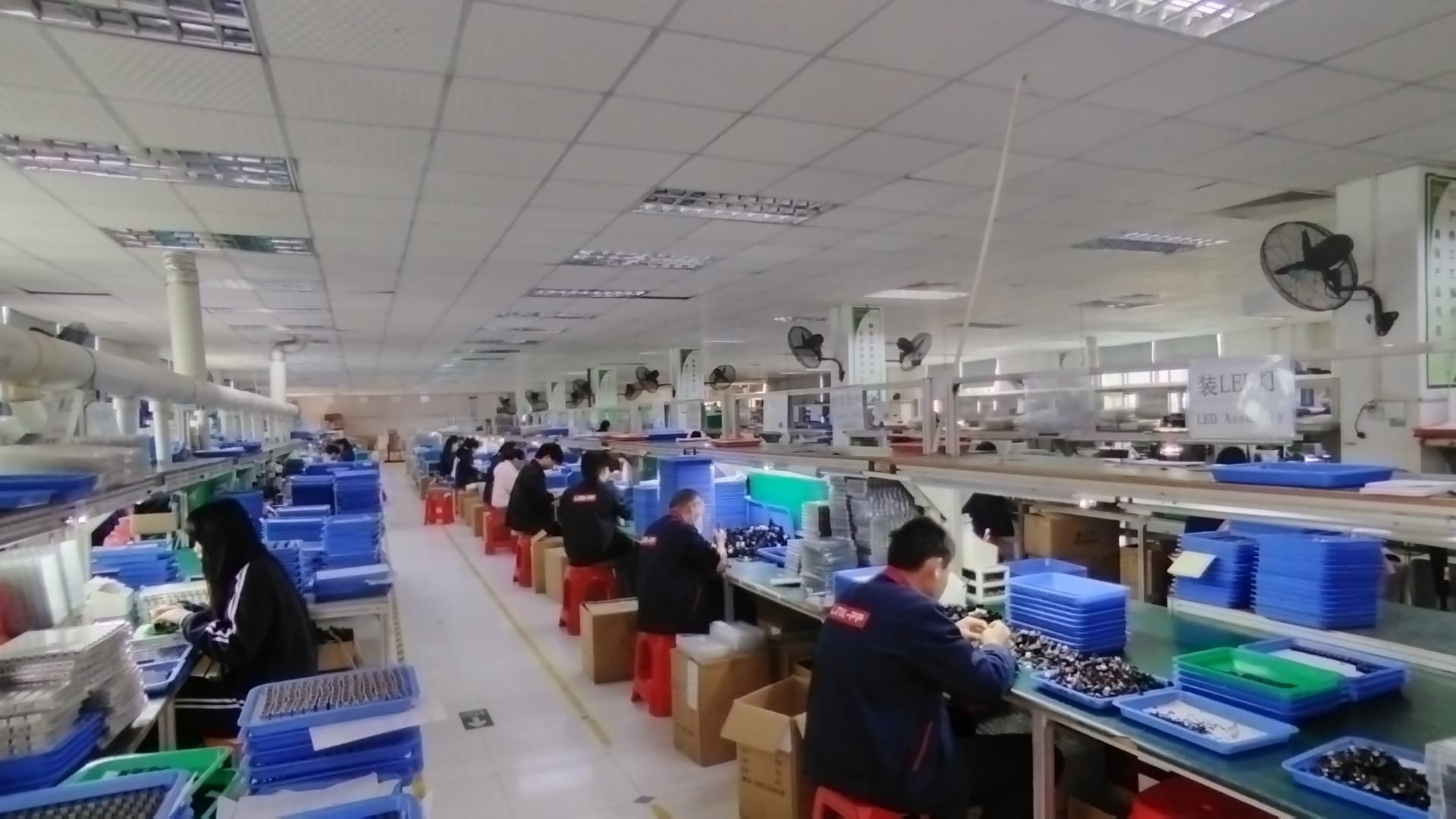
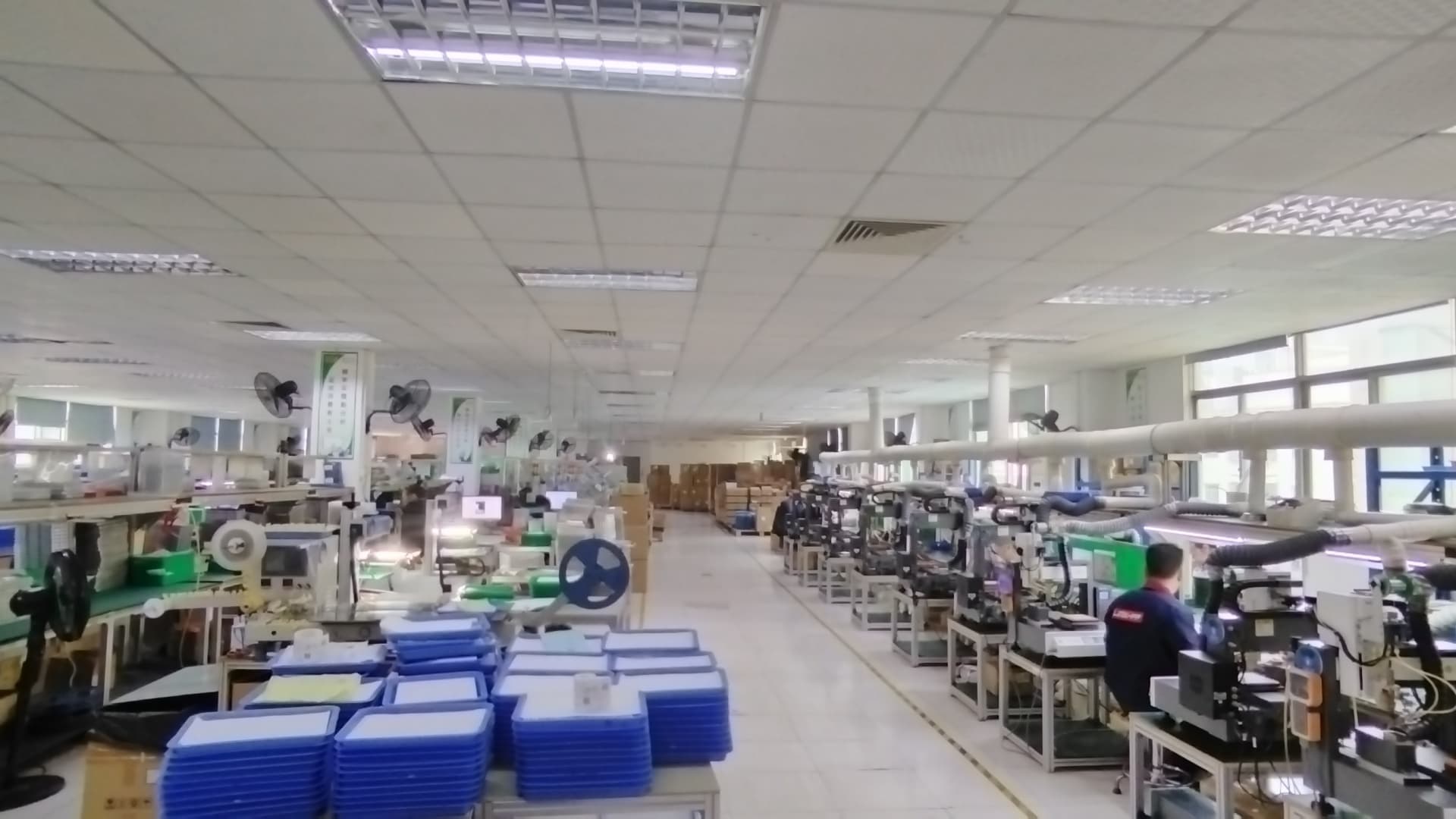
Our ISO9001-certified cleanroom facility is equipped with automated optical alignment machinery, high-frequency BERT (Bit Error Rate Tester) structures, and environmental testing chambers. By maintaining complete control over our supply chain—from optical sub-assemblies (TOSA/ROSA) to packaging—we provide global buyers with deep information transparency and consistent batch-to-batch structural integrity.




Smart grids require low-latency communications across expansive physical territories. Our 10G SFP+ ER (40km) and ZR (80km) modules are regularly deployed in power substations, supporting highly deterministic Ethernet rings that route sensor data safely away from Electromagnetic Interference (EMI) fields.
By leveraging our 16G SFP+ Fibre Channel transceivers, global data storage networks reduce buffer-credit starvation. High-throughput connectivity enables uninterrupted data synchronization between primary storage nodes and virtualized hot-standby nodes located in municipal DR (Disaster Recovery) sites.
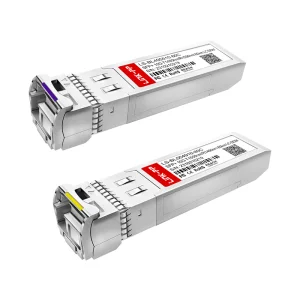
Telecommunication carrier loops depend heavily on BiDi (Bidirectional) SFP+ configurations to double fiber utilization. By deploying 10G BiDi modules running on TX1270nm/RX1330nm bands, companies save millions in fiber routing leasing costs while still scaling access loop capability.
The transition toward faster data rates (25G / 100G / 400G / 800G / 1.6T) requires careful planning for backward compatibility. Lumopt's technological roadmap ensures that edge systems continue to work seamlessly with existing hardware. Modern iterations of our 10G & 16G SFP+ transceivers support dual-rate and triple-rate negotiation protocols, facilitating direct optical communication with older GbE switches or newer high-speed configurations.
Additionally, environmental and geopolitical compliance mandates have changed modern supply chains. All of our production processes adhere to RoHS, CE, FCC, and REACH specifications. Our manufacturing plants maintain zero-halogen assembly lines, helping buyers meet strict corporate environmental goals and pass local telecom inspections.
Furthermore, our Digital Diagnostics Monitoring (DDM/DOM) software complies with the SFF-8472 standard. This capability allows network administrators to monitor real-time parameters such as optical output power, receiver sensitivity, operating temperature, and bias current. By monitoring these metrics, operators can identify potential fiber degradation before it causes link failures.
The 10GBASE-LR (Long Reach) module is optimized for Single-Mode Fiber (SMF) installations operating at a nominal wavelength of 1310nm. It is designed to cover distances up to 10km under standard loss budgets.
In contrast, the 10GBASE-LRM (Long Reach Multimode) module is designed to support legacy Multimode Fiber (MMF) infrastructure, such as FDDI-grade and OM1/OM2 fiber runs, over distances up to 220m. It uses a 1310nm laser source but requires Mode Conditioning Patch (MCP) cables to prevent Differential Mode Delay (DMD) distortions, which can degrade the signal on legacy multi-mode glass.
Every switch manufacturer programs a specific handshake protocol within their operating systems (such as Cisco IOS or Arista EOS) that reads the EEPROM configuration on the transceiver's microcontroller.
At Lumopt, we test each production batch by copying custom vendor configuration profiles onto the module's controller chip. Our QA technicians verify this code in our testing lab on target switches, ensuring the modules are recognized and function correctly without flagging "Non-Cisco Transceiver" errors.
Yes, our high-quality 16G Fibre Channel SFP+ transceivers support multi-rate capability, allowing them to auto-negotiate link speeds down to 8G FC and 4G FC. This ensures backward compatibility with legacy SAN switches and host bus adapters (HBAs), allowing you to upgrade your storage systems gradually without needing a full equipment replacement.
Operating temperature has a direct impact on the lifetime of laser diodes (VCSEL, DFB, or EML). Standard commercial transceivers (0°C to 70°C) can fail prematurely if used in uncooled outdoor enclosures.
Lumopt offers specialized industrial-grade transceivers (-40°C to 85°C) built with hardened optical sub-assemblies and dynamic temperature compensation algorithms. These components help maintain a stable extinction ratio and consistent optical output power even under extreme temperature fluctuations.