Lumopt
Lumopt
Lumopt
Precision-engineered optical components and shielding cages optimized for dense, high-frequency enterprise computing architectures.
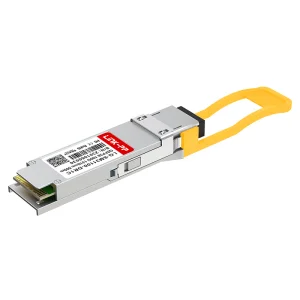
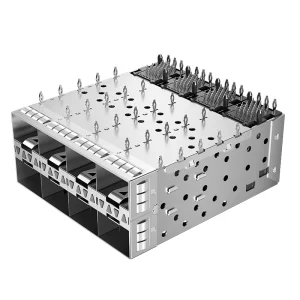
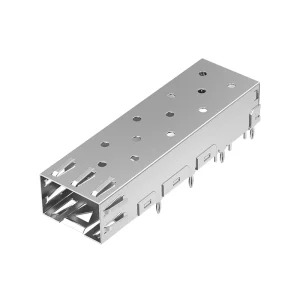
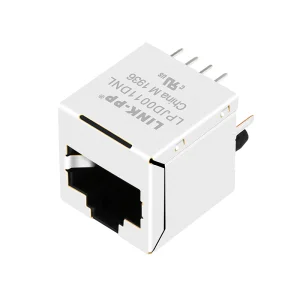
In the rapidly evolving landscape of high-performance computing, hyperscale data centers, and advanced telecommunication infrastructures, the physical interface layer serves as the critical foundation for data integrity. The Small Form-Factor Pluggable (SFP) cage acts as a crucial mechanical and electrical shield designed to house transceiver modules such as SFP, SFP+, SFP28, QSFP+, and QSFP28. This comprehensive whitepaper, compiled by engineering leads and global supply chain directors, evaluates the current state of SFP cage design, deployment criteria, shielding mechanisms against Electromagnetic Interference (EMI), and global supplier sourcing structures.
As communication frequencies rise from 10 Gbps to 25 Gbps, and onward to 100 Gbps, 400 Gbps, and 800 Gbps architectures, the SFP cage is no longer a passive piece of sheet metal. It has become a highly integrated component critical to mechanical alignment, thermal mitigation, and electromagnetic containment. The selection of an experienced SFP cage supplier is directly correlated to the reliability and performance of system-level designs.
"High-speed signal pathways demand zero-compromise EMI containment. Modern SFP cages act as dedicated Faraday cages, ensuring that the high-frequency radiation emitted by optoelectronic transceivers is contained, preventing adjacent channel degradation and system-wide packet loss."
The manufacturing of high-performance SFP cages is geographically concentrated in industrial clusters that possess advanced high-speed stamping capabilities and precise electroplating infrastructure. China remains a global hub for SFP cage fabrication, driving efficiency through massive vertical integration. SFP cage suppliers located in mainland China, particularly in coastal industrial corridors, leverage a highly developed local ecosystem that includes raw copper-alloy suppliers, advanced tooling design centers, and state-of-the-art automated assembly operations.
Compared to European and North American manufacturing hubs, Chinese factories offer an unparalleled combination of speed-to-market and scalability. Modern manufacturing processes are highly automated, employing multi-slide stamping dies that perform cutting, forming, and bending in a single pass. This ensures extreme dimensional repeatability with tolerances kept below +/- 0.05 mm, a metric critical to ensuring that press-fit pins align perfectly with the target Host PCB layout.
Furthermore, Chinese SFP cage suppliers have integrated specialized surface finish plating facilities within their operations. To ensure compliant contact resistance and corrosion resistance, cages are subjected to rigorous electroplating of nickel-over-copper underplates, followed by selective tin or gold-flash plating. This level of process integration significantly minimizes logistical lead times and transport-induced contamination.
Utilizing high-speed automated progressive dies ensures consistent physical geometry and structural rigidity over million-unit batch runs.
Optimized underplating processes prevent tin whisker formation and guarantee clean, low-resistance electrical contact points.
Every single SFP cage is inspected via automated optical systems to verify pitch accuracy and compliant pin coplanarity.
At multi-gigabit data transfer rates, high-frequency electromagnetic waves can leak through structural gaps, interfering with nearby components and failing international EMC standards (such as FCC Part 15 and EN 55022). SFP cages address this via specialized spring fingers (EMI fingers) or conductive elastomeric gaskets that seal the gap between the cage housing and the front bezel panel.
Advanced suppliers offer various options: copper-beryllium (CuBe) alloy spring fingers are chosen for high-mating cycle applications due to their elasticity and low contact resistance, while stainless-steel variants offer a highly cost-effective, robust alternative for static deployment environments.
The connection between the SFP cage and the host printed circuit board (PCB) is critical for ground path integrity and mechanical retention. Press-fit (eye-of-the-needle) design allows the pins to deform elastically during insertion into plated through-holes (PTH). This cold-welded mechanical joint guarantees continuous contact without the heat stress associated with wave soldering. This eliminates flux residue and potential thermal cracking of the multi-layer FR4 boards.
Modern optical transceivers operate with significant power budgets (often 1.5W to over 5W for 100G/200G modules, and exceeding 12W for 800G coherent optics). SFP cage suppliers integrate thermal solutions such as open-top cages that allow direct contact with riding heat sinks. Heat sinks with custom clip profiles (such as pin-fin, blade, or fin-detail configurations) maximize convective heat flow away from the optical components, ensuring they operate within their specified temperature windows.
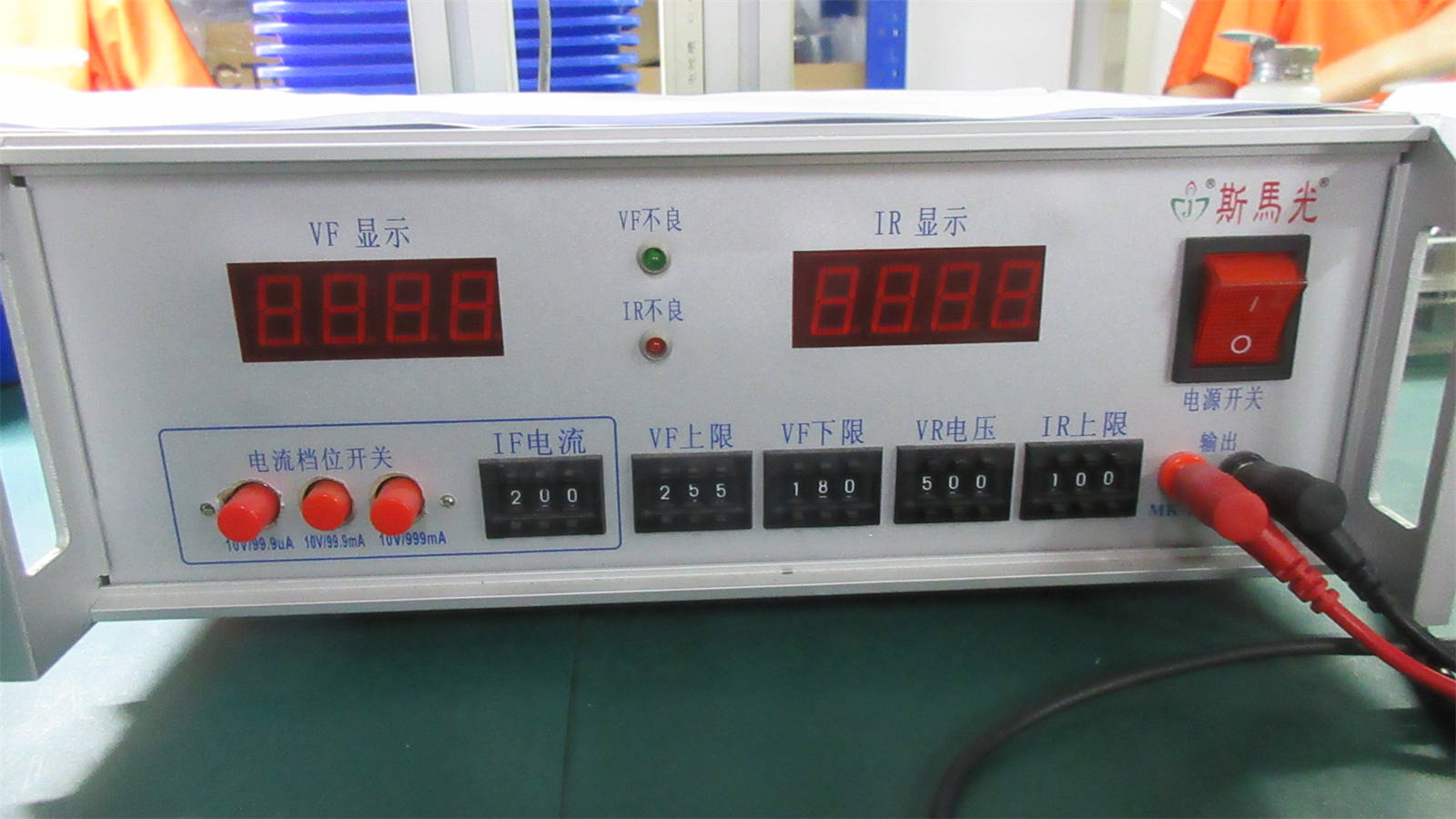
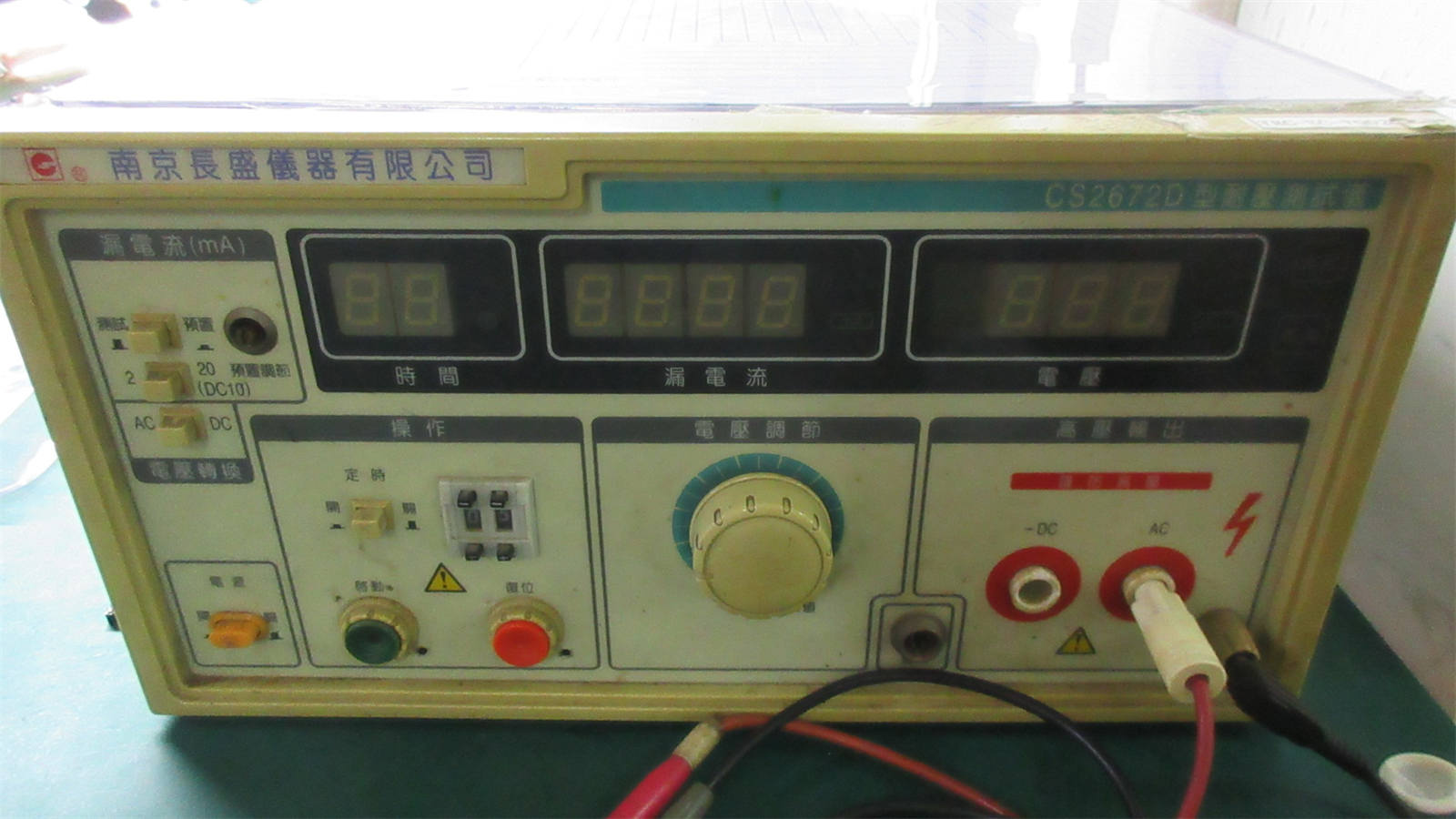
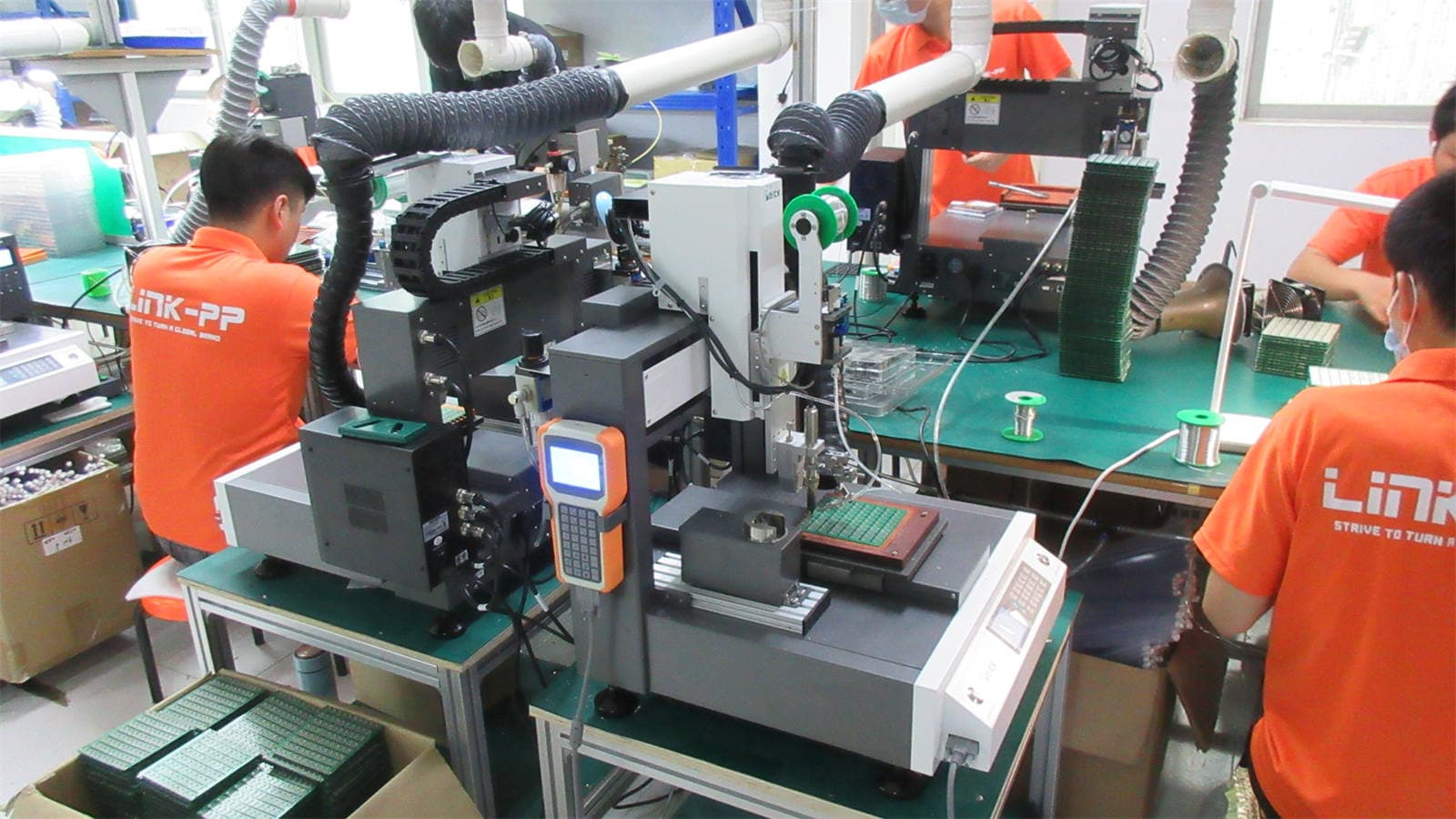
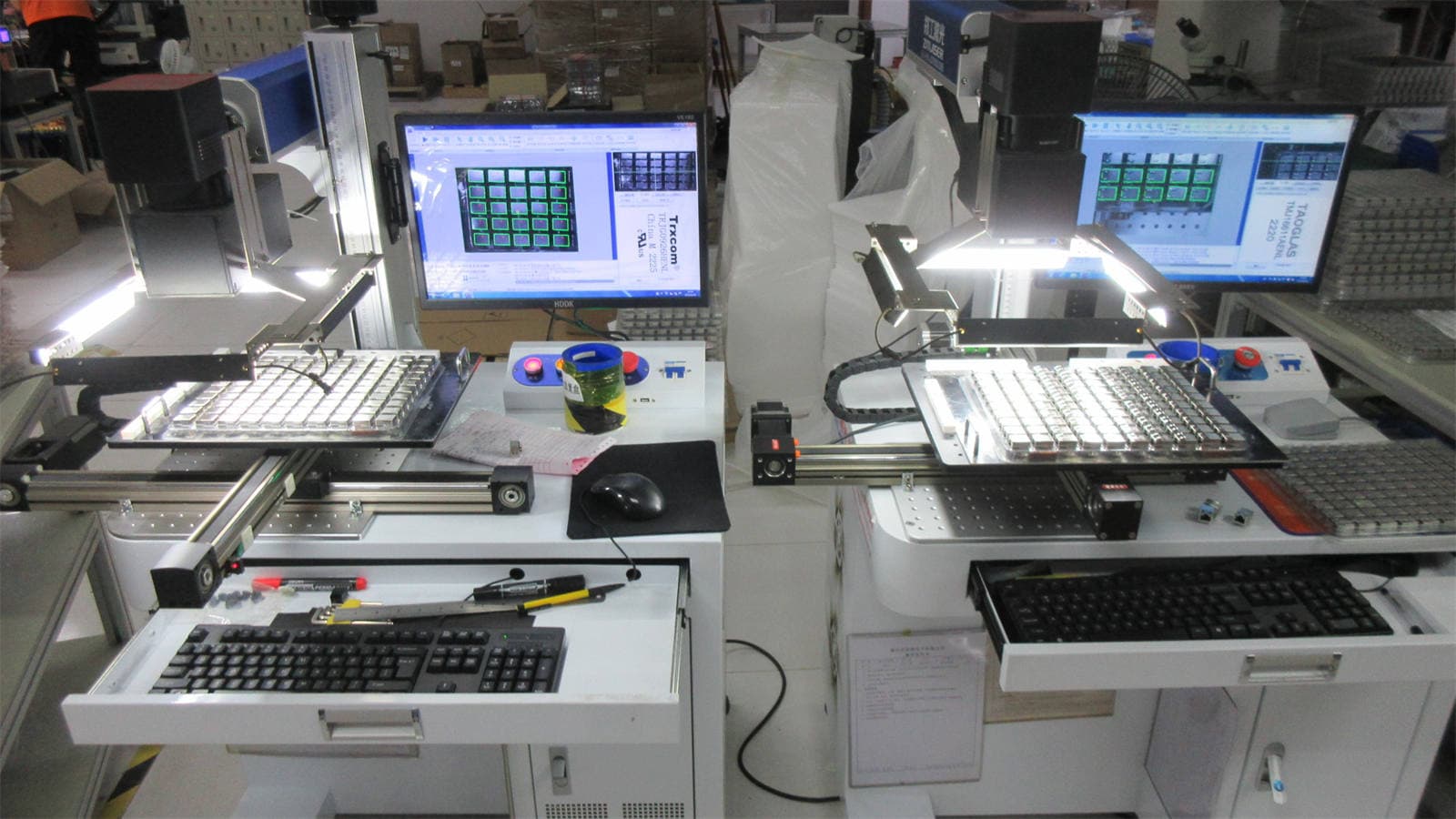
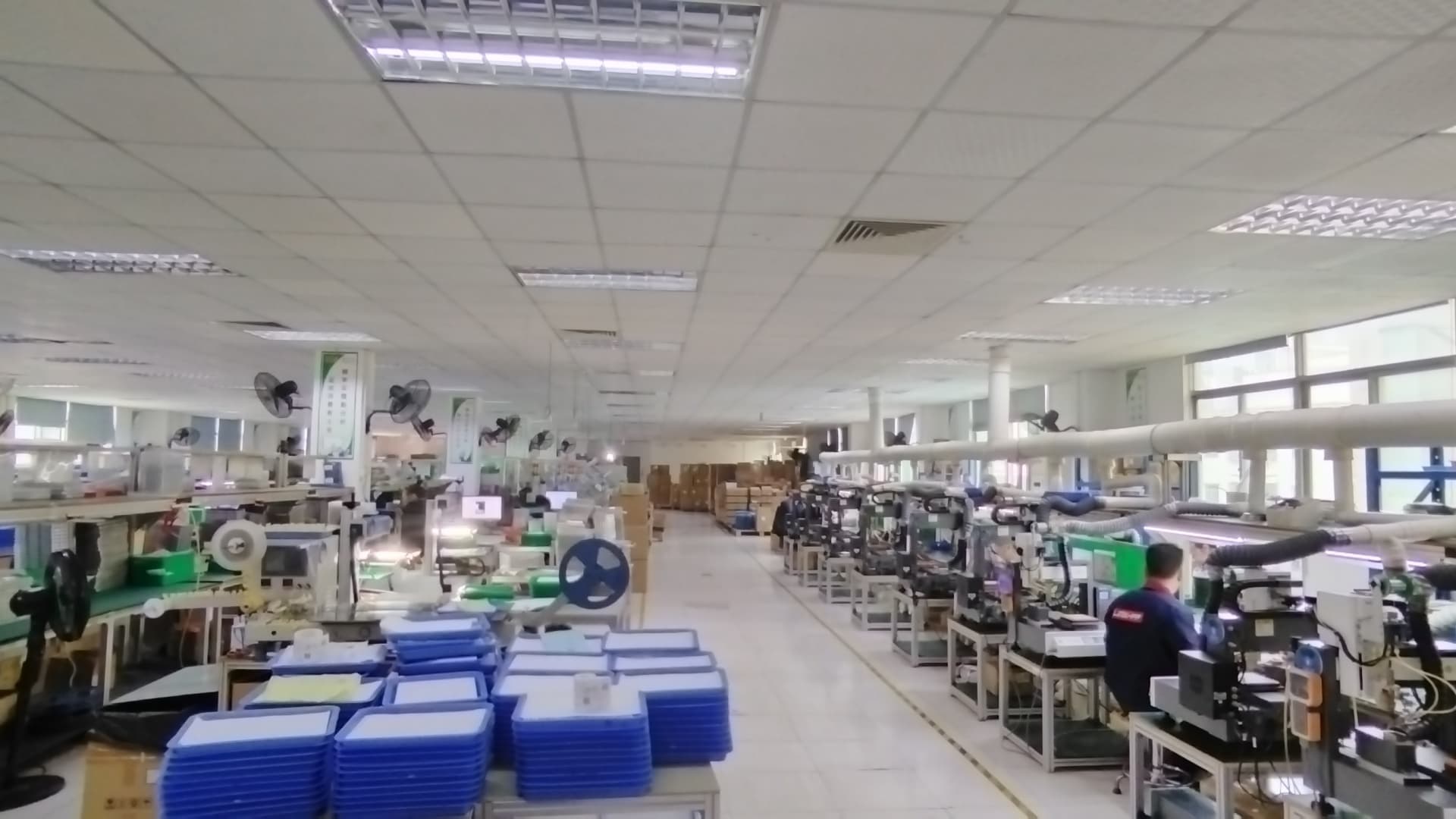
A step-by-step display of Lumopt Opto Technology's precision assembly lines and quality control processes. All transceivers and interconnect components undergo strict verification.
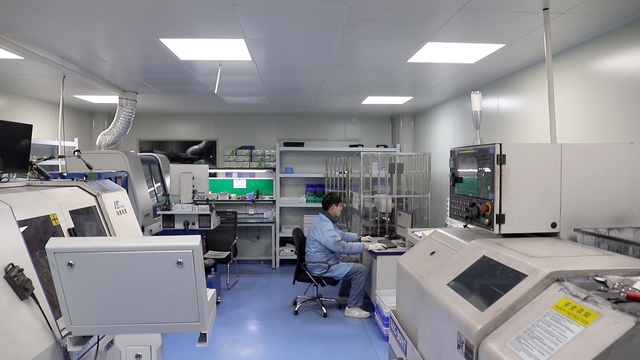
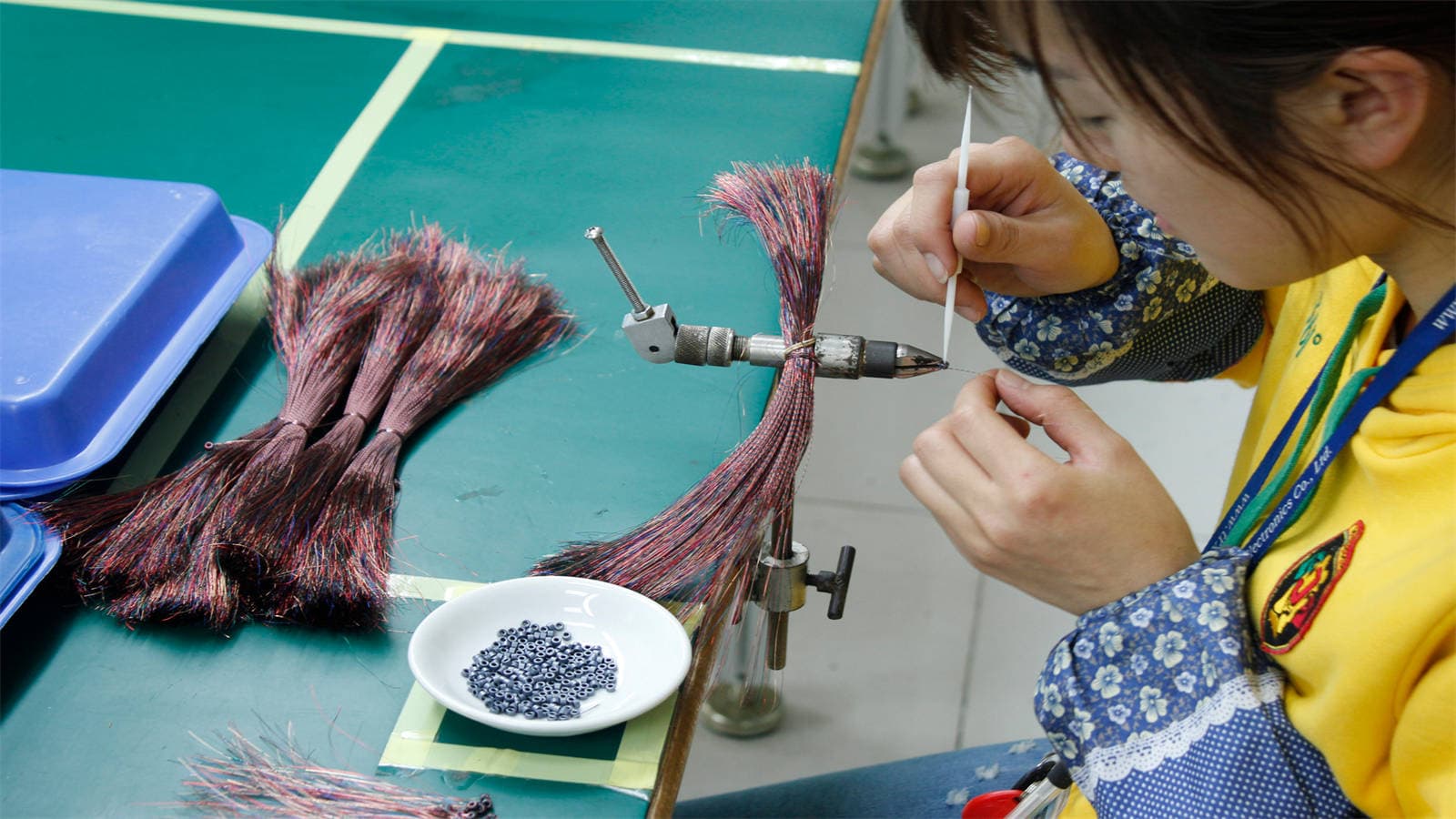
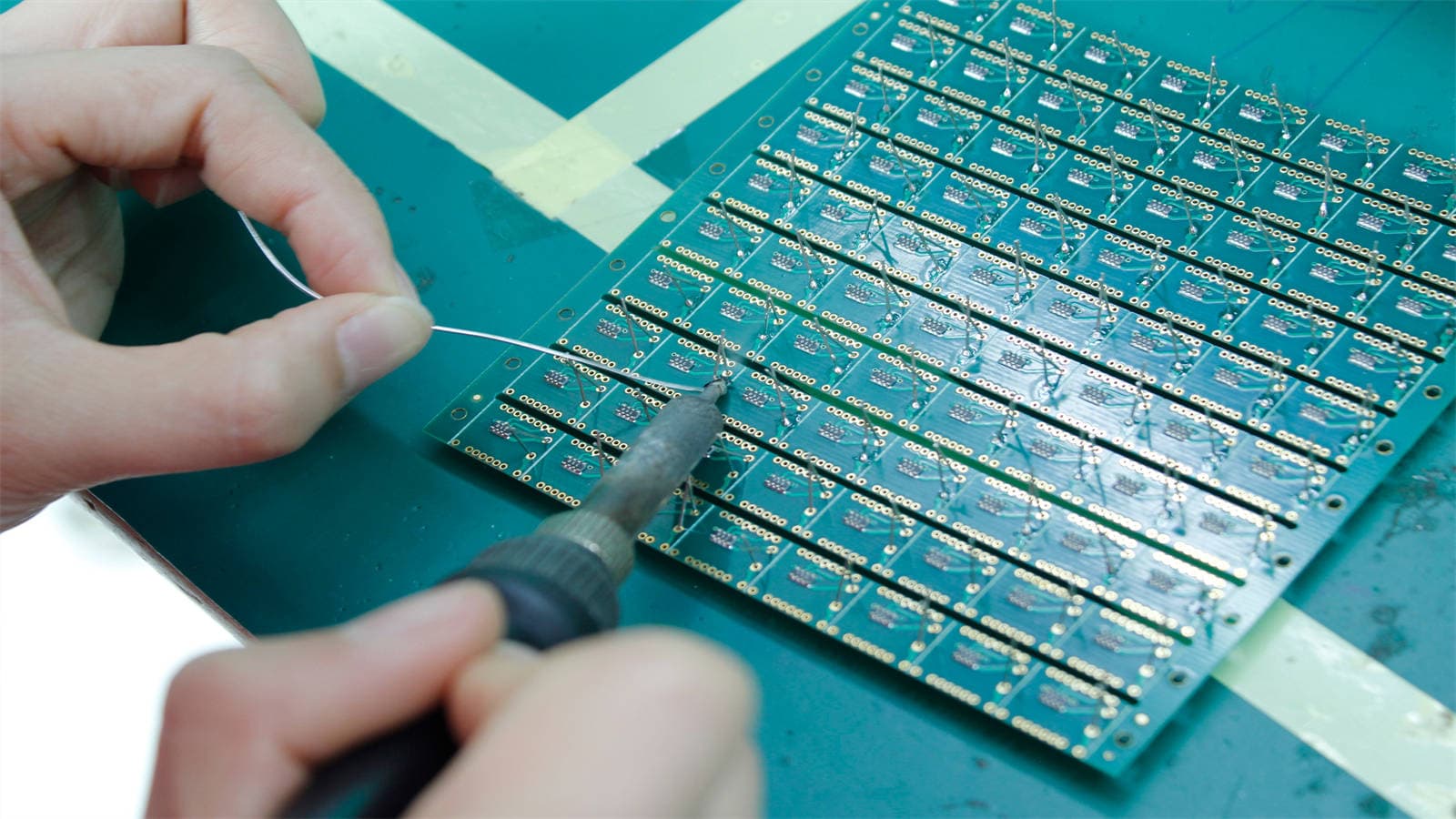
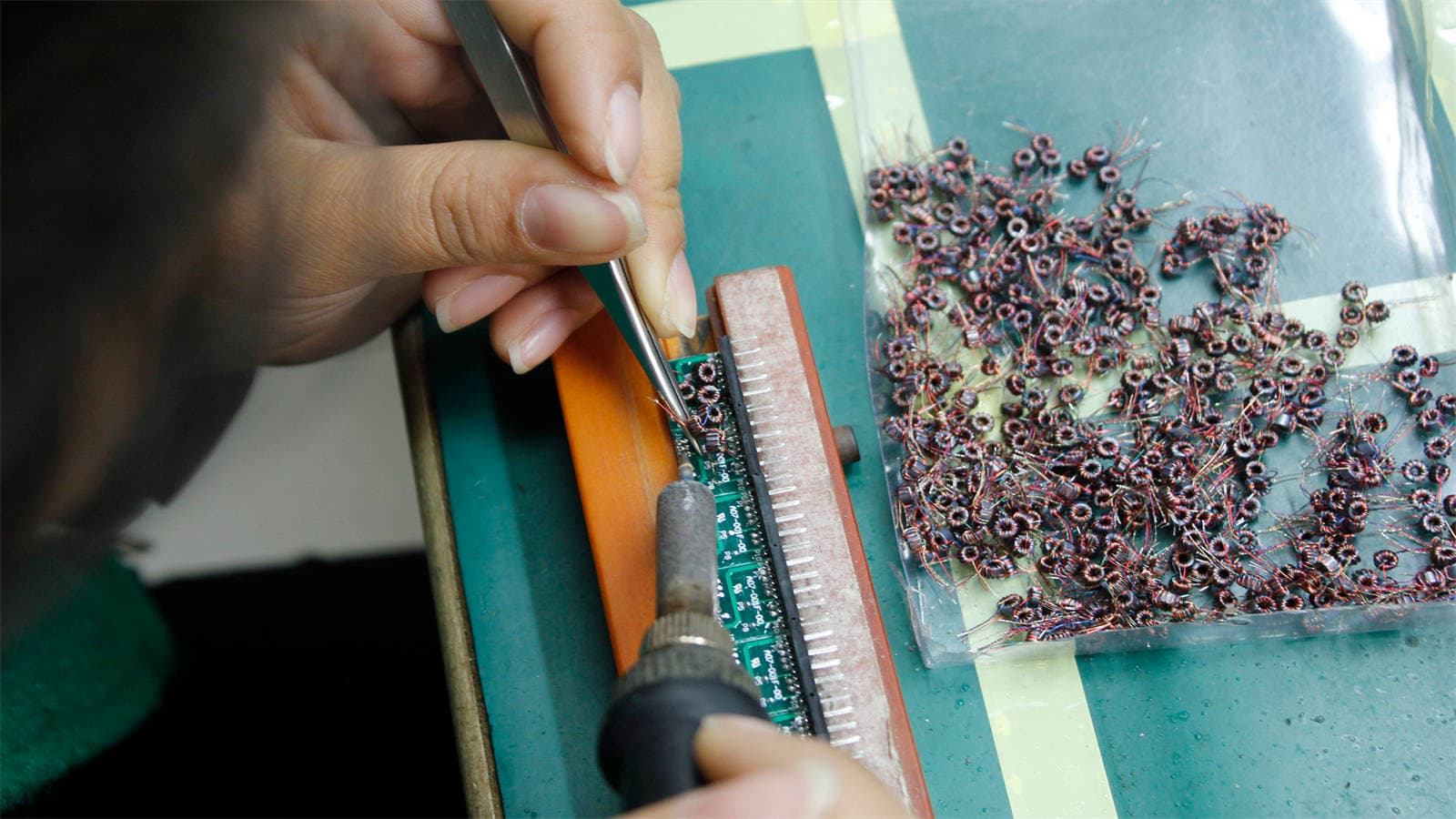
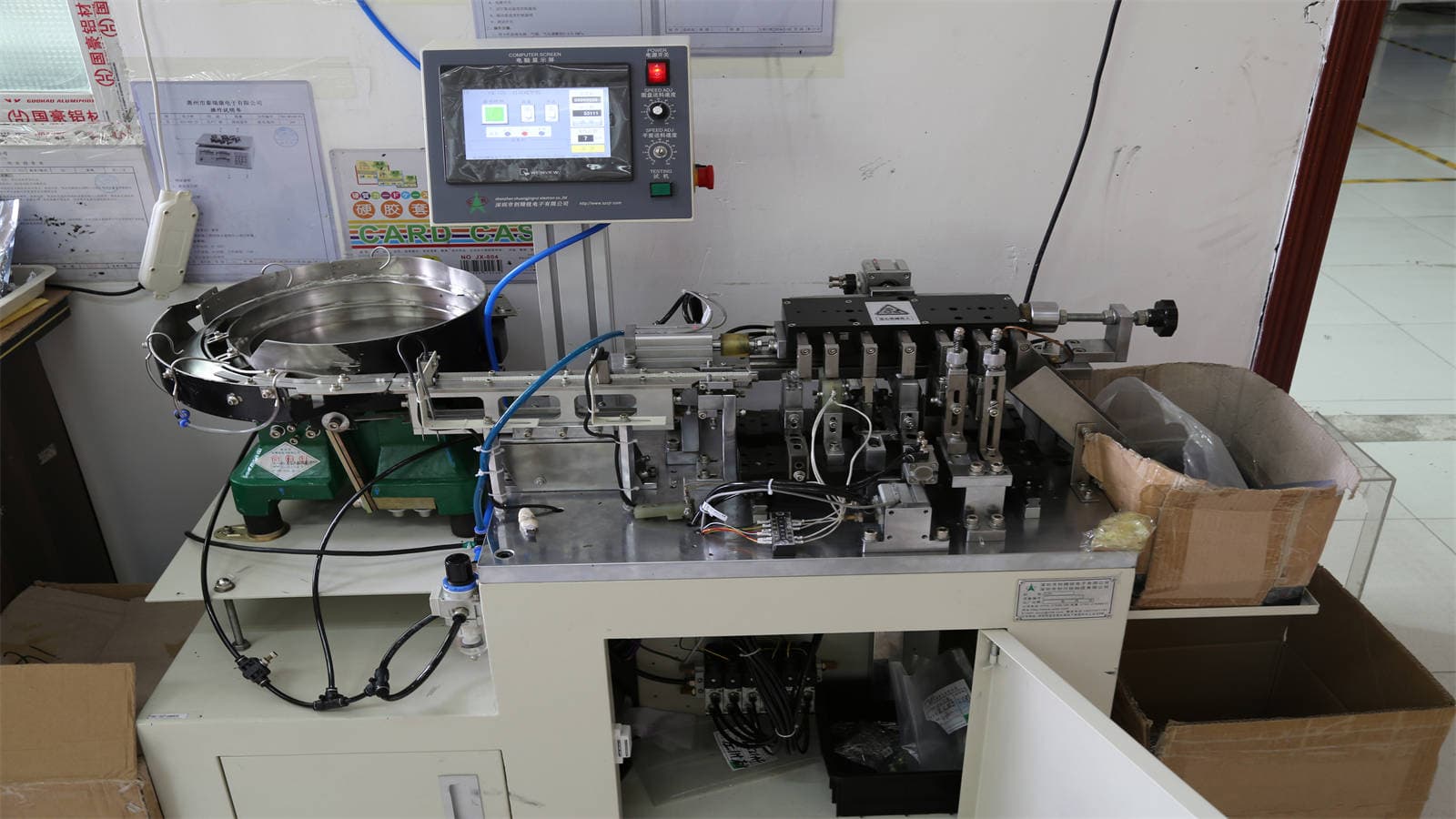
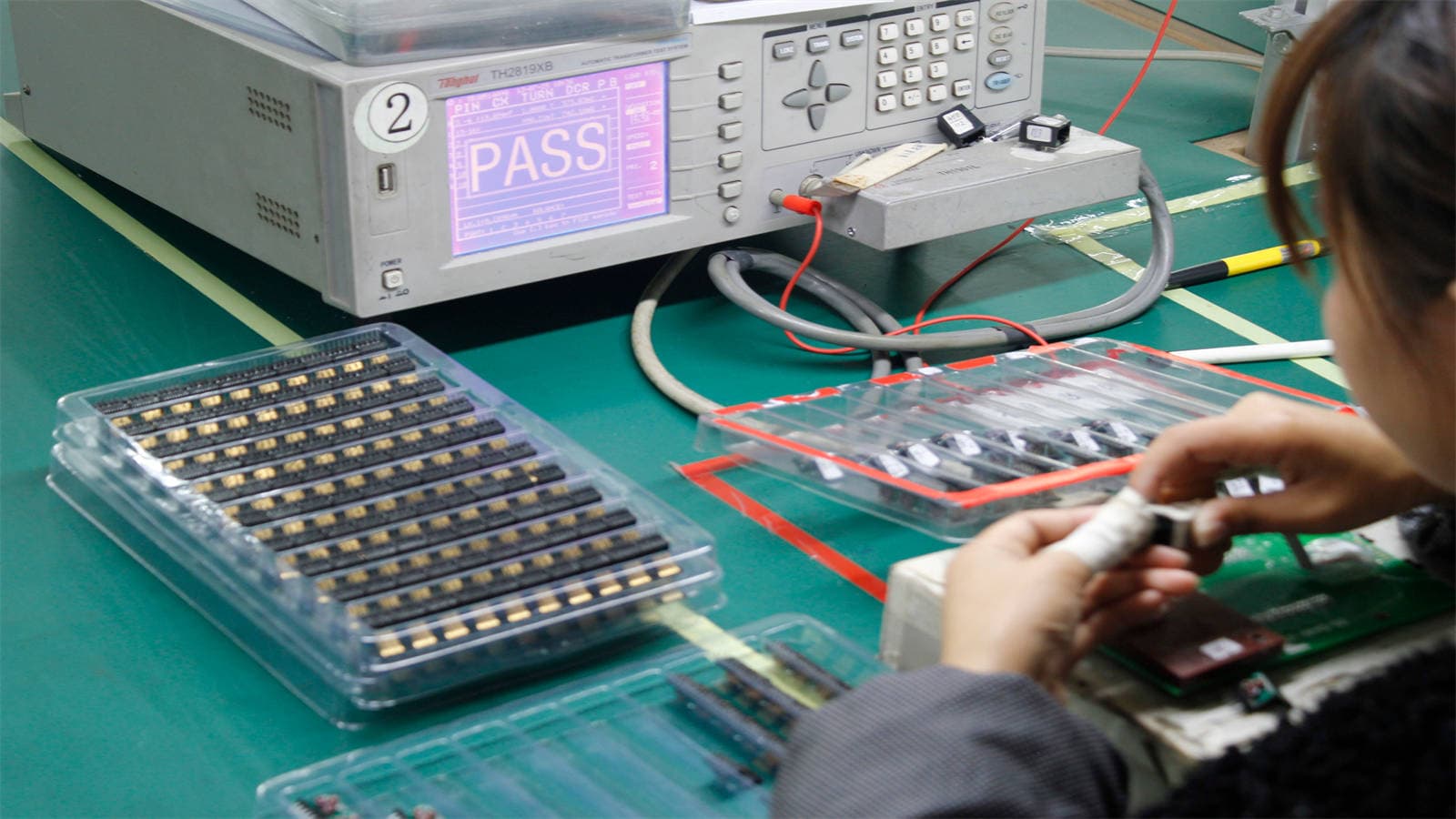
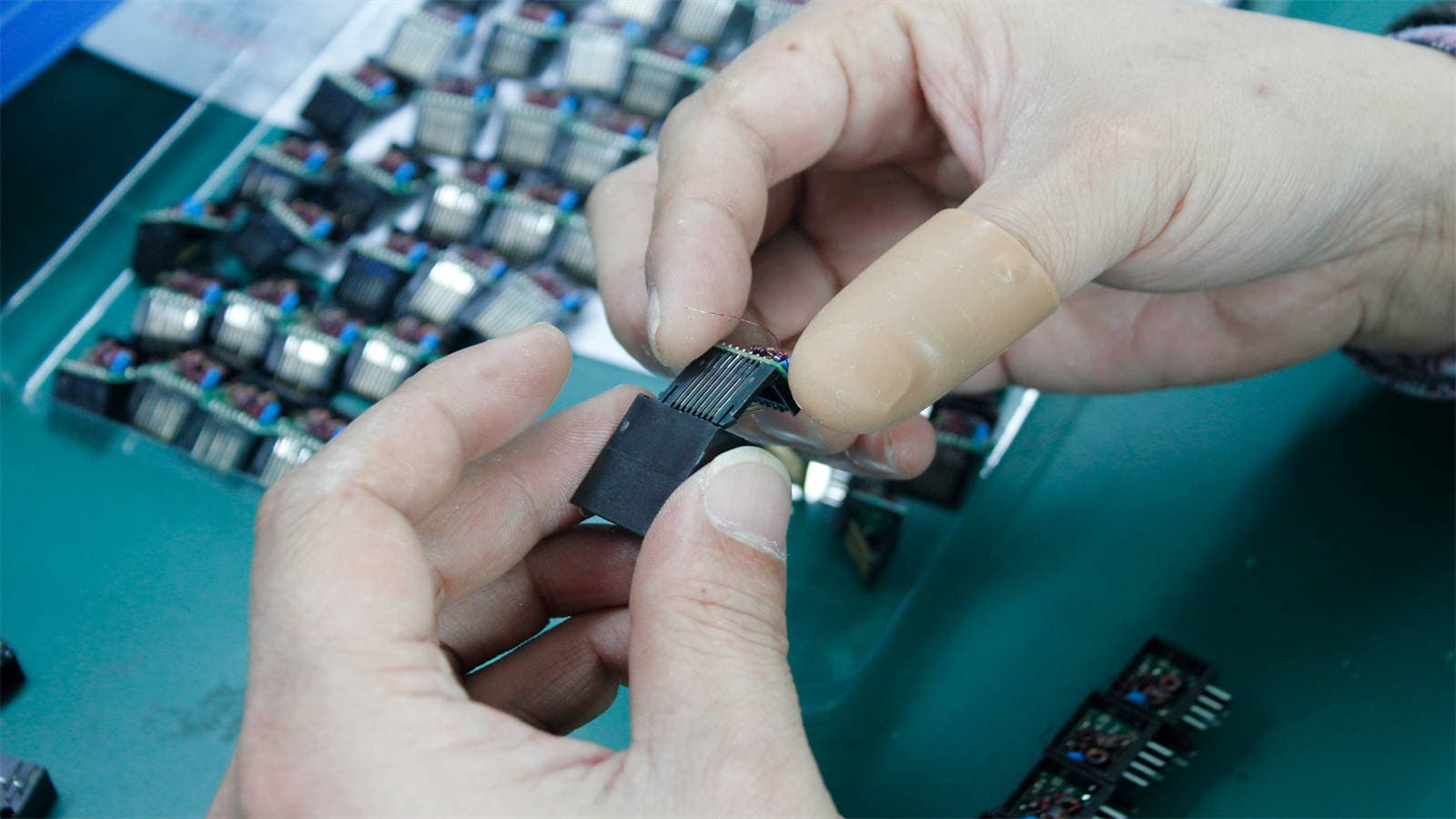
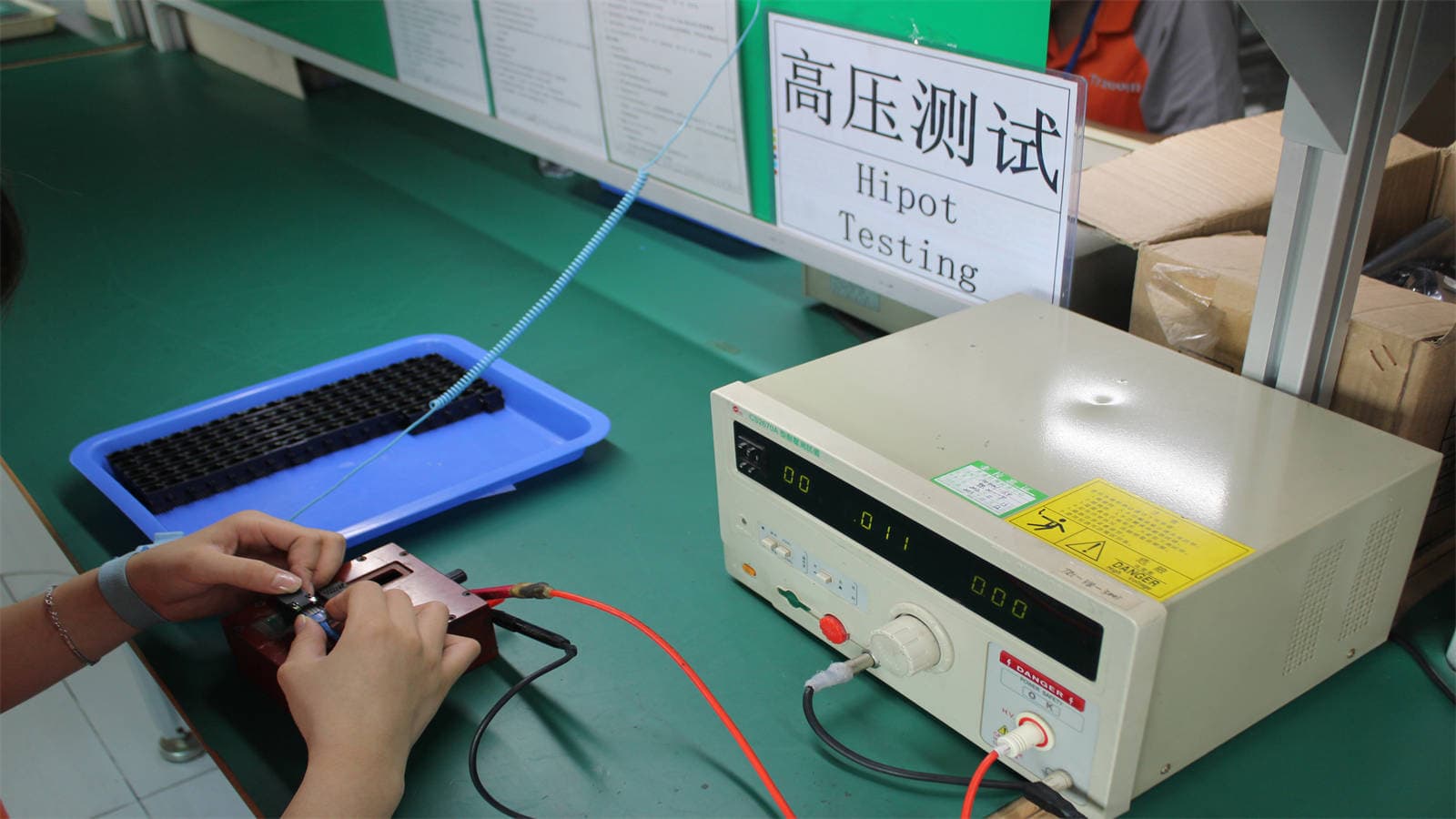
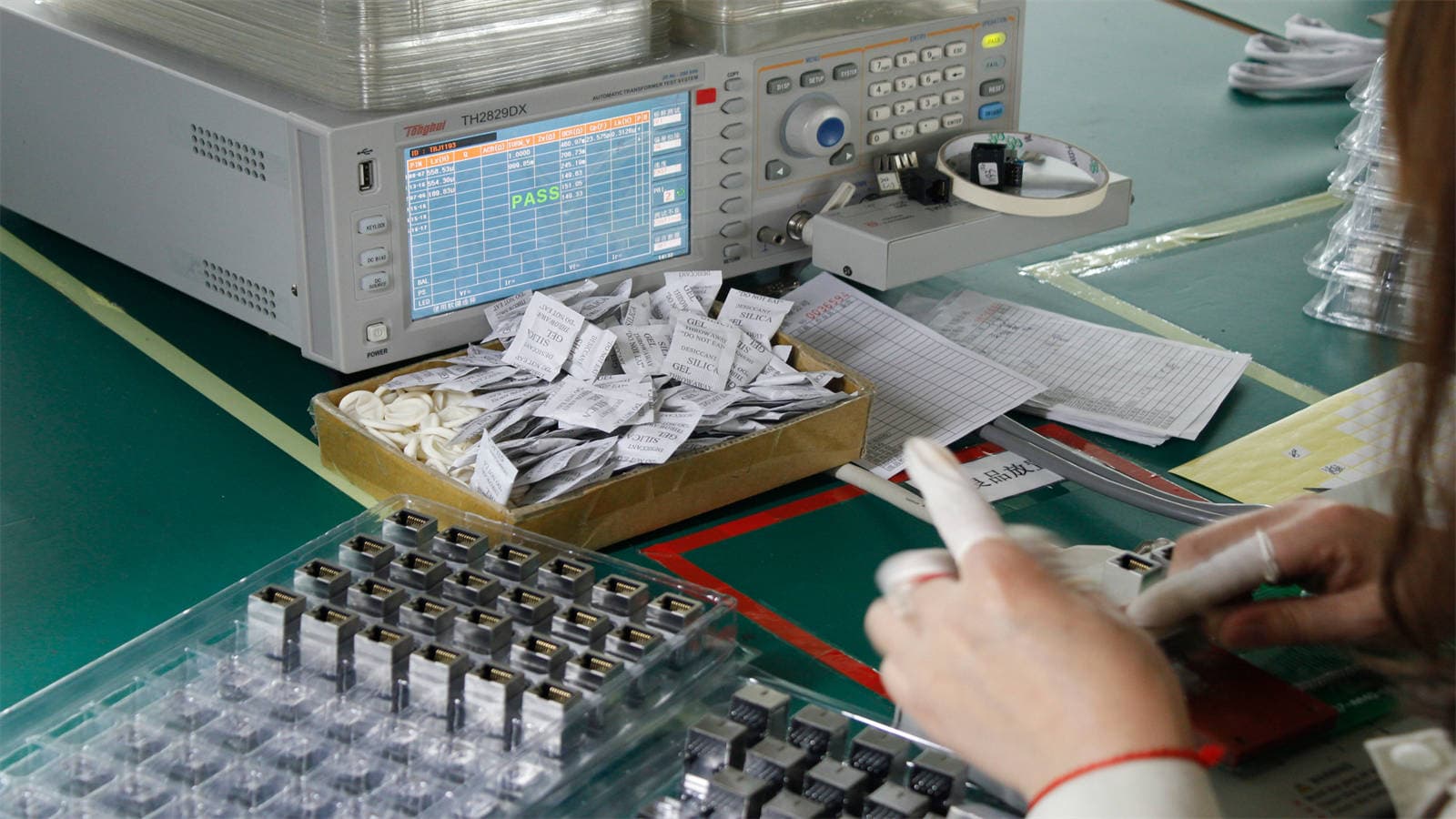
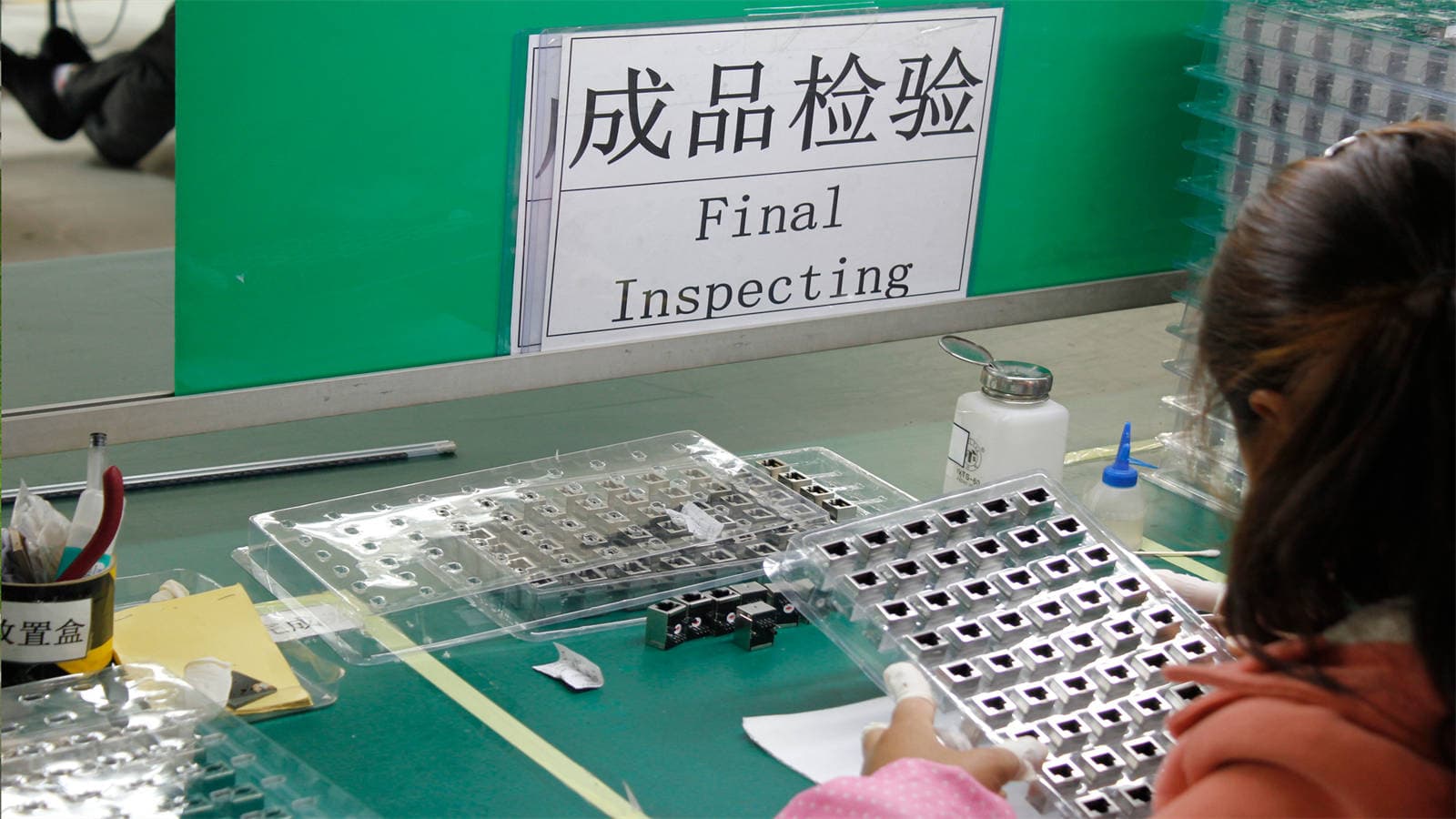
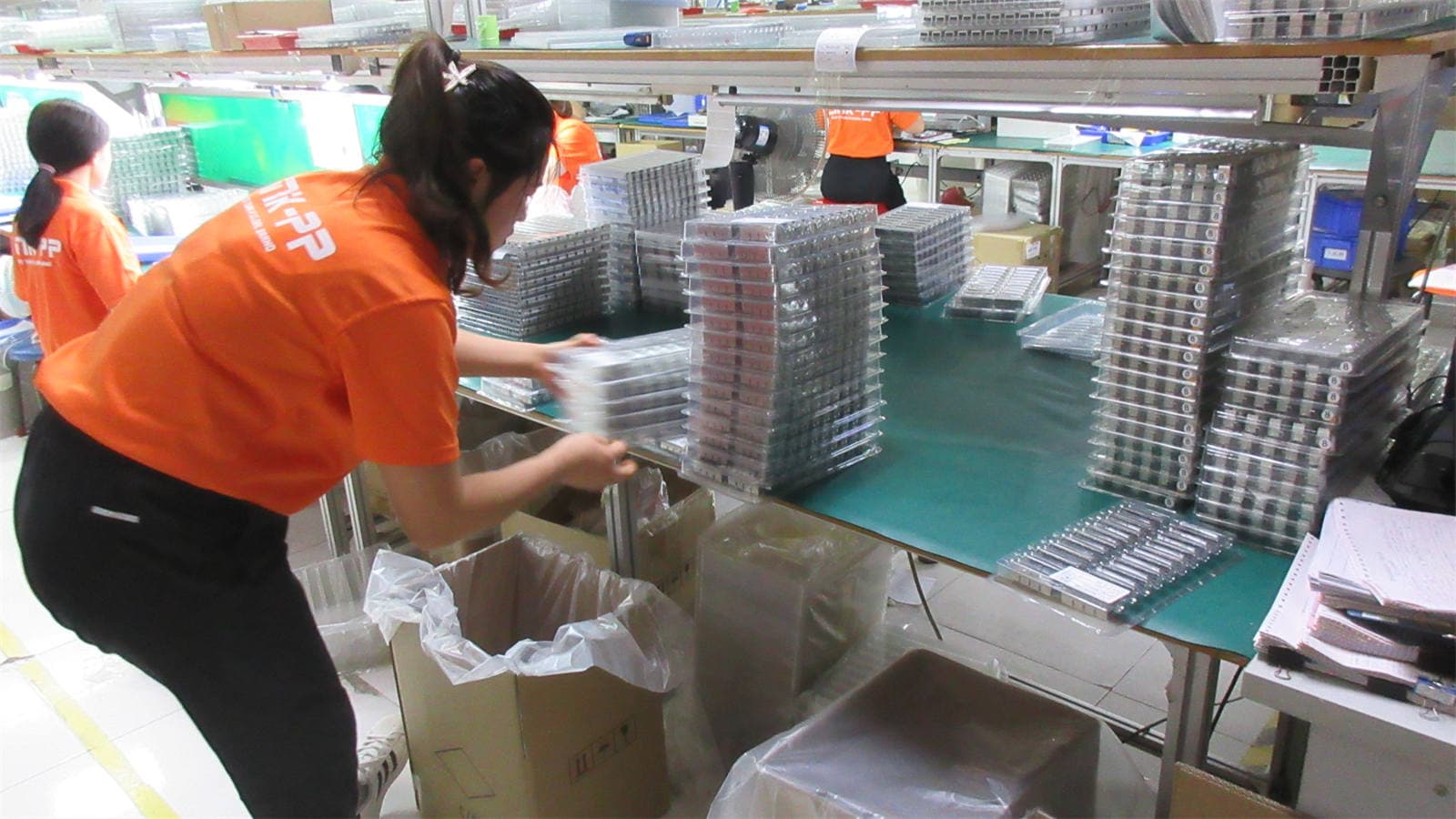
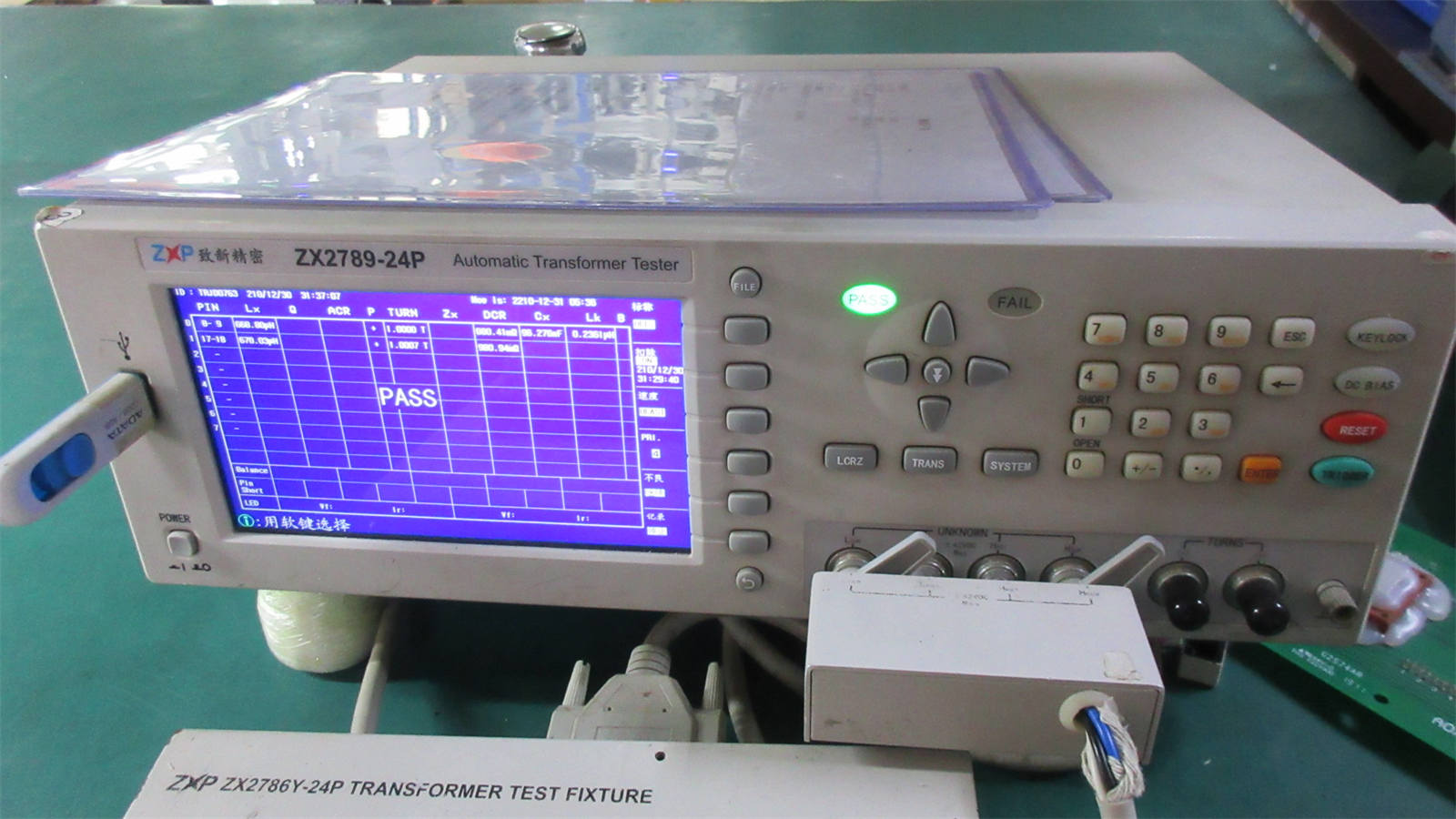
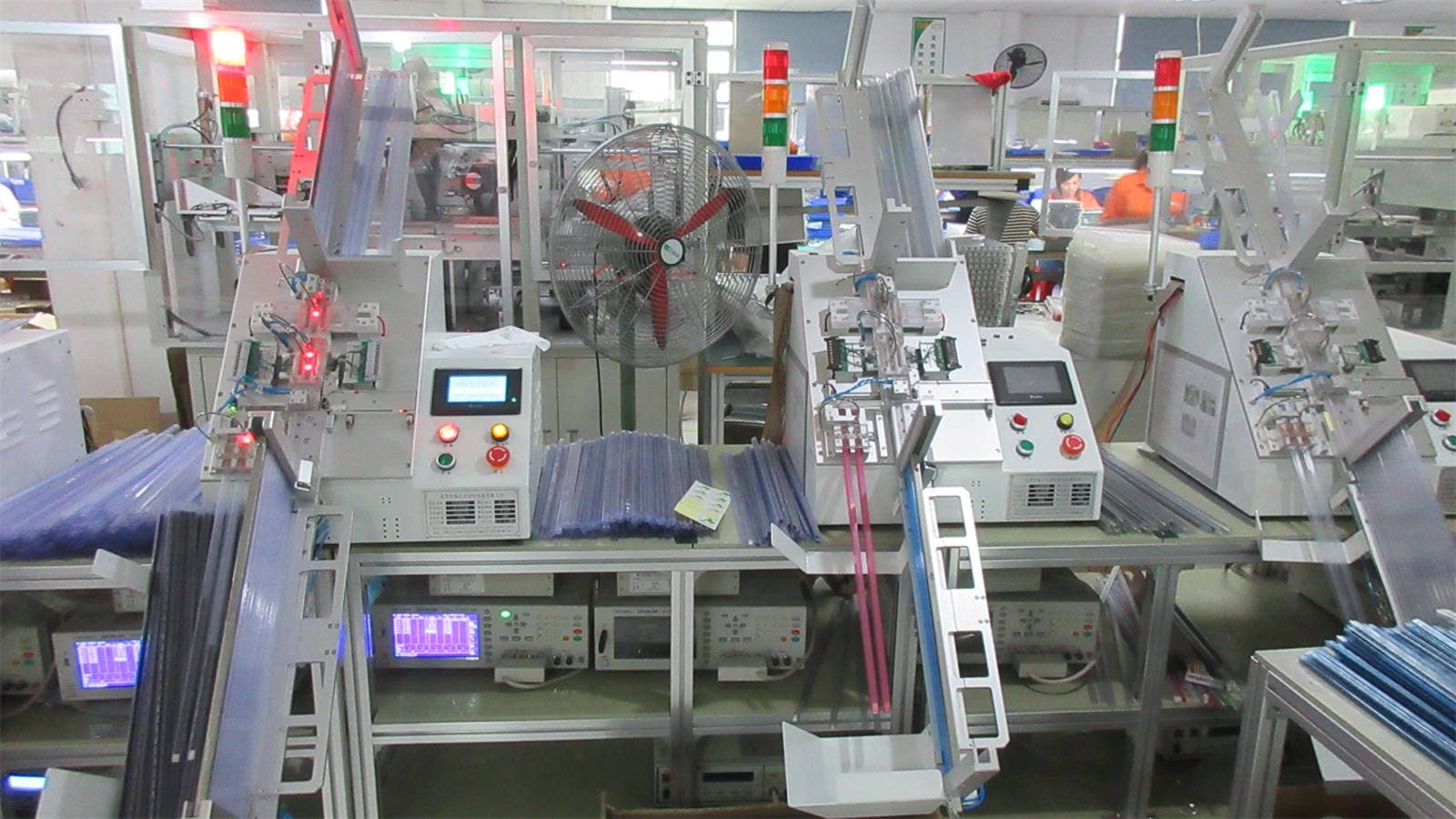
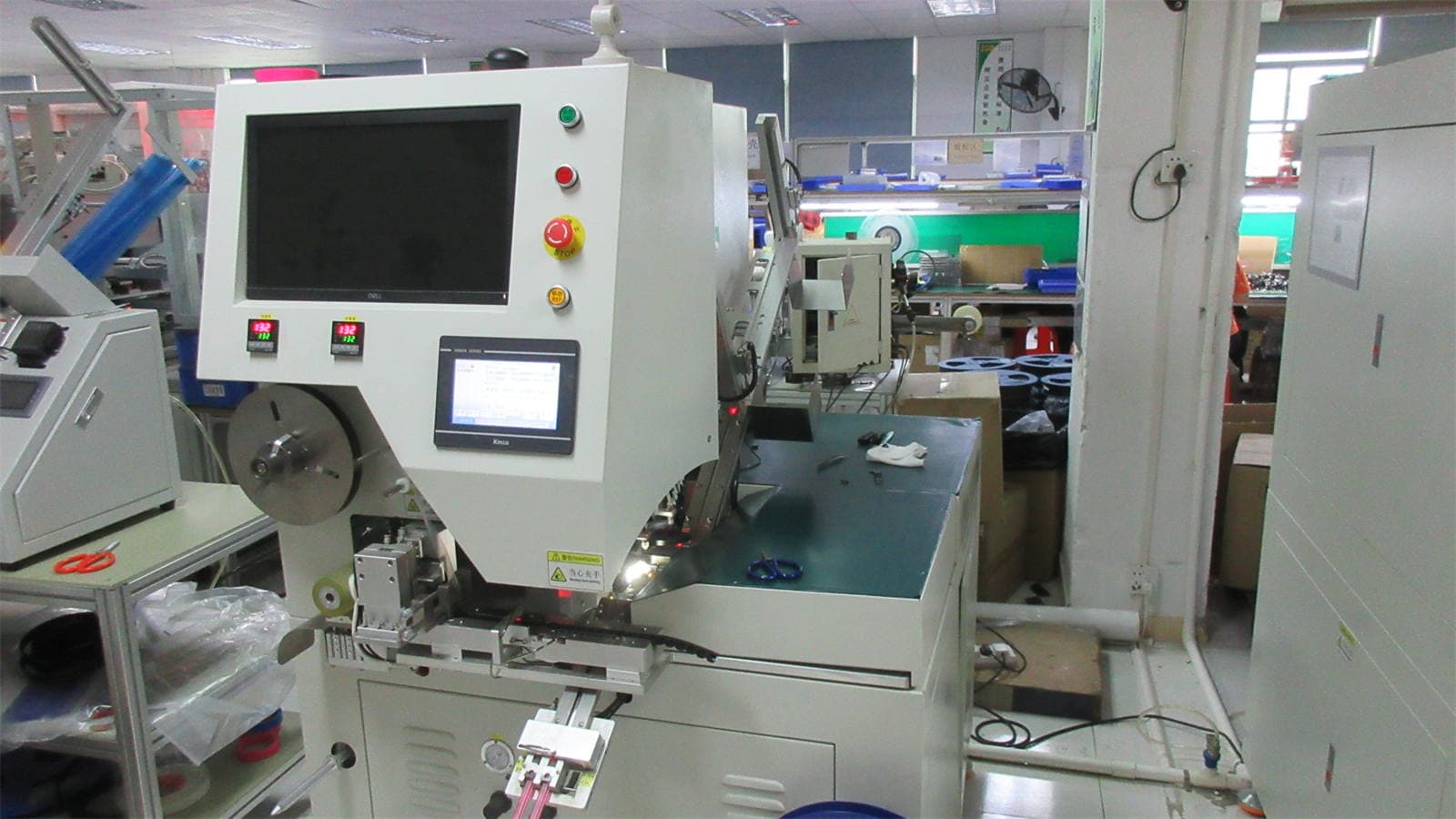
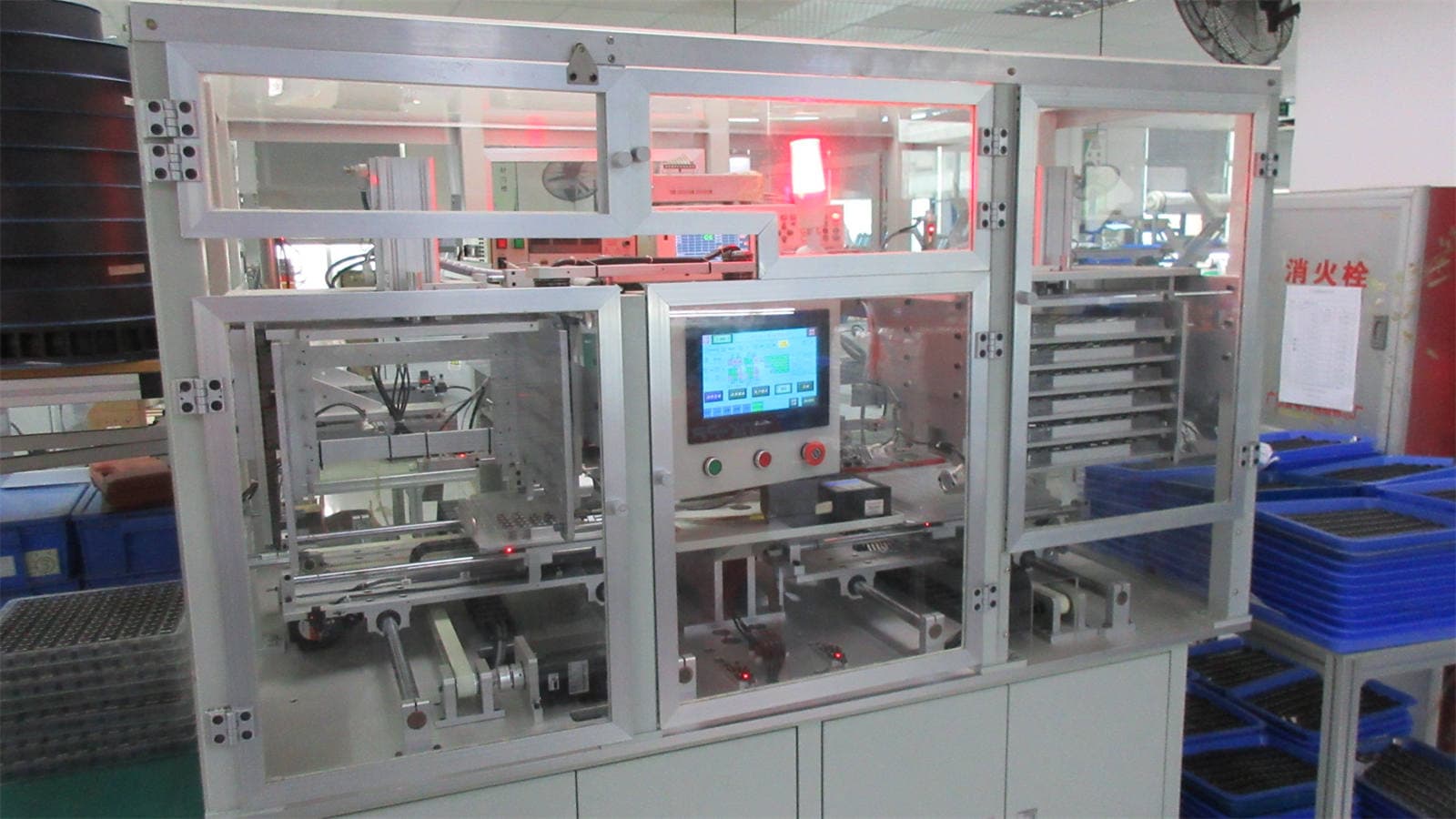
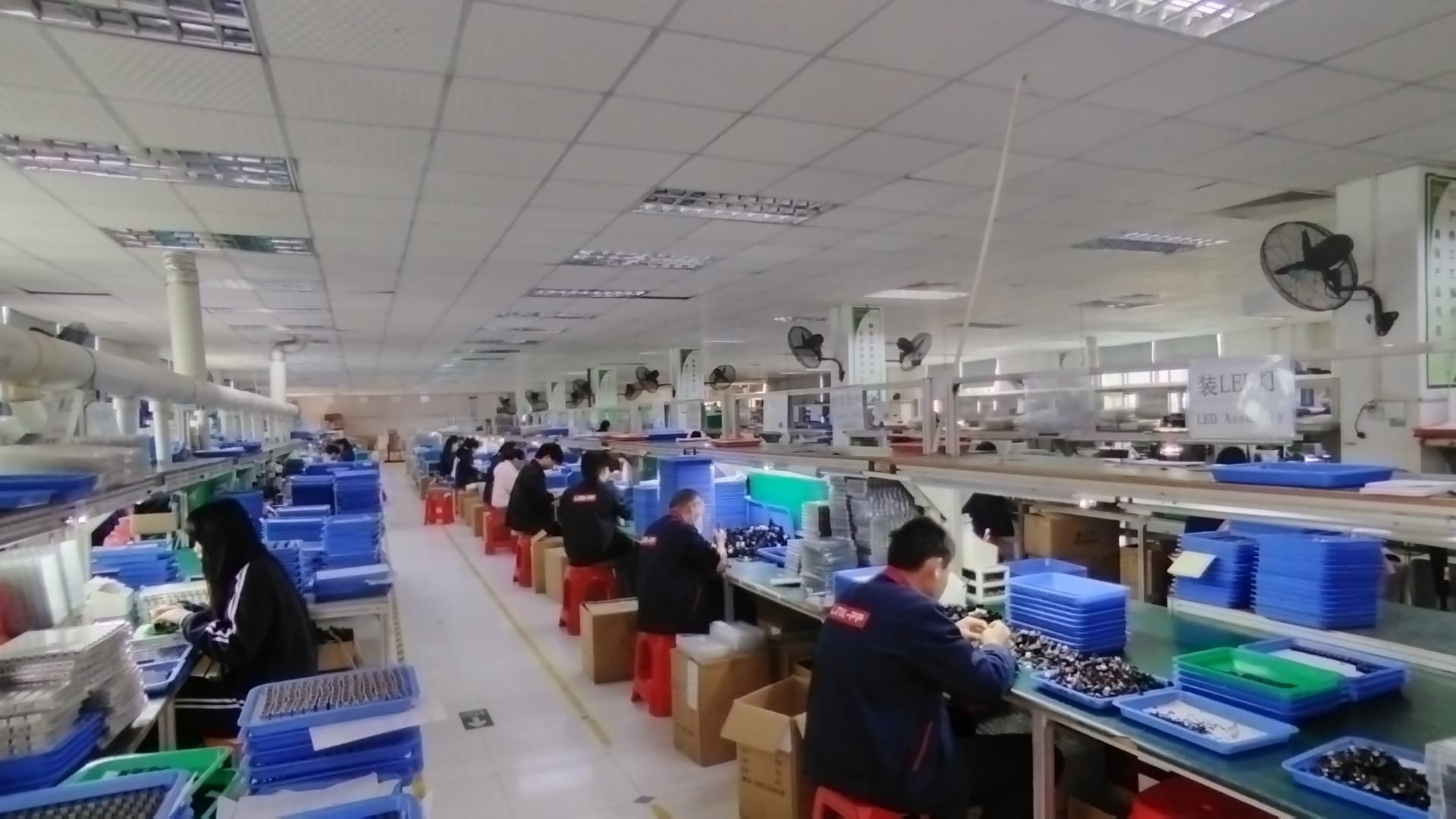
High-performance SFP cages are utilized across a wide variety of localized applications, each imposing distinct mechanical, thermal, and electrical constraints on the interconnect architecture:
In cloud environments, compute density is the primary driver. Switch backplanes feature rows of ganged (1xN) or stacked (2xN) SFP/QSFP cages mounted side-by-side. These configurations demand extremely low mechanical tolerances to prevent cumulative dimensional offset, which would block transceiver module insertion. SFP cage suppliers must also deliver multi-port configurations that optimize air bypass channels to ensure localized thermal hotspots do not occur.
Corporate data centers demand high reliability and resilience against power fluctuations. Cages deployed here often incorporate integrated light pipes to display system status, linking active channel ports directly to host-board LEDs. High-density structures rely on mechanical durability, where the cage mating system must sustain hundreds of hot-plug cycles without wearing out the host contact pads.
Outdoor telecommunication installations present harsh operating conditions. SFP cages must operate reliably in environments with wide temperature swings, high humidity, and salt spray. Suppliers addressing this market construct cages using highly corrosion-resistant materials such as copper-nickel alloys or apply specialized passivation layers. These designs prevent galvanic corrosion at the ground contact points on the PCB.
For hardware procurement managers, selecting an SFP cage supplier involves more than comparing pricing. Component quality directly impacts manufacturing yield and post-sales maintenance costs. A robust qualification framework should include the following core assessments:
Interoperability is crucial in optical networking. The SFP cage design must comply with the dimensional footprints defined by international MSAs (such as SFF-8432 for SFP+ cages and SFF-8663 for QSFP28 cages). Non-compliant configurations can lead to transceiver locking failures, electrical disconnects, or excessive insertion resistance.
The mechanical reliability of compliant pins is verified using push-out and retention force tests. Qualified suppliers document these metrics, ensuring the insertion force is low enough to prevent host PCB damage, while the retention force remains high enough to withstand repeated transceiver extraction cycles.
Suppliers should provide X-ray fluorescence (XRF) reports for plating thickness validation. These checks confirm that a nickel barrier layer of at least 1.27 microns is applied to prevent copper migration, and that the top tin plating contains organic anti-whisker additives.
Materials used in SFP cages must comply with hazardous substances regulations. Sourcing teams should verify that all plastic components (such as light-pipe housings and internal structural insulators) are made from high-temperature liquid crystal polymers (LCP) capable of withstanding lead-free reflow profile temperatures up to 260°C.
As networks transition to 800 Gbps and 1.6 Tbps architectures, traditional pluggable form factors face physical limitations in thermal management and high-frequency signal attenuation. Co-packaged Optics (CPO) and Near-Packaged Optics (NPO) are emerging to address these issues, positioning optical engines directly on the substrate hosting the switch ASIC. This reduces trace lengths and minimizes electrical signal loss.
However, pluggable form factors like OSFP112 and QSFP-DD800 remain critical due to their ease of maintenance and field-upgradability. SFP cage design is adapting to these higher speeds through integrated liquid cooling channels, advanced internal EMI gaskets, and optimized contact designs that minimize capacitance. Leading SFP cage suppliers are investing heavily in electromagnetic simulation tools (such as HFSS) to analyze and optimize insertion loss and crosstalk at frequencies up to 56 GHz (PAM4).
Technical answers regarding SFP cage shielding, installation processes, materials, and mechanical standards.
Explore our complete range of optical transceivers and connector components, built to support reliable high-bandwidth network connectivity.