Lumopt
Lumopt
Lumopt
High-reliability optical transmission modules optimized for legacy system maintenance, enterprise networking, and rugged industrial topologies.
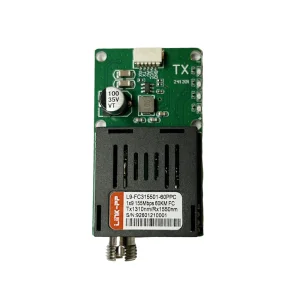
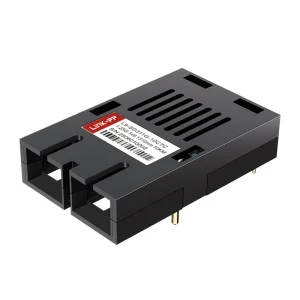
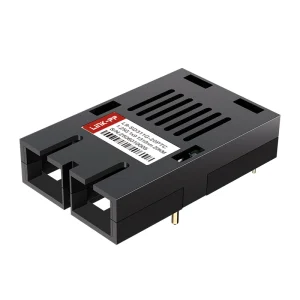
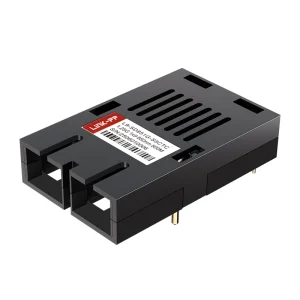
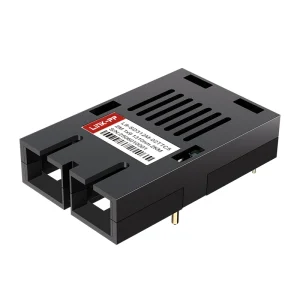
In the rapidly evolving realm of optical communication, where 400G, 800G, and 1.6T hot-pluggable form factors dominate hyper-scale data center dialogues, the 1x9 optical transceiver remains an indispensable, highly resilient cornerstone of industrial, military, and infrastructural telecommunications. Developed originally as a standardized single-row 9-pin package, the 1x9 format stands as a classic embodiment of optical electrical co-design, optimized not for density, but for physical robustness, permanent system soldering, and high immunity to electrical interference.
Unlike pluggable form factors such as SFP, SFP+, or QSFP which are designed for dynamic hot-swapping in clean data centers, 1x9 transceivers are typically soldered directly onto the printed circuit boards (PCBs) of host systems. This mechanical permanence guarantees electrical contact reliability in high-vibration, high-shock environments, making 1x9 modules the primary architecture for train signaling controls, intelligent substation automation (IEC 61850 standard), marine electronics, and aerospace telecommunication systems. The global market maintains a continuous, robust demand for these modules, fueled by legacy grid renovations, high-speed rail expansions, and military-grade command networks across North America, the European Union, and the Asia-Pacific region.
Pinout configurations typically conform to industry standards: Pin 1 (Receiver Ground), Pin 2 (Rx Data Out), Pin 3 (Rx Data Out Bar), Pin 4 (Signal Detect/SD), Pin 5 (Rx Power Vcc), Pin 6 (Tx Power Vcc), Pin 7 (Tx Data In Bar), Pin 8 (Tx Data In), and Pin 9 (Transmitter Ground). Signal Detect outputs can be configured to PECL, LVPECL, or TTL levels based on host board requirements.
Exploring the physical layers of single-mode and multi-mode optical transmission across distances of 500m to 80km.
The transmission range, data capacity, and signal integrity of a 1x9 transceiver are heavily dictated by its electro-optical engine. Designers select from a matrix of light sources, receiver modules, and fiber medium standards (SMF vs. MMF) to solve specific link budget challenges. Below, we break down the operational parameters of standard 1x9 configurations:
| Module Type | Data Rate | Wavelength (Tx/Rx) | Fiber Medium | Max Reach | Optical Interface | Typical Applications |
|---|---|---|---|---|---|---|
| 125G 1310nm Duplex SMF | 1.25 Gbps (Gigabit) | 1310nm / 1310nm | 9/125µm SMF | 10km / 20km | SC Duplex | Substation backbones, Ring topologies |
| 125G 850nm Duplex MMF | 1.25 Gbps (Gigabit) | 850nm / 850nm | 50/125µm or 62.5/125µm MMF | 500m | SC Duplex | Intra-cabinet interconnects, Short LAN lines |
| 125G 1310nm Duplex MMF | 1.25 Gbps (Gigabit) | 1310nm / 1310nm | MMF (50µm/62.5µm) | 2km | SC Duplex | Industrial campus networks, Legacy LAN links |
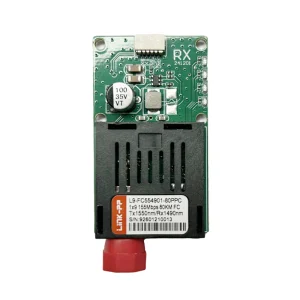
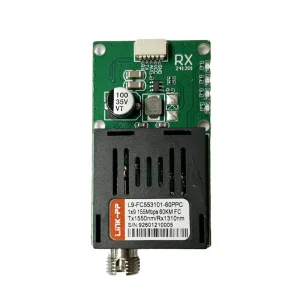
| 155M BiDi 1310T/1550R SMF | 155 Mbps (Fast Eth / OC-3) | Tx: 1310nm / Rx: 1550nm | 9/125µm SMF | 60km | FC / SC Simplex | Air/Ground communications, long-range utility lines |
| 155M BiDi 1550T/1310R SMF | 155 Mbps (Fast Eth / OC-3) | Tx: 1550nm / Rx: 1310nm | 9/125µm SMF | 60km | FC / SC Simplex | Paired BiDi terminal nodes for single-fiber saving |
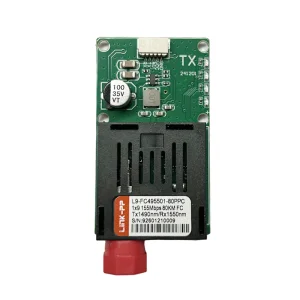
| 155M BiDi 1490T/1550R SMF | 155 Mbps (Fast Eth) | Tx: 1490nm / Rx: 1550nm | 9/125µm SMF | 80km | FC Simplex / ST | Ultra-long haul industrial controls, telemetry |
One of the most cost-effective innovations in legacy industrial optical links is the transition from duplex fiber communication to BiDi (Bidirectional) communication. Standard duplex networks require two fibers—one for transmitting (Tx) and one for receiving (Rx). A 1x9 BiDi transceiver, however, uses a built-in Wavelength Division Multiplexing (WDM) diplexer to transmit and receive signals on different wavelengths over a single strand of fiber (for example, transmitting at 1310nm and receiving at 1550nm, or vice versa). This effectively halves fiber installation costs or allows system integrators to double system capacity using existing single-fiber configurations.
For ultra-long-distance scenarios, such as 60km to 80km links, optical power budgets become extremely tight. Lumopt's advanced 1x9 transceivers utilize high-power Distributed Feedback (DFB) lasers and highly sensitive Avalanche Photodiodes (APDs) or PIN-TIA receivers to maintain low Bit Error Rates (BER) even through high attenuation paths, compensating for splice losses and fiber aging in rugged outdoors.
Enclosed in high-shielding plastic housings or metal housings to block ambient radio frequency interference (RFI) common in power plants and factory floors.
Choose between standard TTL levels (0-5V) for simple microprocessor connection, or differential PECL levels for high-speed differential noise rejection.
Widely deployed in professional high-definition SDI/ASI video transmission, telemetry networks, and industrial intercom arrays requiring zero latency.
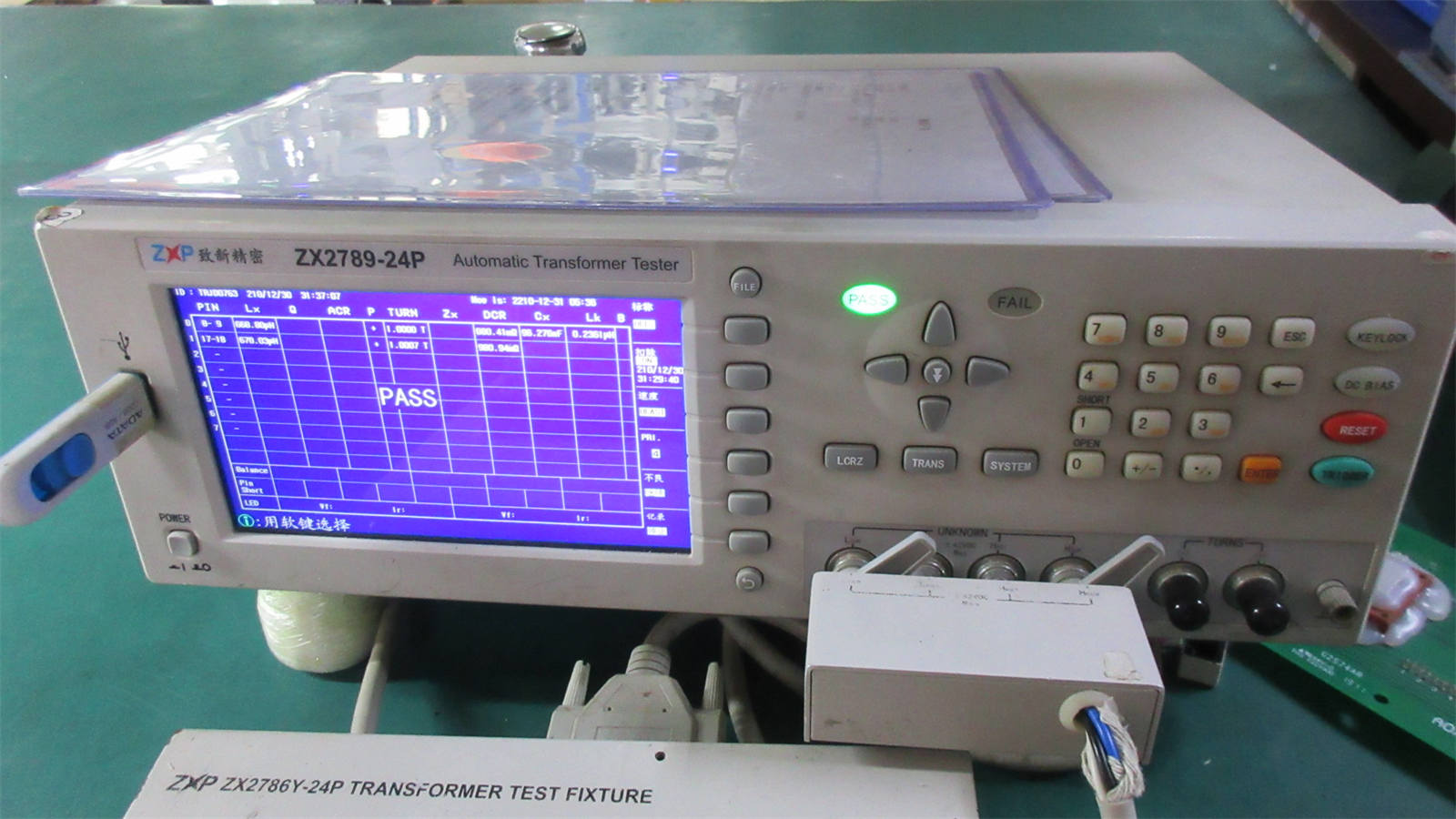
Adhering to strict international standards, every optical transceiver undergoes meticulous electrical, optical, and environmental stress screening.


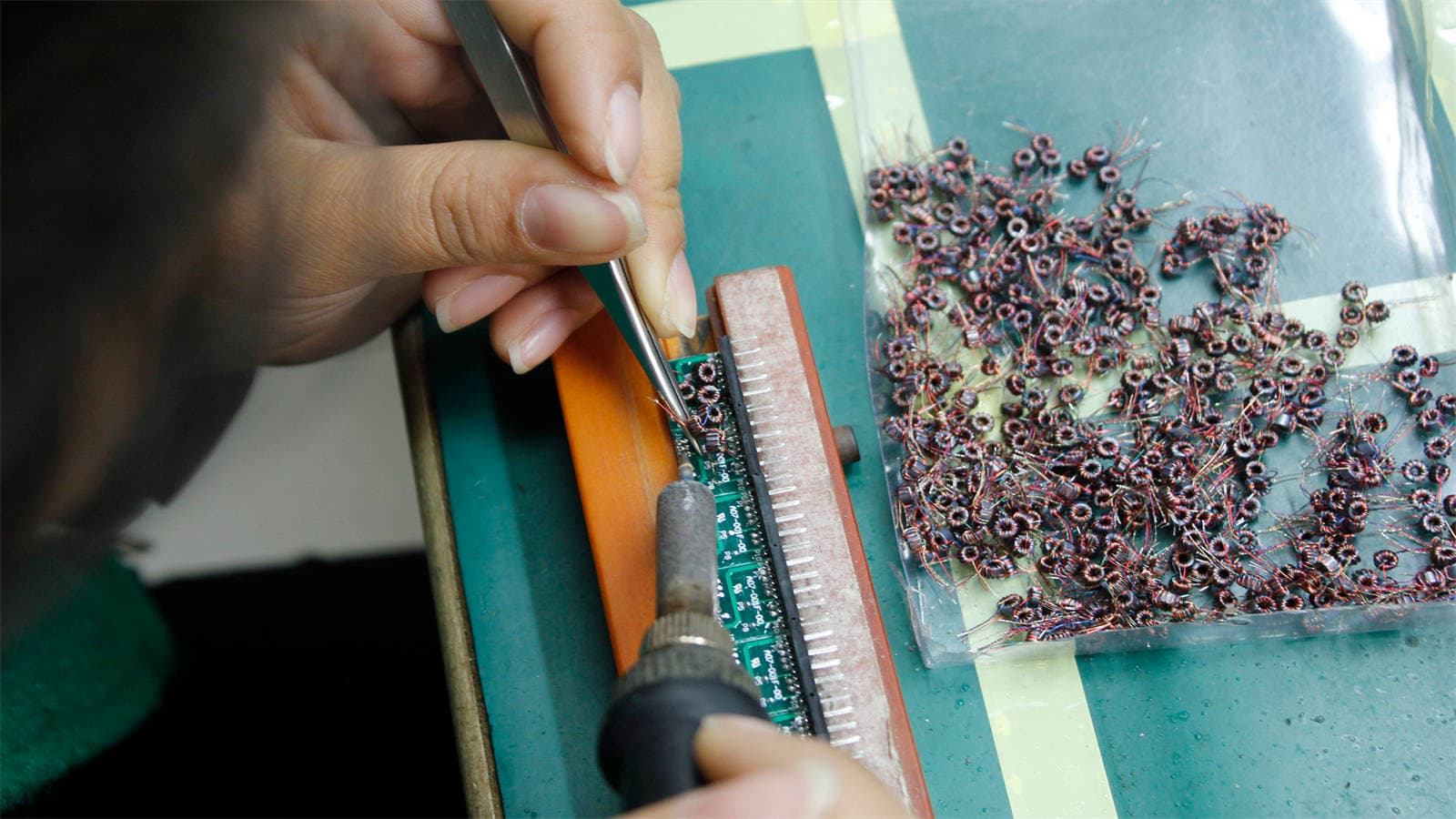
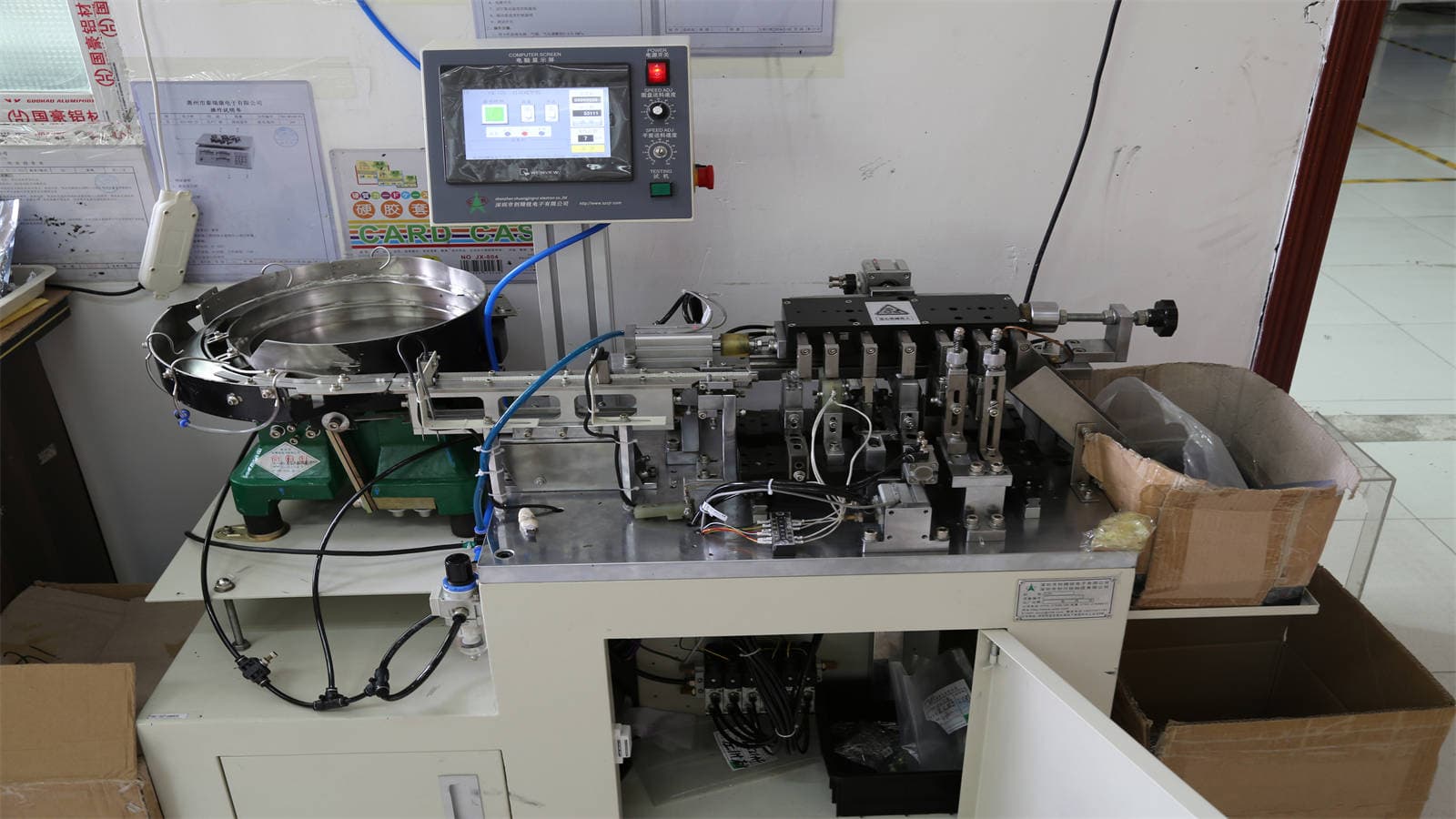


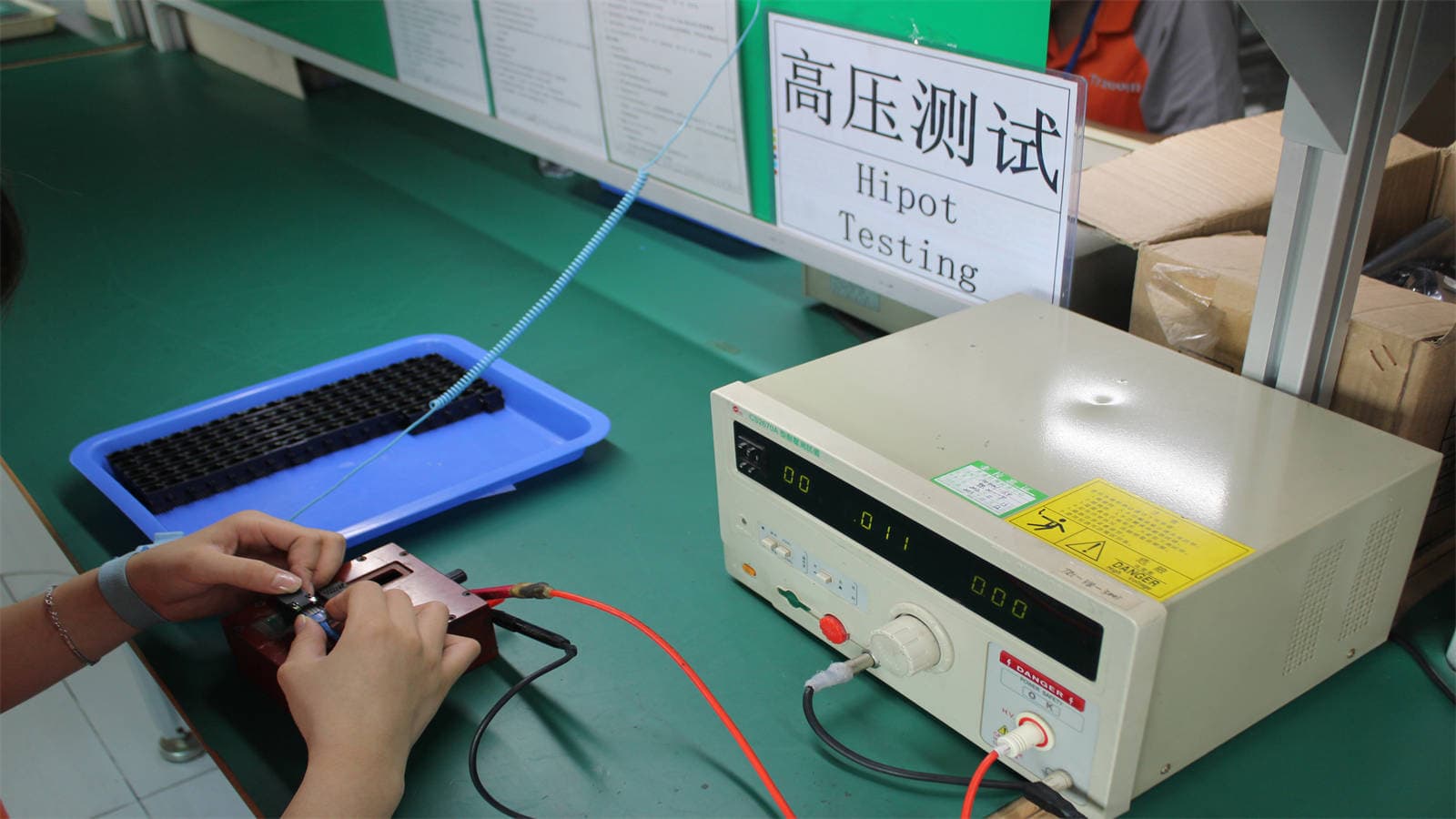



Ensuring 100% compliance with optical emission standards, voltage tolerances, and interface performance parameters.







Lumopt Opto Technology Co., Ltd. — Your Trusted Manufacturing Partner for End-to-End Fiber Optical Connectivity
Lumopt Opto Technology Co., Ltd., registered as Luguang Communication Technology Co., Ltd. in China, is a professional Chinese manufacturer and exporter specializing in high-performance optical transceivers. We focus on the R&D, production and customization of full-series optical modules covering 10G, 25G, 100G, 400G, 800G and 1.6T products, which are widely applied in data centers, telecom networks, cloud computing, AI computing equipment and enterprise communication systems.
Equipped with standardized dust-free production workshops, advanced automatic testing equipment and a professional technical R&D team, we implement strict quality control throughout the whole production process. All our optical transceivers comply with international industry standards and have passed relevant reliability certifications, supporting OEM & ODM customized services to meet diverse demands from global buyers.
Adhering to the core concept of stable quality, competitive pricing and reliable after-sales support, Lumopt has built long-term cooperative partnerships with distributors, system integrators and communication enterprises all over the world. We keep launching innovative optoelectronic products to deliver stable, cost-effective optical transmission solutions for global data communication markets. Committed to becoming your trusted one-stop supplier of optical transceivers from China, we sincerely welcome customers worldwide to contact us for technical consultations, sample tests and bulk order cooperation.



Integrating 1x9 transceivers and high-performance connector hardware in legacy systems, heavy industries, and infrastructure networks.
Modern electricity distribution grids utilize Ethernet protocols to manage protection relays and control terminals within high-voltage switchyards. The massive electromagnetic fields generated by high-voltage switchgear can instantly disrupt electrical copper Ethernet cabling. Here, 1x9 optical modules provide complete galvanic isolation. By converting electrical packets into light signals transmitted over dielectric glass fiber, they prevent system-wide electromagnetic damage, ensuring uninterrupted tele-protection monitoring.
High-speed passenger rails and underground metro networks rely heavily on Communication-Based Train Control (CBTC) systems. Vibration caused by moving trains can loosen standard modular connections over time. The solid, hand-soldered pins of the 1x9 transceiver prevent micro-interruptions in the optical signal paths, keeping critical signaling lines active. Single-mode duplex modules (1310nm, 10km to 20km) are typically utilized to daisy-chain trackside access points back to station control rooms.
Naval ships, radar stations, and military airfields deploy specialized fiber networks to maintain communications across expansive terrains. For these applications, Lumopt manufactures the 155M BiDi Air/Ground TTL 1x9 transceivers. Designed to withstand highly corrosive marine atmospheres and broad temperature ranges, these modules utilize Transistor-Transistor Logic (TTL) circuitry for raw signaling compatibility with older flight control systems, radar signal decoders, and missile telemetry racks.
Direct engineering answers to frequently asked integration questions from network designers and procurement teams.
The main advantage is mechanical reliability. A 1x9 module is soldered directly onto the PCB, providing high resistance to vibration and physical shock. SFP modules rely on sliding gold finger connections which can experience fretting corrosion or physical misalignment in high-vibration applications like trains, heavy factories, and outdoor wind farms. Additionally, 1x9 transceivers offer simpler electrical interfaces and are often more cost-effective for legacy systems.
BiDi modules integrate a micro-optic WDM filter (wavelength diplexer). It allows the module to transmit and receive light on different wavelengths through a single fiber port (typically using FC or SC simplex connectors). For example, one side of the network link uses a Tx-1310nm / Rx-1550nm transceiver, while the opposite side must use a paired Tx-1550nm / Rx-1310nm transceiver. This halves fiber deployment costs, allowing a single strand of fiber to carry traffic bi-directionally.
The Signal Detect (SD) pin tells the system whether a sufficient optical signal is being received. TTL (Transistor-Transistor Logic) output switches between 0V (no signal) and 5V (good signal), which is directly compatible with basic microcontrollers. PECL (Pseudo-Emitter Coupled Logic) uses differential voltage swings, offering superior noise immunity and speed, making it suitable for high-speed routing engines and telecom switches.
Yes. Lumopt offers comprehensive OEM & ODM customization. We can configure the optical interface to SC, FC, or ST connectors; tune laser output power for distances ranging from 500m (MMF) up to 80km (SMF); and adapt the operating voltages (typically 3.3V or 5V) to suit your legacy device architecture.
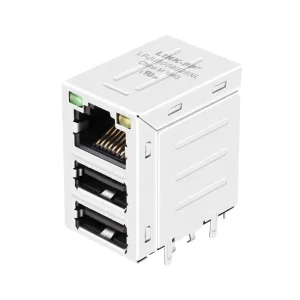
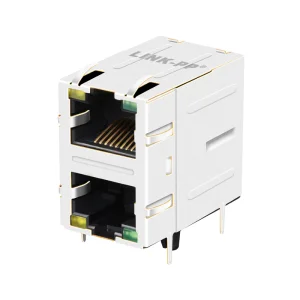
High-quality copper interfaces, shielded RJ45 modules, and SFP+ cages designed to complement high-speed routing systems.