Lumopt
Lumopt
Lumopt
Explore high-reliability modules compatible with premium industrial switches
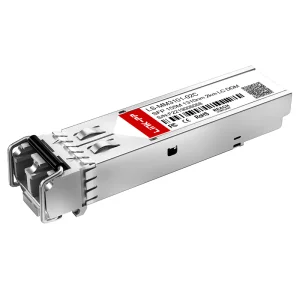
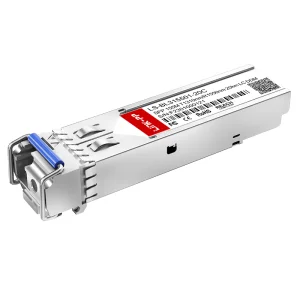
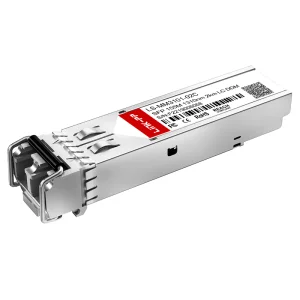
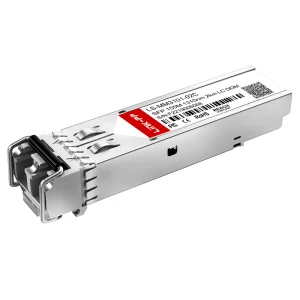
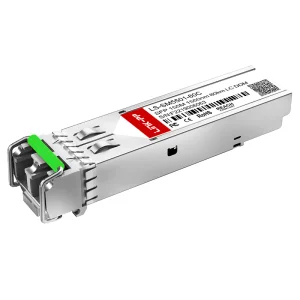
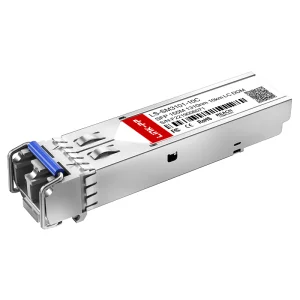
In the contemporary data transmission landscape, where multi-gigabit and terabit architectures dominate core data centers, legacy networking standards like 155M (STM-1/OC-3) and 622M (STM-4/OC-12) SFPs remain critically indispensable anchors. Far from being obsolete, these speeds support the foundational architectures of global industrial control systems (ICS), legacy telecommunication rings, and safety-critical transmission links.
The market demand for 155M and 622M SFP modules is powered by global maintenance, rehabilitation, and longevity-extension programs for network systems built in the late 1990s and 2000s. Telecom operators, energy grid companies, and transportation authorities prefer to maintain functional SDH systems for their outstanding stability. Lumopt Opto Technology Co., Ltd. (registered as Luguang Communication Technology in China) has addressed this need by maintaining a persistent production capability of high-quality components designed for retrofitting and scaling these reliable networks.
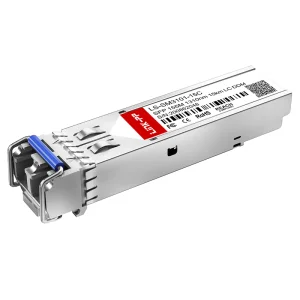
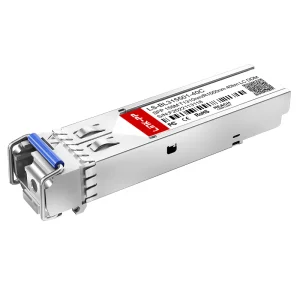
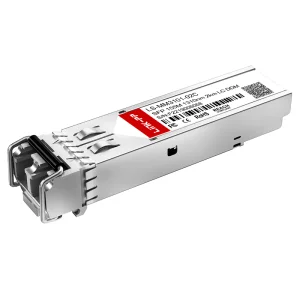
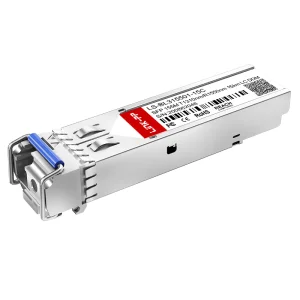
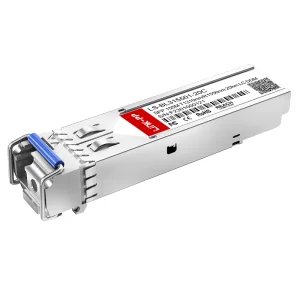
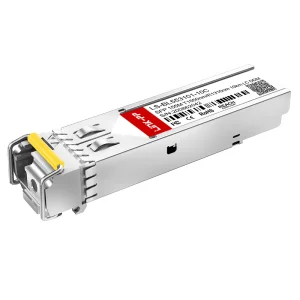
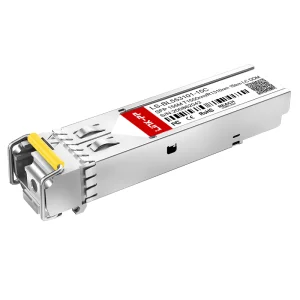
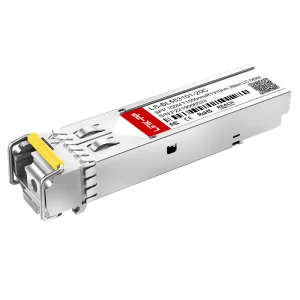
155M and 622M transceivers are generally designed under the Small Form-factor Pluggable (SFP) Multi-Source Agreement (MSA). They utilize Duplex LC or Simplex LC (BiDi) optical interfaces to fit high-density rack configurations.
Procurement teams within global systems integrators, heavy industries, and utility companies evaluate optical module factories using clear criteria: compliance with international regulatory and interoperability standards, long-term product availability (preventing end-of-life delays), and customized EEPROM programming to ensure complete compatibility with target systems like Moxa, Hirschmann, Cisco, and Siemens. Lumopt Opto Technology excels by providing targeted customizations, including tailored firmwares that enable flawless plug-and-play operations on legacy switches.
Ensuring Zero-Defect Optical Modules through Advanced Automation and MSA Standards
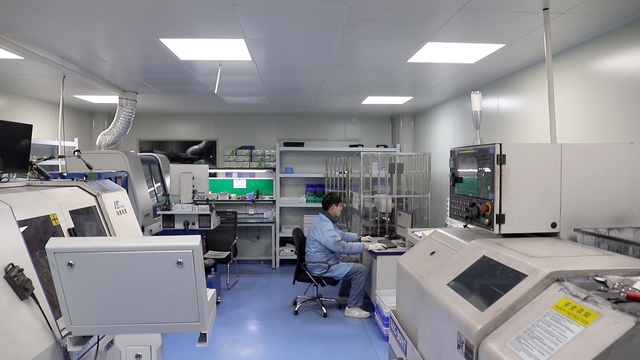
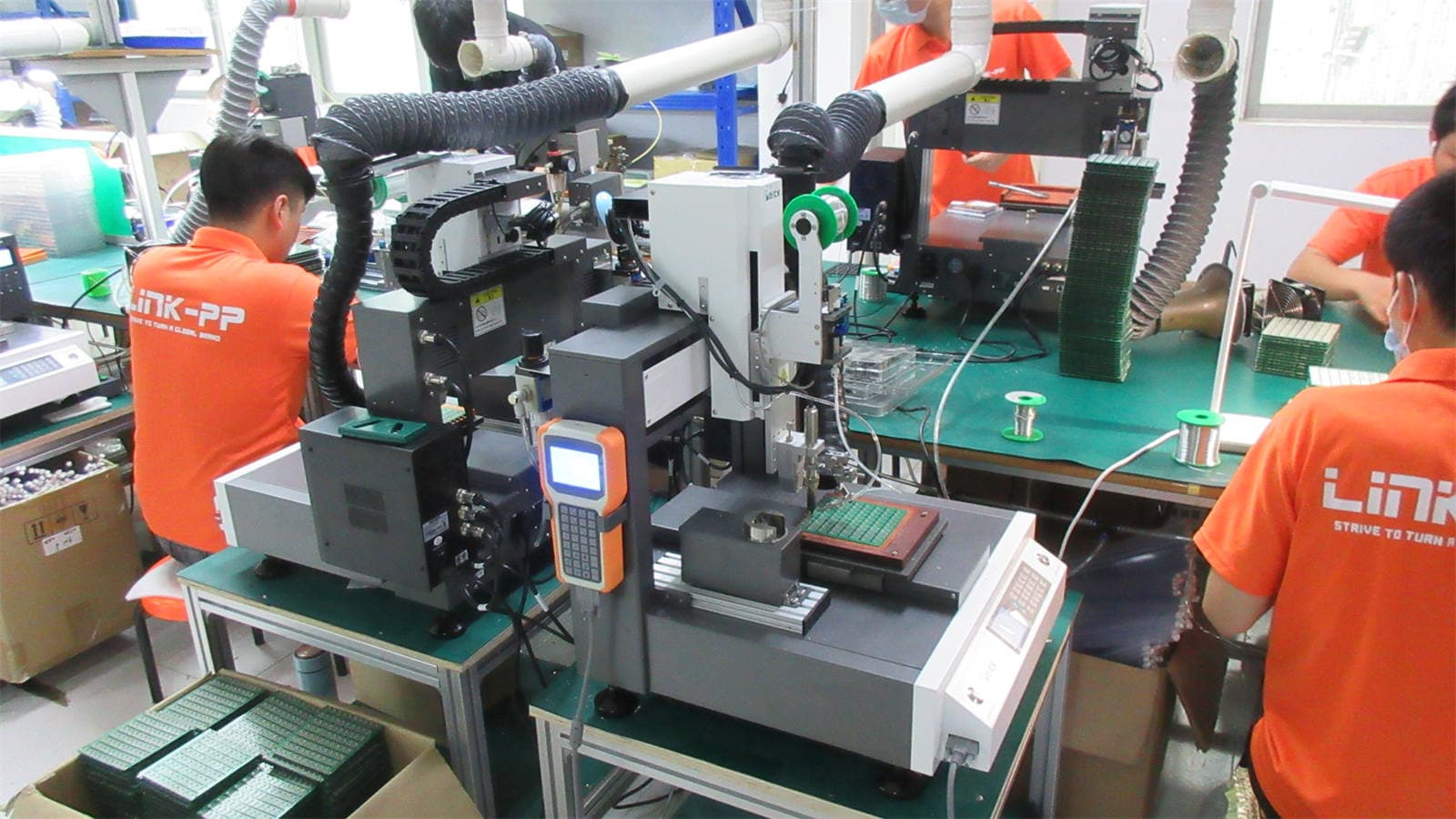
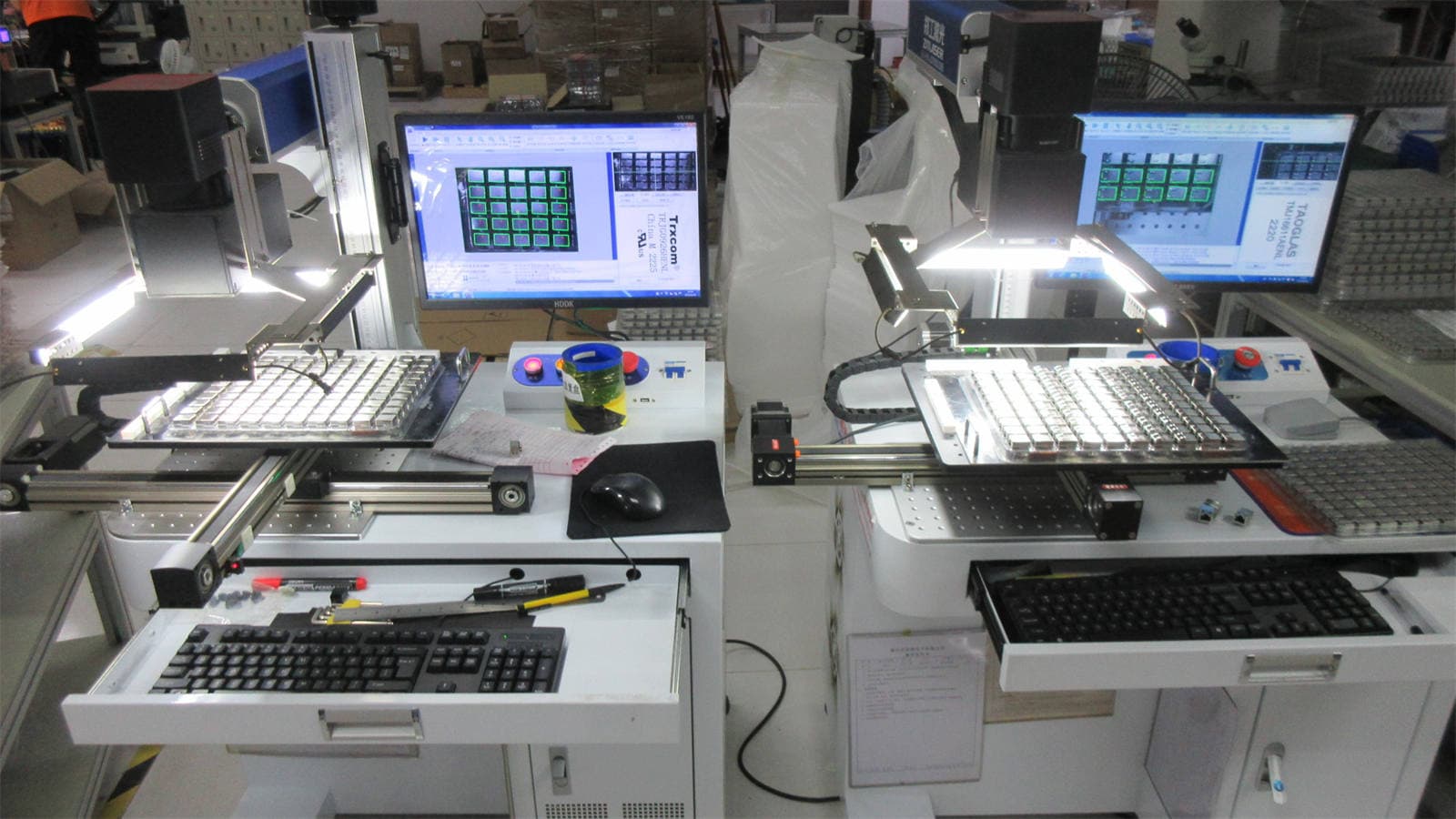
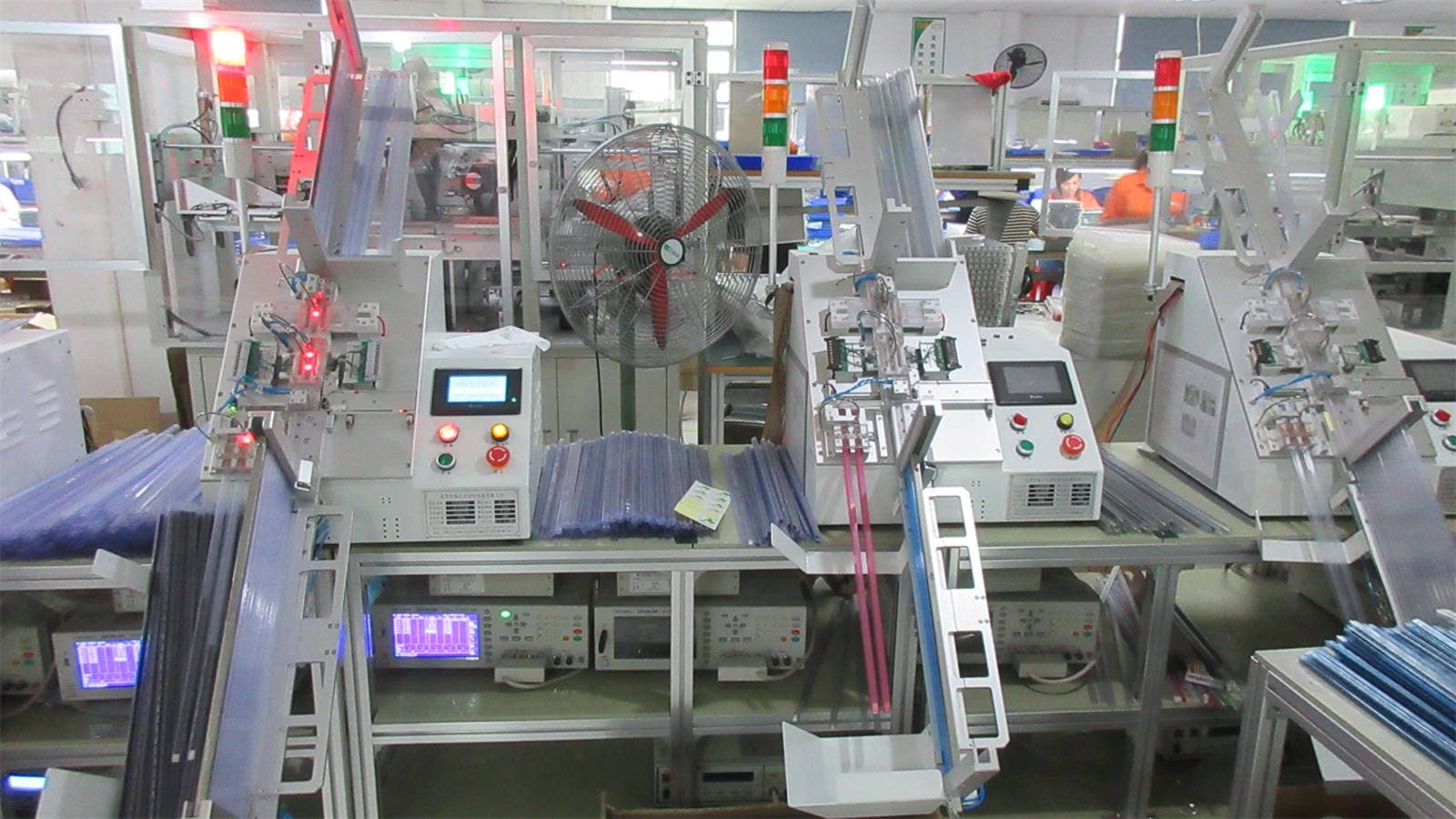
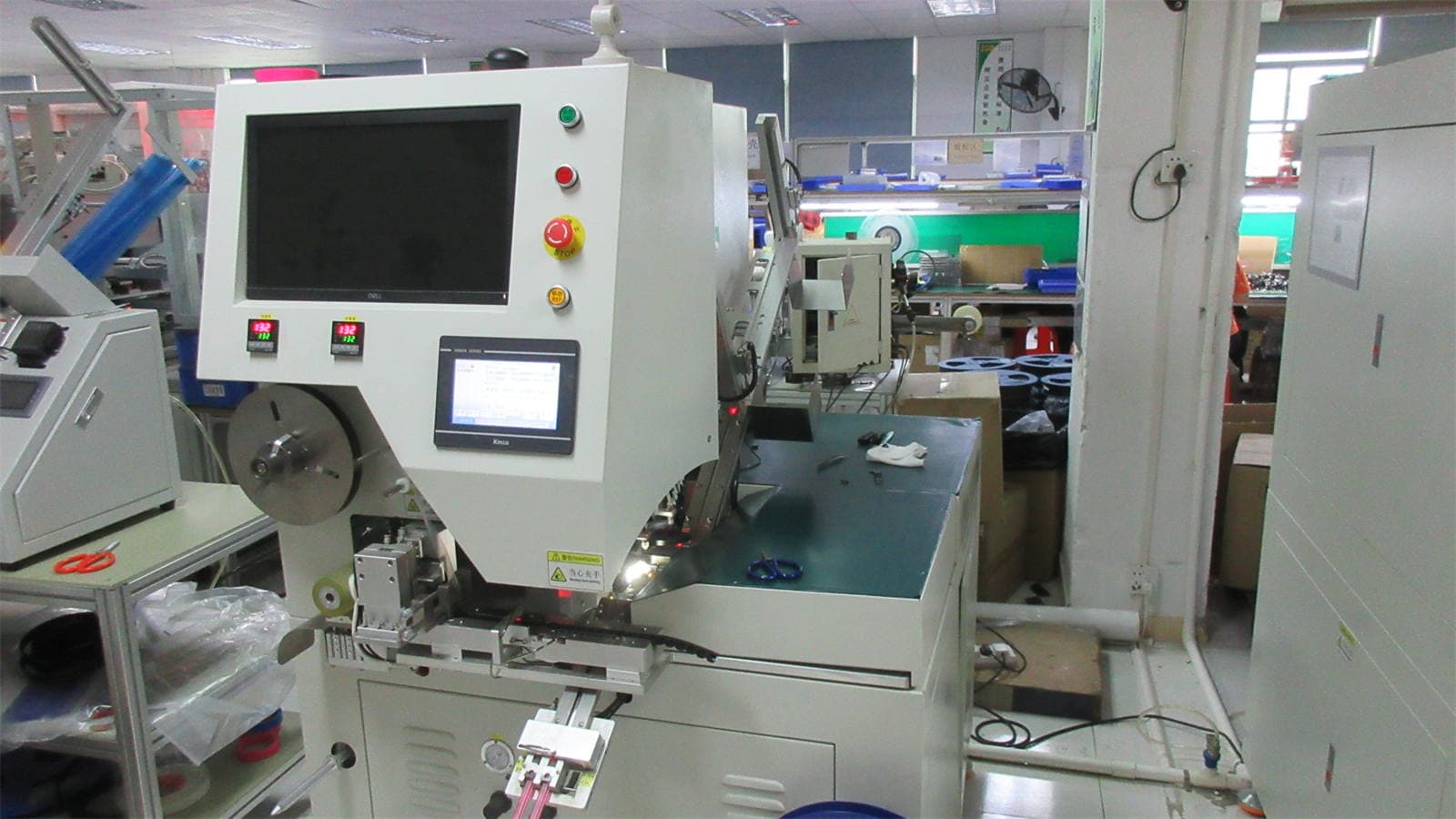
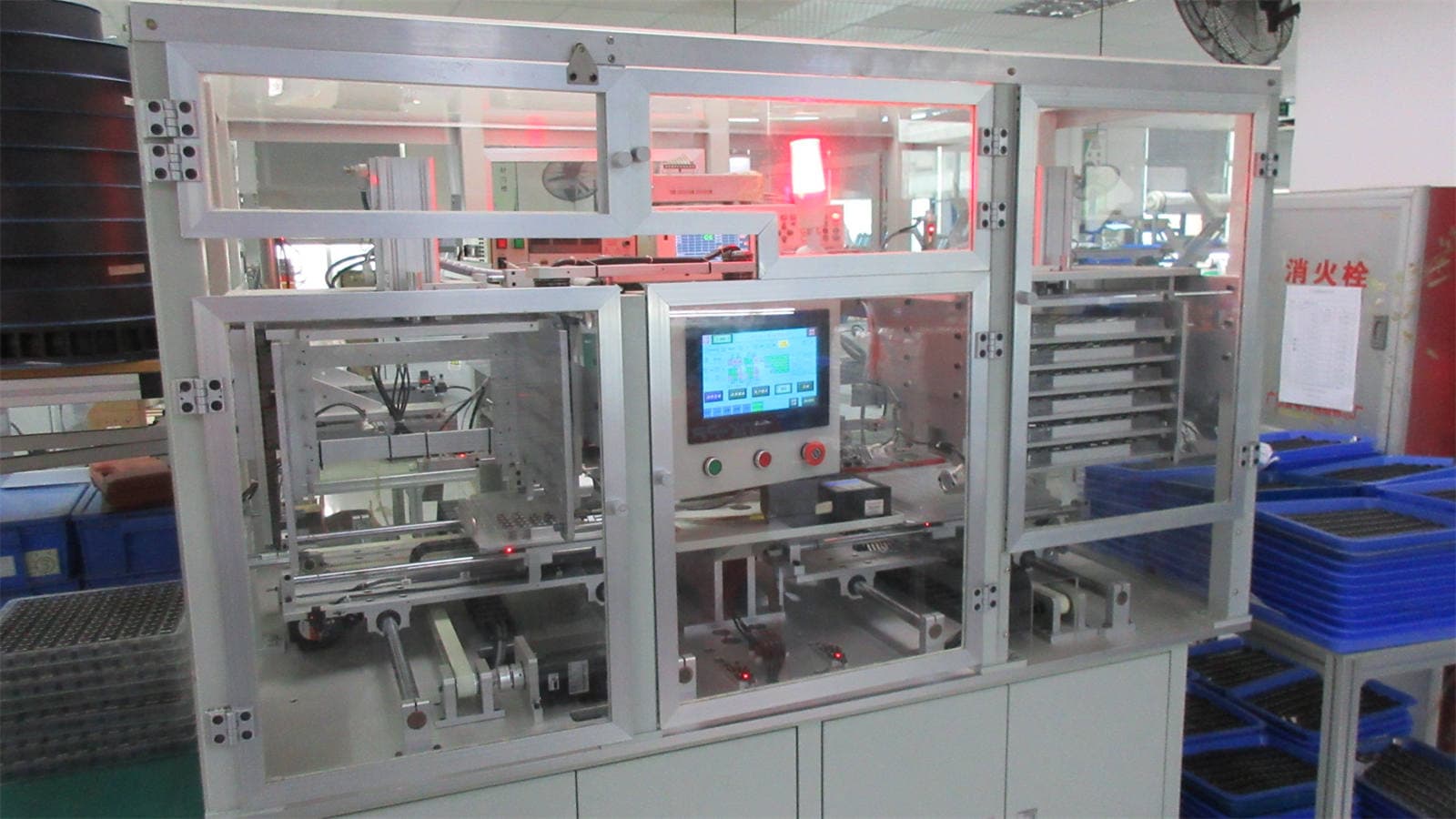
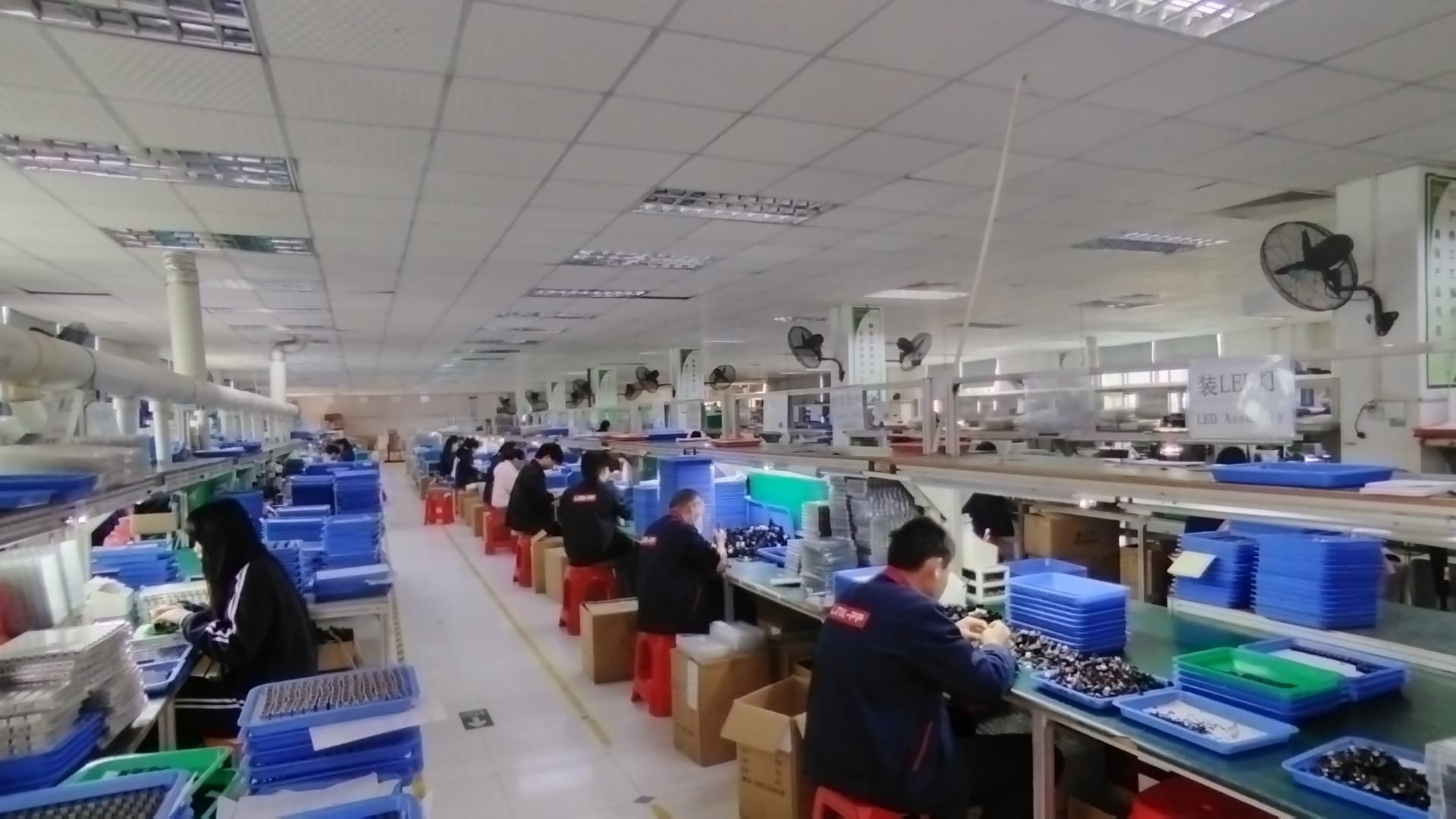
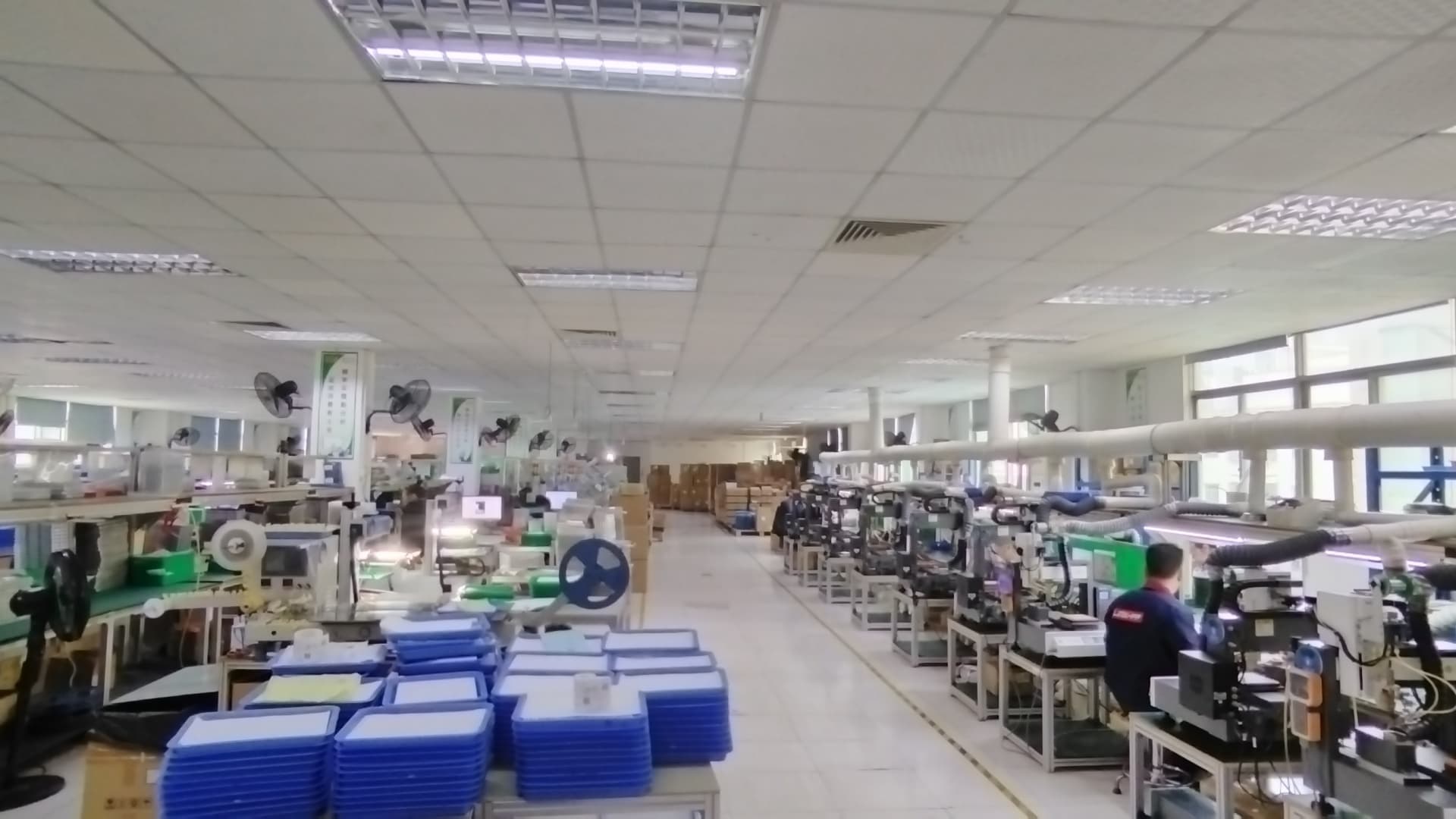
At Lumopt Opto Technology (Luguang Communication Technology Co., Ltd.), we believe that the stability of a network is only as strong as its weakest component. In our dust-free manufacturing facilities, we combine automated component placement, automated precision laser welding, and rigorous multi-stage verification to deliver consistent quality on every optical module shipped worldwide.
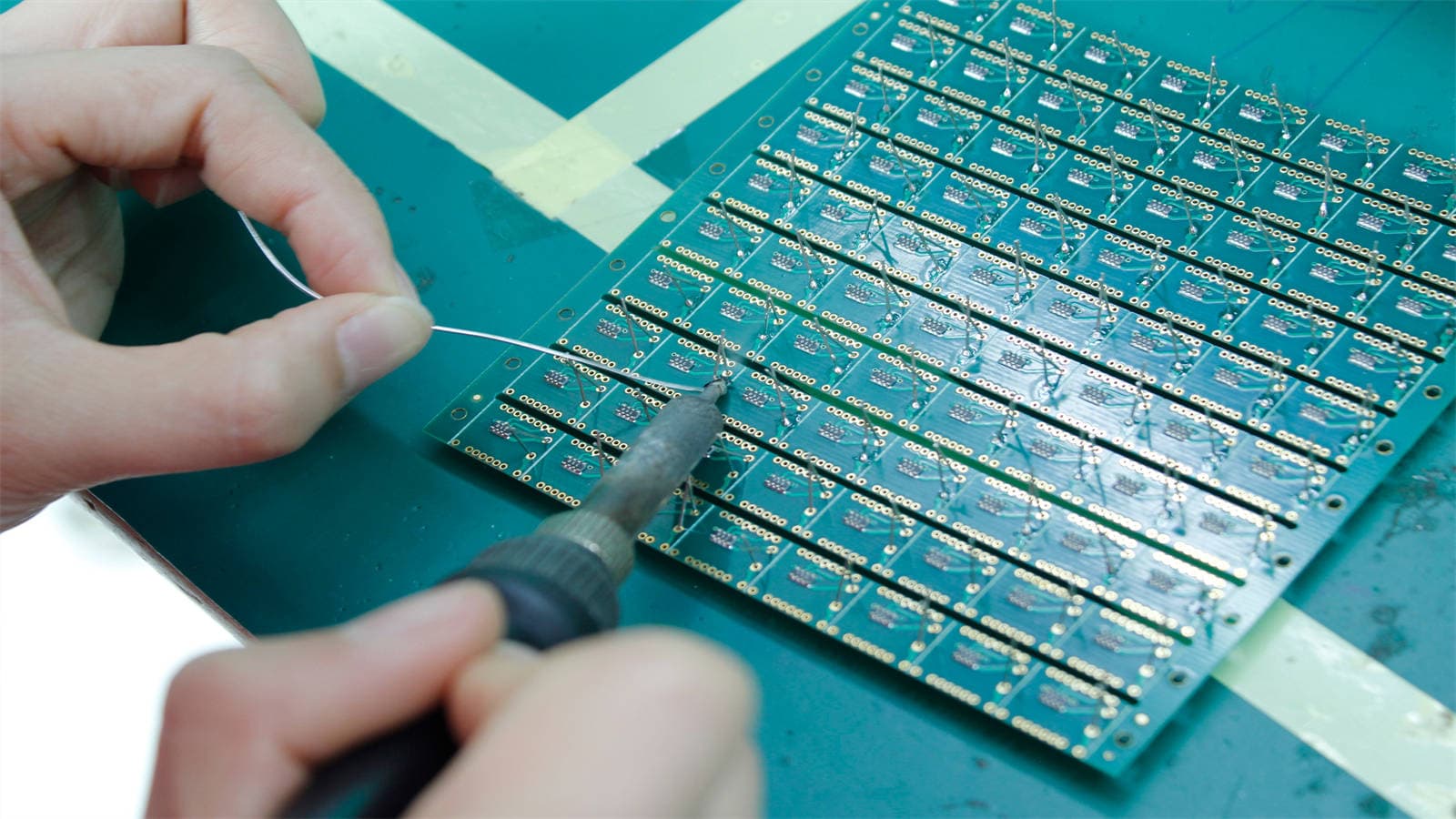
Wire prep & alignment for consistent internal connections.
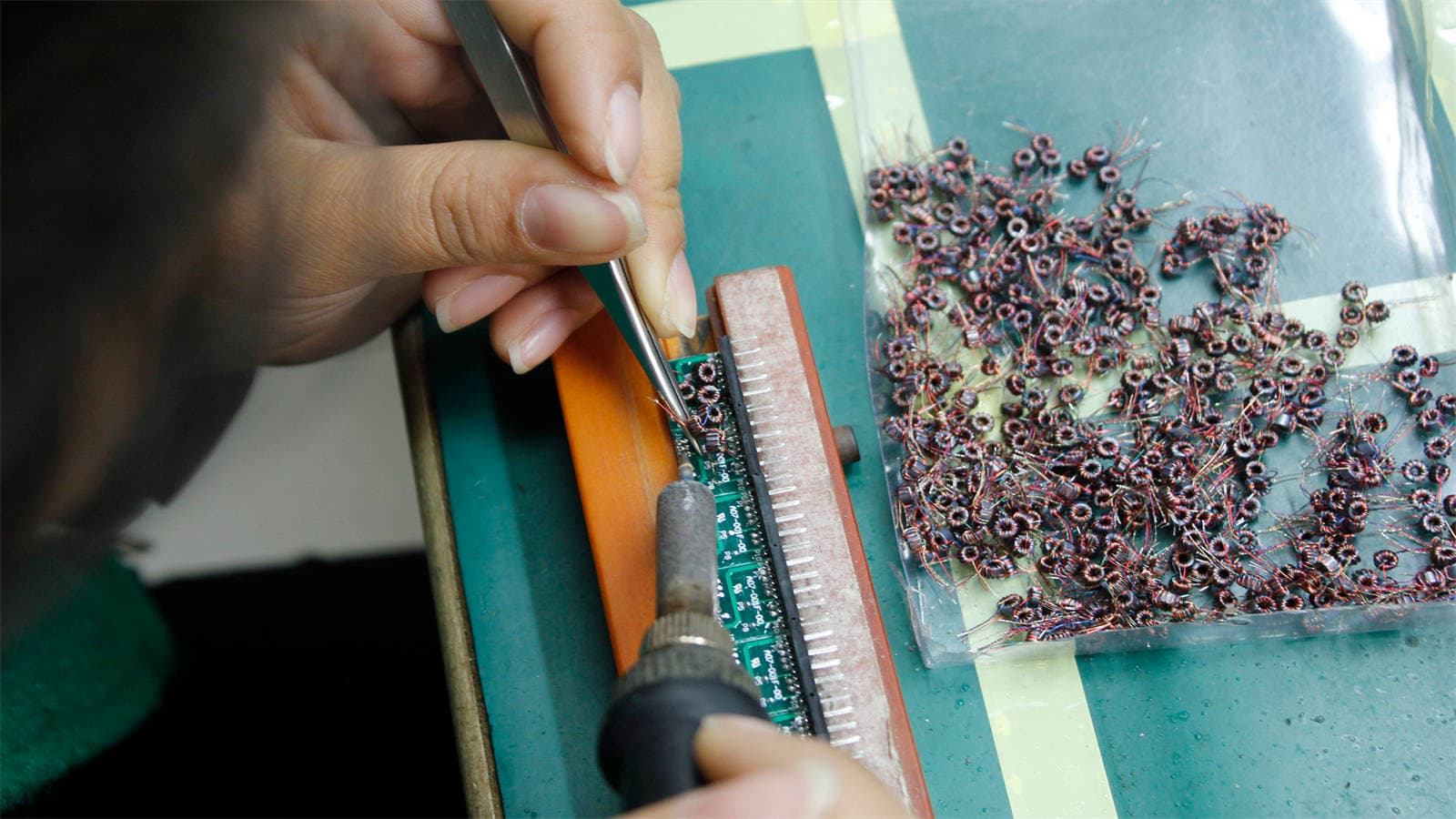
Precision tinning of pads ensures optimal solder adhesion.
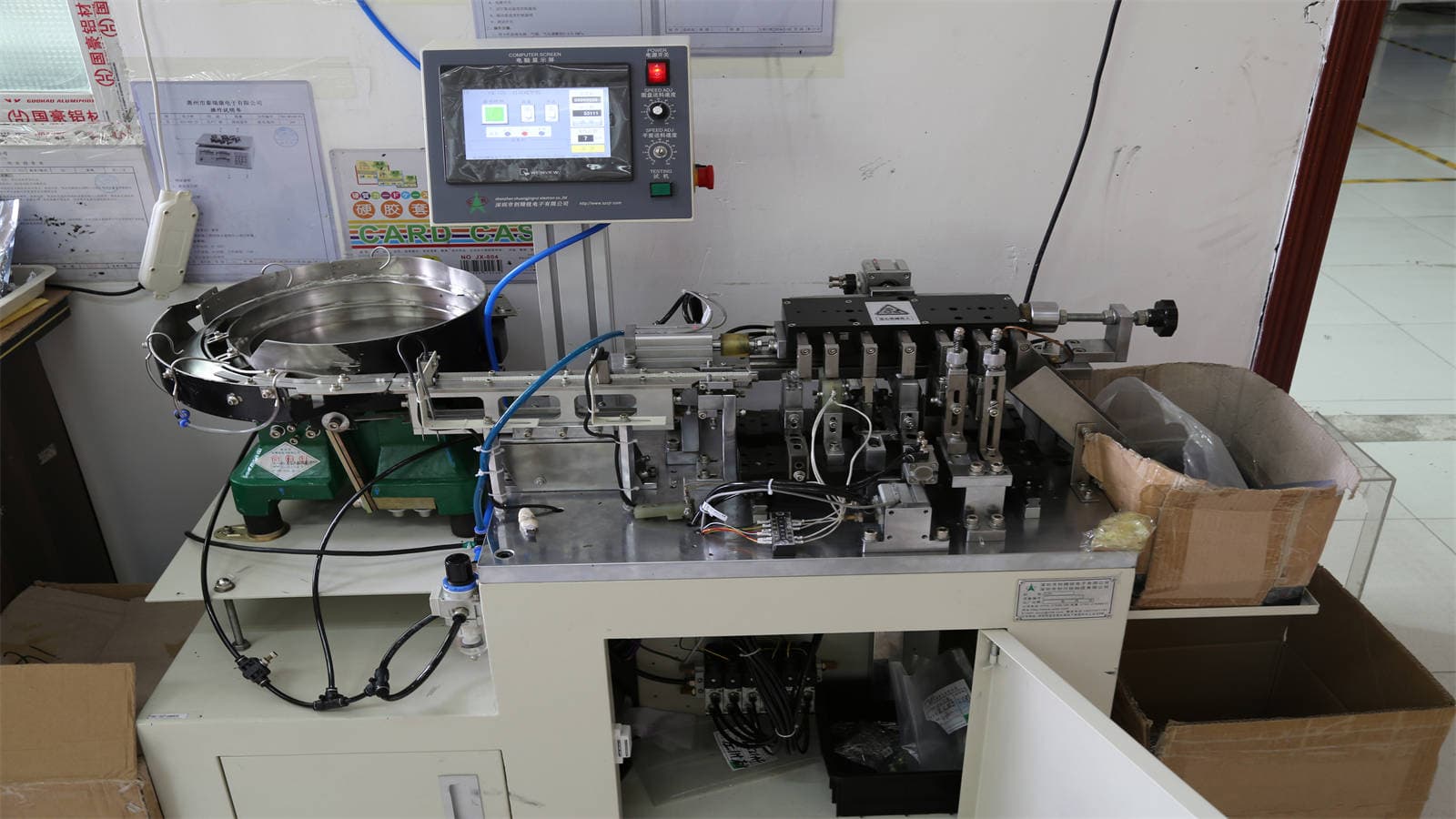
Automated control of thermal profiles prevents stress micro-cracks.
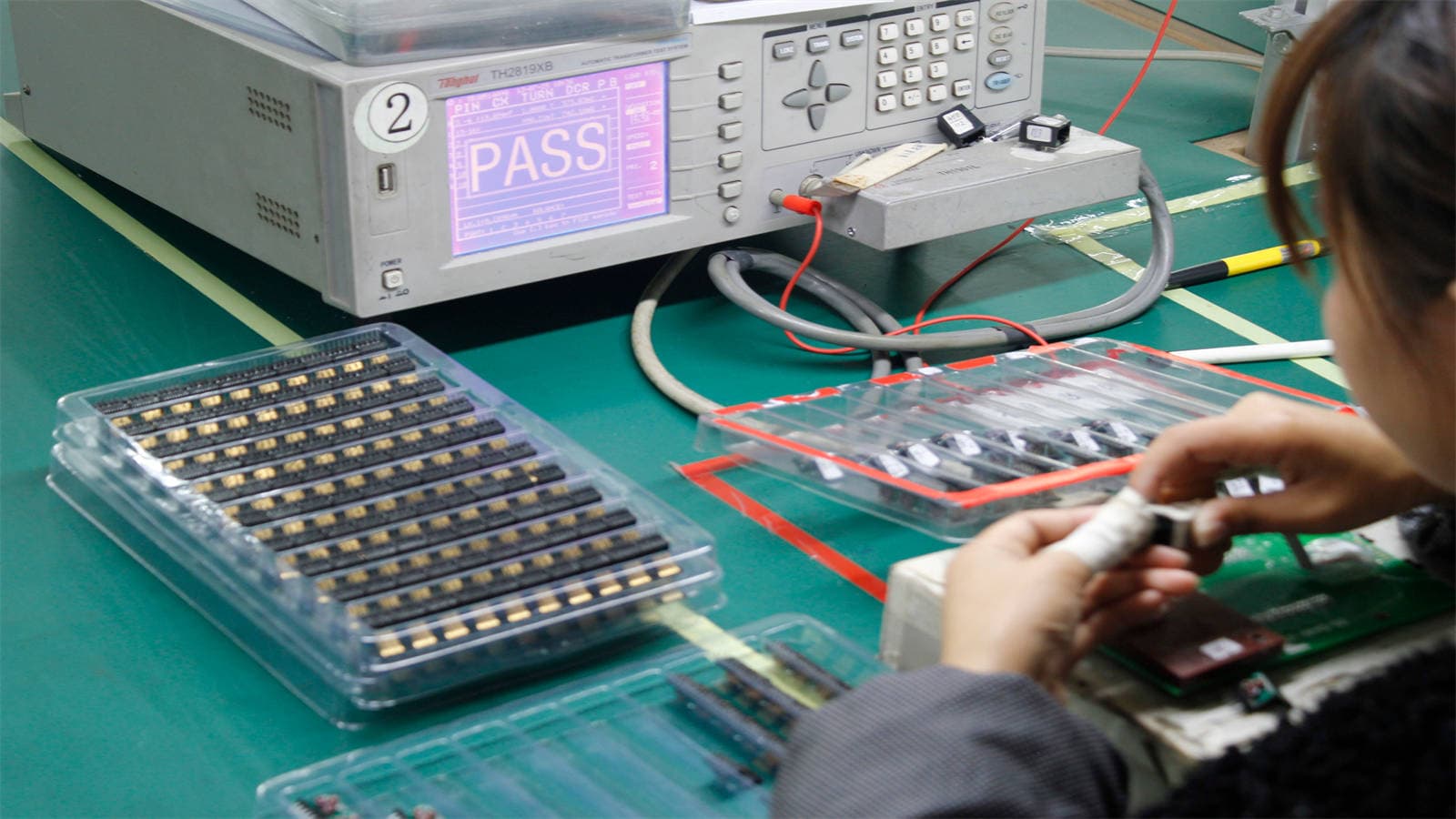
Component pin trimming for compact housing fits.
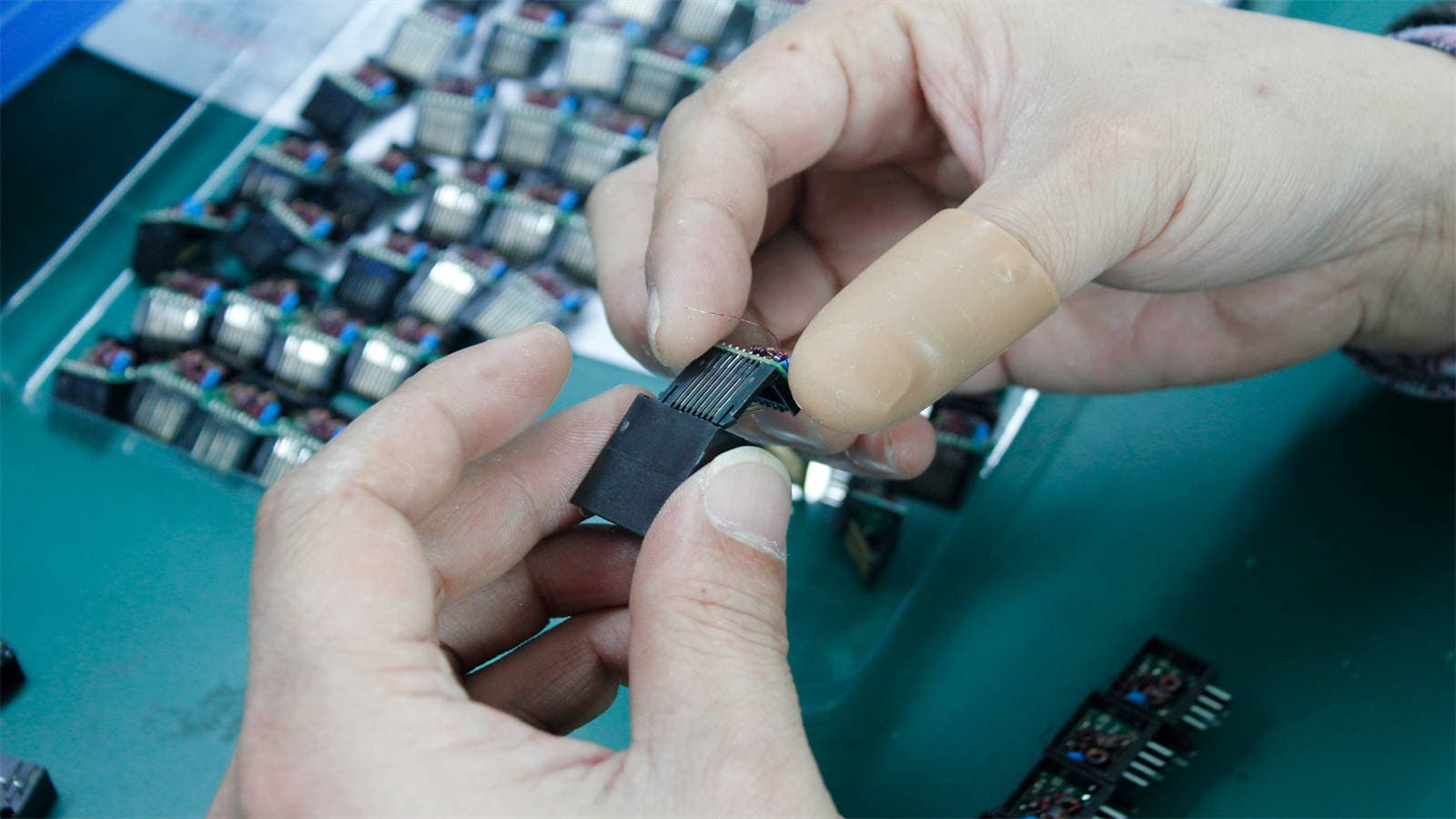
Optical & electrical signal testing before case assembly.
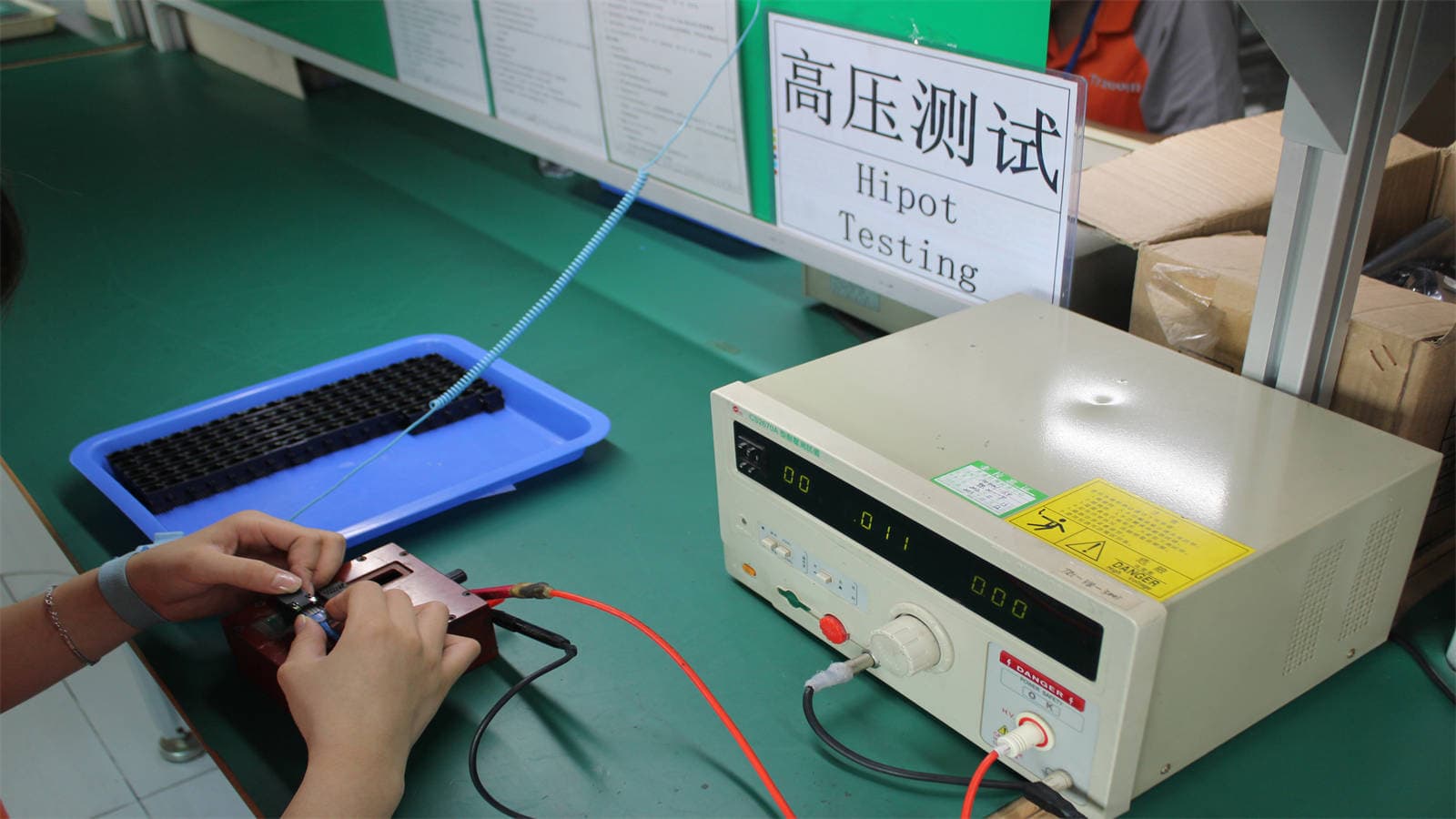
Final case integration designed for clean standard insertion.

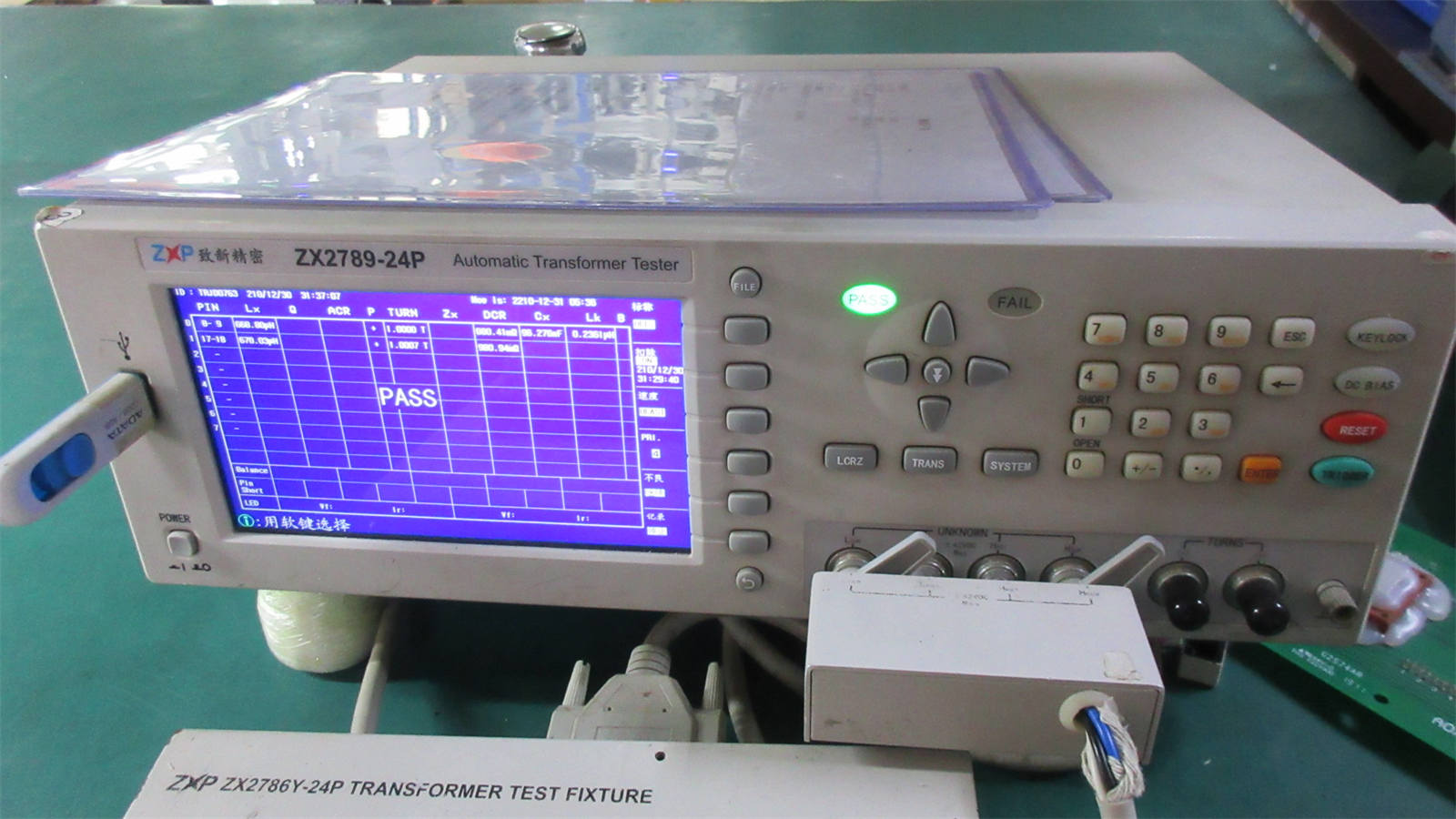
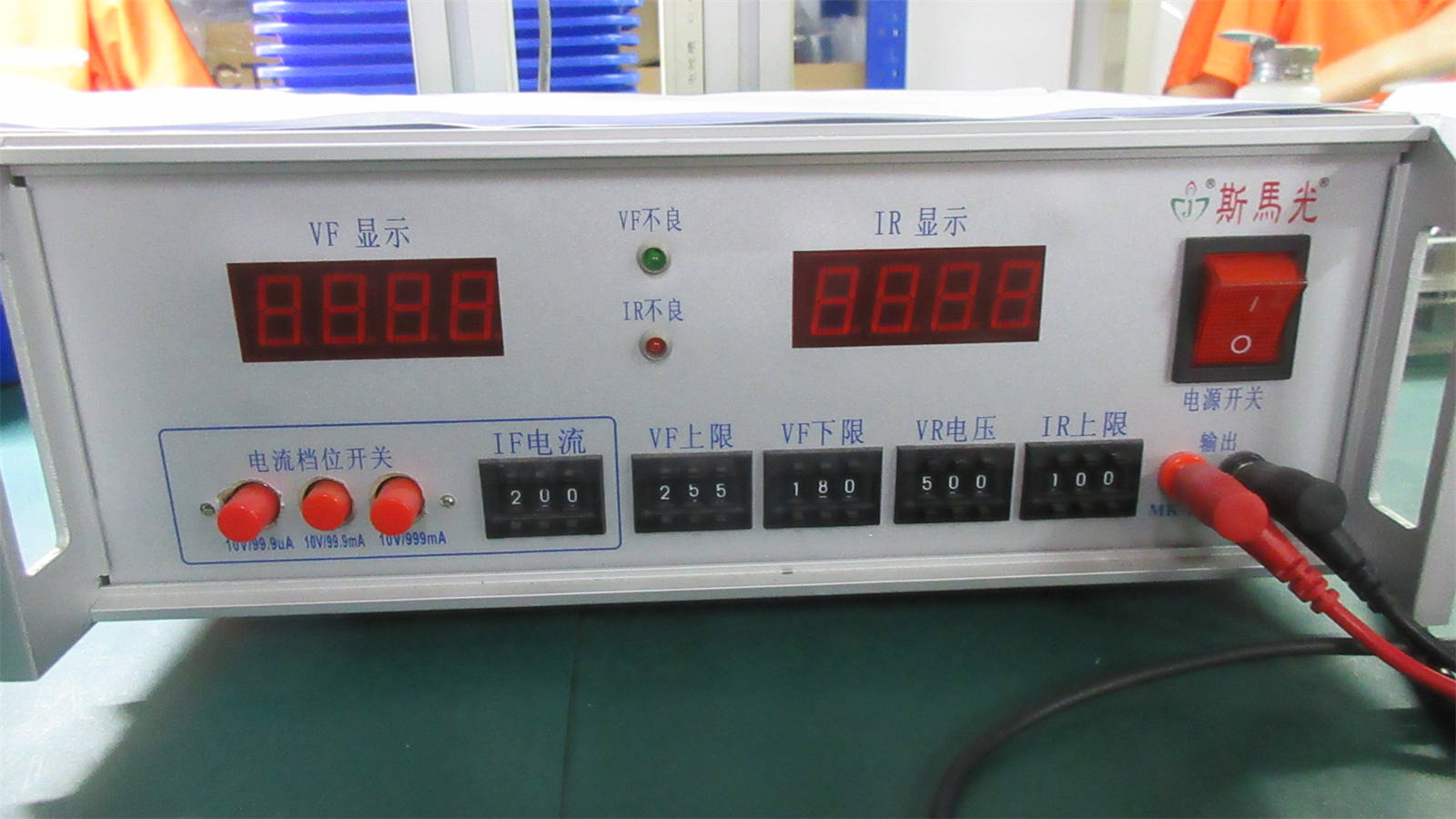
High voltage isolation checks to ensure electrical safety.
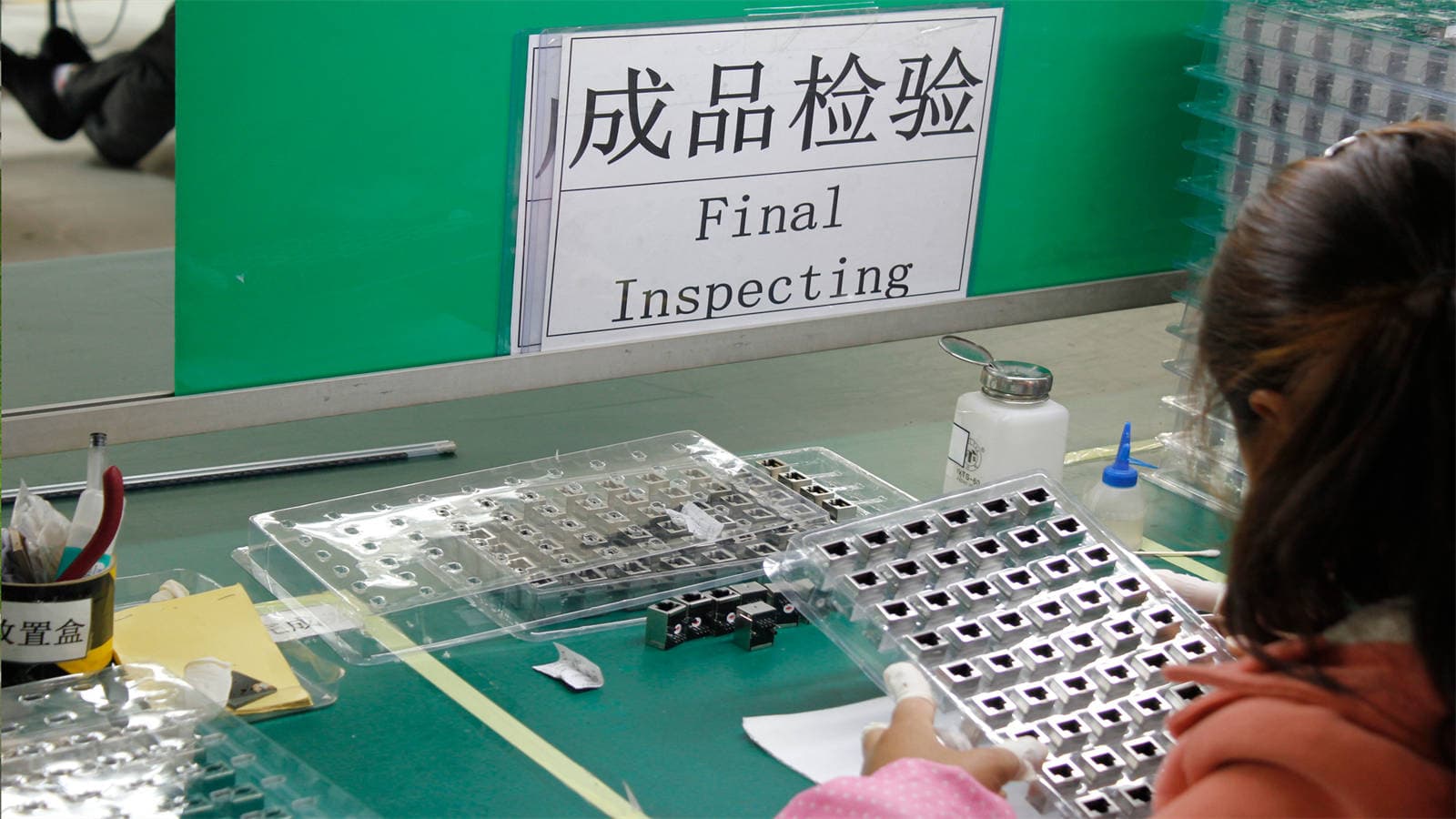
Comprehensive bit error rate (BER) checks under loaded conditions.

Optical clean bench visual and interface inspection.
Packaged in static-shielding blister boxes for transit protection.

Engineering Selection Matrix for Network Planners and Buyers
To ensure optimal design when upgrading or maintaining fiber infrastructures, selecting the correct optical characteristics is critical. Below is a comparison table outlining the key differences between standard 155M (STM-1/OC-3) and 622M (STM-4/OC-12) transceivers:
| Parameter / Feature | 155M SFP Module (STM-1 / OC-3) | 622M SFP Module (STM-4 / OC-12) |
|---|---|---|
| Nominal Bit Rate | 155 Mbps (Fast Ethernet / SDH) | 622 Mbps (Fast SDH / SONET) |
| Typical Wavelengths | 850nm / 1310nm / 1550nm / BiDi Wavelengths | 1310nm / 1550nm / CWDM Bands |
| Standard Multimode Distance | Up to 2 km (OM1 / OM2 fiber) | Up to 500m - 2km |
| Standard Single Mode Distance | 10km, 15km, 20km, 40km, 80km, 120km | 10km, 20km, 40km, 80km, 120km |
| Laser Driver Types | FP / DFB (Simplex or Duplex) | DFB / EML (highly stable line-widths) |
| Primary Applications | Substations, Smart Grid Control, Legacy SDH loop | Metro transport network expansion, backbone backhaul |
| Industrial Temperature Support | Yes (-40°C to +85°C standard options) | Yes (-40°C to +85°C standard options) |
Utility Substation Automation: Substations worldwide communicate via IEC 61850 protocols, using 155M fiber links to maintain optical isolation against Electromagnetic Interference (EMI) from high-voltage switchgear.
Railway Transportation Systems: Communications-Based Train Control (CBTC) systems use 155M/622M links alongside train lines because they deliver stable and predictable signal latency.
Answers to technical and commercial questions about 155M/622M modules
The primary difference is the transmission speed and clock configuration. 155M SFP modules run at a data rate of 155 Mbps, tailored for Fast Ethernet (100Base-FX) and STM-1/OC-3 protocols. A Gigabit SFP operates at 1.25 Gbps. Standard Gigabit modules cannot auto-negotiate down to 155M on optical switches unless both the switch port and the SFP firmware explicitly support rate-limiting configurations.
No, speed levels are fixed. An optical port configured for 622Mbps requires a matching 622M SFP module. However, many modular industrial switches support dual-rate or multi-rate configurations (e.g., 100/1000Base-X) which adapt to the inserted module's speed once the proper EEPROM profile is detected.
Digital Diagnostics Monitoring (DDM/DOM) allows the host switch to report live diagnostics. This includes monitoring incoming optical power (RX level), laser bias current, and temperature. DDM is critical for predictive maintenance in industrial facilities, helping engineers spot link degradation (e.g., dirty connector interfaces) before packet loss occurs.
We write device-specific EEPROM memory configurations during our post-production process. This process updates the Vendor Name, Part Number, and Checksum parameters to match the target host system's requirements. These configurations are verified directly on target switch models to ensure a smooth, plug-and-play installation without error codes.
Yes. We offer commercial-grade (0°C to 70°C) and industrial-grade (-40°C to 85°C) versions. Our industrial modules feature hardened electronic components and specialized optical assemblies designed to withstand rapid temperature swings in harsh conditions.
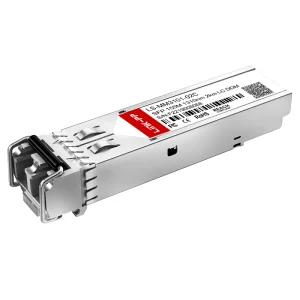
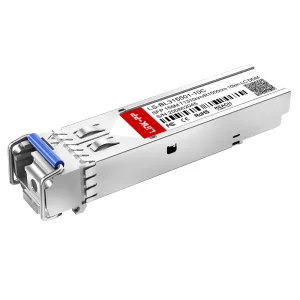
Select simplex & duplex transceivers designed for long-range networking
Global One-Stop Trusted Optical Module Manufacturer
Lumopt Opto Technology Co., Ltd., registered as Luguang Communication Technology Co., Ltd. in China, is a professional Chinese manufacturer and exporter specializing in high-performance optical transceivers. We focus on the R&D, production, and customization of a comprehensive range of optical modules covering 10G, 25G, 100G, 400G, 800G, and 1.6T speeds, which are widely applied in modern data centers, telecom network loops, cloud storage setups, AI computing farms, and enterprise communication infrastructures.
Equipped with ISO-certified dust-free production workshops, automated packaging equipment, and an experienced technical R&D team, we implement strict quality controls at every step of manufacturing. All our transceivers comply with international industry parameters and have passed reliability testing protocols. We offer complete OEM and ODM customization services to meet the requirements of buyers worldwide.
Adhering to our core values of quality, competitive pricing, and technical customer support, Lumopt has built long-term partnerships with distributors, system integrators, and network operators worldwide. We continue to introduce new optoelectronic solutions to deliver reliable, cost-effective fiber optic connectivity for global data networks.