Lumopt
Lumopt
Lumopt
High-speed integrated copper interfaces engineered for spatial constraints and demanding telecom applications.
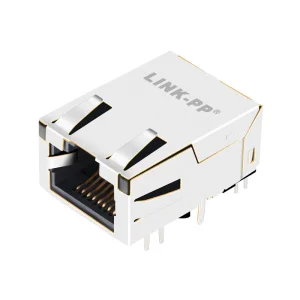
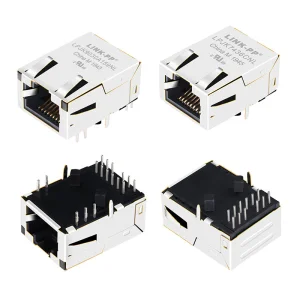
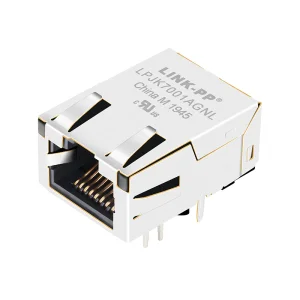
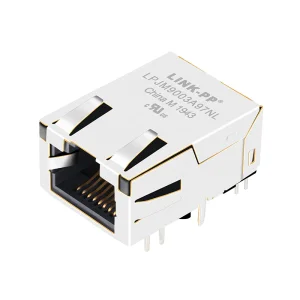
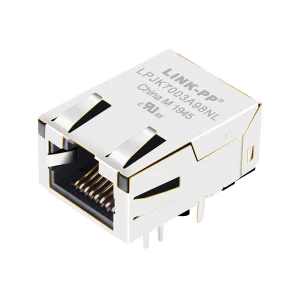
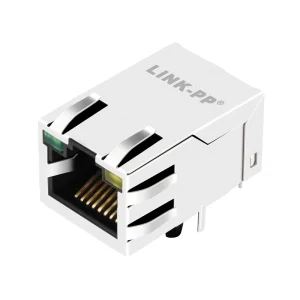
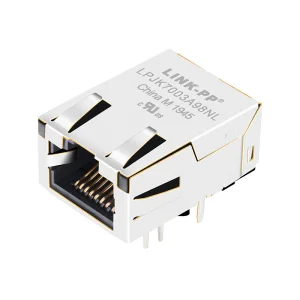
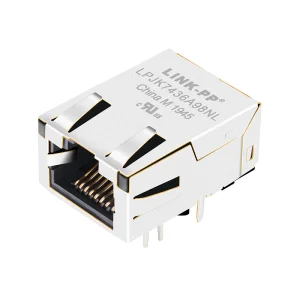
Modern networking infrastructure calls for strict optimization of space without sacrificing signal performance. The low-profile RJ45 female connector is a critical engineering response to the extreme density constraints of contemporary printed circuit boards (PCBs) in servers, hubs, embedded single-board computers, and telecom switches. By reducing physical height clearance and incorporating advanced electromagnetic shielding, low-profile designs enable device designers to mount dense stacked components and improve thermal performance across system architectures.
As a global pioneer in hardware component supply, Lumopt Opto Technology Co., Ltd. (operating as Luguang Communication Technology Co., Ltd. in China) offers an integrated production model spanning high-frequency copper connectors (magnetic RJ45 jacks) and high-speed optoelectronic modules (from 10G up to 1.6T transceivers). We address the needs of multi-gigabit copper networks (2.5G/5G/10G Base-T) by manufacturing ruggedized physical-layer components capable of sustaining harsh operation parameters.
How structural shrinking and high-frequency demands shape the next generation of modular jacks.
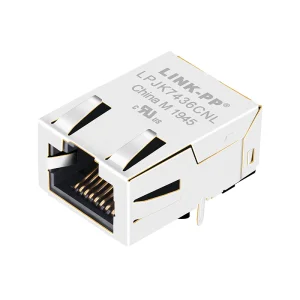
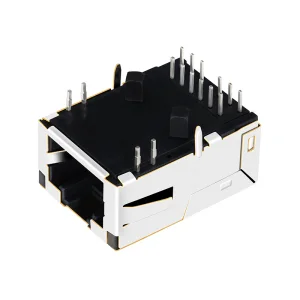
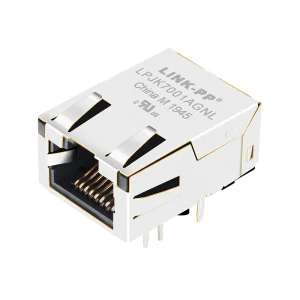
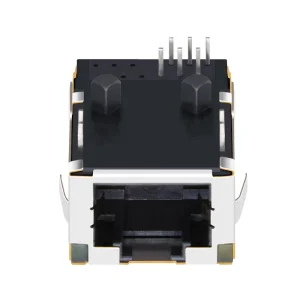
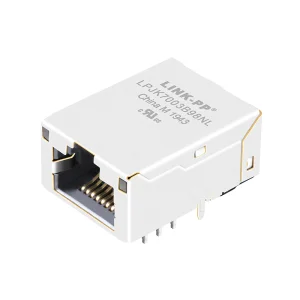
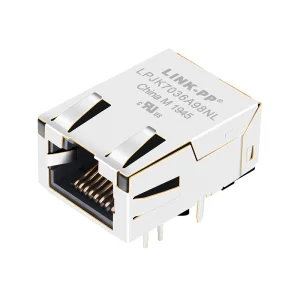
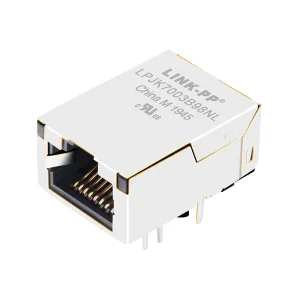
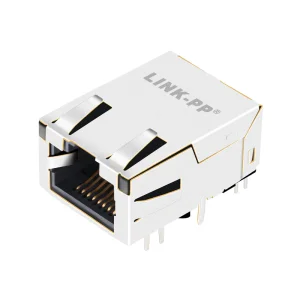
Height limits on modern blade systems require connectors with less than 11.5mm vertical clearance. Our low-profile RJ45 modular jacks feature integrated magnetics (Magjacks) while maintaining a profile height as low as 8.5mm, permitting optimal vertical airflow across adjacent chassis components.
As ethernet lines transition from Fast Ethernet to 10G Base-T, environmental RF noise increases. The inclusion of internal ferrite cores, PCB common-mode chokes, and metal shields with grounding tabs ensures robust electromagnetic compatibility (EMC).
Deploying Power over Ethernet (up to 90W PoE++) through low-profile structures requires superior thermal design. High-grade polymer housings (UL 94 V-0 rated) are essential to dissipate localized heat buildup generated by contact resistive loads.
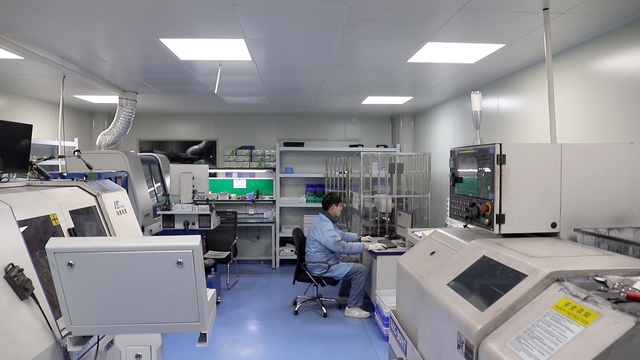
Inside Luguang Communication's production line: how we achieve precision engineering for global export.
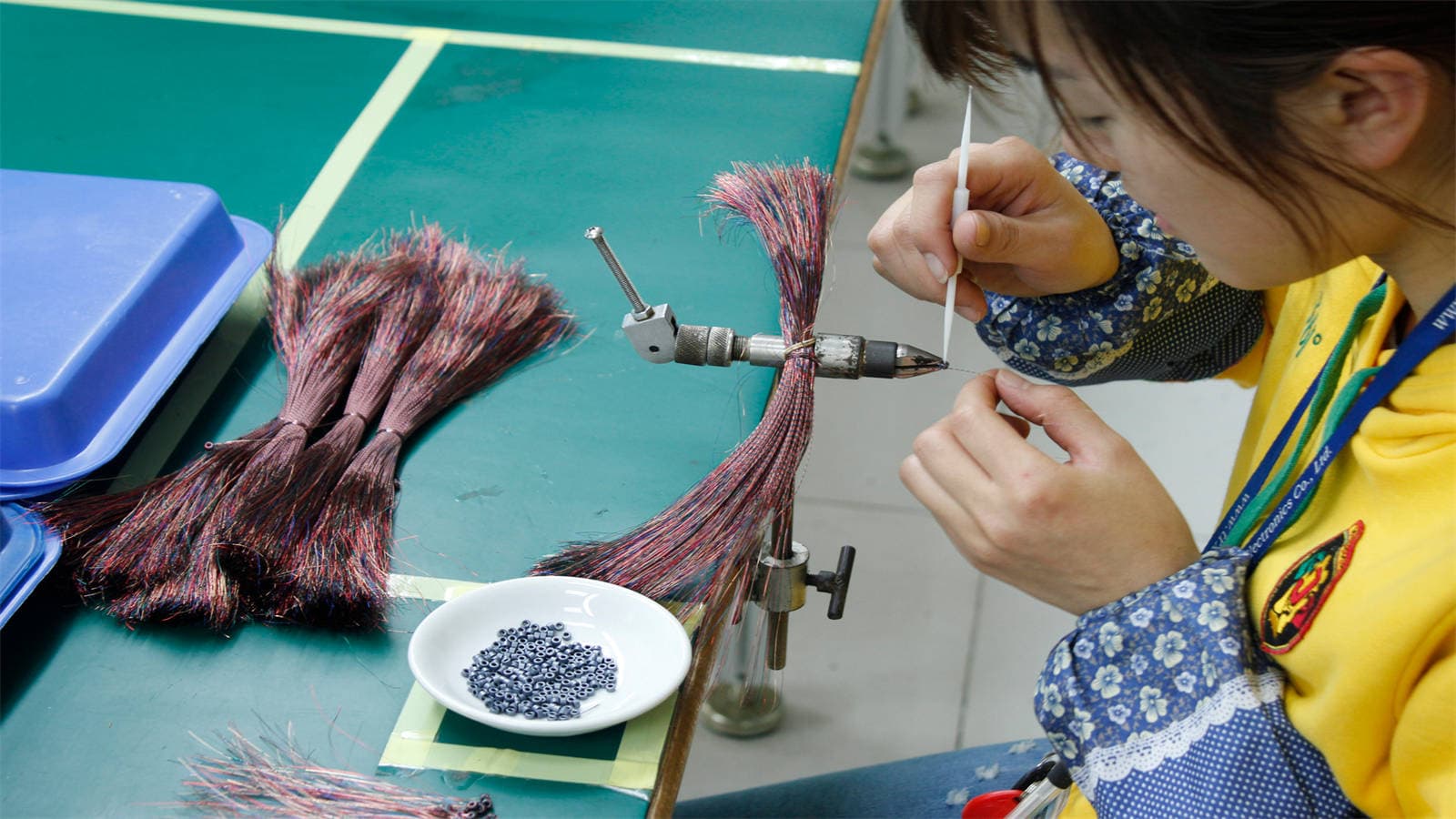
Precision wire twisting matches impedance profiles for high-speed transmission.
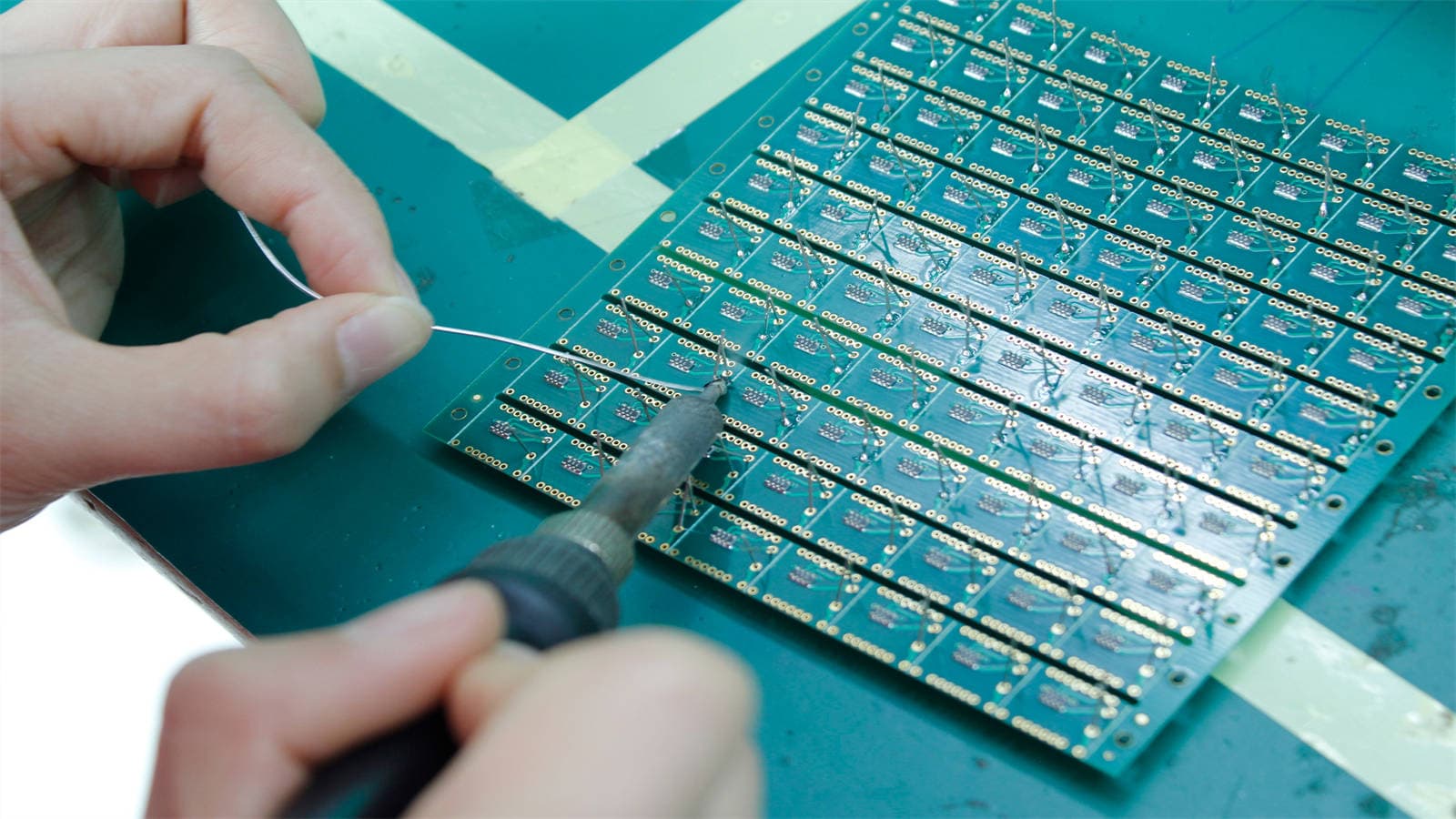
Solder alloy thickness control for maximum surface mounting durability.
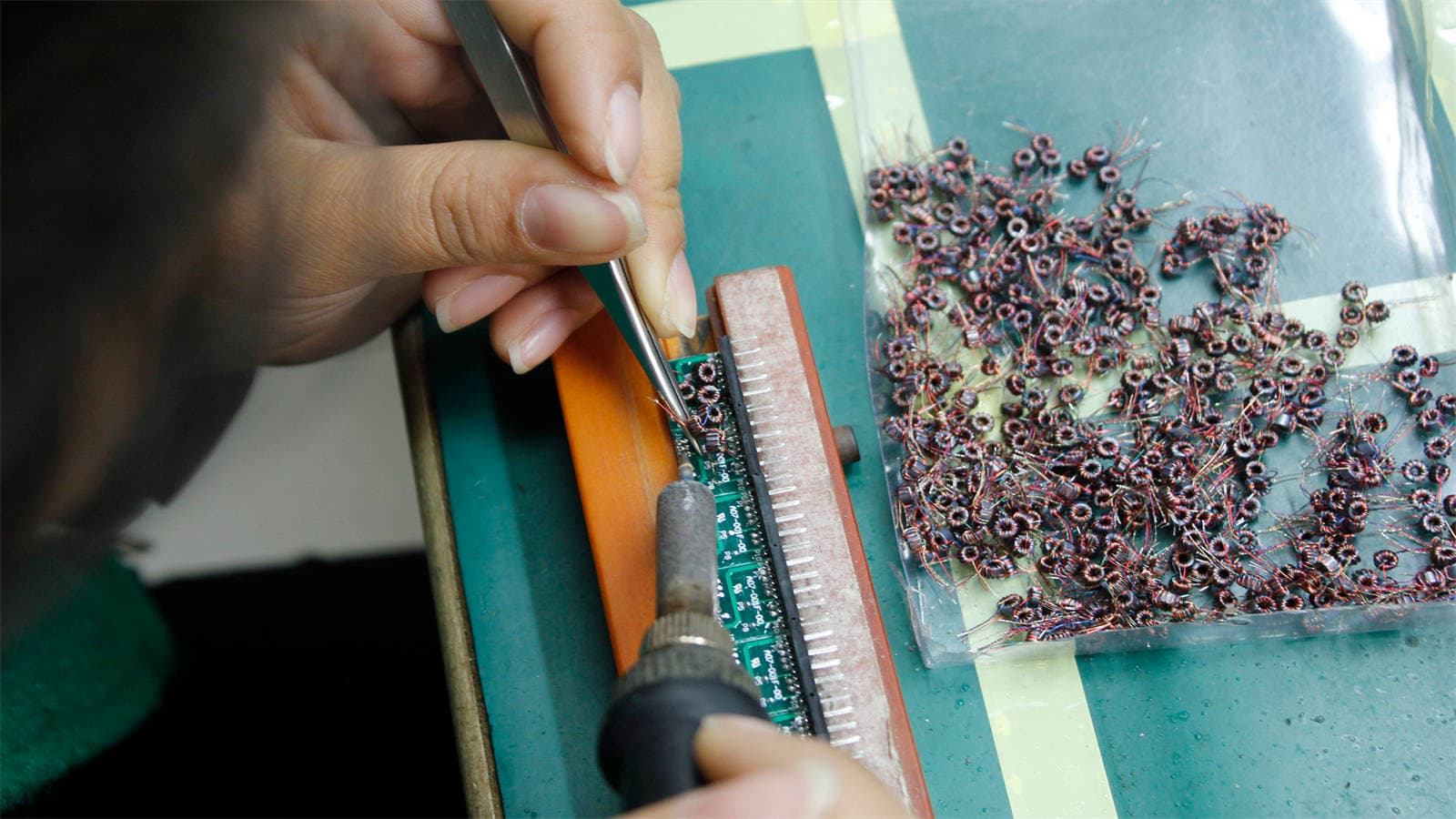
Automated point-soldering maintains perfect terminal contacts.
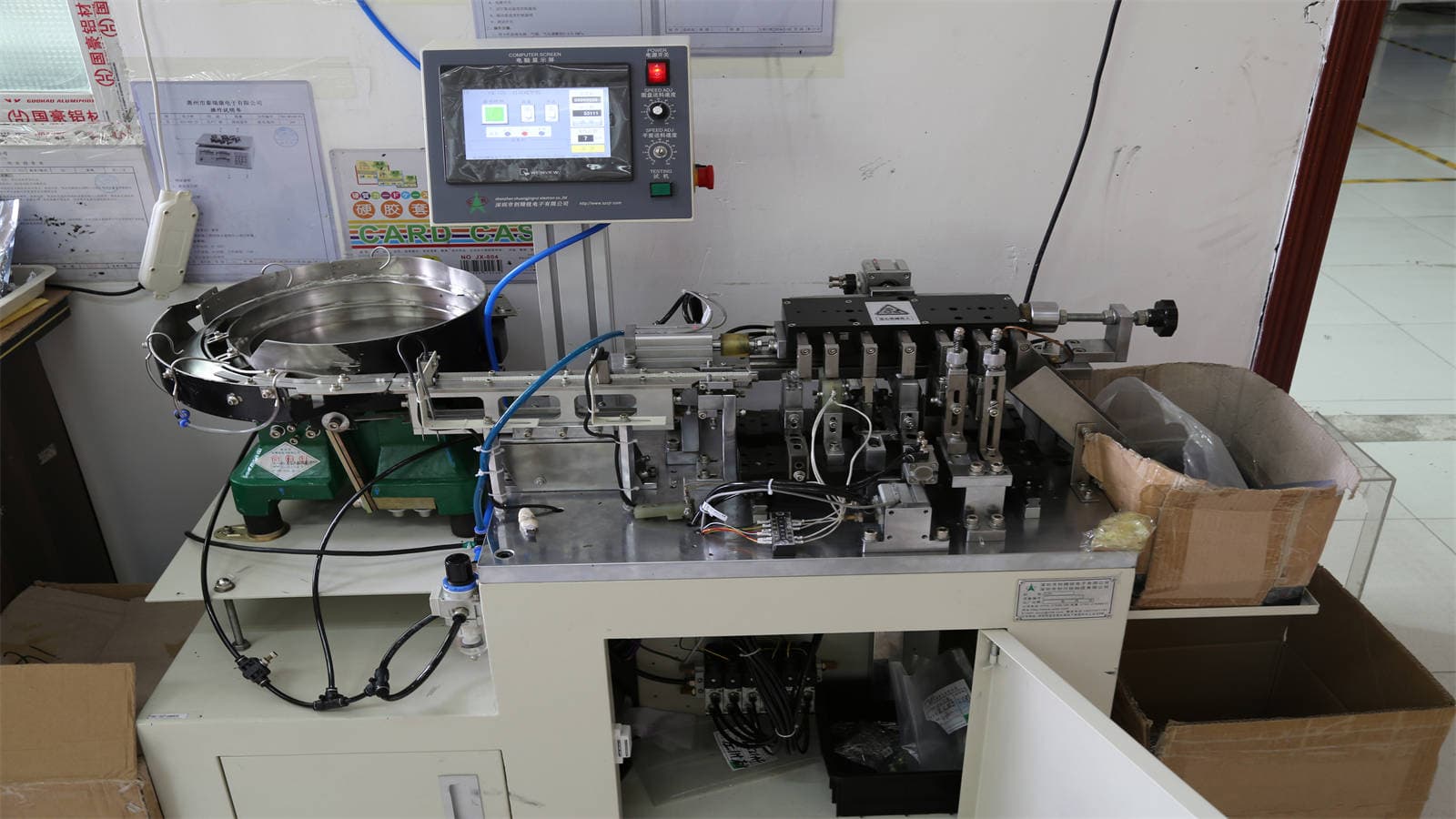
Micro-trimming of internal status LED pins to fit low clearances.
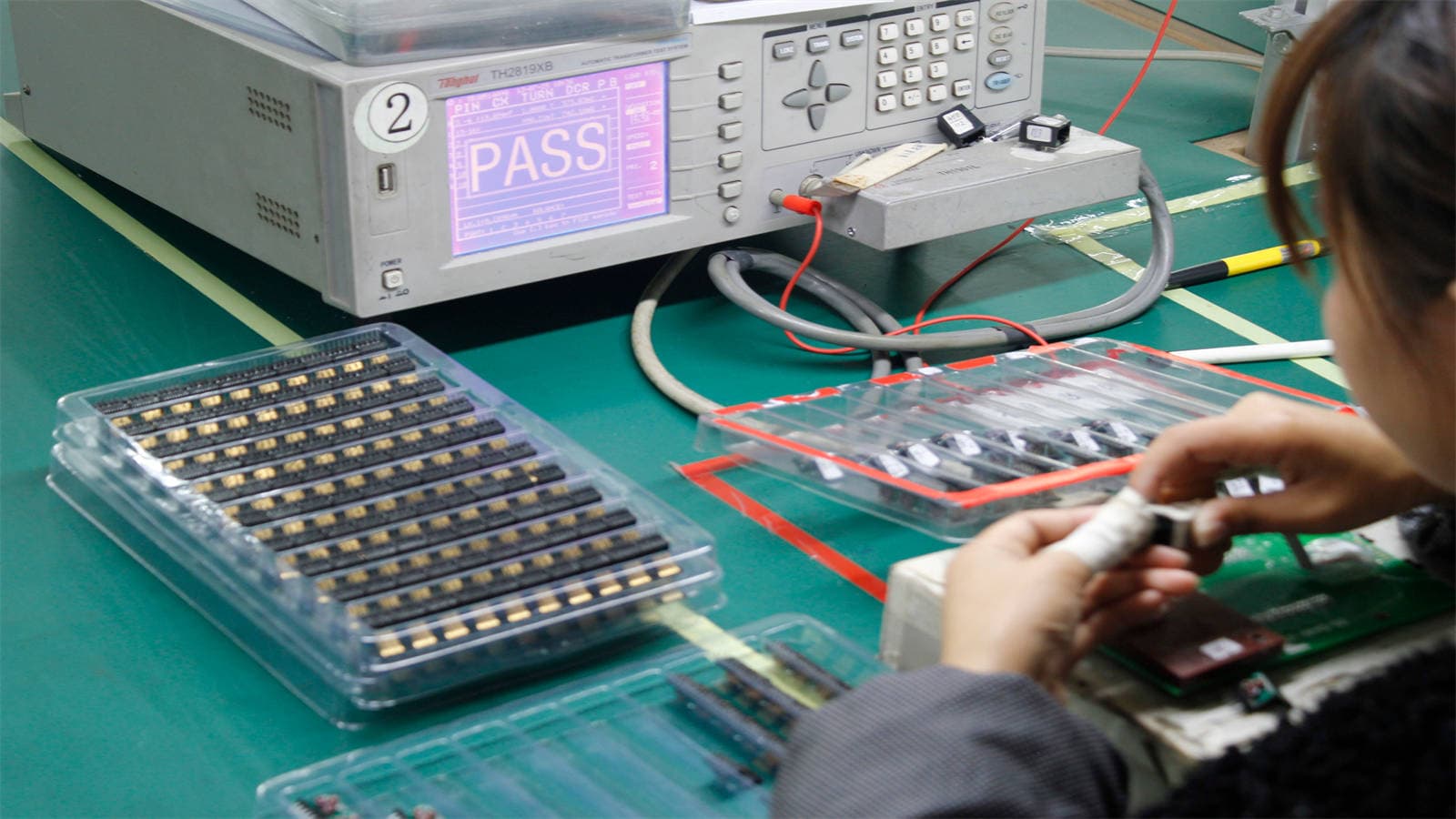
Pre-housing tests inspect coil continuity and electrical properties.
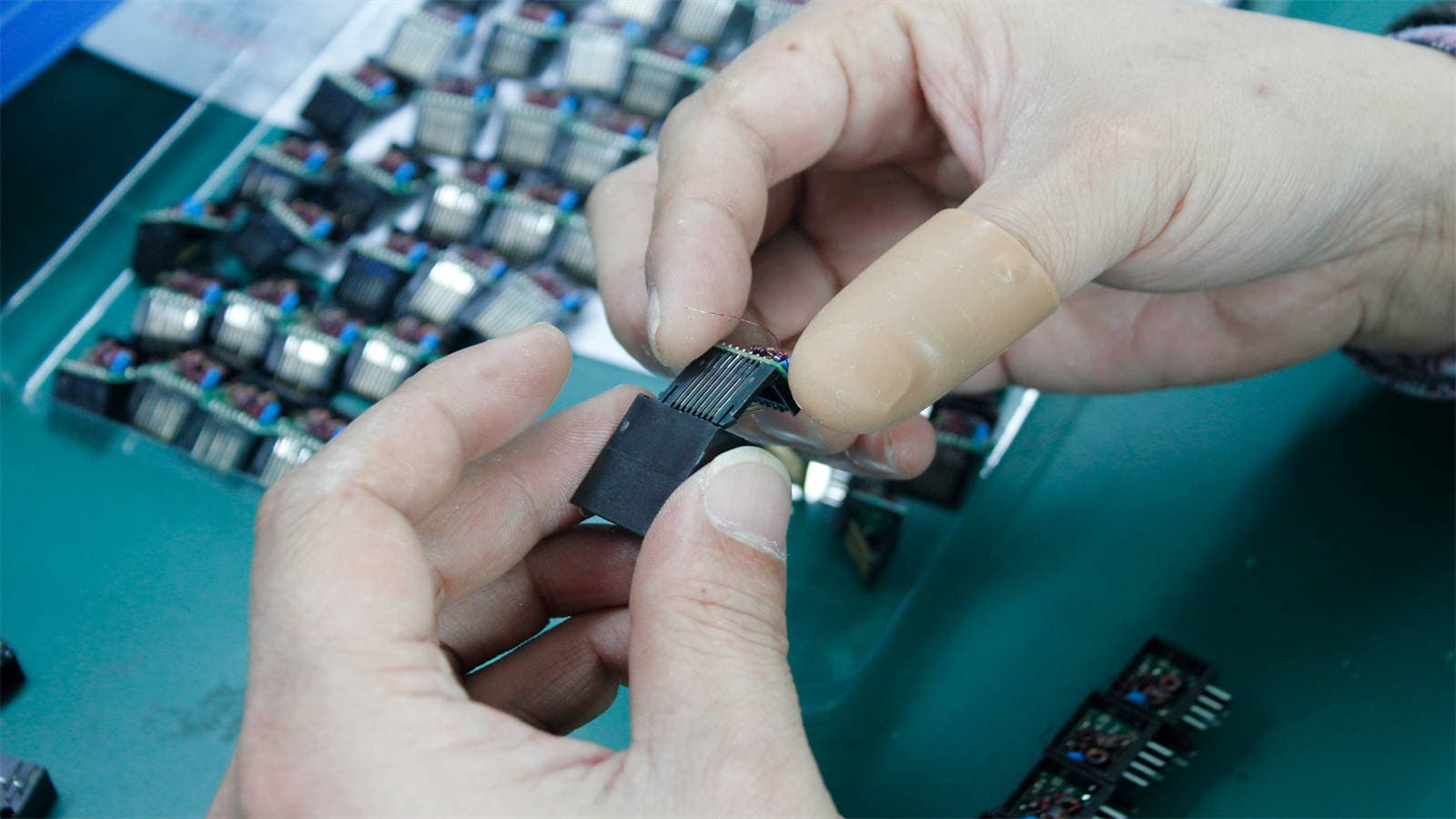
Enclosure insertion aligns internal components with external port structures.
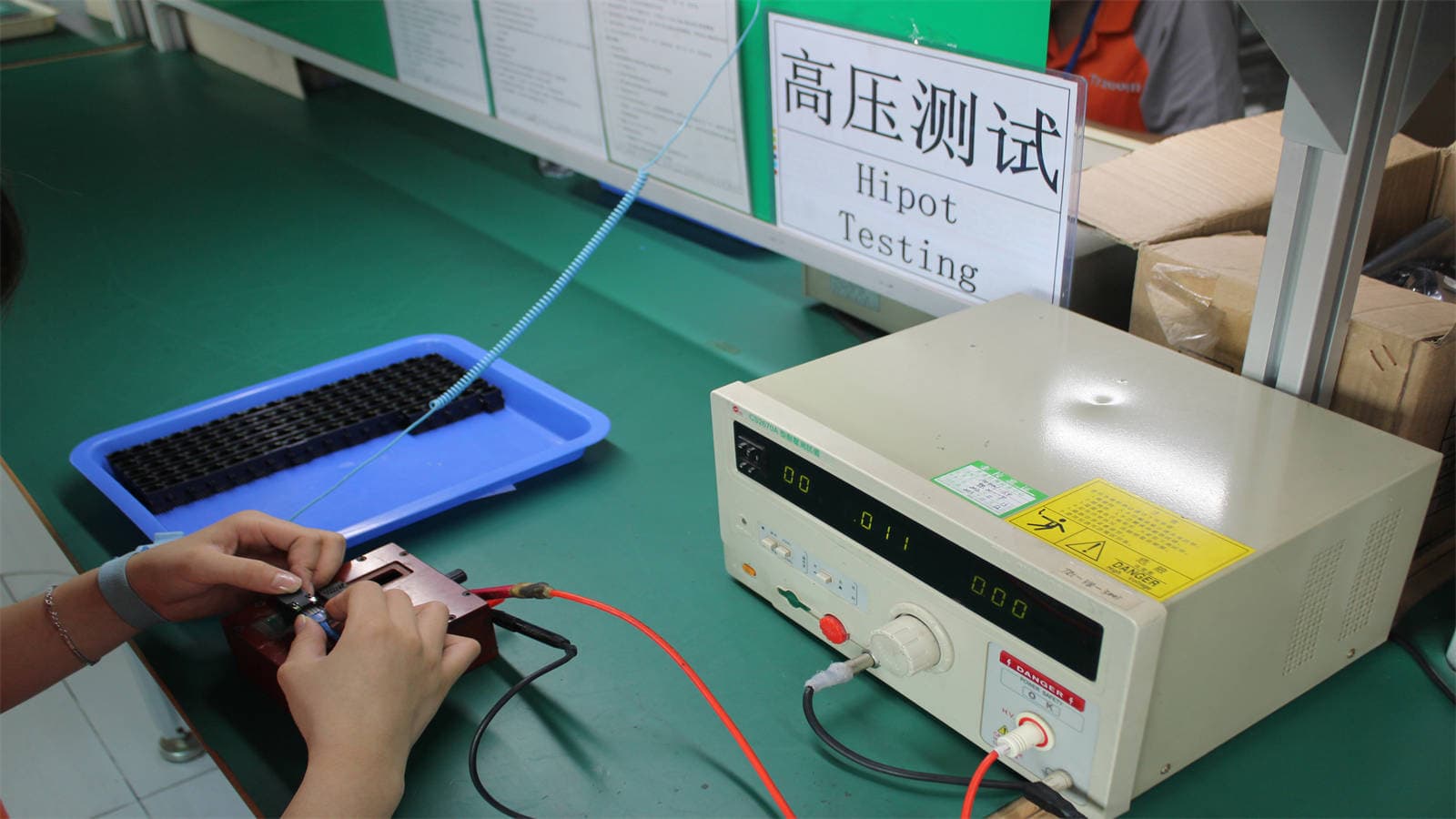
High voltage insulation tests prevent short circuits under load spikes.
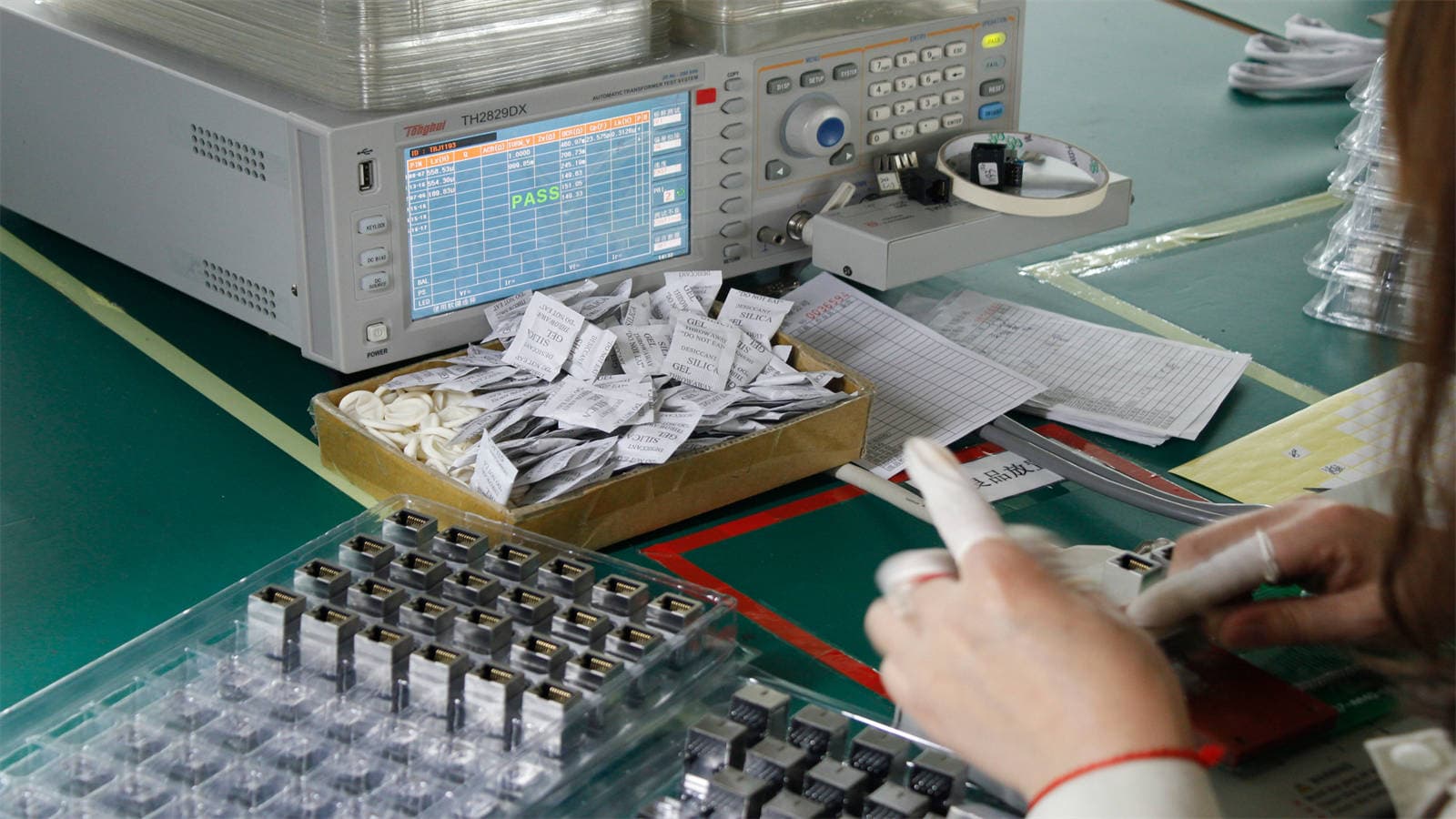
Comprehensive evaluations test signal loss and LED activity indicators.
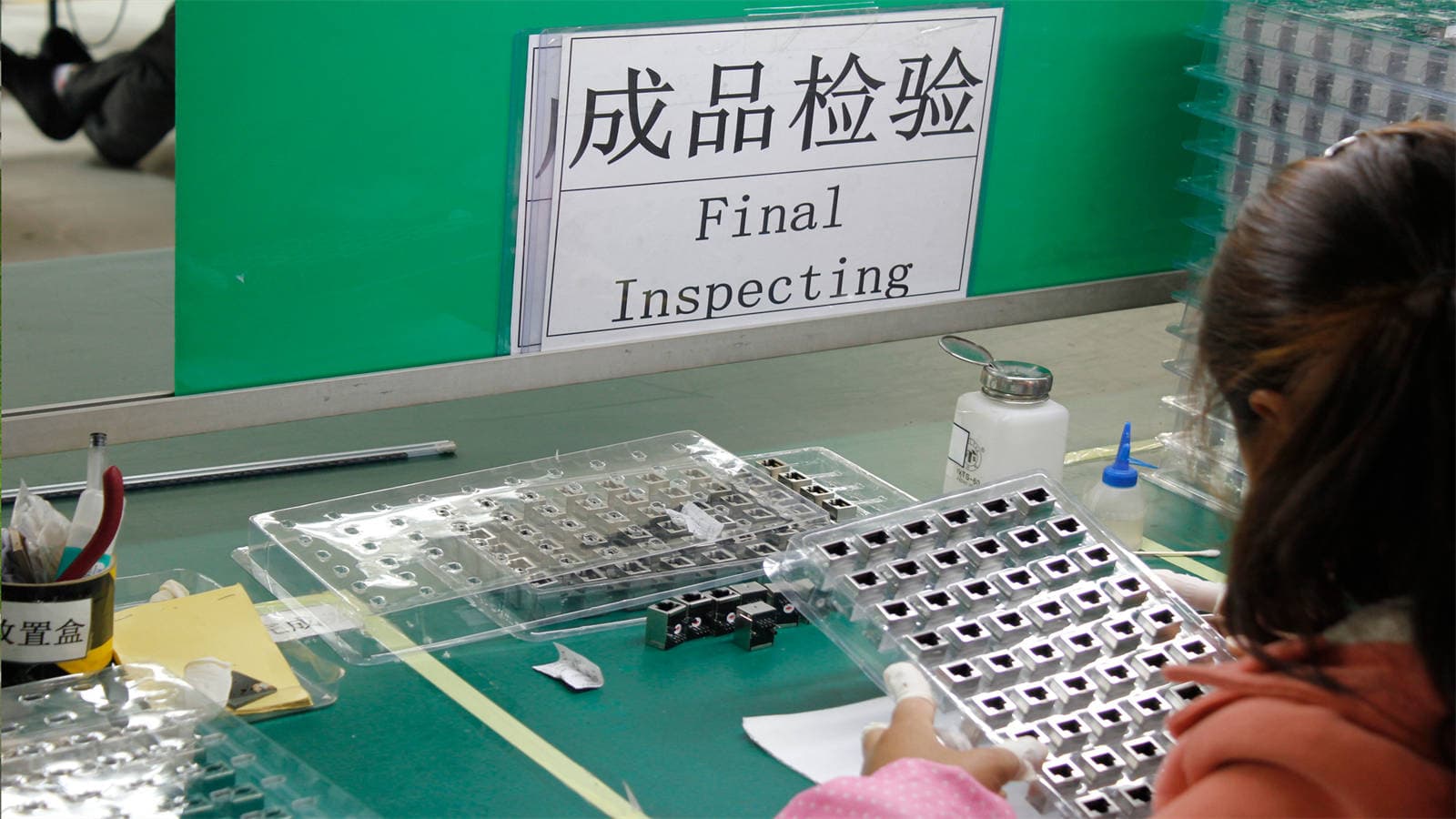
Visual checks verify contact flatness, solder legs, and case integrity.

Secure antistatic trays prevent contact pin distortion during export.
We utilize calibrated testing equipment to inspect parameters before global export shipments.

Analyzes return loss, cross-talk, and insertion loss profiles across standard categories.

Measures dominant wavelengths and luminous intensities for built-in LEDs.

Verifies dielectric withstand voltage limits up to 1500V AC to ground.

Performs repeatable micro-welds for consistent path impedance.

Engraves clear traceability markings and serial numbers onto housings.

Extracts turns ratios, inductance values, and leakage metrics automatically.

Applies protective tape-and-reel arrays for automated pick-and-place lines.

Conducts rapid high-throughput checks of terminal connection profiles.
How we support procurement needs, design compliance, and custom interface layouts.
For system integrators, electronic manufacturing services (EMS), and specialized component distributors, managing hardware supply lines requires stability, compliance, and traceable testing reports. Luguang Communication utilizes strict design verification steps to verify compatibility with cross-industry footprints (such as Amphenol, Pulse Electronics, and Molex alternatives).
Our standard procedures offer several advantages:
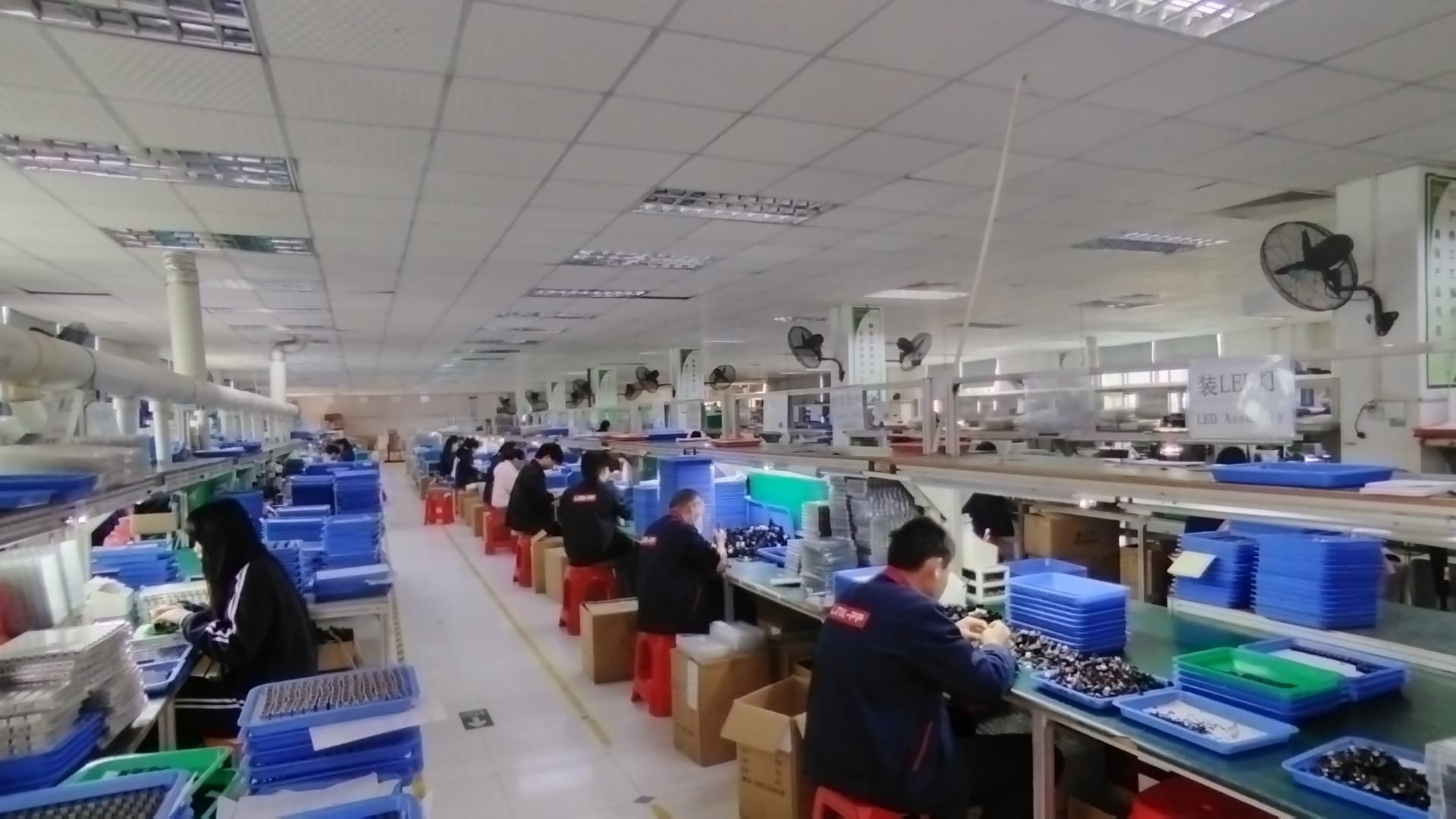
Understanding signal attenuation, common-mode rejection, and layout parameters.
A magnetic RJ45 connector, or "Magjack", integrates magnetics inside the jack housing to clean signals and prevent damage. This integration includes a transformer and common-mode choke for each transmission line. In low-profile designs, shrinking these components without compromising isolation is a core design focus.
1. Signal Loss Protection: A common challenge in compact designs is insertion loss. High-permeability toroidal cores help maintain low signal attenuation, ensuring reliable transmission across 100-meter copper runs.
2. Return Loss: Impedance mismatches at the PCB interface can cause signal reflections. Our designs maintain a return loss of under -16dB at 100MHz, helping system designers meet IEEE 802.3 specifications.
3. Mechanical Durability: The outer metal shielding is made of nickel-plated copper alloy. Thermoplastic housings are compatible with reflow soldering temperatures (up to 260°C for lead-free processing).
Quick answers to common questions about low-profile RJ45 selection, layout, and manufacturing.
A "low-profile" RJ45 connector typically features a reduced physical height, often under 11.5mm (and as low as 8.5mm), compared to standard RJ45 jacks which range from 13.5mm to 16mm. This space-saving design is useful for high-density networking devices, 1U chassis blades, and thin embedded systems.
Yes. By integrating specific high-frequency magnetic packages and advanced internal shielding structures, our low-profile connectors support Category 6A speeds up to 10G Base-T, while maintaining backward compatibility with 10/100/1000M systems.
Integrated magnetics combine the RJ45 jack with the required isolation transformers and common-mode chokes. This design reduces PCB space requirements, simplifies routing, provides high-voltage isolation, and improves EMI shielding compared to using discrete components.
We offer specialized high-temperature housing options (such as LCP or PA9T plastics) designed to withstand lead-free reflow soldering profiles (up to 260°C peak temperatures) for surface-mount (SMT) and thru-hole reflow (THR) assembly.
We support various customizations, including green, yellow, and bi-color LEDs, shield styles (with or without EMI ground tabs), tab-up or tab-down configurations, and specific pin lengths to suit different PCB thicknesses.
Your reliable one-stop supplier for optical transceivers and high-performance copper interconnects.
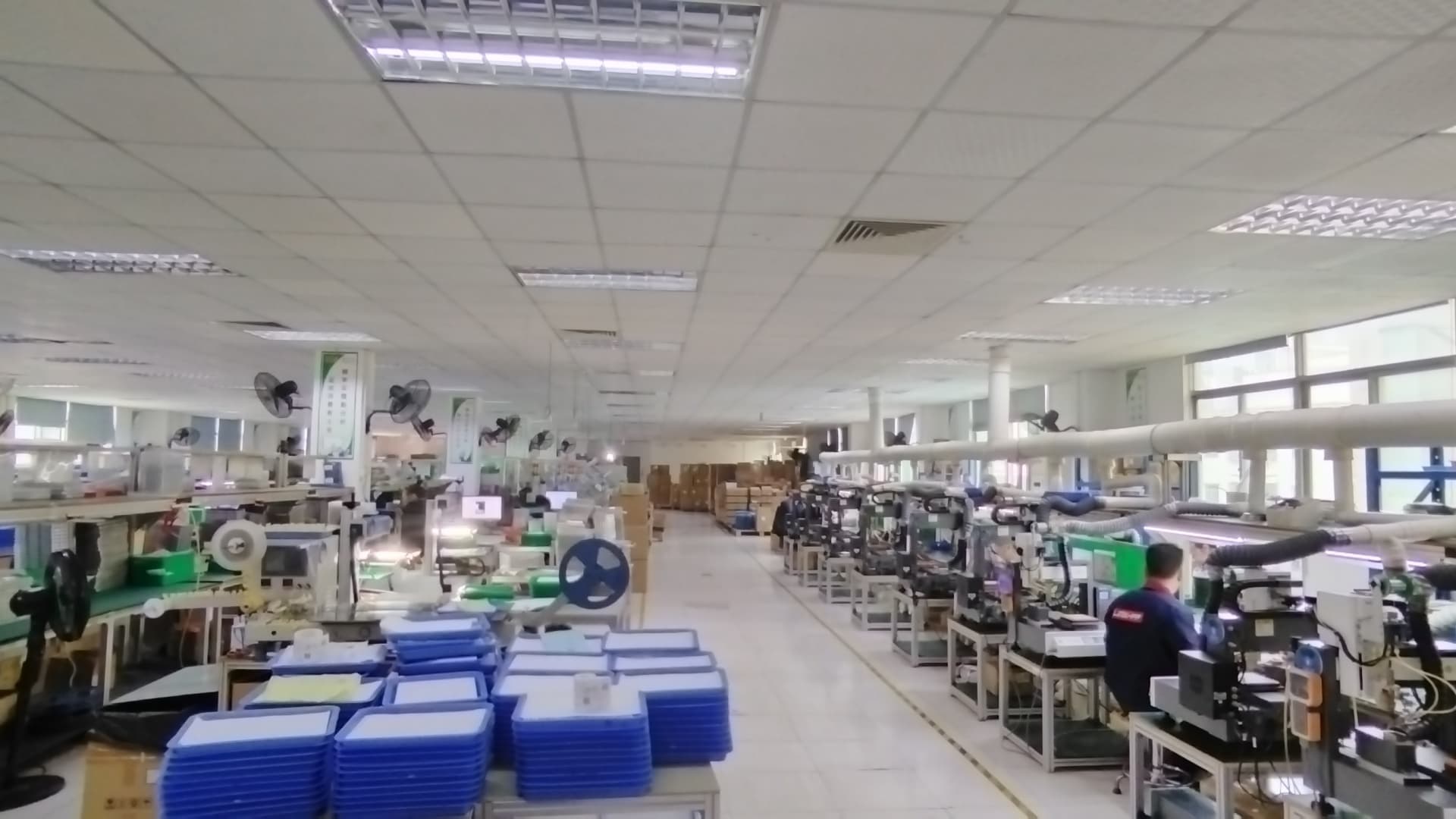
Lumopt Opto Technology Co., Ltd., registered as Luguang Communication Technology Co., Ltd. in China, is a professional manufacturer and exporter specializing in network hardware. We focus on the R&D, production, and customization of high-performance optical modules (ranging from 10G, 25G, 100G, 400G, 800G, to 1.6T) alongside our robust line of copper network jacks (RJ45 connectors and Magjacks).
Equipped with standardized dust-free production workshops, advanced automated testing systems, and an experienced R&D team, we implement strict quality controls. Our transceivers and copper components comply with international standards and hold relevant reliability certifications, supporting both OEM and ODM requirements.
We are committed to providing stable quality, competitive pricing, and reliable after-sales support. We look forward to cooperating with distributors, system integrators, and telecom enterprises globally. Contact our engineering team today to request samples or discuss custom design requirements.
Browse our remaining high-density modules, supporting various tab configurations and LED layouts.