Lumopt
Lumopt
Lumopt
Explore our performance-validated optical modules, designed to sustain multi-gigabit throughput under industrial thermal constraints.
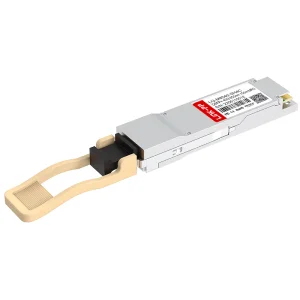
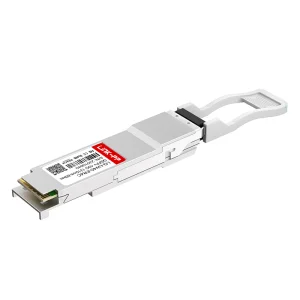
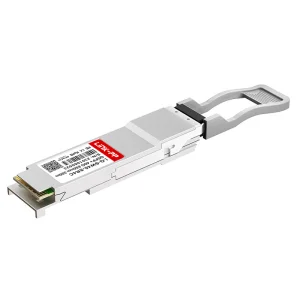
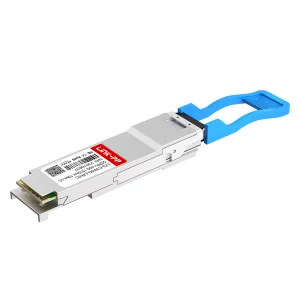
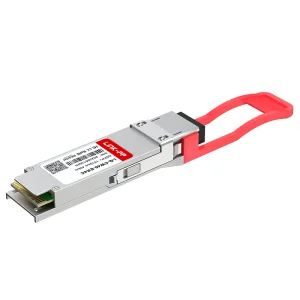
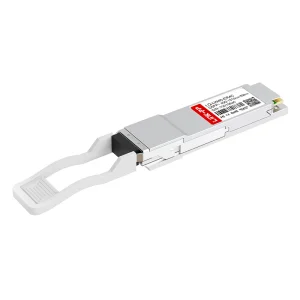
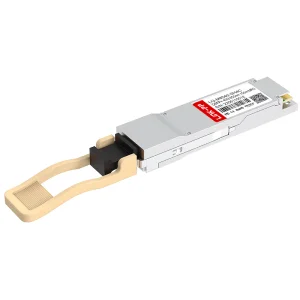
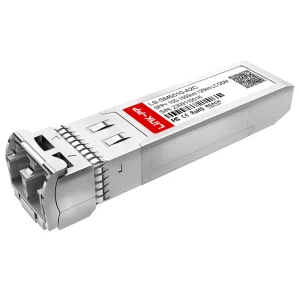
Lumopt Opto Technology Co., Ltd., registered as Luguang Communication Technology Co., Ltd. in China, is a professional Chinese manufacturer and exporter specializing in high-performance optical transceivers. We act as a critical engineering partner to network administrators, systems integrators, and global enterprise distributors who demand absolute stability at the physical link layer.
We focus on the R&D, production, and customization of full-series optical modules covering 10G, 25G, 100G, 400G, 800G, and 1.6T products. These are widely applied in mission-critical data centers, telecommunications networks, cloud computing platforms, high-performance artificial intelligence (AI) computing arrays, and enterprise storage area networks (SAN).
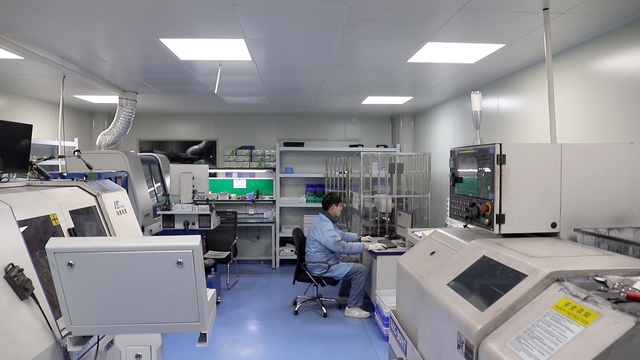
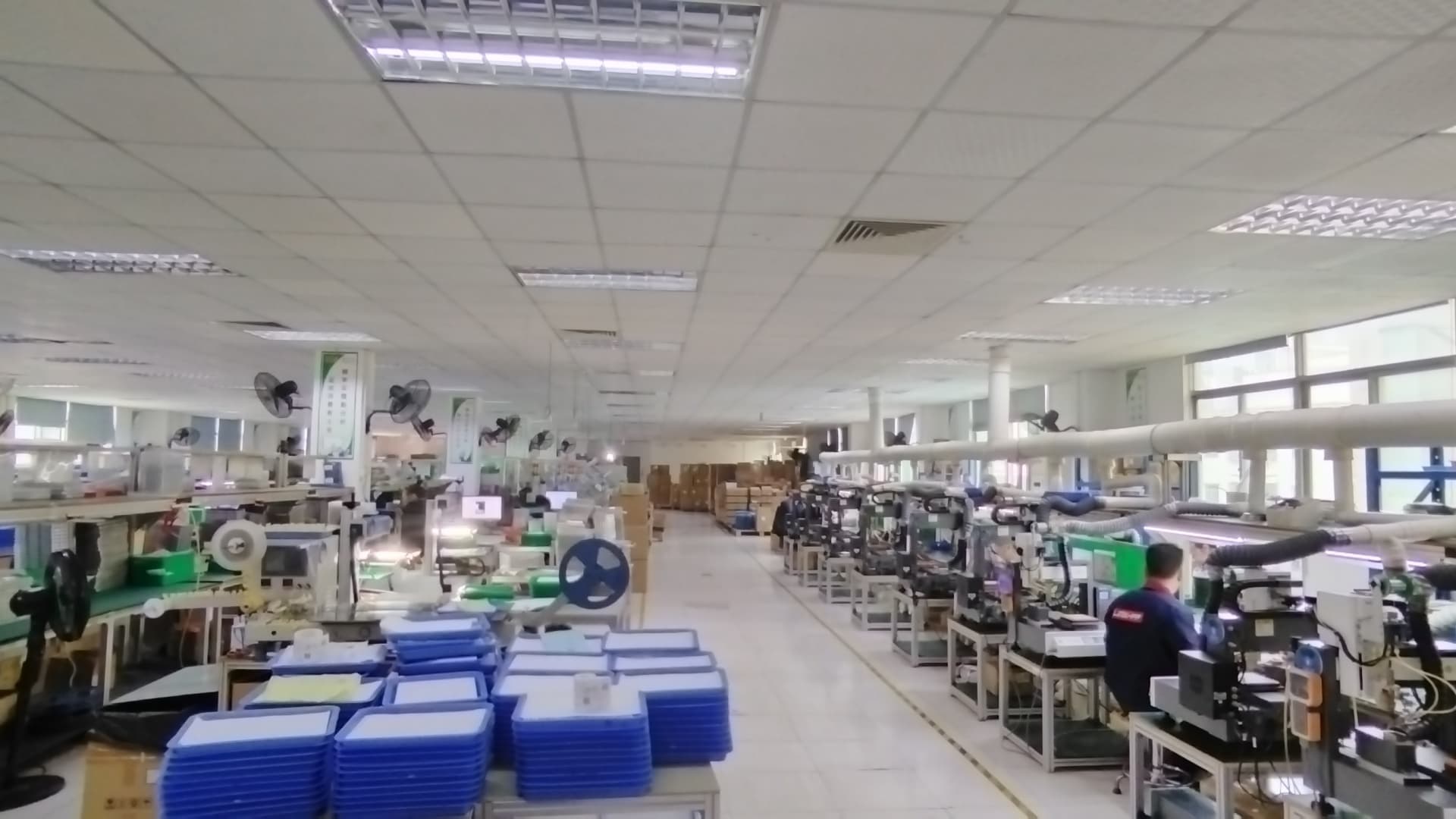
Equipped with ISO-certified dust-free production environments, advanced auto-calibration testing suites, and a dedicated optoelectronics R&D team, we implement strict quality management loops throughout the process. All optical transceivers conform to industry Multi-Source Agreements (MSA) and carry standard reliability certifications, supporting OEM & ODM configurations.
Understanding the optical interfaces, modulation schemes, and wavelength multiplexing methods utilized in high-density optical fabrics.
40G QSFP+ modules use distinct interface paradigms. 40GBASE-SR4 systems utilize MPO-12 connectors to transmit over 4 parallel lanes of 10G multimode fiber. Alternatively, long-haul variants such as 40GBASE-LR4 and ER4 multiplex 4 wavelengths (CWDM grid) over a single pair of SMF terminated with duplex LC connectors.
LR4 modules carry 4 channels operating at wavelengths around 1270, 1290, 1310, and 1330 nm. In contrast, QSFP-40G-SR-BD (BiDi) operates with two 20G channels over multimode fiber, utilizing 850 nm and 900 nm bidirectional channels over duplex LC links to optimize legacy 10G fiber cabling infrastructure.
Equipped with Digital Optical Monitoring (DOM) under SFF-8436 standards, these transceivers output real-time measurements: optical transmit/receive power levels, laser bias current, internal module temperature, and supply voltage configurations, allowing proactive link monitoring.
As cloud networks transition towards 100G (QSFP28), 400G (QSFP-DD), and 800G, the 40G QSFP+ layer acts as a flexible bridge. Multi-rate ports allow users to segment 40G ports into 4 separate 10G SFP+ links via breakout assemblies (Direct Attach Copper or Active Optical Cables), providing investment protection for legacy access switches while upgrading cores to higher channel densities.
Many modern 100G optical switch ports are backward compatible with 40G QSFP+ transceivers. Setting port speeds to 40G enables gradual hardware refreshes without disrupting current routing domains.
Breakout cabling (QSFP+ to 4x SFP+) allows network administrators to connect 40G switch cores directly to 10G edge servers, maximizing physical space and port density.
From raw substrate assembly to automated inspection, our production steps maintain signal integrity across all fiber optic transceivers.
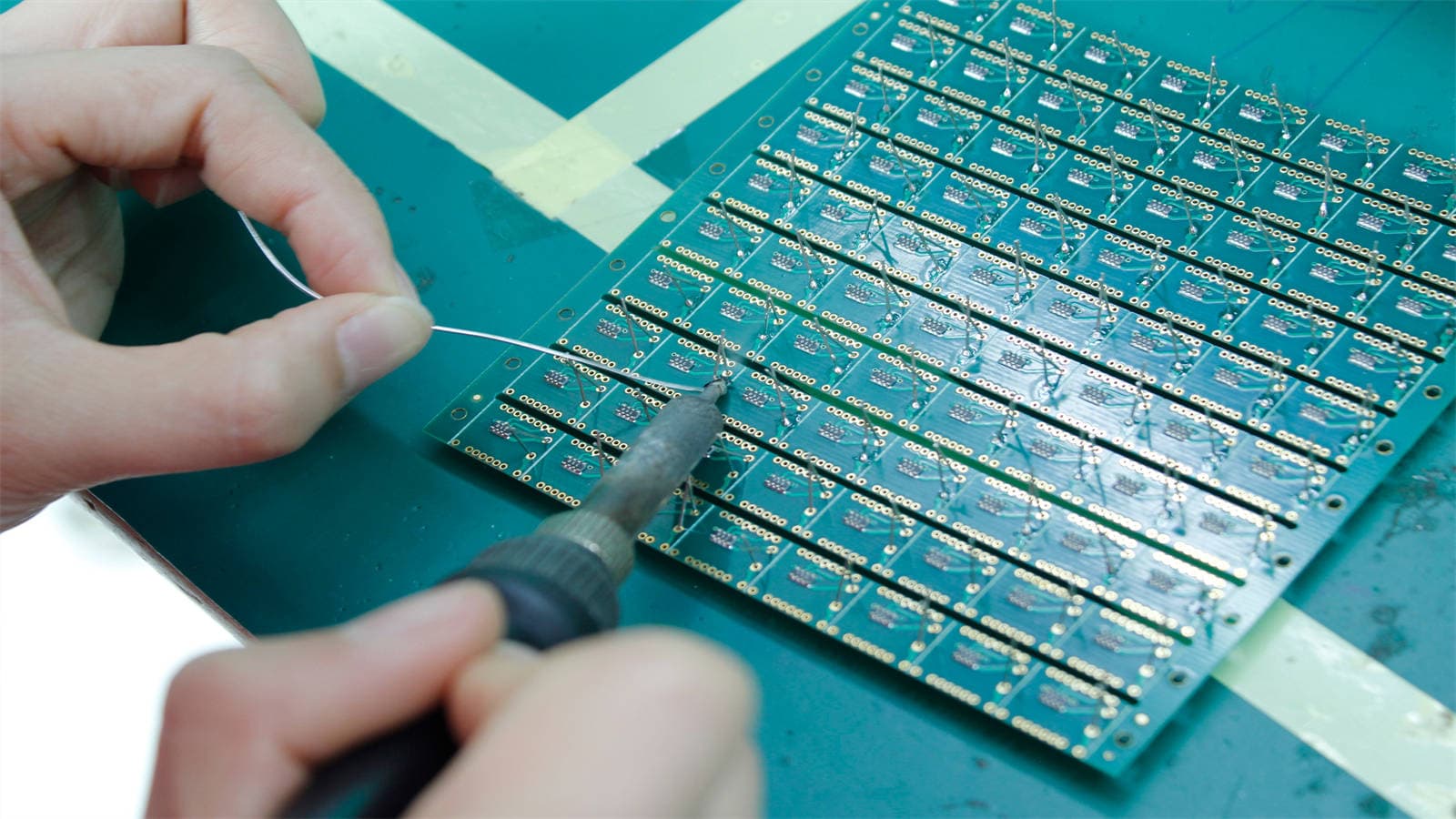
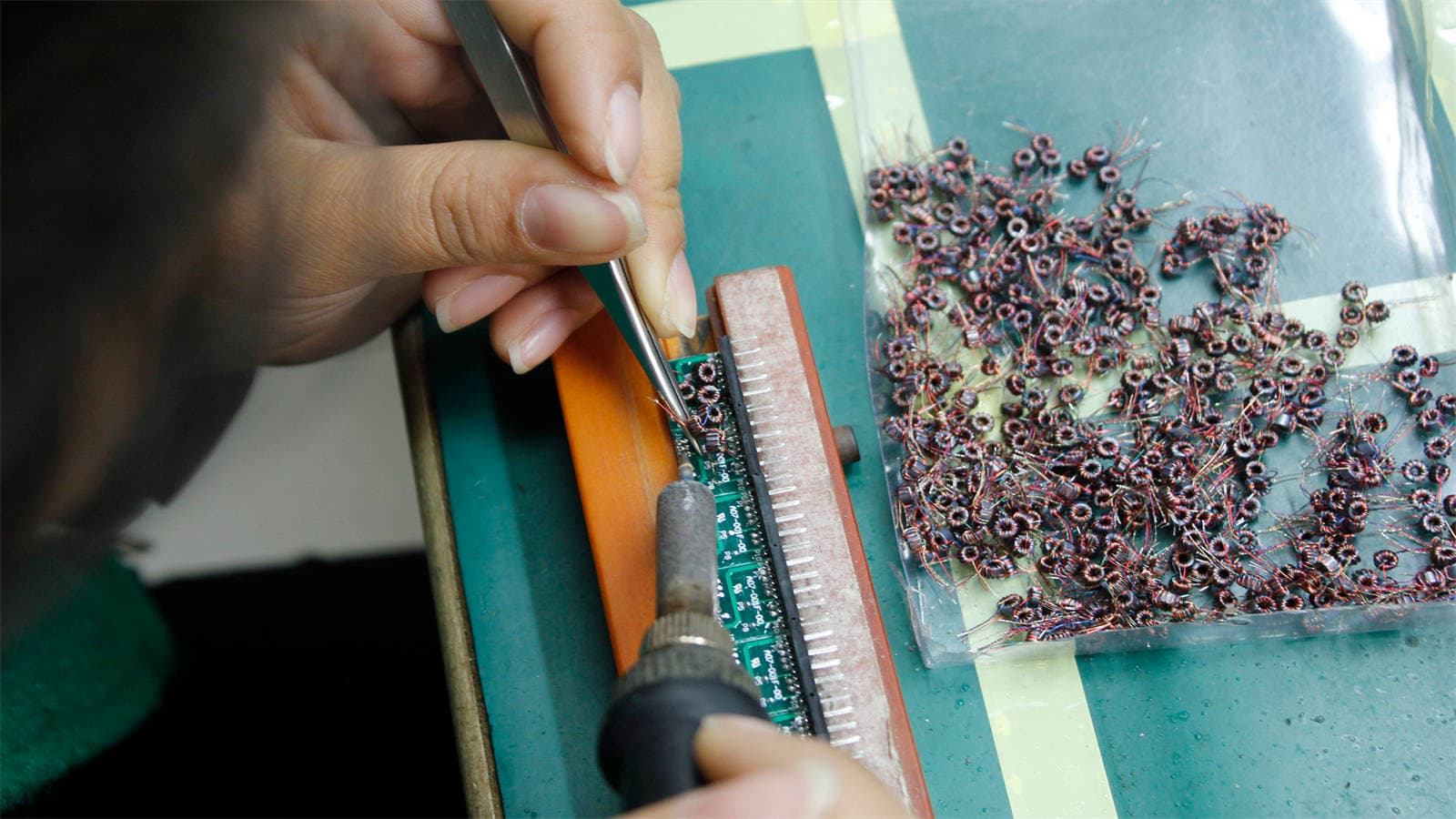
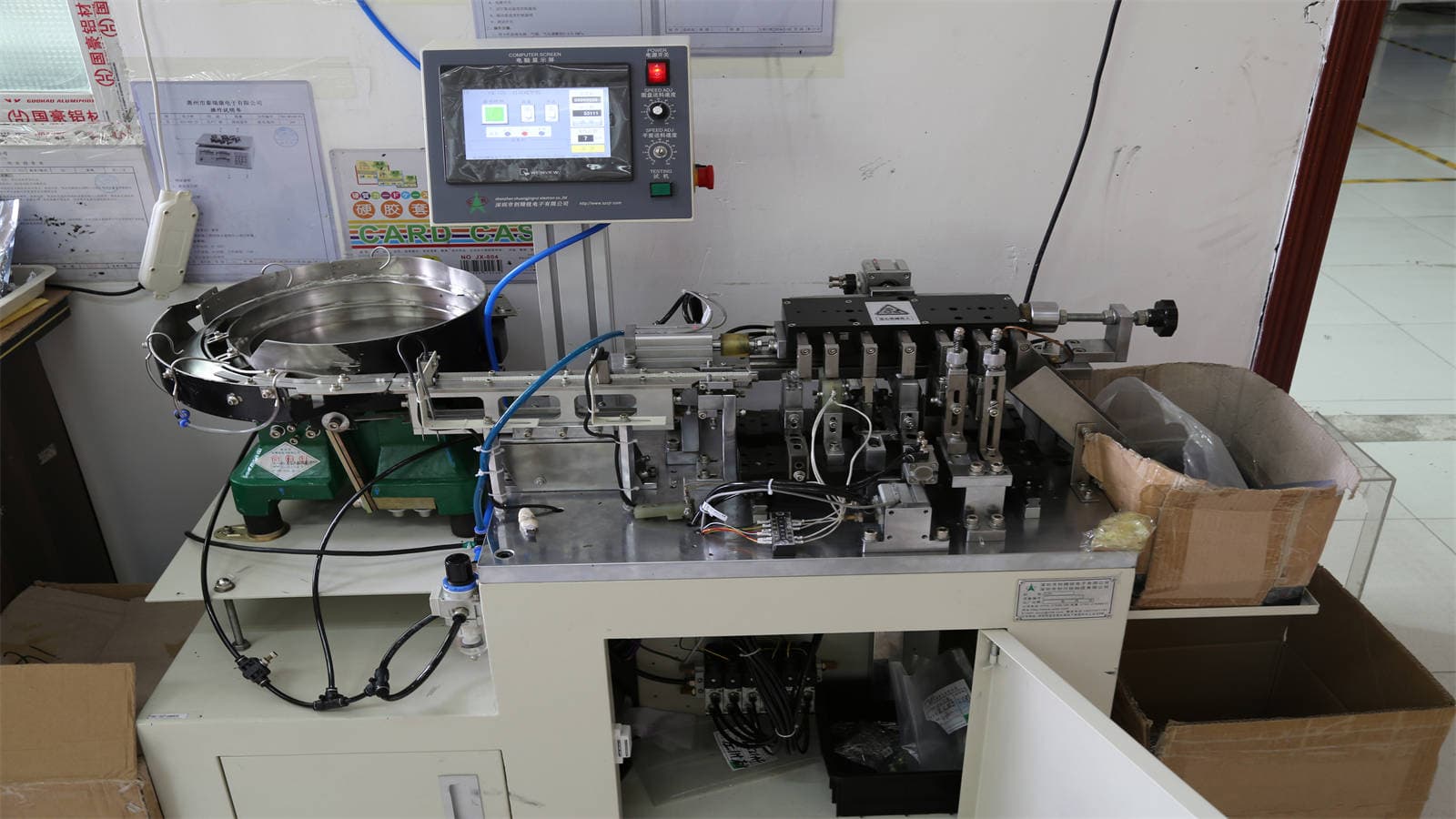
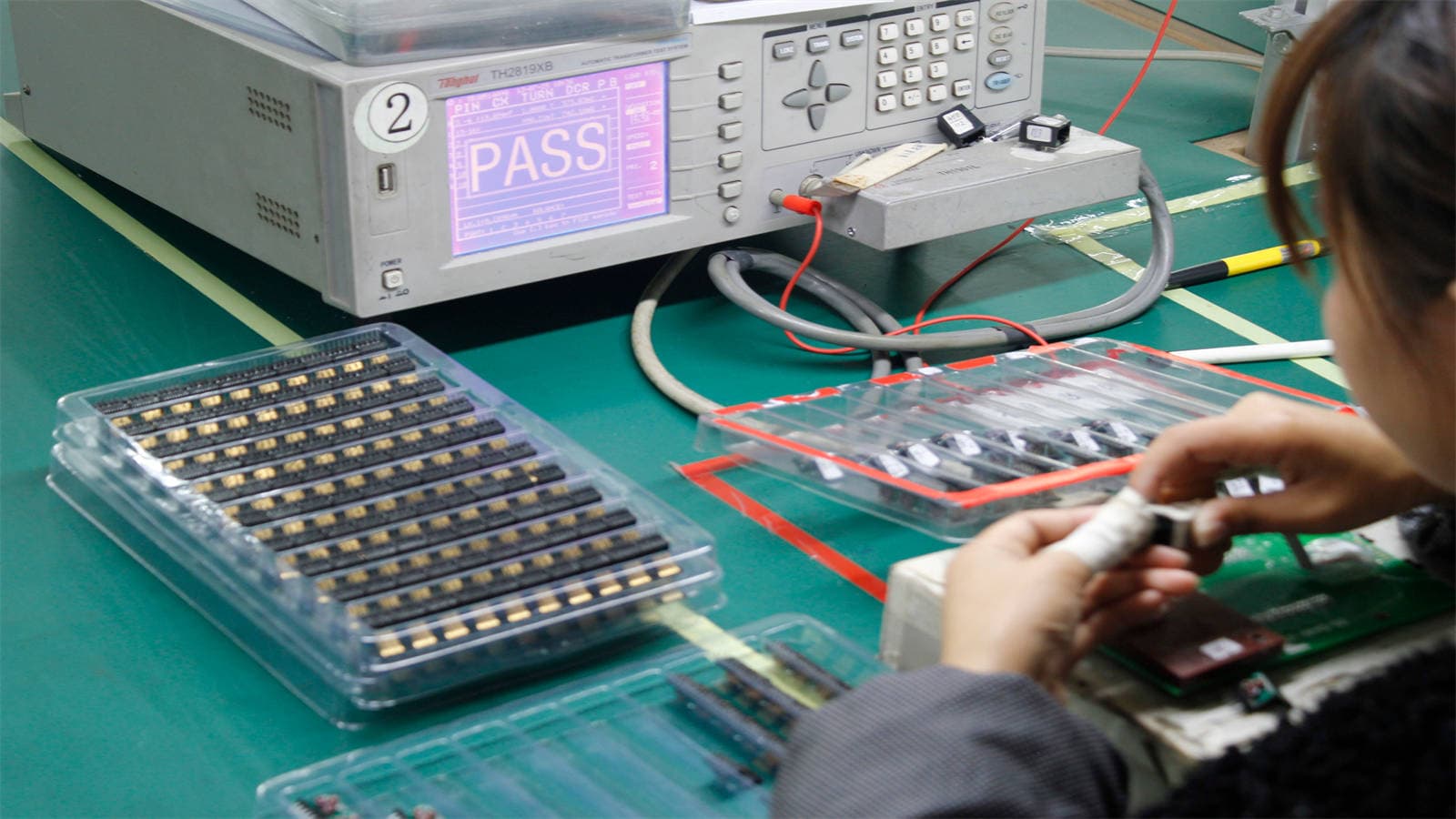
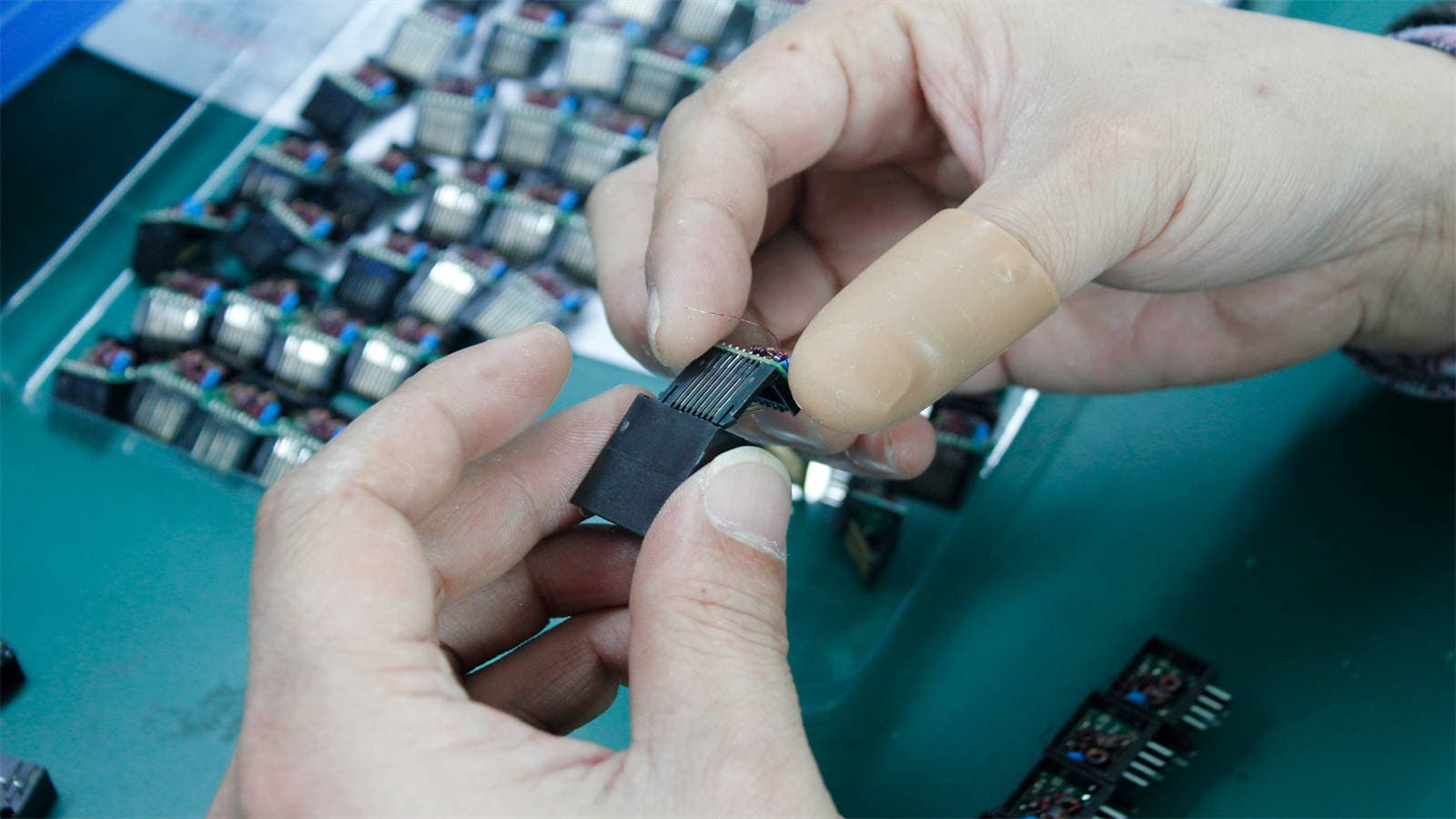
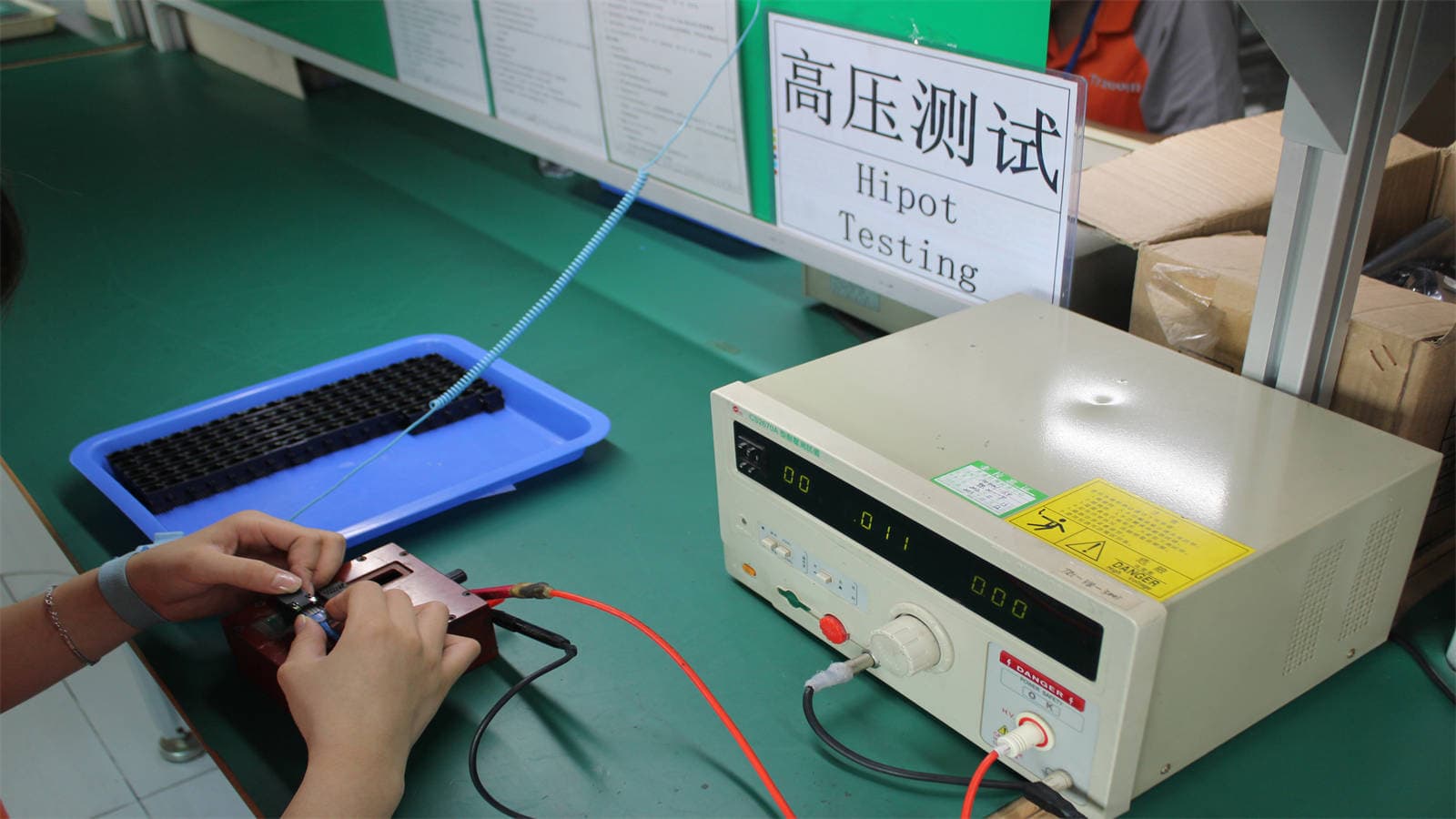

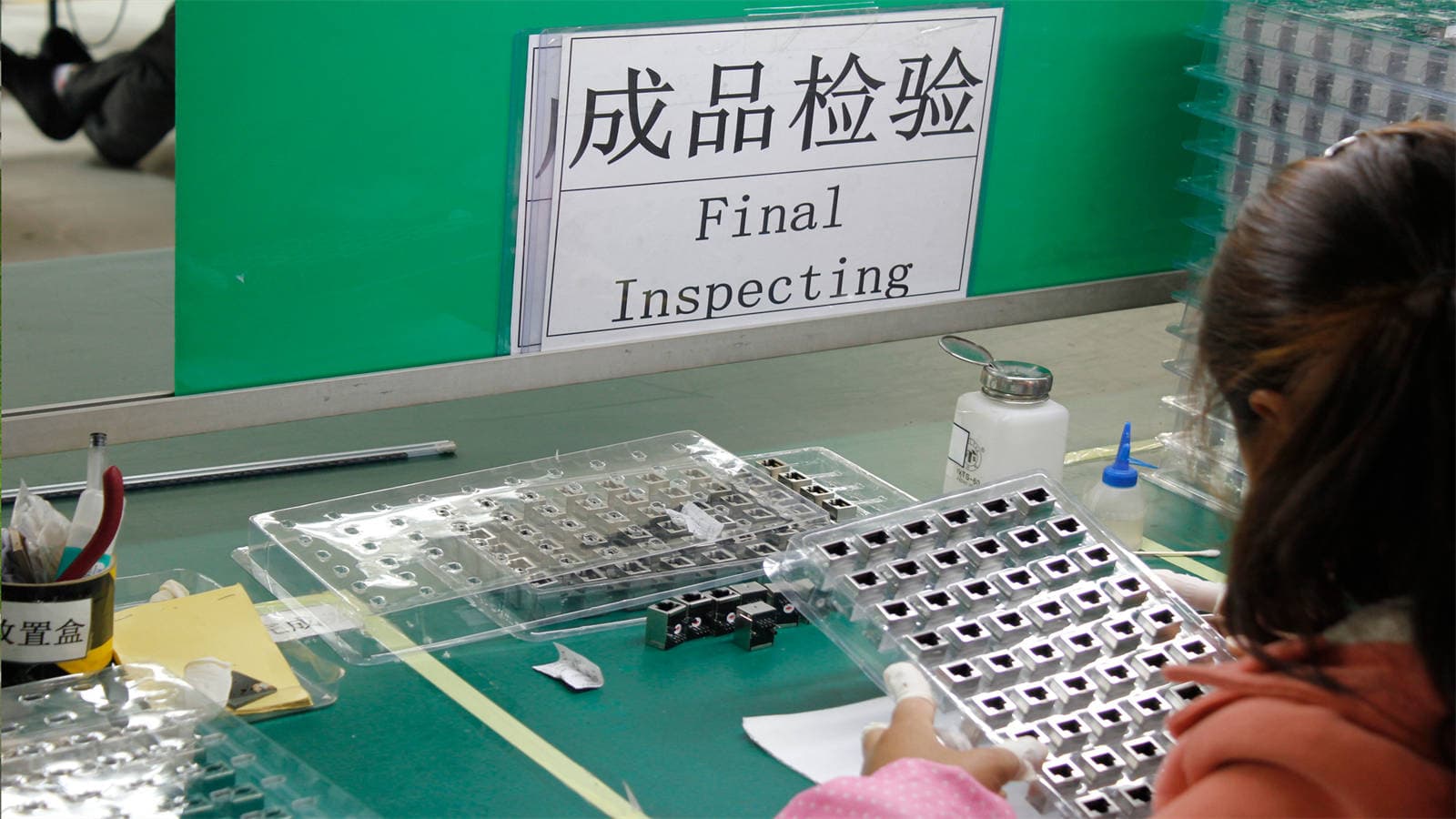

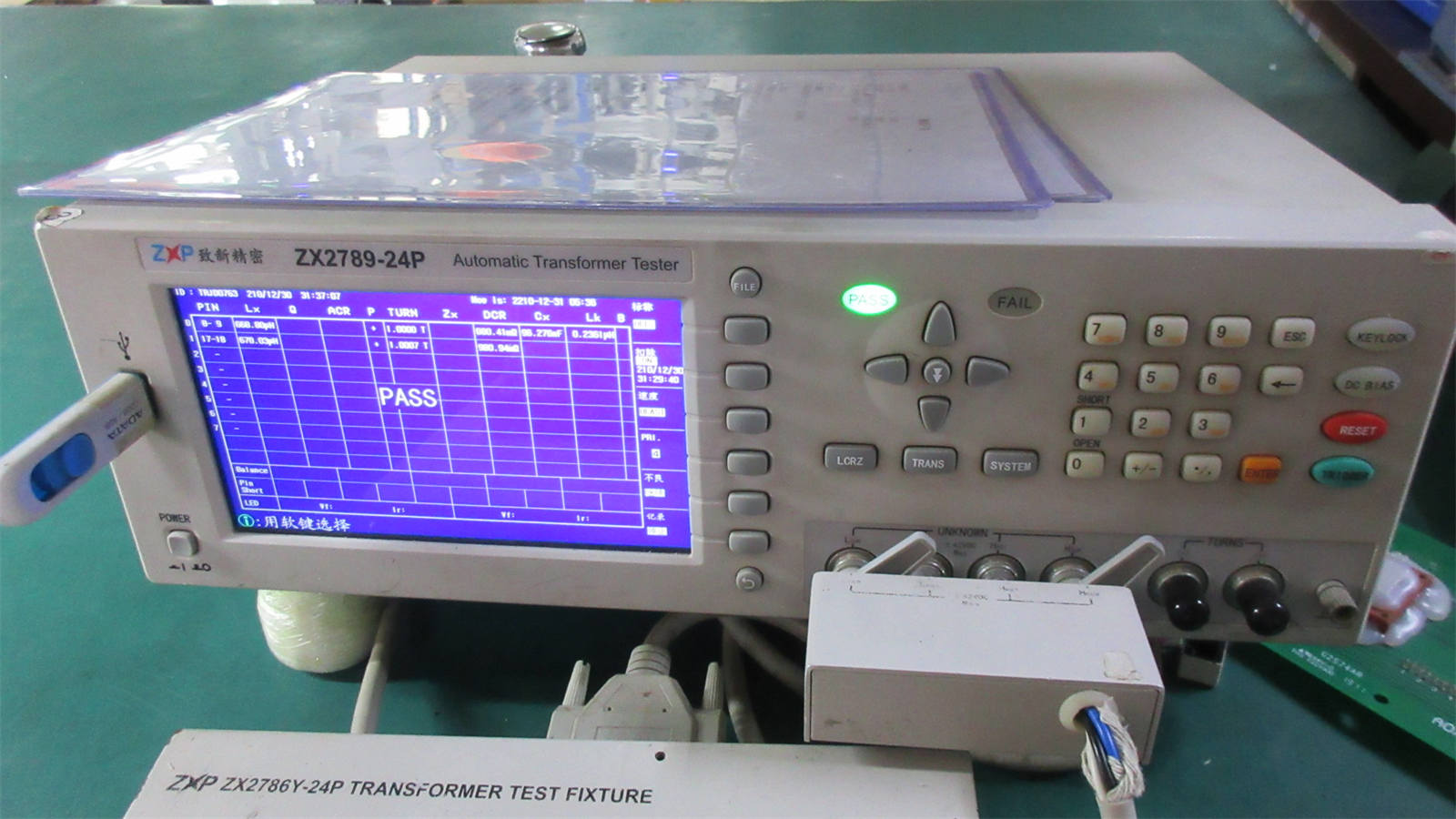

Our engineering facility utilizes specialized instruments to test insertion loss, voltage tolerance, and compliance with industry standards.
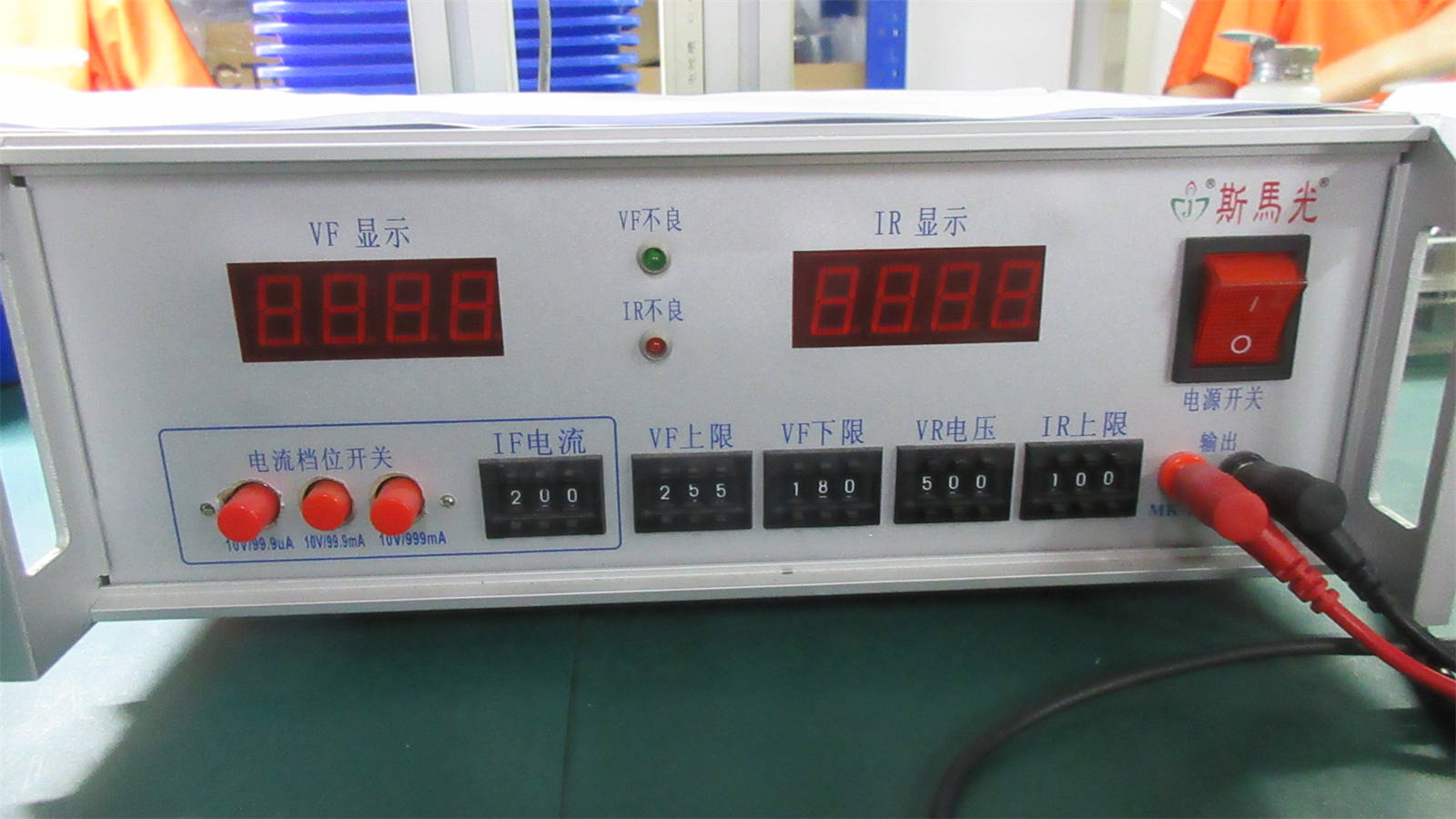
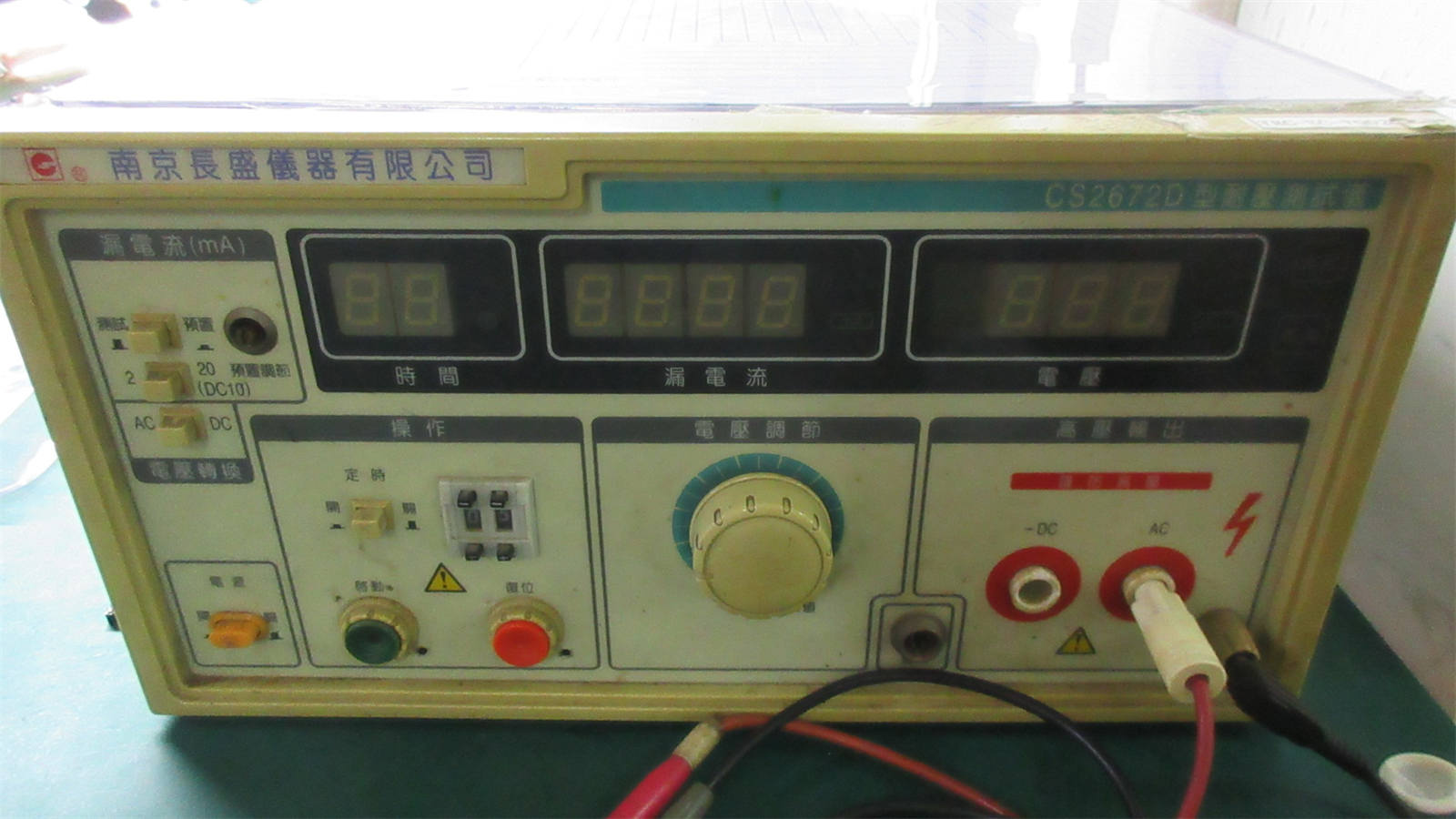
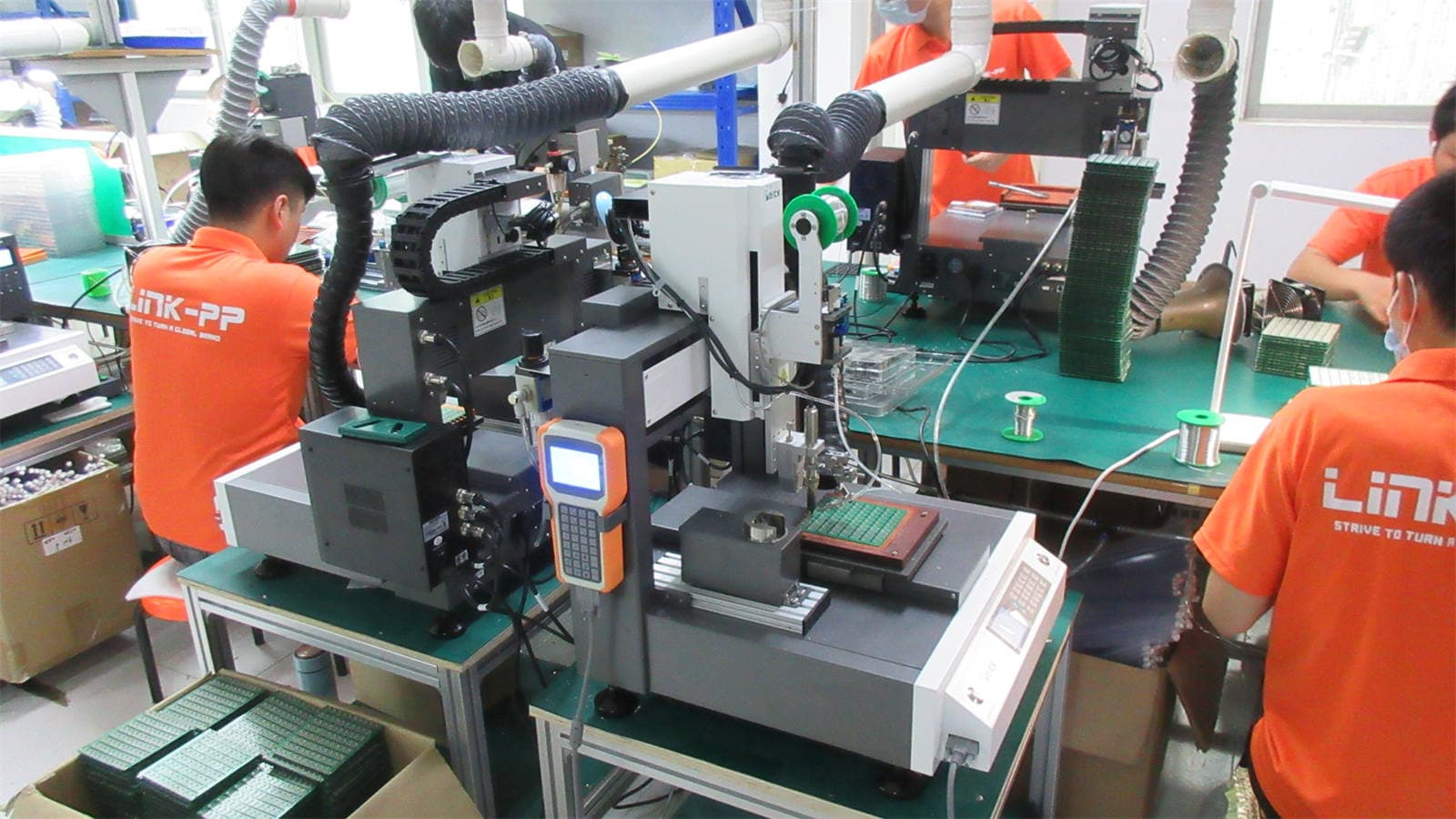
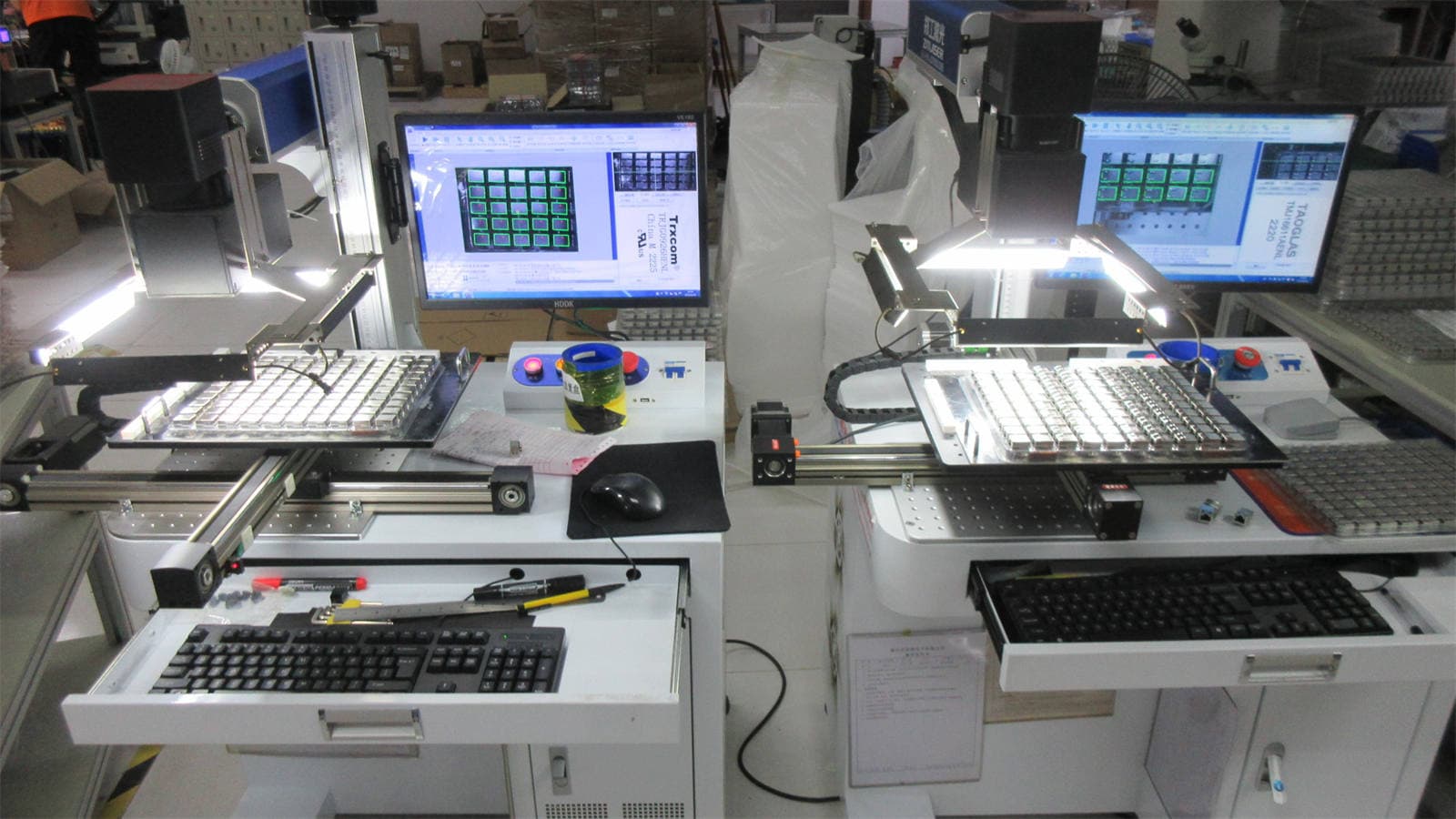
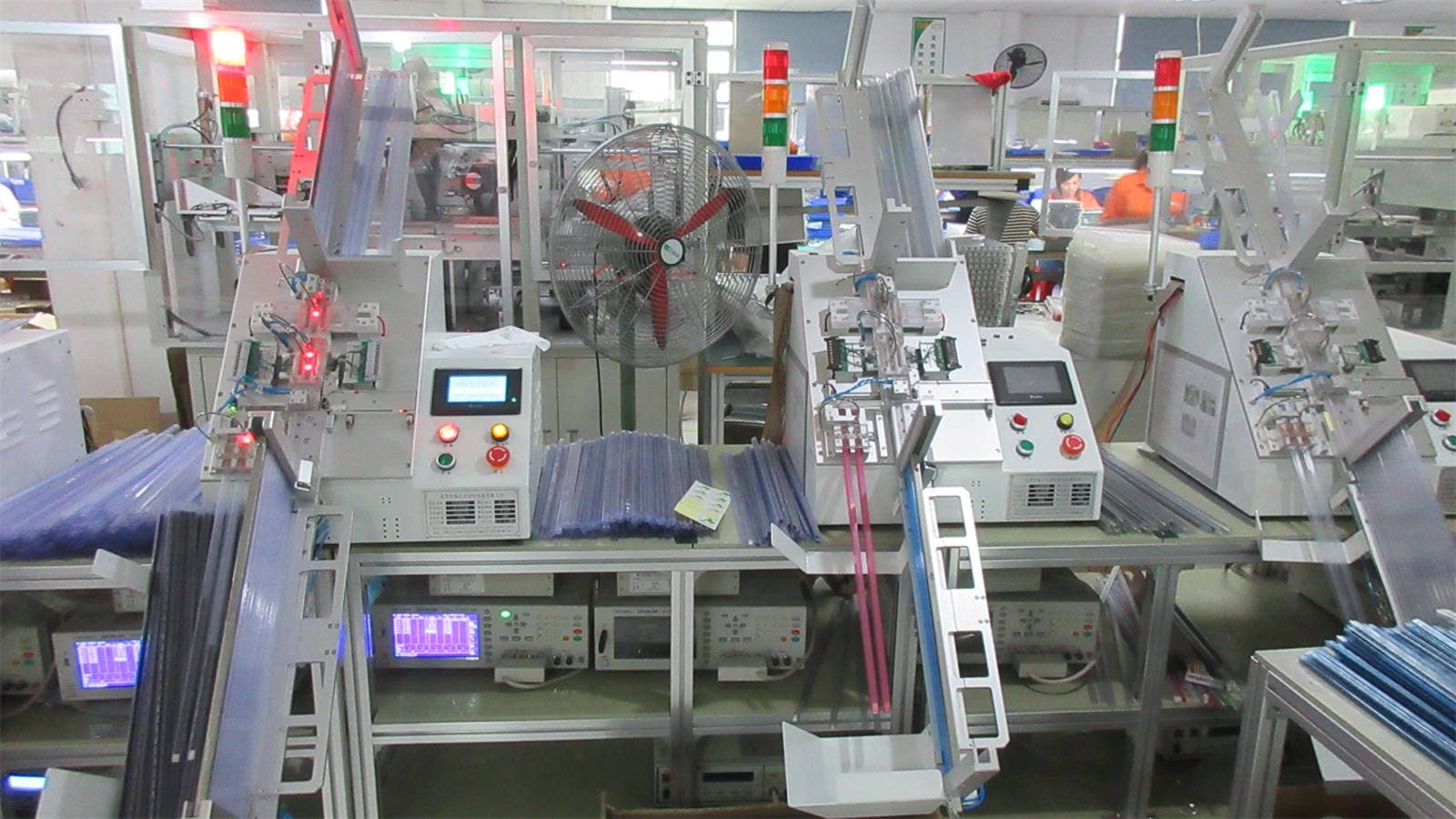
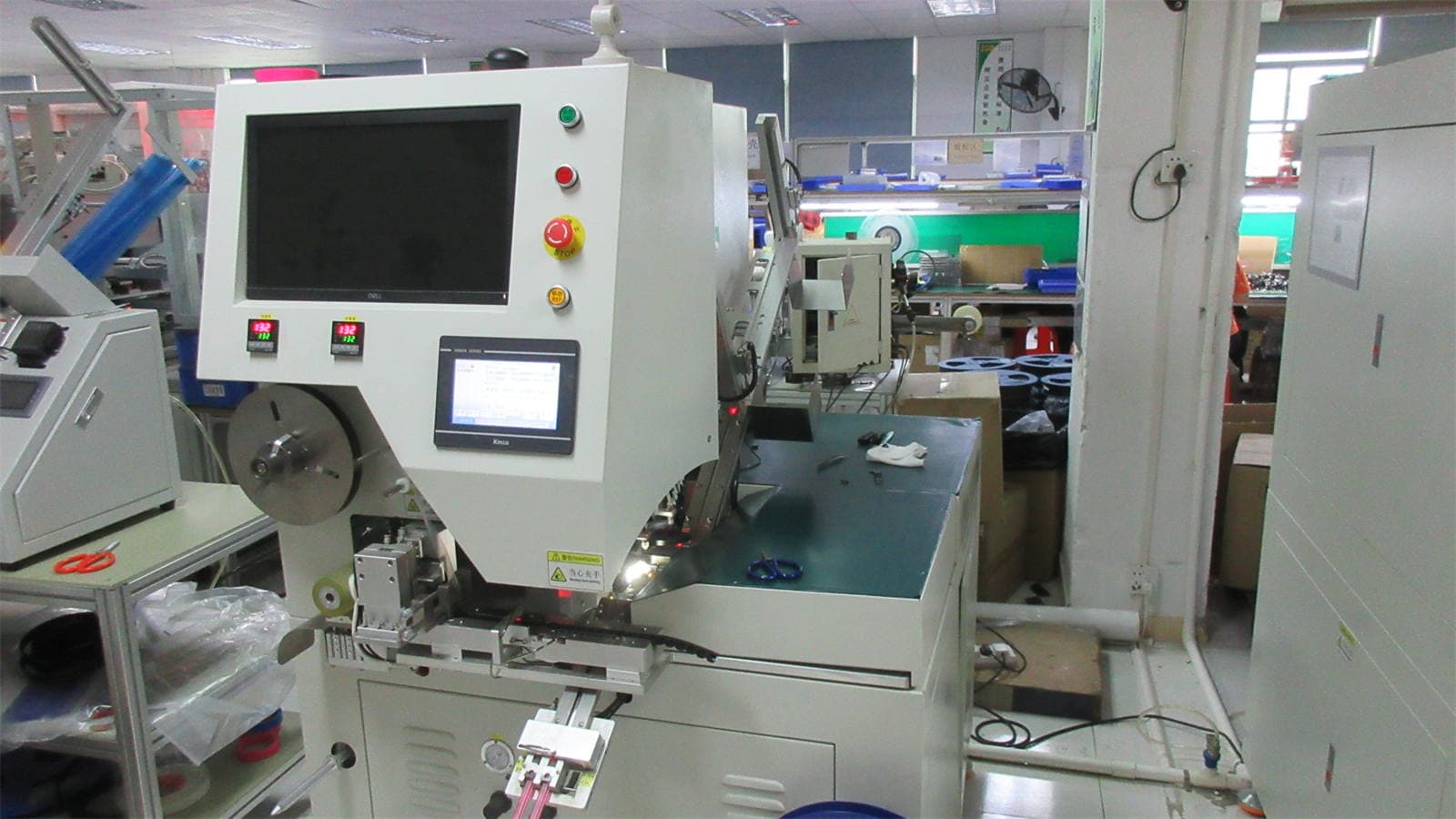
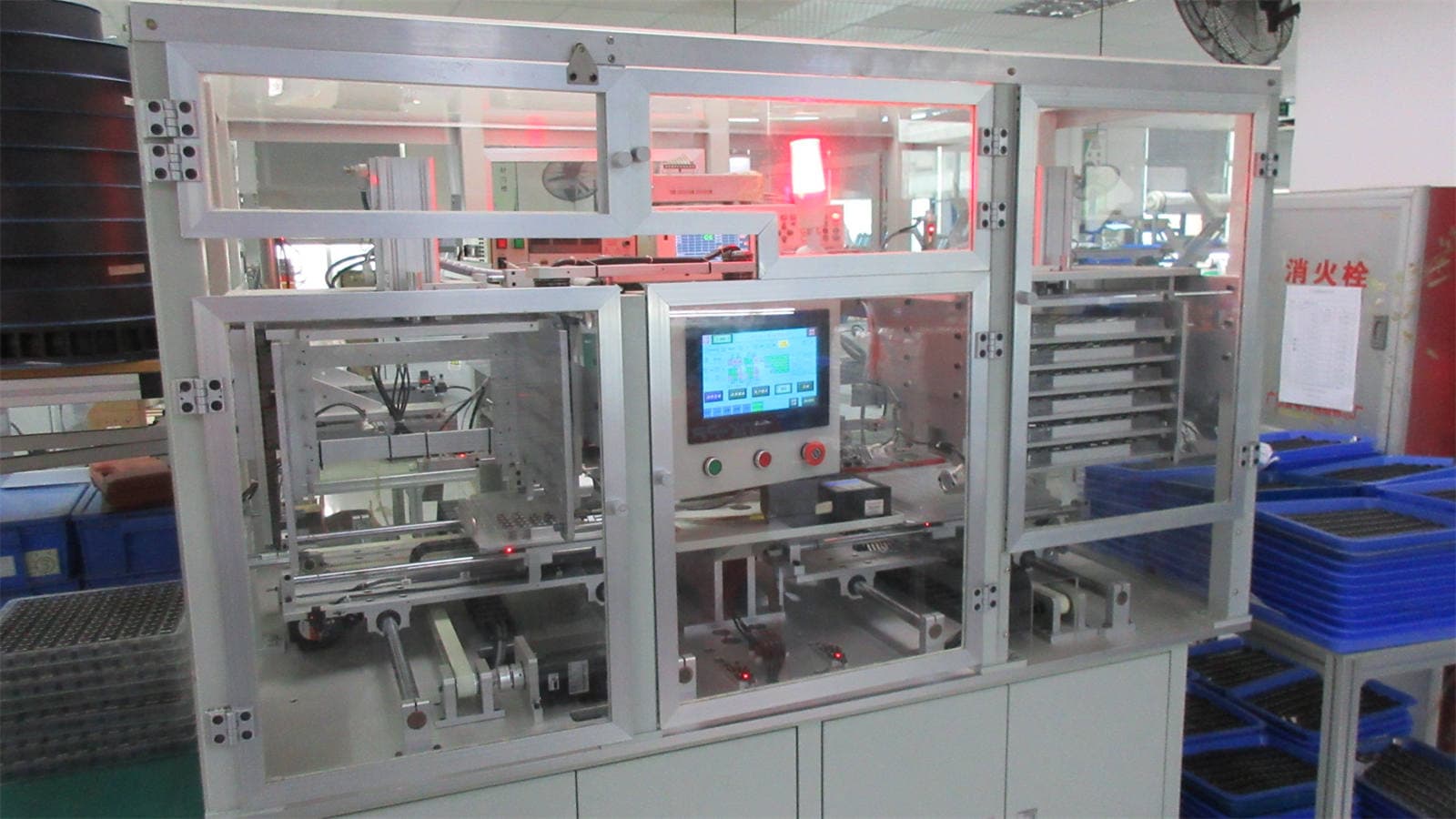

How high-performance optical layers optimize latency, heat profiles, and throughput across specialized enterprise architectures.
Artificial intelligence training requires high node-to-node bandwidth. By utilizing ultra-low latency 40G QSFP+ DACs and transceivers, data centers can prevent packet collisions and keep compute architectures saturated during distributed training operations.
Telecom carriers migrating legacy rings to packet networks rely on 40GBASE-ER4 and ZR4 modules to traverse up to 80 km without optical amplification, minimizing point-of-presence (PoP) costs.
Lumopt ensures compliance with international trade and safety directives, including CE, FCC, RoHS, and REACH. This helps purchasing teams integrate our modules into strict system environments.
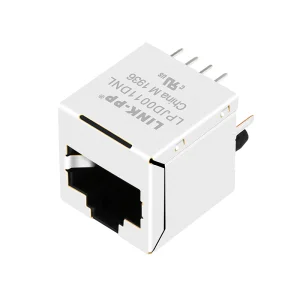
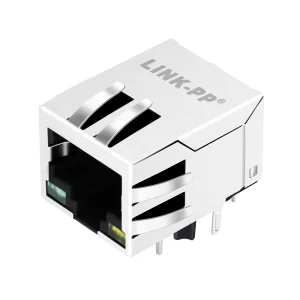
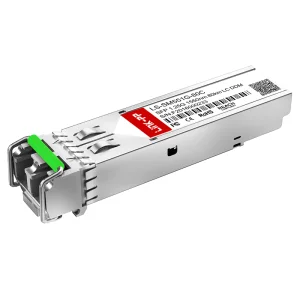
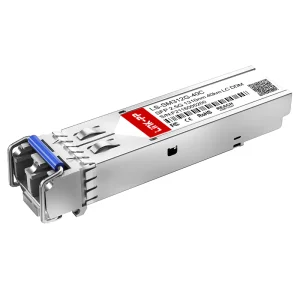
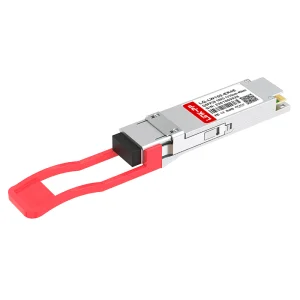
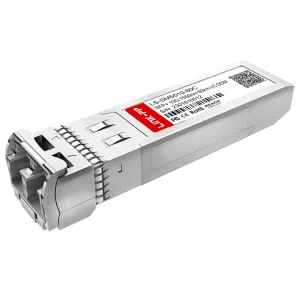
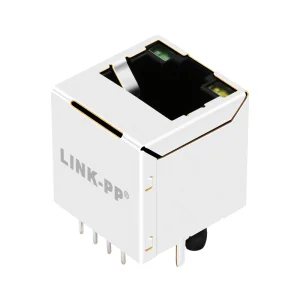
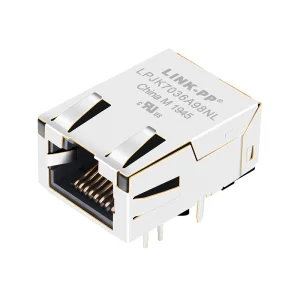
Complete your deployment with our range of active optical components, transceivers, and RJ45 magnetic modules.
Answers to common physical-layer integration, protocol support, and hardware compatibility questions.