Lumopt
Lumopt
Lumopt
Industry-standard footprint and mechanical compatibility engineered for high-bandwidth telecom and data center deployments.
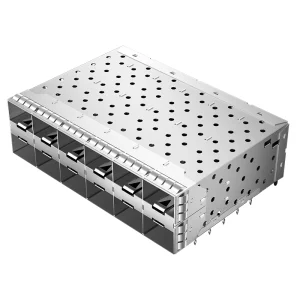
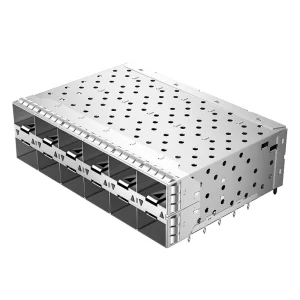
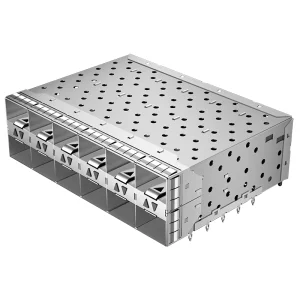
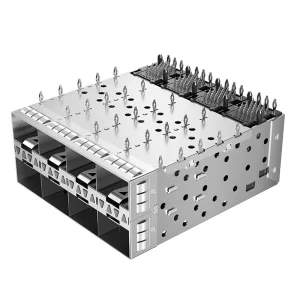
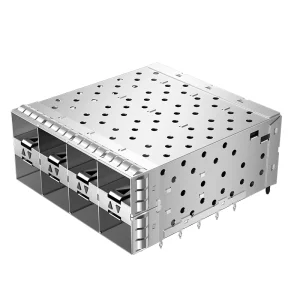
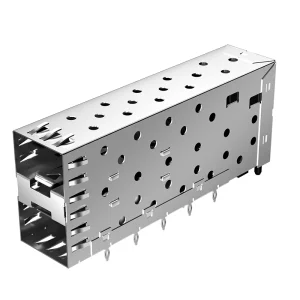
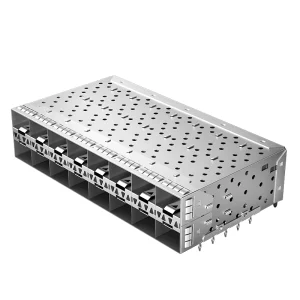
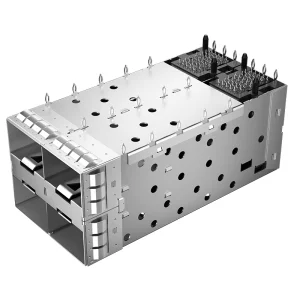
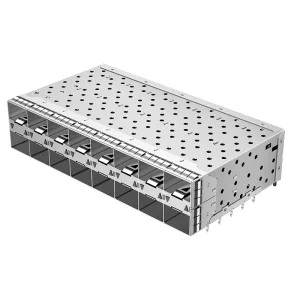
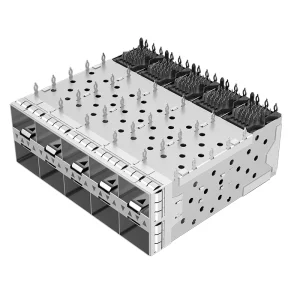
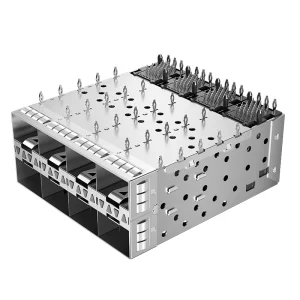
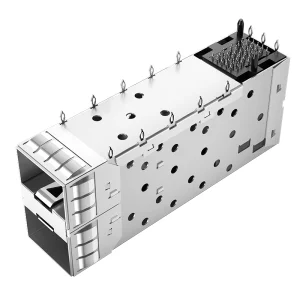
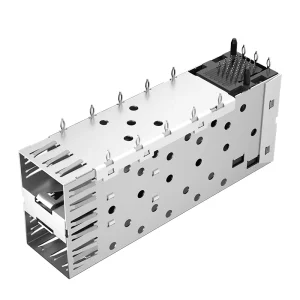
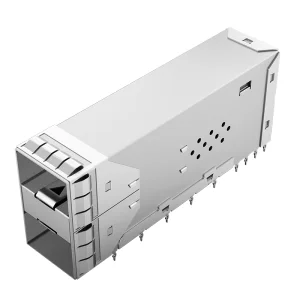
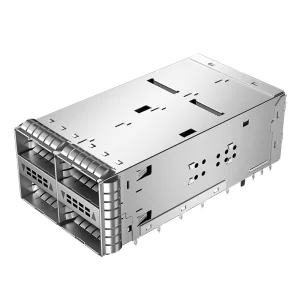
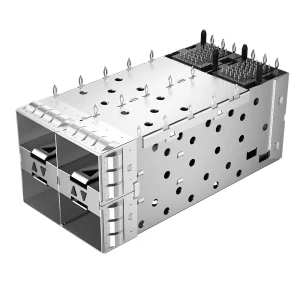
In the rapidly expanding realms of high-performance computing (HPC), artificial intelligence (AI) clusters, and hyper-scale data centers, physical port density has become a premium resource. The SFP (Small Form-factor Pluggable) Cage 2xN stacked port architecture addresses this pressing demand by effectively doubling the available port density on the same linear PCB board edge. By stacking two rows of transceivers vertically (2x1, 2x2, 2x4, 2x6, 2x8, or more), system designers can scale their bandwidth density up to unprecedented configurations without expanding the physical chassis footprint.
"High-speed networking transitions to 25G, 100G, and 400G+ rates dictate that interconnect hardware must not only survive extreme physical density but also guarantee stringent signal integrity, EMI attenuation, and thermal management."
Historically, layout engineers relied on single-row (1xN) cages placed in ganged configurations. However, the rise of Multi-Gigabit Ethernet, Fibre Channel, and InfiniBand architectures demands optimized design parameters. A 2xN stacked SFP cage houses two independent transceivers back-to-back inside a single integrated cage frame. With the integration of high-speed connector contacts directly inside the shielding cage, these press-fit solutions resolve the challenges of precision mechanical layout and impedance mismatch.
As frequency rates rise, the wavelength of high-speed signals becomes smaller, increasing the likelihood of RF leakage through tiny apertures in the sheet metal housing. The SFP cage 2xN is designed with enhanced EMI suppression features. Our engineering focuses on two critical zones:
To seal potential leakage gaps between the cage structure and the bezel cutouts, we offer two main EMI shielding interfaces:
Our stacked cages utilize compliant press-fit pins (also known as "eye-of-the-needle" pins). The press-fit methodology provides a highly reliable gas-tight interface with the printed circuit board (PCB) without the thermal stress of wave soldering. This layout is critical in avoiding signal distortion (attenuation and return loss) at data rates of 10Gbps (SFP+), 25Gbps (SFP28), and higher.
The manufacturing of precision optoelectronic cages and interconnect solutions requires a combination of high-speed tooling, specialized metallurgical techniques, and robust testing infrastructure. Lumopt (registered as Luguang Communication Technology Co., Ltd. in China) leverages the robust manufacturing ecosystem of China to provide unmatched advantages in terms of cost-to-performance and lead-time.
Our vertically integrated facilities manage every phase of the process, from precision metal stamping and plastic injection molding to mechanical press assembling and automated electro-optical verification. By centralizing operations within Chinese high-tech hubs, we ensure rapid sourcing of raw materials—such as high-grade copper alloys, nickel barrier plating, and specialized thermoplastic polymers. This local concentration of supplier networks ensures that our bulk manufacturing schedules remain unaffected by global supply chain shocks.
Furthermore, our engineering capabilities allow us to develop custom tooling in-house. Whether our clients require custom lightpipe lengths, specific EMI spring layouts, or specialized heat sinks optimized for non-standard thermal envelopes, we deliver quick-turn prototypes with reduced lead times.
Why global telecom equipment manufacturers and cloud computing integrators choose our SFP 2xN Stacked Cages.
Strictly compliant with SFF-8432 and SFF-8083 specifications, ensuring complete mechanical and electrical swap-out interoperability with TE Connectivity, Molex, and Amphenol equivalents.
Optimized terminal designs prevent crosstalk and minimize insertion loss, maintaining clean eye diagrams and low jitter even up to 28 Gbps per channel high-speed lines.
Precision-molded polycarbonate lightpipes route LED diagnostic signals from the host PCB directly to the front bezel, ensuring visual clarity without creating EMI leak points.
Treated with advanced nickel barrier plating underneath tin or matte tin finishes, guaranteeing exceptional solderability and long-term protection against atmospheric corrosion.
High-reliability, solderless contact pin terminations eliminate thermal stress during assembly, enabling clean integration with multi-layer host boards.
Decades of exporting compliance ensure that large-scale deliveries to North America, Europe, and Asia transit seamlessly through verified international trade channels.
Lumopt Opto Technology Co., Ltd., registered as Luguang Communication Technology Co., Ltd. in China, is a professional Chinese manufacturer and exporter specializing in high-performance optical transceivers. We focus on the R&D, production and customization of full-series optical modules covering 10G, 25G, 100G, 400G, 800G and 1.6T products, which are widely applied in data centers, telecom networks, cloud computing, AI computing equipment and enterprise communication systems.
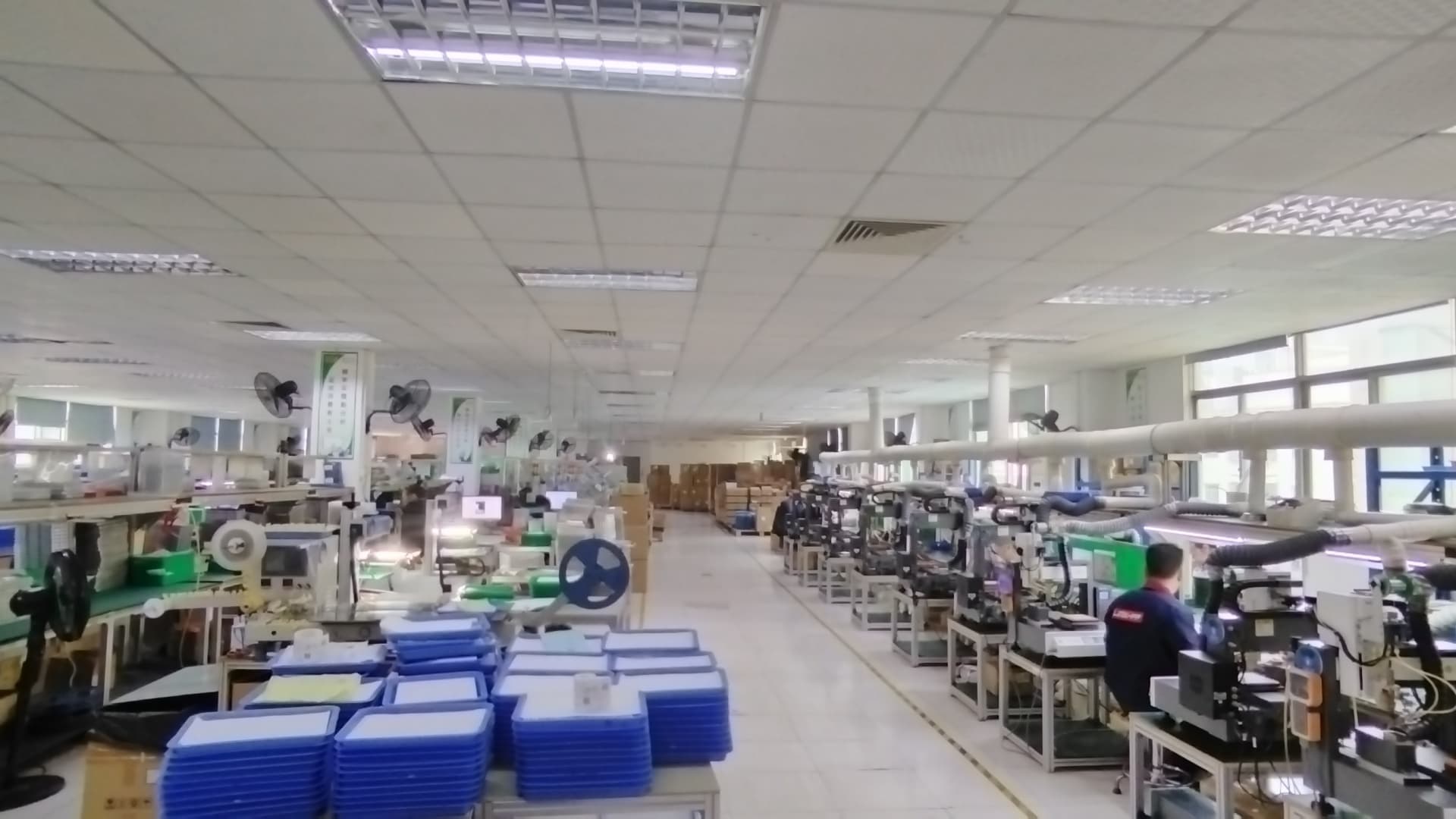
Equipped with standardized dust-free production workshops, advanced automatic testing equipment and a professional technical R&D team, we implement strict quality control throughout the whole production process. All our optical transceivers comply with international industry standards and have passed relevant reliability certifications, supporting OEM & ODM customized services to meet diverse demands from global buyers.
Adhering to the core concept of stable quality, competitive pricing and reliable after-sales support, Lumopt has built long-term cooperative partnerships with distributors, system integrators and communication enterprises all over the world. We keep launching innovative optoelectronic products to deliver stable, cost-effective optical transmission solutions for global data communication markets. Committed to becoming your trusted one-stop supplier from China, we welcome customers worldwide for technical consultations, sample tests and bulk order cooperation.
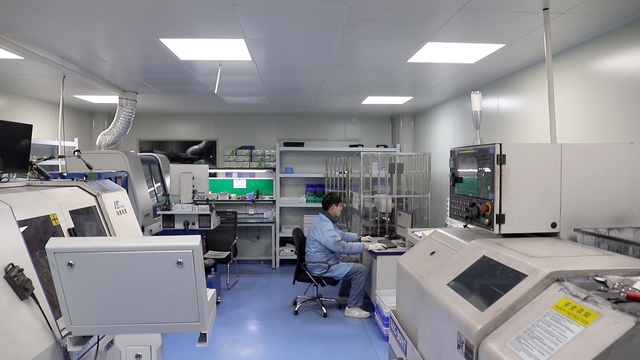
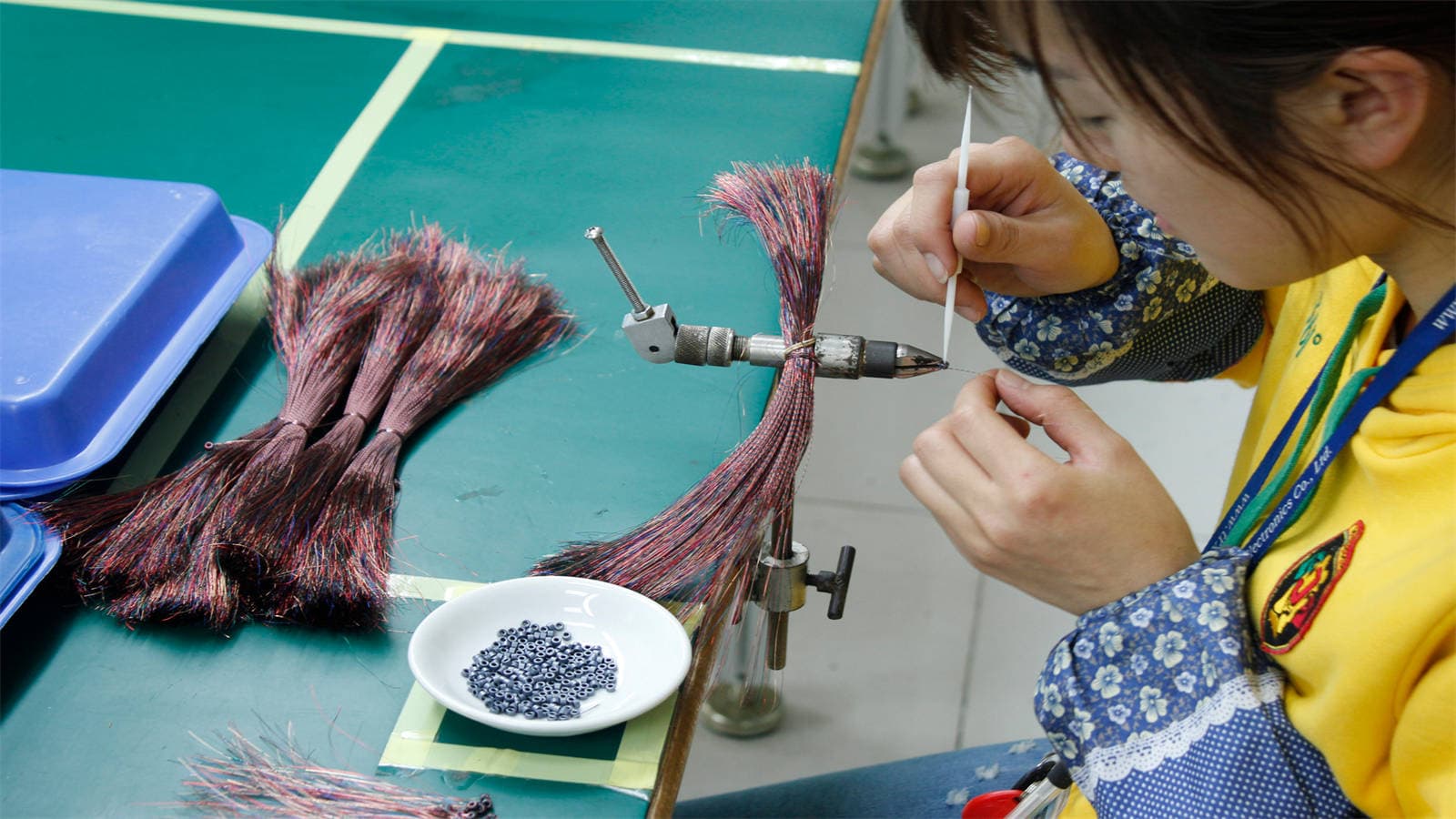
Every stage of production is governed by rigorous quality control protocols to ensure 100% reliability in continuous operational states.
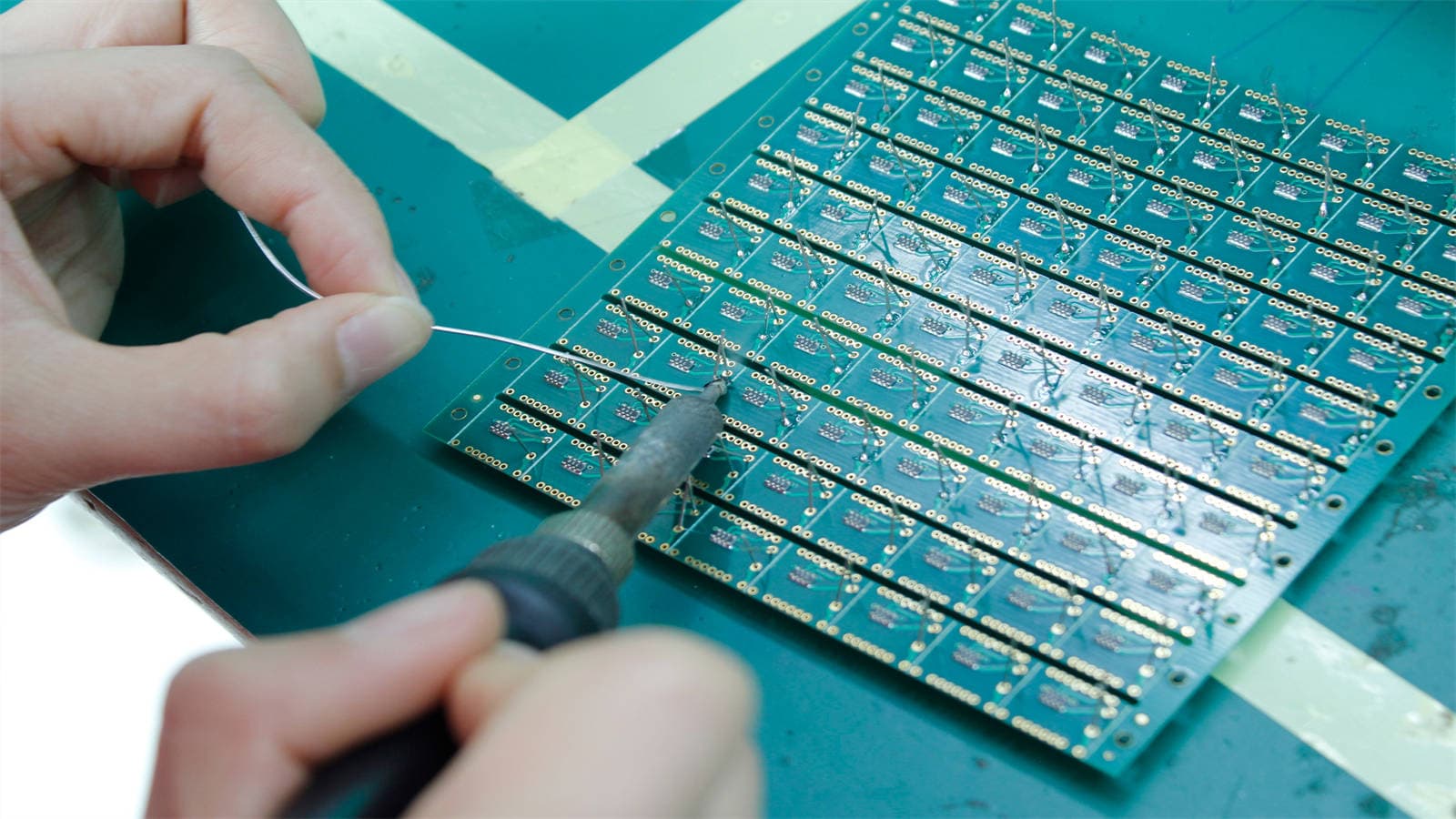
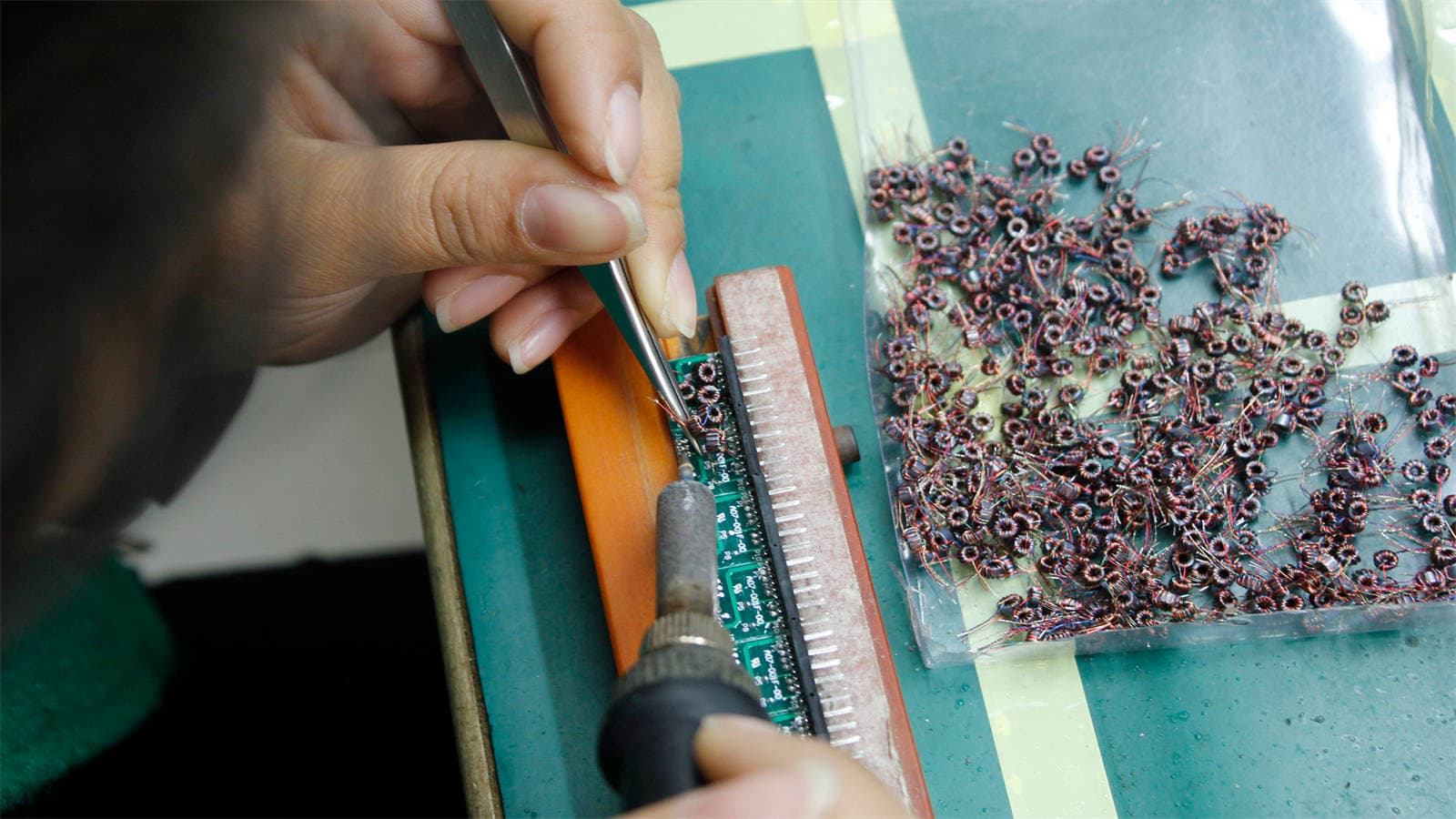
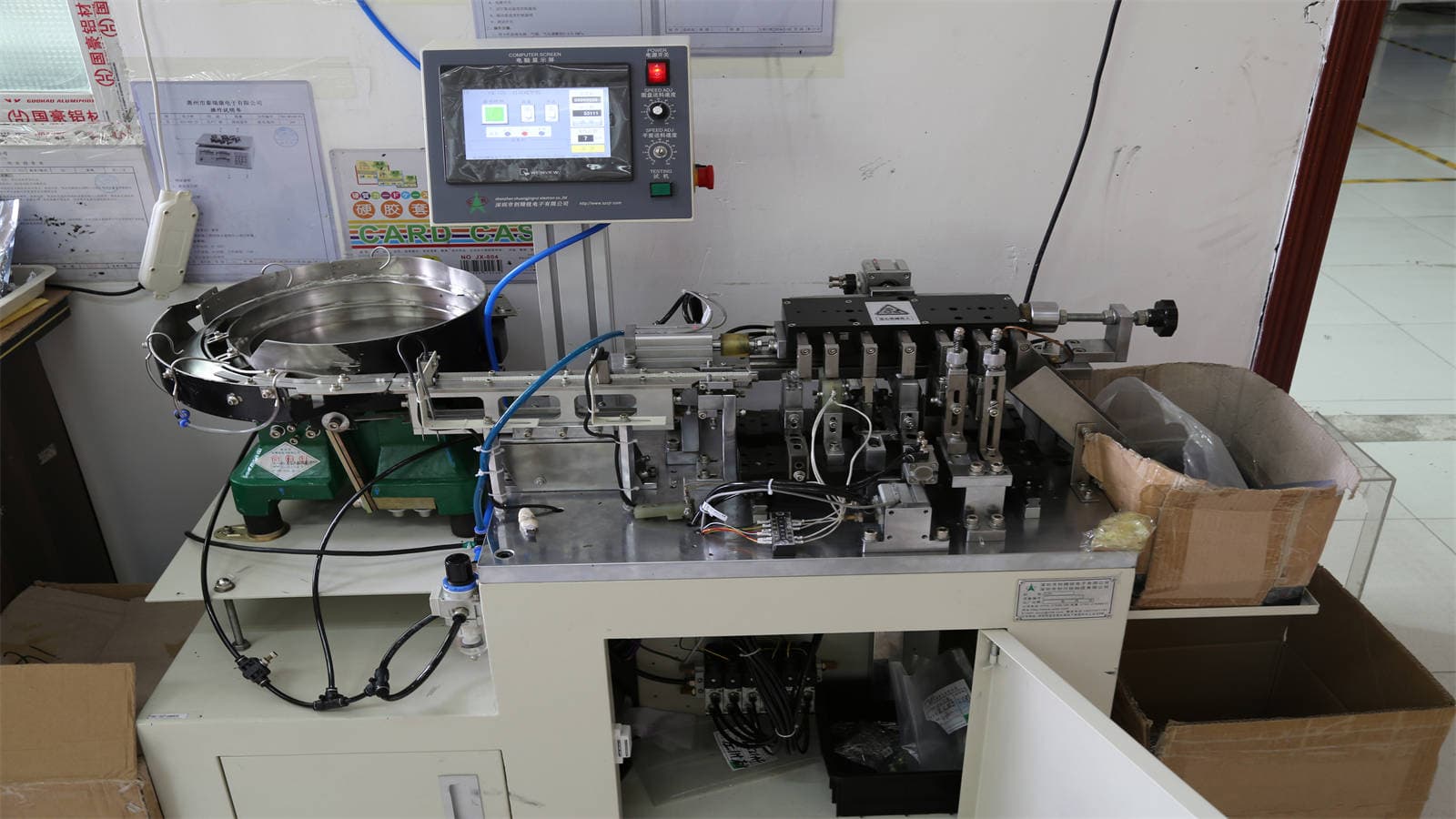
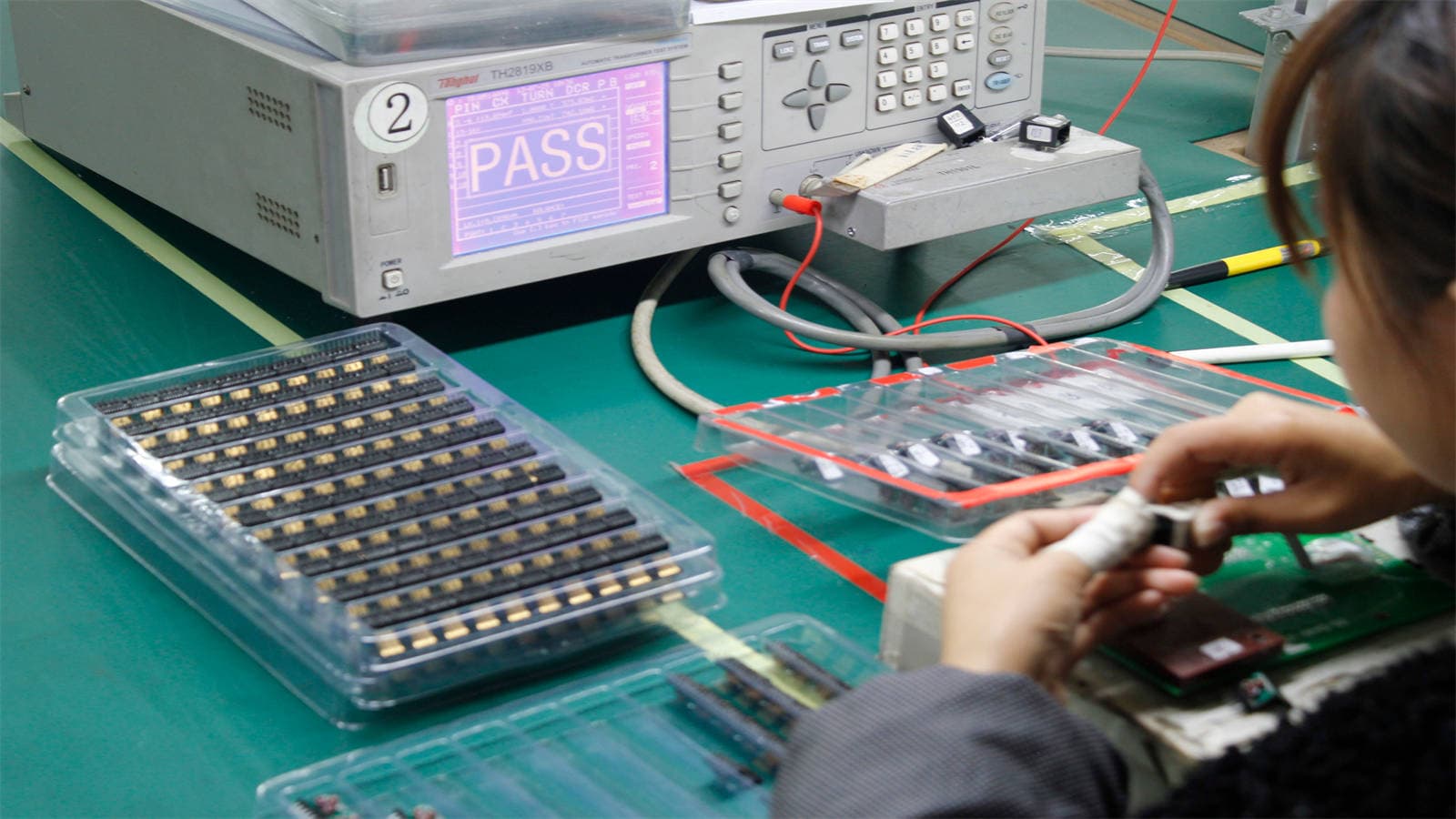
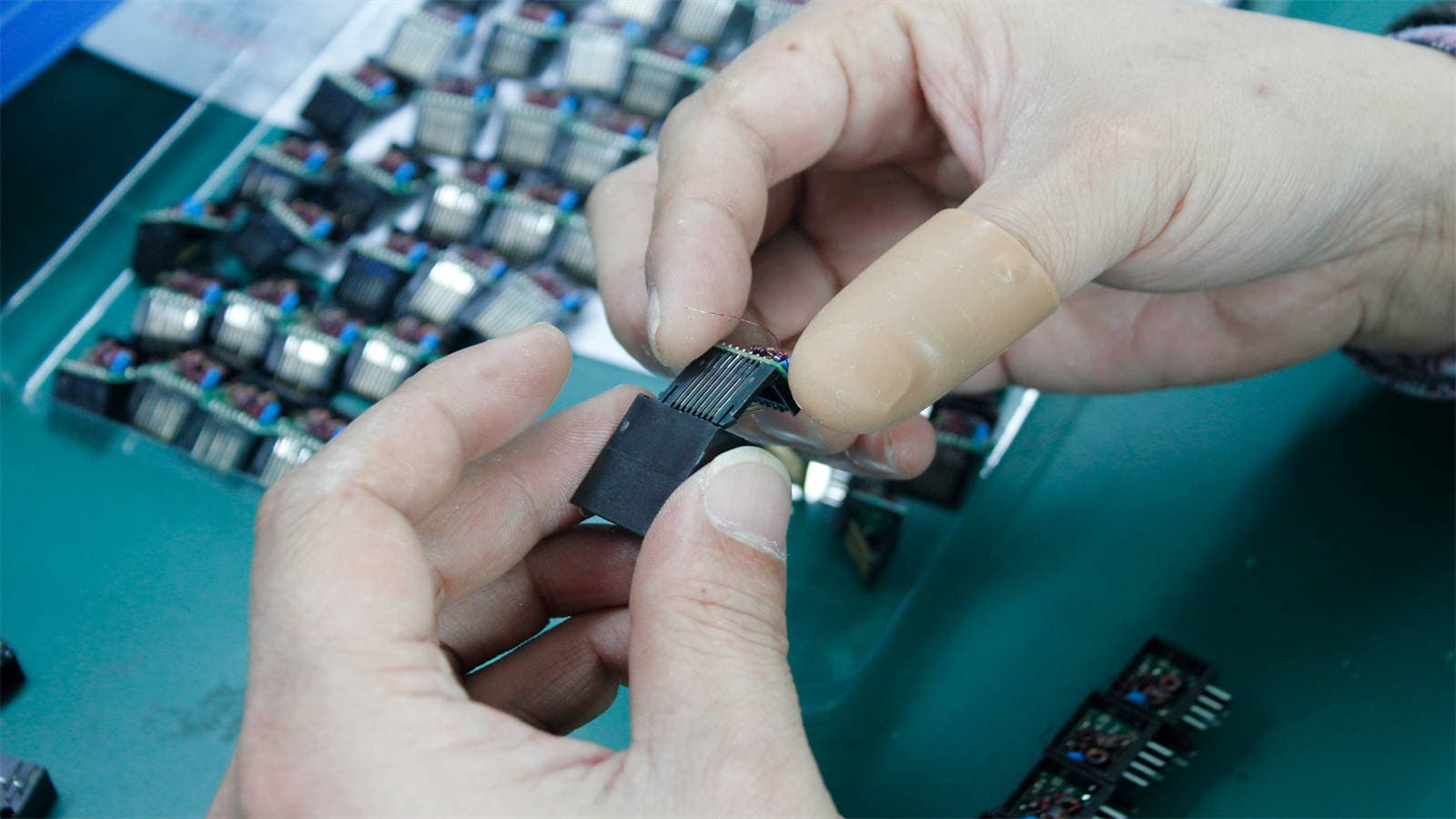
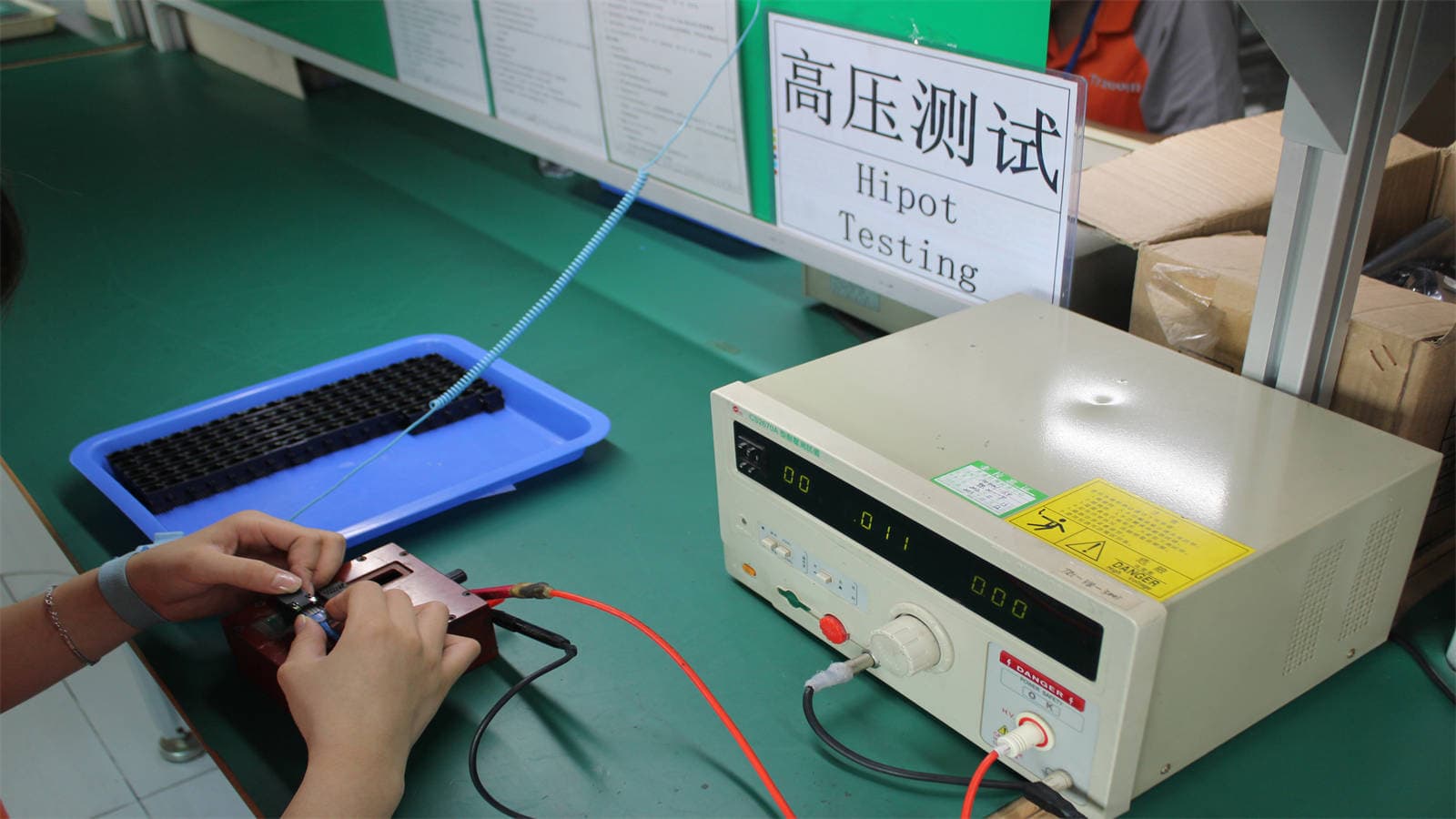
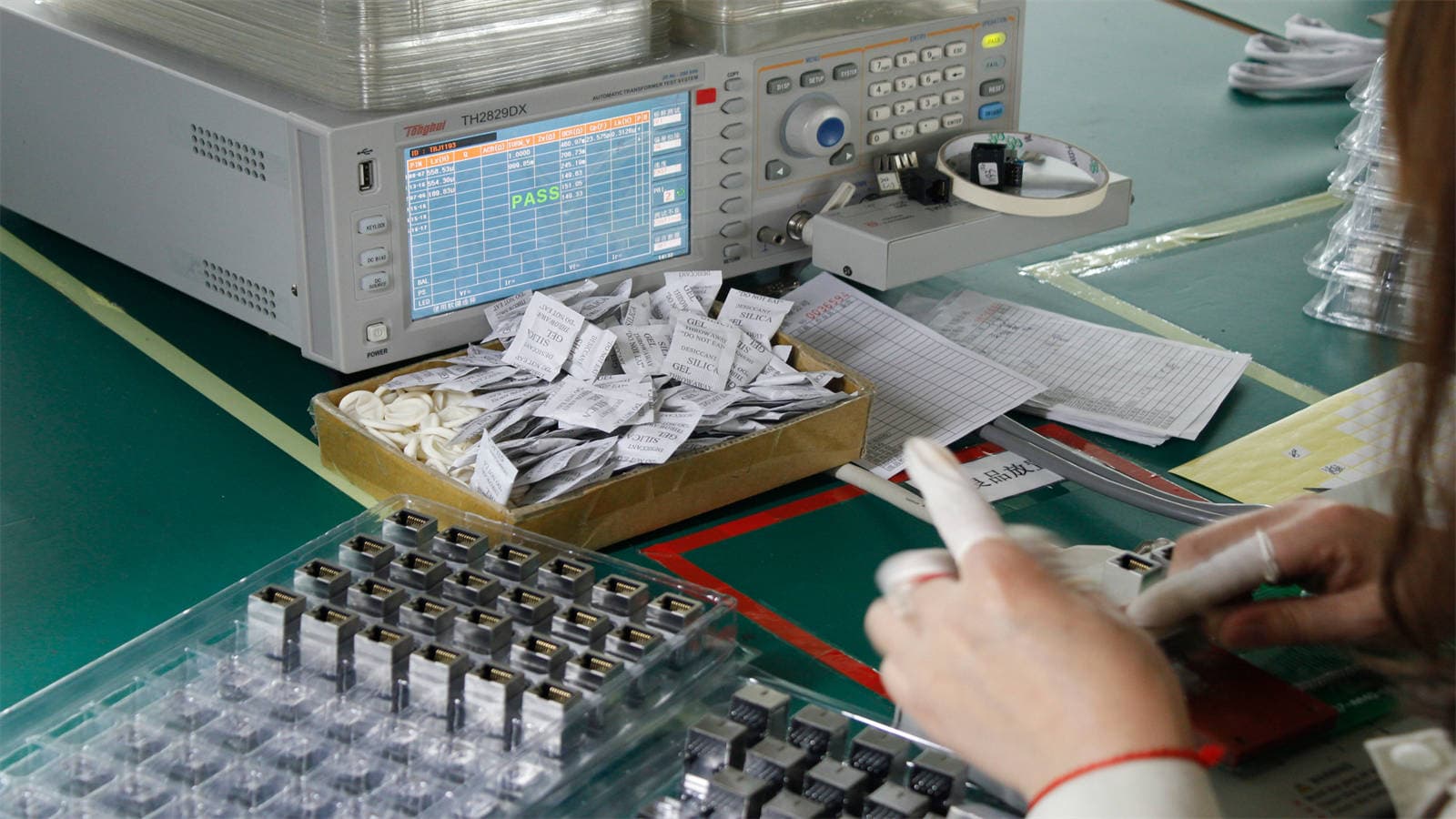
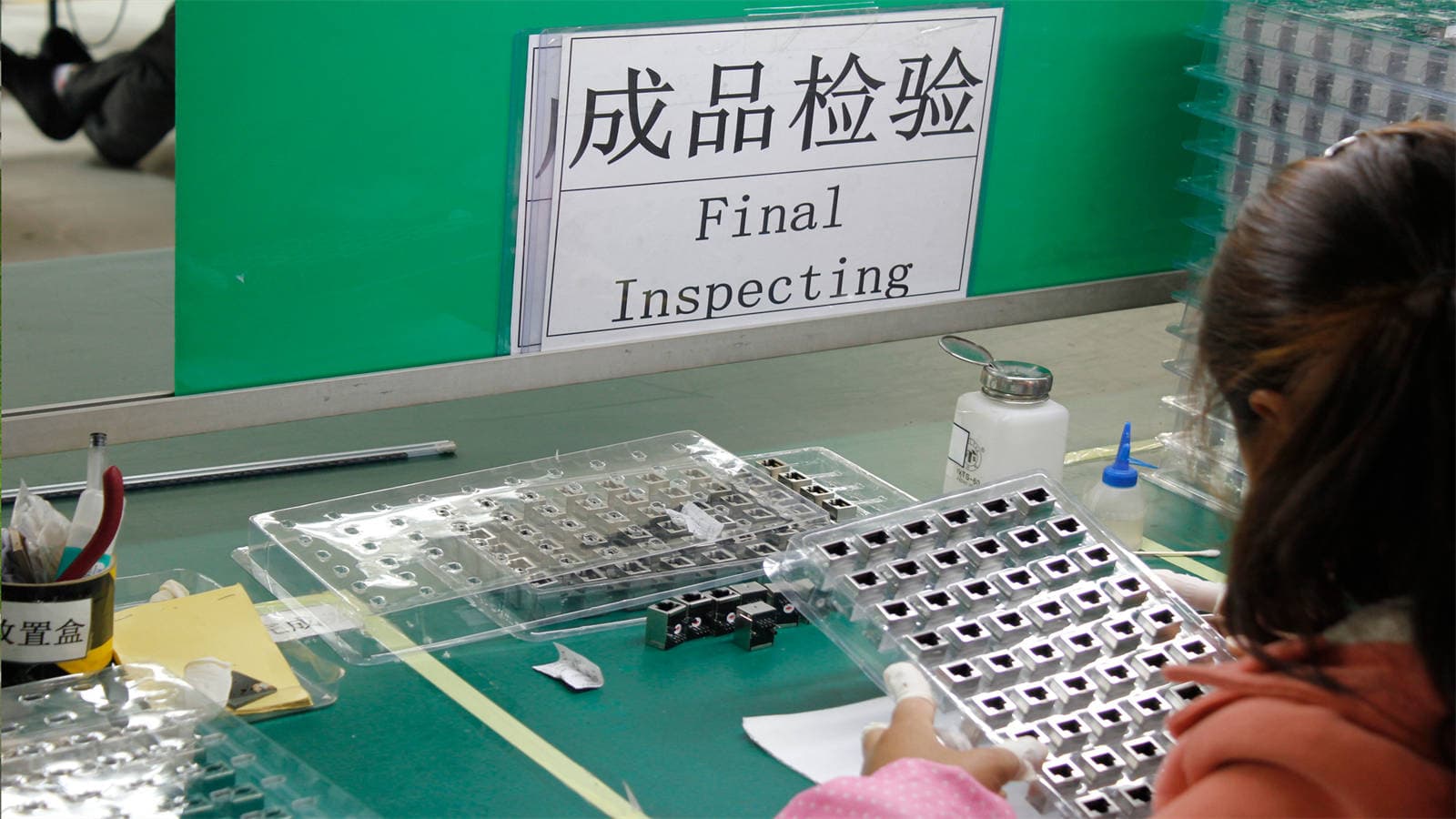
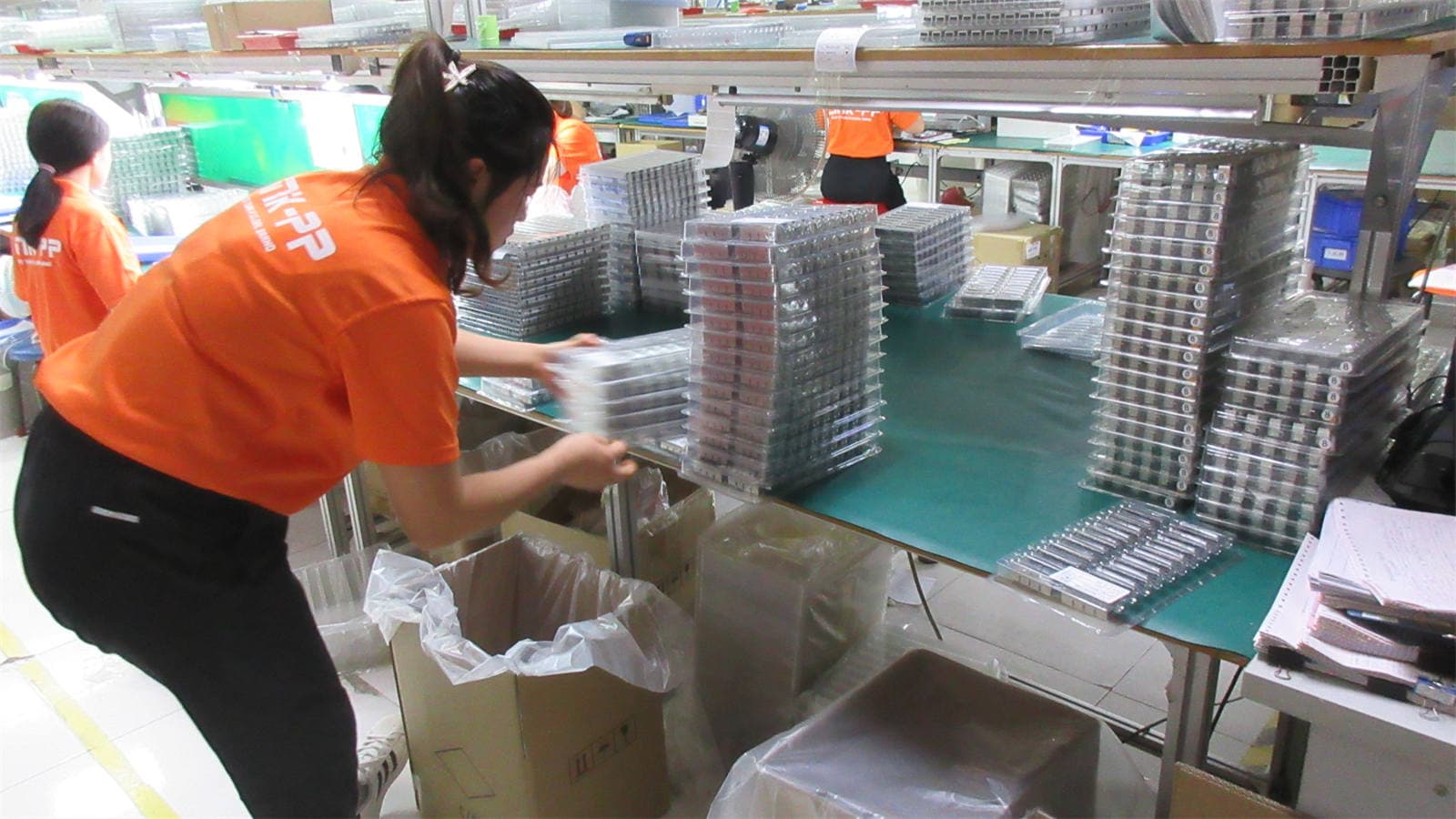
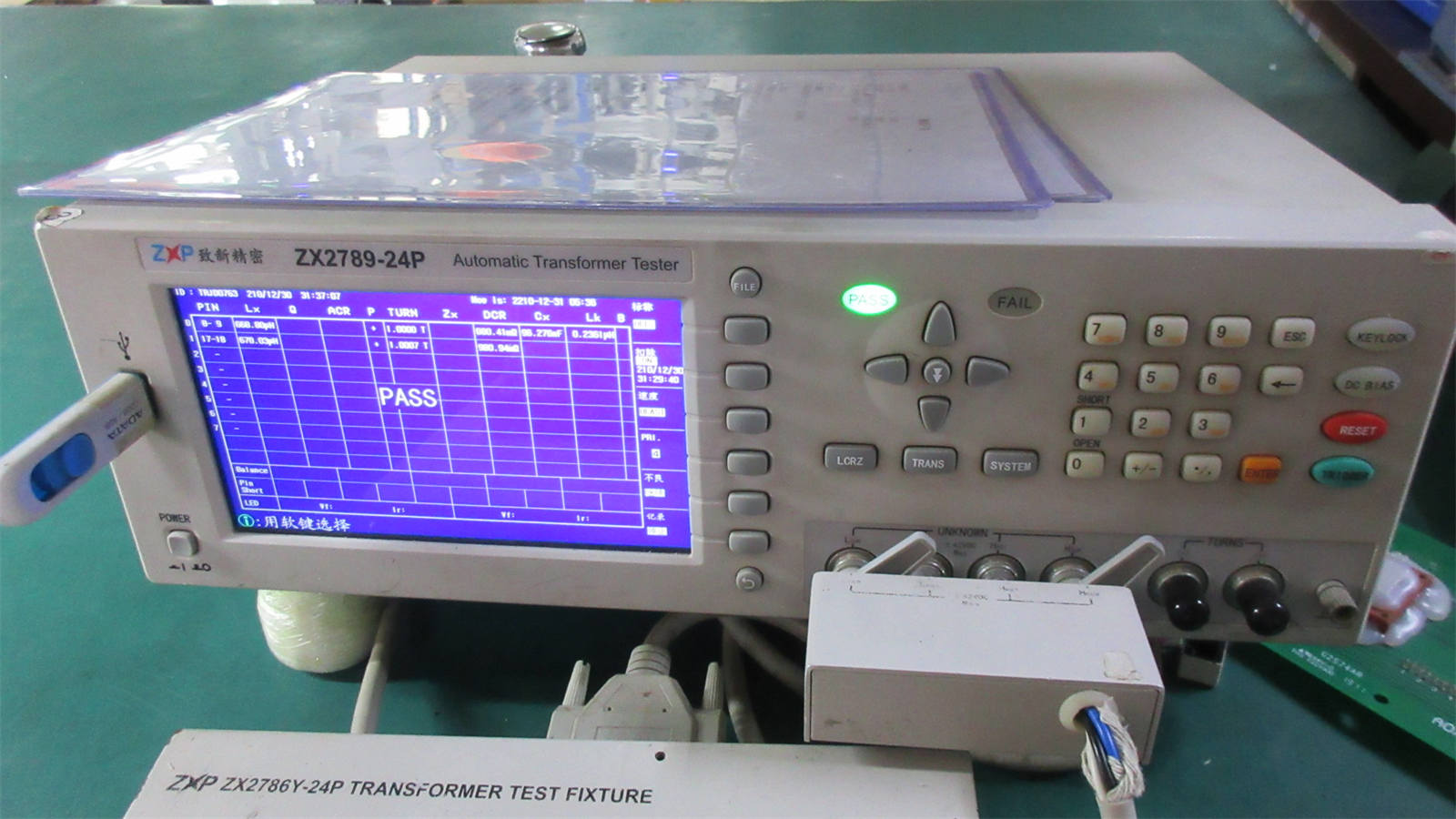
Unwavering reliability verified with state-of-the-art diagnostic and automated assembly machinery.
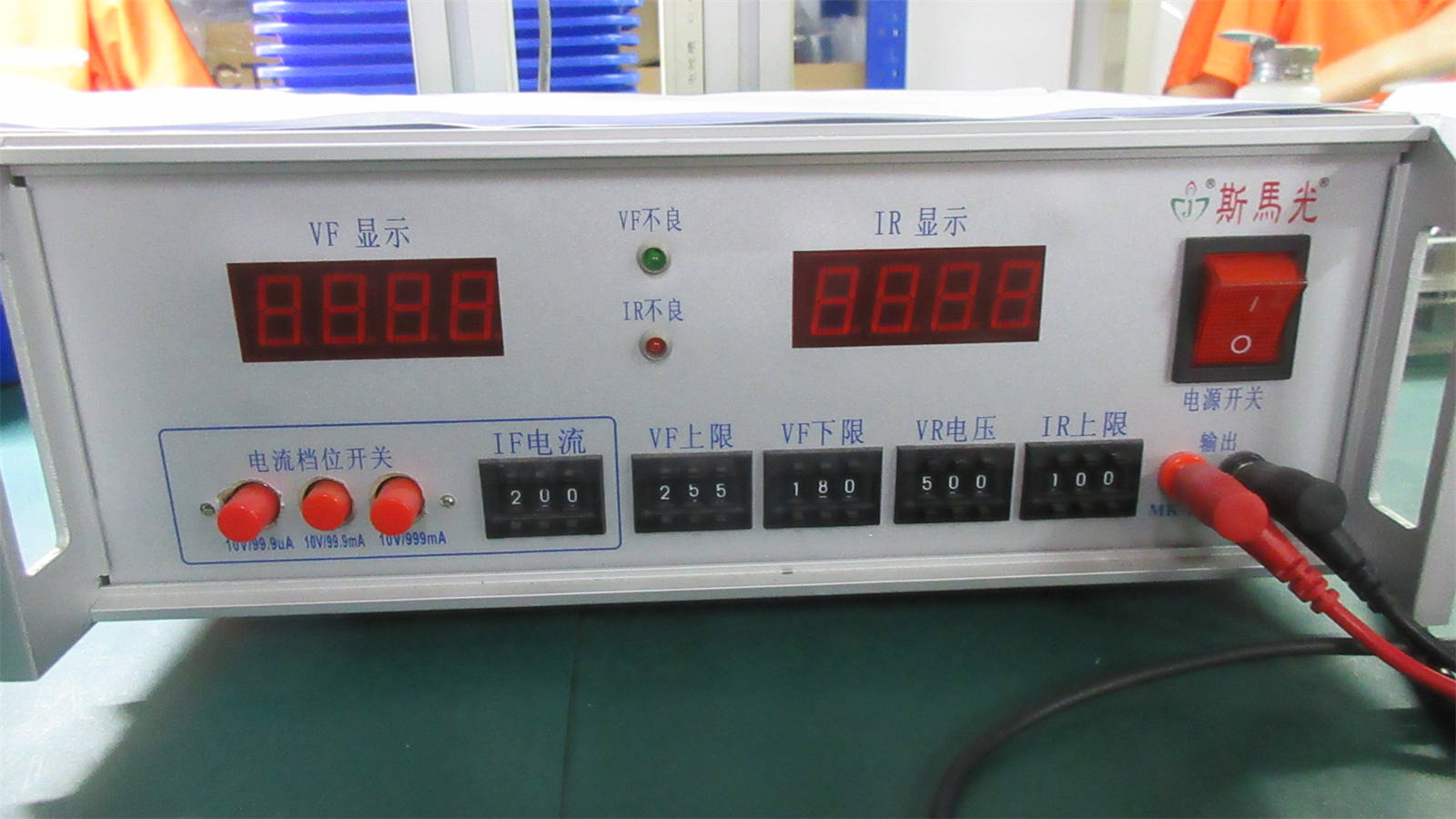
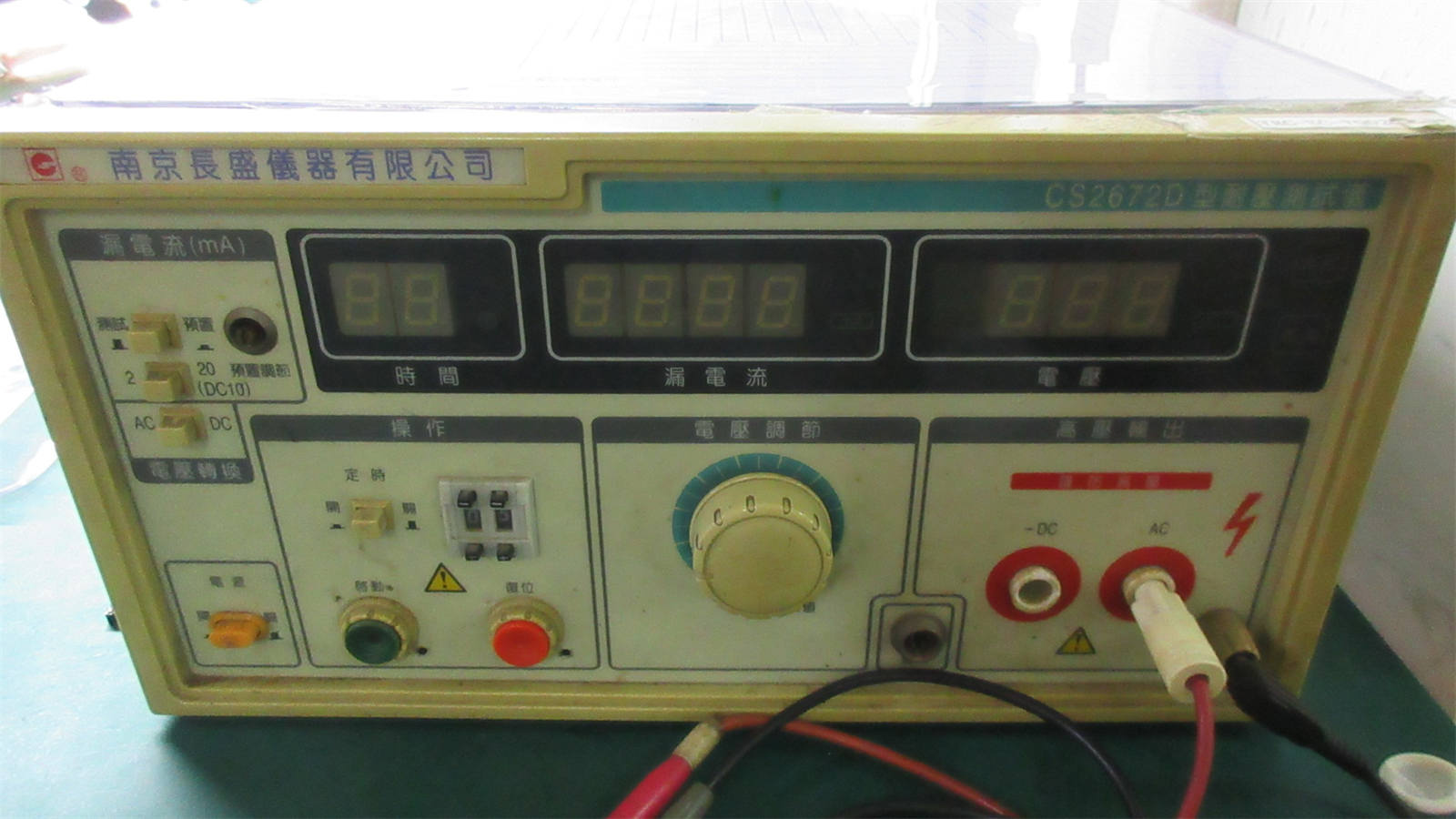
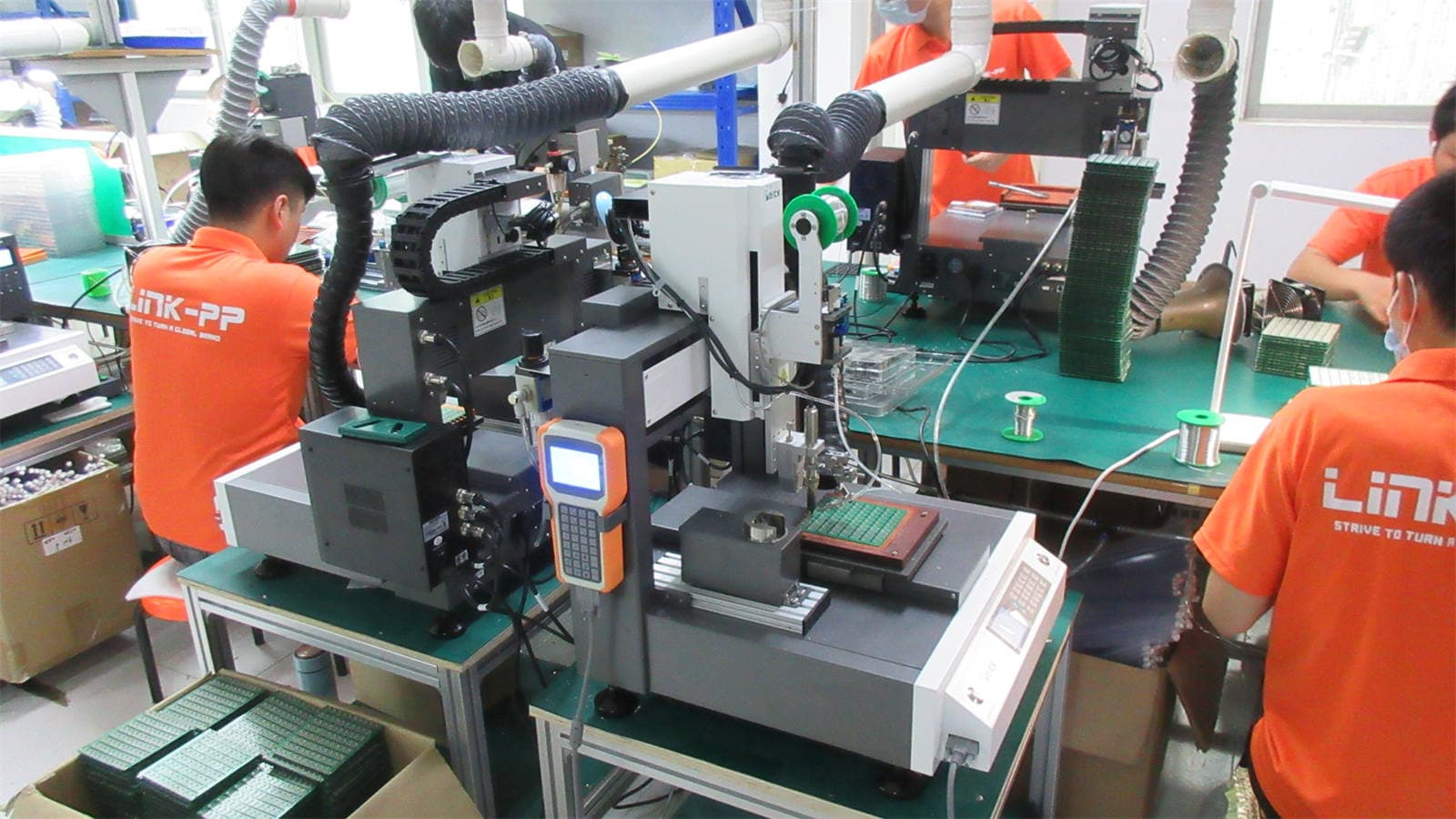
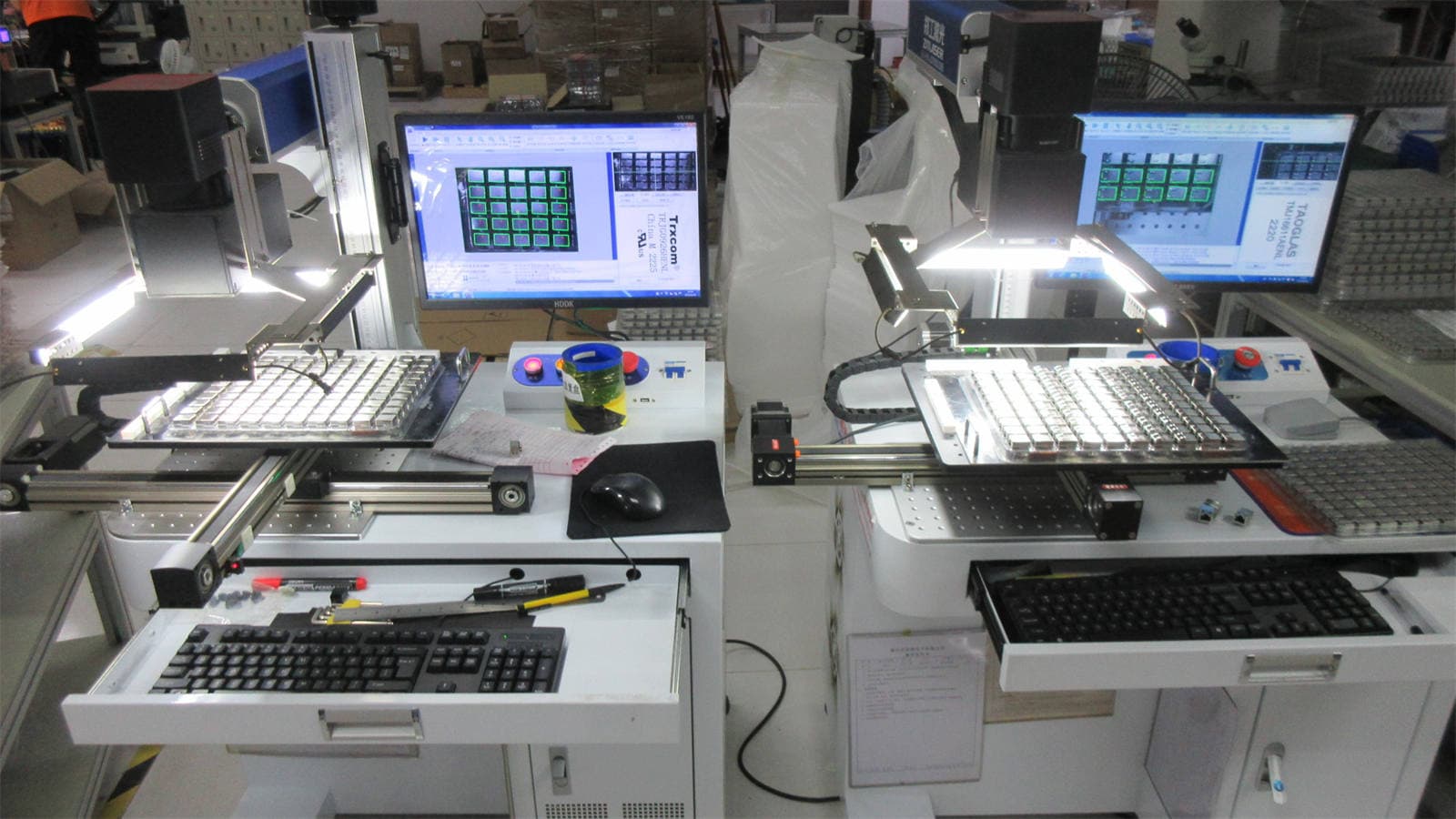
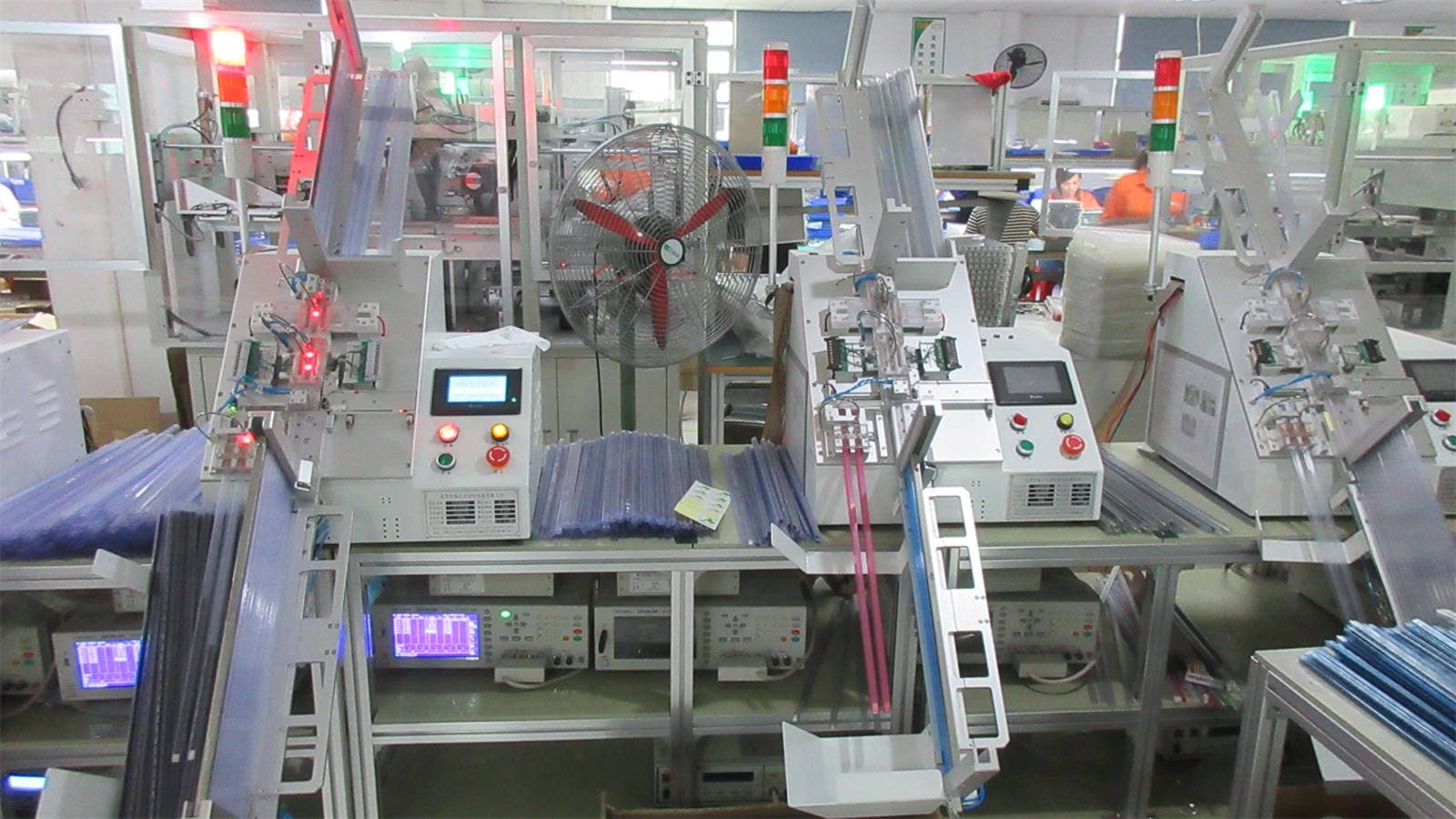
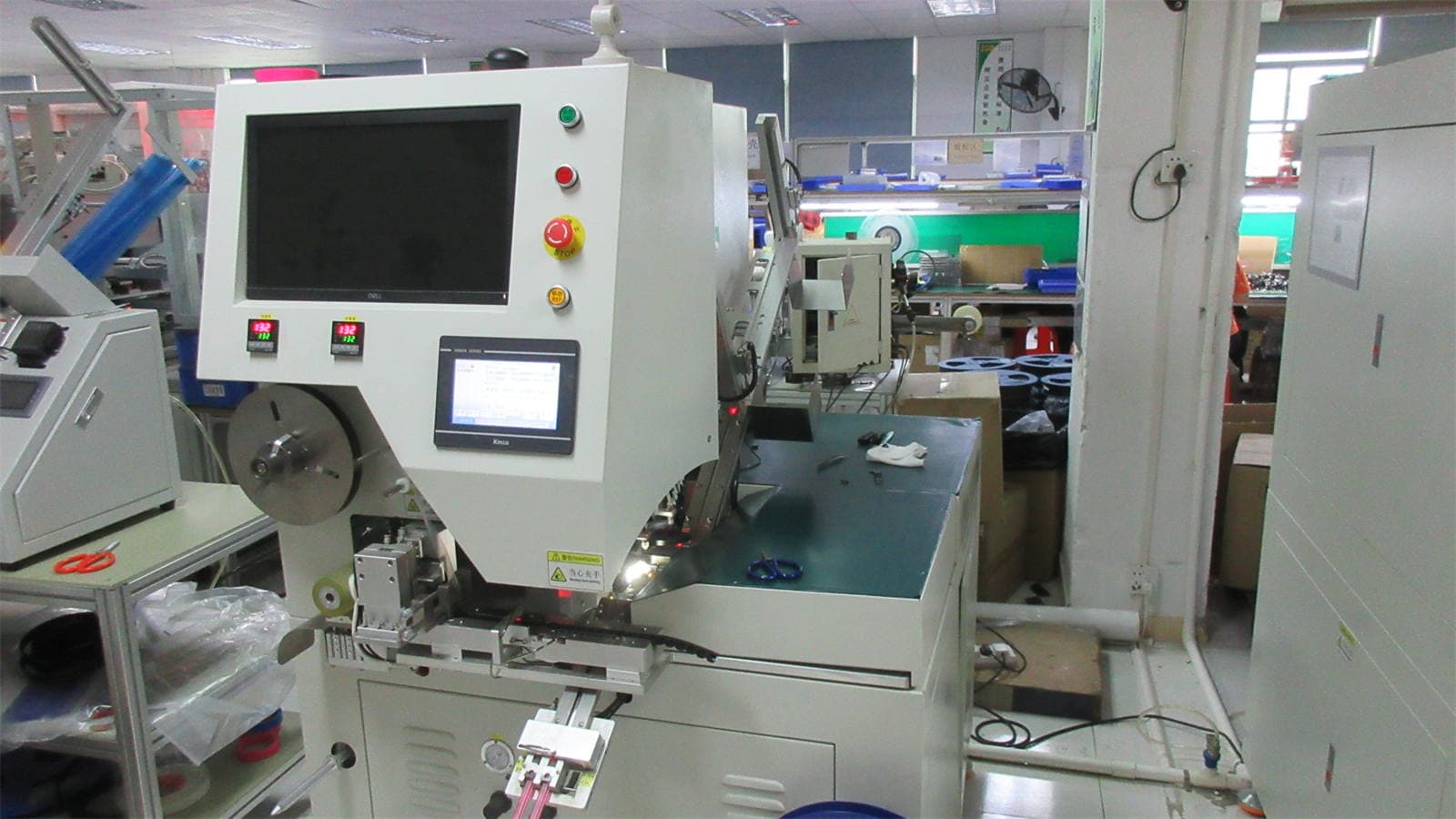
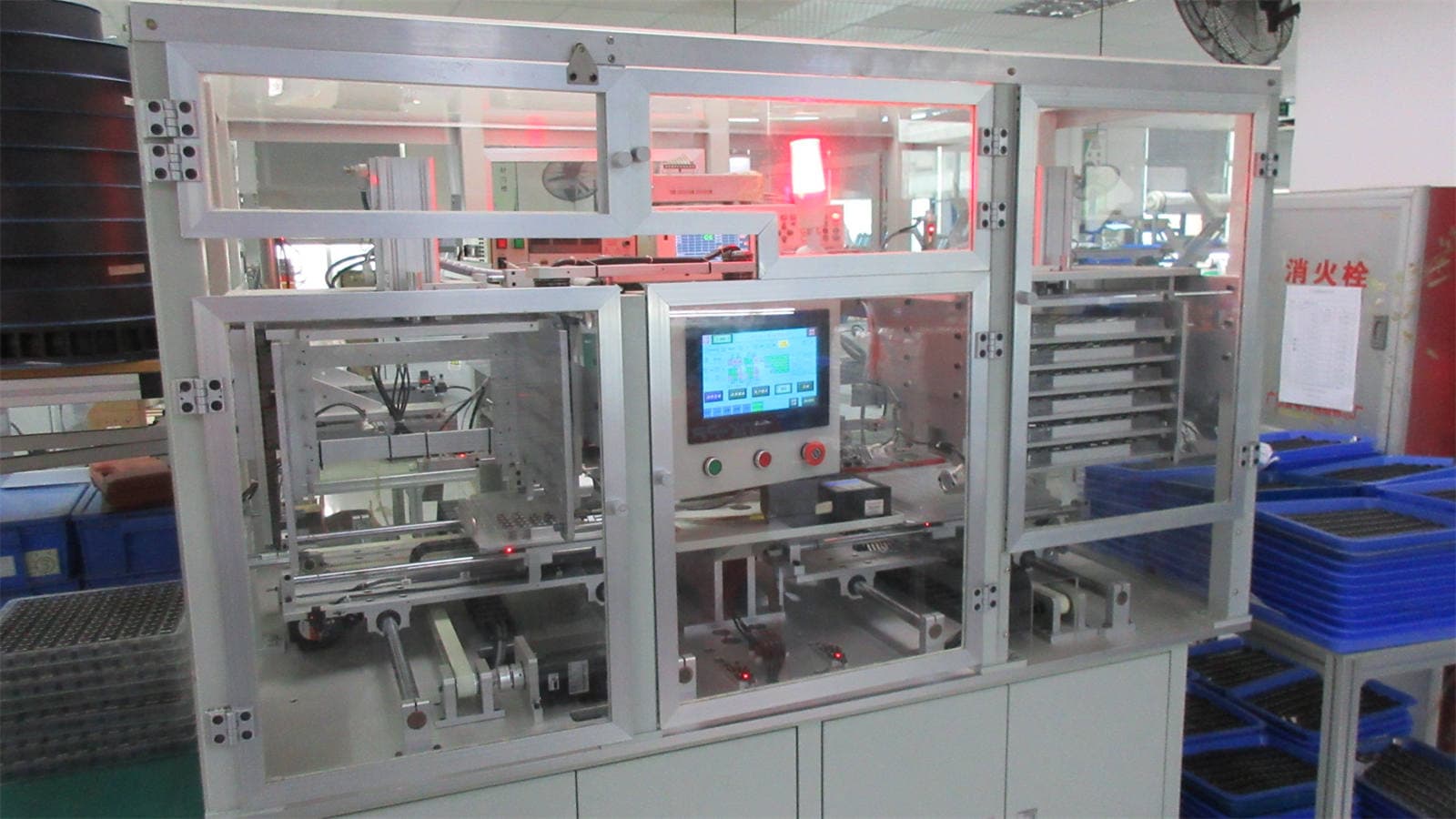
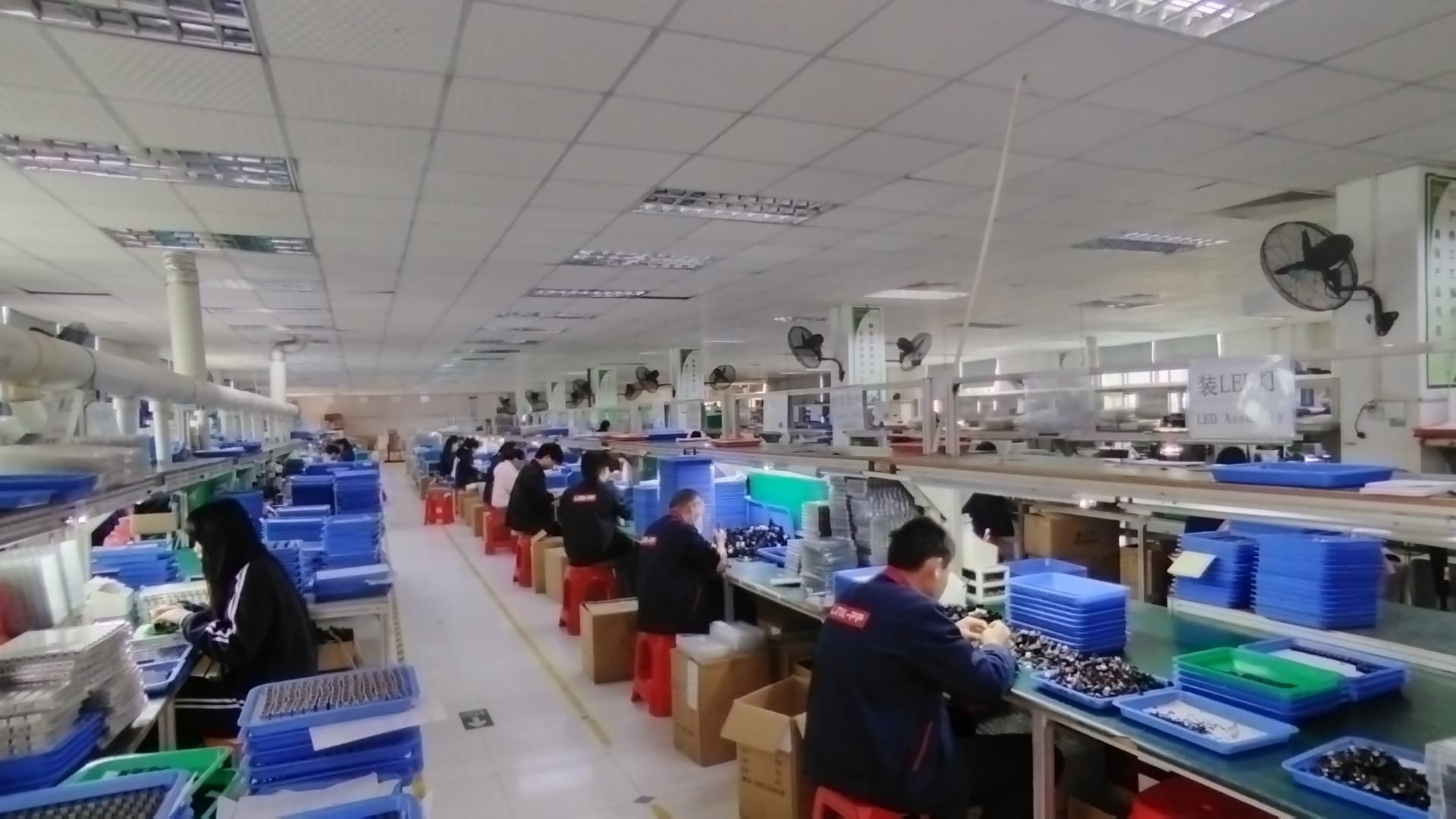
High-density stacked SFP cages are not merely auxiliary components; they are core architectural enablers. In the modern networking hierarchy, these systems serve critical segments:
AI model training clusters require massive, non-blocking interconnect fabrics. Standard rack configurations cannot host the required number of physical interfaces under standard single-row limits. The 2xN SFP28/SFP56 configurations permit GPU-accelerated server blades to maximize backplane throughput, ensuring GPU nodes remain fed with data at high-speed rates and minimal latencies.
Virtualization technologies consolidate multiple workloads onto single physical servers, driving massive aggregate demand for bandwidth. Deploying 2x6 and 2x8 stacked SFP+ configurations on Top-of-Rack (ToR) and End-of-Row (EoR) switches allows cloud service providers to support a larger count of high-bandwidth client connections per unit rack space (RU), directly optimizing rack-space economics.
Telecom Central Offices and edge distribution points are often constrained by environmental and mechanical space limitations. SFP 2xN stacked cages designed for extended operating temperatures (-40°C to +85°C) ensure reliable performance for baseband processing units (BBUs), optical line terminals (OLTs), and 5G cellular transport routers.
When global network hardware designers evaluate SFP+ or SFP28 stacked cage suppliers, strict adherence to mechanical tolerances, material science, and testing validation protocols is crucial. To assist purchasing and hardware engineering teams, Lumopt provides a comprehensive checklist:
Answers to engineering and deployment queries about 2xN Stacked SFP Cages.
Explore our full line of compatible interconnect modules for Molex, TE Connectivity, and Pulse replacements.