Lumopt
Lumopt
Lumopt
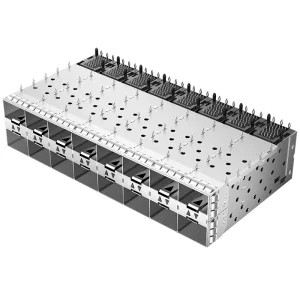
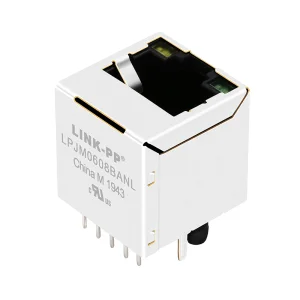
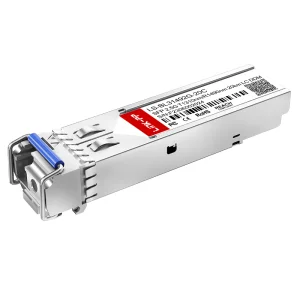
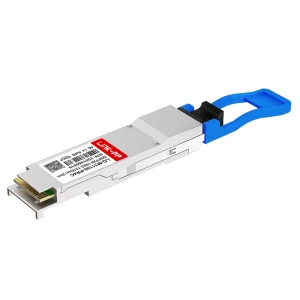
In the modern era of high-speed telecommunications, hyperscale data centers, and advanced industrial automation, RJ45 Connectivity Modules remain a fundamental backbone of physical layer hardware architecture. While high-bandwidth fiber optic solutions are essential for long-haul networks and server interconnects, copper-based RJ45 connectivity continues to play an irreplaceable role due to its cost-efficiency, versatility, and compatibility with legacy infrastructures. As networks scale up to support Multi-Gigabit Ethernet (2.5G, 5G, and 10G Base-T), physical-layer connectors must undergo rigorous technological advancements to mitigate signal integrity degradation, high insertion losses, and EMI (Electromagnetic Interference) issues.
This comprehensive white paper examines the technological evolution of RJ45 modules and related transceiver technologies, evaluates the procurement challenges faced by global businesses, highlights the manufacturing innovations emerging from Chinese Industry 4.0 factories, and outlines practical application frameworks. By focusing on engineering specifications and supply-chain resilience, this document serves as a strategic sourcing blueprint for technical buyers, procurement directors, and hardware systems engineers worldwide.
The continuous push toward high-bandwidth networks has drastically affected the design parameters of standard physical interfaces. Original RJ45 connectors were designed for Category 5 (Cat5) cabling, operating at 100 MHz. Today's commercial and industrial architectures rely on Cat6A, Cat7, and Cat8 standards, extending frequencies up to 2,000 MHz. Ensuring clean signals at these high frequencies requires advanced noise suppression, precise contact plating, and robust shielding designs.
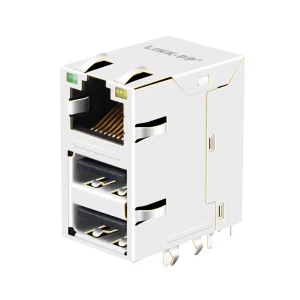
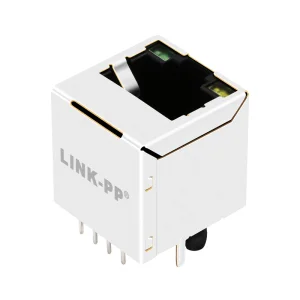
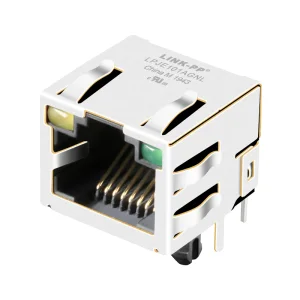
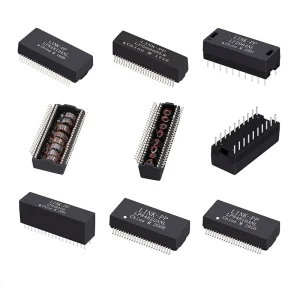
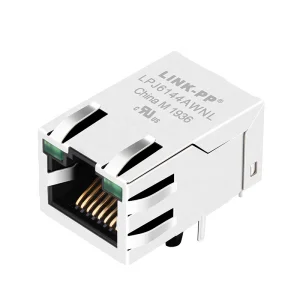
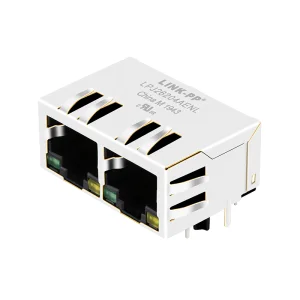
Integrating isolation transformers, common-mode chokes, and LEDs directly into the RJ45 connector housing (MagJacks) minimizes footprint on the host system PCB, reduces crosstalk, and improves EMI filtering.
Modern RJ45 components must support IEEE 802.3bt (PoE++) standards, transmitting up to 90W–100W of DC power alongside high-speed data. This demands upgraded contact materials to handle higher currents without thermal overload.
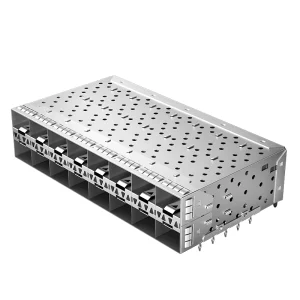
Multi-port layouts (such as 2x8 or stacked ports) and high-speed cages must use advanced mechanical shielding plates and multiple grounding pins (Press-Fit/Through-Hole) to prevent signal bleed-through.
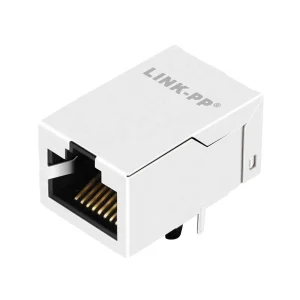
By consolidating components within a single RJ45 connectivity module, systems designers achieve greater spatial density, fewer assembly errors, and lower overall system failure rates. Consequently, selecting components with optimized internal configurations and proper shielding performance is critical to maintaining continuous network uptime.
For hardware manufacturers, telecom operators, and systems integrators in North America, Europe, and the Asia-Pacific region, purchasing connectivity modules is not just a matter of price per unit. The overall lifecycle cost of a network switch, router, or industrial controller is highly dependent on connector reliability.
Global buyers should evaluate manufacturing partners based on the following key metrics:
Leading manufacturing plants in China have integrated advanced robotics, automated optical inspection (AOI), and multi-stage testing setups to meet high standards of reliability. The production process of Luguang Communication / Lumopt Opto Technology illustrates the modern manufacturing pipeline required for top-tier components.
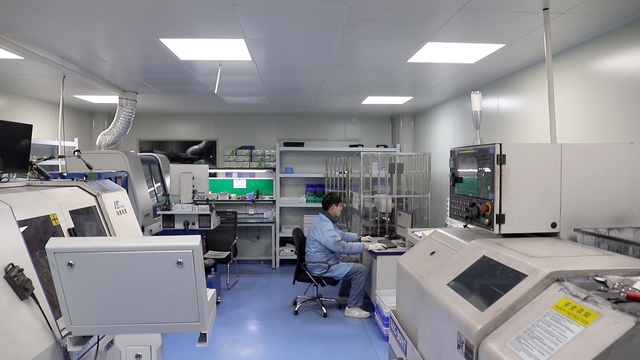
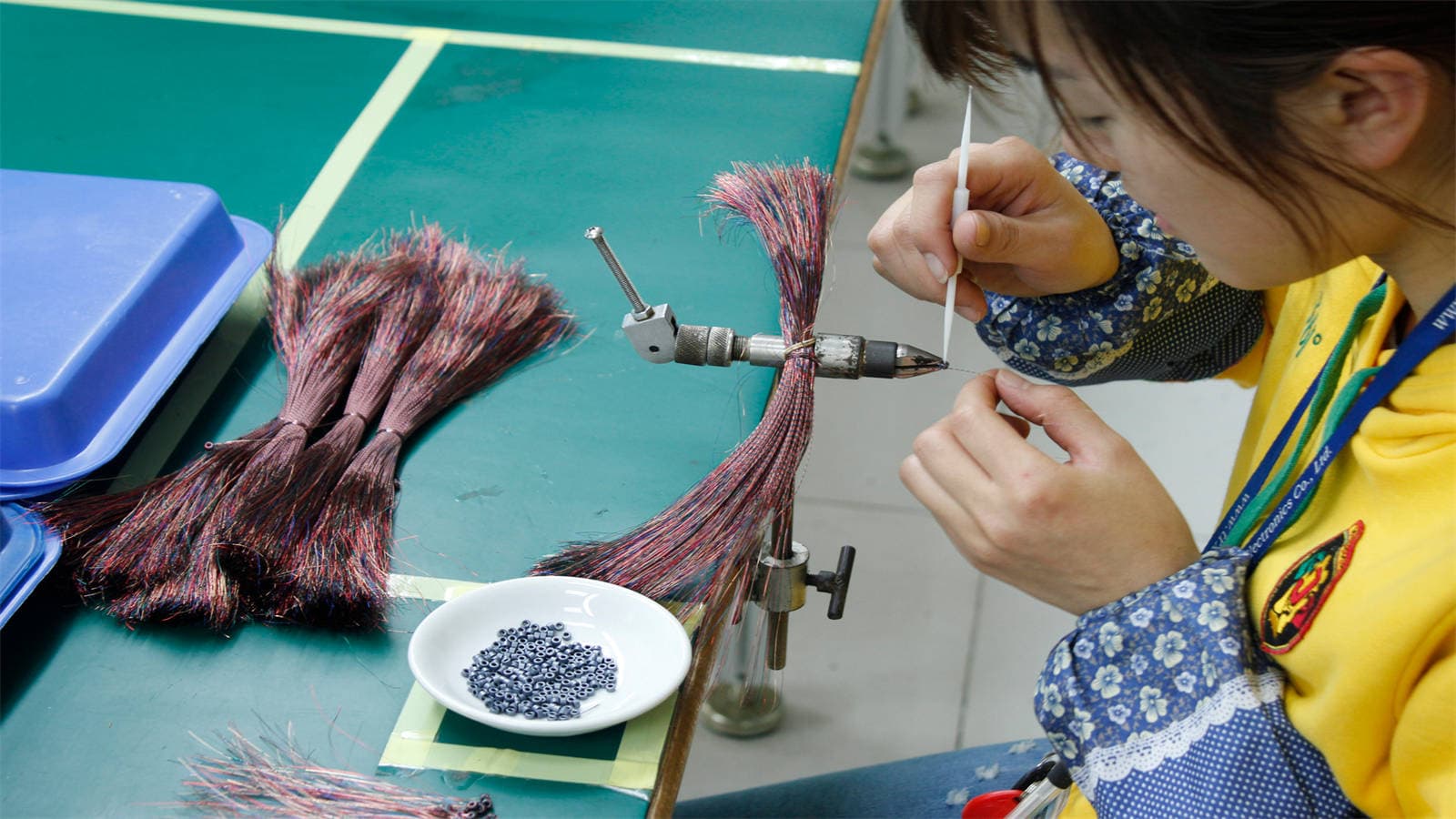
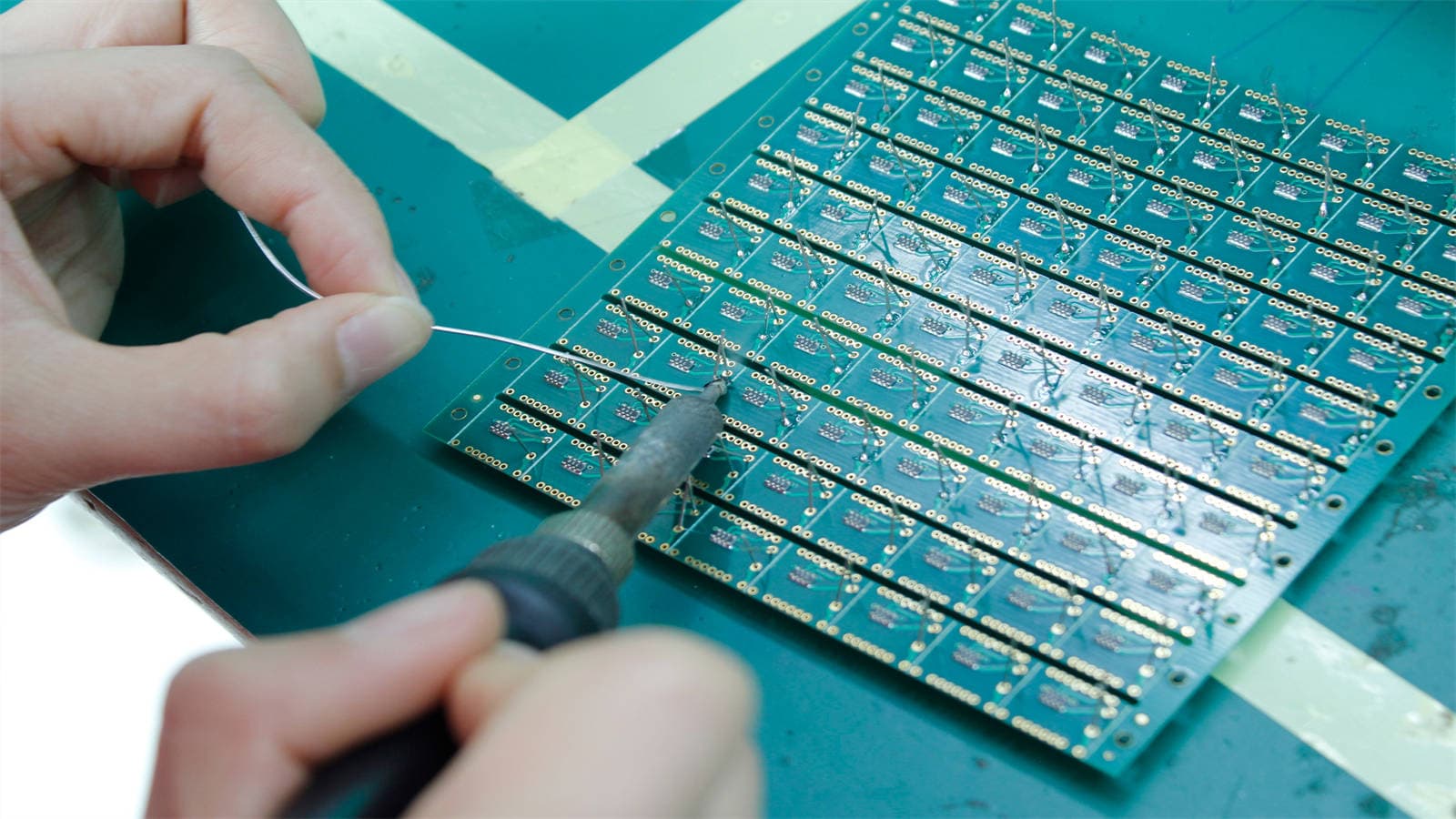
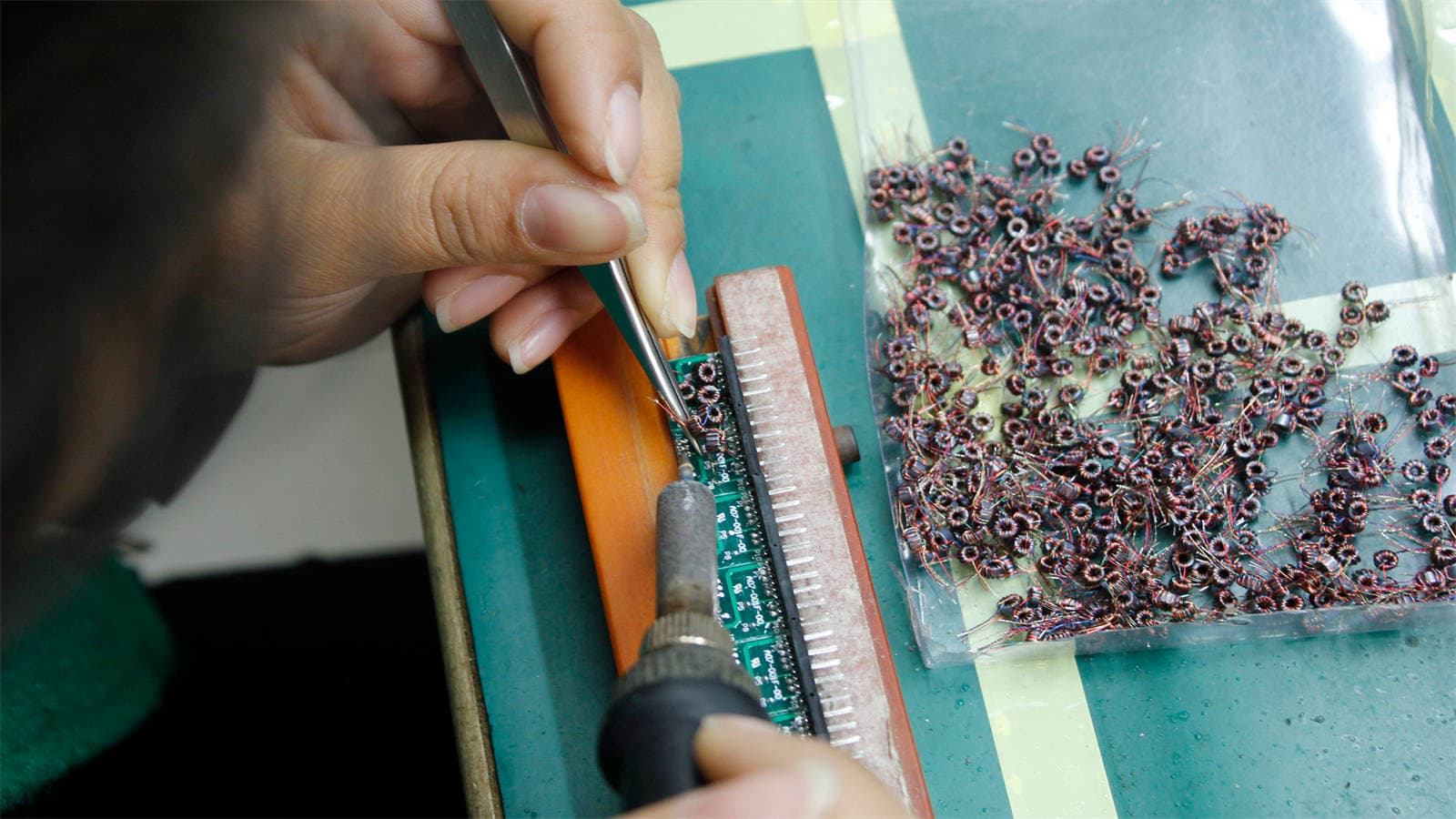
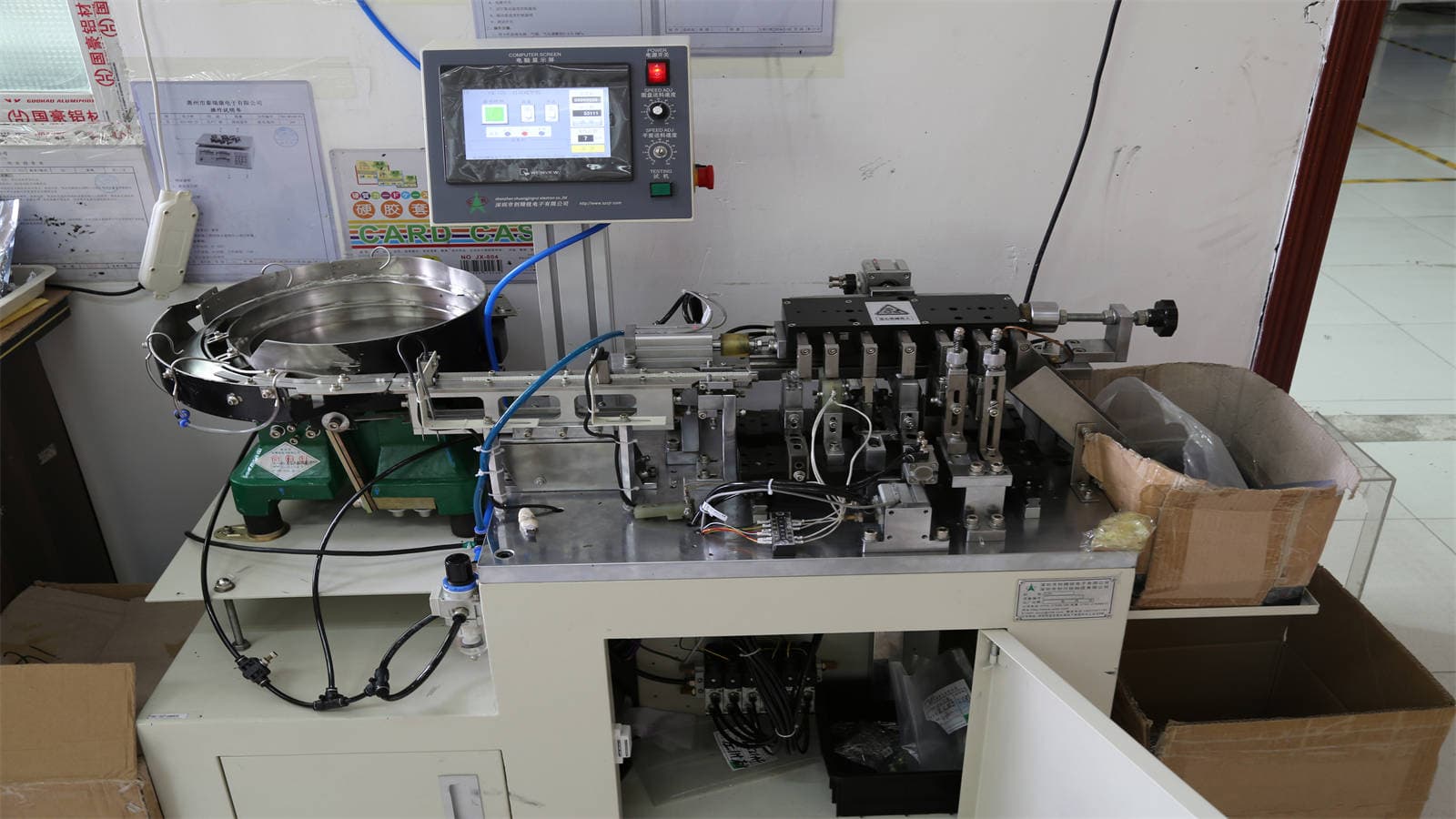
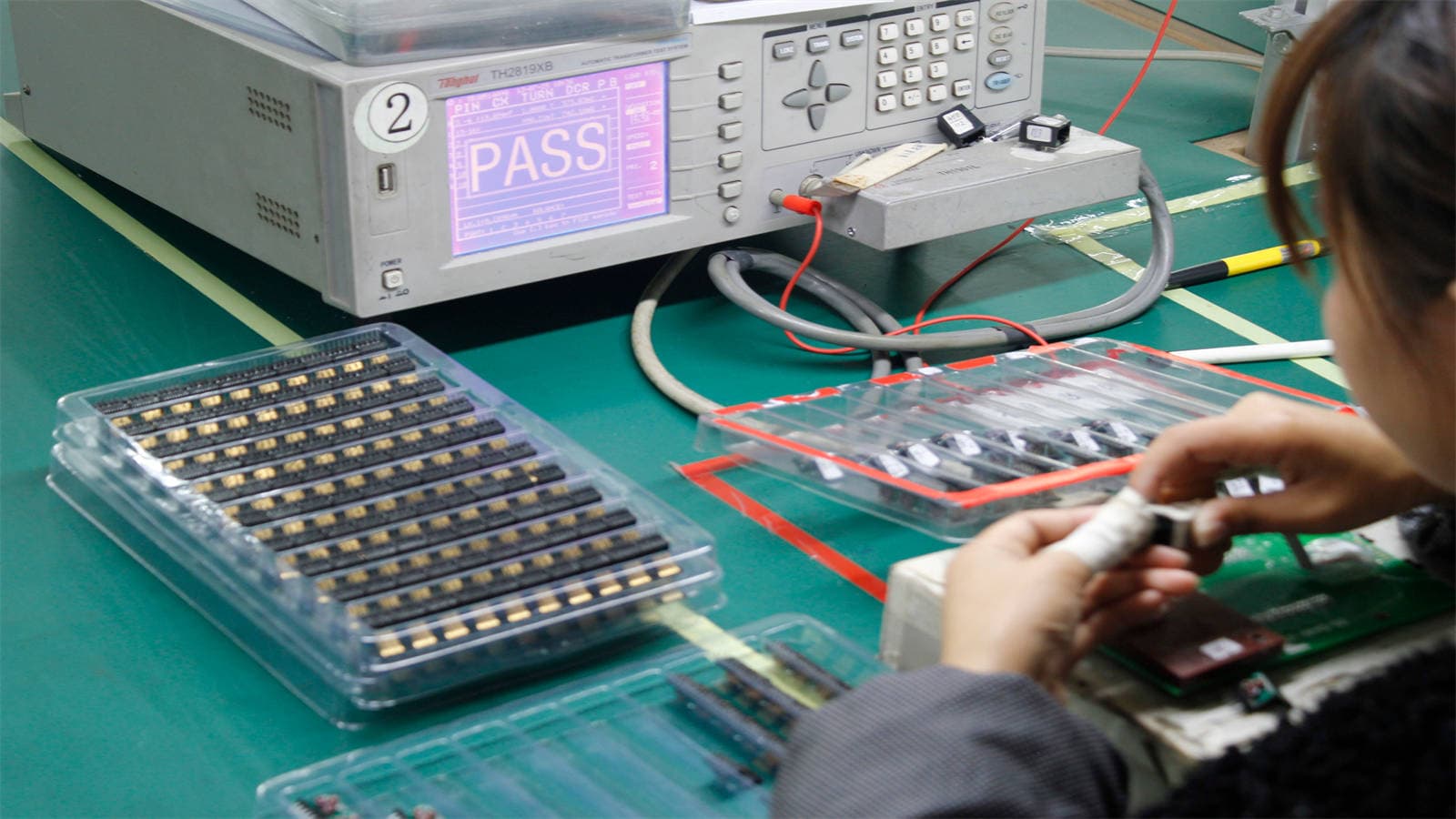
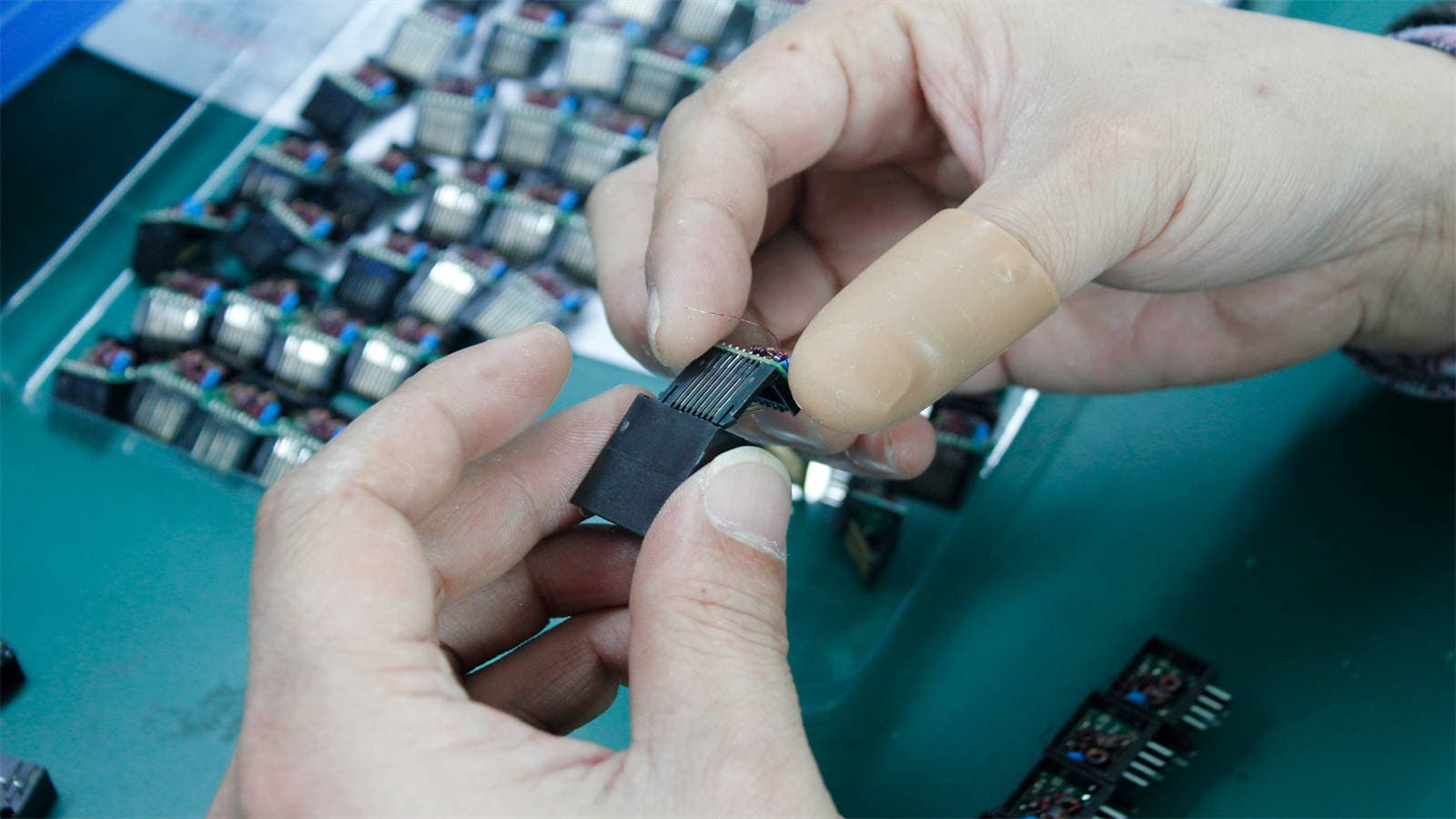
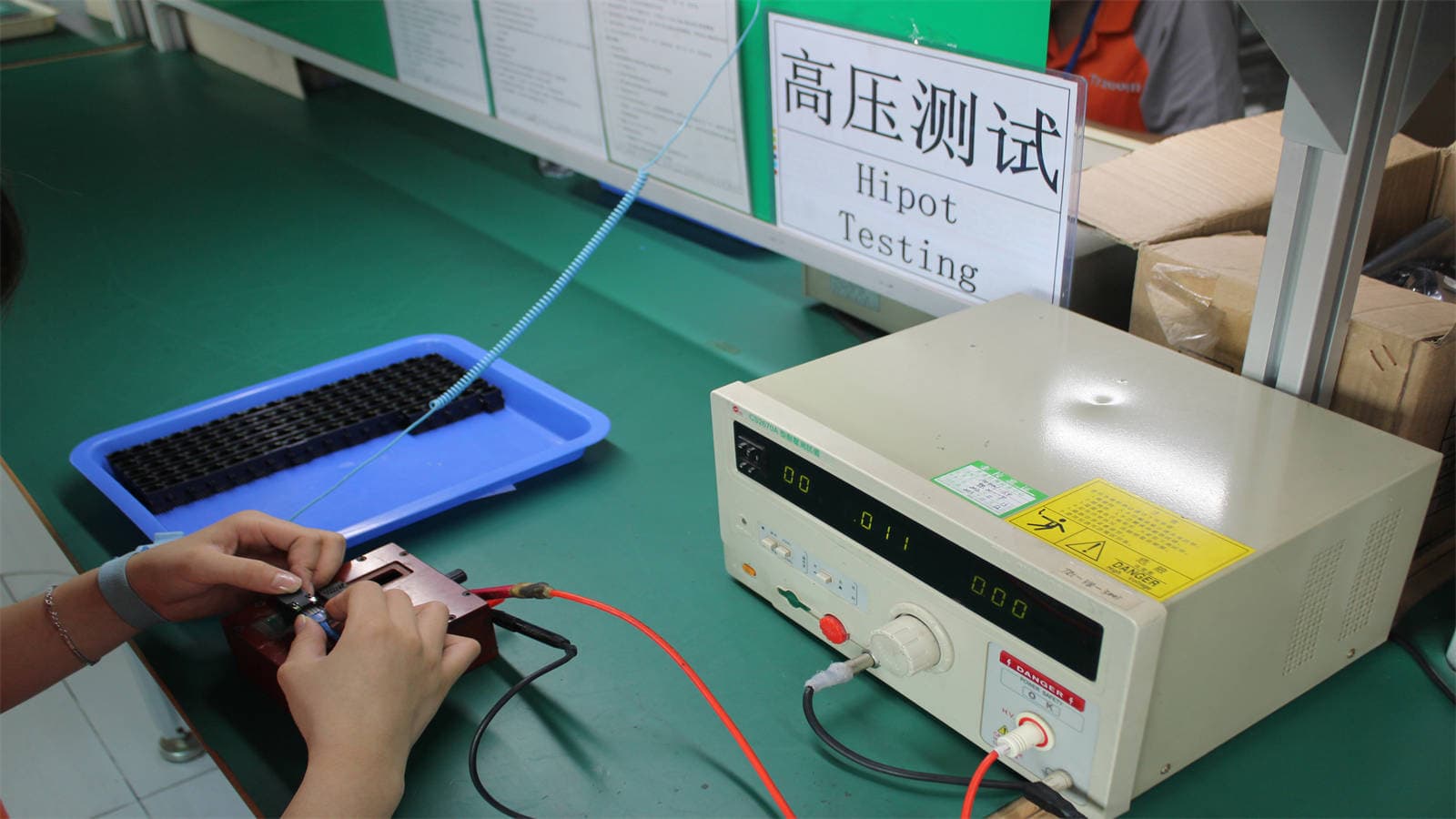
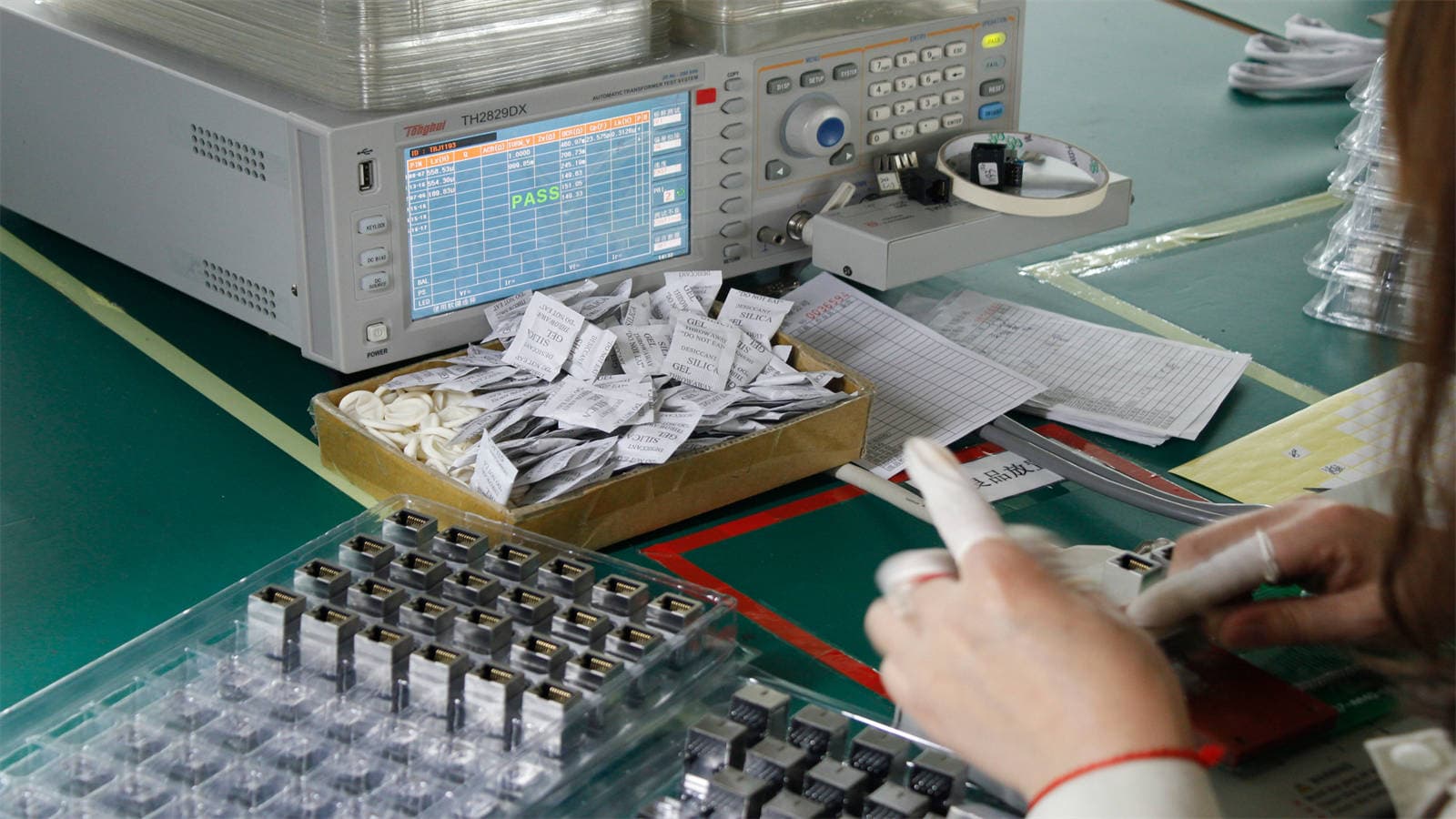
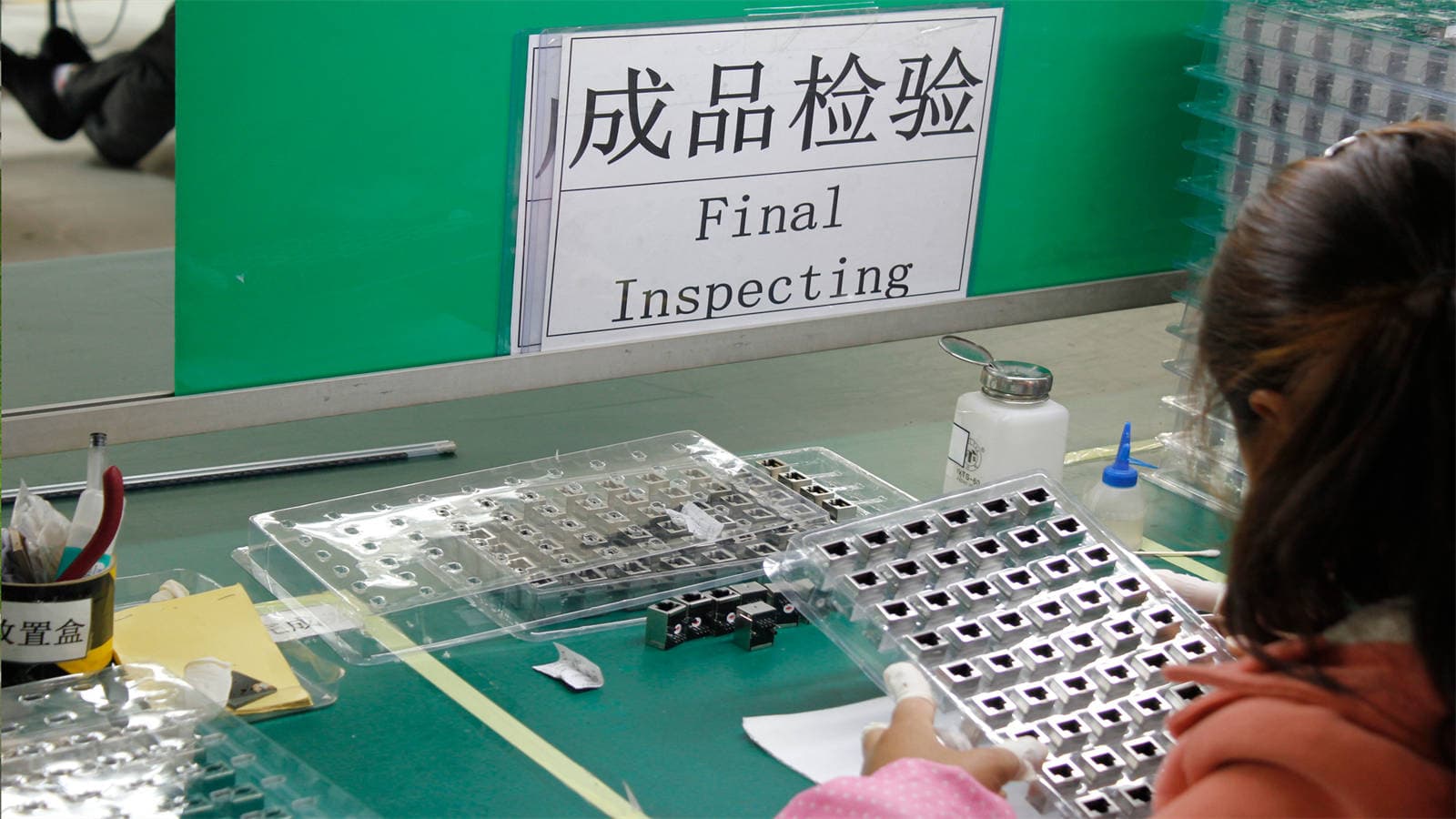

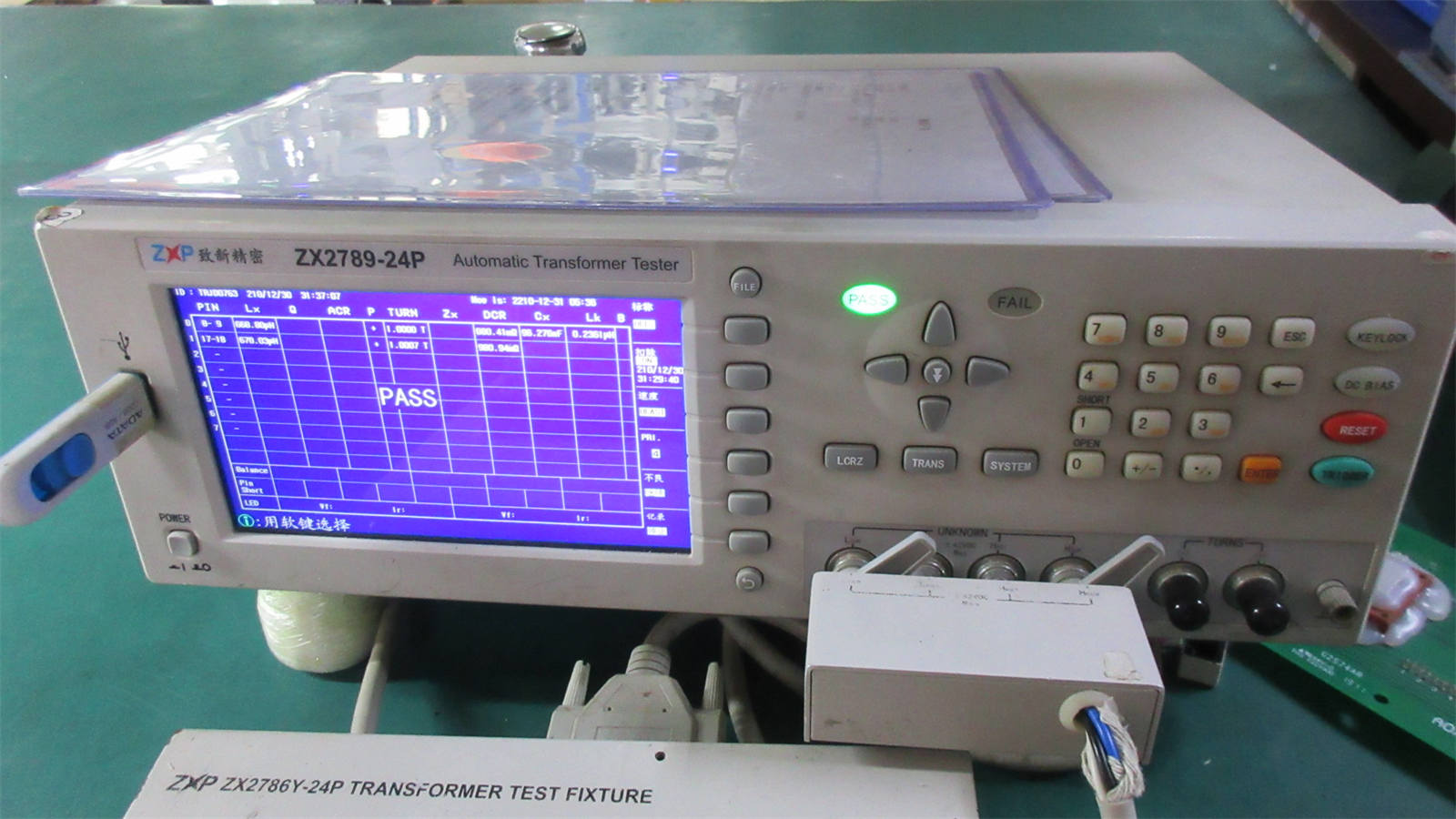
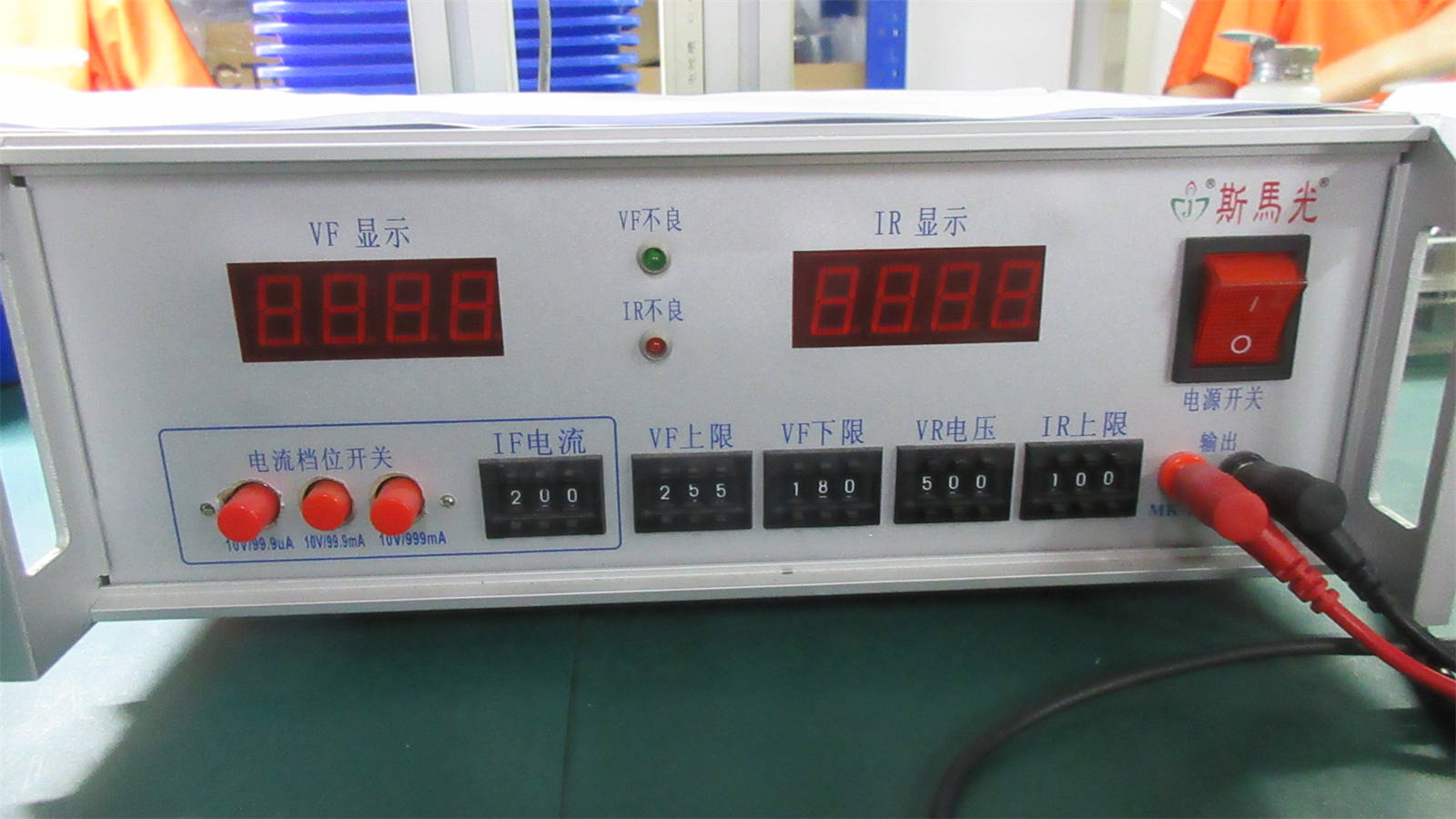
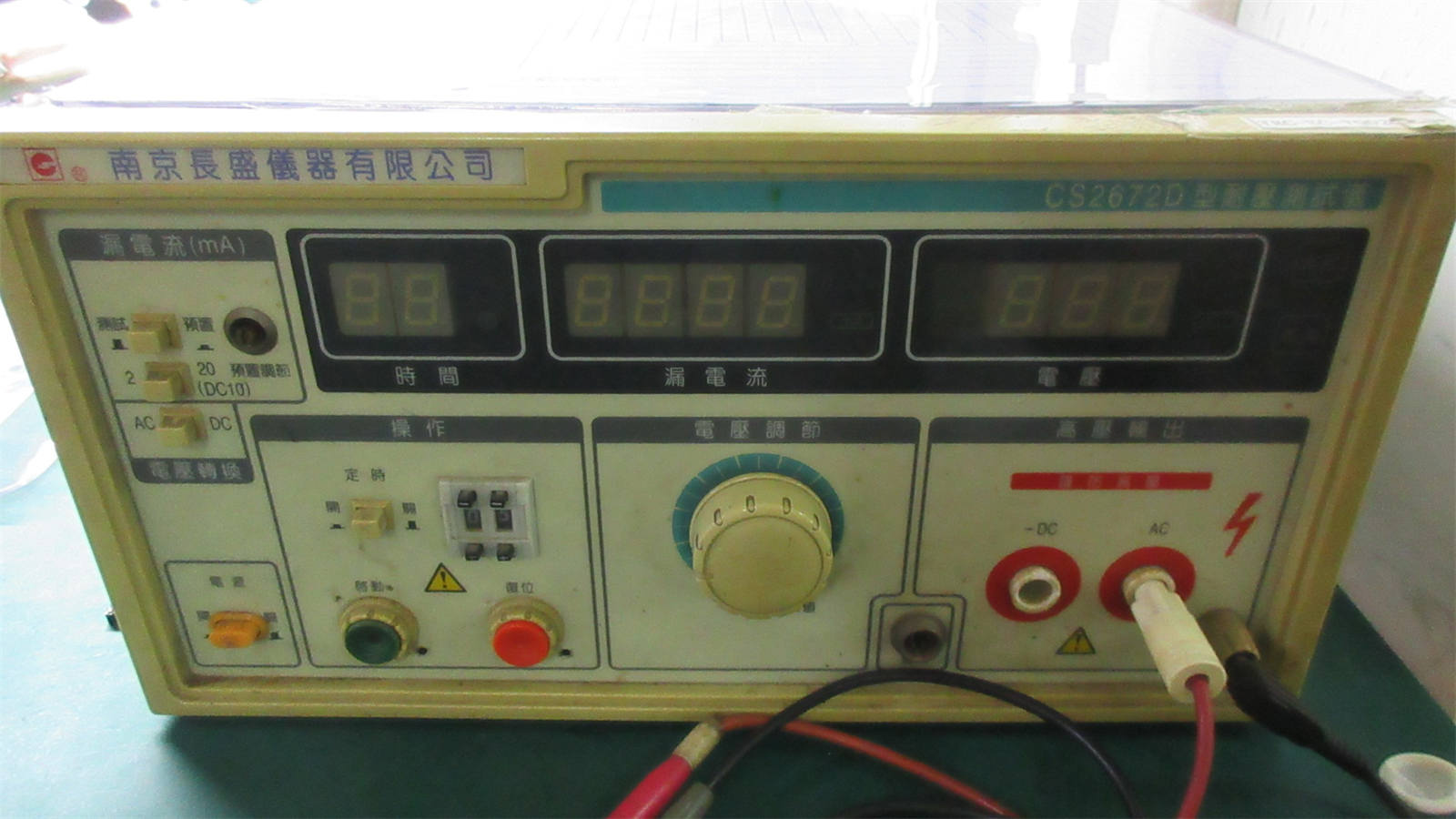
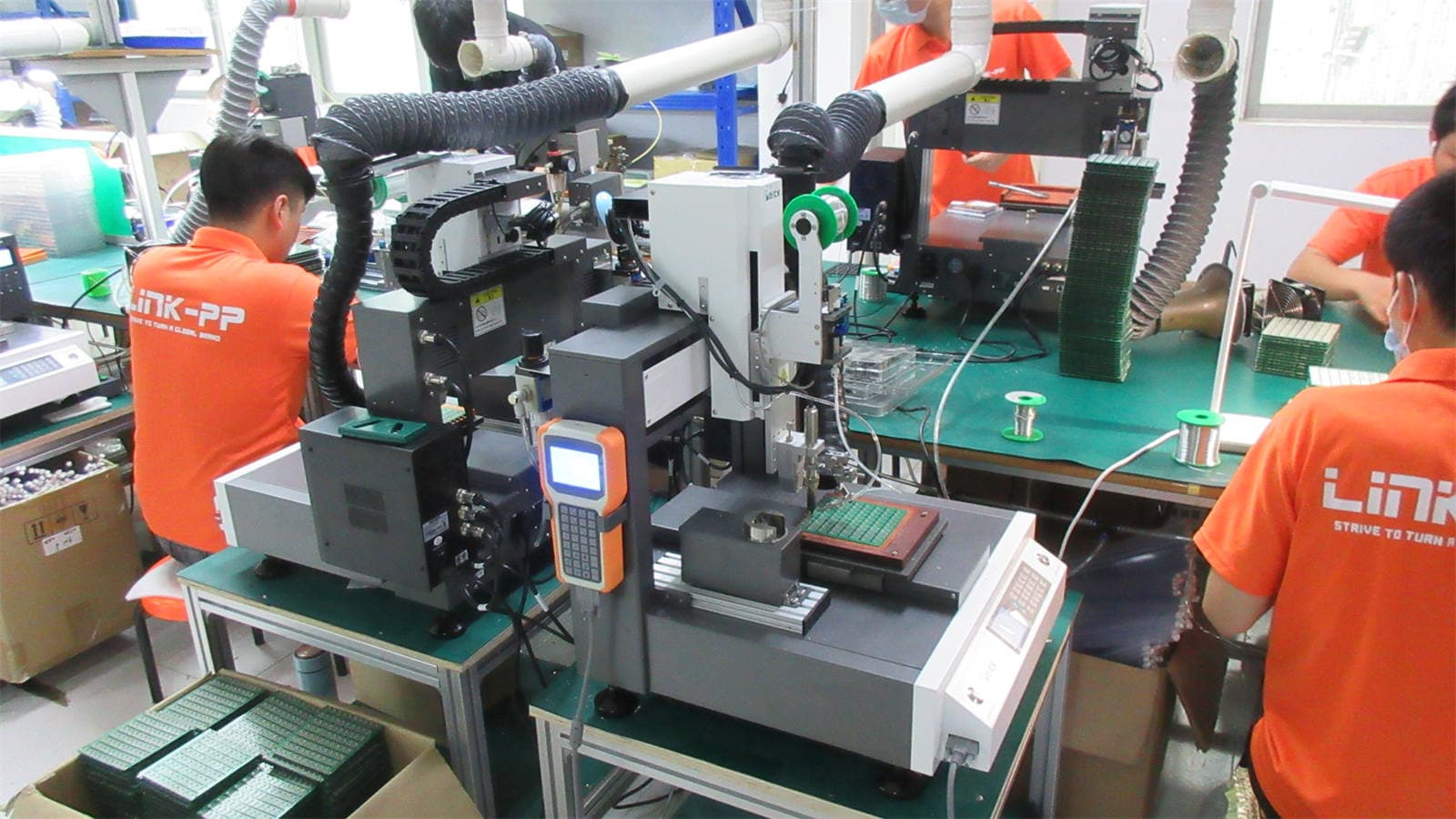
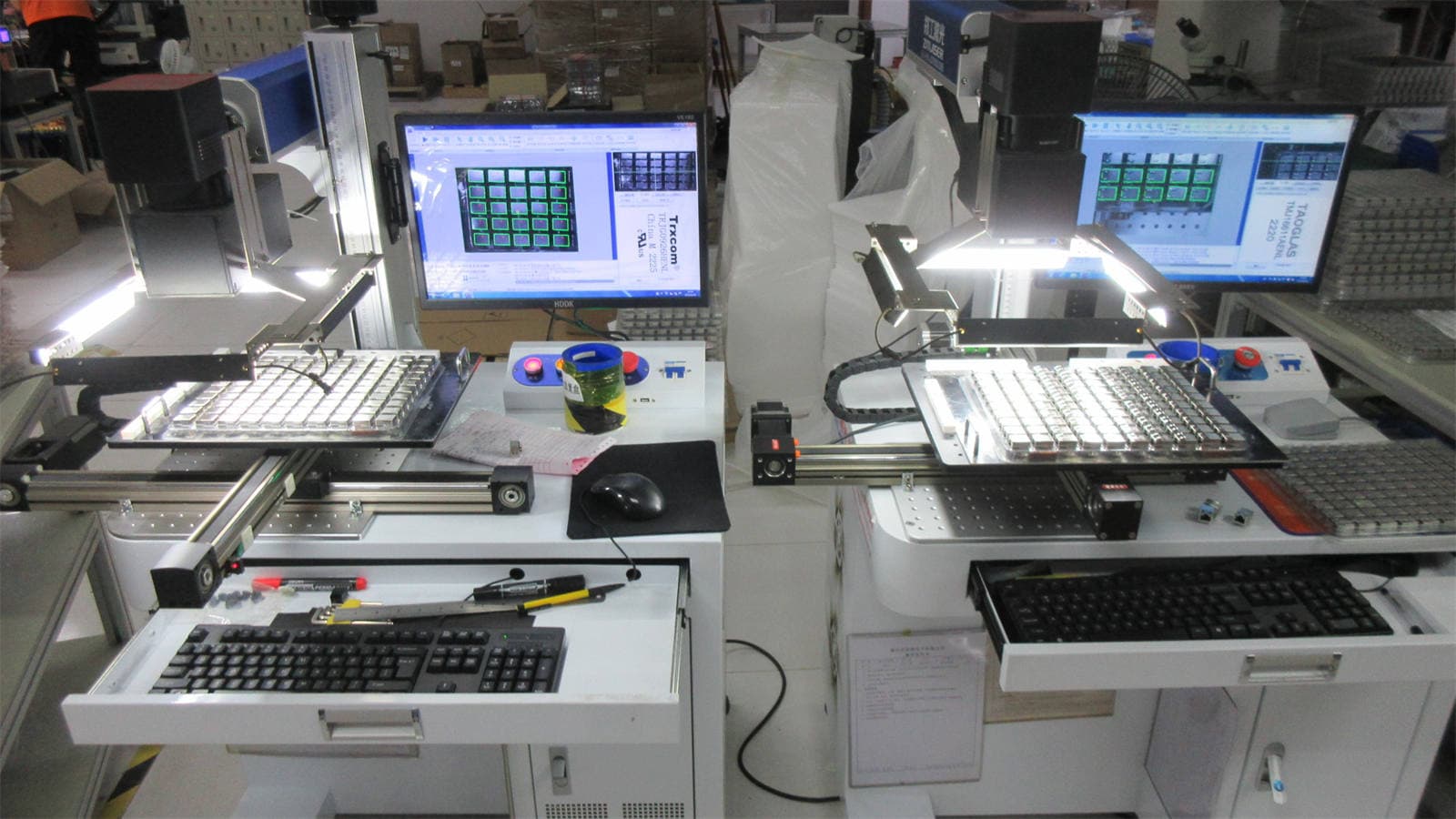
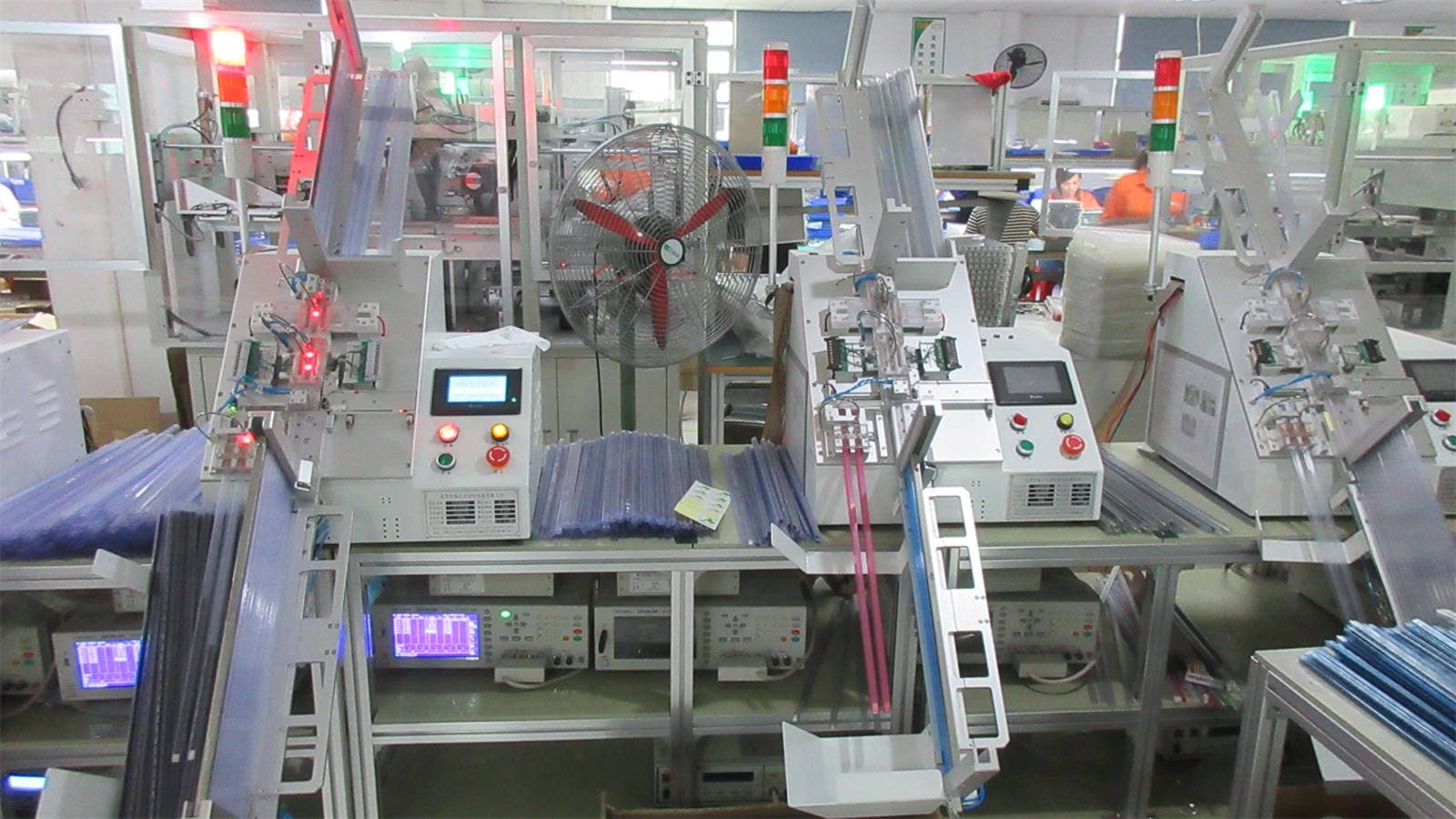
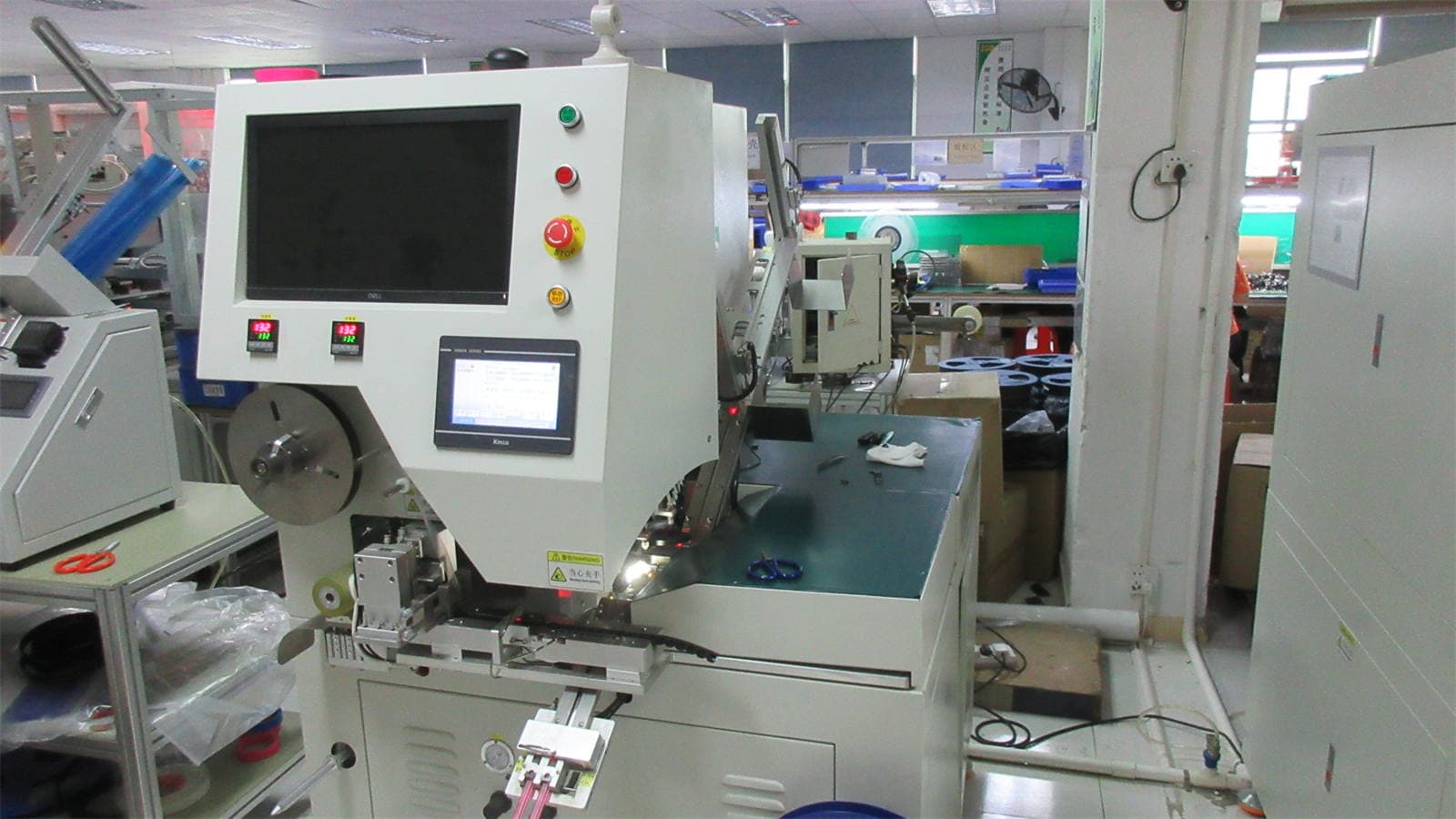
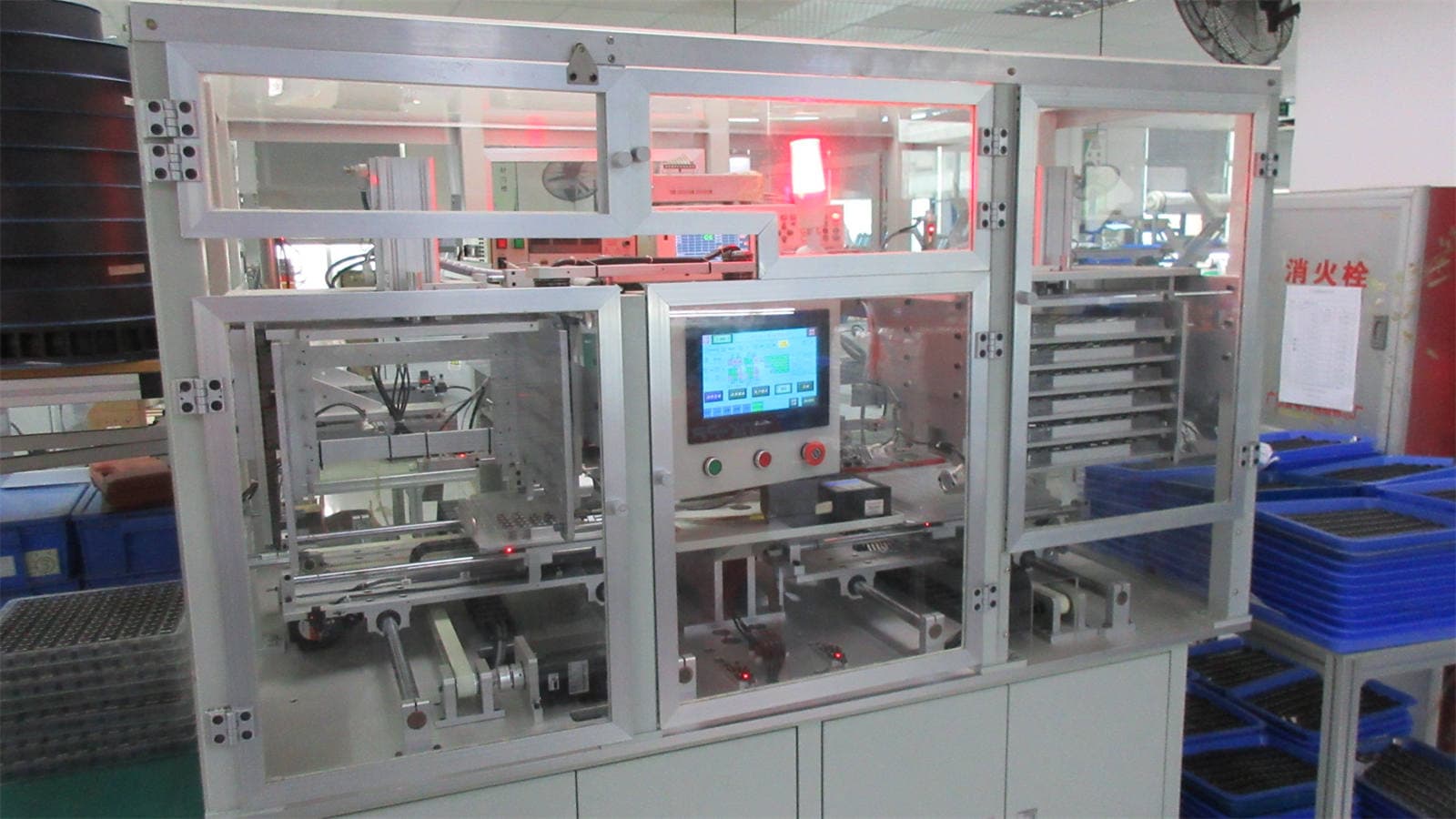
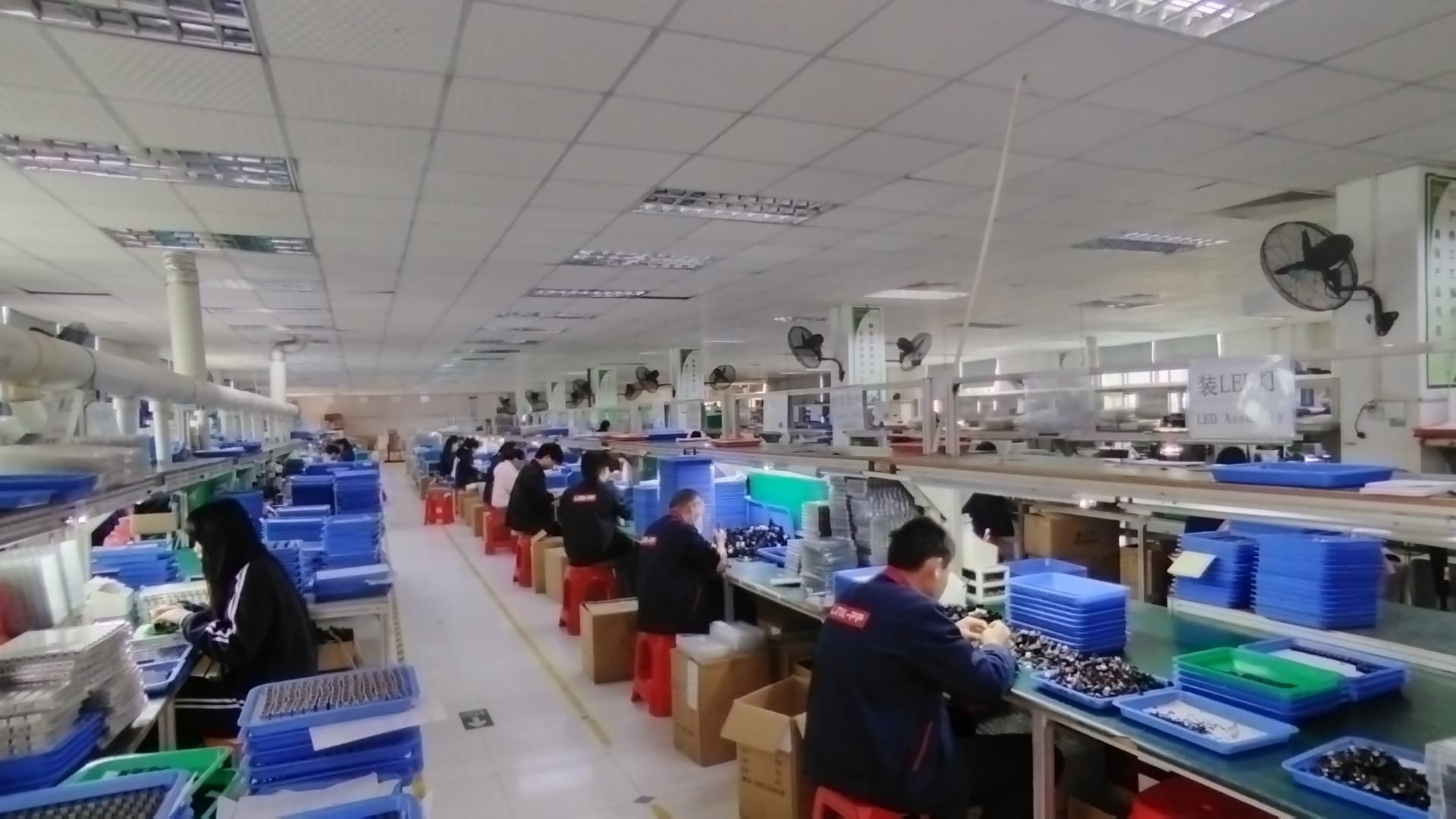
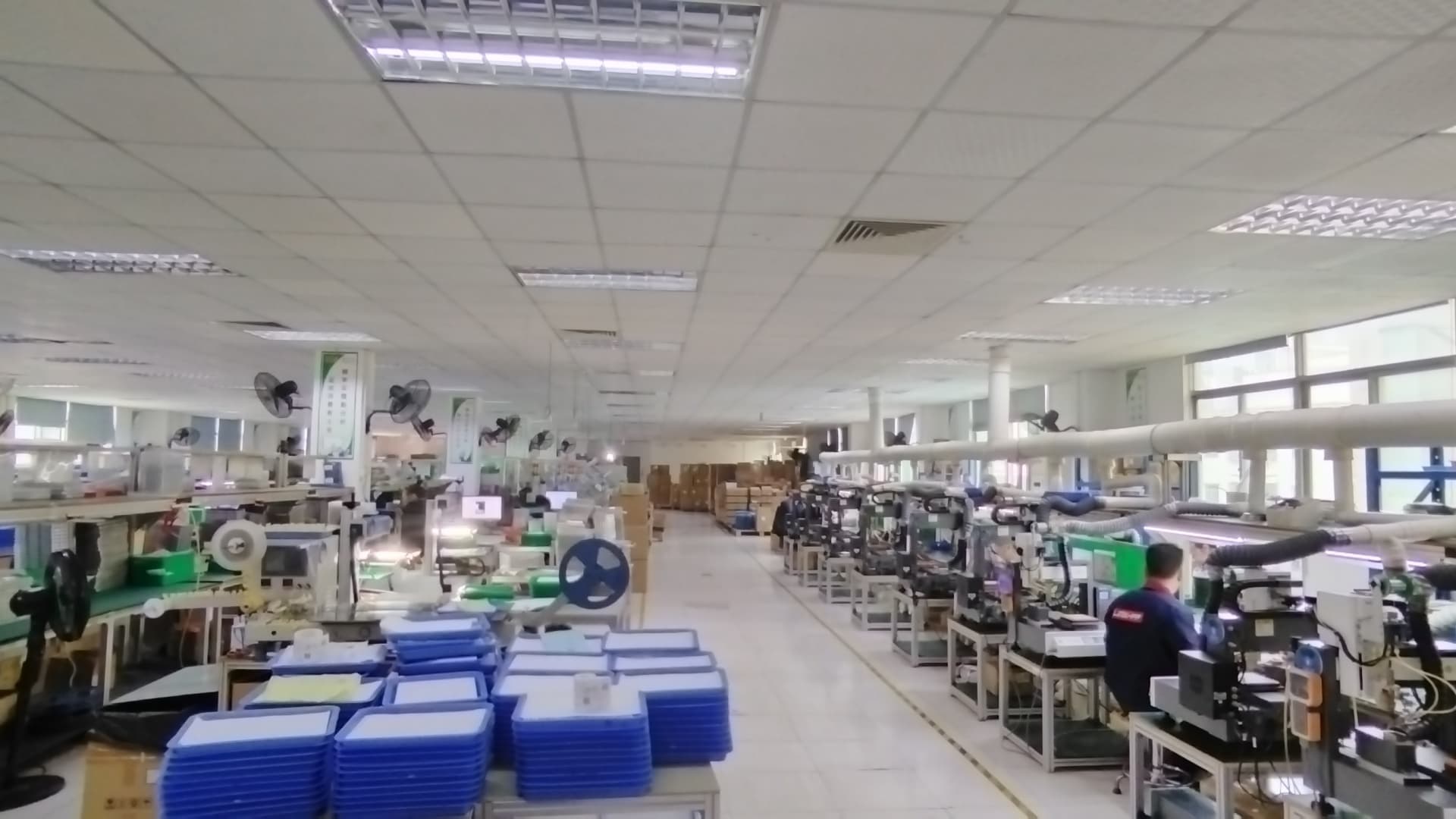
This automated system reduces human error during critical assembly stages, such as contact soldering and coil winding. Incorporating advanced validation systems—including automatic magnetic testers, hipot isolators, and high-frequency matrix scanners—ensures that every shipped product meets global compliance standards.
RJ45 connectivity modules are used across a wide range of network designs. The table below outlines how these components perform in different operating environments:
| Application Scenario | Technical Demands | Key Parameter Solutions |
|---|---|---|
| Hyperscale Data Centers | Ultra-dense port spacing, minimum power consumption, low insertion loss. | Stacked Multi-port (2x8, 2x6) SFP/RJ45 assemblies with press-fit pins. |
| Industrial IoT & Automation | Resistance to extreme temperatures, mechanical vibrations, high EMI from motors. | Thick shielding, heavy-duty ground tabs, extended temperature rating (-40°C to +85°C). |
| Enterprise PoE Systems | Concurrent high-wattage power (PoE++) and gigabit data delivery. | Heavy copper wire-wound transformers, high current contact pins (up to 1A per pin). |
Selecting a connector with the correct specifications for these varied environments ensures long-term operational stability and prevents signal degradation over time.
Registered in China as Luguang Communication Technology Co., Ltd., Lumopt Opto Technology is a manufacturer and exporter of high-performance optical transceivers and copper connectivity modules.
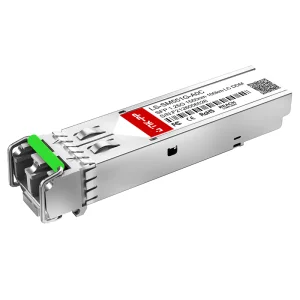
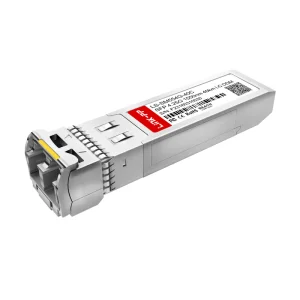
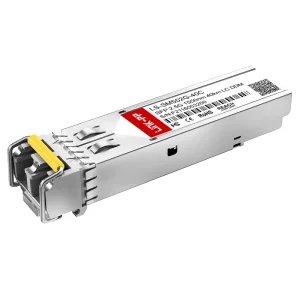
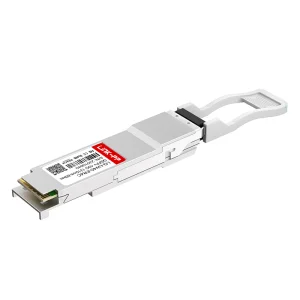
Our operations focus on the research, development, and custom manufacturing of high-speed optical transceivers ranging from 10G, 25G, 100G, and 400G up to 800G and 1.6T configurations. These devices support critical communication networks, high-density computing clusters, data centers, and global telecom installations.
By operating dust-free cleanrooms and using automated testing equipment, we verify that all connectors comply with international industry standards. Our product catalog features modular options for OEM and ODM specifications. We partner with distributors, enterprise network engineers, and system integrators worldwide to provide stable, cost-effective connectivity components.