Lumopt Lumopt

Custom OEM Deep Ethernet Connector Exporter & Exporters

Pioneering High-Frequency Connectivity, Integrated Magnetics, and Enterprise Optical Transceiver Solutions for Global Digital Infrastructures

The Paradigm Shift in Deep Ethernet & Optoelectronic Networking

Modern hyperscale infrastructures, edge installations, and industrial IoT (IIoT) applications require more than standard connectors. The demand is shifting towards Deep Ethernet Connectors—specialized components engineered to operate reliably under extreme mechanical stress, elevated electromagnetic interference (EMI), and highly demanding thermal envelopes.

As a global pioneer in optoelectronic and signal transmission hardware, Lumopt Opto Technology Co., Ltd. (officially registered as Luguang Communication Technology Co., Ltd. in China) offers advanced vertical integration. From developing complex SFP transceivers capable of 1.6T speeds to manufacturing high-performance, integrated magnetic RJ45 connectors, we deliver robust solutions designed for continuous performance.

1.6T
Transceiver Support
Cutting-edge R&D pathing for hyperscale data distribution.
100%
Auto-Tested
Every component undergoes dual testing for zero defects.
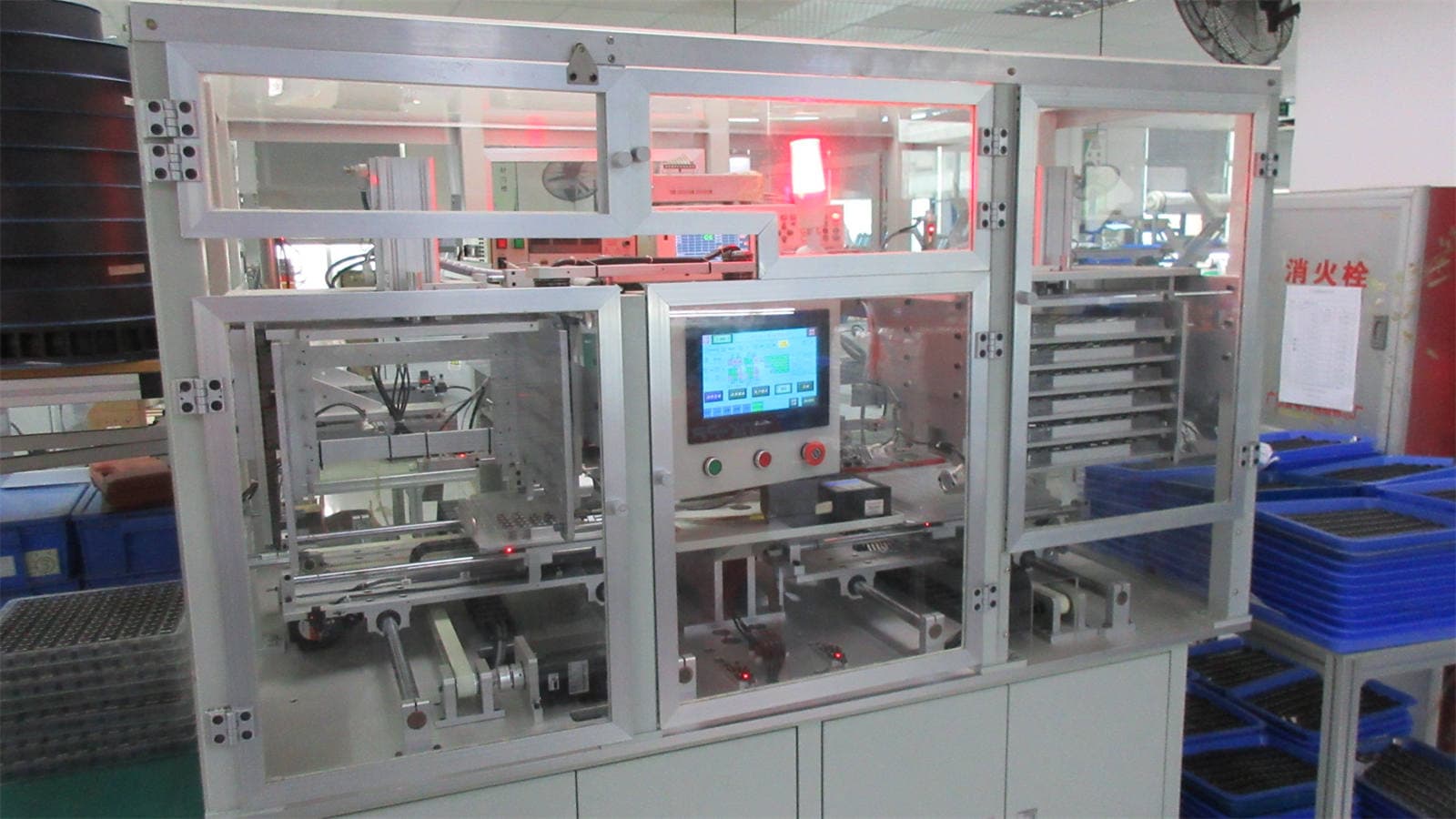
Lumopt Manufacturing Facility

China’s High-End Optical & Ethernet Component Supply Chain

Leveraging structural cost efficiencies, vertical integration, and cluster manufacturing speed.

Industrial purchasing managers and telecommunications hardware designers face a volatile global market. Partnering with a specialized Chinese manufacturer offers a distinct competitive advantage:

45%
Cost Efficiency
Streamlined processes reduce manufacturing overhead without compromising material grade.
100%
Integrated Tooling
In-house tooling allows rapid validation of custom footprints.
3-4 Wks
Lead Times
Strategic component stock ensures rapid product turnaround.

Addressing Global Procurement Vulnerabilities

Global OEMs require reliability at scale. Many component vendors rely on fragmented assembly lines, leading to variations in signal-to-noise ratios, poor pin coplanarity, and inconsistent impedance. By keeping design, PCB assembly, magnetics winding, and automated testing under one roof, we eliminate these quality issues.

Vertical Production & Quality Management Workflow

From raw materials to finished products, our process ensures reliability at every step.

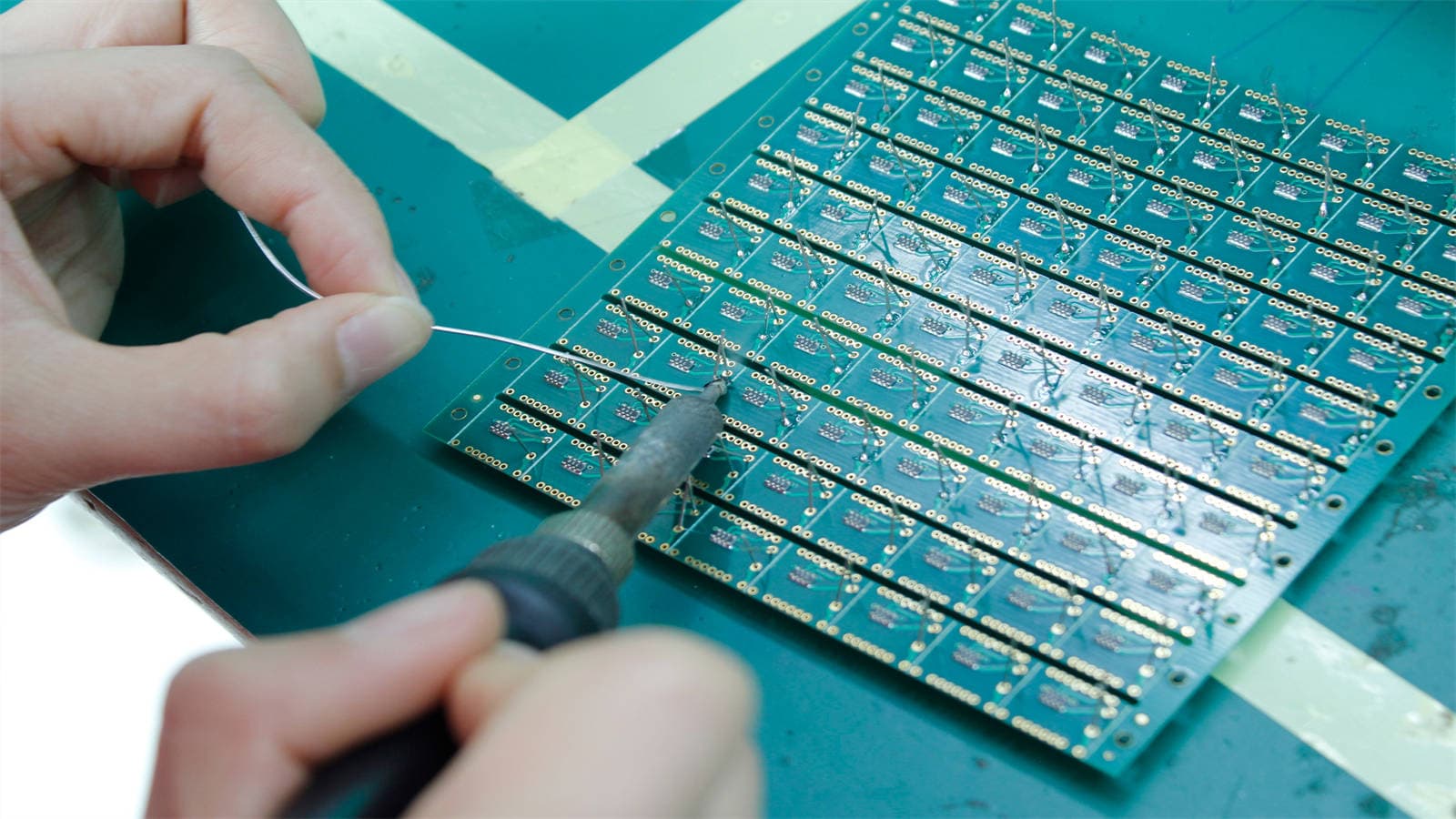
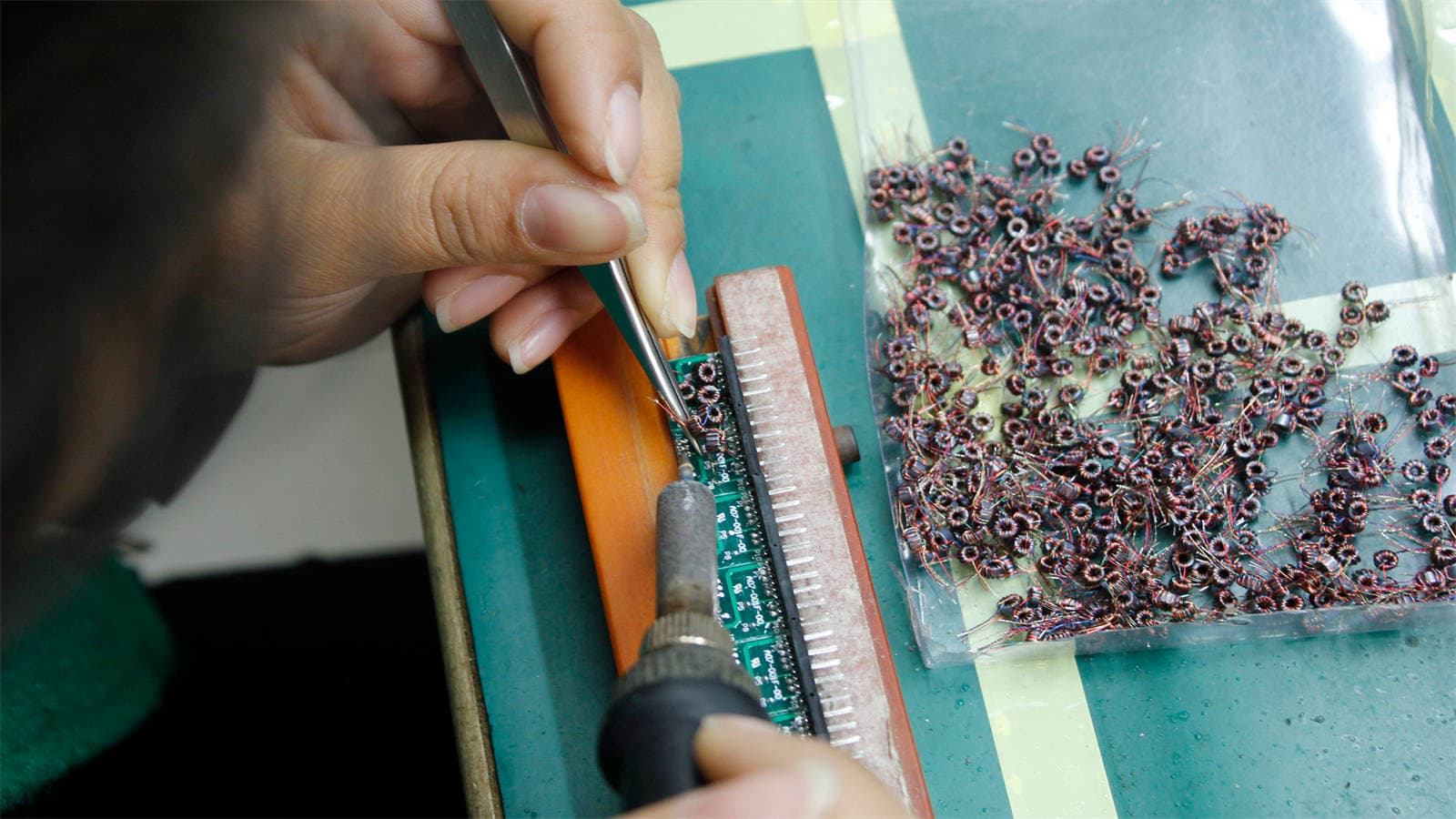
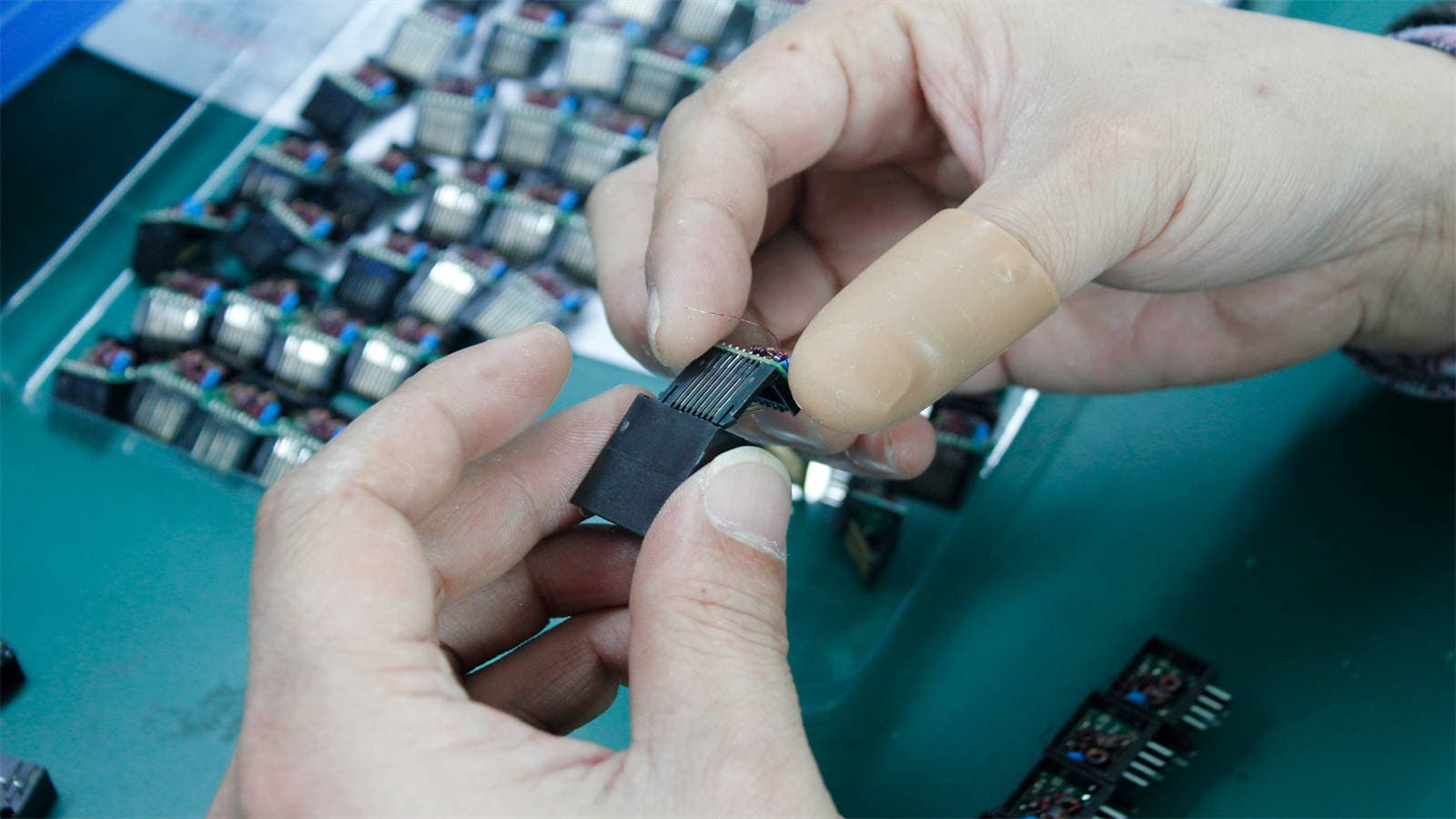
Twisting
Twisting
PCB Tinned
PCB Tinned
Soldering
Soldering
Shear-LED-Pin
Shear-LED-Pin
Semi-finished Testing
Plastic-Case-Assembly
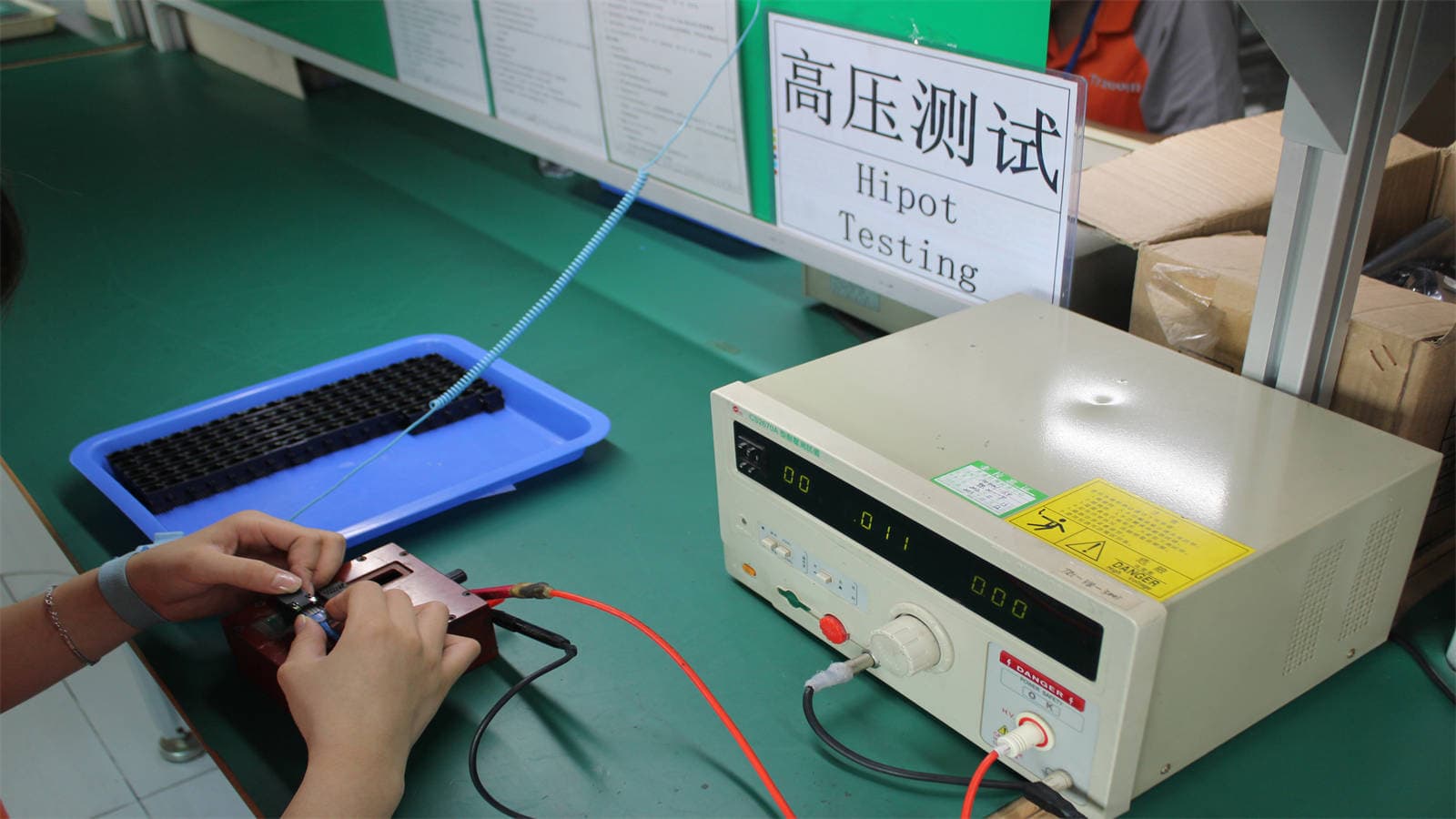
Hi-pot Testing
Hi-pot Testing
Integrated-Testing
Integrated-Testing
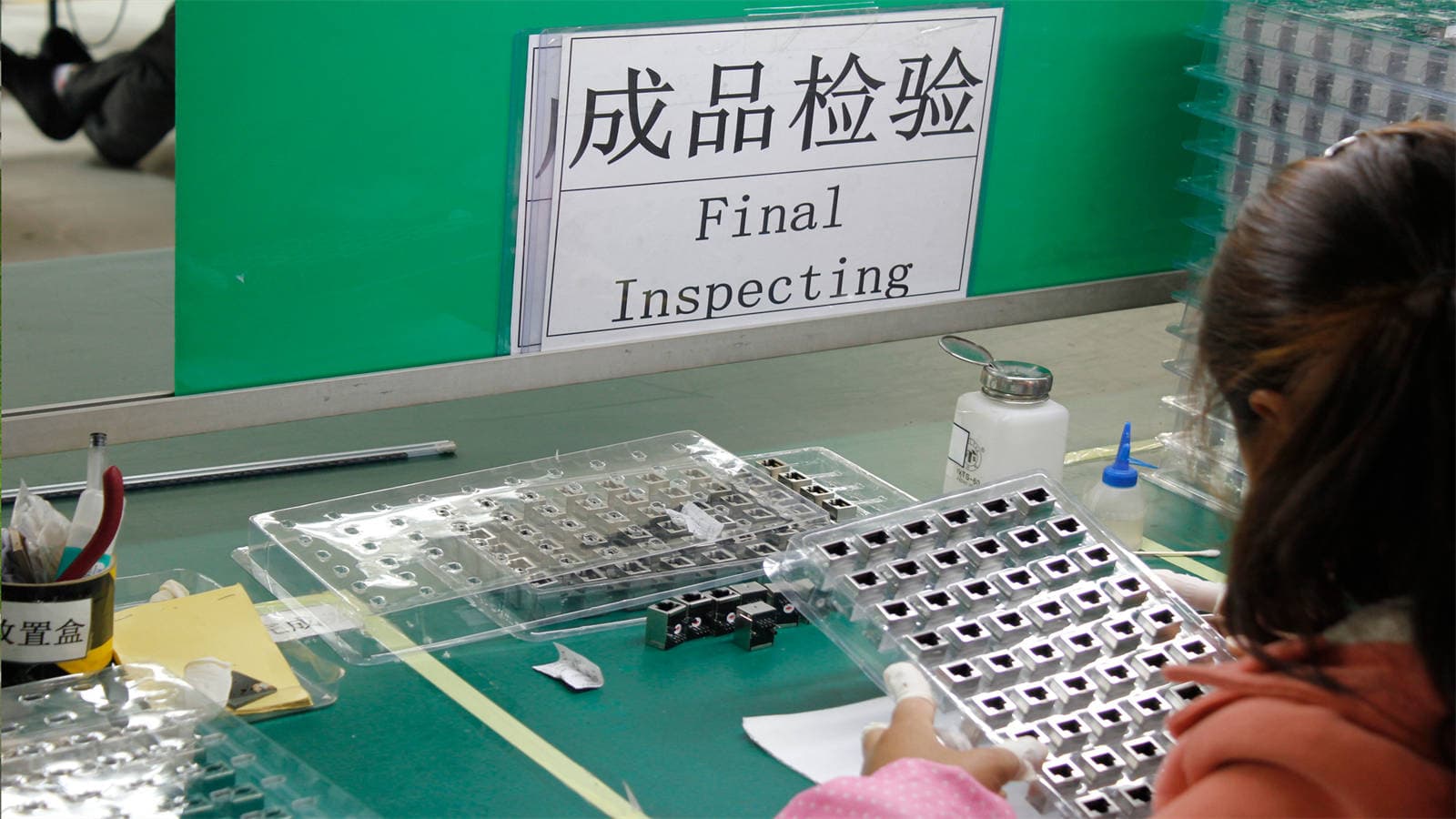
Final-Inspecting
Final-Inspecting
Packing
Packing

Why Process Control Dictates High-Speed Ethernet Feasibility

High-performance Ethernet components depend on precise manufacturing. The Twisting stage establishes balanced differential pairs to minimize crosstalk. Precise PCB Tinning and automated Soldering prevent cold joints that cause signal attenuation. Subsequent Hi-pot testing verifies electrical isolation, ensuring the components can handle transient voltage spikes in demanding environments.

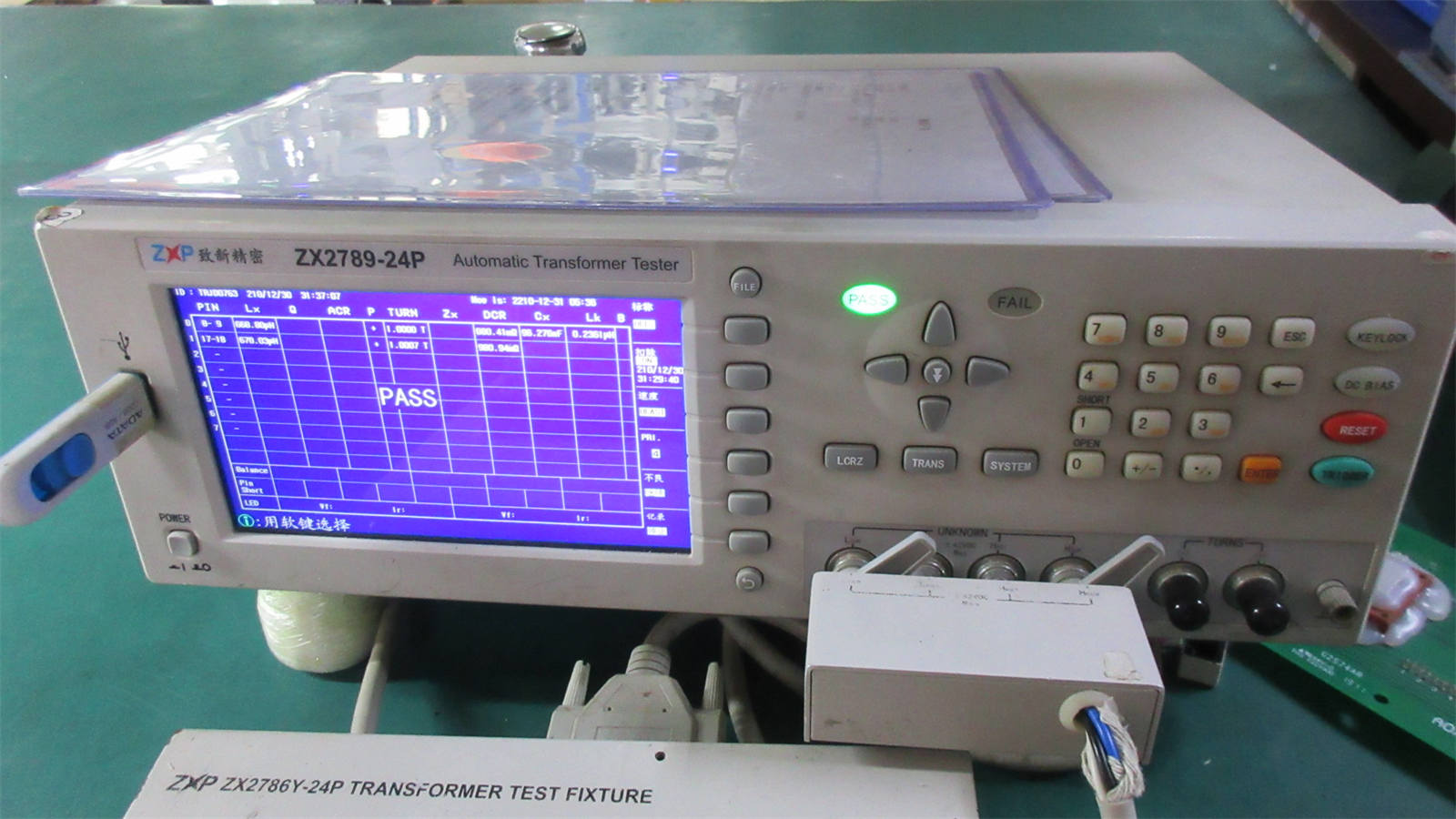
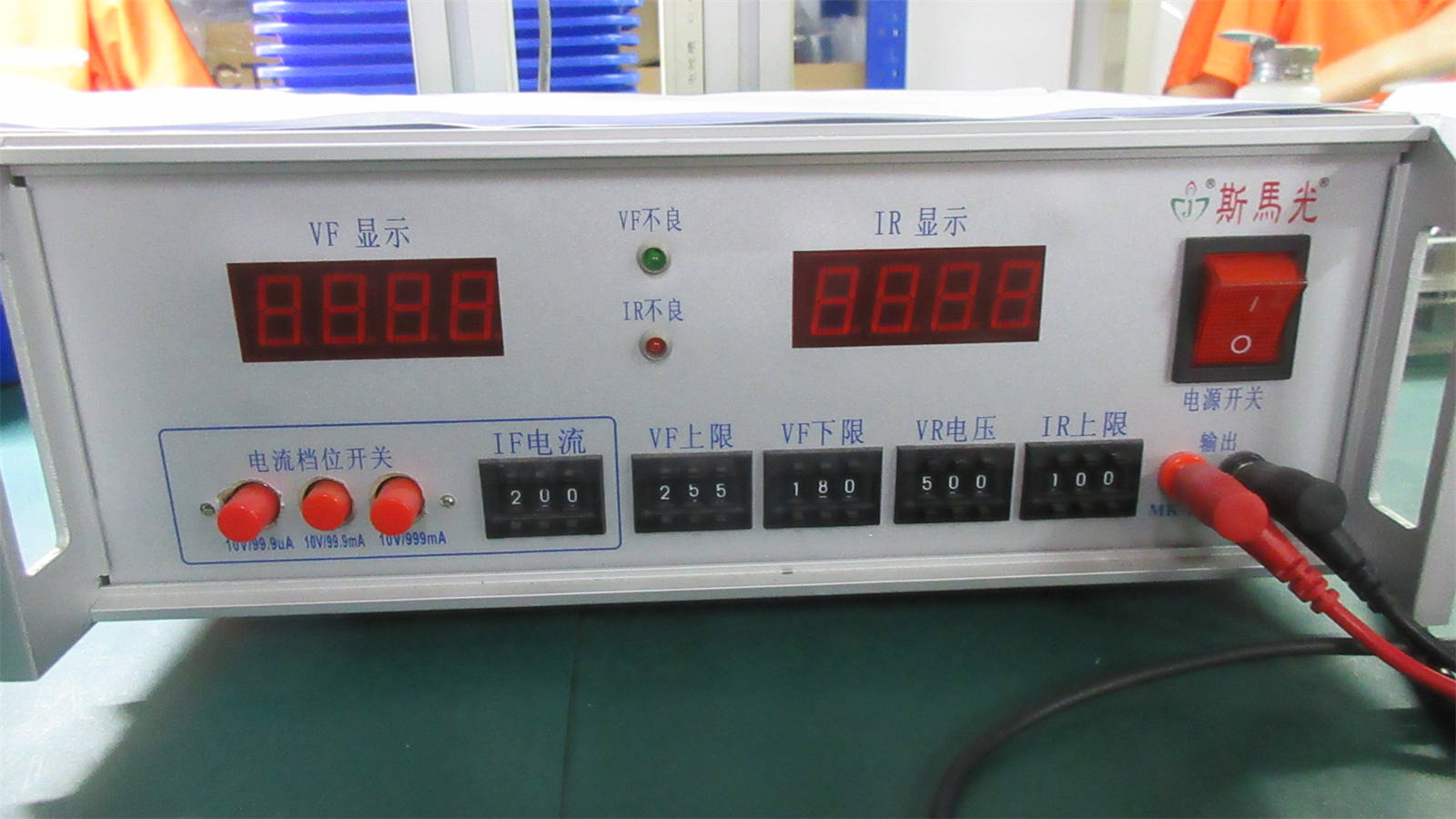
Advanced Laboratory & Diagnostic Infrastructure

Utilizing sophisticated automated instruments to guarantee parameter consistency across every production run.
Comprehensive Tester
LED Lamp Tester
LED Lamp Tester
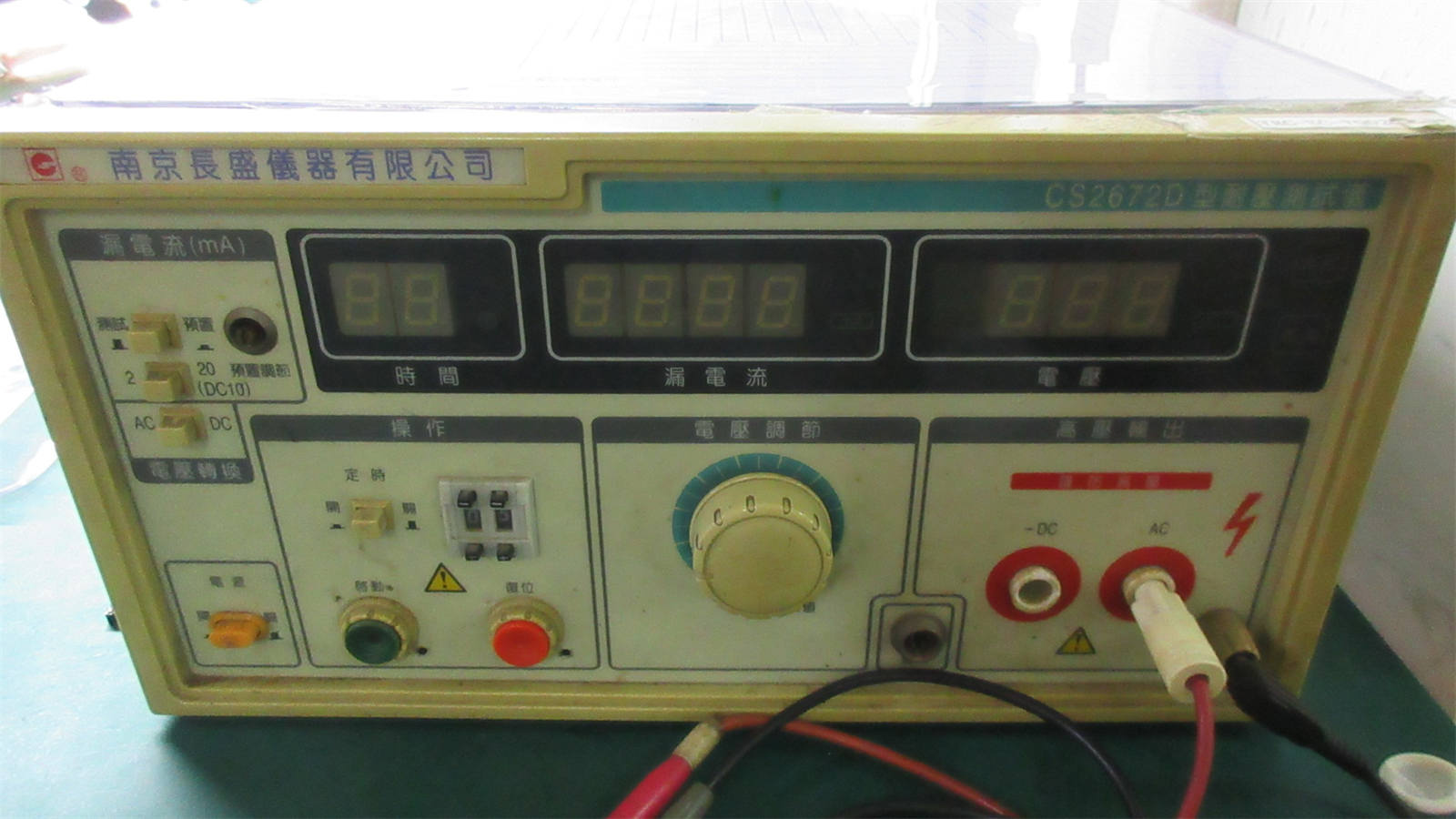
Hi-Pot Tester
Hi-Pot Tester
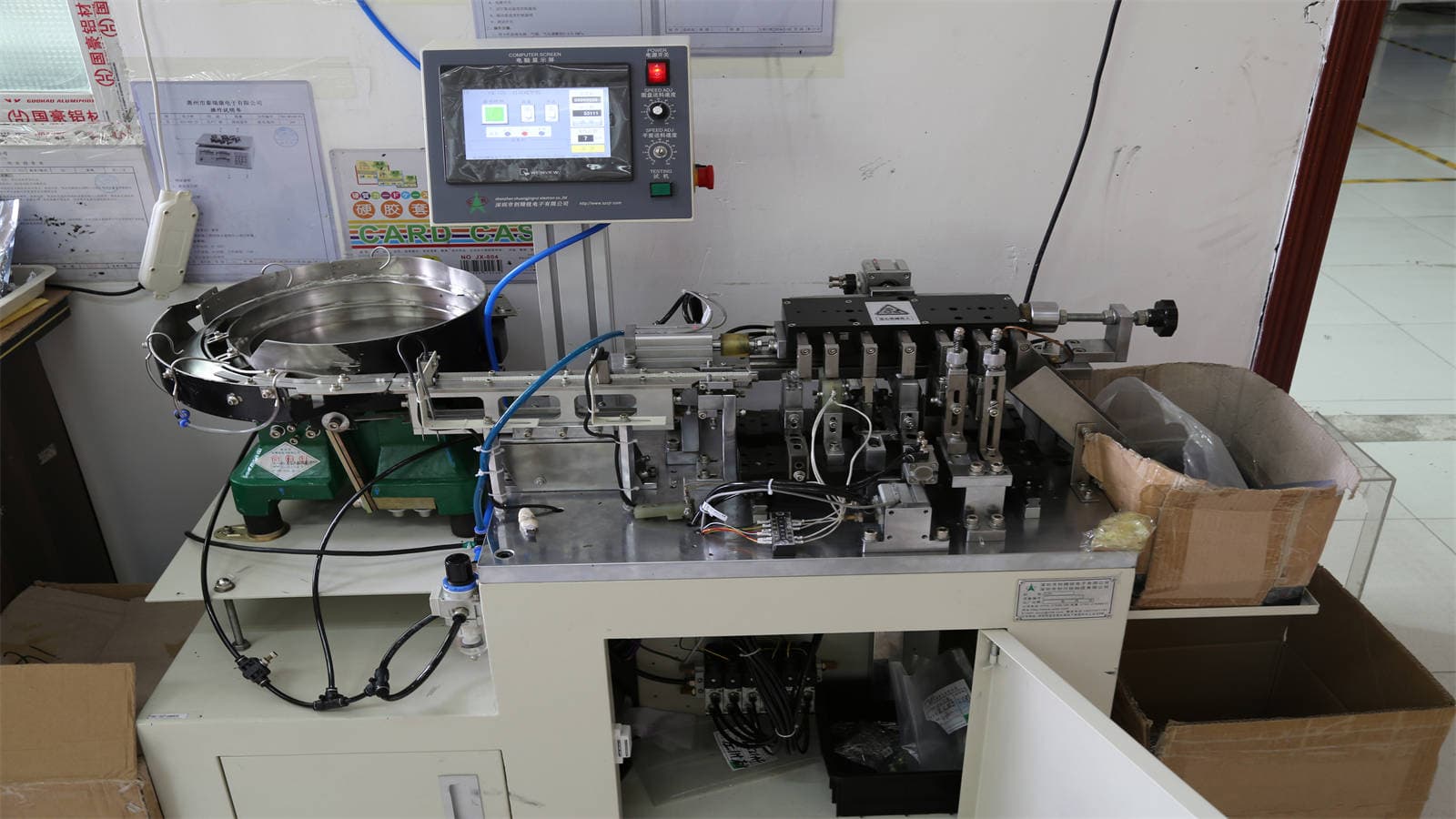
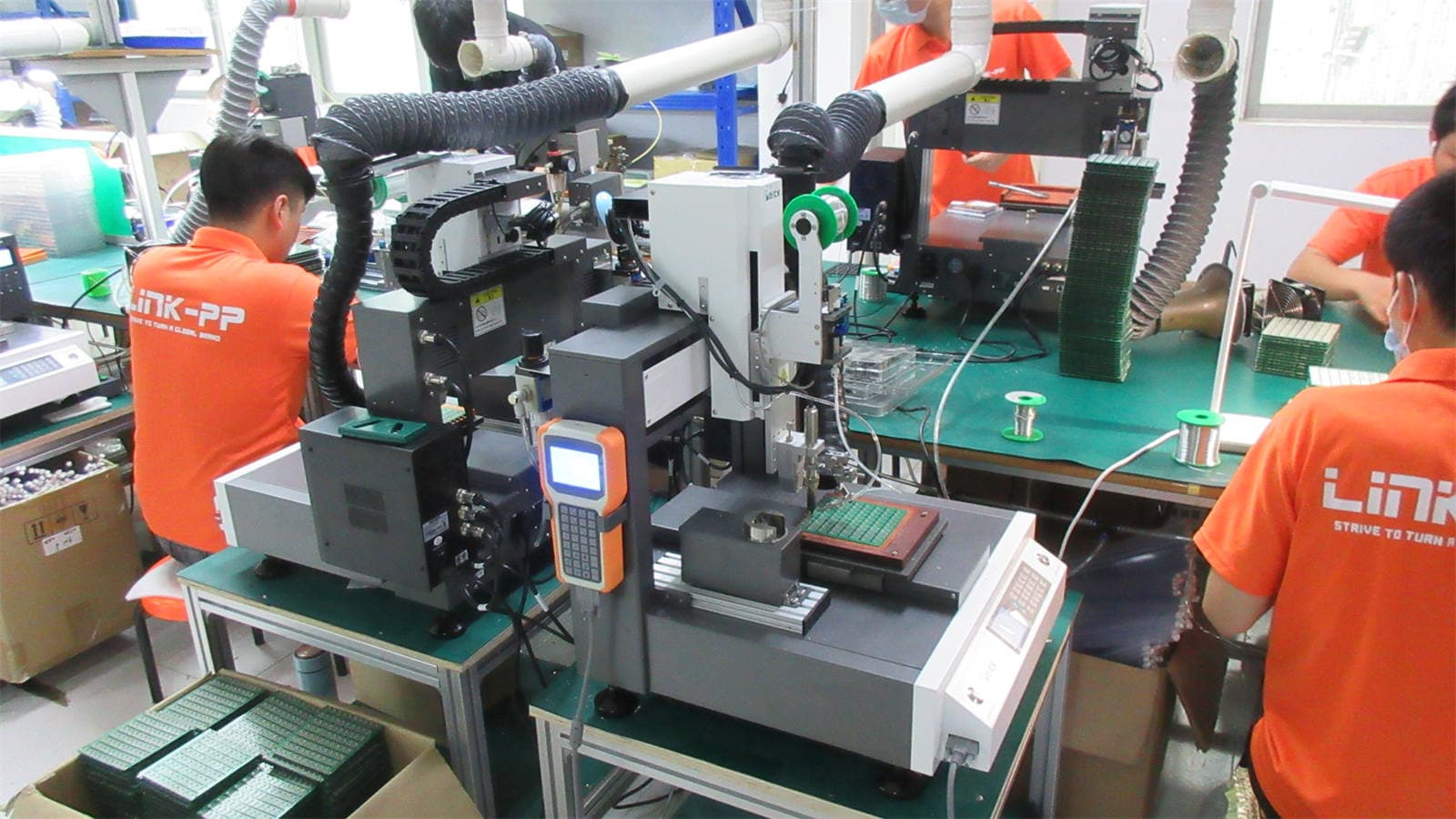
Automatic Welding Machine
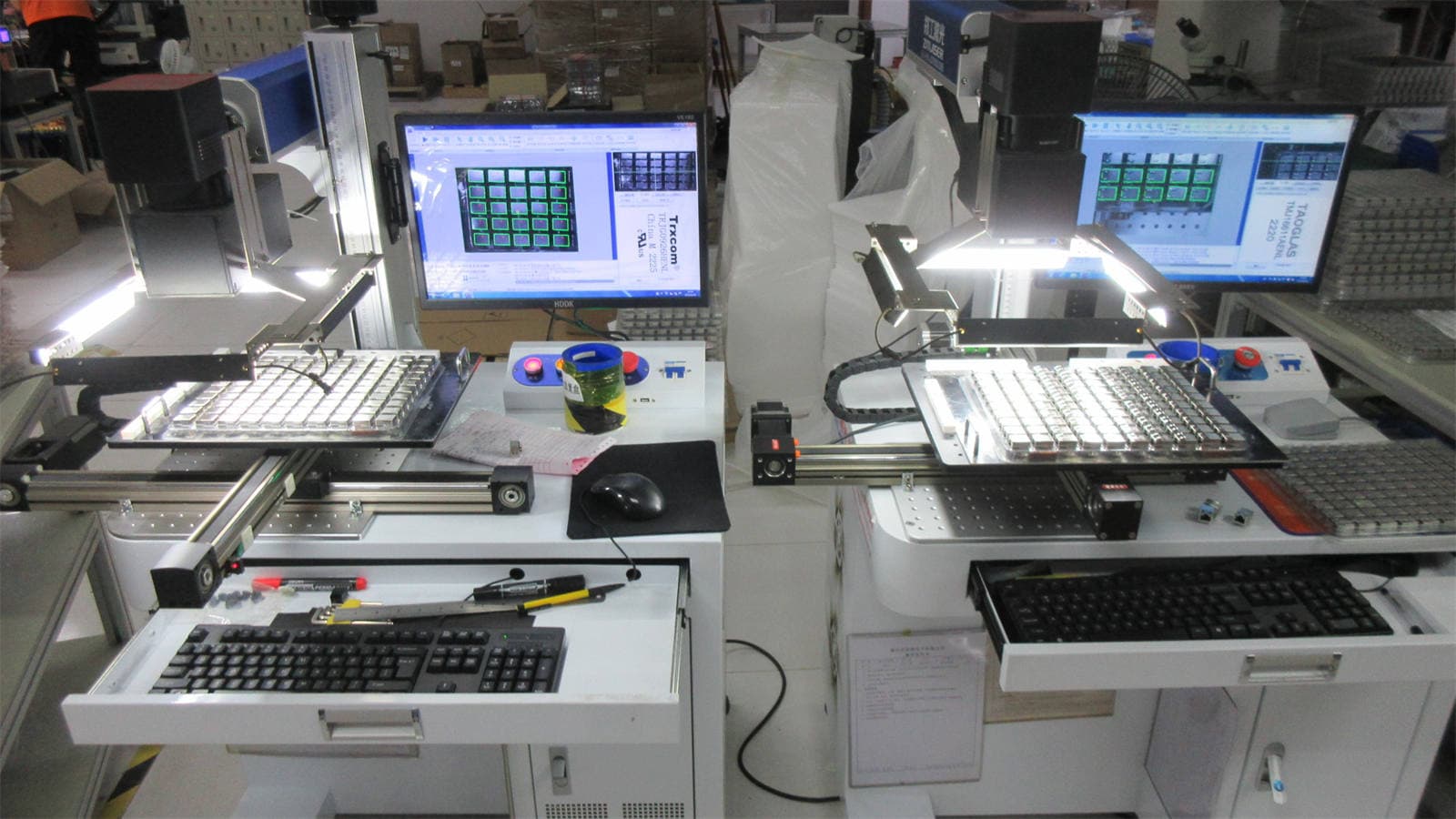
Laser Marking Machine
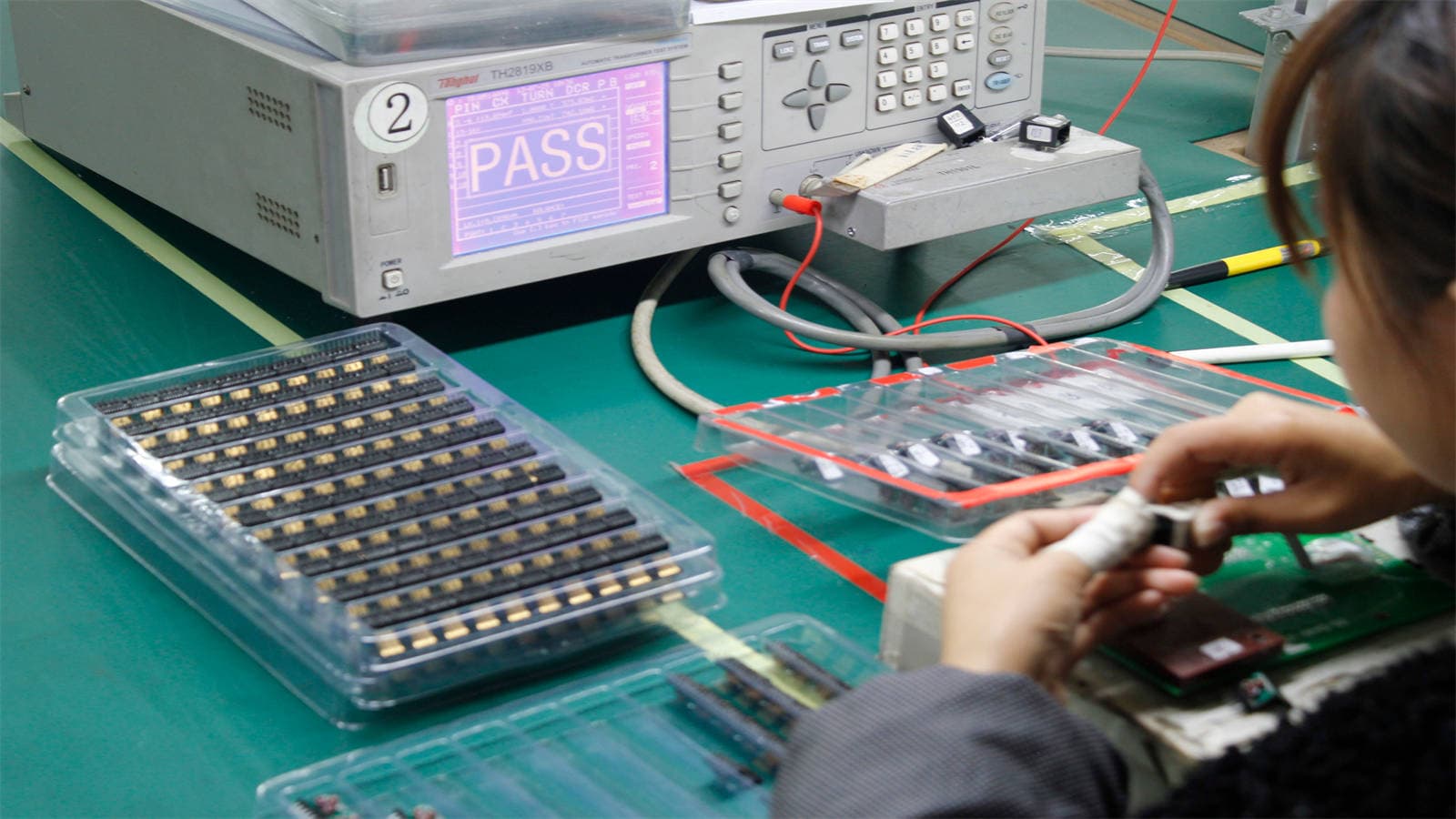
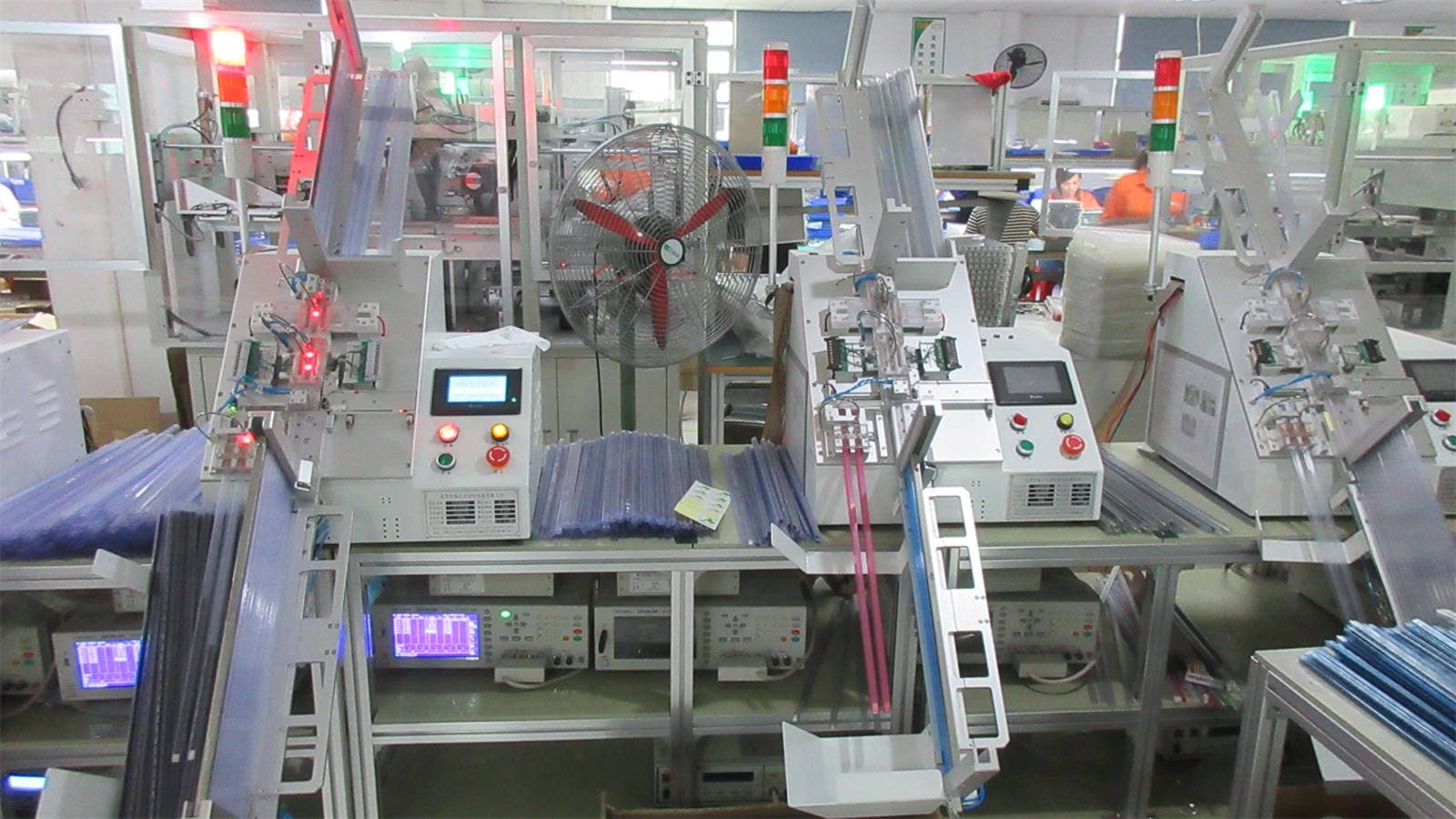
Transformer Automatic Tester
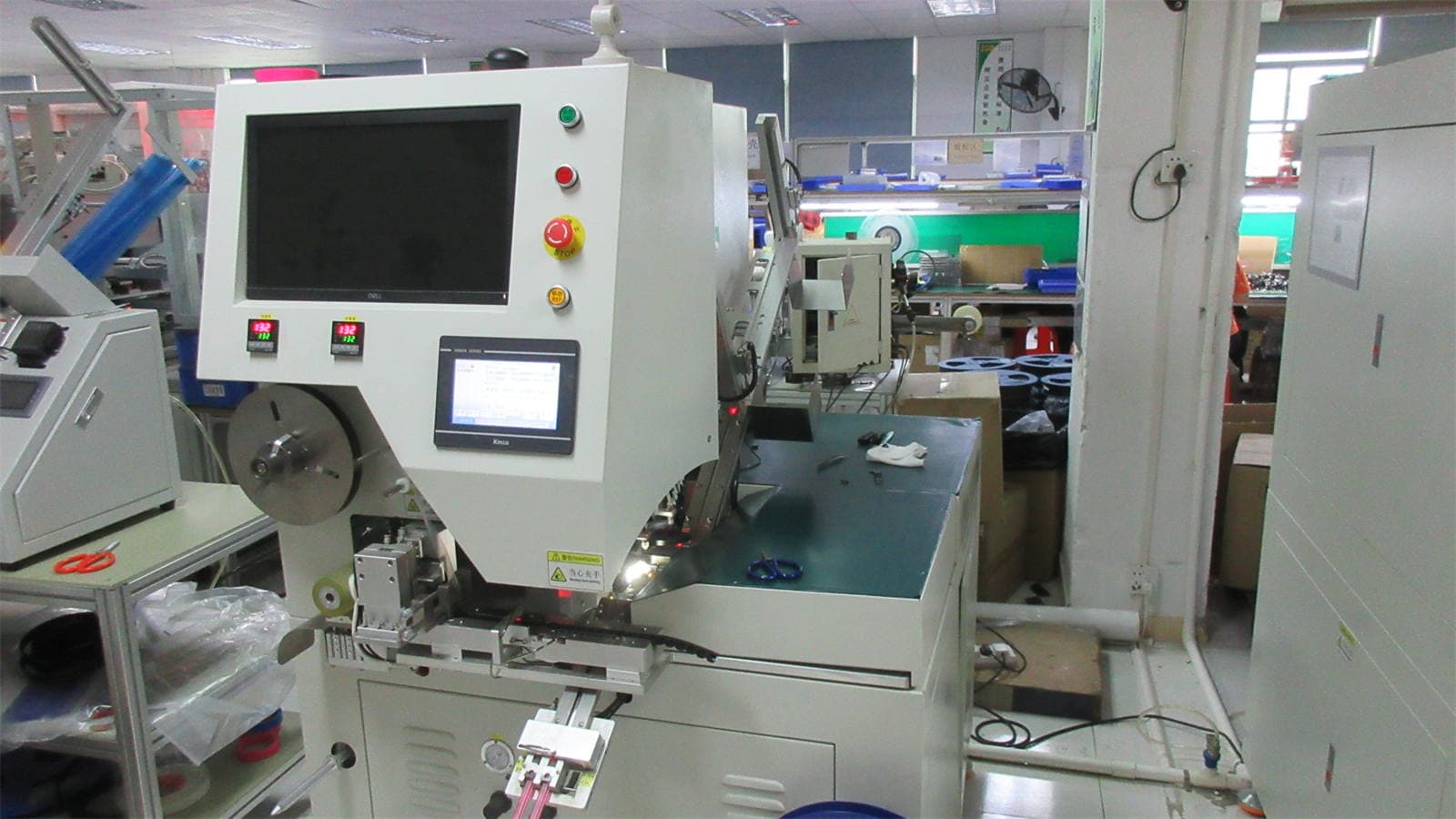
Transformer Automatic Packing Machine
Transformer Auto Packing
RJ45 Automatic Tester

Rigorous Parameter Verification for High-Frequency Integrity

Unlike generic low-speed connectors, Deep Ethernet Connectors and high-speed optical transceivers operate at high frequencies where even minor design variations can degrade performance. Our testing equipment measures critical metrics, including:

  • Insertion Loss & Return Loss: Ensuring minimal signal attenuation across the operating band.
  • Common-Mode Rejection Ratio (CMRR): Verifying the magnetic module's ability to filter out electromagnetic noise.
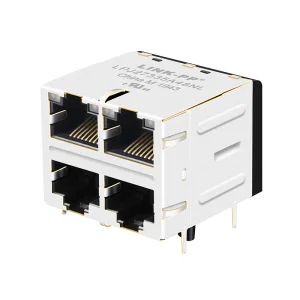
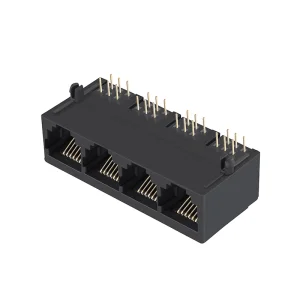
  • Crosstalk Isolation (NEXT/FEXT): Confirming multi-port assemblies like the JX20-0252NL maintain port-to-port isolation.
  • Optical Transceiver Eye Diagram Analysis: Ensuring clear, open optical eyes for low bit-error-rates (BER) in 10G to 400G deployments.

Deep Ethernet & Optoelectronic Technology Analysis

Technical details of optical-copper interfaces, magnetic integration, and electromagnetic shielding.

1. The Physics of Integrated Magnetics in RJ45 (MagJack) Systems

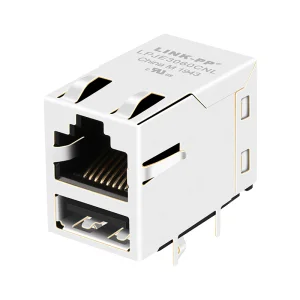
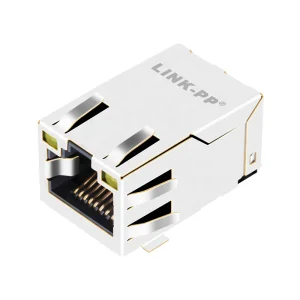
In modern networking, integrating magnetics directly into the RJ45 jack housing (such as the JX20-0252NL 2X2 Port) provides significant space and performance advantages. The built-in isolation transformer serves two vital roles: it provides 1500V AC galvanic isolation to protect PHY chips from ground loops and voltage transients, and it blocks common-mode noise while allowing differential data signals to pass.

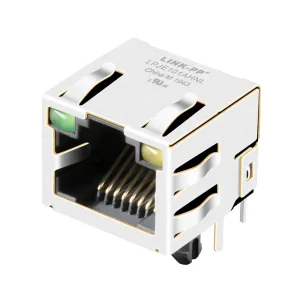
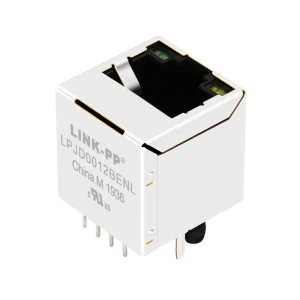
For designs without internal magnetics, like the LPJE101AHNL and industrial 6P6C RJ11 jacks, board layout is critical. Trace geometry must maintain 100-ohm differential impedance directly up to the solder pads to prevent signal reflections.

2. Optical Transceiver Design for Enterprise Backbones

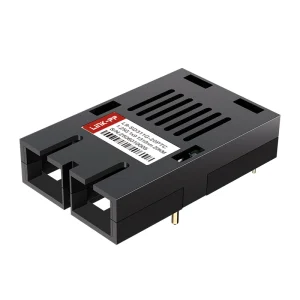
Transitioning from copper RJ45 to optical fibers is essential for long-distance and high-speed data transmission. Our optical modules span a wide range of architectures:

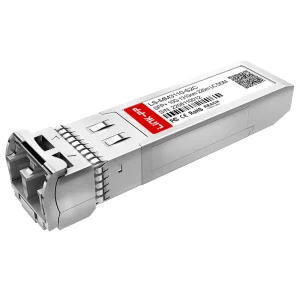
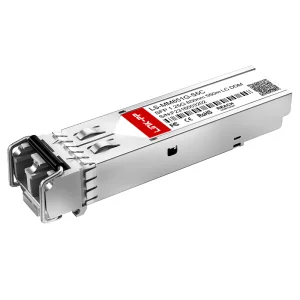
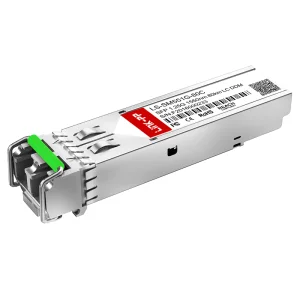
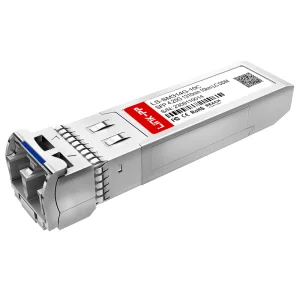
  • SFP SX (850nm Duplex MMF): Designed for cost-effective, short-reach (up to 550m) data center links.
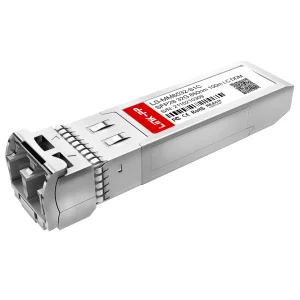
  • SFP+ LRM (1310nm MMF): Employs Electronic Dispersion Compensation (EDC) to run 10Gbps over legacy multimode fiber up to 220m.
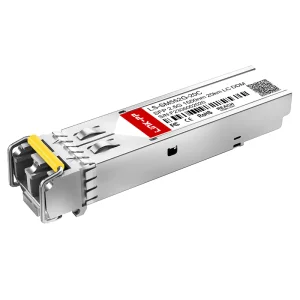
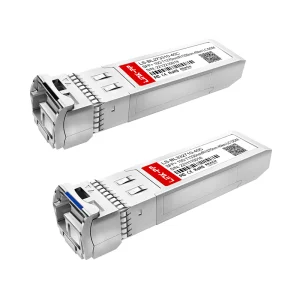
  • Single Mode Long Haul (1000BASE-ZX, SFP 2.5G 20km, BiDi 40km): Utilizes DFB lasers and APD receivers for extended budgets, allowing robust connections up to 80km without inline amplification.

All transceivers feature built-in Digital Diagnostic Monitoring (DDM/DOM) compliant with SFF-8472. This enables real-time monitoring of key parameters, including optical output power, receiver sensitivity, operating temperature, and supply voltage.

3. Mechanical Durability & Environmental Protection

Our connectors feature 30u" to 50u" gold plating on contact points to resist corrosion and wear over thousands of mating cycles. Shielded variations include tin-plated brass shells with multiple grounding tabs (EMI fingers) to establish low-impedance paths to the chassis, containing high-frequency radiation.

Our Manufacturing & Testing Facilities

Take an inside look at our dust-free optical packaging and automated connector assembly lines.

Production Workshop
Quality Verification

Global Compliance, Certification & Localized Support

Ensuring seamless integration with international regulatory standards and local engineering teams.

Environmental & Safety Compliance

We align our manufacturing processes with international environmental regulations to ensure compliance for imports into highly regulated markets:

  • RoHS & REACH Compliance: Guaranteed lead-free and free of hazardous substances in all plastics, copper alloys, and solders.
  • CE & FCC Markings: Transceiver modules are tested for electromagnetic compatibility (EMC) to operate within standard emission limits.
  • UL94V-0 Flammability Rating: All internal plastic housings and SMT carriers are made from self-extinguishing materials.

Localized Engineering Support

To simplify the design-in process for OEM projects, we provide complete engineering documentation and support, including:

  • 3D CAD Models (STEP/IGES): Easily verify mechanical fitment inside your enclosure.
  • Altium/Eagle Footprints: Speeds up PCB layout and prevents pad alignment issues.
  • Custom EEPROM Programming: Transceivers can be pre-coded with vendor keys (Cisco, Juniper, HP, etc.) for plug-and-play compatibility.

Technical Q&A (FAQ)

Answers to common design and integration questions regarding Deep Ethernet and optical transceiver systems.

What defines a "Deep Ethernet Connector" compared to a standard modular jack?
A Deep Ethernet Connector is designed to handle demanding electrical, thermal, and mechanical conditions. This includes advanced EMI shielding, thicker gold plating (up to 50u"), integrated magnetic modules (chokes and isolation transformers) for signal integrity, and robust housings rated for industrial operating temperatures (-40°C to +85°C).
How do integrated magnetics in the RJ45 jack improve high-speed networking card designs?
Integrating the magnetics directly into the connector (e.g., MagJack) simplifies your PCB layout by keeping the analog isolation circuits inside the shielded connector housing. This reduces trace lengths, minimizes electromagnetic radiation, protects the PHY transceiver from high-voltage spikes, and saves valuable board space.
Can you customize transceiver compatibility for specific network hardware brands?
Yes, our transceivers support custom EEPROM coding. We test and program our SFP, SFP+, and SFP28 modules to match the specific host system keys of major network manufacturers, ensuring plug-and-play compatibility and preventing system lockouts.
What is the typical lead time for custom OEM/ODM connector designs?
Standard modification requests (such as custom LED colors or modified pin lengths) can typically be completed in 2 to 3 weeks. For completely custom shell designs or custom magnetic configurations, the tooling and sample verification process generally takes 4 to 6 weeks, followed by mass production.
How do you test your Ethernet connectors for signal integrity?
Every production batch undergoes automated electrical testing. We verify insertion loss, return loss, and crosstalk parameters across the rated frequency spectrum using network analyzers. Additionally, we conduct high-potential (Hi-pot) isolation testing to confirm the connector shell and pins can withstand high voltages without breaking down.