 Lumopt
Lumopt
Lumopt
High-reliability optical transceivers, magnetic connectors, and modular components engineered for industrial deployment.
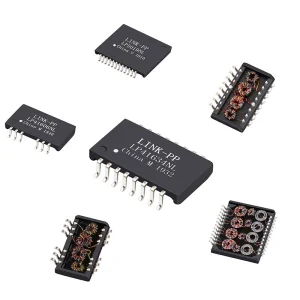
1000Base-T LAN Magnetic Transformer Modules HST-50001SCR / HST-50004SCR / HST-50006SCR
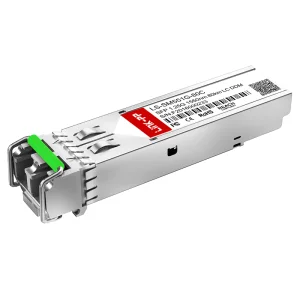
1000BASE-ZX SFP 1550nm 80km DOM Duplex LC SMF Optical Transceiver Module
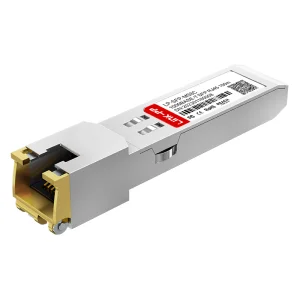
J8177D HPE Aruba Compatible 1000BASE-T 1G SFP Copper RJ45 100m Transceiver Module
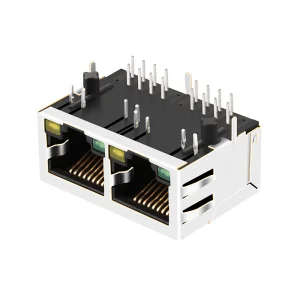
62F-1204GYD2 SI-60159-F 1x2 Dual Ports 10/100 Base-t Female Magnetic RJ45 Connector With Led
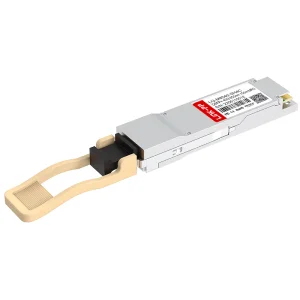
40GBASE-SR4 Multimode 850nm 40G QSFP+ 150m MMF Fiber Optic Transceiver Module
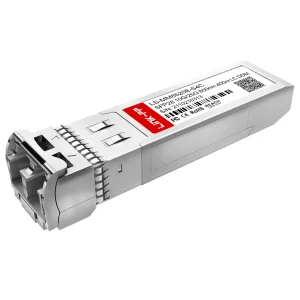
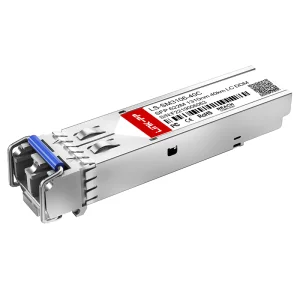
Single Mode SFP 622M 40km SMF 1310nm Duplex LC Optic Transceiver Module
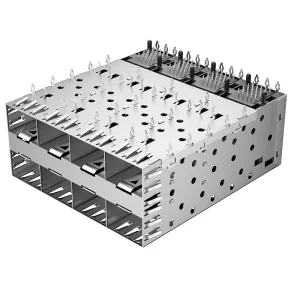
1658390-2 2170286-1 Right Angle Press-Fit Shielded Ganged 2x4 SFP Receptacle Cage
Lumopt Opto Technology Co., Ltd., registered as Luguang Communication Technology Co., Ltd. in China, is an established, high-performance R&D manufacturer and exporter specialized in top-tier optical transceivers, copper modules, and structural interfaces. Our product roadmap spans 10G, 25G, 100G, 400G, 800G, and next-generation 1.6T physical layer devices. These systems drive critical operations in hyper-scale data centers, telecommunications carrier networks, high-performance computing (HPC) nodes, and demanding industrial automation infrastructures globally.
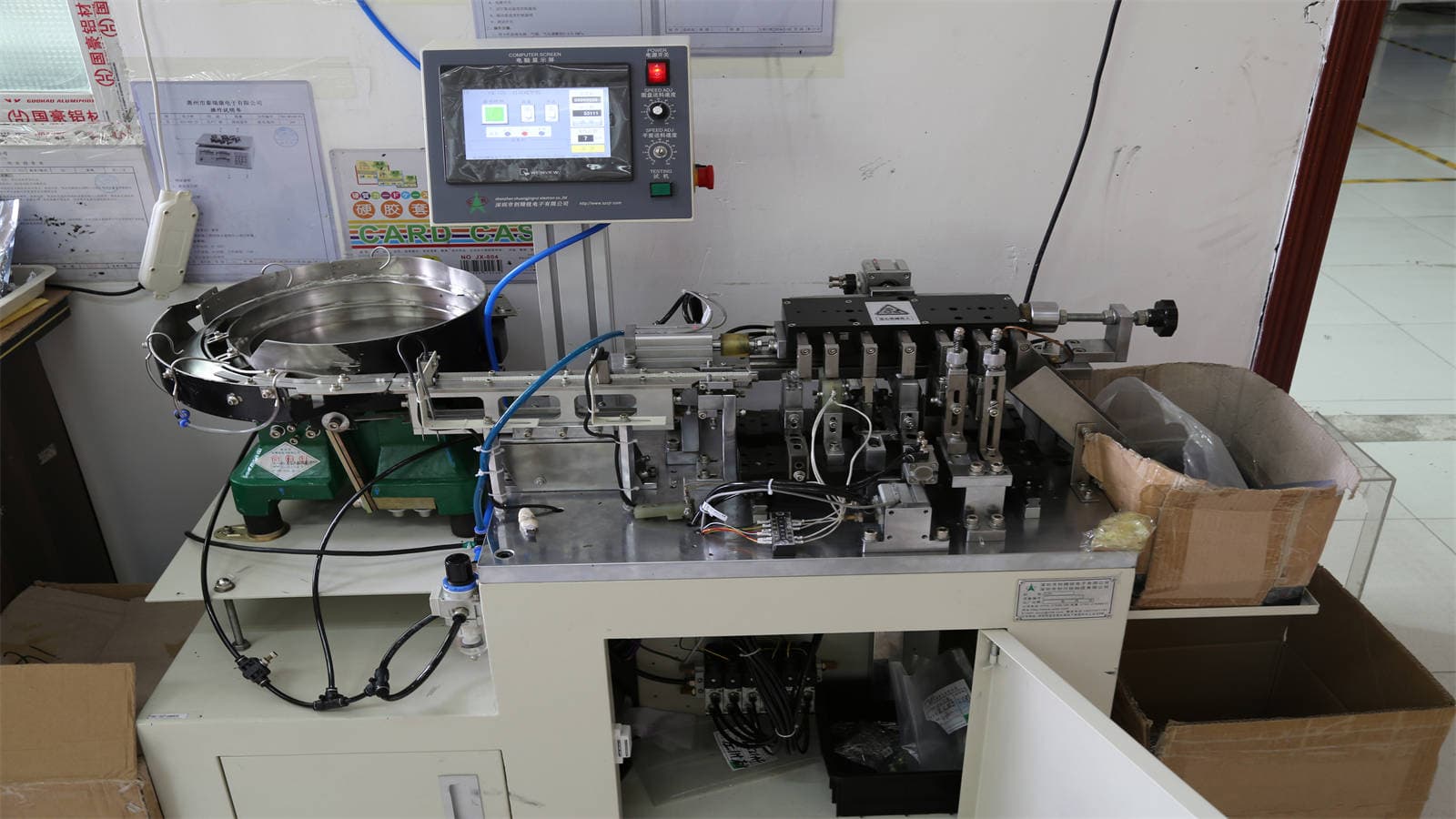
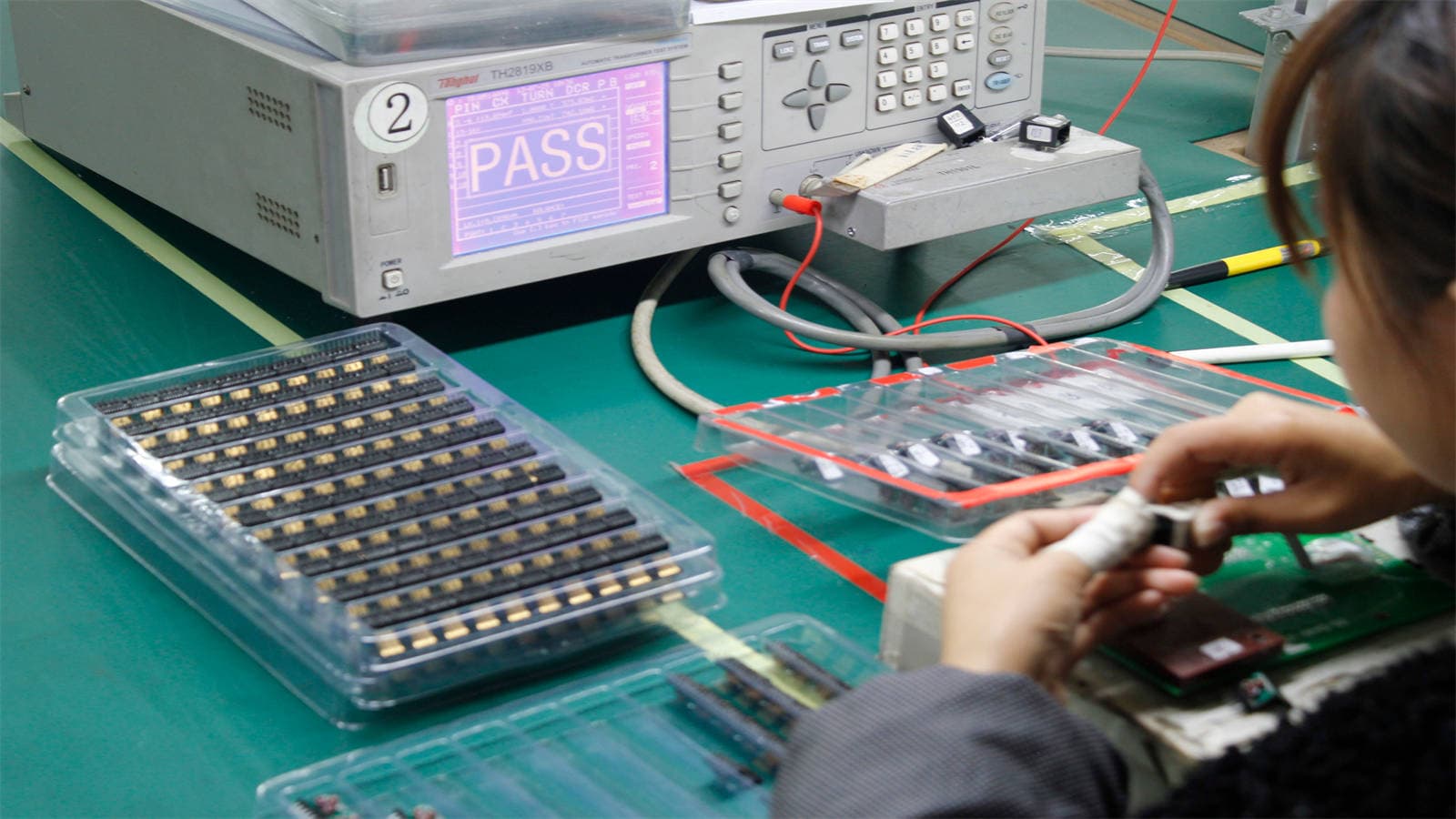
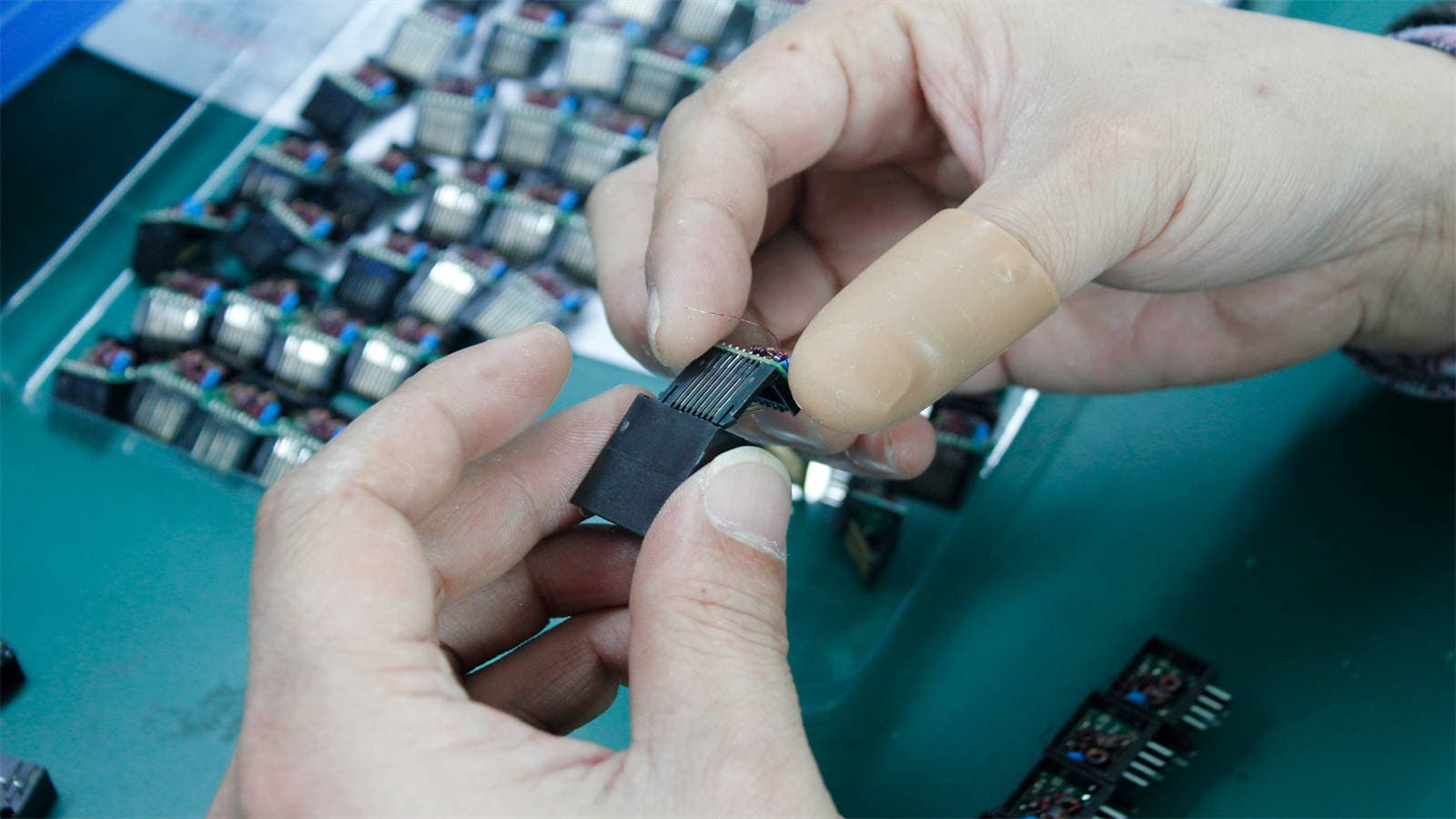
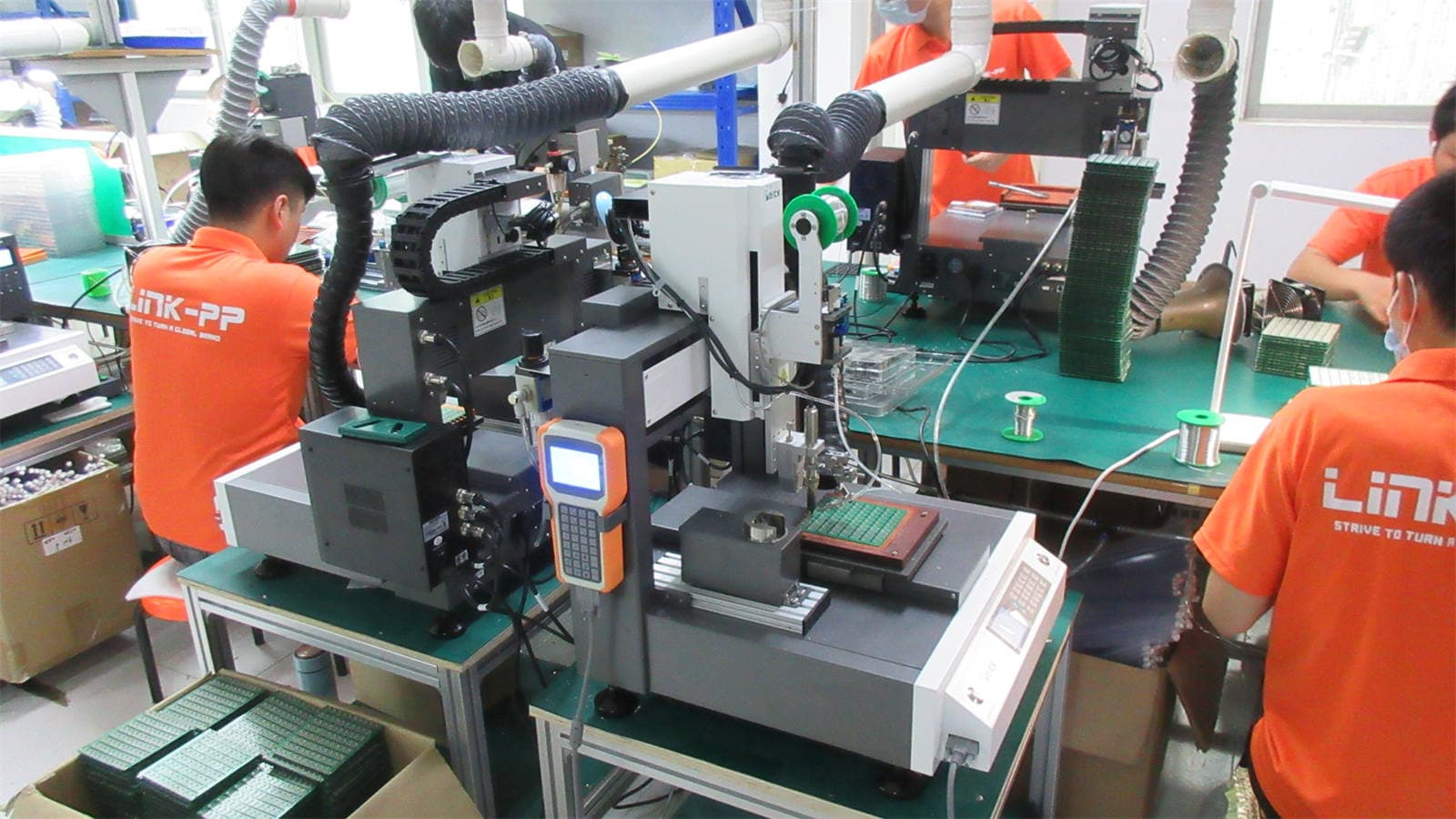
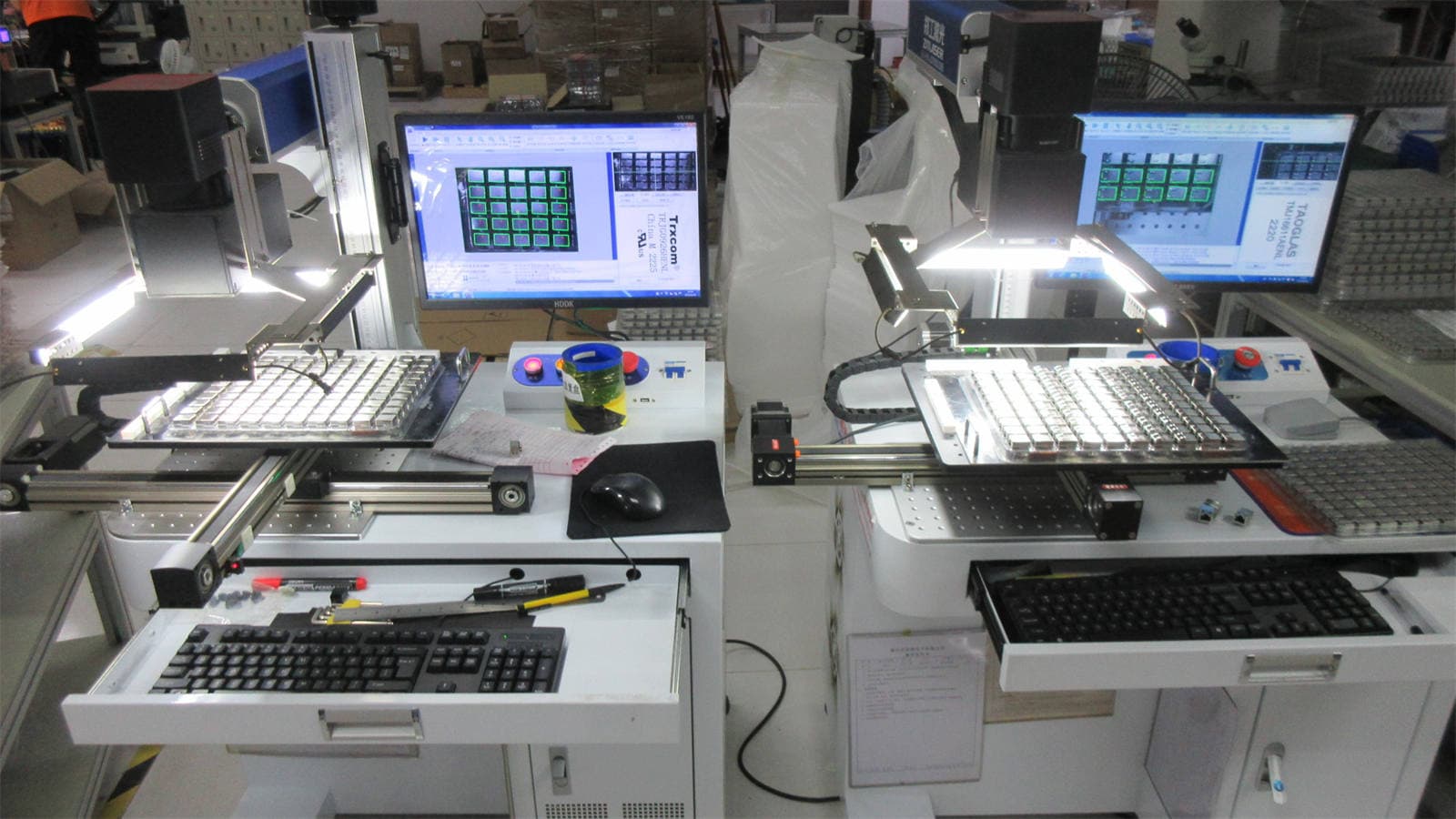
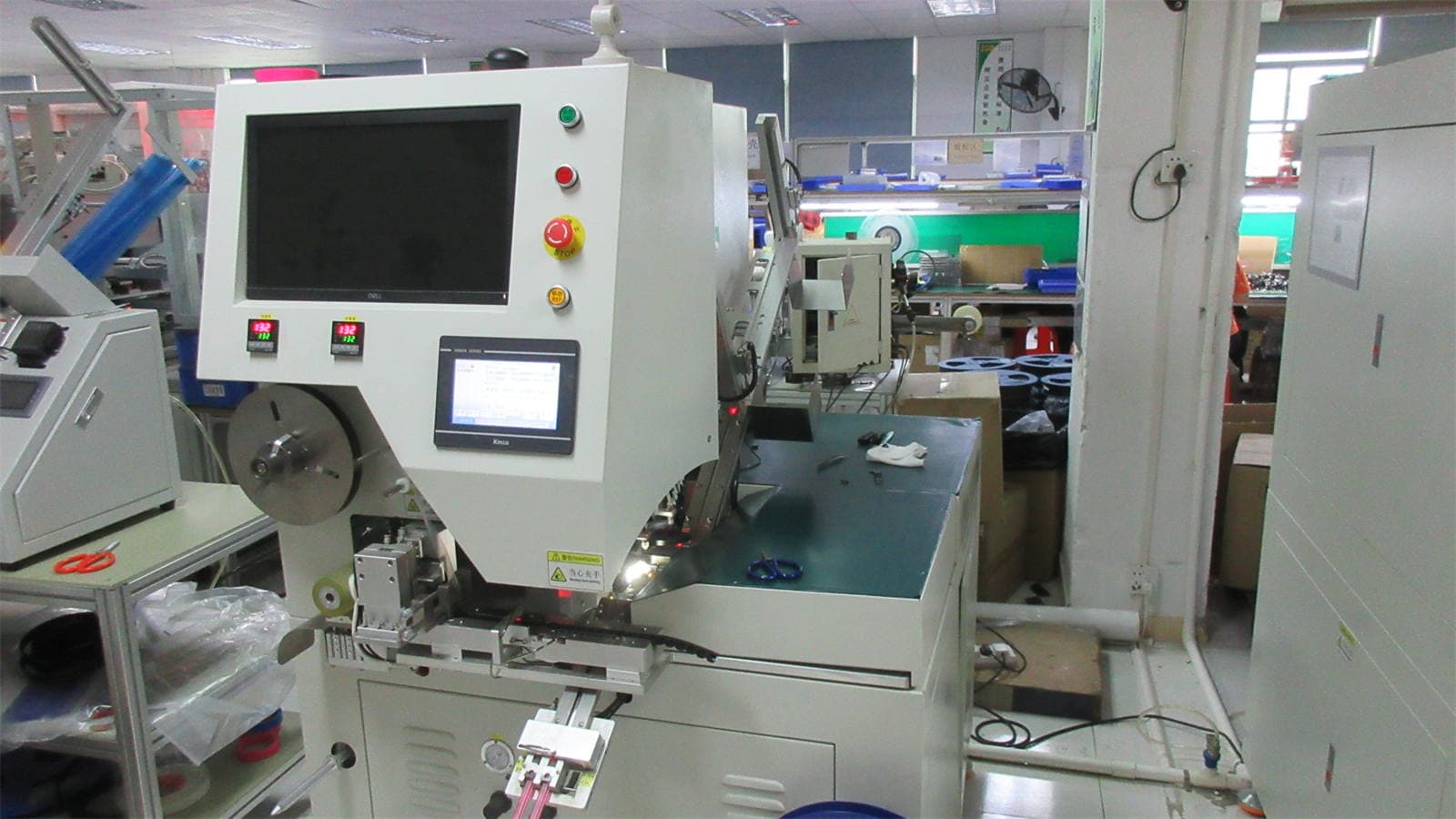
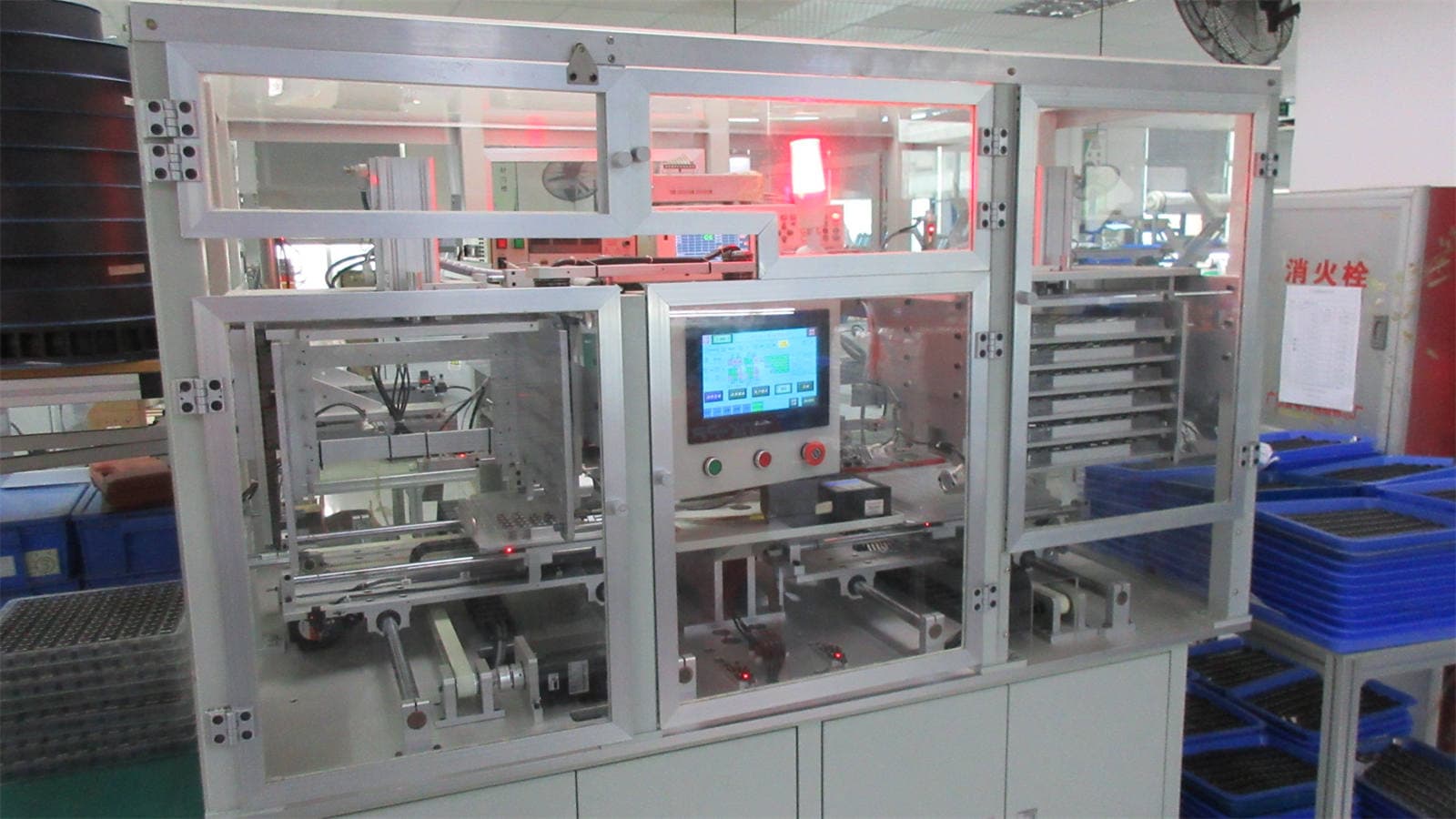
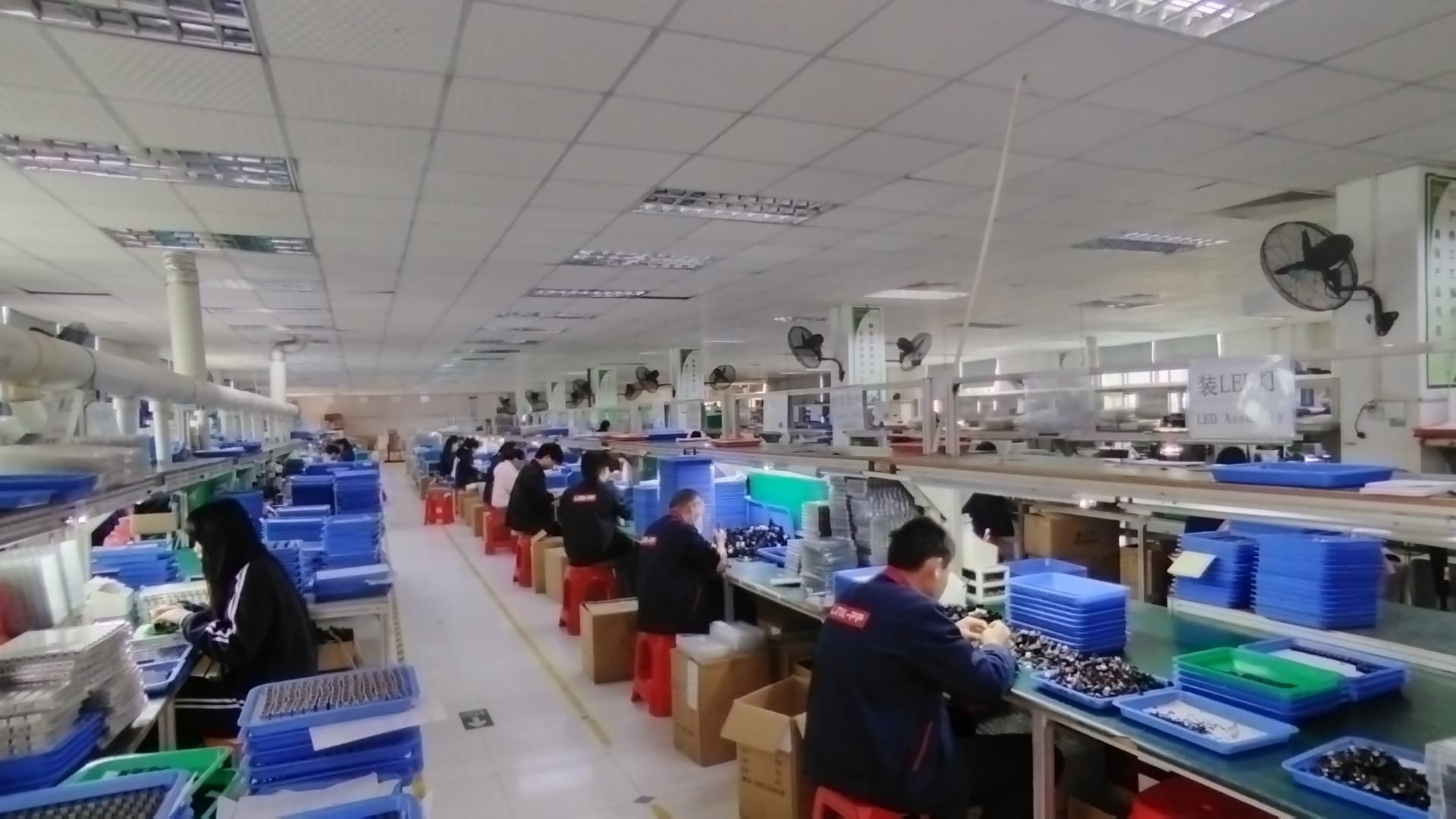
Operating out of highly structured, dust-free ISO-certified manufacturing environments, we maintain end-to-end trace control on all assemblies. Leveraging automated testbeds, dynamic network simulation facilities, and deep OEM/ODM firmware customization capacities, Lumopt provides localized compatibility engineering to global industrial networking partners, assuring zero-packet-loss metrics under heavy physical stresses.
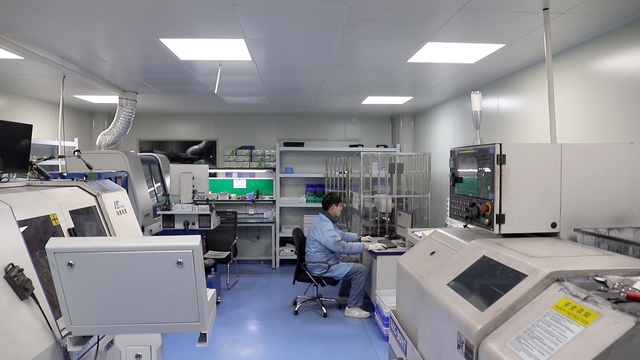
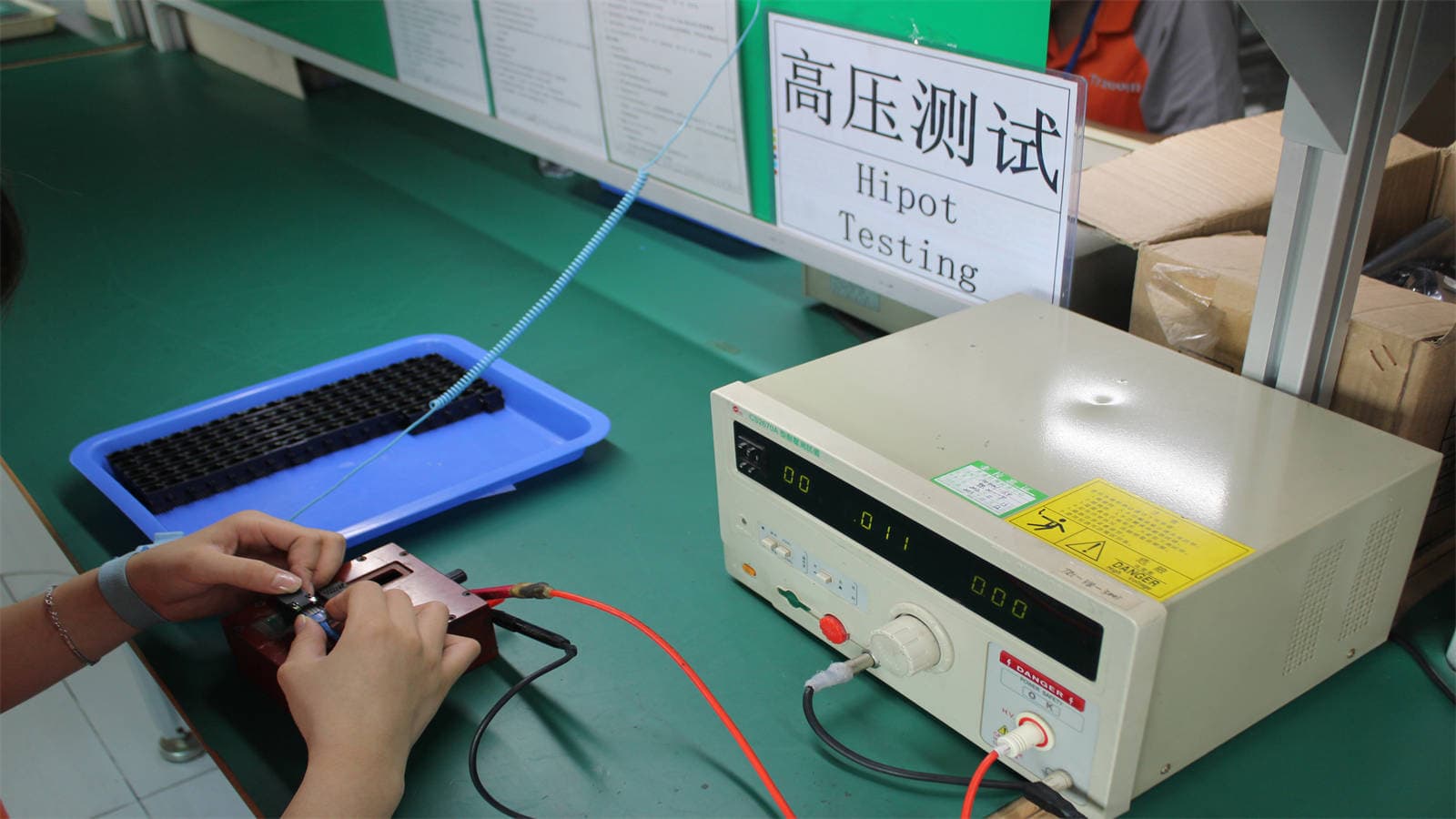
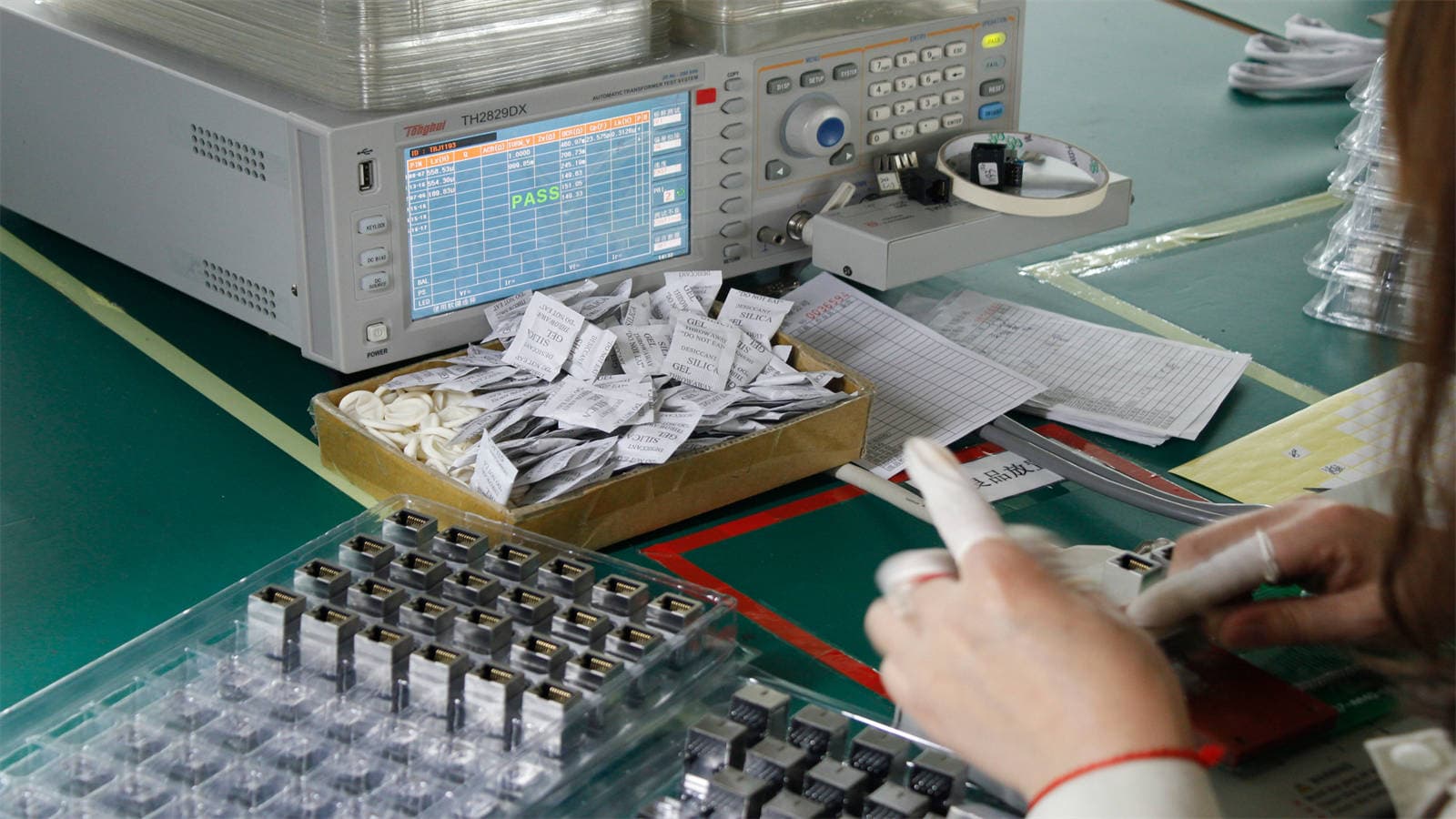
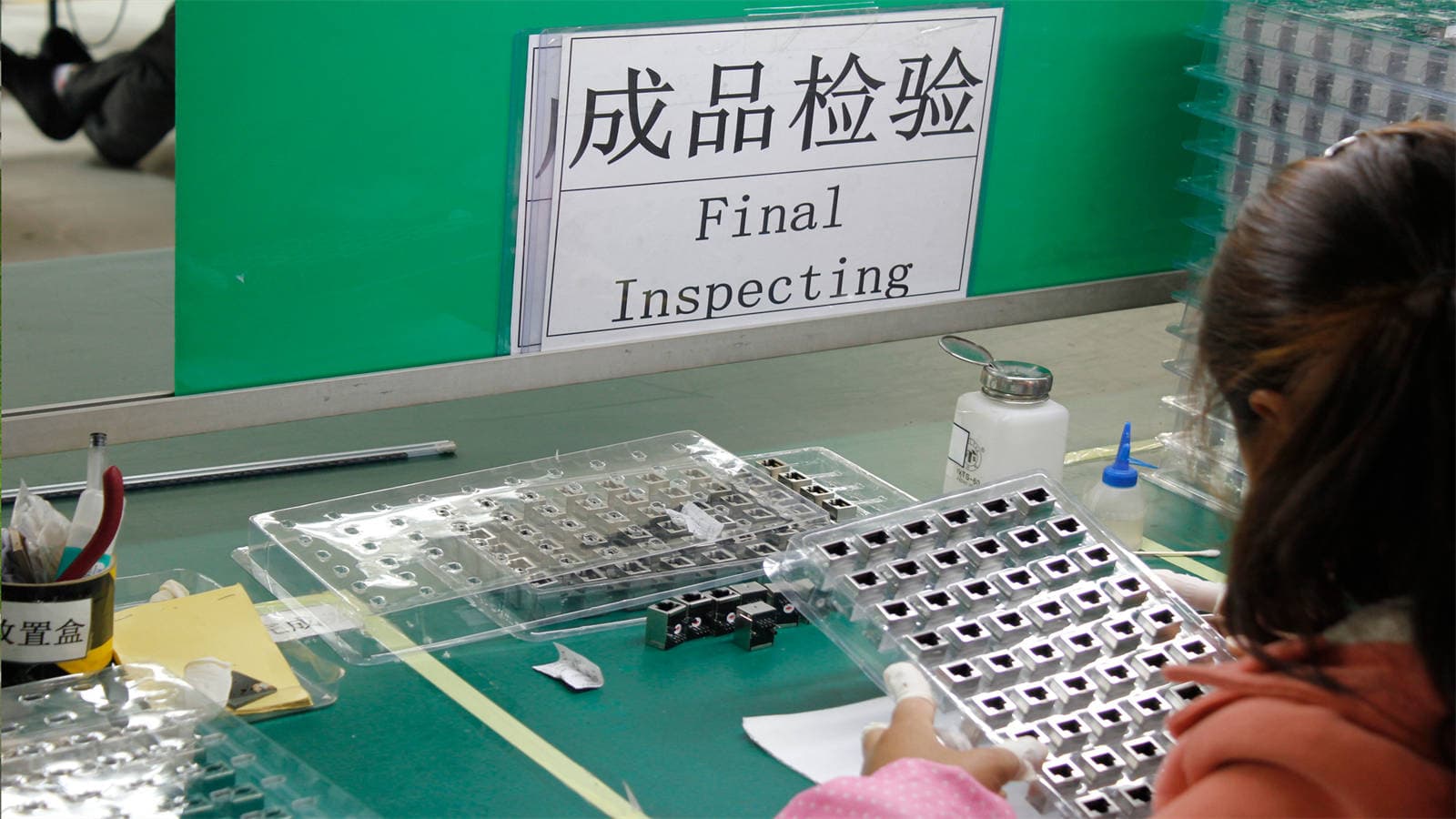
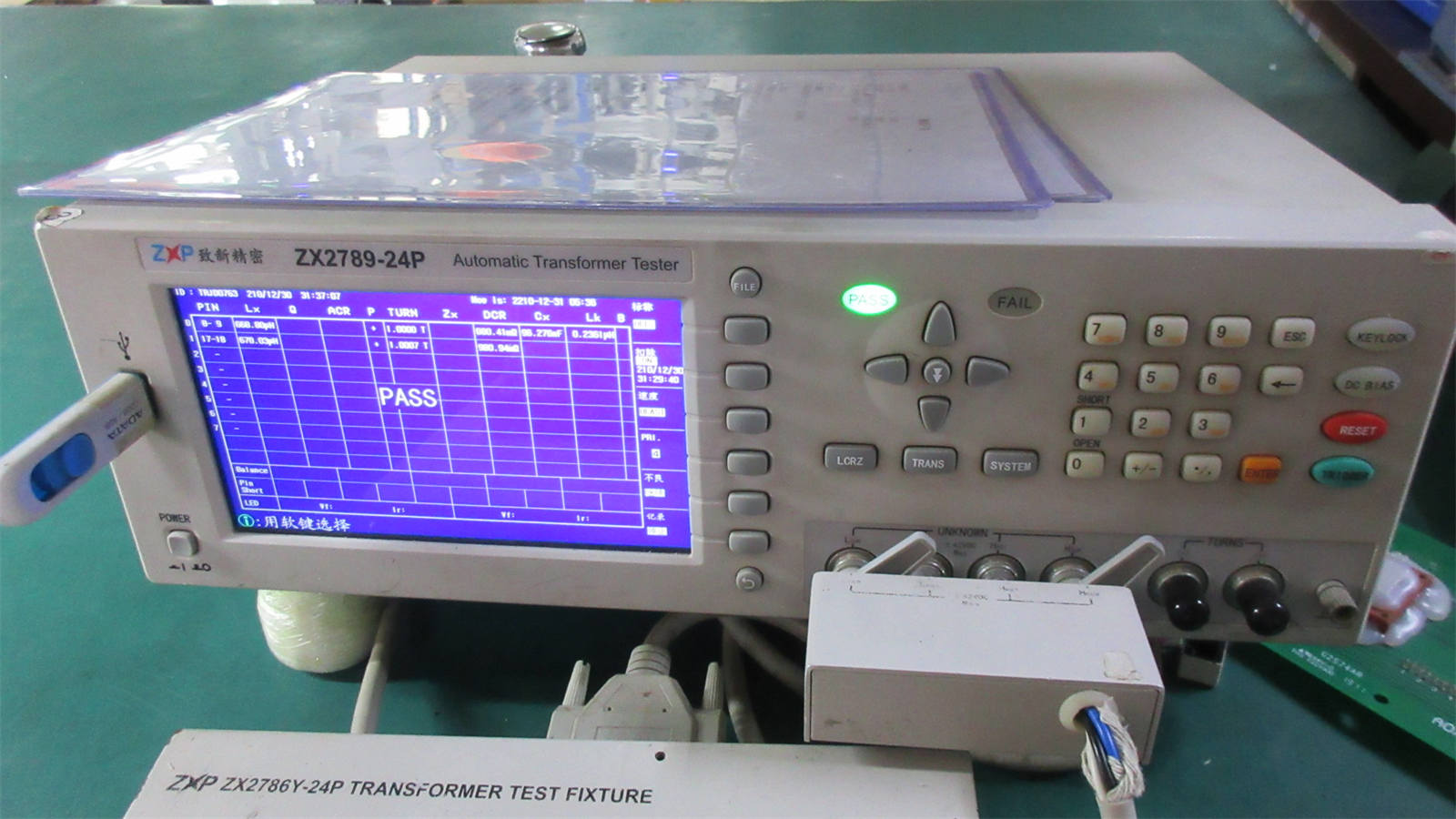
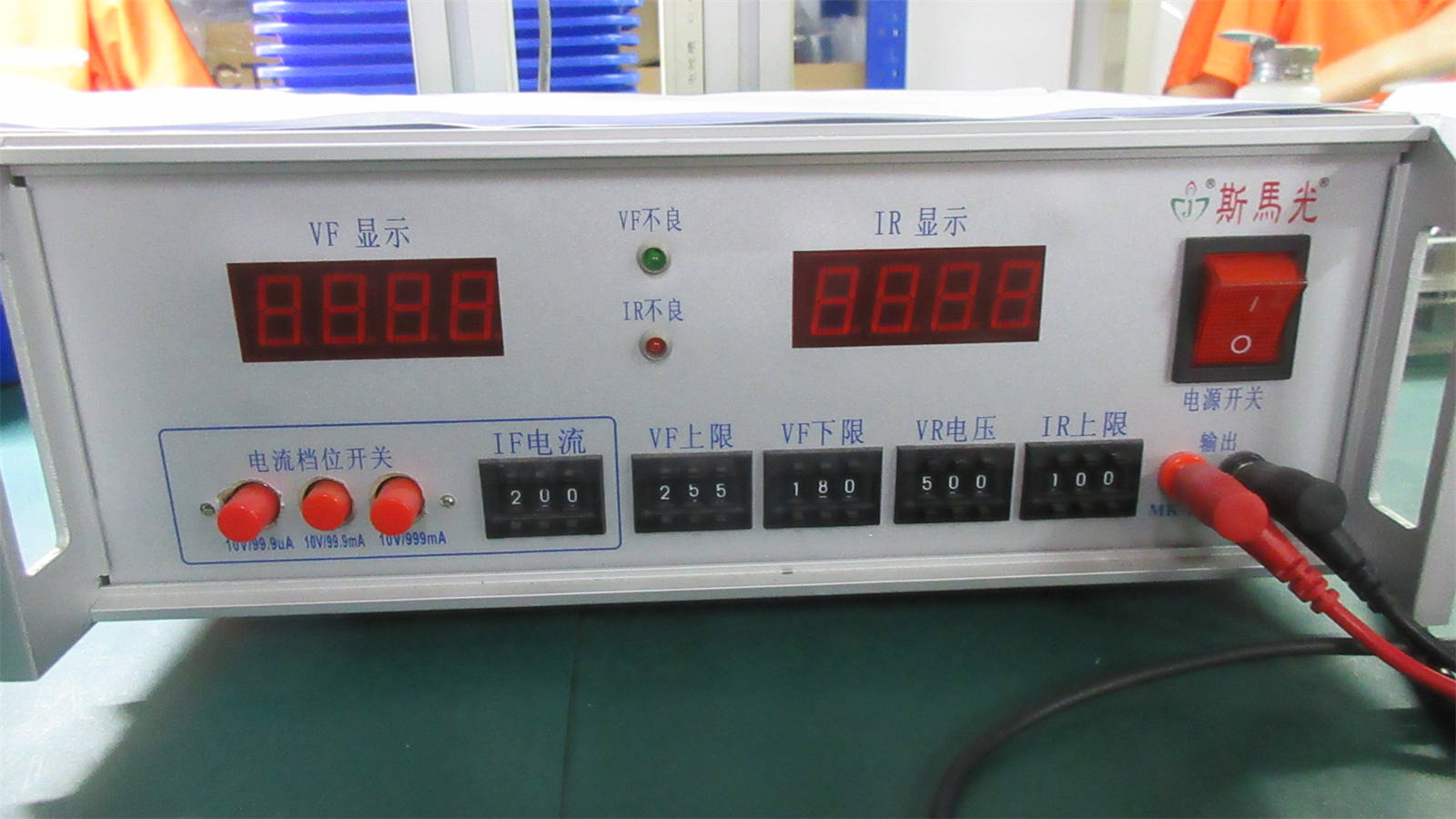
A multi-stage quality assurance protocol ensuring that all RJ45 modules, SFP interfaces, and magnetics withstand severe operating environments without signal degradation.
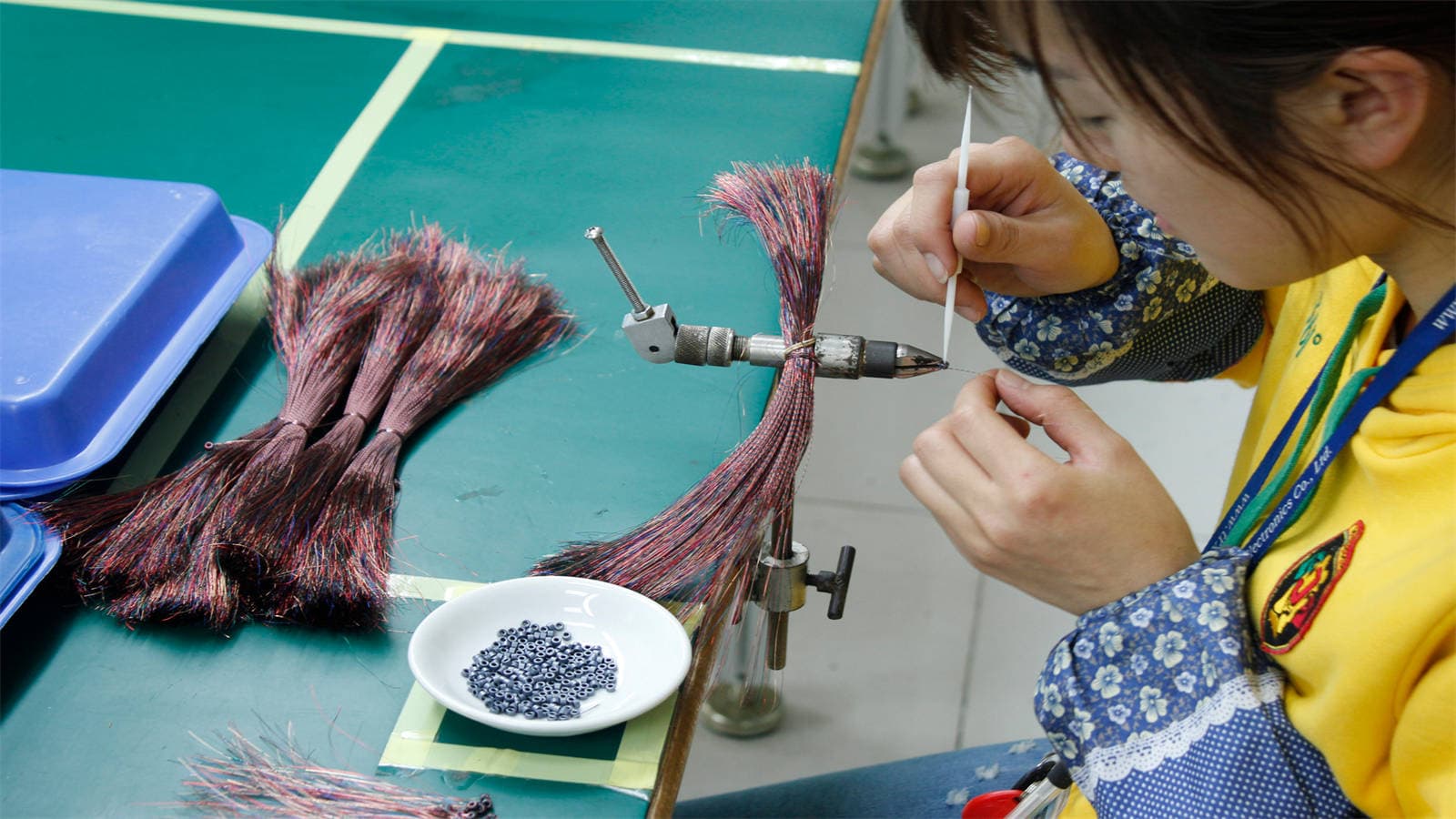
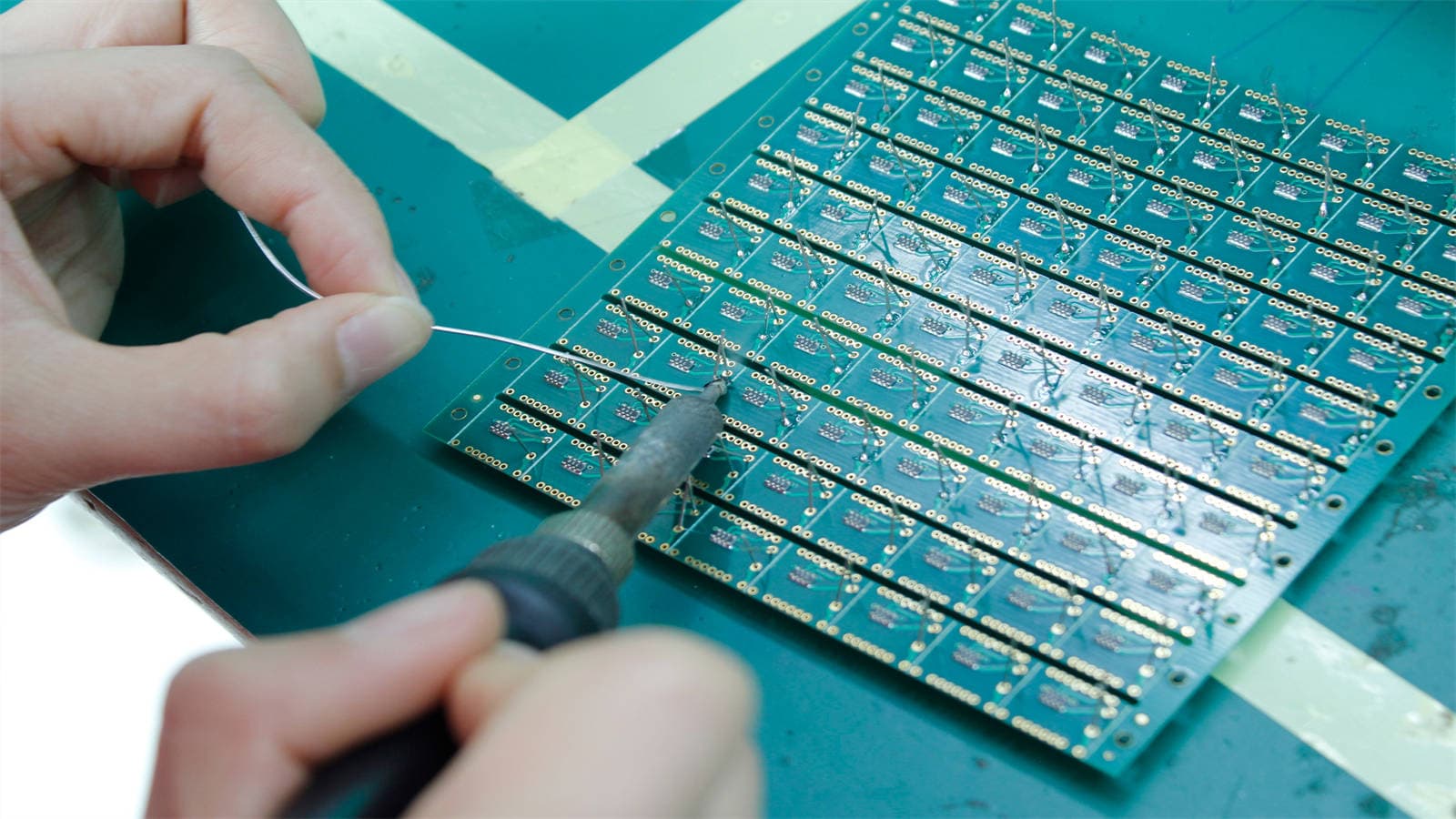
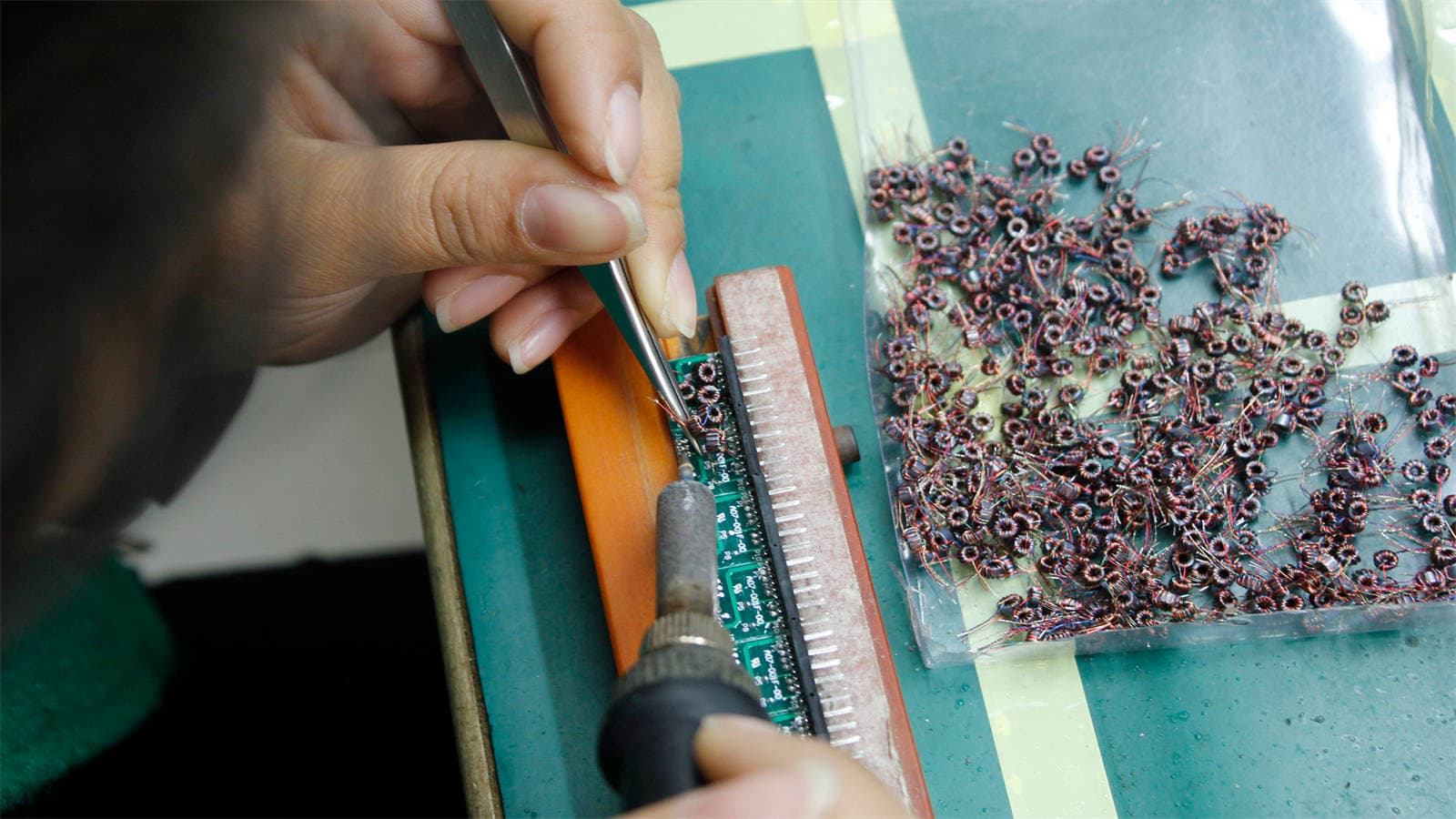


Understanding the transition from commercial IT switches to ruggedized RJ45 industrial Ethernet topologies.
Industrial environments expose networking hardware to severe conditions that would destroy standard commercial gear. Standard RJ45 switch designs are highly susceptible to dust, high moisture, mechanical vibrations, and strong electromagnetic interference (EMI) generated by heavy machinery. A professional RJ45 industrial switch exporter must deliver devices that operate reliably under these conditions.
To guarantee long-term network uptime, modern industrial switches feature heavy-duty metal housings, fanless thermal designs, and redundant power inputs. The core interfaces also rely on robust components, such as integrated RJ45 magnetic modules (like the HST-50001SCR), and high-frequency shielding to prevent packet drops. These elements ensure seamless data flow across manufacturing plants, electrical substations, and critical transportation networks.
From edge computing to extreme deployments, see how rugged RJ45 switches maintain reliable connectivity.
In modern industrial facilities, Programmable Logic Controllers (PLCs), Human-Machine Interfaces (HMIs), and robotic arms require real-time synchronization. Industrial RJ45 switches act as the primary communication nodes, using EtherNet/IP, PROFINET, or Modbus TCP protocols to ensure low-latency data transmission.
Outdoor highway monitoring, electronic toll collection, and urban traffic signals require hardware that can handle extreme weather. Exporters provide specialized switches with wide operating temperatures (-40°C to 85°C) to keep roads connected and safe.
Wind farms and solar installations are often located in remote areas with high electromagnetic interference. Industrial switches route system health and power generation metrics to central control rooms, even near high-voltage lines.
A deep look at evolving network standards and China's manufacturing advantages.
Industrial networking is changing rapidly. The demand for bandwidth at the industrial edge is rising, driven by high-resolution machine vision inspections and edge AI algorithms. This is driving a shift from standard 100Mbps/1Gbps interfaces to 2.5G, 5G, and 10G copper RJ45 interfaces.
In addition, Time-Sensitive Networking (TSN) standards (IEEE 802.1Q) are becoming standard in modern hardware. TSN allows deterministic, time-critical communication to share the same physical cable as high-bandwidth video streams, simplifying wiring. Power over Ethernet is also advancing: the latest IEEE 802.3bt (PoE++) standards deliver up to 90W of power per port. This allows a single RJ45 cable to power and connect heavy-duty devices like outdoor pan-tilt cameras and heaters, making installations simpler and more cost-effective.
As a leading hub for industrial electronics, China's manufacturing hubs (such as Shenzhen, Dongguan, and Ningbo) offer exceptional supply chain efficiency. Chinese manufacturers integrate key components, like magnetic transformer modules (e.g., HST-50001SCR) and physical layer transceivers, directly into local production lines. This close integration speeds up development, simplifies quality control, and helps mitigate global component shortages.
This localized supply chain allows Lumopt to offer extensive ODM/OEM customization. We can quickly modify firmware, add custom SFP port configurations, or configure custom PoE budgets. By sourcing raw materials and components locally, we reduce logistics times, allowing global buyers to bring products to market faster with reliable, certified performance.
Meeting international standards is essential for industrial deployments. Here is how we verify compliance.
Industrial equipment must meet strict international standards before deployment. Our hardware is engineered to pass rigorous testing for electromagnetic compatibility and safety, ensuring seamless installation in any industrial setting.
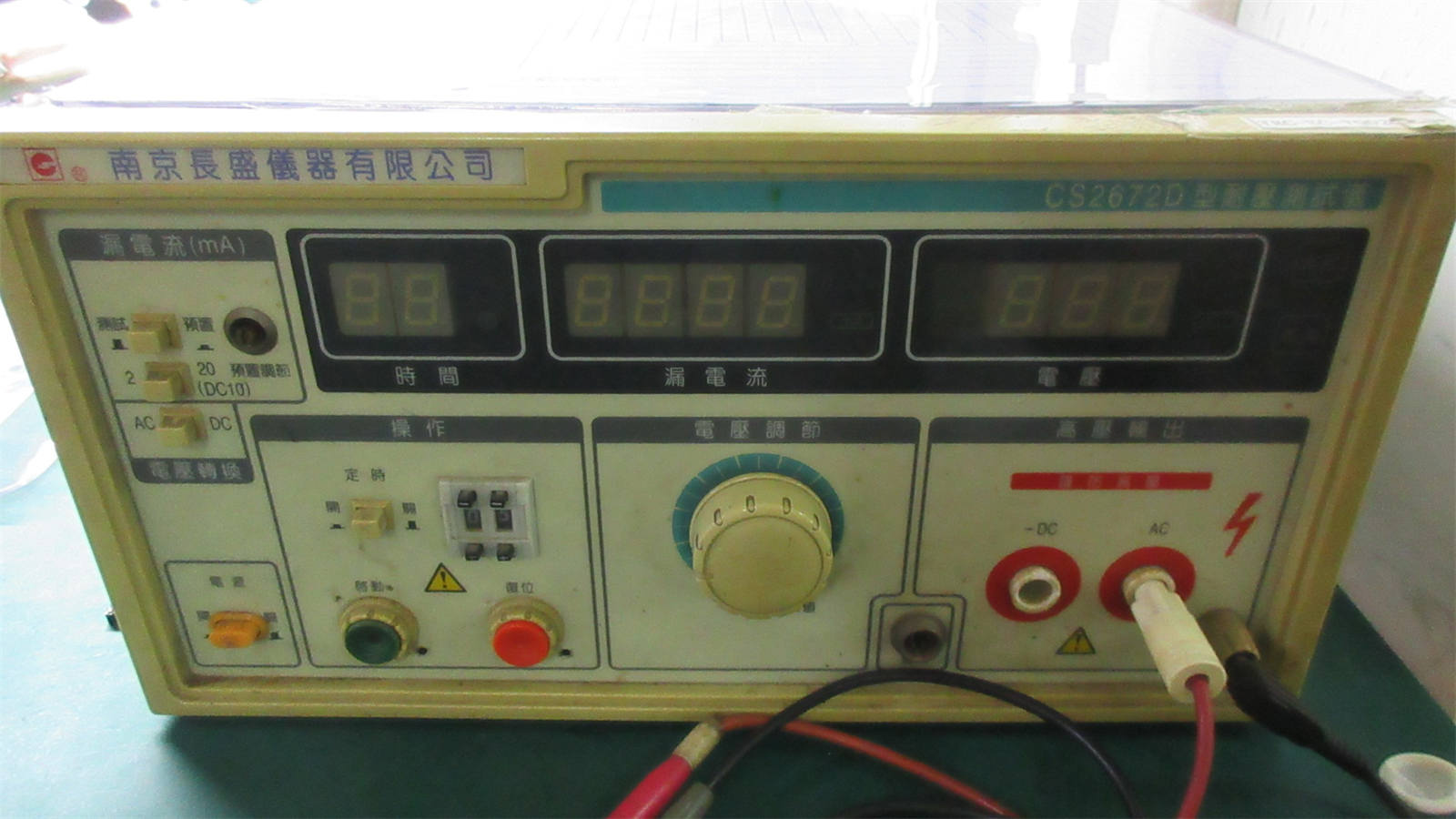
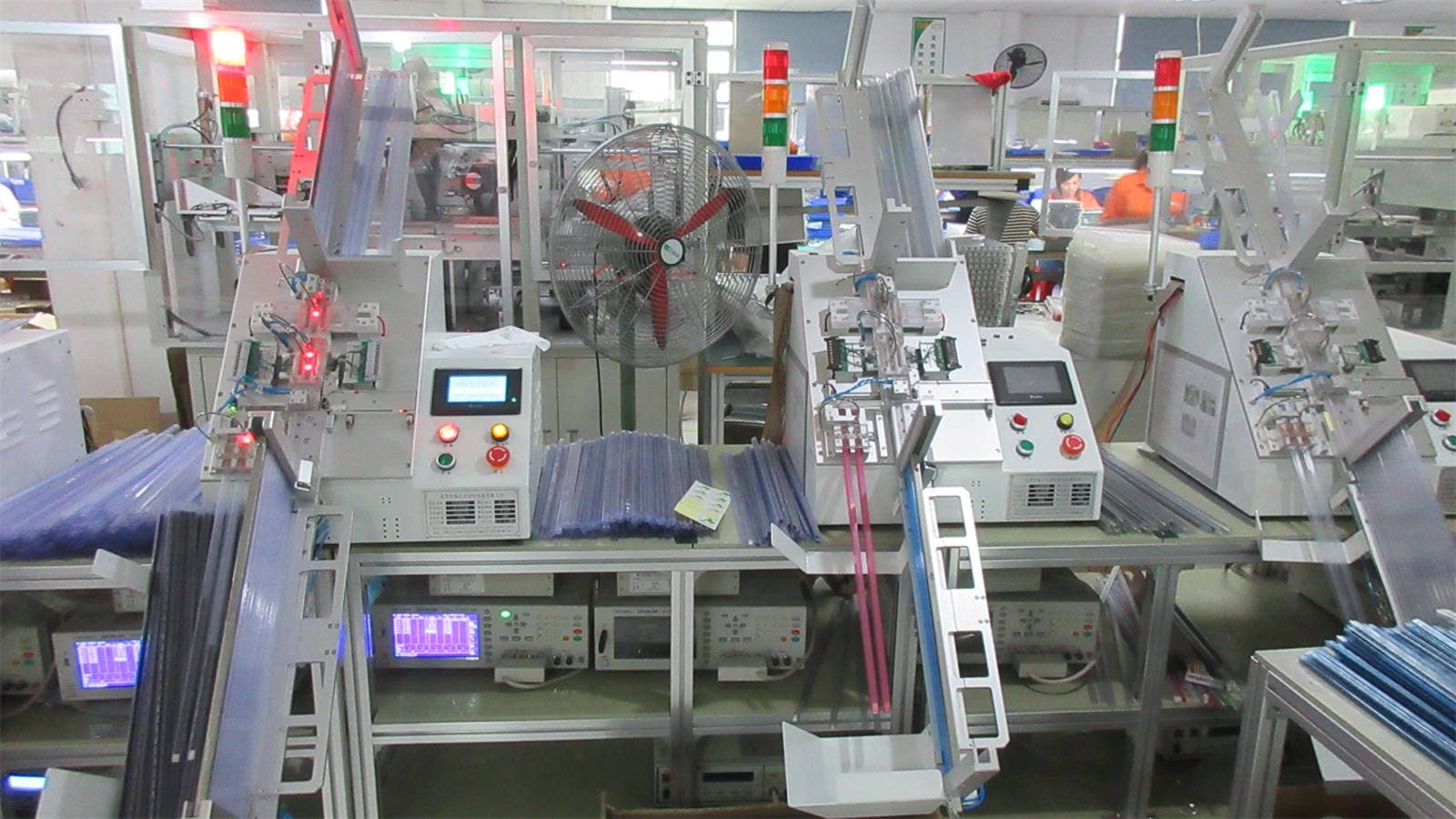
Every device undergoes a comprehensive quality check before leaving the factory. Using automated testing equipment, we verify physical and electrical stability, ensuring reliable operation under high load.
Answers to common technical questions about industrial switches and RJ45 modules.
Explore our full line of SFP modules, mounting cages, and high-performance connector housings.
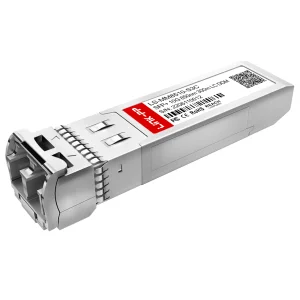
Cisco SFP-10G-SR Compatible Duplex LC MMF Optical Transceiver Multi Mode 10G SFP+ Module 850nm 300m
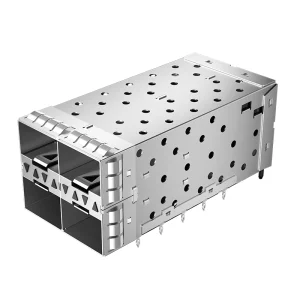
2007637-5 Right Angle Press-Fit Shielded Ganged 2x2 SFP+ Receptacle Cage
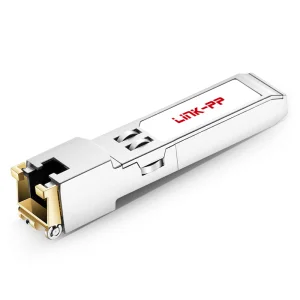
10/100/1000BASE-T SGMII Copper SFP RJ-45 100m Optical Transceiver Module
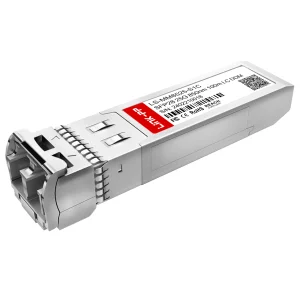
Cisco SFP-25G-SR-S Compatible Duplex LC MMF 850nm 25G SFP28 100m Optical Transceiver Module
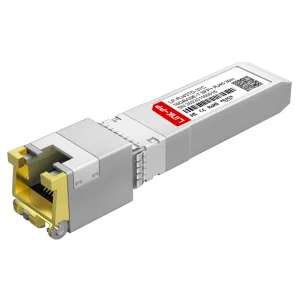
10GBASE-T SFP+ Ethernet Module Copper RJ-45 30m Fiber Optical Transceiver
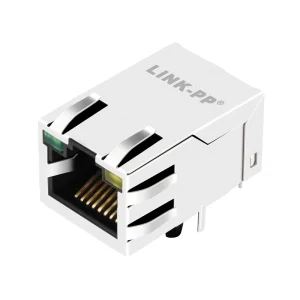
Right Angle Low Profile RJ45 Inverted Modular Jack HR871182C
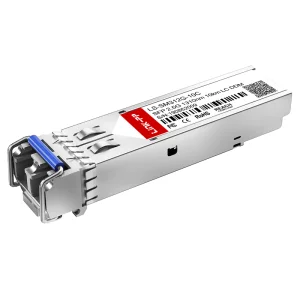
Single Mode 2.5G SFP 1310nm 10km DDM Duplex LC Optical Transceiver Module
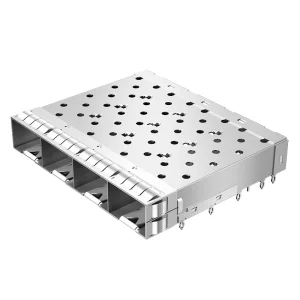
TE Replacement 2169260-1 Through Hole Ganged 1x4 Ports Press Fit SFP+ Cage