Lumopt Lumopt

LAN Transformer Manufacturers & Exporter in the Norway Market

Providing Industrial-Grade Magnetic Components & 1x9 Optical Transceiver Modules for Nordic Telecommunications, Maritime, and Grid Infrastructures.

Send Inquiry Now Explore Technology

Premium Optoelectronic Selection for Norway

Engineered for high signal integrity and extreme reliability in subzero conditions.
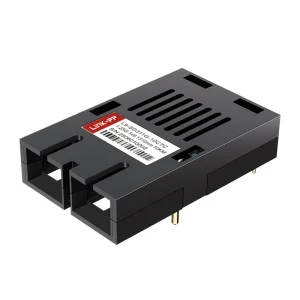
Whitepaper: Industrial Network Architecture in Norway

A Technical Guide to LAN Isolation & Optical Data Transmission in Arctic Climates.

Norway's Industrial Networking Reality

Norway occupies a unique geographical and economic position. With heavy investments in subsea oil & gas extraction, offshore wind farms in the North Sea, aquaculture automation along deep fjords, and a rugged overland rail network (Bane NOR), standard off-the-shelf networking components often fail. High humidity, severe salt-mist environments, extreme low temperatures (down to -40°C in inland regions), and high electromagnetic interference (EMI) from heavy machinery place strict requirements on LAN transformers and transceiver hardware.

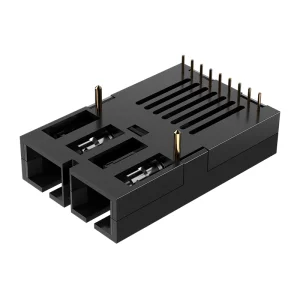
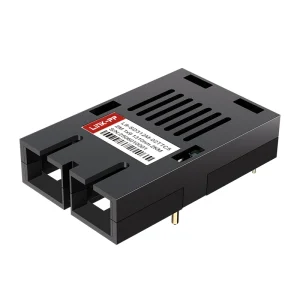
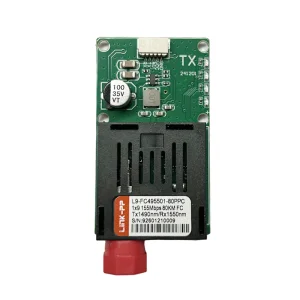
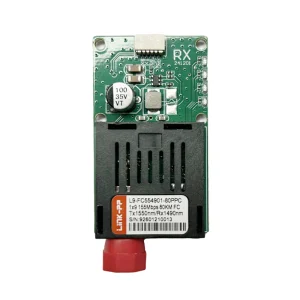
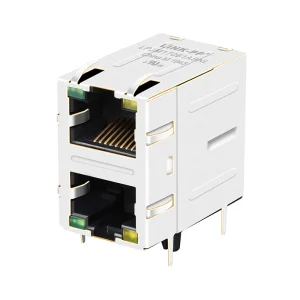
Industrial-grade 1x9 optical transceivers and magnetic-embedded RJ45 connectors act as the first line of defense. The physical isolation offered by high-performance LAN transformers prevents ground loops, discharges electrostatic spikes (ESD), and isolates sensitive controller circuitry from high voltage line surges typical of hydroelectric generation plants and marine propulsion grids.

Key Application Scenarios in Norway

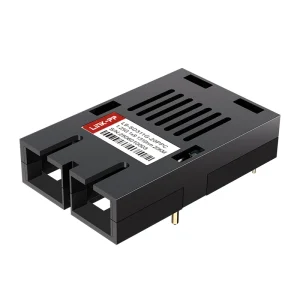
  • Offshore Wind & Hydroelectric Grids: Fiber optic communication using 1x9 transceivers ensures long-distance data transmission immune to high electromagnetic fields (EMF) generated by power lines and turbine switchgears.
  • Marine & Maritime Instrumentation: LAN transformers and PoE+ RJ45 connectors operating inside shipborne sonar, radar, and engine management systems need custom casing to prevent salt-spray corrosion and resist continuous structural vibrations.
  • Arctic Subsea Exploration (ROVs/AUVs): Fiber links using BiDi 1x9 modules guarantee low-latency telemetry feedback from subsea drilling heads and sensor arrays back to surface control vessels.
1500V
Hi-Pot Isolation Rating
-40/+85
Operating Temp Range (°C)
100%
Automated QC & Testing
RoHS
Environmental Conformity

Technological Roadmap & Transceiver Evolution

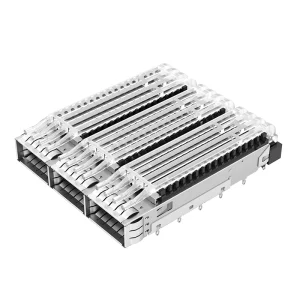
While the commercial optical networking market quickly transitions toward pluggable SFP, SFP+, and higher density form factors (QSFP, OSFP) to accommodate high-density cloud data centers in Oslo, industrial systems developers still heavily rely on the 1x9 transceiver standard. Why?

Unlike SFP connectors which depend on sliding electrical contacts prone to wear under vibration, 1x9 modules are soldered directly to the host PCB. This provides absolute mechanical connection security under heavy shock and vibration (up to 20G). Our engineering department maintains a dual roadmap: upgrading legacy 1x9 modules to support higher speeds (up to 1.25G / 2.5G over extended operating temperatures) while simultaneously developing drop-in replacements for standard industrial network switches, converting copper ports to fiber via robust integrated media boards.

Supply Chain Resilience & Factory Integration

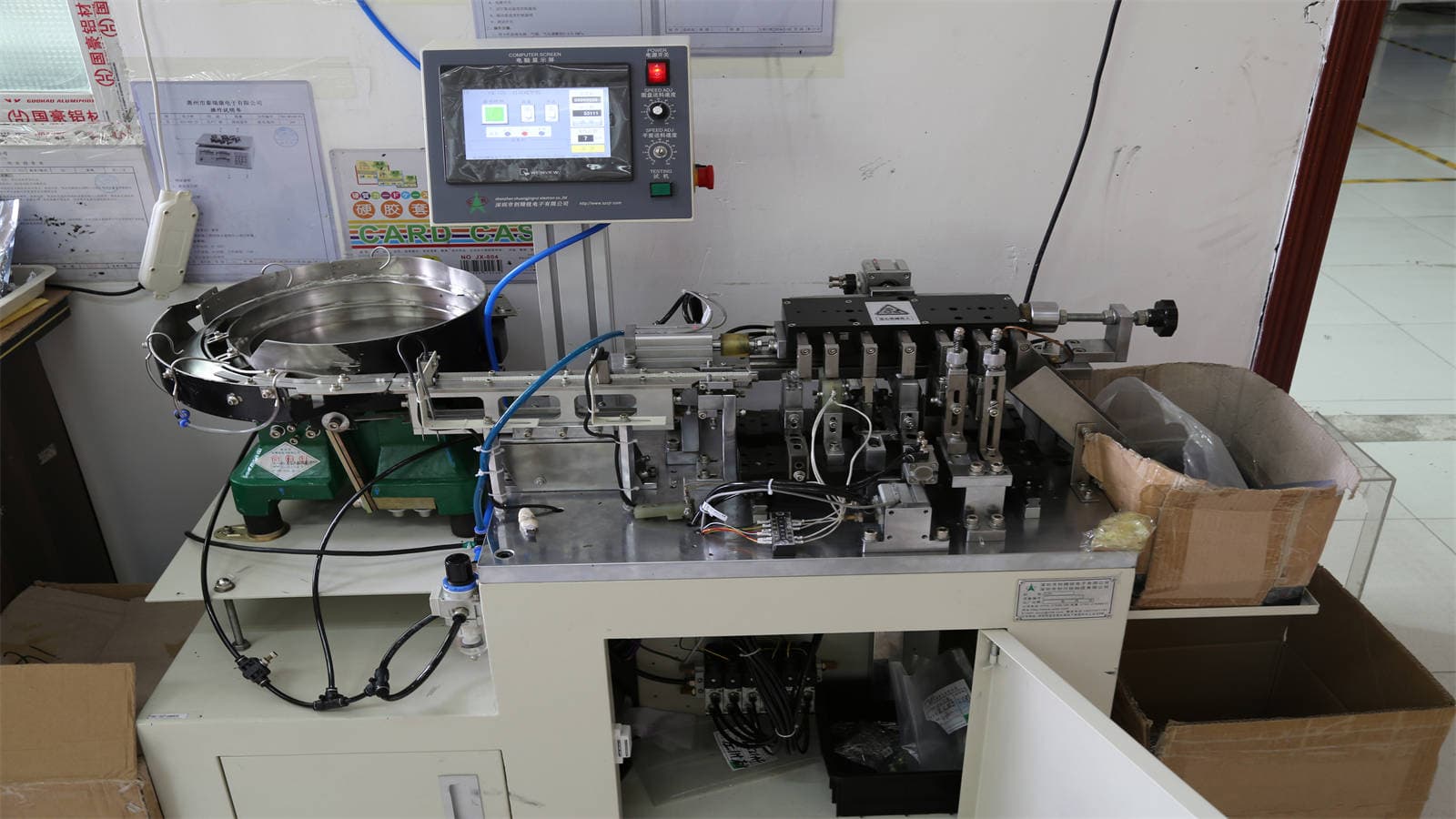
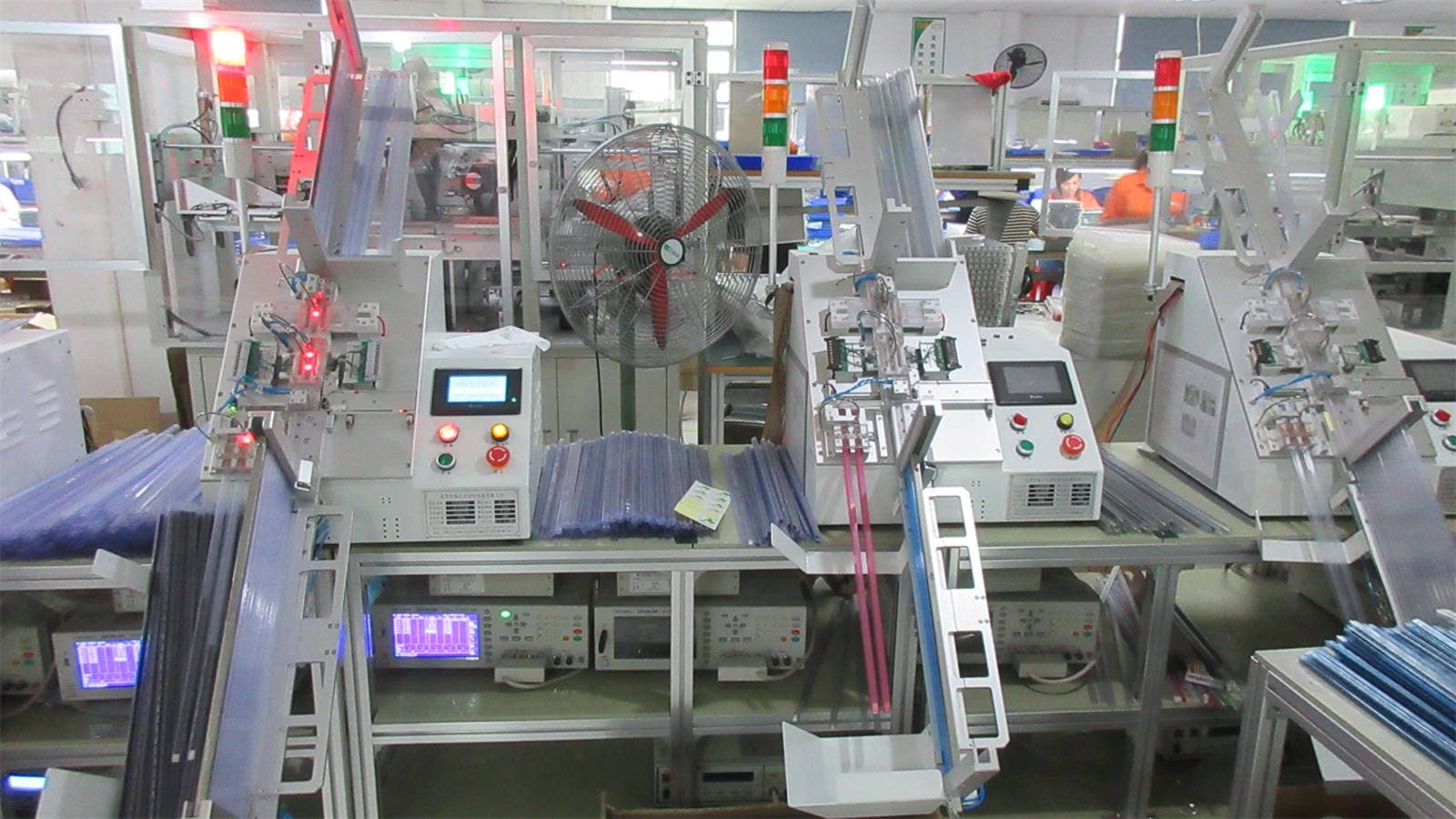
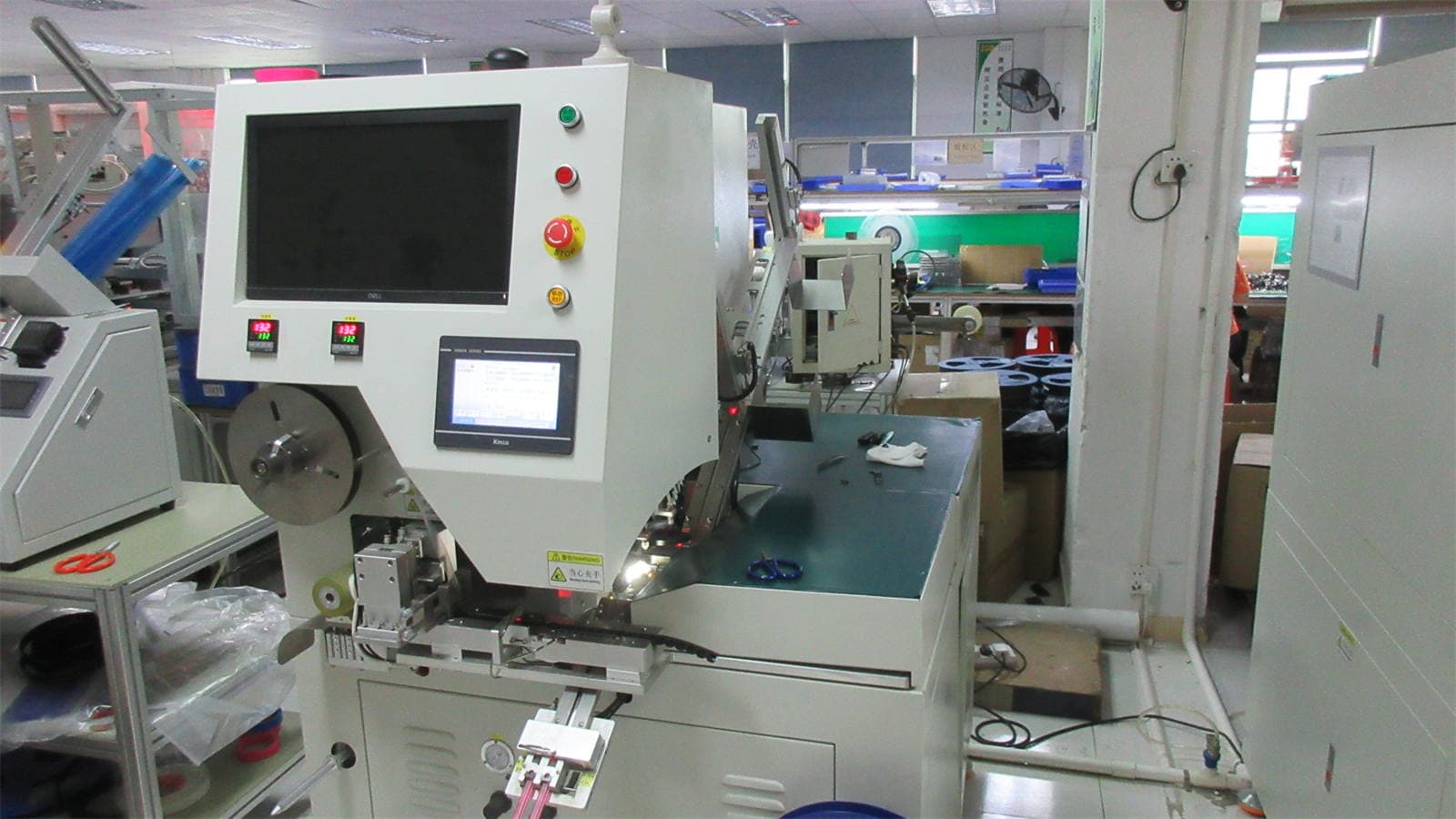
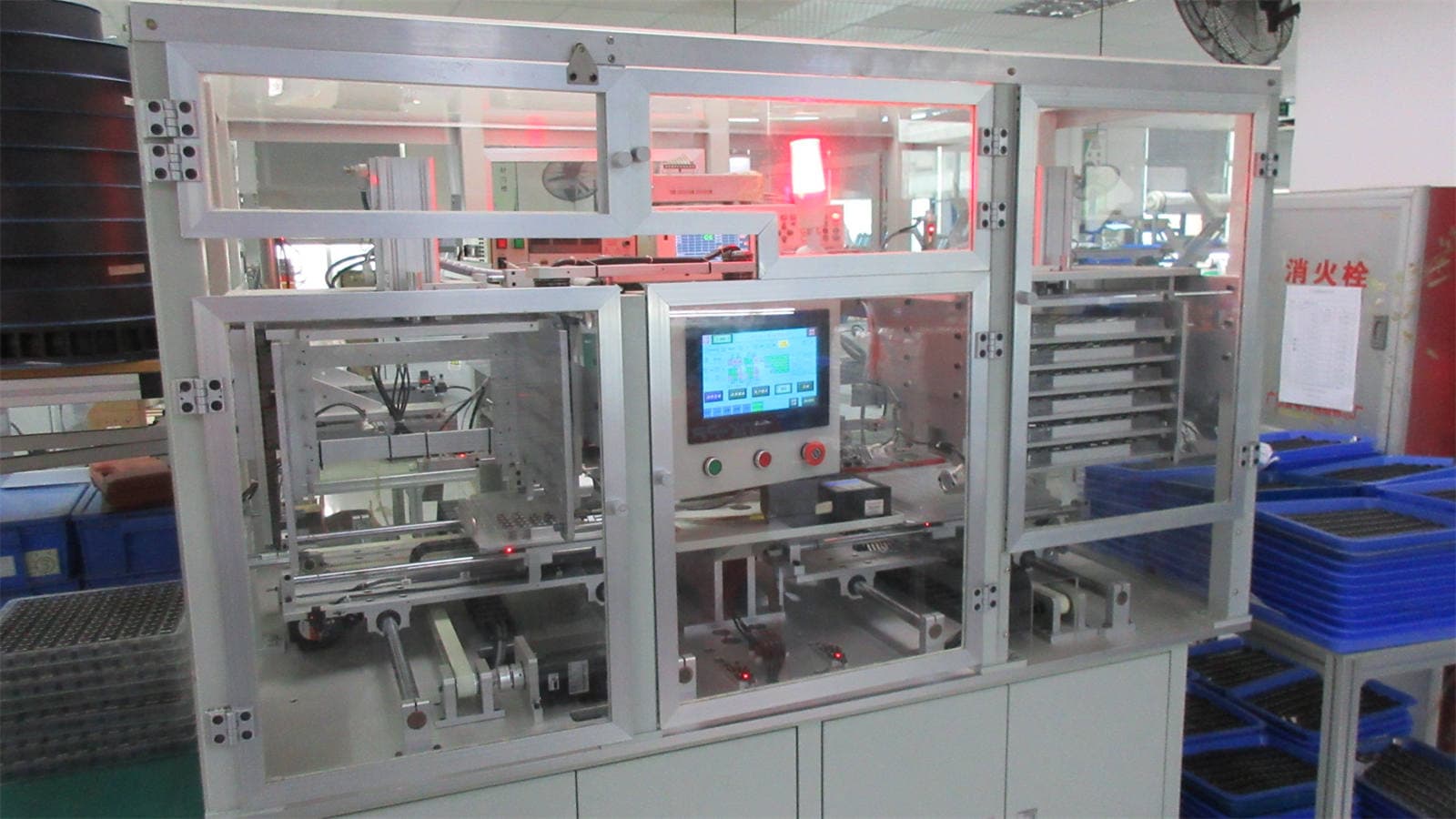
As a leading supplier, Lumopt Opto Technology Co., Ltd. (operating as Luguang Communication Technology in China) has invested heavily in automated winding and inspection machinery. In manufacturing LAN transformers and integrated RJ45 magnetic modules, manual winding can lead to inconsistent inter-winding capacitance, affecting Common Mode Rejection Ratio (CMRR) and return loss at high frequencies.

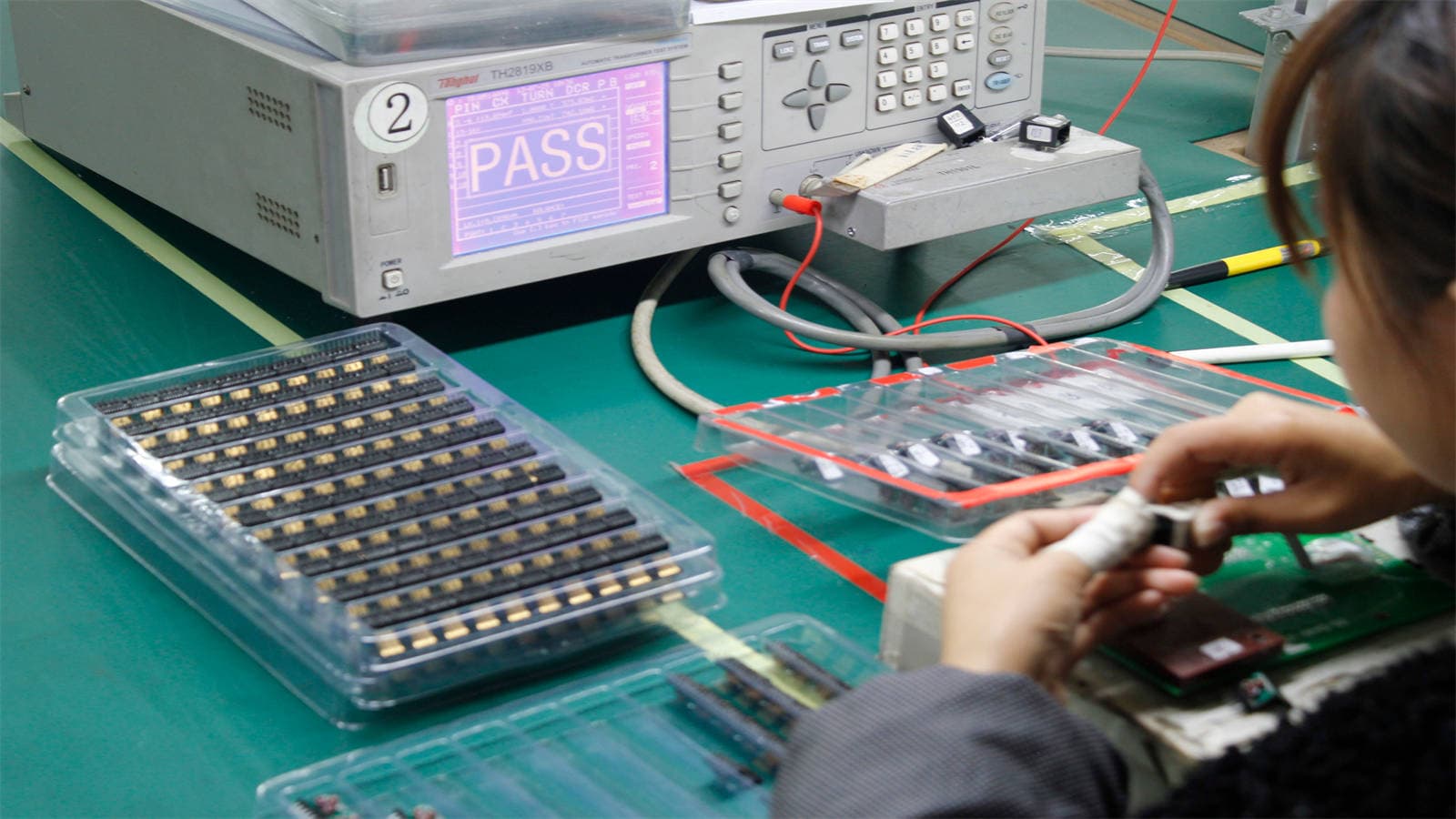
By shifting to robotic winding platforms and utilizing advanced network analyzers, we guarantee that every unit sent to the Norwegian market meets the strict requirements of IEEE 802.3 standards. Our direct shipping routes from Shenzhen and Guangzhou to major Norwegian ports (Oslo, Bergen, Stavanger) ensure that local distributors maintain lean inventories without risking supply chain interruptions.

Certified Production Line & Quality Operations

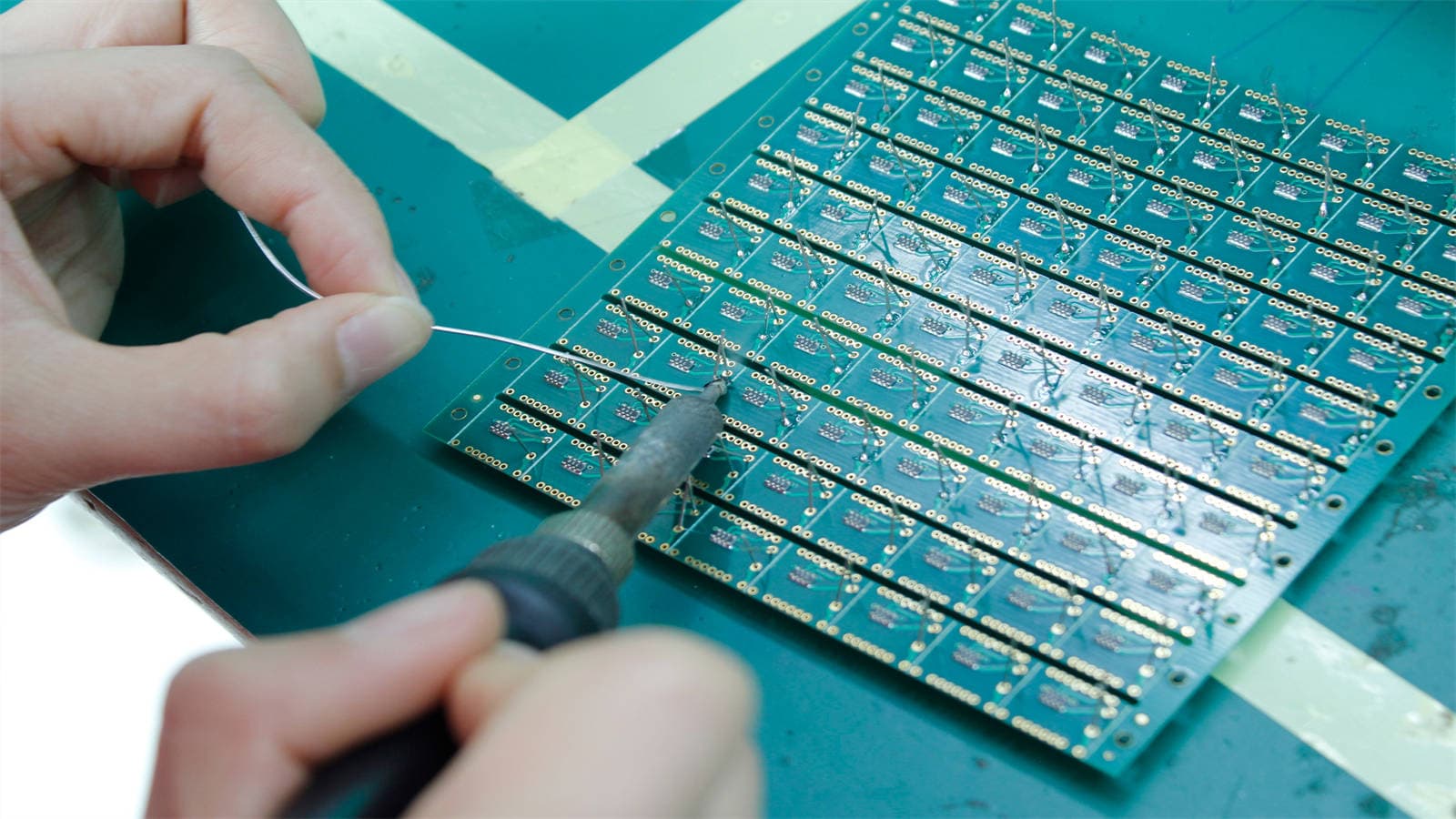
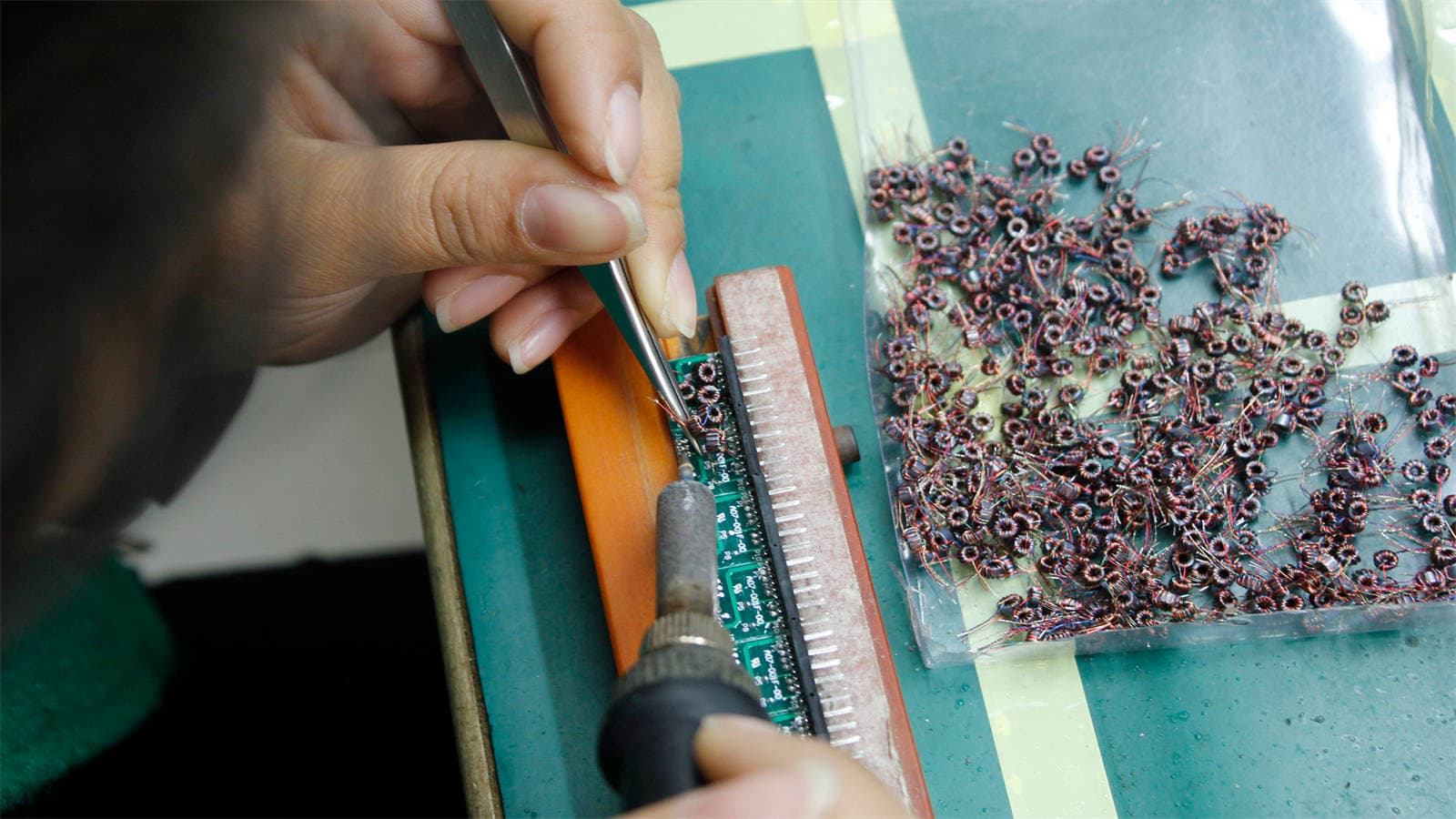
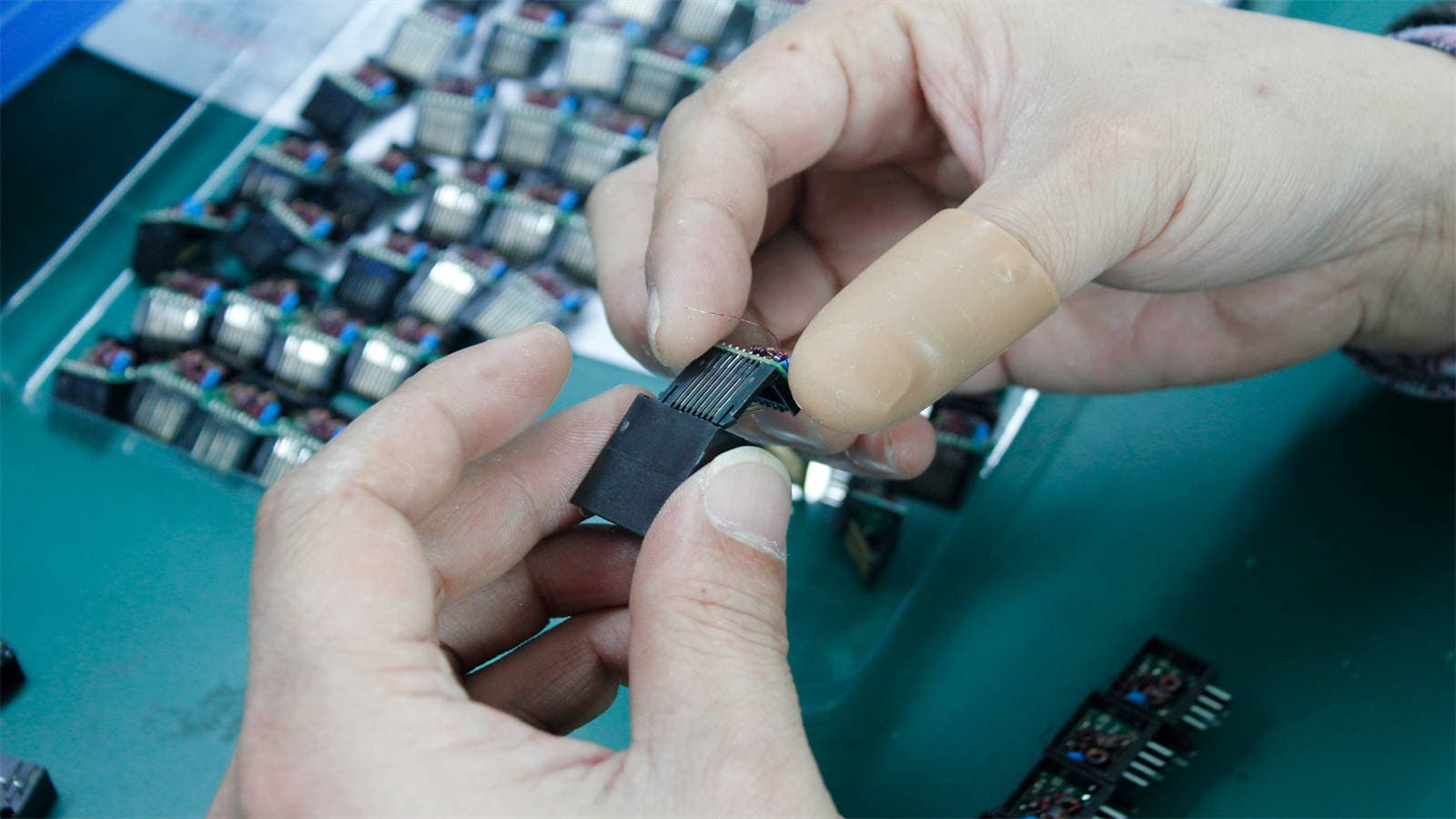
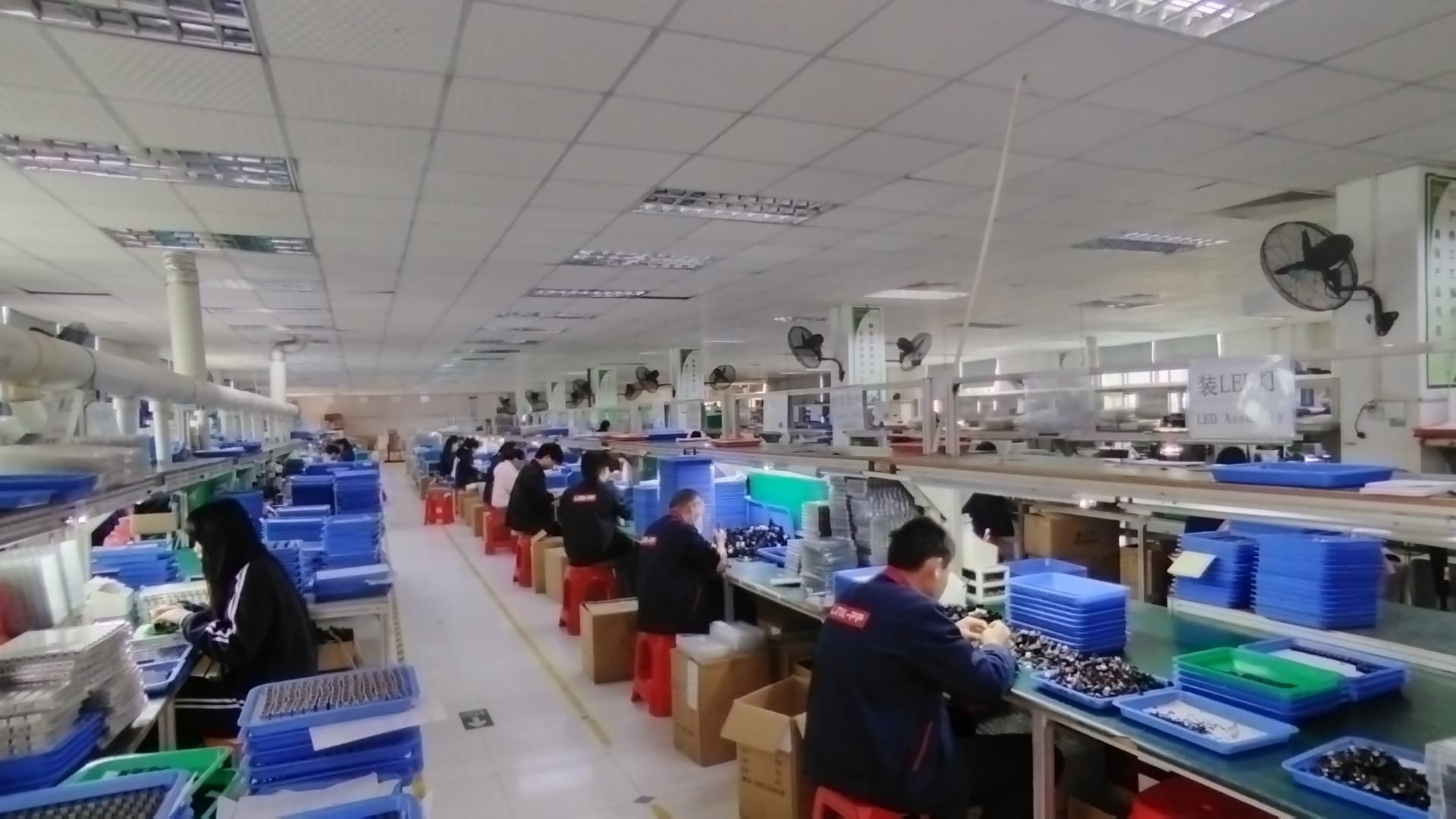
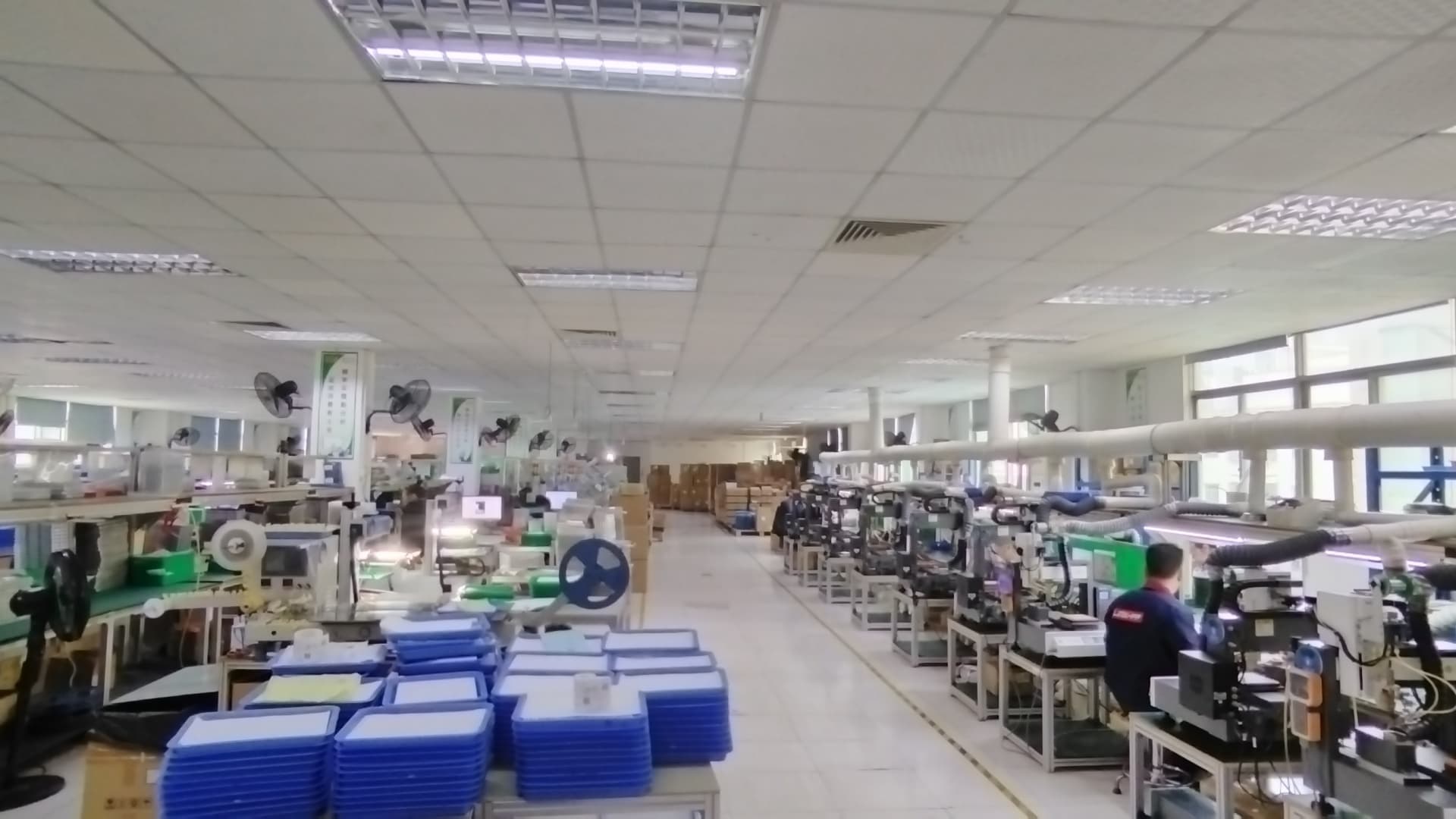
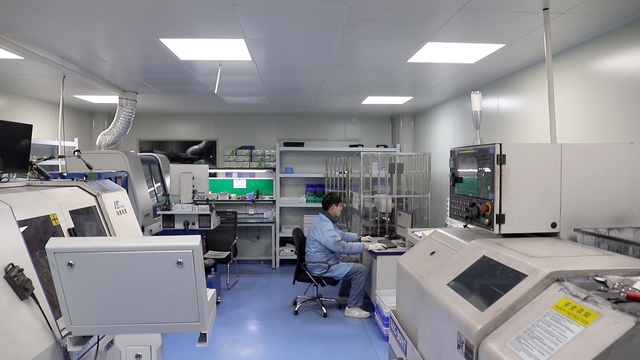
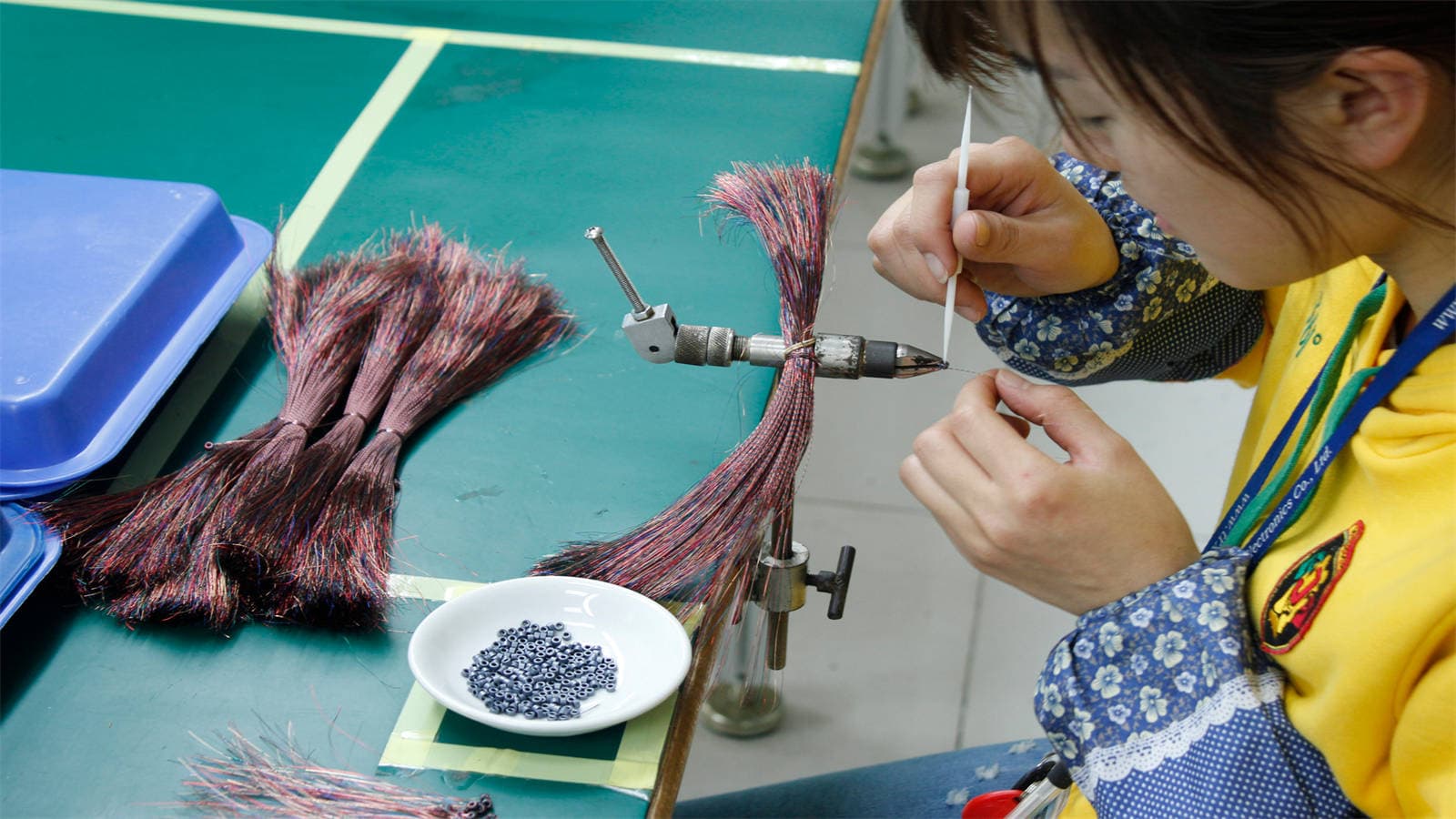
First-hand view of our production floor, showing step-by-step assembly of optical modules and LAN components.

Lumopt Opto Technology runs highly specialized cleanrooms and automatic testing labs. Below are our documented manufacturing stages, ensuring high performance in every batch shipped to European markets.
Company Introduction Overview
Facility Main Office & Laboratory
Twisting Core Process
PCB Tinned
PCB Tinned Stage
Soldering Station
Precision Soldering
Shear-LED-Pin
Shear-LED-Pin Cutting
Semi-finished Testing
Semi-finished Quality Testing
Plastic-Case-Assembly
Plastic Case Assembly
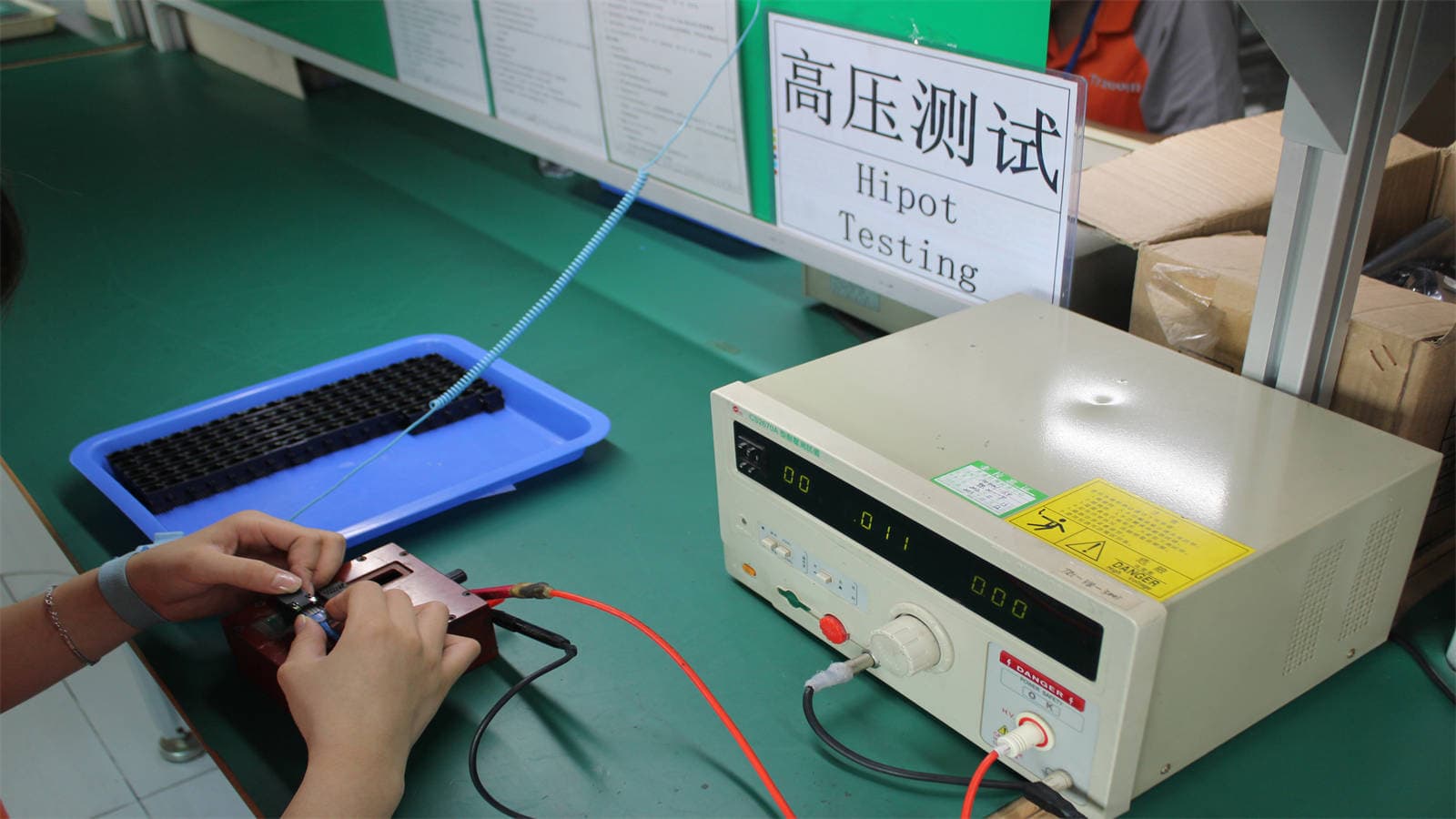
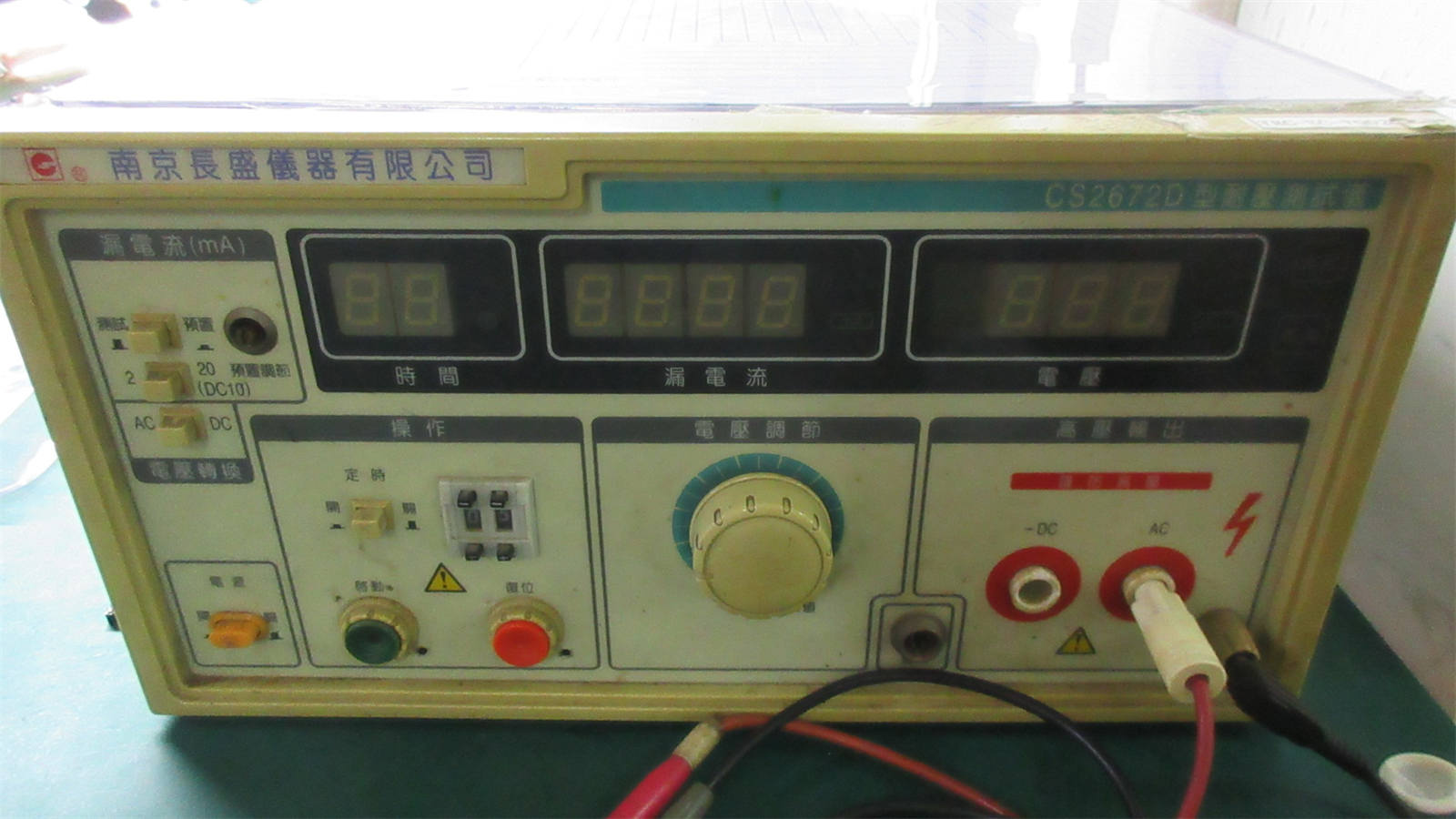
Hi-pot Testing
Hi-pot Safety Testing
Integrated-Testing
Integrated Functional Verification
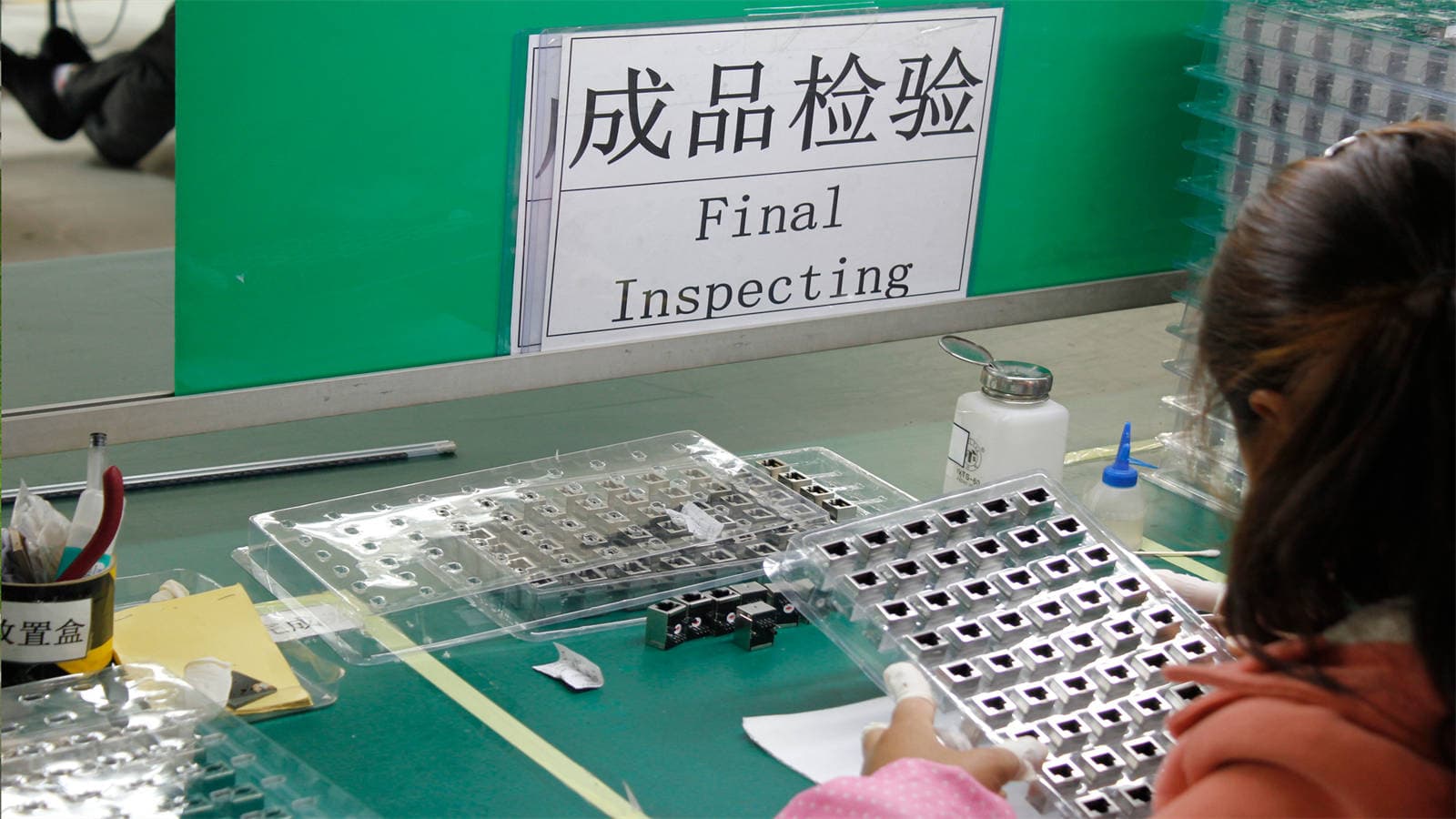
Final-Inspecting
Final Visual Inspection
Packing Line
Clean Packaging Process
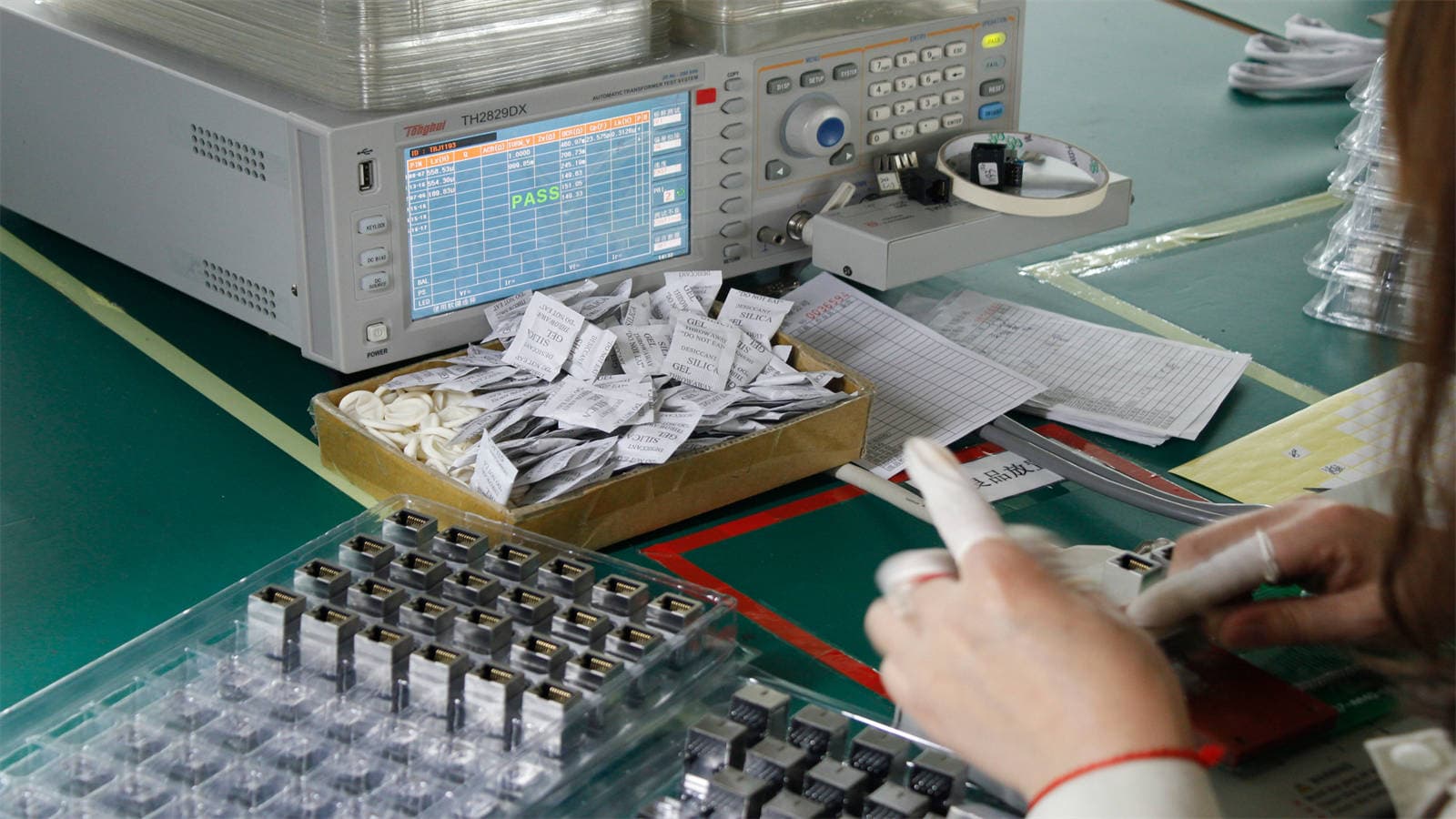
Comprehensive Tester
Comprehensive Parameters Testing
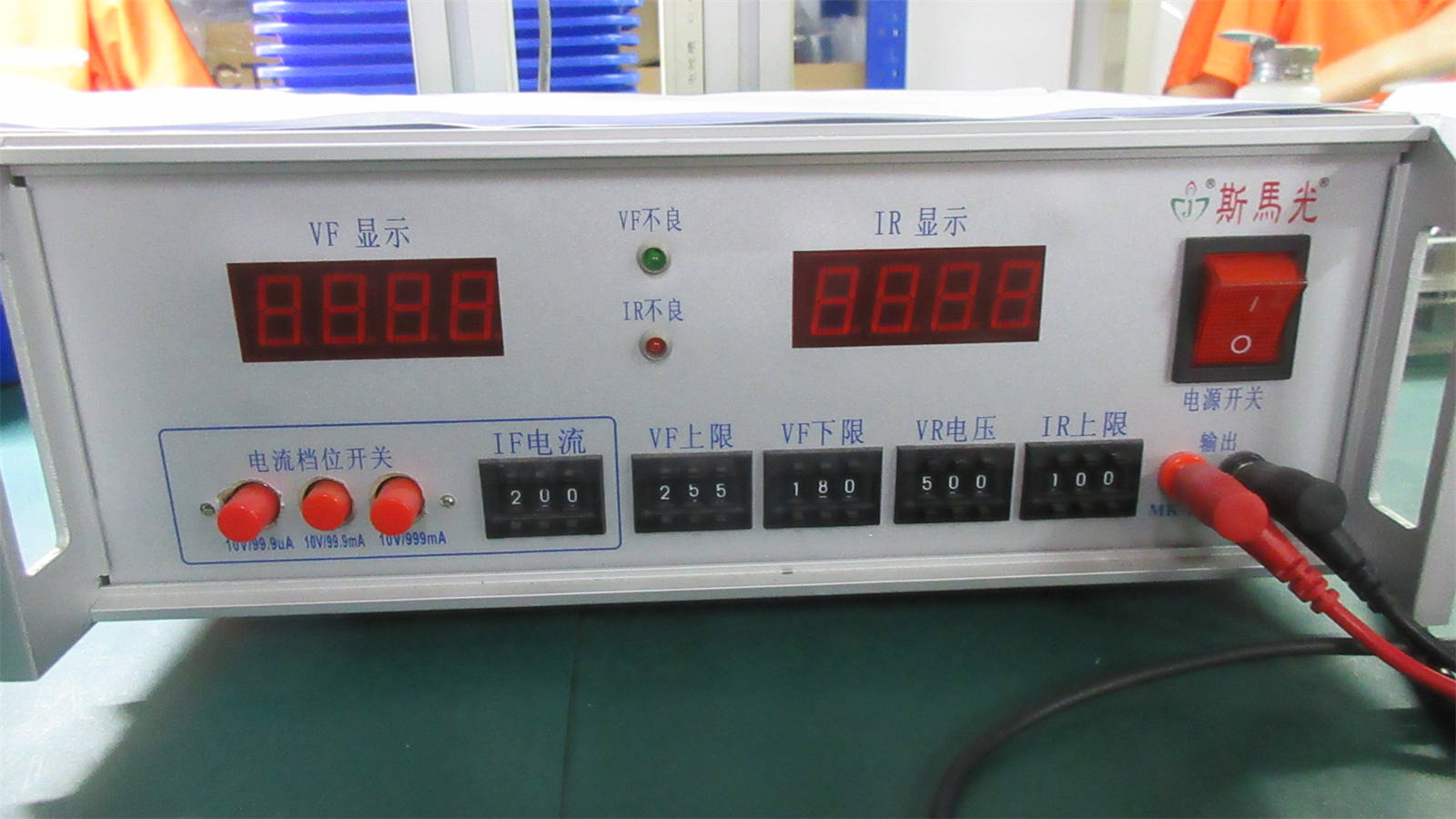
LED Lamp Tester
LED Integrated Testing
Hi-Pot Tester
Automatic Hi-Pot Calibration
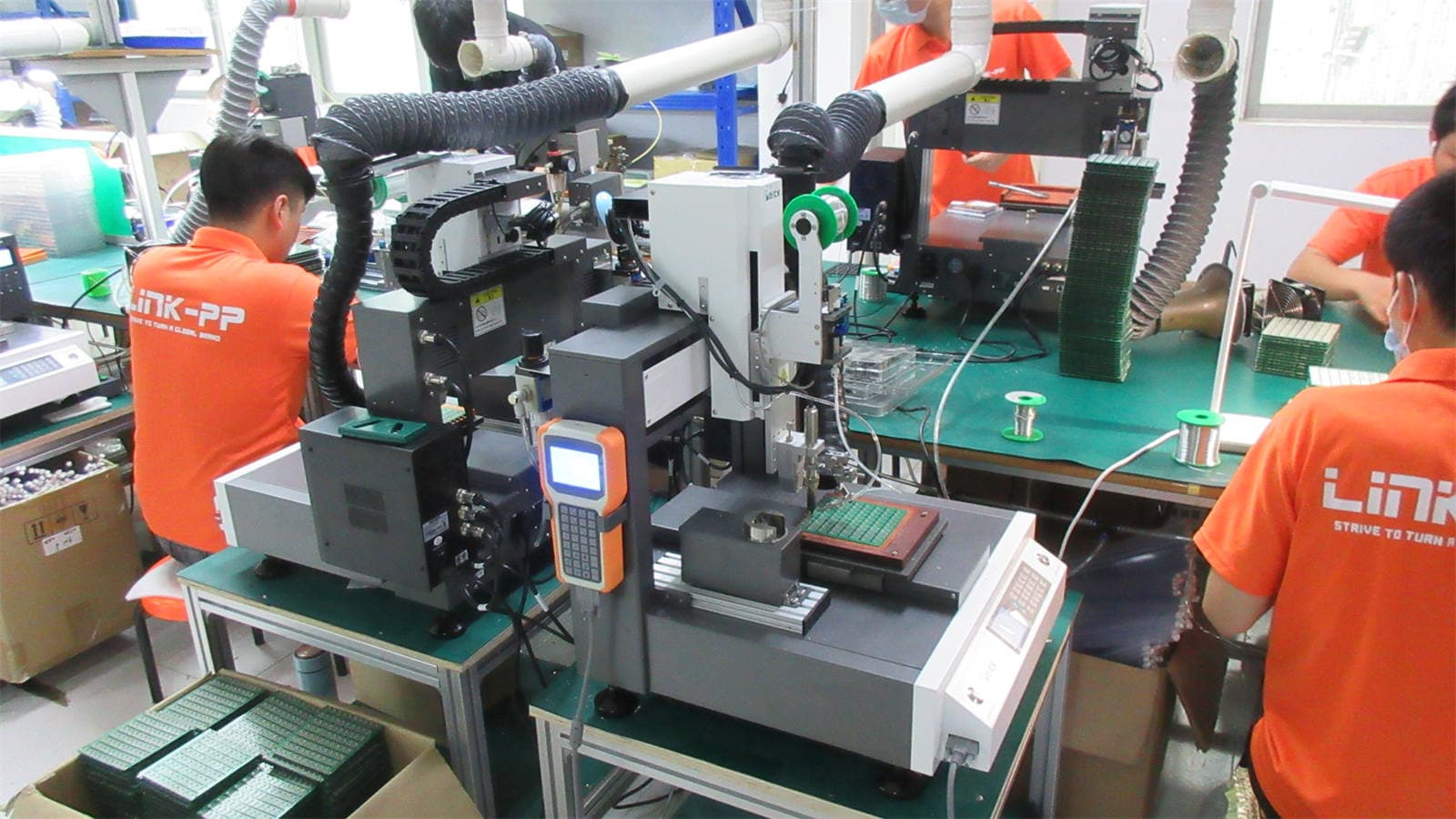
Automatic Welding Machine
Automatic Lead-Free Welding
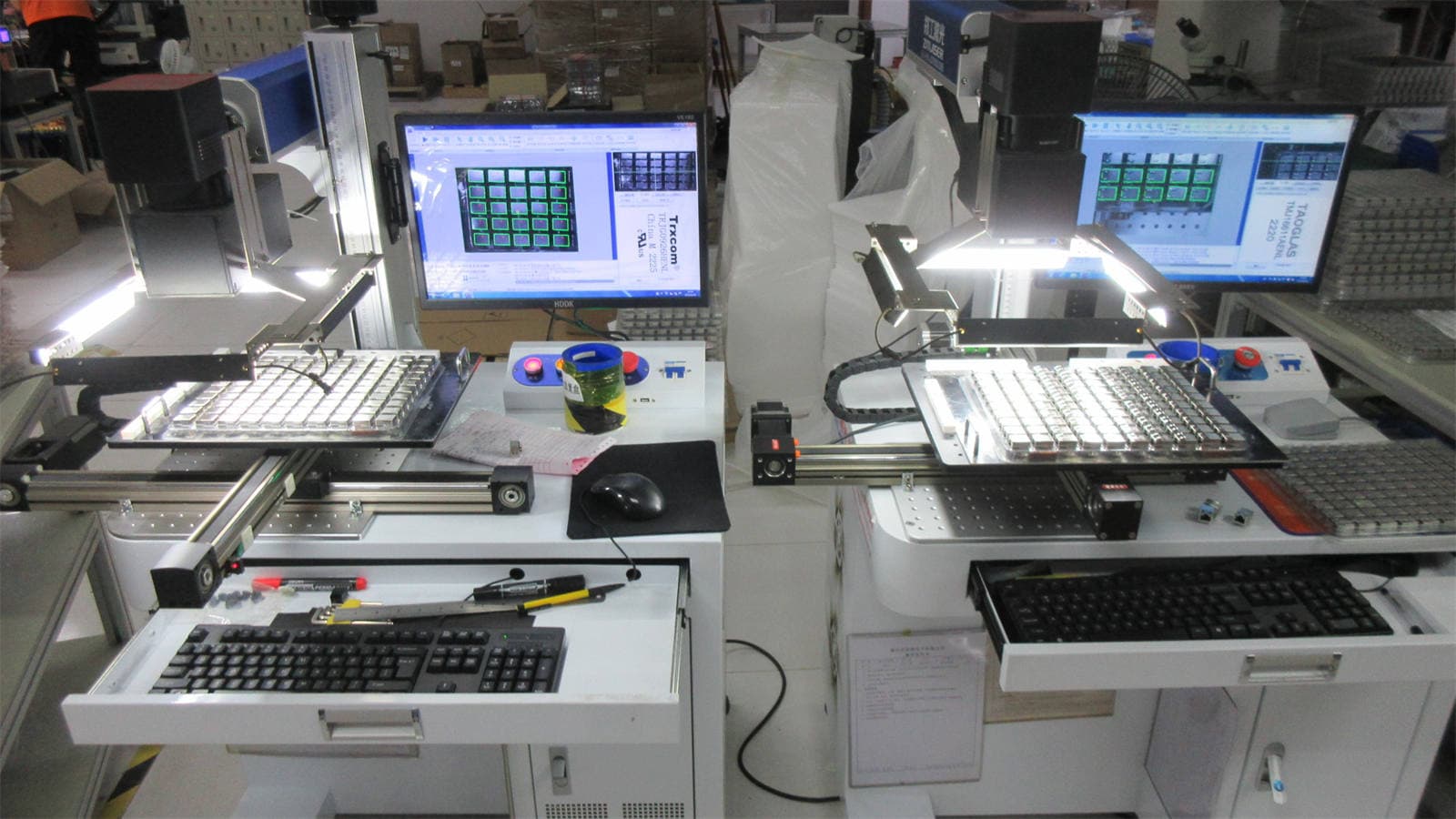
Laser Marking Machine
Laser Identification Tagging
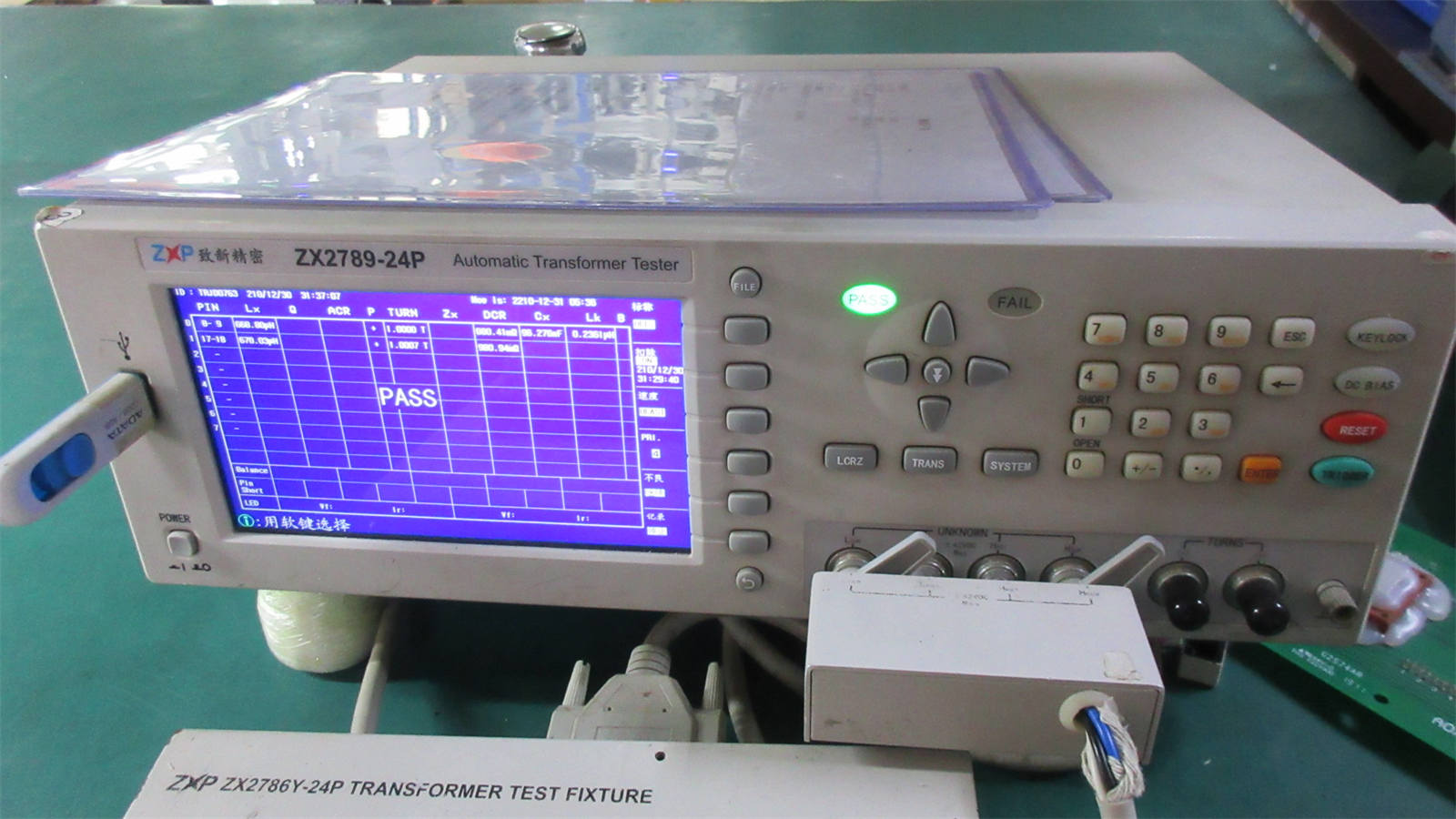
Transformer Automatic Tester
Transformer Automatic Analysis
Transformer Automatic Packing Machine
Automatic Component Packing
RJ45 Automatic Tester
RJ45 Automatic Pin Inspection
SFP Connector Inspection
SFP Connector Alignment Inspection
Production Lab SFP testing
Continuous Production Lab testing

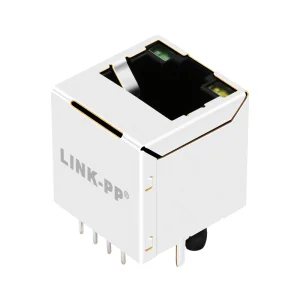
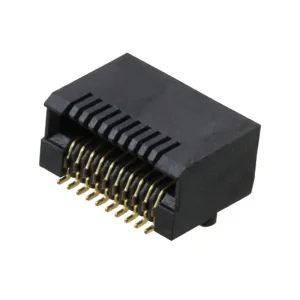
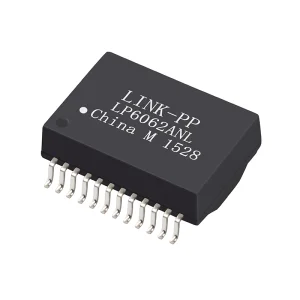
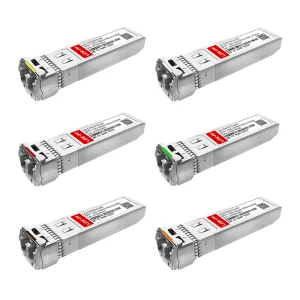
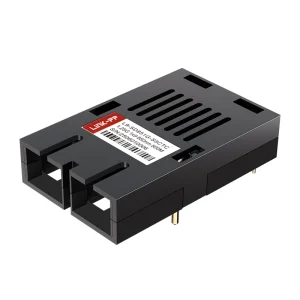
Extended Product Portfolio & Specialized Networking Components

Complete selection of optical modules, vertical jacks, and LAN magnetic transformers.
Technical & Logistics Q&A

Expert answers regarding design requirements, compatibility, and imports into Norway.

What is the standard operating temperature range for LAN transformers sent to Norway?
For standard commercial applications, 0°C to +70°C is common. However, for industrial, offshore wind, and maritime applications in Norway, we provide components rated for wide operating temperatures ranging from -40°C to +85°C. These undergo cold-soak start testing to ensure there is no signal drift or core saturation at subzero levels.
Why should we choose 1x9 optical transceivers instead of standard SFP modules?
1x9 optical transceivers are through-hole soldered directly to the system board. In heavy industrial, maritime, and public transit systems (such as the Oslo Metro or cargo vessel systems), persistent low-frequency vibration can cause standard slide-in SFP modules to suffer from contact resistance, resulting in packet loss. The mechanical stability of the 1x9 standard prevents connection dropouts.
How does Lumopt ensure regulatory compliance with CE and RoHS for EU/EEA markets?
We are fully compliant with RoHS and REACH regulations. Our production facility uses lead-free soldering and reflow profiles, verified via X-Ray Fluorescence (XRF) spectroscopy. This compliance is essential for imports entering the EEA via the Norwegian customs agency (Tolletaten).
What options do you offer for custom pinouts or enclosure configurations?
We provide OEM/ODM services. If your existing legacy systems (for example, marine control desks or older rail switching hubs) require custom pin arrangements or vertical RJ45 jacks with specific mechanical dimensions, our engineering team can modify pinout layouts, custom winding ratios, and shielding structures. Samples are typically manufactured and sent for testing within 7-14 working days.

Partner with a Trusted Manufacturer & Exporter

Consult with our engineers today for hardware specifications, custom OEM design adjustments, and bulk shipping quotes to Norway.

Send Inquiry Now