Lumopt
Lumopt
Lumopt
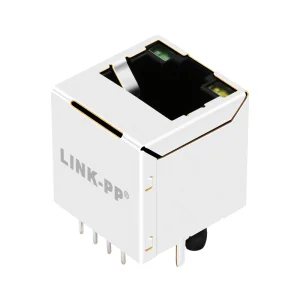
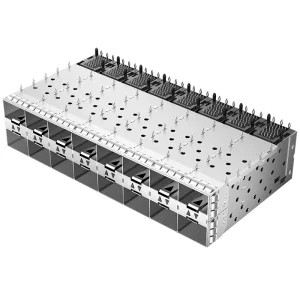
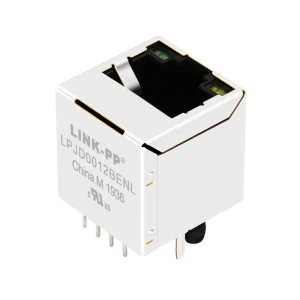
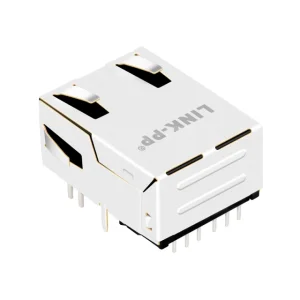
Lumopt Opto Technology Co., Ltd., registered in China as Luguang Communication Technology Co., Ltd., represents the pinnacle of engineering, R&D innovation, and global distribution in high-performance optical communication technologies. As the telecommunications landscape shifts towards ultra-wide bandwidths and nanosecond latencies, we stand at the vanguard of manufacturing highly reliable optical modules.
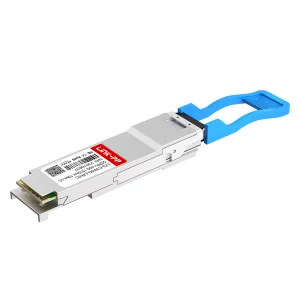
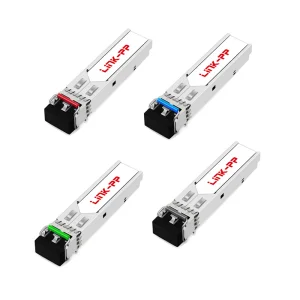
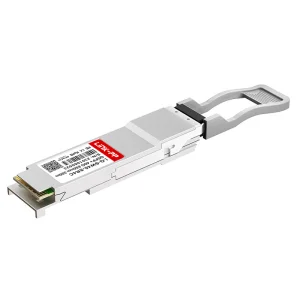
Our specialized facilities focus on the complete design cycle, R&D optimization, validation testing, and volume fabrication of a complete portfolio of optical transceivers. Our capacity ranges from standard 10G SFP+ and 25G SFP28 to next-generation hyperscale 100G, 400G, 800G, and 1.6T architectures. These form the backbone of modern cloud computing environments, high-frequency AI supercomputing clusters, enterprise backbones, and global telecom networks.
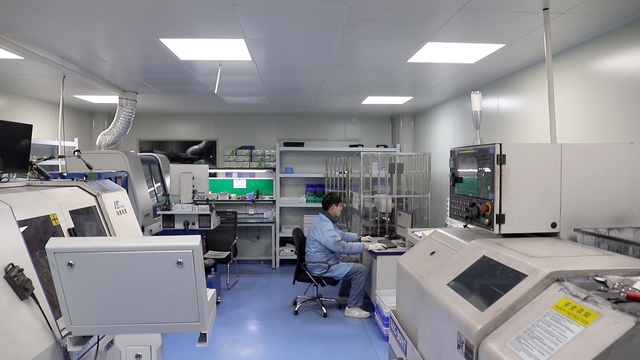
Compliance & Reliability Assurance: All Lumopt optical transceivers are constructed in Class-100,000 dust-free automated cleanrooms, complying strictly with Multi-Source Agreements (MSA), CE, FCC, RoHS, and ISO 9001 guidelines, ensuring 100% cross-platform compatibility with tier-one networking equipment.
The rapid deployment of Large Language Models (LLMs) and distributed AI clusters has triggered an exponential demand for bandwidth inside cloud datacenters. Modern networking is evolving away from legacy structures to high-density optical engines.
Silicon Photonics replaces traditional discrete components by integrating laser modulators and detectors directly onto silicon substrates. This lowers assembly complexity, minimizes insertion loss, and drops power consumption per gigabit by up to 30%, which is essential for massive 800G and 1.6T deployments.
While traditional 10G/25G transceivers rely on simple NRZ (Non-Return-to-Zero) modulation, high-capacity channels utilize PAM4 (Pulse Amplitude Modulation 4-level). PAM4 doubles transmission rates by mapping two bits per symbol interval, unlocking speeds of 50G/100G per optical lane.
As computing cores run faster, routing signals over long copper traces generates excessive thermal load and latency. Co-Packaged Optics (CPO) relocates the optical engine directly to the switch ASIC substrate, cutting power by up to 50% and reducing latency to sub-nanosecond scale.
Procurement engineers and IT directors must balance performance metrics against strict financial limits. Working directly with an established Chinese exporter resolves key sourcing challenges:
A primary risk when sourcing third-party transceivers is vendor lock-in. Lumopt runs compatibility verification cycles on major platforms (Cisco, Juniper, Arista, Huawei, Dell, H3C). EEPROM microcode is programmed to support the native command sets of target devices, eliminating "unsupported transceiver" faults.
Real-time telemetry is vital for high-availability setups. Our transceivers support DDM/DOM over the I2C interface, tracking TX/RX optical power levels, transceiver internal temperature, bias current, and operating voltages, enabling proactive fault diagnostics.
High-speed transceivers generate significant heat in enclosed switch bays. Lumopt modules feature optimized thermal dissipation architectures and low-power ICs, guaranteeing a Mean Time Between Failures (MTBF) exceeding 100,000 operational hours.
By upgrading to Industry 4.0 automated setups, we minimize manual errors and boost production output. The step-by-step assembly process below highlights our rigorous quality checkpoints:

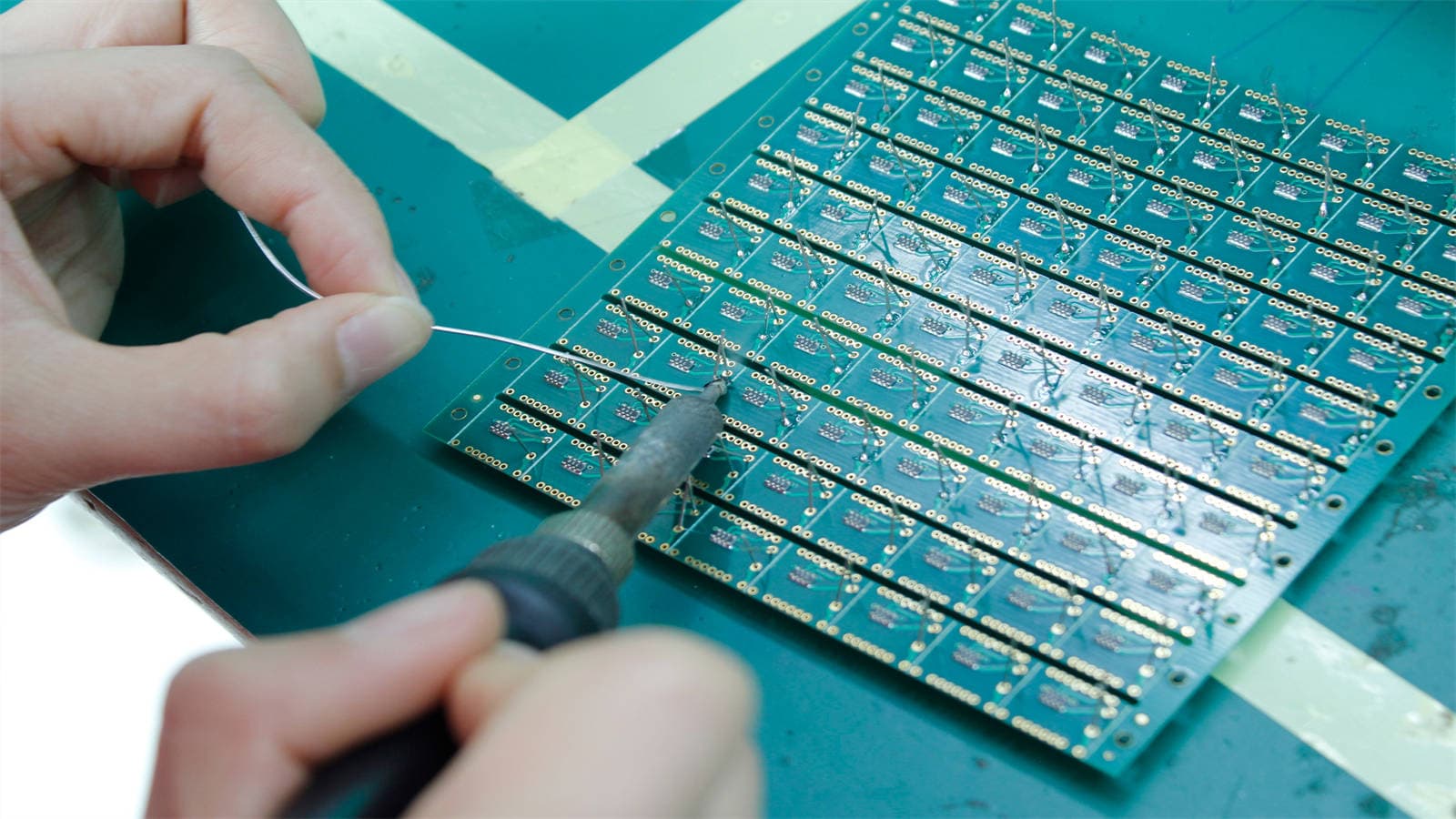
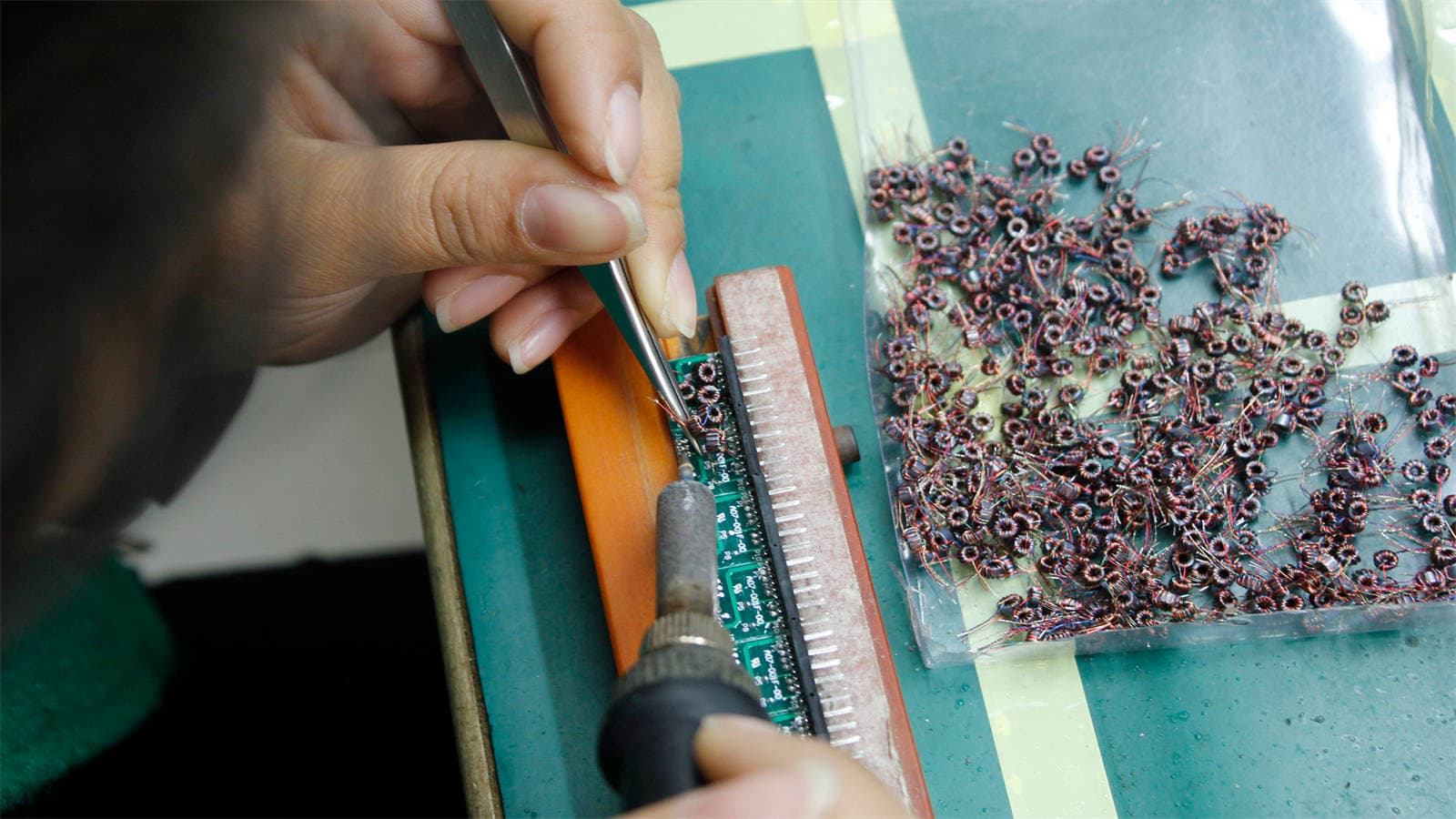
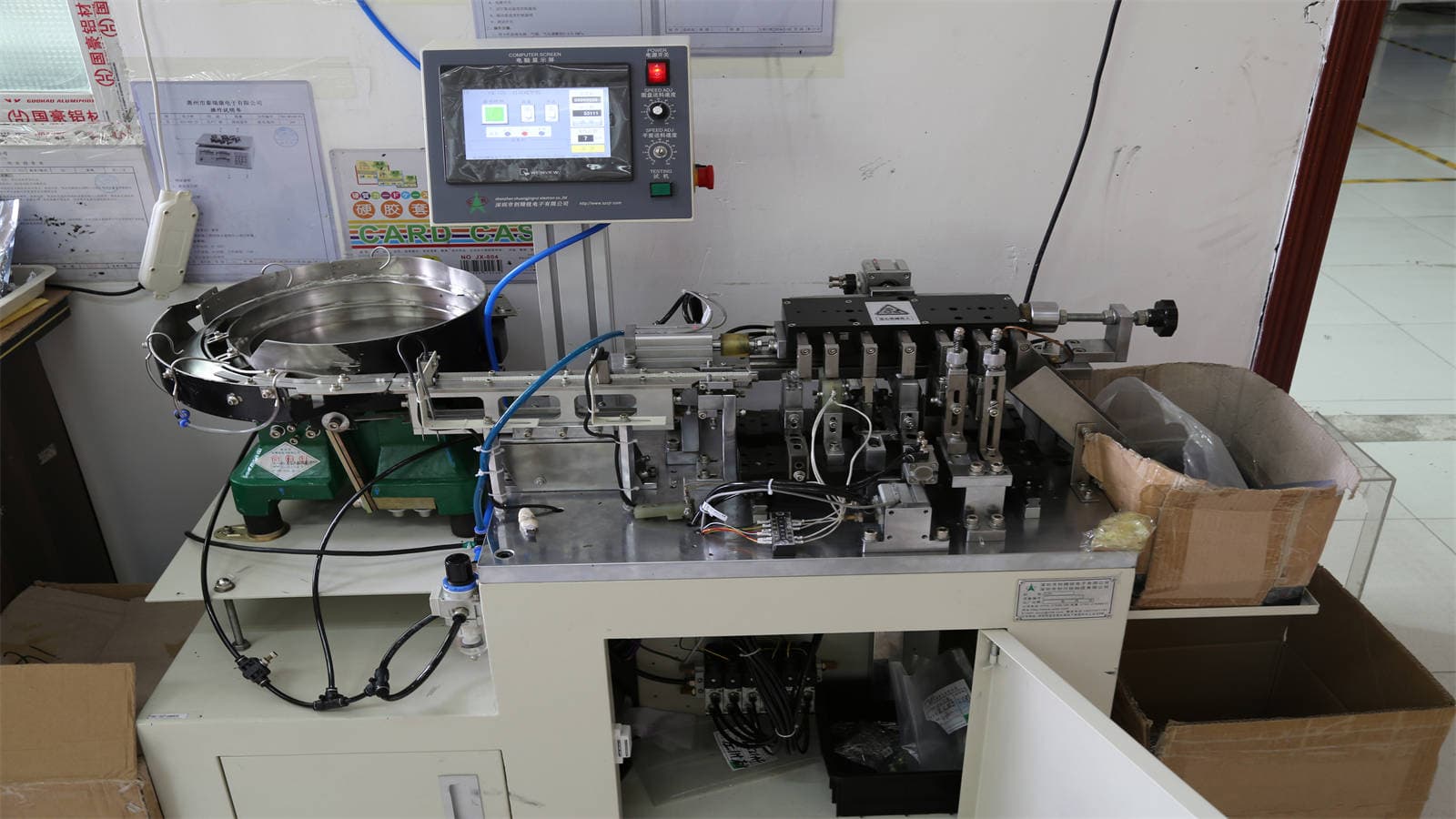
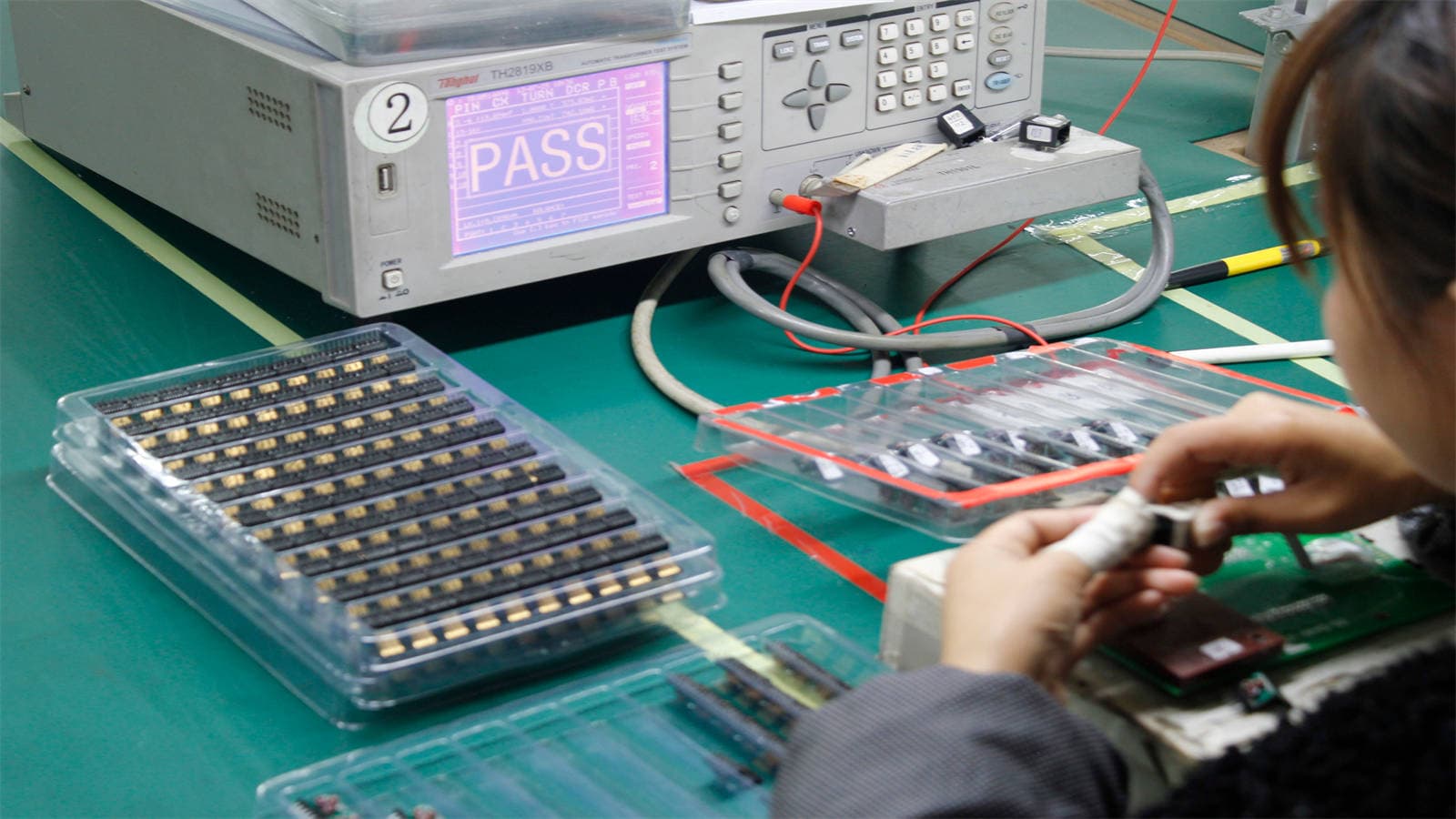
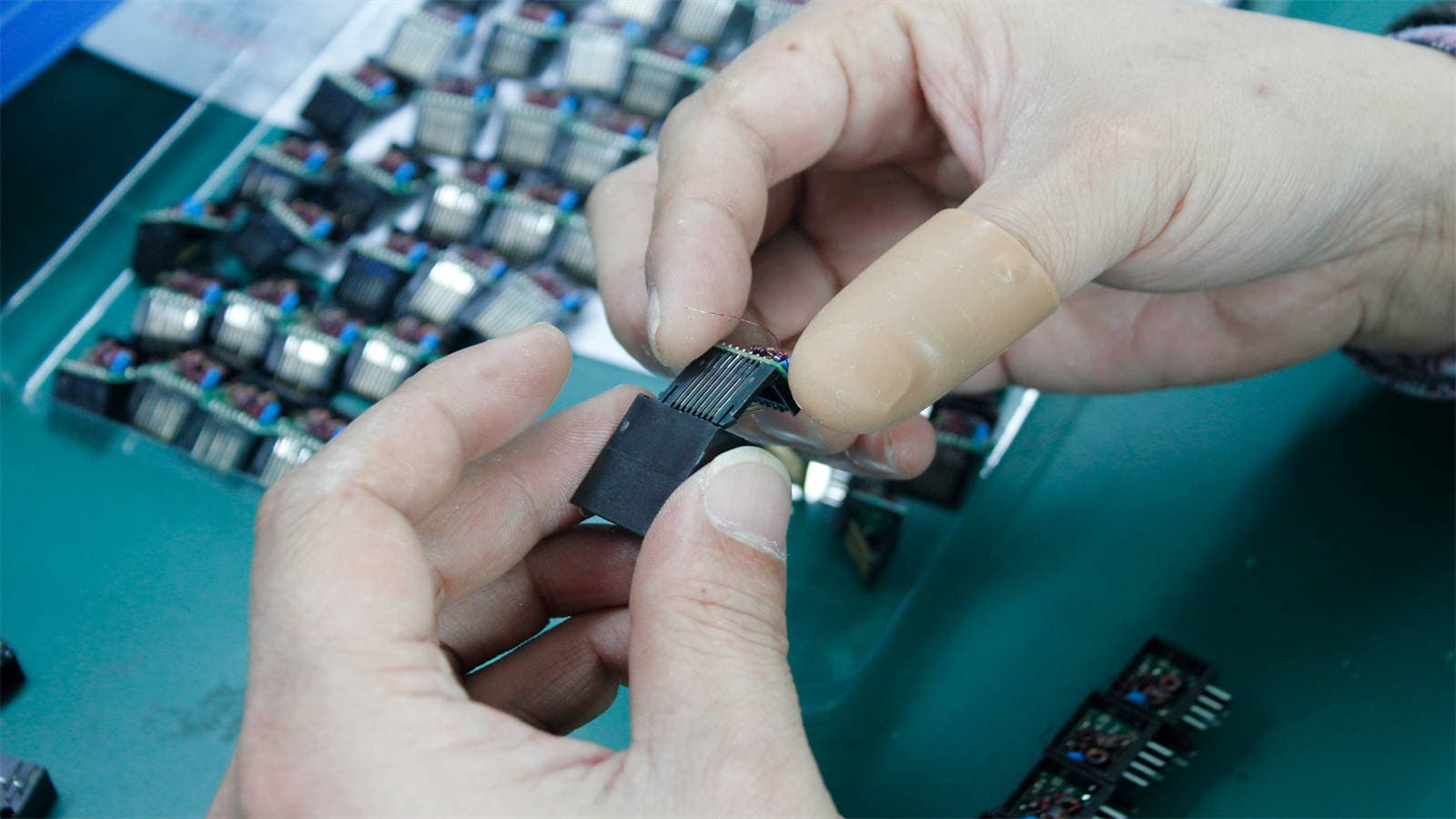
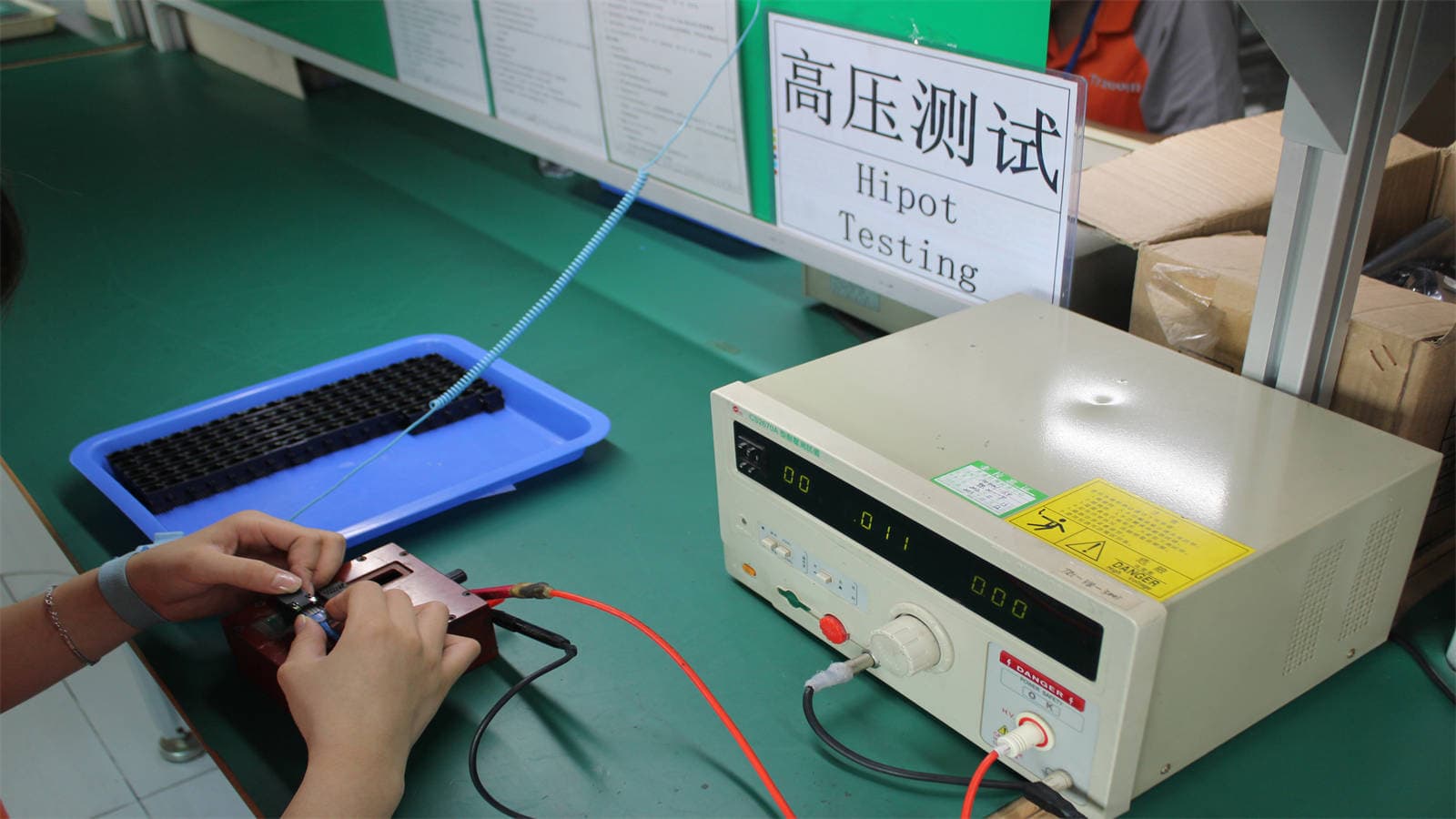
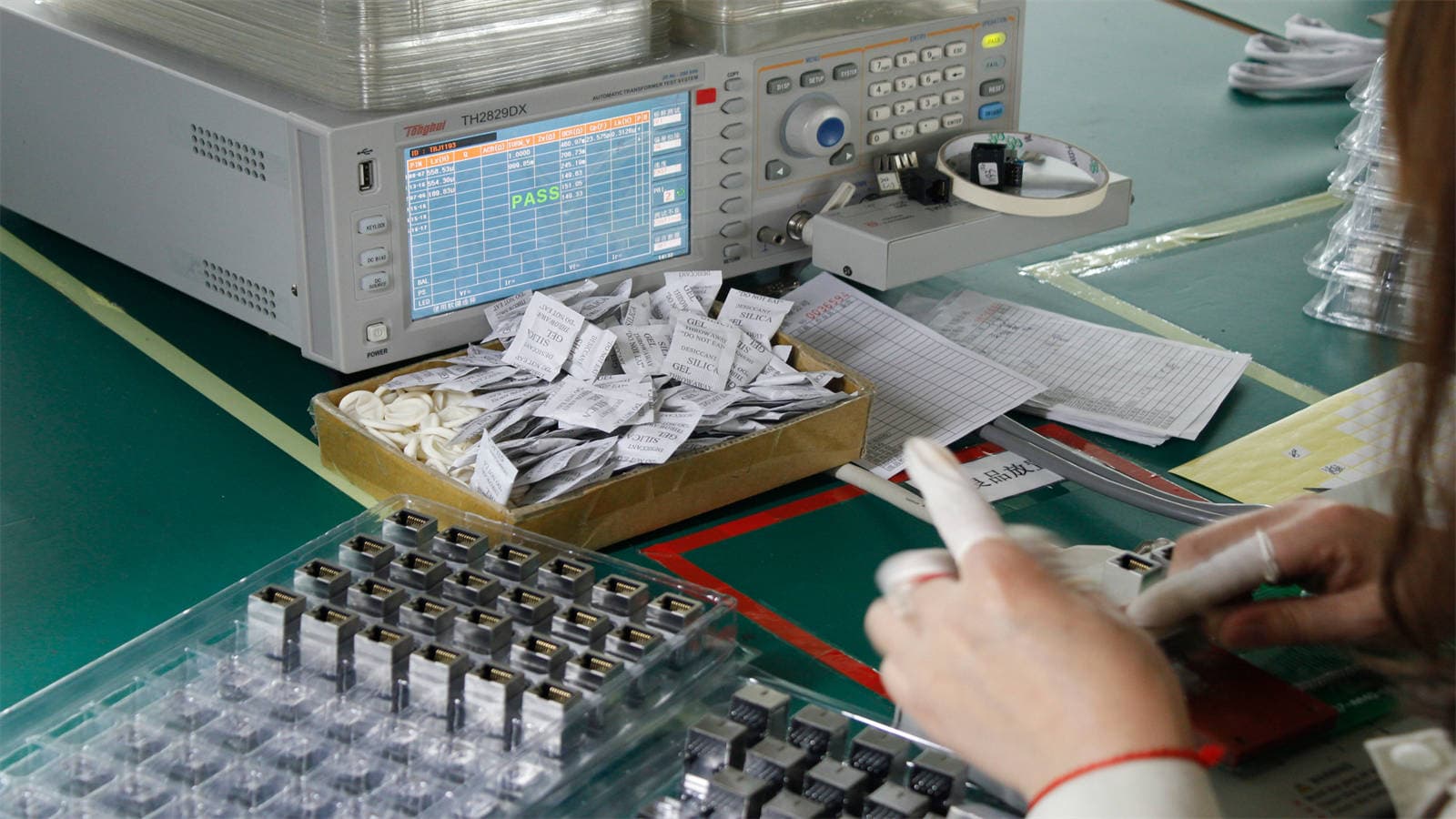
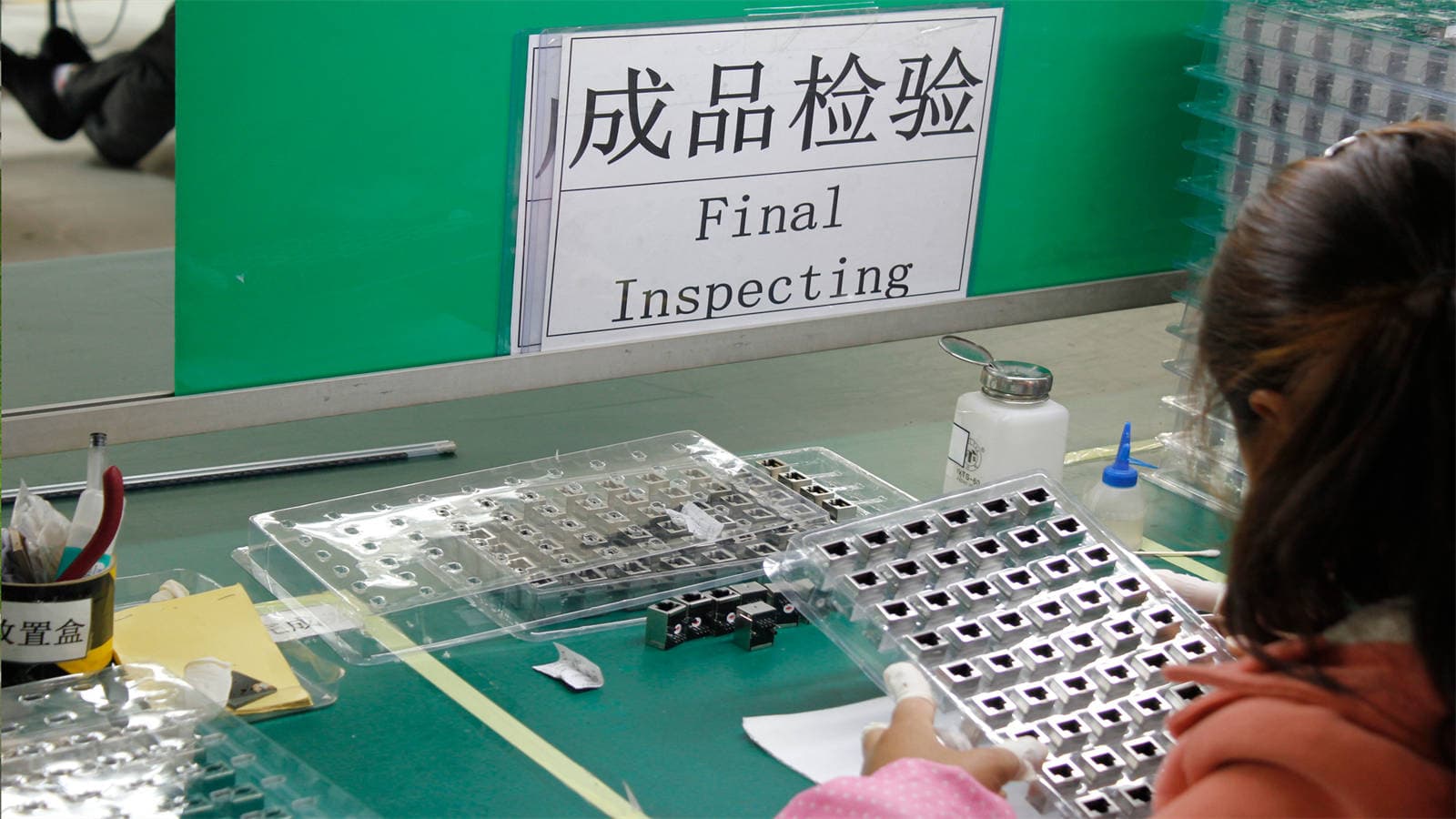

High performance requires specialized equipment. Our factory floor houses custom calibration systems and automated assembly gear to maintain zero-ppm target defect rates:
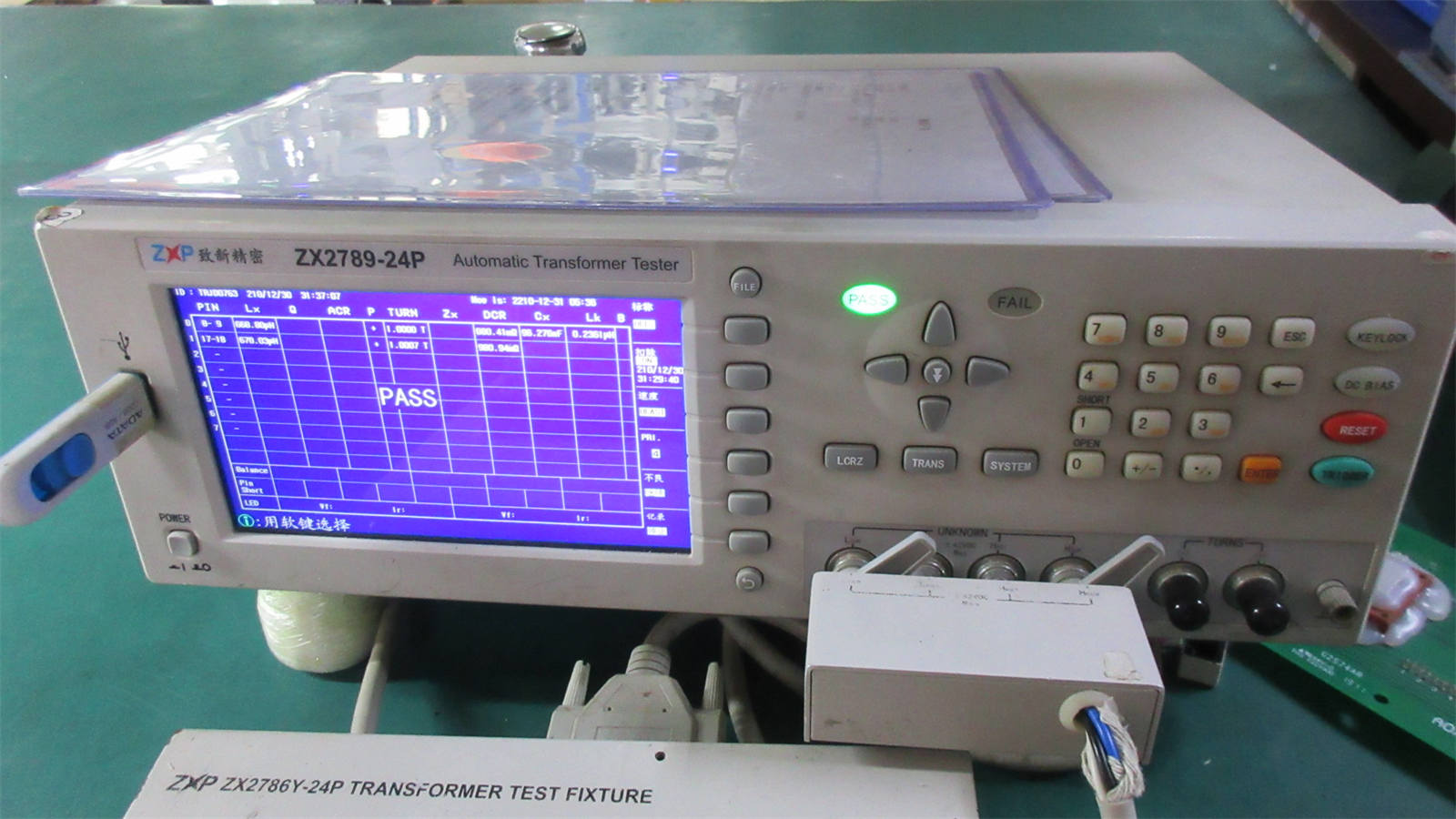
Verifies optical output power levels, spectral center wavelengths, and side-mode suppression ratios (SMSR) across different temperature steps.
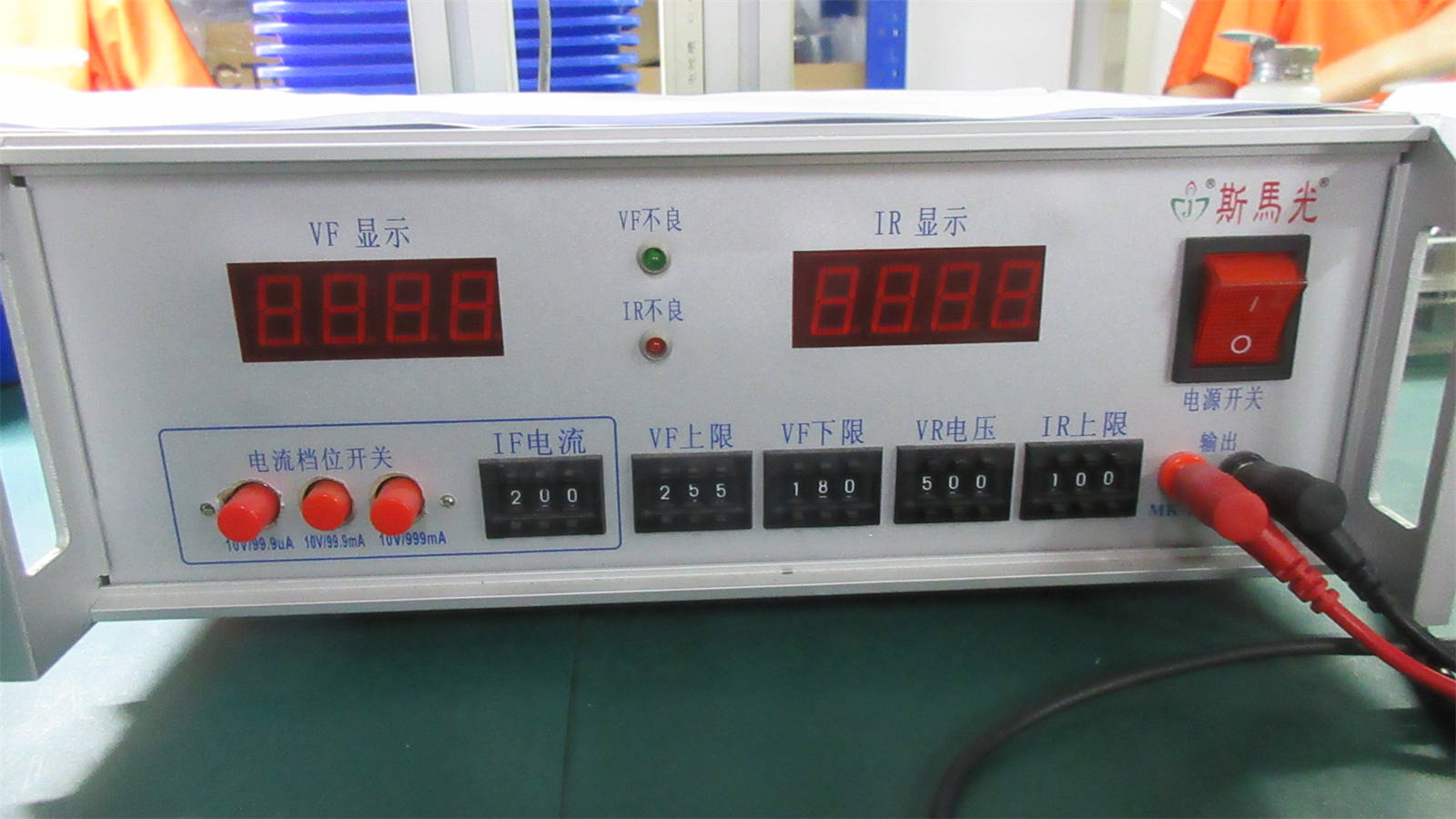
Verifies forward voltage drops, reverse leakage currents, and optical power properties, filtering out defective emitters prior to downstream assembly.

Applies high test voltages between the chassis metal cage and internal signal paths to verify isolation ratings, ensuring compliance with international safety standards.
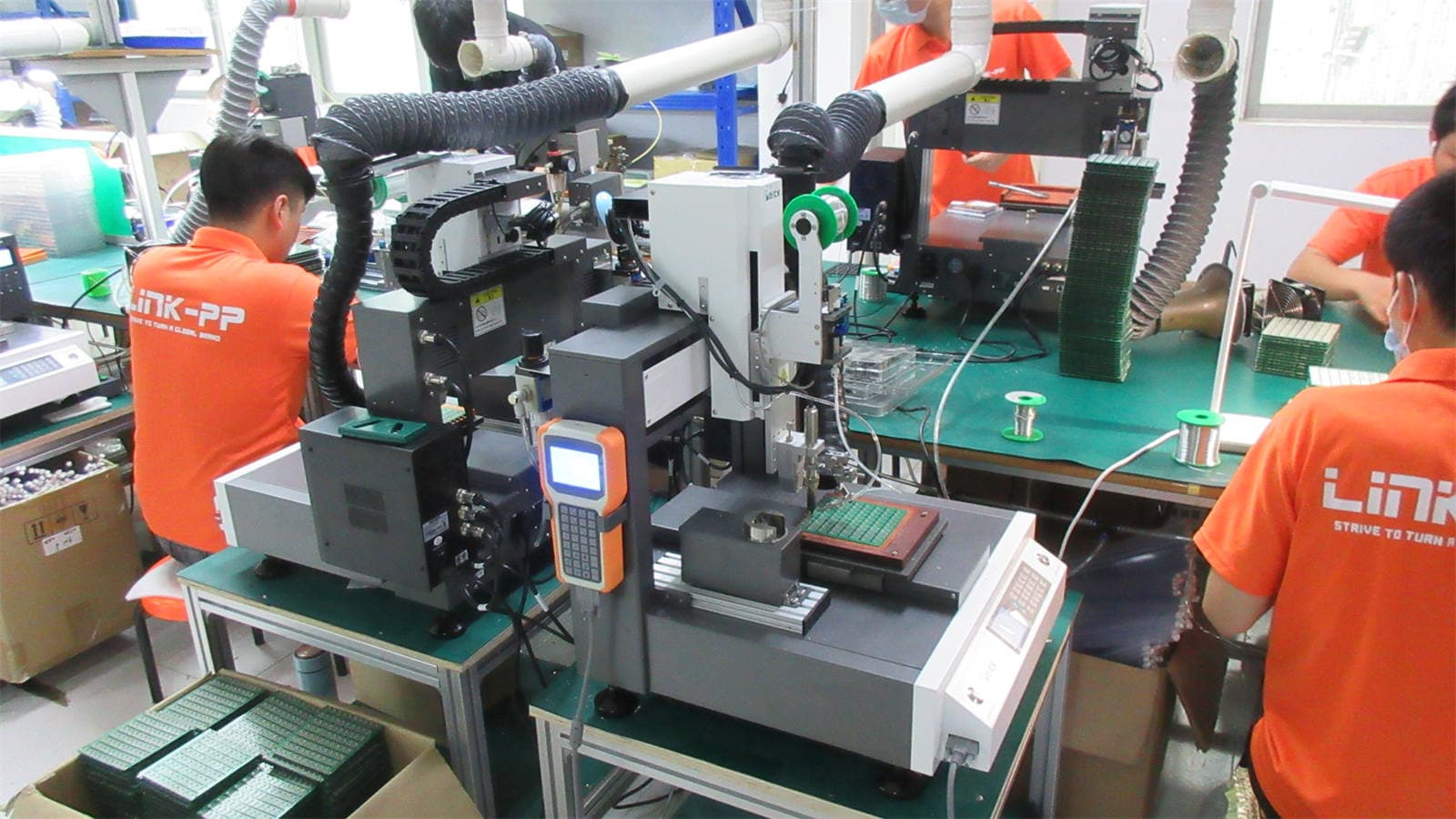
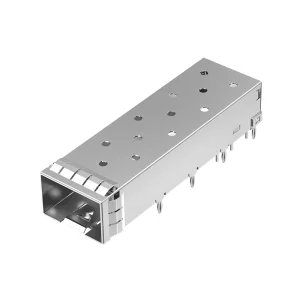
Performs automated lead welding on connectors and multi-port cages, minimizing thermal stress on delicate multi-layer substrates.
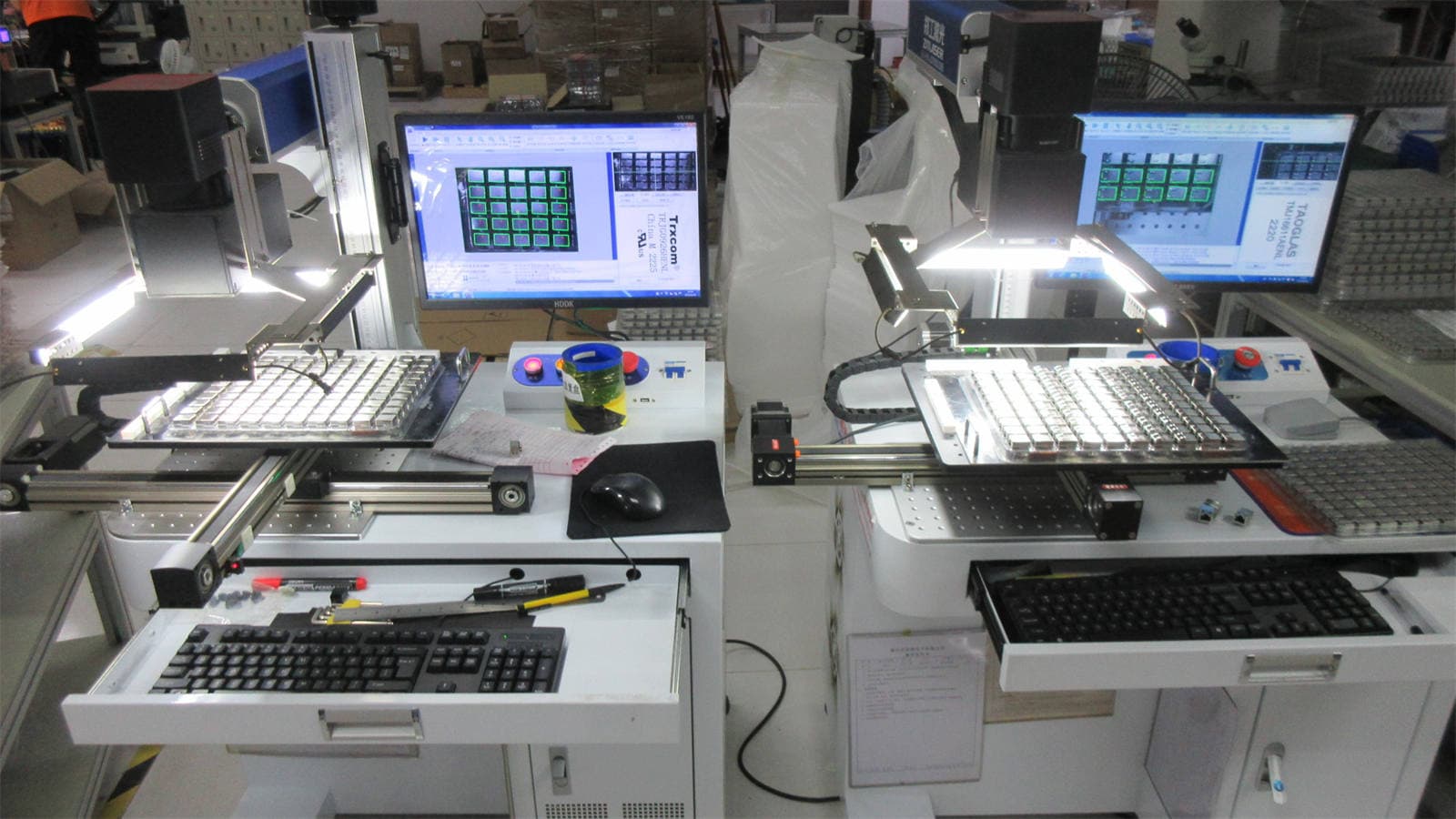
Engraves model specifications, regulatory markings, and unique datamatrix tracking codes directly onto the metal housings, preventing label peeling.
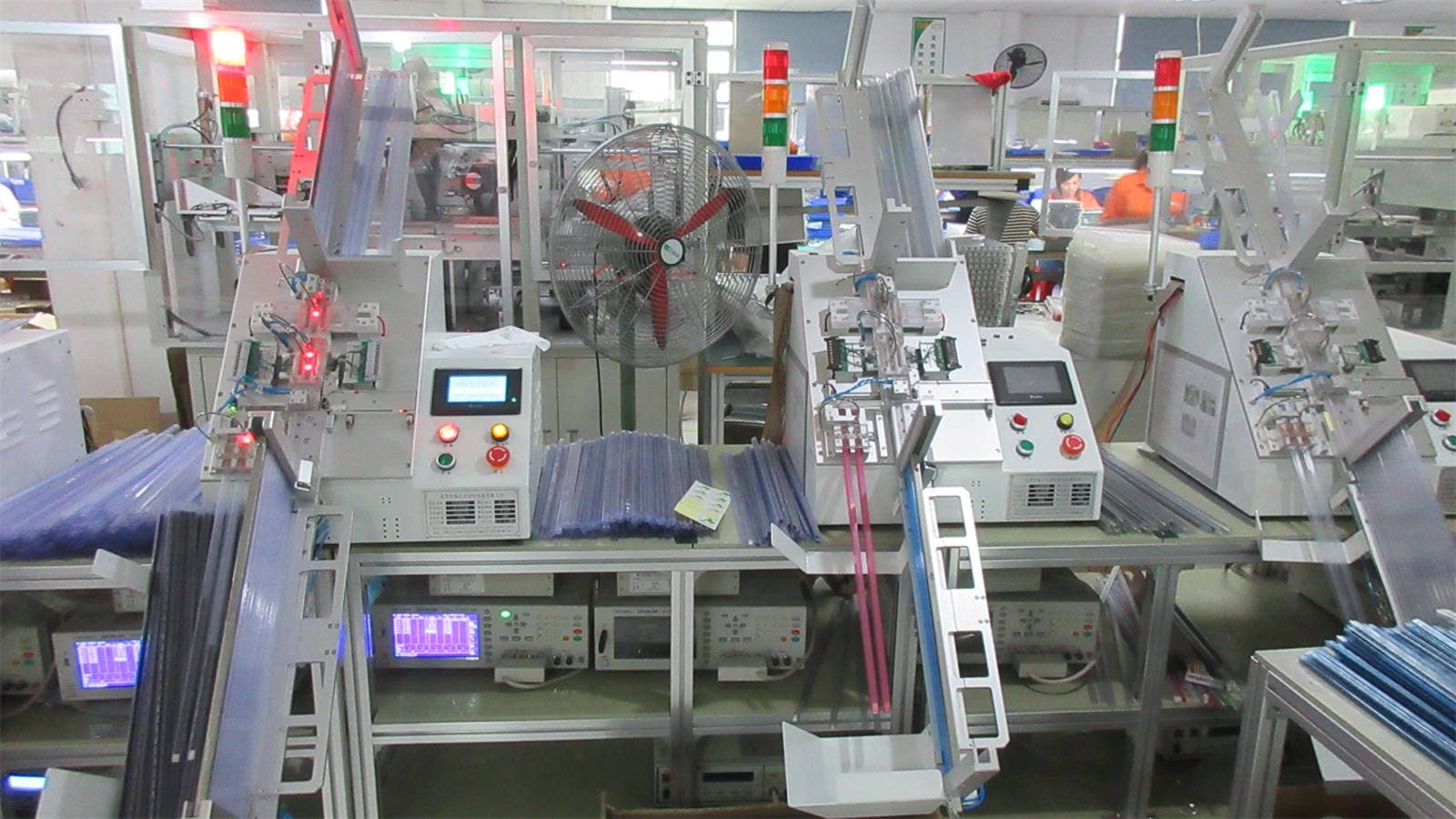
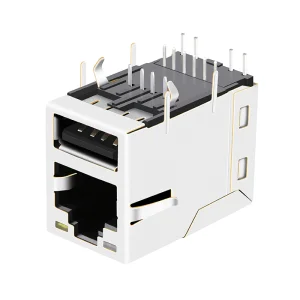
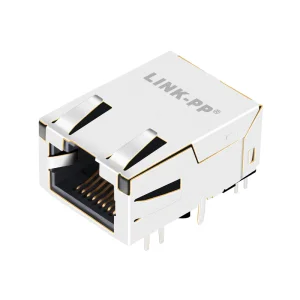
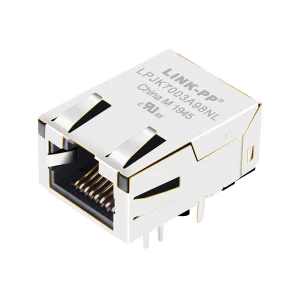
Measures inductance values, turn ratios, and crosstalk parameters across active magnetics, ensuring stable impedance matching for RJ45 connectors.
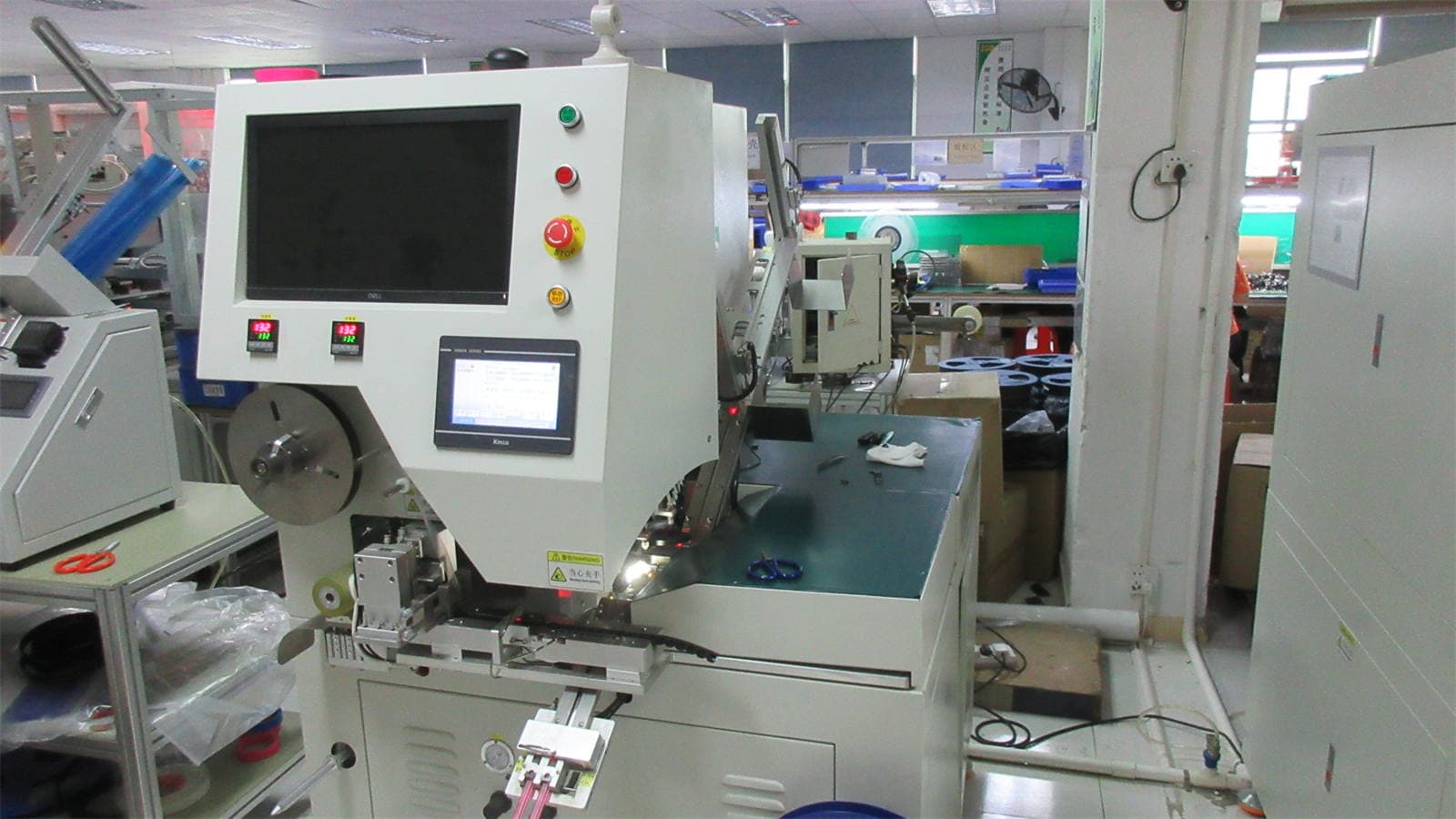
Feeds and packs magnetic subassemblies under clean conditions, preventing shipping damage and ESD exposure.
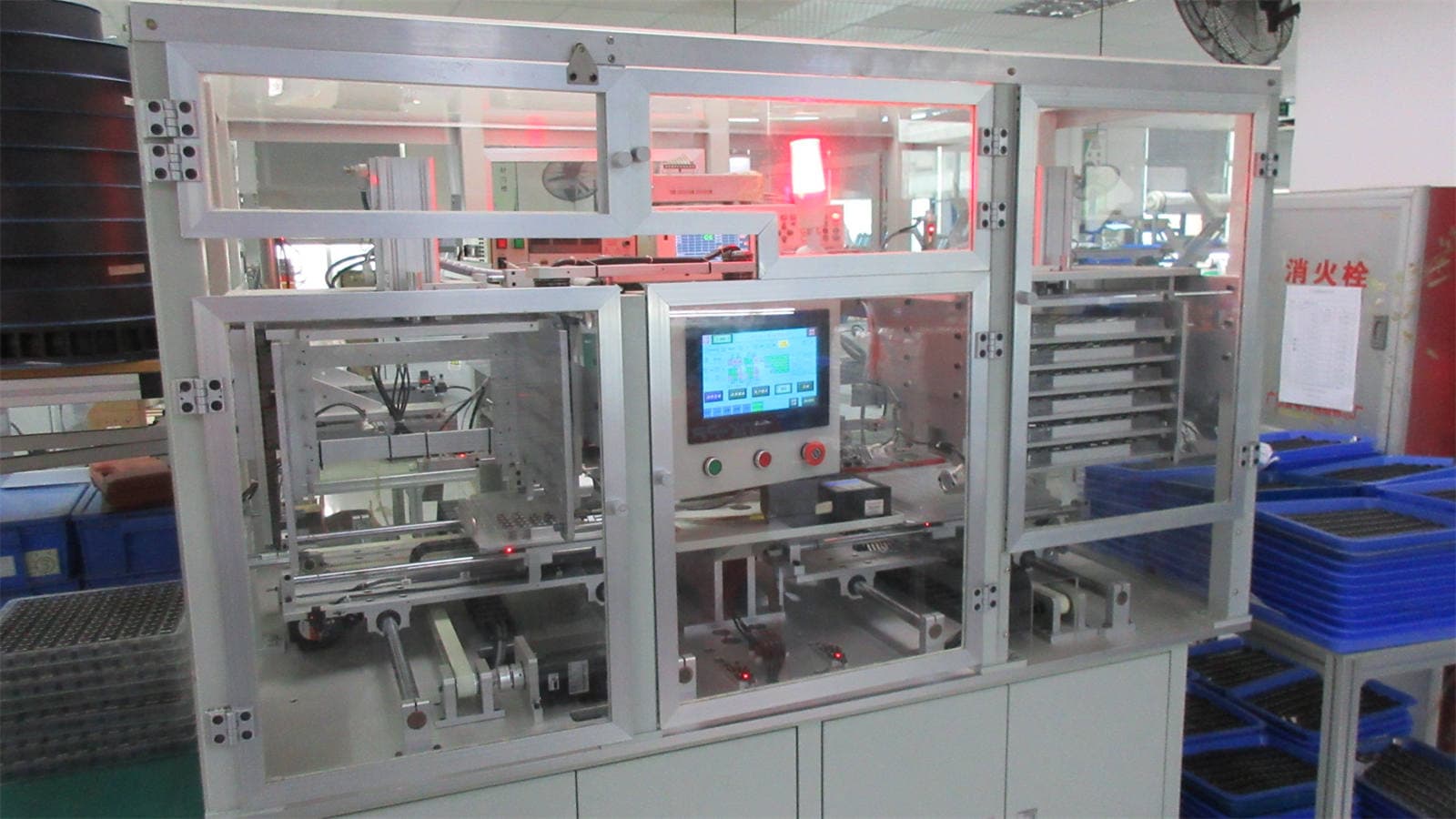
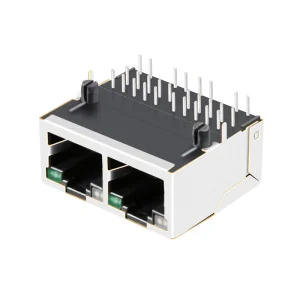
Runs continuity and high-frequency return loss measurements on multi-port RJ45 connectors, confirming performance on high-speed copper links.

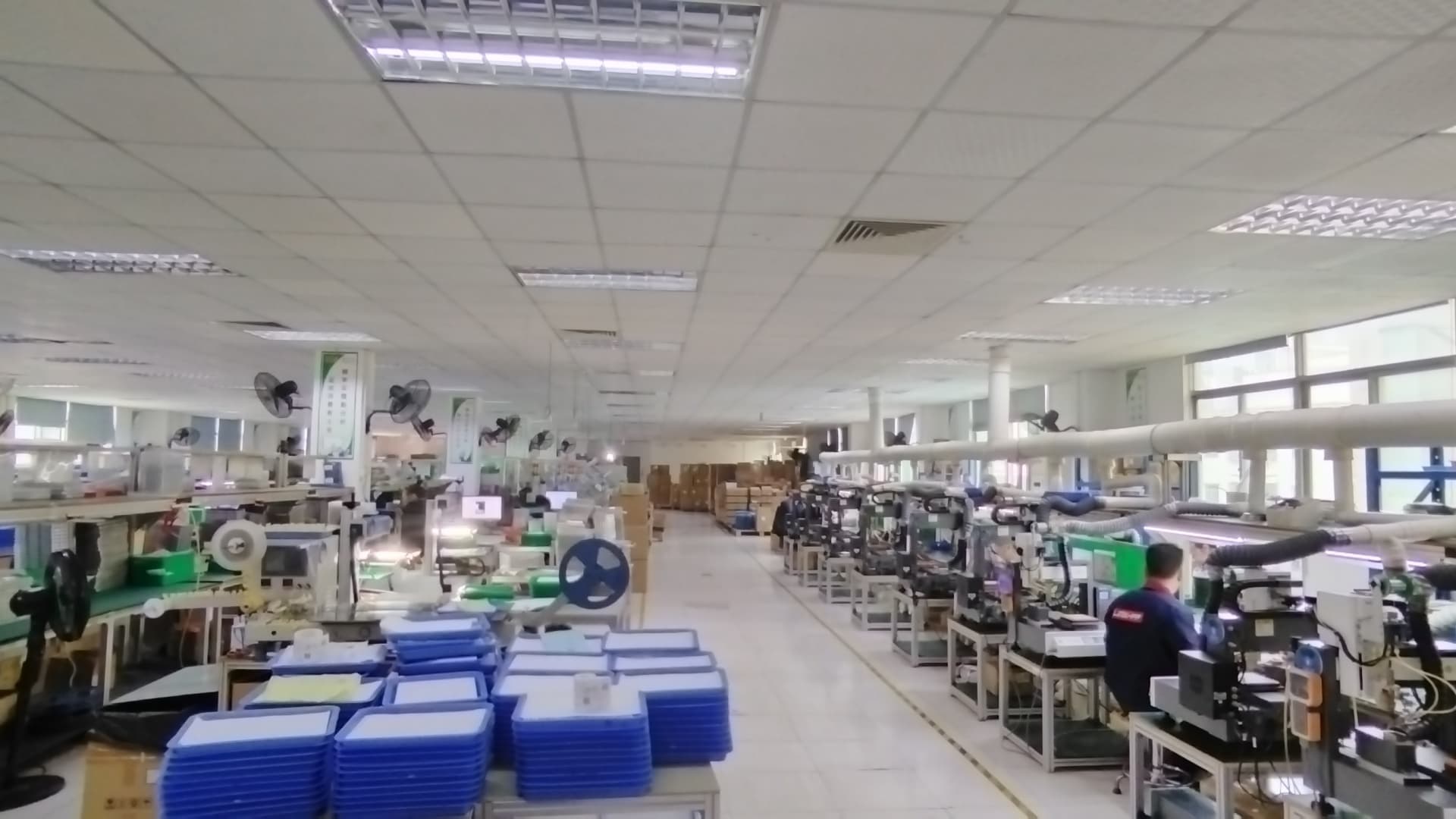
Our calibration arrays adjust laser driver currents based on ambient temperatures. This step minimizes power consumption variance across standard and industrial operating ranges.
High-density AI computing requires reliable interconnect links. Our 400G and 800G optical modules, paired with low-latency SFP cages, provide stable links between GPU nodes, minimizing packet retransmissions in InfiniBand and RoCEv2 fabrics.
For long-reach carrier infrastructures, our 25G CWDM/DWDM and 40G LR4 modules deliver stable connections over up to 30km, allowing operators to expand link budgets without deploying expensive signal repeaters.
Industrial applications present harsh operating environments. Our rugged, wide-temperature transceivers (designed for -40°C to +85°C) and shielded RJ45 modules provide EMI protection for smart grid, transit, and manufacturing control networks.