Lumopt
Lumopt
Lumopt
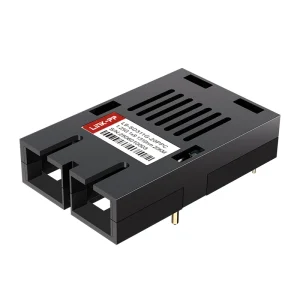
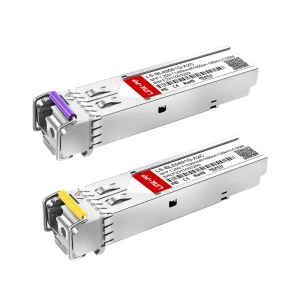
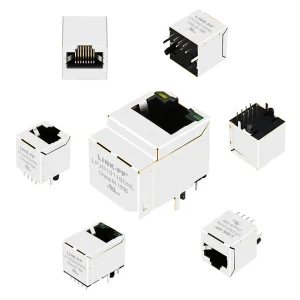
Explore our high-performance RJ45 modular jacks, magnetic transformers, and optical modules engineered for high speed, reliability, and electromagnetic compatibility.
Lumopt Opto Technology Co., Ltd., registered as Luguang Communication Technology Co., Ltd. in China, is a professional Chinese manufacturer and exporter specializing in high-performance optical transceivers and robust copper networking interface components.
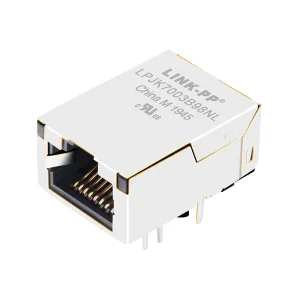
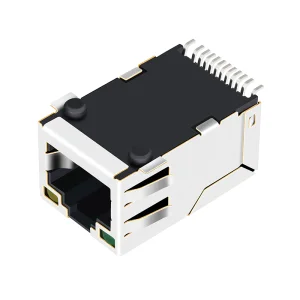
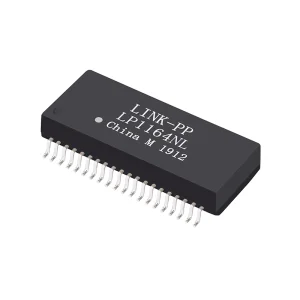
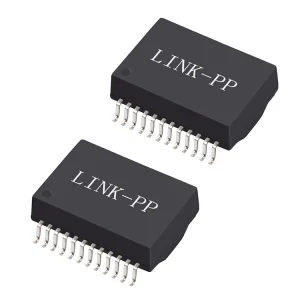
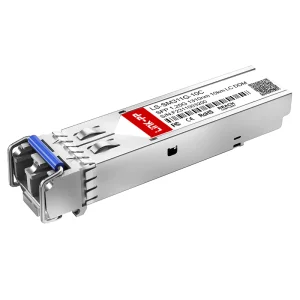
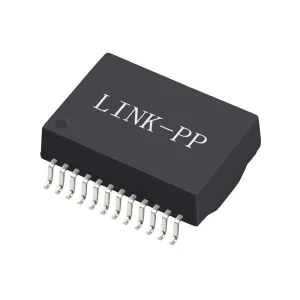
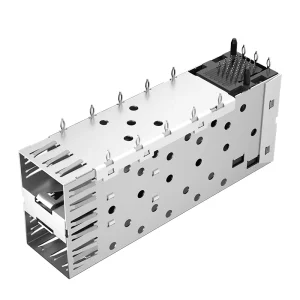
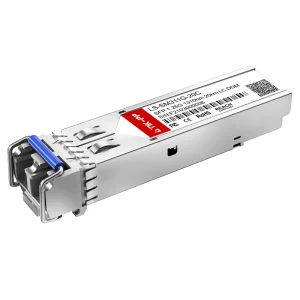
We focus on the R&D, production, and precision customization of full-series optical modules covering 10G, 25G, 100G, 400G, 800G, and 1.6T products, which are widely applied in modern data centers, telecommunication networks, cloud computing platforms, high-performance AI computing clusters, and enterprise communication systems. In parallel, our specialized manufacturing lines produce premium integrated RJ45 switch ports, discrete LAN transformers, SMT connectors, and EMI-shielded cage solutions that guarantee signal integrity at the physical layer.
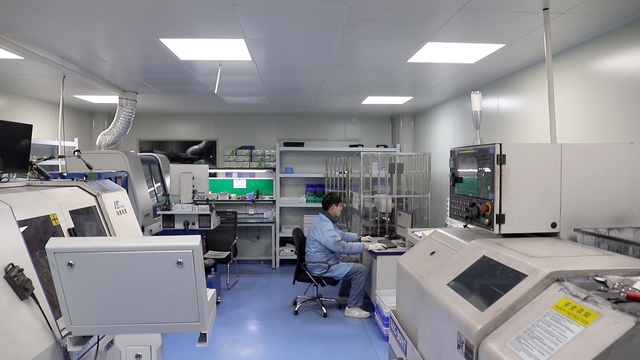
Equipped with standardized class-100,000 dust-free production workshops, advanced automatic testing equipment, and a highly professional technical R&D team, we implement strict, multi-stage quality control throughout the entire manufacturing flow. All our optoelectronic and copper transceiver components strictly comply with international industry standards and have obtained relevant reliability certifications. We offer comprehensive OEM & ODM services specifically tailored to satisfy the complex technical requirements of global enterprise buyers.
How physical layers are evolving to meet the multi-gigabit copper demands and co-packaged optical transceiver requirements.
In the landscape of modern enterprise data transmission, the physical interfaces—specifically RJ45 switch ports and optical transceiver modules—serve as the foundational gates for networking efficiency. With the rapid evolution of cloud platforms, edge computing devices, and high-performance artificial intelligence (AI) databases, network architectures are experiencing unprecedented demands for bandwidth and lower latency. The standard Gigabit Ethernet (1000Base-T) interface is rapidly giving way to 2.5G, 5G, and 10G Base-T technologies over copper cabling, creating significant mechanical and electrical design challenges for hardware engineers.
To address these challenges, the technological roadmap for RJ45 connectors and optical components focus on three primary trajectories:
Engineered to handle bandwidth frequencies up to 500MHz. Essential for reliable 10G copper transmission over Cat6A and Cat7 cabling, minimizing alien crosstalk.
Saves board space while containing discrete transformers, capacitors, and common-mode chokes. Significantly reduces board-level electromagnetic interference.
Seamless transition from copper access ports to SFP/QSFP optical uplinks, allowing hybrid networking deployment in demanding telecommunication sectors.
Tailored physical connection networks designed for industrial automation, cloud scale datacenters, and modern telecommunication platforms.
Networking hardware is not one-size-fits-all. Different operational environments place wildly varying demands on physical interfaces. Through vertical specialization, Lumopt/Luguang addresses the specific mechanical, thermal, and electrical constraints across diverse modern sectors.
In manufacturing environments, industrial machines expose connectors to severe mechanical vibrations, wide temperature fluctuations (-40°C to +85°C), and intense electromagnetic interference from motors and high-voltage switchgear. Standard commercial RJ45 ports fail prematurely under these stresses. Our industrial-grade RJ45 ports feature reinforced plastic housings (UL 94V-0 rated), customized multi-finger EMI ground tabs, and robust surface mount (SMT) connections to guarantee continuous uptime under physical strain.
Data centers prioritize port density, minimal latency, and energy efficiency. Swapping out bulky cabling for high-density 2x1 and 2x4 integrated SFP cages with press-fit technologies allows switch manufacturers to maximize physical I/O interfaces per rack unit (RU). Furthermore, our optical transceivers operate with low power dissipation to decrease overall thermal loads in server chassis, cutting operating expenditures (OPEX) and reducing cooling requirements.
Telecom infrastructure located in outdoor cabinets is subject to atmospheric discharge, dust, moisture, and lightning. The physical interfaces must have high dielectric strength and robust isolation barriers. Our discrete magnetic transformers and integrated jacks undergo rigorous 1500V AC to 2250V DC Hi-pot testing to prevent catastrophic failures caused by high surge voltages, ensuring uninterrupted network operations in remote facilities.
A step-by-step insight into our fully-integrated, automated manufacturing and verification workflow, guaranteeing reliable global logistics.

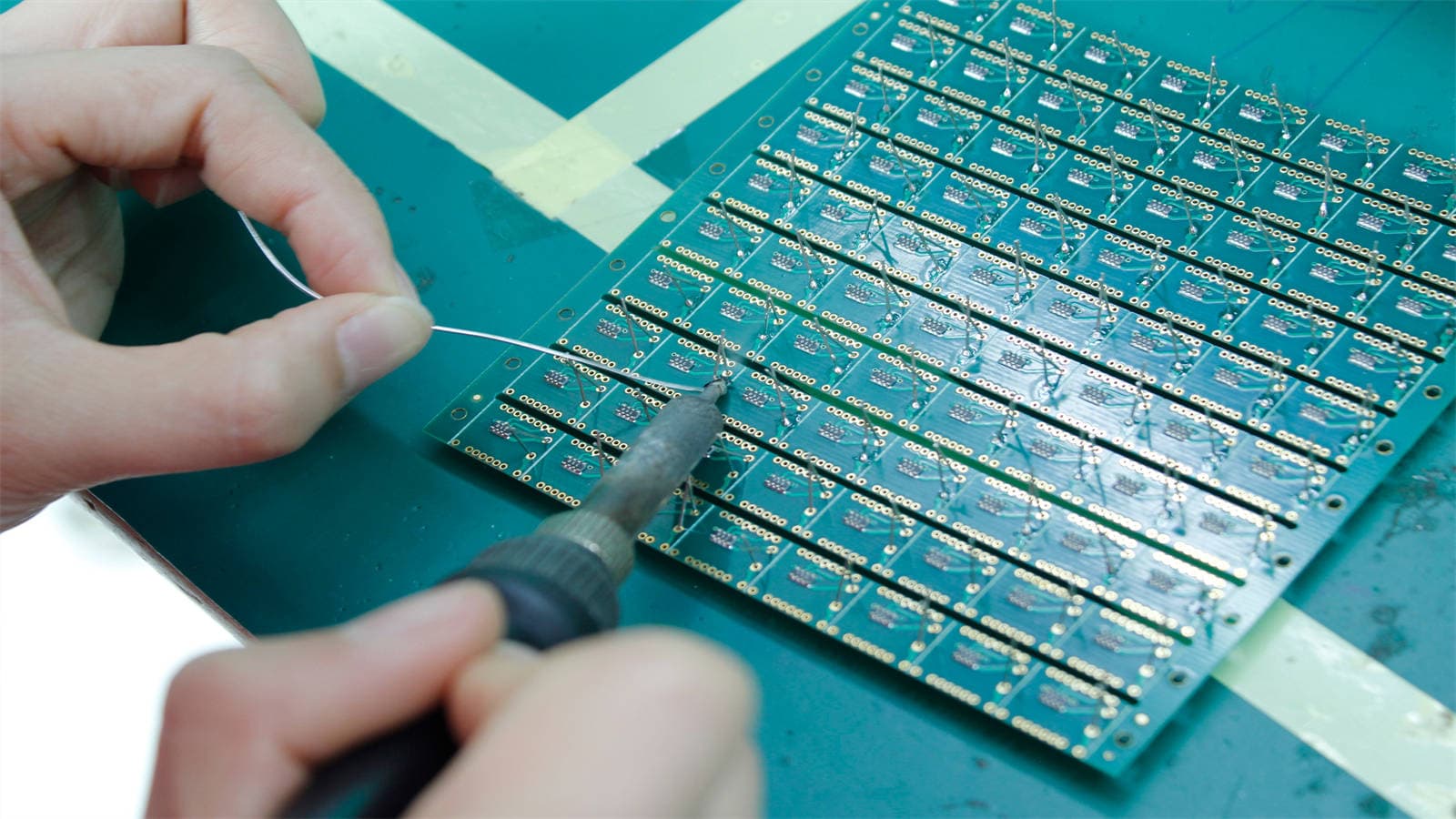
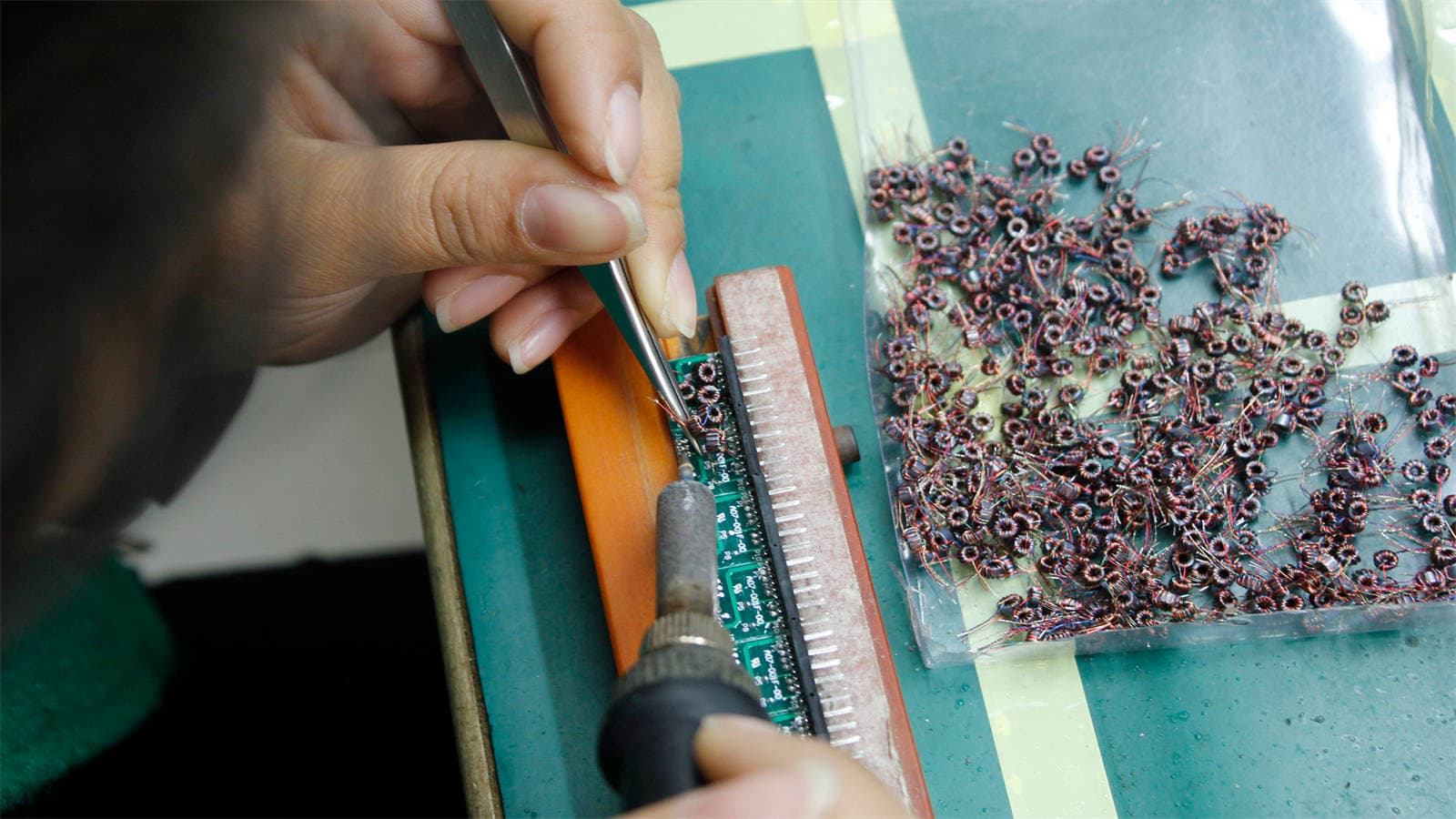
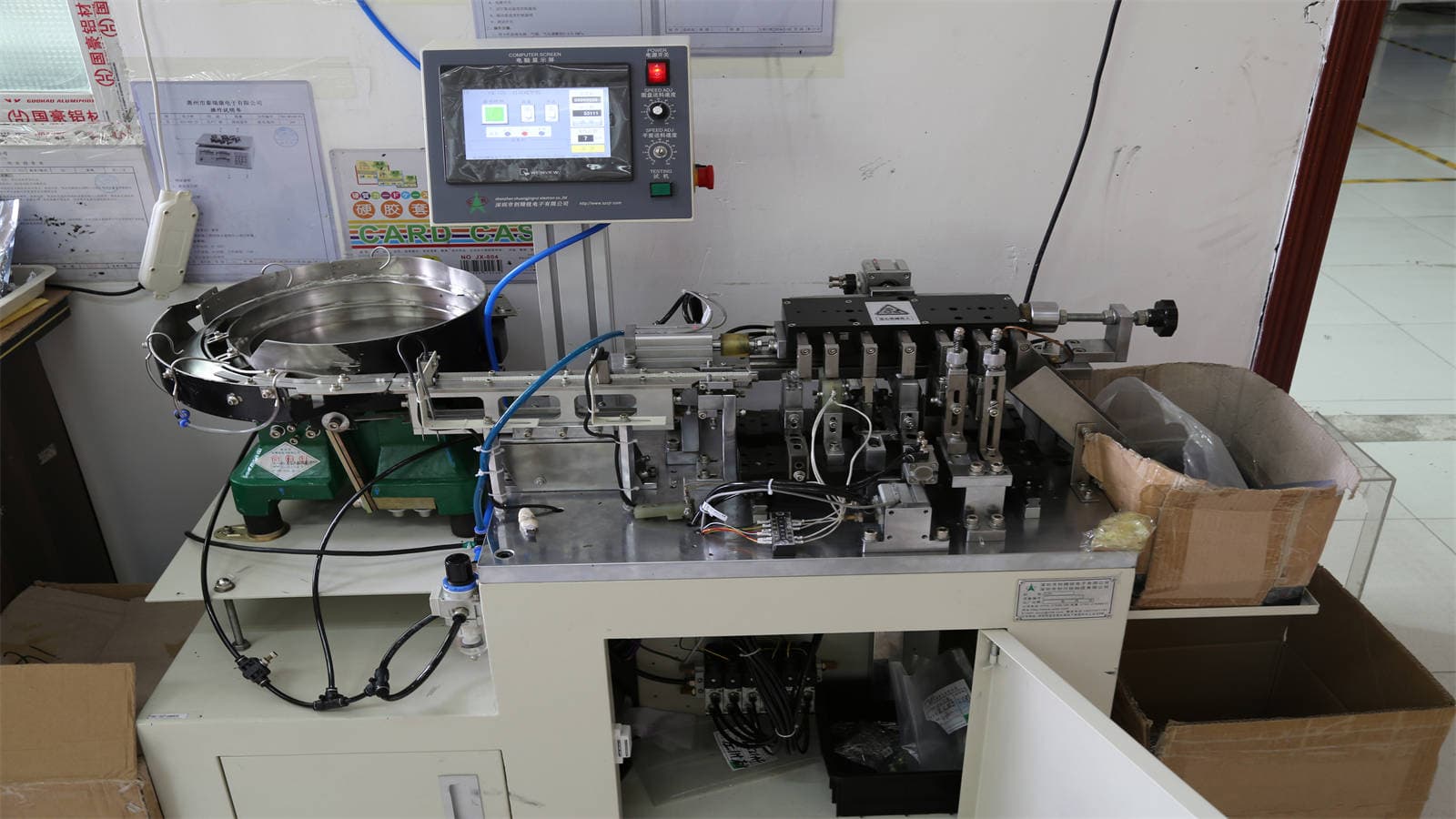
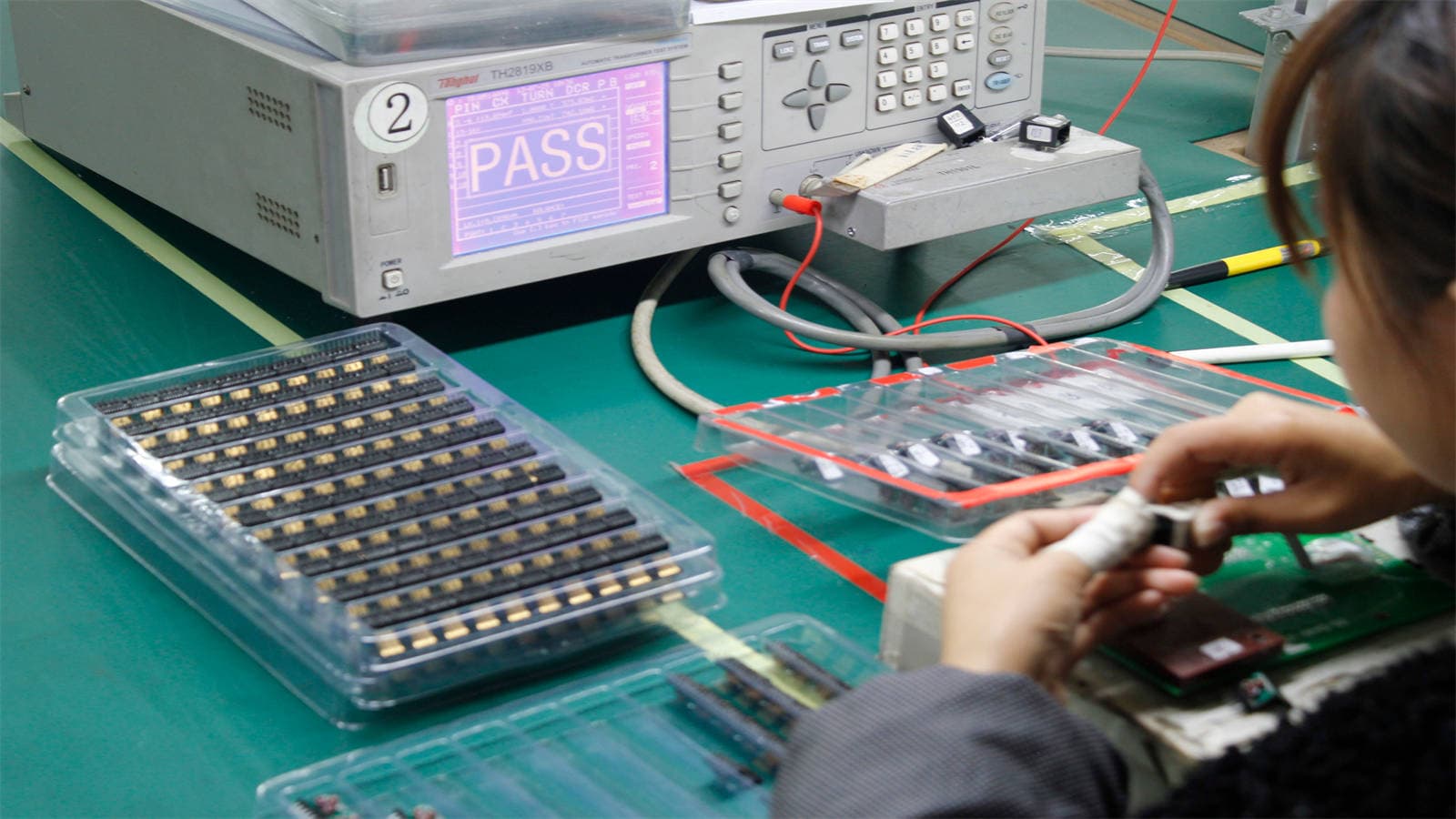
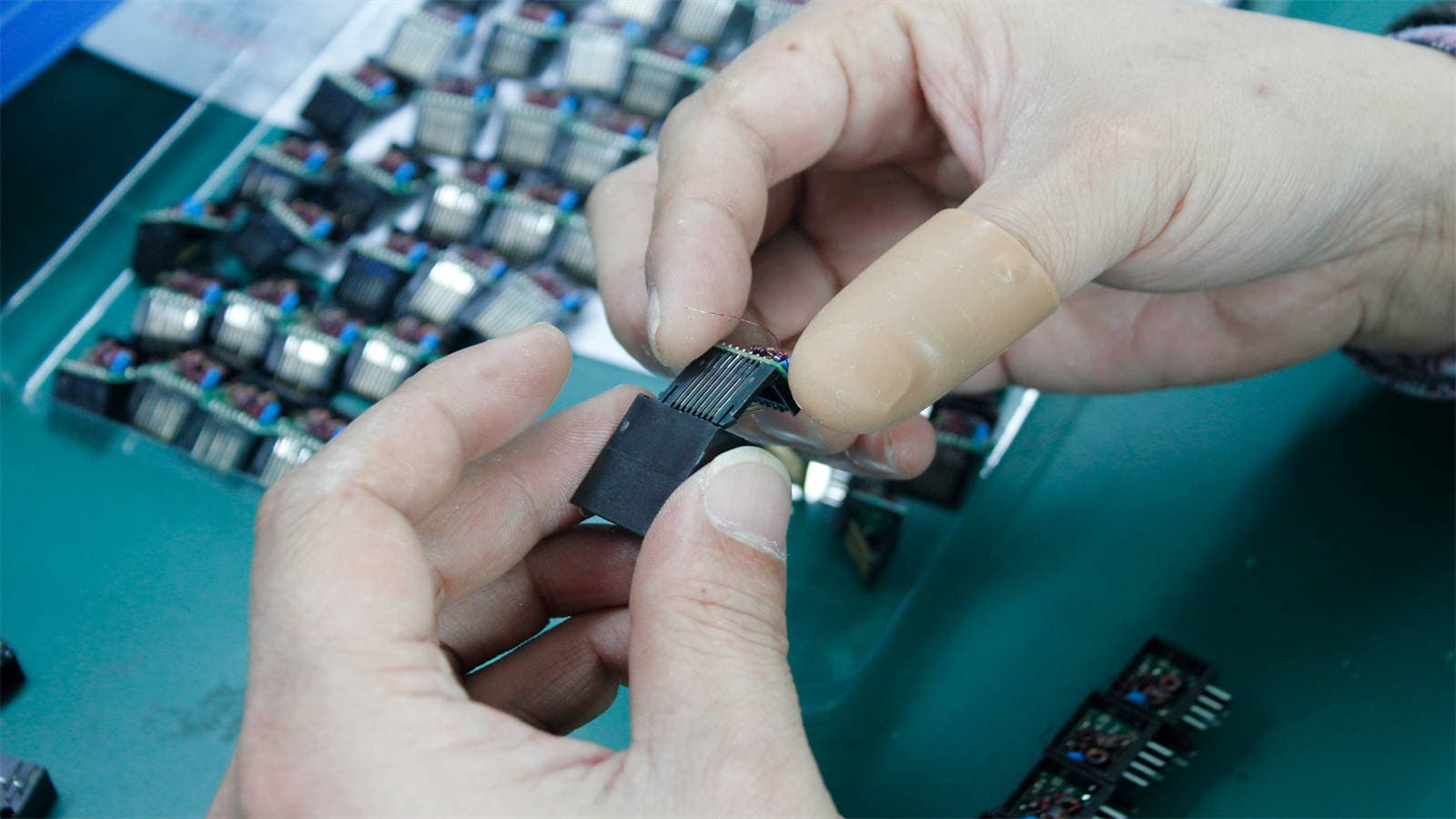
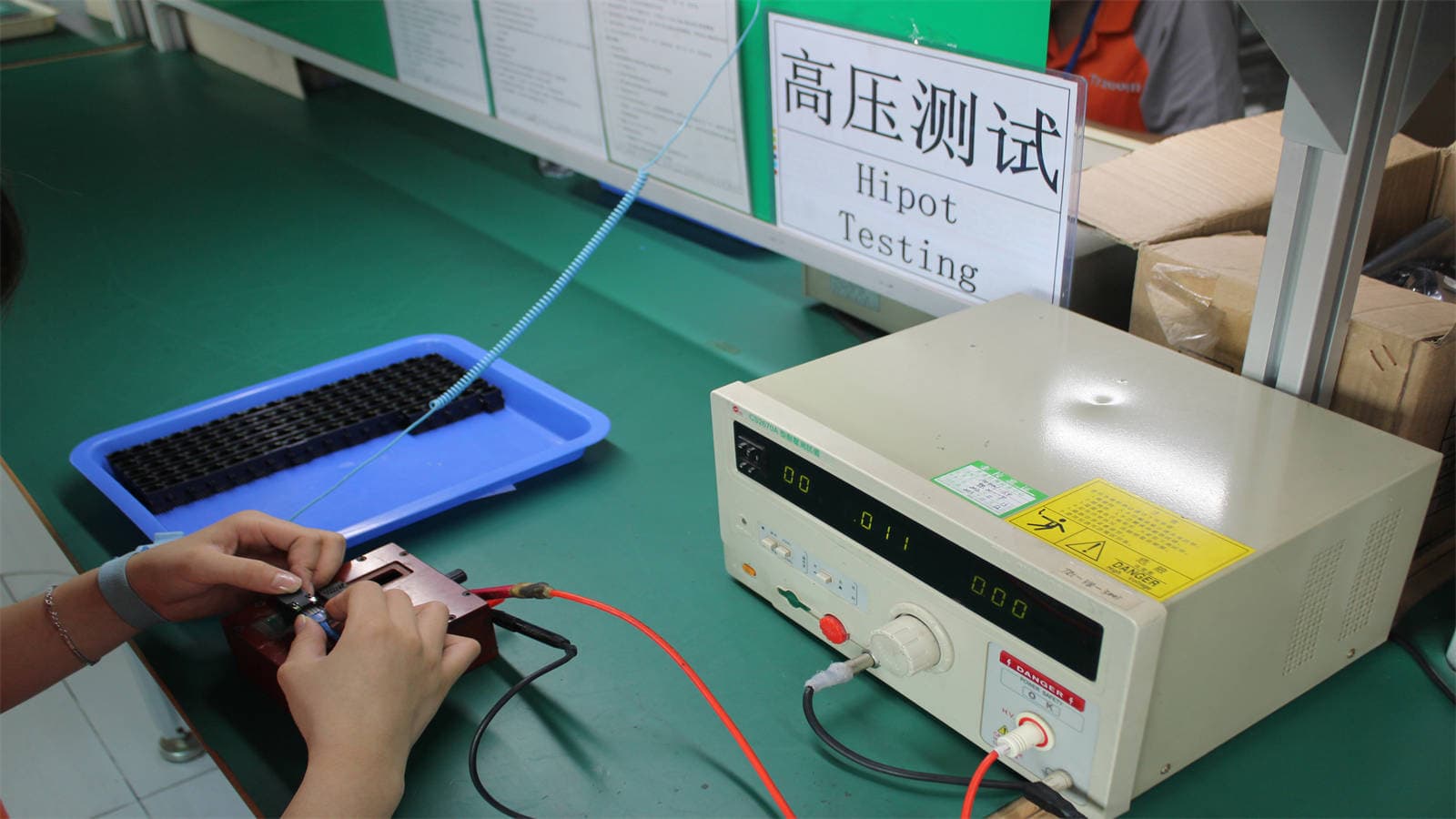
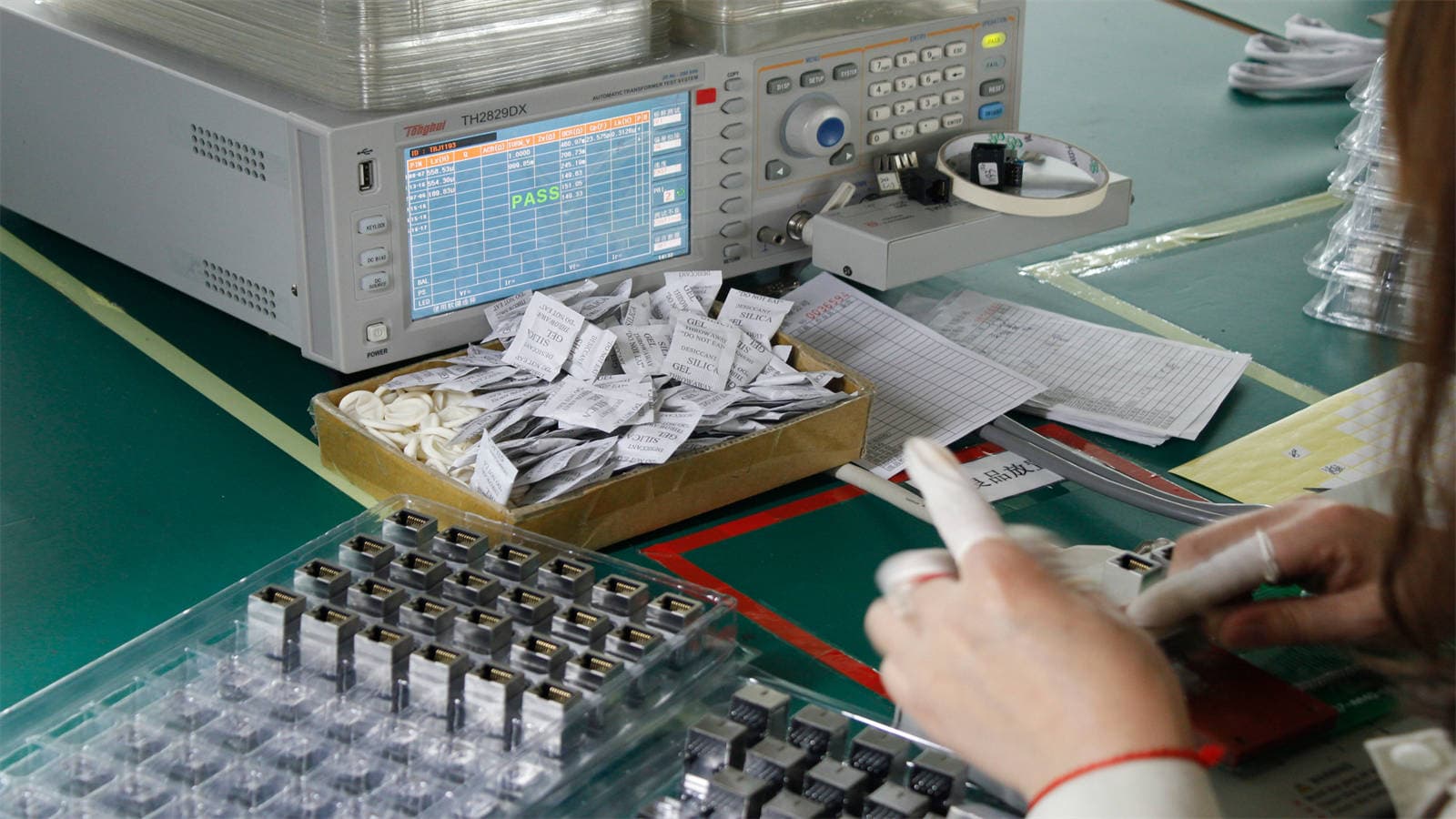
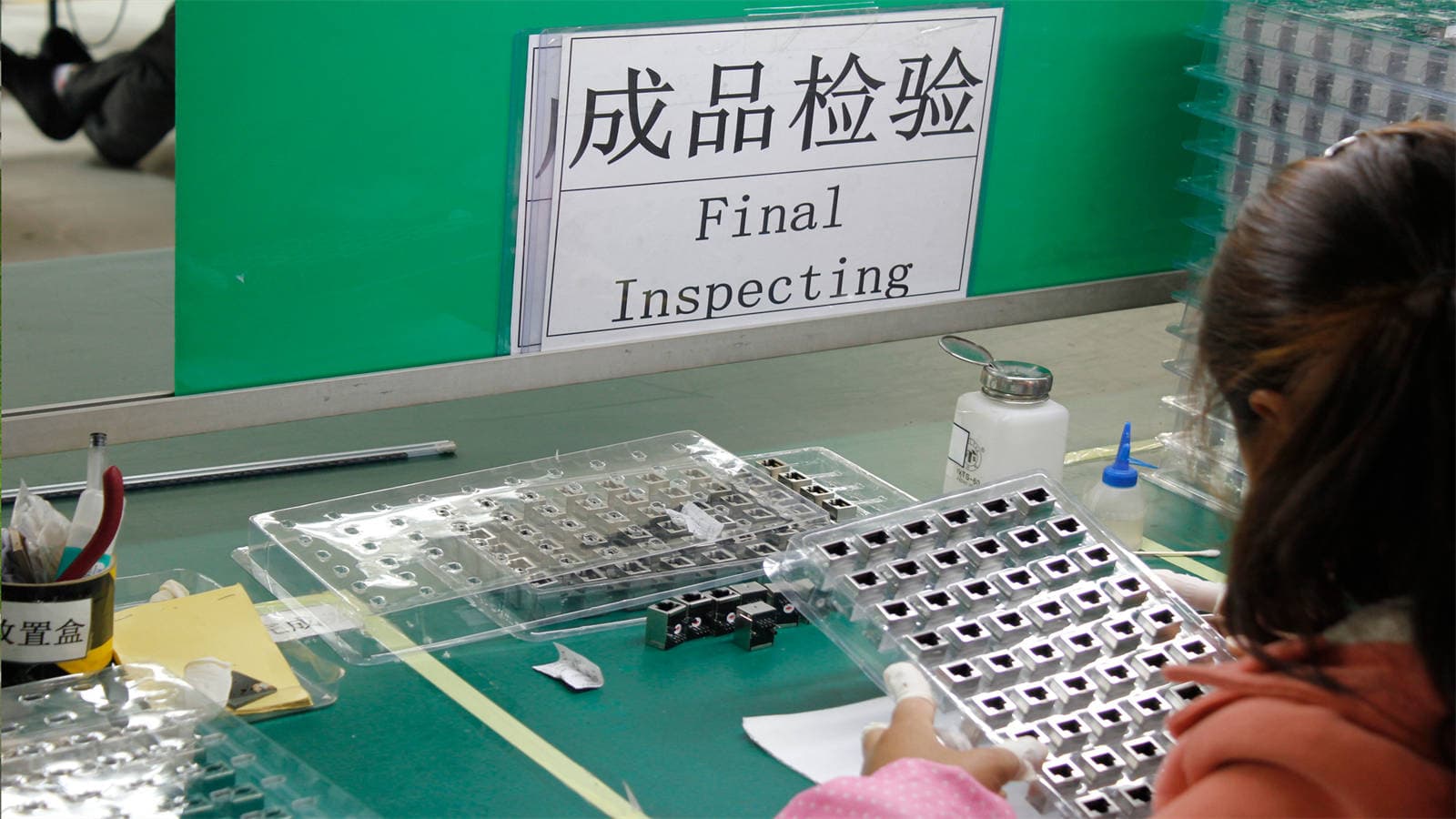

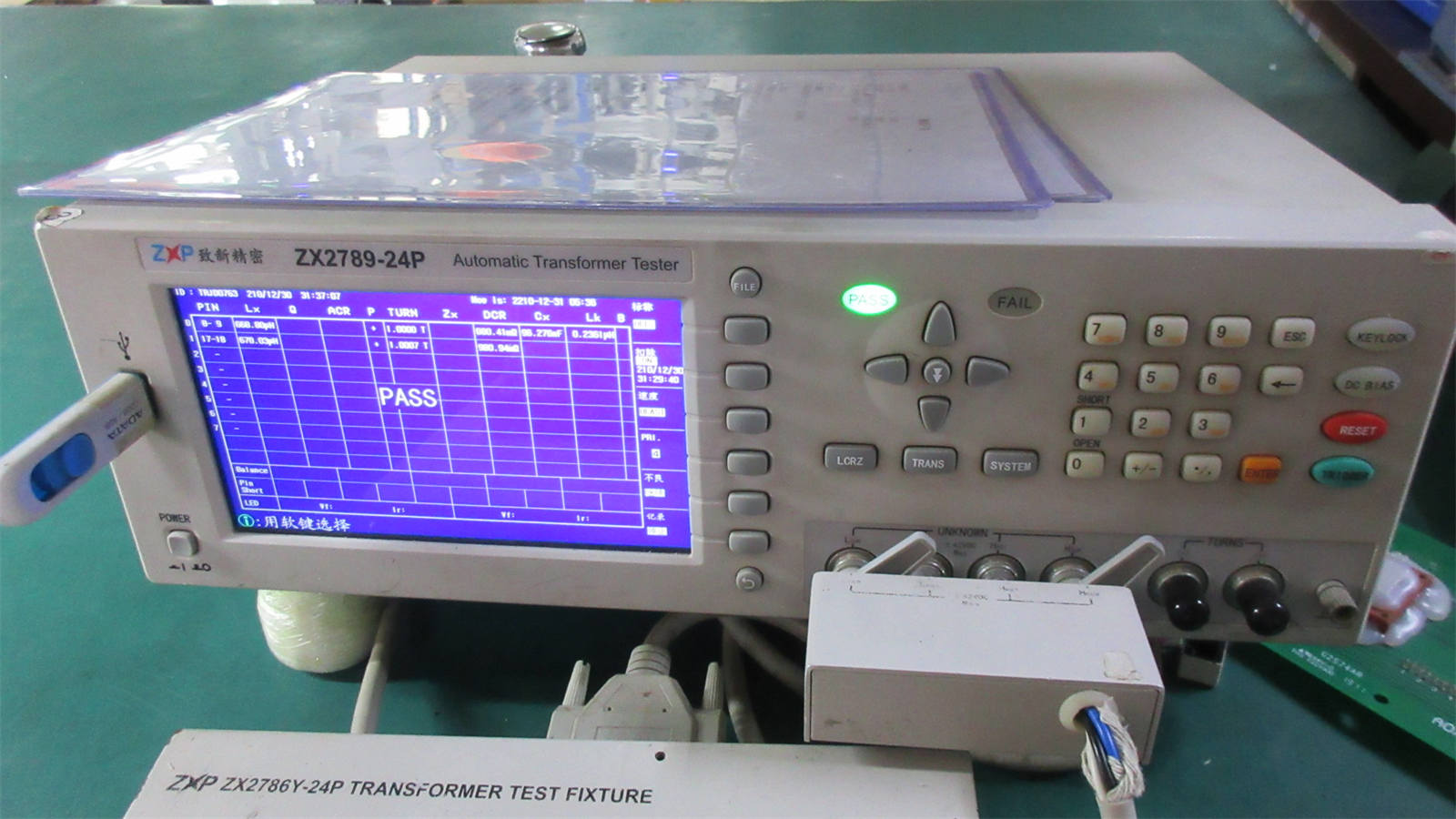
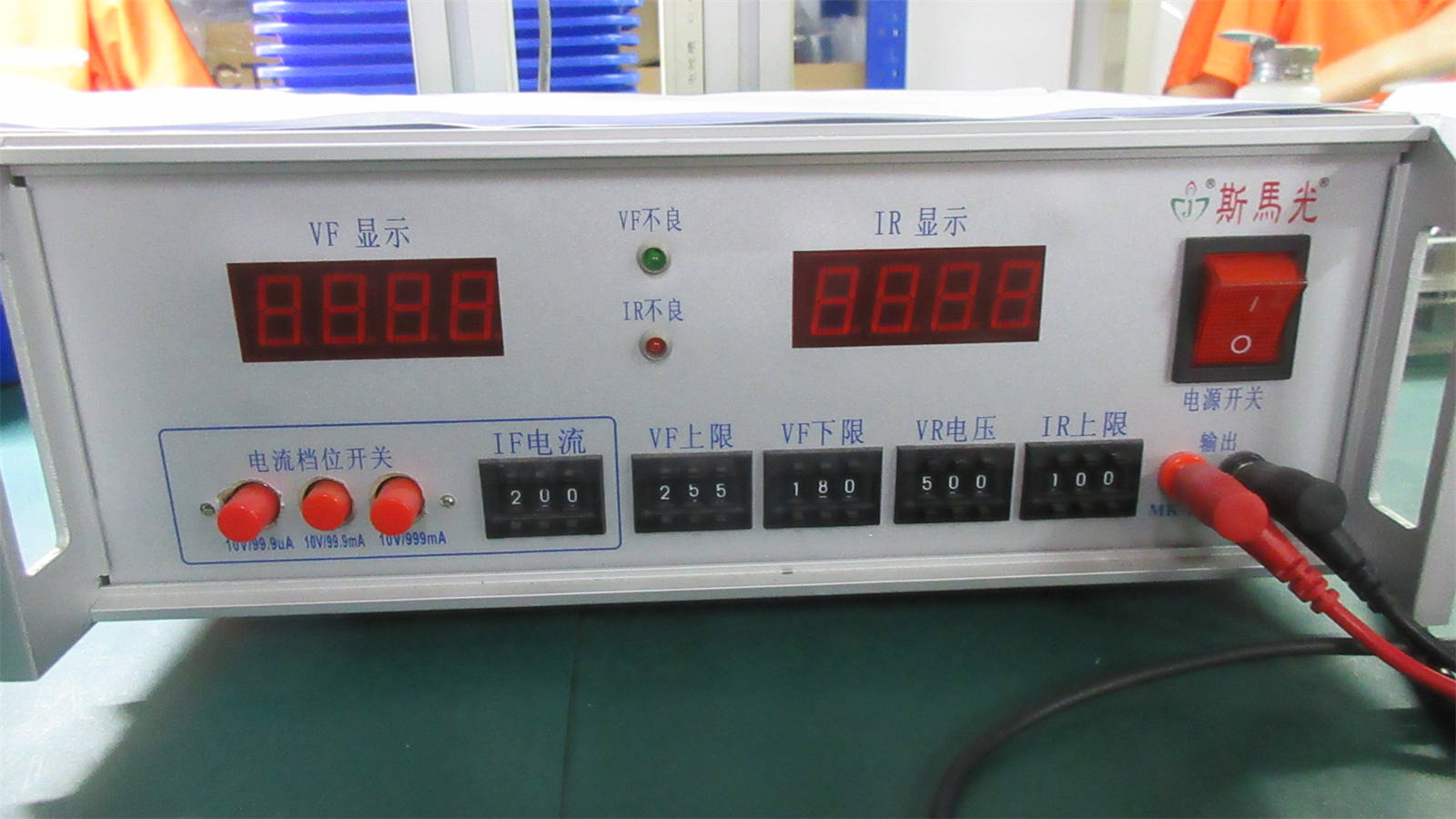
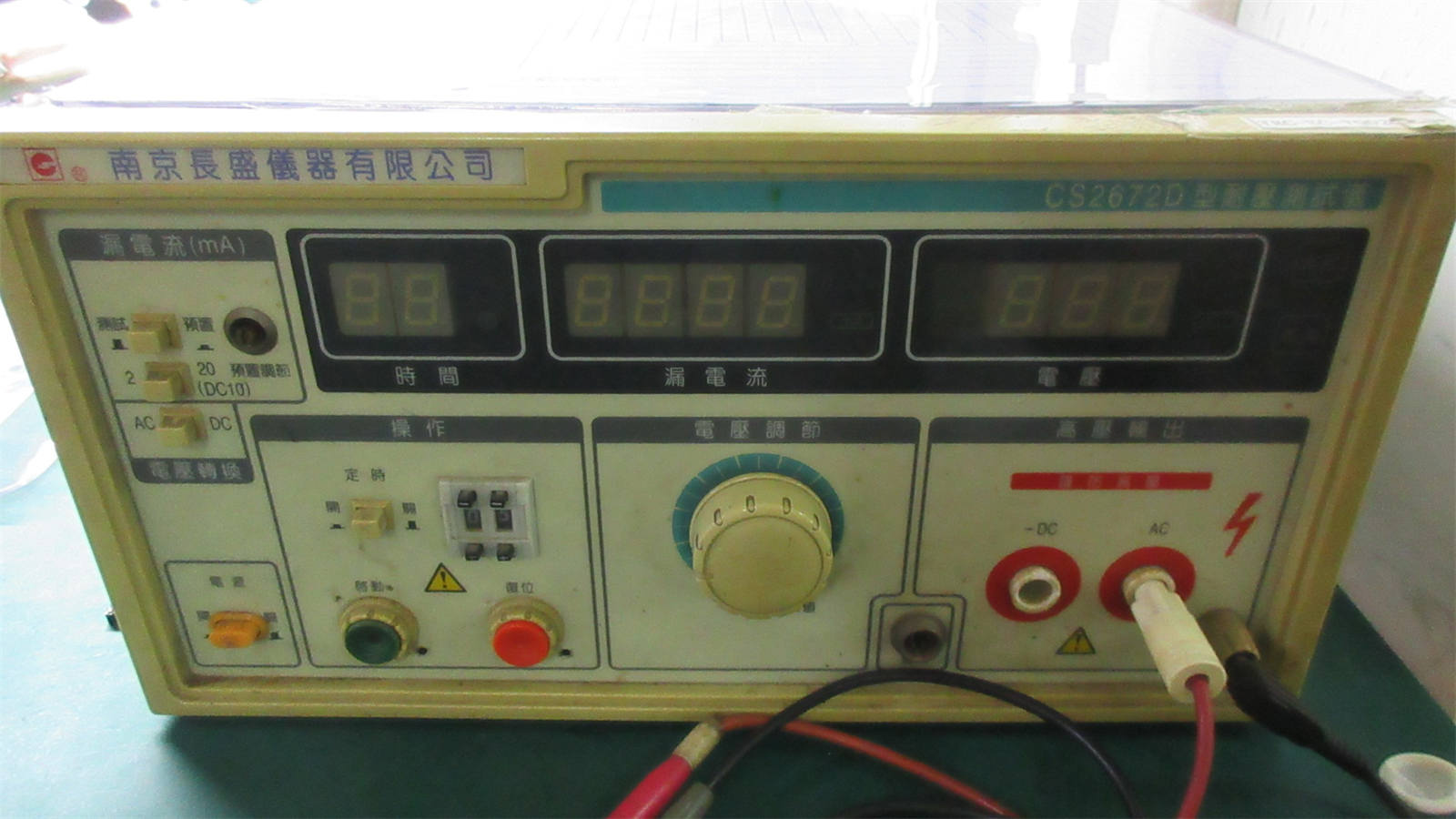
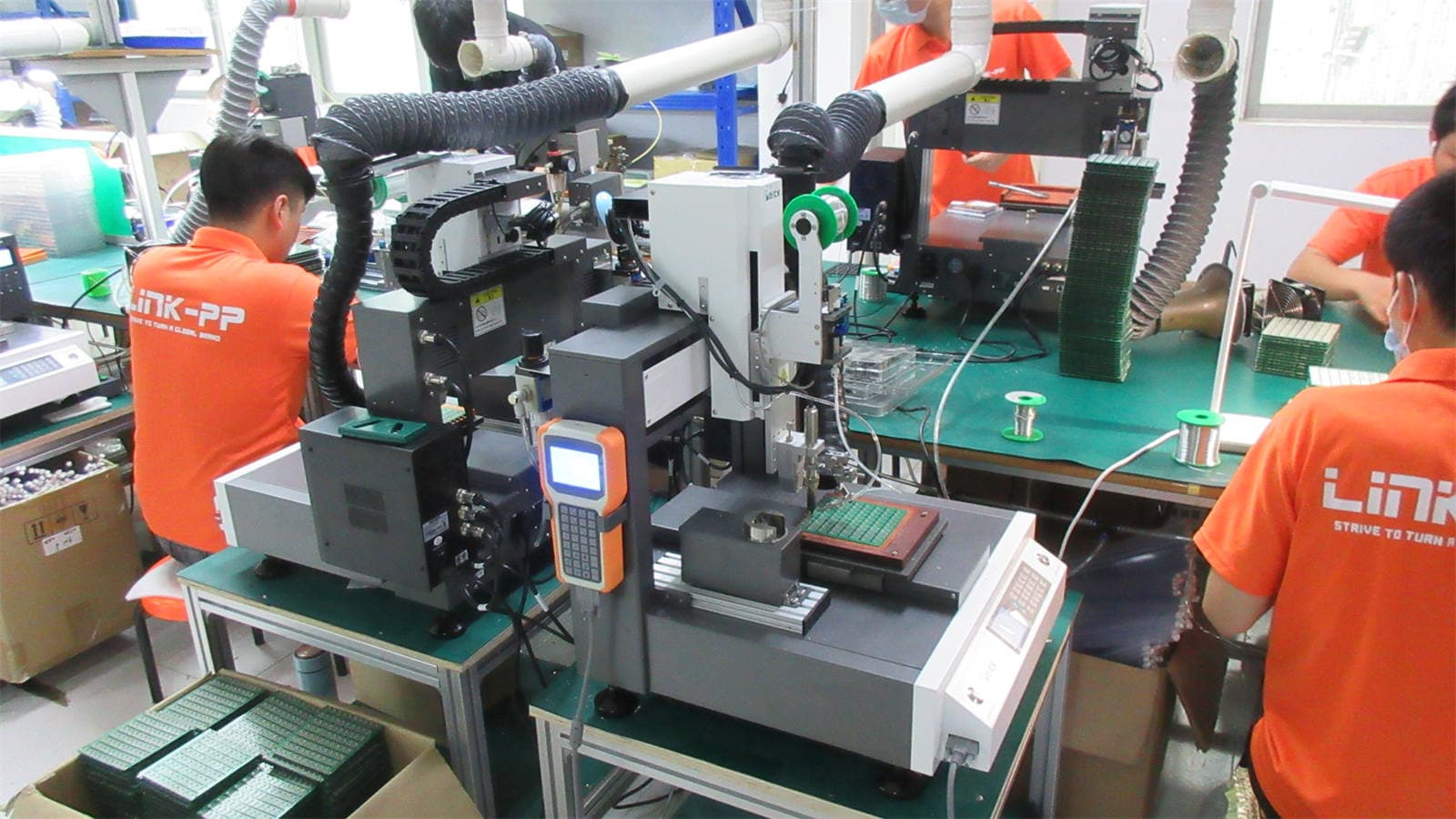
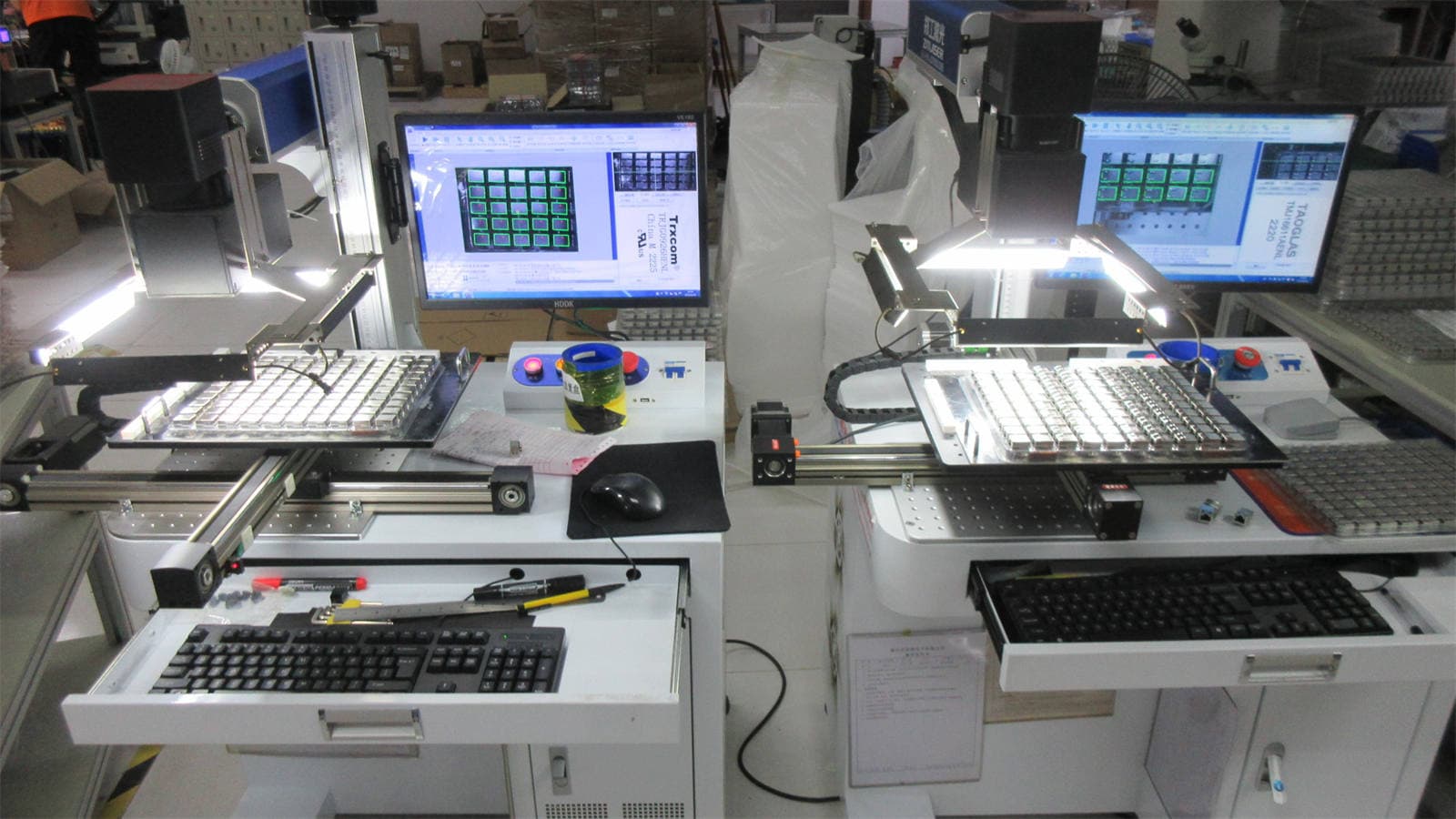
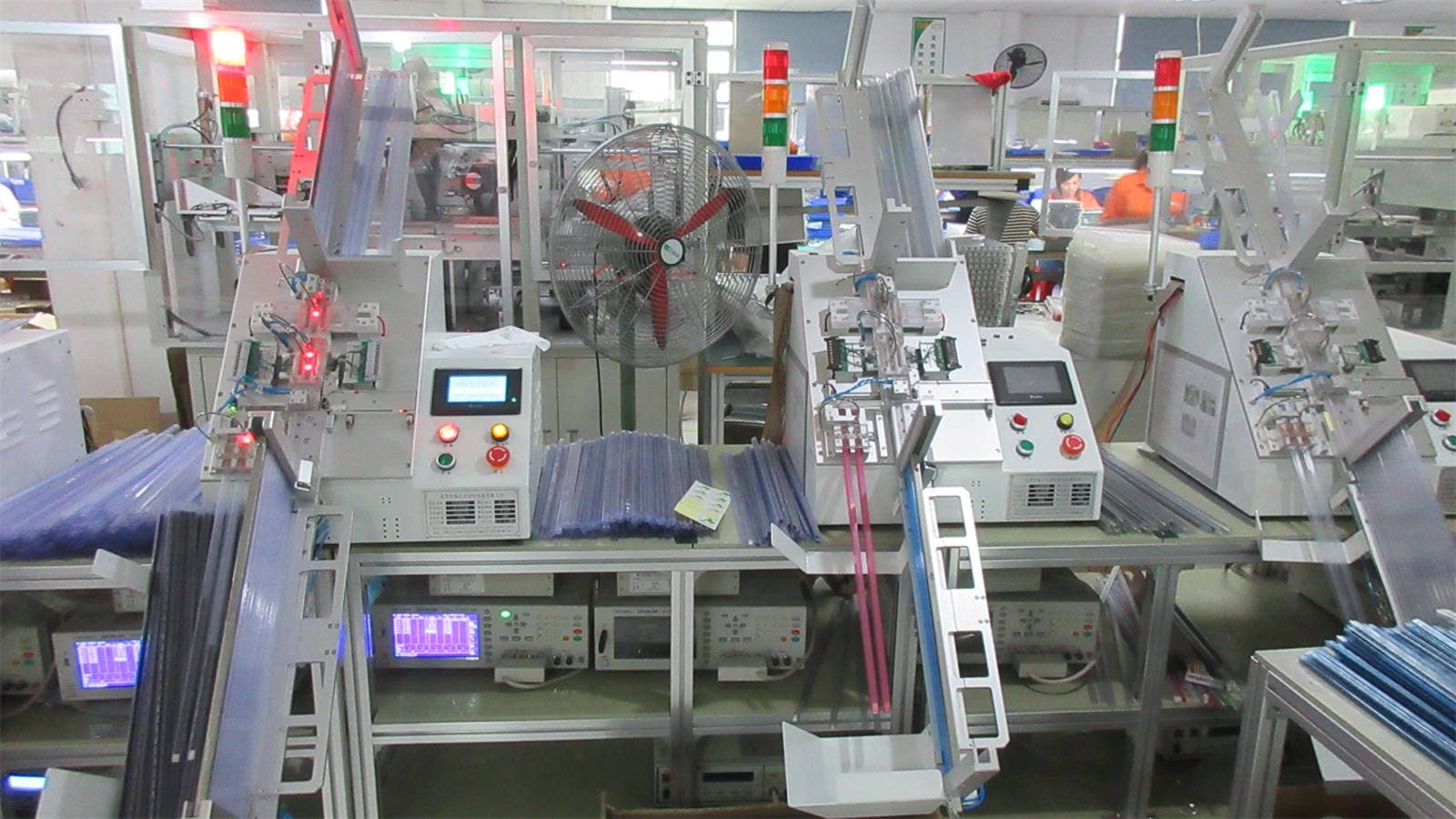
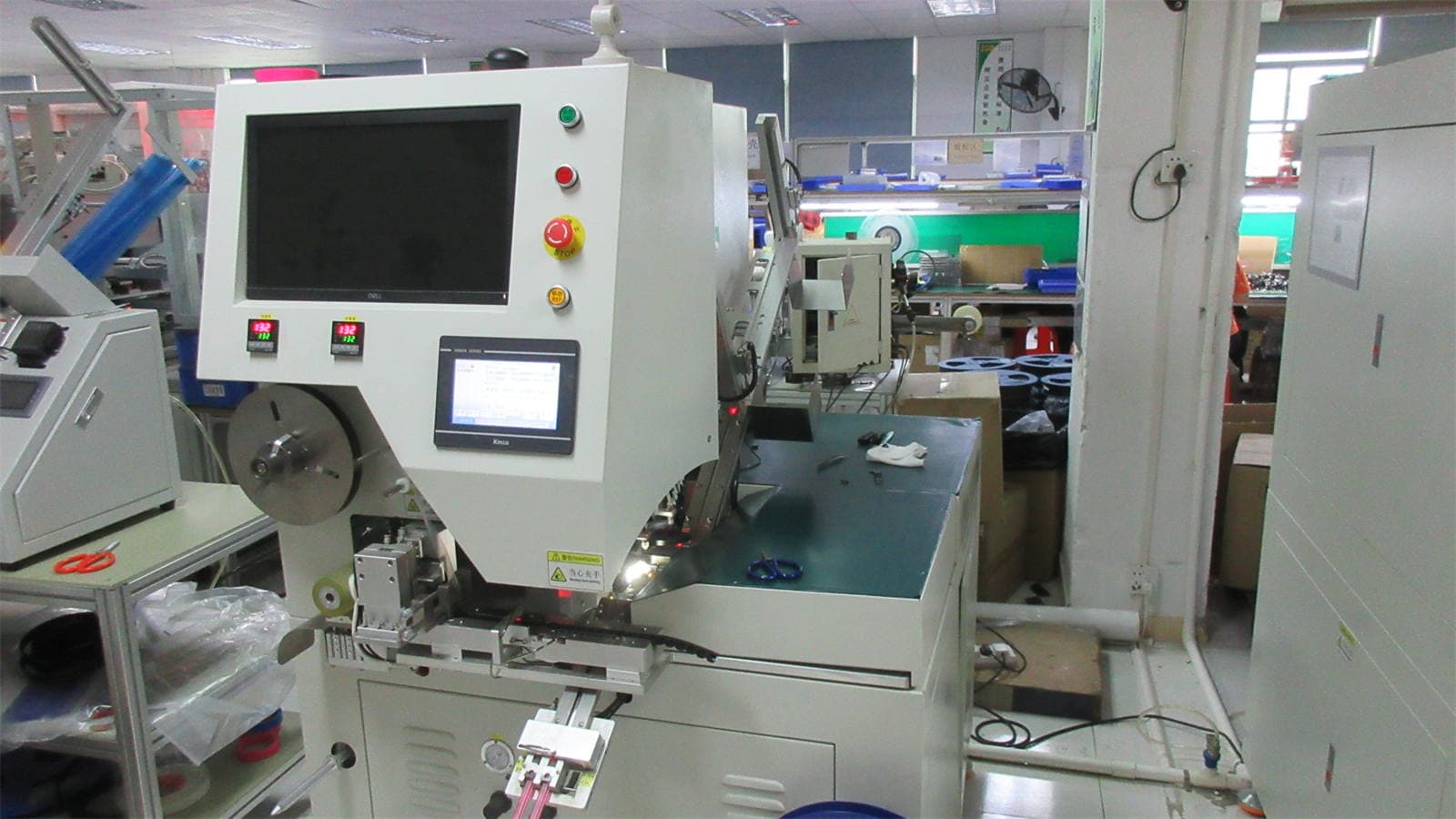
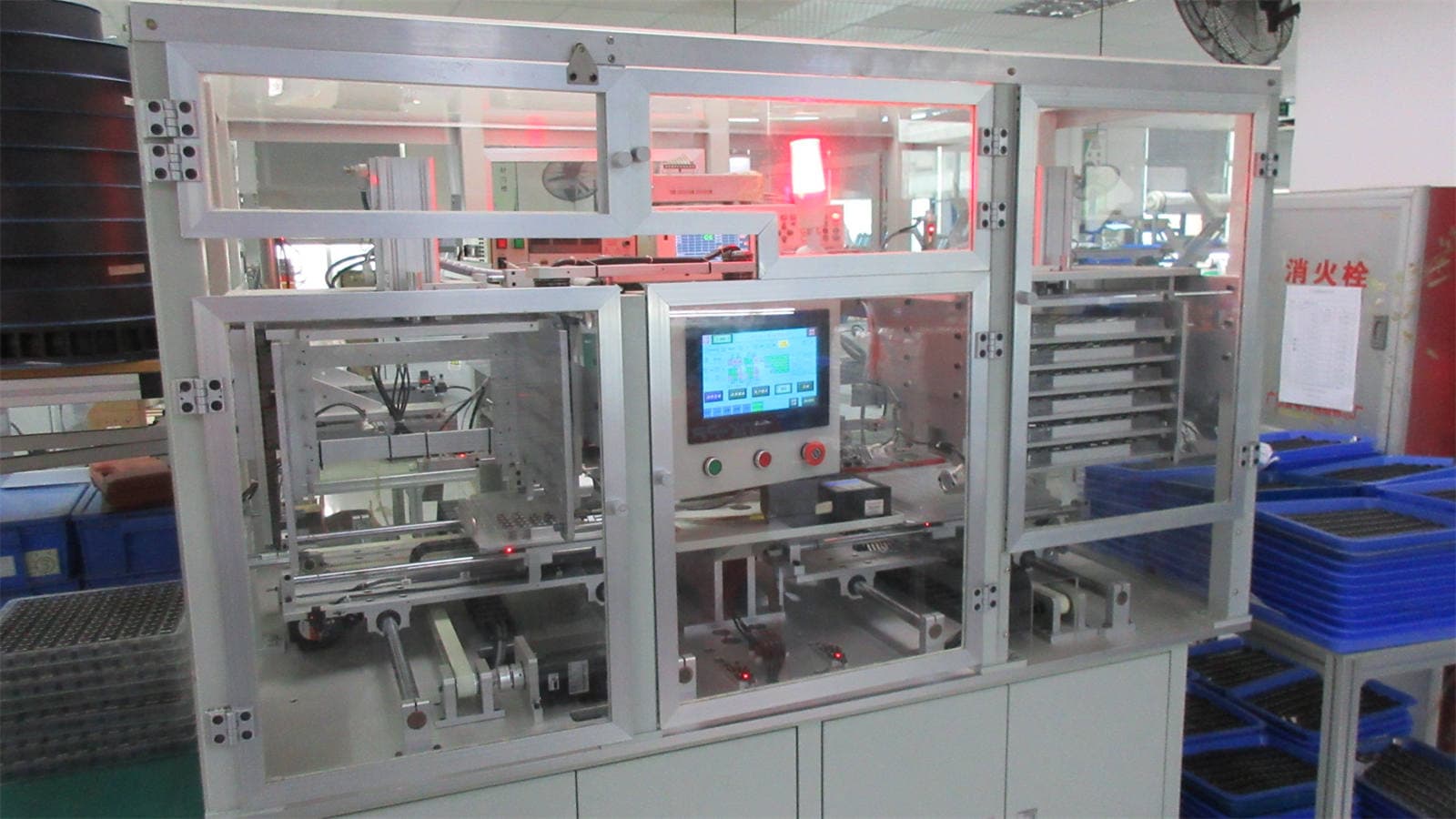
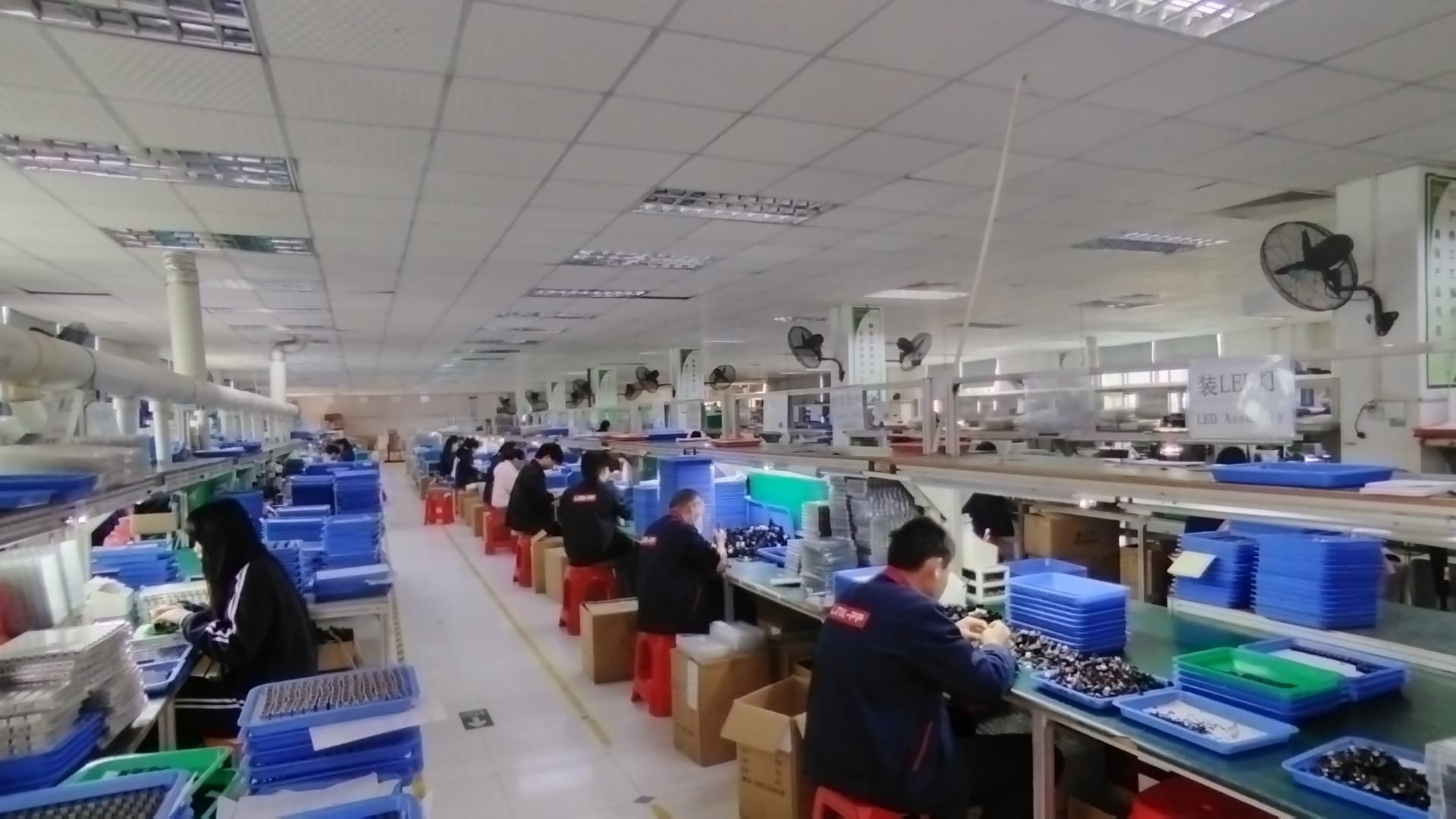
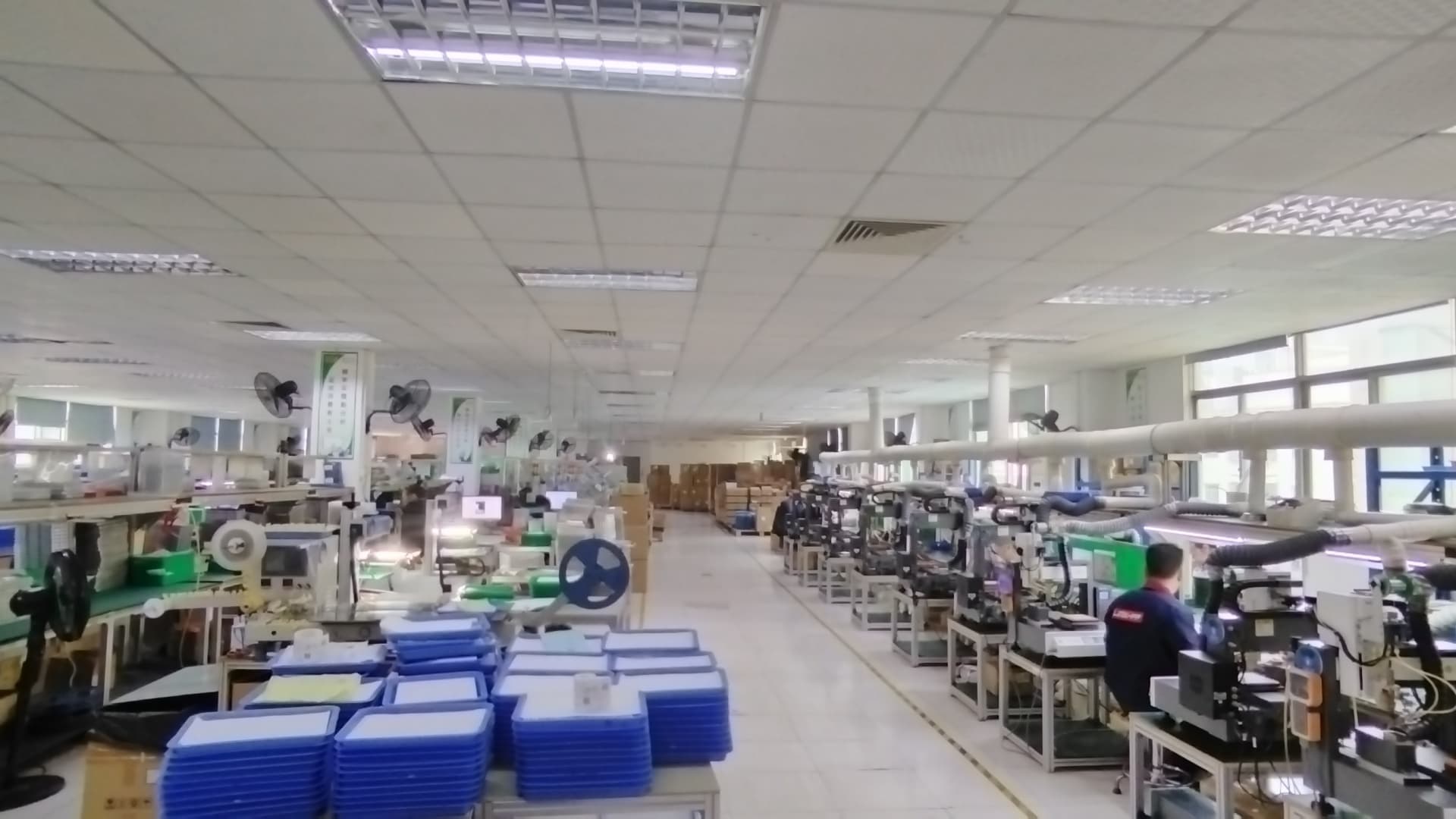
Maintaining supply chain resilience is critical for global OEMs and systems integrators who rely on consistent component deliveries. At our factory in China, we have modernized our facilities to reflect Industry 4.0 principles, deploying automatic welding systems, smart testing terminals, and automated packaging lanes that minimize human-induced assembly errors. By automating wire winding, soldering, and final electrical testing, we achieve consistent impedance parameters, essential for high-frequency signal integrity.
Our vertical integration model handles raw material sourcing, metal shielding fabrication, plastic housing injection molding, PCB assembly, and multi-stage testing in-house. This centralized control shields buyers from global logistics and supply chain disruptions, allowing us to maintain predictable lead times and offer competitive pricing without compromising quality.
Key indicators, validation parameters, and strategic criteria for global hardware engineers and procurement directors.
Global procurement directors and hardware design engineers face significant challenges when sourcing RJ45 switch ports and optical transceivers. Sourcing components is not just about price per unit; it requires validating electrical, mechanical, and regulatory parameters to ensure long-term system reliability.
Ensuring complete regulatory compliance and engineering support for smooth integration into international markets.
Operating in global markets like Europe, North America, and the Asia-Pacific region requires strict compliance with diverse regulatory and environmental frameworks. Lumopt (Luguang) ensures all components comply with international requirements, smoothing the customs clearance and import process for global buyers.
We work closely with external certifying agencies to secure UL 94V-0 flammability certification for plastic components, alongside CE and FCC certifications for our active optoelectronic transceivers. Our engineering team provides detailed material declarations, safety data sheets (SDS), and comprehensive laboratory test reports (including insertion loss, return loss, and crosstalk performance metrics) to support customer qualification files.
Furthermore, our field application engineering (FAE) support bridges the gap between design and production. We help resolve complex issues like board-level EMI anomalies, custom LED color combinations, and pin layout modifications. This technical support ensures our custom connectors integrate smoothly into your host system.
Industrial-grade network interface components designed to minimize latency and guarantee signal integrity across high-speed links.
Technical answers to common engineering and procurement questions about RJ45 switch ports and optical transceiver modules.
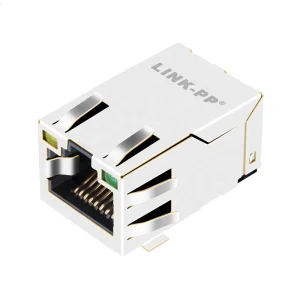
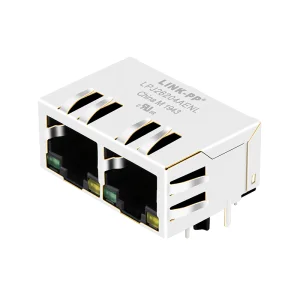
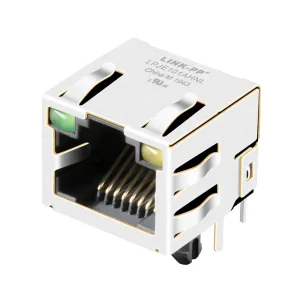
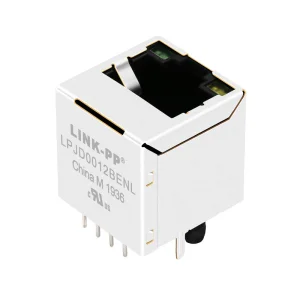
Integrated Connector Modules (ICMs), or MagJacks, combine the RJ45 physical connector with isolation transformers, common-mode chokes, and decoupling capacitors within a single shielded housing. This offers several key design benefits:
1. PCB Space Savings: ICMs reduce the required component footprint on the motherboard by up to 50% compared to discrete setups, freeing up valuable space for routing high-speed signal lines.
2. Improved EMI Performance: Housing the magnetics directly inside the metal-shielded jack minimizes external noise coupling and radiation, helping designs meet FCC and CE Class B emission requirements.
3. Simplified Assembly: Reducing the bill of materials (BOM) count lowers manufacturing costs and minimizes assembly defects during surface-mount technology (SMT) processes.
Interoperability is a major concern when purchasing optical modules for multi-vendor network environments. To ensure seamless operation, we follow a strict validation process:
1. Compliance with MSAs: All SFP, SFP+, and QSFP transceivers are built according to multi-source agreements (MSAs), ensuring standardized electrical and mechanical dimensions.
2. EEPROM Coding Customization: We program the module's EEPROM with vendor-specific configuration codes, matching compatibility signatures for major switch brands like Cisco, Arista, Juniper, HP, and Huawei.
3. Host Switch Testing: Samples of each production batch are tested on a variety of network switches in our lab to verify digital diagnostic monitoring (DDM) reporting and connection stability.
For industrial applications, we strongly recommend a gold plating thickness of 50 micro-inches (50u") over a nickel underplate on the contact mating surfaces.
Standard commercial connectors often use 15u" or 30u" plating, which can wear thin after multiple mating cycles or oxidize in humid environments. A 50u" layer provides superior wear resistance, maintains low contact resistance, and protects against corrosion in harsh environments containing sulfur dioxide or chlorine, ensuring reliable signal transmission over years of use.
Power over Ethernet (PoE++) delivering up to 90W–100W of DC power over all four twisted pairs introduces distinct design demands:
1. DC Bias Current Tolerance: The integrated magnetics must handle higher DC currents (up to 1A per pair) without saturating the magnetic cores, which would degrade data signal integrity and increase packet loss.
2. Thermal Mitigation: Delivering high power generates internal heat. Our PoE++ compatible connectors utilize materials with high thermal stability and optimized pin spacing to keep temperature rise within safe limits.
3. Contact Protection: To prevent damage from electrical arcing when disconnecting a powered cable, we optimize the contact design so that the arc occurs far from the sensitive high-frequency signal contact area.
For high-frequency connectors like 1000Base-T and 10G Base-T modules, we measure several critical performance parameters using network analyzers:
1. Insertion Loss (IL): Measures the signal power lost as it travels through the connector, indicating overall transfer efficiency.
2. Return Loss (RL): Measures the amount of signal reflected back to the source due to impedance mismatches. High return loss can cause packet errors.
3. Near-End Crosstalk (NEXT) & Far-End Crosstalk (FEXT): Measures the unwanted electromagnetic coupling between adjacent wire pairs. Minimizing crosstalk is critical for keeping signal paths clean.
4. Common-Mode Rejection Ratio (CMRR): Verifies the connector's ability to filter out common-mode noise, which is key for reliable performance in electrically noisy environments.