Lumopt
Lumopt
Lumopt
Explore our core components optimized for telecom, computing networks, and industrial IoT infrastructures.
Understanding the shifts in physics, electrical demands, and hardware engineering within high-frequency networks.
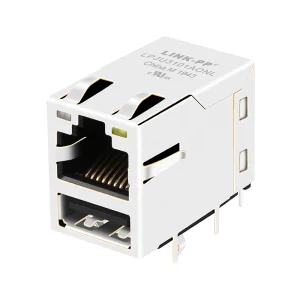
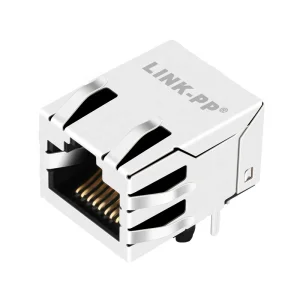
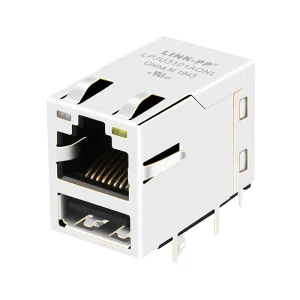
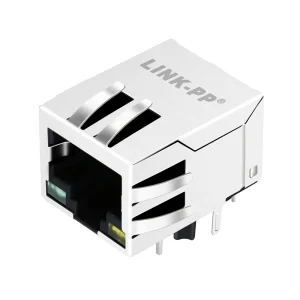
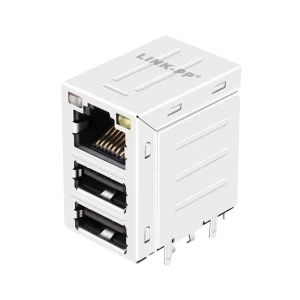
As ethernet networks transition from Gigabit (1G) to 2.5G, 5G, and 10G Base-T protocols, the physical layer components are subjected to extreme signal degradation forces. Electromagnetic Interference (EMI), Near-End Crosstalk (NEXT), and Far-End Crosstalk (FEXT) become critical limiting factors. Modern inline RJ45 connectors solve this with built-in magnetic filters, optimized internal PCB routing, and high-frequency shielding cages that prevent impedance mismatches and preserve signal integrity across long-run infrastructures.
IEEE 802.3bt (PoE++) standards now deliver up to 90W–100W of electrical power alongside high-speed data transmission over standard Category cables. This massive electrical load puts thermal stress on connector contacts. Engineering high-durability contact pins with minimum 30u" to 50u" gold plating is crucial to prevent spark erosion during mating/unmating cycles and reduce thermal buildup in high-density rack mounts.
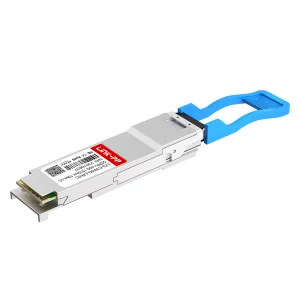
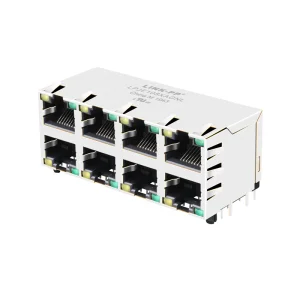
Modern data centers and enterprise networks are not purely copper or purely optical. They are highly integrated hybrid architectures. SFP, SFP+, and QSFP+ cages sit alongside high-density multi-port RJ45 jacks on core switches. Manufacturers must provide solutions that bridges these worlds seamlessly—offering high-speed optical transceivers alongside copper magnetics, ensuring uniform reliability, matching form factors, and structural compatibility across all ports.
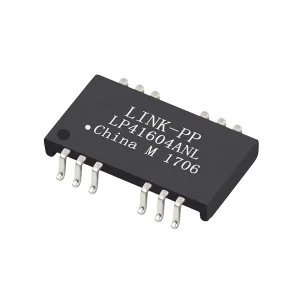
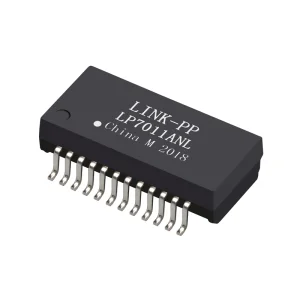
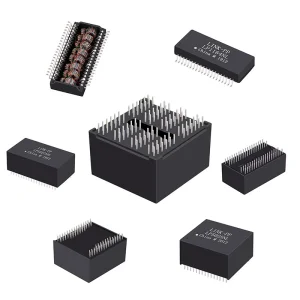
Information Gain Insight: Selecting the correct magnetics (such as 10/100 Base-T SMD Lan filters or 10G SMT PoE Lan transformers) is not just about matching the pin count; it is about matching the physical layer (PHY) transceiver chip parameters to optimize return loss and insertion loss values. Consult with our expert field application engineers to map the perfect match for your design.
A professional Chinese manufacturer and exporter specializing in high-performance optical transceivers and integrated structural network components.
Lumopt Opto Technology Co., Ltd., registered as Luguang Communication Technology Co., Ltd. in China, stands at the forefront of global telecommunication component manufacturing. We focus on the R&D, production, and customization of a comprehensive portfolio spanning optical modules (10G, 25G, 100G, 400G, 800G, and 1.6T products) as well as integrated copper connectivity interfaces including RJ45 connectors, LAN transformers, and EMI shielded cages.
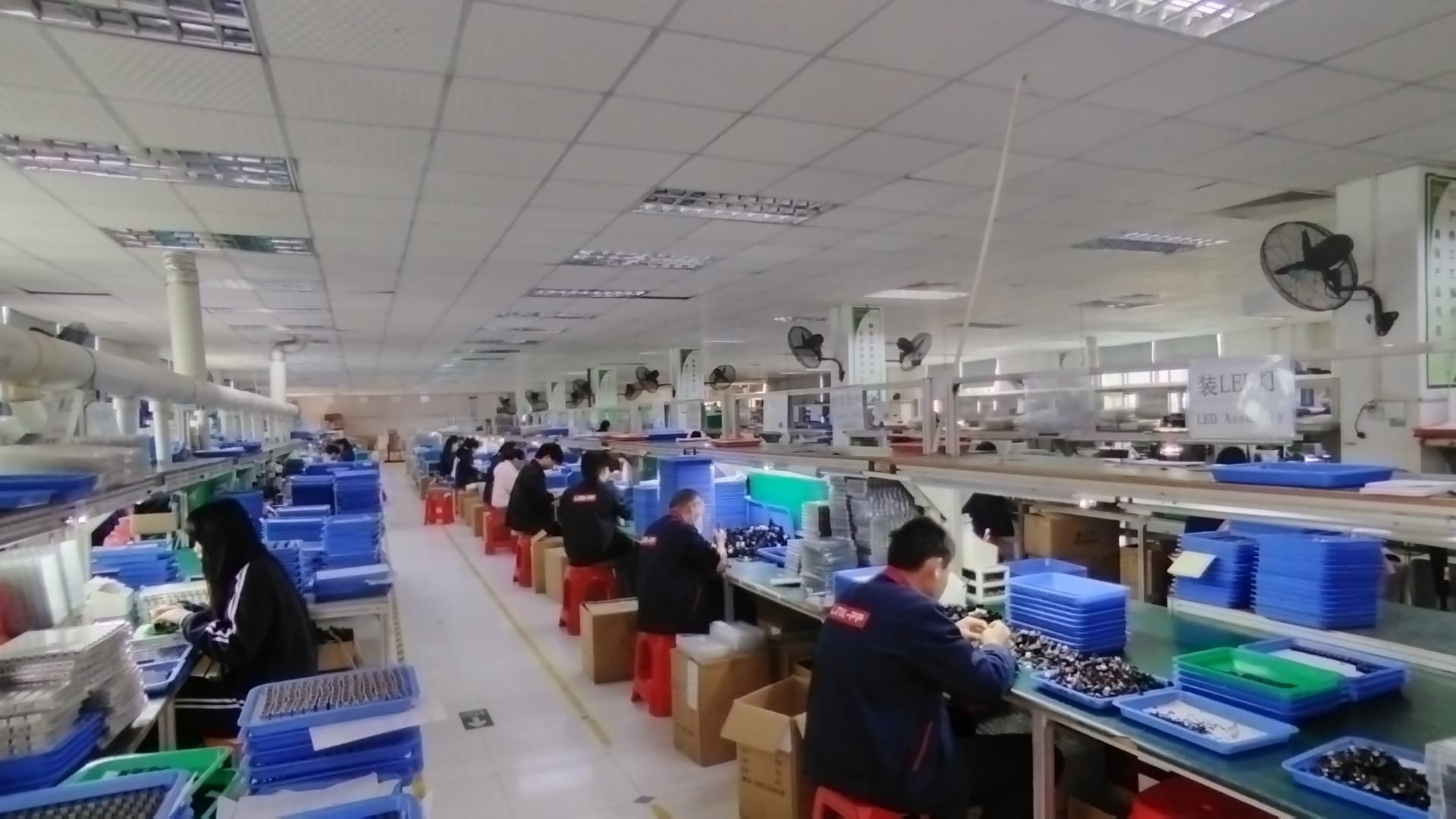
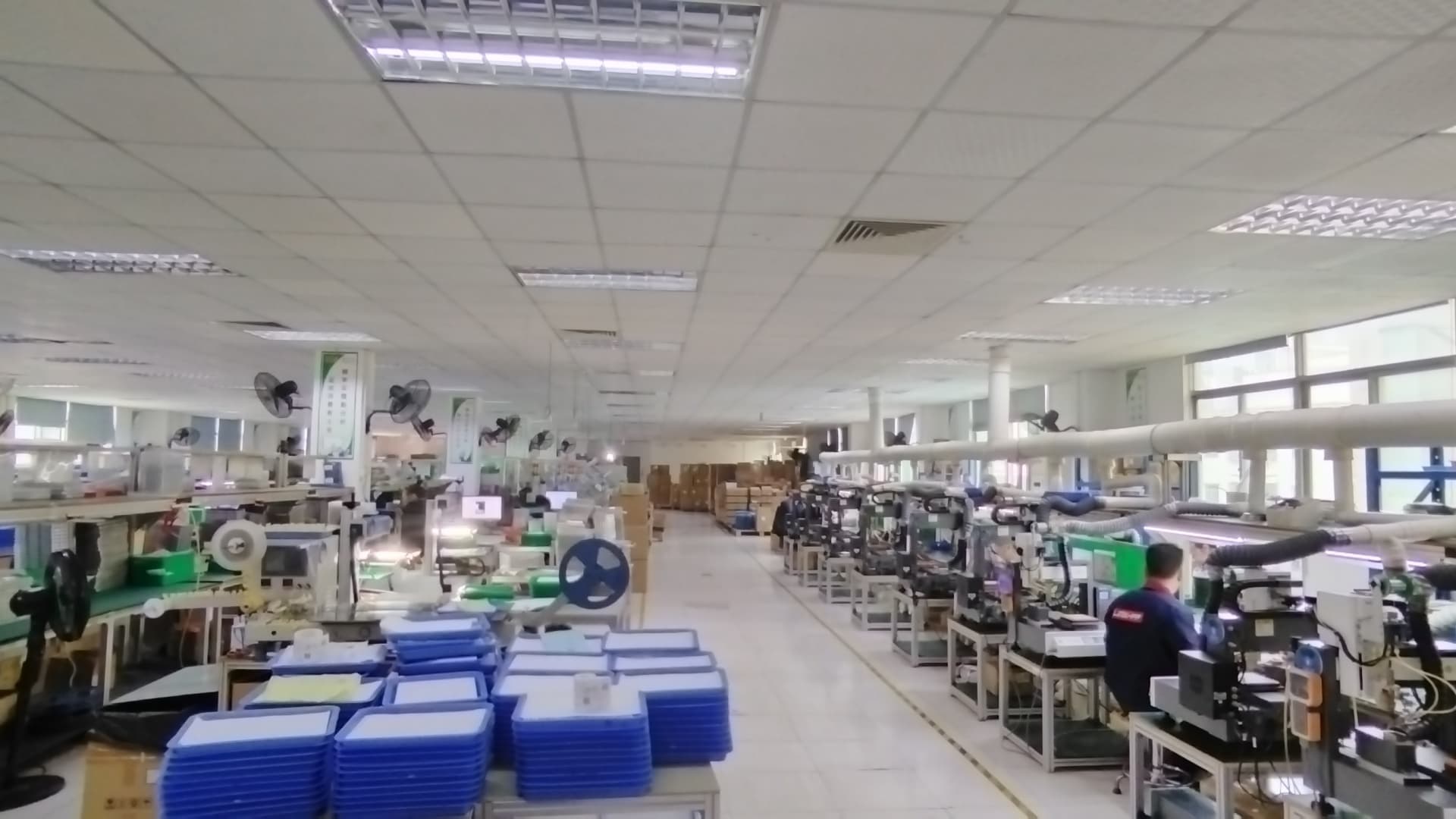
Our products are widely applied in mission-critical environments: hyper-scale data centers, telecom carrier networks, cloud computing clusters, AI training clusters, and enterprise communication systems. Equipped with ISO-certified dust-free production workshops and automated testing suites, we ensure complete control from design schematic to global distribution.
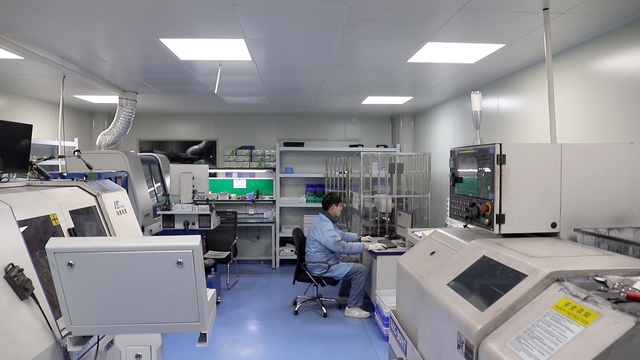
Precision execution at every step, verifying the mechanical, electrical, and thermal qualities of each connector assembly.
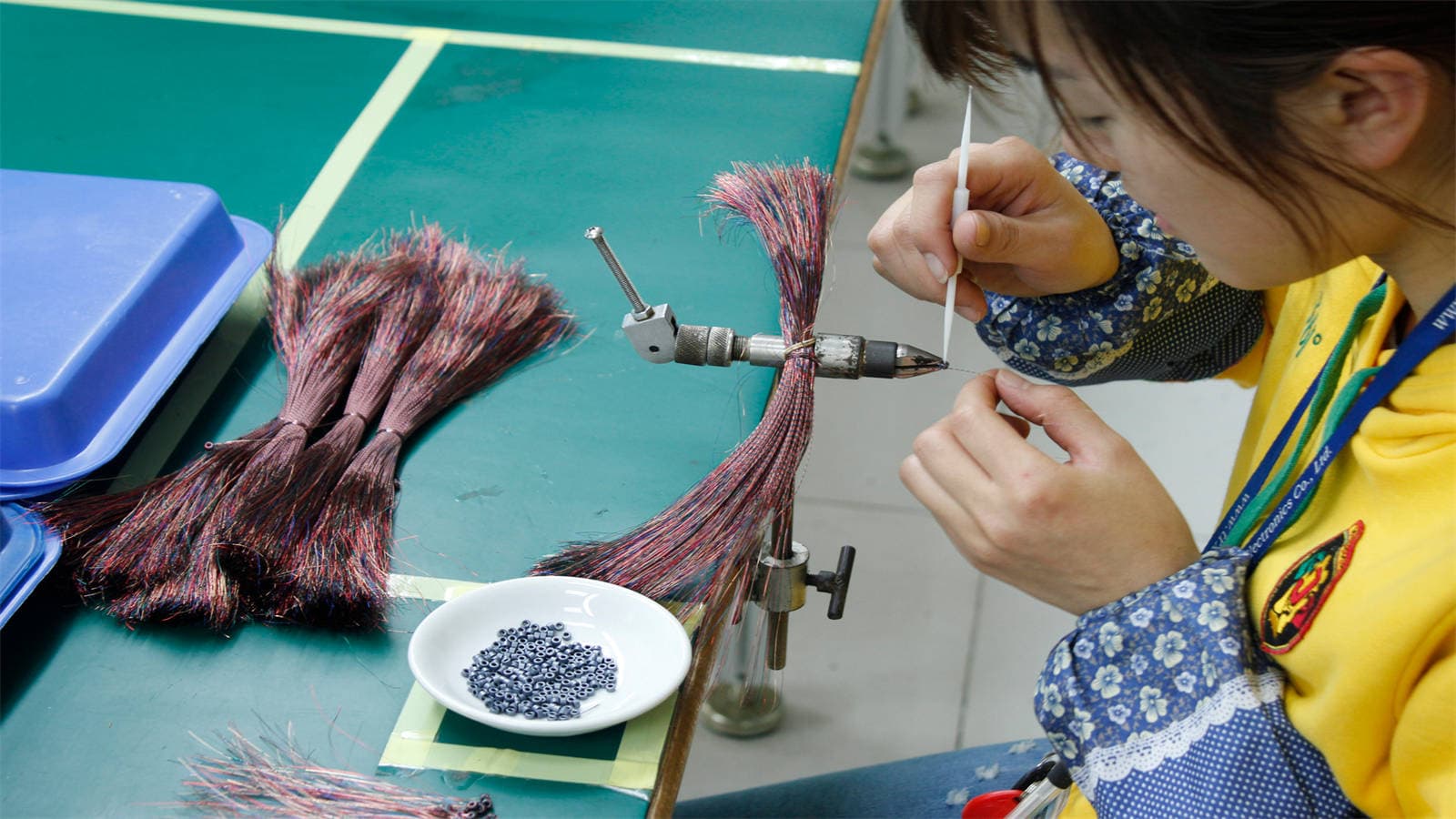
Twisting
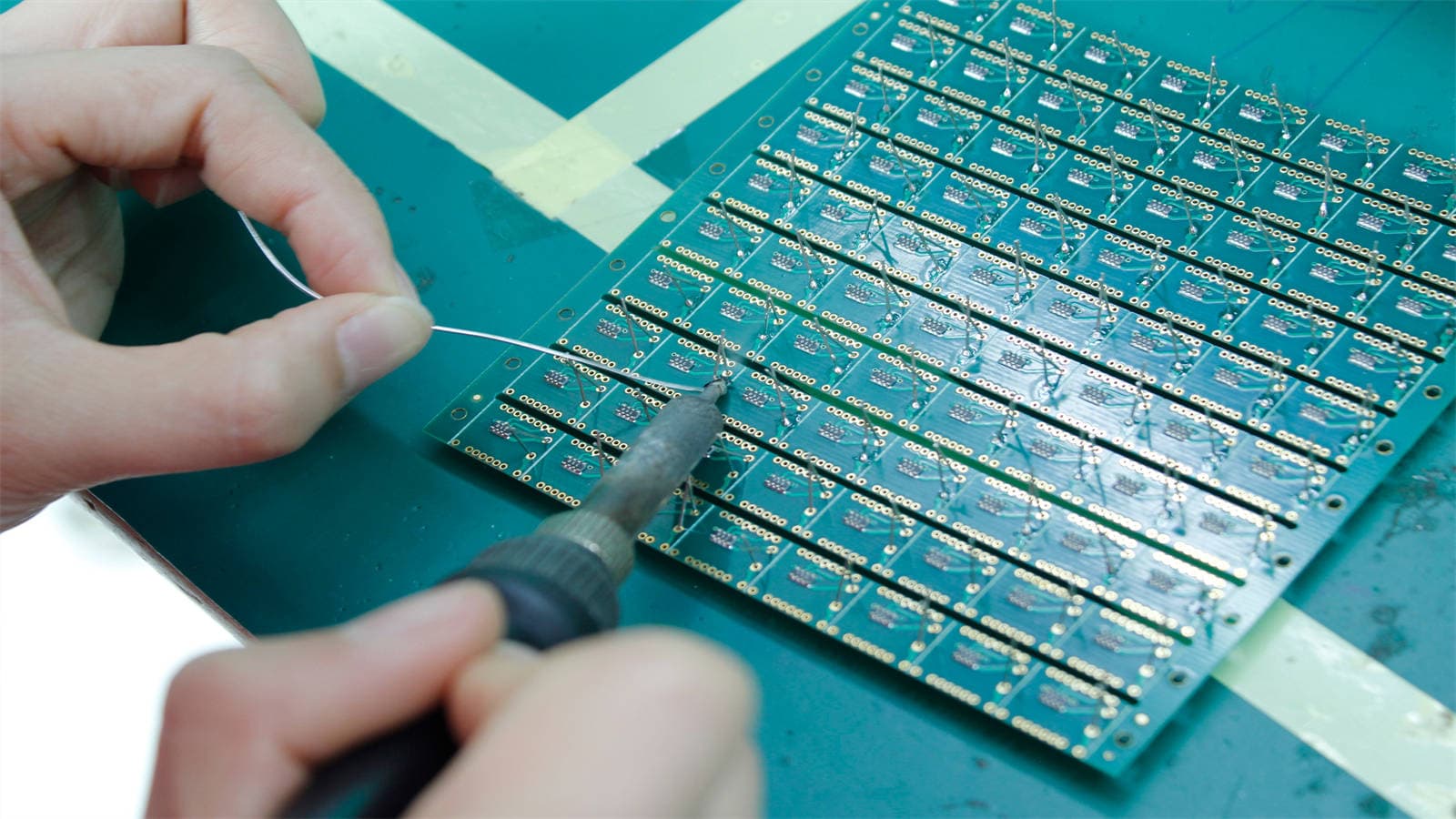
PCB Tinned
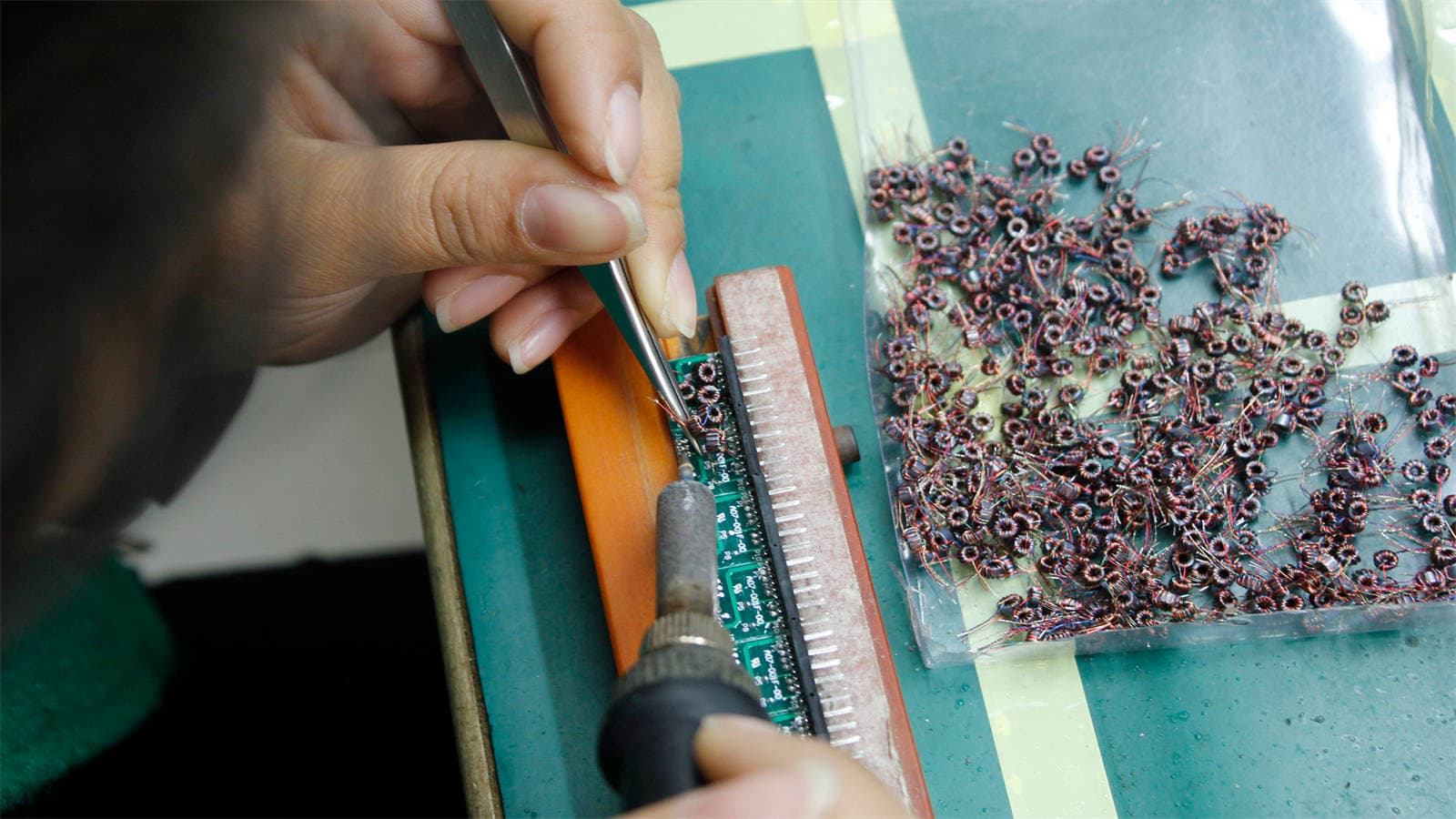
Soldering
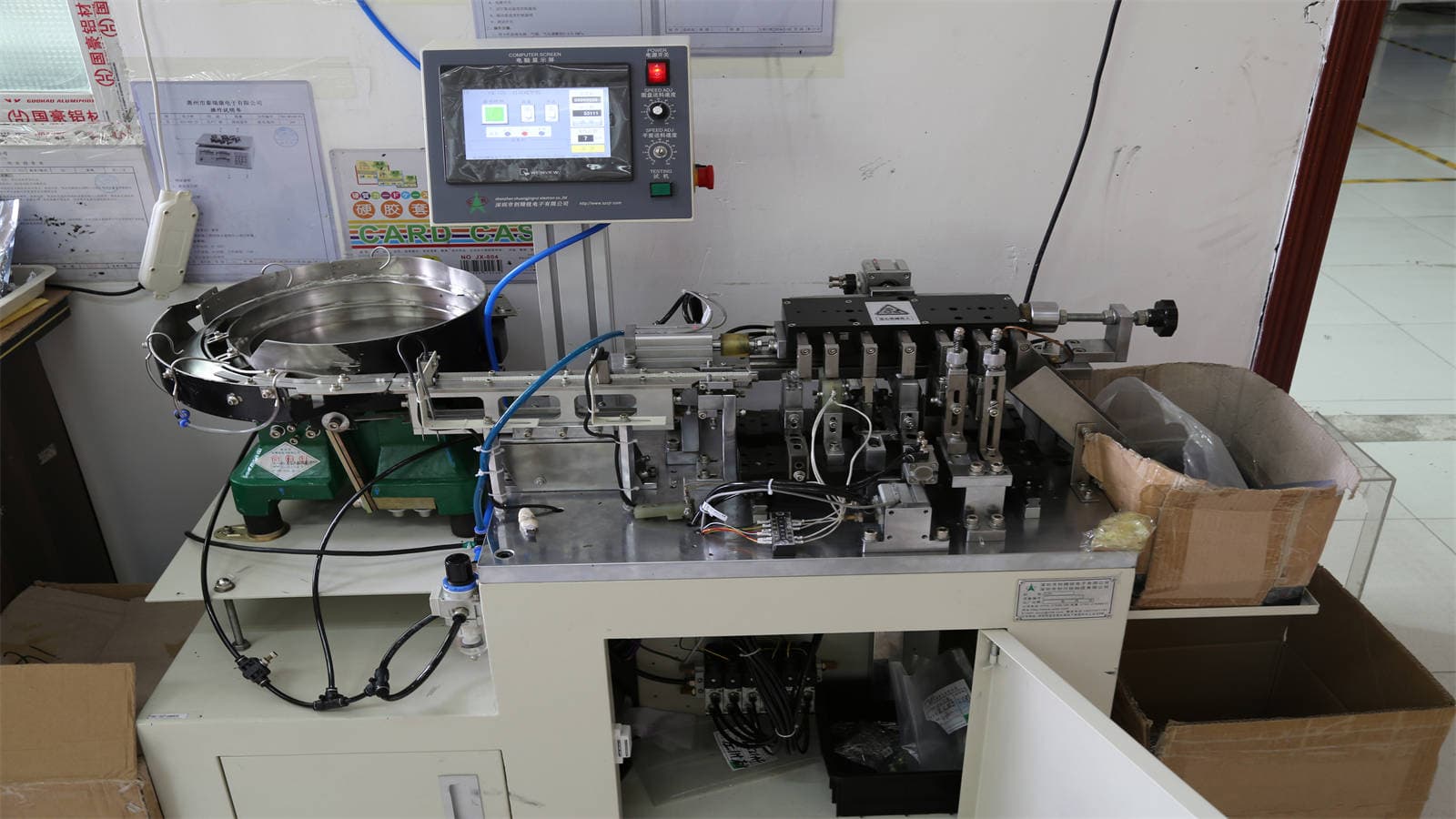
Shear-LED-Pin
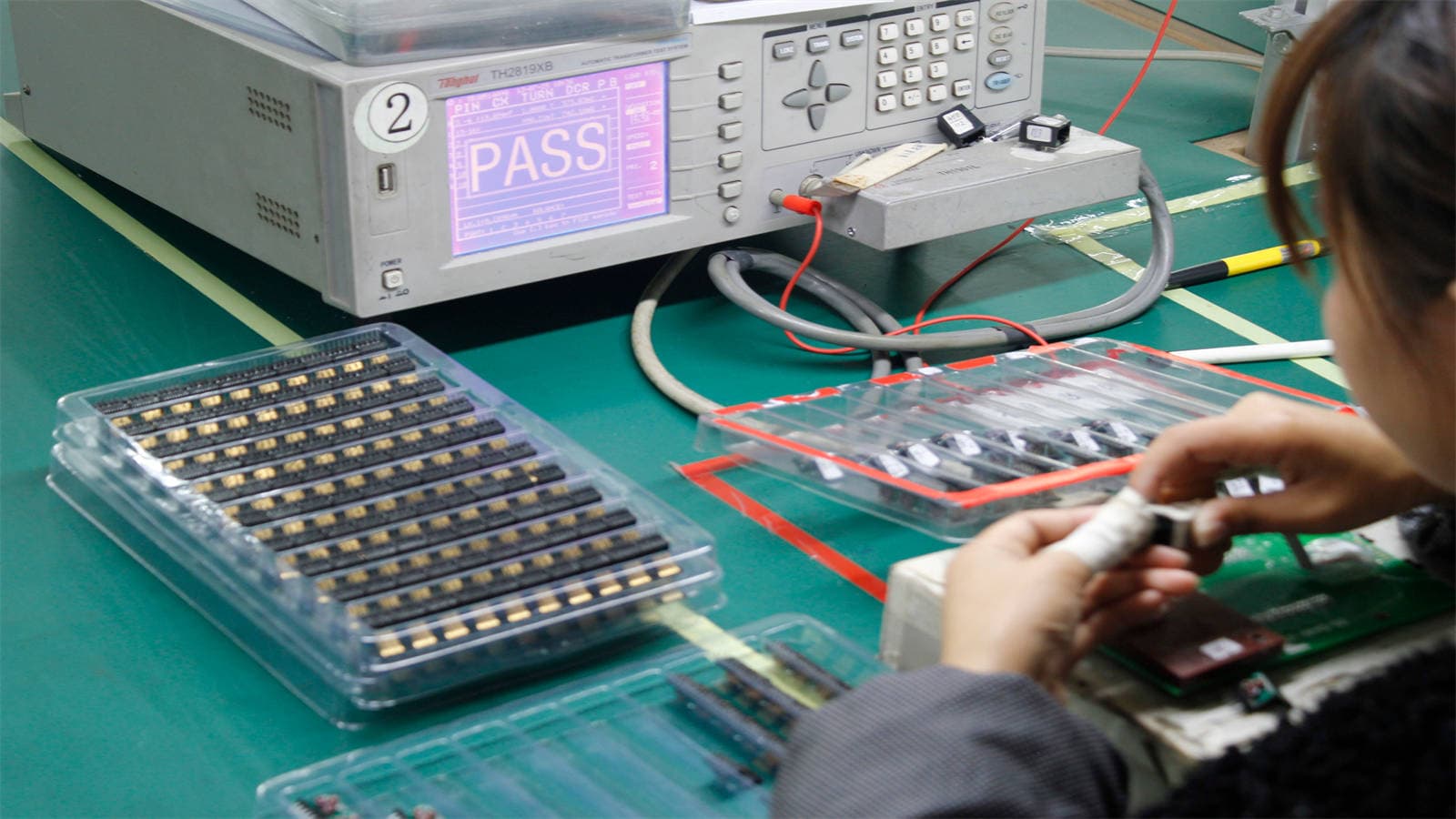
Semi-finished Testing
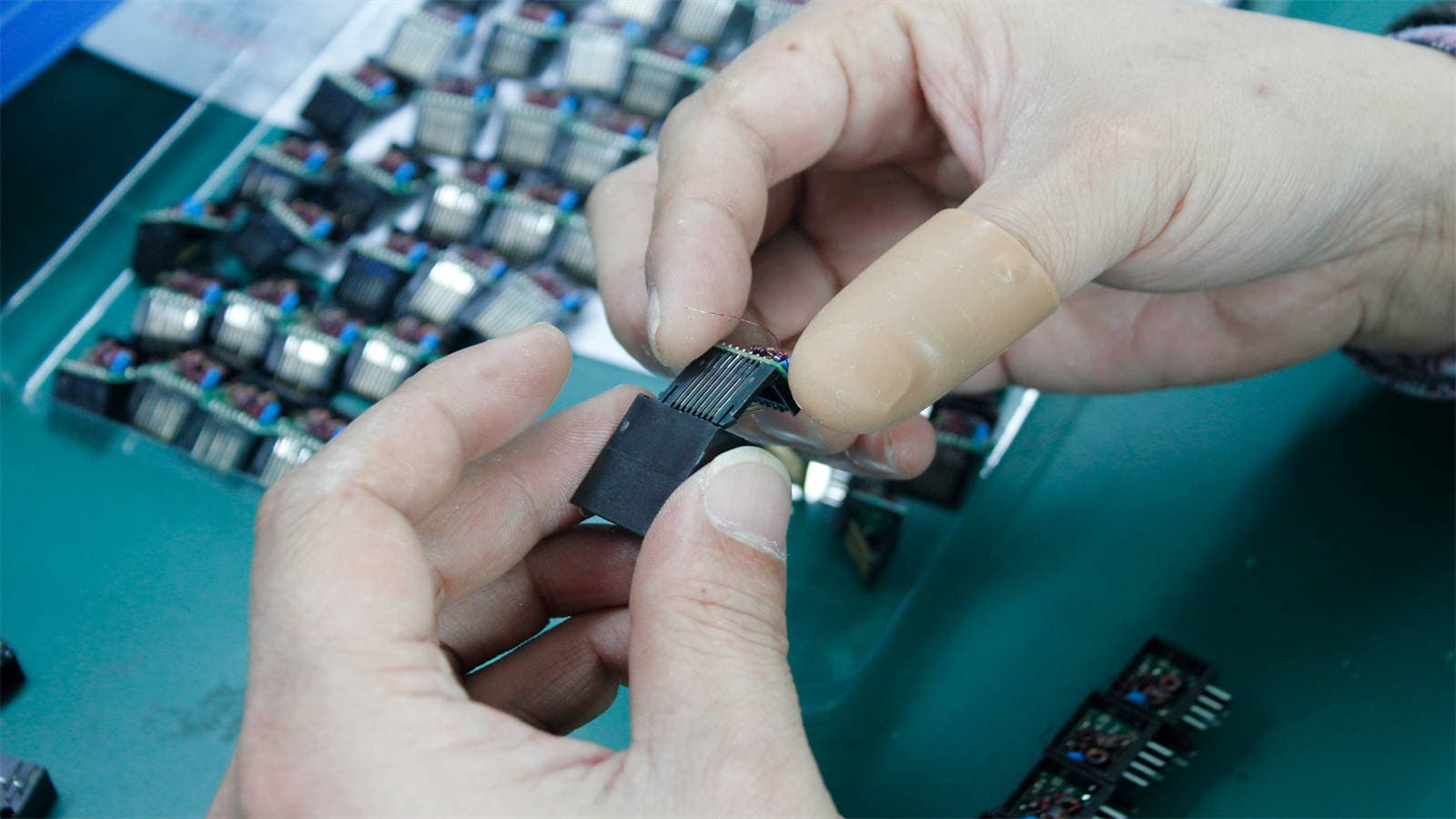
Plastic-Case-Assembly
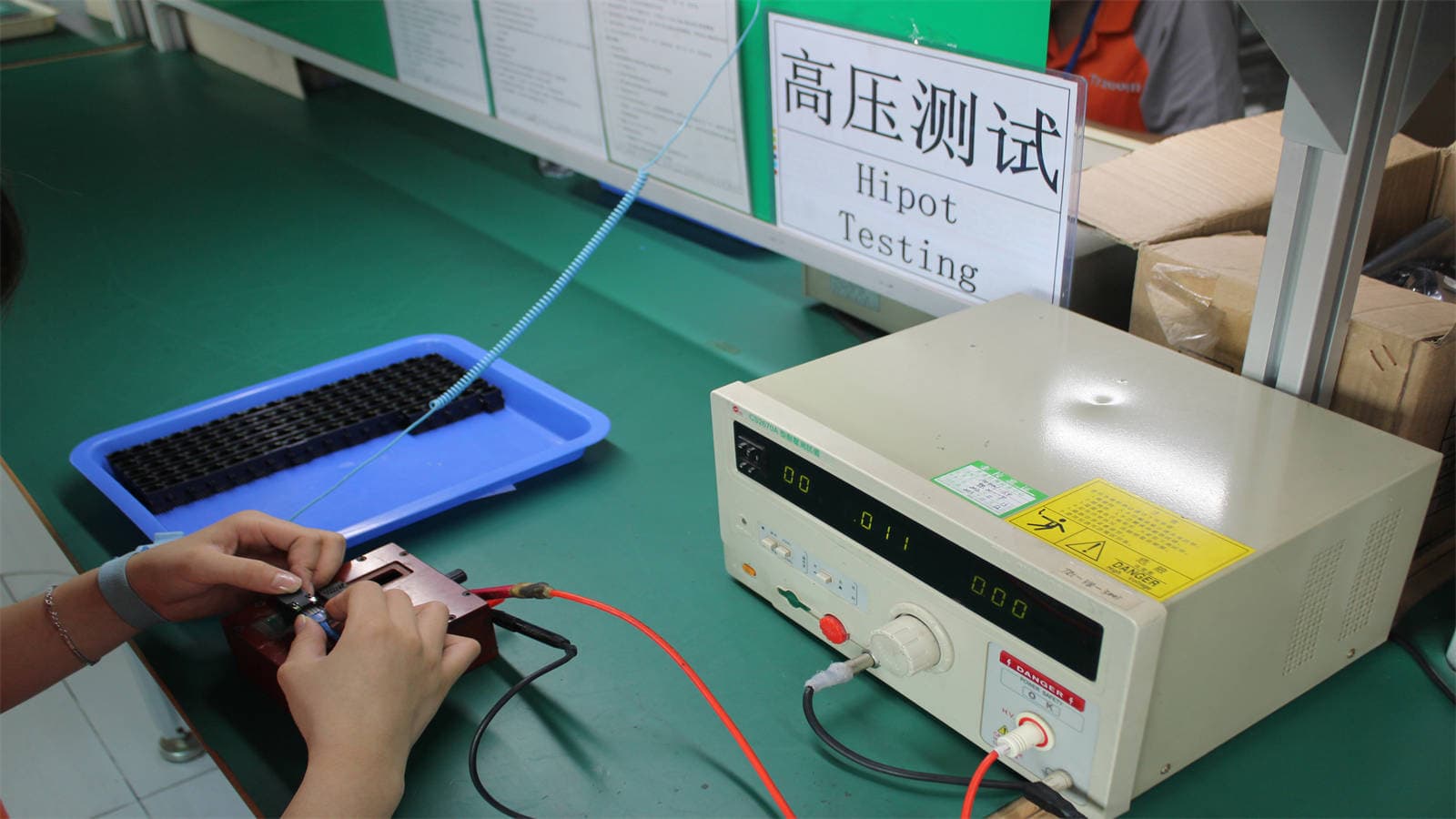
Hi-pot Testing
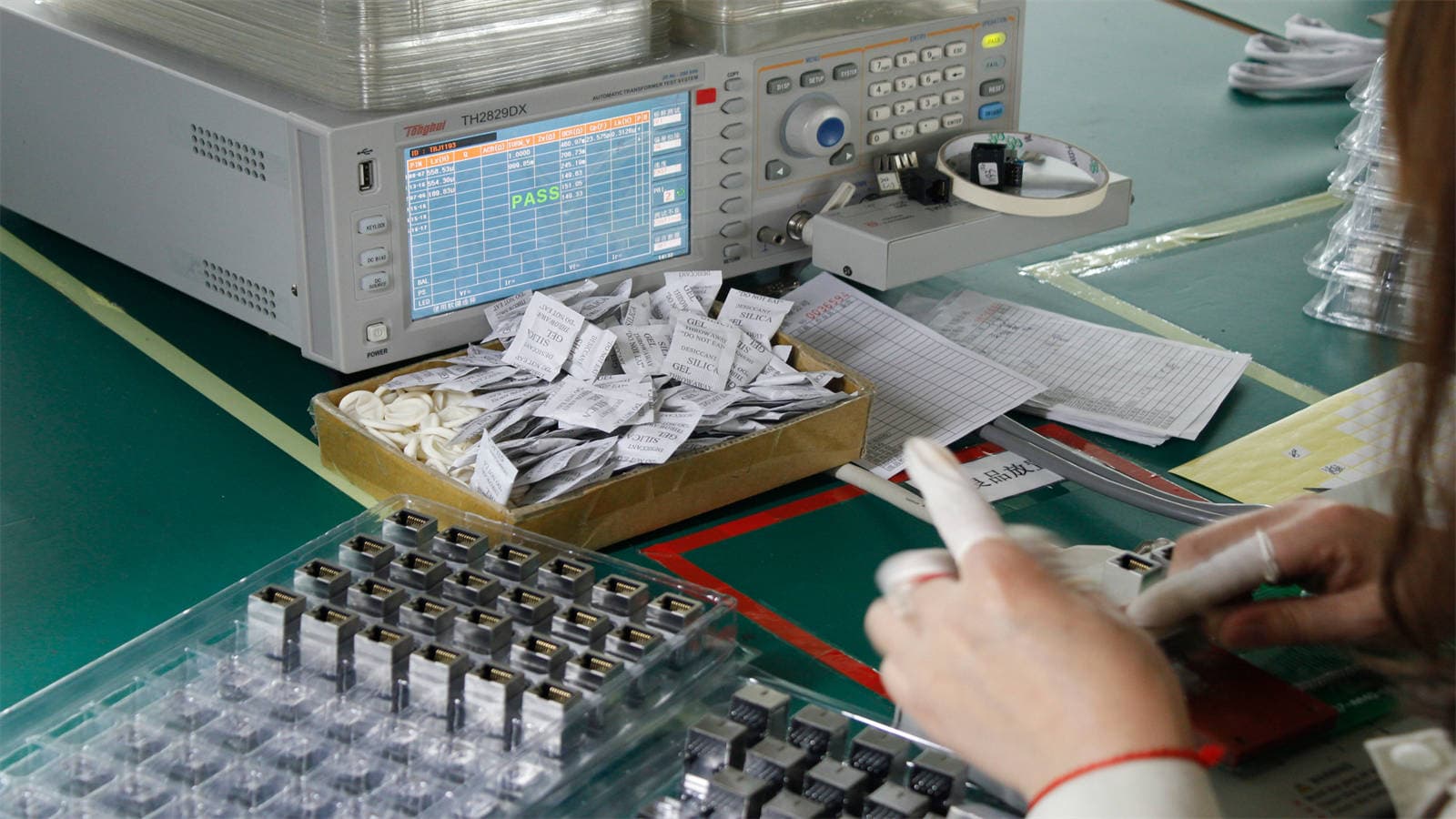
Integrated-Testing
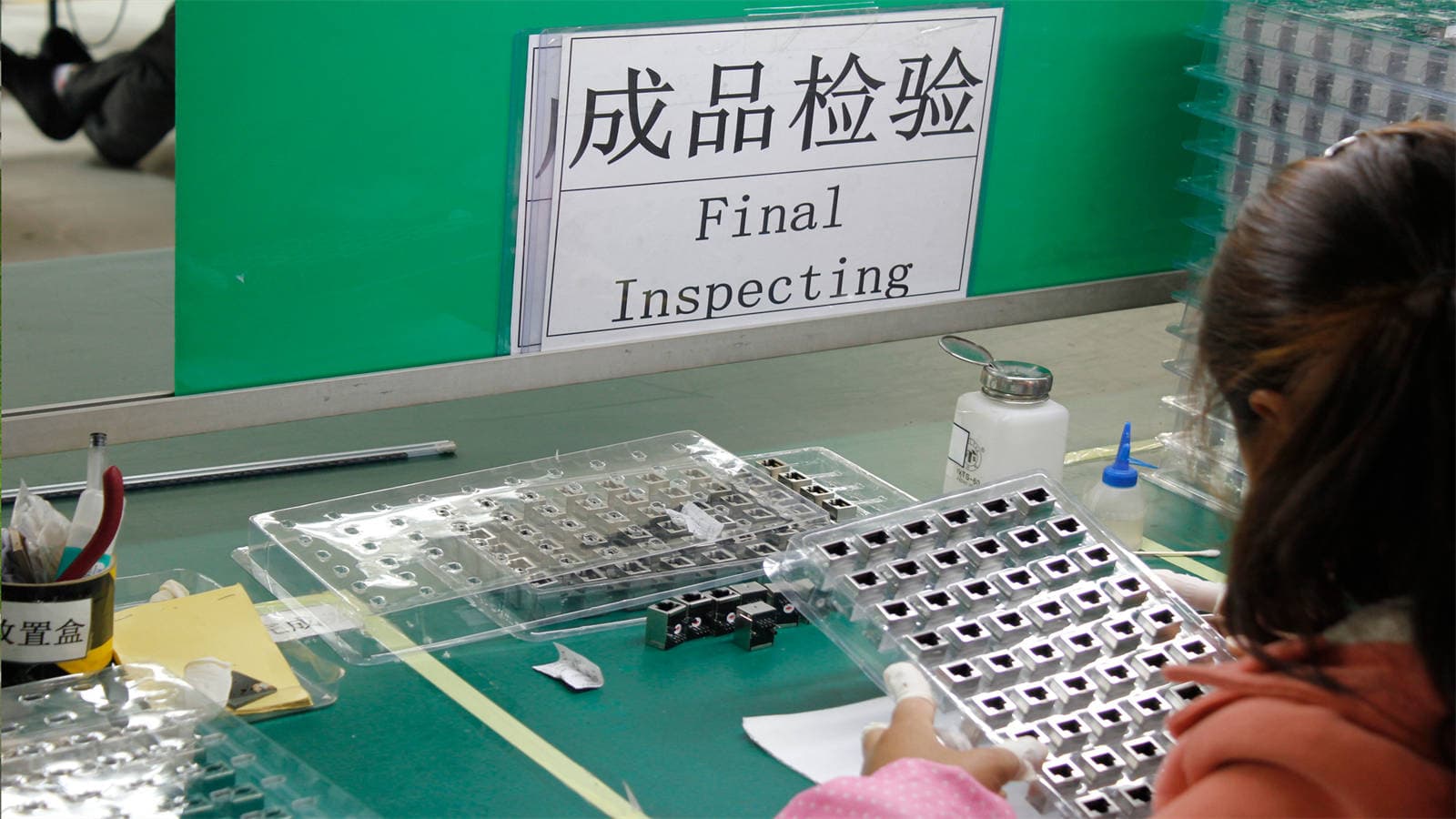
Final-Inspecting

Packing
Using automated instrumentation to eliminate human error and achieve zero-defect product runs.
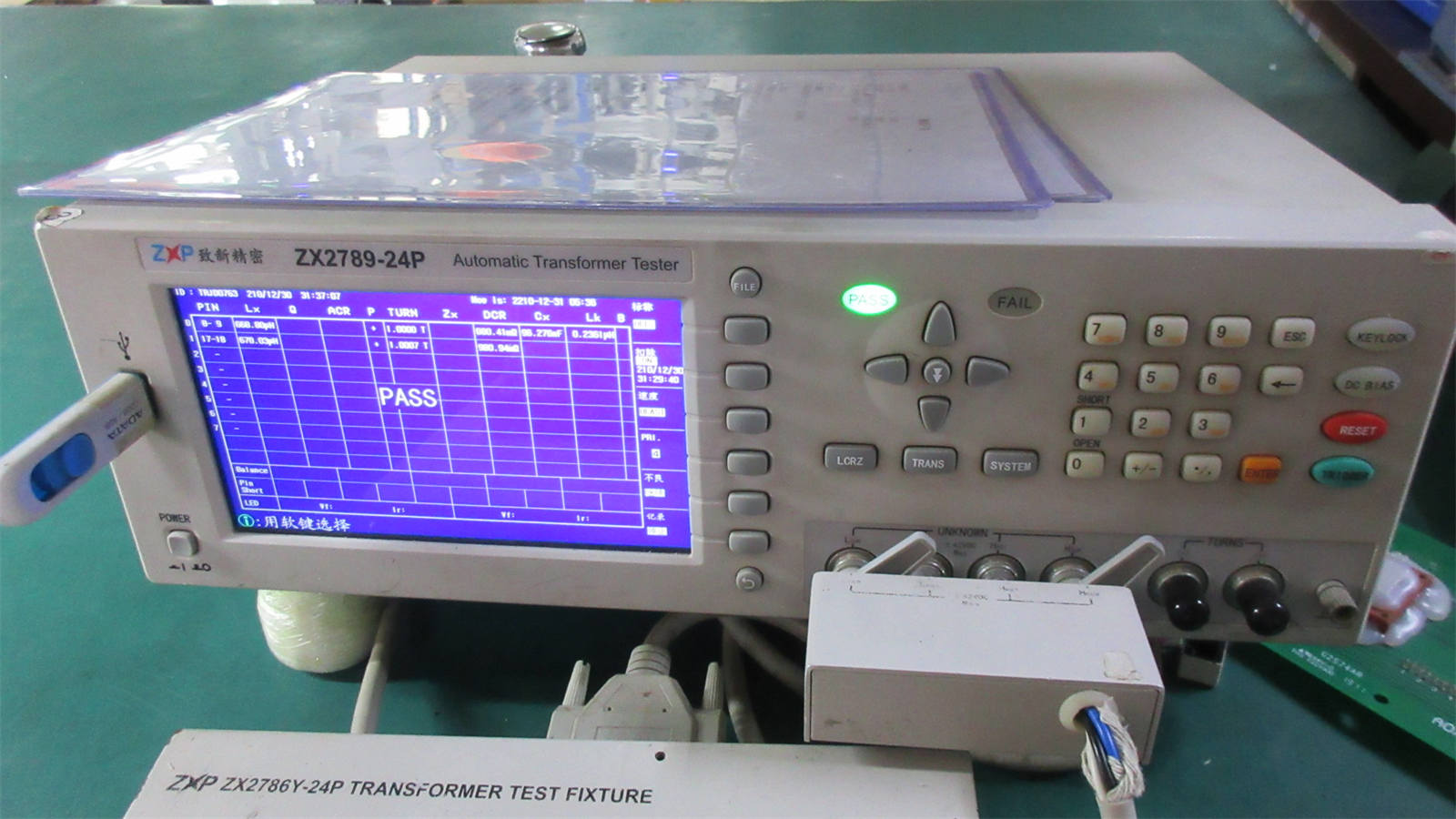
Comprehensive Tester
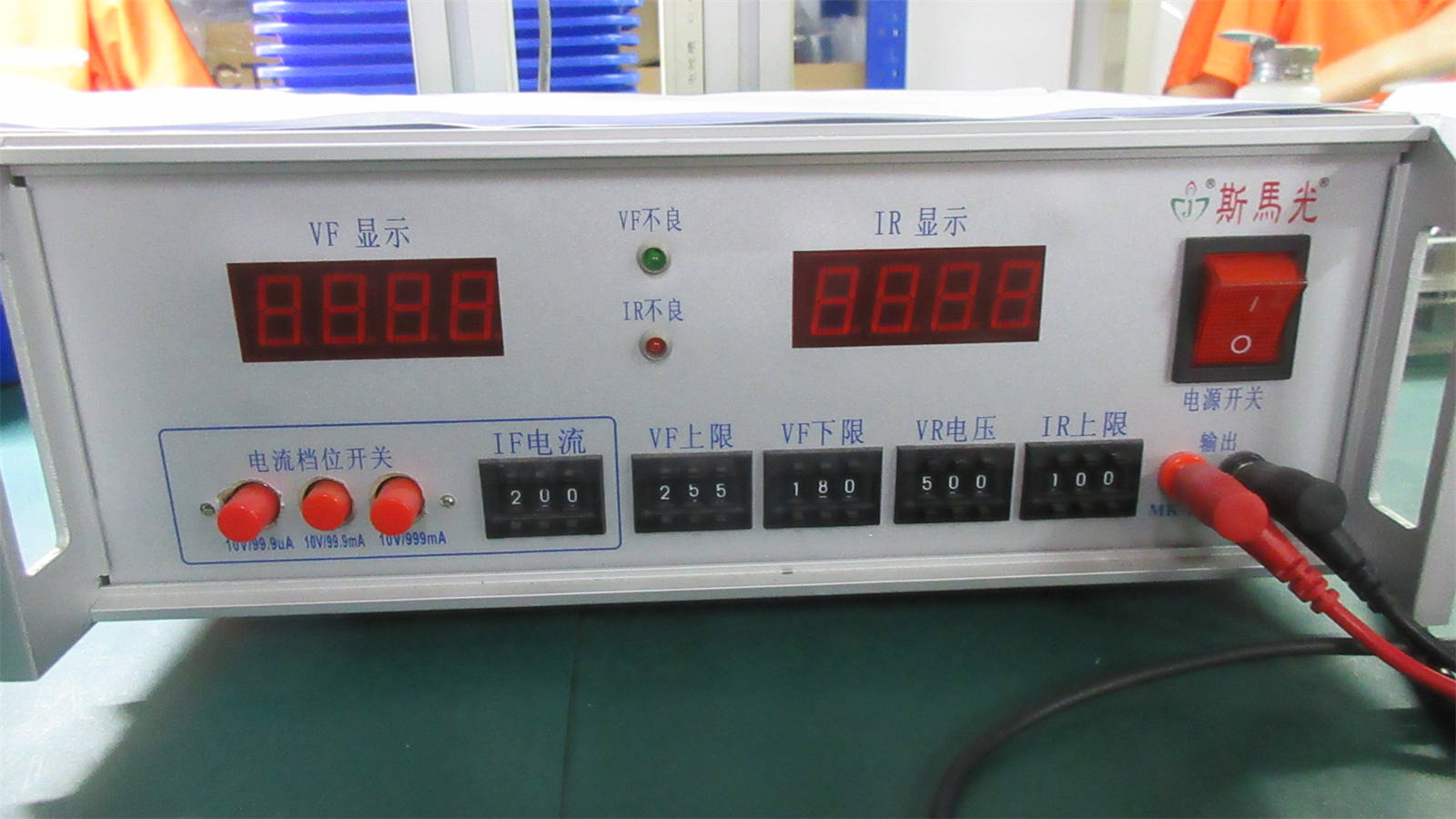
LED Lamp Tester
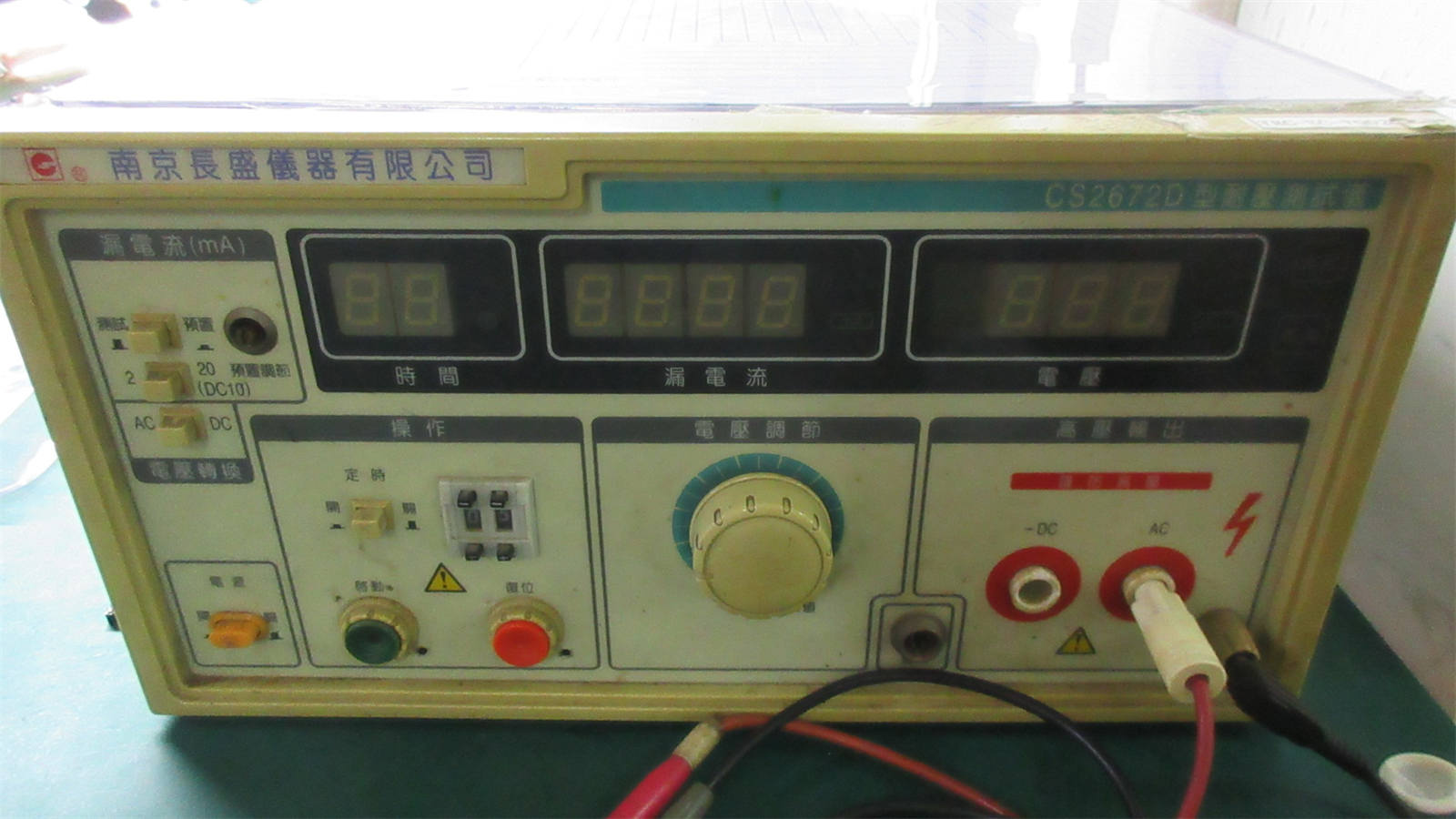
Hi-Pot Tester
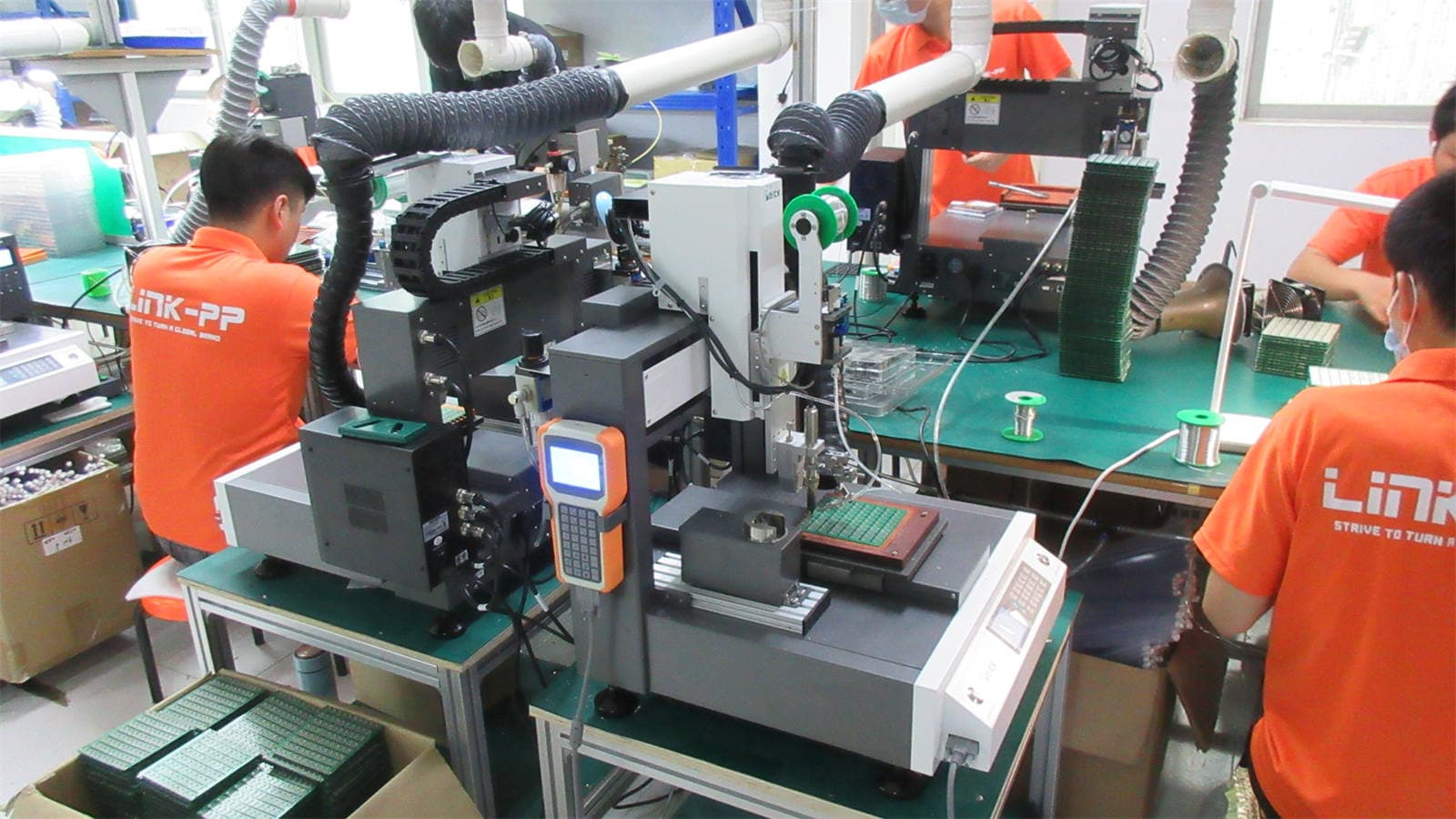
Automatic Welding Machine
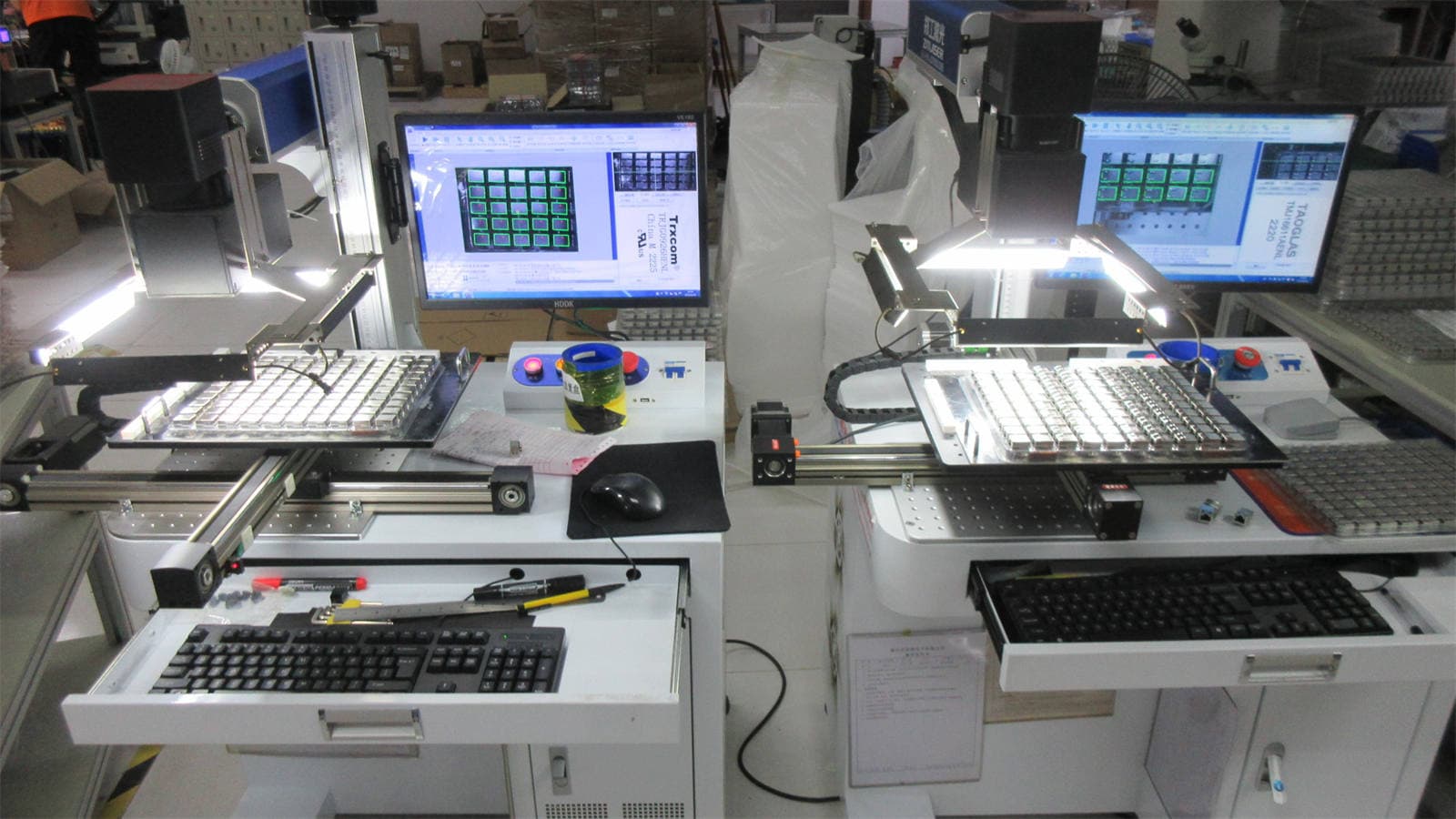
Laser Marking Machine
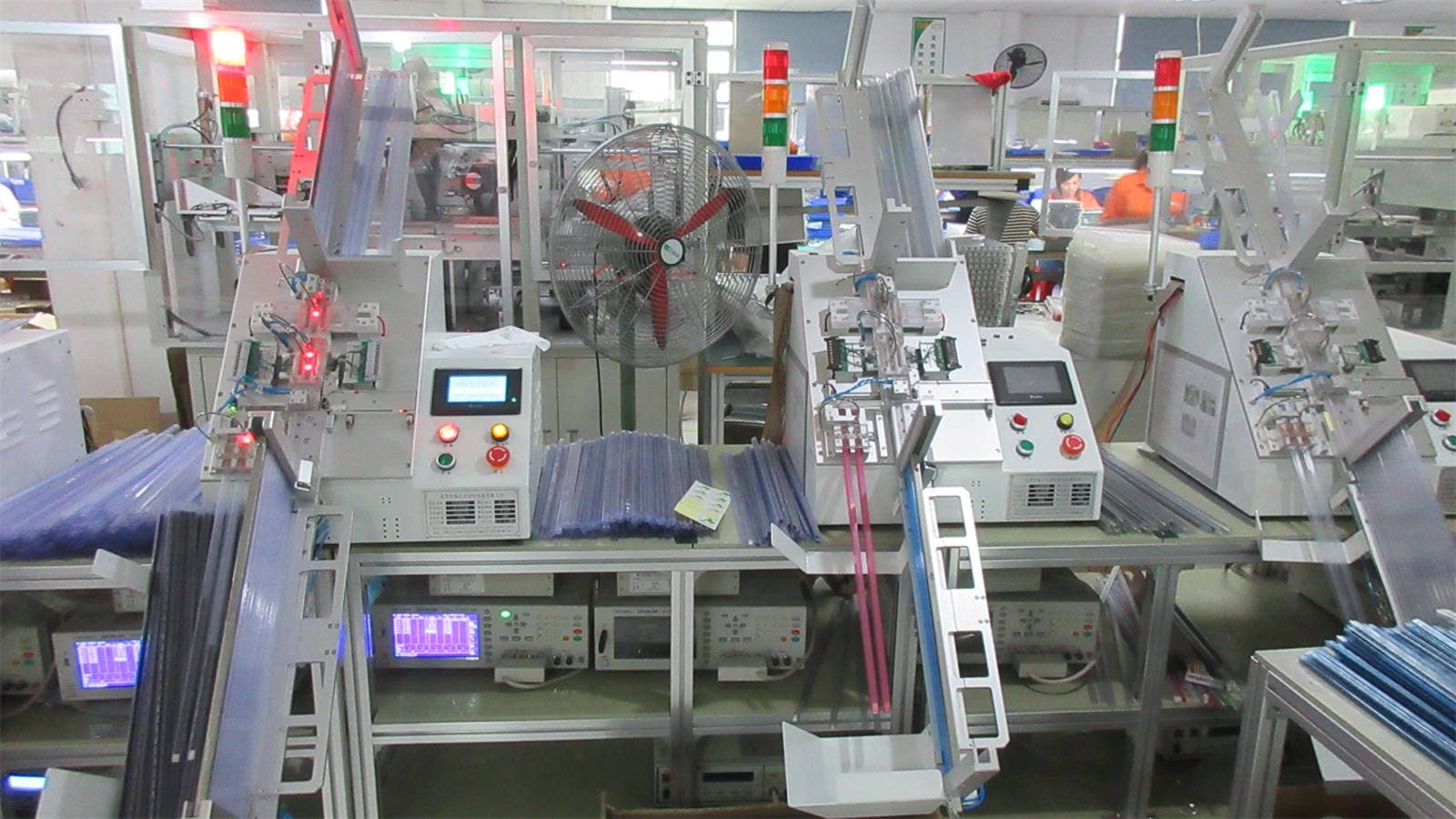
Transformer Automatic Tester
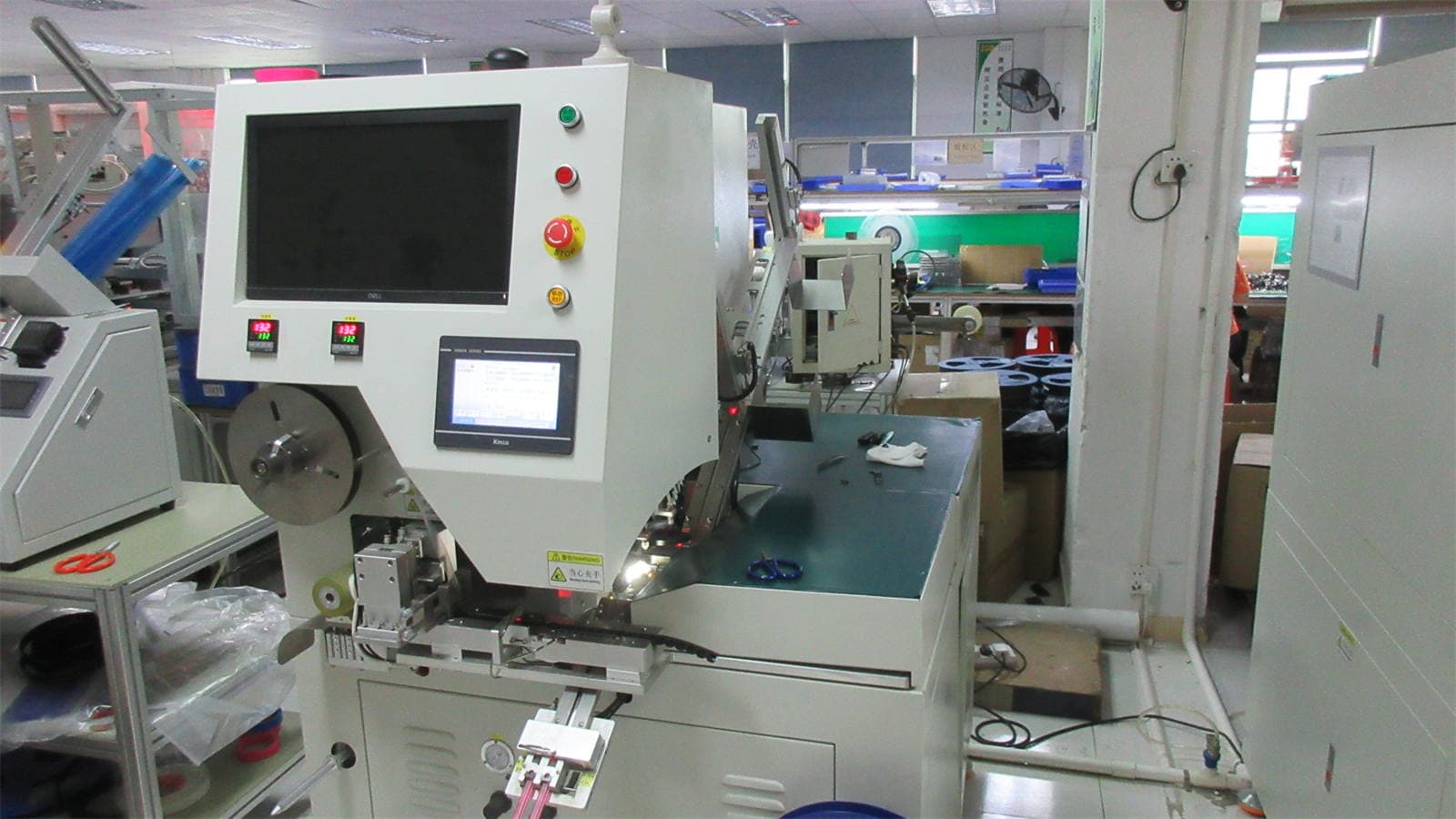
Transformer Packing Machine
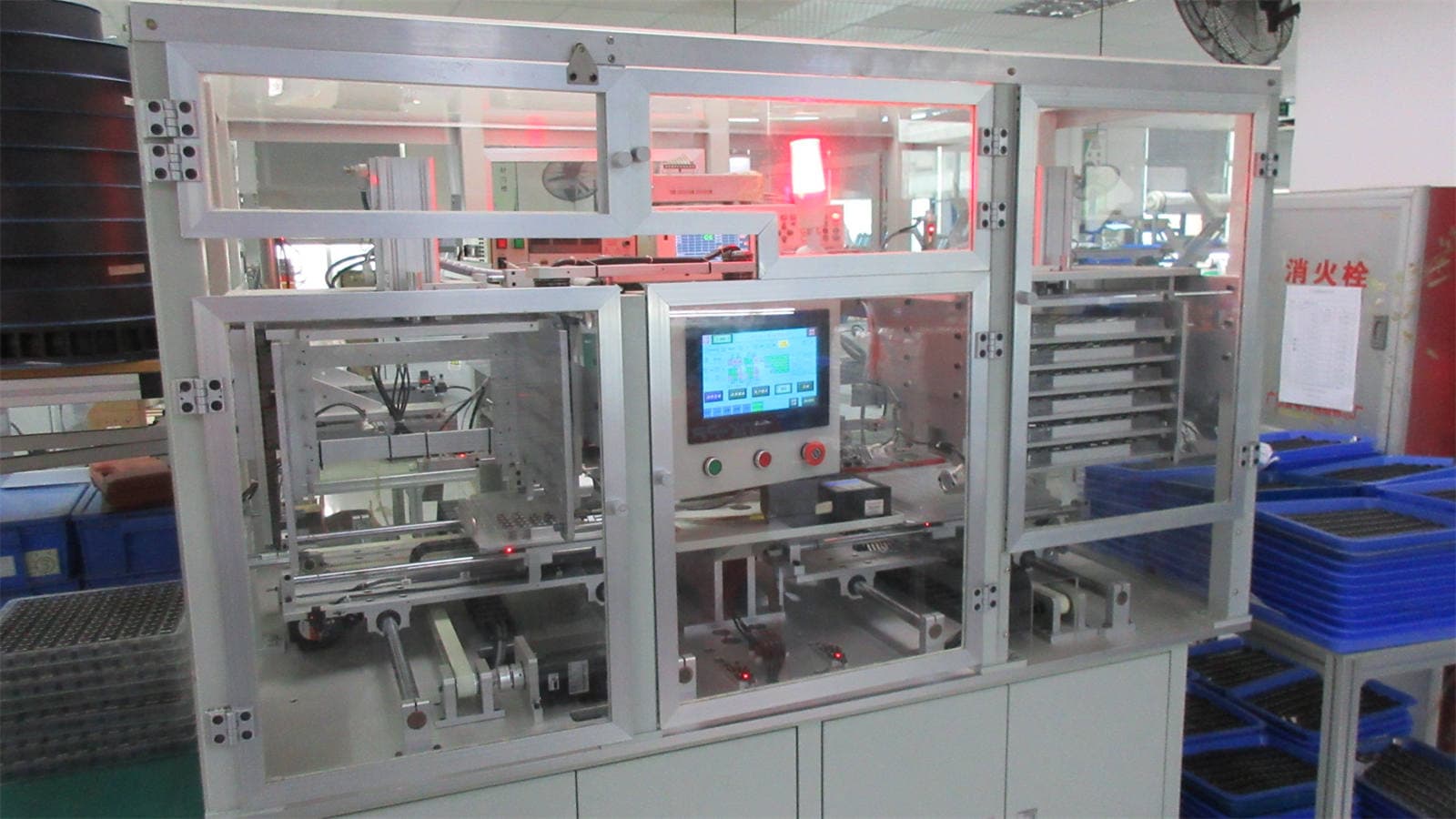
RJ45 Automatic Tester
How our components act as the backbone for high-demand global infrastructures.
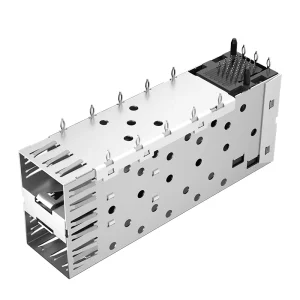
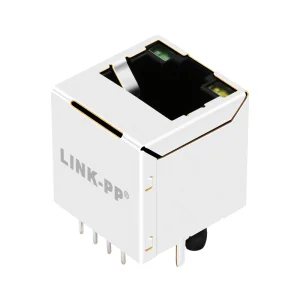
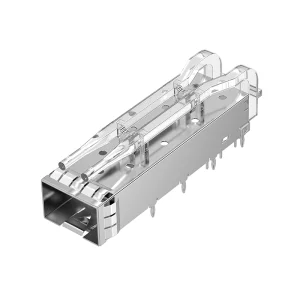
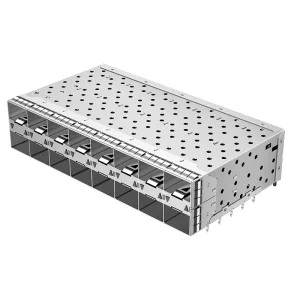
Modern hyperscale environments demand high packaging density. Using vertical RJ45 jacks without magnetics alongside multi-port stacked SFP/SFP+ cages allows network designers to achieve compact PCB board configurations. Our TE-compatible and Molex-compatible SFP cages feature press-fit technology with advanced light pipes, enabling rapid diagnostics while keeping EMI leakage to an absolute minimum under 10Gbps and 40Gbps channels.
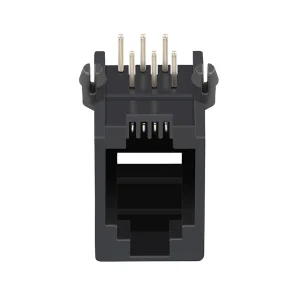
Factory floor automation introduces high physical stress, chemical pollutants, and severe vibration. Our DIP Through-Hole 6P6C and RJ45 jacks provide exceptional anchoring to PCBs compared to standard surface-mount devices. Gold plating options of up to 50u" protect contacts from oxidization and micro-arcing in hot-swapping applications, ensuring 24/7 continuous operations for assembly lines and PLC interfaces.
Deployments at the network edge require ruggedized signal conversion. Products like the 10G Base-T 24-Pin SMT PoE Lan Magnetic Transformer are engineered with high insulation properties, surviving surges and fluctuating temperatures while delivering clean physical-layer isolation. By integrating Lan filters directly onto SMT footprints, engineers can save precious real estate on tight IoT control boards.
Mitigating sourcing risk through strict regulatory compliance, technical documentation, and regional support networks.
For global procurement directors and hardware design engineers, purchasing structural network components goes beyond looking at standard pricing metrics. Supply chain integrity, material safety, and performance validation are paramount. Lumopt mitigates these sourcing challenges through a series of robust systems:
Technical Roadmap Focus: Our engineering pipeline is currently deploying automated high-speed vector network analyzer (VNA) testing directly onto our production floor to perform automated inline S-parameter checks (insertion loss, return loss, and crosstalk parameters) for 10G and 25G physical links.
Answers to complex electrical, mechanical, and logistical questions.
1. What makes integrated RJ45 connectors (Magjacks) superior to discrete LAN filters on PCBs?
2. How does 30u" gold plating compare to lower thickness options for RJ45 connectors?
3. Can you customize the pin configurations and LED colors on your RJ45 and SFP modules?
4. How do you guarantee the quality and performance of your LAN transformers and optical modules?
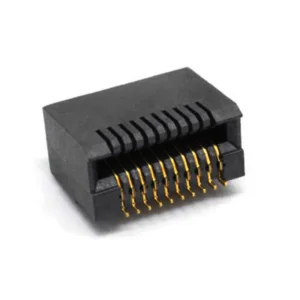
Explore our interface cages and high-density connectors designed to support next-generation physical interfaces.