Lumopt Lumopt

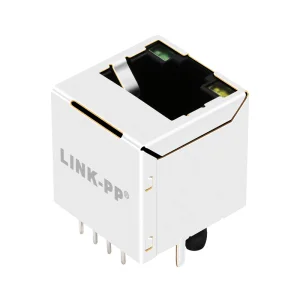
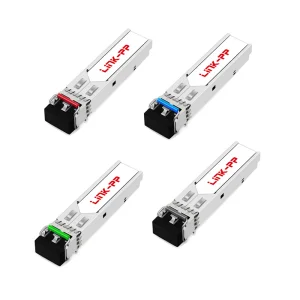
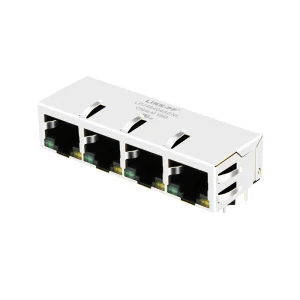
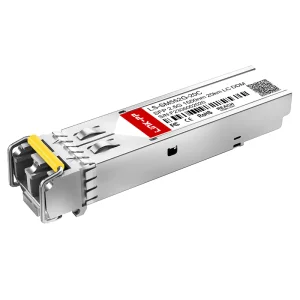
OEM/ODM SFP Connector Interface Supplier & Exporters

High-Speed Optoelectronic Interconnects, EMI Shielded Cages, and Transceiver Solutions Custom-Engineered for Hyperscale Infrastructure & Cloud Networking.

Technological Evolution of the SFP Connector Interface

Decoding the paradigms of modern high-speed transmission, signal integrity, and MSA standard compliance.

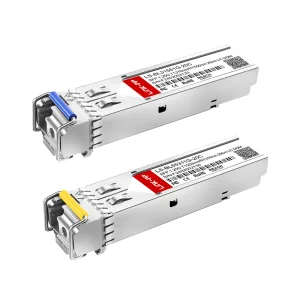
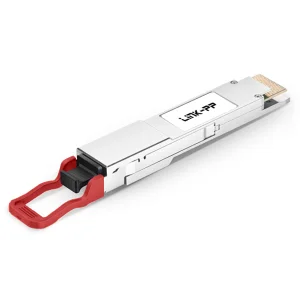
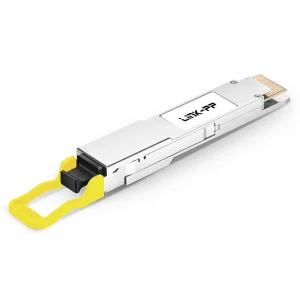
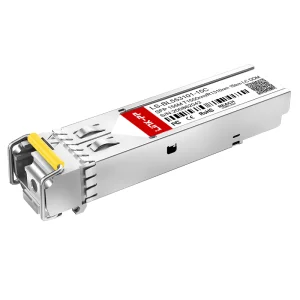
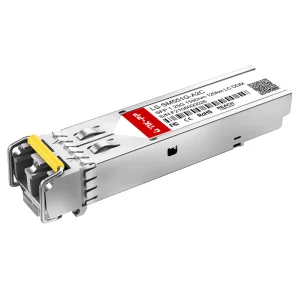
In modern telecommunication networks, the SFP (Small Form-factor Pluggable) interface remains a dominant architectural standard. Engineered to establish a hot-swappable connection between the physical copper or optical module and the system host board, the evolution of SFP interfaces tracks the history of Ethernet bandwidth demand. SFP originally designed for 1 Gbps networking has matured into SFP+ (10 Gbps), SFP28 (25 Gbps), and expanded into multi-channel paradigms like QSFP+ (40 Gbps), QSFP28 (100 Gbps), QSFP-DD (400 Gbps), and the current cutting-edge 800G/1.6T standard implementations.

Information Gain: Signal Integrity & EMI Shielding
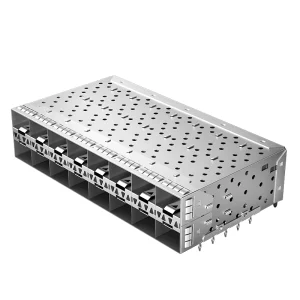
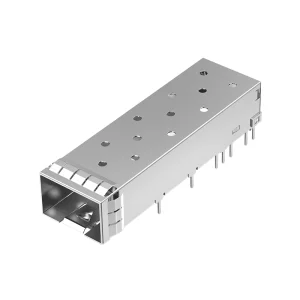
As transmission speeds reach 28 Gbps and 56 Gbps per lane using NRZ or PAM4 modulation, high-frequency signals become highly sensitive to attenuation and Electromagnetic Interference (EMI). Our cages feature engineered metal spring fingers and conductive elastomeric gaskets that limit EMI leakage by up to 20dB compared to generic alternatives, ensuring compliance with strict FCC and CE electromagnetic emission standards.

Multi-Source Agreement (MSA) Standardization

Interoperability is the bedrock of global networking. By complying with MSA standards (such as SFF-8431, SFF-8432, SFF-8472, and SFF-8024), we guarantee that our SFP connector interfaces, cages, and optical modules operate seamlessly across diverse OEM hardware platforms, including Cisco, Arista, Juniper, HP, and TE Connectivity systems. This compliance protects downstream supply chains from vendor lock-in and enables reliable deployment of mixed-brand hardware in critical environments.

Thermal Dissipation and Structural Rigidity

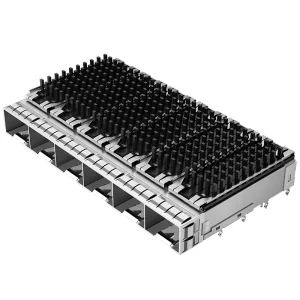
Optical transceivers generate significant heat during continuous multi-gigabit throughput. Heat accumulation degrades optical performance, shifts wavelengths, and causes early component failures. Our OEM/ODM SFP+ and QSFP cages are designed with integrated heat sinks (available in multiple fin configurations) and optimized airflow pathways. Using copper alloys with high thermal conductivity, these cages draw heat away from the optical components to lower operating temperatures and maintain consistent optical transmission.

Proven Engineering & Production Scale

Empirical proof of our capabilities in providing high-reliability optoelectronic hardware globally.

0.02%
Field Return Rate (MTBF Rated)
1.6T
R&D Customization Depth
100%
Automatic Interoperability Tested
<15 Days
OEM Prototype Turnaround

About Lumopt Opto Technology

Lumopt Opto Technology Co., Ltd., registered as Luguang Communication Technology Co., Ltd. in China, is a professional manufacturer and exporter specializing in high-performance optical transceivers. We focus on the R&D, production, and customization of full-series optical modules covering 10G, 25G, 100G, 400G, 800G, and 1.6T products, which are widely applied in data centers, telecom networks, cloud computing, AI computing equipment, and enterprise communication systems.

Equipped with standardized dust-free production workshops, advanced automatic testing equipment, and a professional technical R&D team, we implement strict quality control throughout the production process. All our optical transceivers comply with international industry standards and have passed relevant reliability certifications, supporting OEM & ODM customized services to meet diverse demands from global buyers.
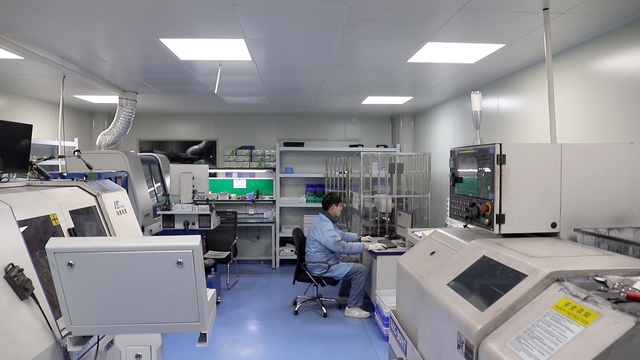
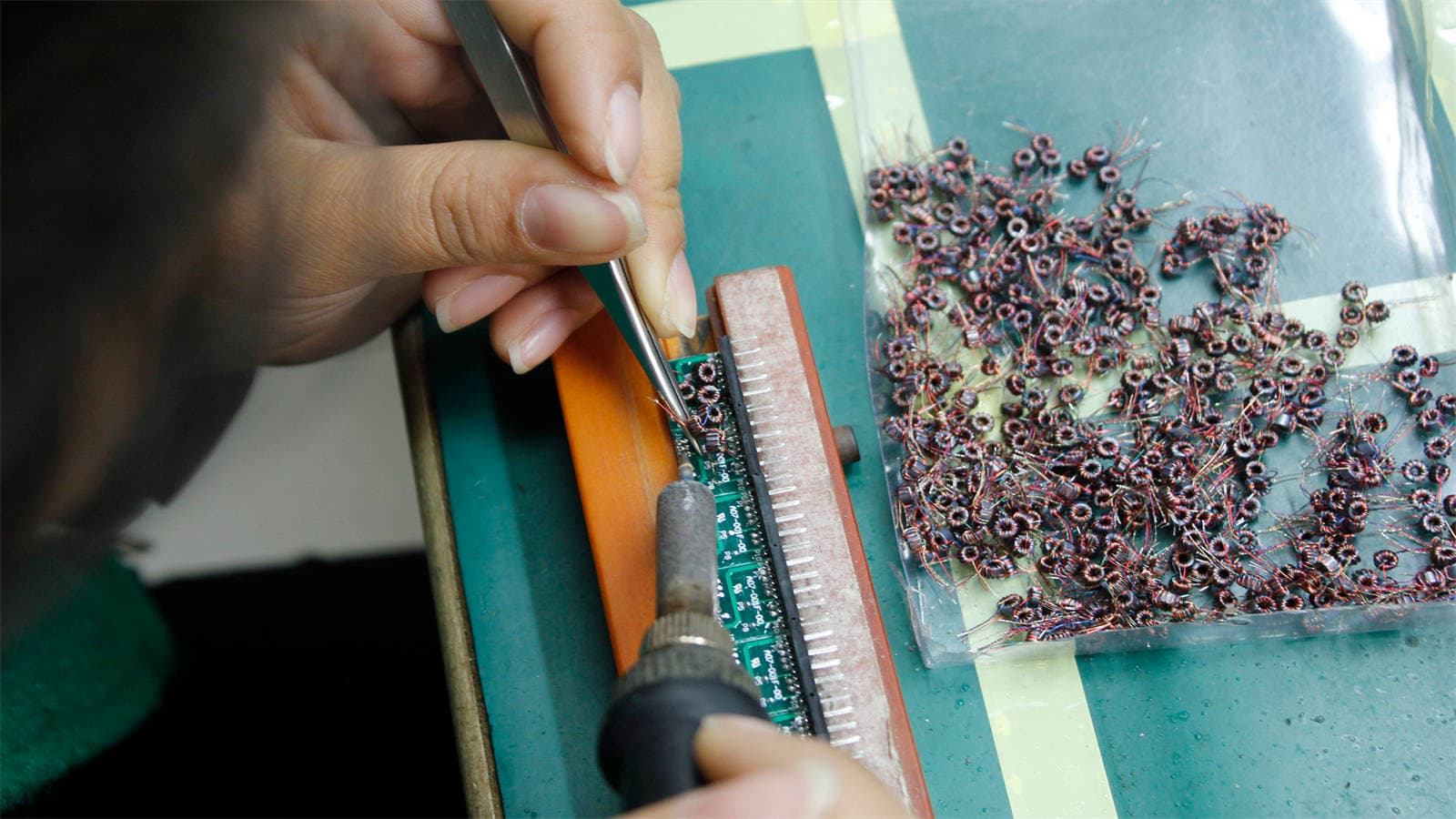
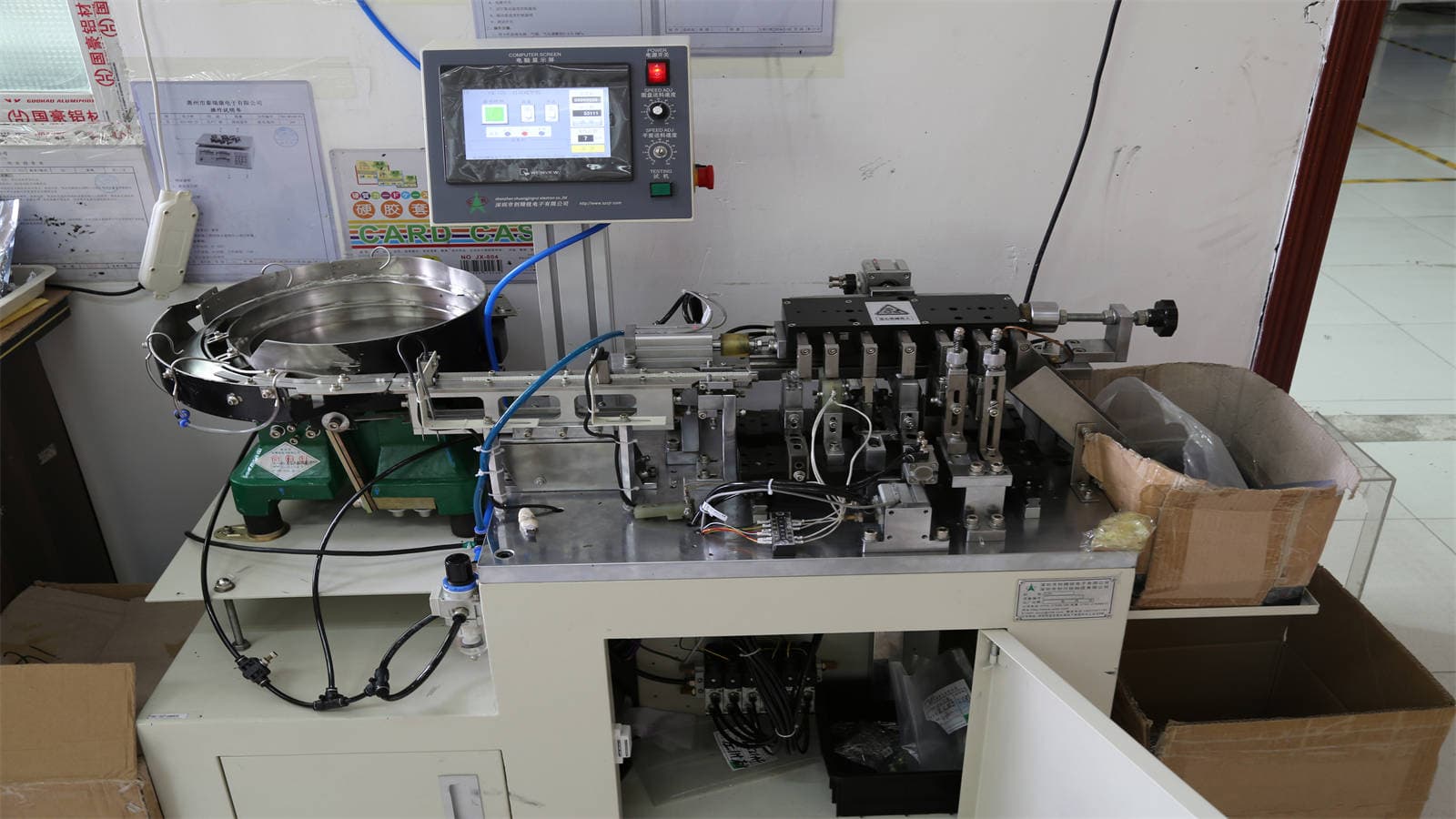
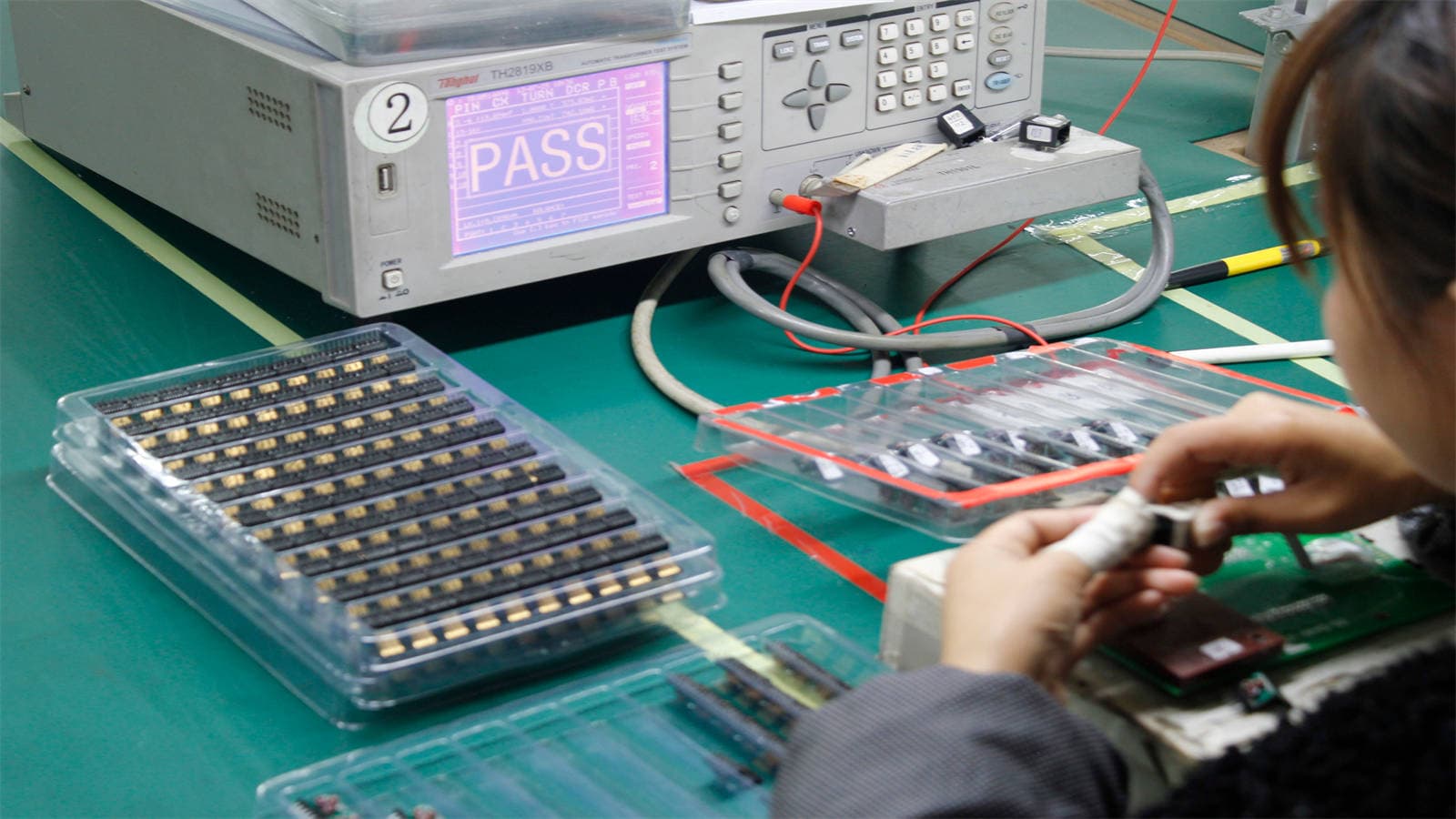
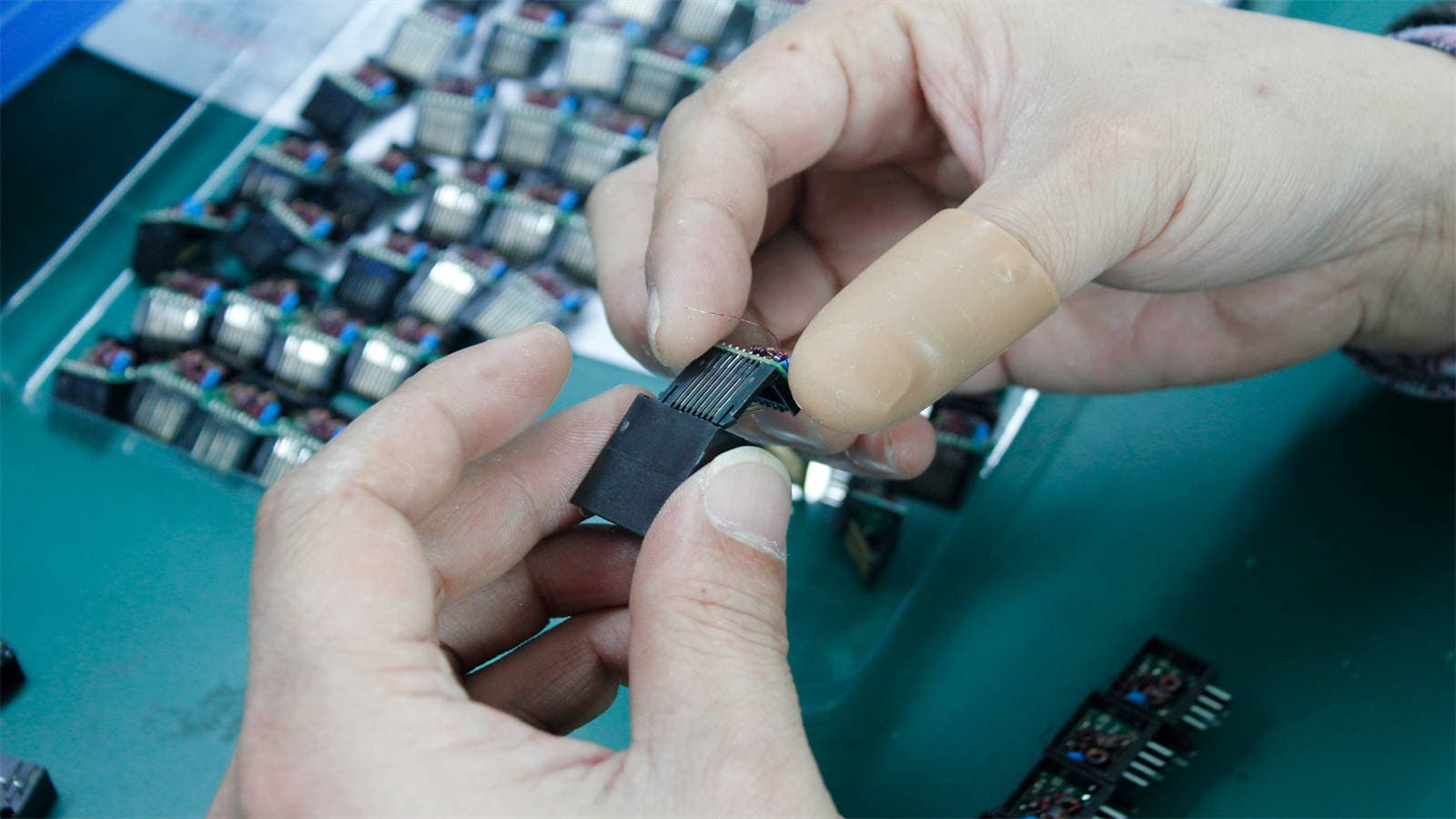
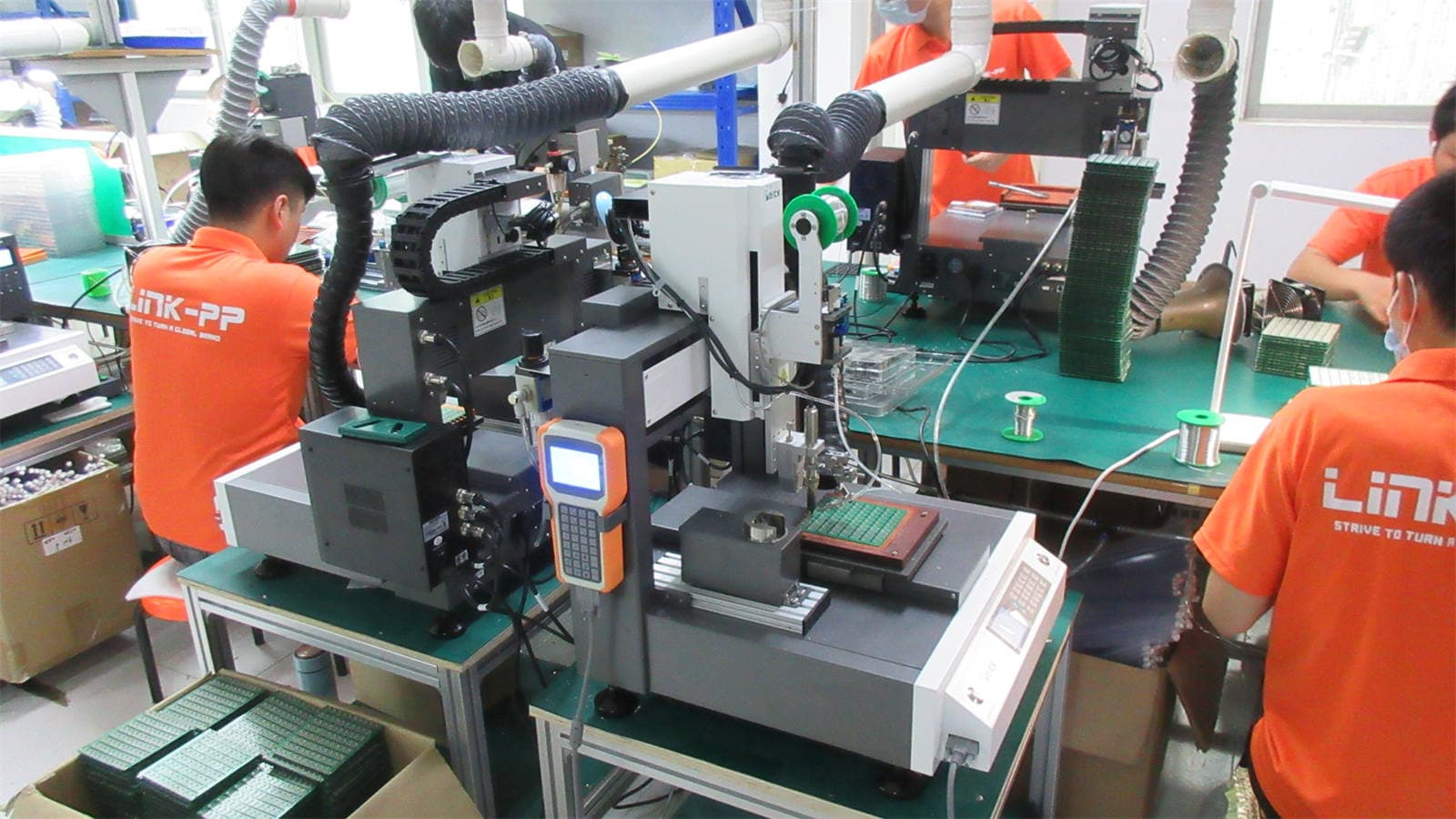
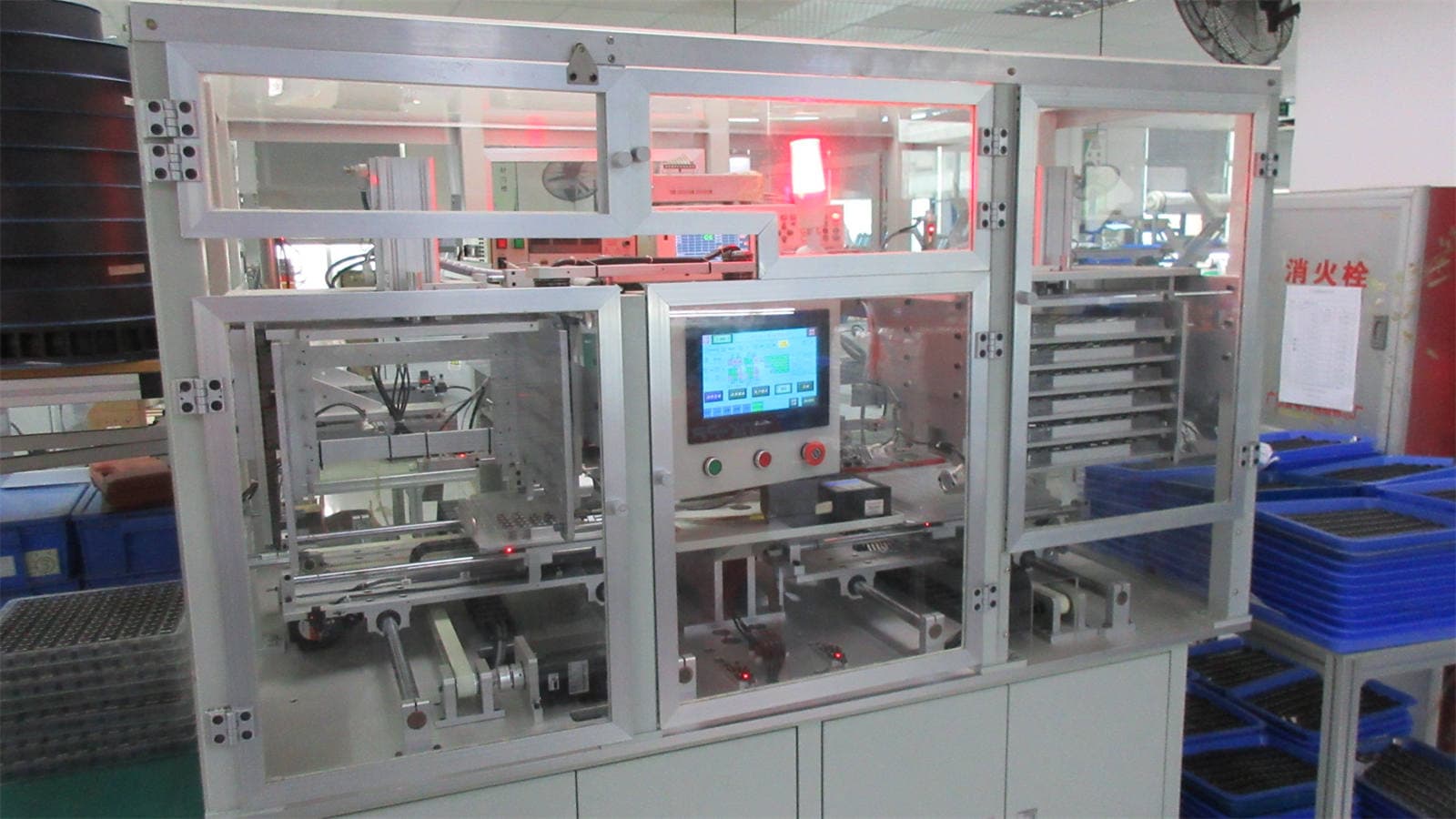
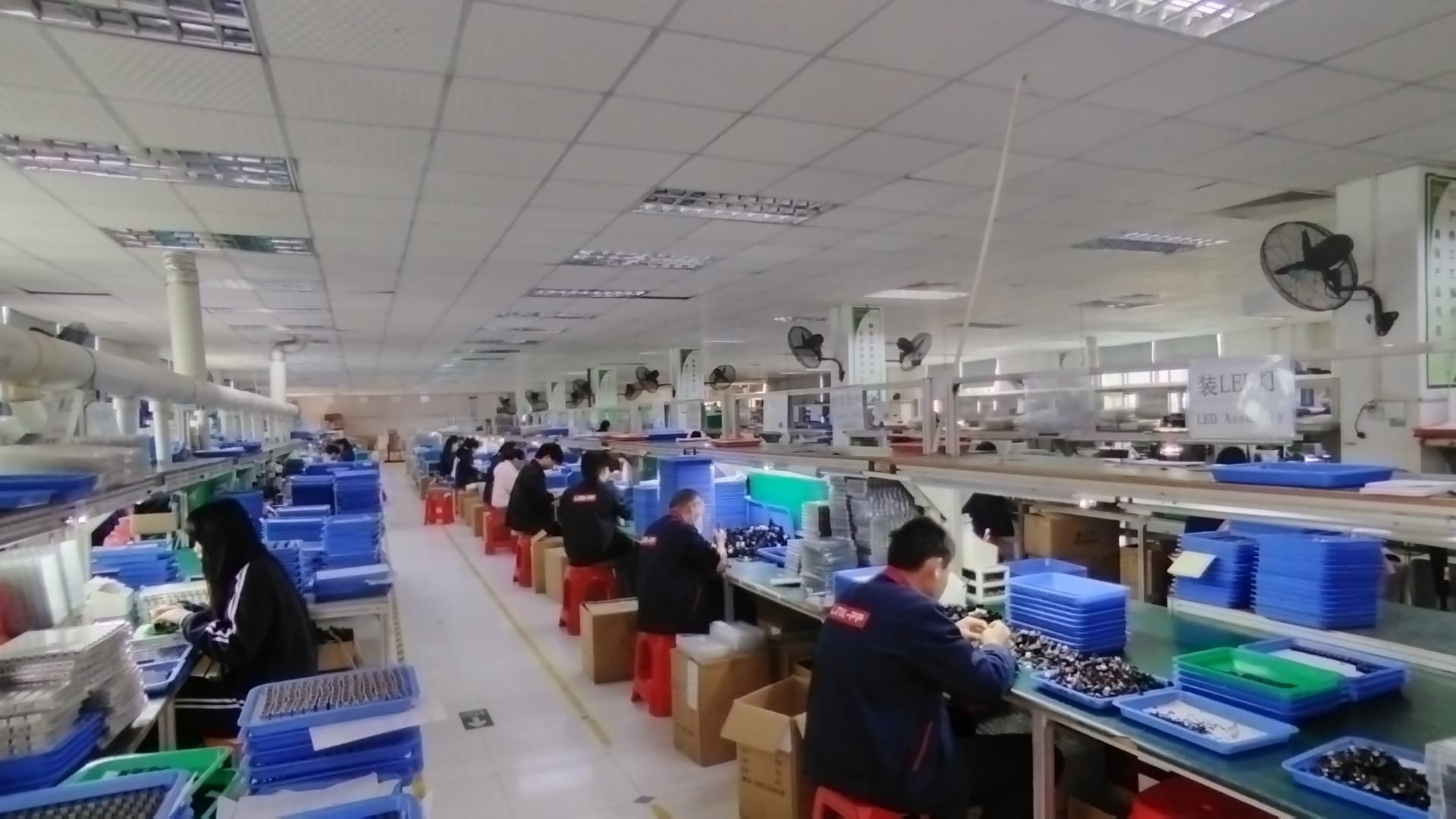
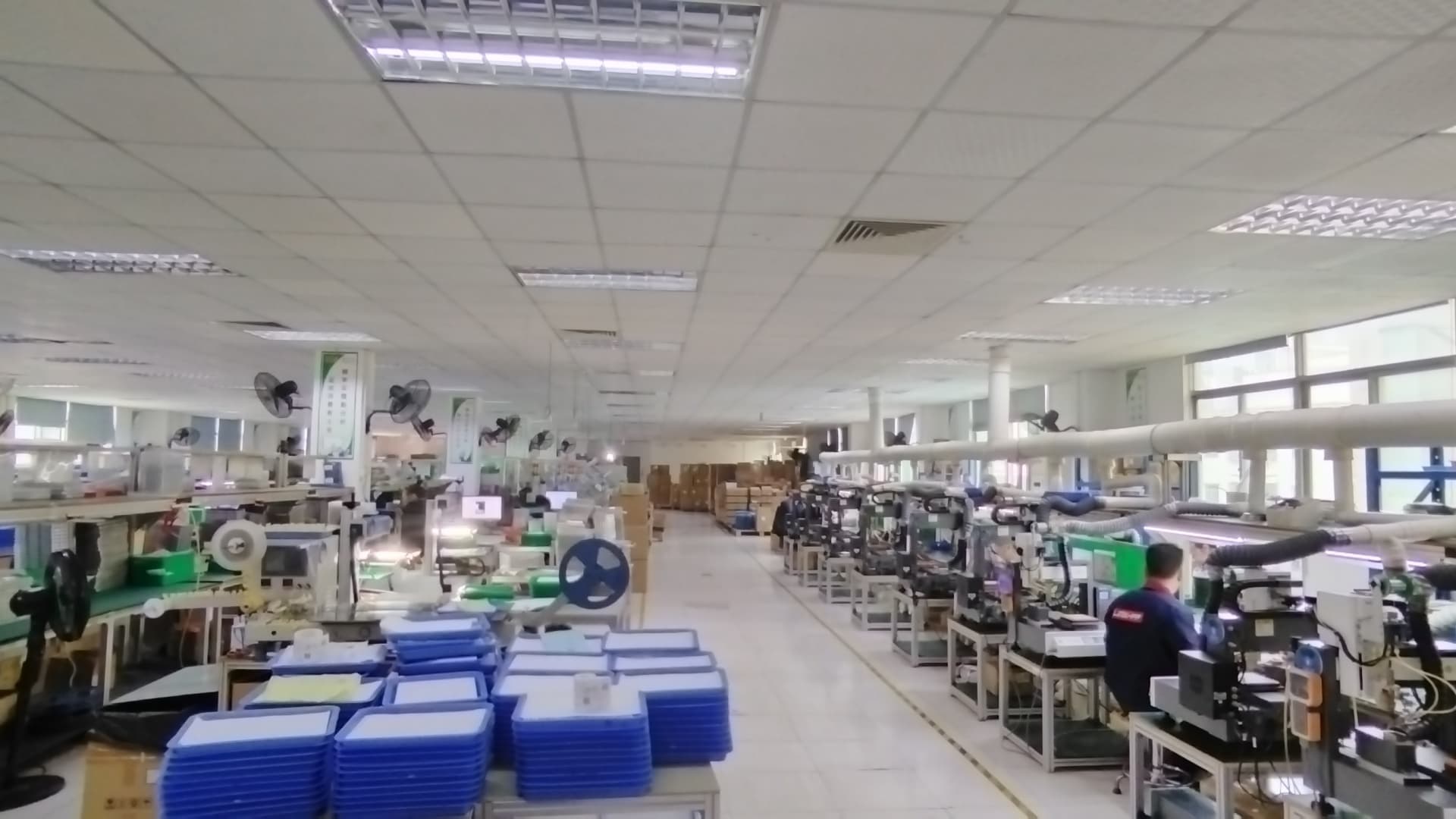
Lumopt Opto Technology Production Line

China Industry 4.0: Supply Chain Resilience & Workflow Rigor

Our standardized, automated manufacturing processes ensure maximum production throughput, dimensional consistency, and strict quality control.
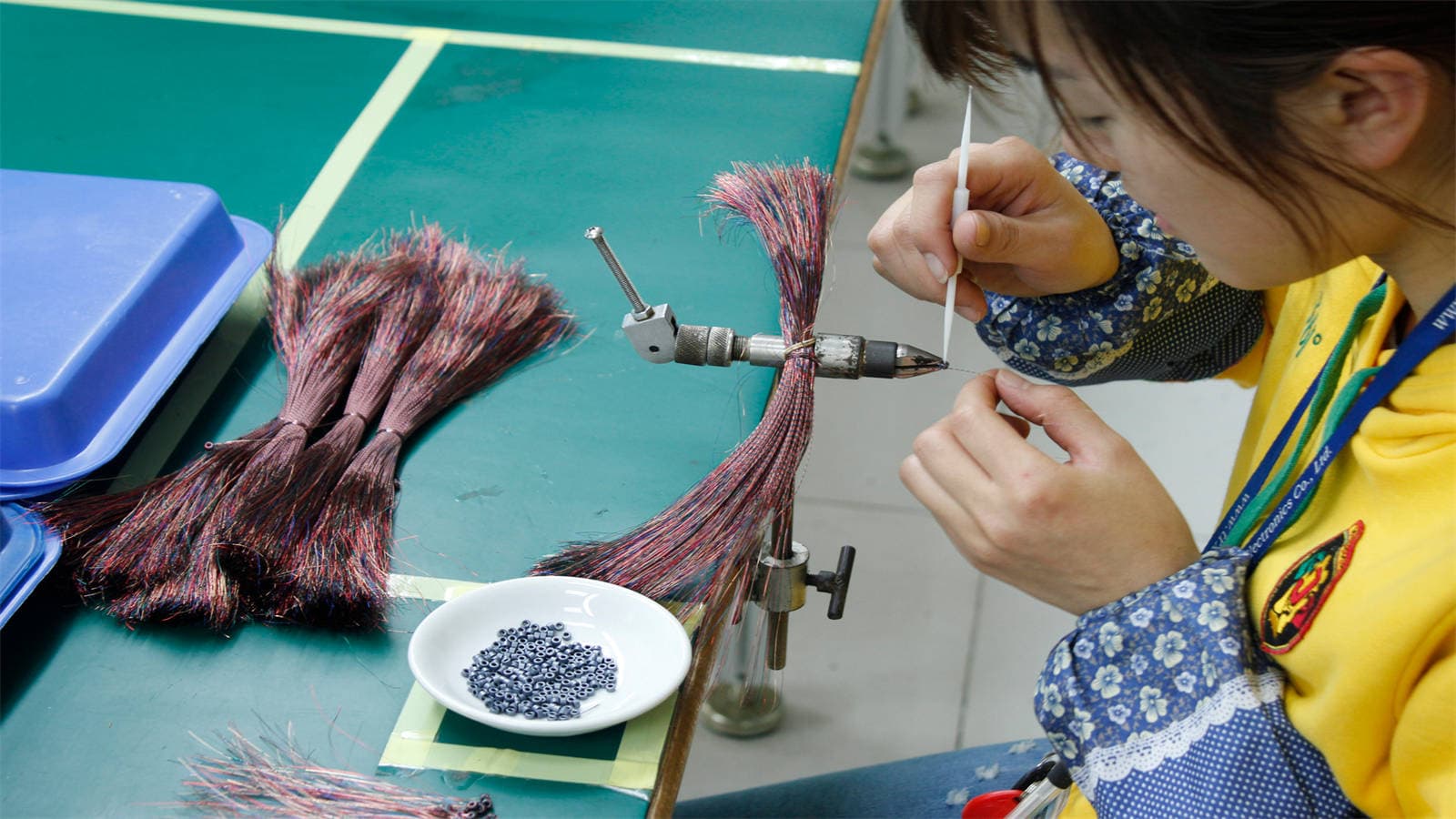
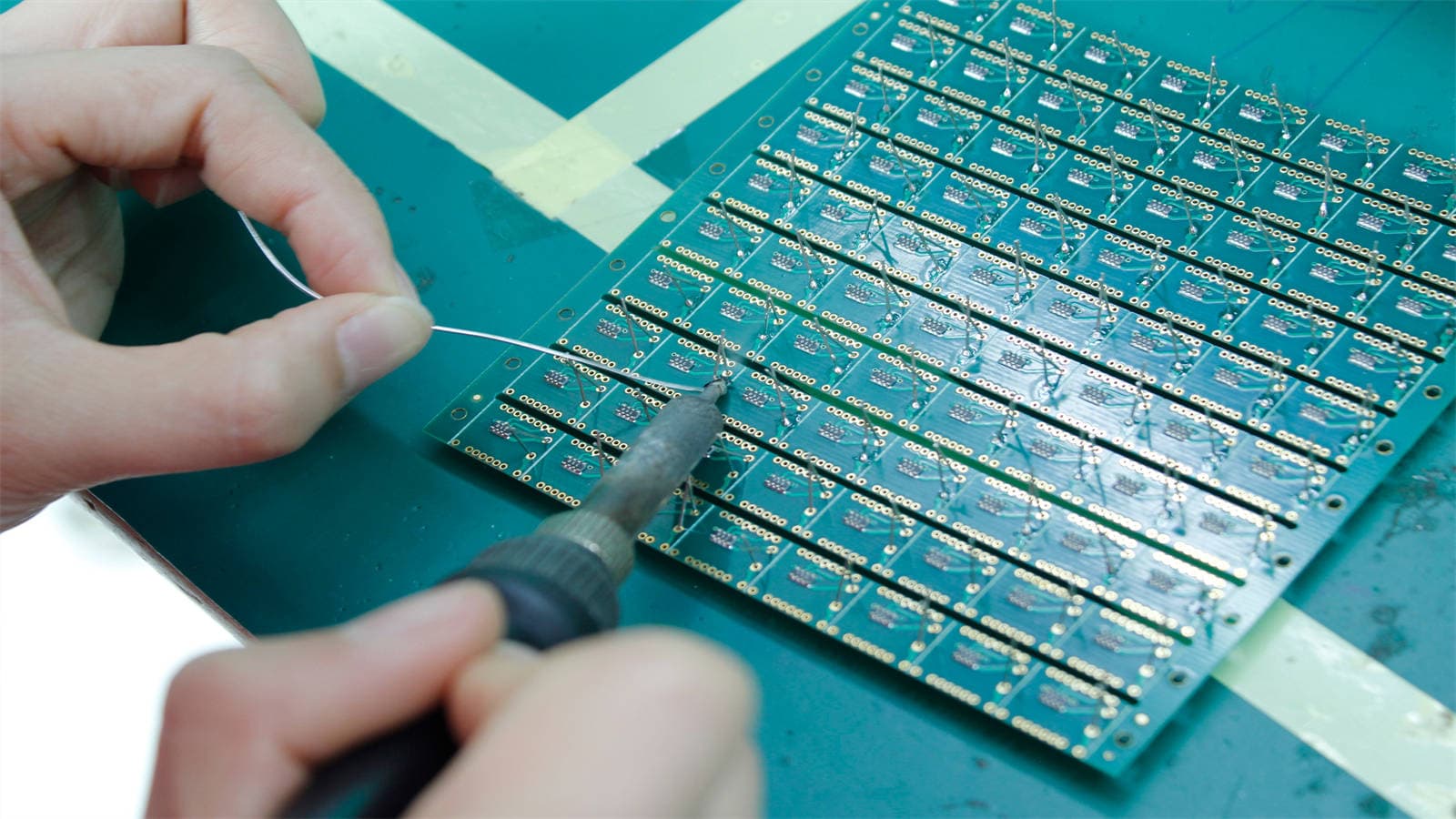
Twisting Phase
1. Cable Twisting
PCB Tinned Phase
2. PCB Tinned
Soldering Phase
3. Soldering
Shear-LED-Pin
4. Shear LED Pin
Semi-finished Testing
5. Semi-Finished Testing
Plastic Case Assembly
6. Plastic Case Assembly
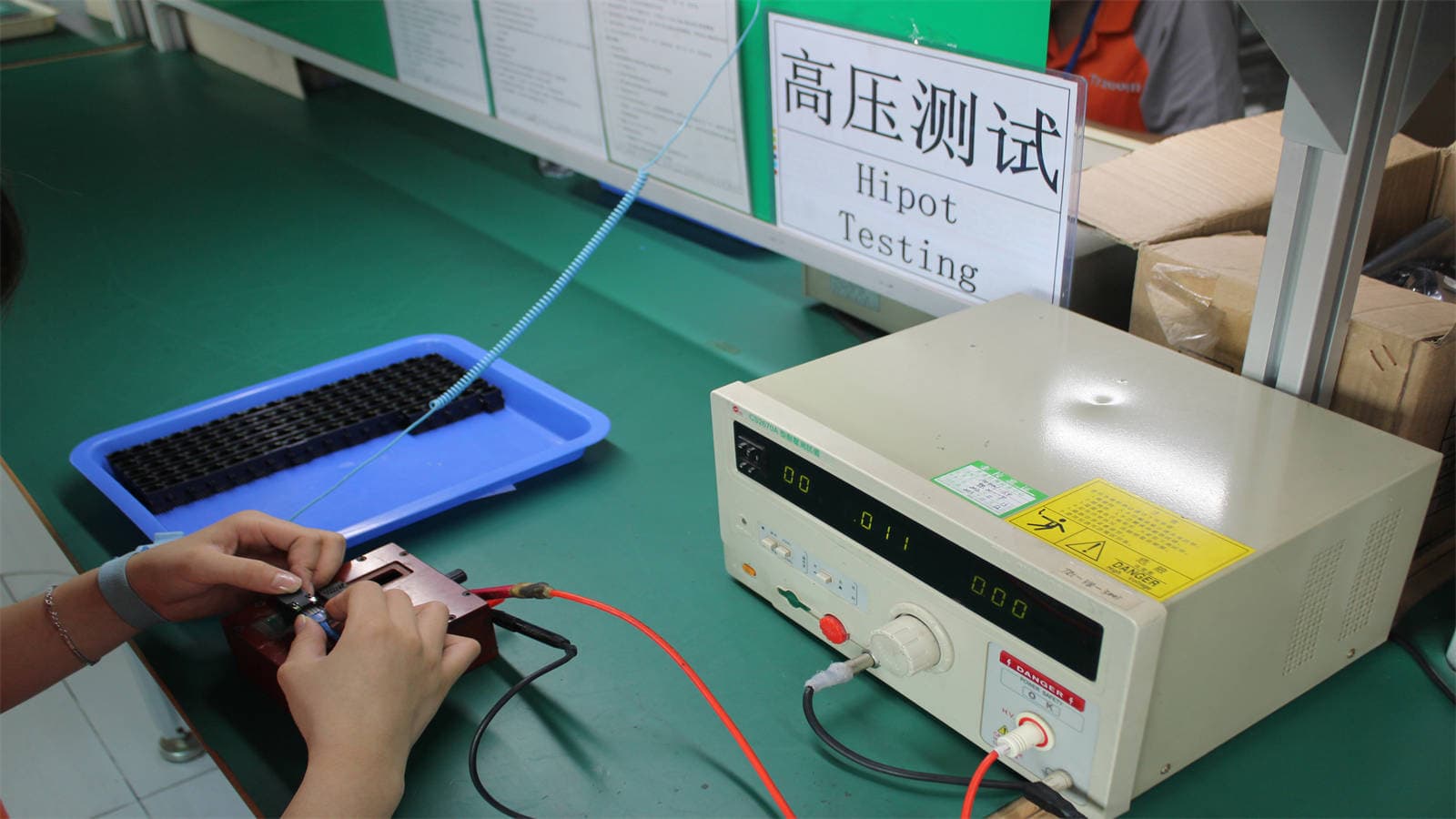
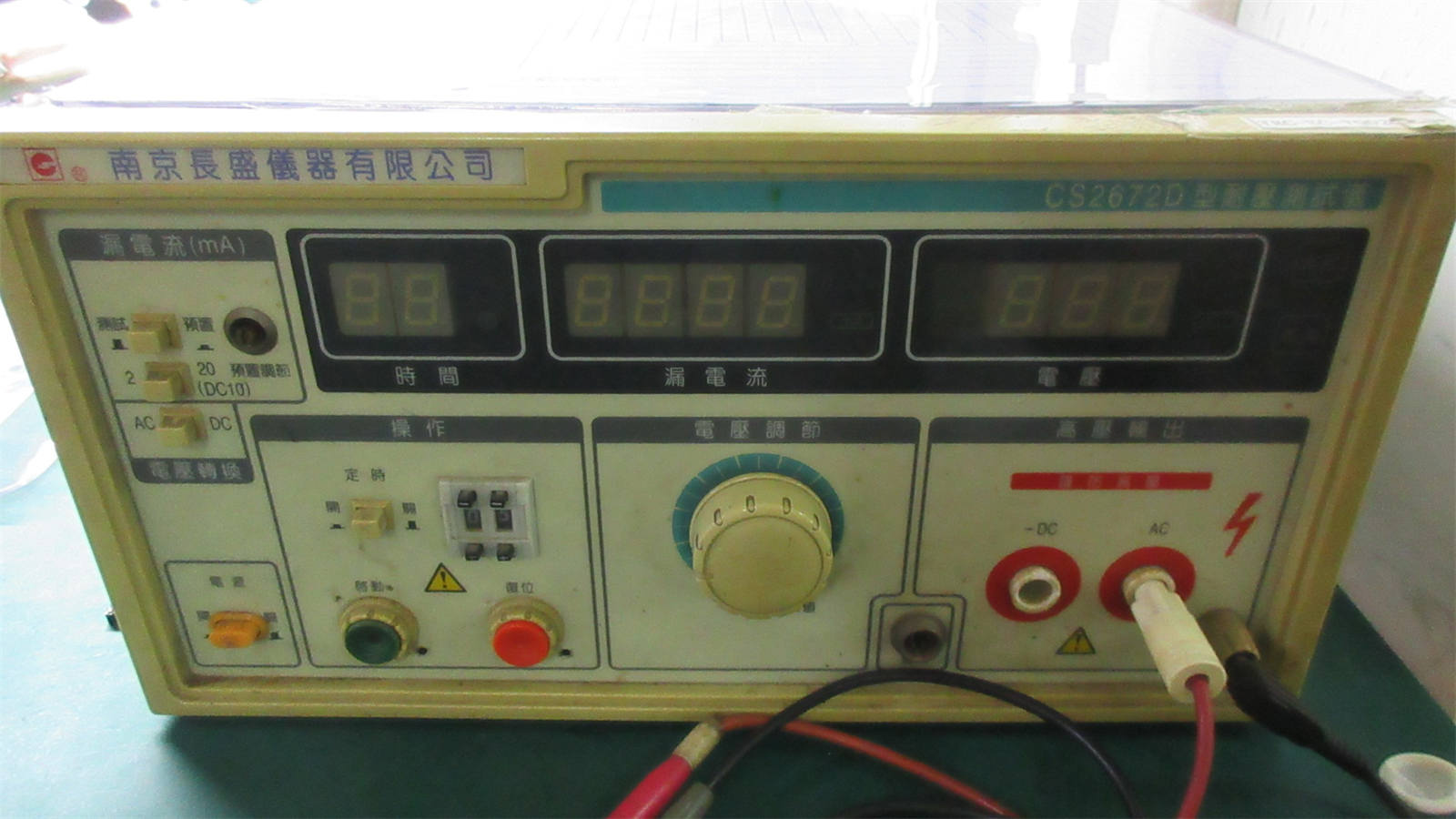
Hi-pot Testing
7. Hi-pot Testing
Integrated Testing
8. Integrated Testing
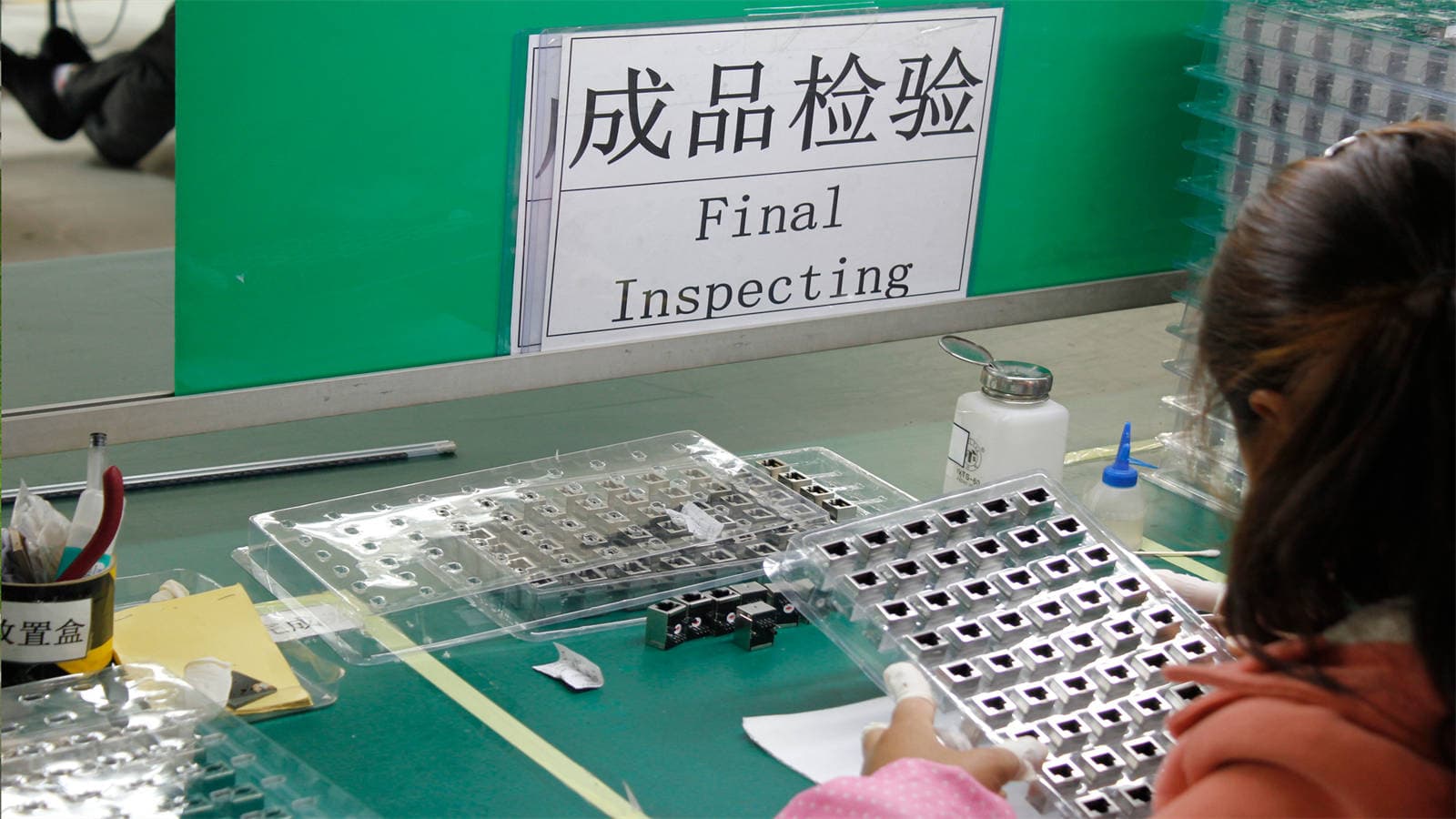
Final Inspecting
9. Final Inspecting
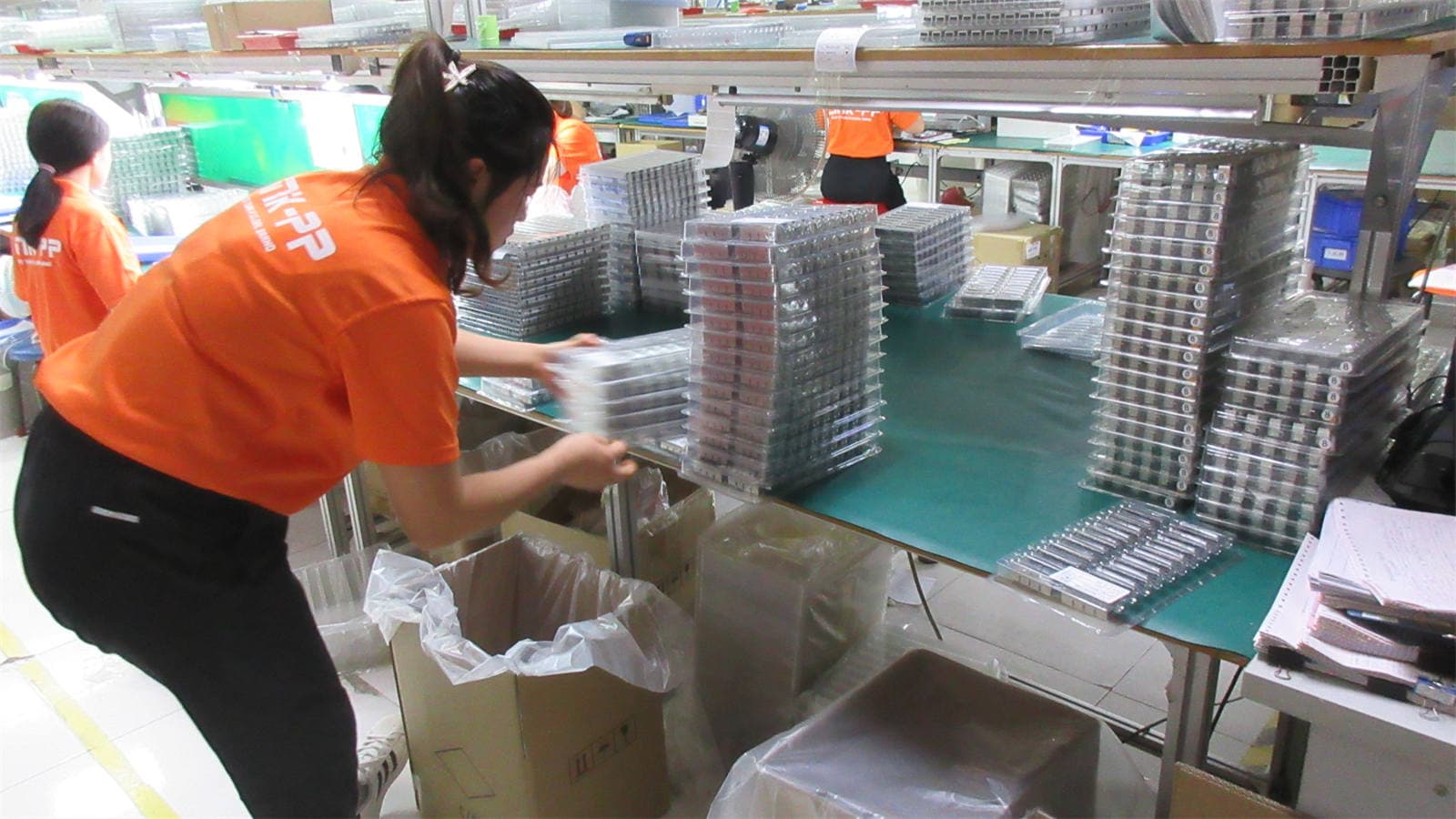
Packing
10. Packing

Global Standards Testing & Validation Infrastructure

Our laboratories feature industry-grade equipment to ensure all components exceed international tolerances.
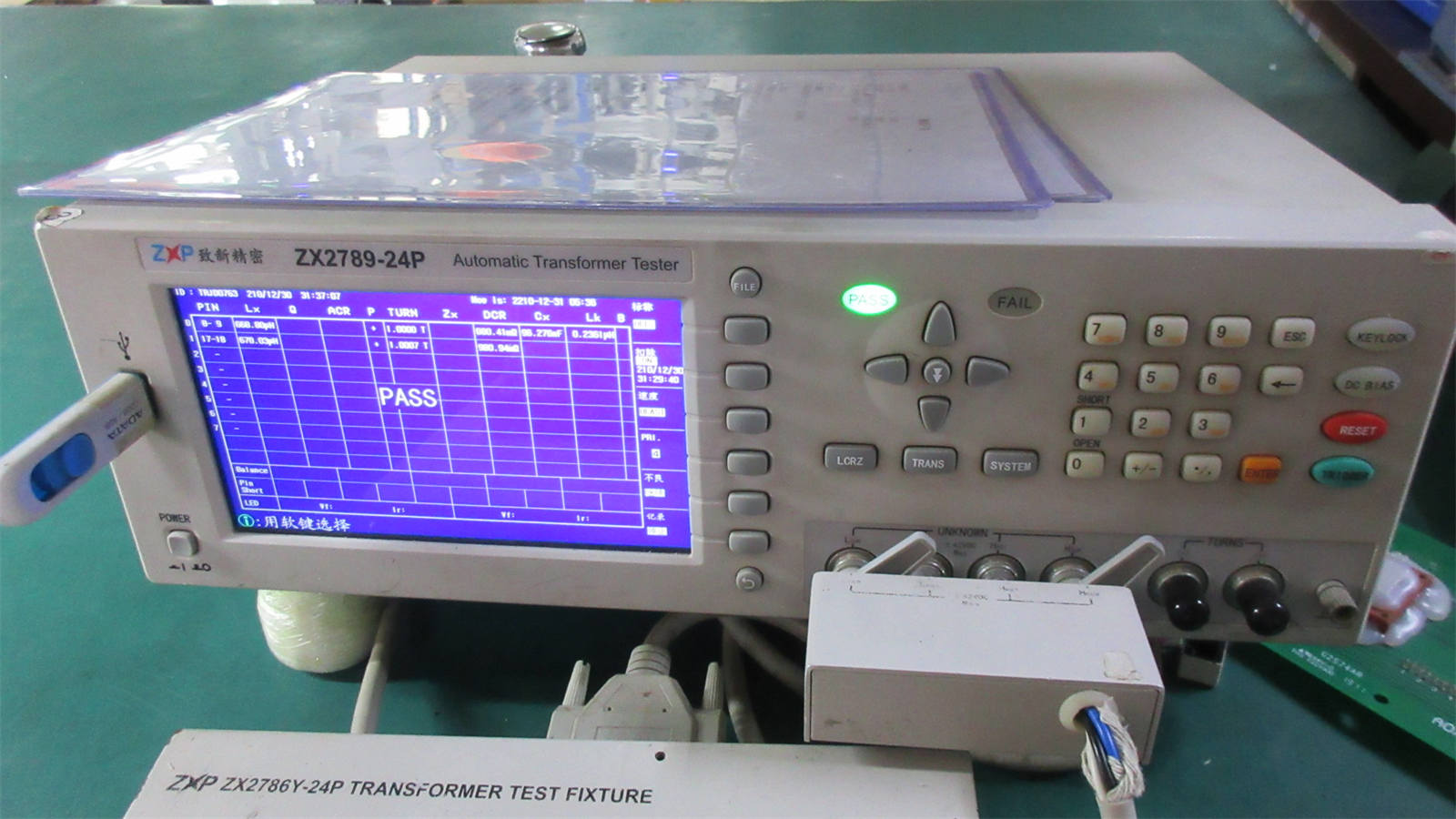
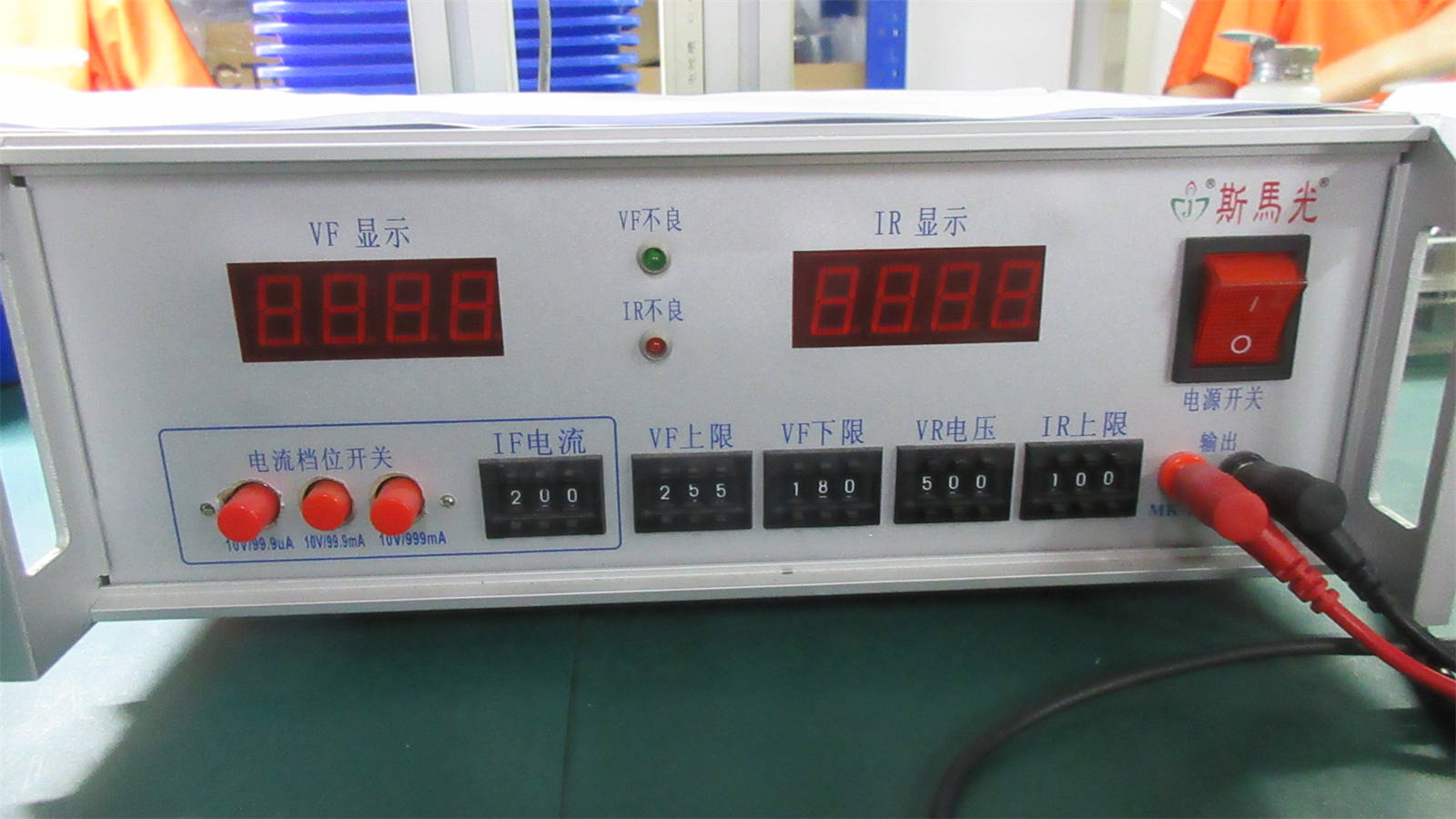
Comprehensive Tester
LED Lamp Tester
LED Lamp Tester
Hi-Pot Tester
Hi-Pot Tester
Automatic Welding Machine
Automatic Welding
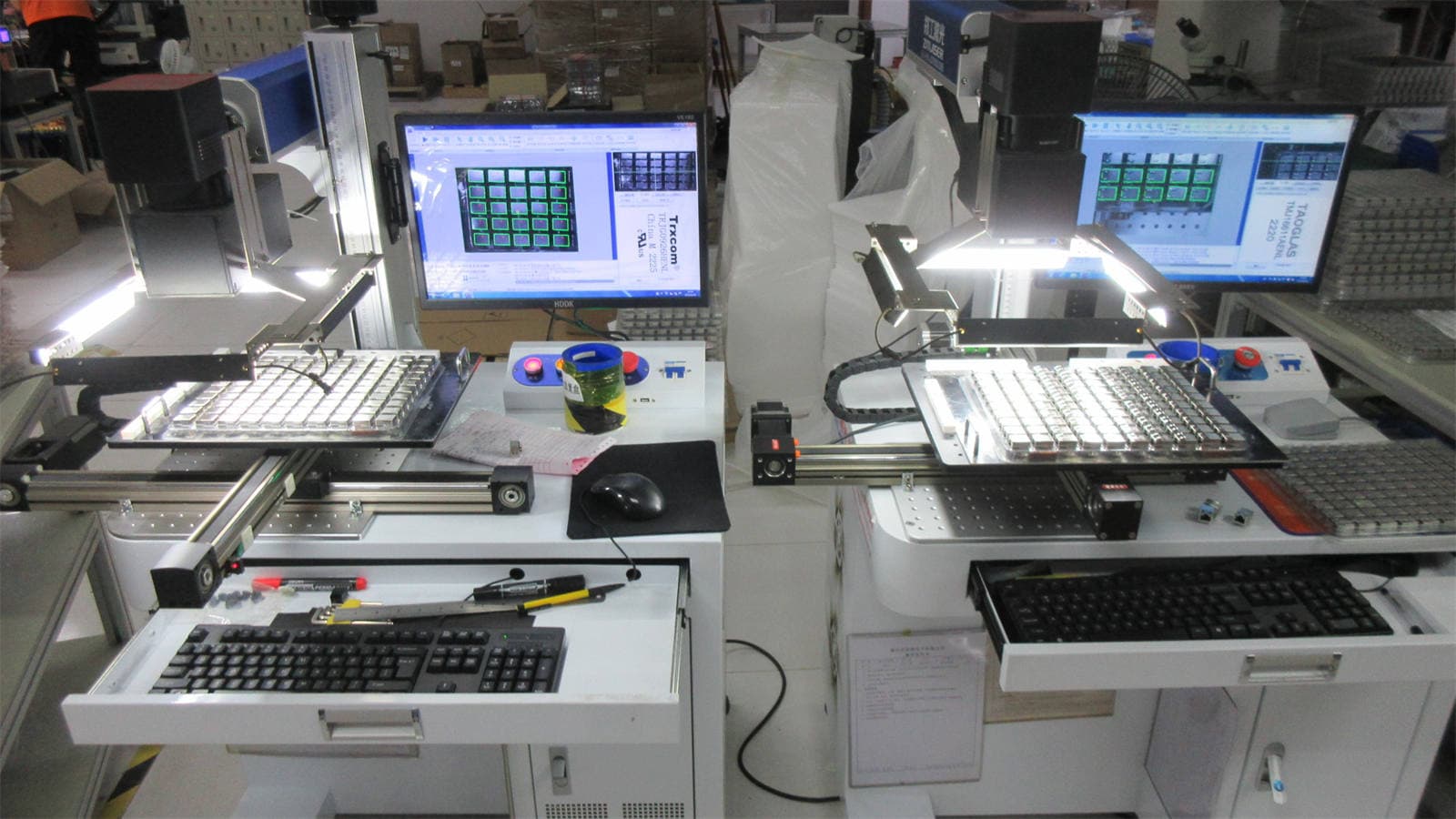
Laser Marking Machine
Laser Marking
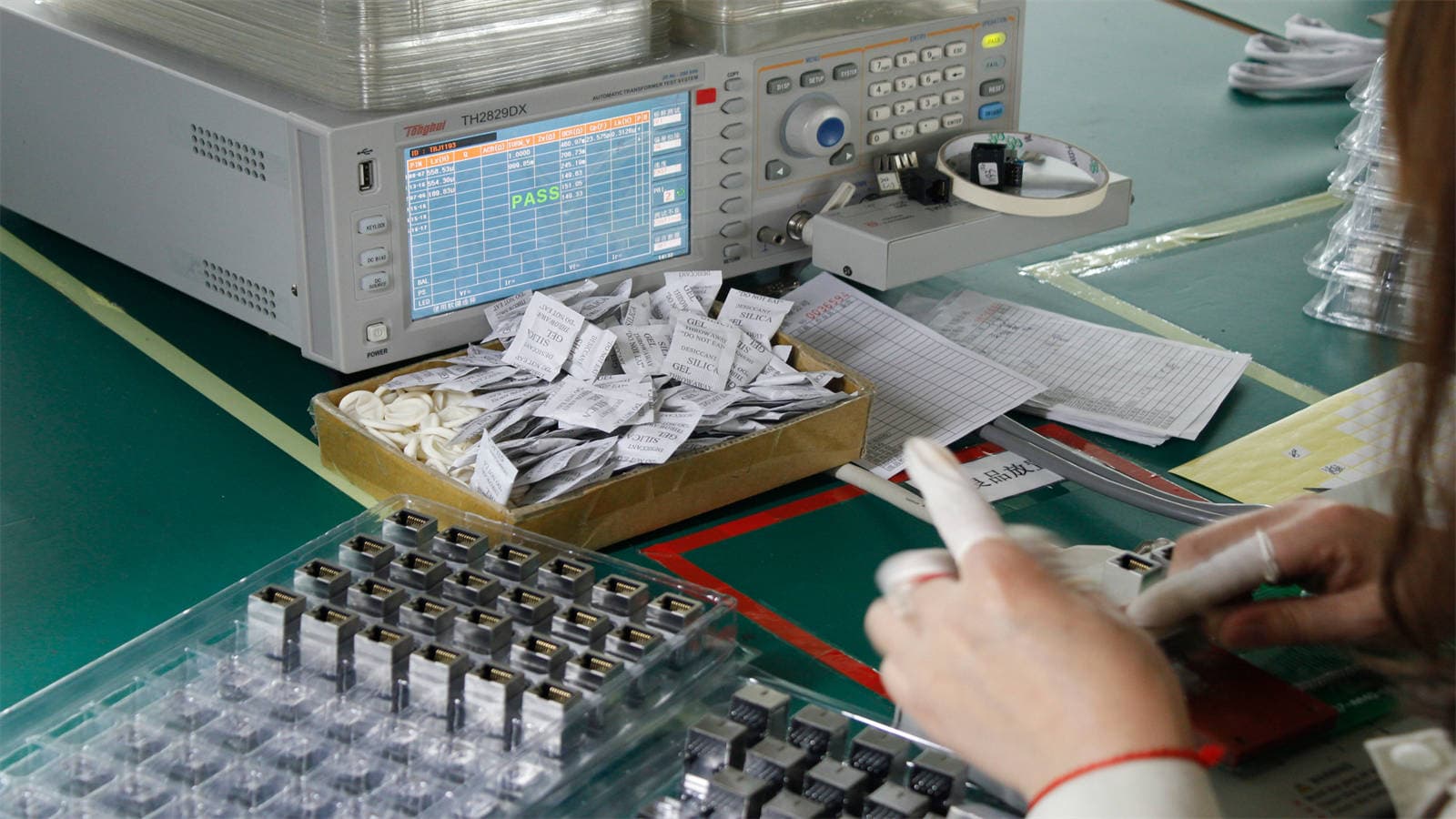
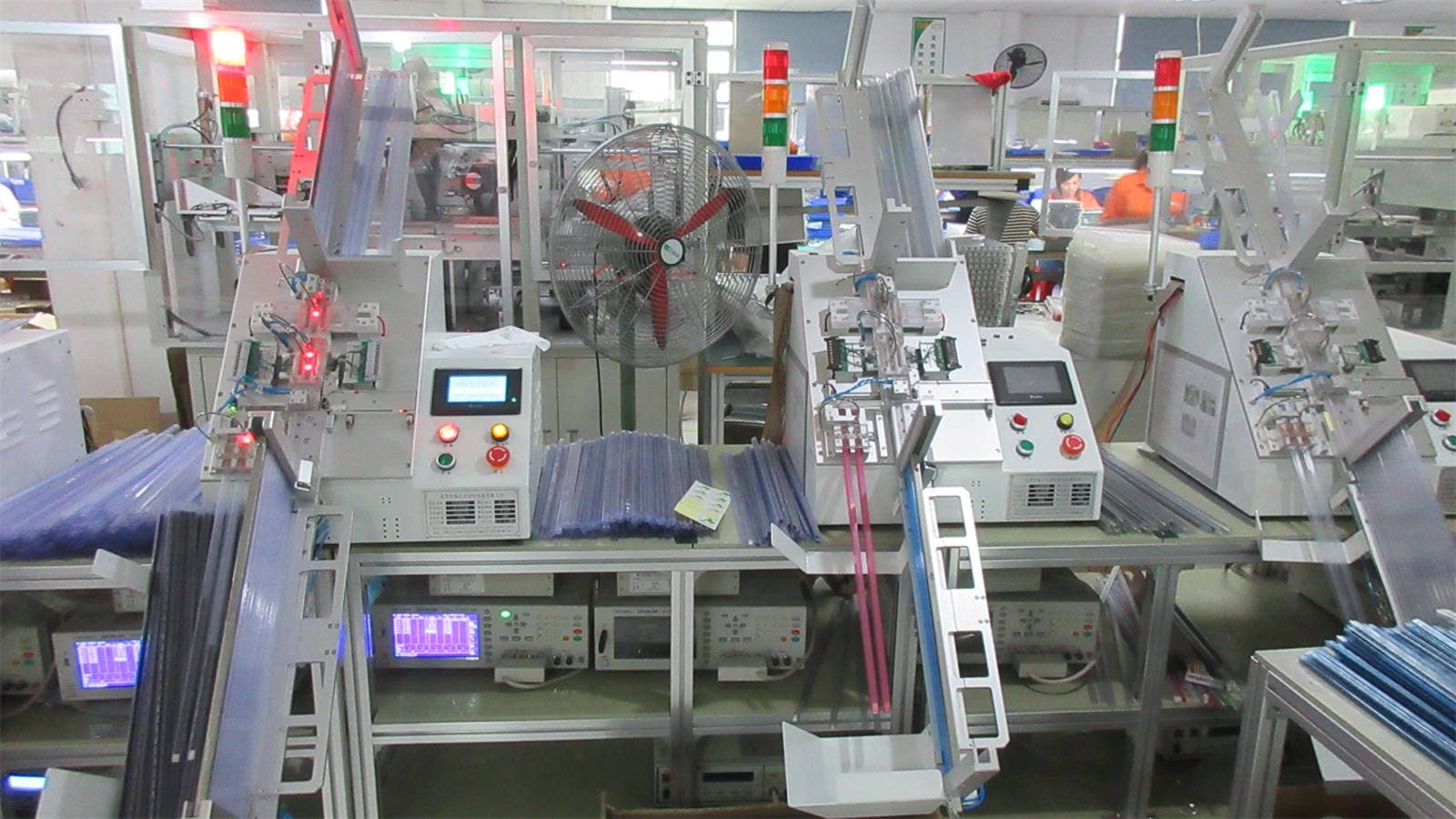
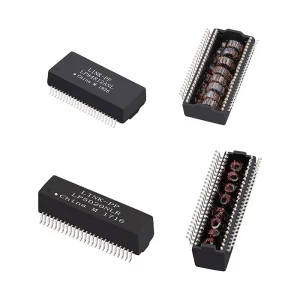
Transformer Automatic Tester
Transformer Auto Tester
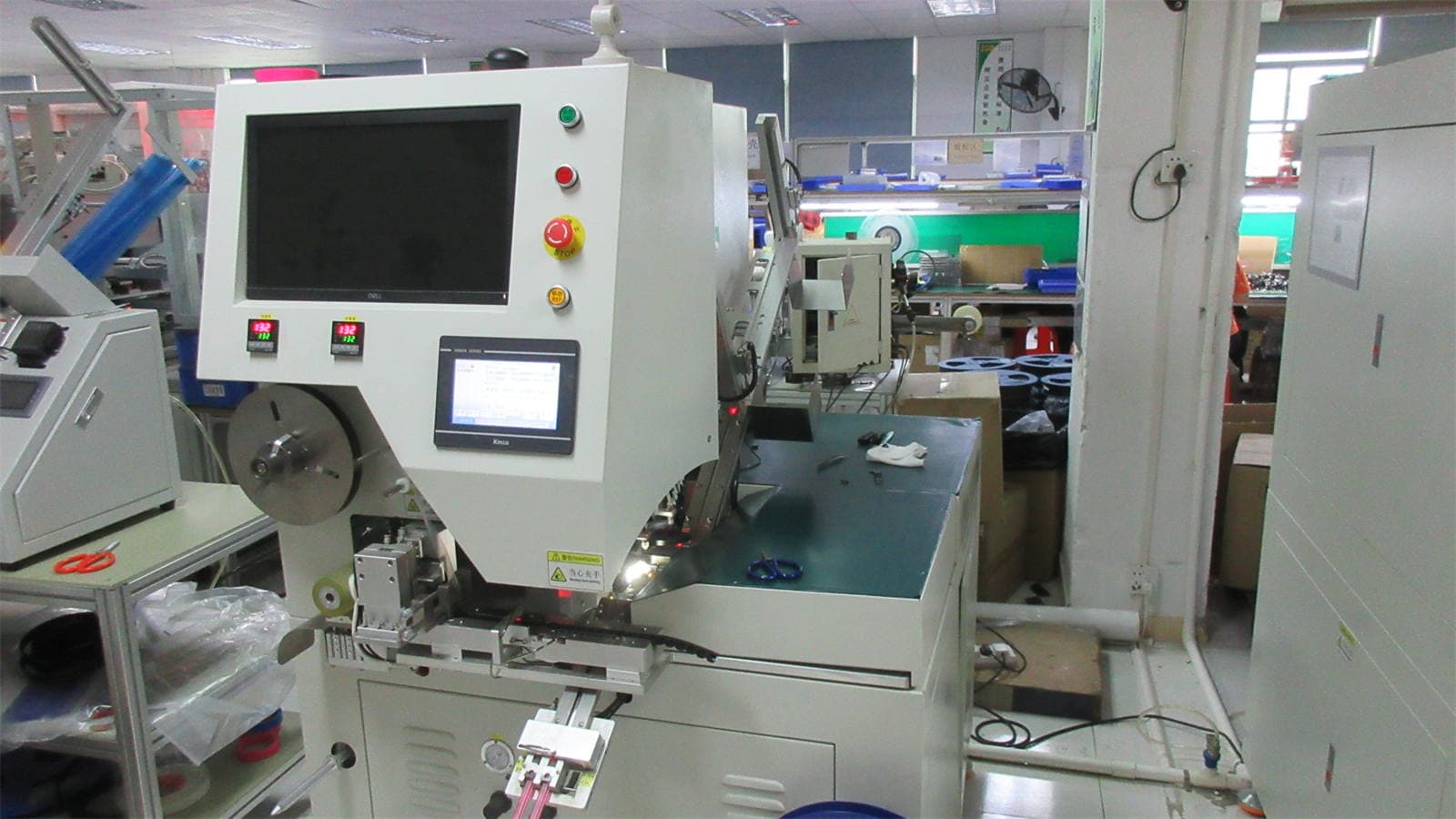
Transformer Packing Machine
Auto Packing Line
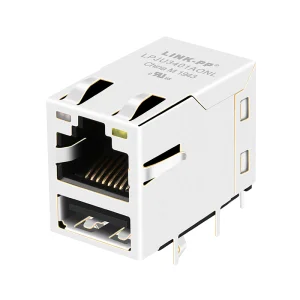
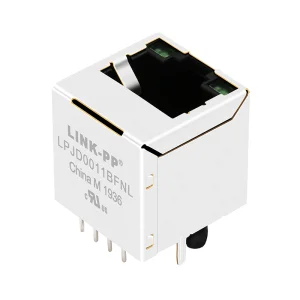
RJ45 Automatic Tester
RJ45 Auto Tester
Interoperability Testing Rack
Optical Spectrum Suite
Automatic Placement Line
SMT Mounter Station

Global Enterprise Procurement & Application Engineering

How data center architects, system integrators, and telecom carriers optimize their procurement and interface specifications.

Procuring network components involves balancing performance, reliability, and cost. For engineers specifying SFP connector interfaces, the decision extends beyond simply finding a socket to house optical transceivers. It requires looking at signal path degradation across the entire system. Key considerations include:

  • Pin Plating Material: Our interfaces feature 30u" to 50u" gold plating over nickel on mating surfaces. This prevents oxidation and ensures reliable performance through 100+ insertion/extraction cycles.
  • Solderability & Mounting Styles: Press-fit configurations simplify board assembly and avoid thermal stress on nearby ICs. Through-hole configurations provide extra mechanical strength for high-insertion environments.
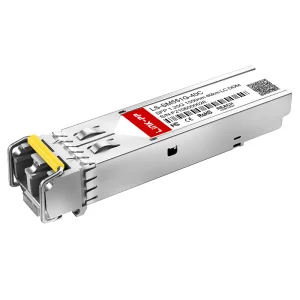
  • System Compatibility: SFP modules must read diagnostic data correctly. Our transceivers support DOM/DDM (Digital Optical Monitoring) to provide real-time tracking of parameters like laser temperature, bias current, and optical power.
Expert Insight: Localized Application Scenarios
In hyperscale data centers, QSFP-DD and SFP28 cages are densely packed onto top-of-rack switches. Our cages are built to prevent system overheating in these tight layouts. For industrial and telecommunications deployments, our components are certified to operate within a wide temperature range of -40°C to +85°C.

By standardizing on our SFP connector interfaces and transceiver modules, systems integrators can simplify their logistics. We manage manufacturing, quality assurance, and compliance under one roof. This helps limit variations between production runs, simplifies product validation, and accelerates project deployments.

Technical Q&A / FAQs

Clear answers to common technical and procurement questions about SFP interfaces and optical modules.

What is the physical difference between SFP+ and SFP28 cages?
SFP+ (10G) and SFP28 (25G) share the same physical form factor, making them backwards compatible. However, SFP28 interfaces are designed with stricter tolerances to handle the higher frequencies of 25 Gbps signals. They use specialized materials to limit signal loss, crosstalk, and high-frequency EMI.
Why is EMI shielding critical in SFP connector interface cages?
At high speeds, high-frequency signals can radiate energy through gaps in the transceiver housing. EMI shielding uses metal spring fingers or conductive elastomeric gaskets to ground the cage to the chassis, containing these emissions. This ensures the system complies with international electromagnetic compatibility (EMC) standards.
Can you provide customized OEM/ODM packaging and labeling?
Yes. We support custom branding, unique part numbers, custom EEPROM coding for switch compatibility, and tailored packaging configurations. These options help streamline assembly and deployment for global customers.
What is the benefit of press-fit termination over solder termination?
Press-fit termination relies on mechanical force to establish electrical contact with PCB vias, avoiding thermal stress from soldering. This approach simplifies maintenance and assembly. Through-hole soldering is still used when maximum mechanical stability is required.