 Lumopt
Lumopt
Lumopt
High-performance SFP transceivers, modular cages, and high-density RJ45 connectors designed for zero-latency network deployments.
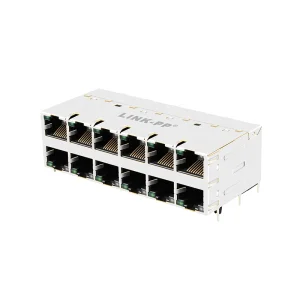
XFATM8-STACK12-4 Shielded 2x6 Port Stacked RJ45 Female Connector
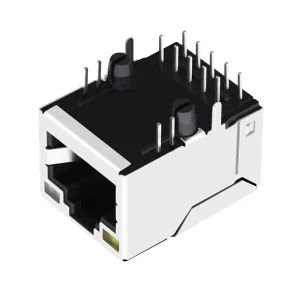
Custom Ethernet RJ45 Magnetic Female Connector Module RT7-195AAM1F
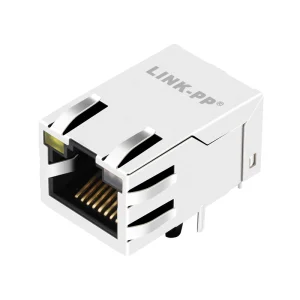
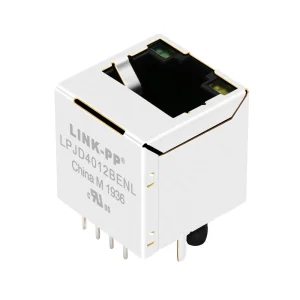
74990101241 10/100 Base-t Ethernet Vertical Top Entry Straight Magnetic RJ45 Female Connector
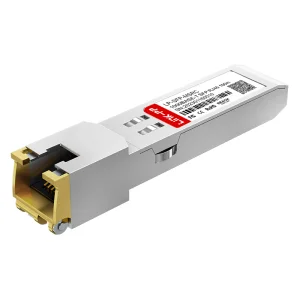
1000BASE-T 1G SFP Copper RJ45 100m Fiber Optical Transceiver Module
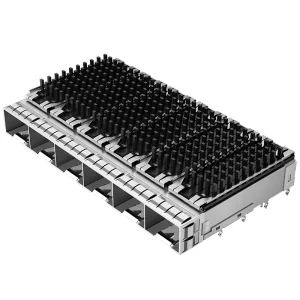
2198235-1 TE Replacement Through Hole 1x6 Ports EMI Shielded Press Fit SFP+ Cage With Heat Sink
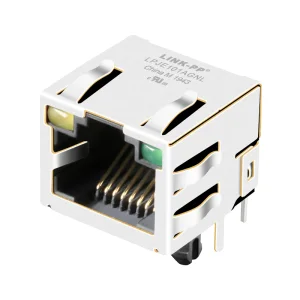
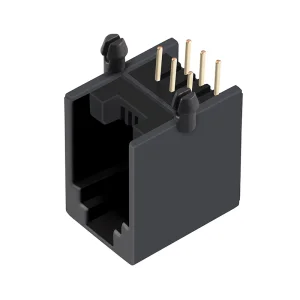
Unpacking the technological shift and demand drivers behind modern multi-mode fiber transceivers.
Multi-Mode Small Form-factor Pluggable (SFP) modules represent the backbone of local datacenter architectures, high-performance computing clusters, and enterprise backbones. Operating primarily at wavelengths of 850nm, these transceivers utilize VCSEL (Vertical-Cavity Surface-Emitting Laser) technology to drive cost-effective, high-bandwidth data transmission over relatively short distances. In modern enterprise settings, Multi-Mode Fiber (MMF) infrastructure (such as OM3, OM4, and OM5) offers optical transmission solutions that significantly slash power consumption and capital expenditure compared to Single-Mode Fiber (SMF) setups.
As corporate IT ecosystems pivot to handle massive datasets generated by artificial intelligence (AI), edge computing, and Internet of Things (IoT) sensors, the requirements for data throughput have skyrocketed. What was once a market dominated by 1G and 10G SFP transceivers is rapidly shifting toward 25G SFP28, 100G QSFP28, and next-generation multi-mode optical architectures. Global businesses demand modules that comply strictly with Multi-Source Agreements (MSA) to ensure seamless cross-platform functionality with switches and routers from Tier-1 networking vendors.

Registered as Luguang Communication Technology in China, delivering state-of-the-art optical interfaces to the global market.
Lumopt Opto Technology Co., Ltd. (Luguang Communication Technology Co., Ltd.) is a high-tech manufacturer specializing in the research, development, assembly, and testing of high-reliability optical transceivers. Our product lines span from 10G, 25G, 100G up to ultra-high-speed 400G, 800G, and 1.6T transceivers. We work as a primary partner for system integrators, telecom networks, cloud providers, and global distributors looking to source direct from a reliable Chinese manufacturing base.
How Lumopt maintains high-volume production without sacrificing component longevity and reliability.
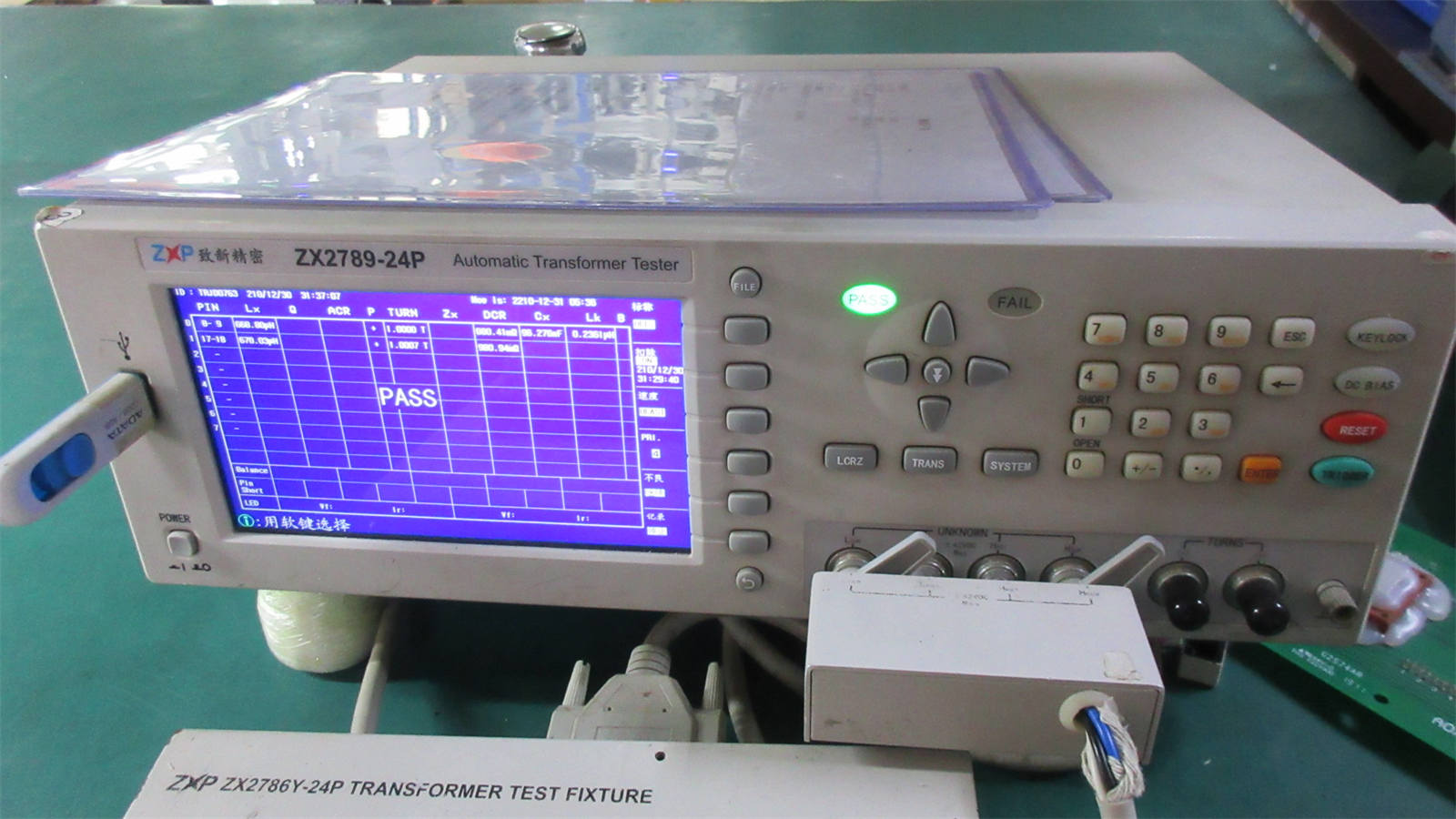
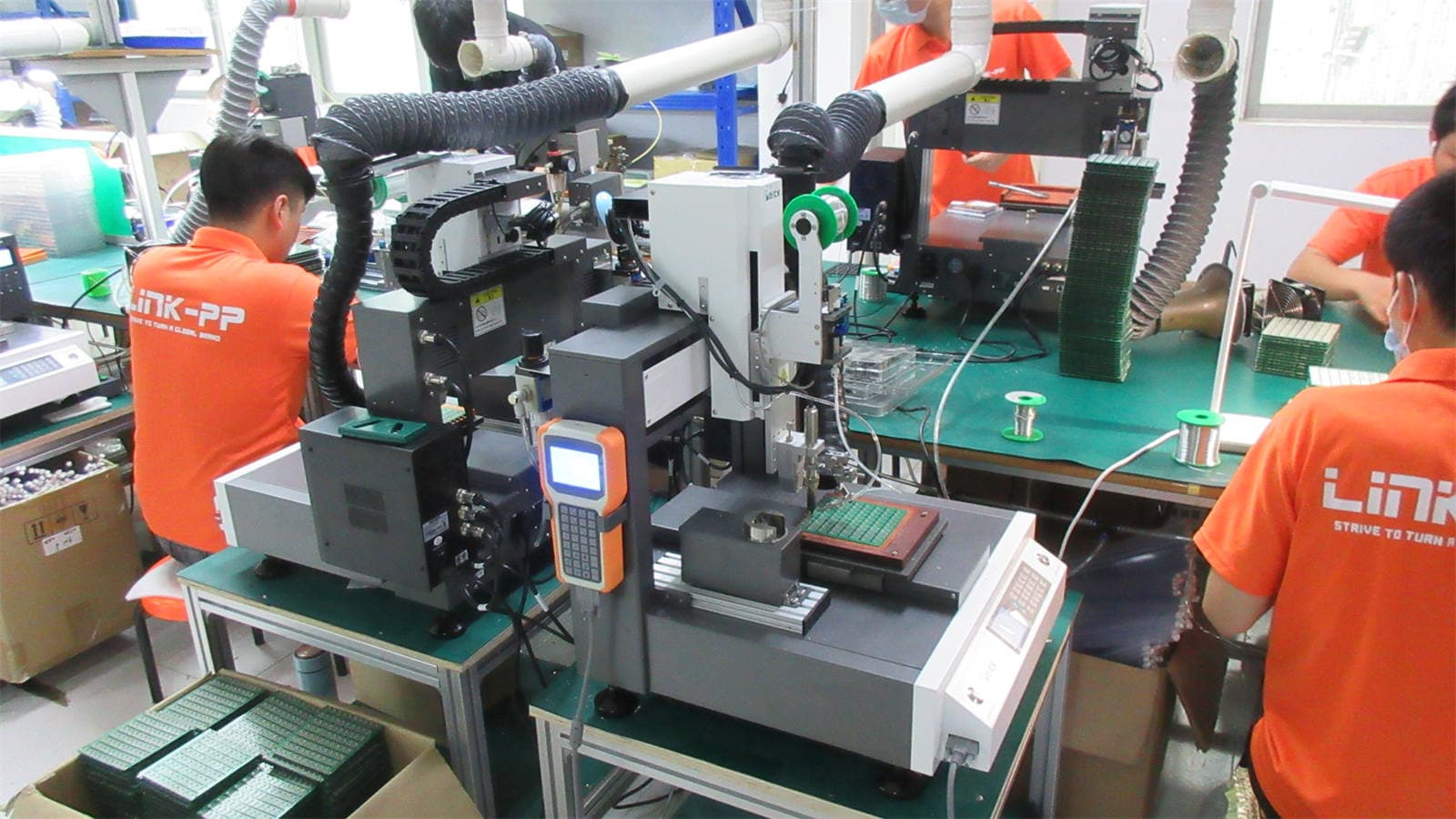
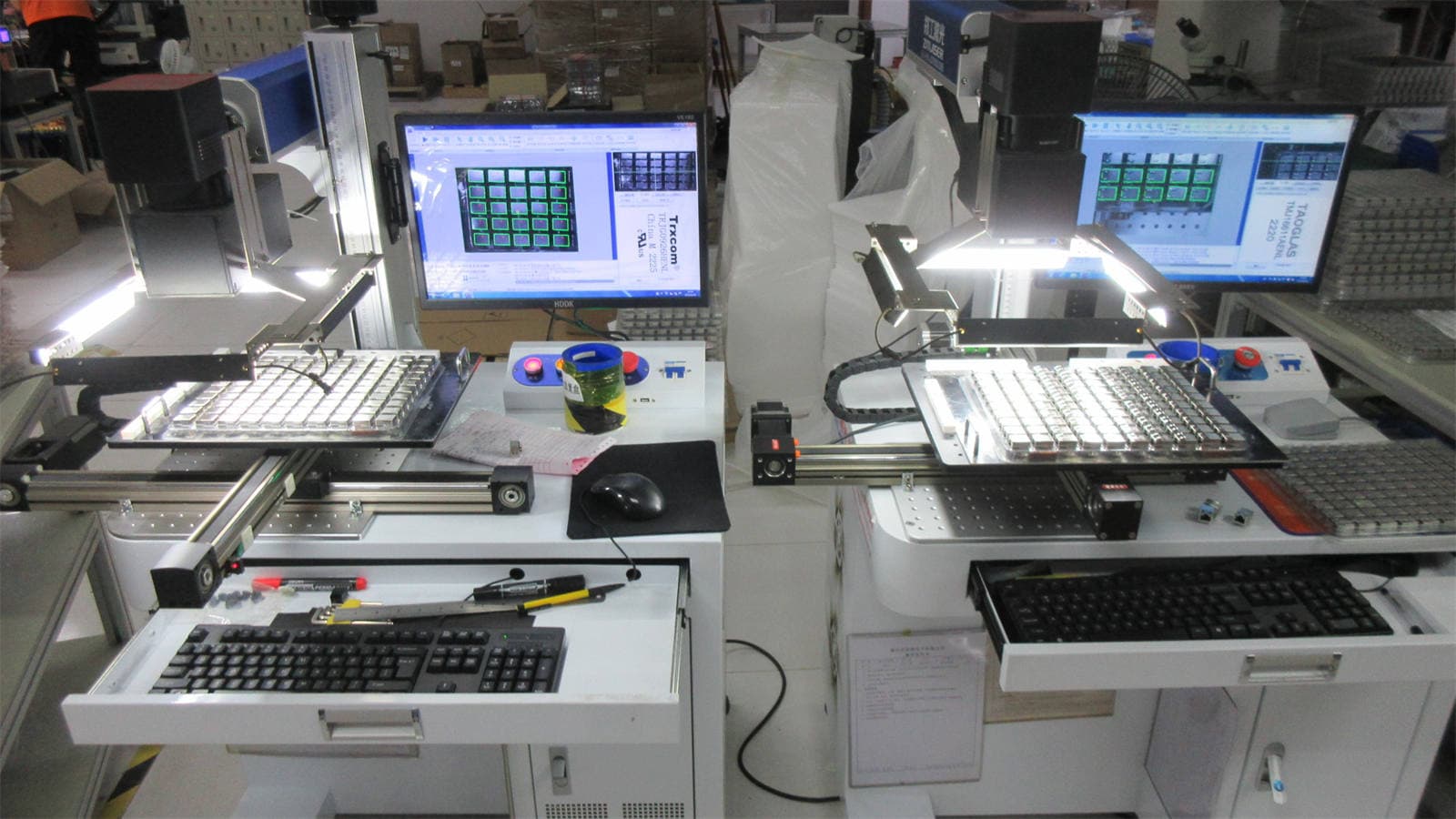
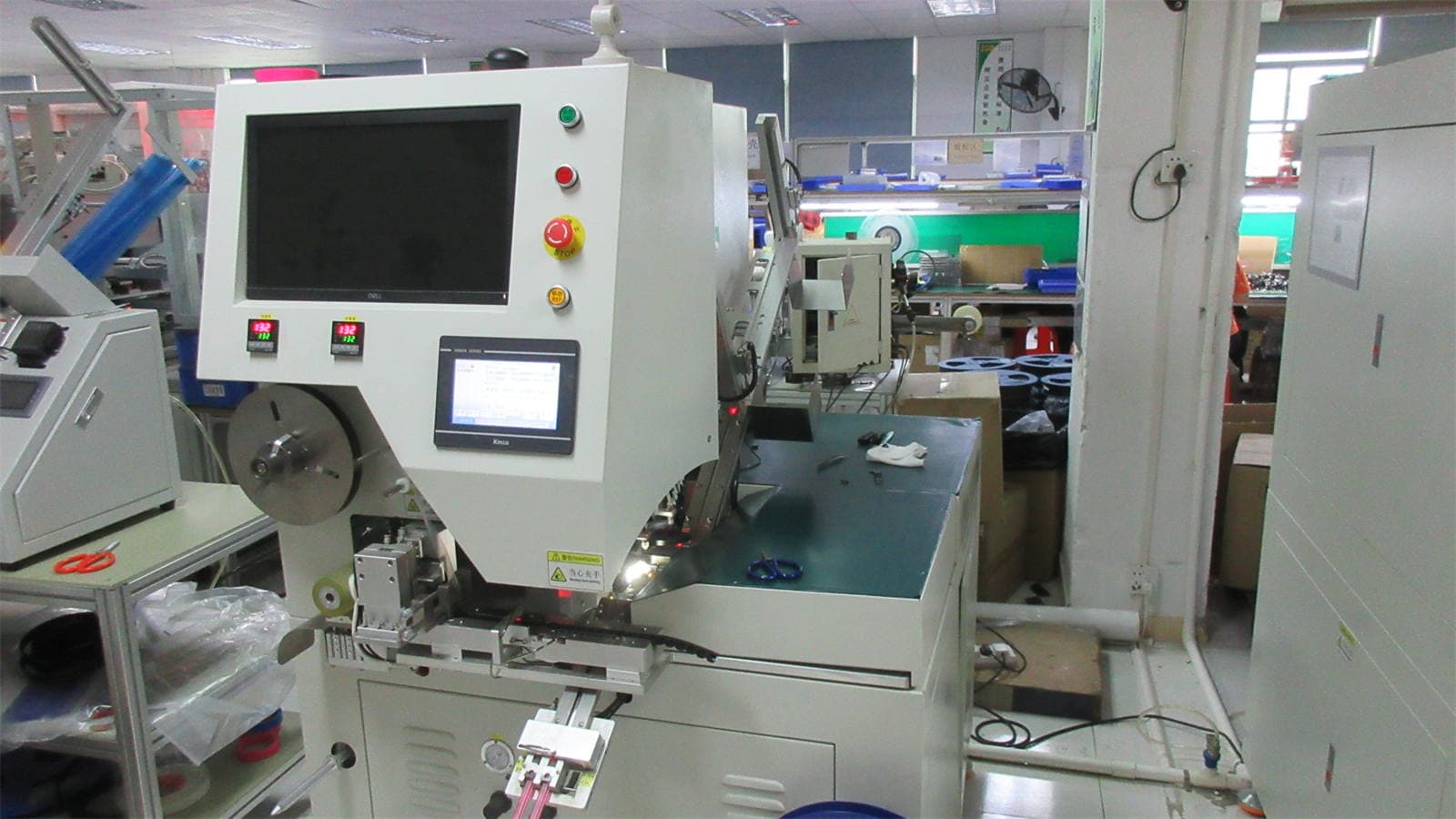
Leveraging advanced automation, cleanrooms class 100,000, and integrated testing rigs, our production lines in China optimize cost efficiencies while complying with strict European and North American reliability certificates. Below is a detailed look at our internal components manufacturing, assembly, and quality assurance processes.

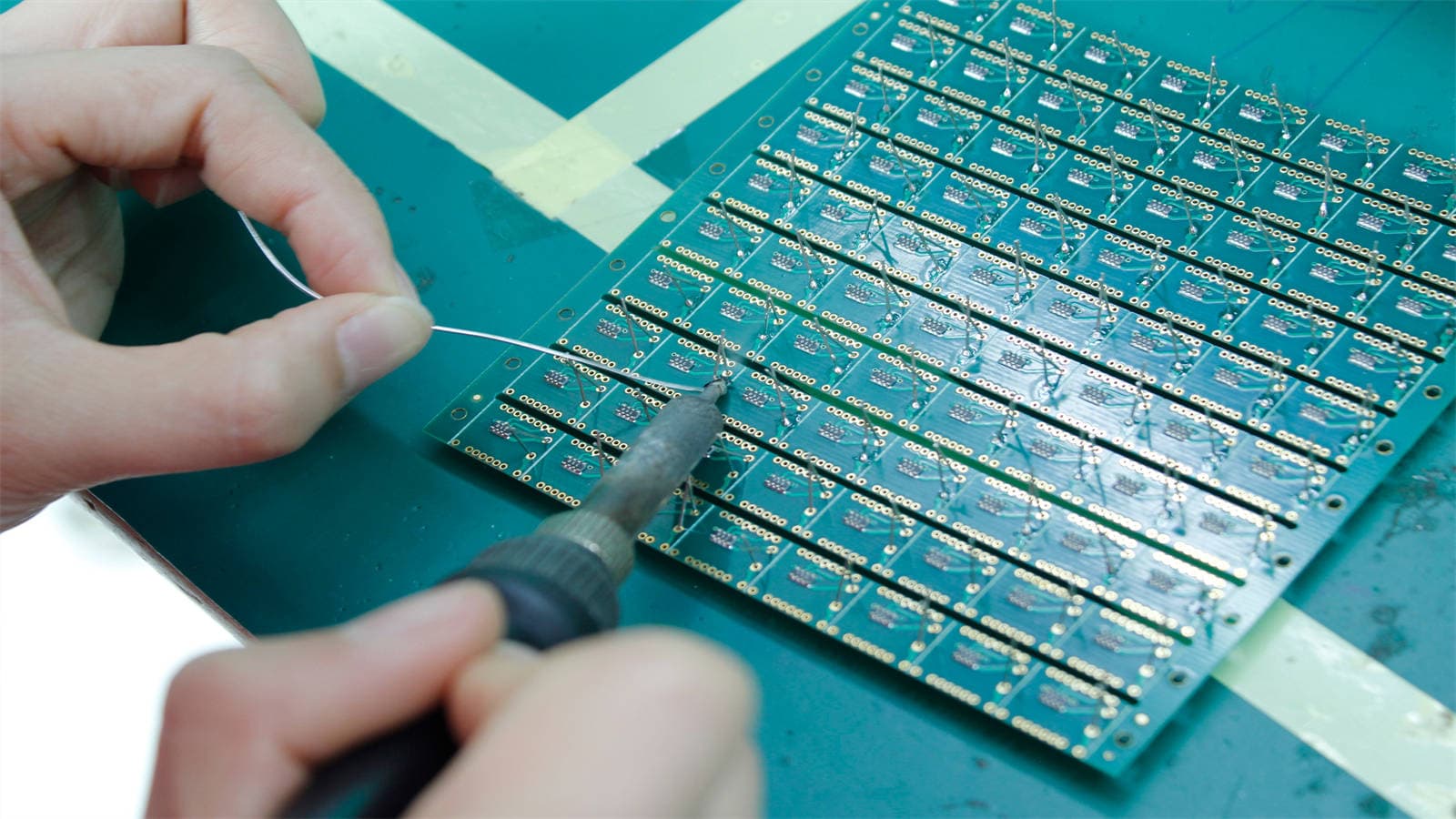
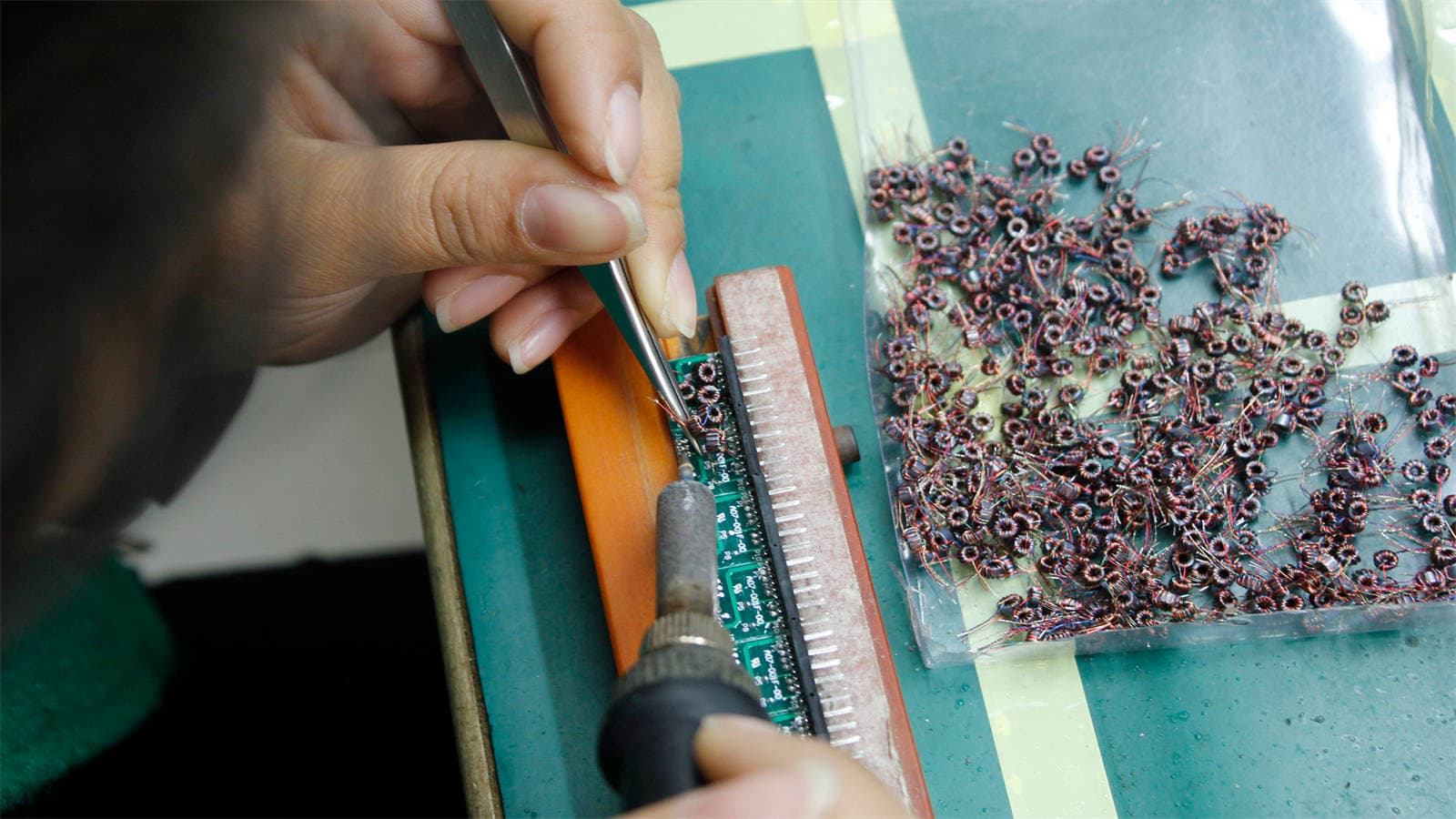
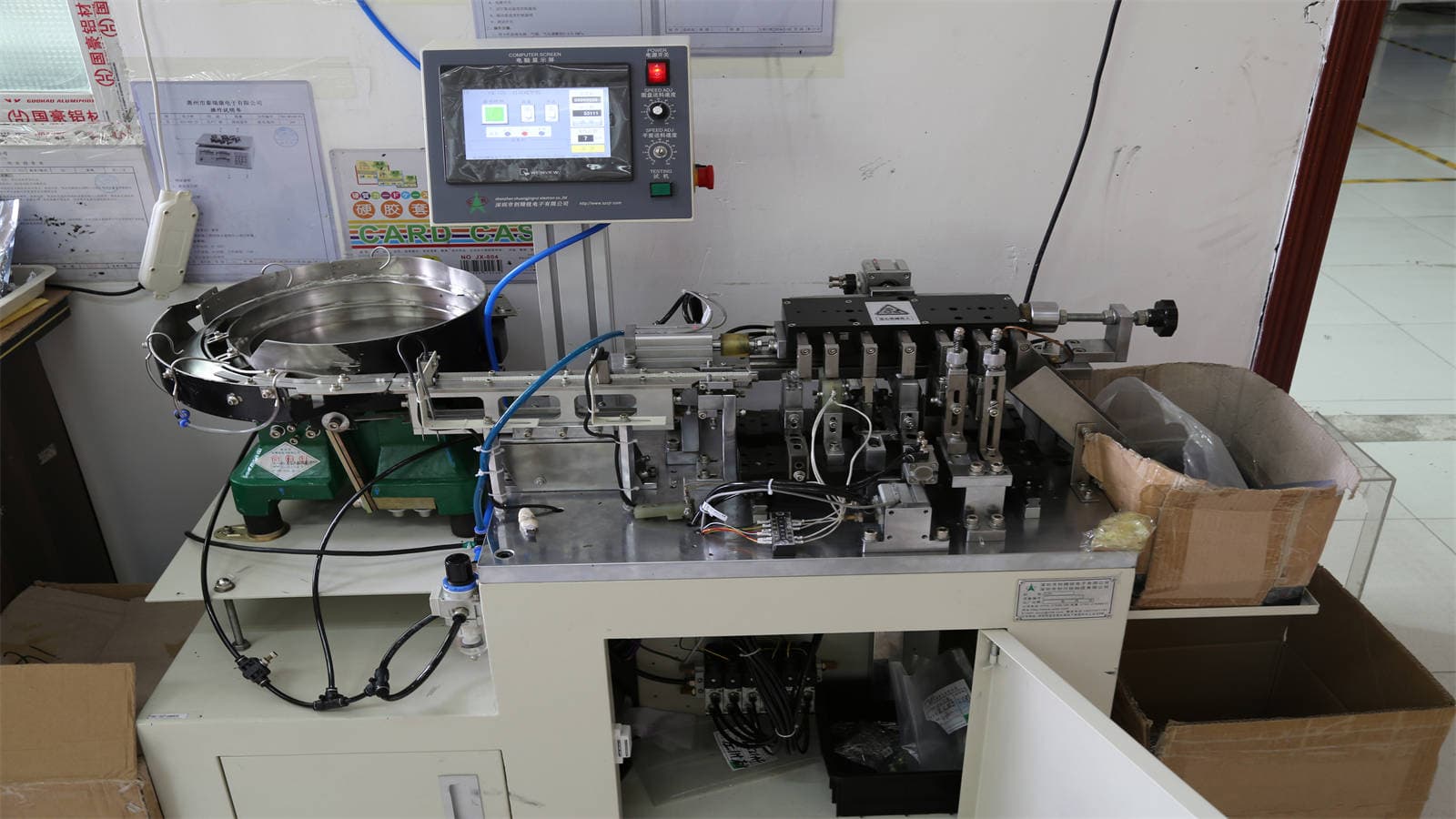


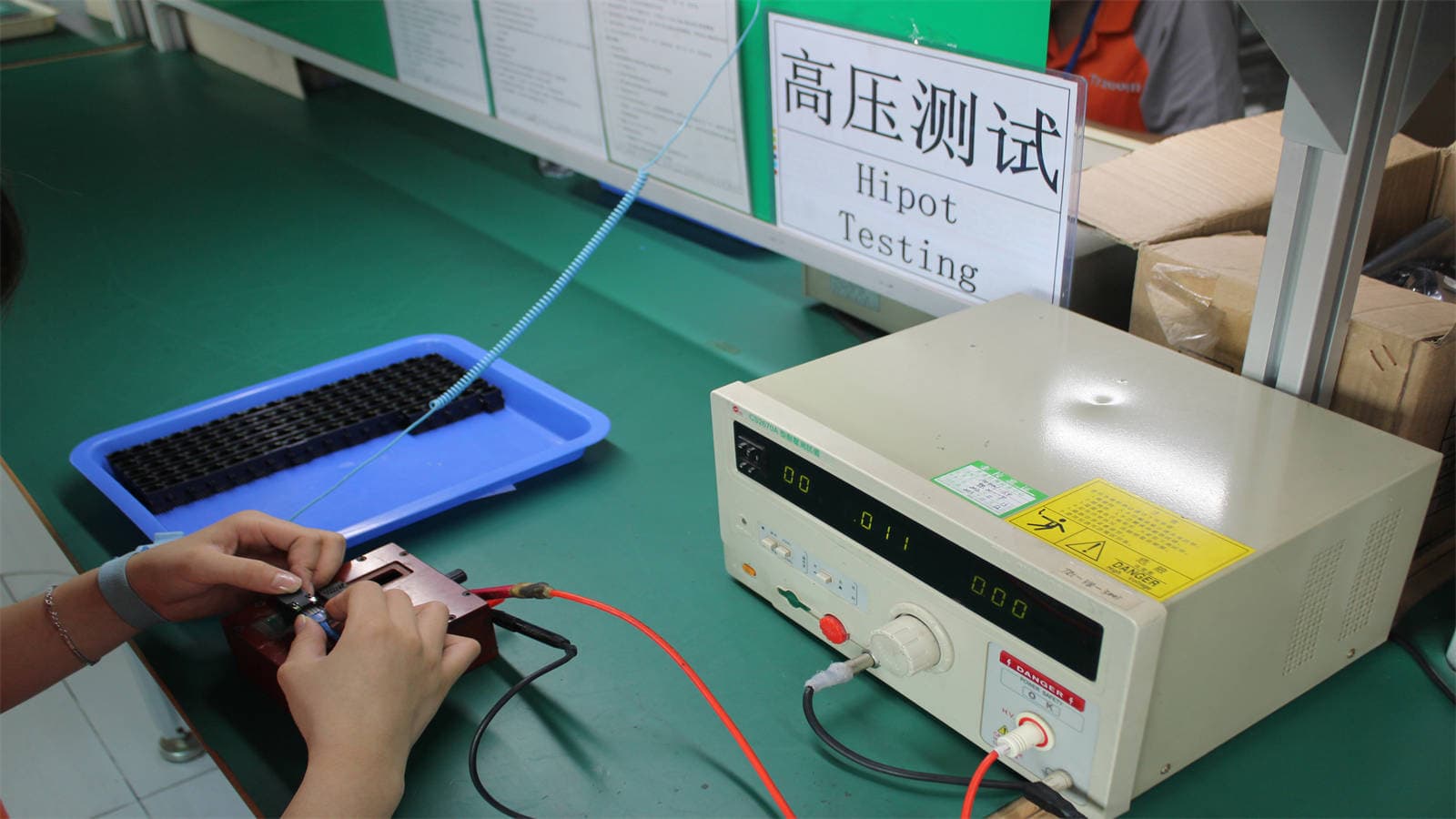






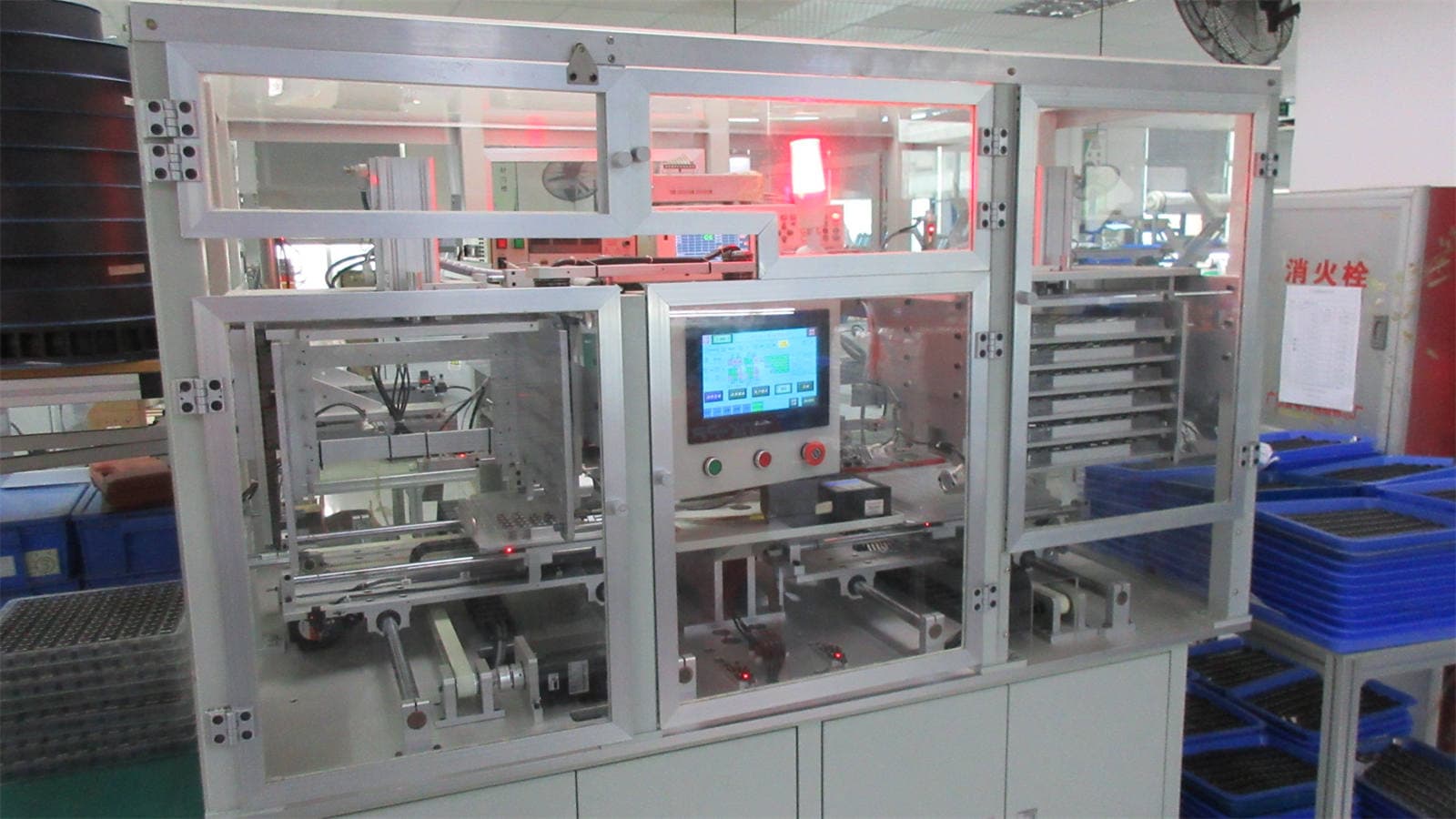


Understanding how SFP transceivers adapt to localized infrastructures and procurement parameters.
For high-density leaf-spine network architectures, multi-mode SFP+ and SFP28 transceivers are critical to maintaining low-latency packet flow across servers, switches, and NAS arrays. Their operating distance of 100m to 400m over OM3/OM4 fibers is perfect for intra-room structured cabling.
Industrial Ethernet switches deployed in harsh environments demand ruggedized multi-mode SFP modules. These custom solutions withstand extended temperature ranges (-40°C to 85°C) and strong electromagnetic interference (EMI), linking factory floors to edge servers.
Machine learning clusters require vast bandwidth with minimal jitter. By utilizing parallel multi-mode optical engines (like SR4, SR8, and SR16 modules), operators can scale up backend links between GPU clusters without hitting physical layout bottlenecks.
What the optical communication industry can expect in the 2025–2030 roadmap.
OM5 multi-mode fiber extends the support of Shortwavelength Division Multiplexing (SWDM), permitting multiple wavelengths (850nm, 880nm, 910nm, and 940nm) over a single duplex fiber. This increases fiber capacity by four times, allowing quick upgrades to 100G and 400G.
Modern procurement guidelines demand DDM. This allows network administrators to monitor real-time metrics including optical output power, receiver input power, laser temperature, and transceiver supply voltage to isolate faults before downtime happens.
Integrating silicon photonics directly onto the transceiver sub-assemblies reduces manufacturing steps, improves heat dissipation, and allows larger optical arrays, providing a cost-effective path to 1.6T and 3.2T optical interfaces.
Technical clarifications, compatibility, and ordering guidelines for international procurement teams.
From standard SFP cages and BiDi transceivers to industrial RJ11 and RJ45 jacks.
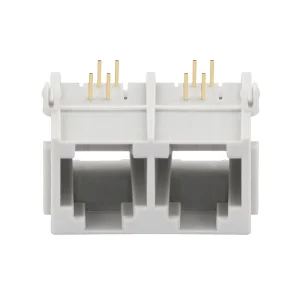
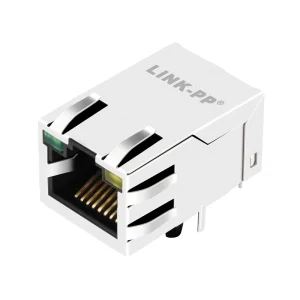
Right Angle Low Profile RJ45 Inverted Modular Jack HR871182C
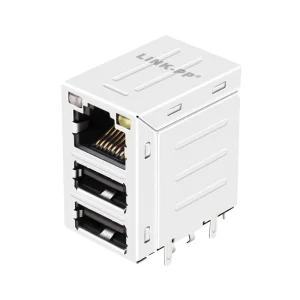
08C2-1X1T-03 08C2-1X1T-03-F 100 Base-T Single Port RJ45 Female Jack WITH Dual USB
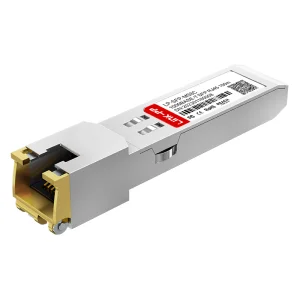
J8177D HPE Aruba Compatible 1000BASE-T 1G SFP Copper RJ45 100m Transceiver Module
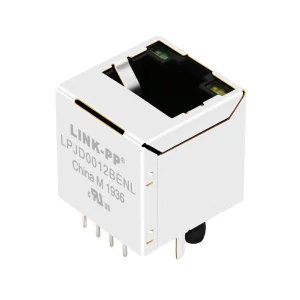
Vertical RJ45 100 Base-T With LEDs Connector RJ45 Jack LPJD0012BENL
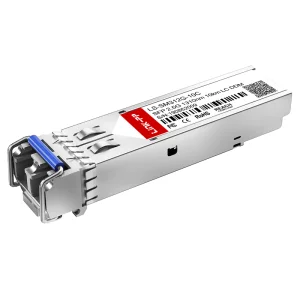
Single Mode 2.5G SFP 1310nm 10km DDM Duplex LC Optical Transceiver Module
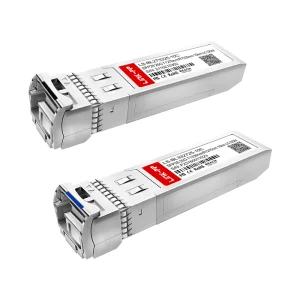
Bidirectional Single Mode SFP28 25G BiDi 10km Simplex LC SMF Optical Transceiver Module
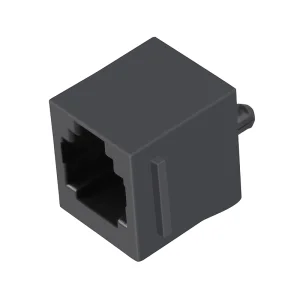
Side Entry Female Ethernet Socket Unshielded Vertical 6P4C RJ11 Connector Jack