Lumopt
Lumopt
Lumopt
Precisionengineered copper RJ45 interfaces, cages, and optical transceivers for data center networks.
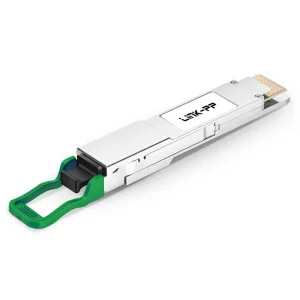
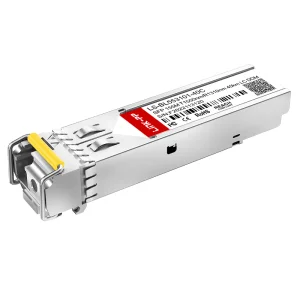
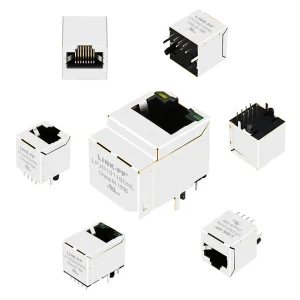
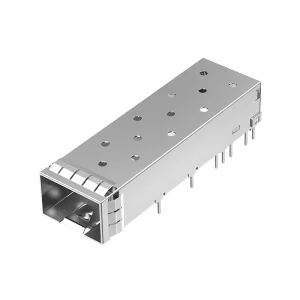
Twisted pair cabling remains the backbone of localized commercial networks and industrial edge systems. When transmitting high-frequency data signals, structural design is critical. In a typical Cat5e, Cat6, or Cat6A setup, two conductors of a single circuit are twisted together to cancel out electromagnetic interference (EMI) from external sources and minimize crosstalk between neighboring pairs.
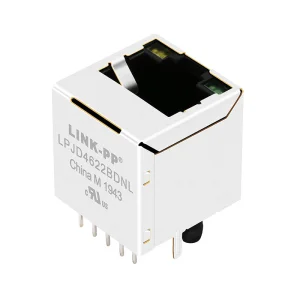
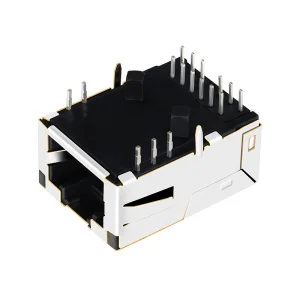
However, the physical wire is only as reliable as its connection point. Twisted pair connectors, such as the ubiquitous RJ45 modular jacks, integrated magnetic connectors (Magjacks), and physical SFP copper modules, act as the critical transition gates. They must ensure mechanical stability, electrical continuity, and adequate impedance matching, minimizing insertion loss and maximizing return loss over long life cycles.
How current enterprise networks are shifting toward hybrid copper-fiber topologies and high-density packaging.
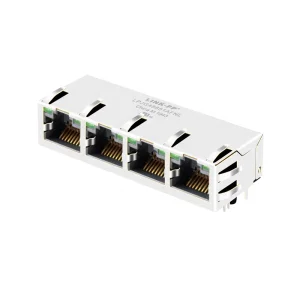
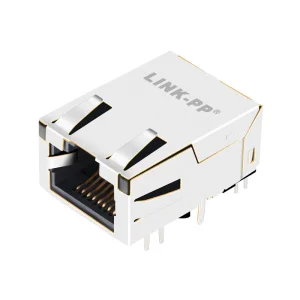
As rack space in data centers becomes increasingly expensive, network interfaces must shrink. Low-profile RJ45 jacks and multi-port ganged connectors allow system engineers to stack connections horizontally and vertically, maximizing port density without compromising signal integrity.
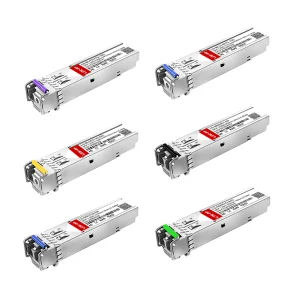
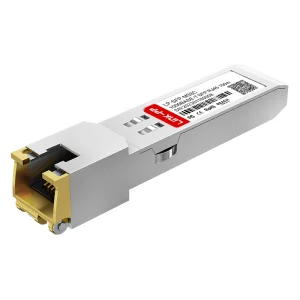
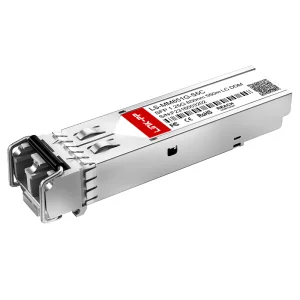
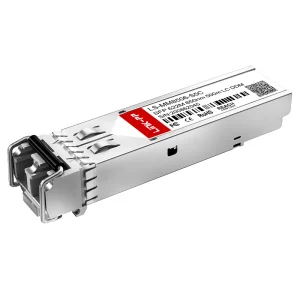
Modern networks are rarely purely copper or purely fiber. Copper SFP modules (like 1000BASE-T/10GBASE-T transceivers) bridge the gap, allowing switch ports designed for optical modules to plug directly into twisted-pair category cabling. This flexibility preserves legacy copper infrastructure while paving the way for fiber backbones.
Delivering up to 90W-100W of power over twisted-pair copper cables places immense thermal stress on connector contacts. Next-generation modular jacks feature patented contact structures that prevent electrical arcing and manage heat dissipation effectively when cables are unplugged under load.
What tier-1 system integrators and telecommunication firms analyze when selecting a connector factory.
B2B procurement of network connectivity solutions isn't merely about finding the lowest unit cost. Major buyers prioritize engineering depth and traceabilty. Factories must offer comprehensive validation, including:
An analytical overview of industry leaders dominating the global interconnect and optoelectronic market.
Renowned for setting industry standard footprints (such as SFP cages and RJ45 assemblies). TE represents the premium tier of engineering reliability, prioritizing high-vibration applications and automotive ethernet connectivity.
A giant in military, aerospace, and high-speed data communications. They produce exceptionally robust modular jacks and EMI-shielded cage backplanes compatible with high-density server configurations.
Specializes in innovative microminiature designs. Molex leads the way in magnetic RJ45 connectors (PoE-enabled) that consolidate complex circuitry into compact, robust footprints.
A fast-growing professional manufacturer focusing on R&D, production, and customization of optical transceivers and compatible copper interconnect modules. Renowned for strict testing processes, high compatibility with Cisco/Juniper networks, and deep OEM/ODM support.
A Japanese high-precision connector manufacturer. Hirose excels in miniaturized twisted pair connections for automation, medical electronics, and compact consumer designs.
The industry benchmark for integrated magnetics inside RJ45 assemblies. Pulse modules guarantee clean signals and physical circuit isolation on complex PCB motherboards.
Offers a wide portfolio of ethernet connectors for Cat5e through Cat10 copper networks. They are highly valued for mechanical reliability and modular jack configurations.
The champion of heavy-duty industrial RJ45 connectors. Their IP65/IP67 rated housings protect twisted pair pins from extreme dust, moisture, and chemical washes in automated plants.
Leverages massive manufacturing capacity to deliver consumer and enterprise-grade modular connectors at highly competitive prices, making them a default choice for high-volume OEMs.
Renowned for exceptionally fast prototyping and distribution of high-quality, EMC-compliant RJ45 jacks with built-in filters, ensuring immediate regulatory approval for designers.
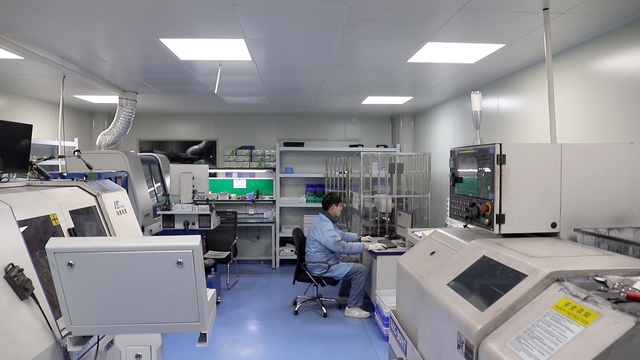
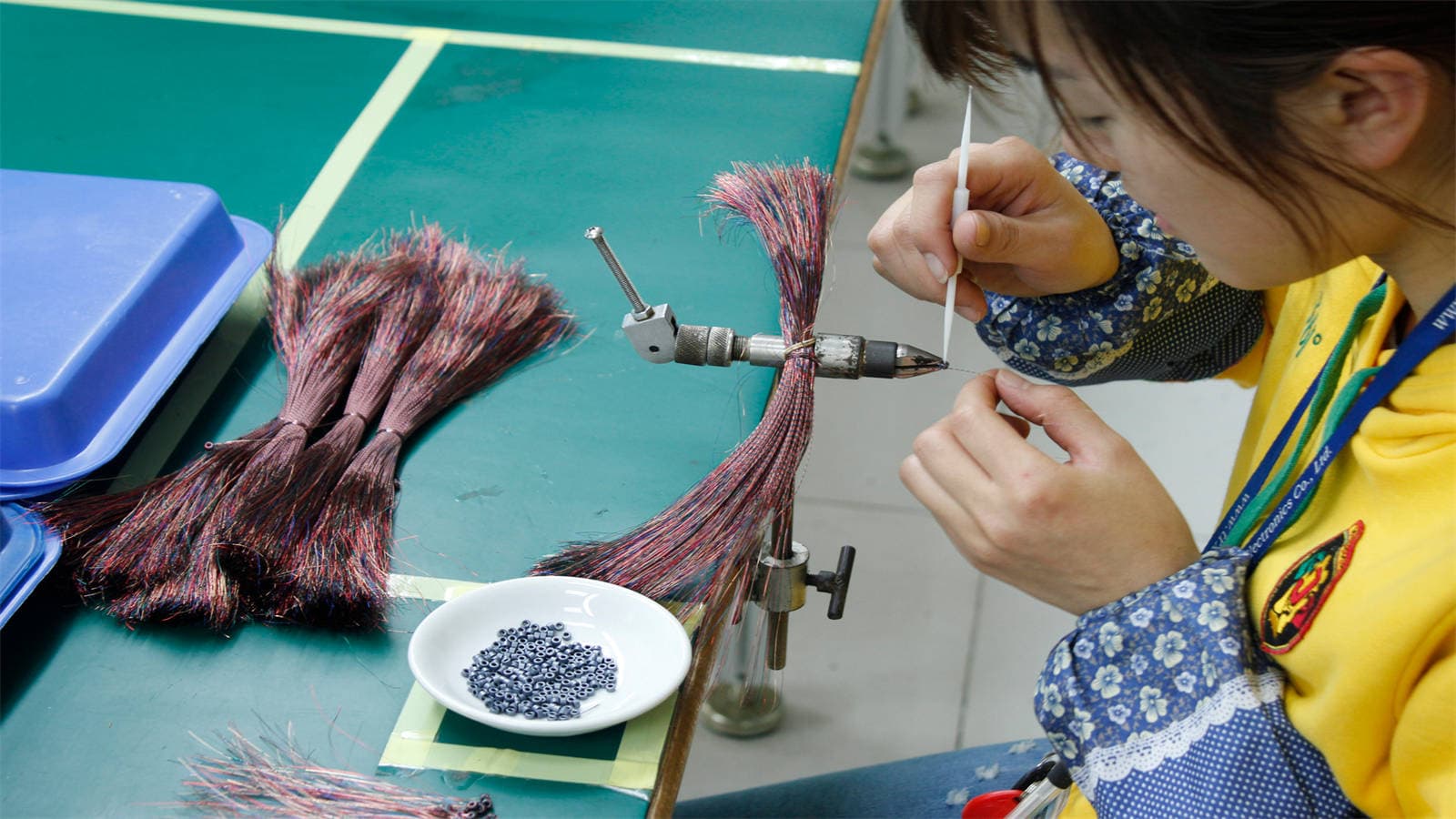
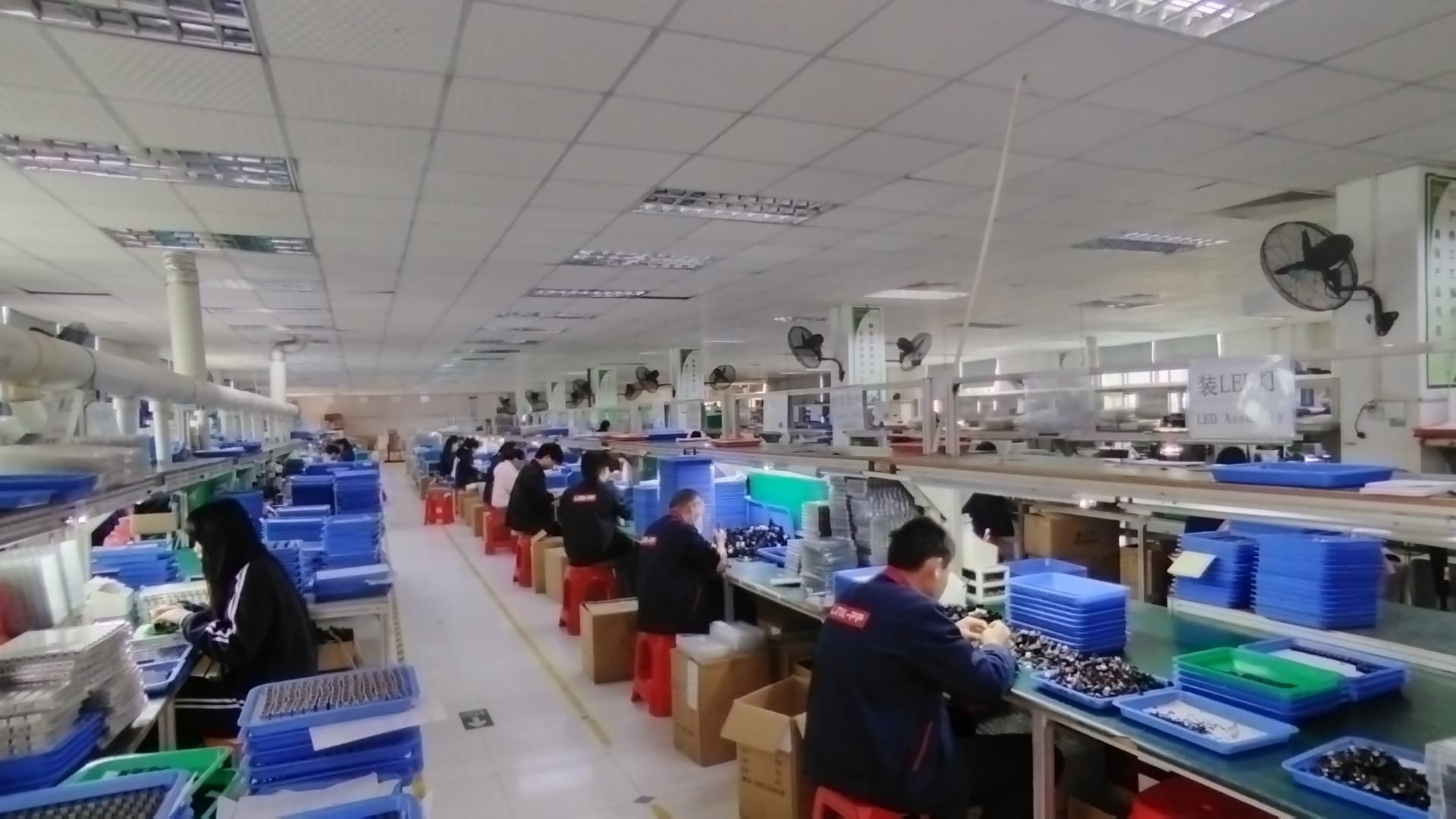
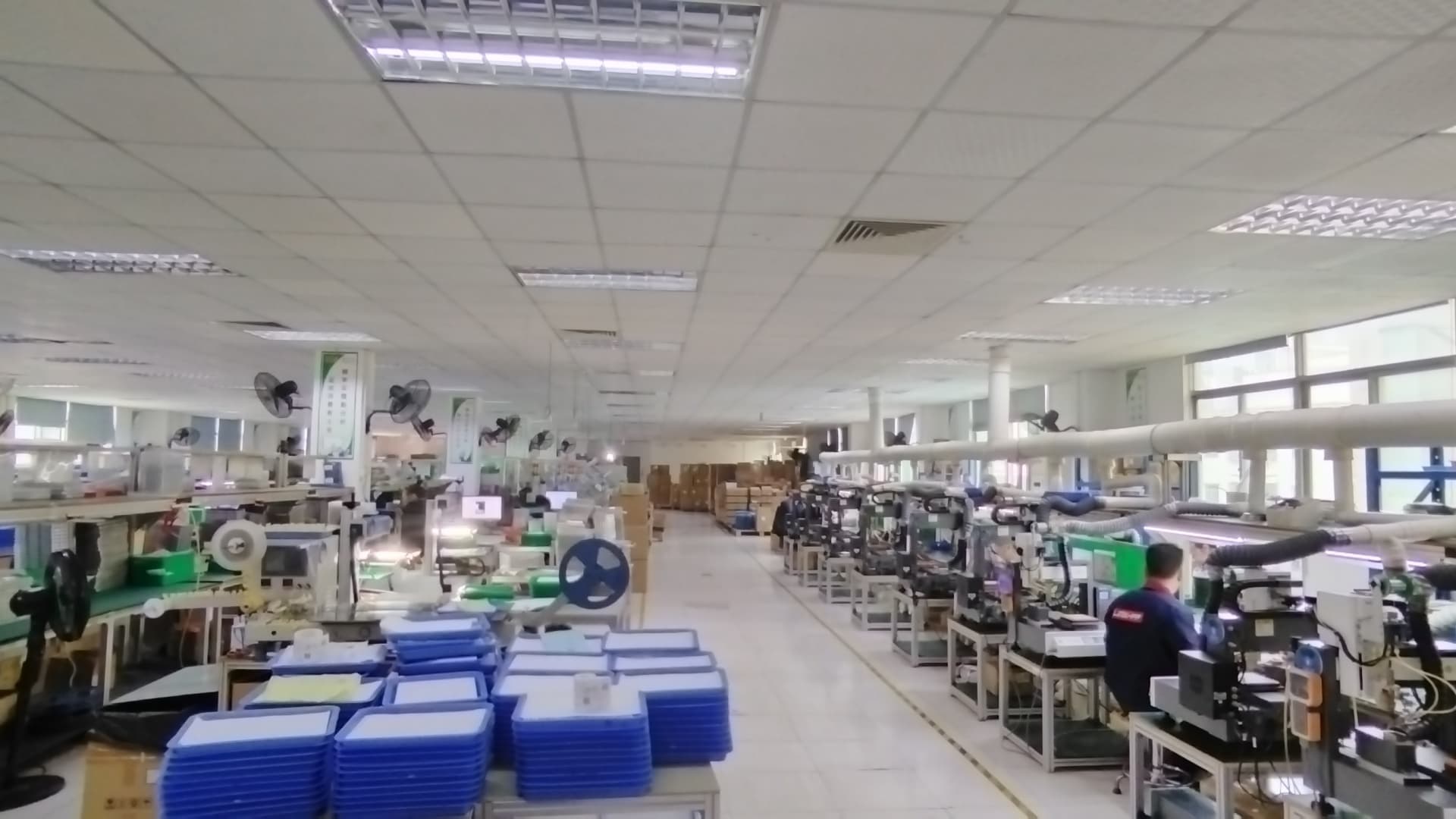
Following our products through the standardized dust-free production workshops and quality checkpoints.
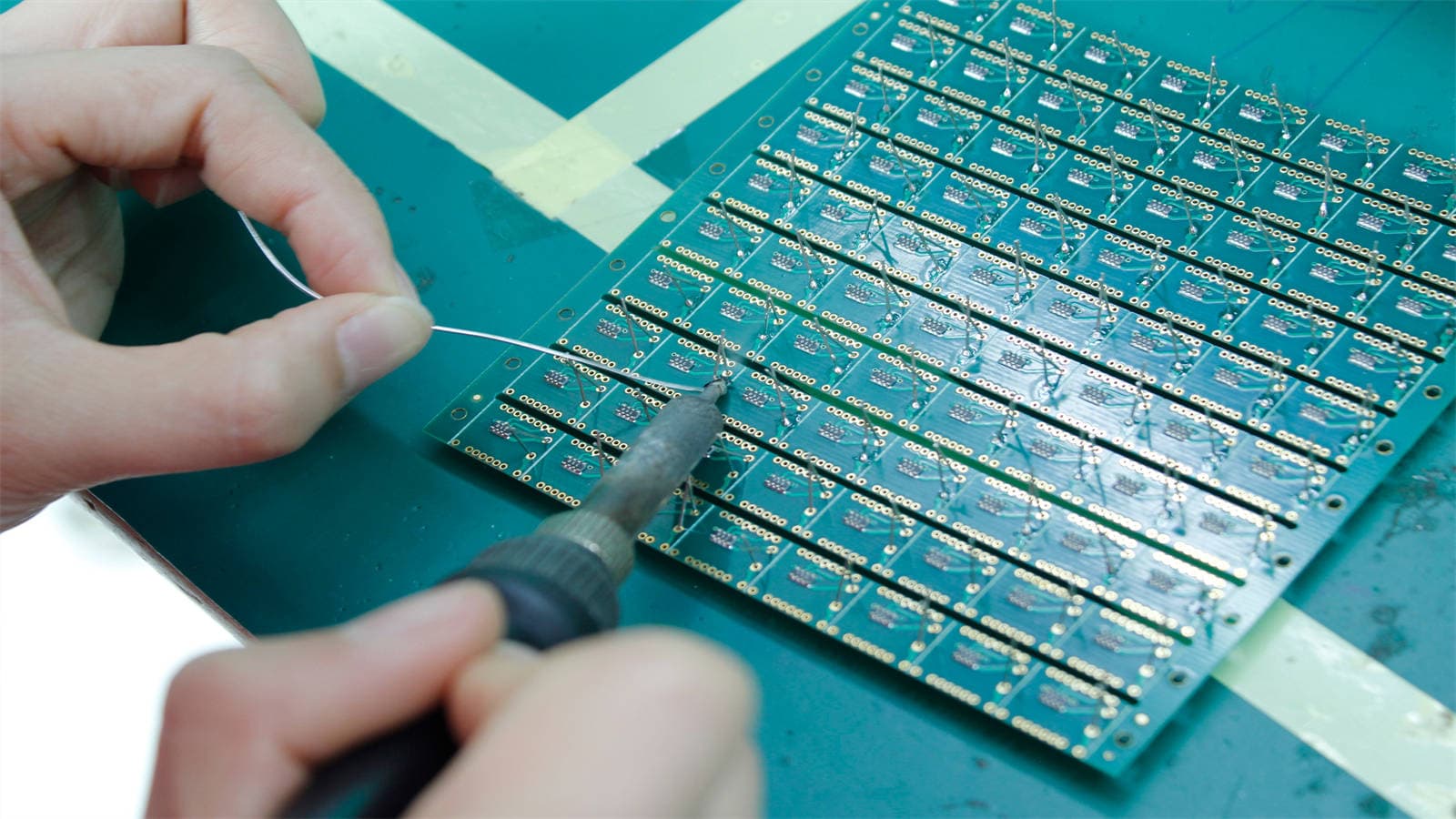
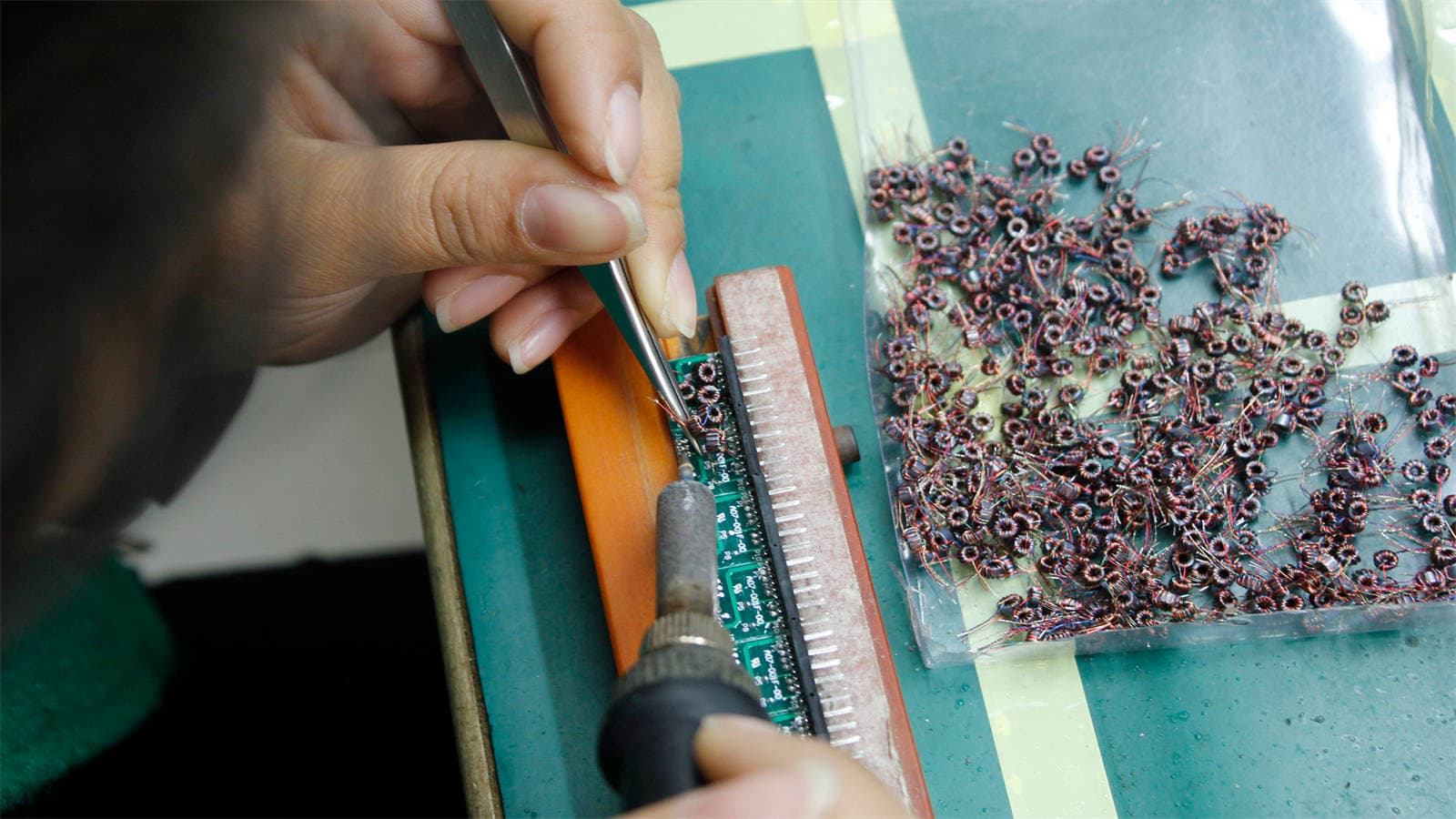
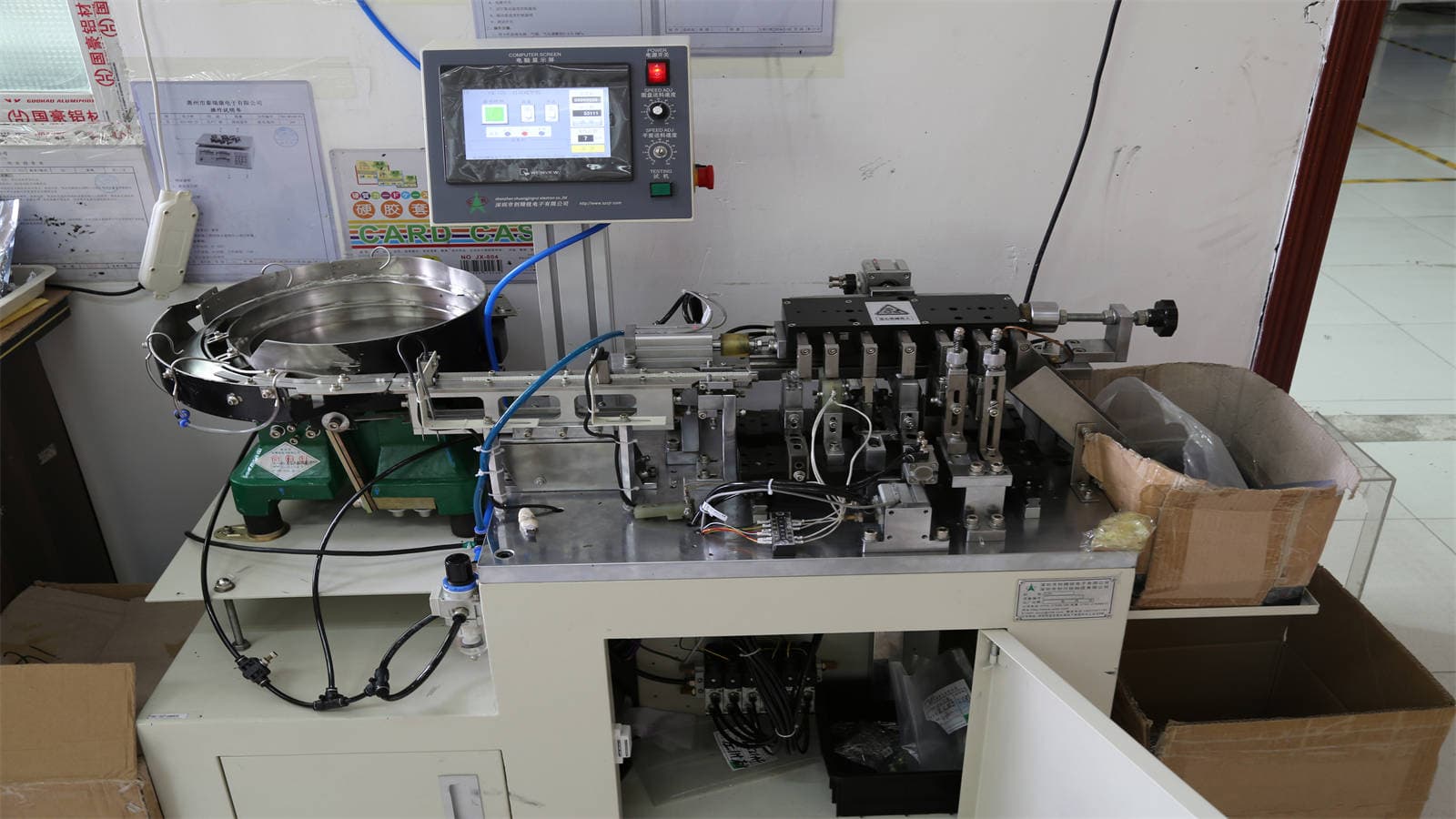
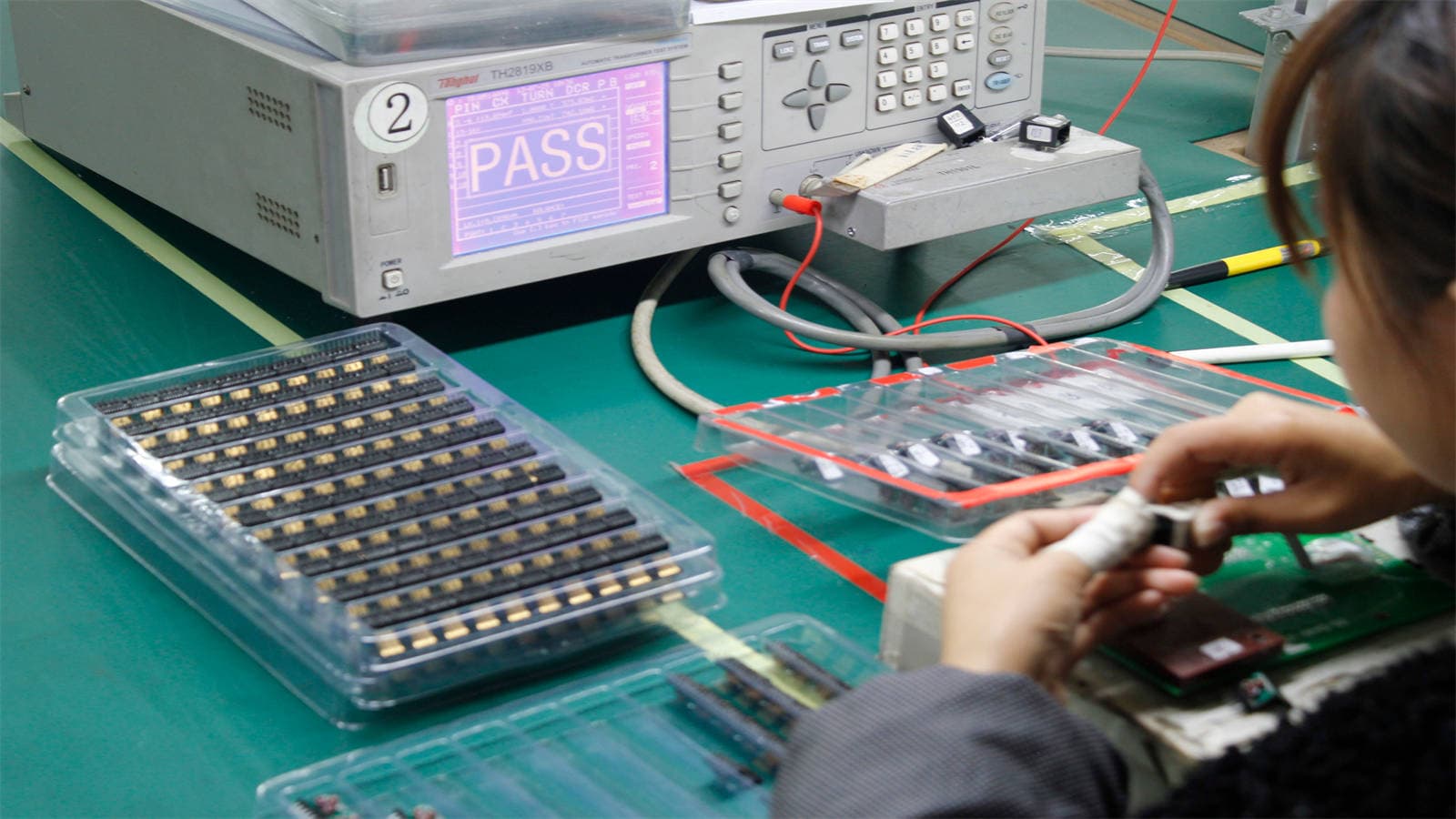
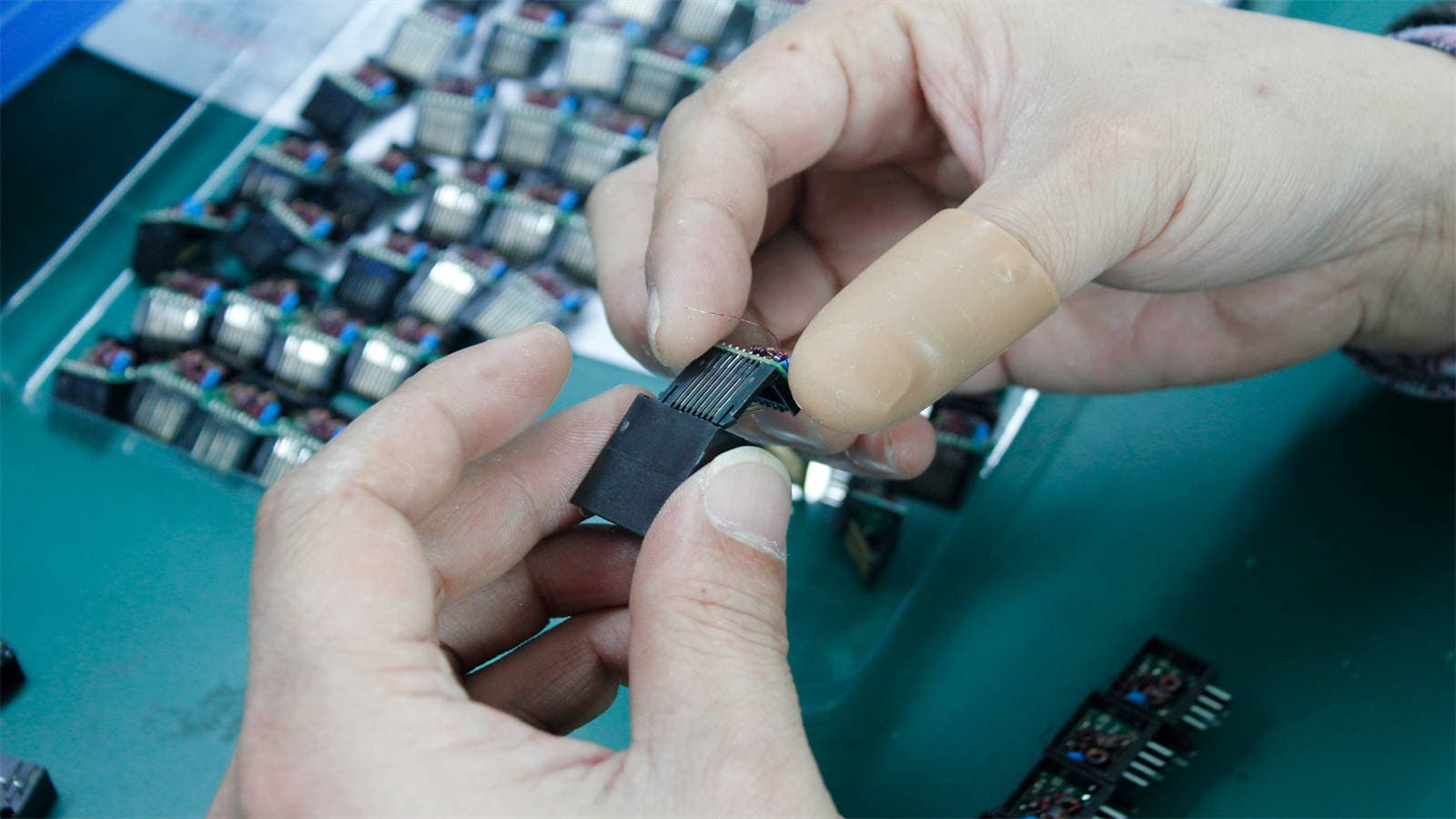
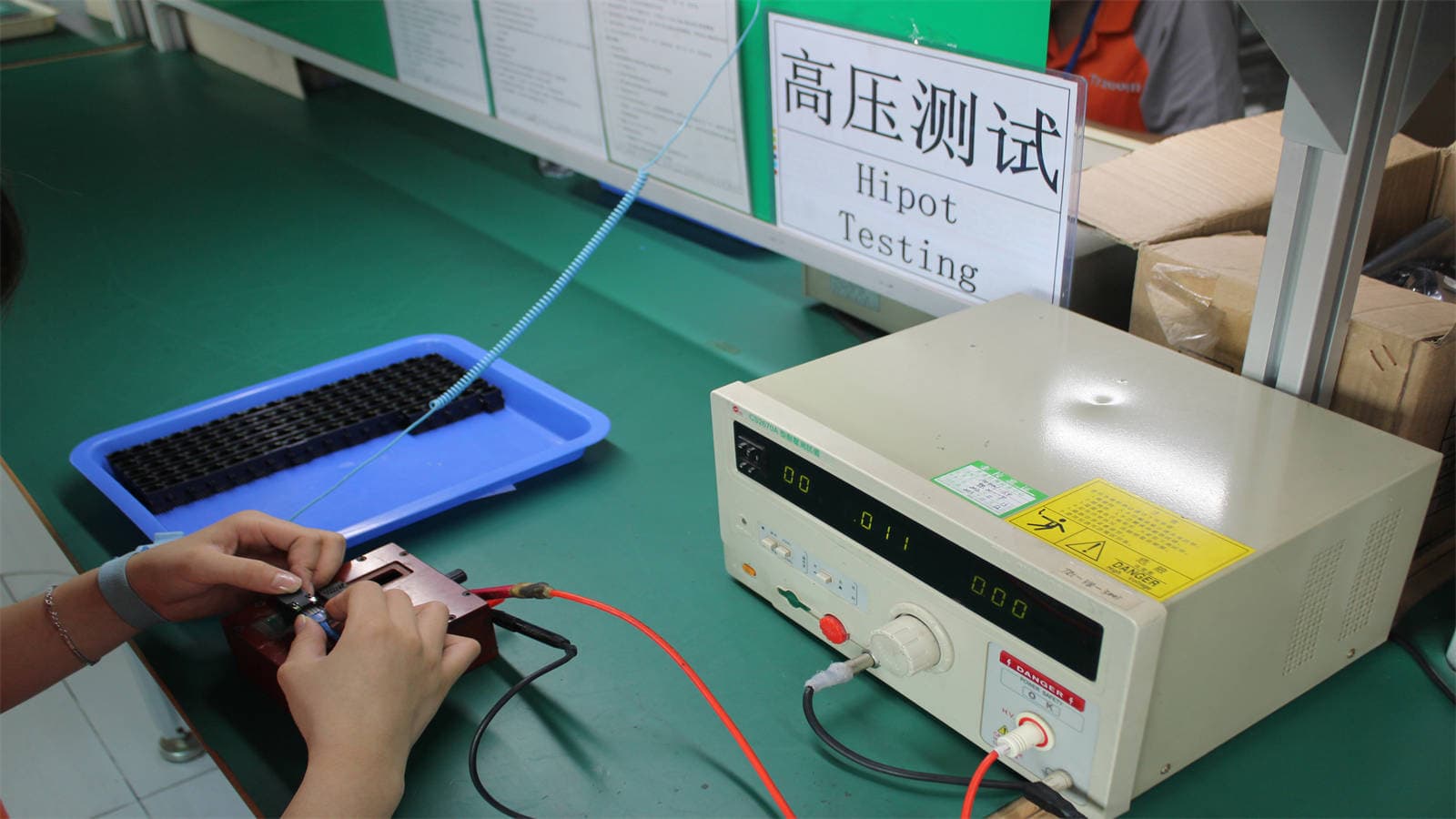
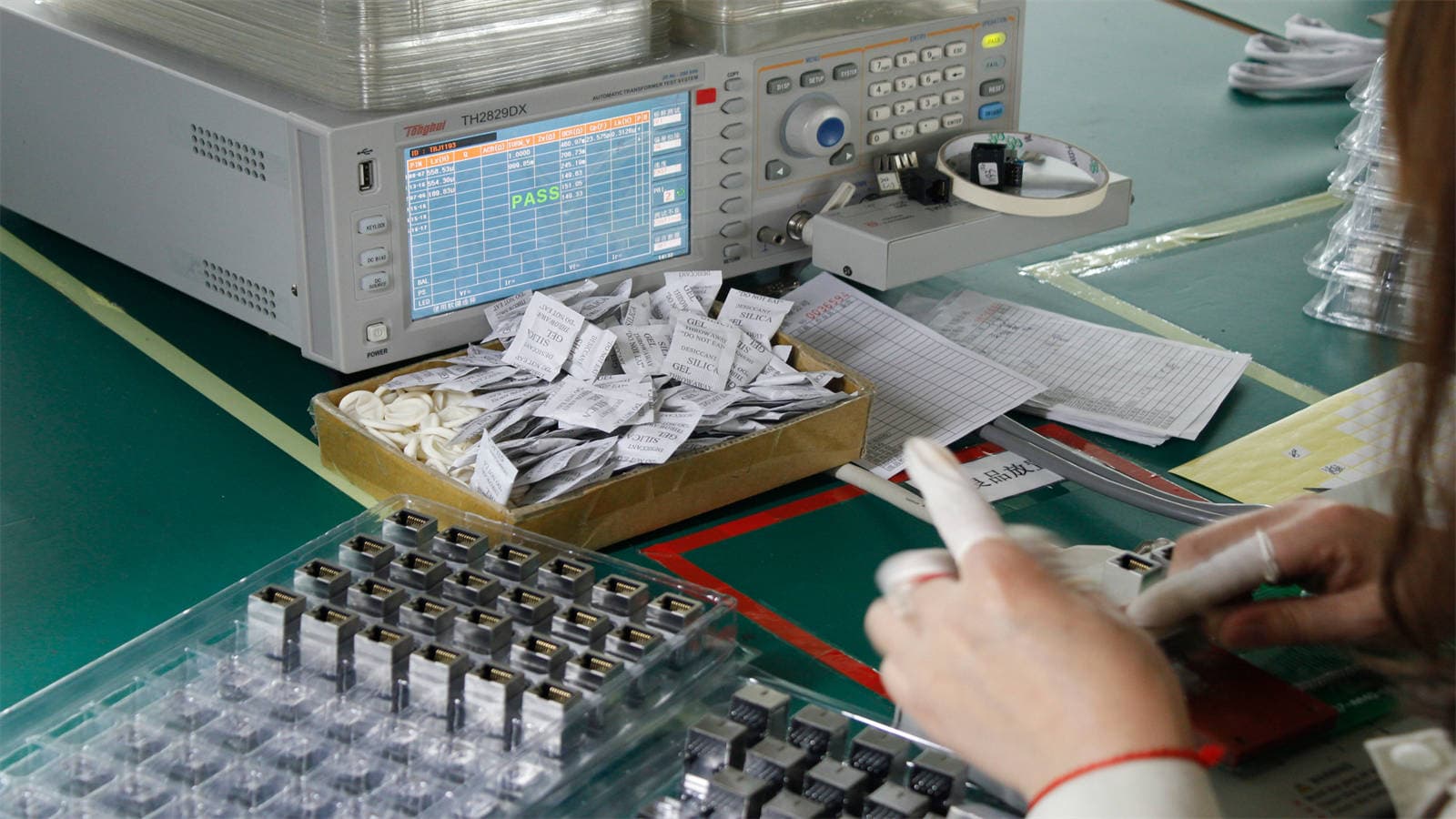
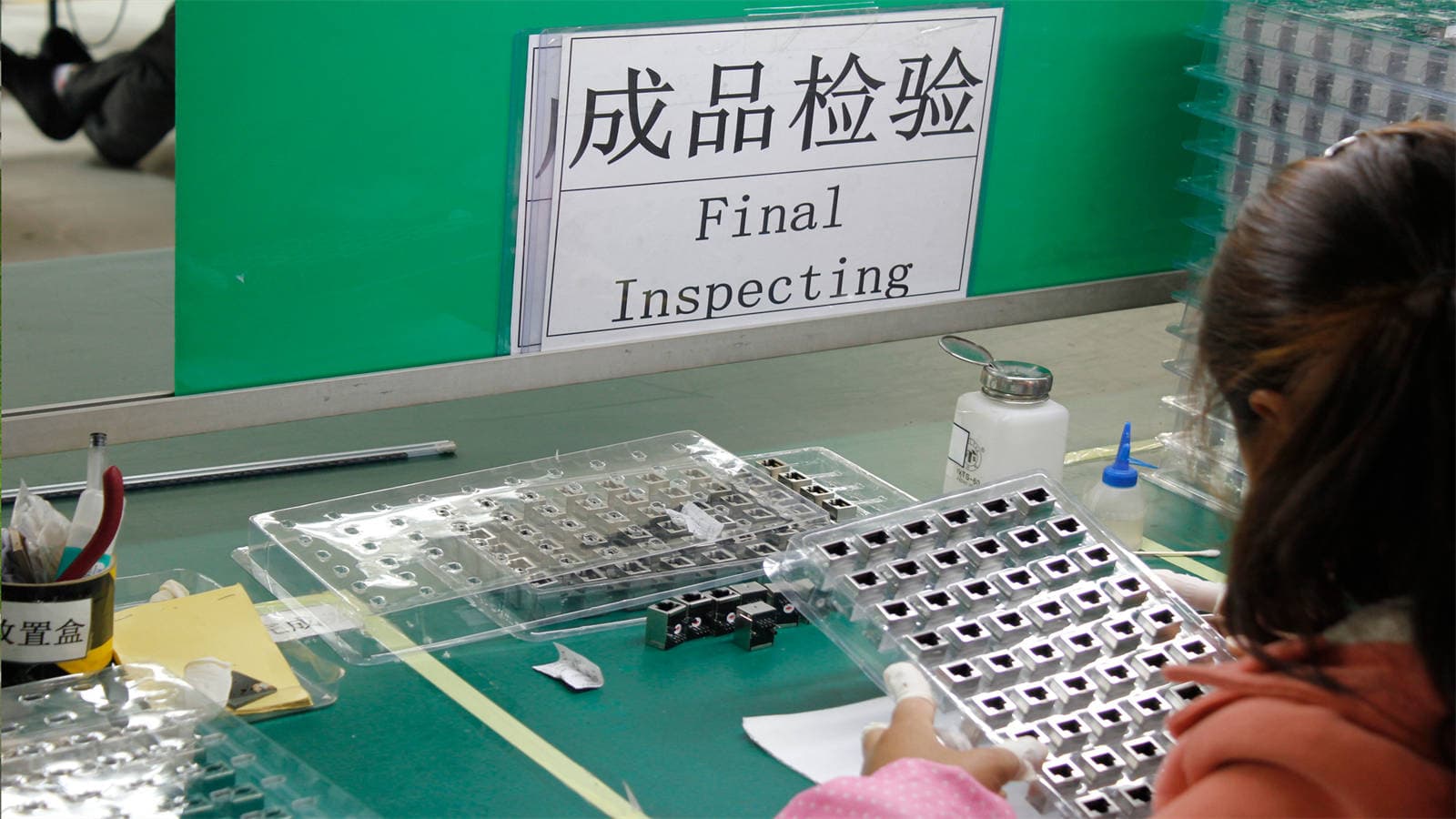

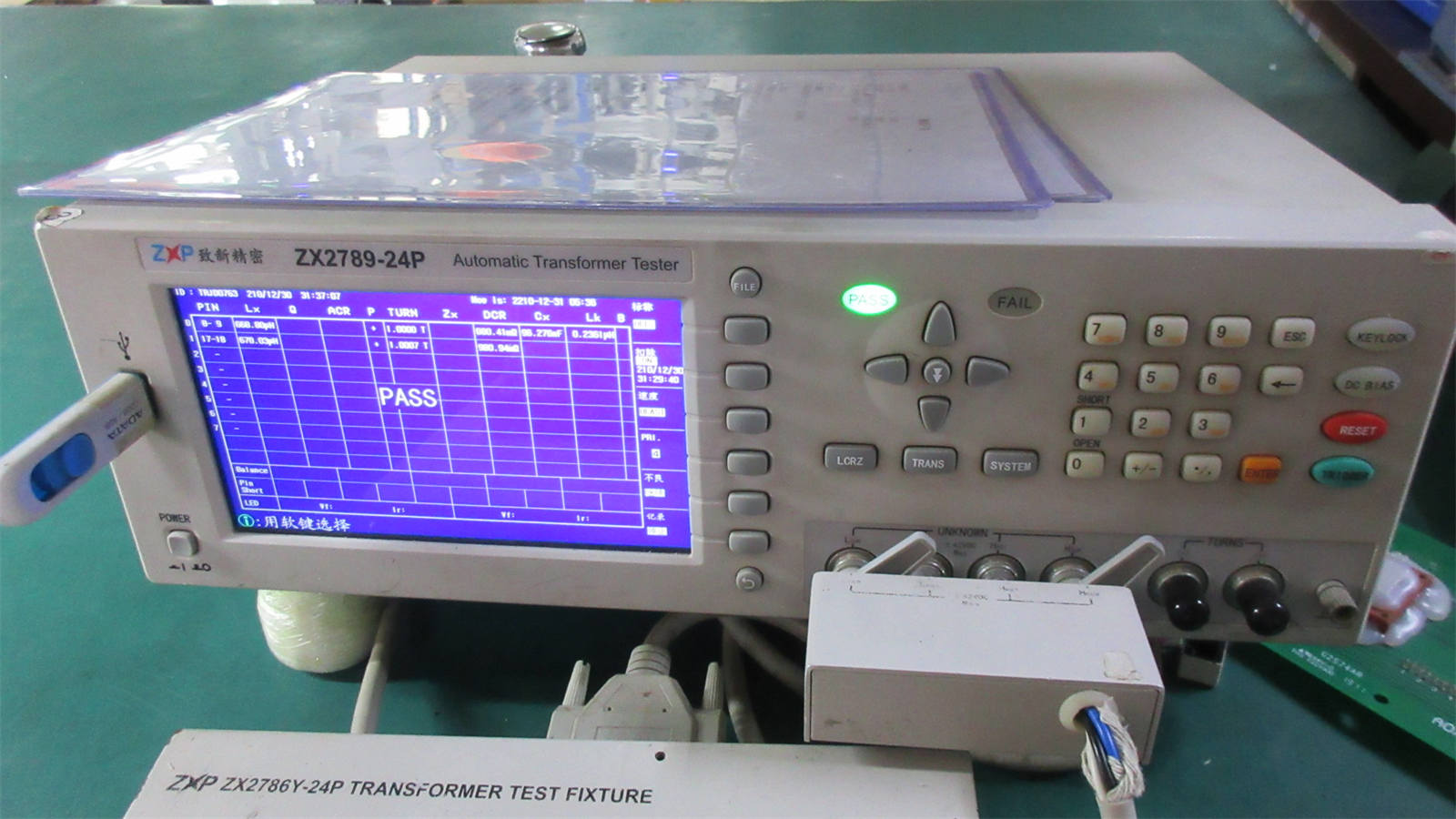
Every single connector and transceiver is subjected to automated tests to guarantee zero packet loss.
Sweeps insertion loss, return loss, and NEXT across 100MHz to 2GHz spectra.
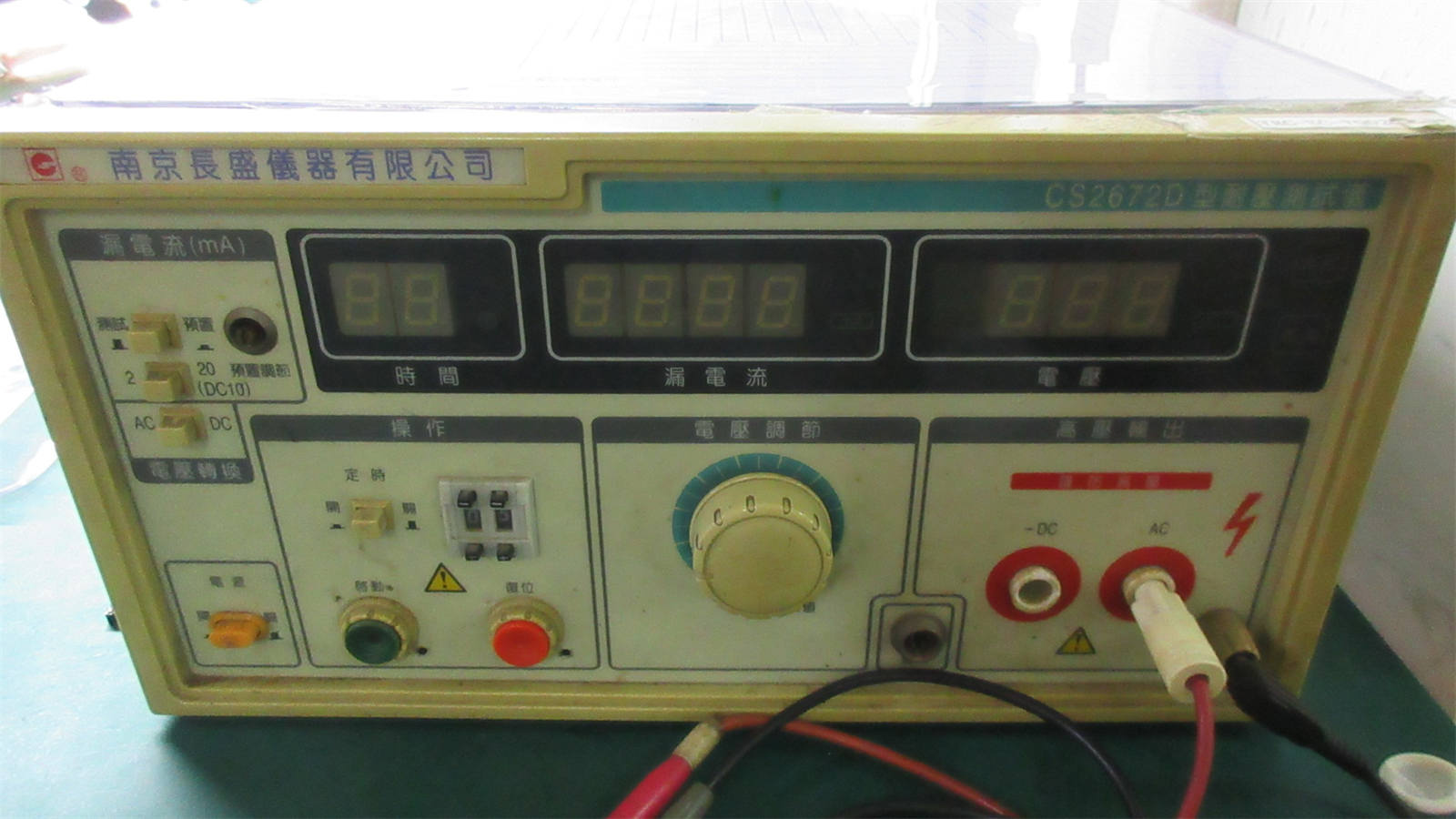
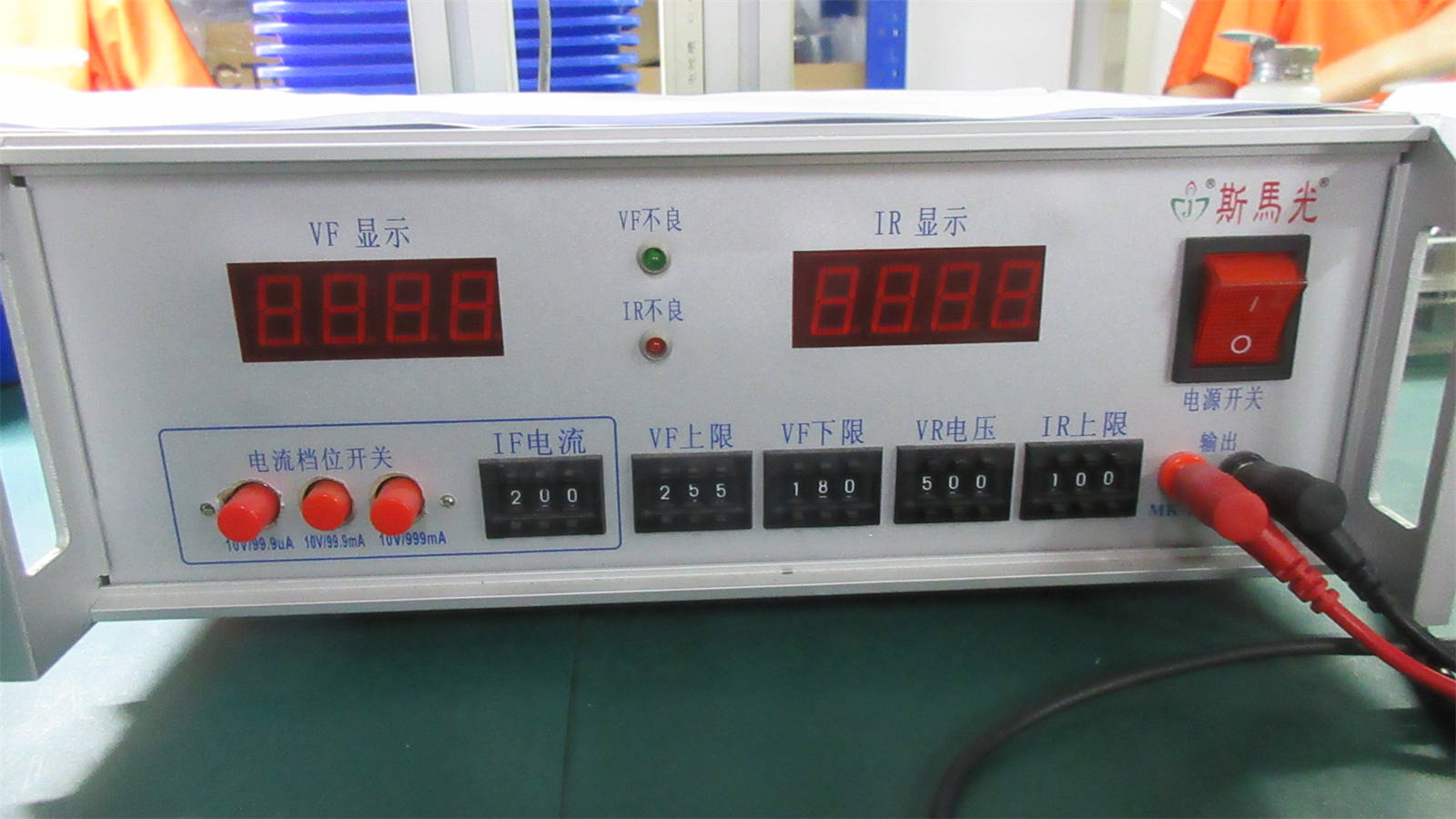
Verifies the voltage, wavelength, and luminous output of RJ45 indicators.
Subjecting the contacts to over 1500V to ensure robust galvanic isolation.
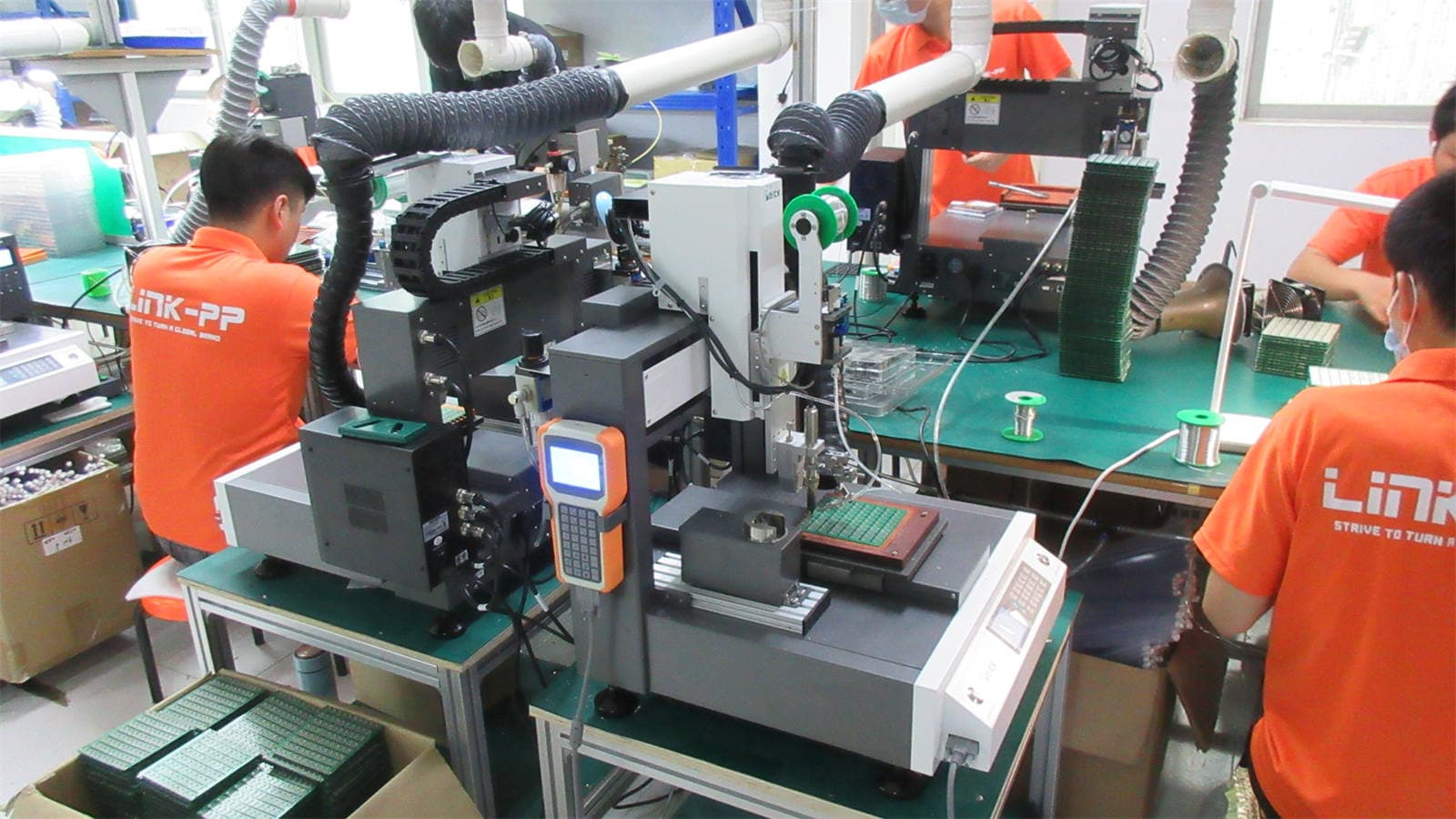
Maintains stable thermal parameters to eliminate cold solder joints.
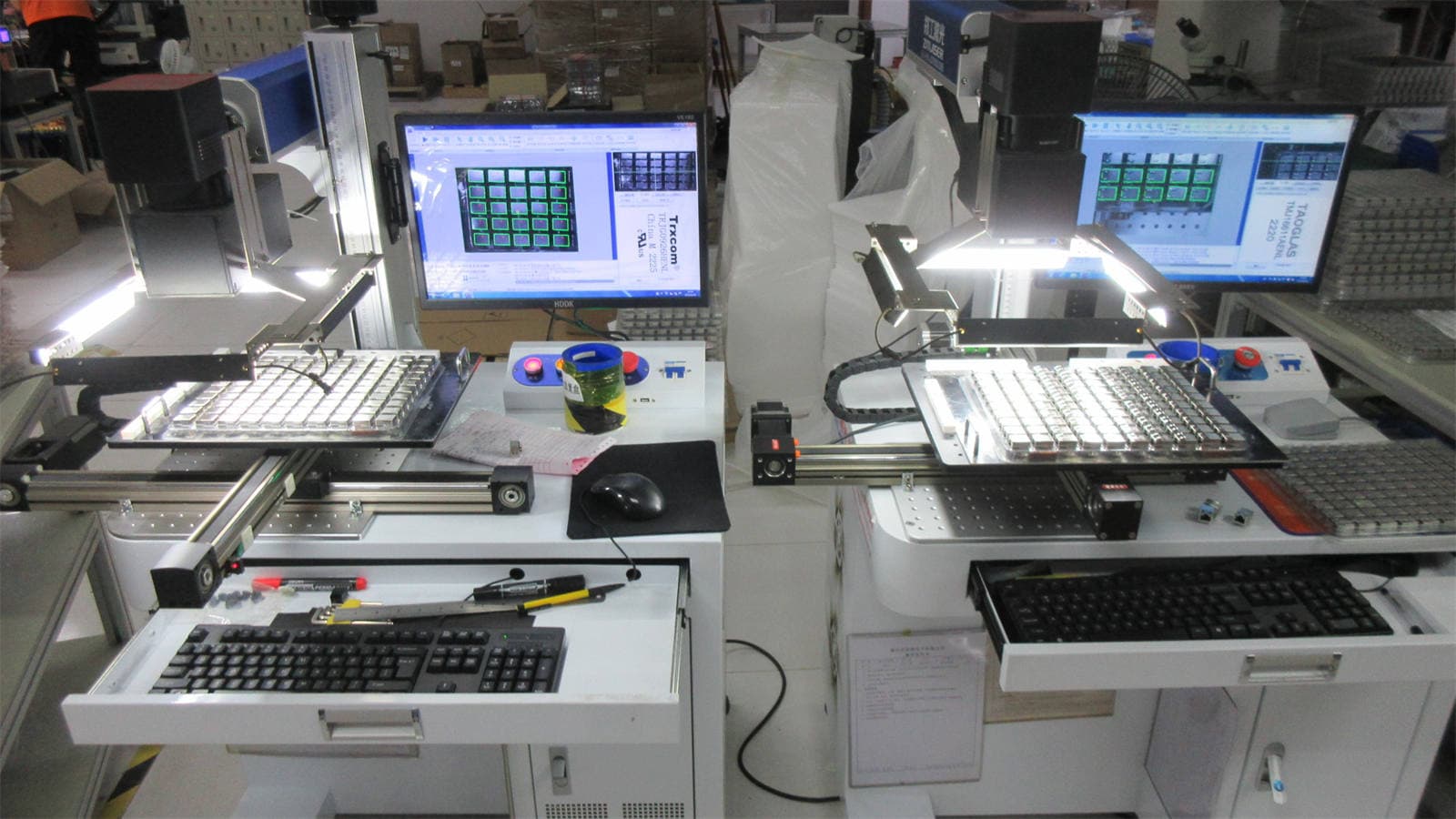
Imprints high-resolution batch codes, logos, and certifications.
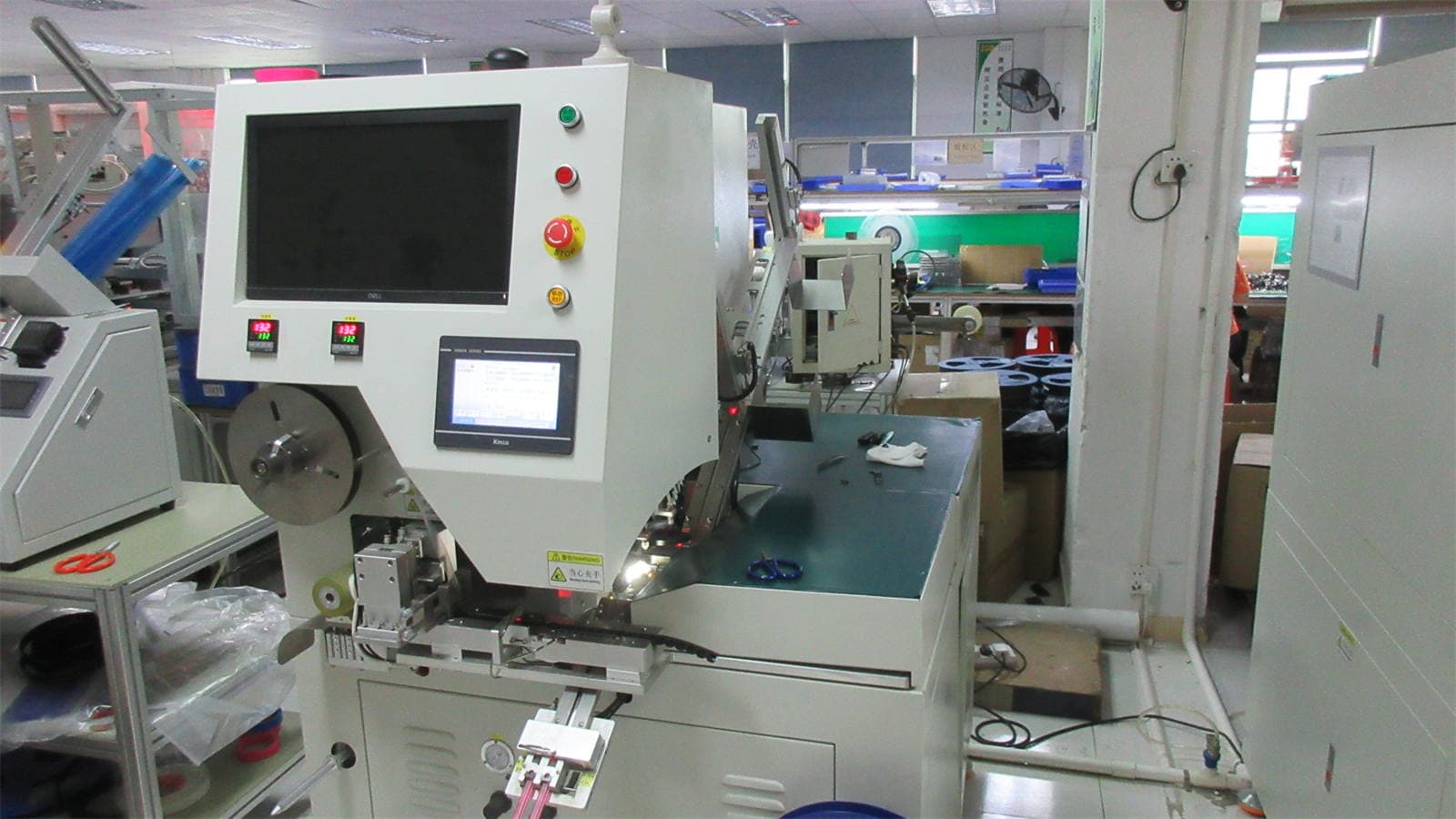
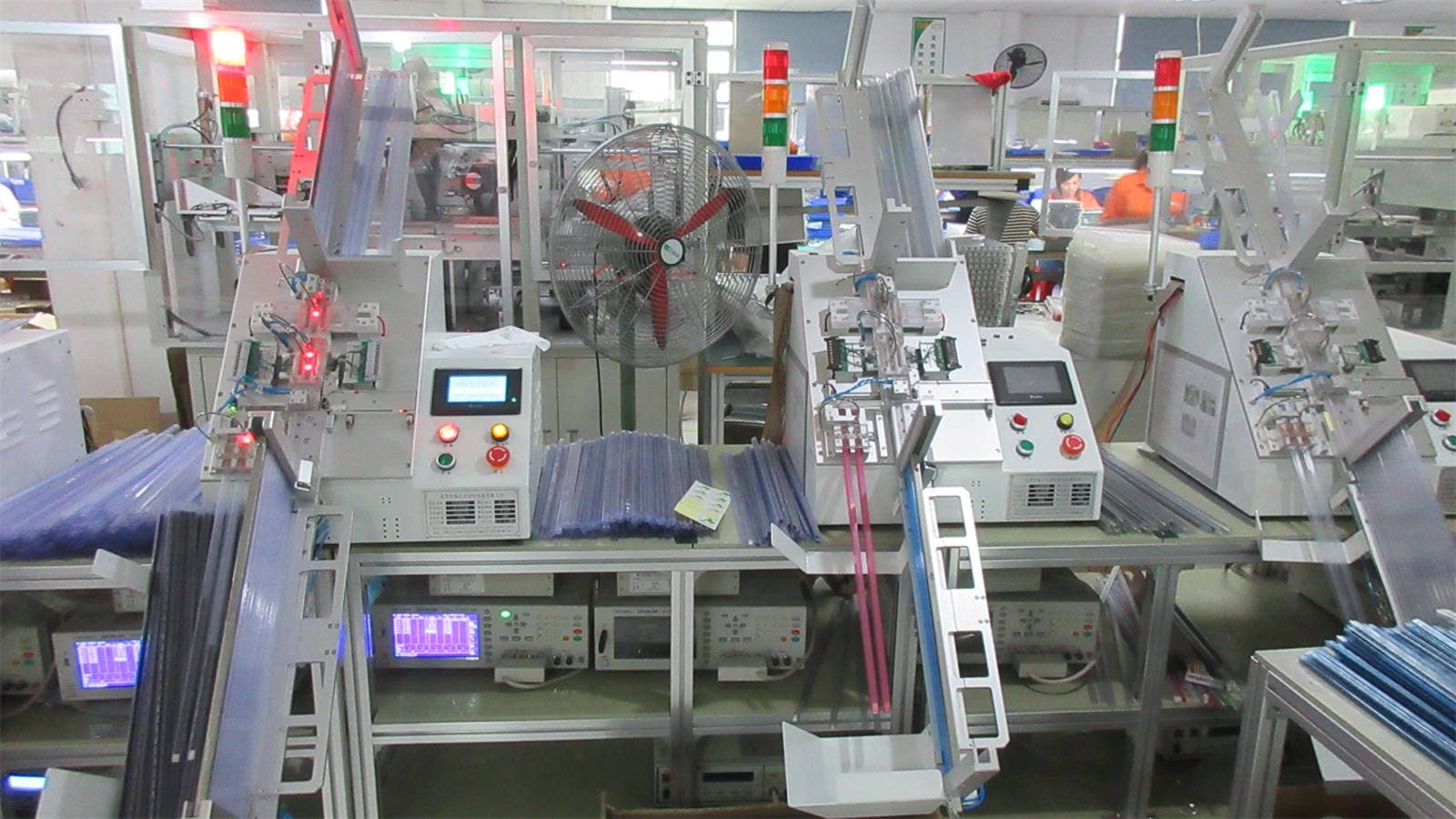
Validates turn ratios and inductance profiles of isolation transformers.
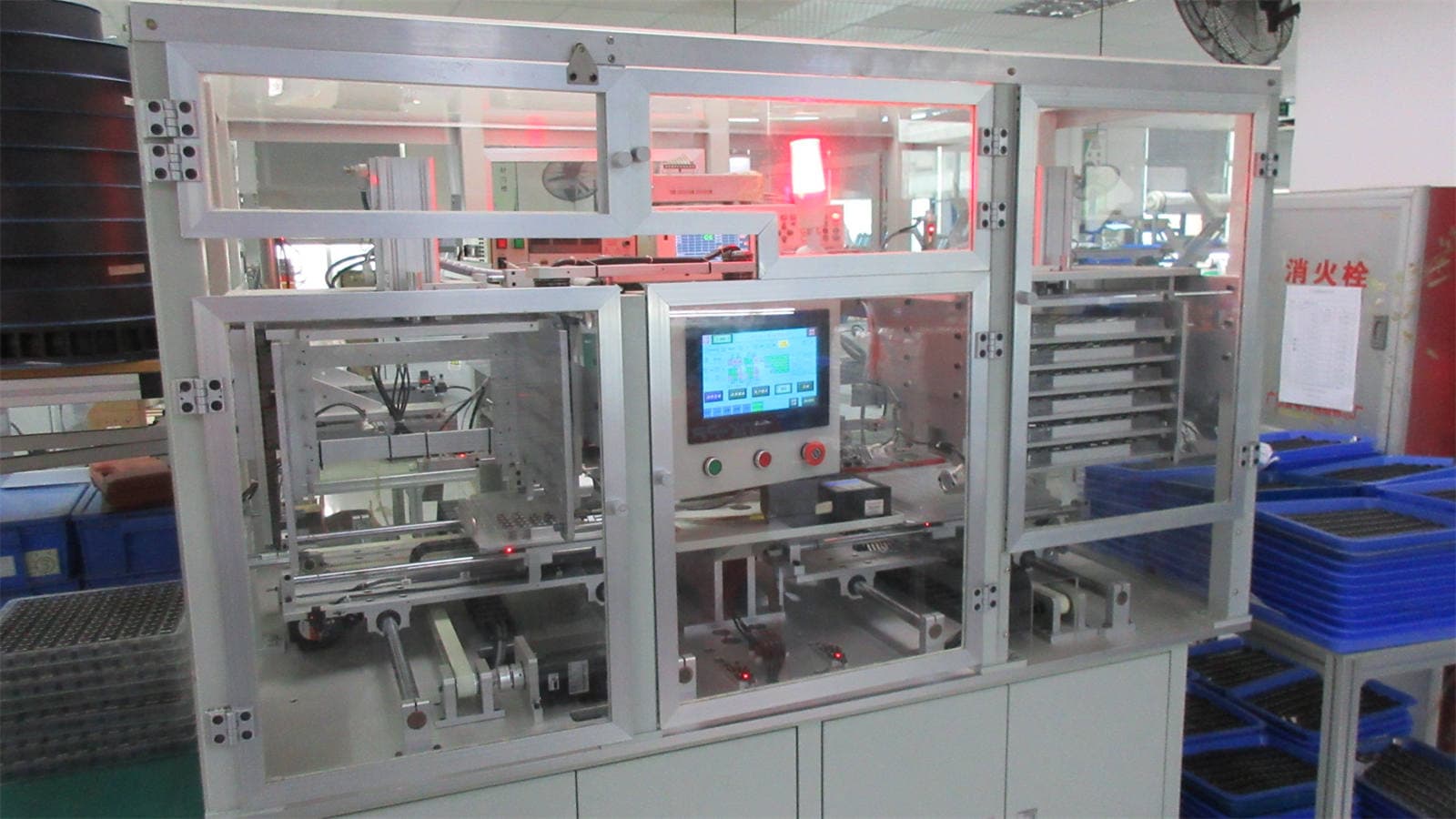
Ensures tape integrity for pick-and-place assembly lines.
Rapid functional verification of contact spacing and latch functionality.
Analyzing the migration toward 800G, 1.6T systems, and next-generation copper solutions.
As bandwidth demand scales exponentially with AI training clusters and machine learning models, copper lines face physical limits over long distances. High-frequency signaling over copper twisted pair suffers from high attenuation. The solution is a close hybrid dynamic architecture.
For intra-rack connections (under 3 meters), shielded copper passive and active cables dominate due to low latency and zero power consumption. Beyond 3 meters, copper-to-fiber transceivers convert electrical signals into light pulses. This requires connectors and cages that are capable of managing both copper links and high-speed multi-mode and single-mode optical fibers seamlessly.
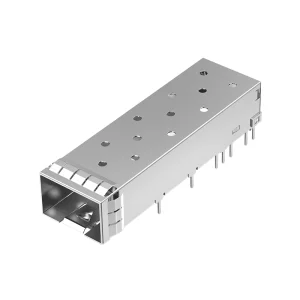
The industry is migrating from PAM4 56GBaud to 112GBaud per lane signaling. Our R&D works on ensuring that SFP cages and shielding assemblies are designed with high-density materials to prevent internal resonant electromagnetic modes. This maintains high EMI performance and excellent thermal cooling pathways for QSFP-DD, OSFP, and future 1.6T form factors.
Expert technical answers regarding twisted pair connectors, transceivers, and factory sourcing.
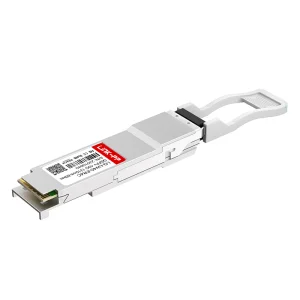
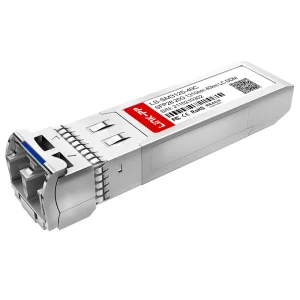
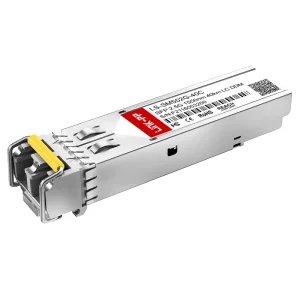
Extend your network reach with our premium optical transceivers, designed for compatibility and performance.