Lumopt Lumopt

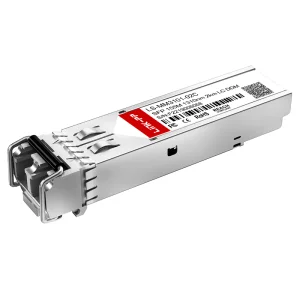
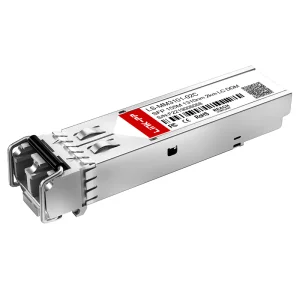
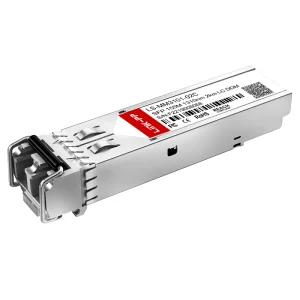
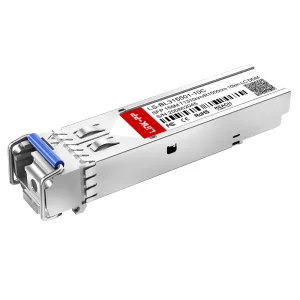
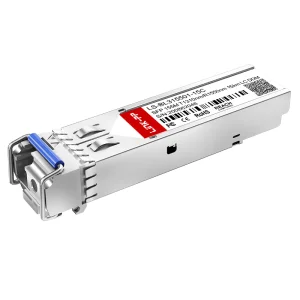
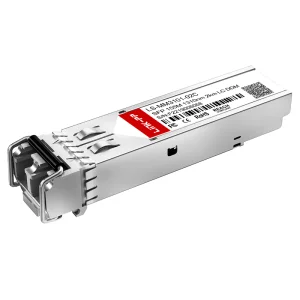
155M/622M SFP Module Manufacturer & Exporter serving the Osaka market

Industrial-Grade Optical Transceivers Engineering High-Reliability Communications for Kansai's Rail, Utility, and Automation Networks

1.2M+ Hrs
MTBF Reliability
100%
TELEC & VCCI Compliant
-40~85°C
Industrial Temp Range
15+ Years
Legacy Grid Support

1. The Resiliency of Legacy Fiber Architectures (155M/622M) in Osaka's Industrial Landscape

While the global telecommunication narrative is dominated by hyperscale migration towards 400G, 800G, and 1.6T transceiver speeds, critical industrial infrastructures continue to rely heavily on the deterministic behavior and unparalleled long-term stability of 155 Mbps and 622 Mbps optical interfaces. In the Hanshin Industrial Region and Osaka Metropolitan Area, this legacy footprint remains highly critical. Systems operating on Fast Ethernet (100BASE-FX) and Synchronous Digital Hierarchy (SDH STM-1/STM-4) require continuous high-tier hardware replacement components to guarantee 99.999% system availability.

Osaka's status as a gateway of Japanese manufacturing and urban railway networking creates unique operational challenges. The city’s underground transport structures, automated marine cargo terminals around the Port of Osaka, and precision electronic factories in surrounding prefectures like Kadoma and Sakai, rely on existing legacy single-mode and multi-mode networks. These networks, deployed over the last two decades, require optical transceivers that match original specifications without needing massive system-wide physical layer upgrades. Lumopt Opto Technology Co., Ltd. addresses this persistent demand by engineering premium SFP transceiver solutions that bridge the gap between legacy reliability and modern fabrication standards.

2. Localized Applications Across Osaka's Key Commercial Sectors

The adoption of our 155M and 622M SFP modules across Western Japan is driven by key sectors:

  • Osaka Metro and Private Railway Signaling: Continuous track-to-train signaling and Automatic Train Control (ATC) systems utilize 155M optical rings. These environments demand low-latency, low-jitter transceivers that operate near high-voltage traction currents without suffering electromagnetic interference.
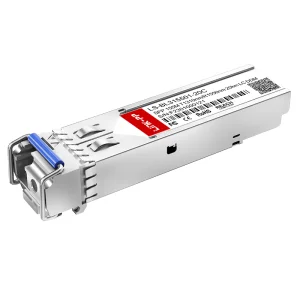
  • Kansai Electric Power (KEPCO) Telemetry: Supervisory Control and Data Acquisition (SCADA) systems in high-voltage substations rely on single-mode 1310nm/1550nm Bidirectional (BiDi) SFP transceivers to monitor grid health over distances ranging from 10km up to 80km.
  • Industrial Plant Automation: Manufacturing facilities in the Sakai-Senboku coastal industrial zone use industrial-grade Moxa and Hirschmann compatible SFP transceivers in rugged managed switches to ensure uninterrupted communication on the factory floor.

3. Technical Deep-Dive: Hardware Optimization & Performance Margins

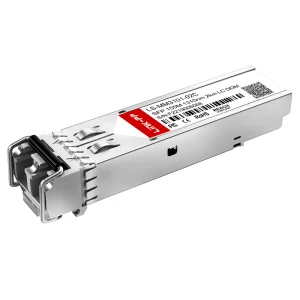
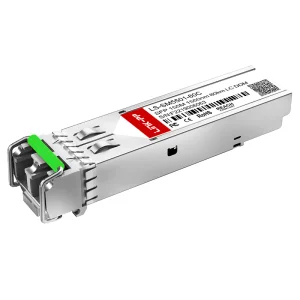
Lumopt's 155M/622M SFP transceivers are engineered using high-stability Distributed Feedback (DFB) and Fabry-Perot (FP) laser transmitters, paired with high-sensitivity PIN-PD (Photodiode) or APD (Avalanche Photodiode) receivers. Designed in strict compliance with the SFP Multi-Source Agreement (MSA) and the IEEE 802.3ah 100BASE-LX10 / 100BASE-BX10 standards, these modules offer drops-in compatibility across a wide range of OEM hardware platforms.

A critical engineering highlight of our modules is their optimized optical power budget. To avoid receiver saturation over short distances (such as inside a localized Osaka data room), while still guaranteeing long-distance signal integrity over long fiber spans (e.g., 40km to 80km backhauls), our modules employ high-quality internal attenuators and Digital Diagnostics Monitoring (DDM / DOM). This allows network administrators to monitor real-time metrics including optical output power, receiver input power, temperature, and laser bias current.

Lumopt Production Facility & Quality Systems

Lumopt Opto Technology Co., Ltd. (registered as Luguang Communication Technology Co., Ltd. in China) is a professional Chinese manufacturer and exporter specializing in high-performance optical transceivers. We focus on the R&D, production, and customization of a full range of optical modules covering 10G, 25G, 100G, 400G, 800G, and 1.6T products. These are widely applied in data centers, telecom networks, cloud computing, AI computing equipment, and enterprise communication systems.

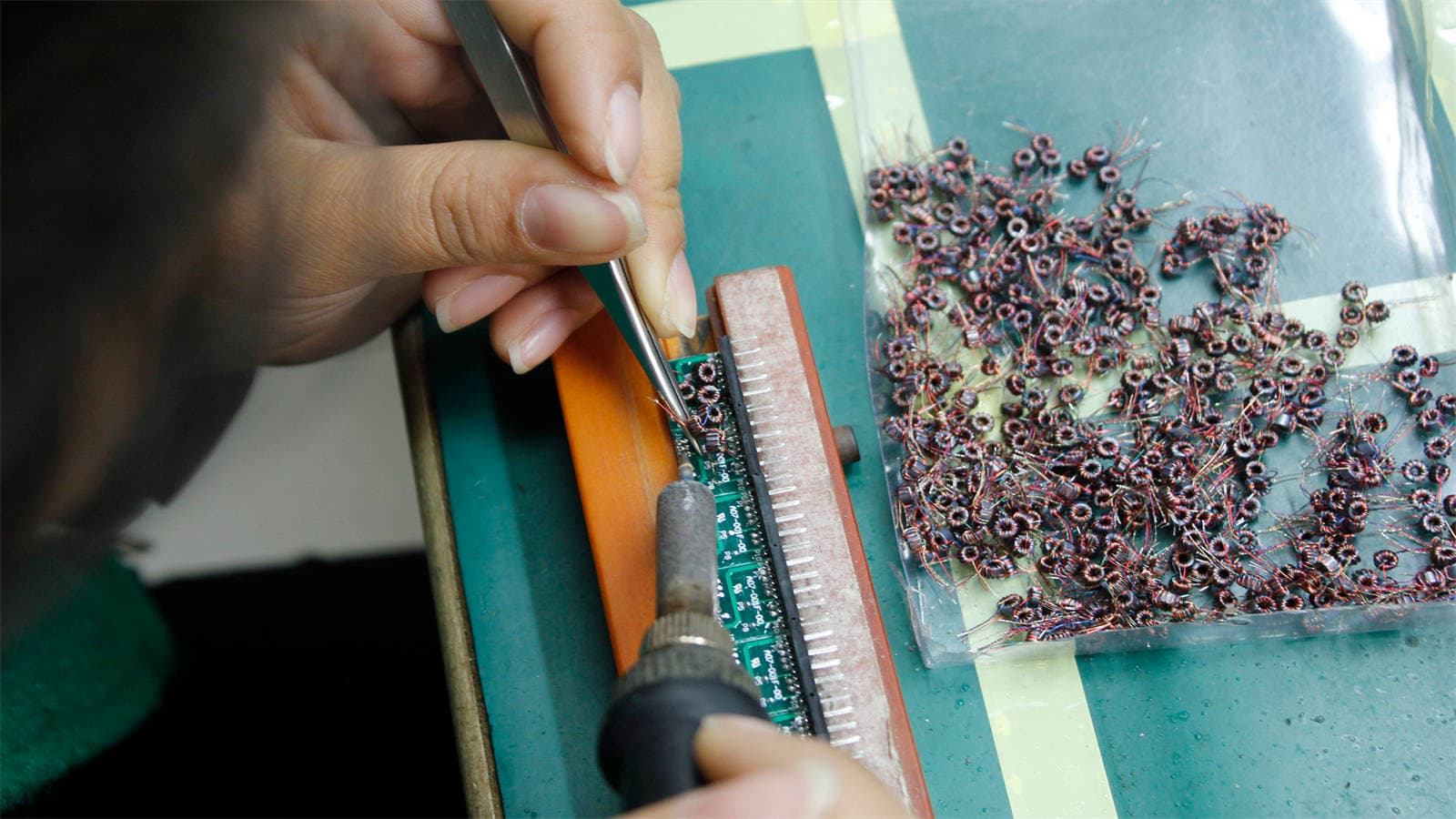
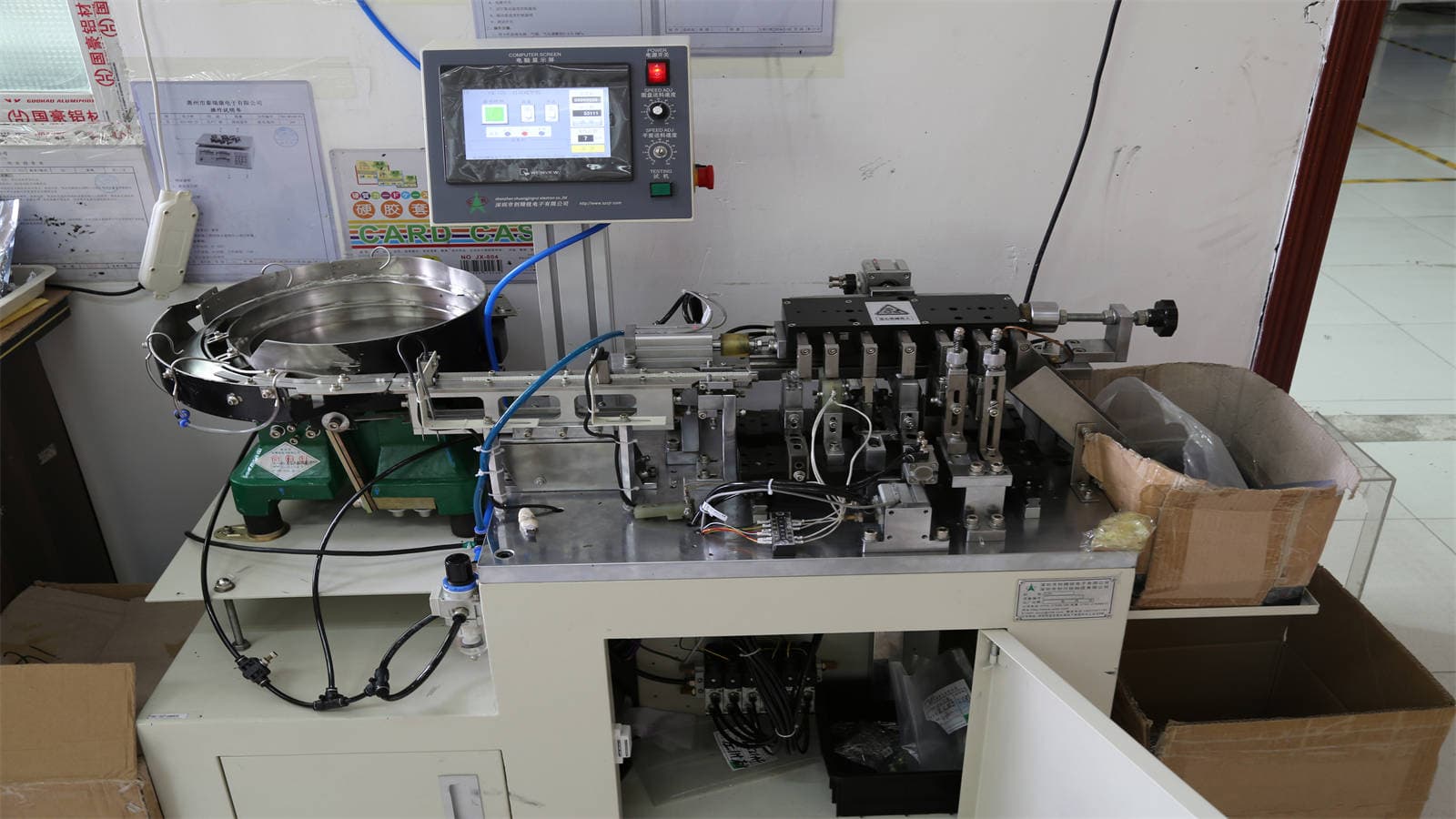
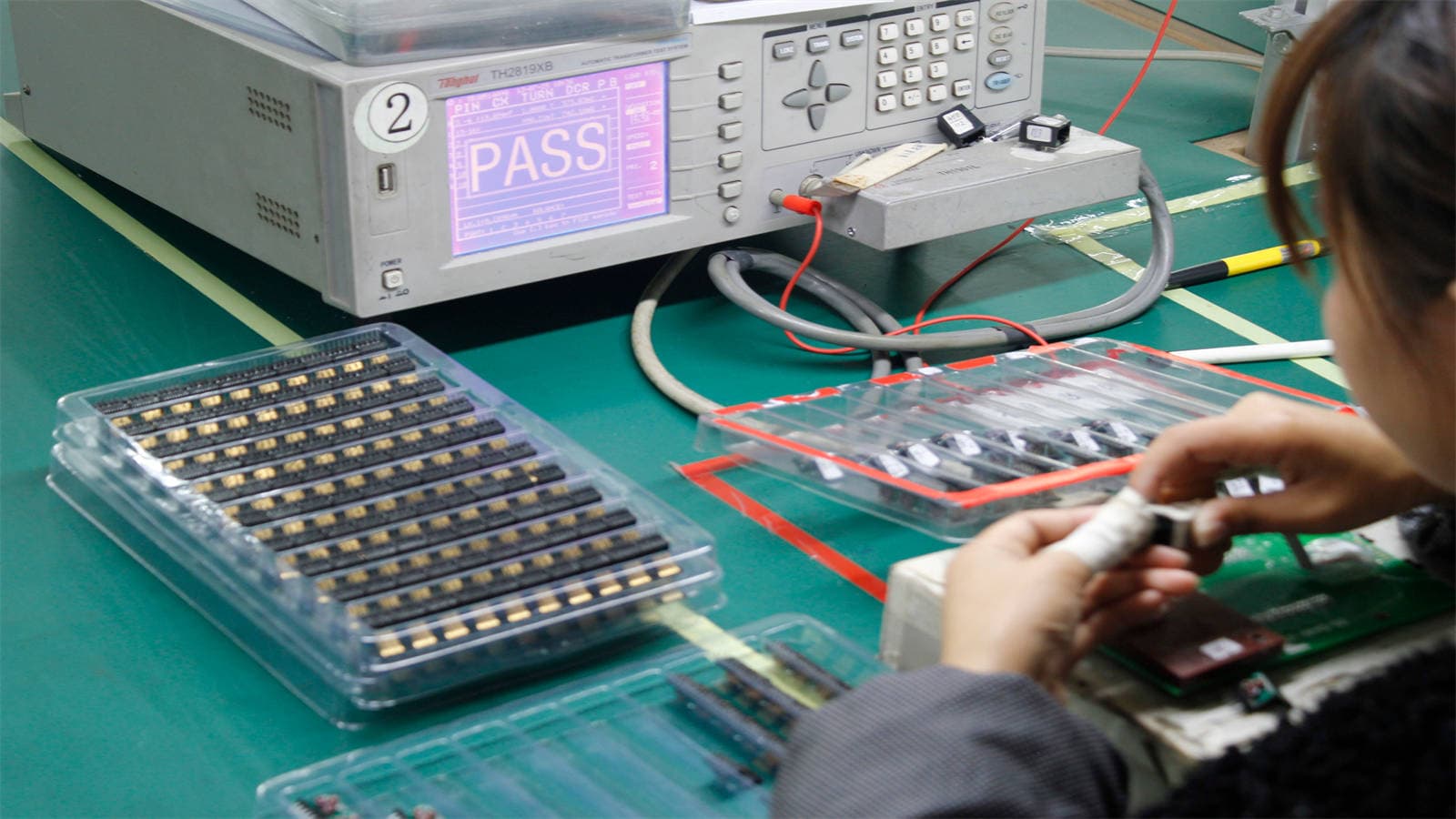
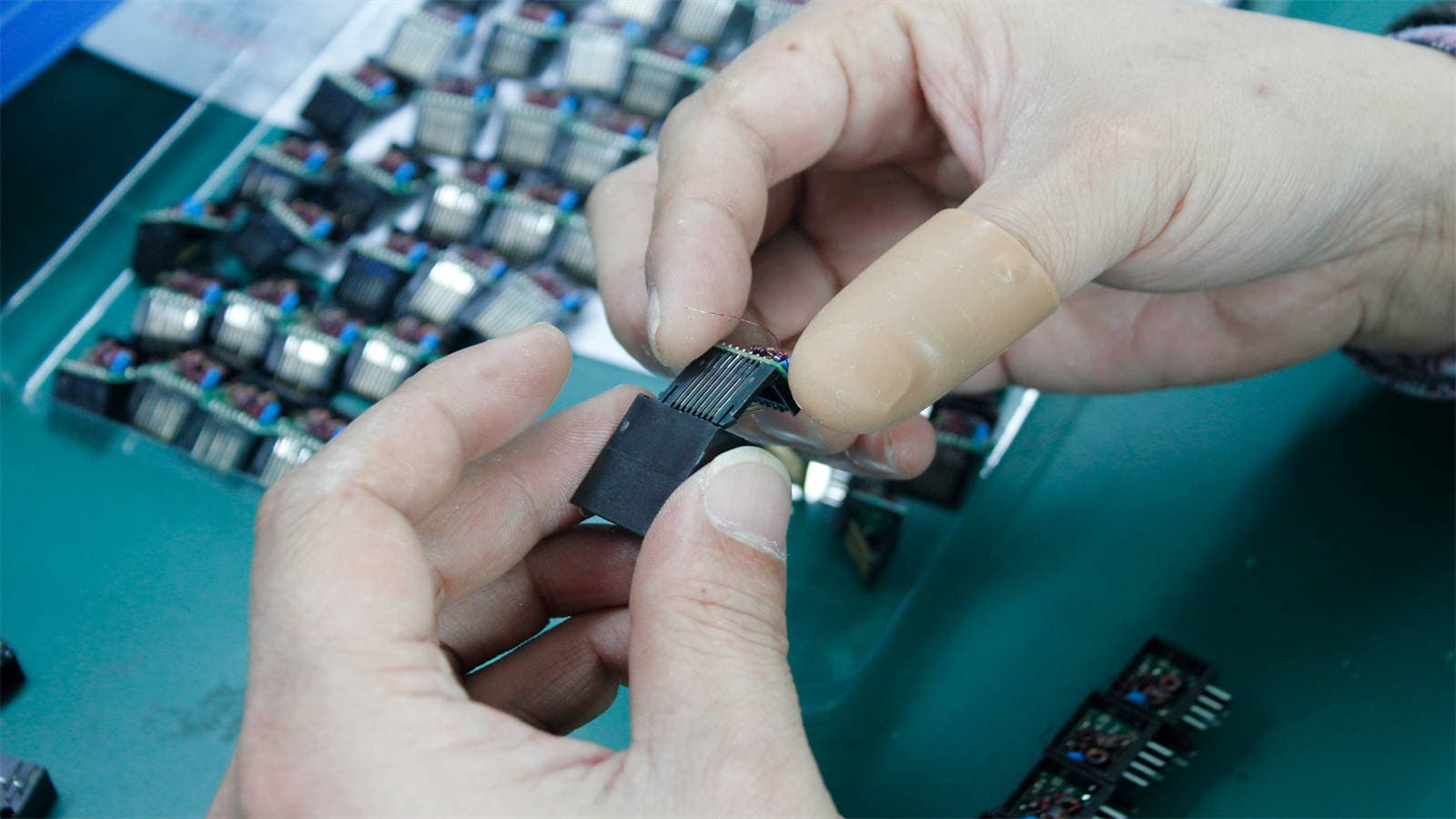
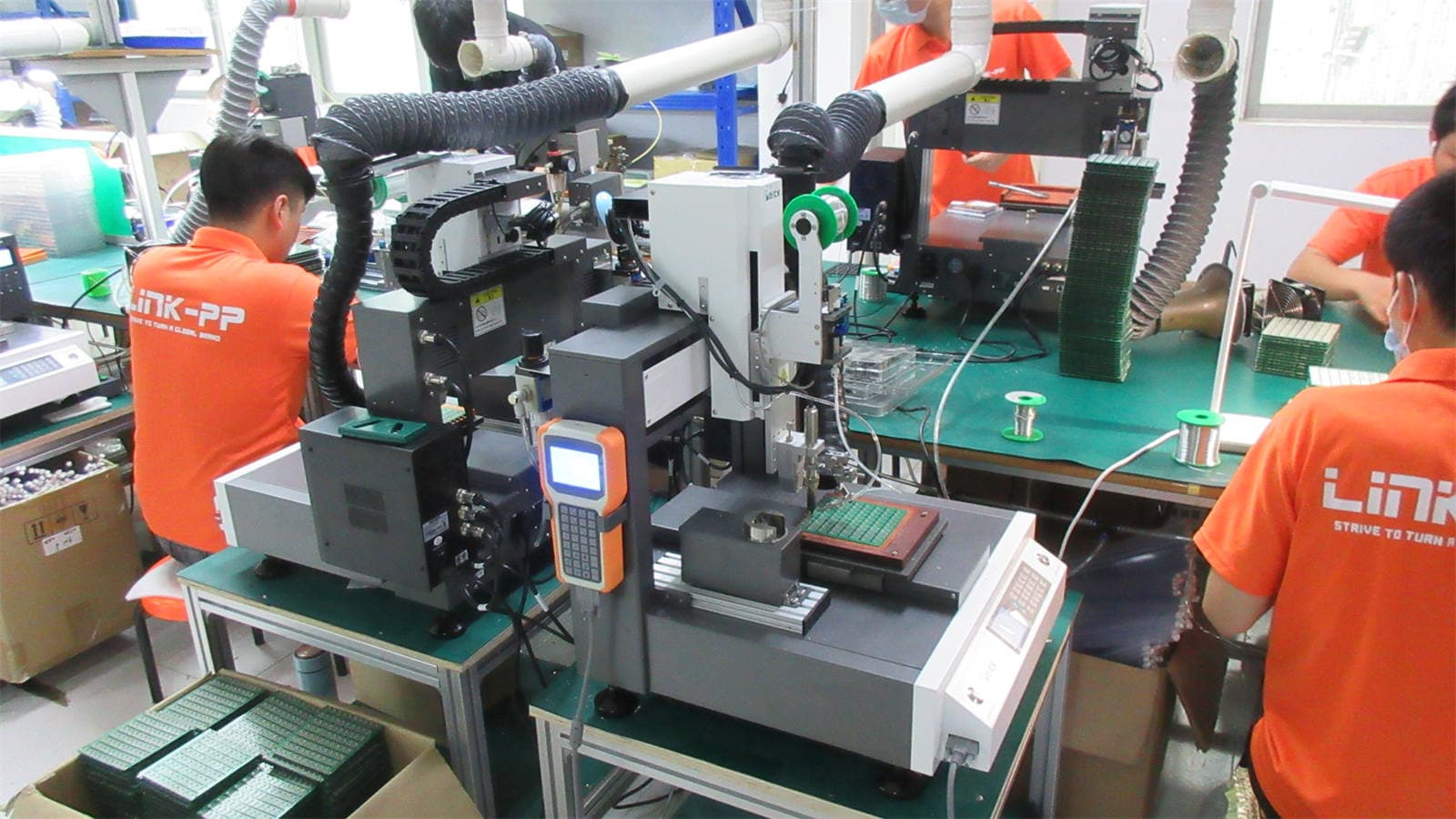
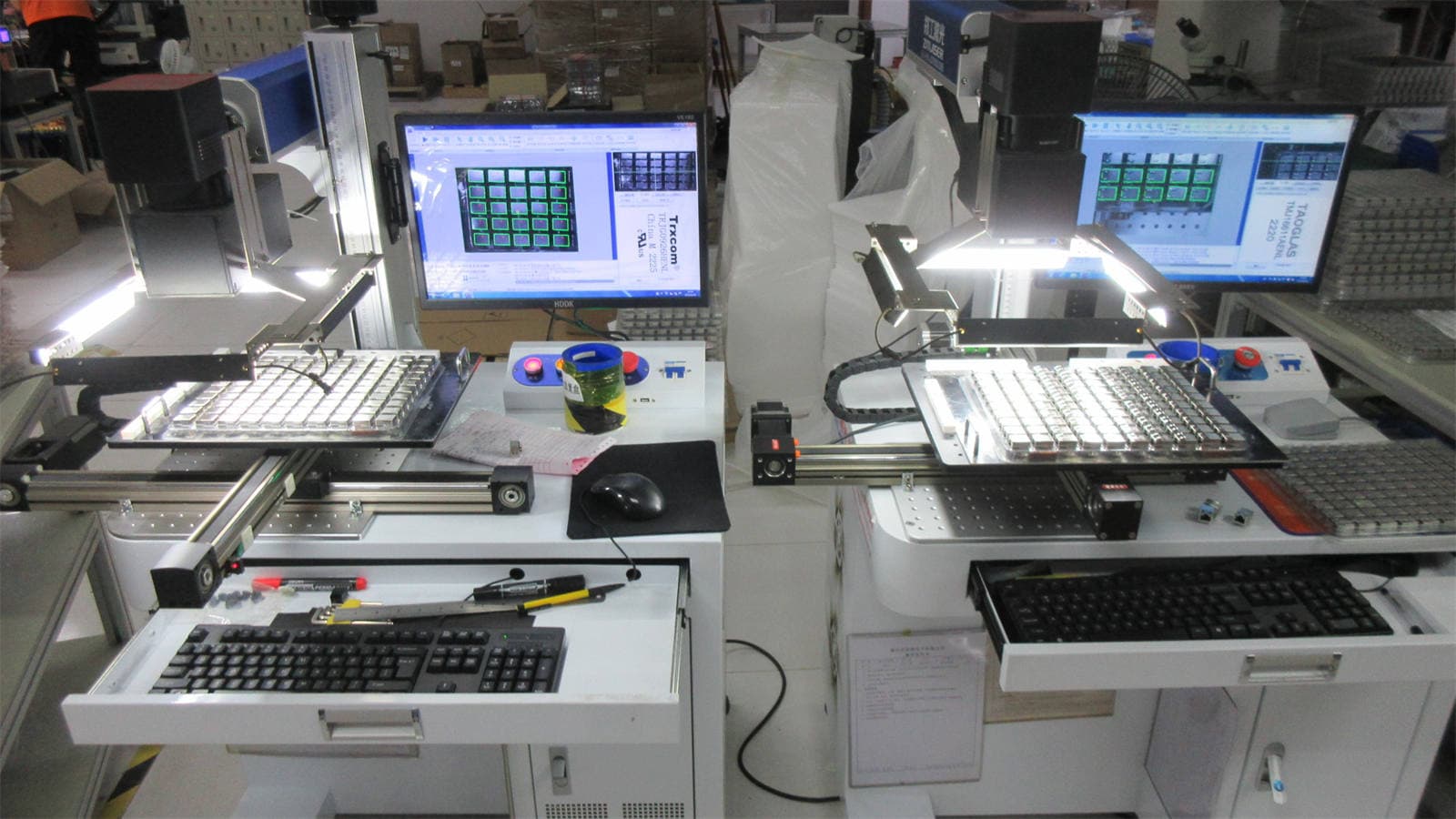
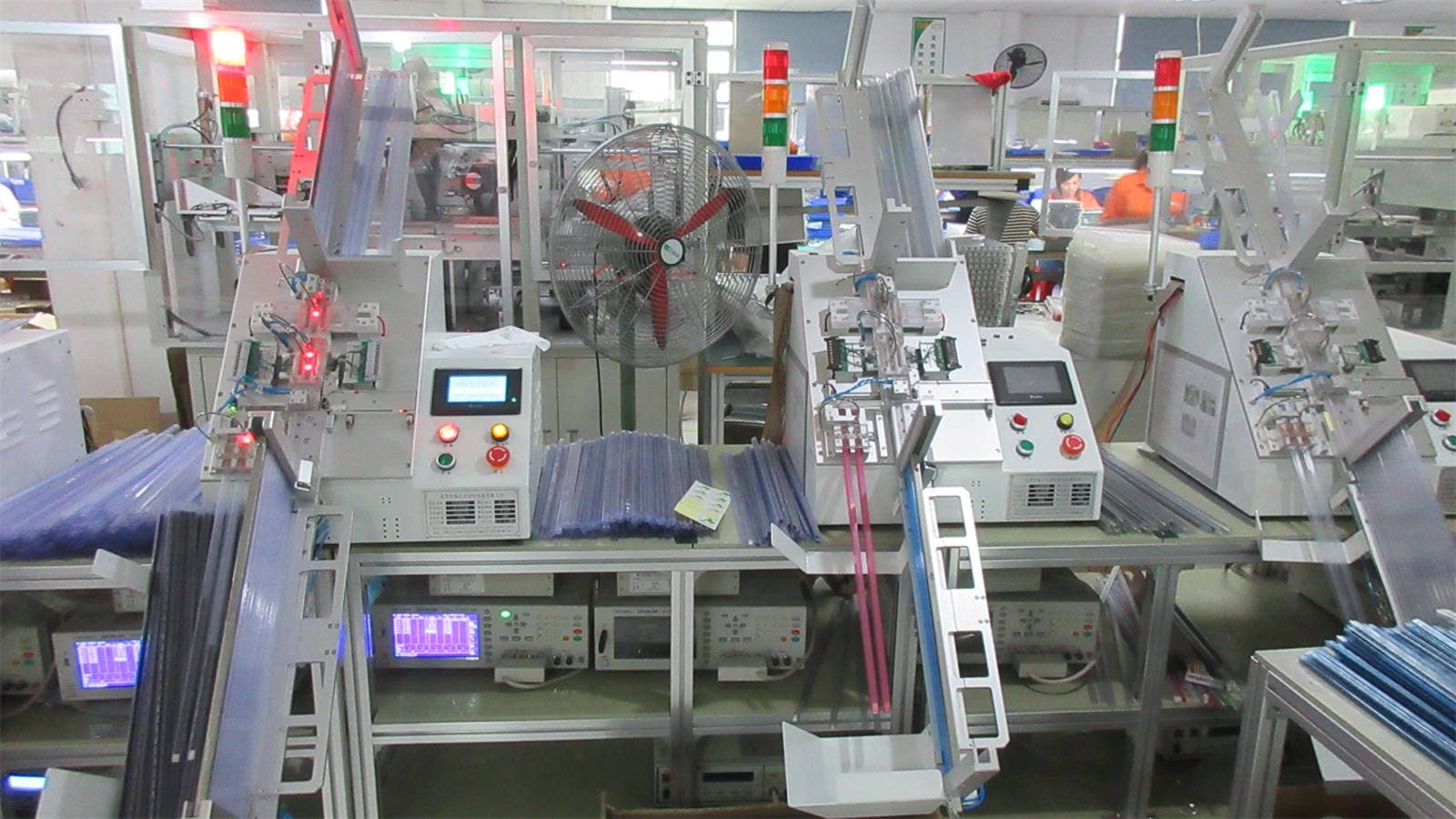
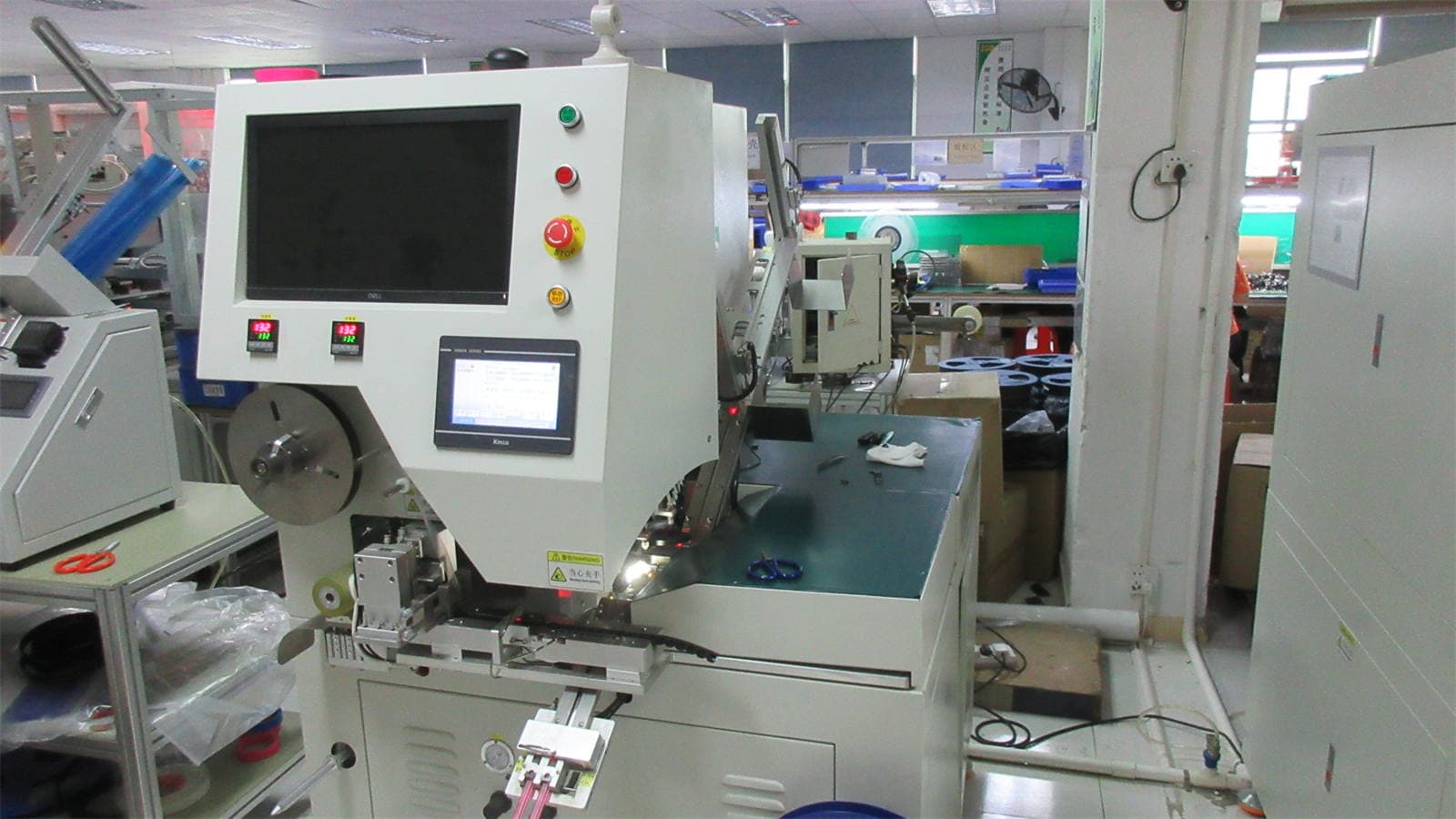
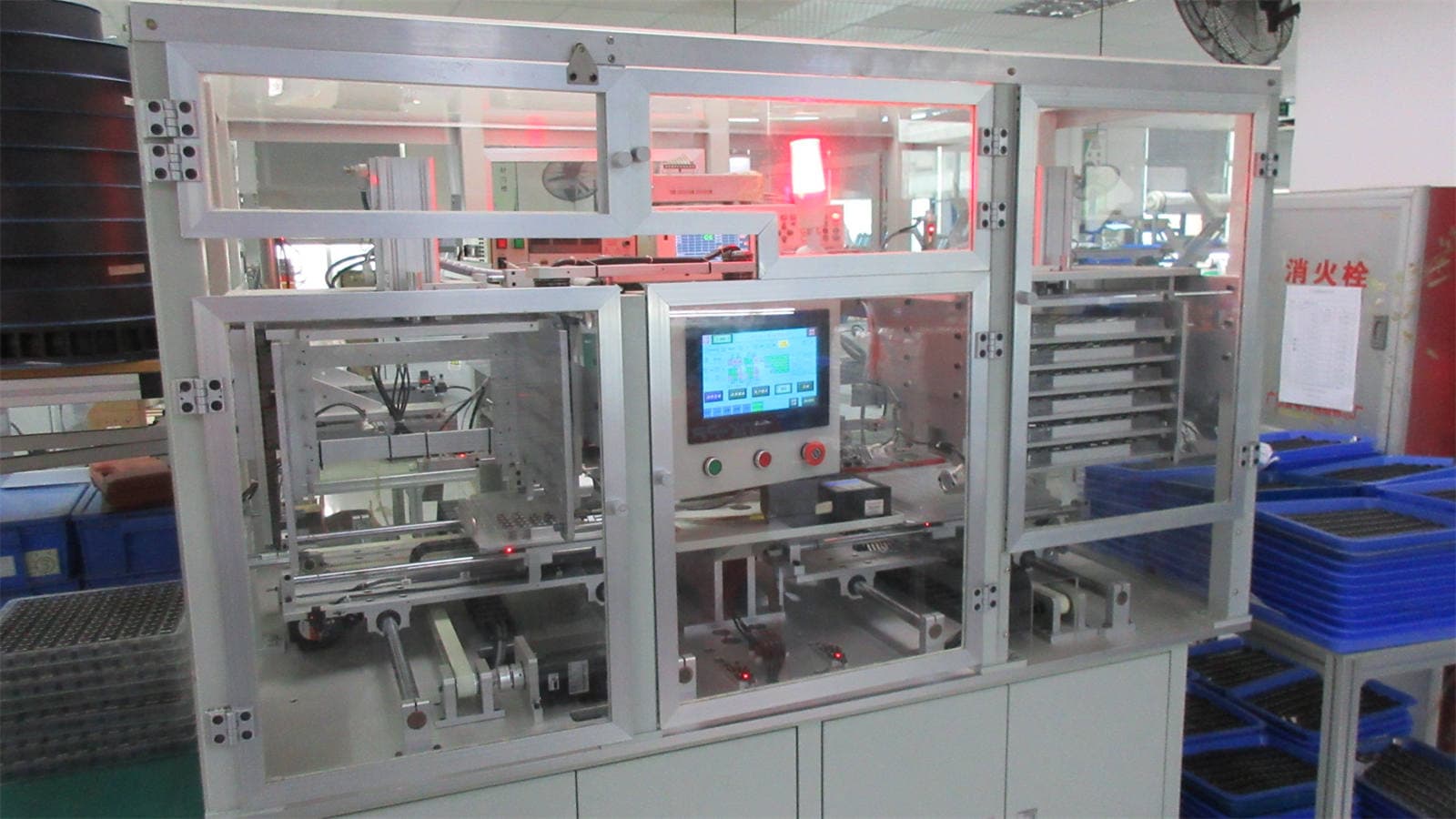
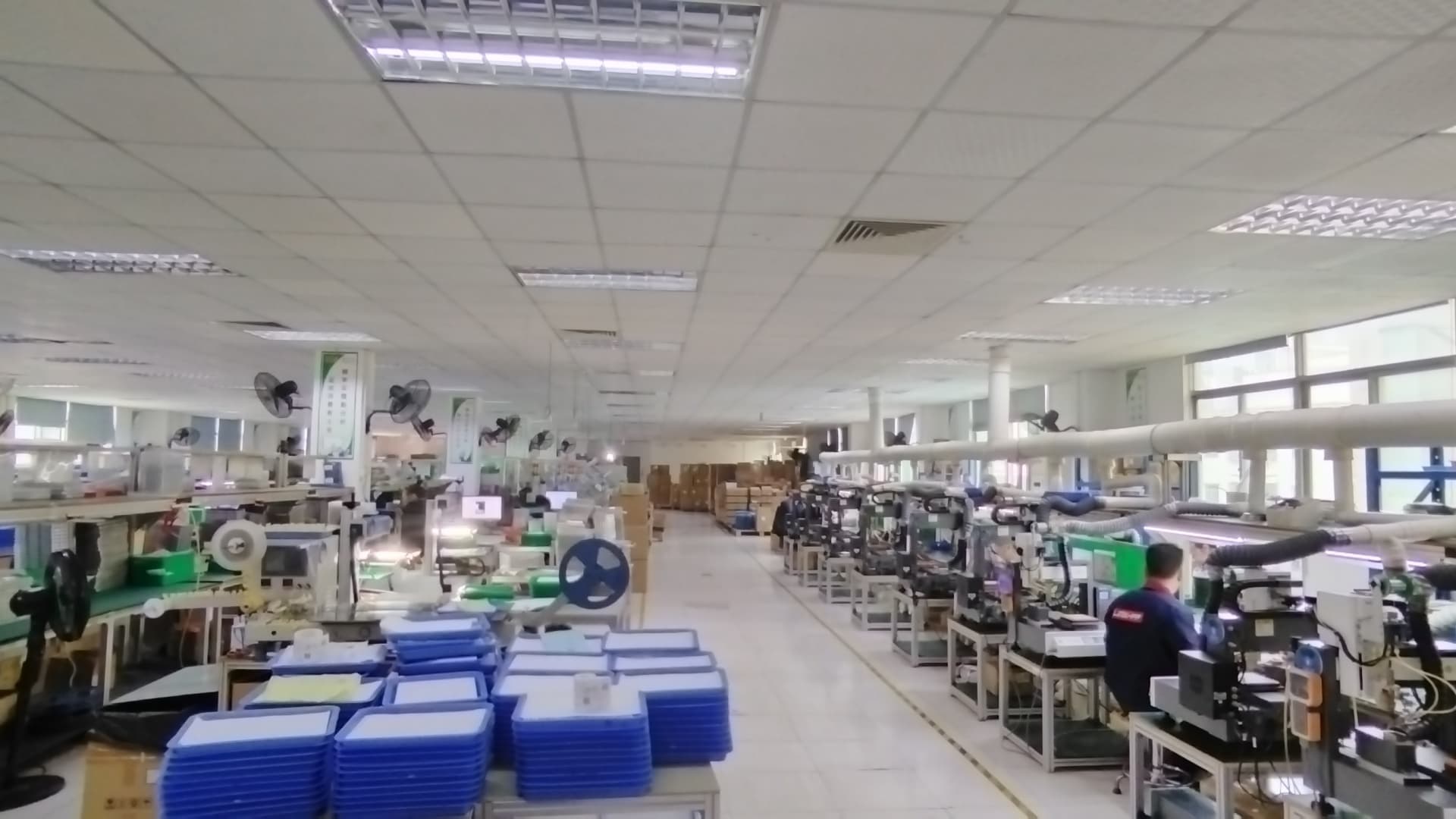
For industrial markets like Osaka, we maintain active production lines for legacy 155M and 622M modules. Armed with dust-free workshops and comprehensive diagnostic instruments, our team enforces strict quality checks at every step.


Lumopt Optical Module Workshop
Twisting Stage
Twisting Stage
PCB Tinned
PCB Tinned
Soldering
Soldering
Shear-LED-Pin
Shear-LED-Pin
Semi-finished Testing
Plastic-Case-Assembly
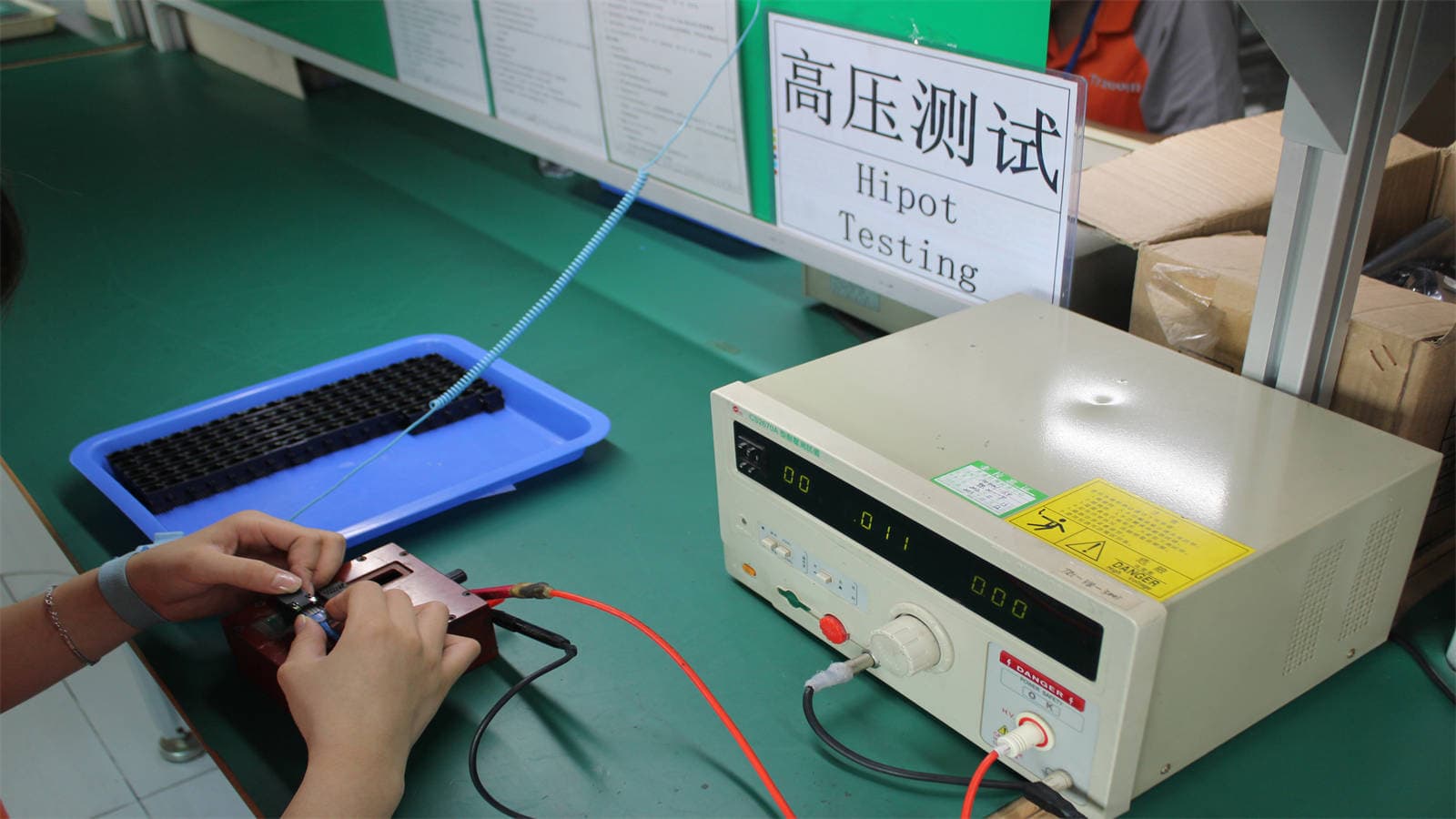
Hi-pot Testing
Hi-pot Testing
Integrated-Testing
Integrated-Testing
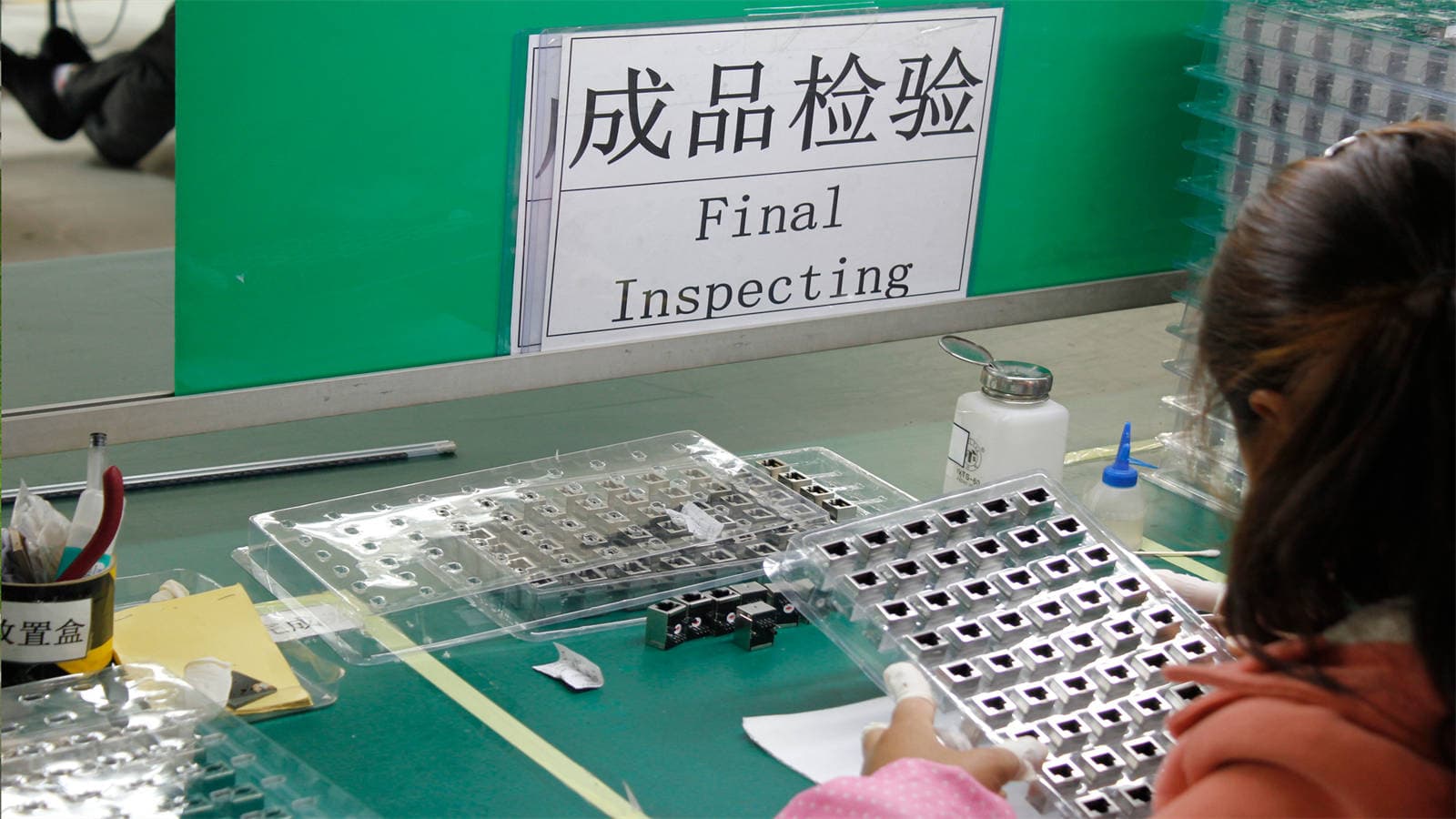
Final-Inspecting
Final-Inspecting
Packing
Packing
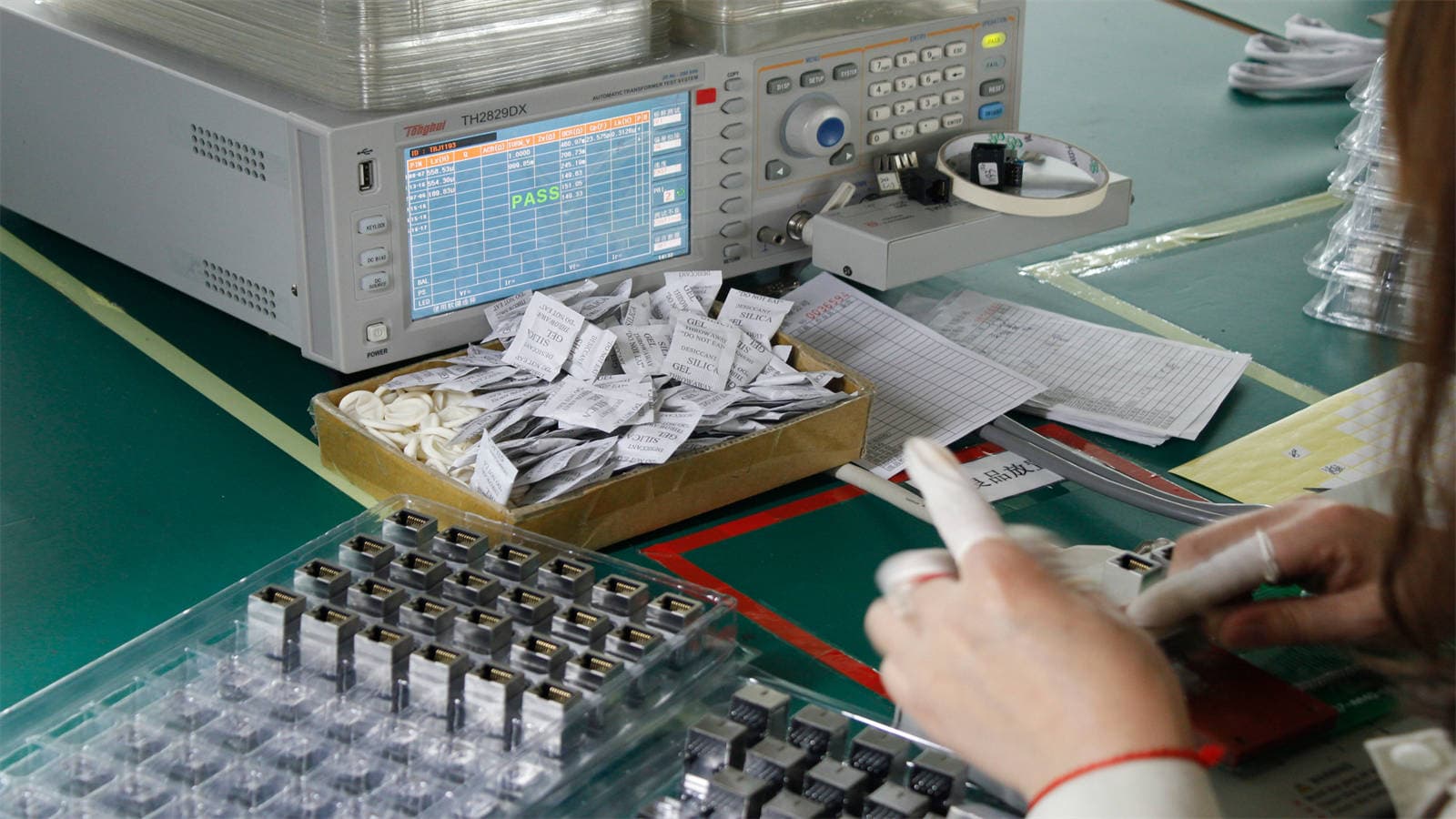
Comprehensive Tester
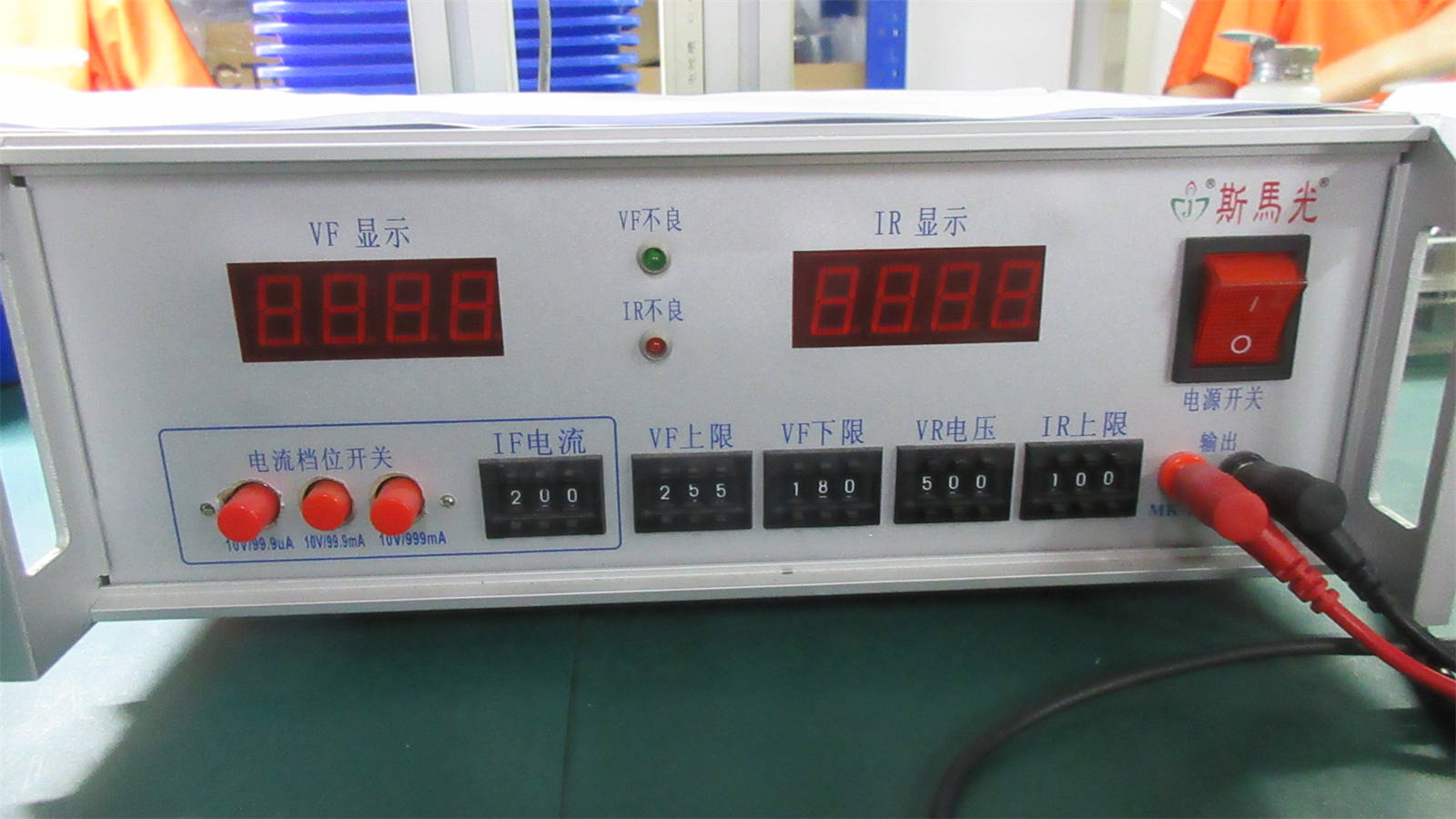
LED Lamp Tester
LED Lamp Tester
Hi-Pot Tester
Hi-Pot Tester
Automatic Welding Machine
Laser Marking Machine
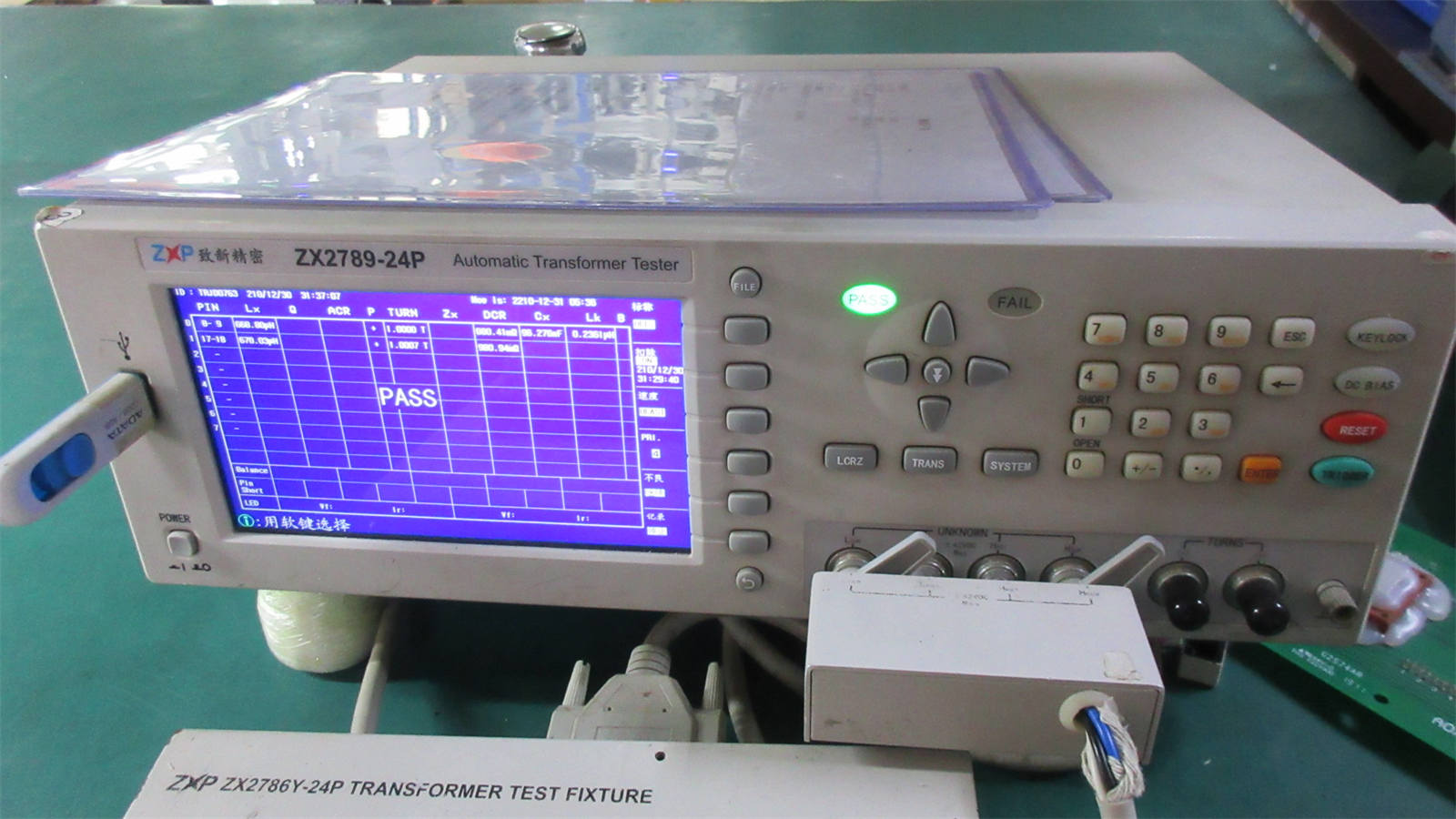
Transformer Automatic Tester
Transformer Automatic Packing Machine
Transformer Auto-Packer
RJ45 Automatic Tester
Lab Testing
Laboratory Diagnostics

4. Regulatory Compliance & Verification for the Japanese Optical Market

Deploying active optical components in Japanese network infrastructures requires adherence to strict quality and compliance regulations. The Ministry of Internal Affairs and Communications (MIC) and local standards committees mandate compliance across electromagnetic interference, laser safety, and environmental impact. Lumopt transceivers are built and certified to clear these regulatory hurdles:

  • VCCI (Voluntary Control Council for Interference): Our 155M/622M SFP transceivers undergo EMI compatibility validation to comply with VCCI Class B criteria. This guarantees that their integration into switches deployed near domestic or mixed industrial-commercial areas in Osaka will not compromise surrounding wireless and communication bands.
  • JIS C 6802 Laser Safety: Laser safety in Japan is strictly governed under the JIS C 6802 standard. Lumopt modules integrate low-power Class 1 laser transmitters that are inherently safe under all normal operating scenarios, protecting engineering personnel during optical termination and diagnostic procedures.
  • TELEC Validation: For components functioning within optical systems containing integrated radio or wireless telemetry networks, compliance with the TELEC regulatory framework is verified to prevent intersystem harmonic generation and RF leakage.

5. Technical Roadmap: Coexistence & Seamless Migration Strategies

As industrial operations in Kansai adapt to smart manufacturing (Society 5.0), the requirement for system throughput naturally increases. However, a rapid conversion of legacy infrastructure is cost-prohibitive. Lumopt’s product roadmap focuses on multi-rate SFP architectures. Our modules allow network interfaces to auto-negotiate from 100Mbps up to 1.25Gbps. This enables operators of sub-rate networks to retain existing copper/fiber media converters while laying the foundation for a transition to Gigabit and 10G networks in the future.
Frequently Asked Questions: Industrial SFP Deployments

Are Lumopt 155M/622M SFP modules fully compatible with legacy switches like Moxa, Allied Telesis, and Hirschmann?
Yes. Lumopt customizes transceiver EEPROMs to match target vendor signature codes. Whether you are operating legacy Allied Telesis switches in an Osaka municipal network, Moxa switches in a power substation, or Hirschmann systems in a precision automotive assembly line, our modules support seamless integration.
Why is DDM (Digital Diagnostics Monitoring) critical for legacy 155M/622M SFP transceivers?
DDM provides real-time access to key parameters including operating temperature, laser bias current, transmitted optical power, received optical power, and transceiver supply voltage. In high-reliability settings like the Osaka Metro signaling system, DDM enables proactive alerts for fiber degradation or laser aging before a critical failure occurs.
What range of operating temperatures do your industrial-grade SFP modules support?
We provide Commercial Grade (0°C to 70°C), Extended Grade (-20°C to 85°C), and Industrial Grade (-40°C to 85°C) modules. For demanding outdoor utility enclosures and trackside installations in Osaka, we highly recommend our Industrial Grade models to prevent thermal drift and maintain wavelength stability.
How do Single-Fiber BiDi (Bidirectional) SFP modules optimize network infrastructure?
BiDi SFP modules use Wavelength Division Multiplexing (WDM) to transmit and receive signals over a single strand of single-mode fiber (typically utilizing 1310nm/1550nm or 1310nm/1490nm pairings). This doubles transmission capacity on existing fiber infrastructure, helping Osaka system operators save on new fiber deployments.
Does your product line comply with international environmental and import regulations?
Yes. All Lumopt transceivers are fully certified under RoHS, CE, FCC, and REACH guidelines. Furthermore, they align with Japanese standards like VCCI Class B and JIS C 6802, ensuring compliance with local import and environmental requirements.

Ready to Integrate Reliable Optics into Your Network?

Send Inquiry Now