Lumopt
Lumopt
Lumopt
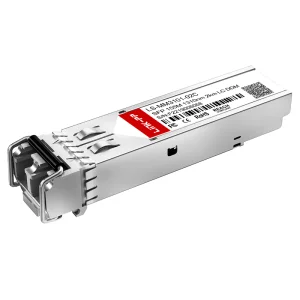
Premium compatible optical transceivers configured specifically for high-reliability links in extreme desert temperatures.
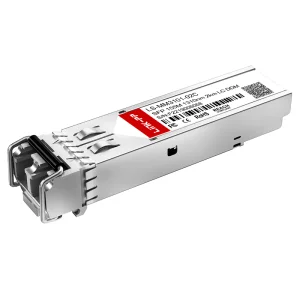
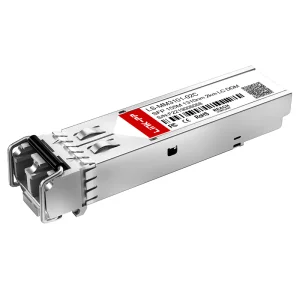
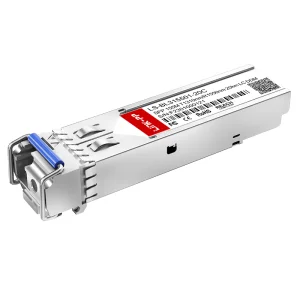
As Iraq accelerates the reconstruction and digitization of its national infrastructure, fiber-optic communication forms the backbone of its metropolitan ethernet, power grid SCADA networks, and oil & gas pipeline monitoring systems. While the industry frequently highlights high-bandwidth systems such as 100G and 400G networks for core internet nodes, 155M (Fast Ethernet/STM-1) and 622M (STM-4) SFP modules remain the bedrock of telemetry, industrial control, and legacy telecommunication systems.
In Basra's oil fields, Baghdad's municipal management, and Erbil's industrial developments, robust, low-bandwidth interfaces are preferred for their unparalleled operational reliability over long distances. High-frequency transceivers are highly susceptible to signal degradation in harsh conditions. Conversely, 155M/622M transceivers provide substantial optical budget margins, ensuring uninterrupted operation for oil pipeline SCADA telemetry, substation communication systems (complying with IEC 61850 standards), and legacy SDH/SONET transit networks.
Iraq's extreme environmental conditions pose significant challenges for optical hardware. Summer temperatures in southern deserts frequently exceed 50°C, causing typical commercial-grade SFP modules to experience laser diode degradation, thermal runaway, and receiver optical overload. Consequently, Iraqi network operators and international integration contractors require Industrial-grade (-40°C to +85°C) SFP modules equipped with real-time Digital Diagnostic Monitoring (DDM/DOM) to prevent unscheduled network downtime.


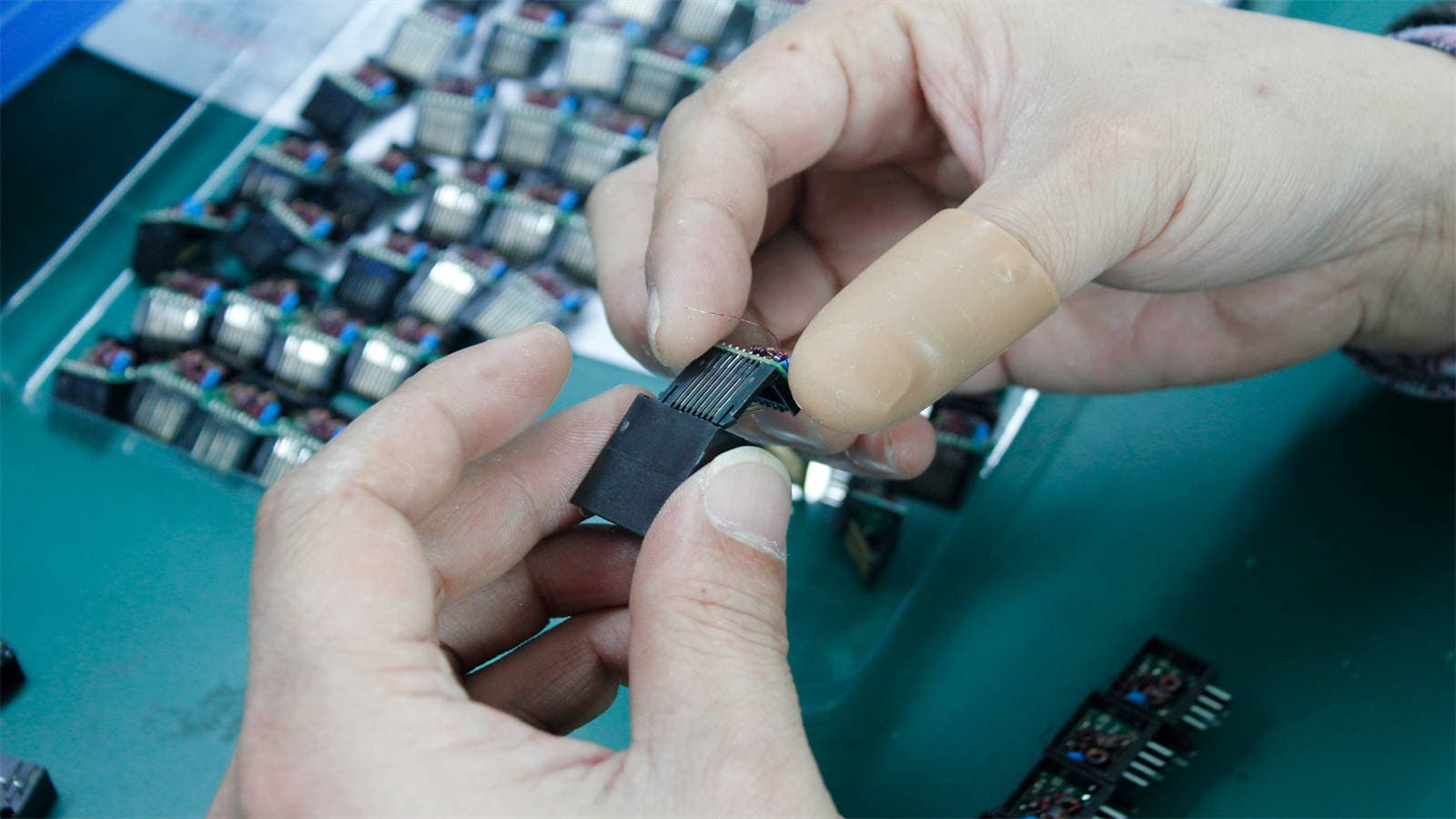
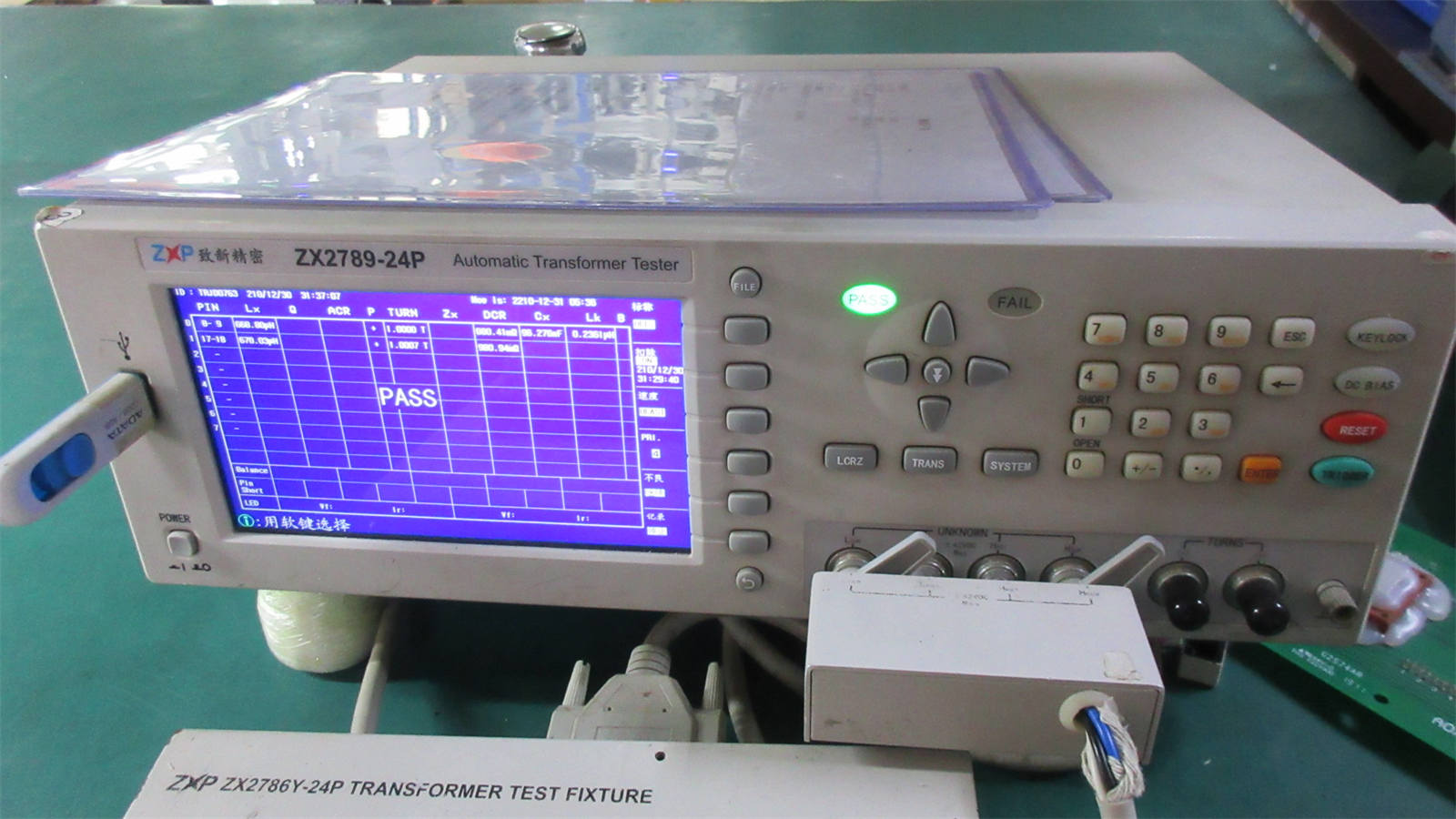
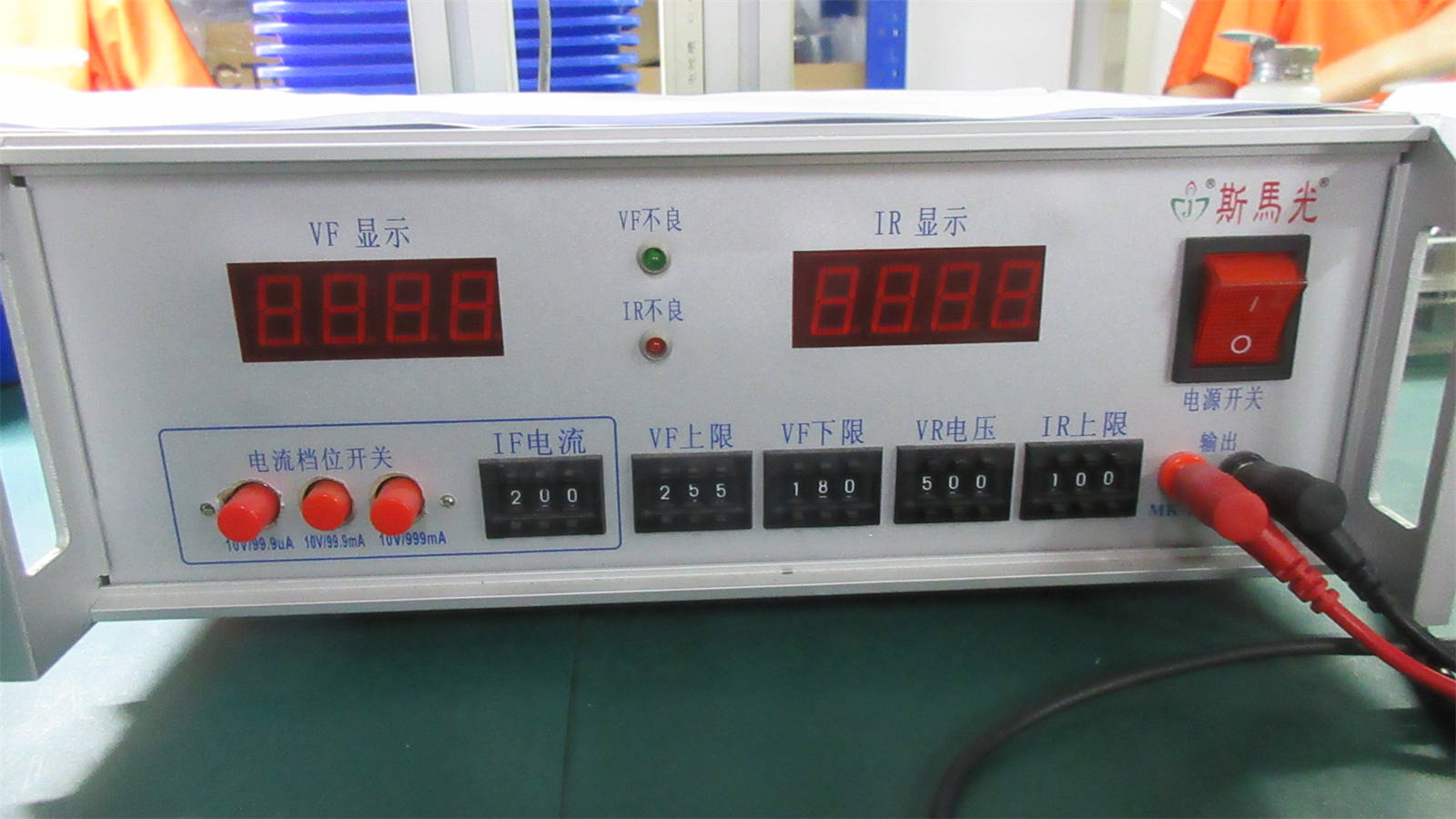
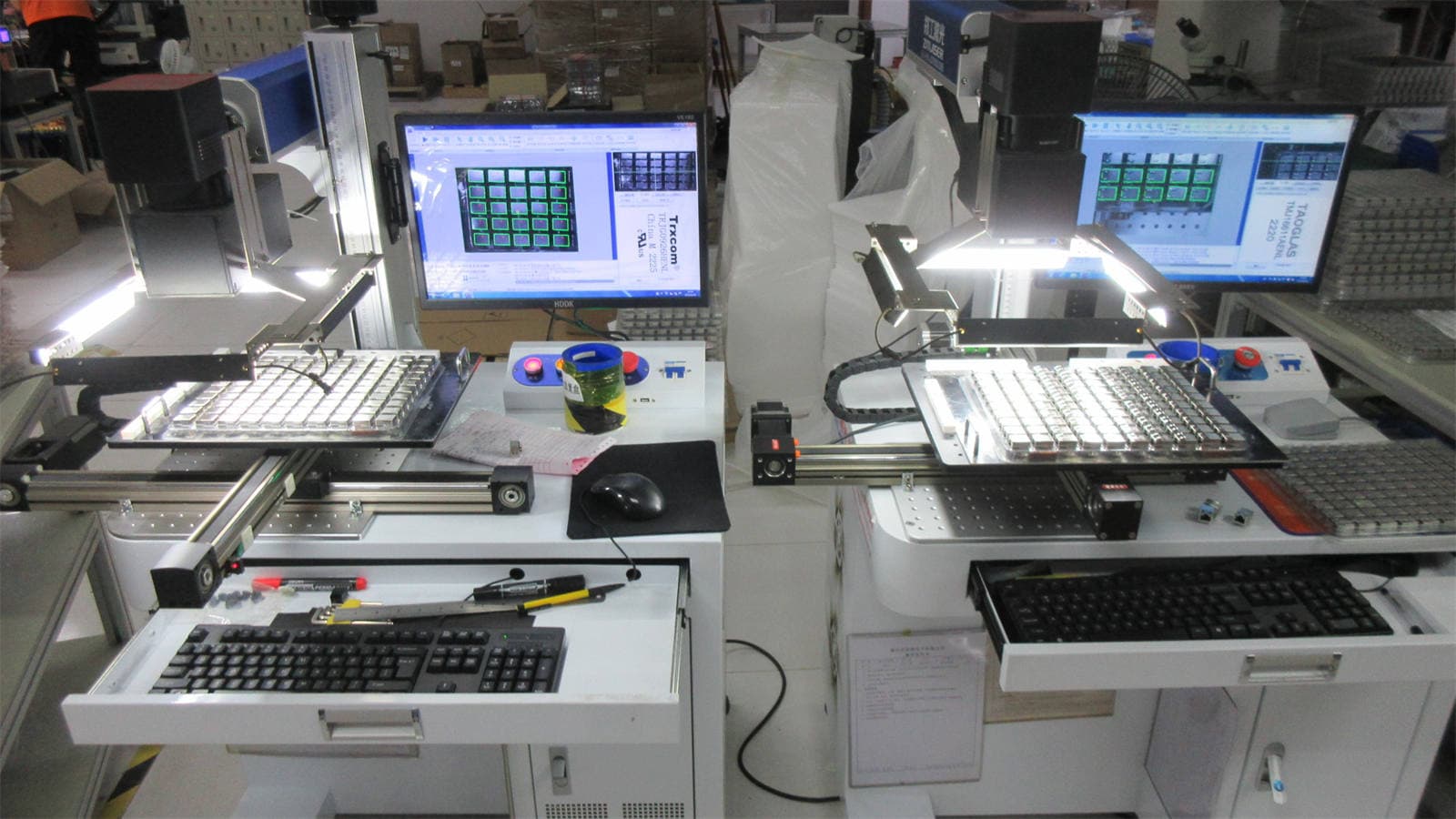
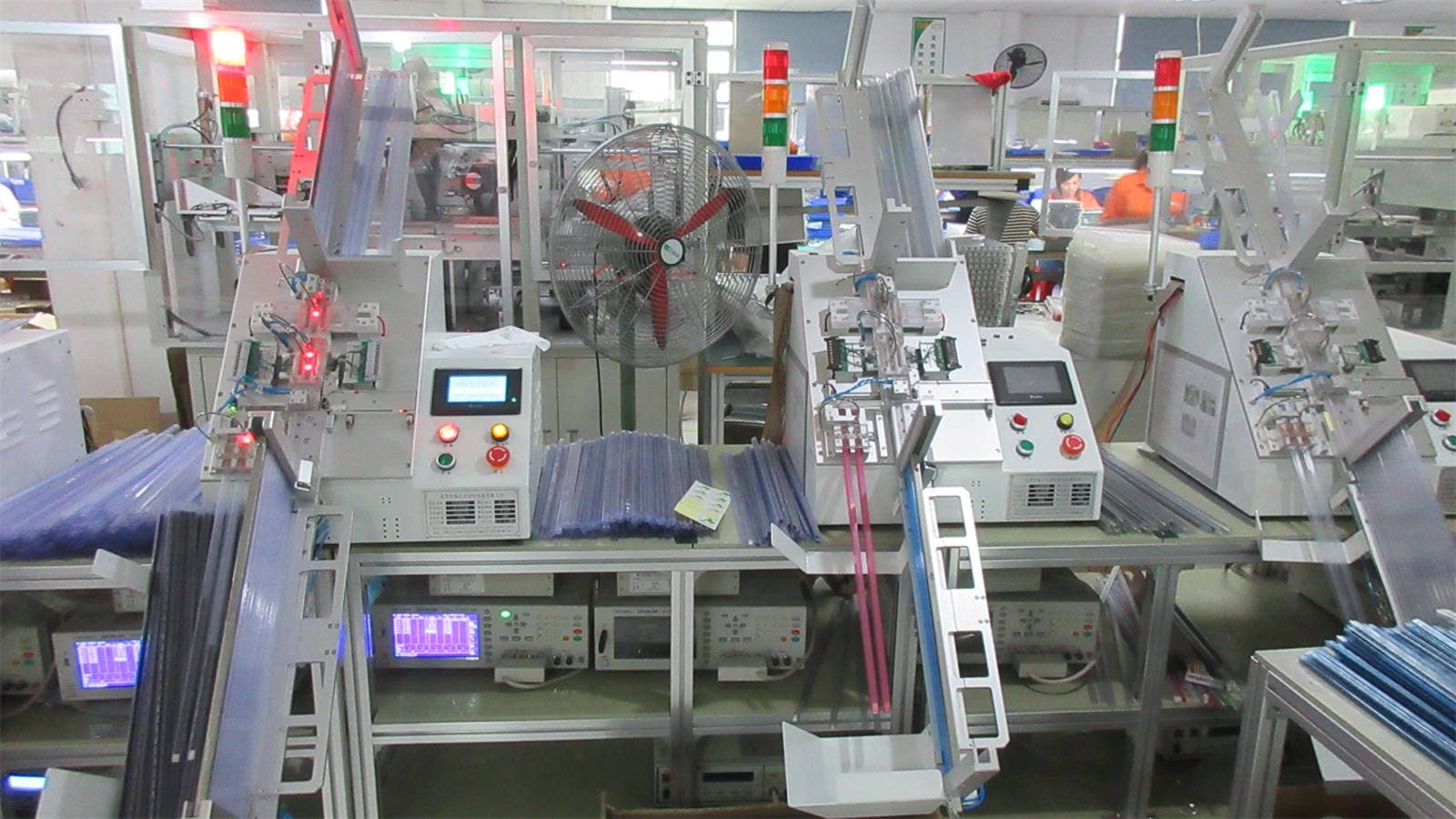
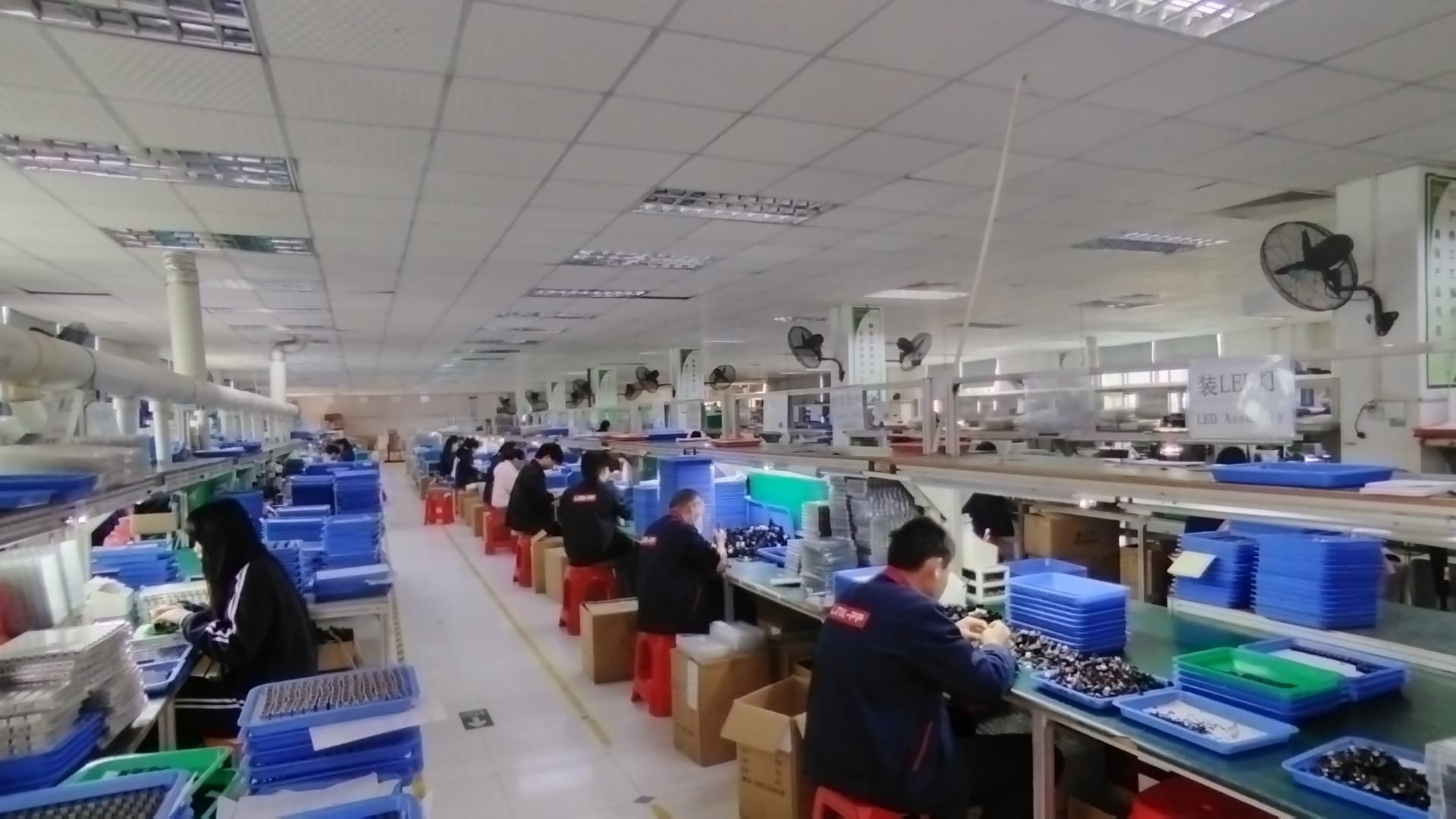
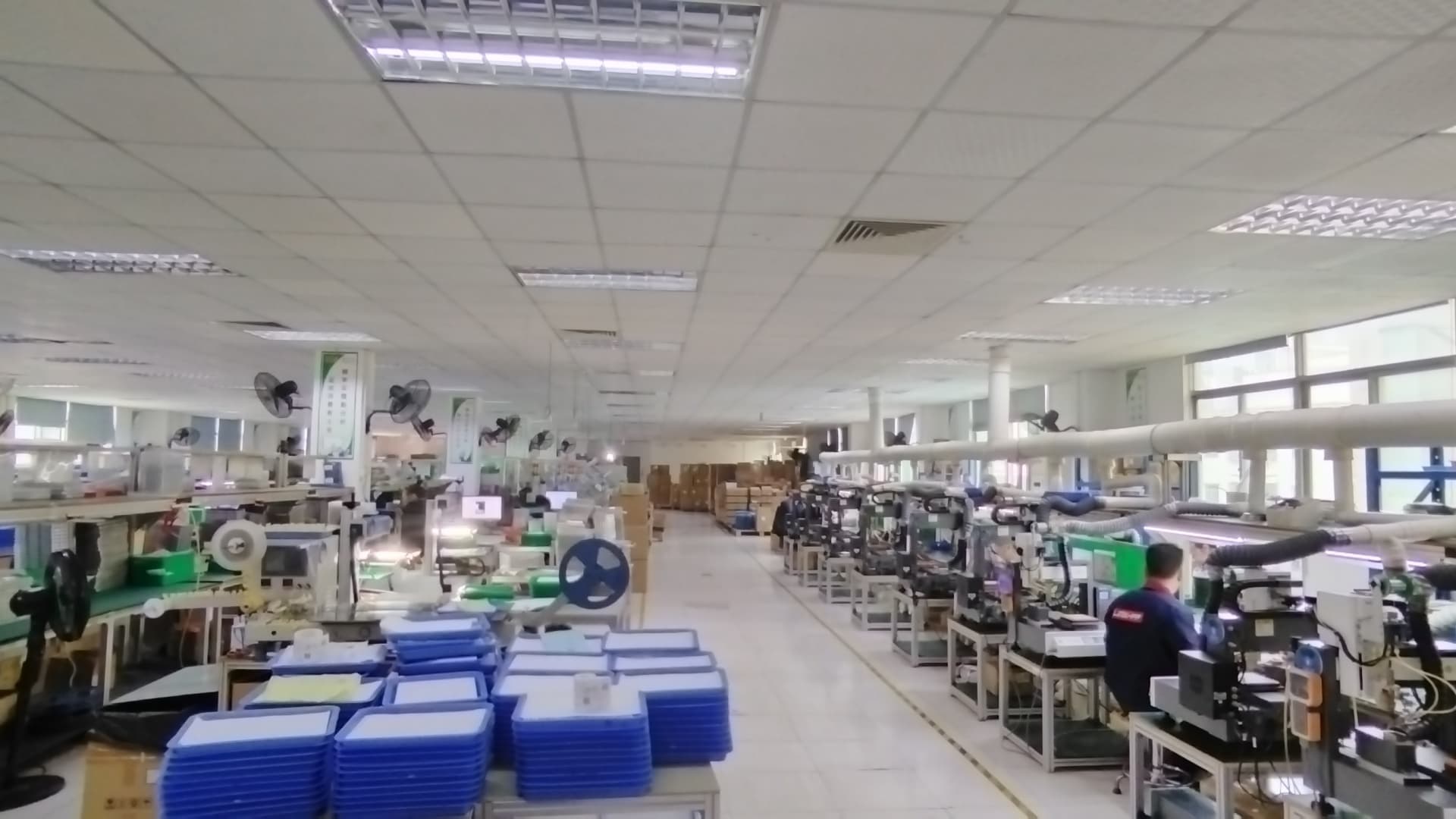
Operating as Luguang Communication Technology Co., Ltd. in China, Lumopt Opto Technology Co., Ltd. utilizes advanced Factory 4.0 manufacturing methodologies. This integration of automated production lines, precise automated testing software, and optical spectrum analyzers minimizes manual errors and ensures consistent quality.
For global procurement managers supplying network components to Iraq, supply chain reliability is paramount. Project sites in locations like Basra, Kirkuk, or Al-Faw require strict adherence to shipping timelines to avoid costly field penalties. Lumopt addresses these needs by maintaining deep raw material reserves (including high-grade TOSA, ROSA, and optical chipsets) to shield clients from international market price fluctuations and supply shortages.
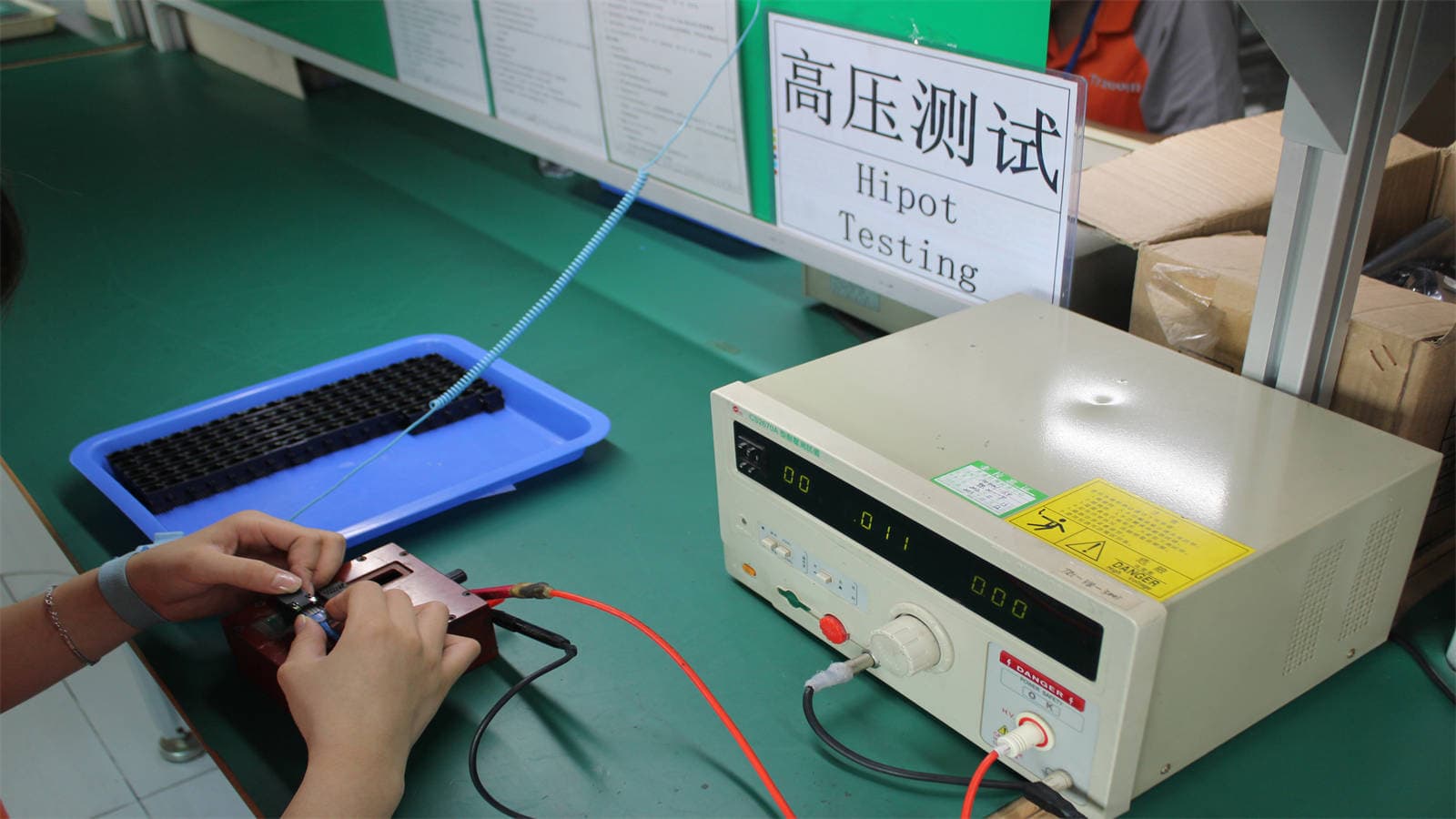
Every 155M and 622M SFP module undergo rigorous testing: high-low temperature aging tests, optical eye-pattern verification, bit error rate (BER) checks, and digital diagnostic validation. Furthermore, our customized EEPROM coding service ensures compatibility with legacy telecommunication systems from major global vendors, including Hirschmann, Moxa, Cisco, Juniper, and Huawei.
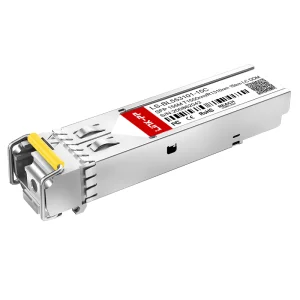
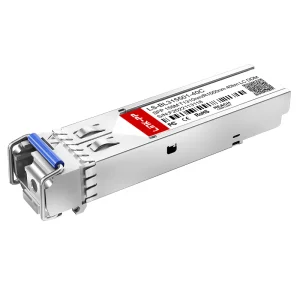
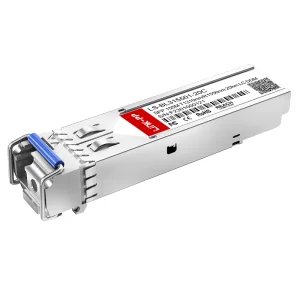
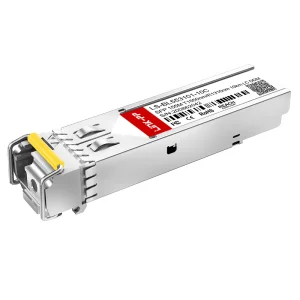
BiDi transceivers optimize fiber capacity by transmitting and receiving signals over a single strand of fiber, reducing fiber deployment costs by 50% in long-haul pipeline networks.
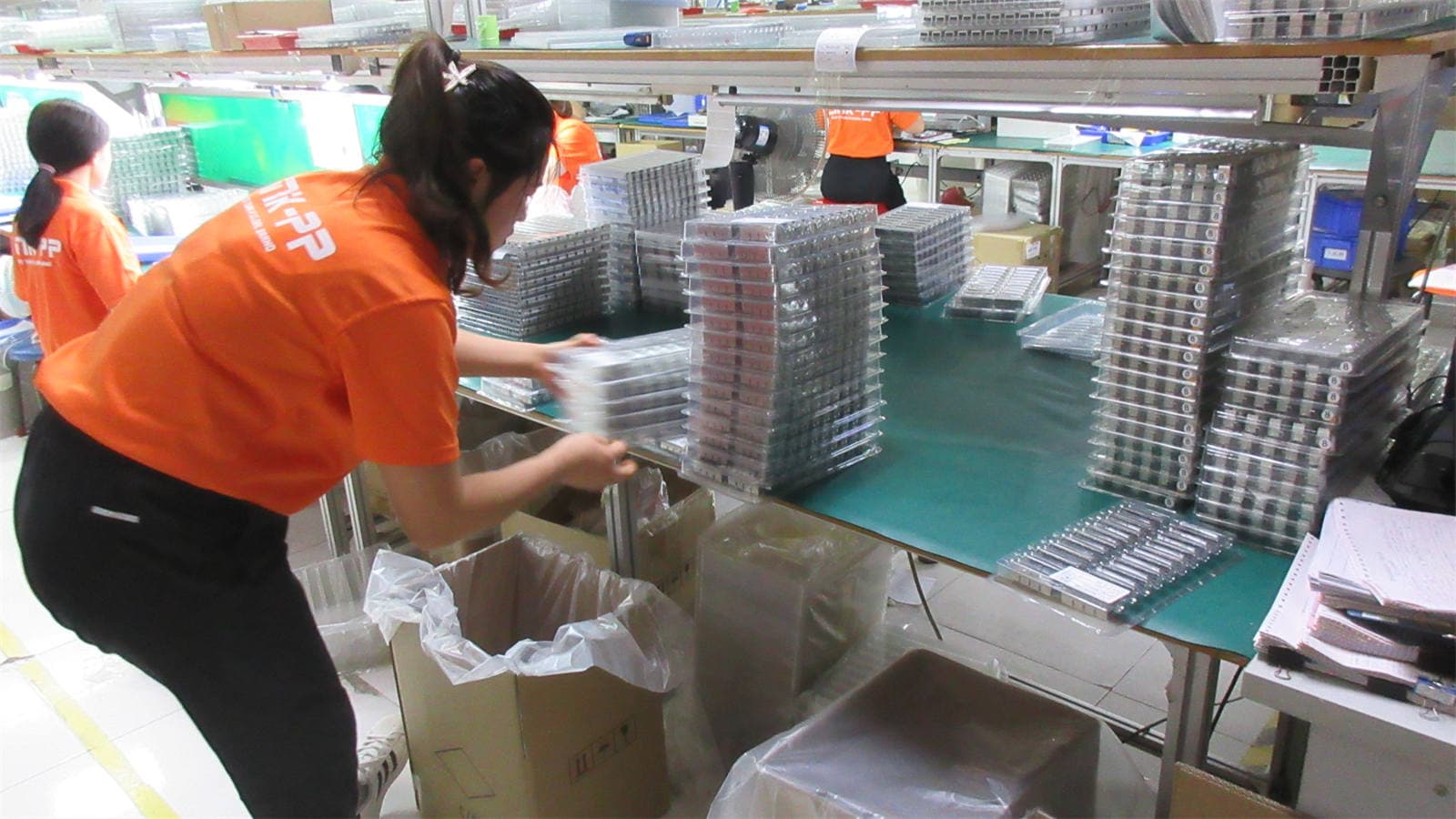
A transparent view of Lumopt's advanced packaging and testing equipment, showcasing why our transceivers achieve superior durability in harsh outdoor systems.

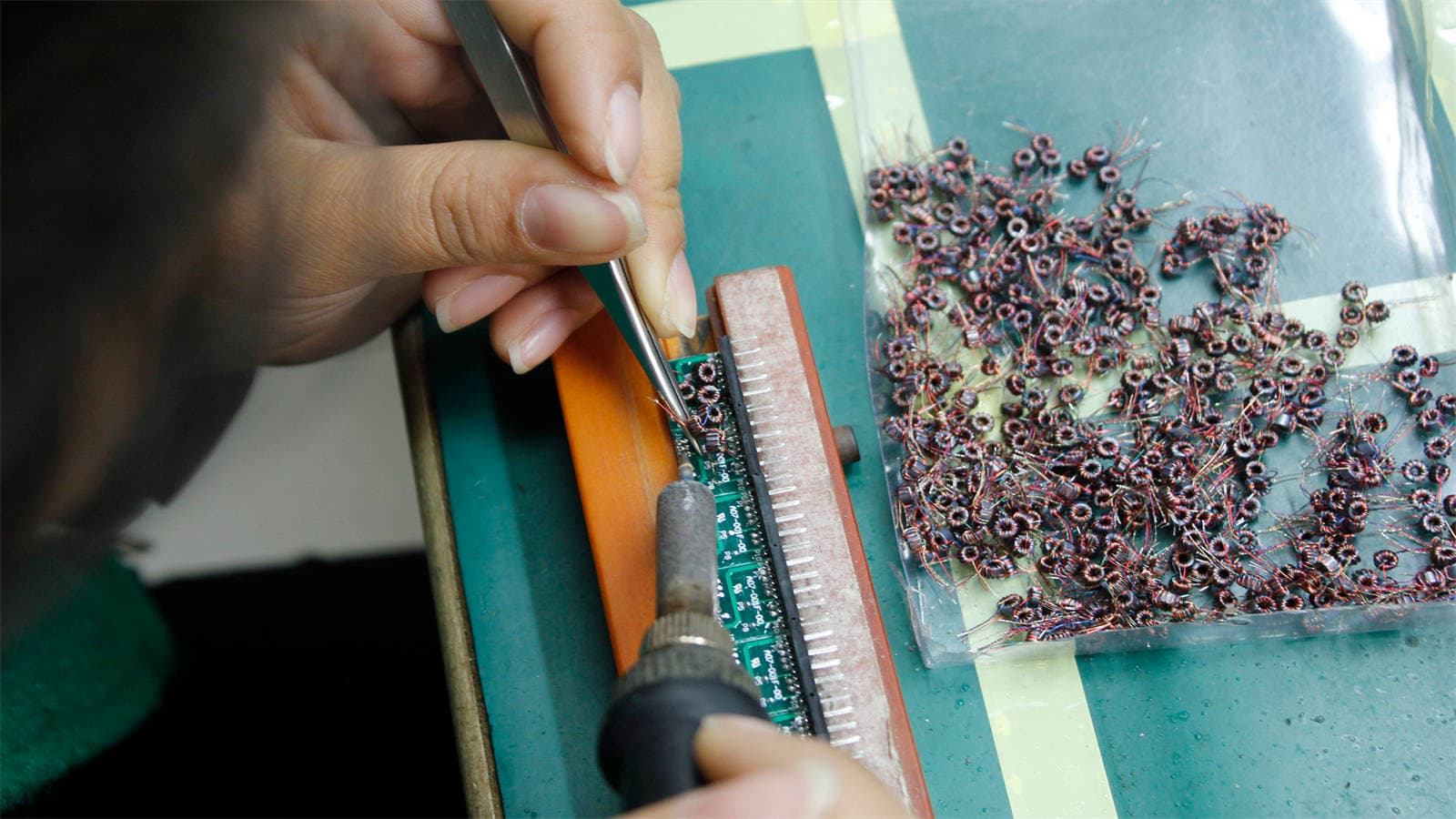
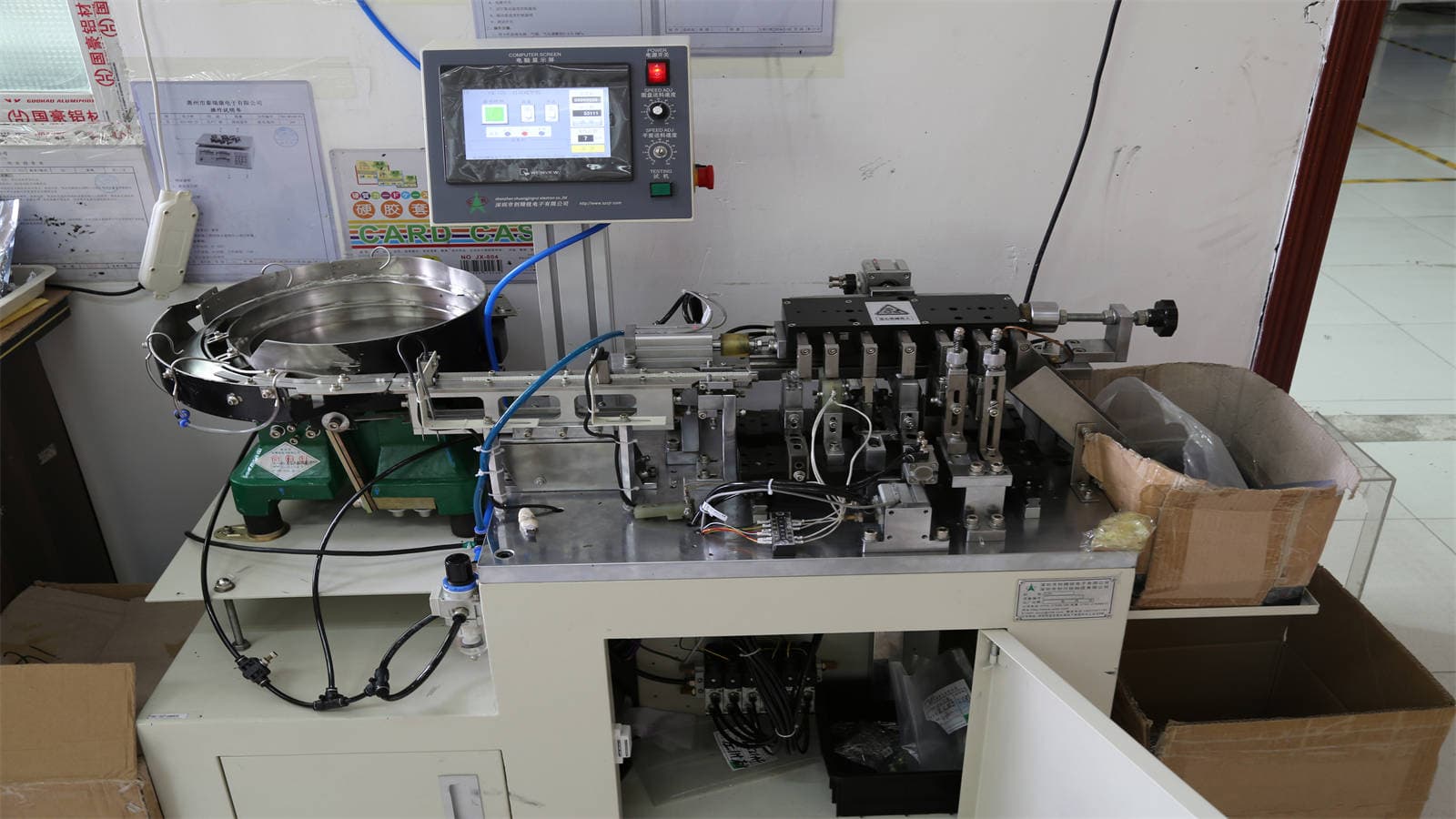
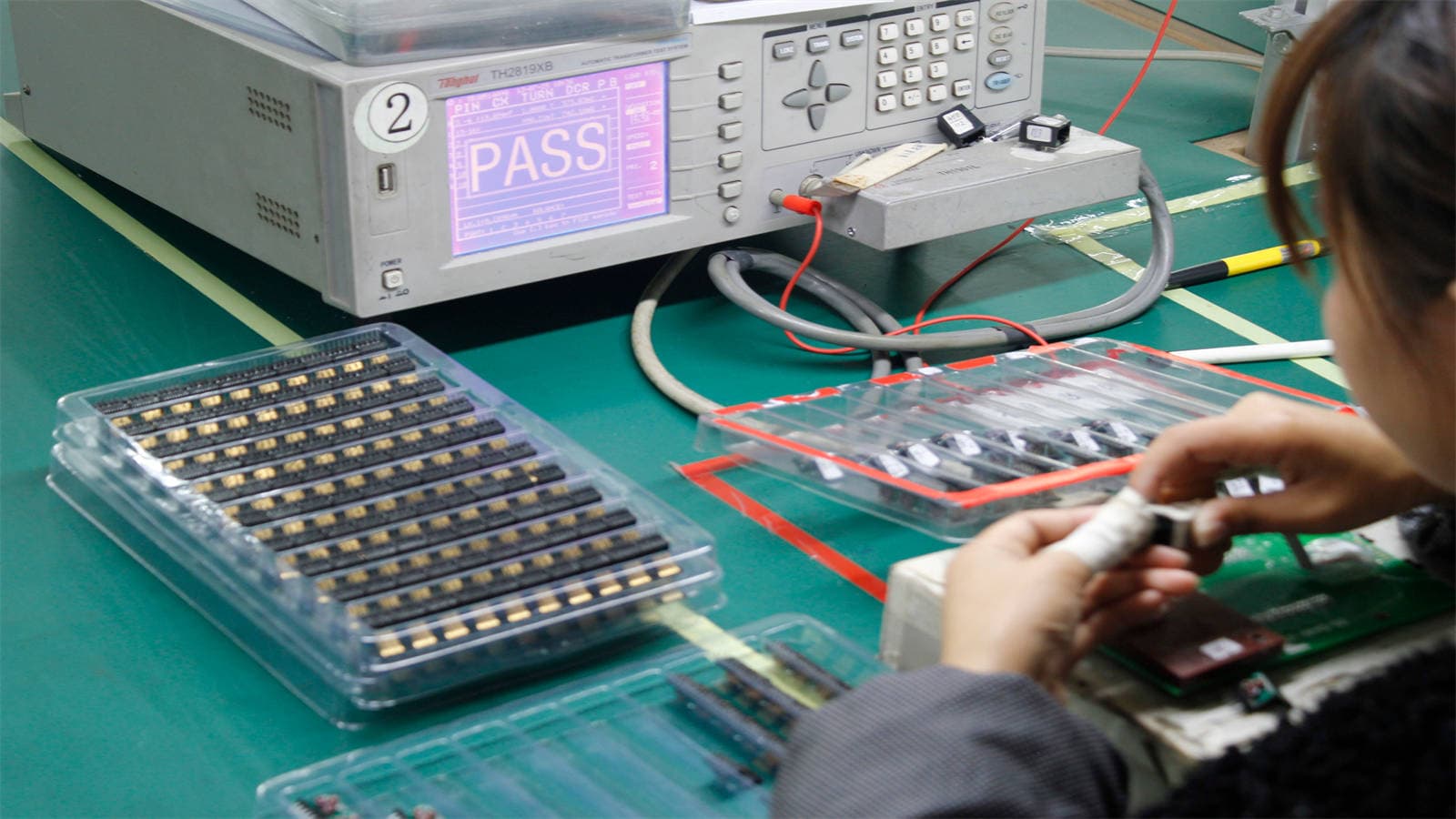






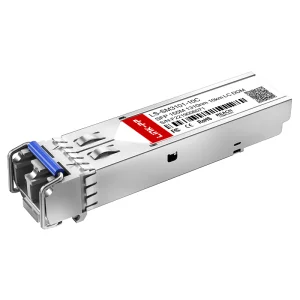
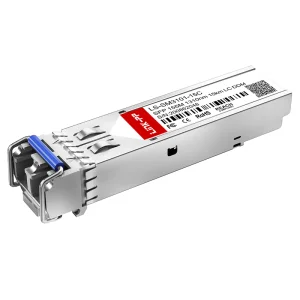
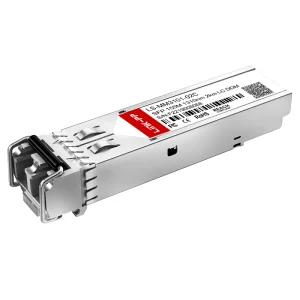
Robust optical transceivers engineered with premium lasers and custom firmware, fully compatible with Moxa, Hirschmann, Cisco, and generic networking standards.
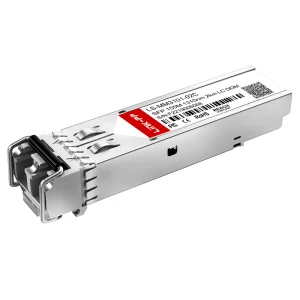
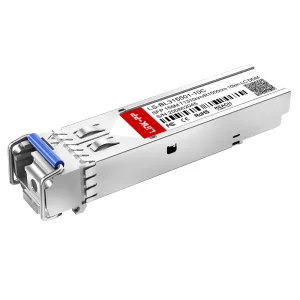
Iraqi network systems depend on optical transceivers that maintain tight performance characteristics over long lifecycles. Our 155M/622M SFP modules are designed under Multi-Source Agreements (MSA) and support hot-pluggable deployment in switches, routers, and media converters. Below, we examine the primary scenarios where these modules are deployed within Iraq's industrial and municipal communication grids:
Standard transceivers are rated for commercial operating temperatures (0°C to 70°C). When enclosed within outdoor industrial switches alongside road networks or pipelines, internal temperatures can easily reach 80°C. Lumopt's industrial-grade SFP modules feature an uncooled MQW DFB laser or high-stability VCSEL transmitter, combined with a PIN-TIA receiver. These components are selected for their thermal resilience, preventing wavelength drift and optical power dropouts.
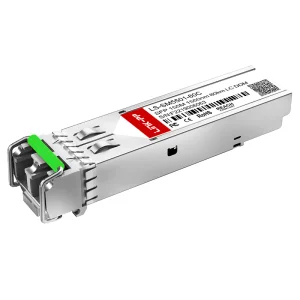
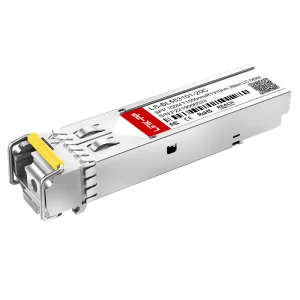
SCADA networks along cross-border oil pipelines require long-distance optical links. Lumopt offers single-mode transceivers (such as the 100BASE-ZX 1550nm 80km SFP) that support extended distances. These modules feature high receiver sensitivity (down to -34 dBm) and a 29 dB optical power budget, allowing signal transmission across desert sectors without the need for active intermediate repeaters.
Replacing a failed optical transceiver in remote areas of Nineveh or Maysan province involves significant logistical challenges. Our SFP modules support DDM (complying with SFF-8472), which allows real-time monitoring of crucial parameters:
Technical guidance and ordering information for network engineers, project managers, and sourcing agents in Iraq.
Get in touch with our engineering team for customized optical module parameters, compatibility verification, and direct-from-factory volume quotes.