Lumopt
Lumopt
Lumopt
Compact, space-saving hybrid solutions engineered for modern network switches, industrial controllers, and IoT gateways in New Zealand.
Exploring the unique structural needs of Kiwi industries transition to Industry 4.0 automation and edge telemetry systems.
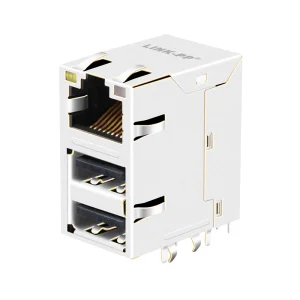
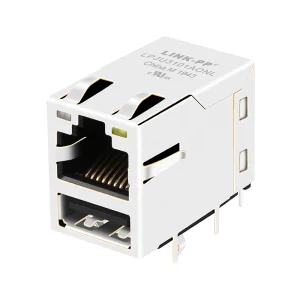
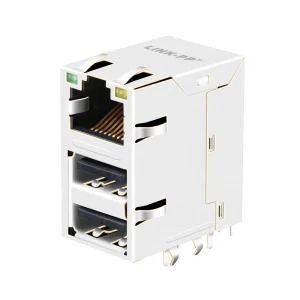
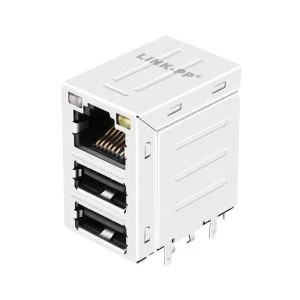
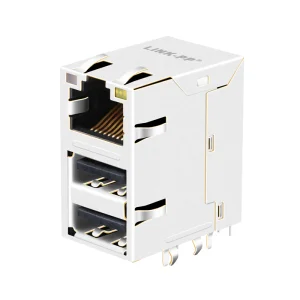
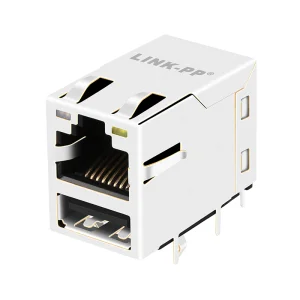
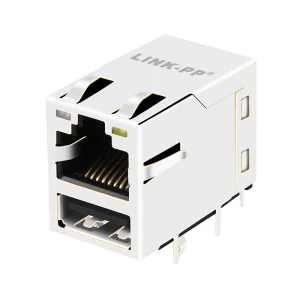
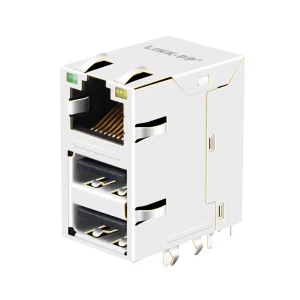
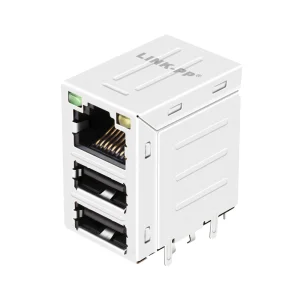
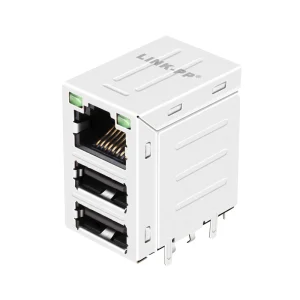
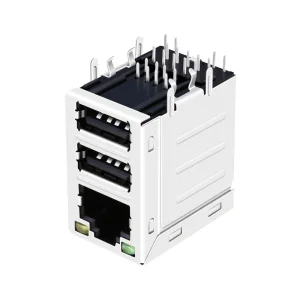
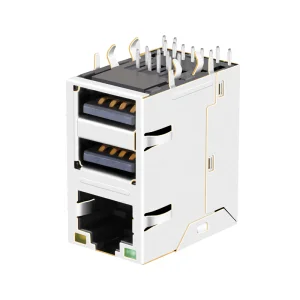
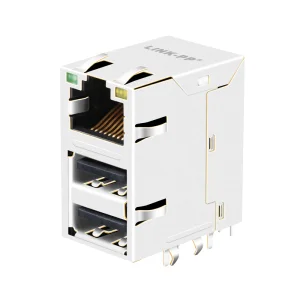
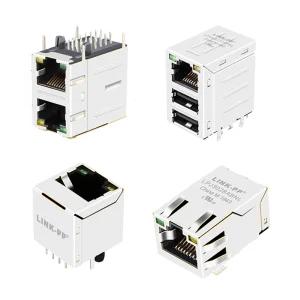
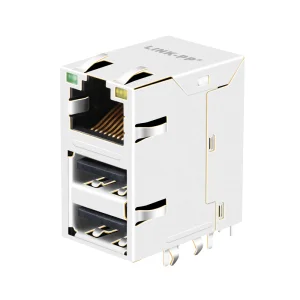
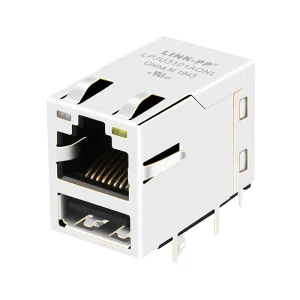
New Zealand's industrial sector, spanning from automated dairy processing installations in Waikato to marine telemetry systems in Auckland Harbor, is undergoing an accelerated digital transformation. Central to this evolution is the deployment of high-density PCB architectures that require robust, multi-protocol physical interfaces. The RJ45 Connector with USB configuration represents a critical hardware evolution, packing high-speed Ethernet routing alongside peripheral USB connections within a single, shielded component footprint.
In telecommunication hubs across Wellington and Christchurch, engineering teams face significant spatial limitations in field-deployed cabinet enclosures. Integrating network transceivers and host controllers often requires compact interfaces that do not compromise signal integrity. By choosing stacked RJ45 and USB hybrid connectors, Kiwi hardware developers effectively reduce their layout footprints by up to 50%, minimizing loop inductance and parasitic capacitance associated with extended PCB traces.
Furthermore, New Zealand's geographical exposure to maritime conditions demands components constructed with superior ingress defense and environmental resistance. Oxidation resistance is paramount; hence, our exported RJ45 configurations feature gold plating options ranging from 15u" to 50u", ensuring continuous electrical contact under high humidity and temperature cycling common in localized agrarian and coastal industrial environments.
High-speed networking signals run adjacent to DC power and digital data loops when RJ45 and USB interfaces are located in close proximity. Without optimal isolation, crosstalk (FEXT/NEXT) and Electro-Magnetic Interference (EMI) can severely degrade packet delivery rates and corruption limits.
Our combo connectors incorporate integrated internal magnetic modules (Magjacks) specifically tuned to reject common-mode noise. Standard shielding with copper alloy, nickel-plated configurations forms an effective Faraday cage around the signal paths. Combined with internal LEDs, these systems provide visual verification of physical link connections and diagnostic activity without requiring additional diagnostic board circuitry.
For New Zealand network developers looking to deploy Gigabit Ethernet (1000 Base-T) alongside high-bandwidth USB 3.0 ports, our connectors are designed to conform strictly to IEEE 802.3 standards and USB-IF specifications. This ensures seamless interoperability with global hardware ecosystems.
| Parameter / Feature | Standard Specification | Industrial Grade |
|---|---|---|
| Ethernet Performance | 10/100 Base-T | 1000 Base-T (Gigabit) |
| USB Interface compatibility | USB 2.0 (480 Mbps) | USB 3.0 SuperSpeed (5 Gbps) |
| Gold Plating Area | 6u" to 15u" | 30u" to 50u" (Selective) |
| Dielectric Strength | 1000 V AC RMS | 1500 V AC (High Isolation) |
| Shielding Material | Brass, Tin-plated | Copper Alloy, Nickel-plated |
Bridging structural supply gaps for New Zealand importers with rigorous testing methodologies and automated lines.
In the global supply chain landscape, resilience, consistency, and traceability are critical. Operating as Luguang Communication Technology Co., Ltd. (registered globally as Lumopt Opto Technology Co., Ltd.), we operate a smart manufacturing ecosystem optimized for zero-defect component delivery. While our optical module portfolio supports high-speed data center backbones, our connector division focuses on high-precision mechanical interfaces.
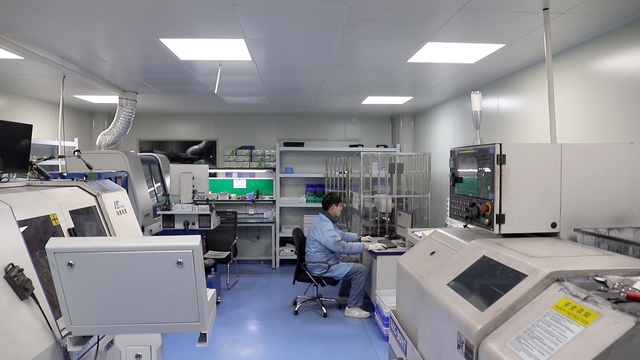
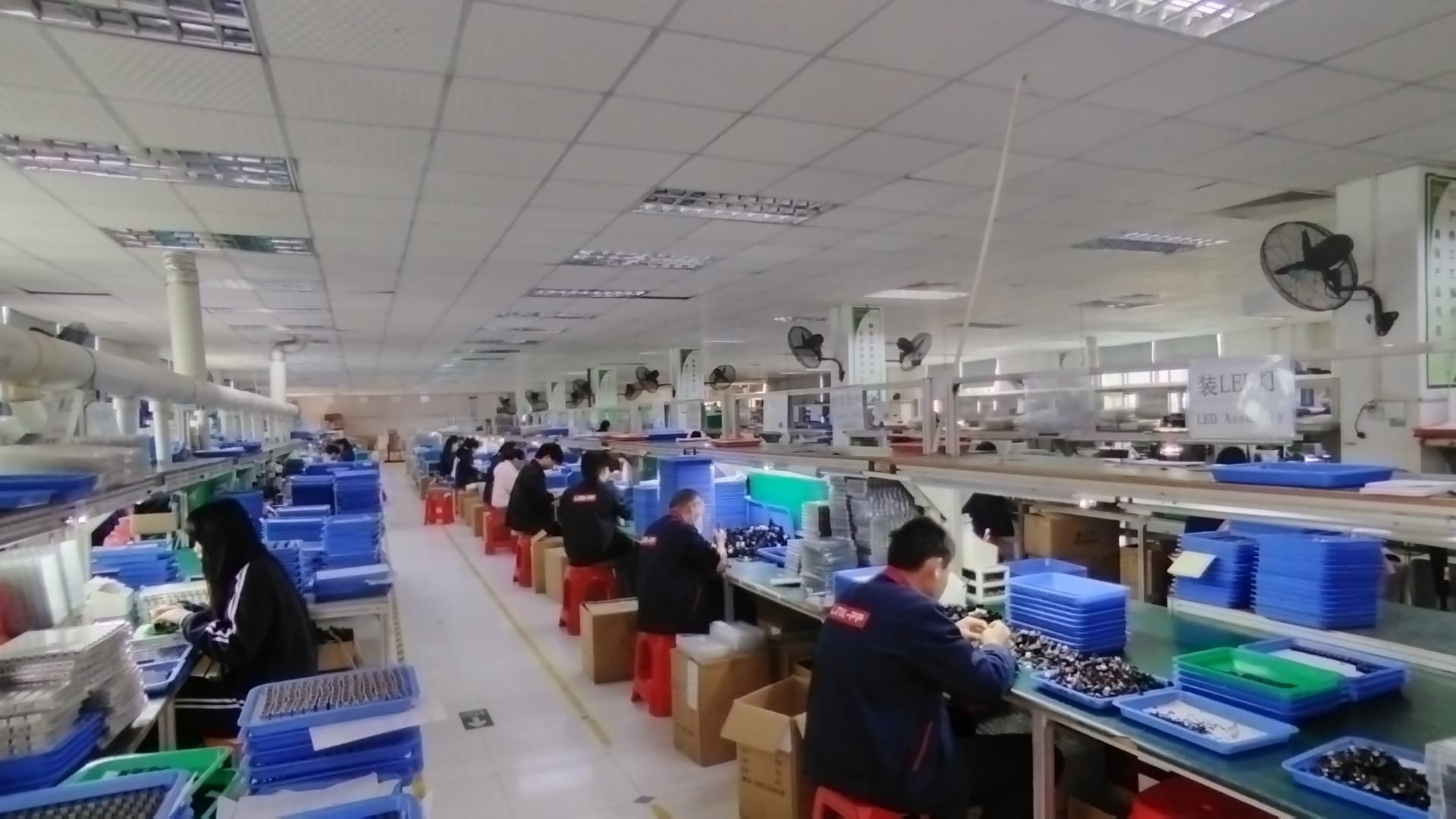
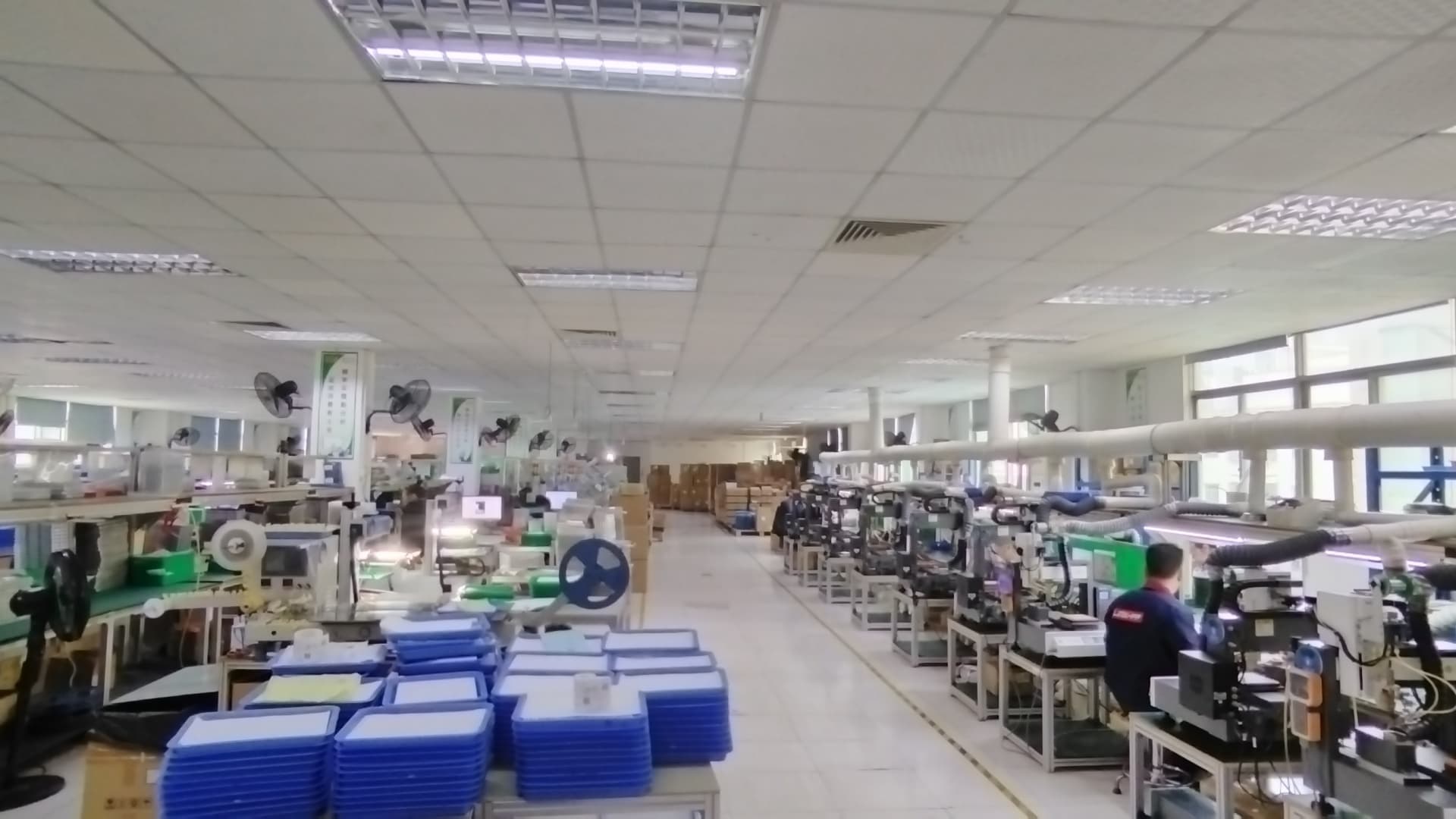
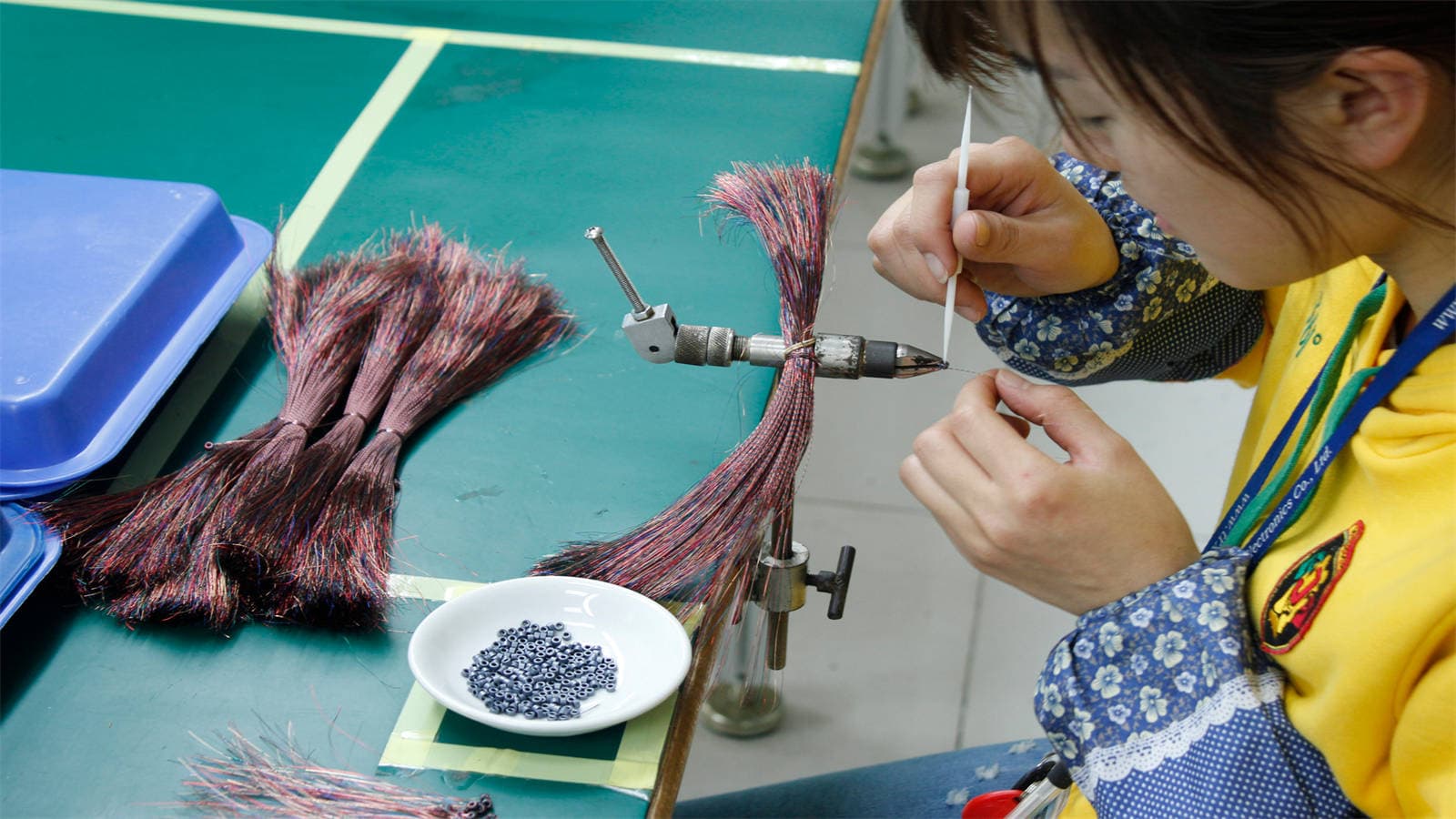
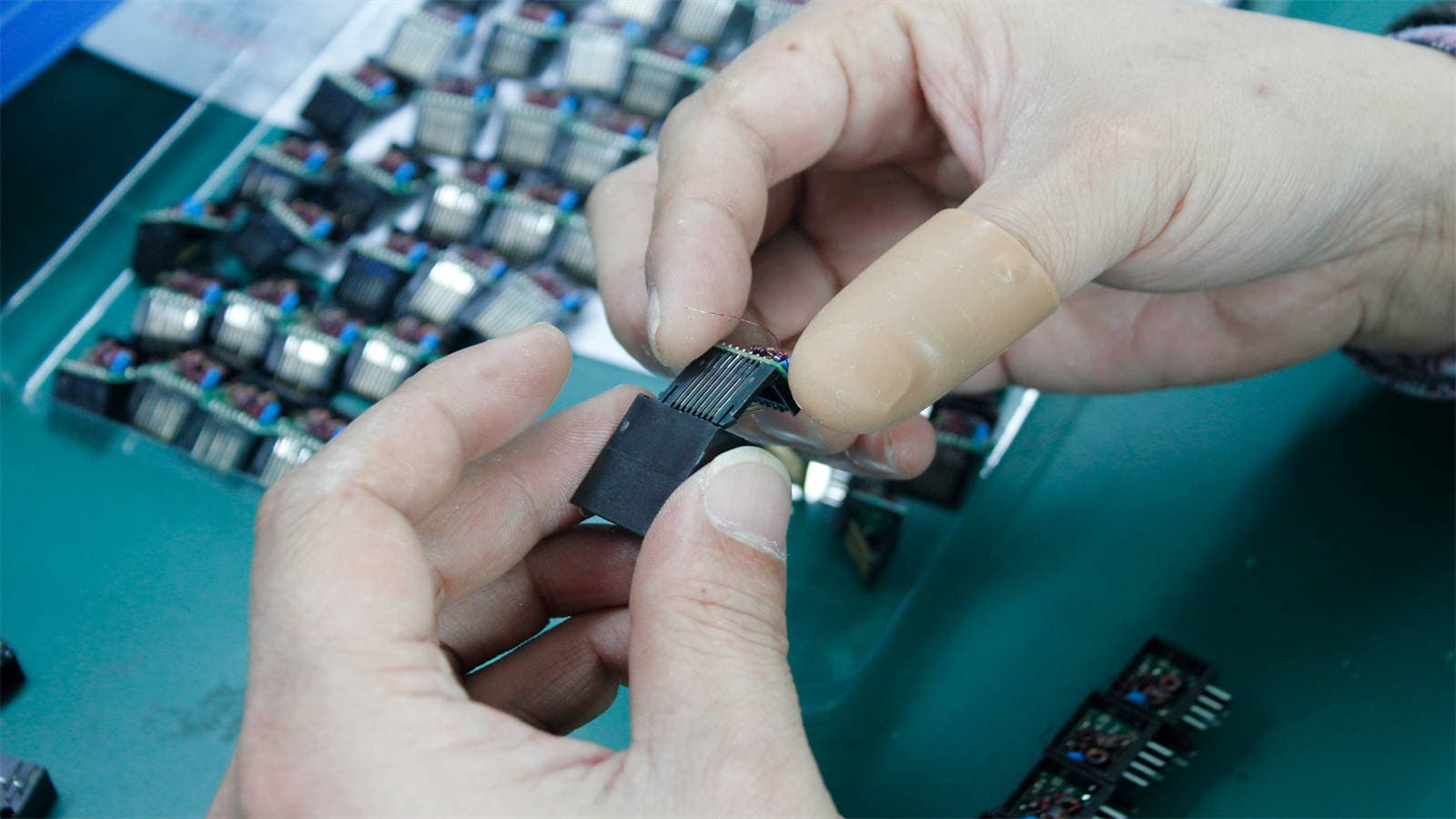
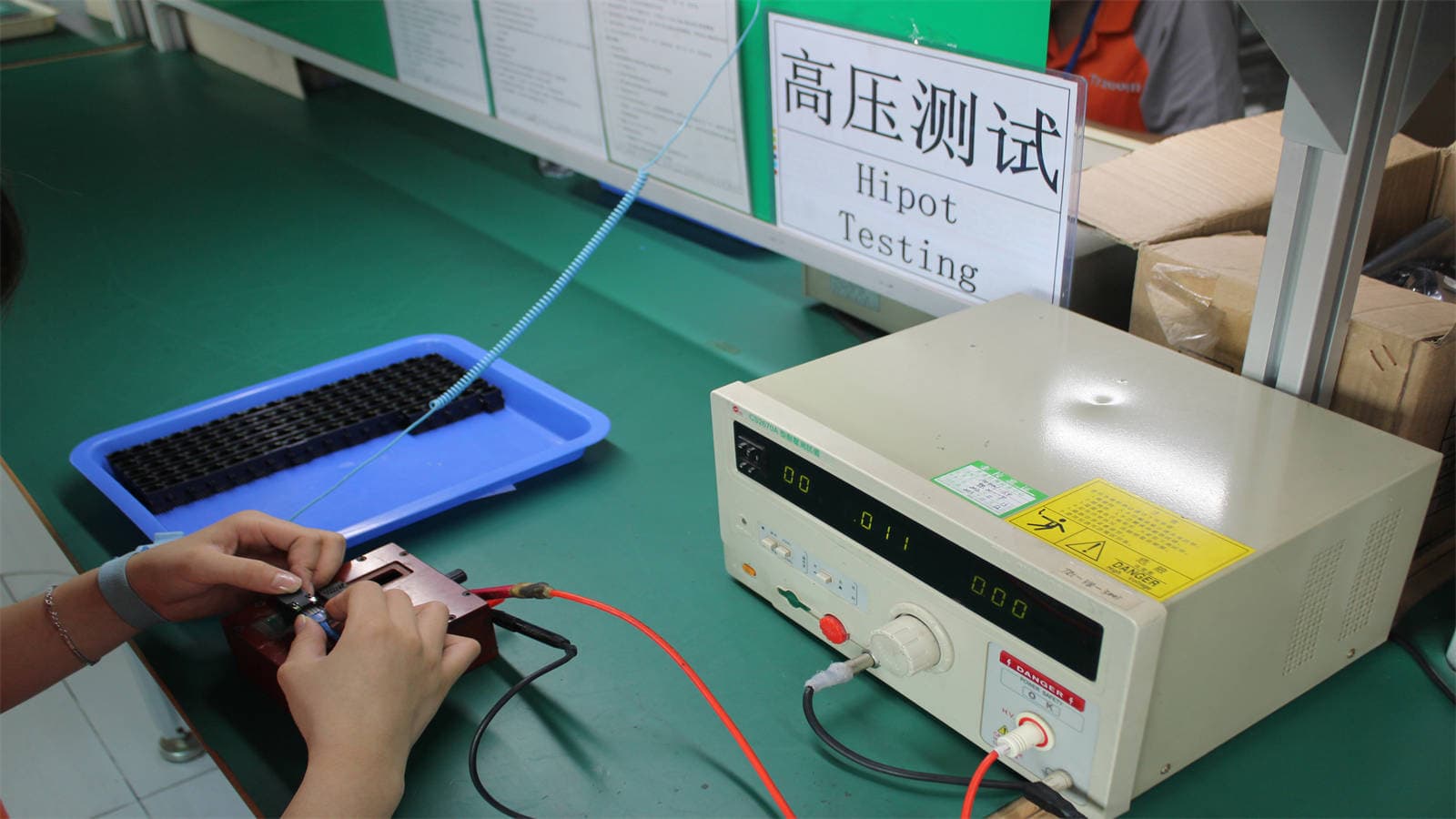
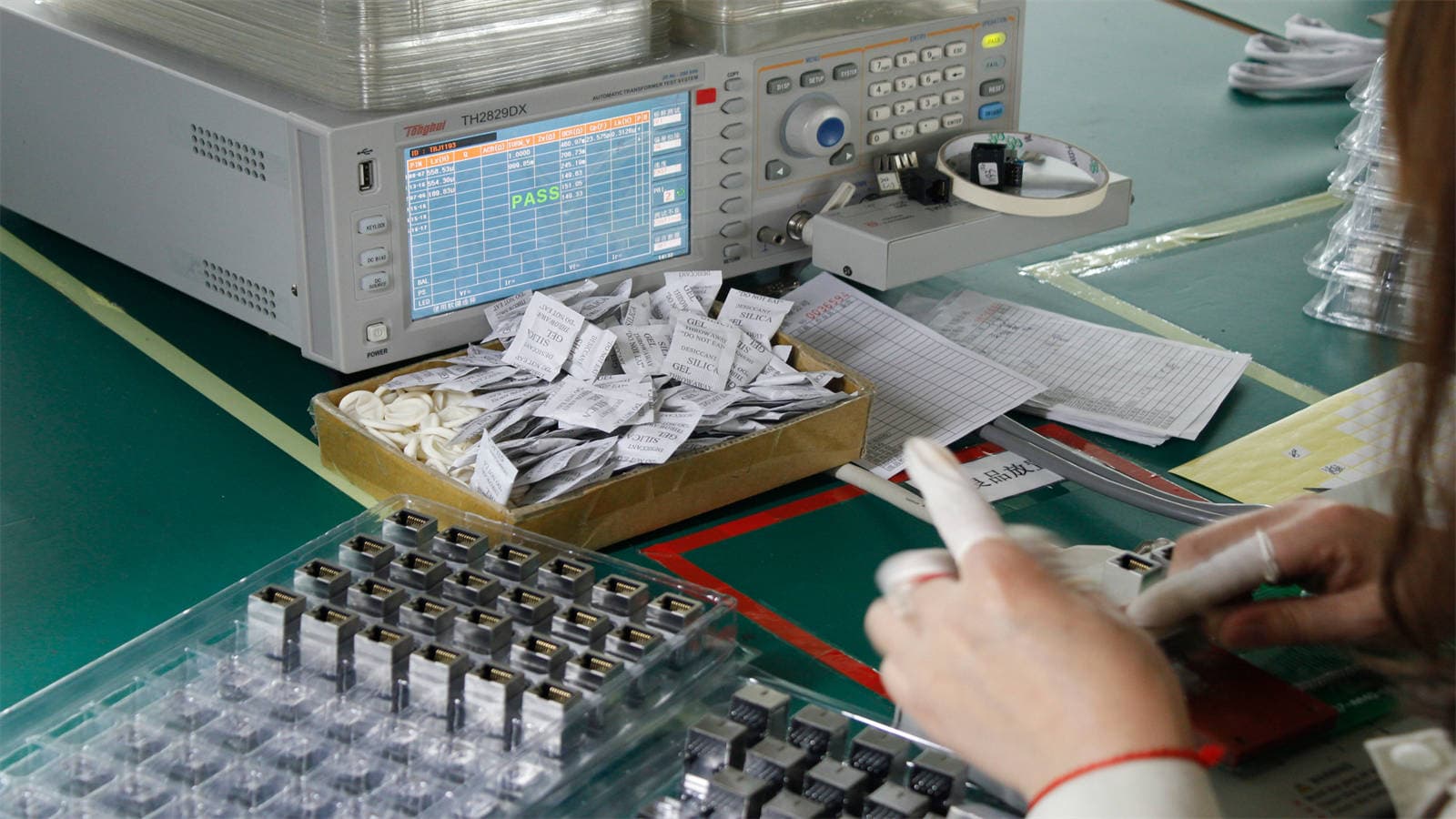
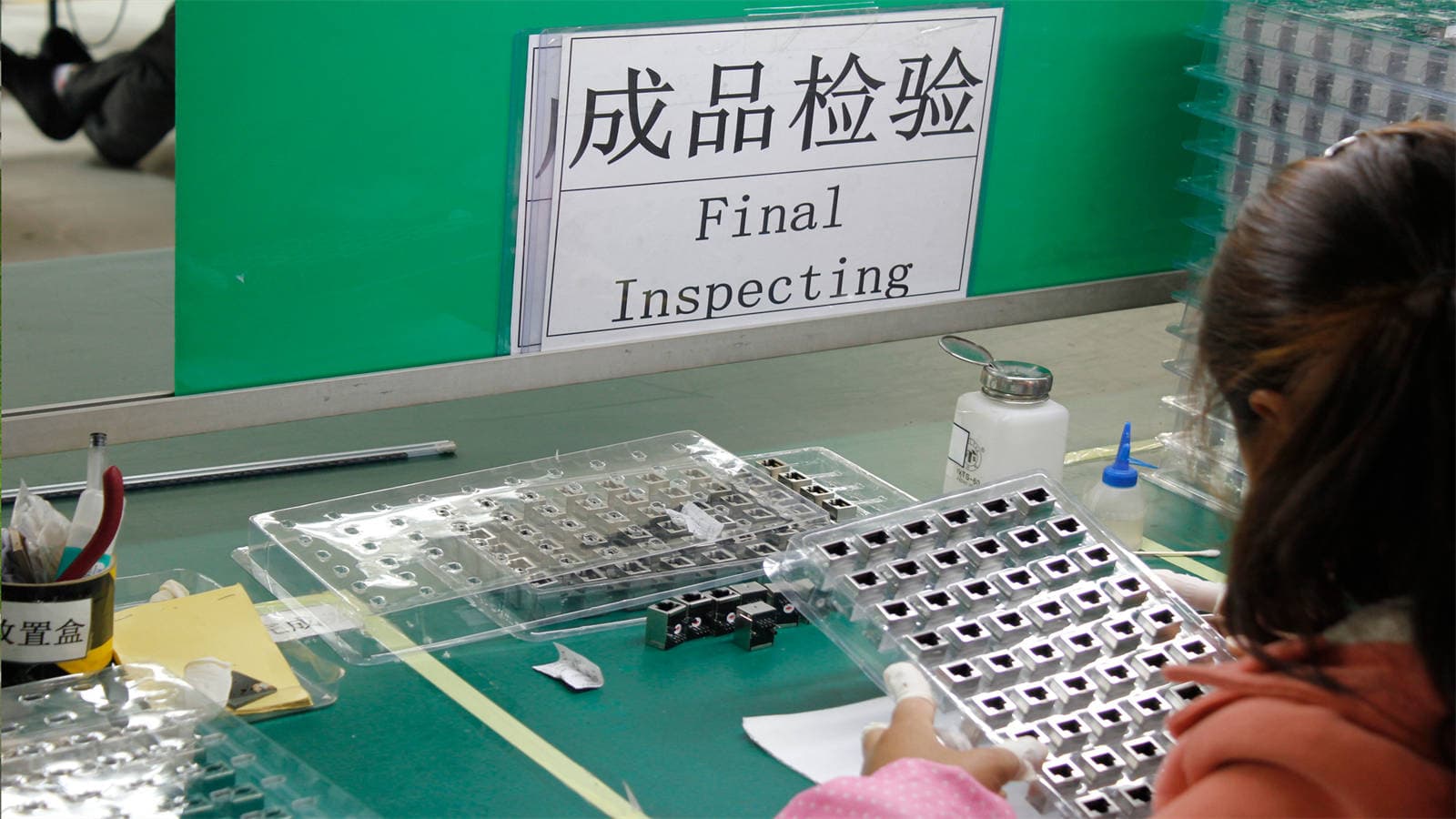
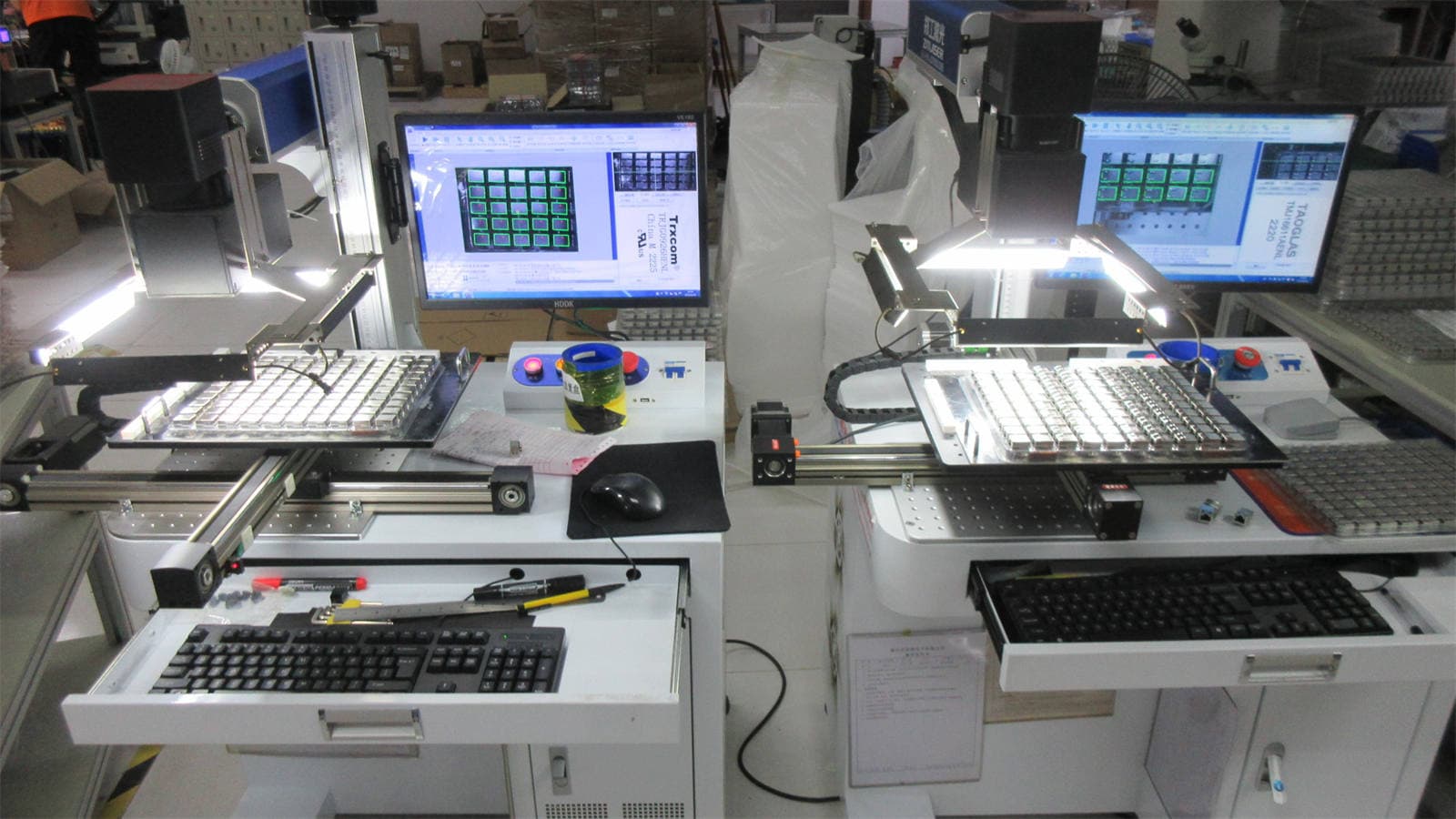
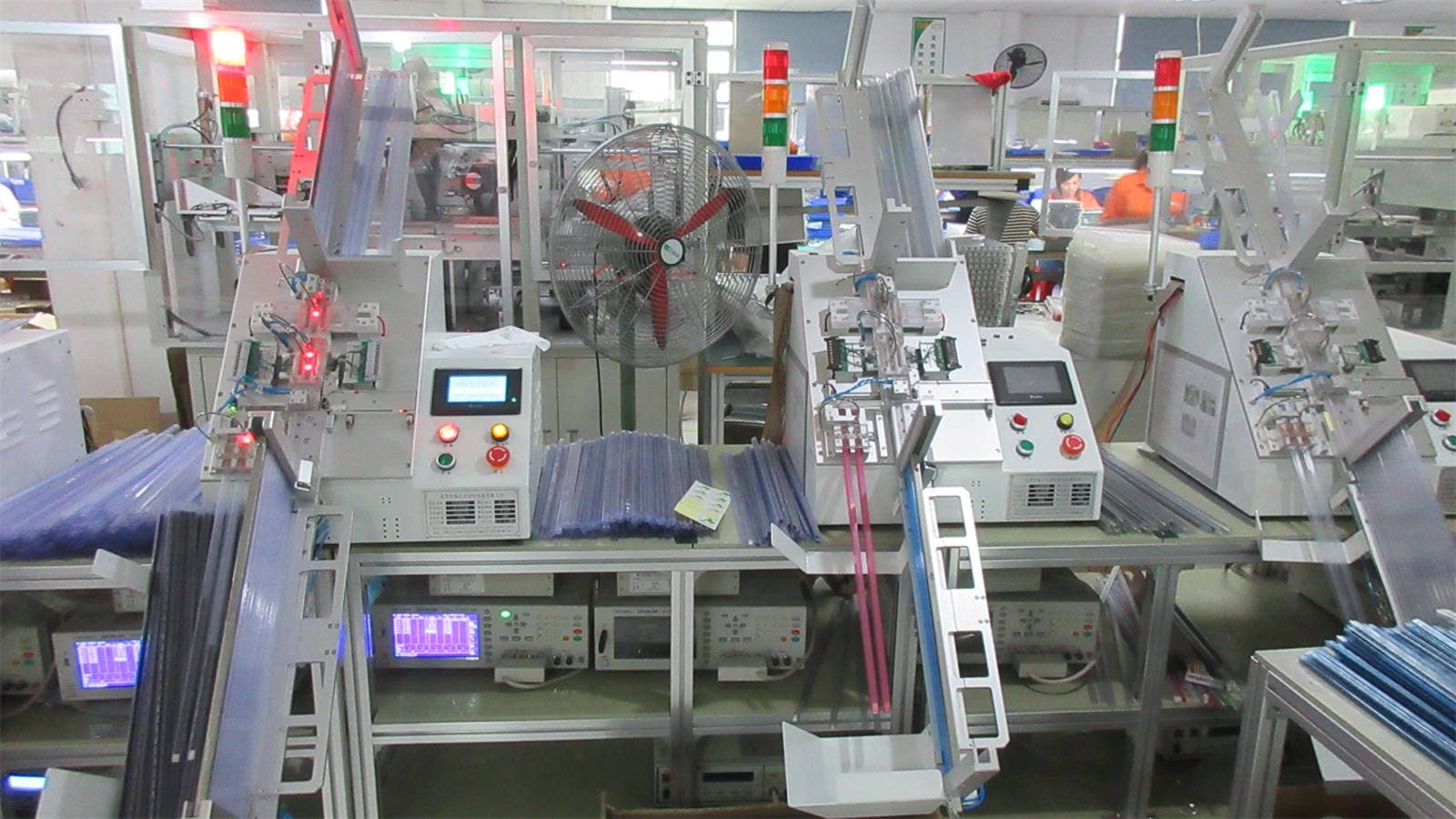
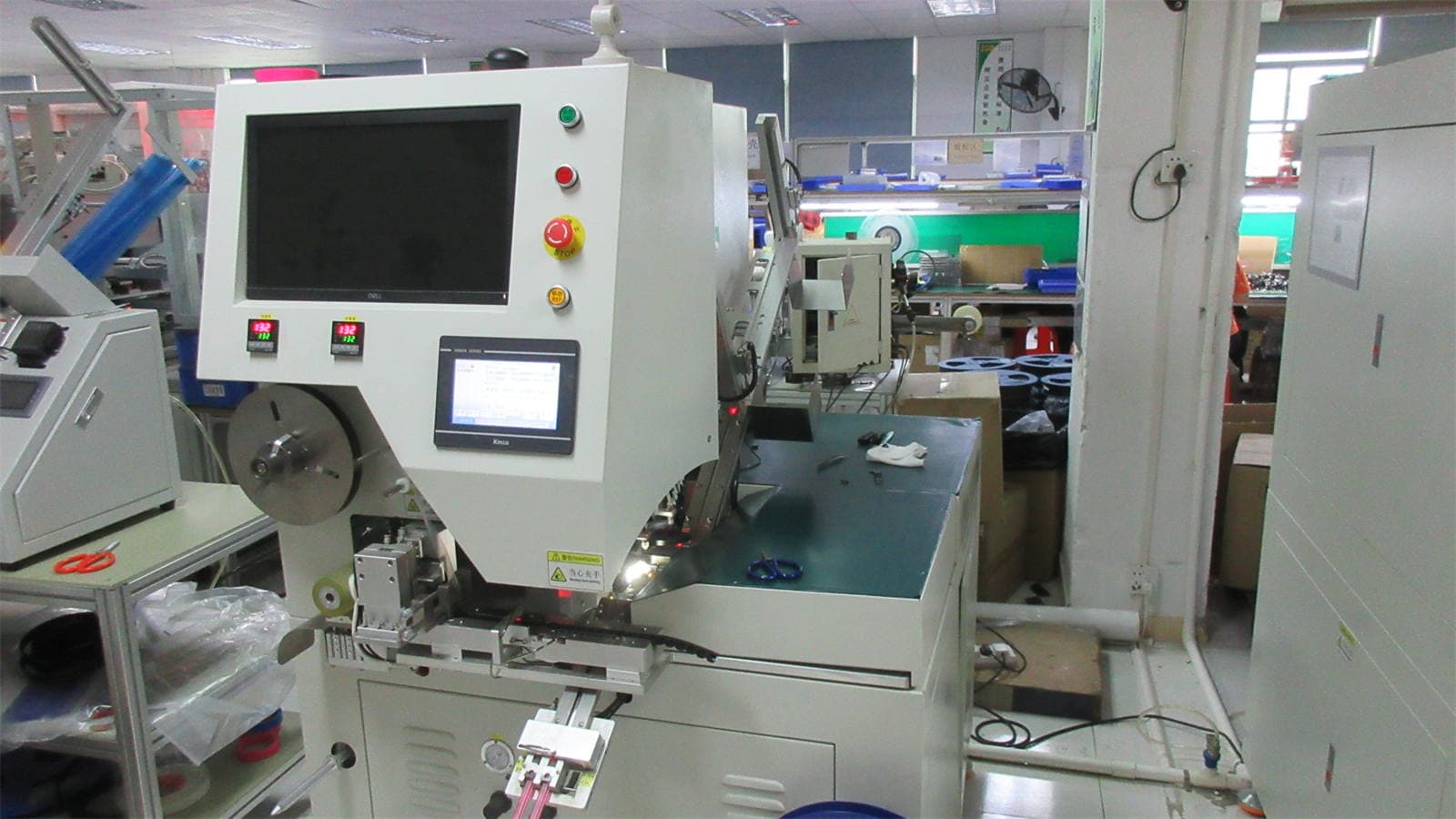
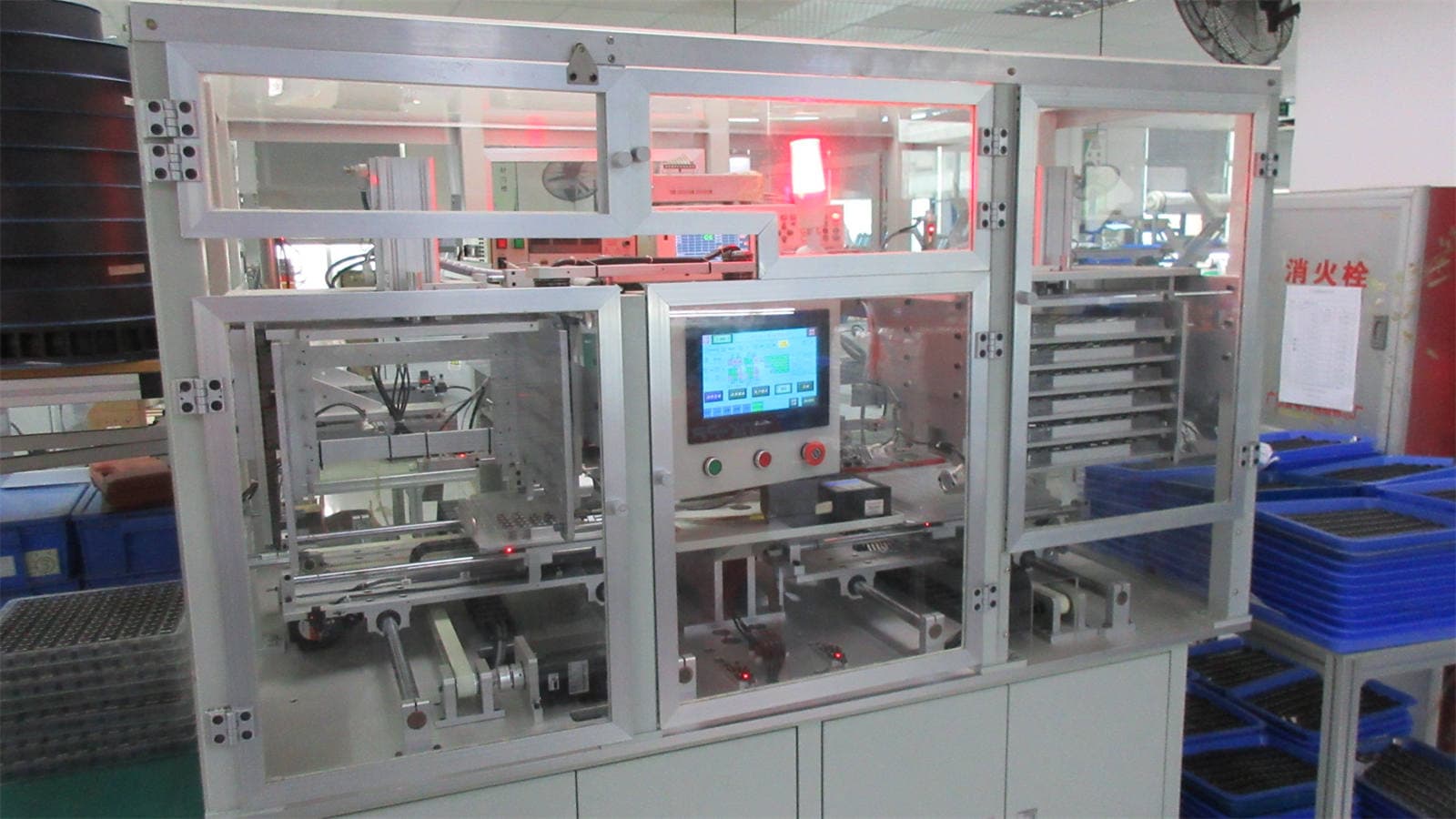
Every phase of our production cycle—from precision wire twisting, automated selective wave soldering, to robotic case insertion—is overseen by closed-loop quality monitoring systems. By automating electrical validation testing (including 100% Hi-Pot isolation testing, LED functionality screening, and optical transformer automated verification), we guarantee that every modular jack matches design tolerances before leaving the line.
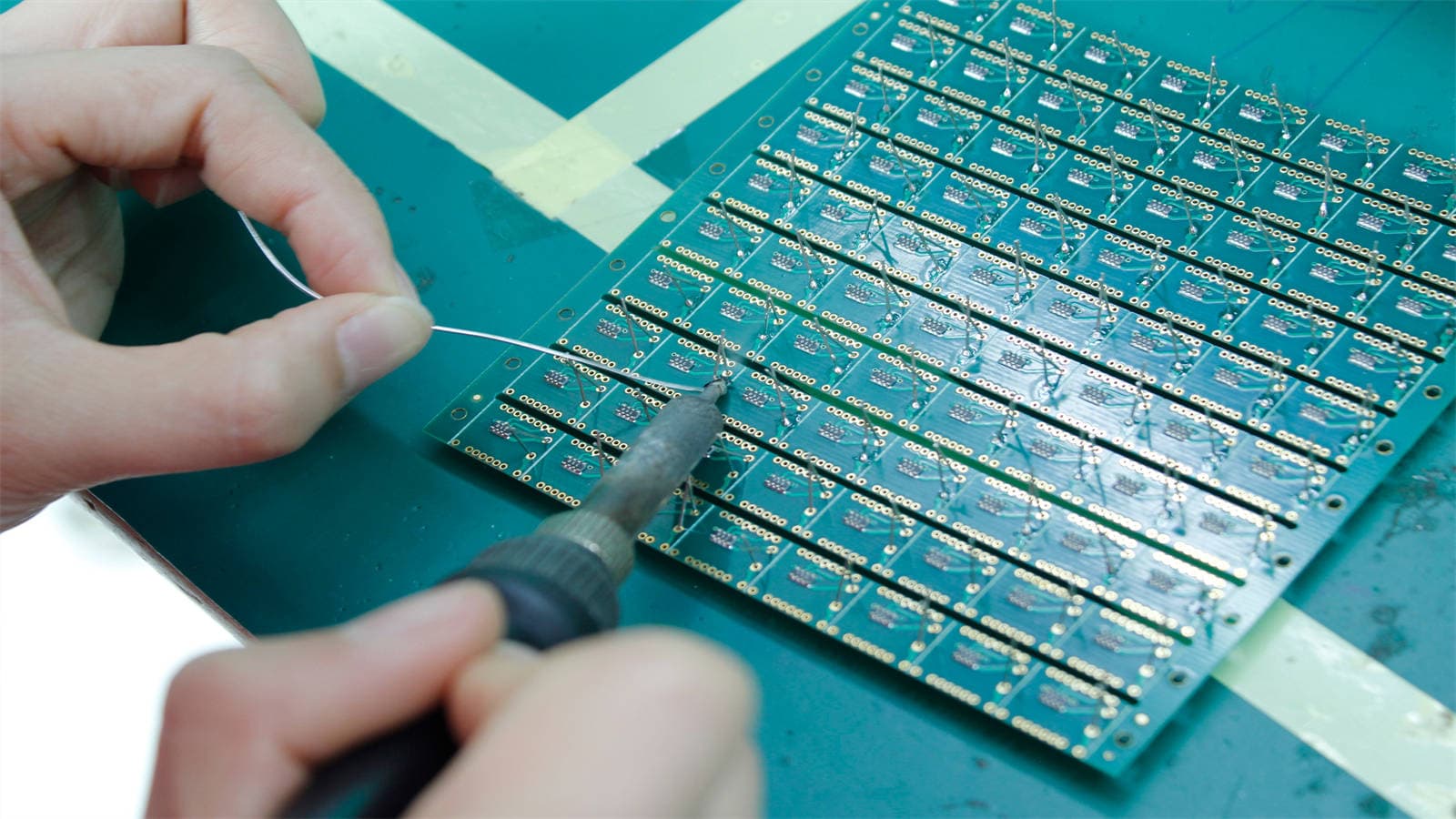
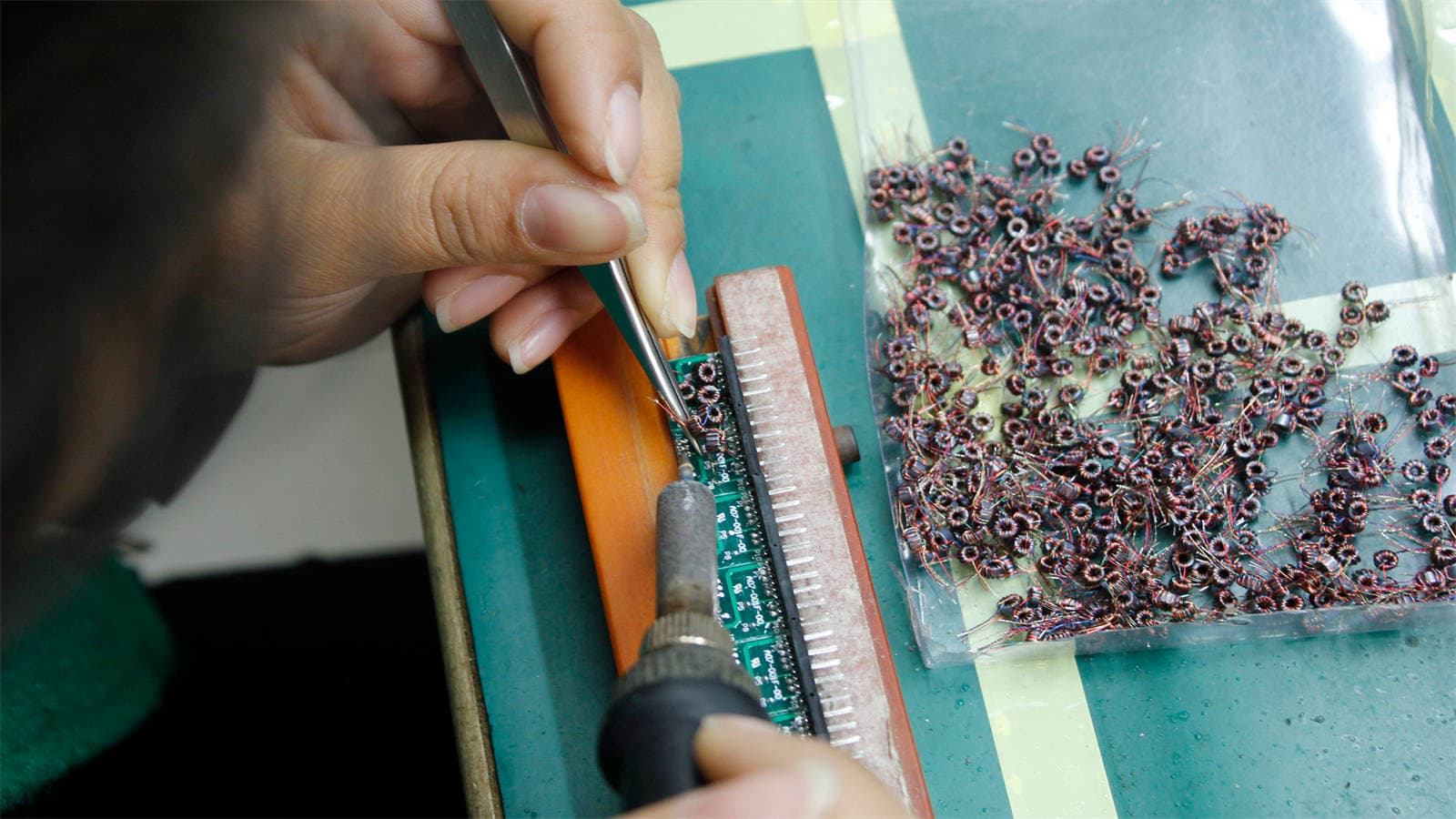
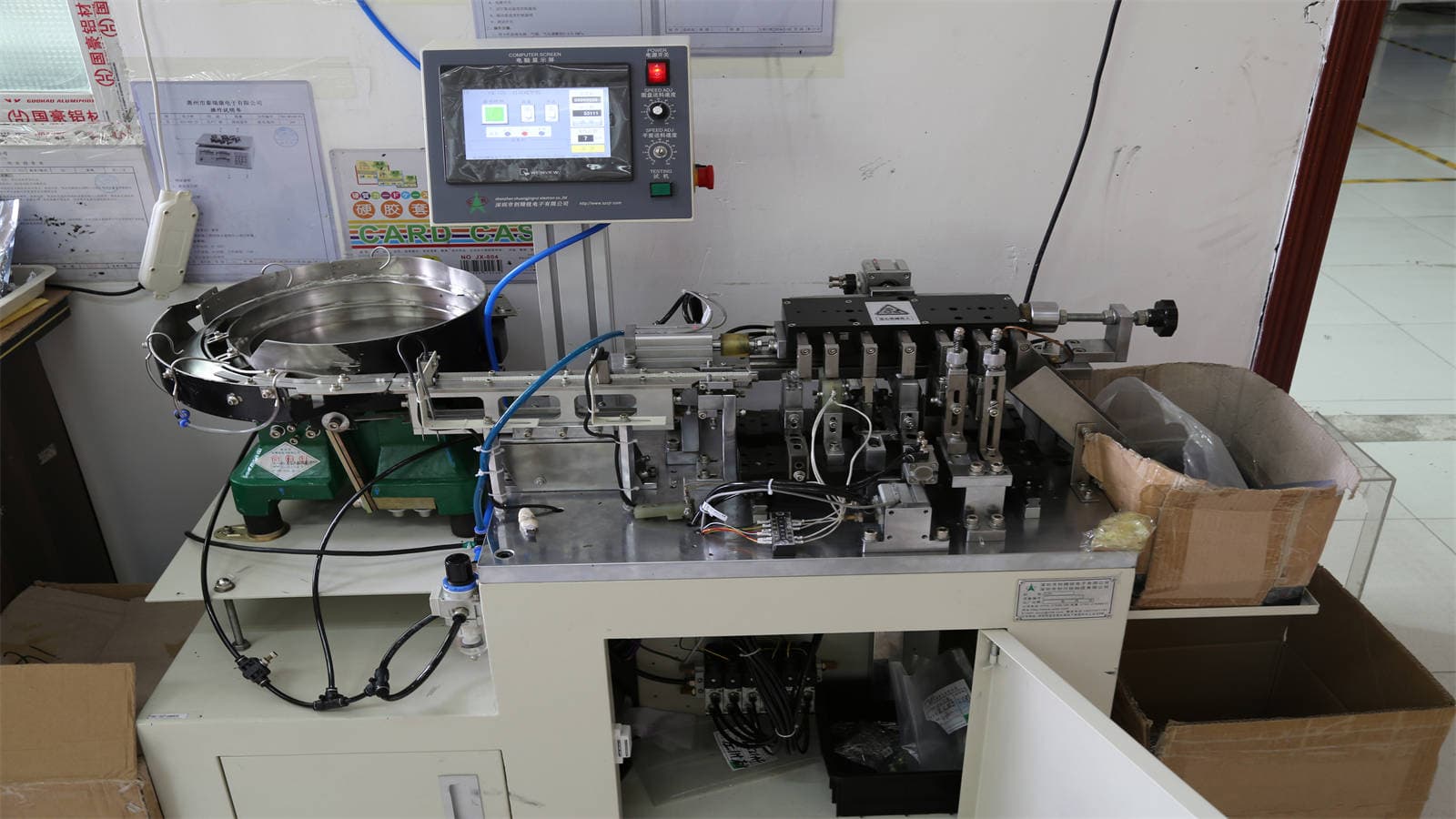
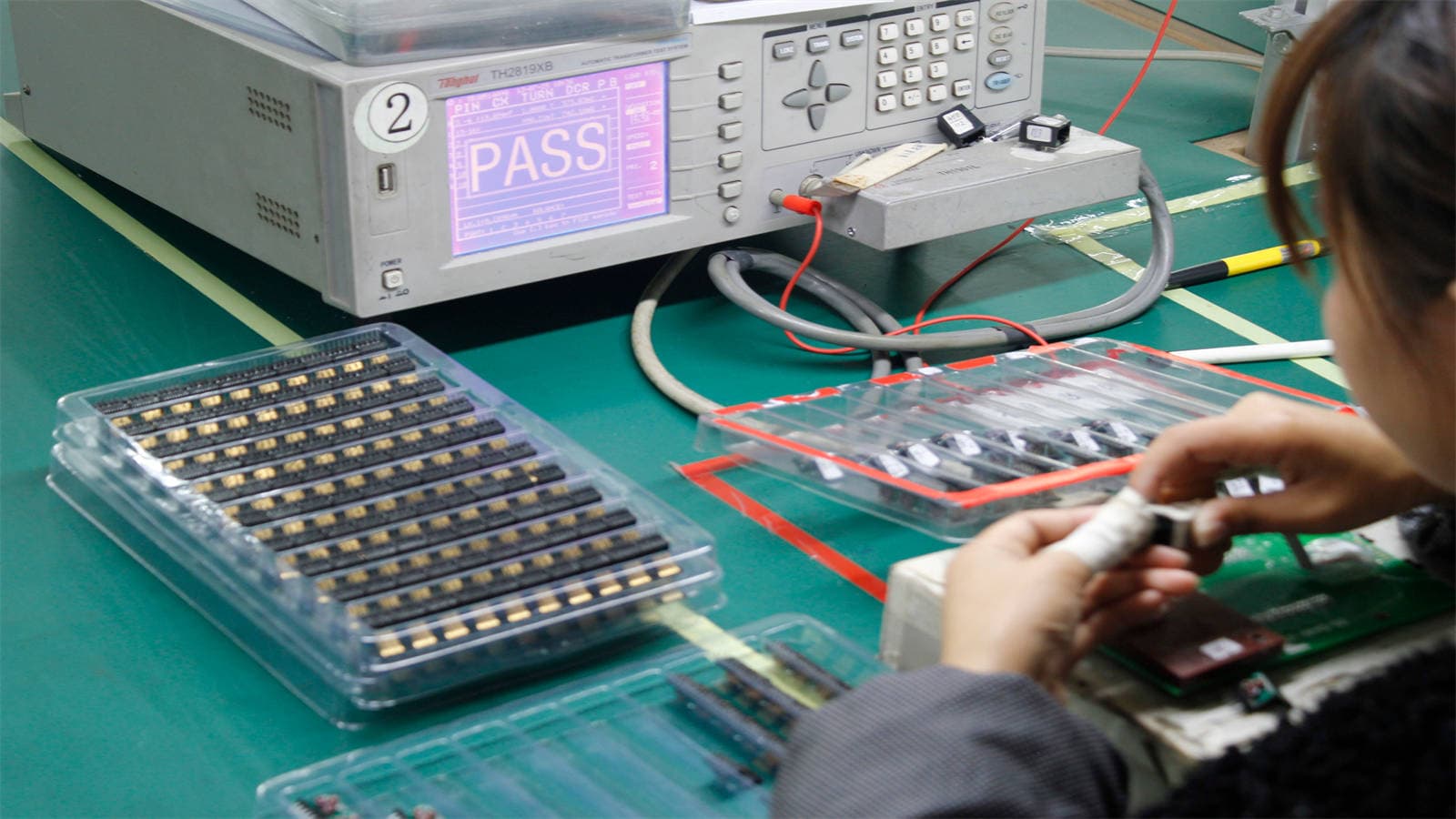

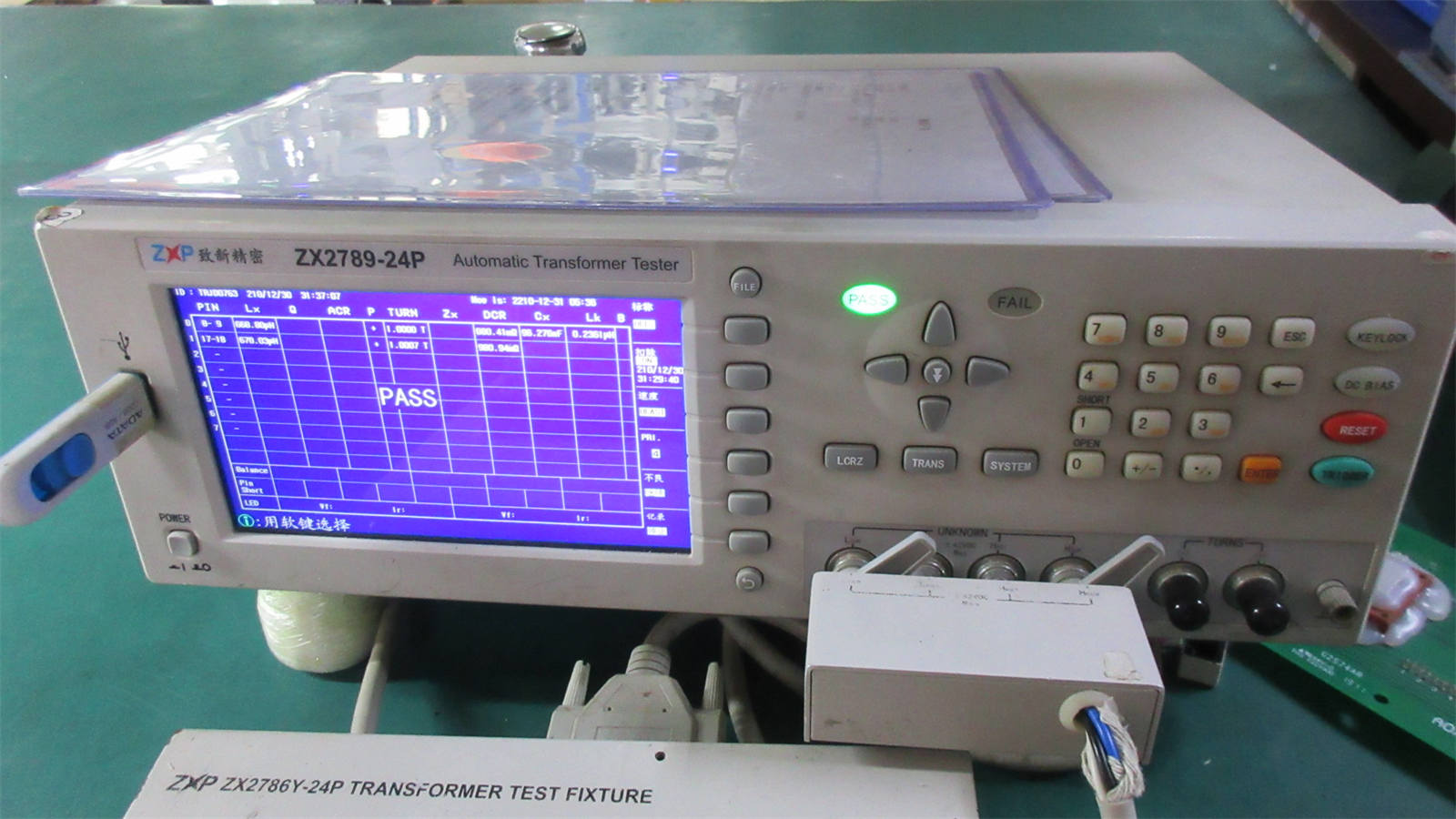
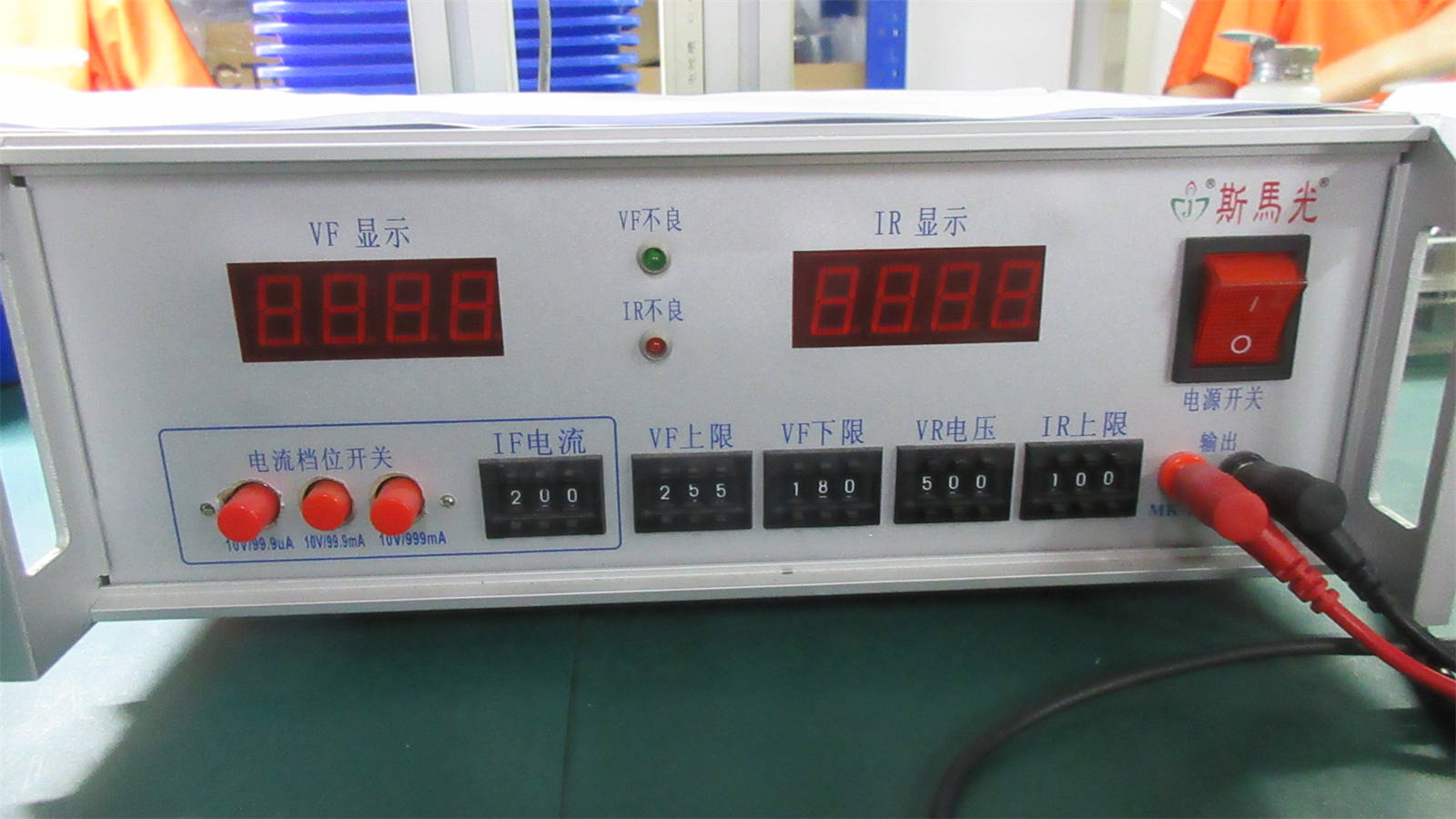
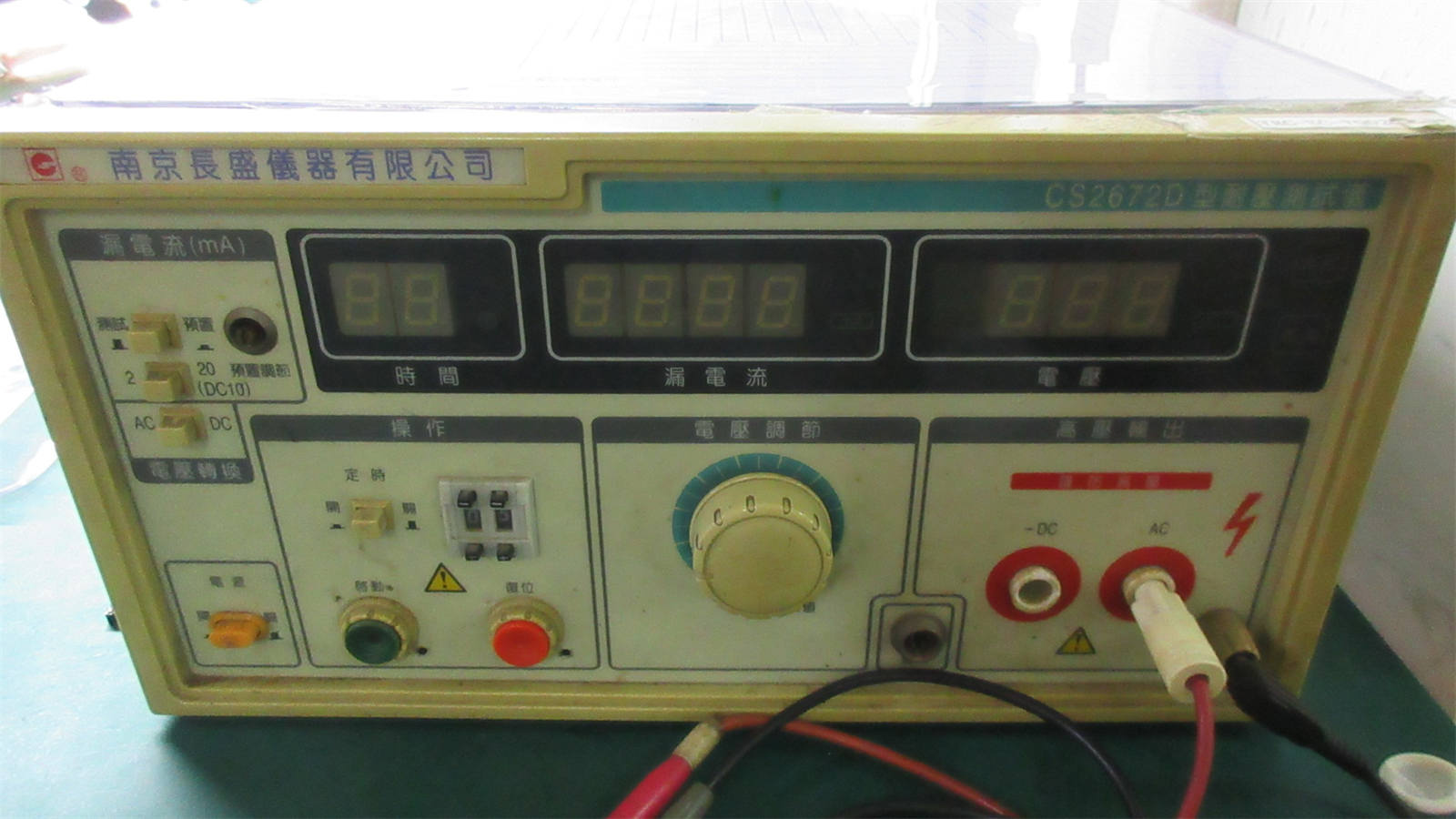
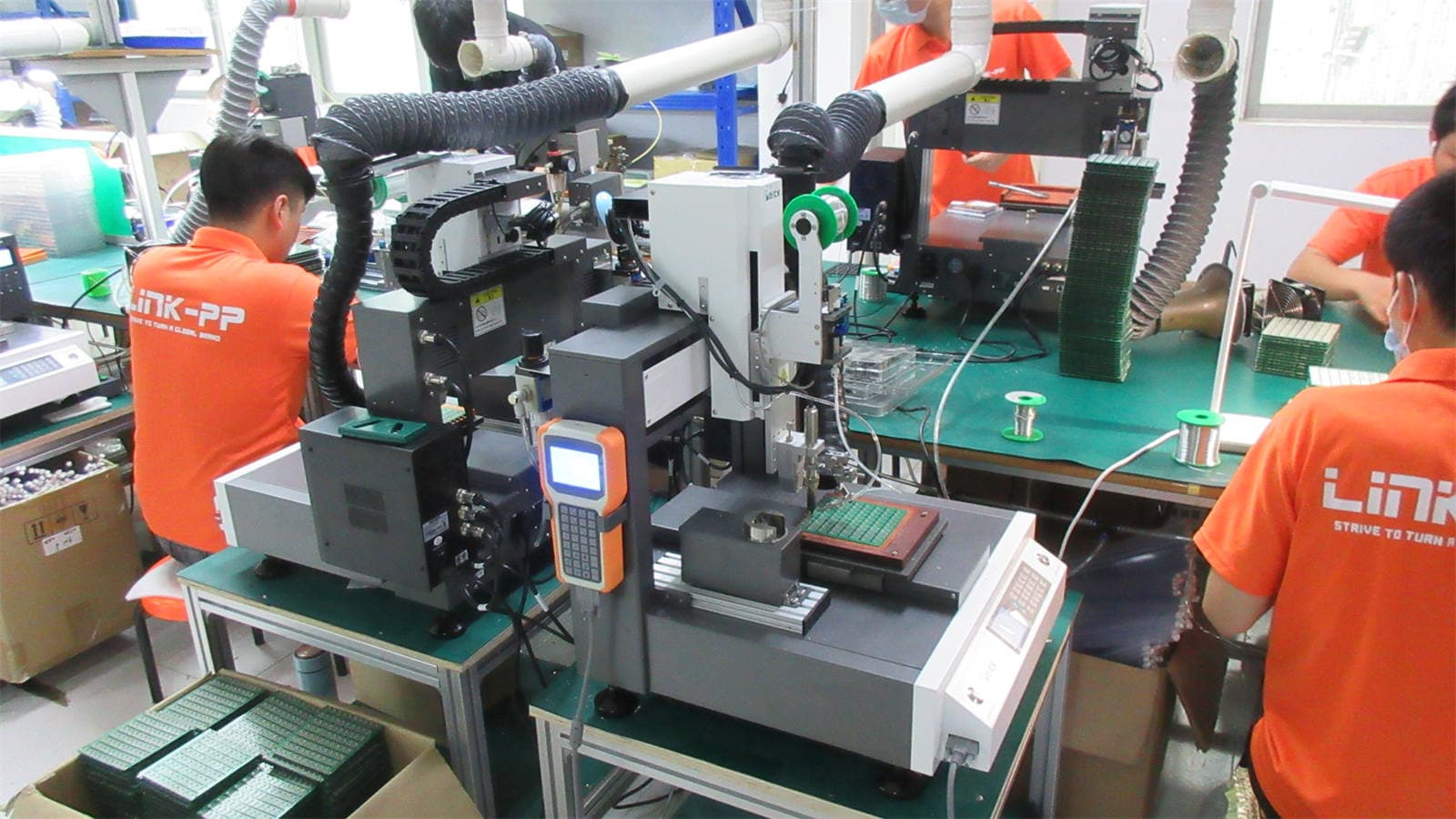
Explore our complete catalog of industrial RJ45 & USB stacked connectors engineered for durable data networks.
A premier manufacturer delivering high-reliability networking hardware from China to global distribution channels.
Lumopt Opto Technology Co., Ltd., registered as Luguang Communication Technology Co., Ltd. in China, is a professional Chinese manufacturer and exporter specializing in high-performance optical transceivers and integrated connectivity interfaces.
We focus on the R&D, production, and customization of full-series optical modules covering 10G, 25G, 100G, 400G, 800G, and 1.6T products, which are widely applied in data centers, telecom networks, cloud computing, AI computing equipment, and enterprise communication systems. In parallel, our specialized division designs and exports high-precision passive magnetic components and hybrid integrated modular jacks, such as the RJ45 Connector with USB series.
Equipped with standardized dust-free production workshops, advanced automatic testing equipment, and a professional technical R&D team, we implement strict quality control throughout the entire production process. All our connectors comply with international industry standards and have passed relevant reliability certifications, supporting OEM & ODM customized services to meet diverse demands from global buyers.
Adhering to the core concept of stable quality, competitive pricing, and reliable after-sales support, Lumopt has built long-term cooperative partnerships with distributors, system integrators, and communication enterprises all over the world, including specialized buyers across the New Zealand industrial market.
Resolving typical engineering inquiries related to electromagnetic compatibility, current limits, and environmental protection.
Integrating RJ45 and USB connections into a single stacked or combo modular jack provides two major benefits: spatial density and simplified PCB layout design. By utilizing a hybrid assembly, hardware designers can save up to 50% of the PCB edge real estate that would otherwise be required for individual jacks. Additionally, routing traces to a single multi-port housing helps minimize parasitic capacitance and trace-length deviations, which maintains high signal integrity for Gigabit Ethernet and SuperSpeed USB data lines.
Our connectors are built with comprehensive internal metal shielding made from copper alloy with nickel-plating. Inside the connector body, physical metal barriers and integrated magnetic modules (comprising isolation transformers and common-mode chokes) act as a Faraday cage. This effectively separates the high-frequency Ethernet differential signals from the high-speed USB differential pairs, reducing internal near-end crosstalk (NEXT) and far-end crosstalk (FEXT) below FCC Part 15 and EN55022 compliance levels.
We provide selective gold plating thicknesses ranging from 6u" to 50u" over nickel underplating. For New Zealand's agricultural, outdoor telemetry, and marine electronics installations, we strongly recommend 30u" or 50u" gold plating. The high-purity gold layer acts as a barrier against atmospheric corrosion, salt air spray, and continuous high-humidity exposure typical in coastal environments like Auckland or Nelson, ensuring low contact resistance and long mechanical life over thousands of insertion cycles.
Yes, several of our configurations are specifically designed and wound to support PoE (IEEE 802.3af) and PoE+ (IEEE 802.3at) configurations. These features utilize magnetic components wound with heavy wire to handle currents up to 600mA per pair without saturating the magnetic cores. It is critical to consult our engineering team during ordering to ensure your specific connector model is selected with the correct coil windings and pin-outs required for your PoE deployment.
We utilize a multi-tier Factory 4.0 quality control methodology. This includes 100% automated optical inspection (AOI), high-potency isolation testing (up to 1500V AC RMS between windings and shield), automatic welding parameter validation, LED intensity testing, and comprehensive mechanical dimension inspection. Each production run has full batch traceability, allowing New Zealand industrial OEMs to meet local safety and reliability standards confidently.