Lumopt
Lumopt
Lumopt
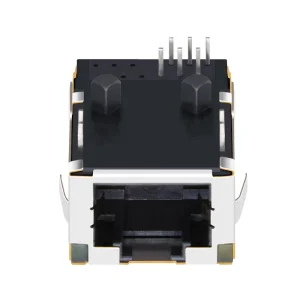
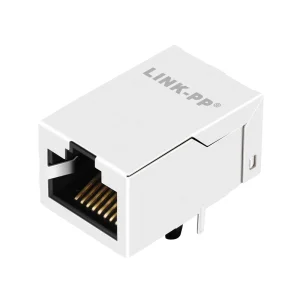
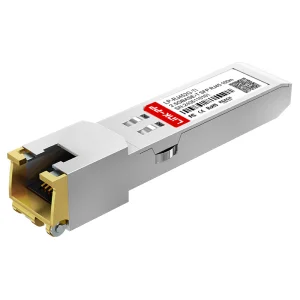
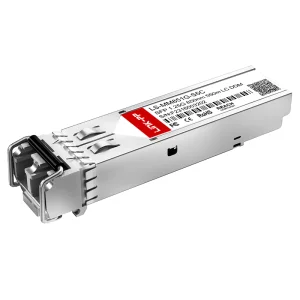
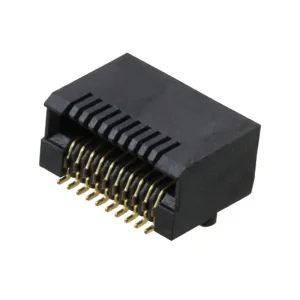
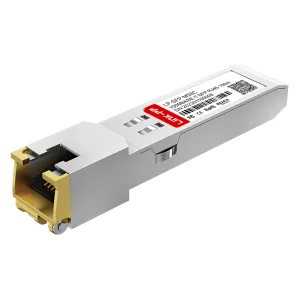
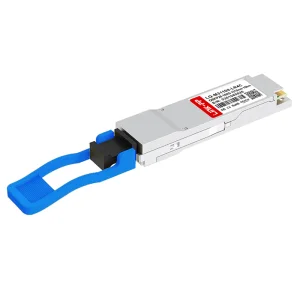
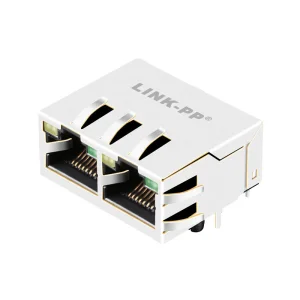
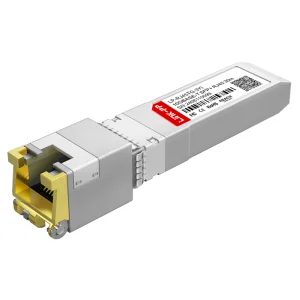
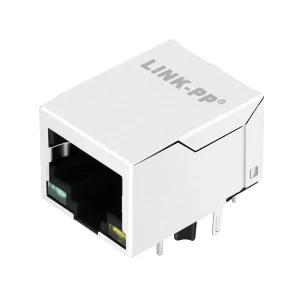
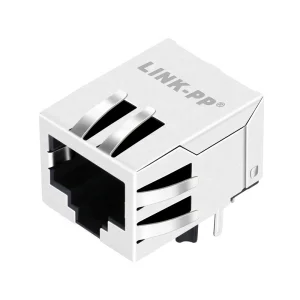
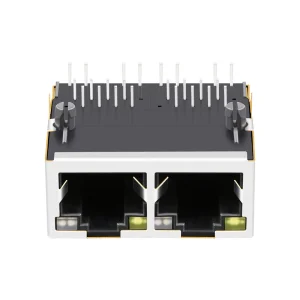
Explore our high-performance RJ45 modular jacks, SFP copper modules, and high-speed optical transceivers engineered for reliable network operations.
Lumopt Opto Technology Co., Ltd., registered in China as Luguang Communication Technology Co., Ltd., stands at the forefront of network engineering and high-performance communication systems. As a leading exporter, we specialize in the custom engineering of full-series optical modules and modular network connector solutions.
Our solutions span data rates from legacy 1.25G SFP configurations to high-density 100G, 400G, 800G, and next-generation 1.6T systems. These components serve as key components in modern data centers, dense optical communication links, telecom architectures, AI computing farms, and large-scale enterprise local area networks (LANs).
By using clean-room manufacturing and precision automated alignment machines, we ensure that every interface—whether an SFP+ transceiver, a shielded RJ45 magnetic modular jack, or an optical transceiver module—meets rigorous performance benchmarks. Our global distribution channels ensure secure delivery to system integrators, network engineers, and telecommunications developers worldwide.

An in-depth analysis of signal optimization, electromagnetic interference shielding, and the electrical engineering principles of modern Ethernet splitters and connectors.
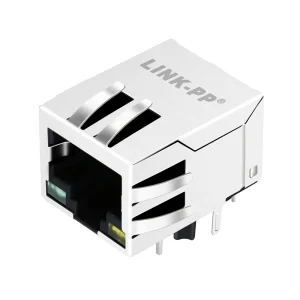
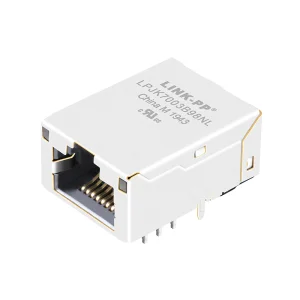
Our RJ45 modular jacks feature high-grade nickel-plated copper alloy shielding to block electromagnetic interference (EMI) and radio frequency interference (RFI). This design preserves signal integrity, prevents packet loss, and ensures stable data rates in high-density rack configurations and industrial plant floors near high-voltage machinery.
By embedding signal isolation transformers, common-mode chokes, and electrical isolation filters directly inside the RJ45 port, our magnetic connectors reject noise, prevent ground loops, and protect delicate optical transceivers or PHY chips from high-voltage transient spikes, meeting IEEE 802.3 standards.
Engineered to support Power over Ethernet (PoE, PoE+ under IEEE 802.3af/at/bt), our connectors feature high-purity gold-plated contacts (up to 50u"). This ensures minimal contact resistance, preventing localized heating when delivering up to 90W of DC power alongside high-speed data streams.

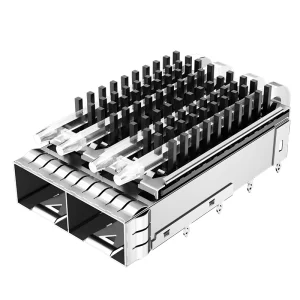
For modern networking setups, spaces are often limited while thermal loads are high. Systems like QSFP-DD, QSFP28, and SFP+ cages require high mechanical tolerances to prevent crosstalk and maintain stable connections over years of operation.
Our connectors and modular splitters utilize advanced high-temperature thermoplastic housing materials (UL 94V-0 rated) that resist degradation during wave soldering and reflow processes. Combined with integrated light pipes, heat sinks, and customized EMI metal cages, they offer optimal heat dissipation and visual status monitoring in high-density network switches.
An inside look at our 18-step quality assurance and assembly process, ensuring high reliability for every optical transceiver and RJ45 connector that leaves our facility.
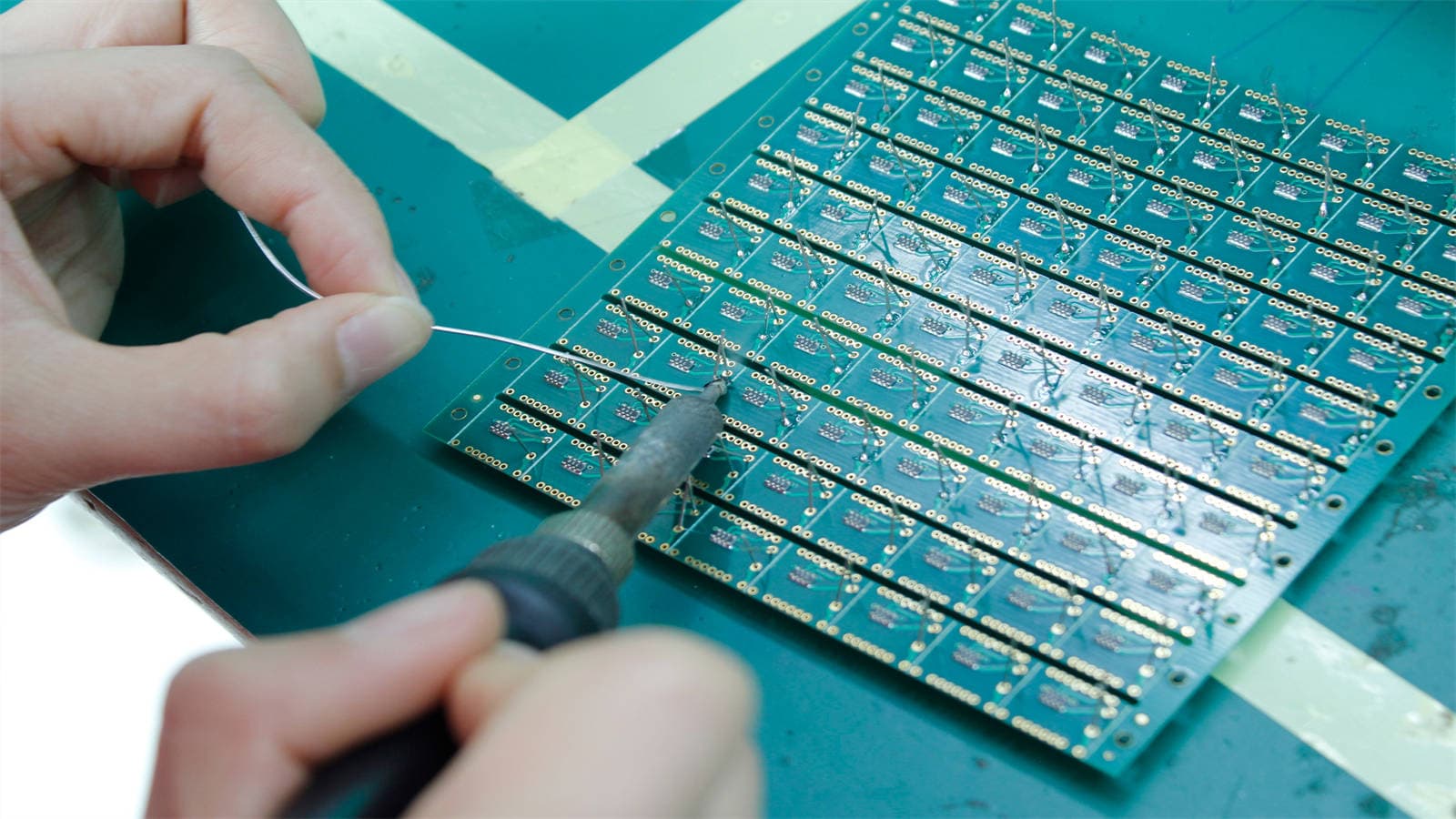
Precise copper wire twisting controls differential impedance and minimizes near-end crosstalk (NEXT) for high-speed transmission.
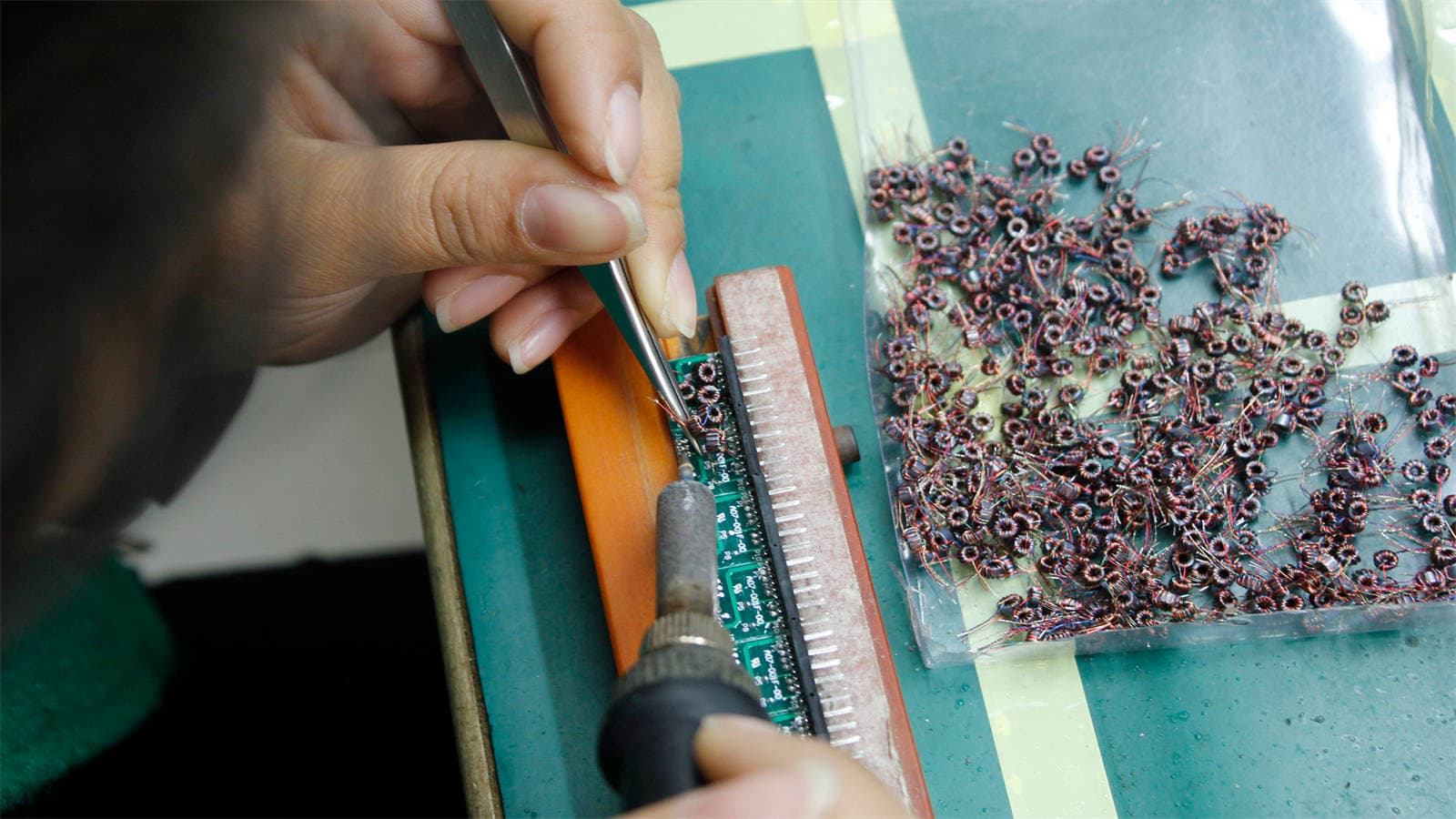
Automated tinning ensures uniform solder paste thickness and reliable electrical contact on internal circuit board structures.
Utilizing controlled temperature profiles to prevent cold joints and thermal stress on copper pins and internal transformers.
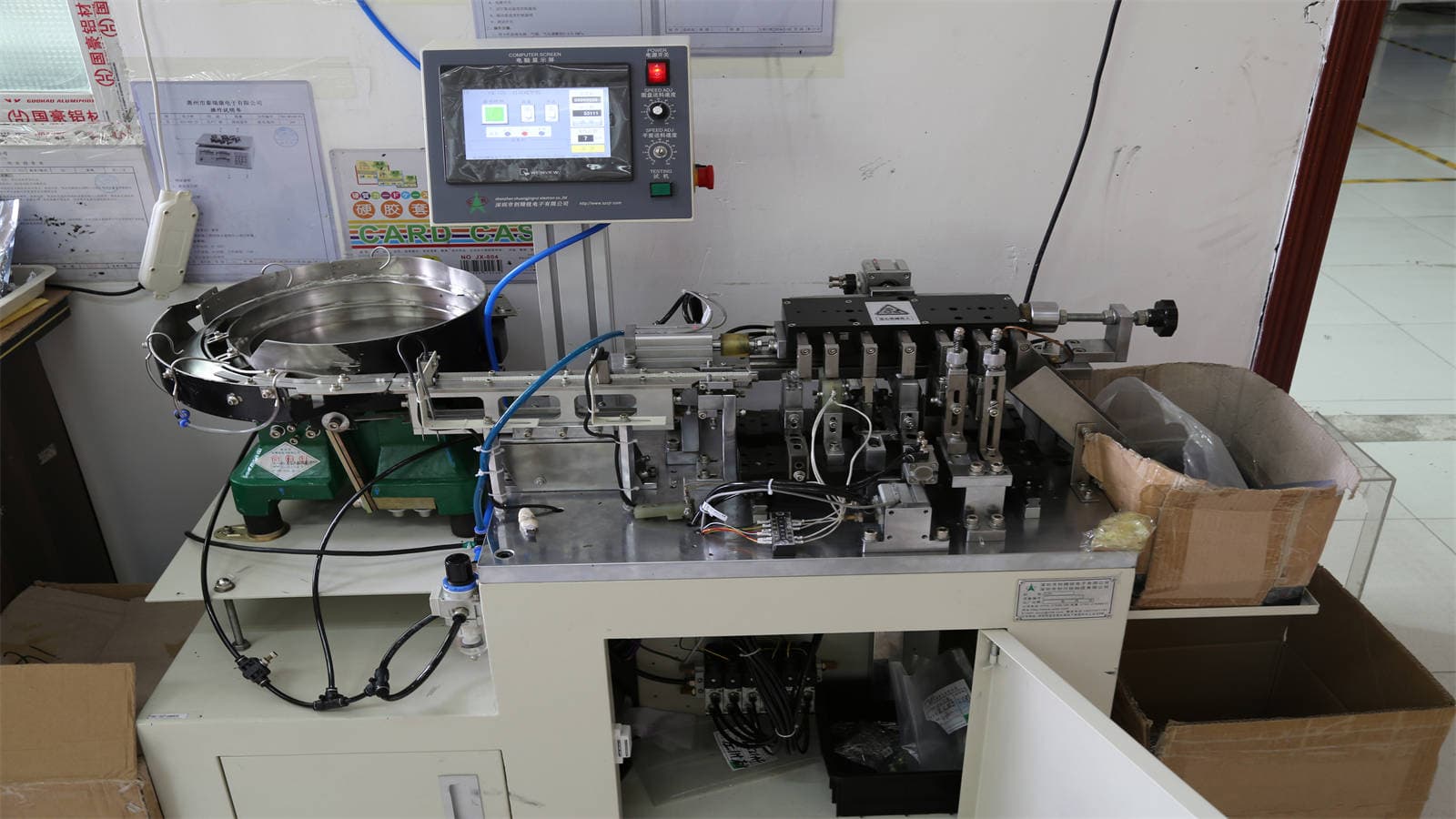
Automated trimming of light-emitting diode terminals to maintain compact physical dimensions for low-profile layouts.
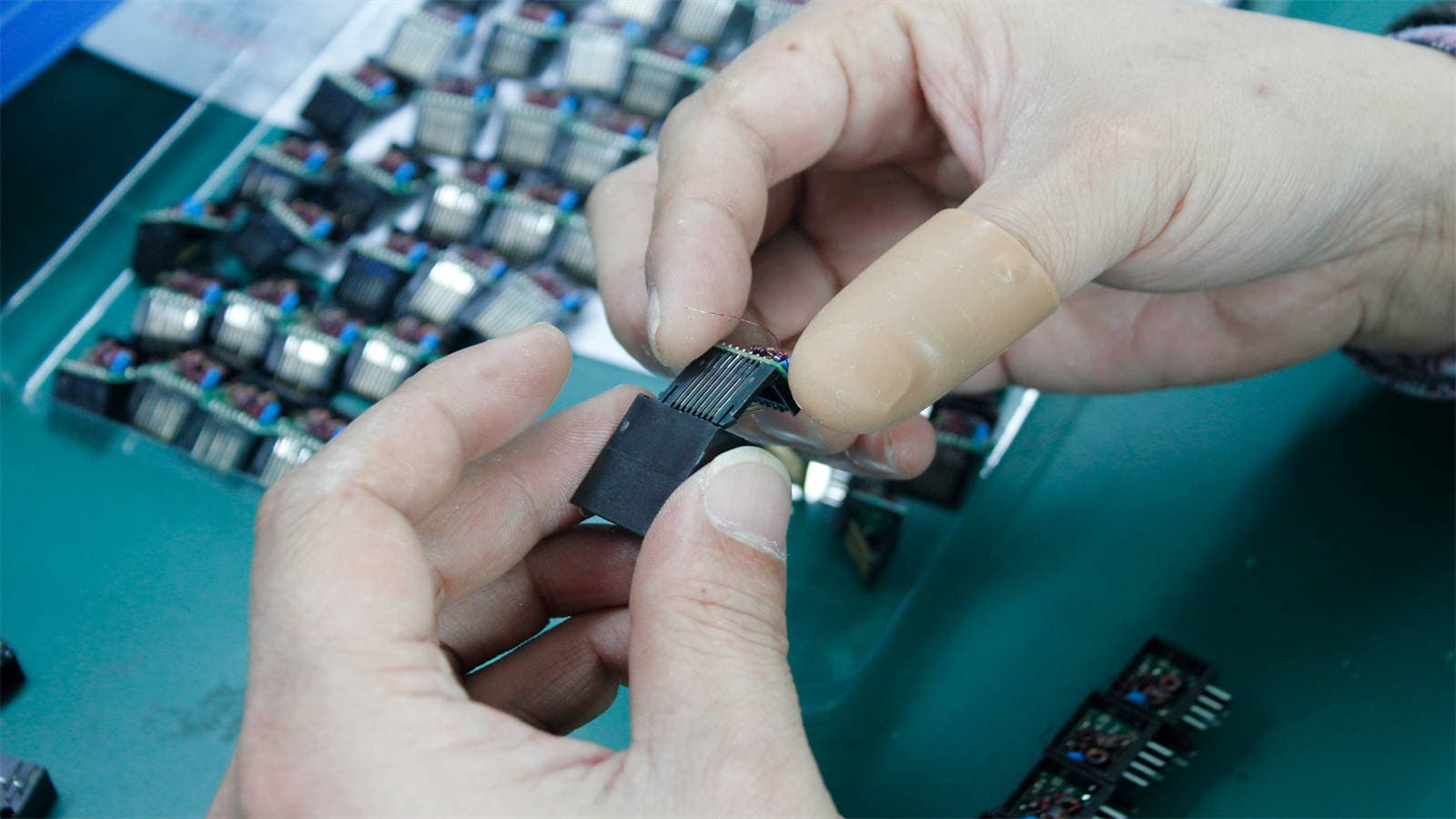
Early-stage automated optical inspection (AOI) and electrical continuity checks verify assembly integrity before final encasing.
Precision insertion into structural housings, securing internal magnetic modules against mechanical shocks and vibrations.
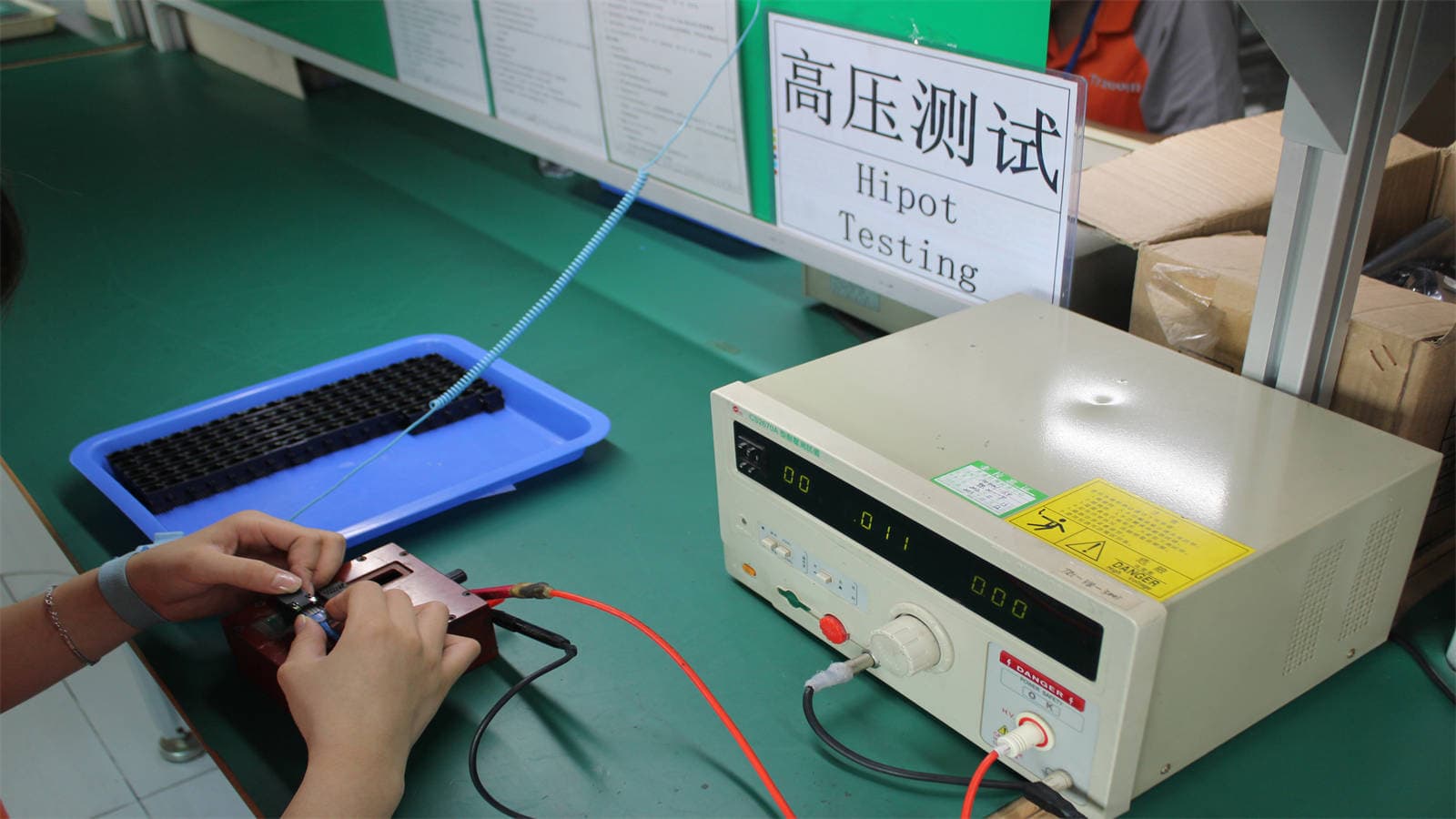
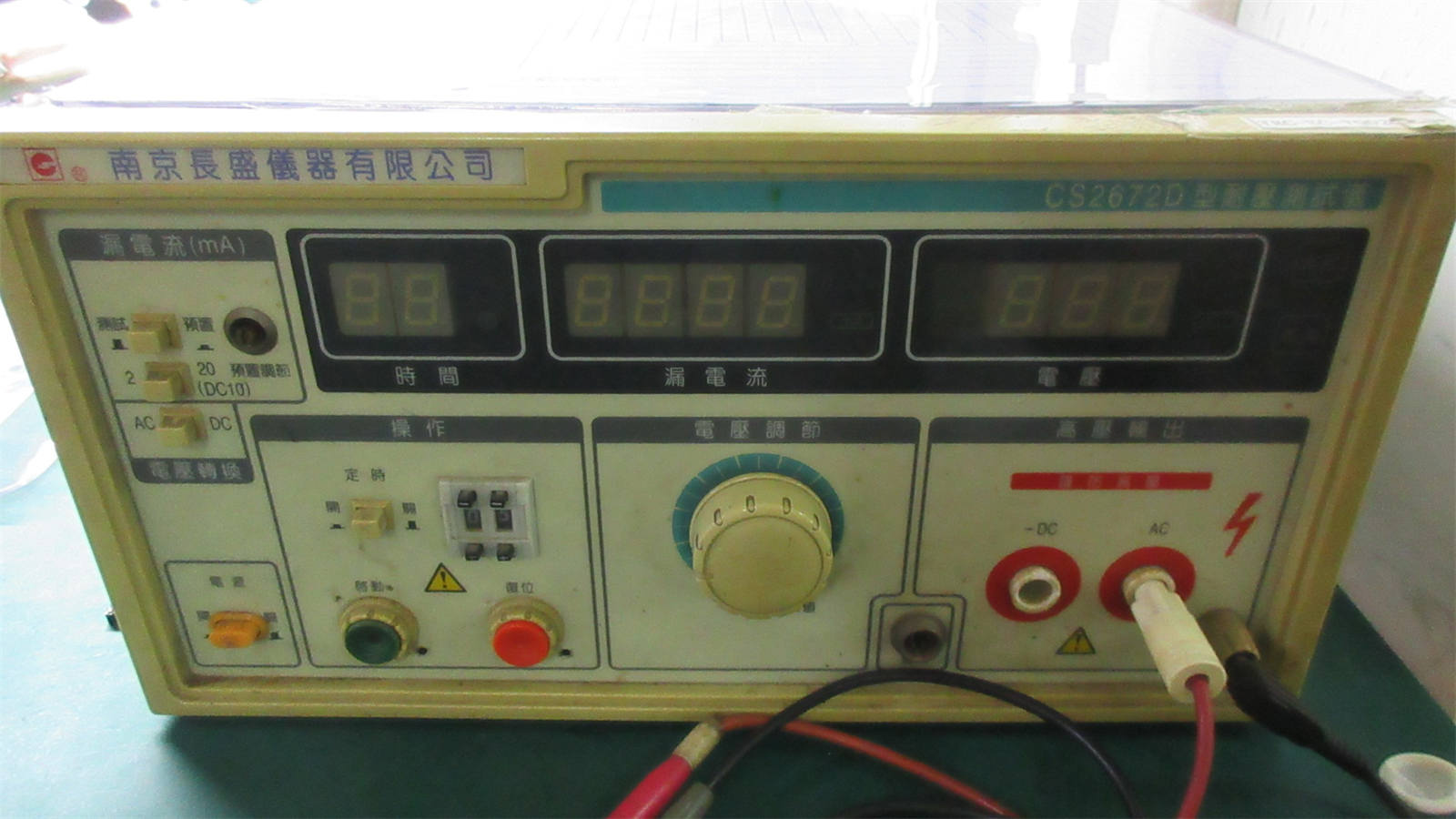
Every single device is subjected to high-potential voltage testing to confirm isolation properties and guard against dielectric breakdown.
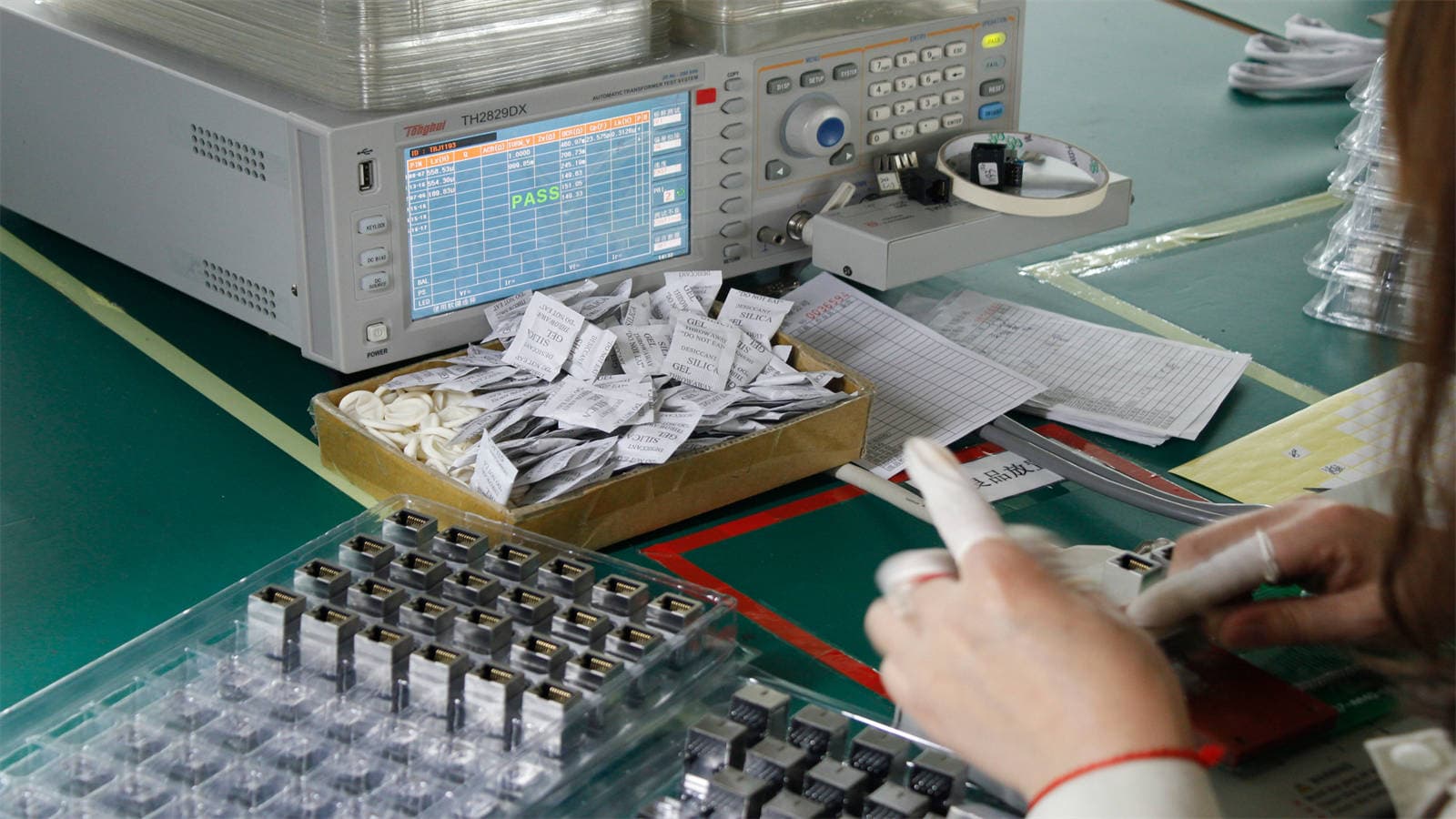
Parametric testing of data speeds, attenuation limits, and wave stability across standard operating temperatures.

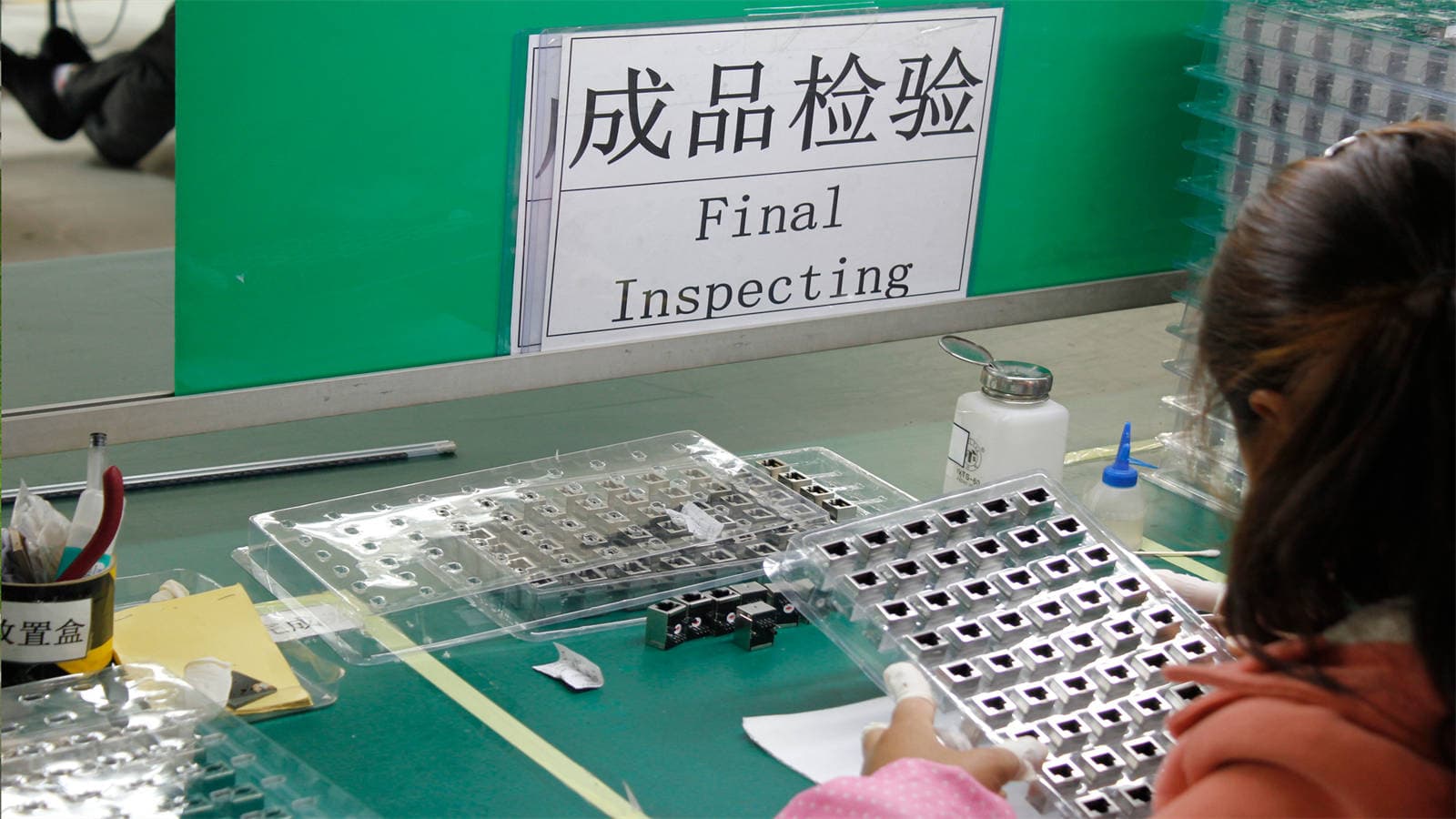
A final inspection checking physical tolerances, label alignment, plating quality, and contact integrity before packaging.
Moisture-barrier, anti-static tray packing shields sensitive optoelectronic elements from ESD events during global shipping.
We use automated testing benches to characterize eye-diagram metrics, jitter parameters, and bit-error-rate (BER) thresholds.
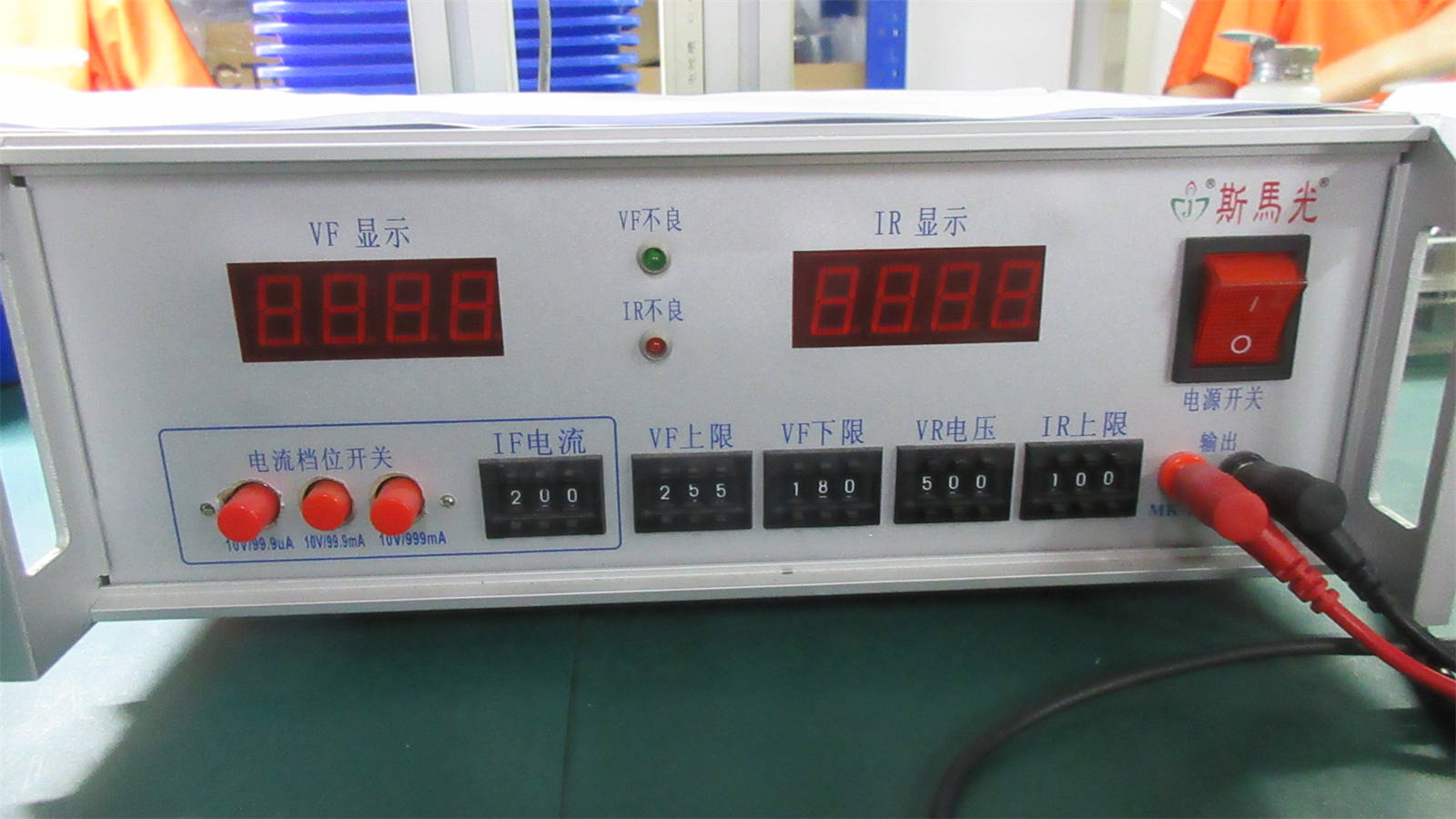
Validates the electrical parameters, color consistency, and light output of integrated connection status indicator LEDs.
Dedicated high-voltage testers apply isolation stress to guarantee user safety and prevent equipment damage from electrical surges.
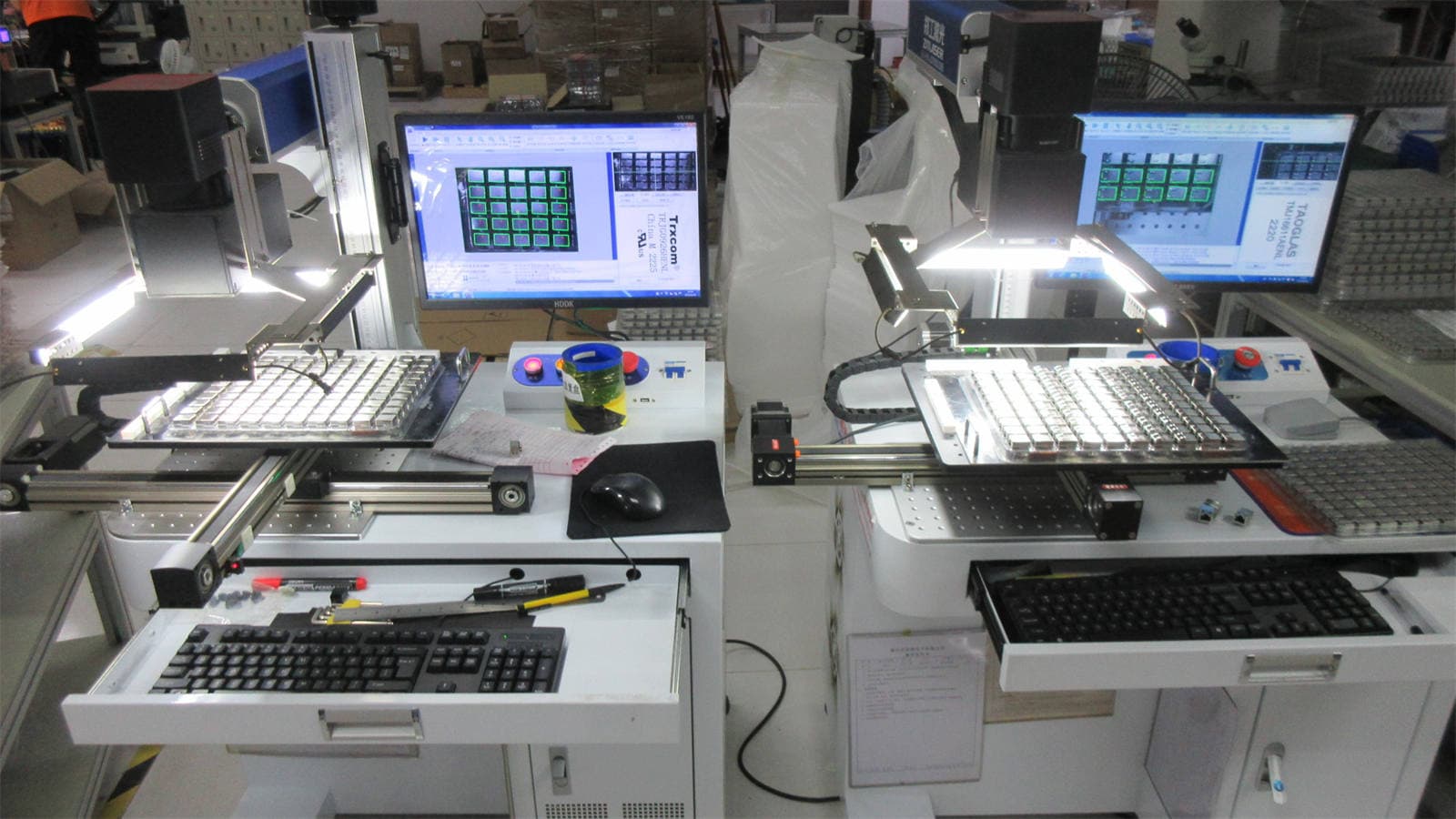
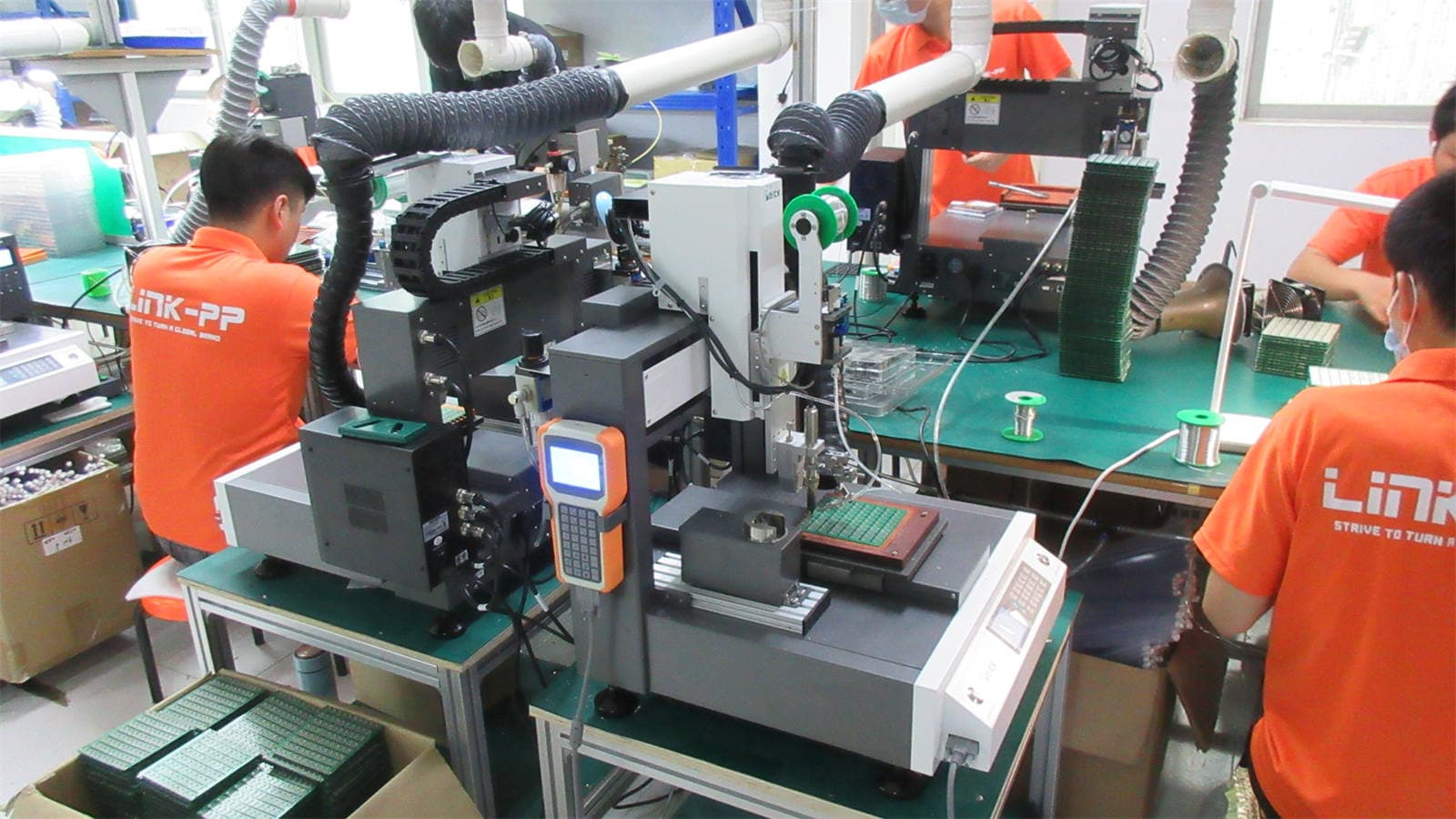
Precision multi-axis automated solder units ensure uniform thermal transfer and reliable solder fillets for heavy duty contacts.
High-resolution lasers etch model numbers, batch codes, and regulatory marks directly onto cases for easy compliance tracking.
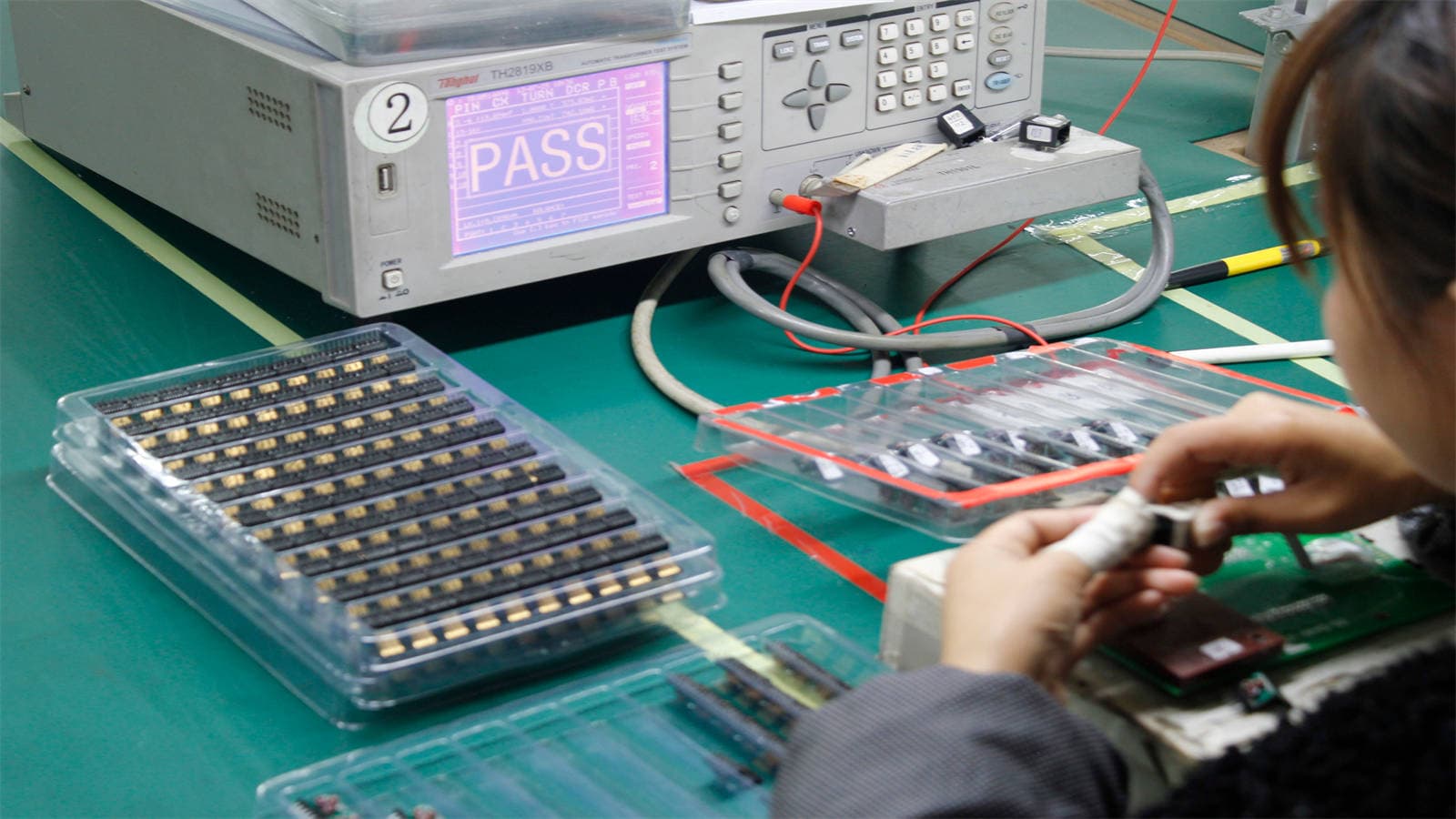
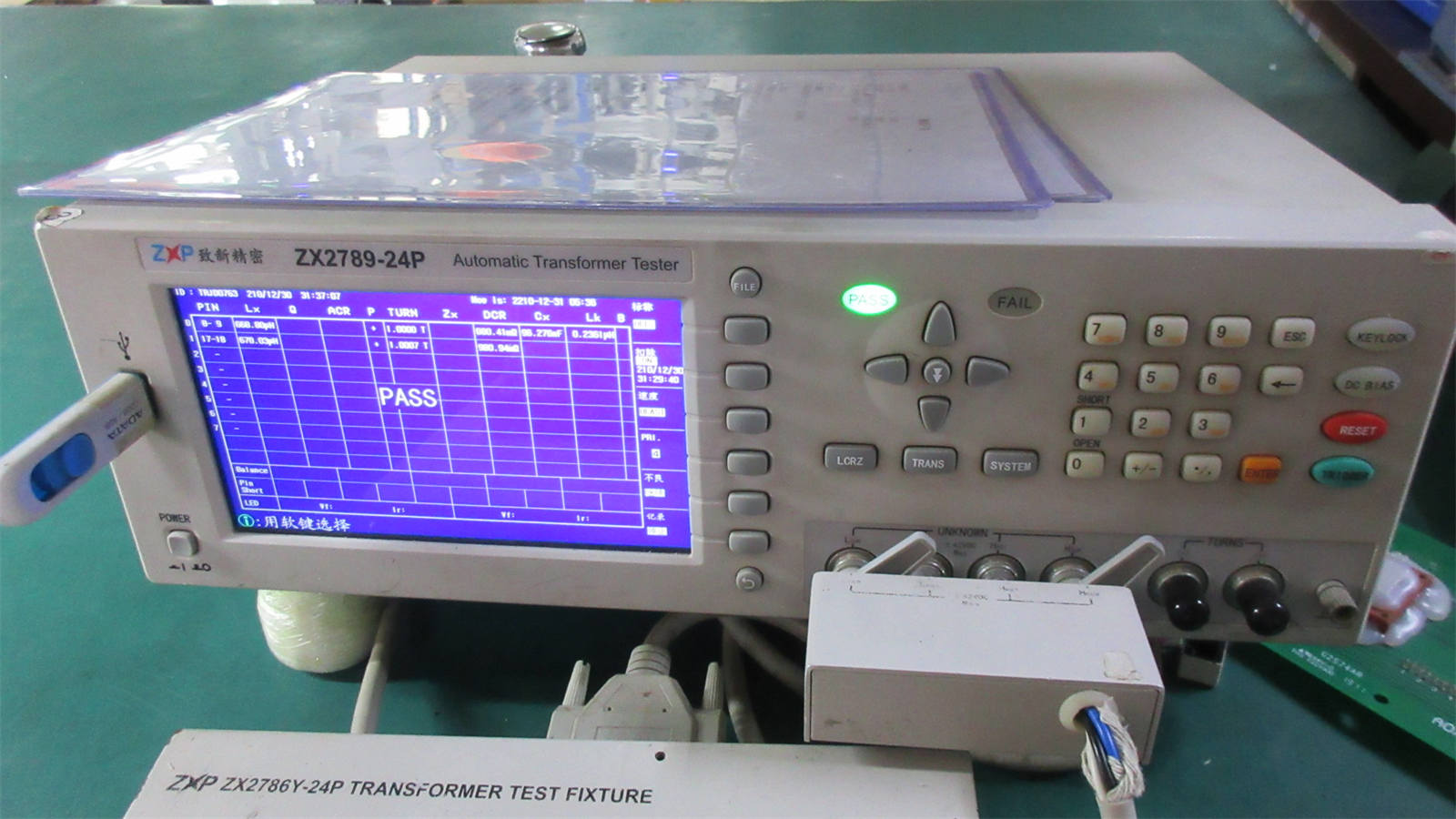
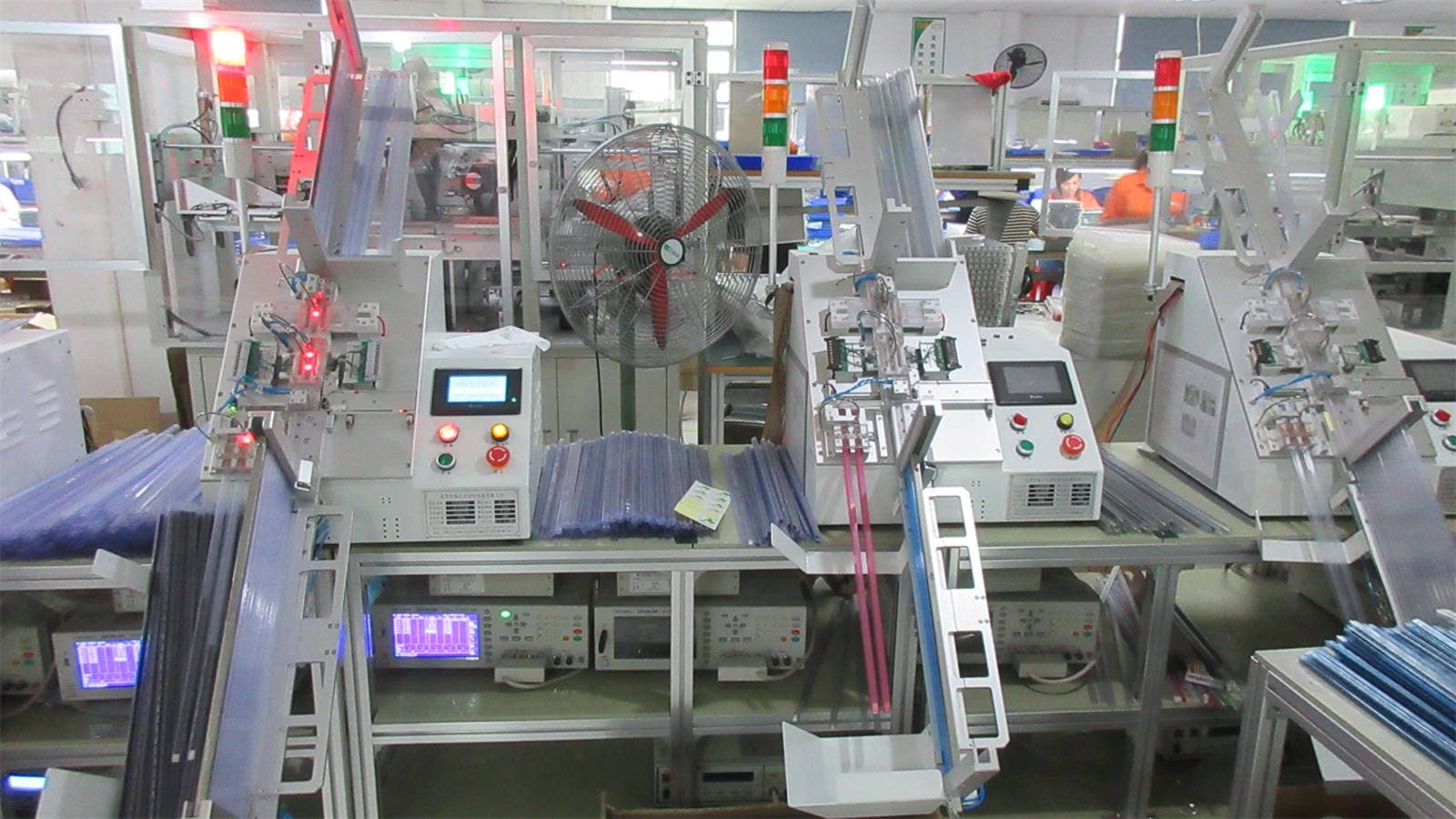
Verifies turn ratios, isolation inductance, and return loss characteristics of raw magnetic cores before circuit integration.
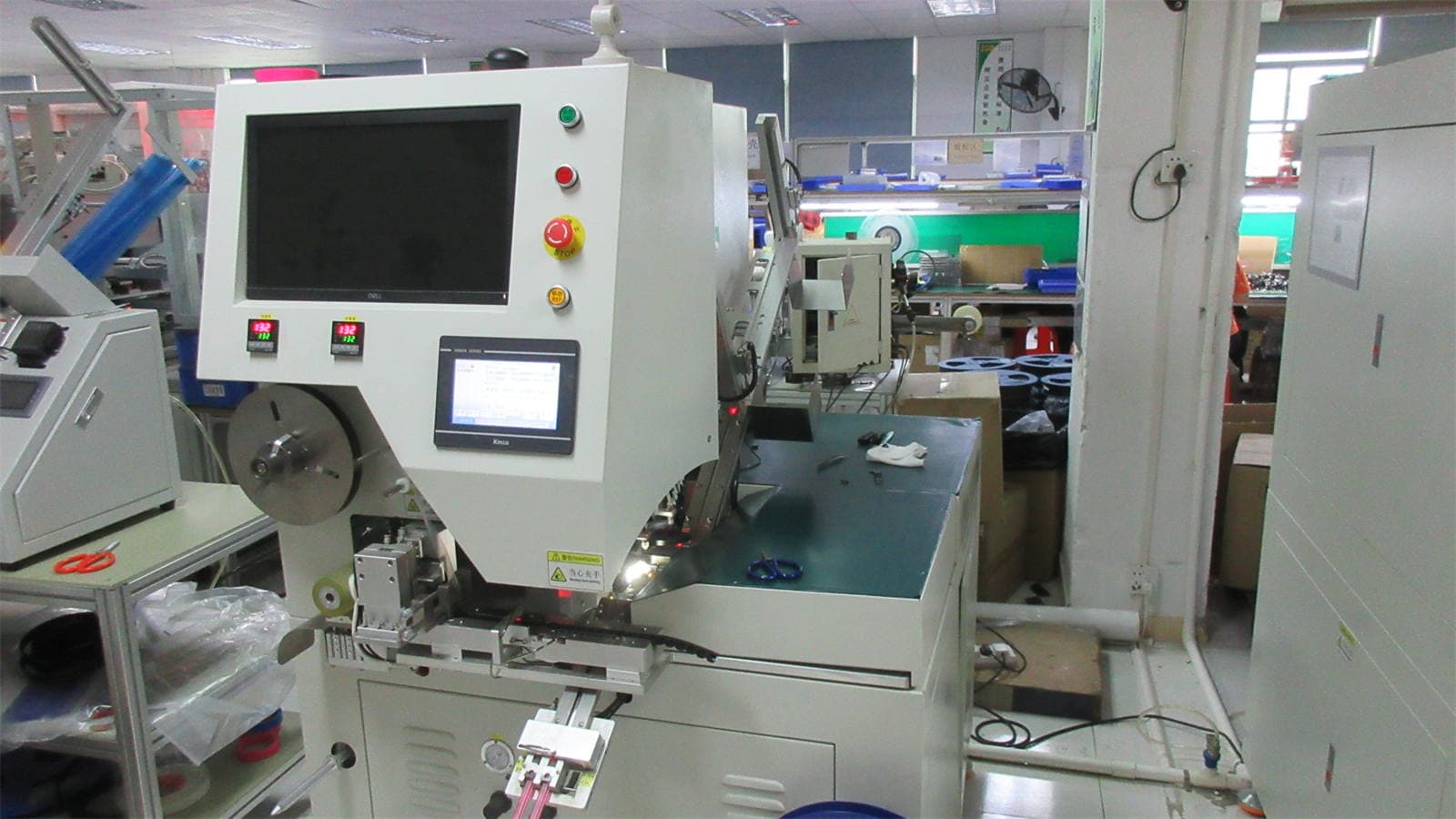
Automates tape-and-reel sorting of micro-magnetic modules to support high-throughput, pick-and-place surface mount assembly.

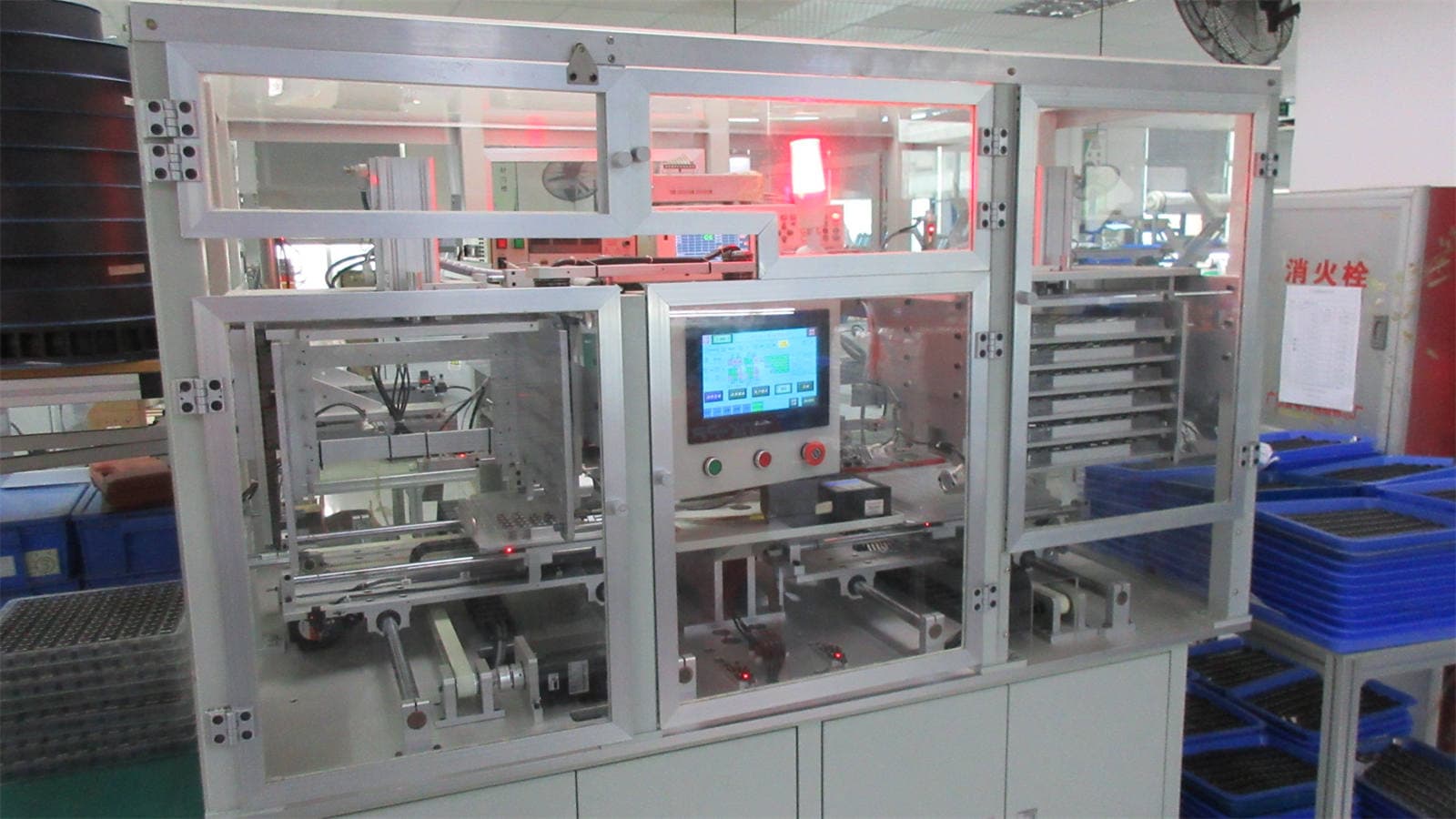
Our high-speed automatic testing rigs verify mechanical pin configuration, spring force limits, and electrical contact resistance.
Manufacturing in modern optical communication ecosystems requires proximity to raw materials, silicon processing plants, and reliable mechanical stampers. Lumopt’s primary production facility leverages China’s established electronics and manufacturing ecosystem. This vertical integration allows us to procure components quickly, reducing overall lead times.
By using automated pick-and-place systems and laser markers, we reduce labor costs while maintaining tight manufacturing tolerances. This allows us to provide custom, high-speed optical transceivers and RJ45 connectors with built-in magnetic filters at competitive price points.
Our factory maintains buffer stocks of critical micro-transformers, optoelectronic lasers (including DFB, VCSEL, and EML modules), and high-purity gold contact pins. This proactive material planning minimizes assembly disruptions and ensures prompt deliveries even during periods of global supply chain volatility.
We recognize that every network architecture presents unique challenges—ranging from non-standard mechanical clearances to specific signal profiles for third-party switches. Our experienced R&D team provides full OEM and ODM services, tailoring modular jack layouts, shielding brackets, and optical transceiver EEPROM configurations to meet your specifications.
Whether you require custom pinouts for internal splitters, multi-port ganged configurations with specific light-pipe alignments, or transceivers programmed to match proprietary switch ecosystems (such as Cisco, Aruba, Juniper, or Mellanox), our development process provides fast turnaround prototyping.
Our validation process includes automated environment chamber cycling, physical pull-force tests, and multi-port switch validation. This ensures that custom designs transition smoothly from prototyping to high-volume manufacturing without compromising reliability.
From automated factory floors to hyperscale computing facilities, our components provide the physical layer foundation for modern data networks.
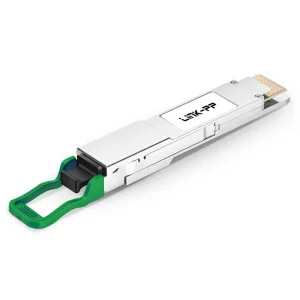
Within high-density server environments, our 100G, 400G, and 800G QSFP-DD optical transceivers connect core routers with top-of-rack switches. These modules feature low power consumption profiles and support Digital Diagnostics Monitoring (DDM) to track real-time link performance.
Our shielded magnetic RJ45 connectors support Industrial Ethernet protocols like EtherCAT, PROFINET, and Modbus-TCP. These connectors feature rugged metal housings and secure mechanical latches to withstand high-vibration factory floor environments.
Supporting Fiber-to-the-Home (FTTH) and 5G backhaul rollouts, our SFP and SFP+ transceiver modules enable long-haul optical link lengths up to 80km. They deliver reliable data transmissions across wide temperature extremes.
In network design and infrastructure installations, compliance is crucial for maintaining system safety and avoiding operational failures. Our products carry the CE Mark, certifying compliance with EU directives for electromagnetic compatibility (EMC Directive 2014/30/EU) and low-voltage electrical safety (LVD Directive 2014/35/EU).
Our CE-certified Ethernet splitters and RJ45 connectors undergo rigorous laboratory testing to verify they do not emit excessive electromagnetic interference. The testing also ensures the components possess sufficient immunity to external ESD and RF disturbances, minimizing localized packet loss or service disruptions.
Additionally, we comply with the RoHS directive (2011/65/EU and its amendment 2015/863/EU) by using lead-free soldering and selecting compliant plastic housings and internal raw magnetic elements. This guarantees safe import, deployment, and eventual end-of-life recycling across global markets.
To support high network uptime, our QA teams enforce strict, zero-defect quality methodologies at our factory. Every manufacturing batch undergoes mechanical insertion tests, temperature and humidity cycling chambers, and automated cross-section tin plating audits.
If an out-of-tolerance parameter is flagged during our 100% Hi-Pot or comprehensive transceiver diagnostic sweeps, the component is routed to our failure analysis laboratory. Here, technicians use X-ray imaging, optical emission microscopy, and electrical TDR analyzers to locate the fault.
This systematic feedback loop ensures we continuously refine our automated winding, soldering, and plastic assembly stations. It allows us to maintain a low field return rate for our global customers and system integrators.
Common technical questions answered by our chief network architects and hardware integration engineering teams.
Shielded RJ45 modular jacks feature a metal outer casing that connects directly to the shielded drain wire of STP (Shielded Twisted Pair) cabling. This grounding loop channels external electromagnetic fields away from internal signal lines. Unshielded jacks (UTP) are suitable for low-noise environments, but shielded versions are recommended for industrial plants, medical settings, or environments near high-voltage runs.
Integrated magnetics (or MagJacks) incorporate micro-transformers and common-mode chokes inside the connector shell. This design isolates sensitive PHY transceiver chips from external voltage spikes, provides high-voltage DC protection, and filters out high-frequency noise. This integration saves valuable PCB space compared to using separate discrete components on the main board.
Digital Diagnostics Monitoring (DDM), also known as DOM, allows network administrators to monitor real-time parameters of the optical module. This includes laser transmitter optical power, receiver optical power, operating temperature, laser bias current, and module supply voltage. Monitoring these metrics enables proactive maintenance, allowing operators to locate and replace failing links before a total network outage occurs.
For 100G networks, QSFP28 modules (using PLR4 or CWDM4 formats) are standard for links up to 10km. For 400G interconnects, QSFP-DD modules using PAM4 modulation (such as 400GBASE-FR4 or DR4) are commonly deployed. These configurations provide high bandwidth and thermal efficiency inside modern enterprise data center server racks.
We offer modular connectors with gold-plated contact thickness ranging from 3u" to 50u". For industrial and telecom applications that require frequent mating cycles or operate in humid, corrosive environments, 50u" gold plating is recommended. The thicker gold layer resists wear and oxidation, maintaining low contact resistance over the component's lifespan.
Importing networking components into the European Union requires CE Certification. The manufacturer must document compliance with the EMC Directive (2014/30/EU) and the Low Voltage Directive (LVD 2014/35/EU). Additionally, RoHS certification (2011/65/EU) is required to verify the product does not contain hazardous levels of lead, cadmium, mercury, or other restricted substances.
Explore our remaining line of high-speed SFP modules, magnetic RJ45 connectors, and low-profile jacks designed for durable data connectivity.