Lumopt
Lumopt
Lumopt
Engineered for low insertion loss, exceptional signal integrity, and compatibility with leading networking ecosystems including Cisco, Juniper, and TE Connectivity replacements.
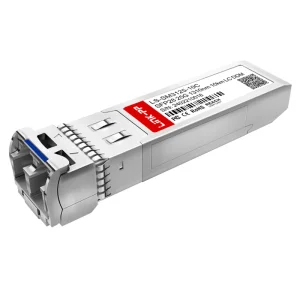
As global networks scale to match the computing demands of Artificial Intelligence (AI), Machine Learning (ML), and Edge computing, the demand for high-reliability Ethernet interface connectors and high-speed optical transceivers has surged. Today’s hardware designs prioritize signal integrity, minimal latency, and zero tolerance for packet loss.
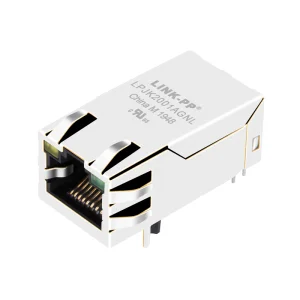
Modern Ethernet networks rely heavily on robust interface components. A connector is not merely a mechanical interface; it is the physical gateway for gigabits and terabits of data. From standard RJ45 ports integrated with magnetic transformers to next-generation SFP28, QSFP28, and ZSFP+ interfaces, hardware engineers must guarantee EMI shielding, thermal dissipation, and structural durability in increasingly dense PCB layouts.
As transmission rates ascend to 100G, 400G, 800G, and even 1.6T, physical-layer integrity becomes the ultimate bottleneck. High-quality manufacturing must suppress return loss and cross-talk while maintaining low insertion loss. This demands absolute precision in contact plating, magnetic winding, and optoelectronic alignment.
Preventing Electromagnetic Interference (EMI) through advanced press-fit metal cages and integrated line magnetics that isolate common-mode noise.
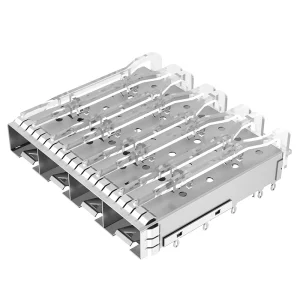
Providing seamless transitions from optical fibers to copper PCB traces using state-of-the-art TOSA/ROSA components and high-reliability SFP+ and QSFP cages.
Lumopt Opto Technology Co., Ltd. (registered as Luguang Communication Technology Co., Ltd. in China) is a premier, quality-driven manufacturer and exporter of advanced Ethernet interface connectors and optical transceiver modules.
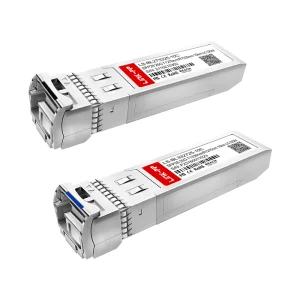
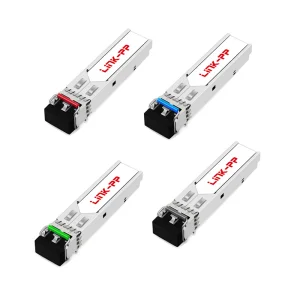
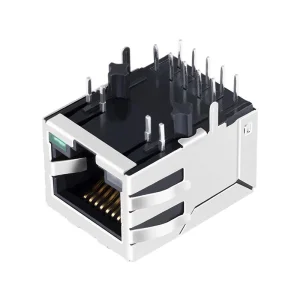
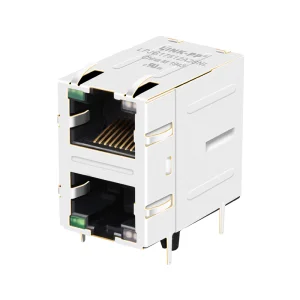
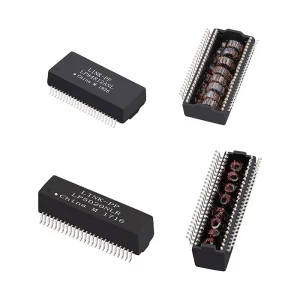
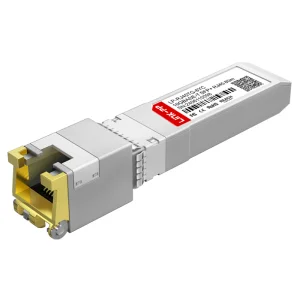
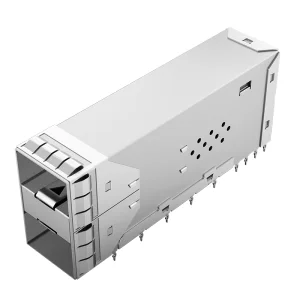
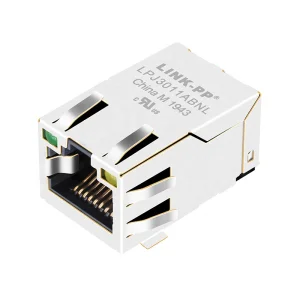
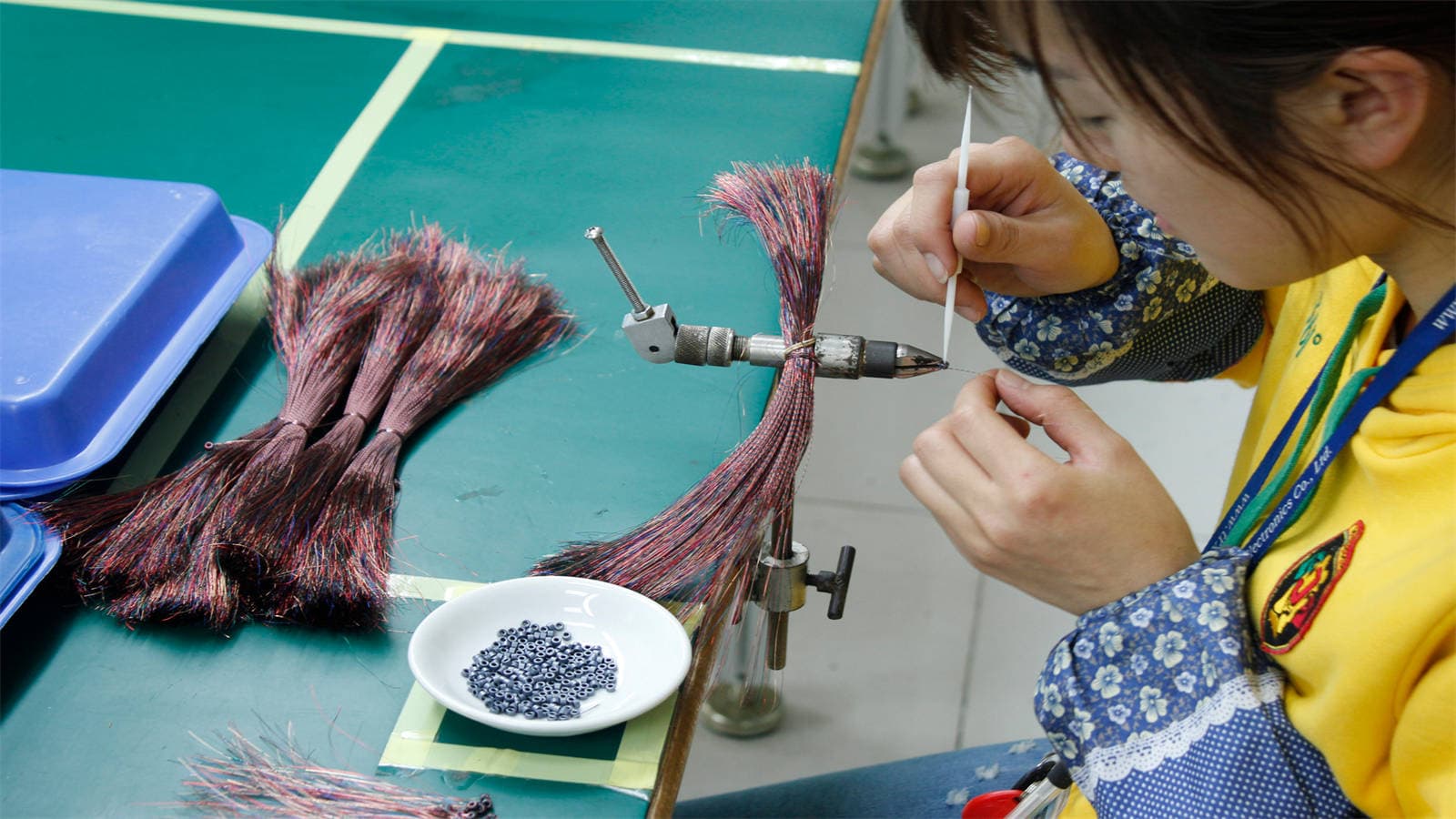
We are a dedicated engineering team focusing on the R&D, automated production, and tailoring of a complete family of optical communication hardware. Our product spectrum covers high-speed optical transceivers from 10G, 25G, 100G, and 400G up to ultra-high bandwidth 800G and 1.6T configurations. In addition, we design and produce high-performance integrated RJ45 connectors with built-in magnetics, LAN transformers, and ZSFP+ connector cages.
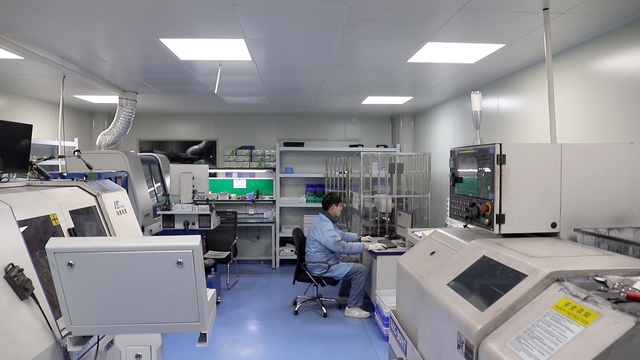
Our solutions find deep application in data centers, enterprise networks, metropolitan area networks, cloud platforms, and large-scale AI cluster computing. Operating from our dust-free, climate-controlled cleanrooms, we couple state-of-the-art SMT assembly with rigorous validation systems to satisfy global client demands under OEM and ODM conditions.
“Our commitment is to eliminate transmission errors and improve thermal reliability at the network boundary. Through persistent material science iteration and precision manufacturing, we connect the modern world reliably.”
From component twisting and PCB tinning to dynamic high-potential testing, we implement strict optical and electrical controls at every single stage of production.
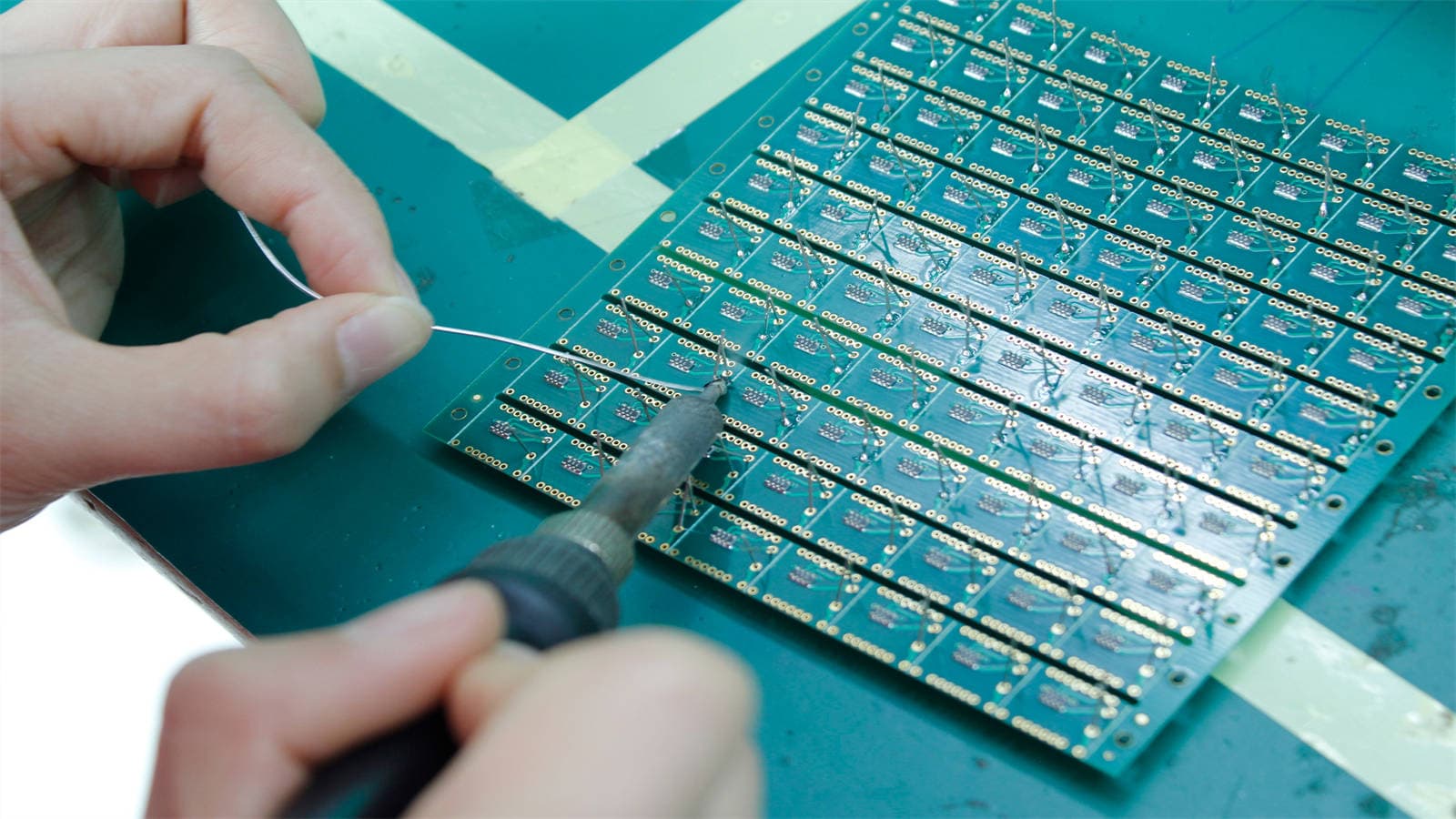
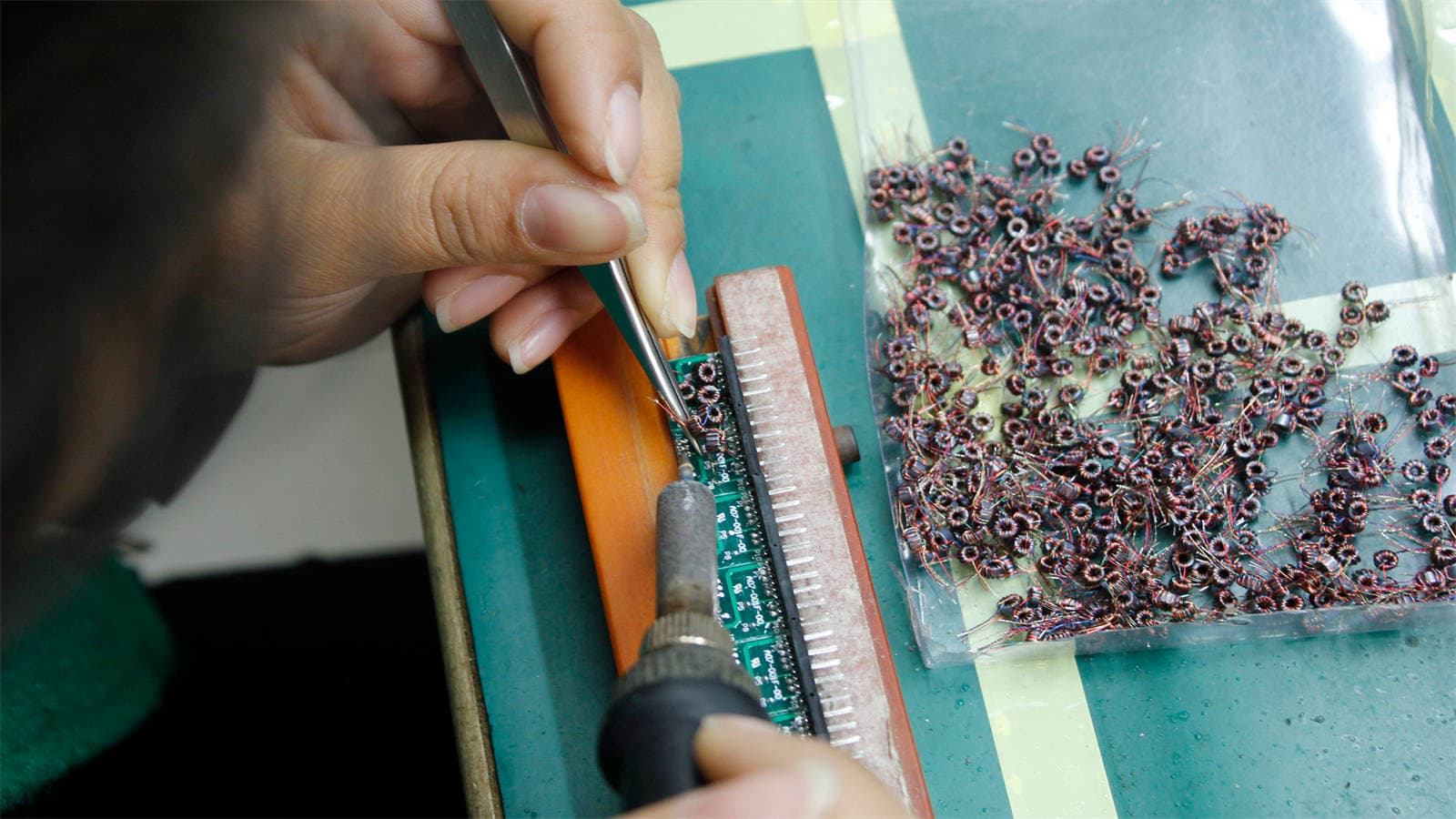
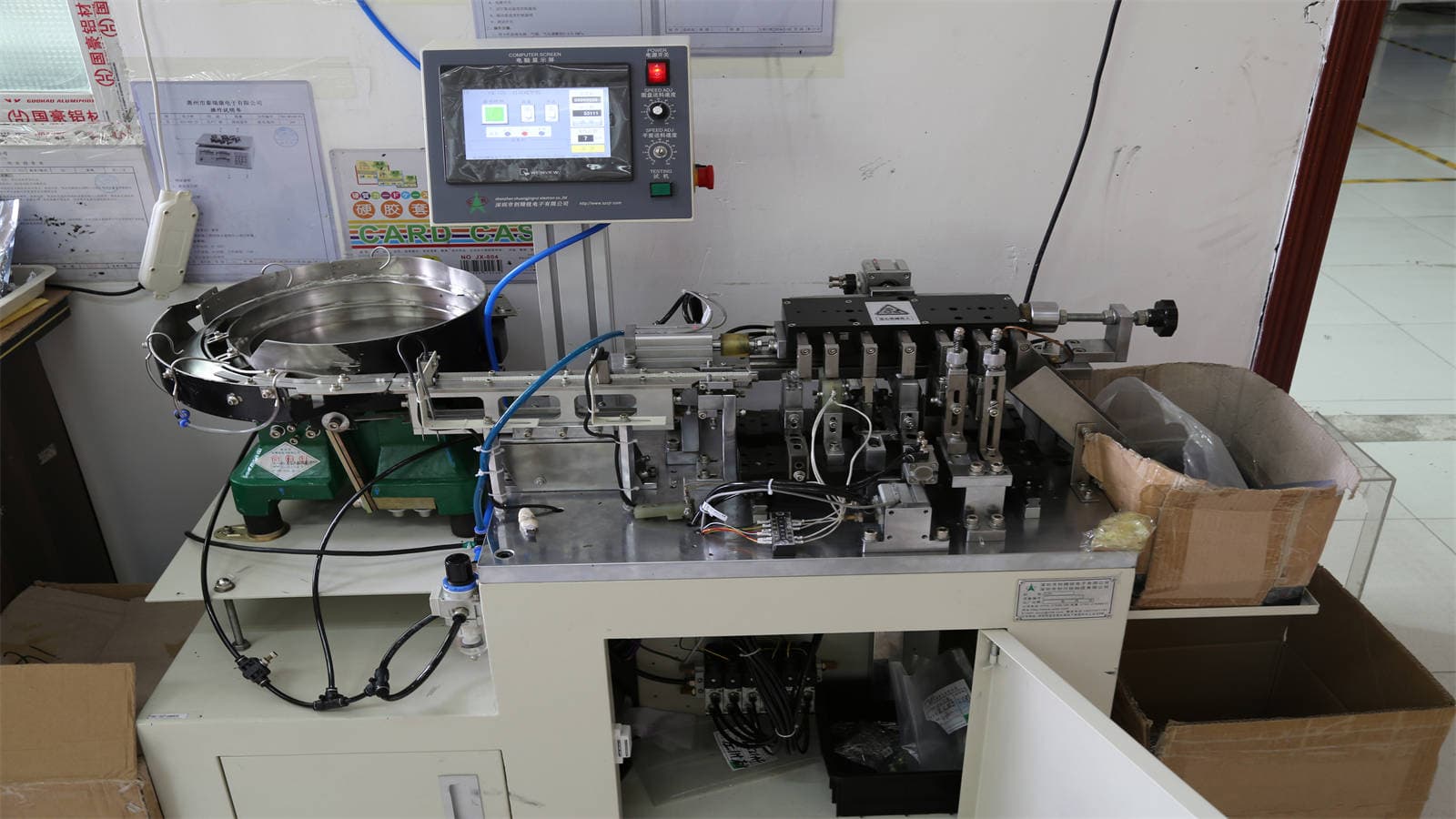
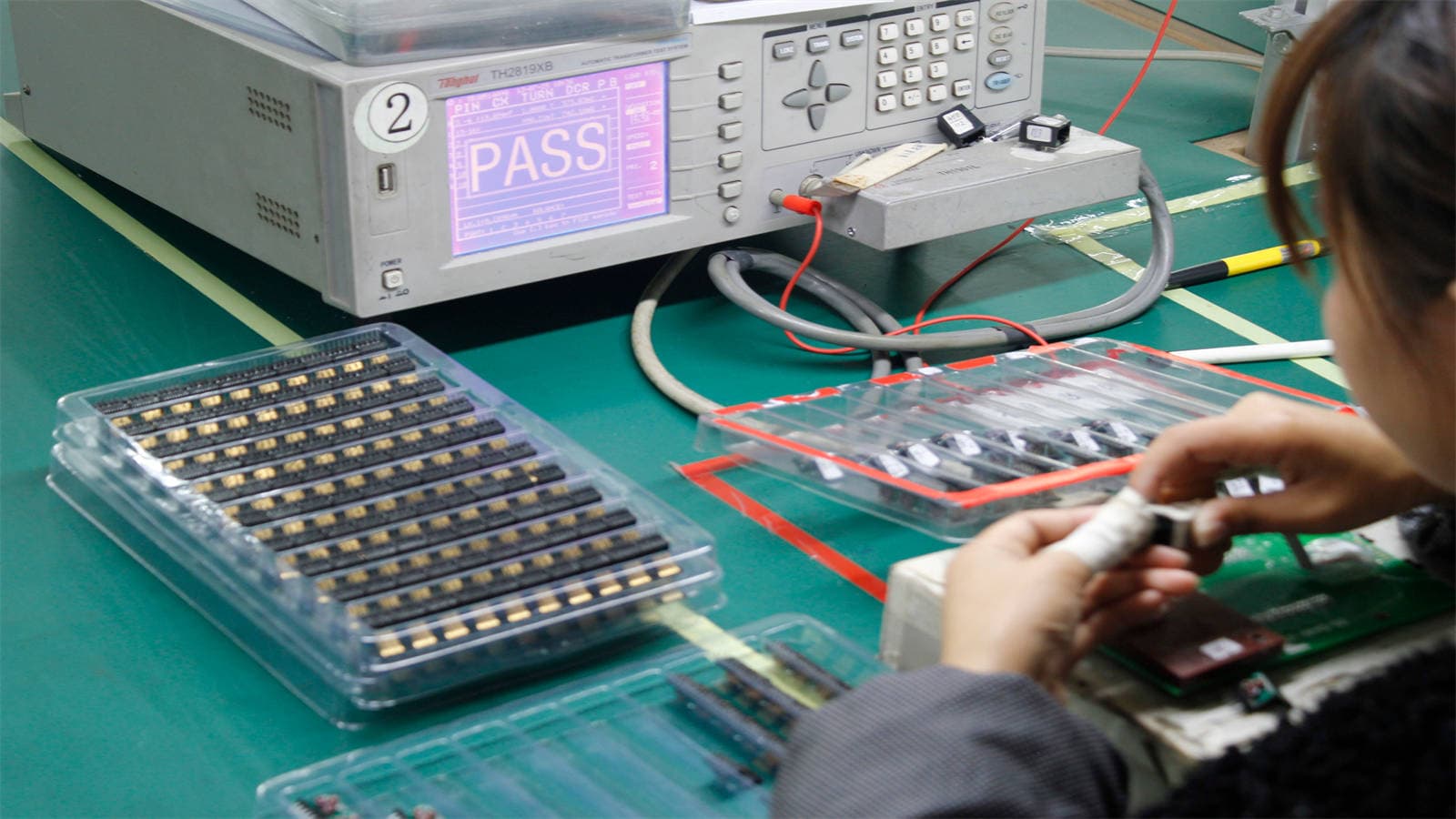
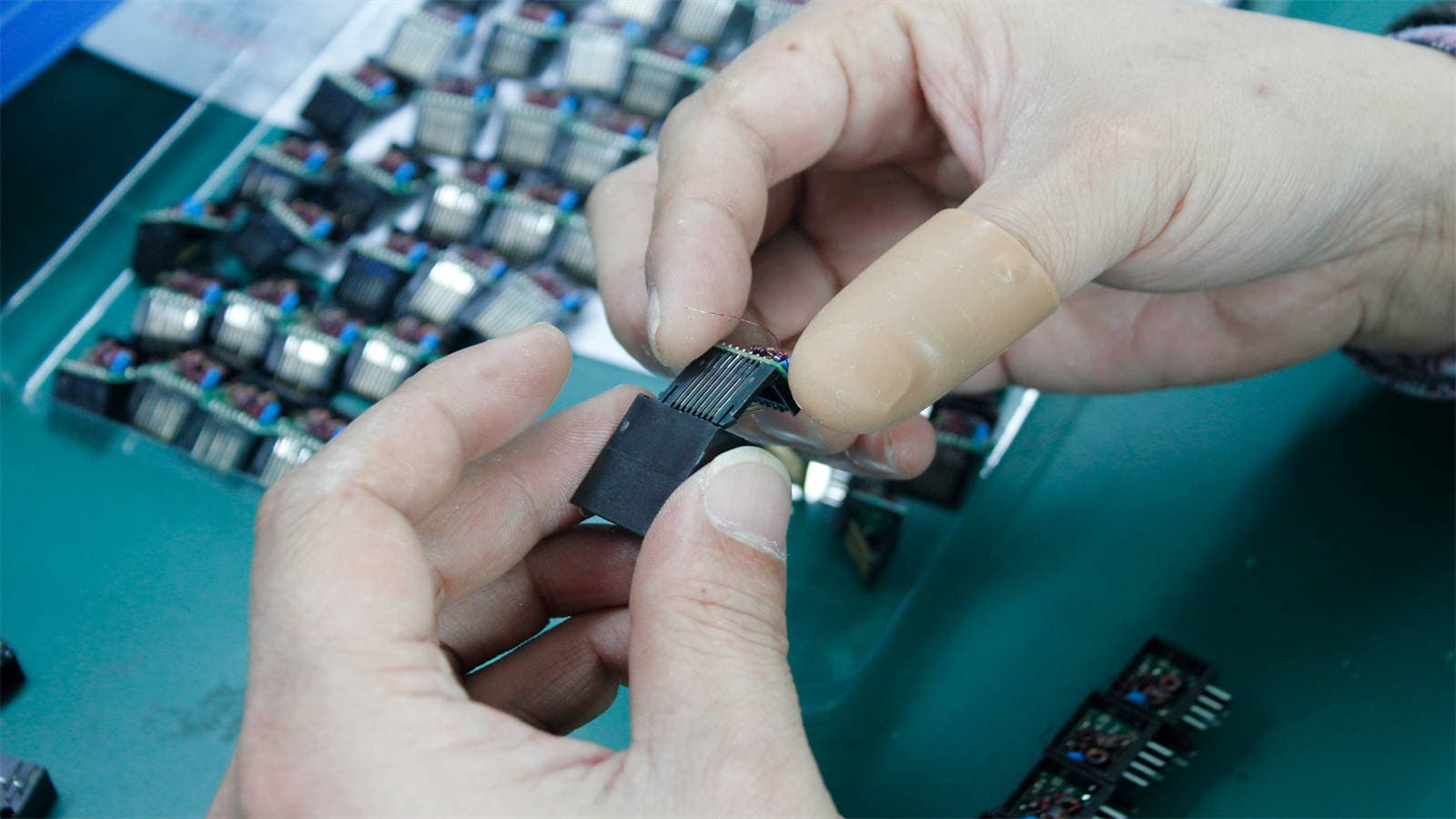
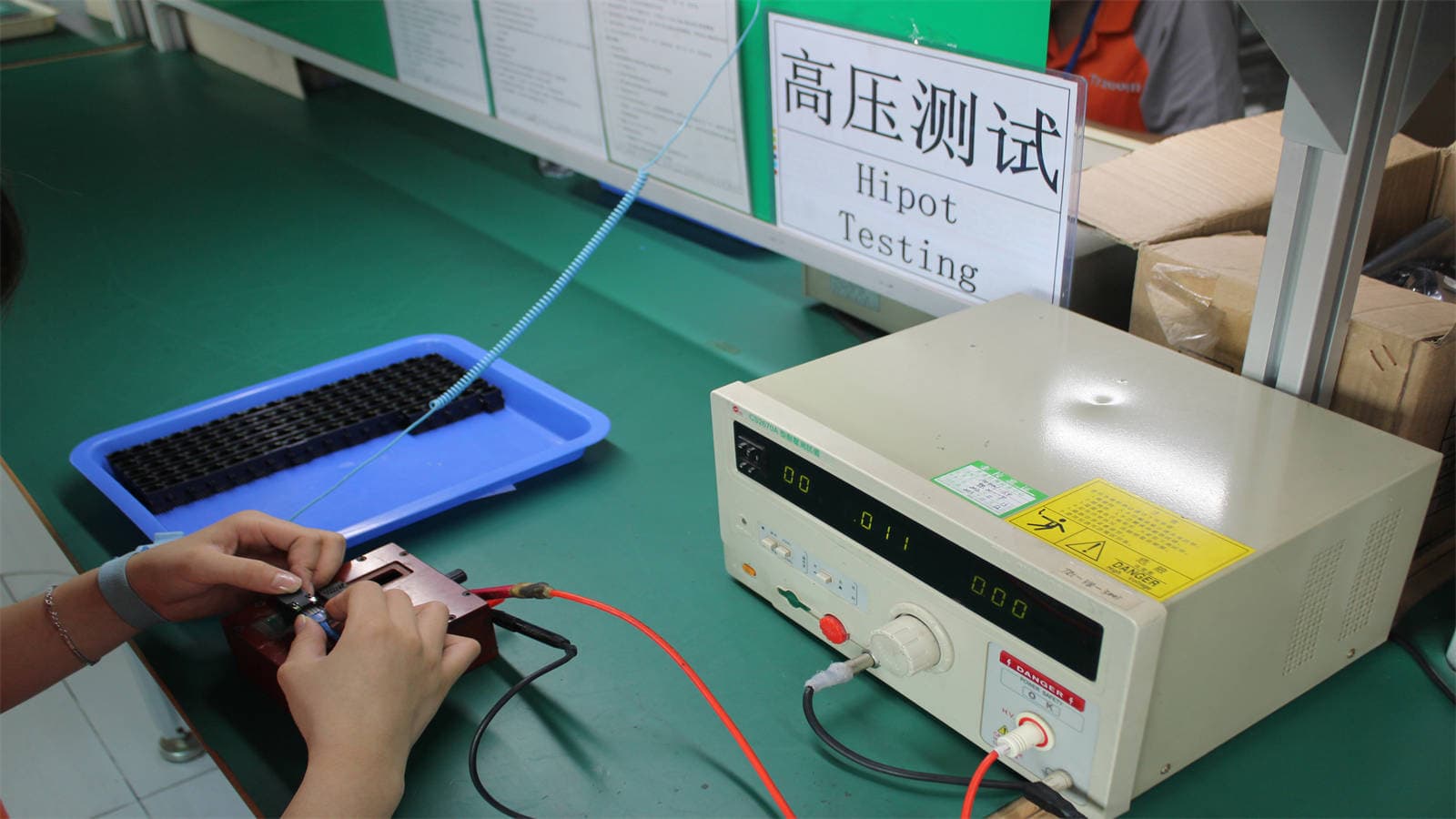
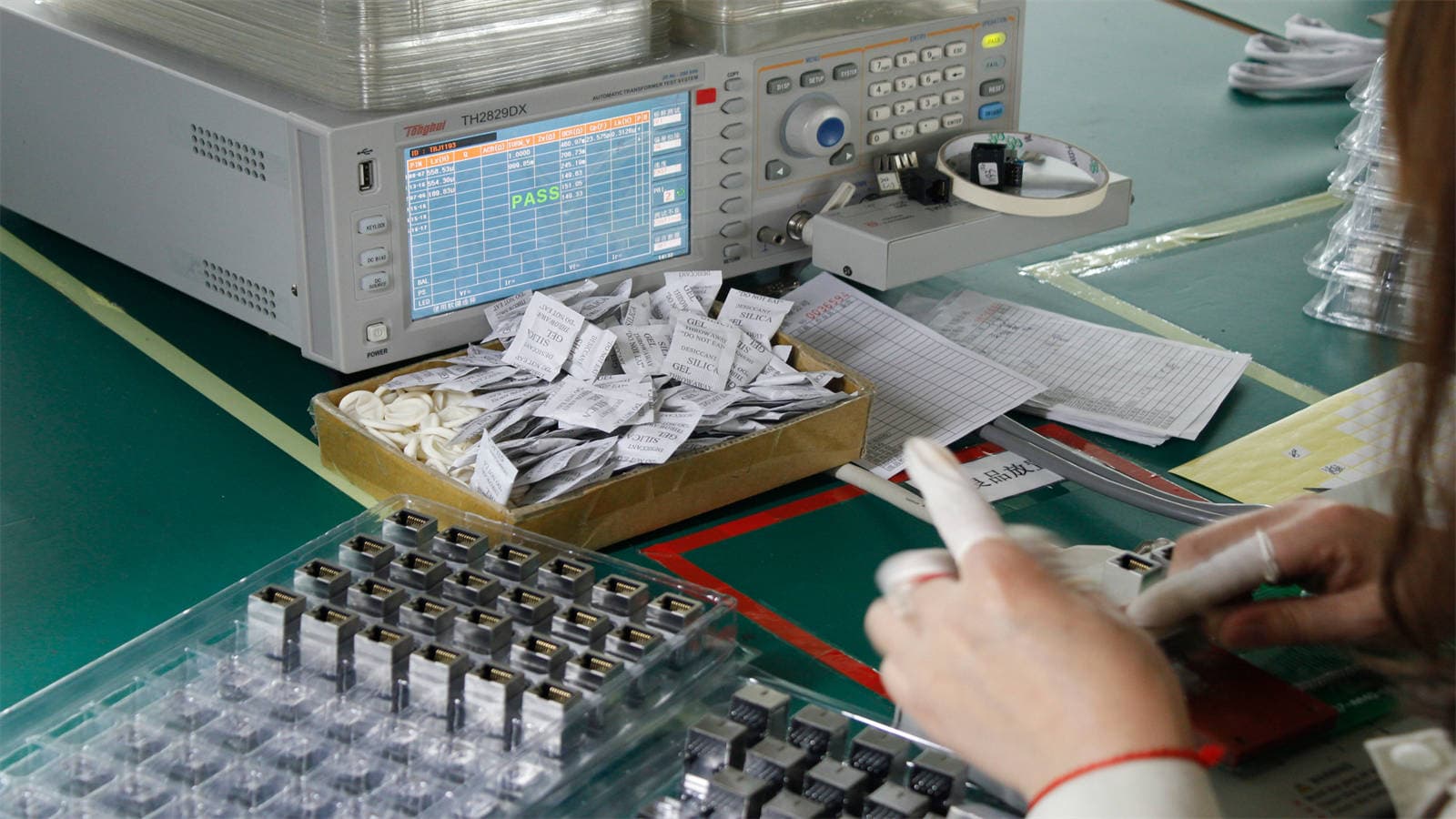
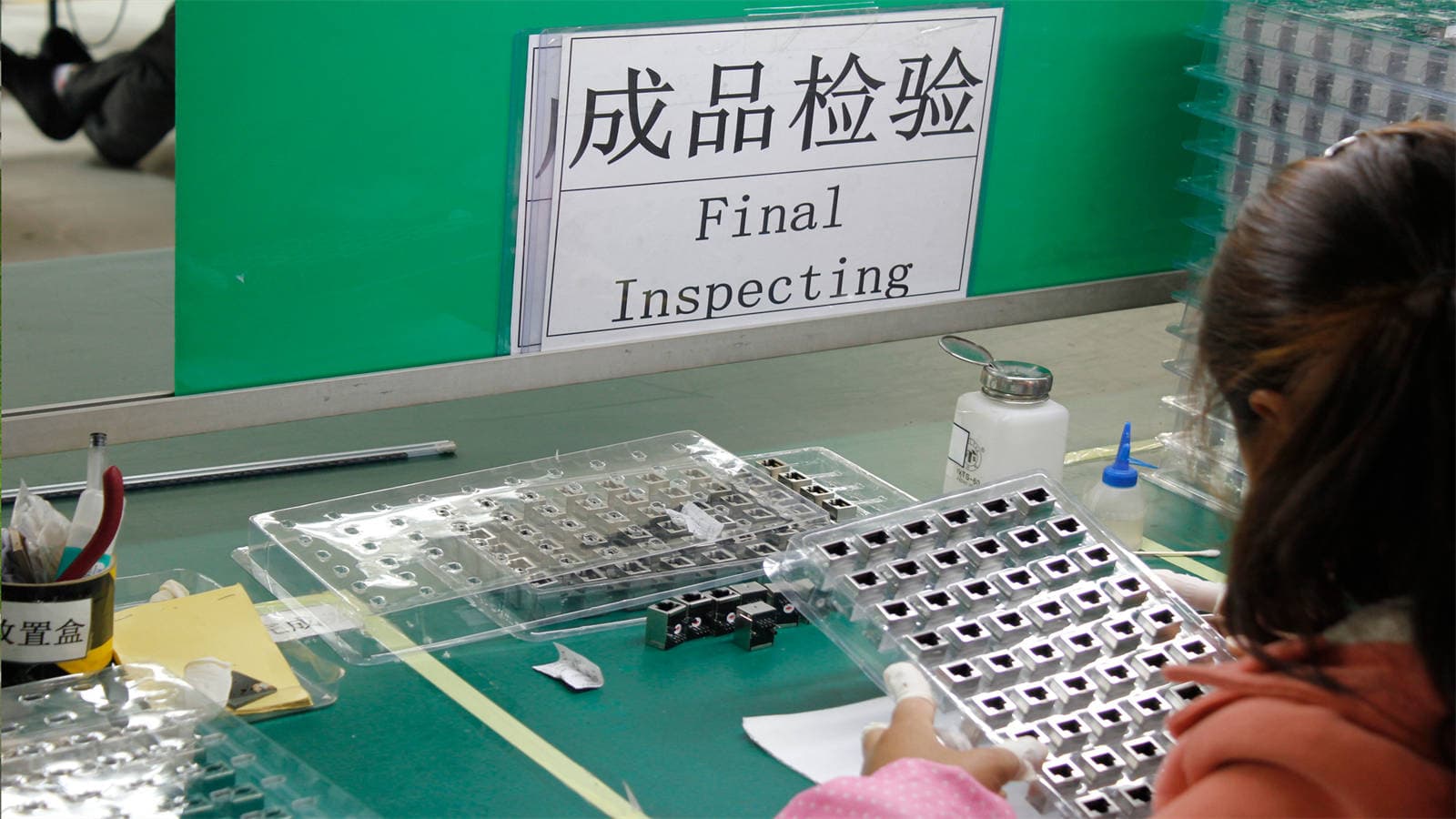

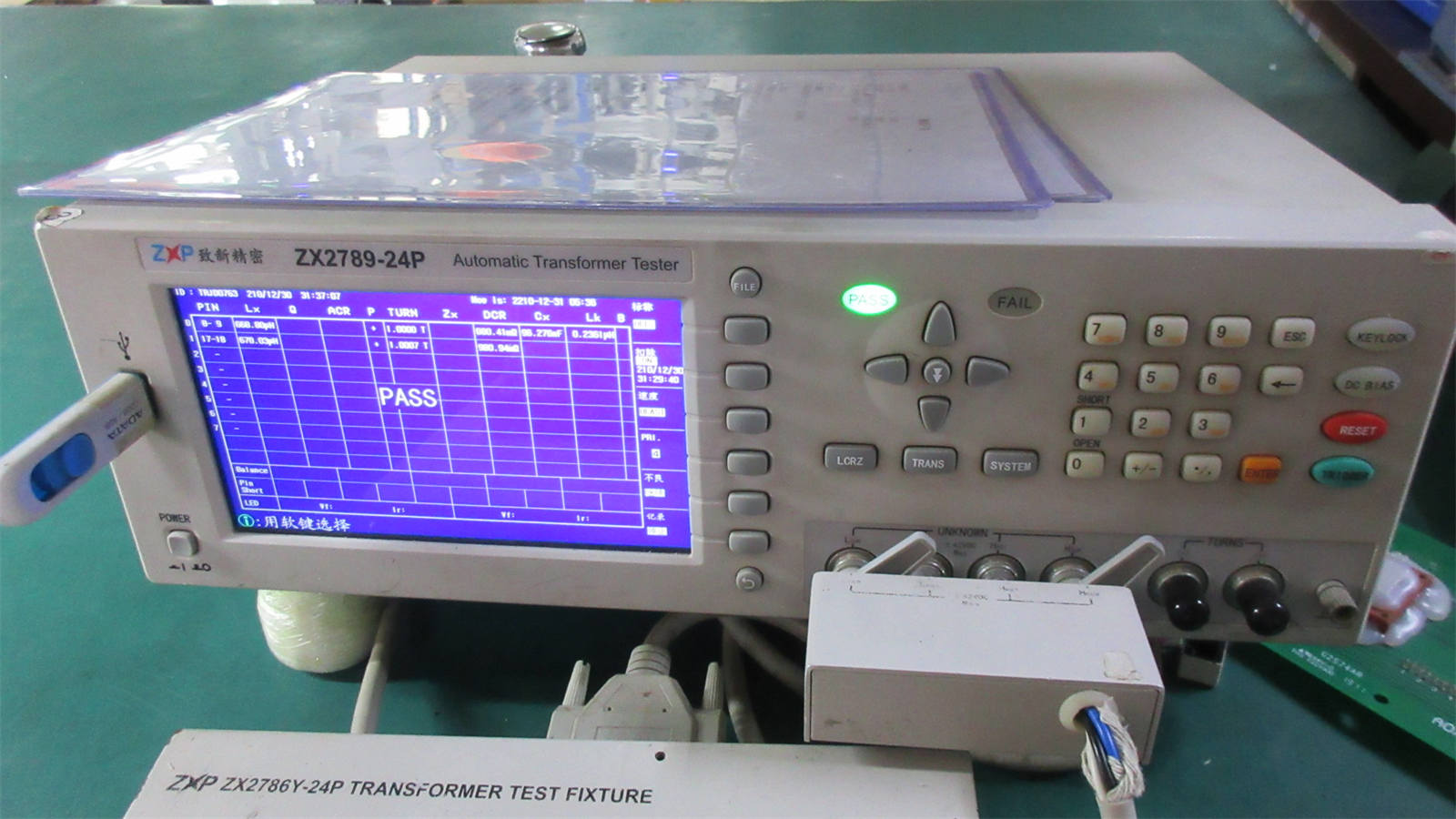
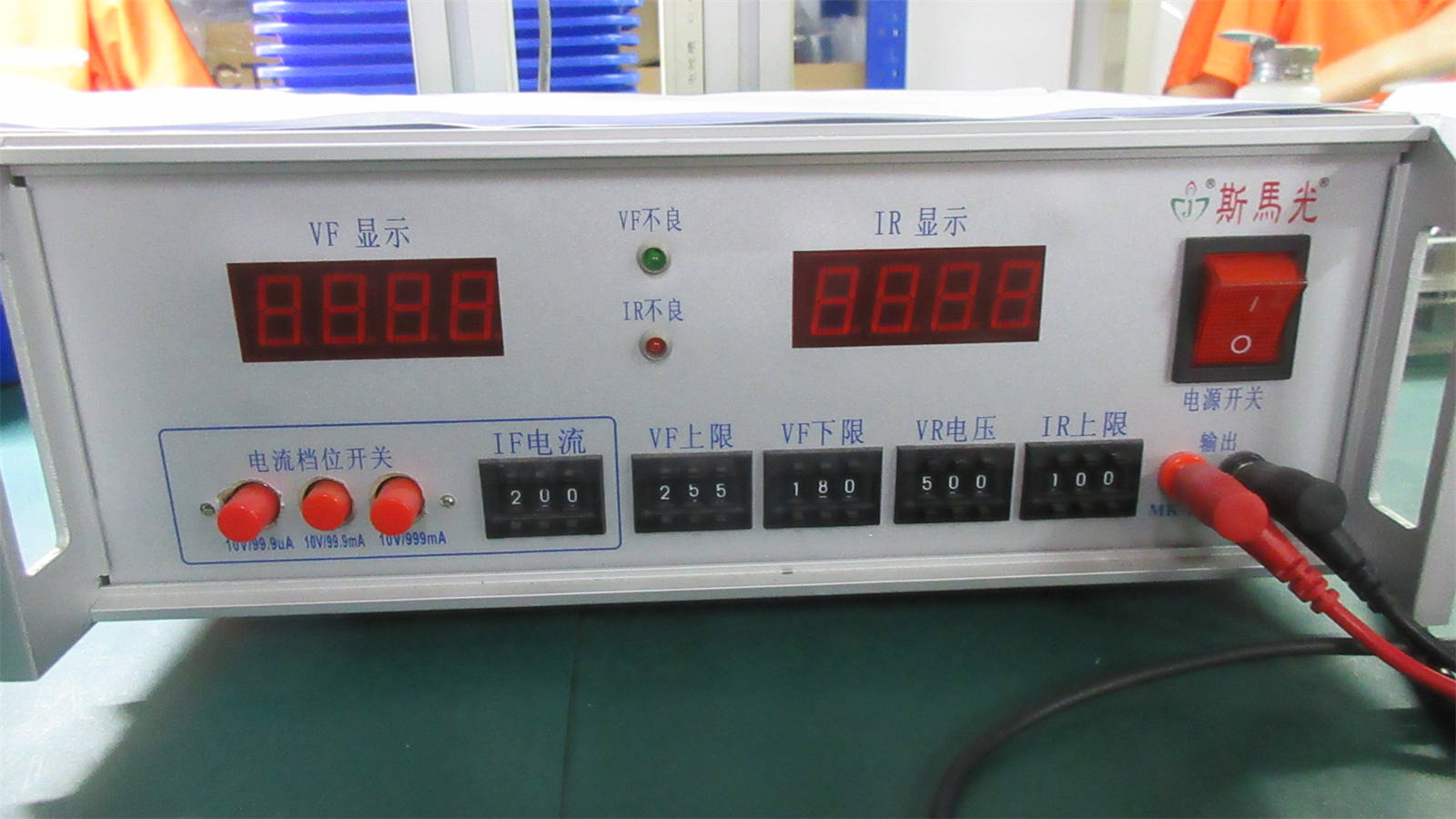
Reliability requires strict verification. We utilize advanced testing units to inspect electrical compliance, magnetic characteristics, and transceiver optical performance.
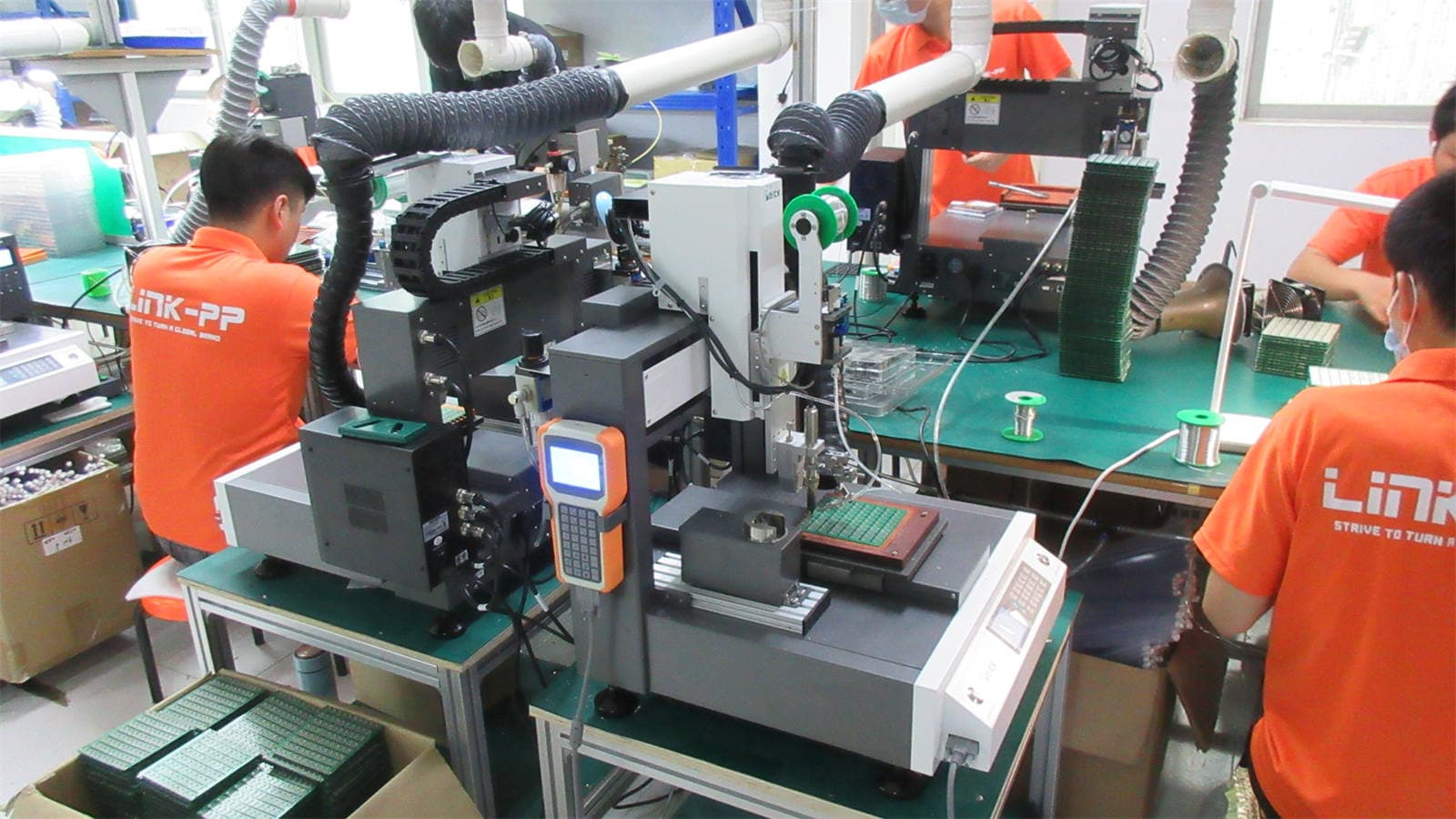
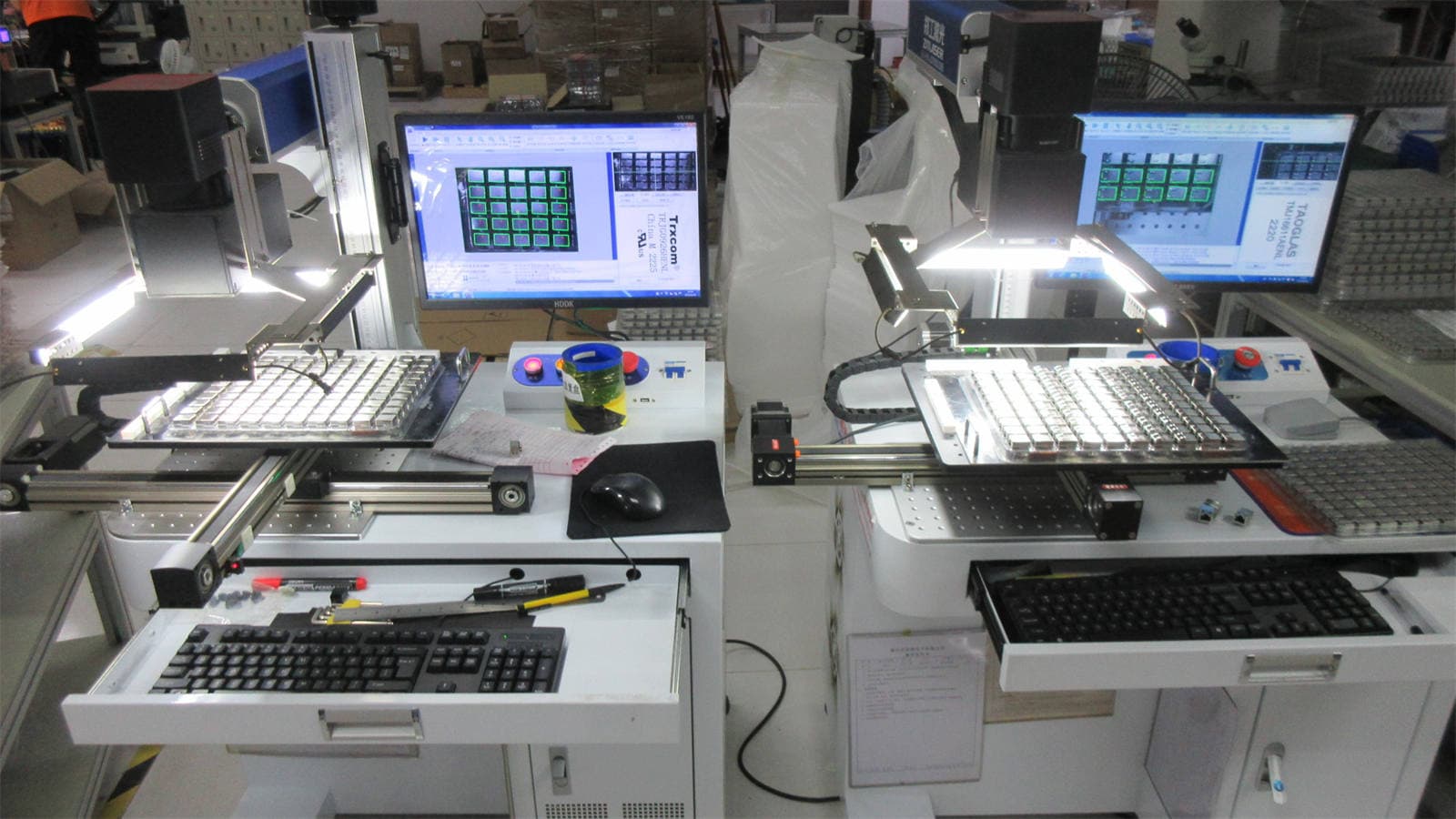
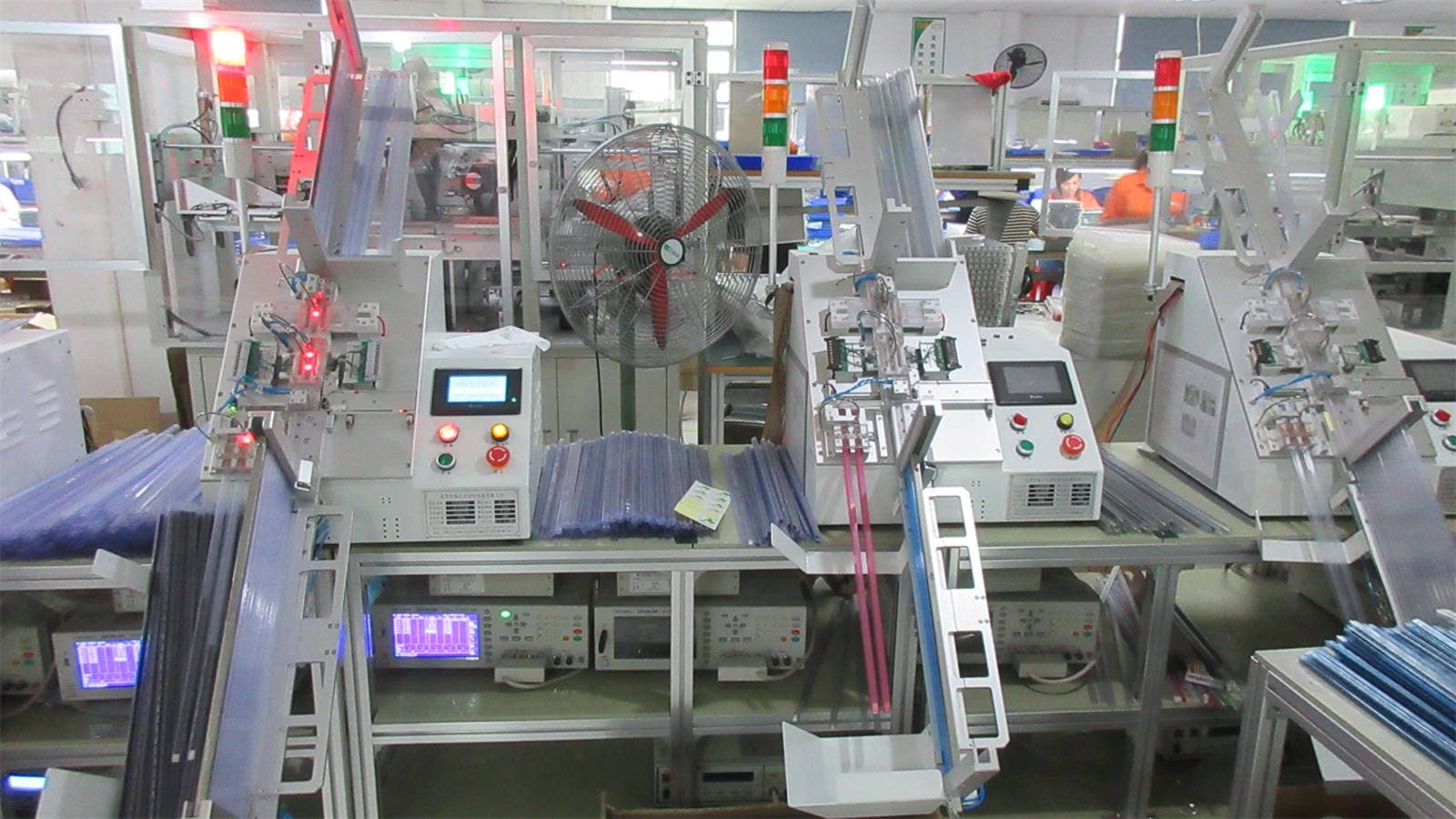
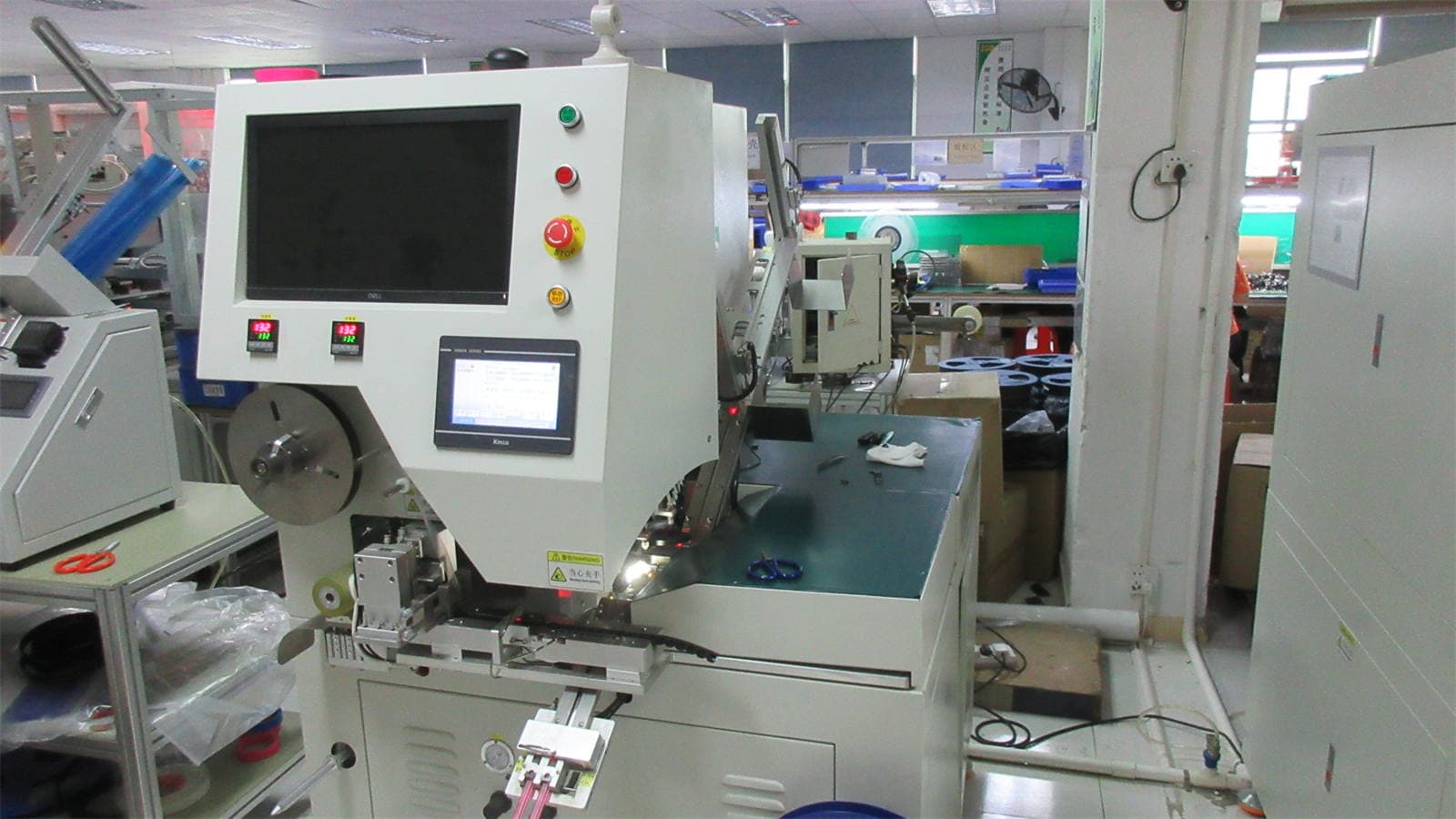
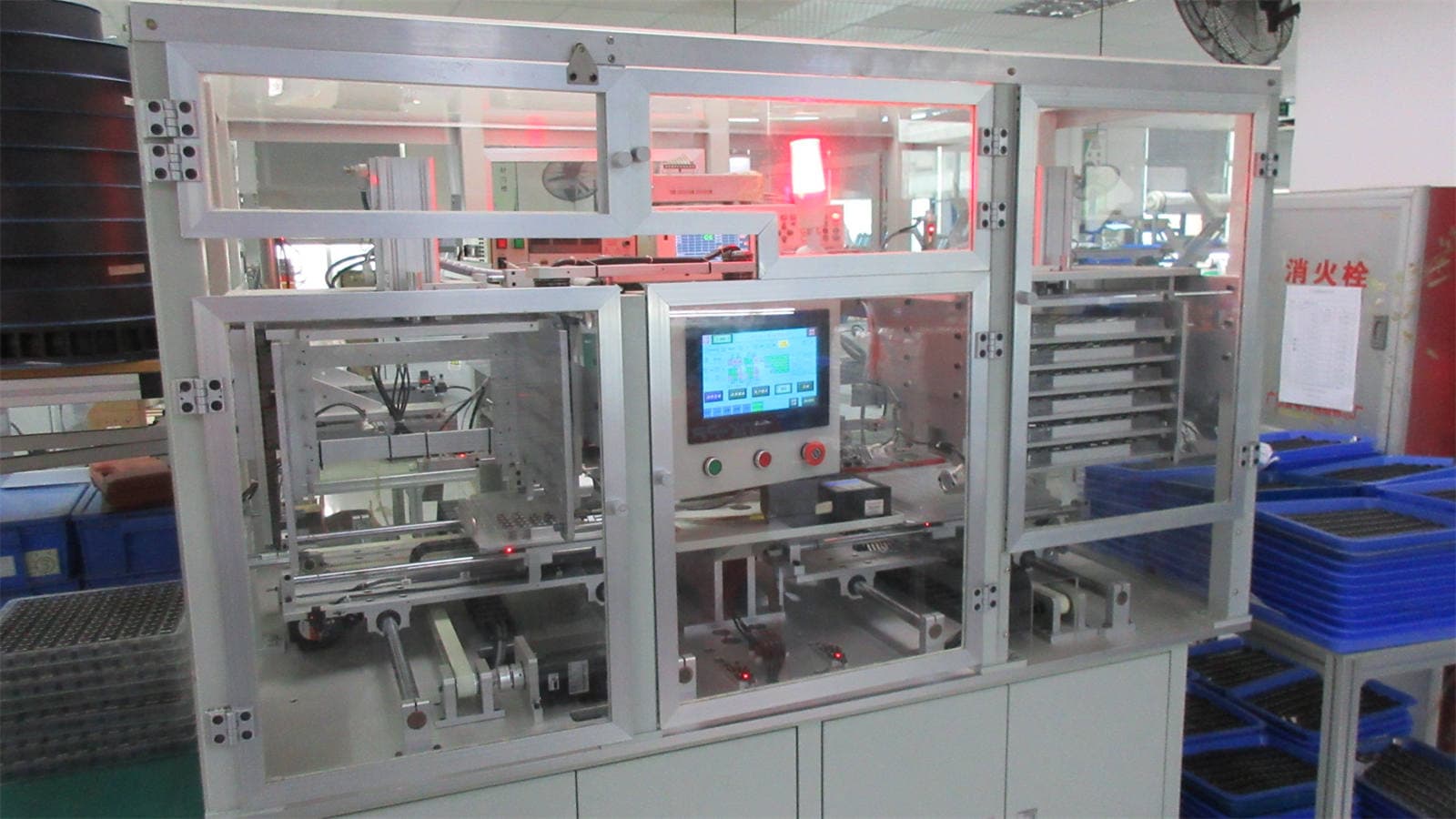
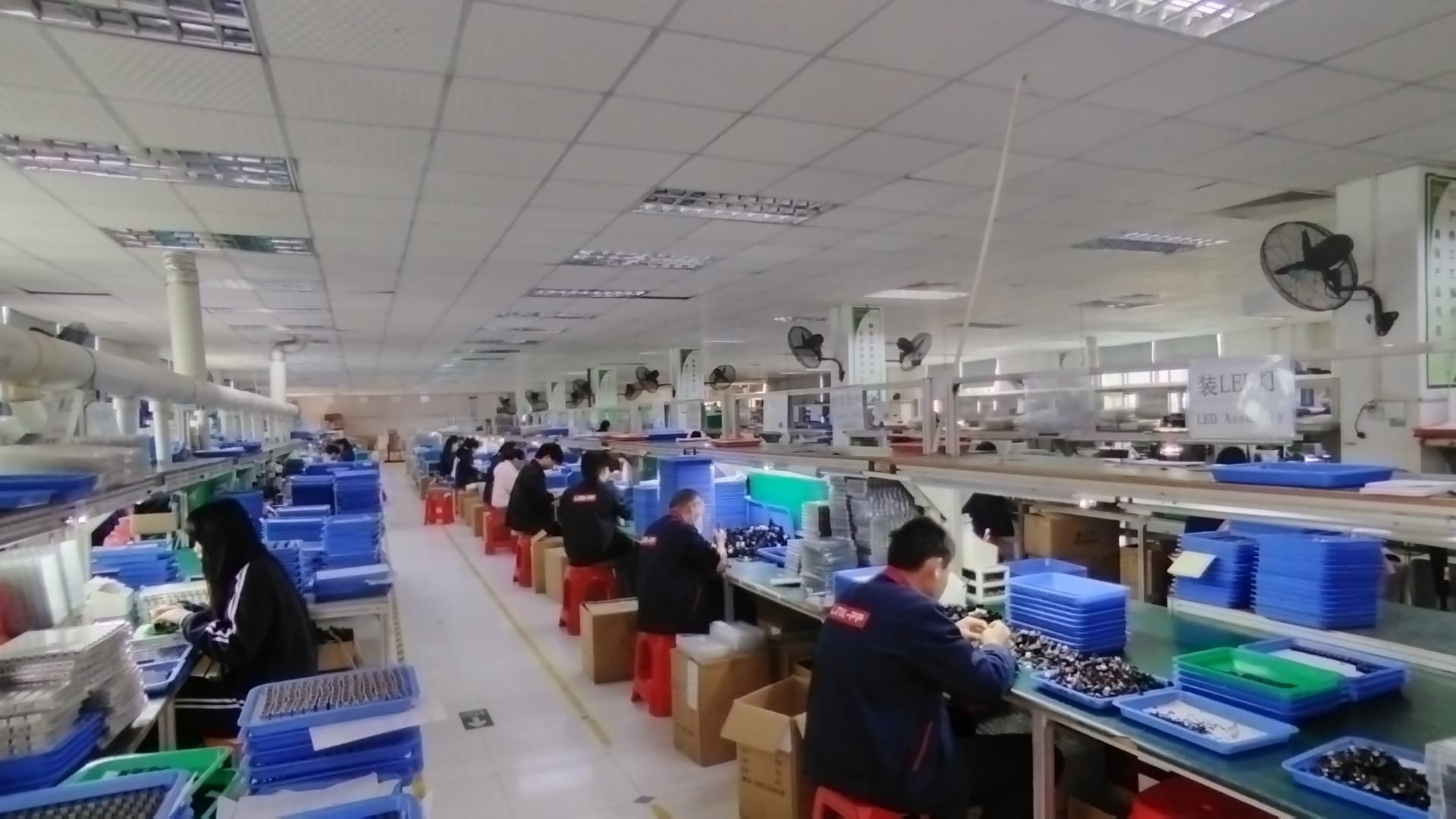

Leveraging specialized supply chains, intelligent process automation, and robust quality guarantees to lower your total cost of ownership.
By producing in Dongguan and Shenzhen - the heart of global electronics manufacturing - we leverage a mature supply chain. Every raw silicon chip, connector housing, and magnetic core is sourced within a two-hour logistics circle, translating into massive savings without sacrificing quality.
We deploy high-speed pick-and-place machines, automatic optical inspection (AOI), automated laser wire striping, and automatic magnetic wire winders. This limits manual errors, ensuring stable impedance and consistent high-frequency responses for every batch.
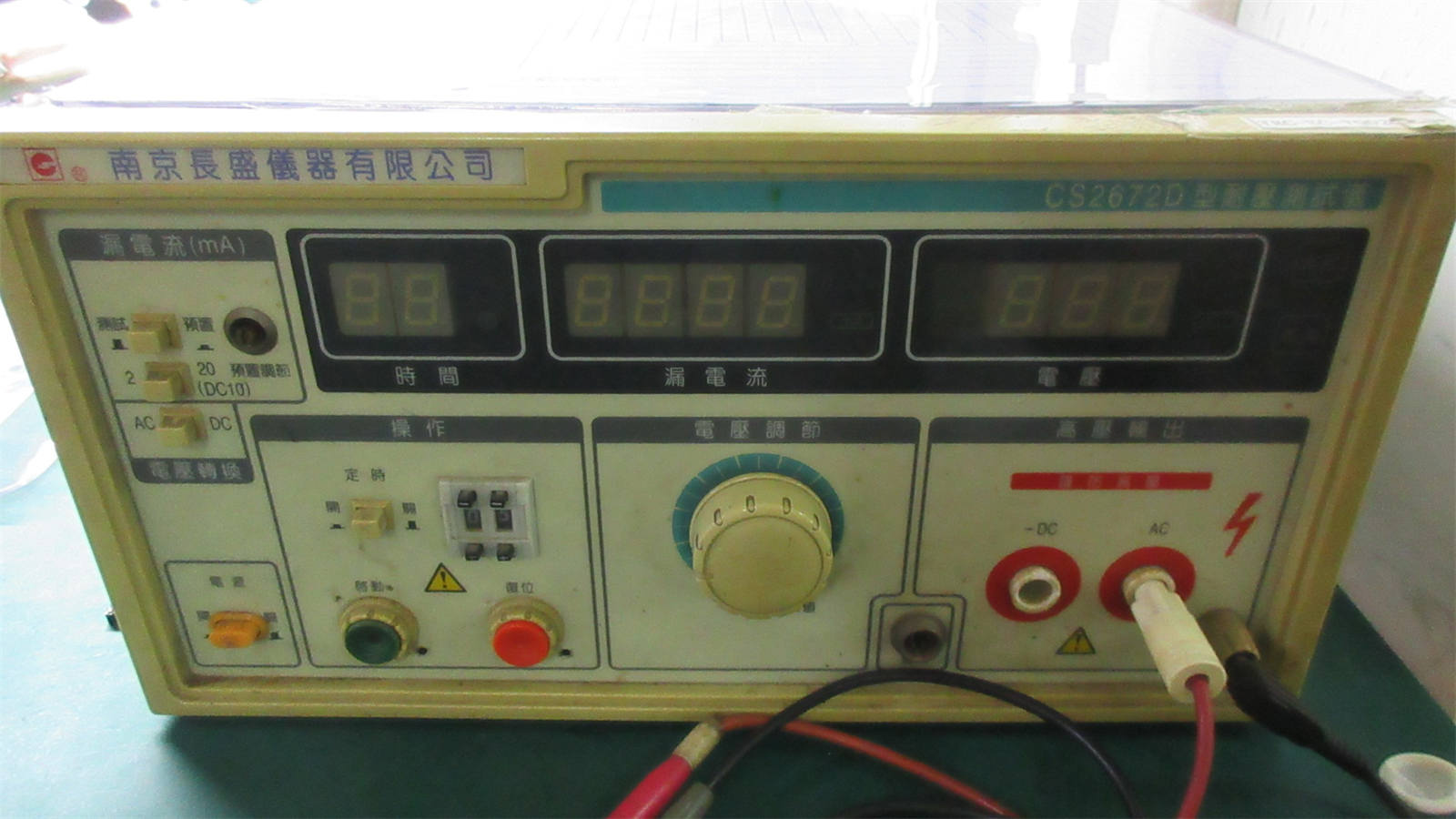
Every single optical transceiver is tested in our dynamic loopback environment, exposing the devices to varying temperatures and transmission loads. Our RJ45 and LAN magnetics undergo 100% Hi-Pot insulation testing to eliminate failure risks before packing.
Our products are engineered to function reliably across a variety of hardware architectures and harsh electrical environments.
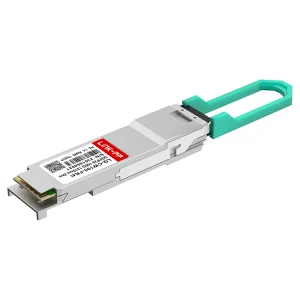
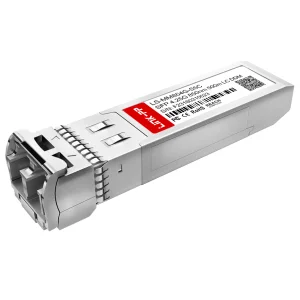
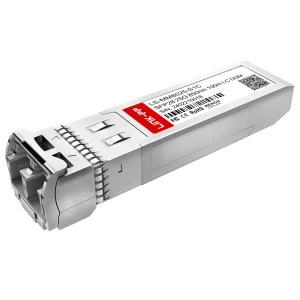
Modern AI networks depend on low-latency connections to sync GPU matrices. Our 25G SFP28 and 100G QSFP28 modules ensure seamless data flows, supporting high-throughput and low packet-drop ratios. They integrate smoothly with standard leaf-spine switches, ensuring high thermal tolerance even during continuous computational loads.
Using single-mode SFP28 and 10G DWDM optical modules, telecommunication providers can scale bandwidth across distances up to 80km. Our integrated laser-diode designs maintain wavelength precision under changing outdoor operating temperatures, lowering maintenance costs in metropolitan networks.
Industrial environments are noisy. Our shielded RJ45 modules and high-isolation LAN magnetic transformers protect delicate microprocessors from electrostatic discharges (ESD) and electromagnetic interference (EMI) generated by heavy assembly machinery.
Storage Area Networks demand reliable write speeds. Our press-fit ZSFP+ cages and multi-mode SFP+ transceivers support high-speed data writes without bottlenecks, ensuring stable server link-up times and continuous redundancy pathways.
Engineered for high density, reliability, and robust performance across critical cloud, enterprise, and access network nodes.
For hardware engineers and procurement leads, buying optical transceivers is not just about bandwidth; it's about compatibility. SFP, SFP+, SFP28, and QSFP28 modules run on software firmware that reports digital diagnostics (DDM) and EEPROM signatures. Switch vendors (like Cisco, Juniper, and Arista) require matching signatures to initialize the ports.
We read, program, and write compatible vendor codes directly onto the transceivers. This guarantees that when a Cisco device queries an optical module, it identifies it as an authorized original, preventing port lockouts.
Excess heat causes wavelength drift and signal distortion. Our modules use materials that rapidly transfer heat to the surrounding cage, keeping temperatures within standard bounds and extending operational lifespans.
Our multi-port SFP cages are built with high-quality copper alloys. They form a tight physical connection with the chassis, keeping internal electrical noise from escaping and disrupting nearby system components.
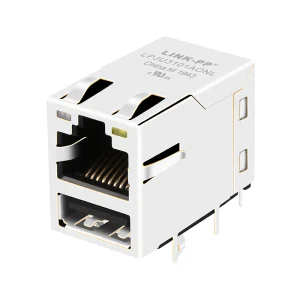
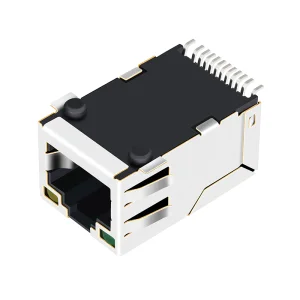
In standard copper networks, connecting a raw RJ45 port directly to a PHY chip without isolation is risky. High-voltage spikes can destroy the main processor. To prevent this, integrated magnetic transformers (MagJacks) isolate the electrical signal. These integrated assemblies combine RJ45 ports with magnetic coils, capacitors, and resistors. This design blocks common-mode noise, limits EMI, protects against voltage surges, and reduces the layout area needed on PCBs.
Get answers to common integration questions regarding optical modules, compatibility, testing, and customization options.