Lumopt
Lumopt
Lumopt
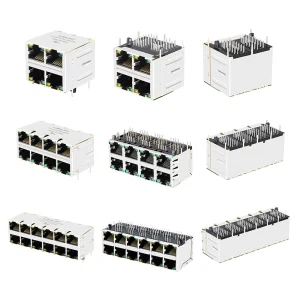
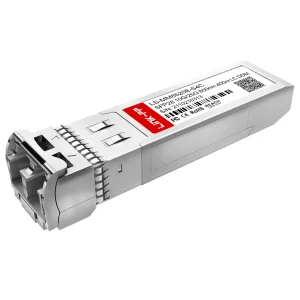
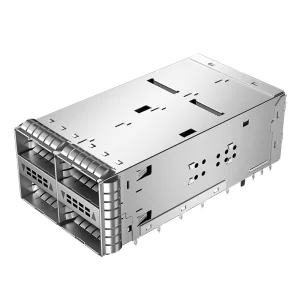
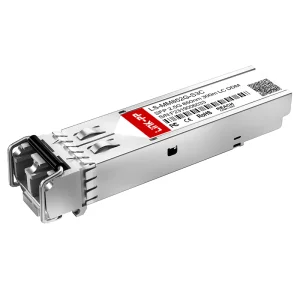
In modern enterprise infrastructure, the demand for fast, reliable, and noise-immune network connections has shifted structural copper cabling requirements to a new paradigm. Specifically, the RJ45 Extension Cable (also known as male-to-female Ethernet patch cord extensions) acts as a critical link in industrial, laboratory, data center, and smart-home networking topologies. Far from being a simple connector extension, these components are precision-engineered copper assemblies designed to maintain complex high-speed signaling parameters across varied environment profiles.
Historically, network layouts were fixed during construction. However, the rise of modern industrial modularization, server cabinet re-configurations, and edge computing installations has highlighted the need for extension systems that do not compromise signal integrity. Modern RJ45 extension cables must meet strict electrical engineering criteria—such as high-performance near-end crosstalk (NEXT) mitigation, precise impedance matching, and optimal return loss statistics—all while offering robust mechanical strain relief.
Choosing the correct RJ45 extension cable requires a deep understanding of its internal copper arrangement and shielding design. Selecting the wrong type can turn a cable extension into an antenna, collecting Electromagnetic Interference (EMI) and Radio Frequency Interference (RFI) that leads to packet drops and slowed transfer rates. Below is a breakdown of the primary shielding configurations:
Ideal for cost-conscious, low-noise environments. It relies on the balance of the twisted copper pairs to reject common-mode noise. Recommended for standard office patches where EMI is minimal.
Features an overall aluminum-mylar foil wrap shielding all pairs. It blocks external high-frequency noise, making it suitable for standard industrial control panels and cable tracks near power lines.
The premium standard for automated production lines and medical imaging systems. An outer metal braid combined with individual foil-wrapped pairs provides maximum mechanical stability and high-level EMI isolation.
For wholesale distribution, matching the wire gauge (AWG) to the application is vital. Standard RJ45 patch cords use 24 AWG, 26 AWG, or 28 AWG conductors. In PoE (Power over Ethernet) environments, thinner wires (like 28 AWG) generate higher thermal buildup under load. Therefore, for PoE+ (Type 2) and PoE++ (Type 3 and Type 4) applications, we use 24 AWG solid oxygen-free copper conductors. This ensures low resistance and prevents voltage drops over longer distances.
Lumopt Opto Technology Co., Ltd., registered as Luguang Communication Technology Co., Ltd. in China, is a professional Chinese manufacturer and exporter specializing in high-performance optical transceivers and advanced networking products.
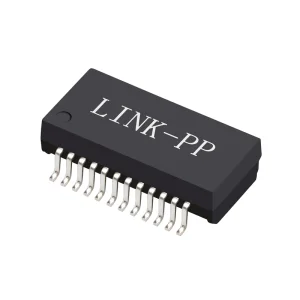
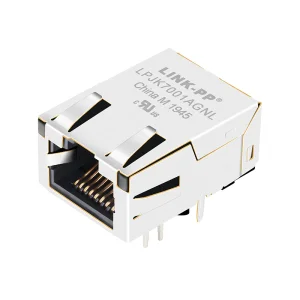
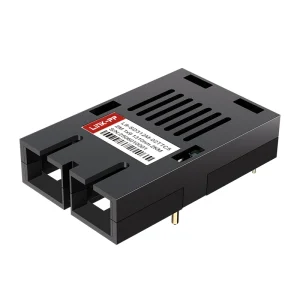
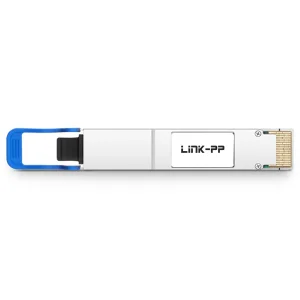
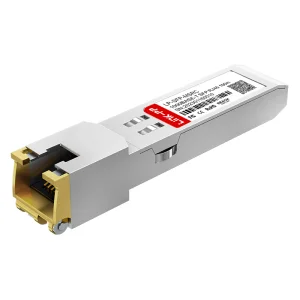
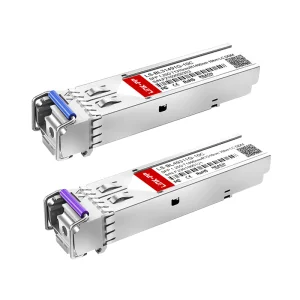
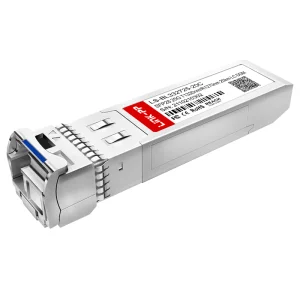
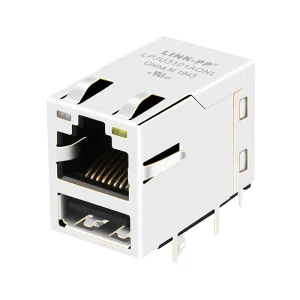
We focus on the R&D, production, and customization of full-series optical modules covering 10G, 25G, 100G, 400G, 800G, and 1.6T products. These are widely used in data centers, telecom networks, cloud computing, AI computing equipment, and enterprise communication systems. Our copper and optoelectronic manufacturing capabilities are seamlessly integrated, allowing us to supply high-performance copper patch cables, RJ45 magnetic connectors, and transceivers to global clients.
Equipped with dust-free production workshops, automated testing machinery, and a professional R&D team, we implement strict quality controls. All our products comply with international industry standards, are certified for reliability, and support OEM & ODM services to meet diverse buyer requirements.
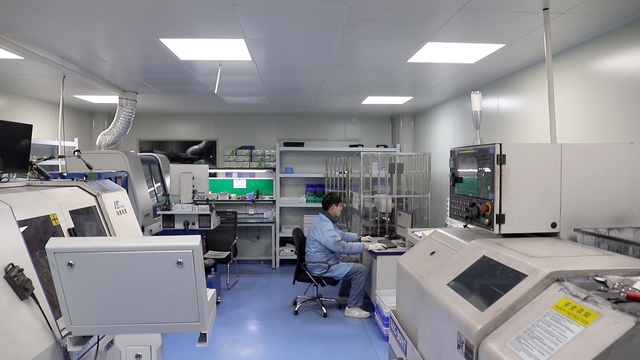
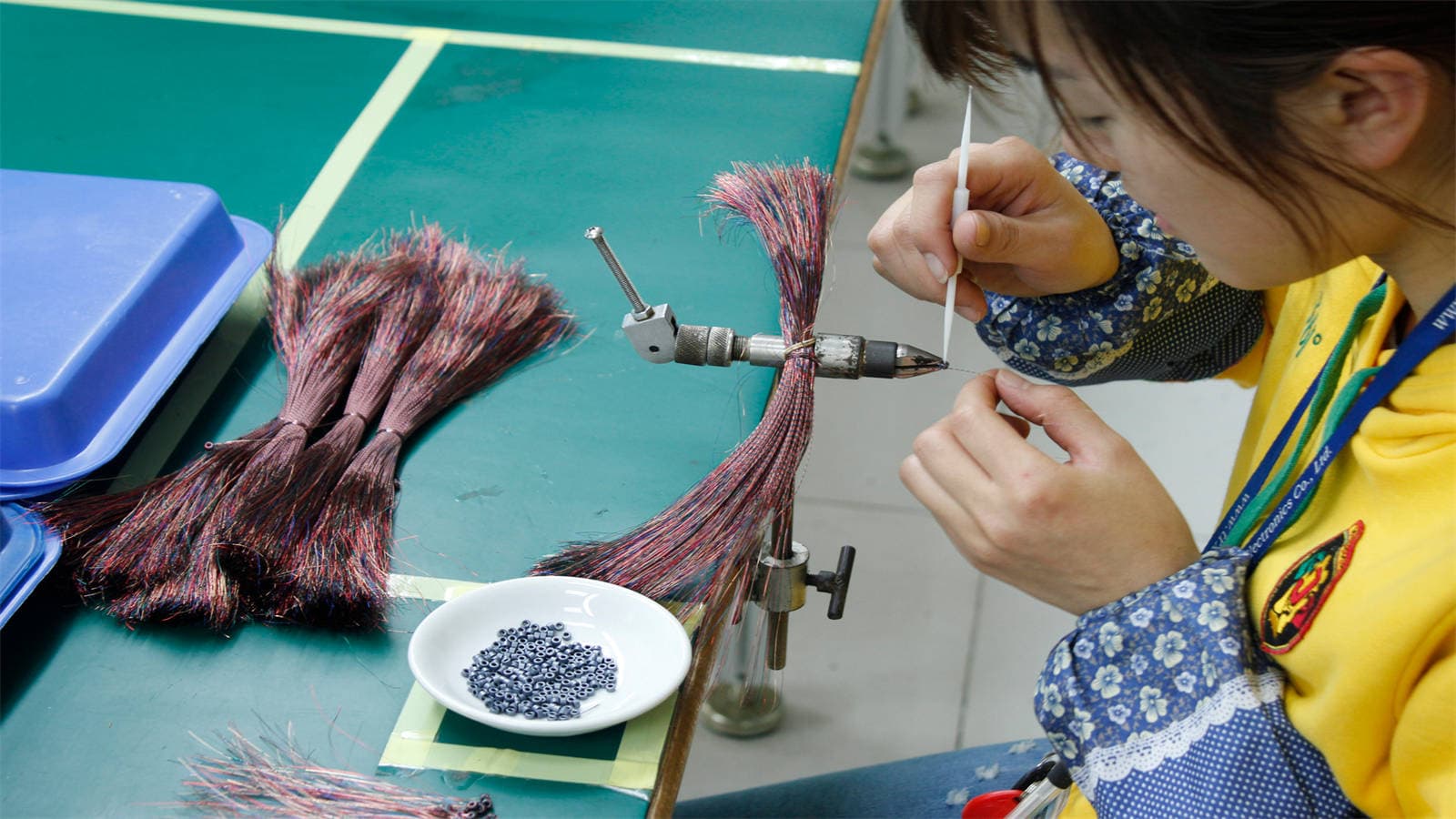
Every RJ45 interface and transceiver we manufacture goes through a strict sequence of twisting, tinning, assembly, and testing. This ensures full signal compliance before packaging.
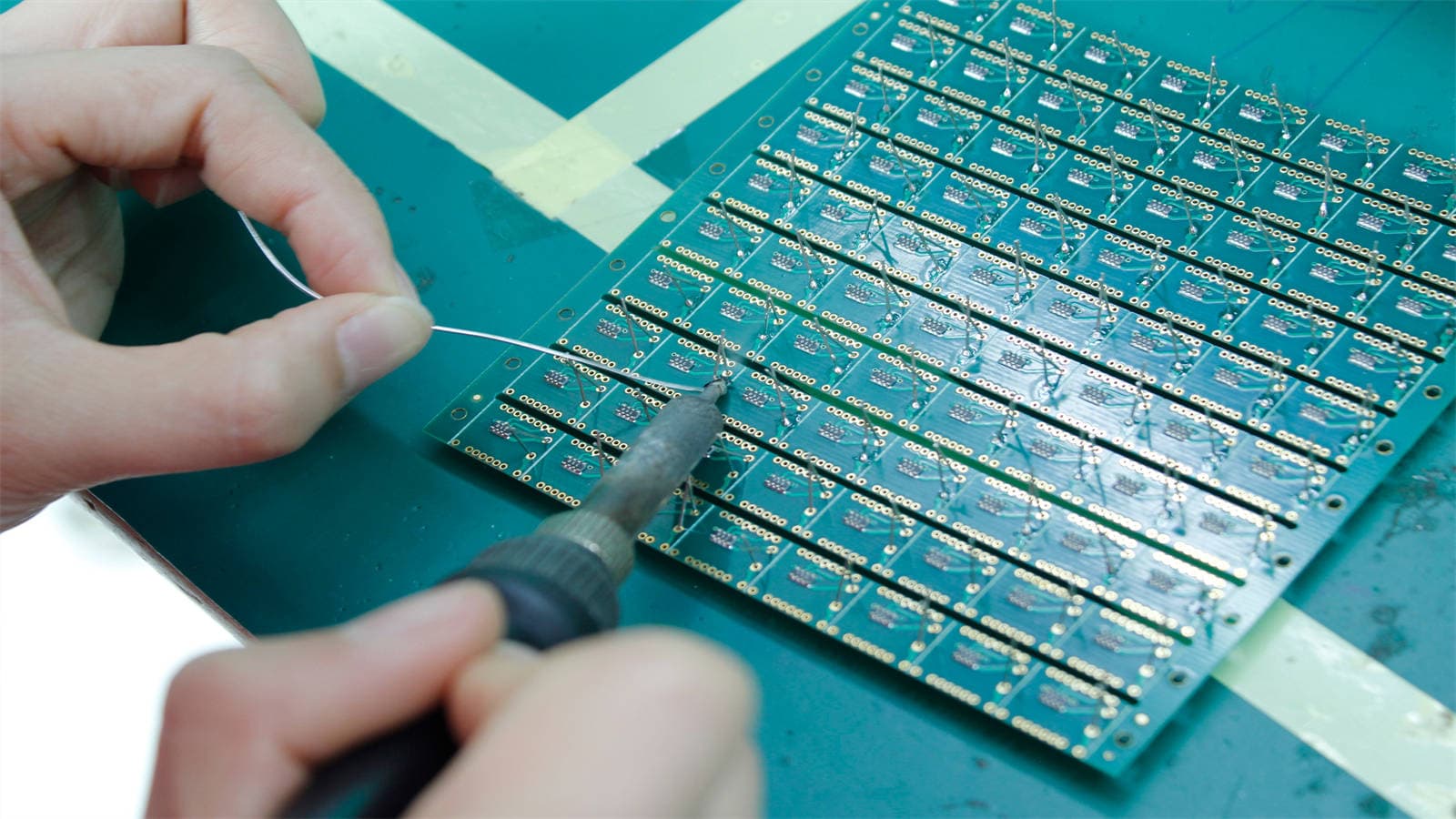
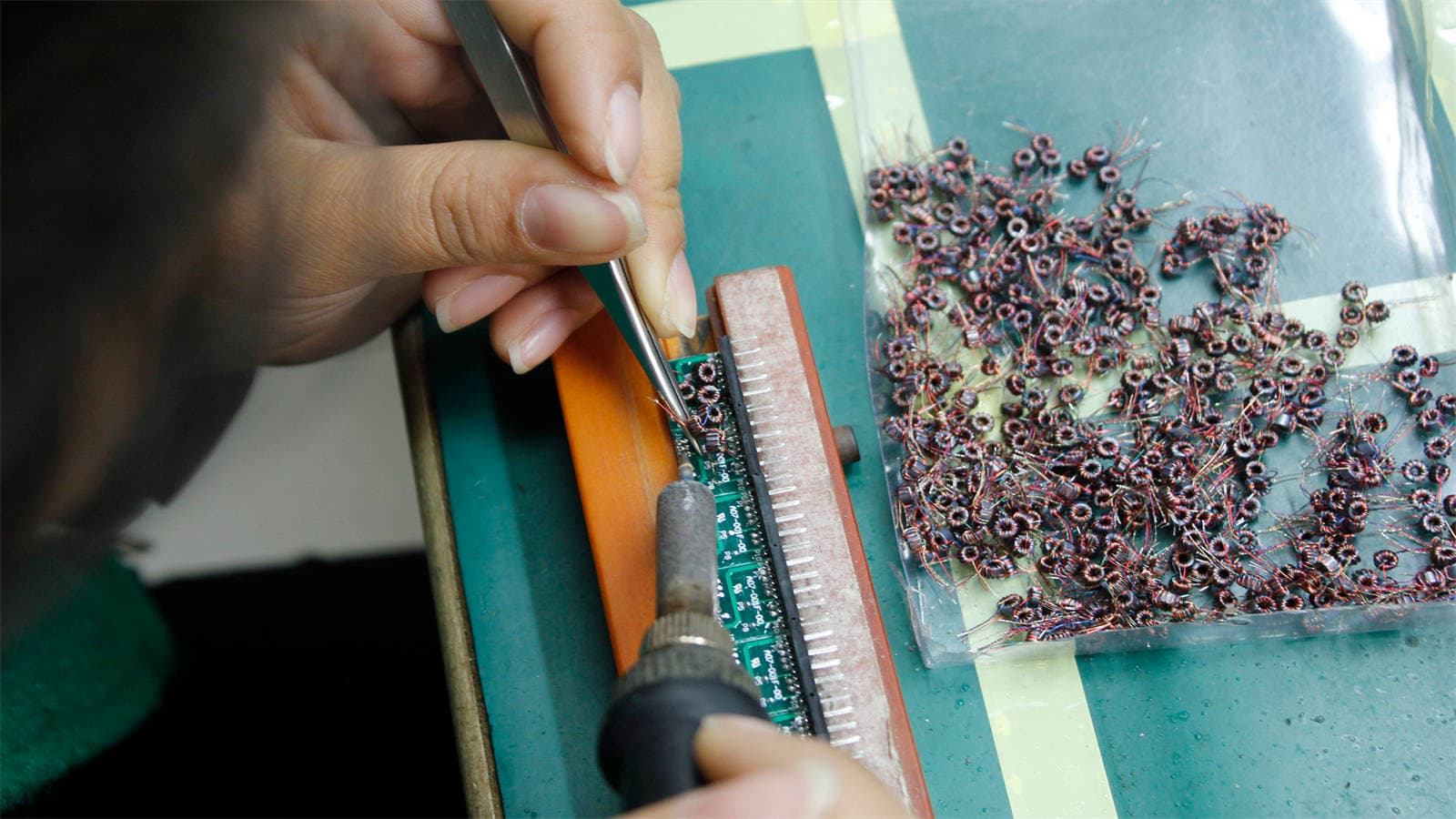
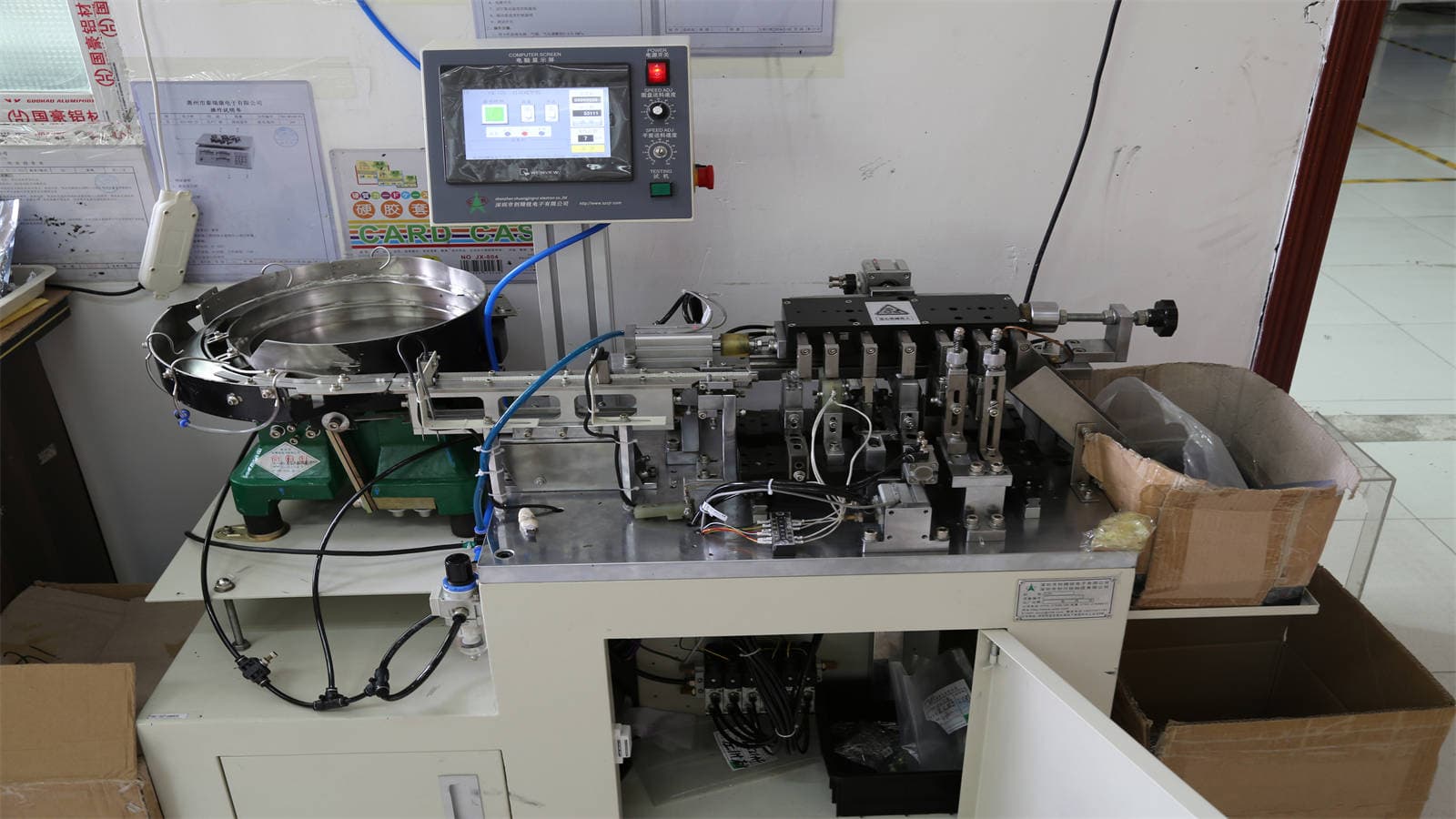
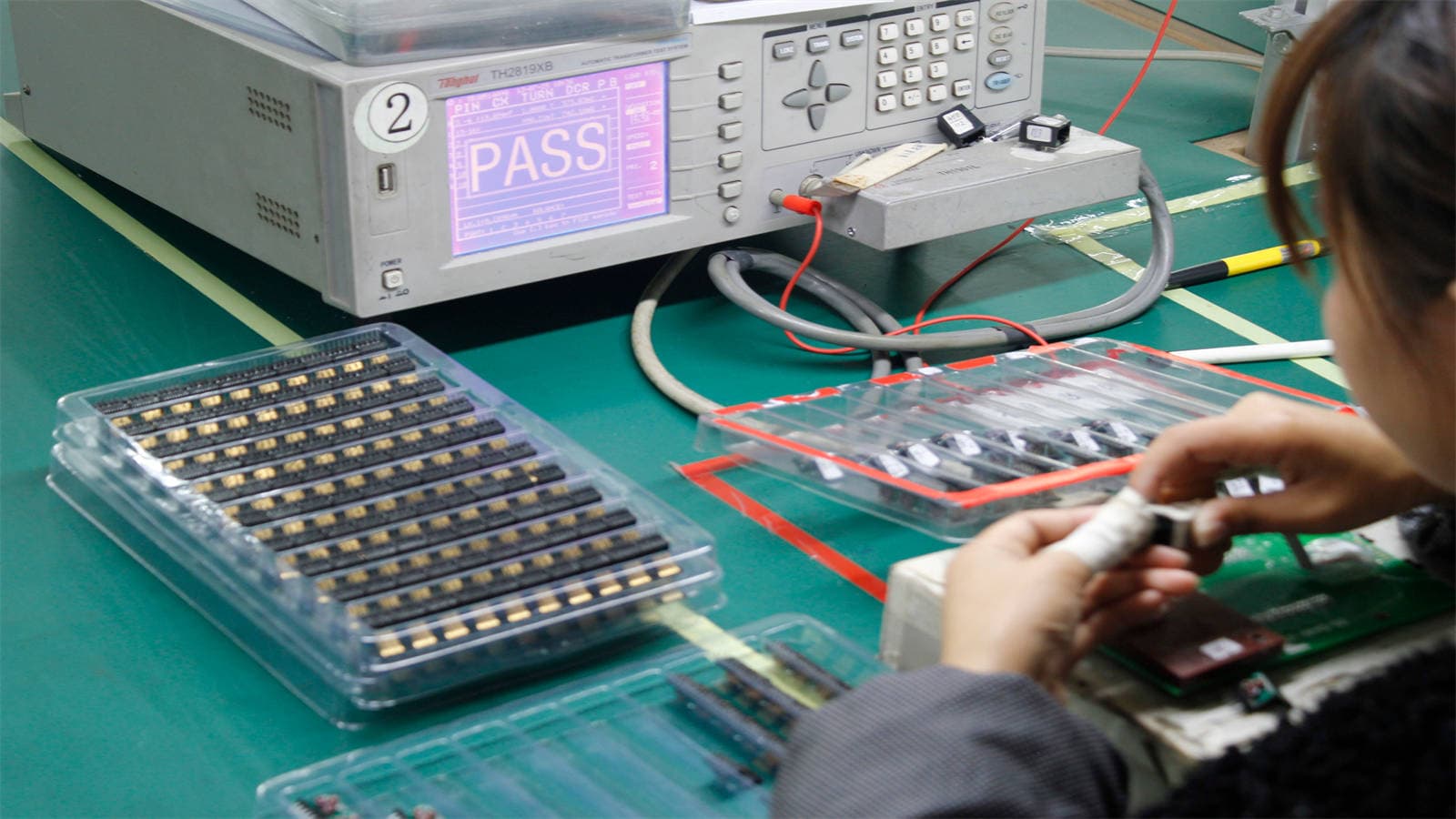
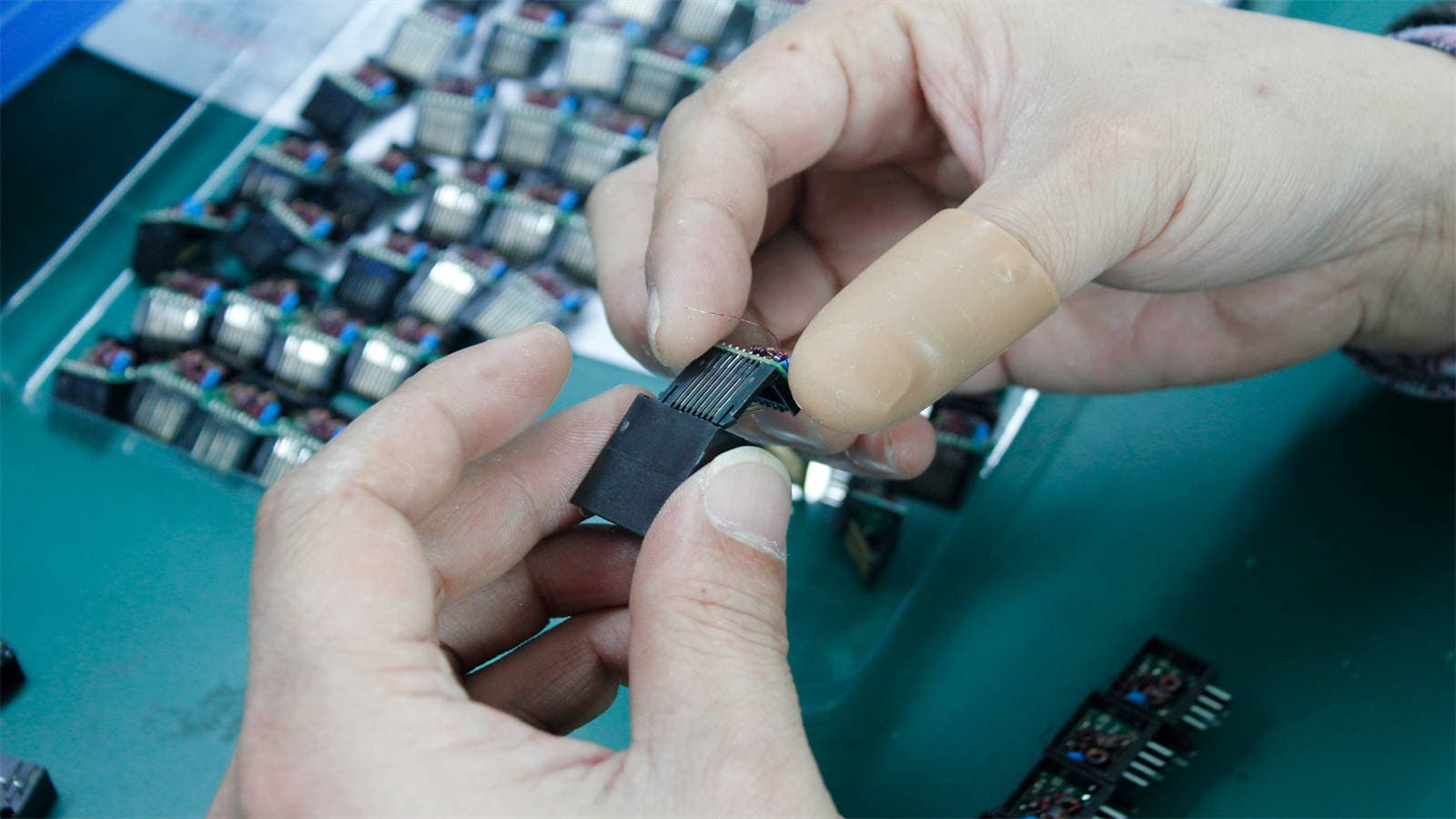
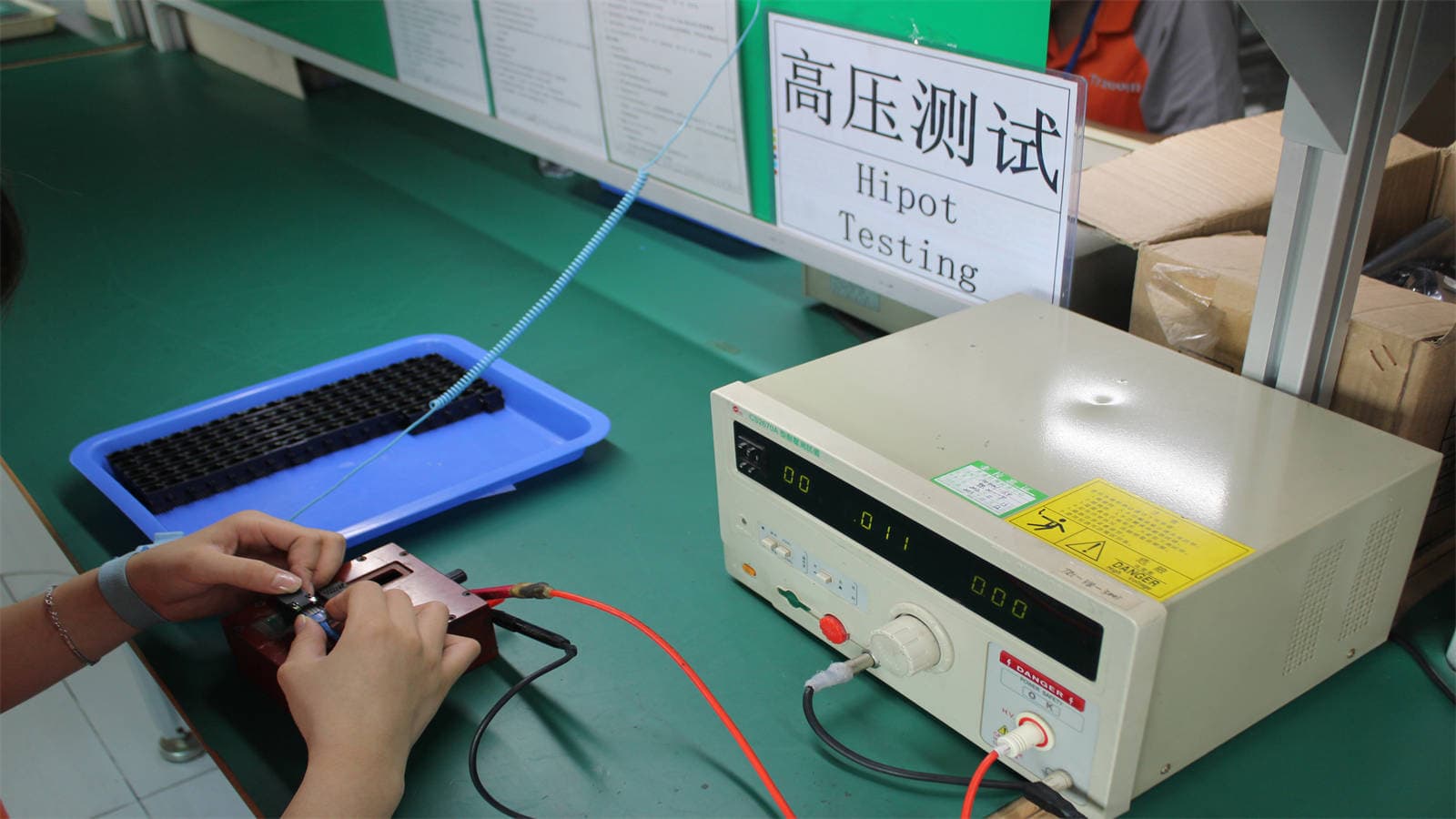
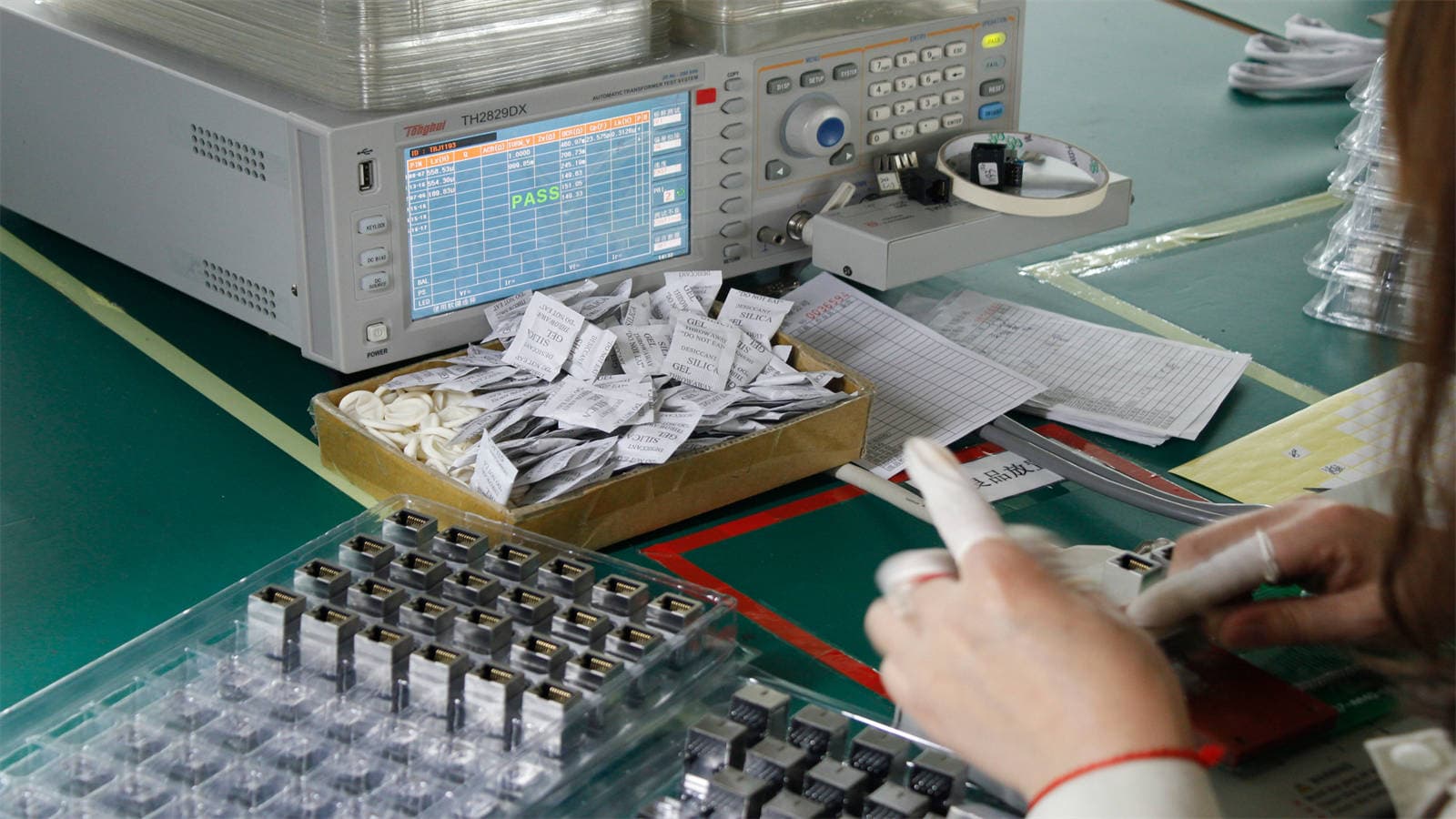
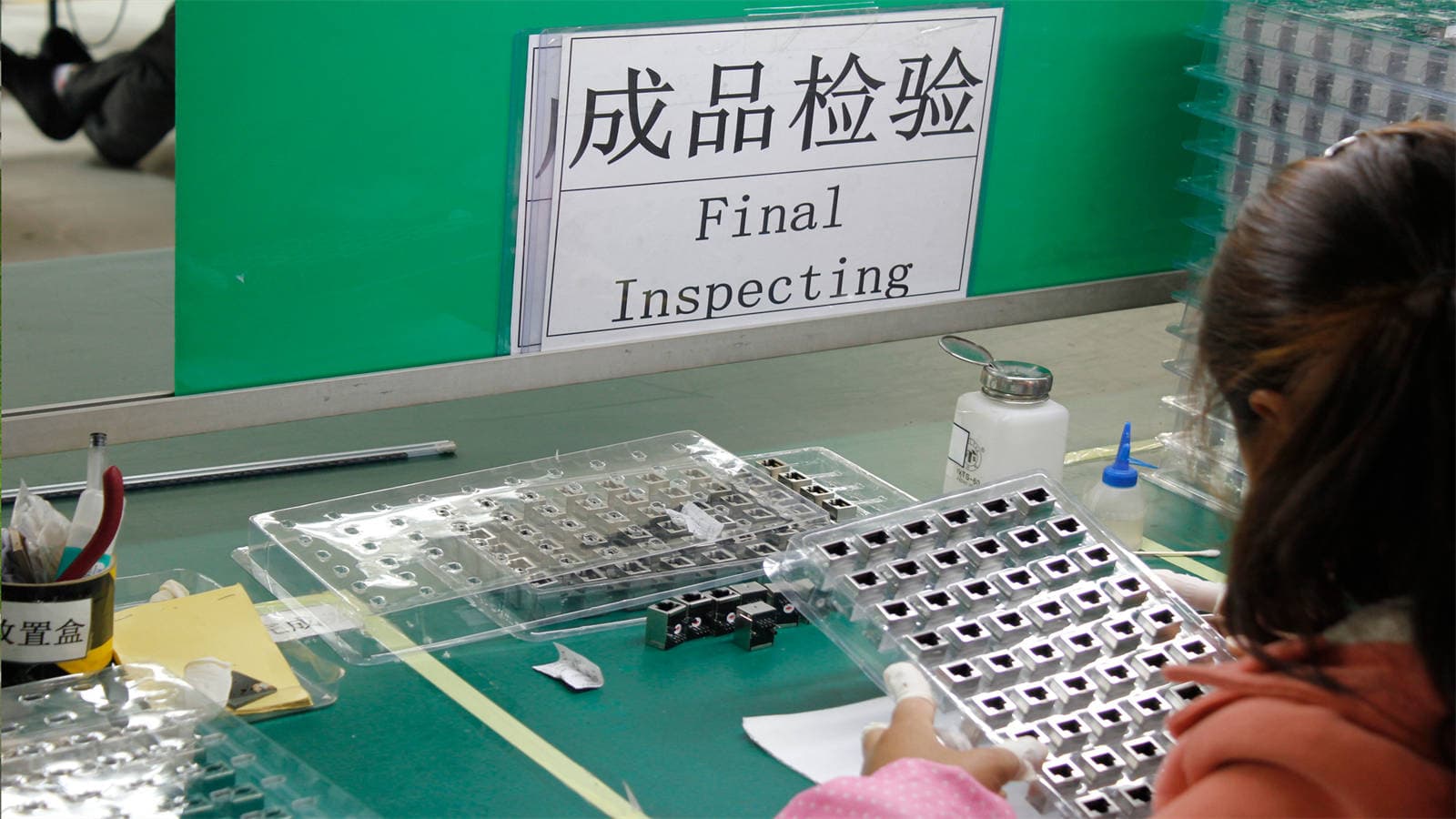
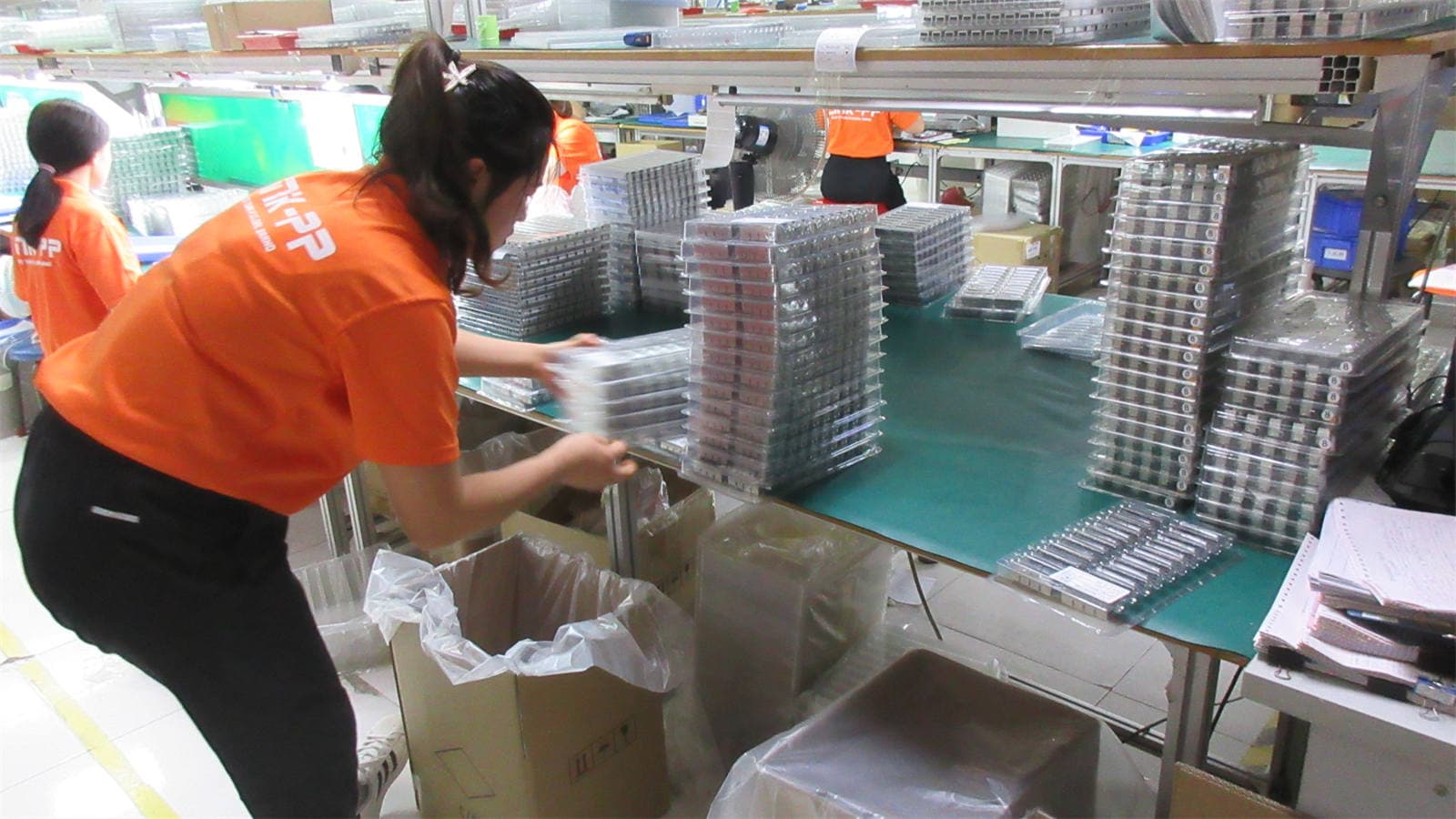
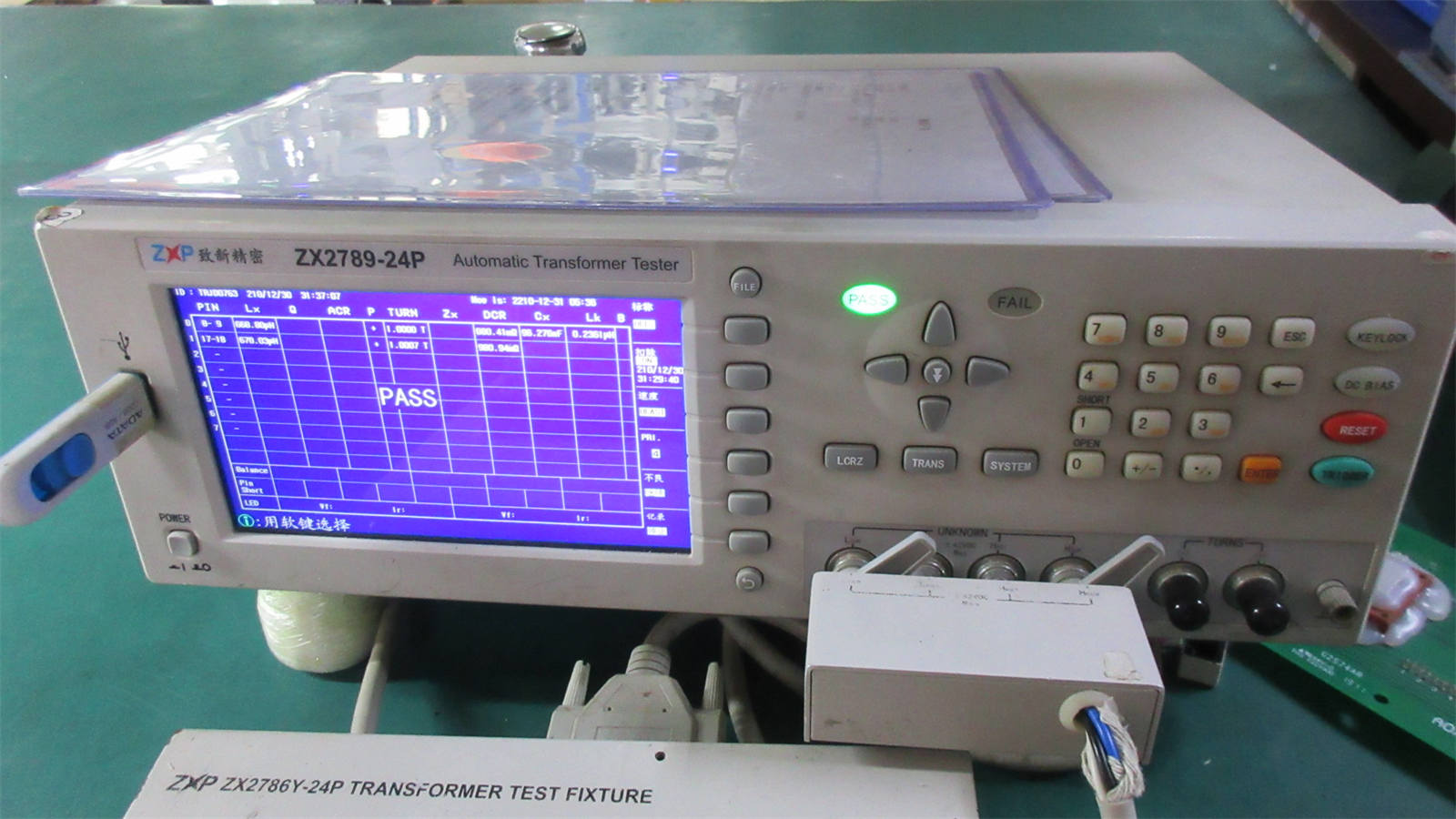
We use specialized machinery to test electrical parameters, signal insulation, and structural reliability at every stage of production.
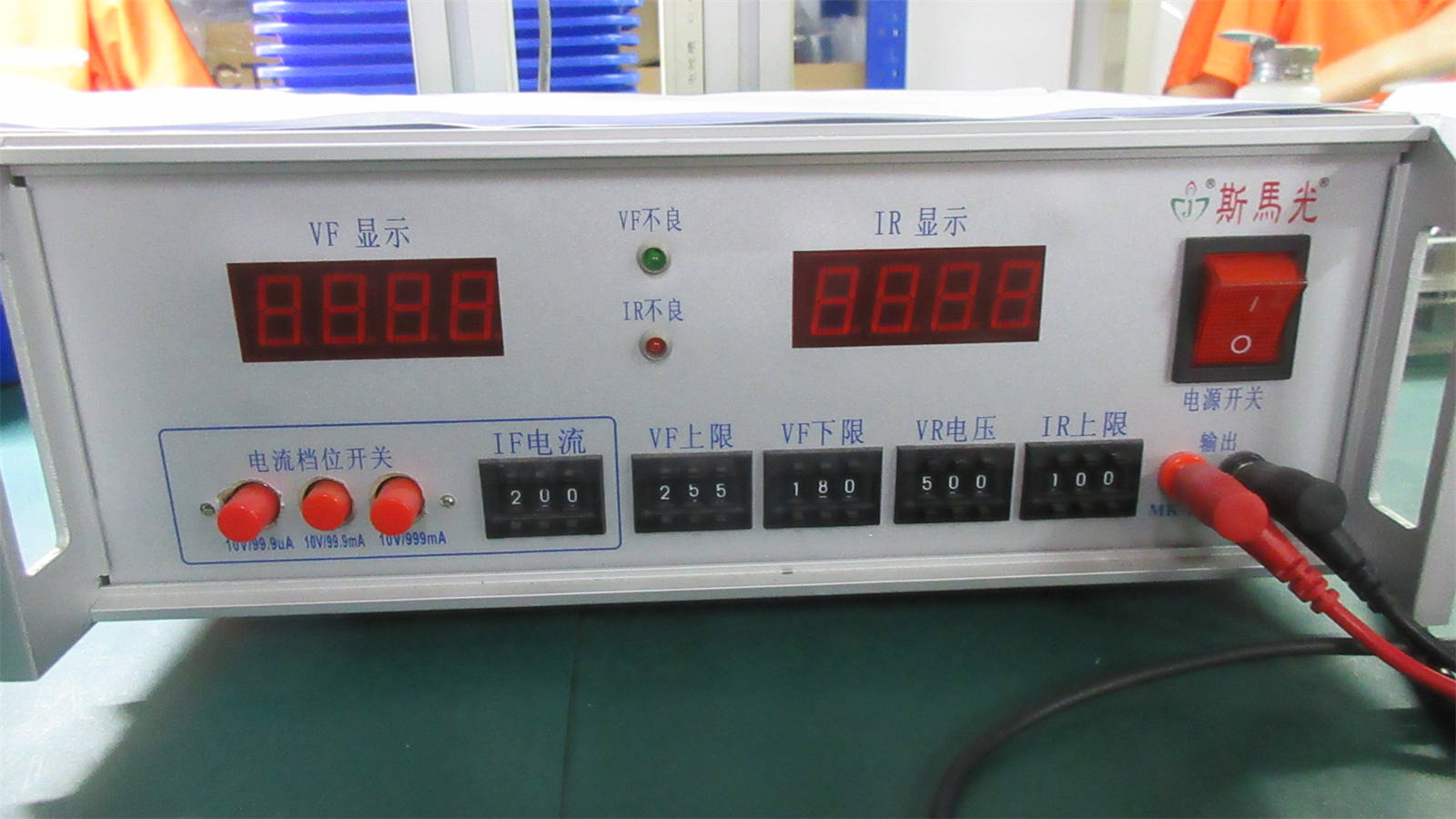
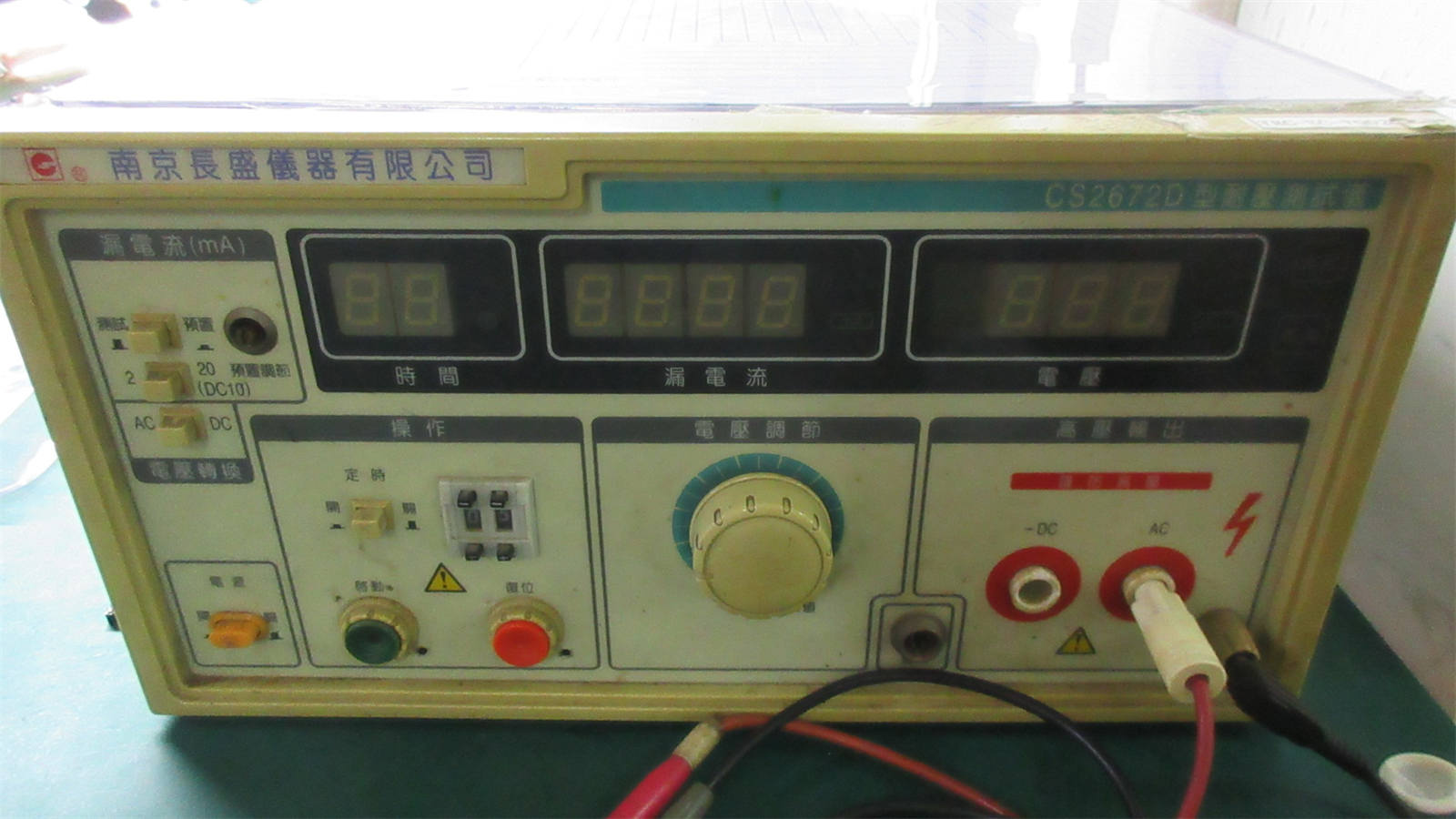
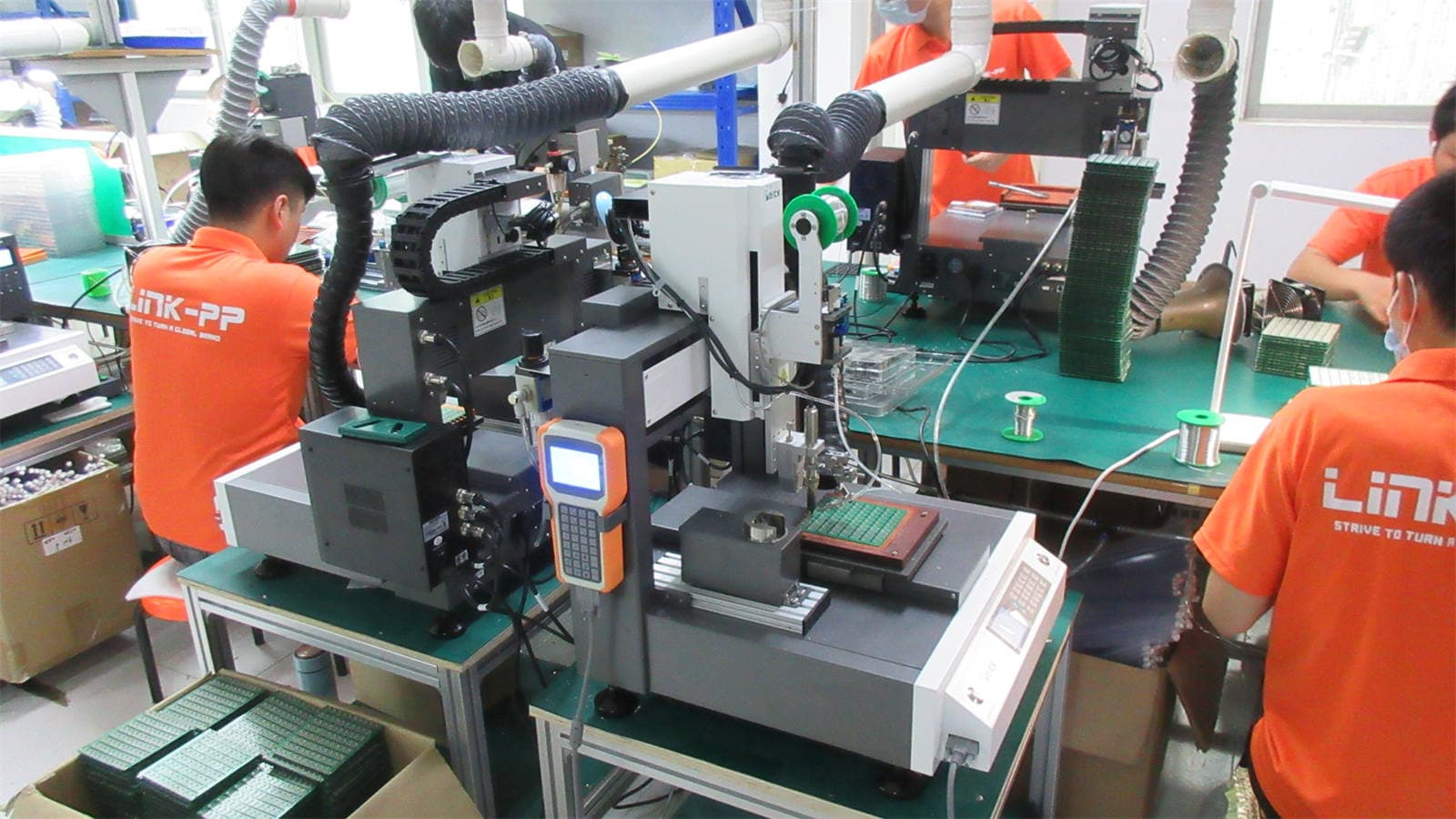
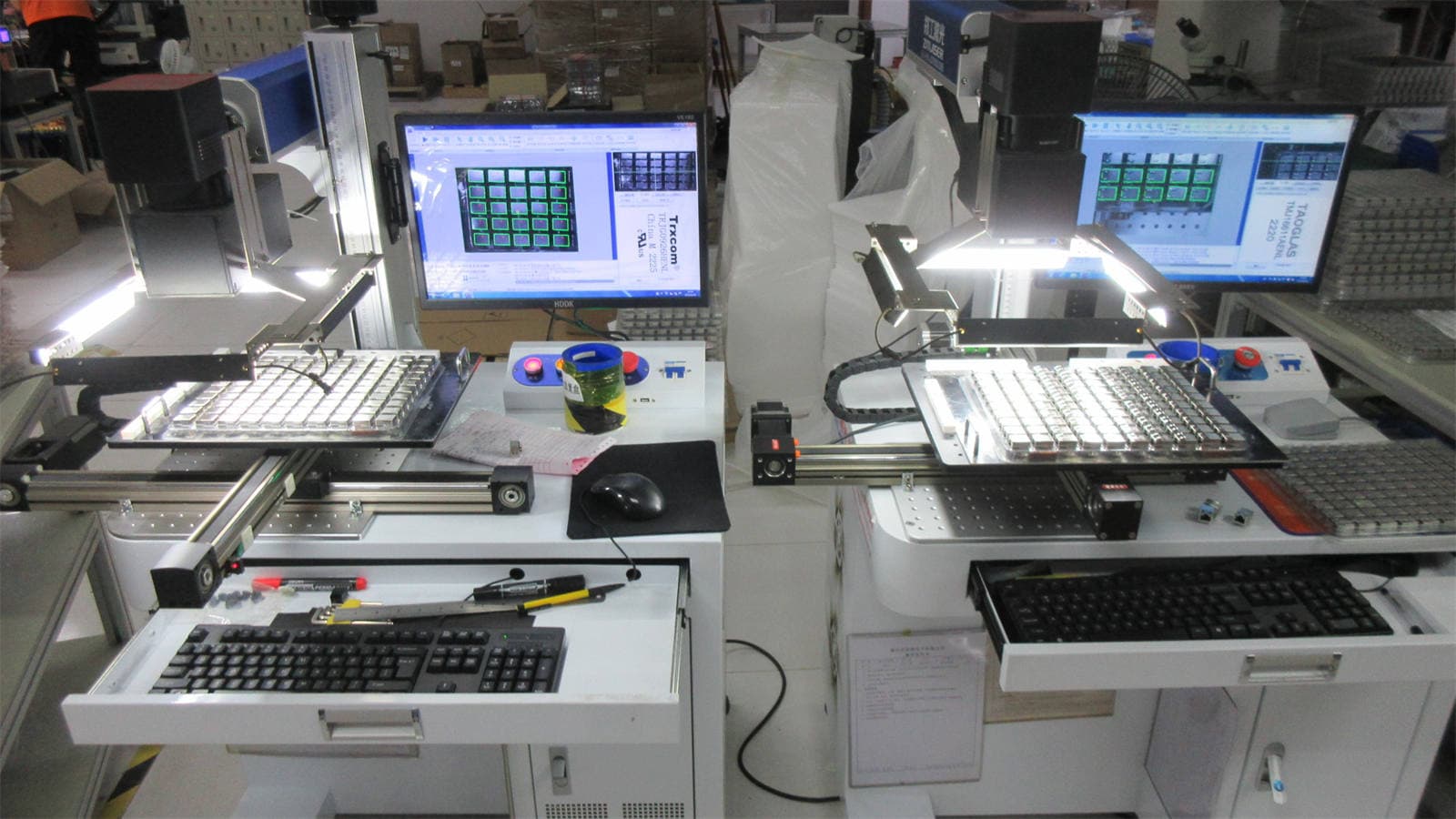
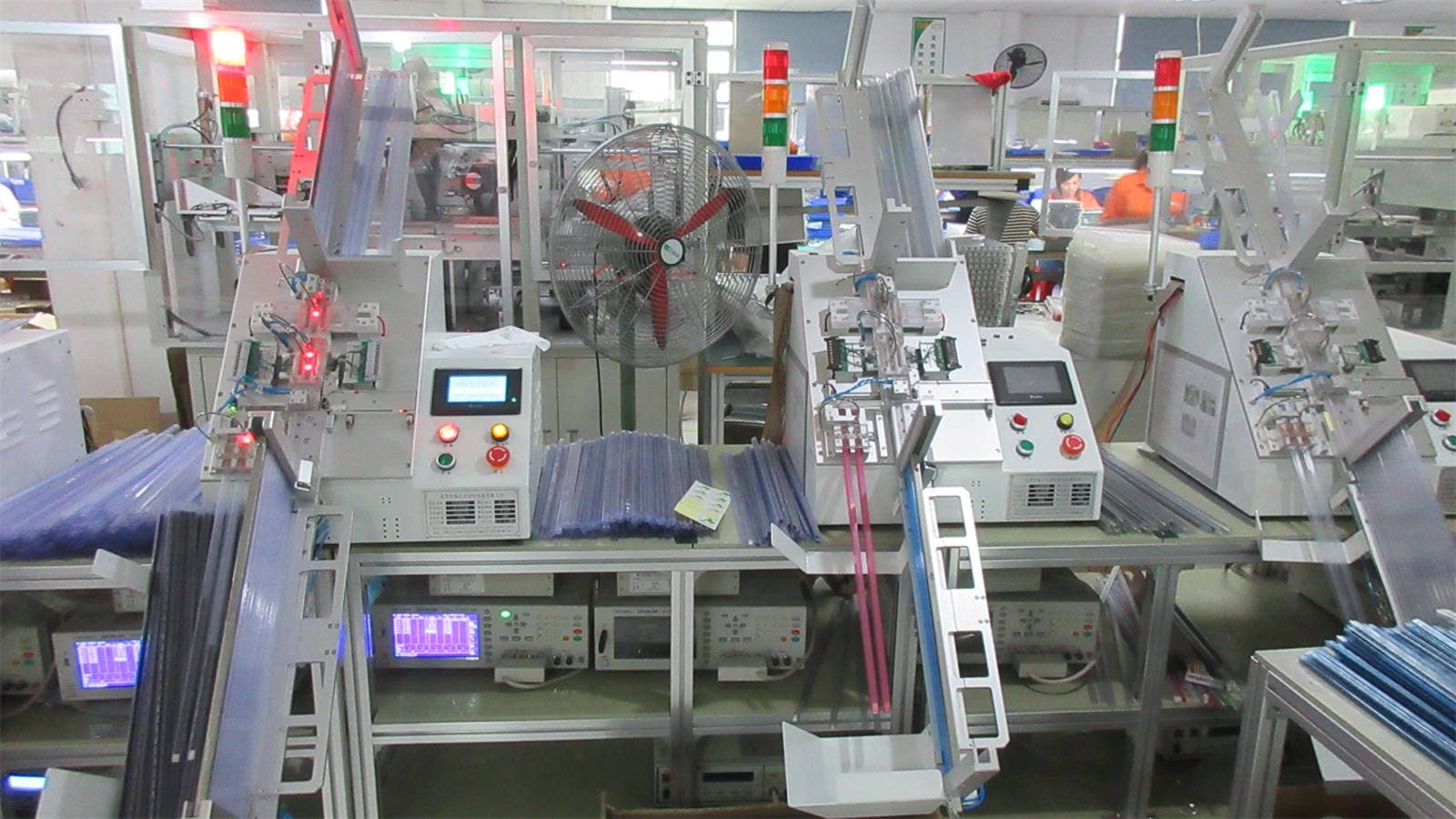
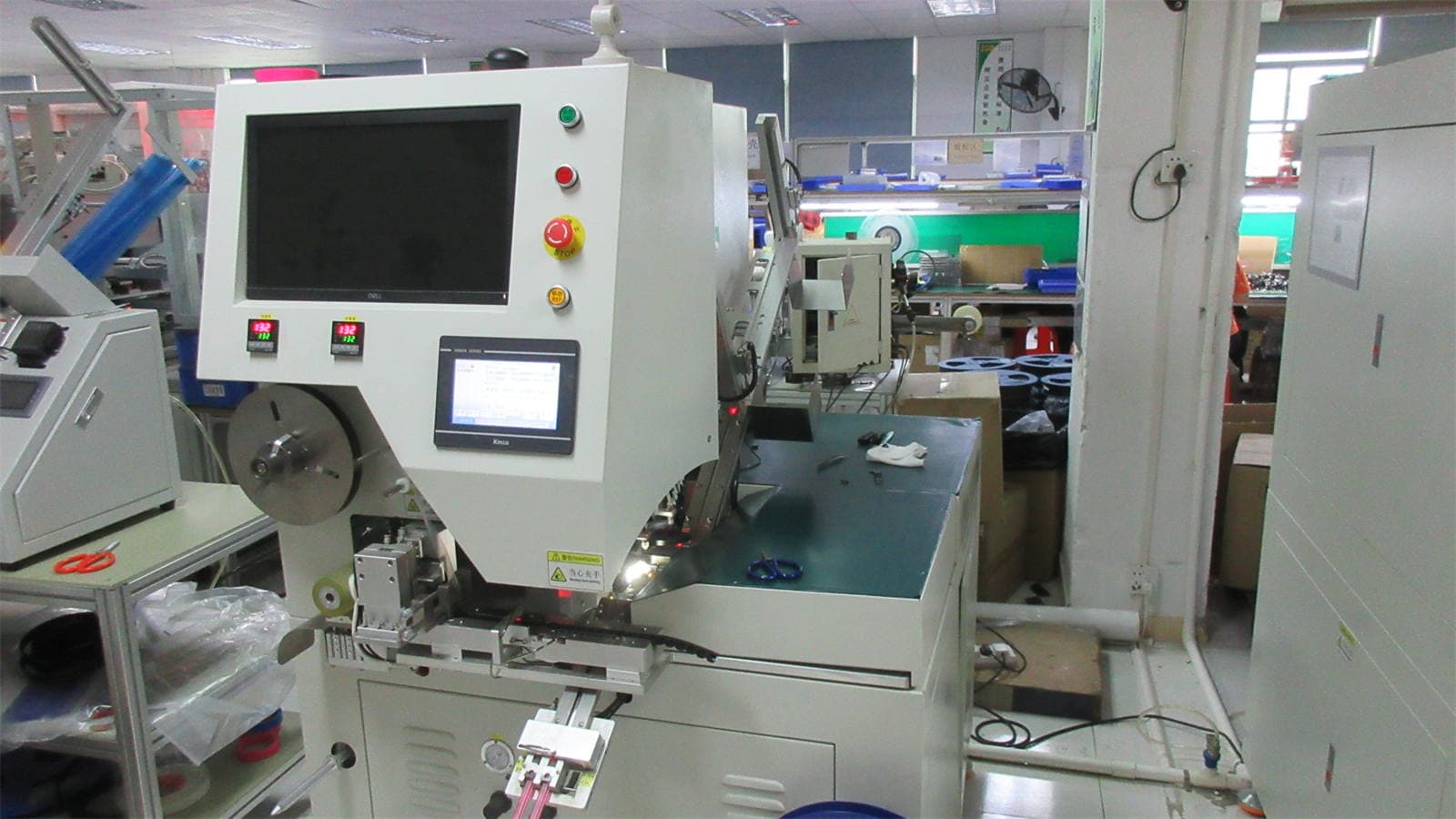
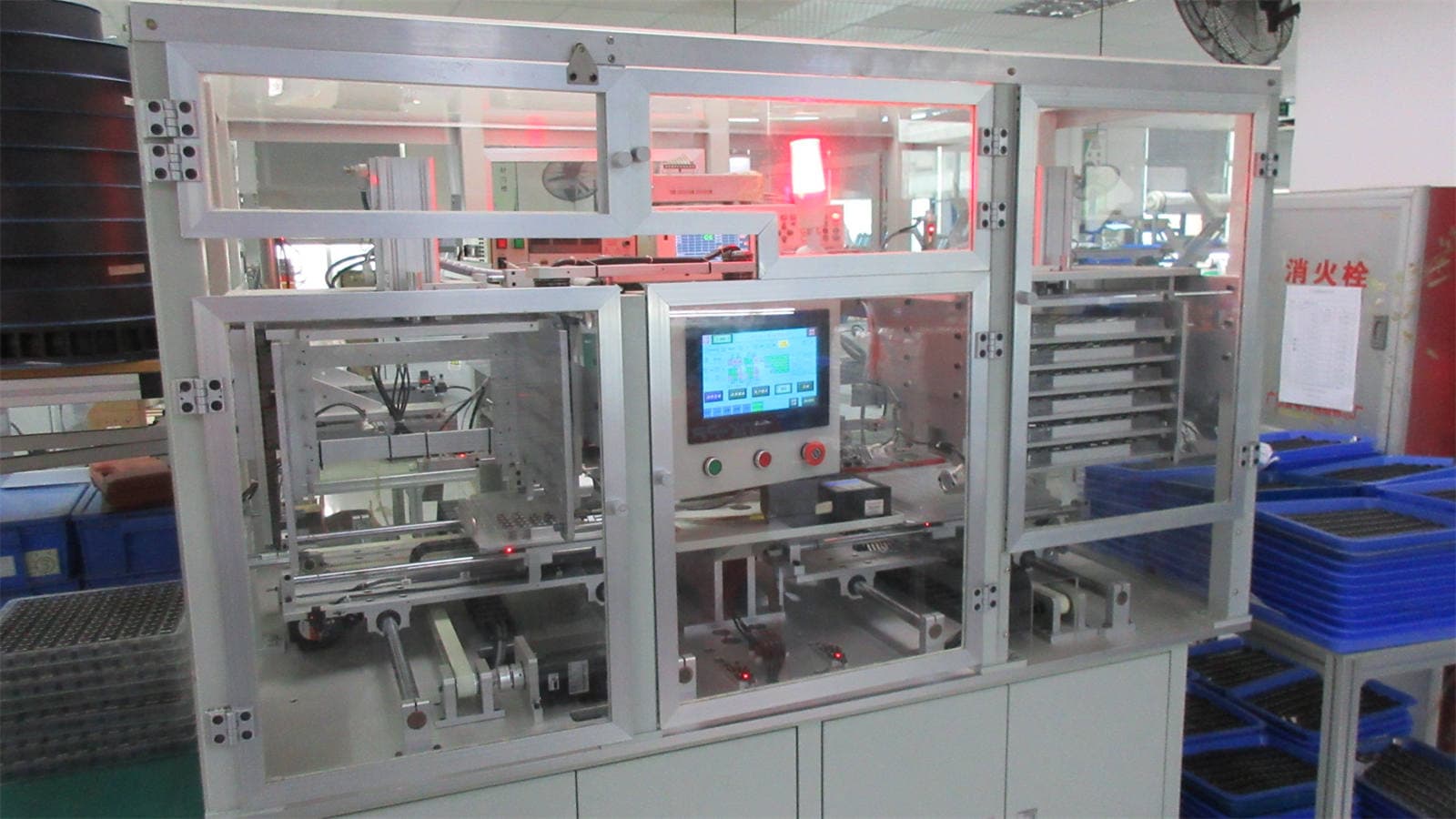
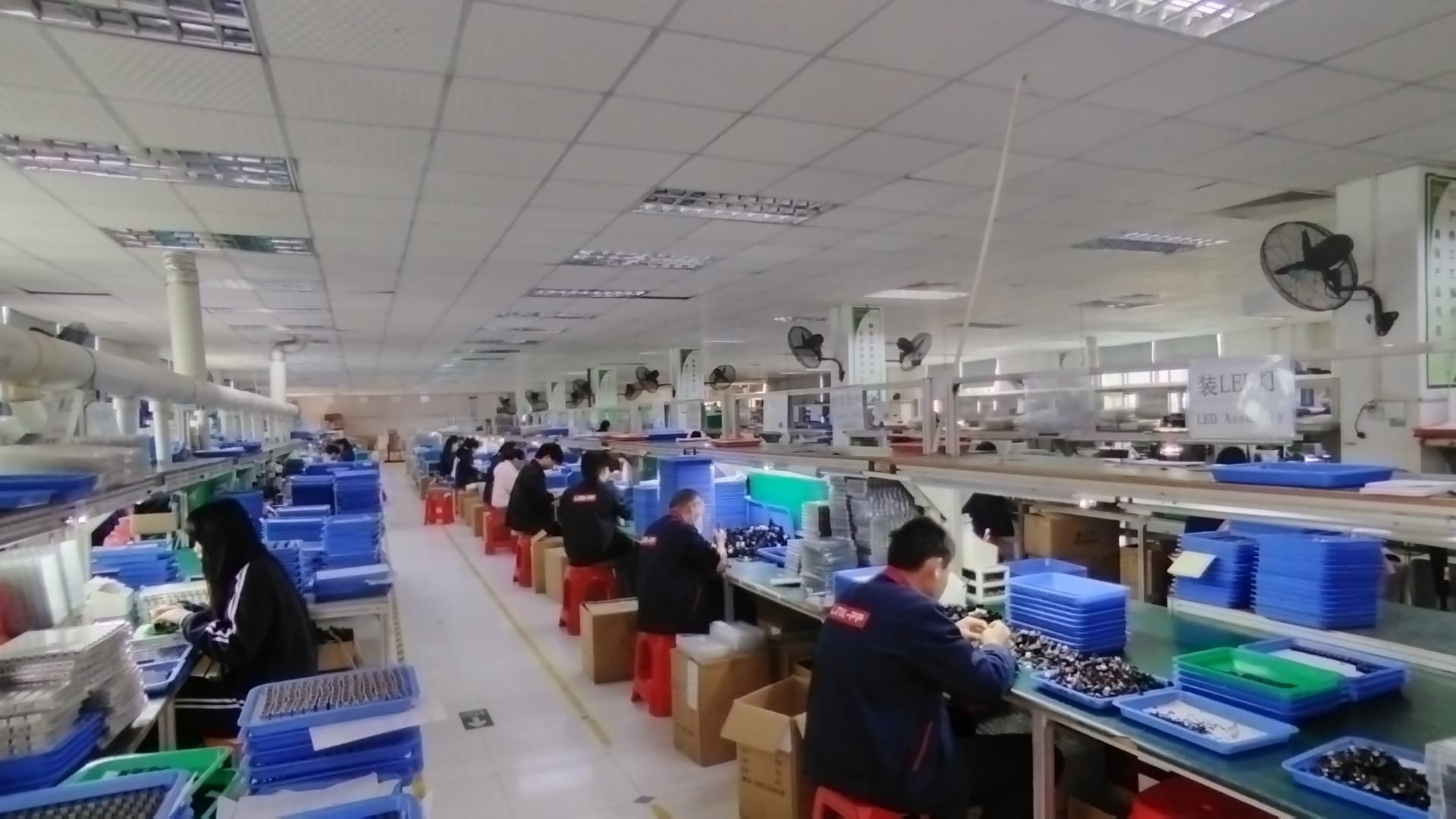
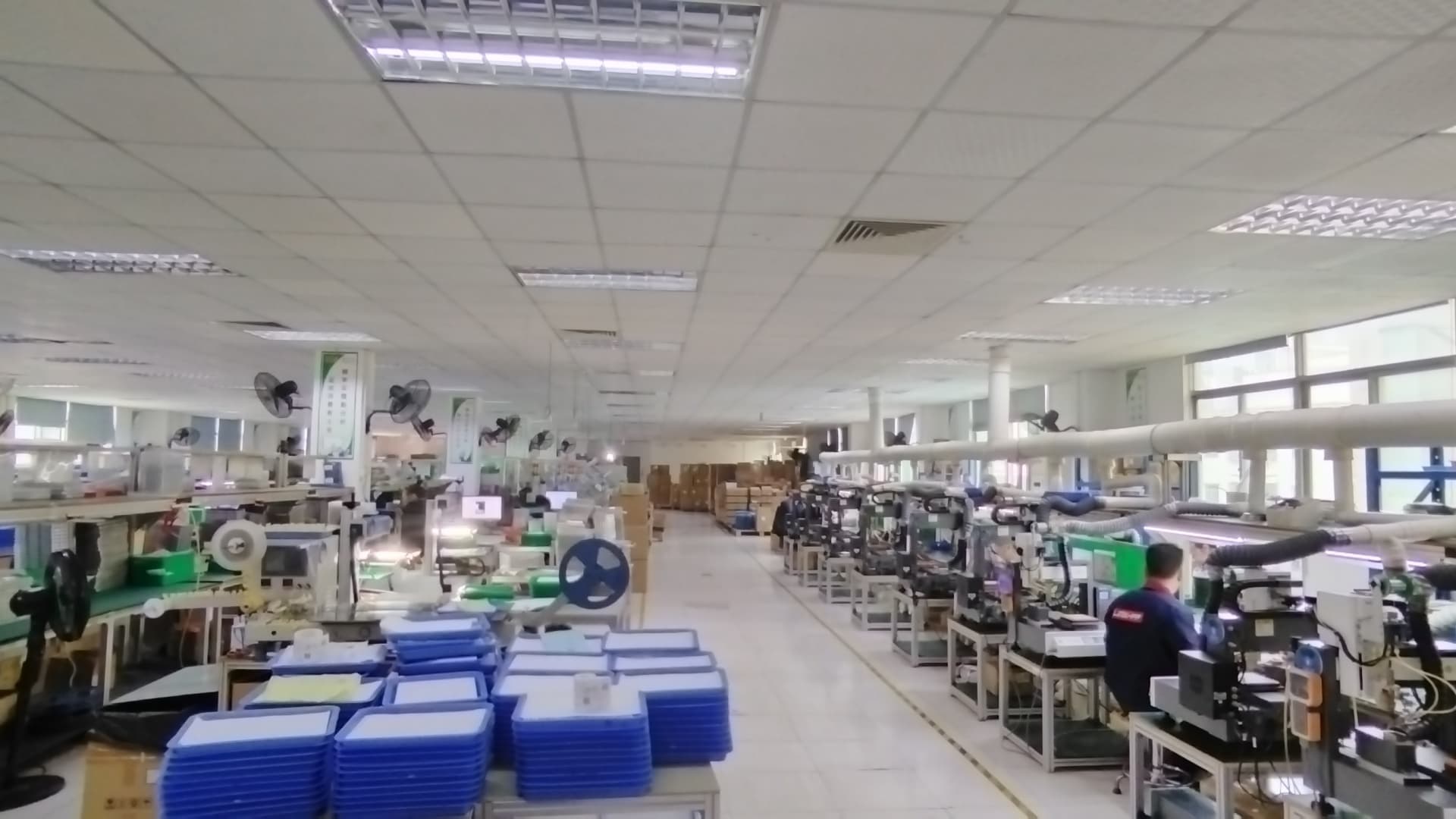
The manufacturing of network cables has shifted from labor-intensive manual assembly to automated precision engineering. Our factory uses automated wire twisting, laser stripping, and robotic soldering systems to guarantee highly consistent termination quality across large wholesale orders. These automated processes help reduce human error, which can cause micro-shorts or uneven twisting tension—the primary source of signal degradation in high-frequency Cat6a and Cat8 applications.
For global procurement teams, sourcing from China provides access to an end-to-end supply chain ecosystem. We manage everything under one roof, from processing raw copper and drawing wires to compounding plastic polymers, injection molding connector boots, and conducting automated QA. This vertical integration allows us to keep production cycles efficient and maintain competitive pricing, even amid fluctuations in global copper prices.
Additionally, our proximity to major shipping hubs in Guangdong and Zhejiang ensures fast delivery to key ports worldwide. For international buyers, this reliable supply chain helps reduce lead times, simplifies customs processing, and ensures on-time delivery for large network installations.
RJ45 extension cables are critical across a wide range of modern industries. Below are the primary environments where our cables are deployed:
Automated assembly lines generate high vibrational stress and EMI from nearby electric motors. High-flex, double-shielded (S/FTP) RJ45 extension cables with protective polyurethane jackets ensure reliable data transfer in these challenging environments.
Modern high-density data centers require clean, structured cable routing. By using Cat6a and Cat7 RJ45 extension cables, technicians can route connections to external patch panels without needing to rewire internal server components.
Medical devices like MRI machines and automated lab equipment require high-speed data transmission that is completely free of electromagnetic noise. Our shielded RJ45 extension cables ensure stable data transfers in noise-sensitive settings.
As the industry shifts toward 25GBASE-T and 40GBASE-T networks over copper, RJ45 technology is undergoing significant evolution:
1. Evolution to Cat8 Standards: Cat8 cables support bandwidths of up to 2GHz (2000 MHz) and speeds of up to 40Gbps over short distances (under 30 meters). Modern RJ45 extension cables must be designed to meet these high-frequency demands, utilizing advanced shielding and precision gold plating.
2. Adoption of Eco-Friendly Materials (LSZH): Environmental compliance is a priority for modern projects. Low Smoke Zero Halogen (LSZH) jackets are becoming standard for public infrastructure and indoor spaces. In the event of a fire, LSZH cables emit minimal toxic gases compared to traditional PVC jackets.
3. Miniaturization for Space-Constrained Devices: With network equipment becoming more compact, there is growing demand for slim RJ45 connectors and low-profile assemblies. Our engineering team continues to design space-saving connect solutions that maintain high-quality shielding.