Lumopt
Lumopt
Lumopt
Engineered for extreme reliability, maximum optical reach, and 100% multi-vendor compatibility.
Lumopt Opto Technology Co., Ltd., registered as Luguang Communication Technology Co., Ltd. in China, stands at the absolute forefront of high-precision optical transceiver engineering. Our operational philosophy is built on three core pillars: unwavering quality, technological innovation, and a robust global supply chain.
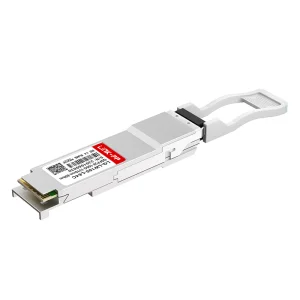
We are a dedicated R&D-driven manufacturer specializing in the layout design, prototyping, electrical optimization, and volume production of a full suite of optical transceivers. From traditional 10G SFP+ and 25G SFP28 modules up to cutting-edge 100G QSFP28, 400G QSFP-DD, 800G, and 1.6T hardware, our products form the central nervous system of modern data networks.
By enforcing a zero-defect quality tolerance inside our dust-free manufacturing units, we align all product architectures with international multi-source agreements (MSAs) and strict IEEE standards. Whether you are scaling an enterprise campus or building high-bandwidth topologies for artificial intelligence computing, Lumopt delivers tailored solutions to match your strict latency and spectral efficiency specifications.

How China-based production lines deliver structural cost efficiencies, vertical integration, and rapid technological deployment to the global market.
Chinese manufacturers operate at the heart of the global electronics component ecosystem. We maintain direct access to advanced optical subassemblies (TOSA/ROSA), laser diodes (VCSEL, DFB, EML), and high-frequency PCBs. This localized proximity eliminates supply chain friction, shortens lead times, and cushions our partners from geopolitical distribution shocks.
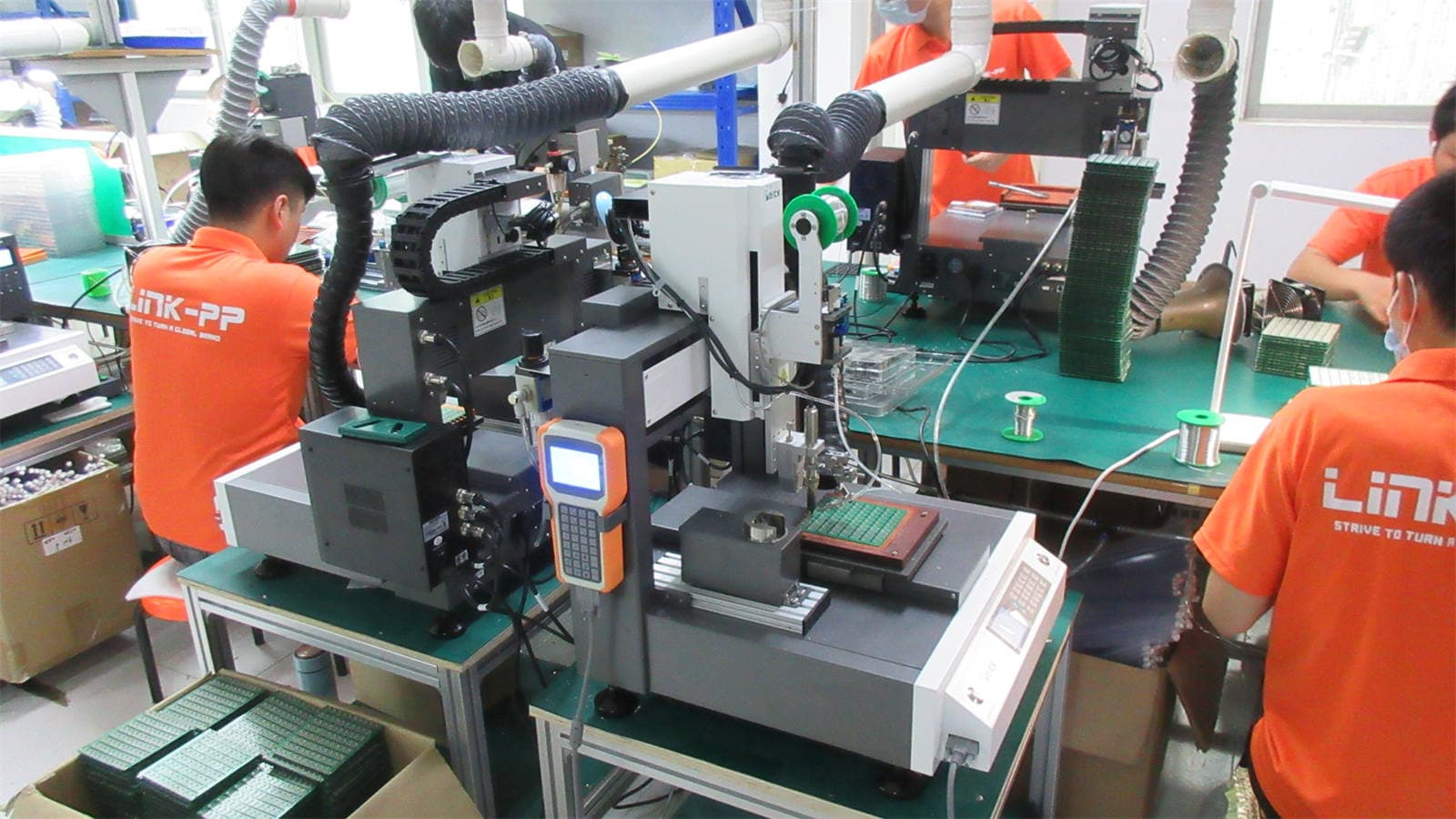
By leveraging advanced packaging technologies (such as passive alignment and automated wire bonding), China's factories maintain high-yield capacities. This transition from manual assembly to full automation ensures that signal parameters like optical modulation amplitude (OMA) and extinction ratio remain consistent across batches of tens of thousands of modules.
Through optimized assembly lines and direct-to-factory sourcing, we drastically reduce unit margins. Furthermore, we offer extensive OEM/ODM support, enabling custom EEPROM compatibility coding for legacy platforms like Cisco, Arista, and Juniper without adding prohibitive tooling surcharges.
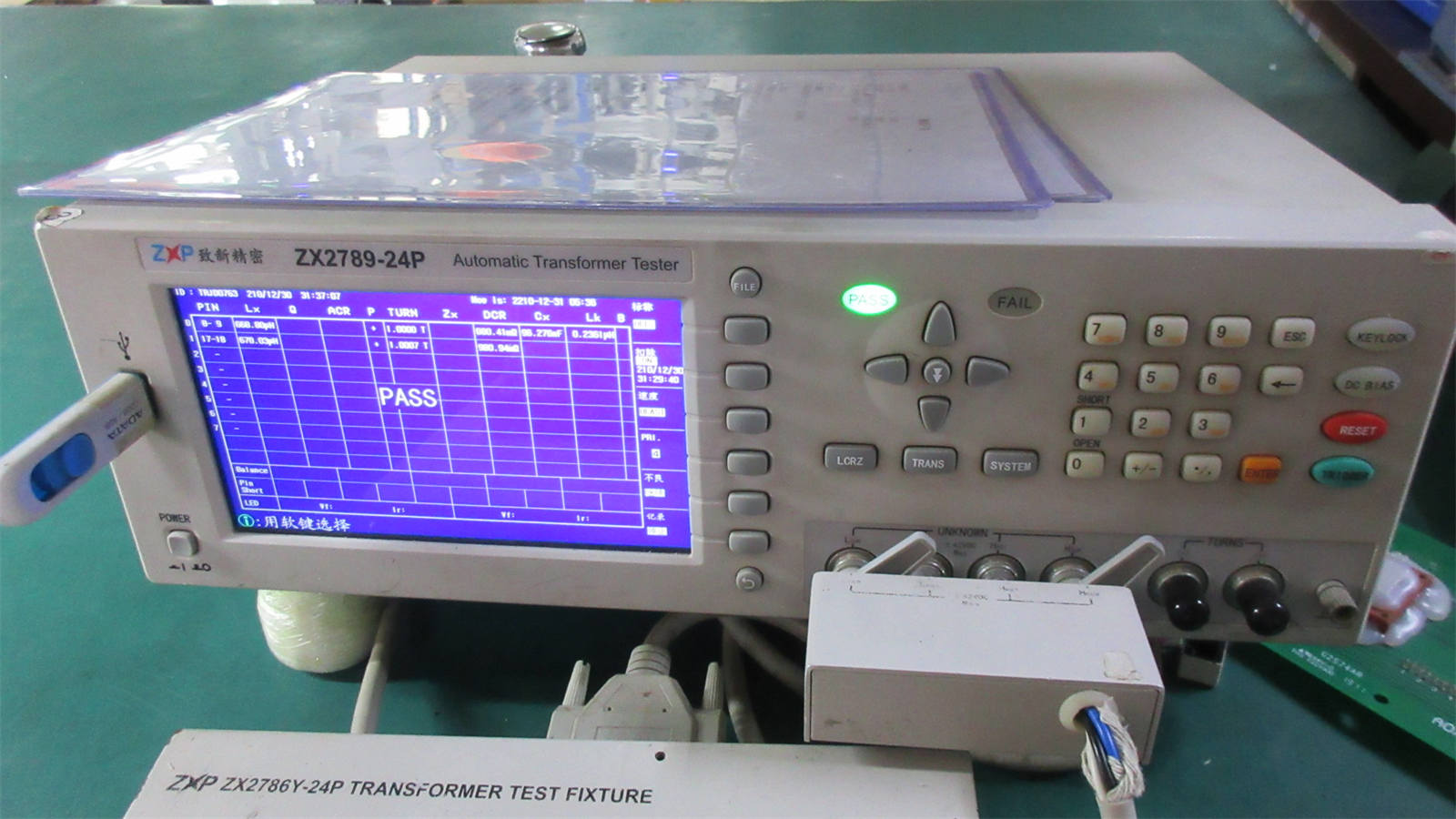
Our rigorous standard operating procedures ensure that every optical transceiver and connector meets the industry's highest reliability benchmarks.

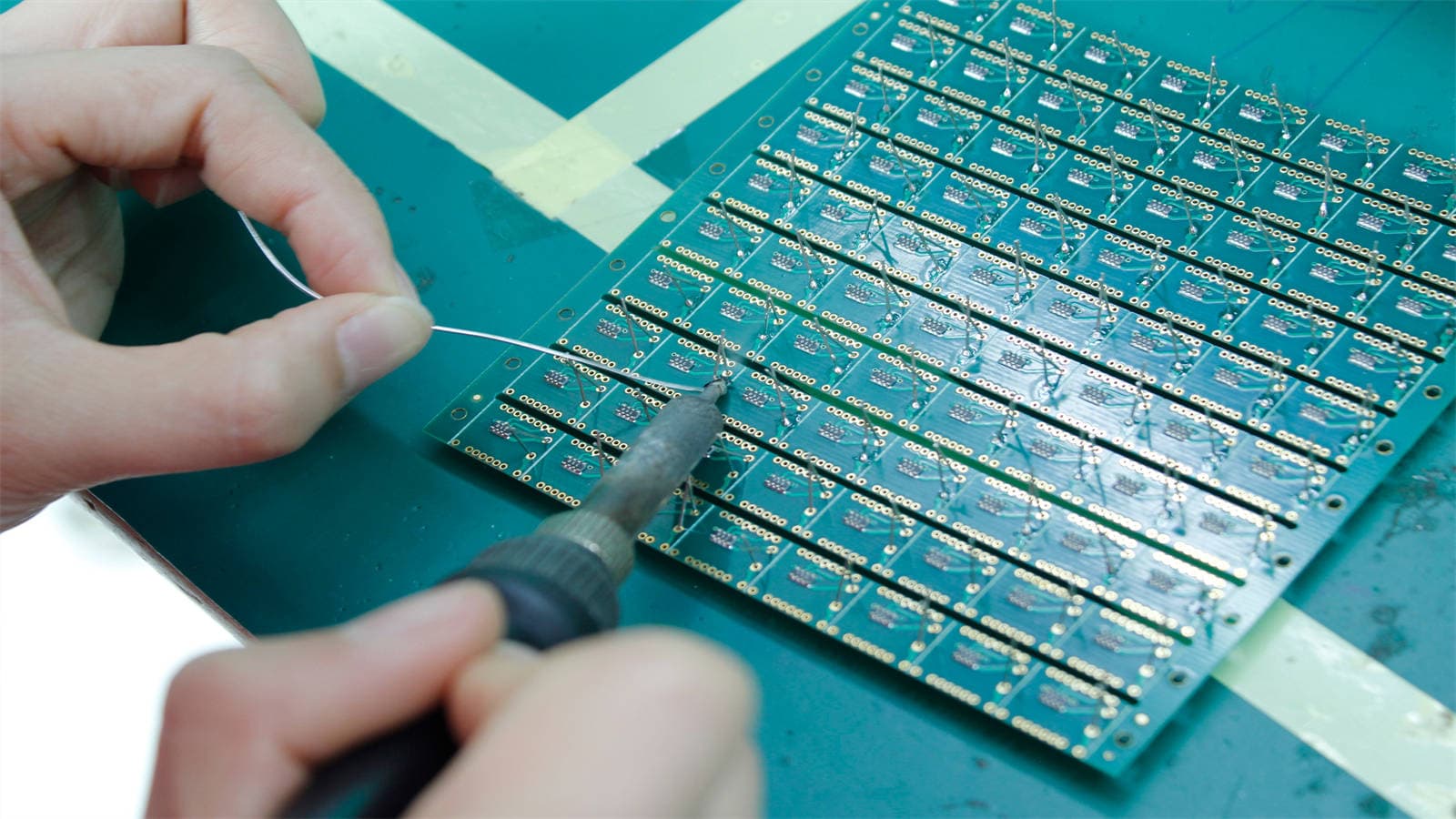
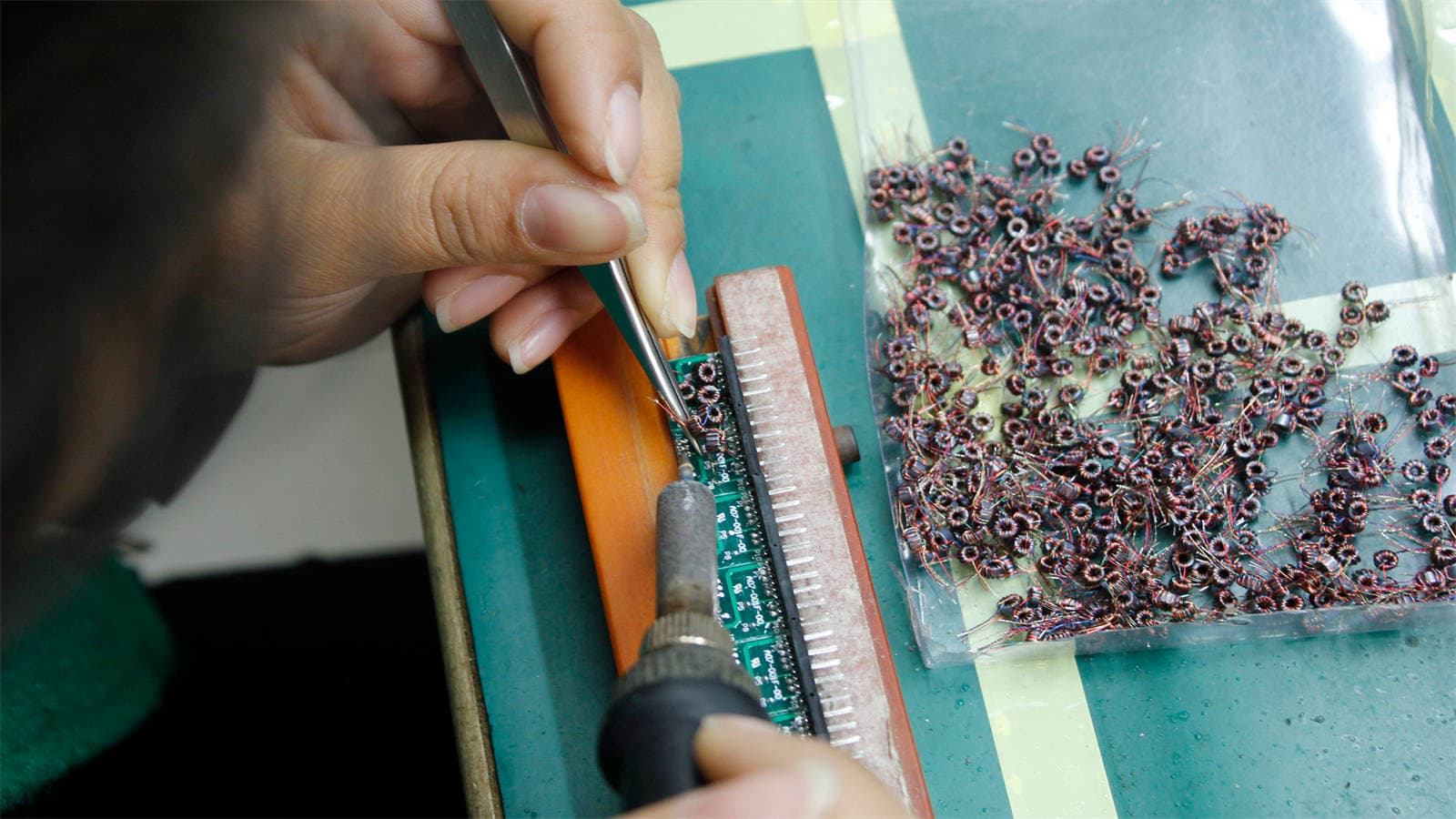
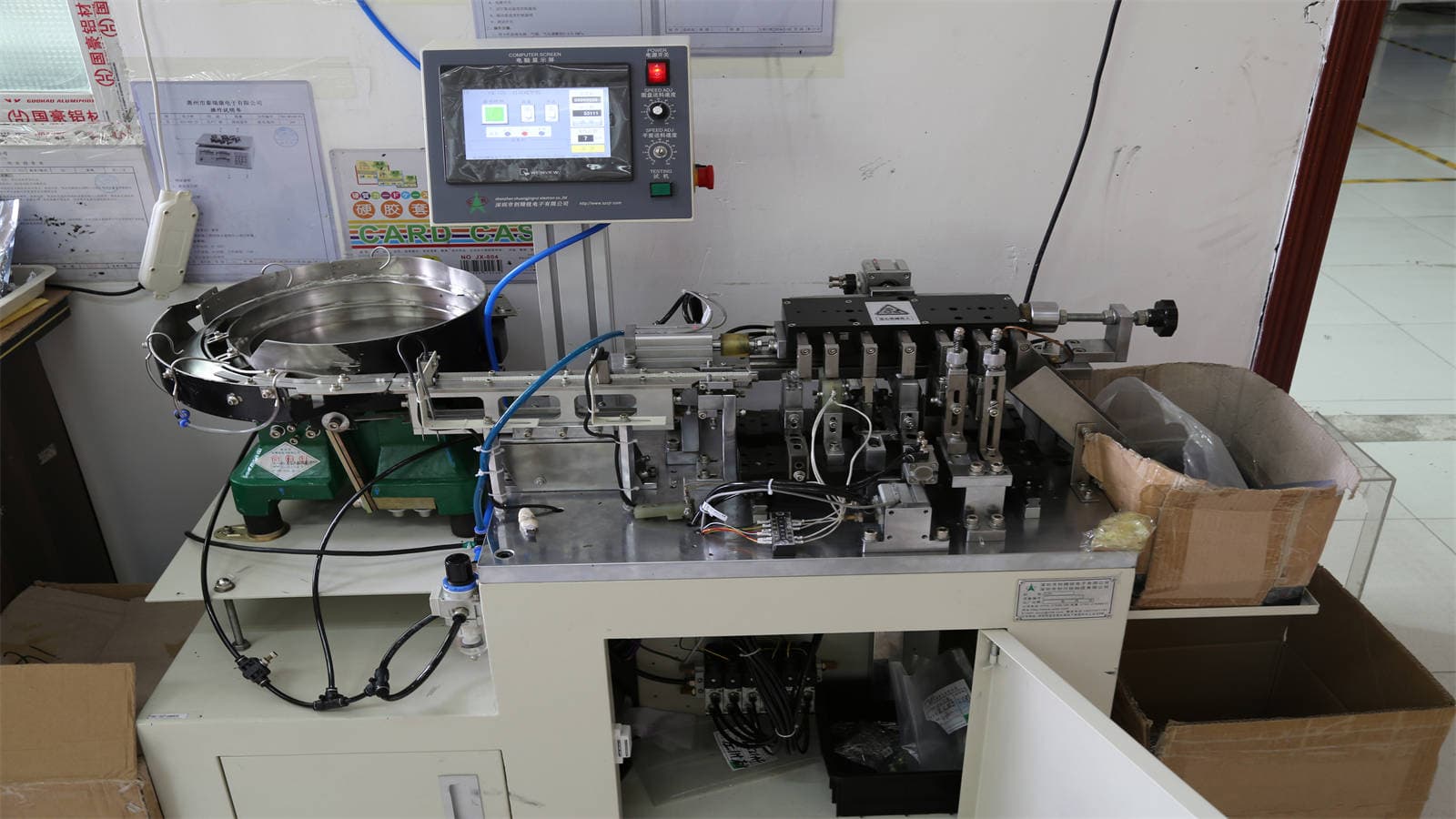
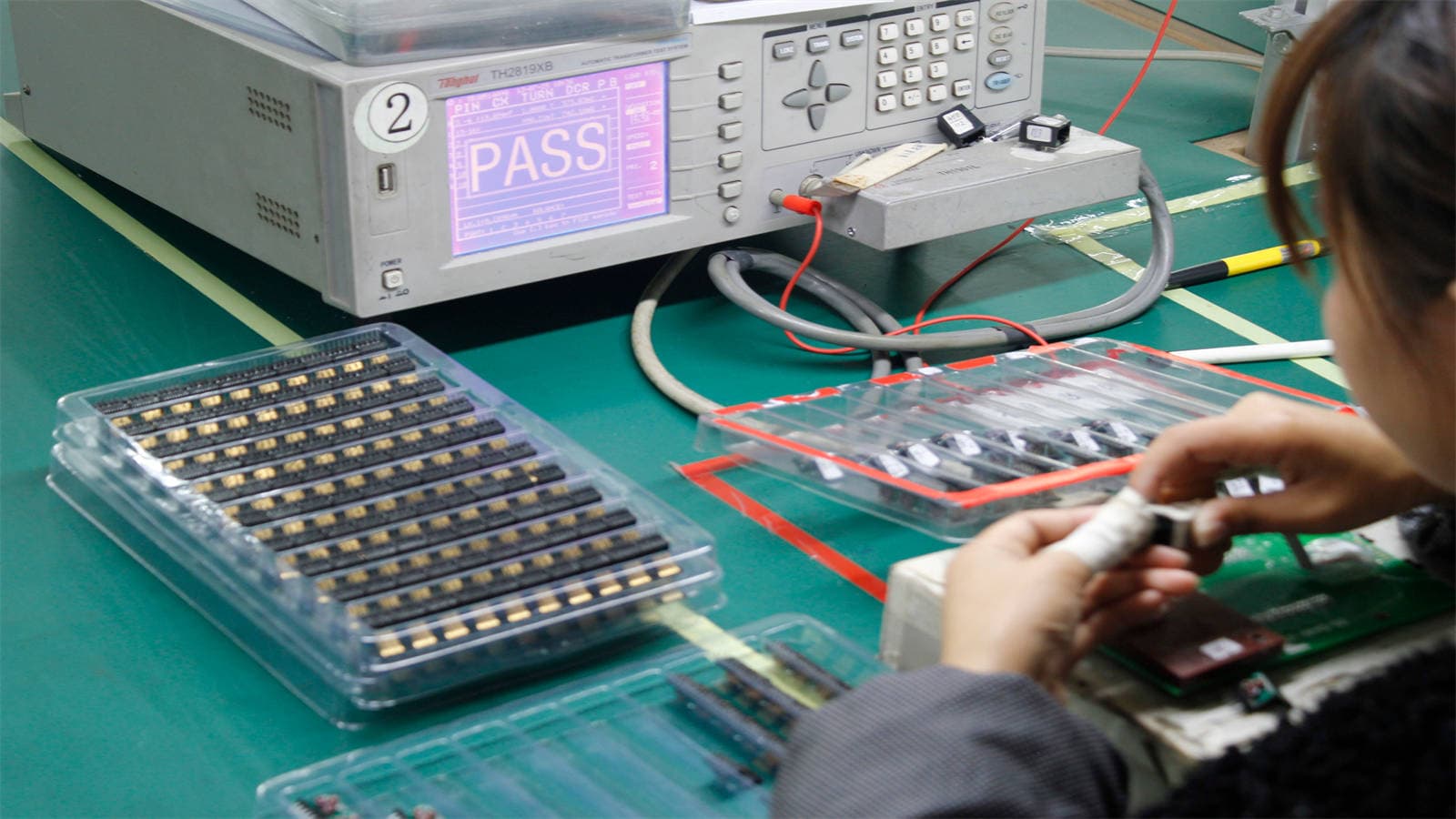
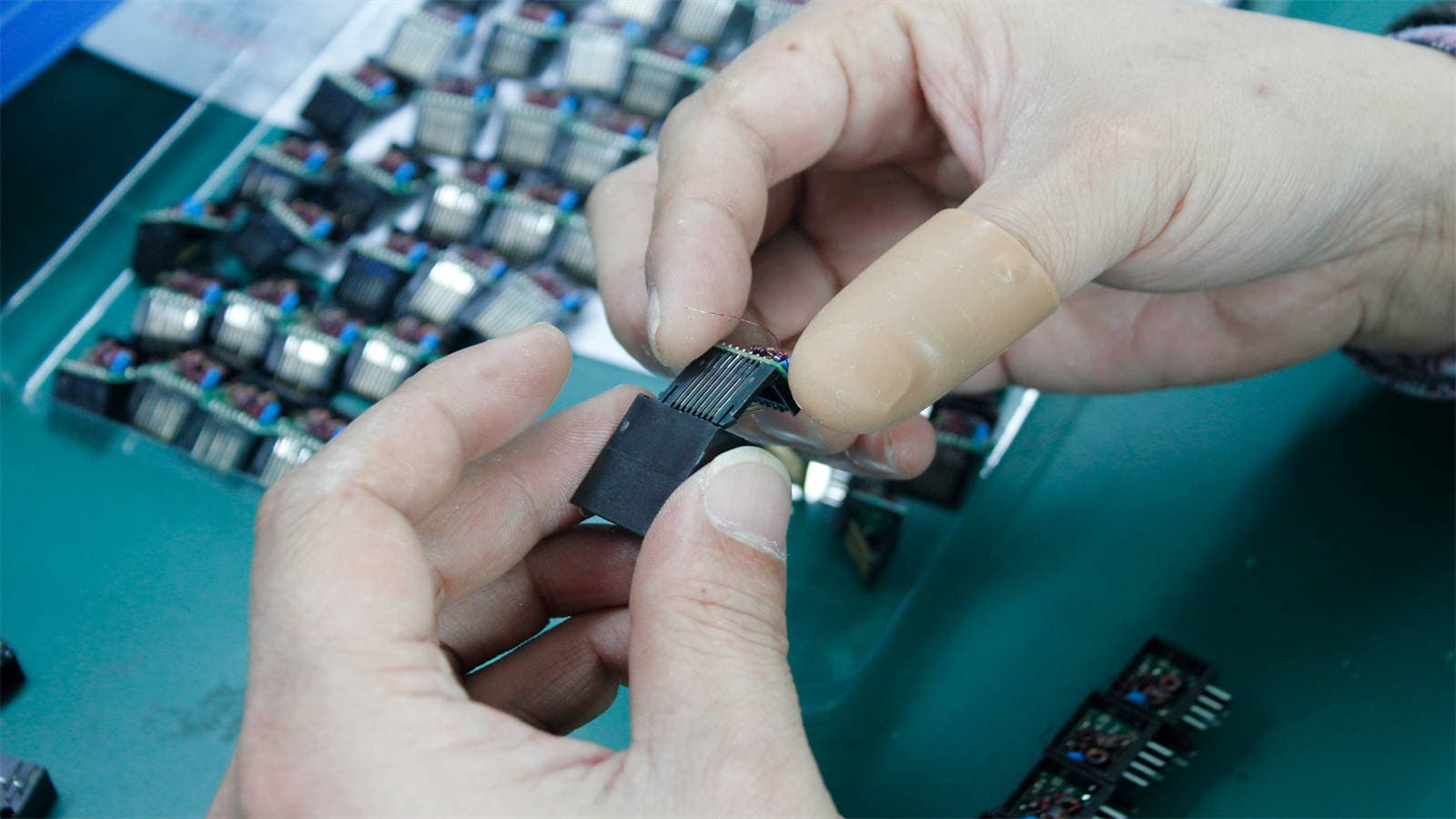
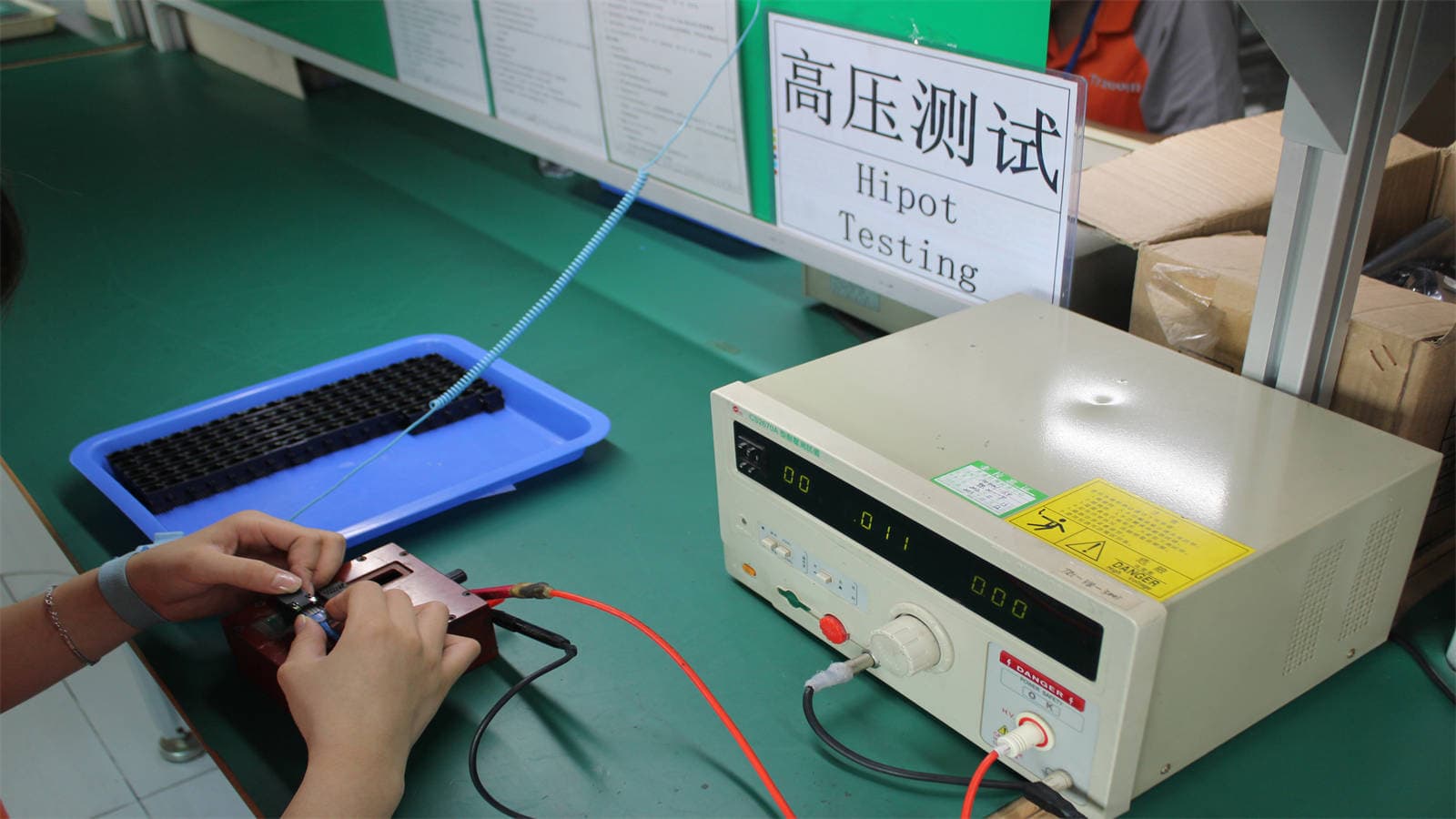



Precision calibration guarantees field reliability. Our facility is equipped with automated optical and electrical testing suites designed to validate every variable of transmission signal integrity.


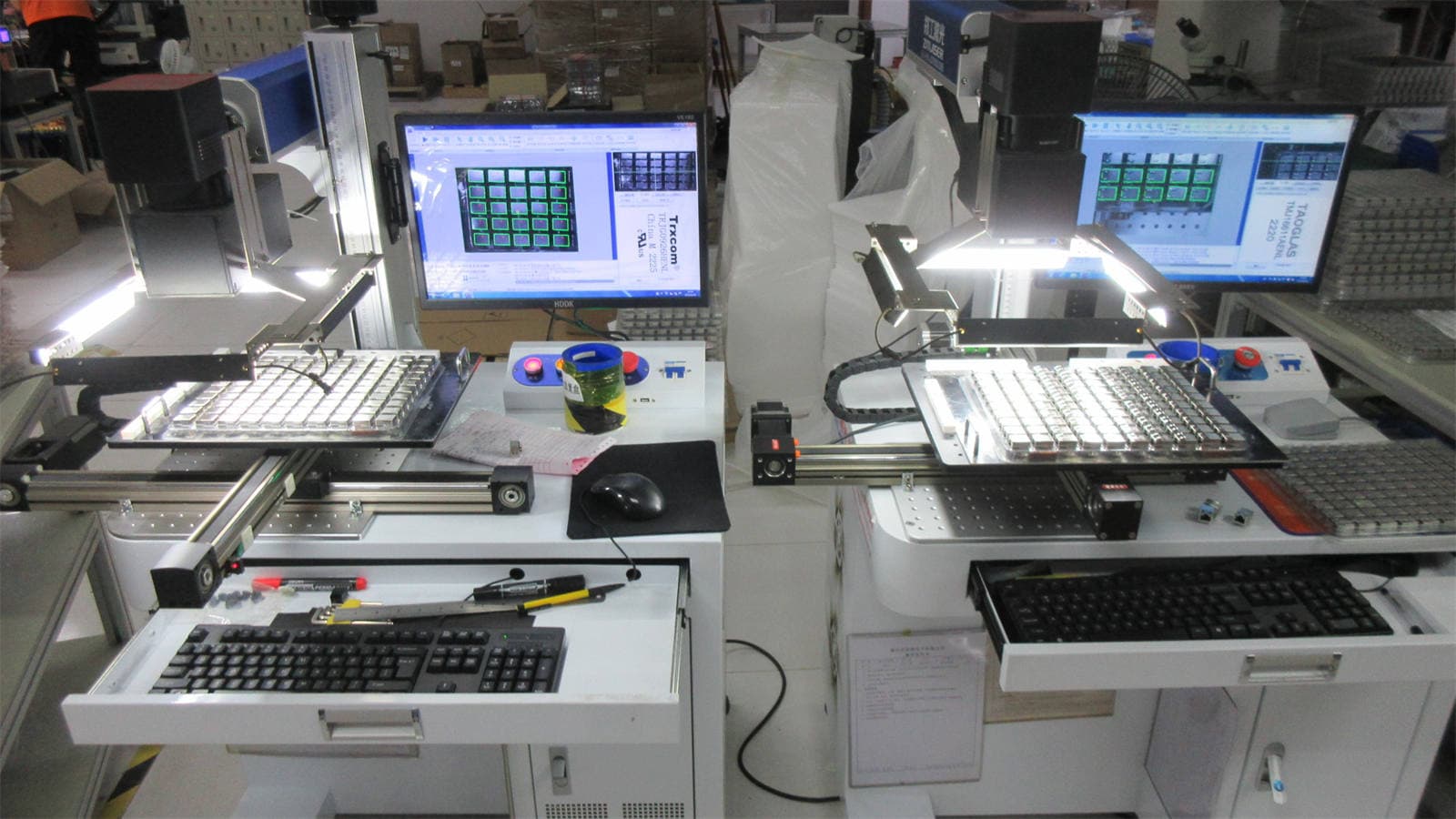
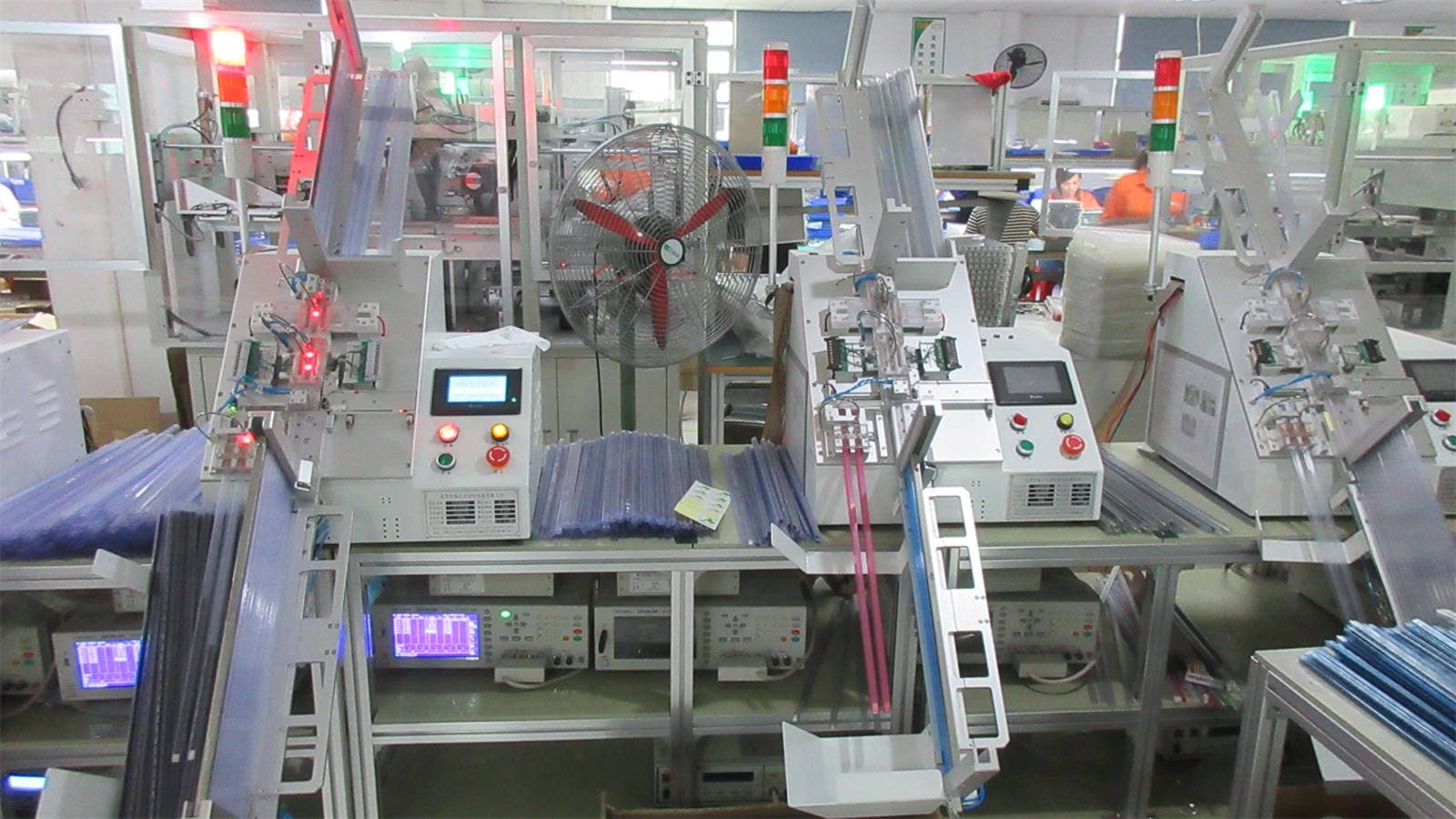
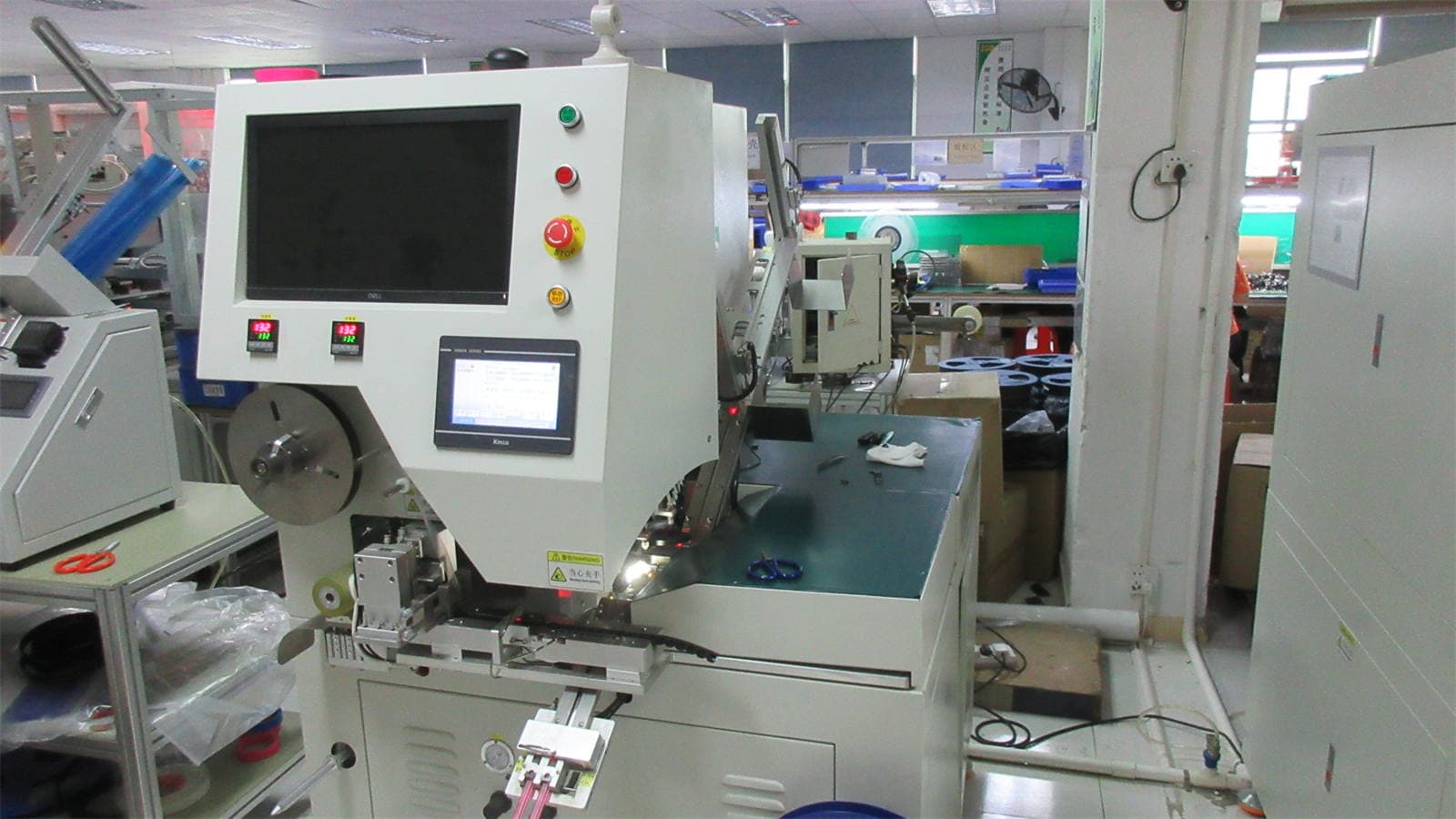
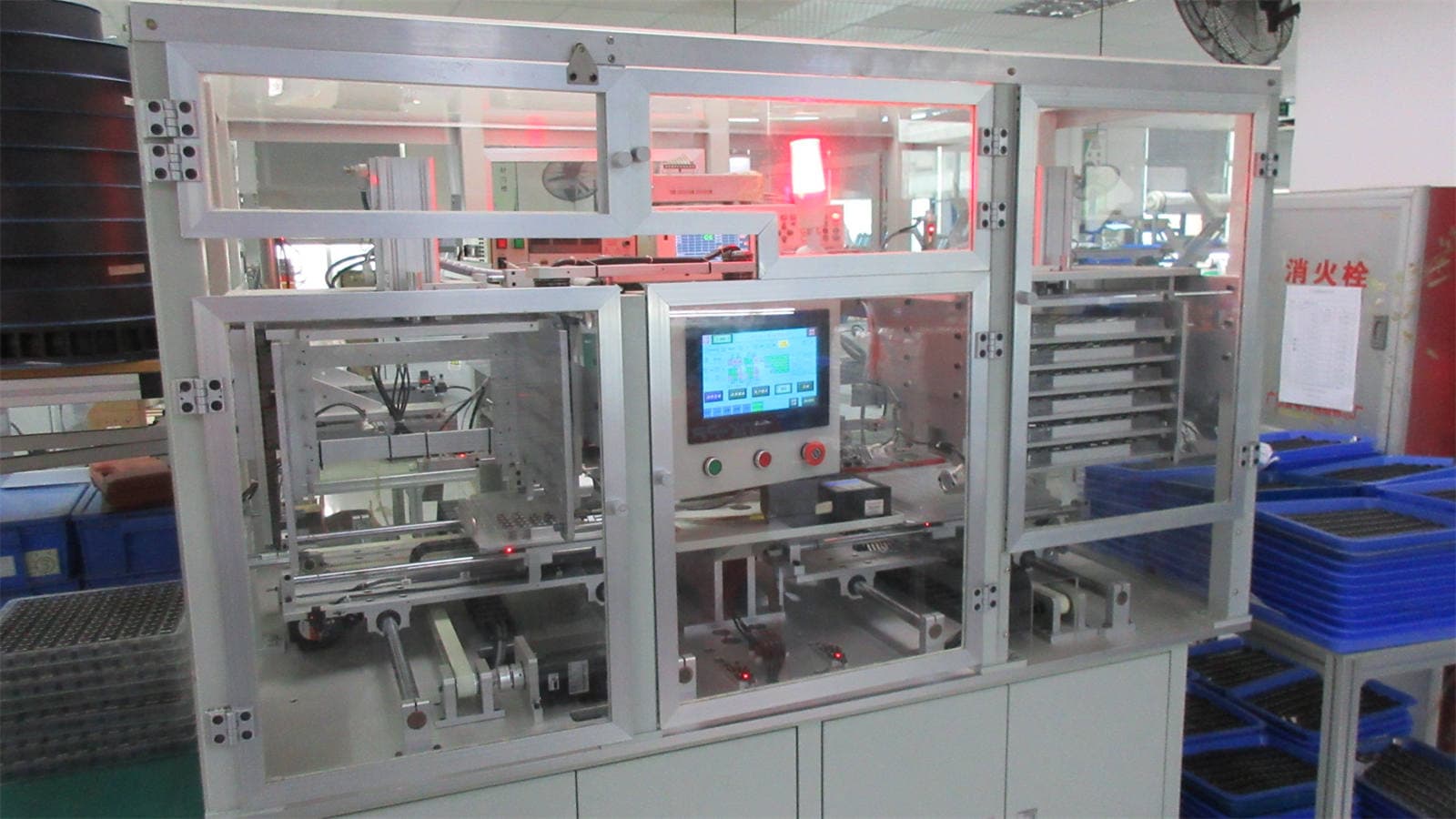


As high-performance computing, massive cloud infrastructure, and 5G/6G systems mature, the requirement for modular optical transceivers has transitioned from basic connectivity to ultra-low latency powerhouses.
Modern machine learning clusters process petabytes of data continuously, exposing performance limitations in standard networking hardware. InfiniBand architectures and high-density Ethernet fabrics are rapidly shifting to 800G OSFP/QSFP-DD form factors. Lumopt leverages state-of-the-art PAM4 (Pulse Amplitude Modulation 4-level) DSP technology and Silicon Photonics integration to minimize power consumption per bit, ensuring optimal efficiency inside dense GPU nodes.
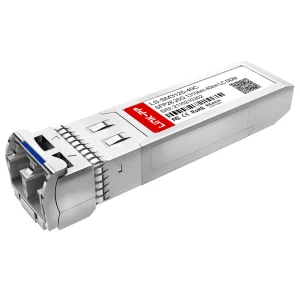
While MMF using VCSEL transmitters remains cost-effective for short distances inside rack cabinets (typically under 100 meters), long-reach cloud data centers demand SMF architectures. Employing DFB (Distributed Feedback) lasers and coherent optics allows single-channel wavelengths to span up to 20km (as seen in our 25G SFP28 ER 40km and 100GBASE-ER4 QSFP28 60km systems), avoiding dispersion penalties.
System integrators globally are breaking free from vendor lock-in. By relying on Multi-Source Agreements (MSAs), enterprises deploy third-party transceivers into switches from various brands. The focus is shifting toward software-defined transceiver initialization, where the module dynamically queries the host system's firmware to load the ideal digital diagnostic monitoring (DDM) profile.
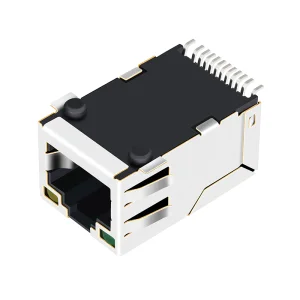
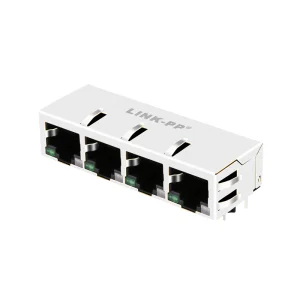
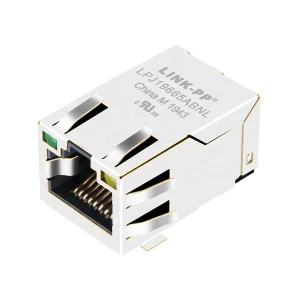
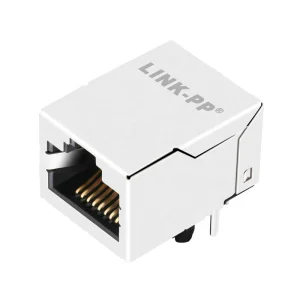
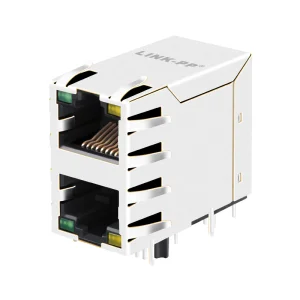
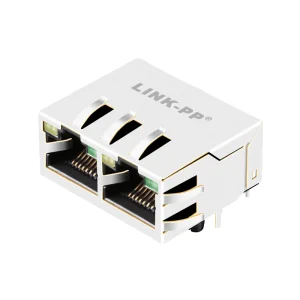
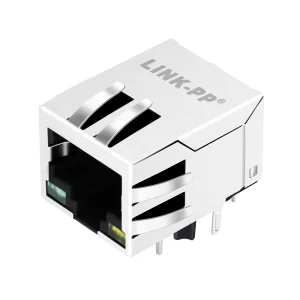
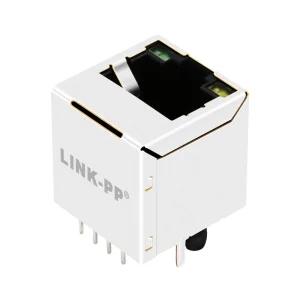
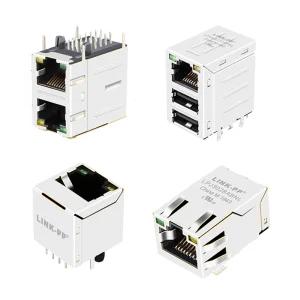
For copper lines, physical layers require magnetic isolation to protect sensitive ASICs from electrical spikes. Interfacing optical transceivers with copper ports demands high-performance modular connectors, such as the Vertical RJ45 Magnetic Connector and Magjack 1000 Base-T 1x4. Our products combine integrated magnetics and shielding, ensuring minimal electromagnetic interference (EMI) and insertion loss.
Tailored physical-layer network hardware solutions constructed to solve engineering limitations in core industries.
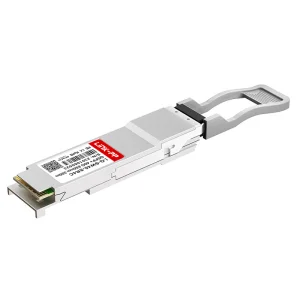
For hyper-scale cloud deployments, our 100GBASE-ER4 QSFP28 60km and QSFP+ 40GBASE-SR BiDi modules provide high-bandwidth connectivity across regional facilities. Digital Diagnostic Monitoring (DDM/DOM) is enabled natively, allowing remote network engineers to track optical output power, temperature, receiver sensitivity, and supply voltage in real-time, preventing fiber link failures before they trigger system downtime.
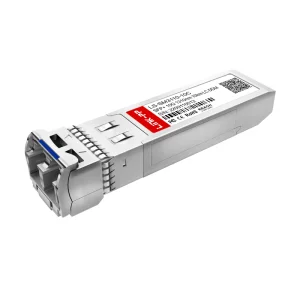
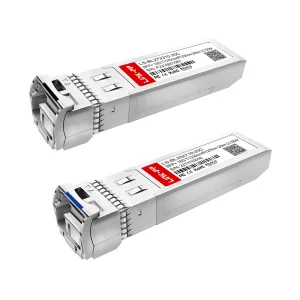
Cellular base stations operate in challenging outdoor environments subject to extreme temperature fluctuations. Our industrial-grade 10G BiDi SFP+ 20km Simplex LC and 25G SFP28 transceivers are built to withstand temperatures ranging from -40°C to 85°C. These components deliver jitter-free backhaul connections for CPRI/eCPRI interfaces.
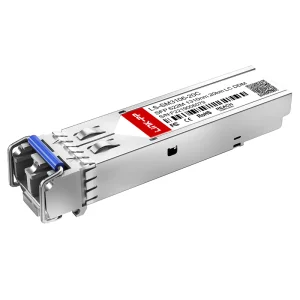
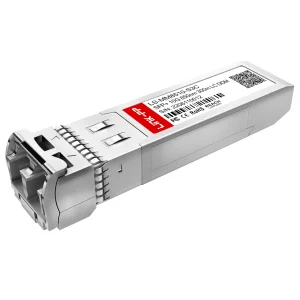
For standard LAN infrastructures, our Cisco Compatible 10G SFP+ 10km and 10GBASE-SR MMF 300m modules ensure smooth integration with legacy systems. Supporting hot-pluggable interfaces, these transceivers streamline capacity upgrades without interrupting network operations.
Global procurement teams must balance cost savings with rigorous validation parameters. To ensure long-term stability and link reliability, we recommend evaluating the following factors when selecting an optical transceiver factory:
Technical explanations regarding optical transceivers, compatibility, and OEM/ODM capabilities.
Explore our full line of compatible transceivers and modular magnetic connectors.