Lumopt
Lumopt
Lumopt
Direct supply from state-of-the-art Chinese manufacturing lines. Certified reliability for critical networking infrastructure.
How Modern Telecom Infrastructures Leverage Integrated Magnetics and Optical Transceivers for Enterprise Scaling
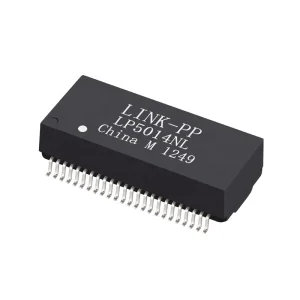
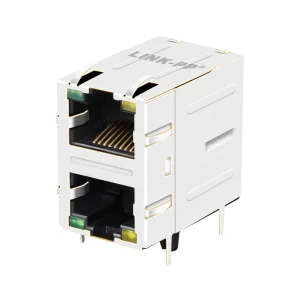
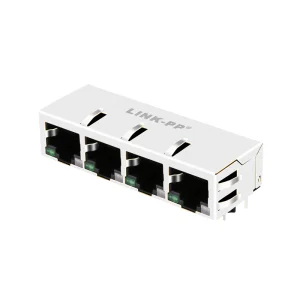
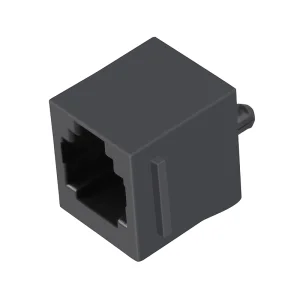
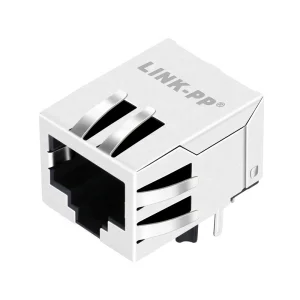
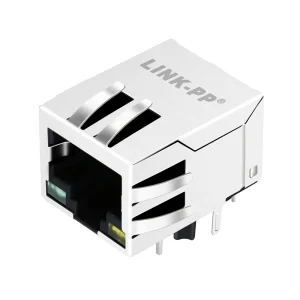
As modern data processing demands scale exponentially, hardware engineers face the physical limitation of PCB real estate. The Compact RJ45 Connector stands at the convergence of miniaturization and signal integrity. Unlike legacy modular jacks, high-performance compact RJ45 connectors integrate advanced electromagnetic interference (EMI) shielding mechanisms, internal magnetics (commonly referred to as MagJacks), and built-in LED indicators. This integration effectively reduces board footprint by up to 50%, while offering robust protection against crosstalk and signal attenuation in high-density rack configurations.
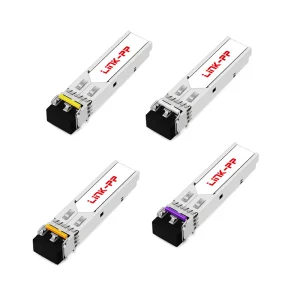
Lumopt Opto Technology Co., Ltd. (registered as Luguang Communication Technology Co., Ltd. in China) serves as a cornerstone manufacturer and global exporter specializing in high-performance optoelectronic interconnect and transceiver technologies. Our comprehensive portfolio extends from standard RJ45 interface modules to advanced optical modules covering 10G, 25G, 100G, 400G, 800G, and next-generation 1.6T systems.
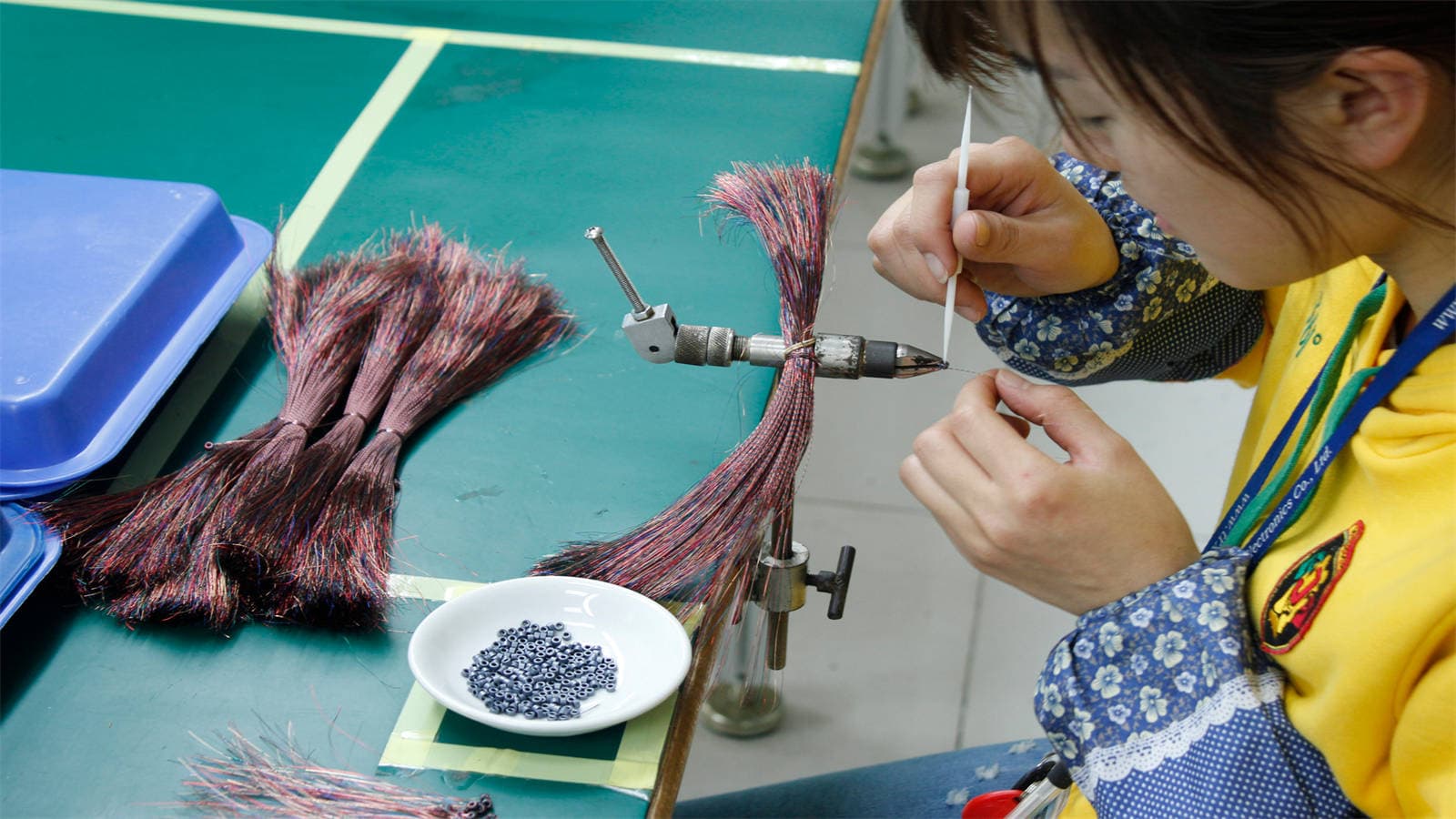
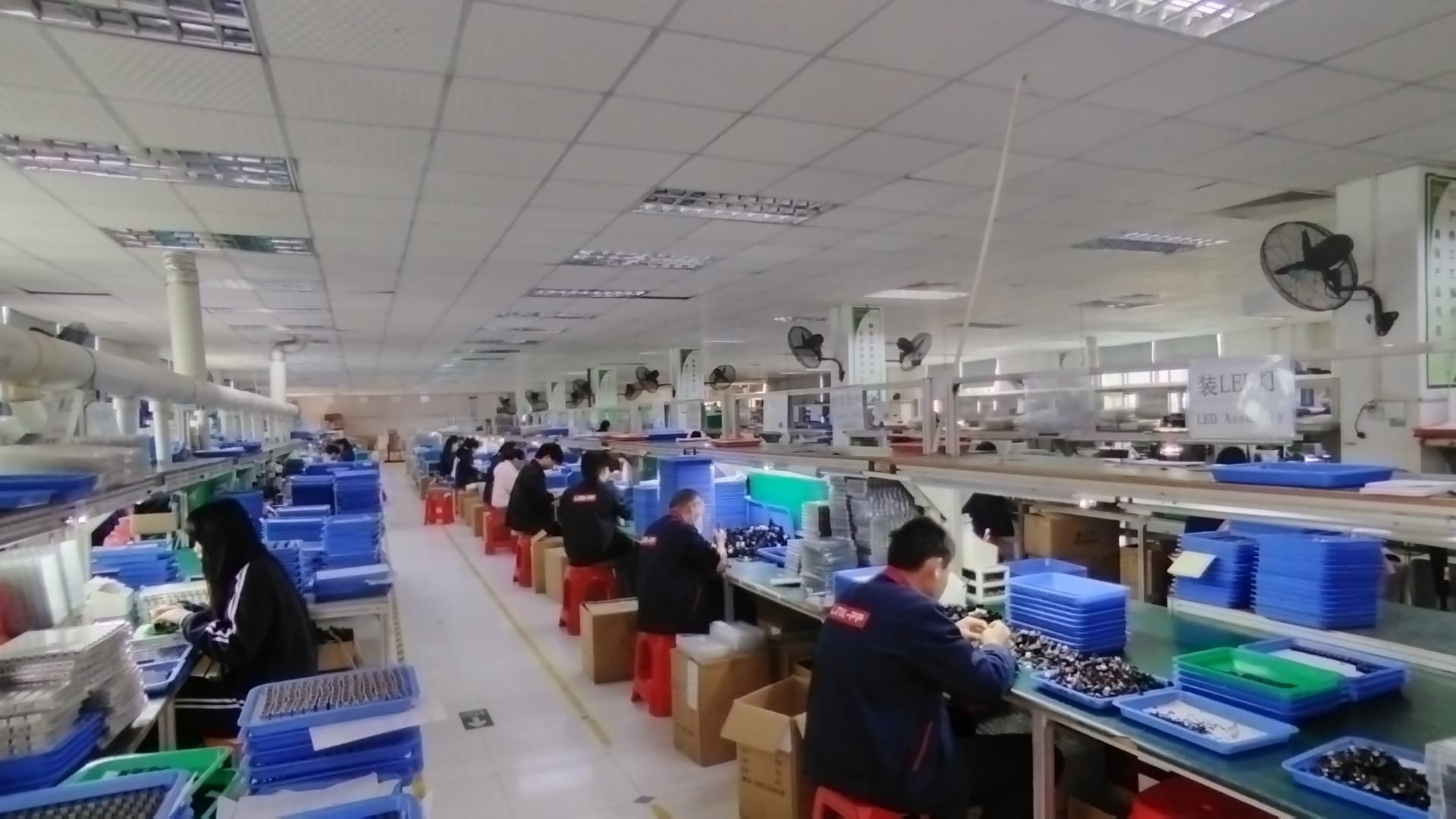
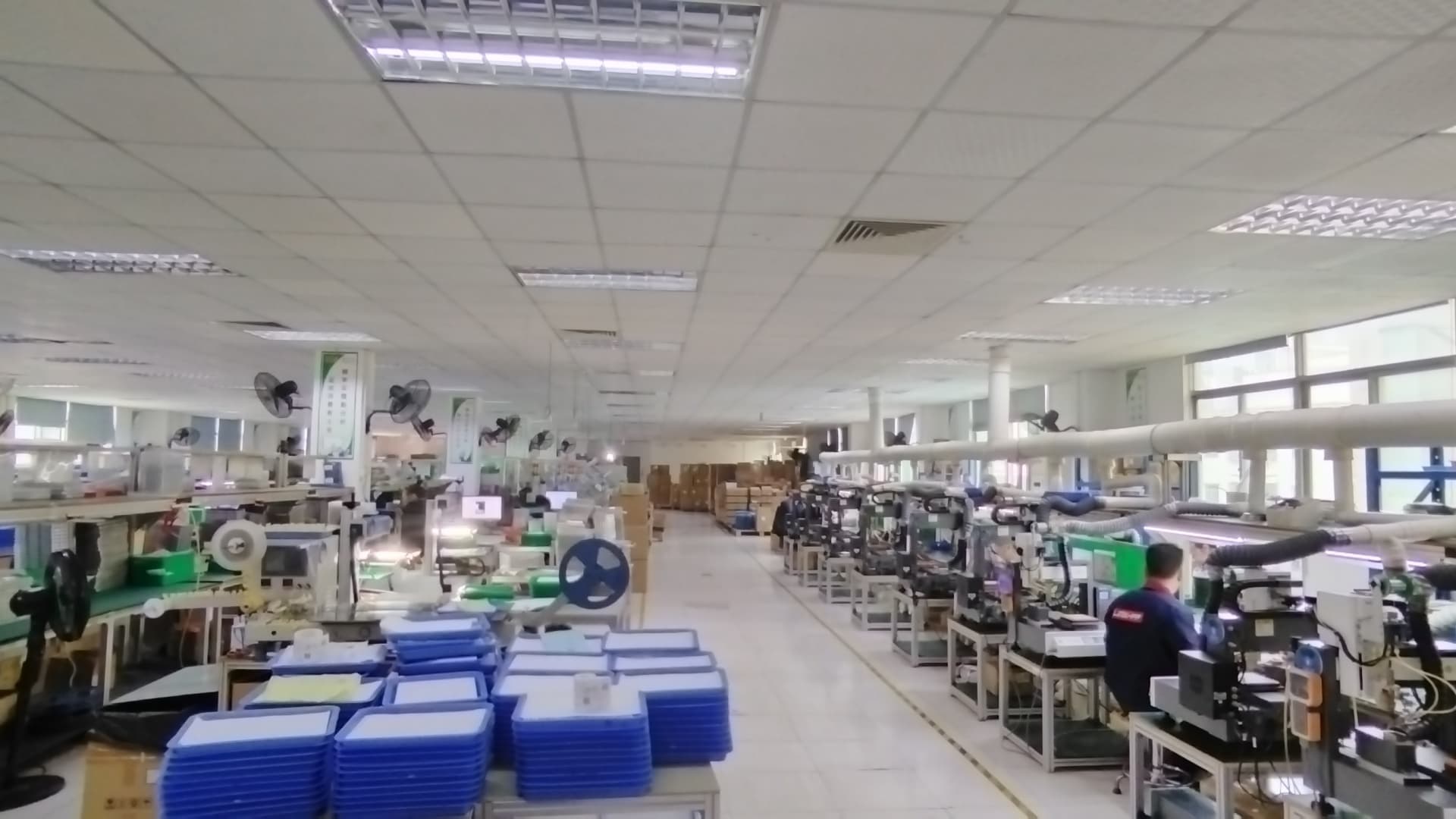
With modern manufacturing bases in China, Lumopt utilizes state-of-the-art dust-free cleanrooms, highly automated winding systems, and precision metal-stamping lines to guarantee stable mechanical and electrical parameters. Our capabilities support global tier-1 system integrators, data center operators, and telecom equipment producers through flexible OEM and ODM services.
Choosing a Chinese factory for compact RJ45 components is not merely a cost-centric choice; it is an integration play. The manufacturing ecosystem in China offers several unmatched advantages:
How we guarantee structural integrity, low insertion loss, and consistent electrical performance at every production stage.
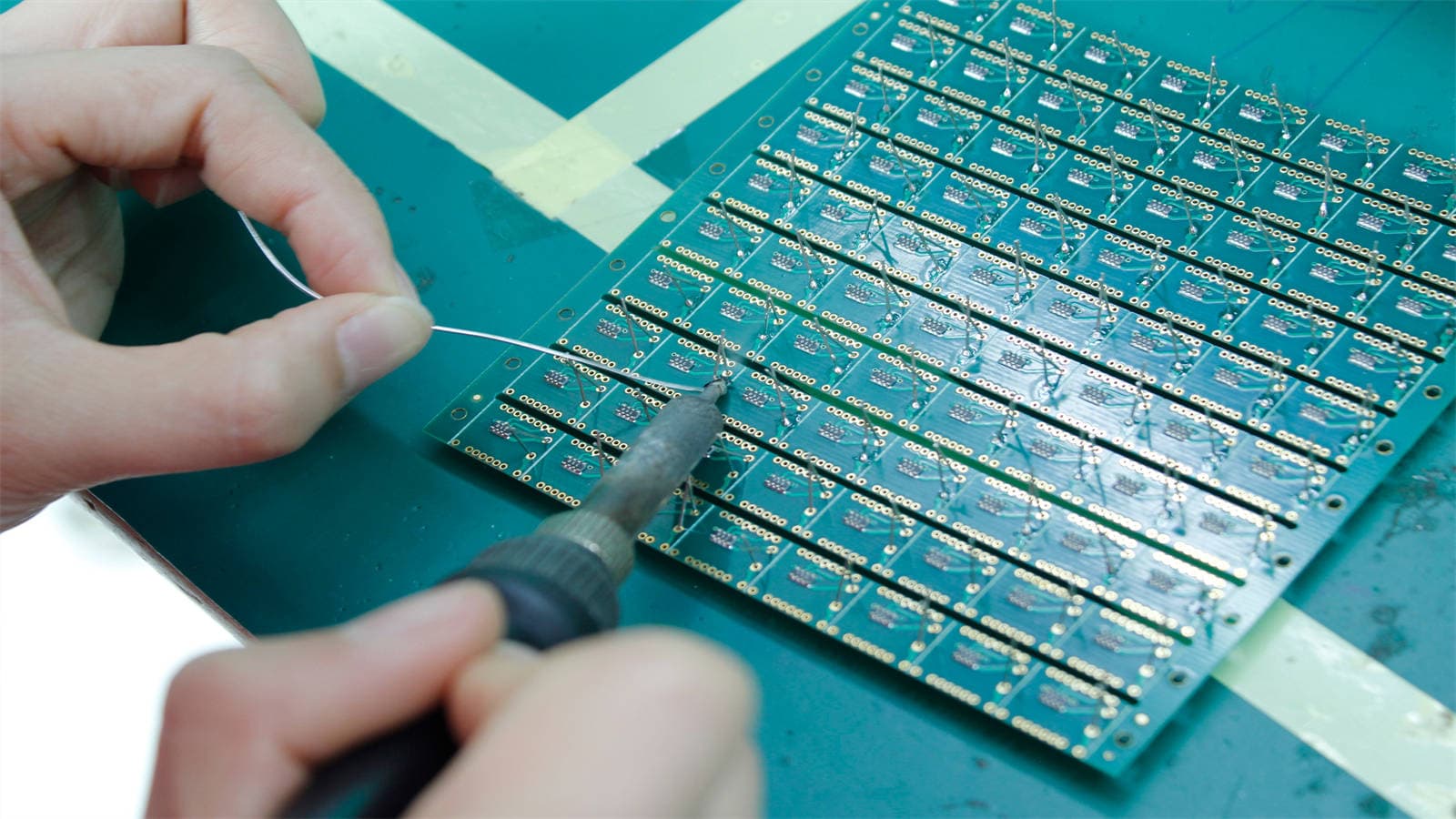
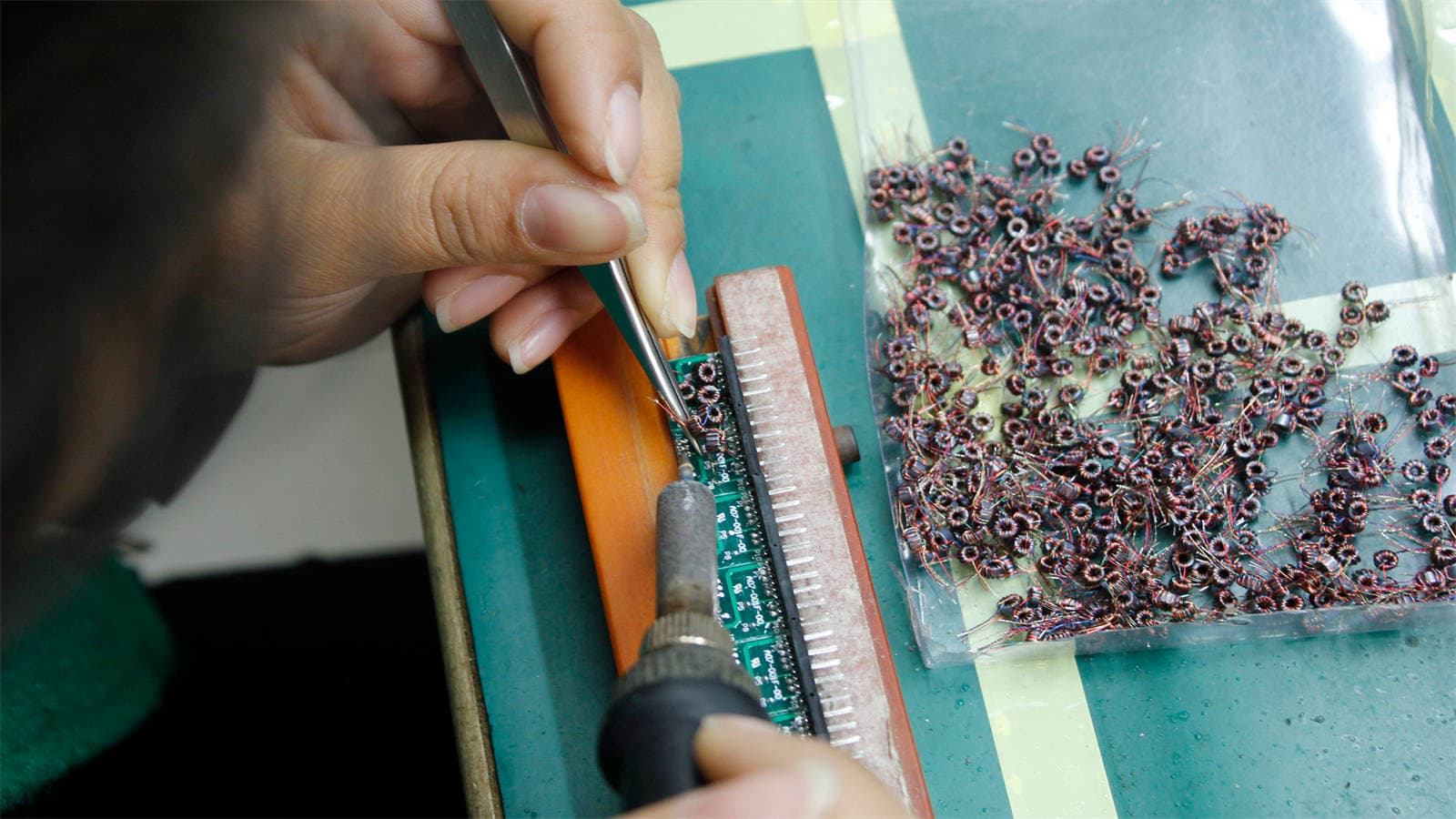
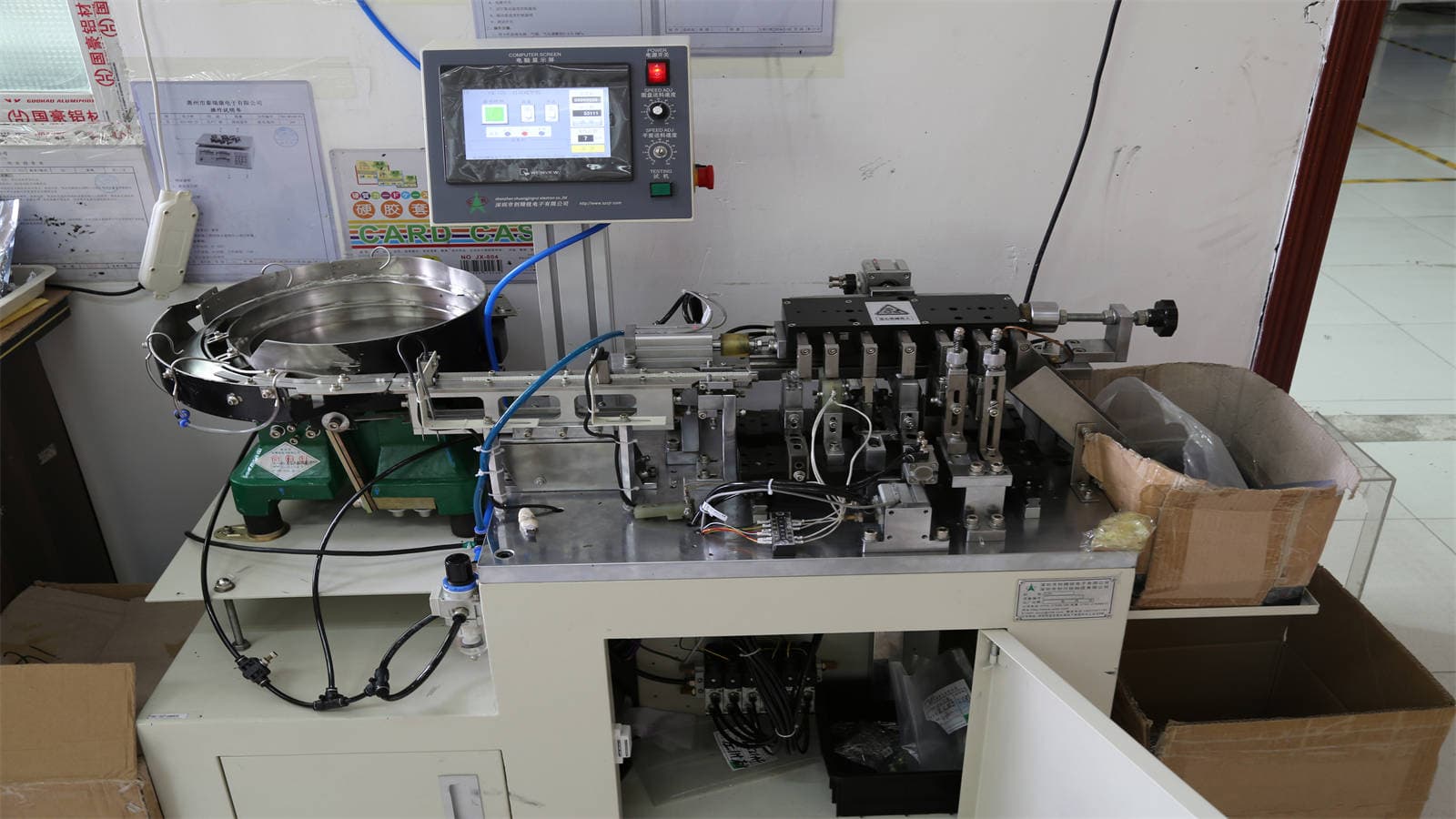
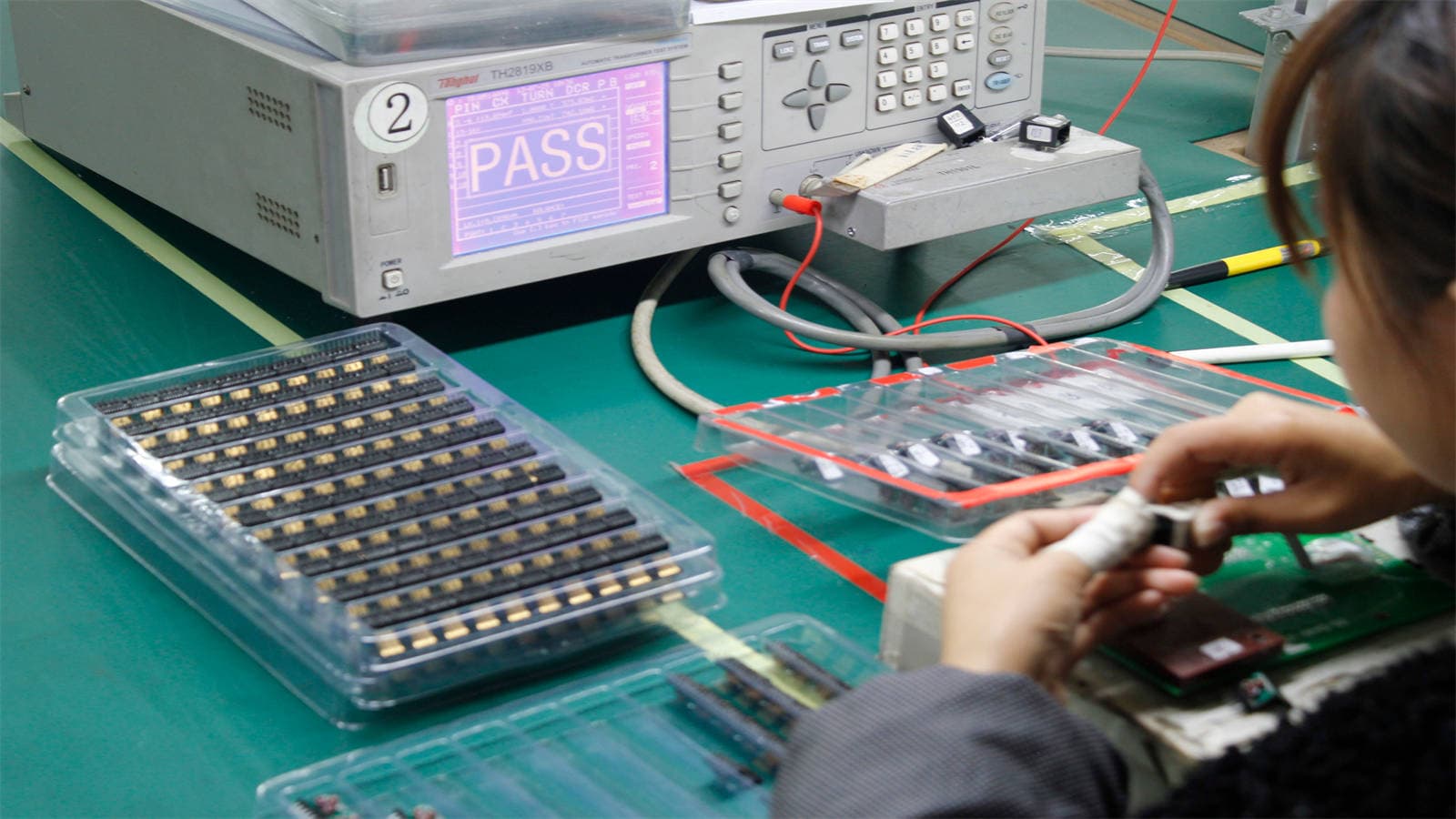
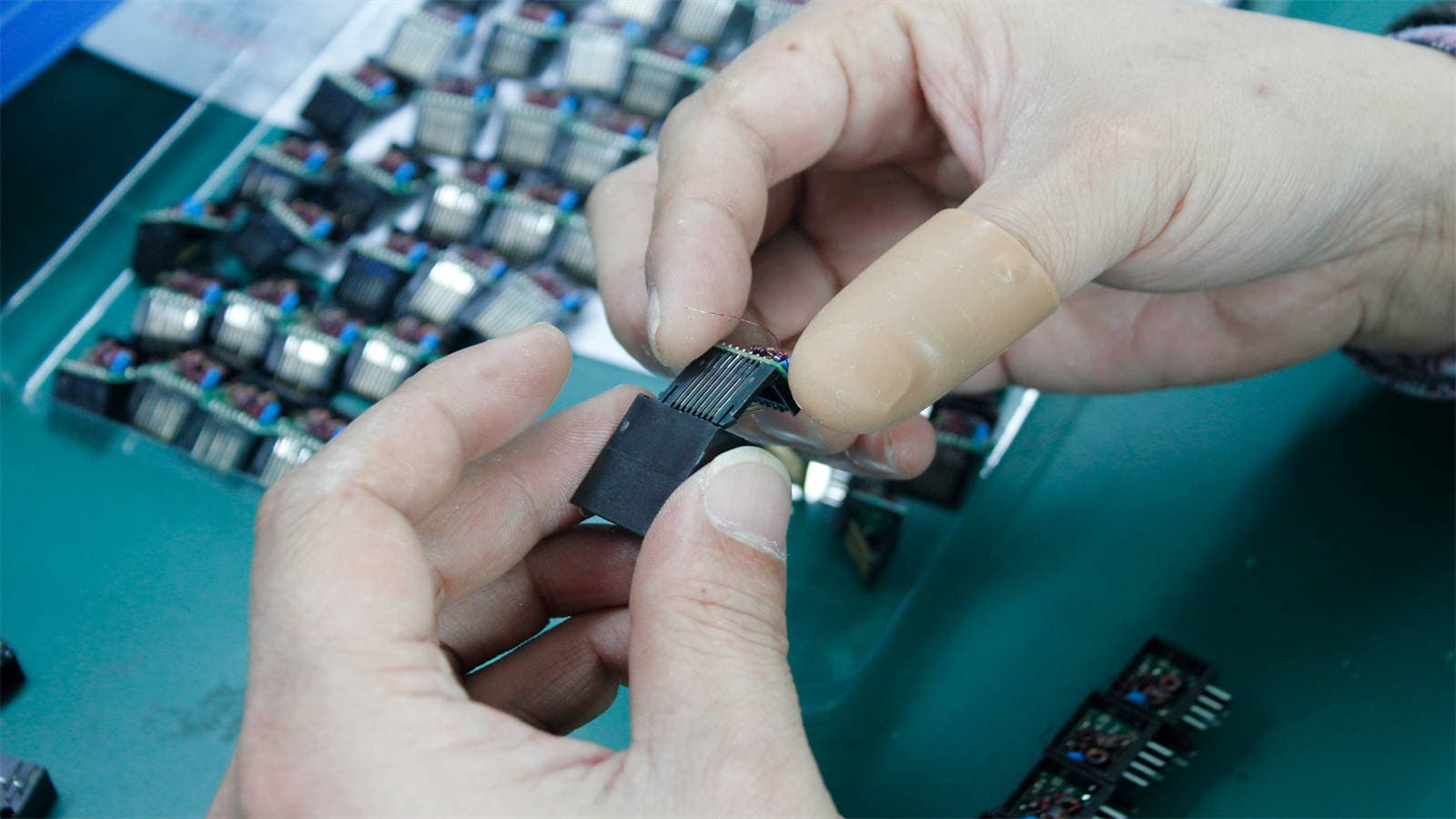
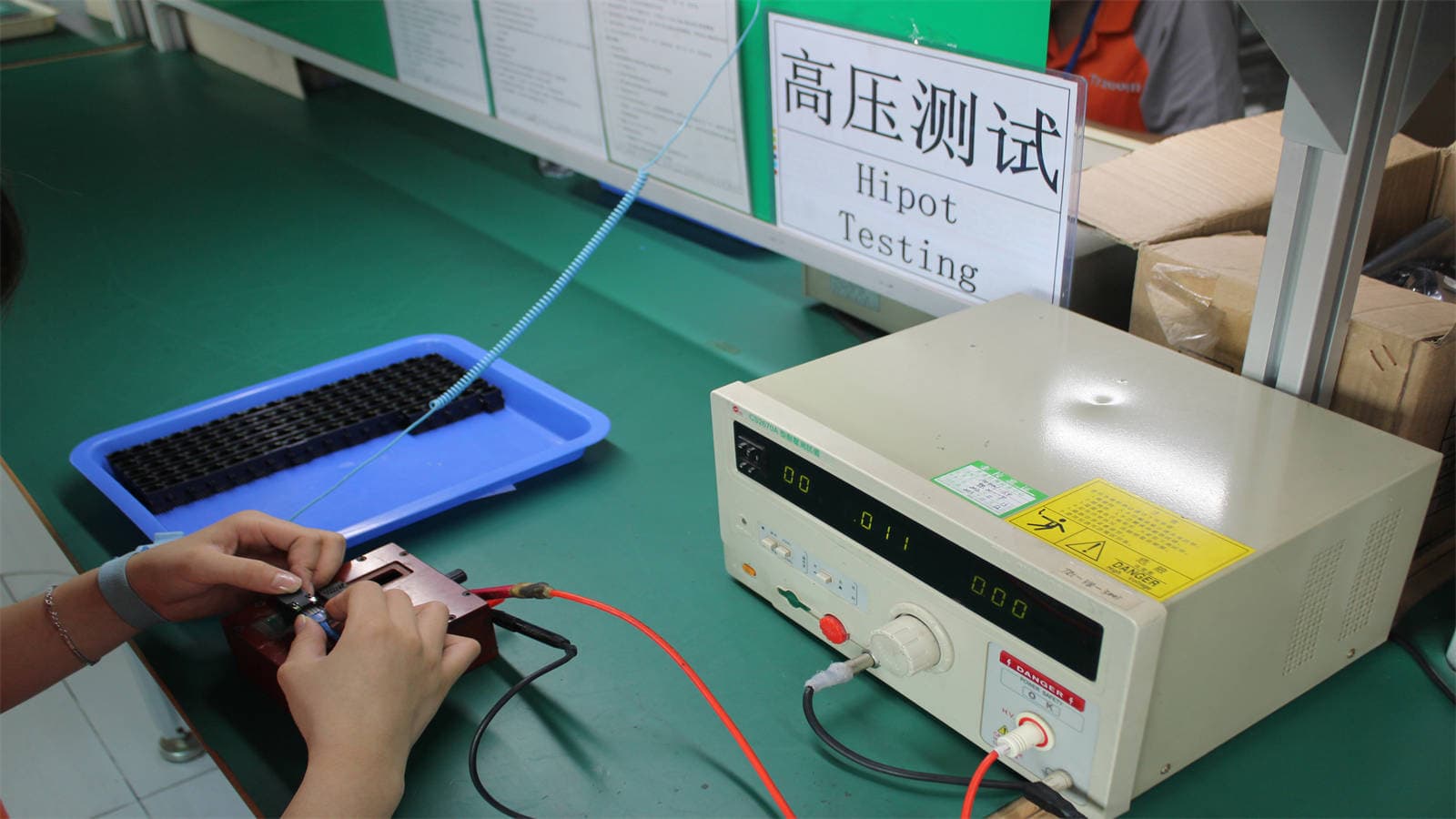
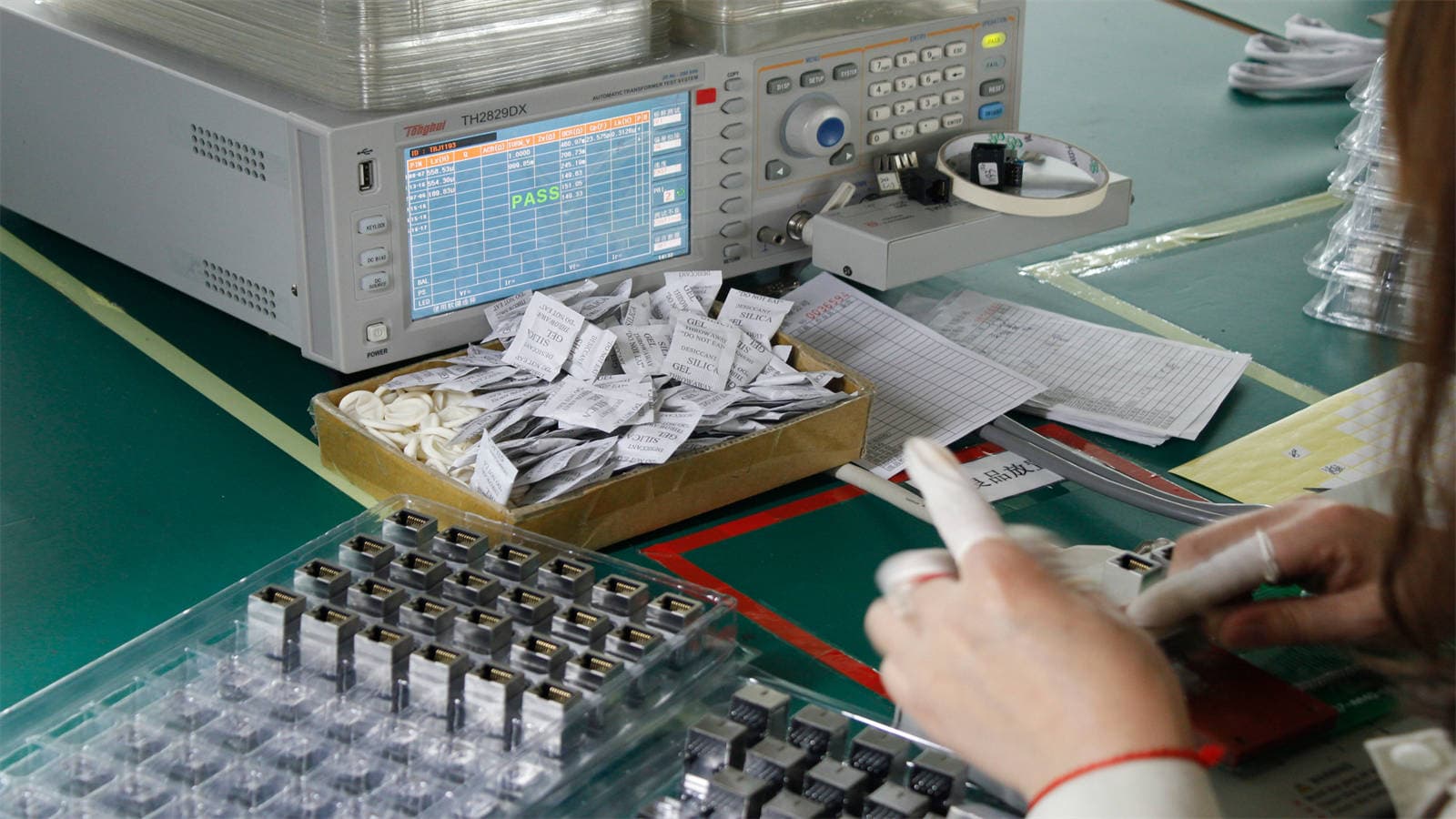
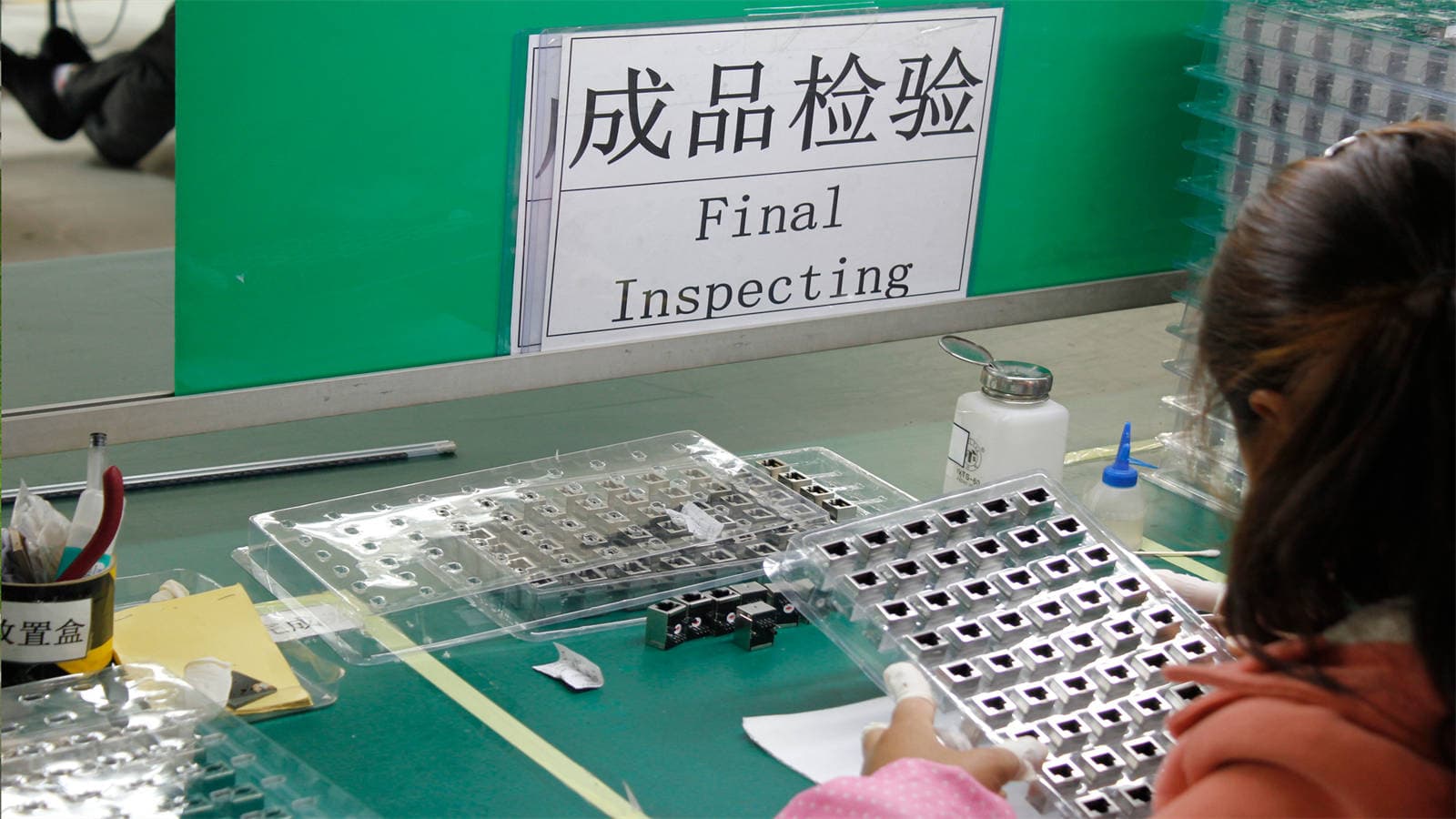

Our quality assurance protocol includes testing for magnetic performance, high-voltage insulation, LED parameter matching, and physical durability.
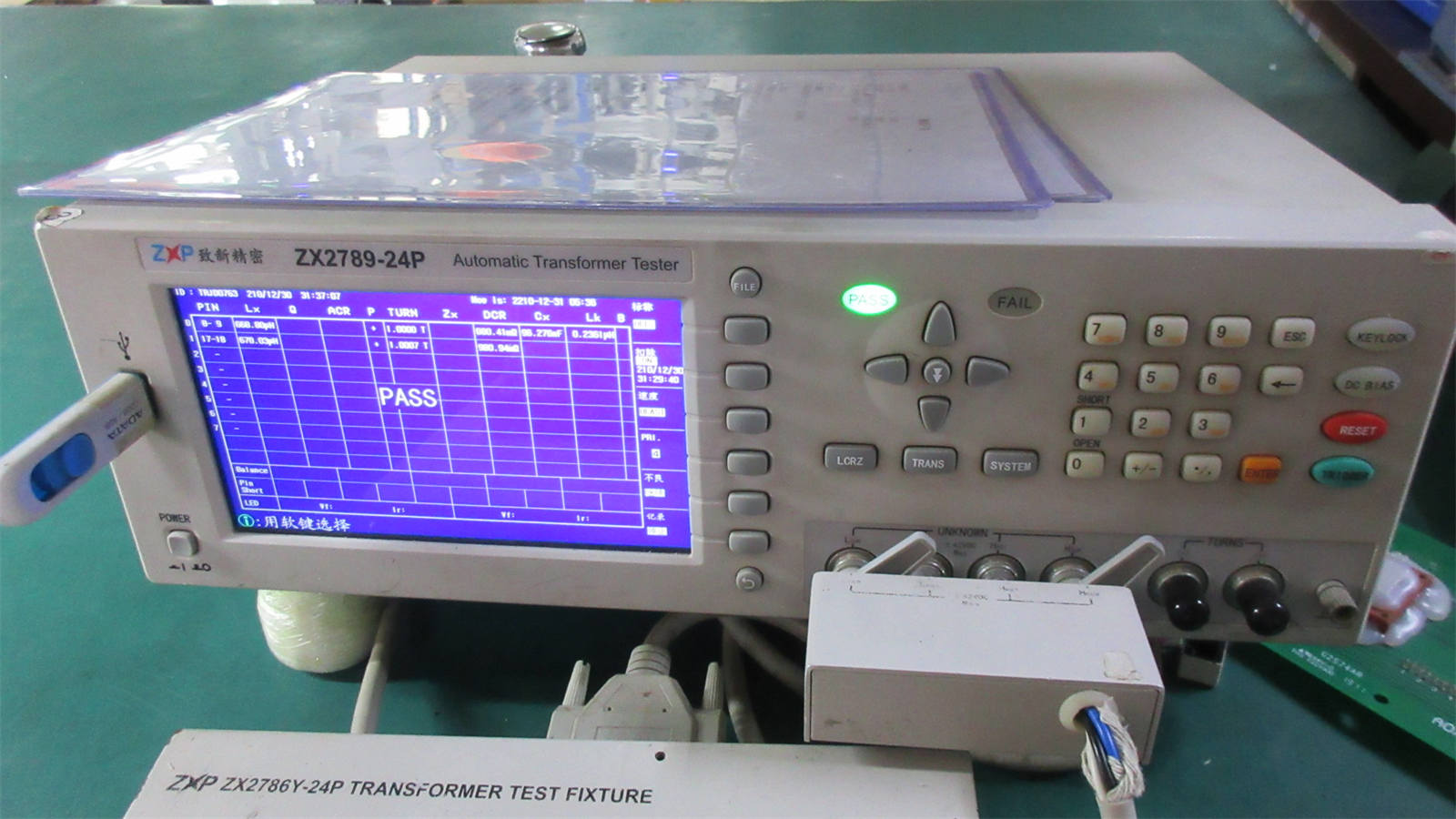
Validates frequency characteristics, insertion loss, return loss, and crosstalk parameters across multiple channel paths simultaneously.
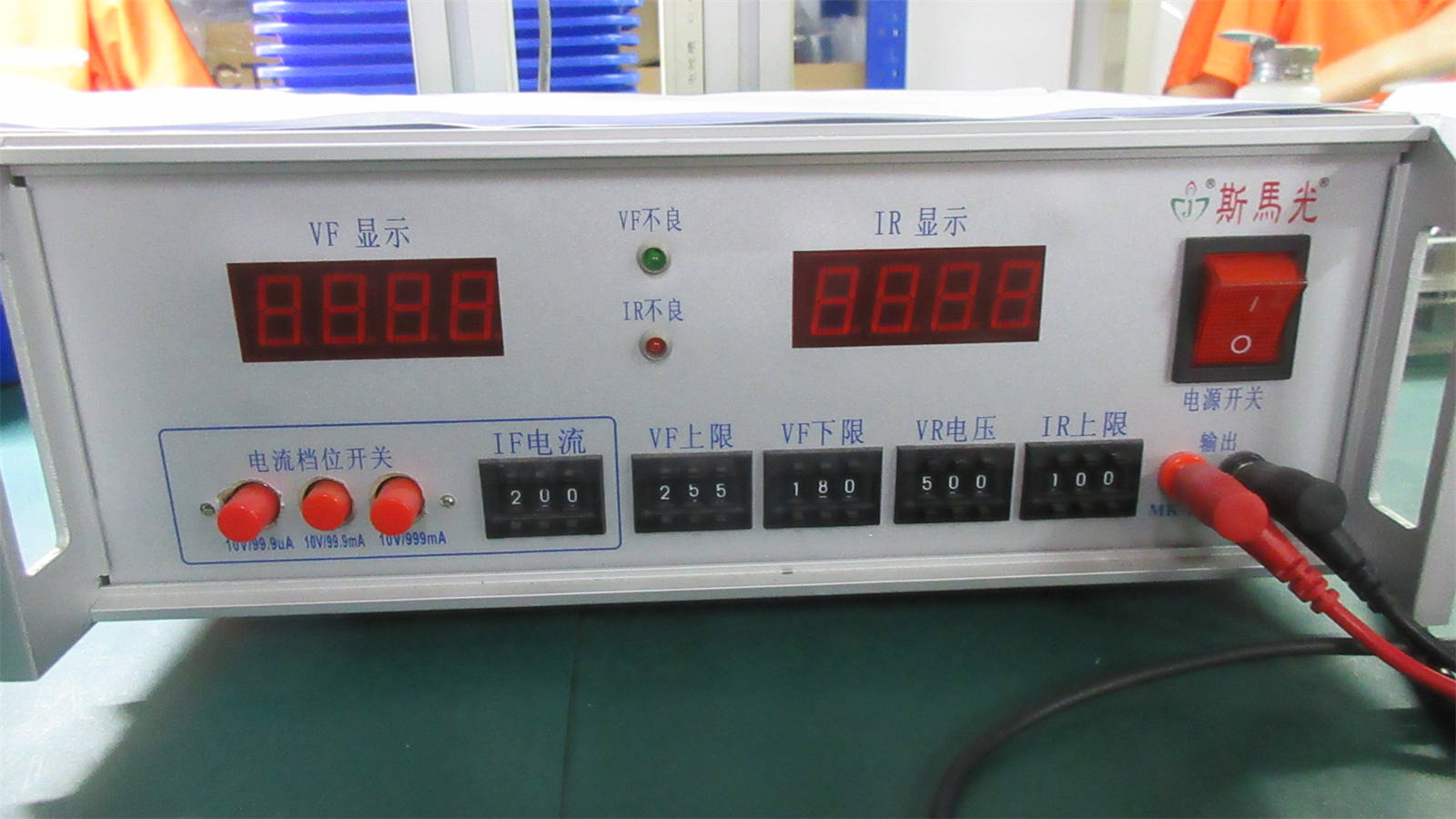
Checks light intensity, wavelength consistency, and electrical forward voltage parameters on integrated port LEDs.

Performs high-voltage dielectric isolation testing (up to 1500V AC or higher) to verify complete protection against electrical surges.
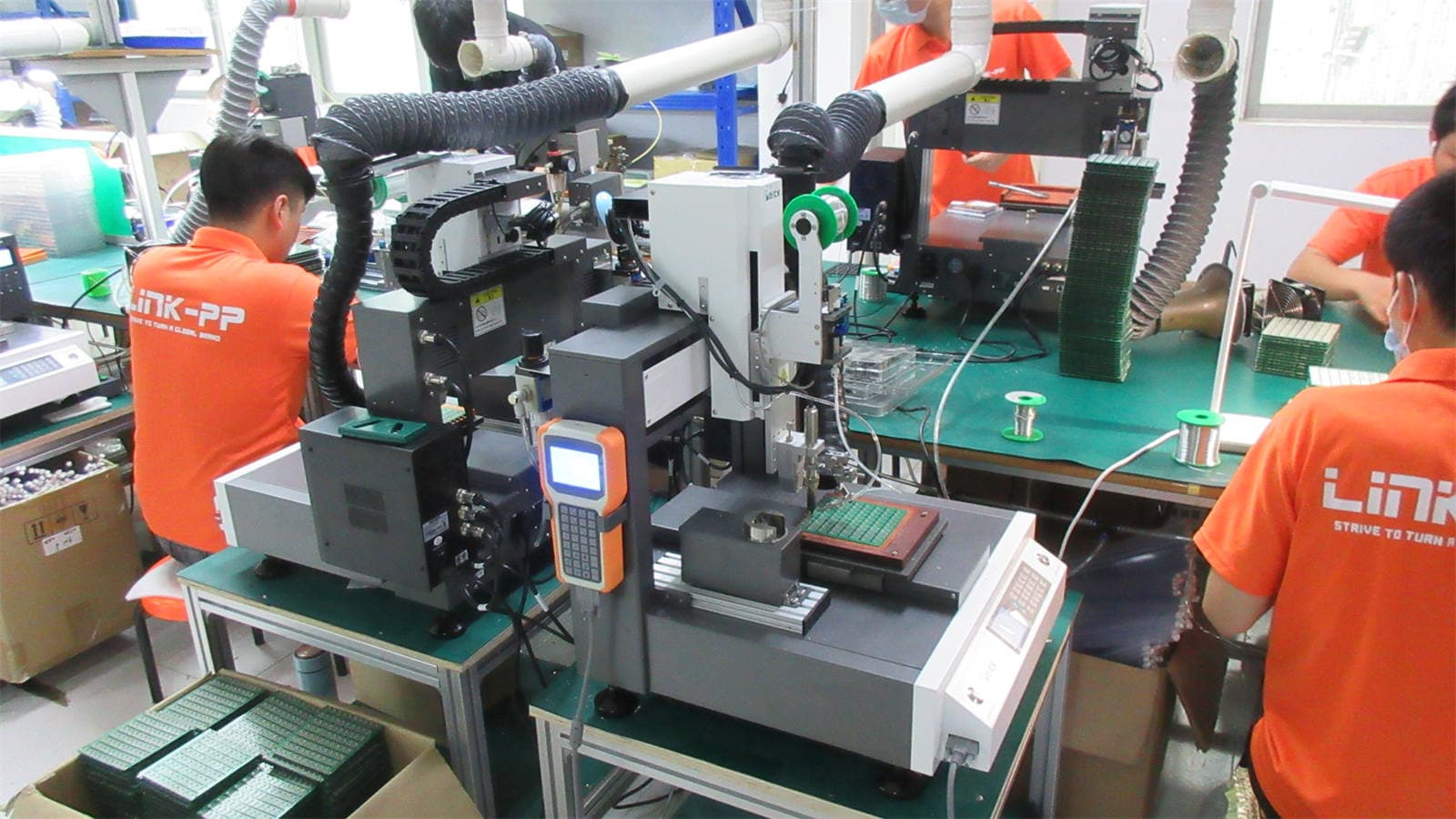
Provides precision multi-axis robotic soldering to ensure consistent contact points, eliminating manual soldering inconsistencies.
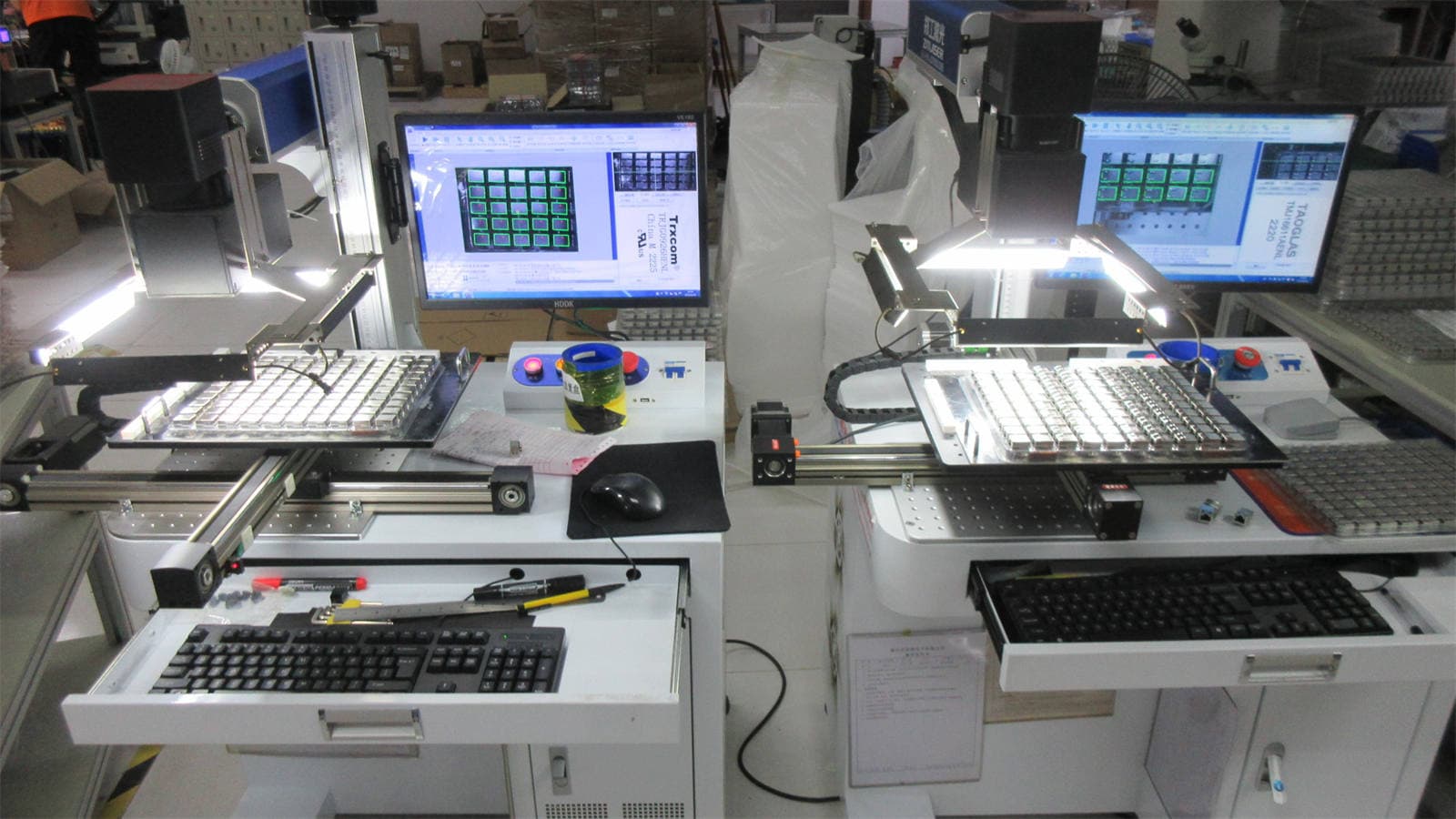
Applies clean, high-resolution product labels, tracking QR codes, and custom buyer serial numbers directly to the connector housing.
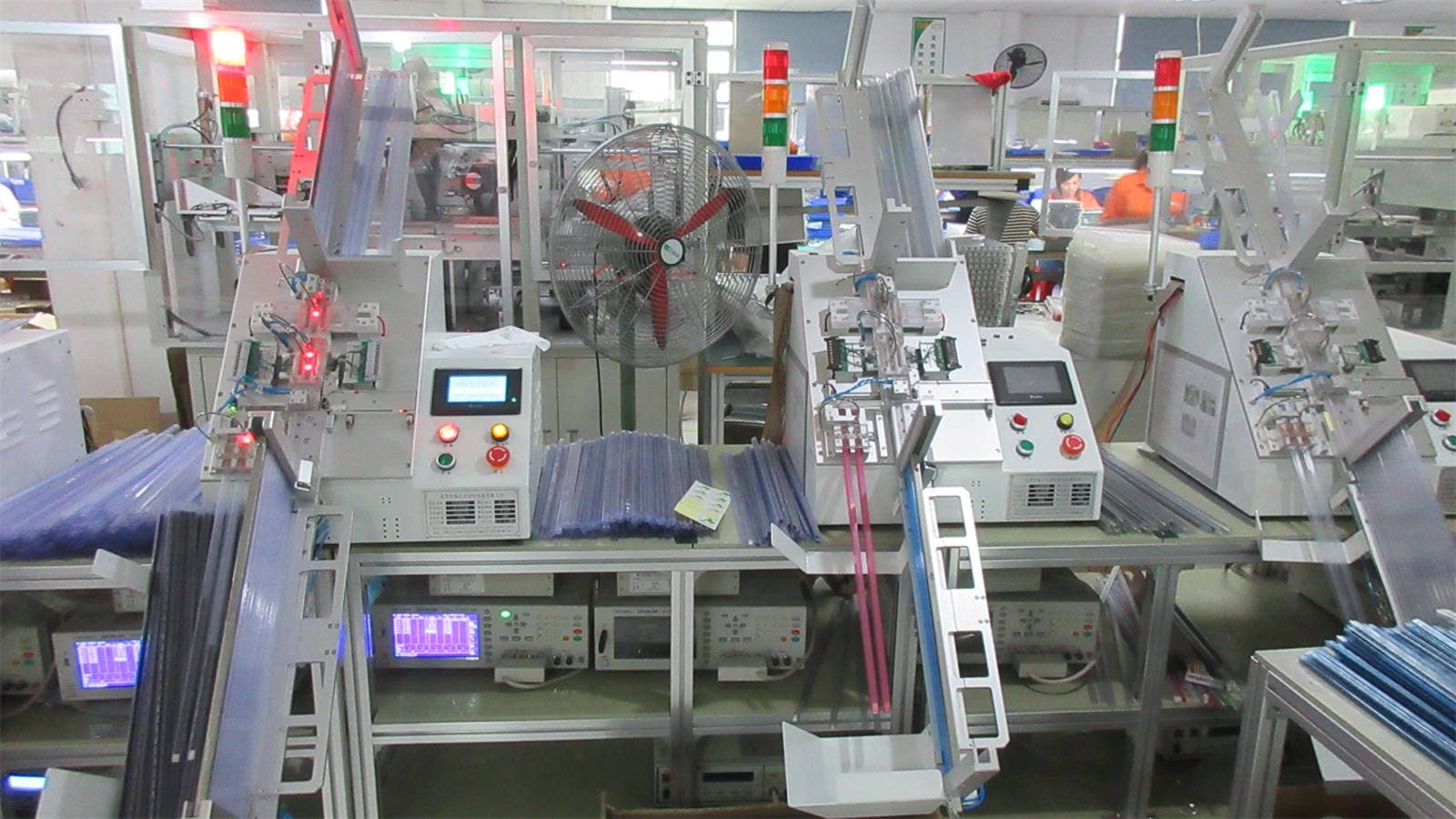
Tests magnetic properties including turns ratio, inductance, leakage inductance, and inter-winding capacitance.
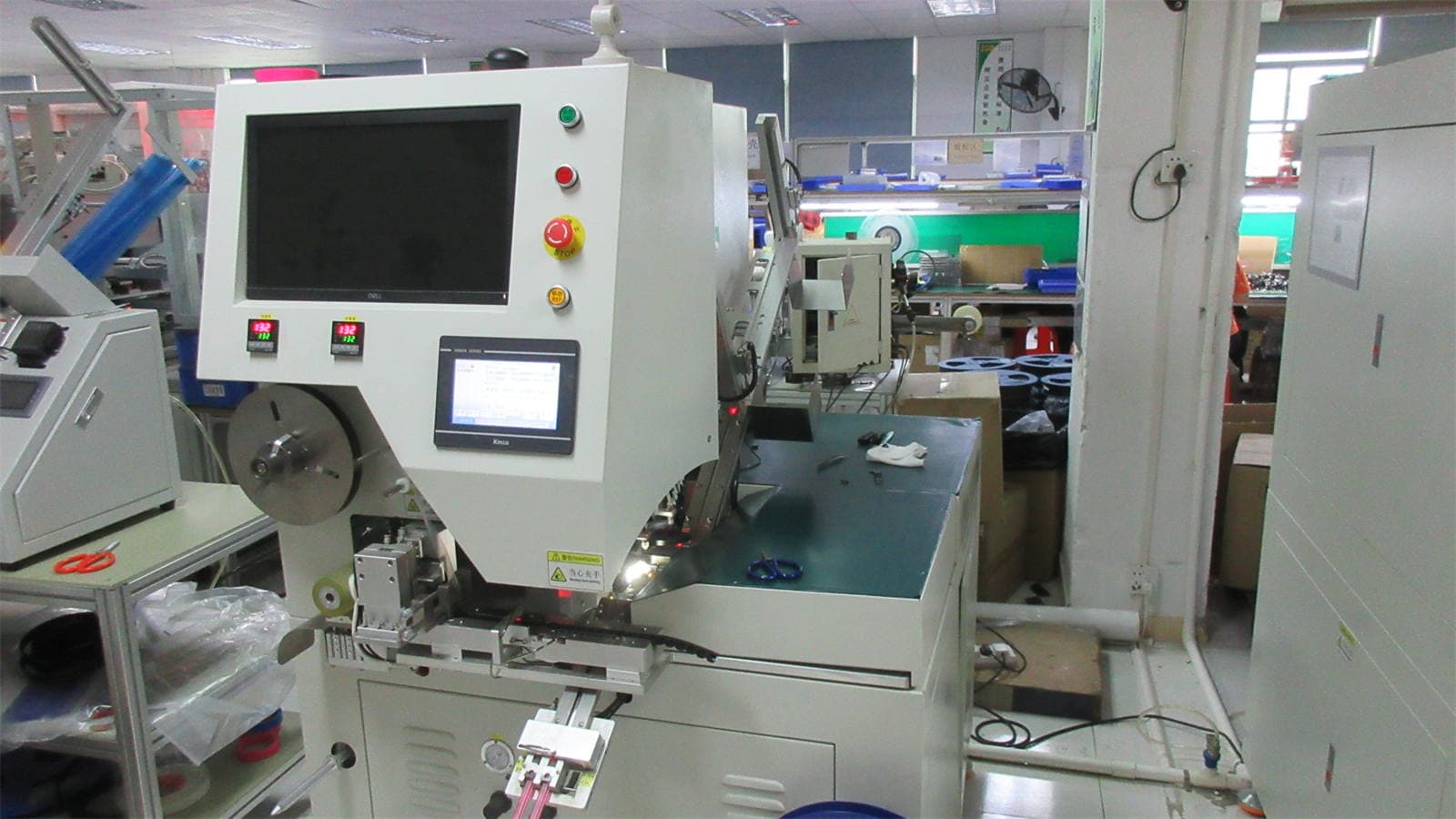
Automates moisture-barrier tray packing and sealing to prevent component oxidation during maritime transit.
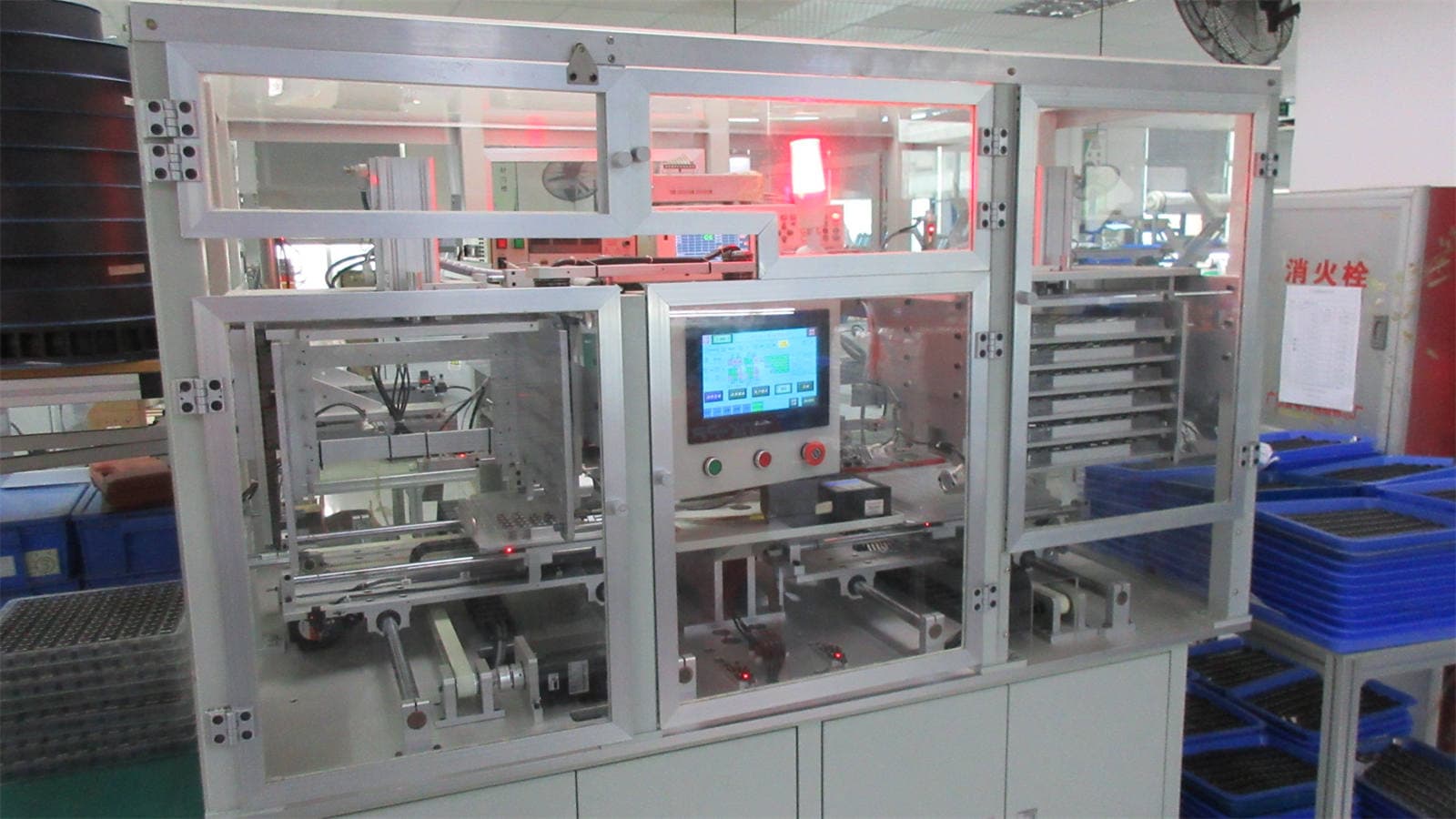
Automates mechanical mating-cycle testing and checks electrical pin contact resistance across high-volume batches.
Inspects transmission margins and verifies compliance with Ethernet standards such as IEEE 802.3 and IEEE 802.3ab.
As optical fiber continues to push deep into metropolitan and edge access layers, copper interfaces must evolve in parallel. Key trends include:
Connecting smart building infrastructure, IP security systems, and high-performance wireless access points requires connectors capable of handling up to 90W-100W of electrical power. The current density inside compact RJ45 connectors demands premium gold-plated contacts and heat-resistant polymers to prevent contact degradation under heavy PoE thermal loads.
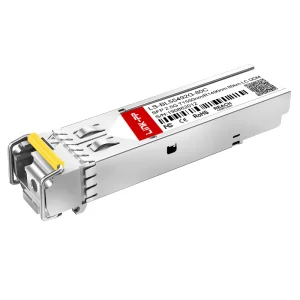
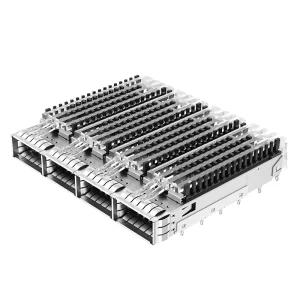
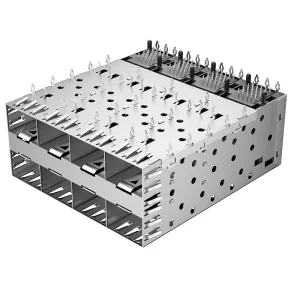
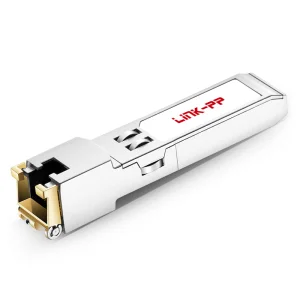
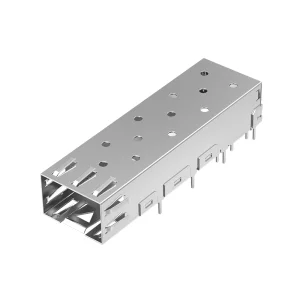
Modern network routers utilize hybrid cages that allow designers to swap copper RJ45 links and optical SFP transceivers in the same chassis. Ensuring that cage mechanics (such as press-fit configurations and integrated light pipes) remain standard-compliant is crucial for flexibility in network architectures.
Industrial IoT (IIoT) requires IP-rated, vibration-resistant RJ45 structures. Standard RJ45 modules are vulnerable to dust and shock. Compact vertical SMT designs with reinforced grounding tabs provide the mechanical stability needed for factory-floor environments and automotive assembly lines.
Common questions from hardware engineers, network architects, and procurement managers answered by our technical staff.
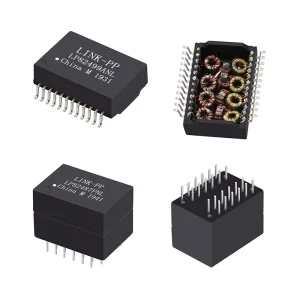
A standard RJ45 connector is a mechanical plastic housing with copper pins. A MagJack (or Integrated Connector Module) integrates the electrical isolation transformer, common-mode chokes, resistors, and high-voltage capacitors inside the metal-shielded connector housing itself. This design protects the PHY chip from voltage surges, filters electromagnetic noise, and saves PCB board space.
Press-fit termination does not require thermal soldering, which eliminates the risk of solder bridges and cold joints. It provides high contact force, high reliability, and excellent high-frequency characteristics (reduced impedance discontinuities), making it ideal for high-speed multi-gigabit SFP and QSFP optical transceiver interfaces.
Gold plating protects copper contacts from oxidation and corrosion. Plating thickness ranges from gold flash to 50 micro-inches (50u"). High-reliability telecom and industrial installations demand 30u" or 50u" gold plating to survive up to 750 mating cycles and ensure low contact resistance over decades.
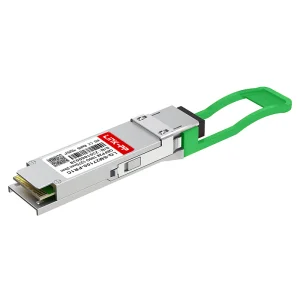
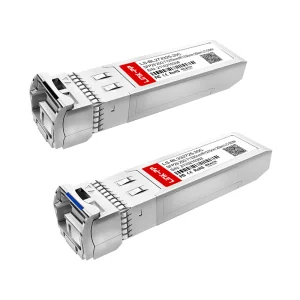
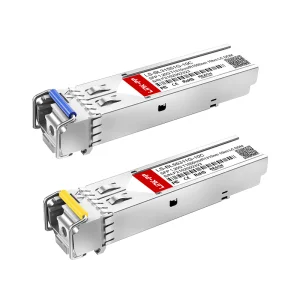
Every optical transceiver (such as SFP28, QSFP28, etc.) is tested on brand-specific switches (Cisco, Huawei, Juniper, etc.) to verify DOM (Digital Optical Monitoring) readings, bit error rate (BER), eye diagram quality, and spectral compliance. This step ensures seamless hardware handshakes upon field deployment.
Explore our catalog of high-performance components optimized for core switch, edge access, and data center deployments.