Lumopt
Lumopt
Lumopt
Engineered for low latency, thermal stability, and multi-vendor compatibility. Optimal for high-capacity Israeli telecom and data networks.
Authoritative engineering analysis of legacy interfaces, high-speed migrations, and regional deployment demands.
While modern multi-gigabit standards such as QSFP-DD, OSFP, and 800G form factors command headlines, the classical 1x9 optical transceiver remains a structural cornerstone in specialized industrial networking. The 1x9 package, defined by its single row of nine pins, provides a highly robust, solder-down optical interface. Unlike hot-pluggable modules (such as SFP or SFP+), 1x9 modules are physically anchored to the host PCB. This provides unmatched resistance to mechanical shock, intense vibration, and long-term mechanical degradation. These properties make the 1x9 transceiver indispensable for industrial Ethernet switches, security control mechanisms, electrical utility automation (IEC 61850 networks), and SCADA architectures globally and within Israel's industrial sectors.
Israel, particularly the central "Silicon Wadi" hub stretching from Tel Aviv to Haifa, represents one of the world's most dense concentrations of high-technology R&D, cybersecurity, AI computation, and defense engineering. As a result, the demands placed on optical networking infrastructure are exceptionally stringent. High-frequency trading systems, secure military backbones, and hyperscale development hubs managed by multinational technology companies require both legacy stability and advanced optical capacity. Furthermore, Israel's national infrastructure projects, including smart-grid modernization and high-speed rail lines, utilize 1x9 optical architectures for remote monitoring systems where extreme desert temperatures and remote operational sites demand components with high Mean Time Between Failures (MTBF).
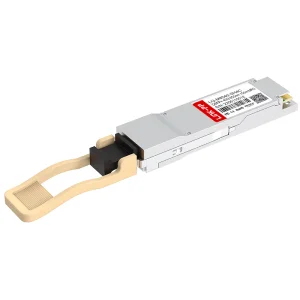
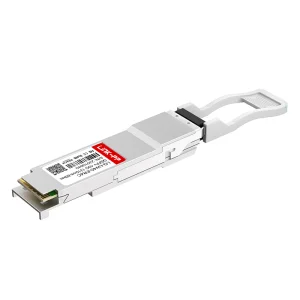
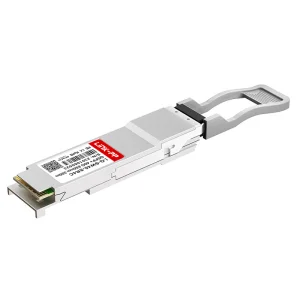
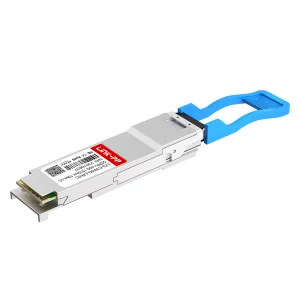
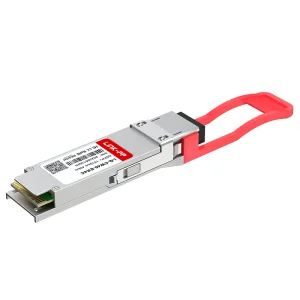
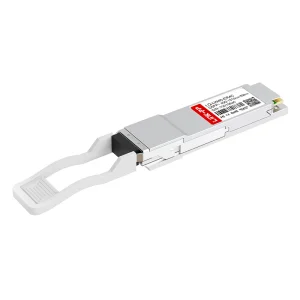
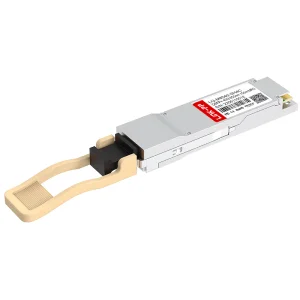
On a global scale, telecommunications and enterprise datacenters are rapidly moving toward high-speed optical transceivers. 40G QSFP+ (Quad Small Form-factor Pluggable) modules act as an essential bridging standard. Using four independent transmit and receive channels, 40G modules offer versatile migration pathways: they can be split into four discrete 10G interfaces using MPO-to-LC breakout fibers, or deployed as a single high-throughput trunk. This flexibility is vital for legacy system upgrades in older Tel Aviv metro hubs where gradual bandwidth expansion is preferred over a complete structural overhaul.
Demonstrated quality and manufacturing scale supporting global enterprise systems.
Providing long-term lifecycle support for telecommunications and critical industrial networks across Israel.
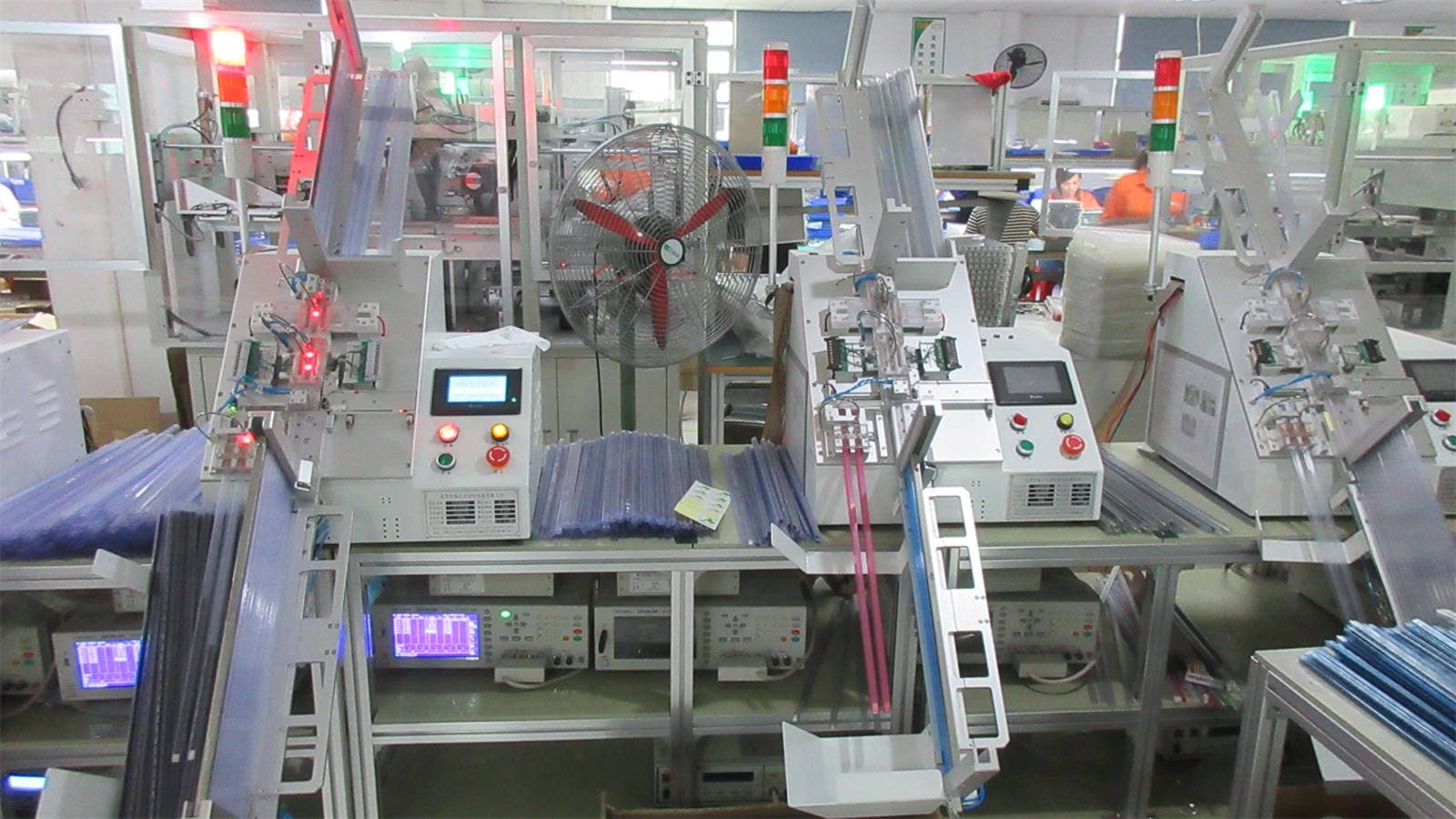
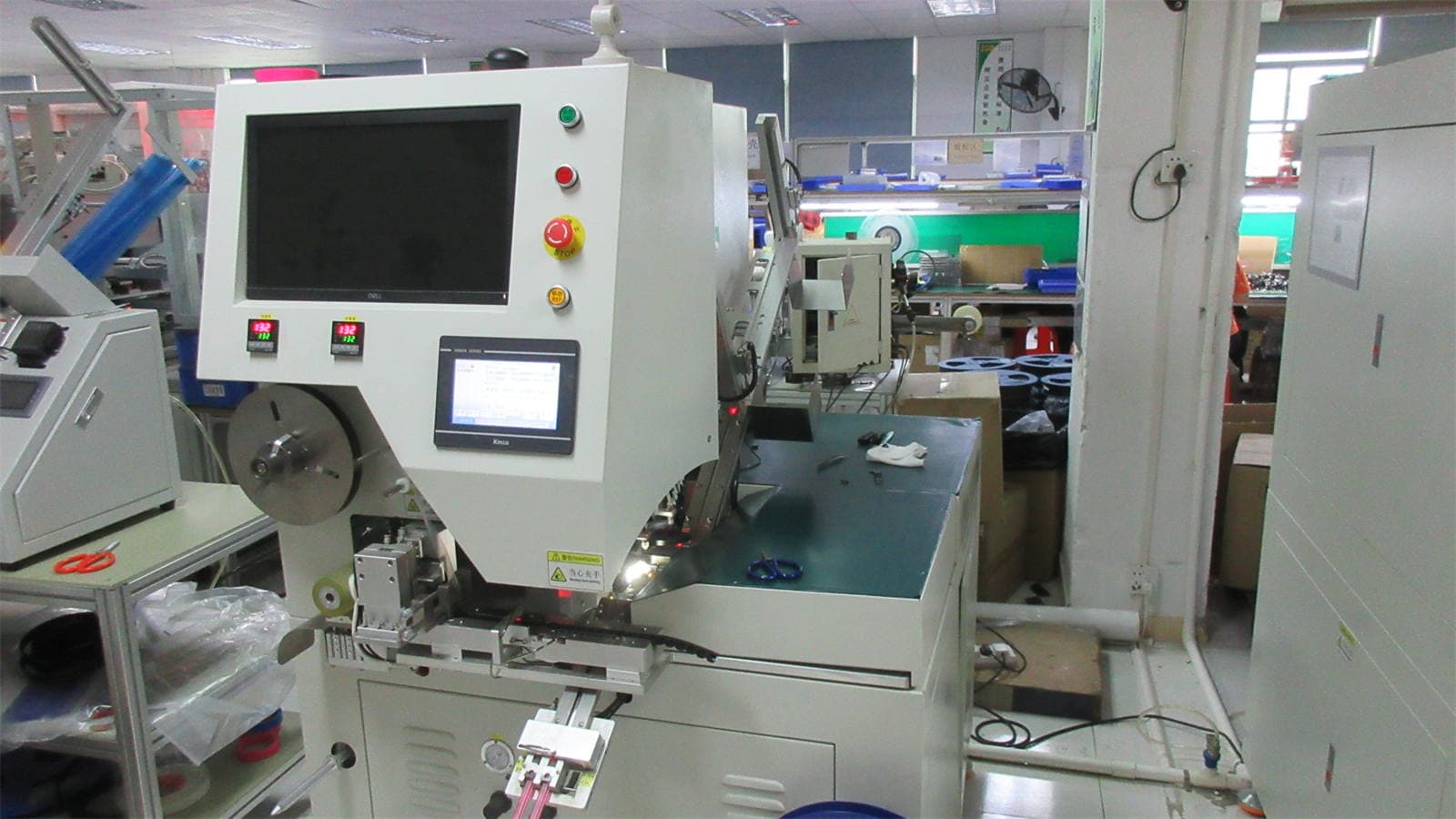
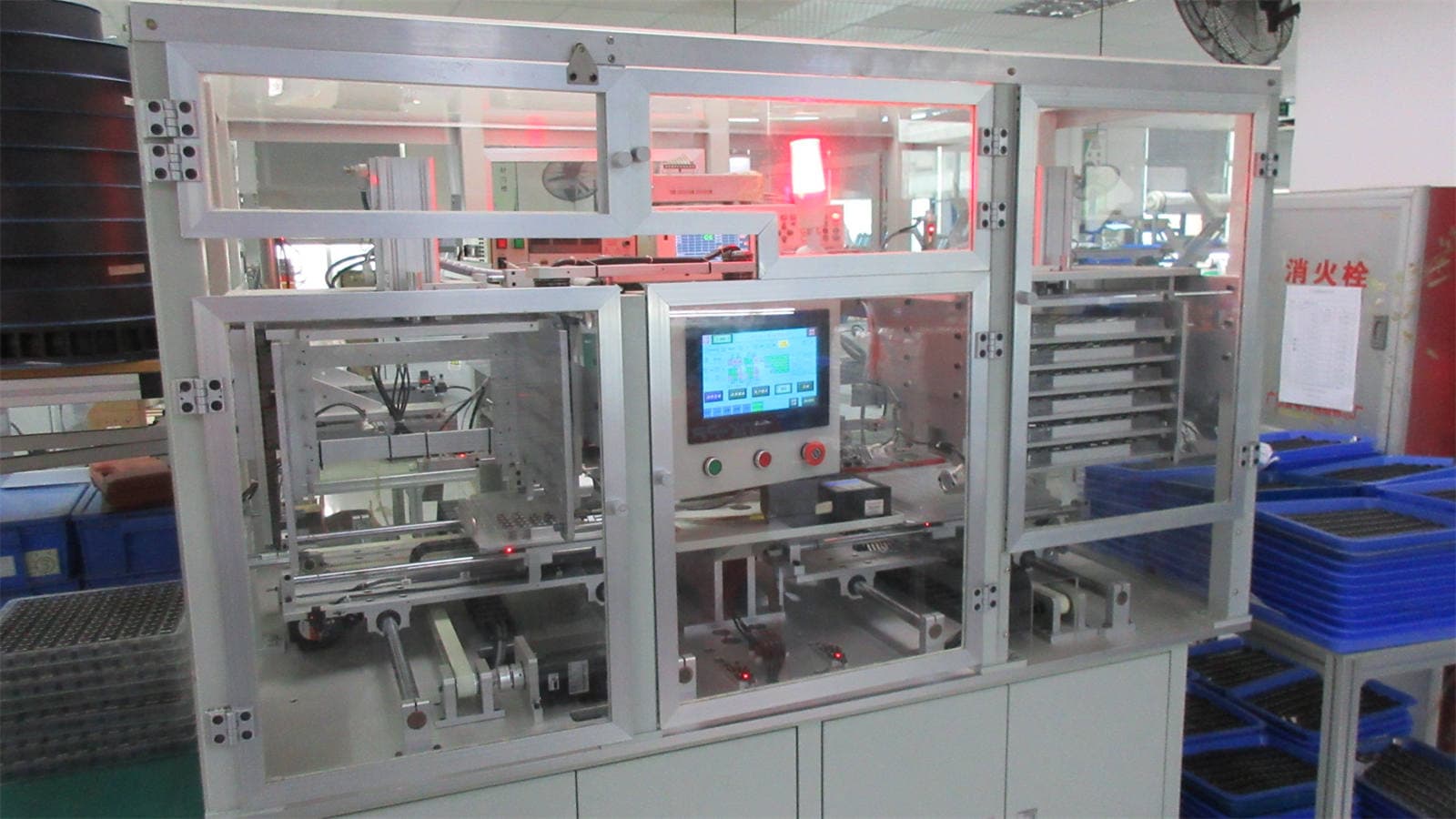
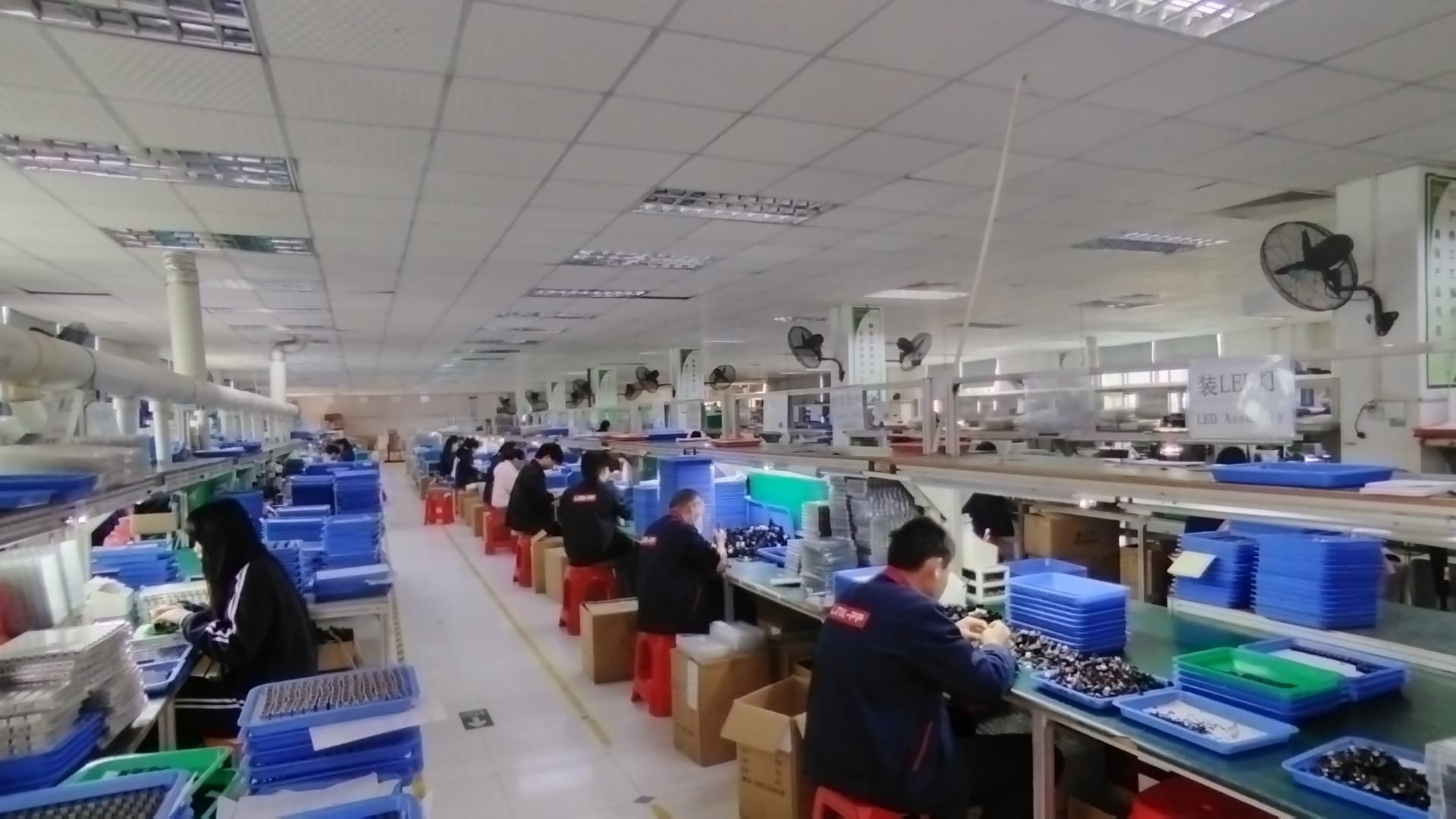
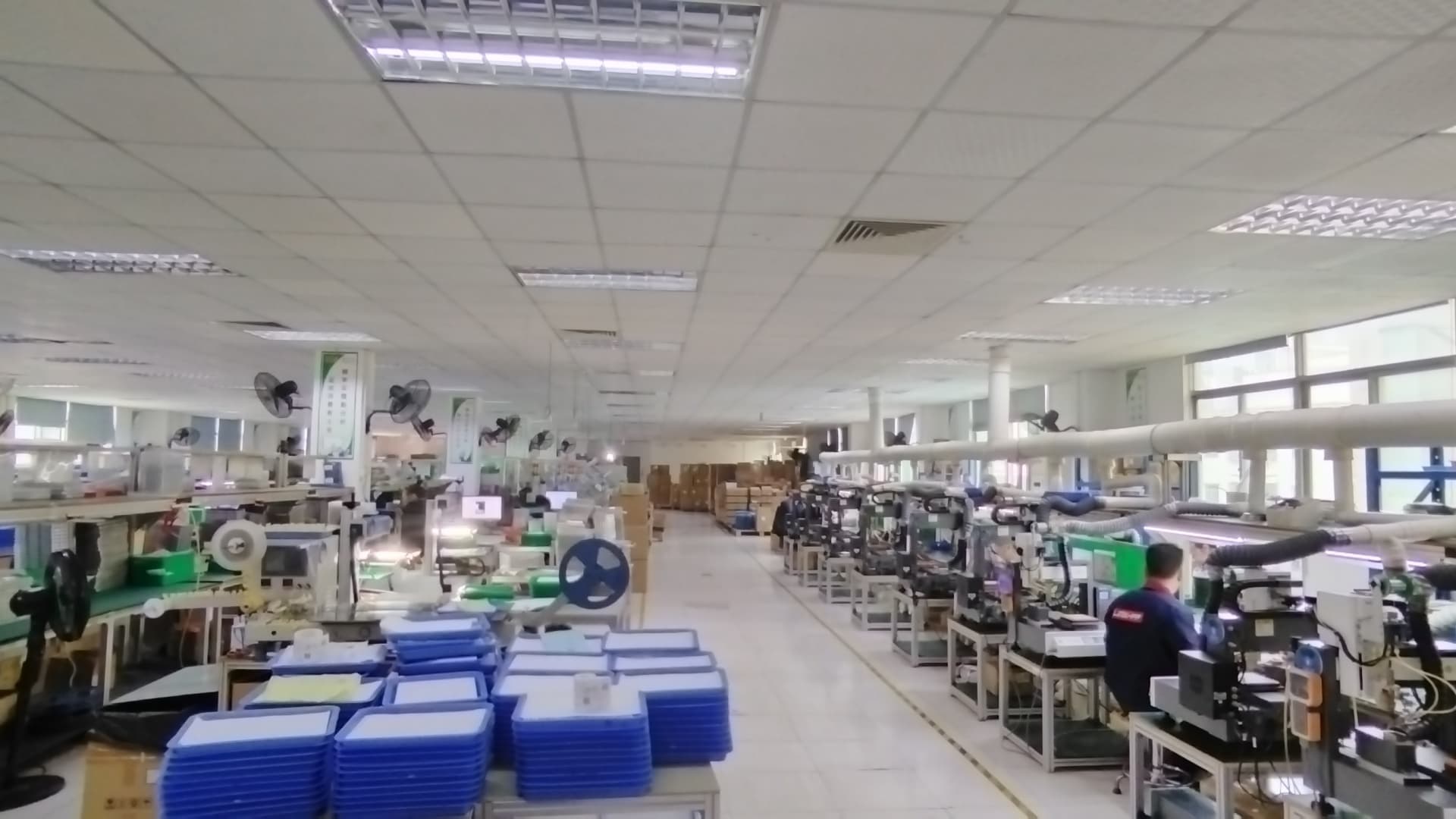
How Lumopt (registered as Luguang Communication Technology Co., Ltd. in China) leverages automation and strict verification steps to maintain high component reliability.
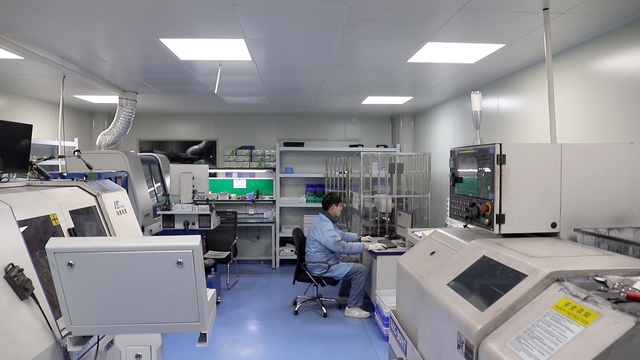
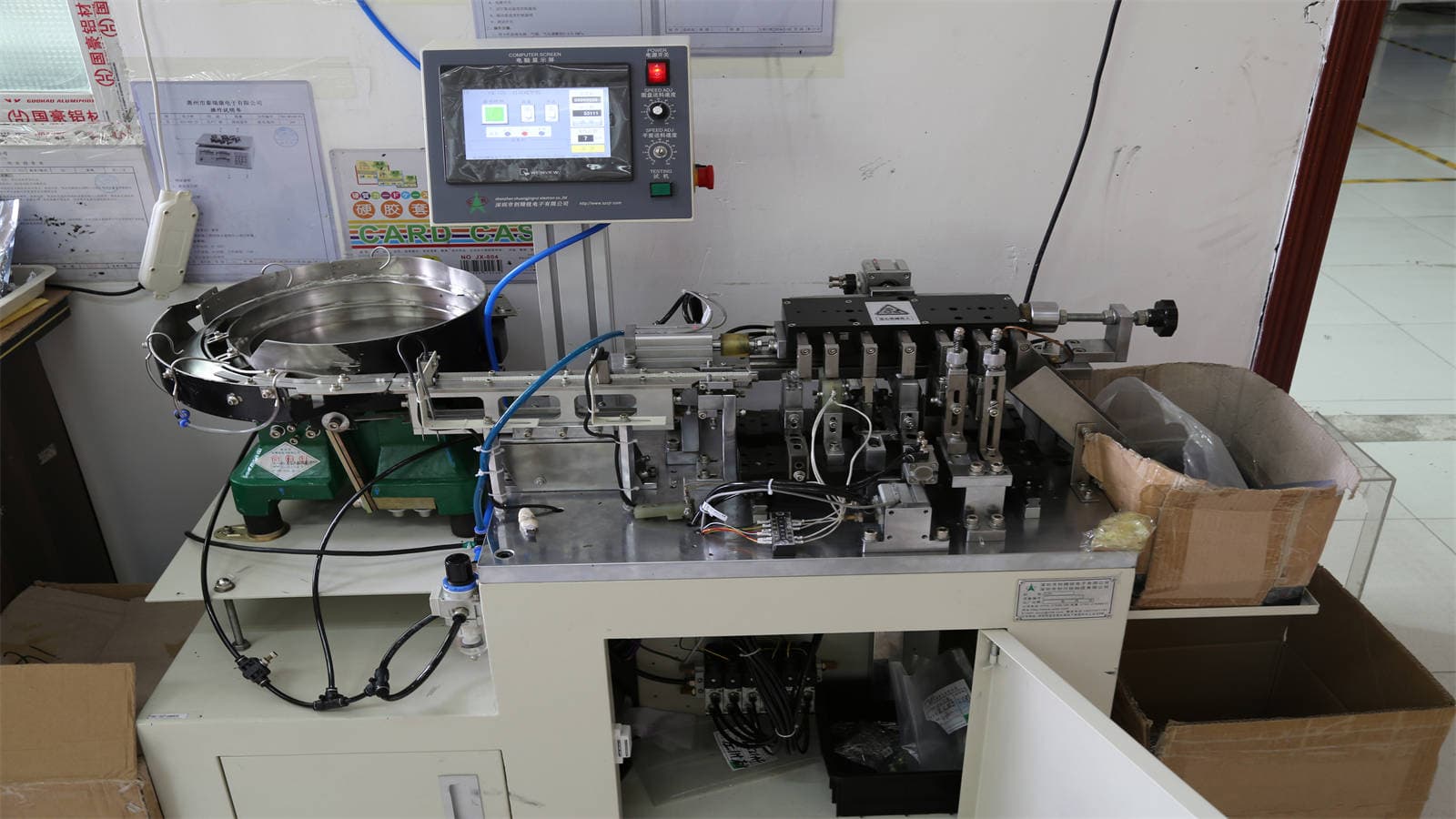
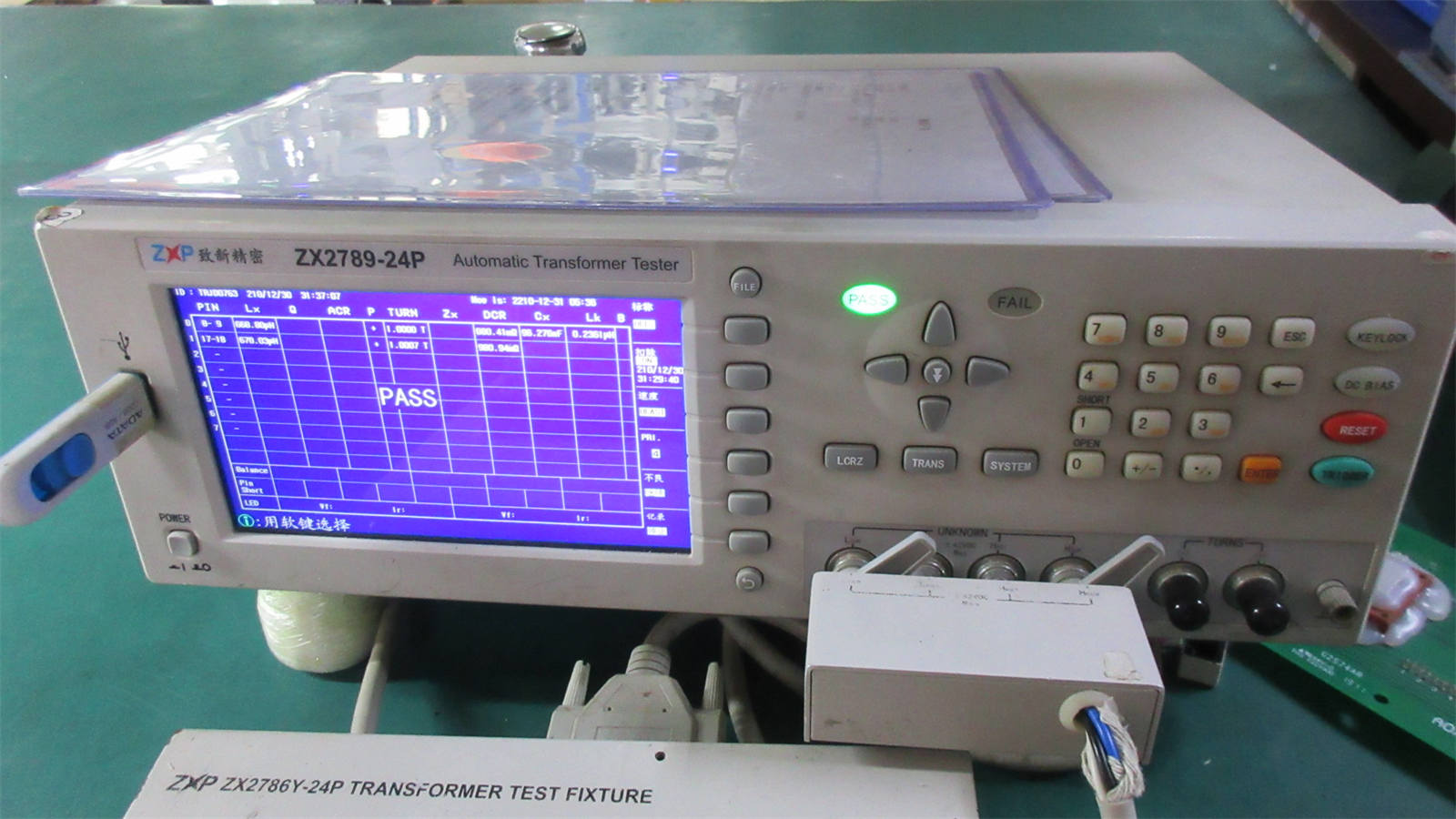
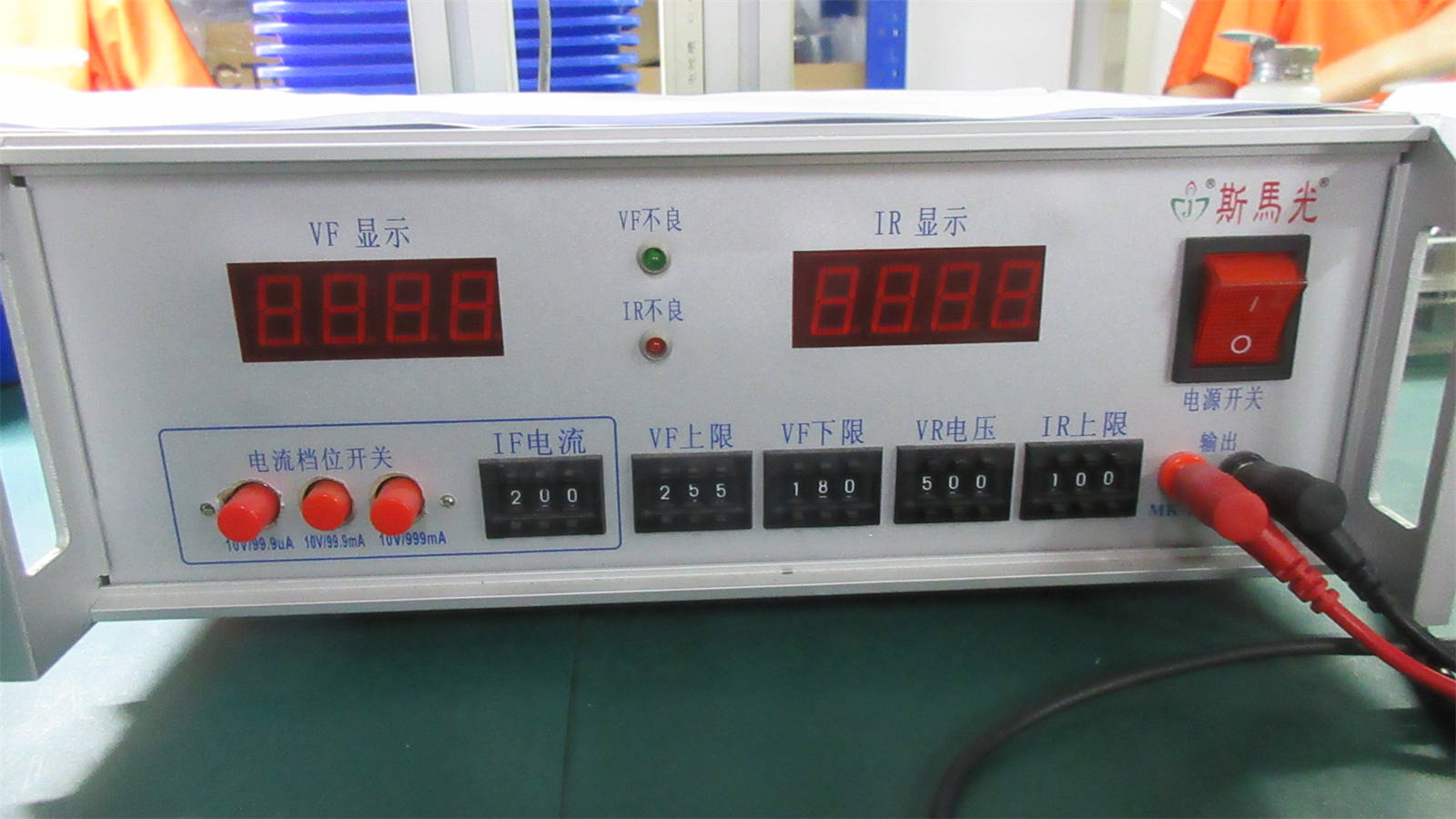
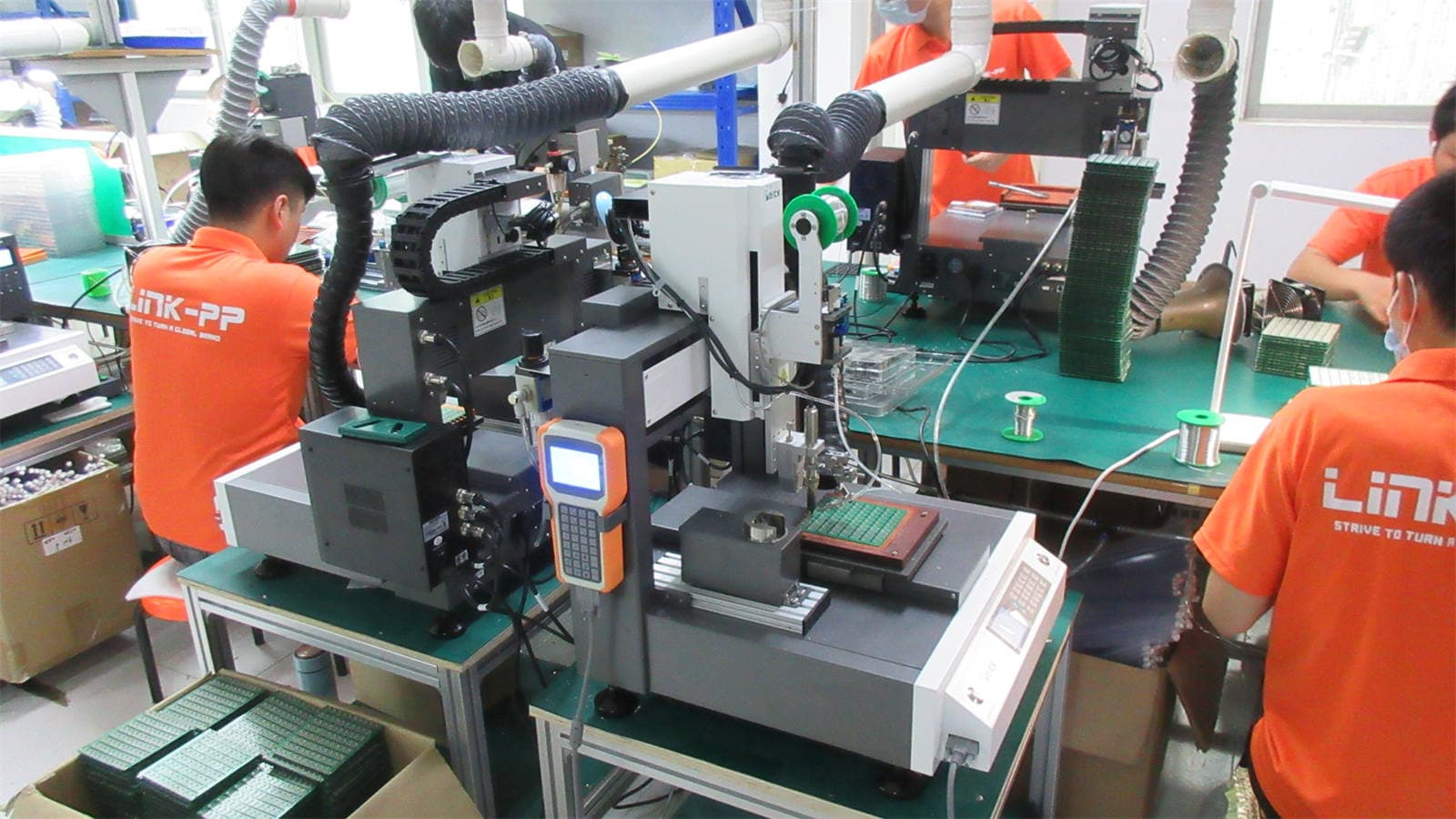
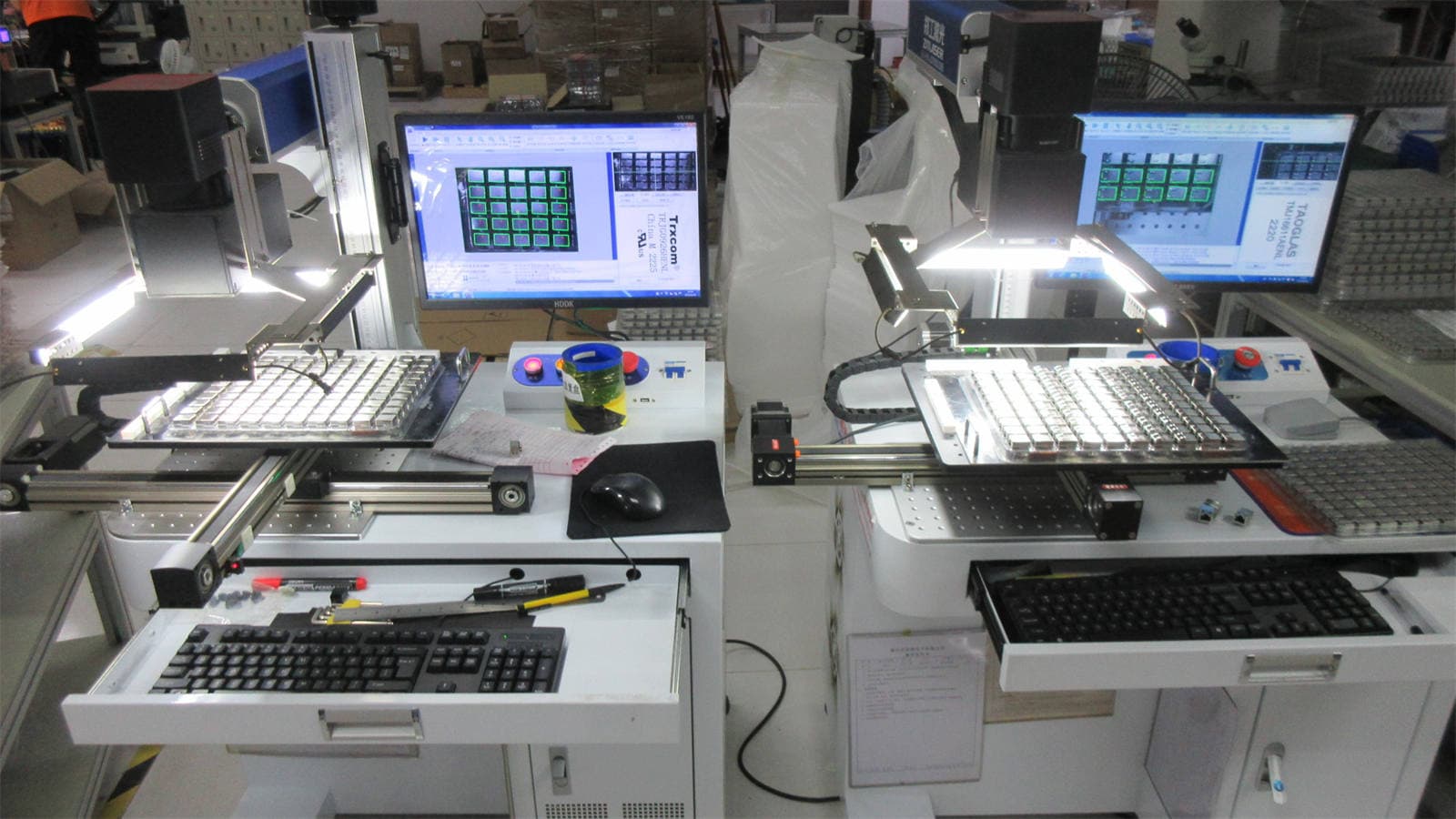
The global fiber optic manufacturing sector is highly concentrated. China’s supply chain in Guangdong and surrounding optoelectronics clusters offers significant advantages in component integration, raw materials, automated testing, and engineering efficiency. These advantages enable Chinese manufacturers like Lumopt to deliver cost-effective solutions while maintaining high performance. High production yield is achieved through a standardized, multi-step quality control system.
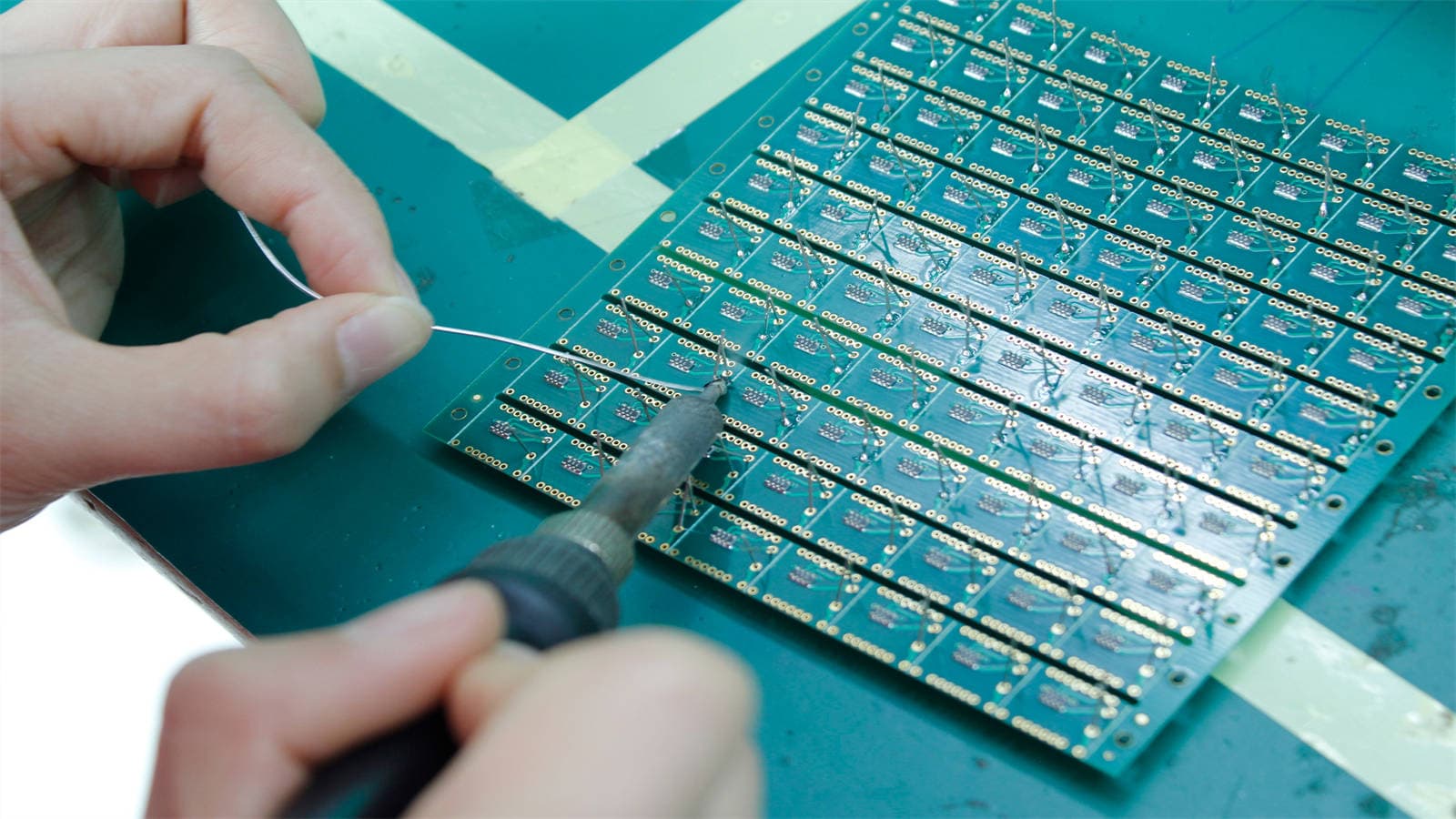
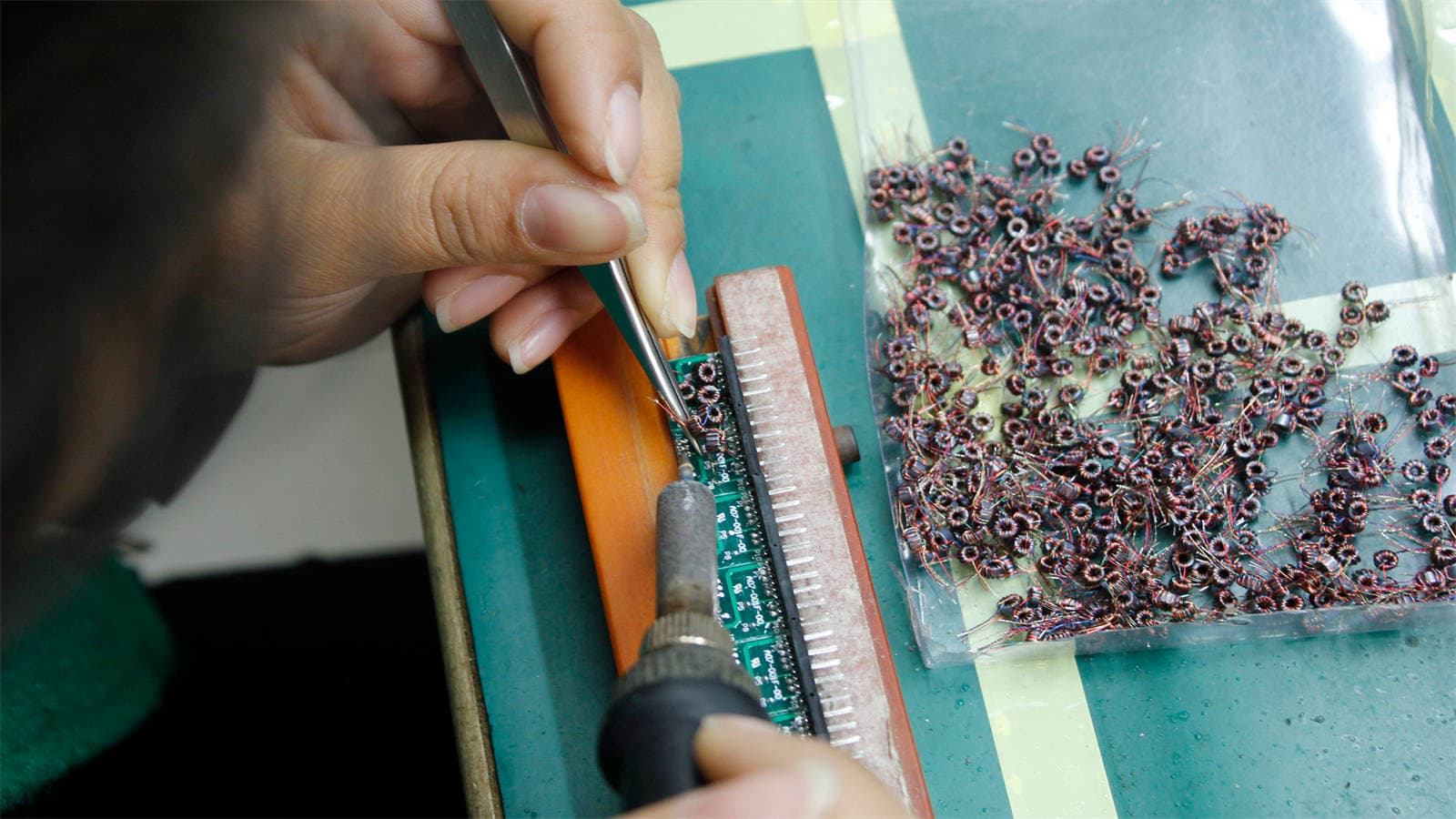
Every step of the assembly—from initial component tinning and precision manual soldering to automated testing and packaging—is monitored. This level of quality control is essential for ensuring that transceivers shipped to global markets operate reliably under diverse and demanding network conditions.

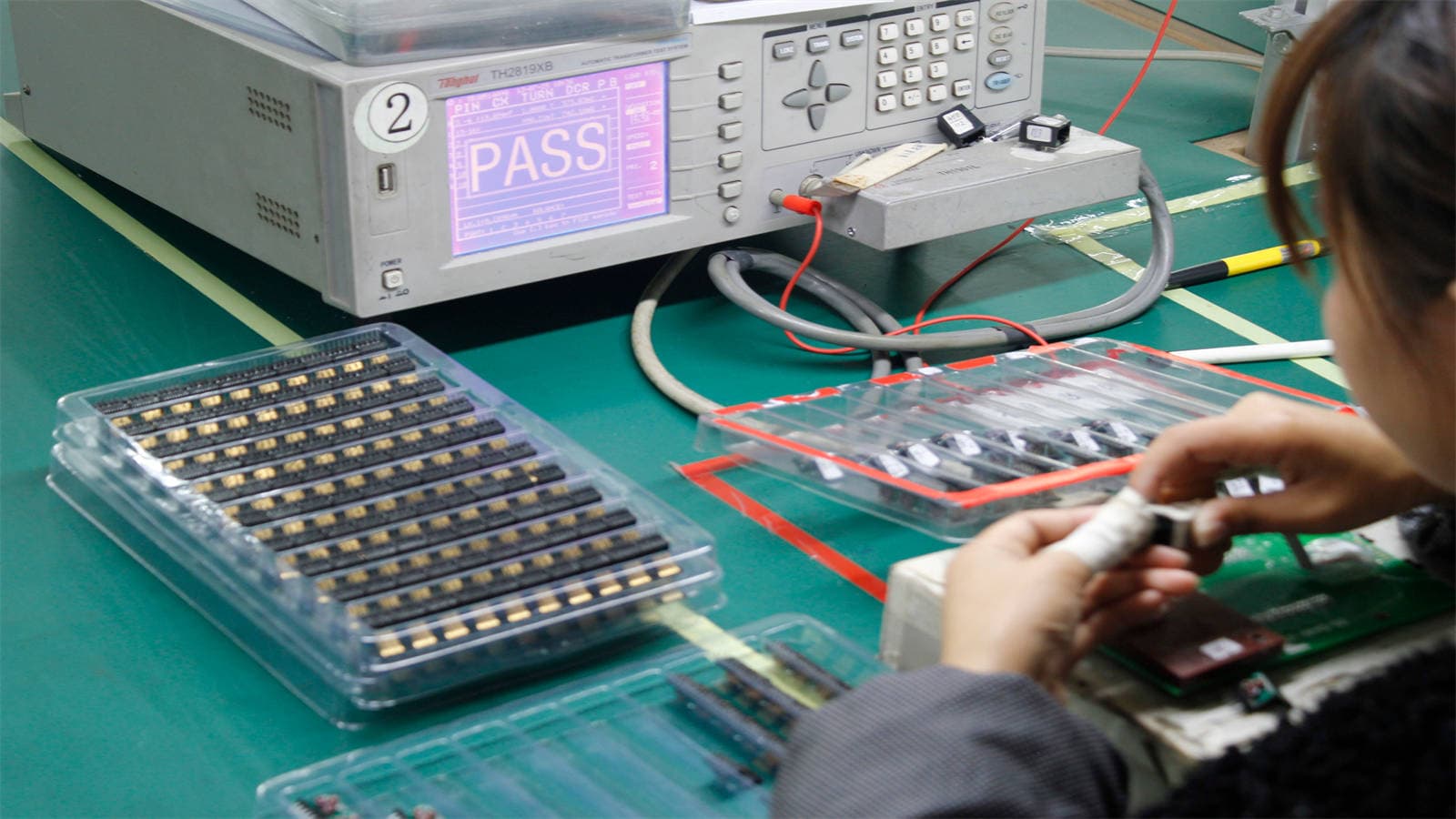
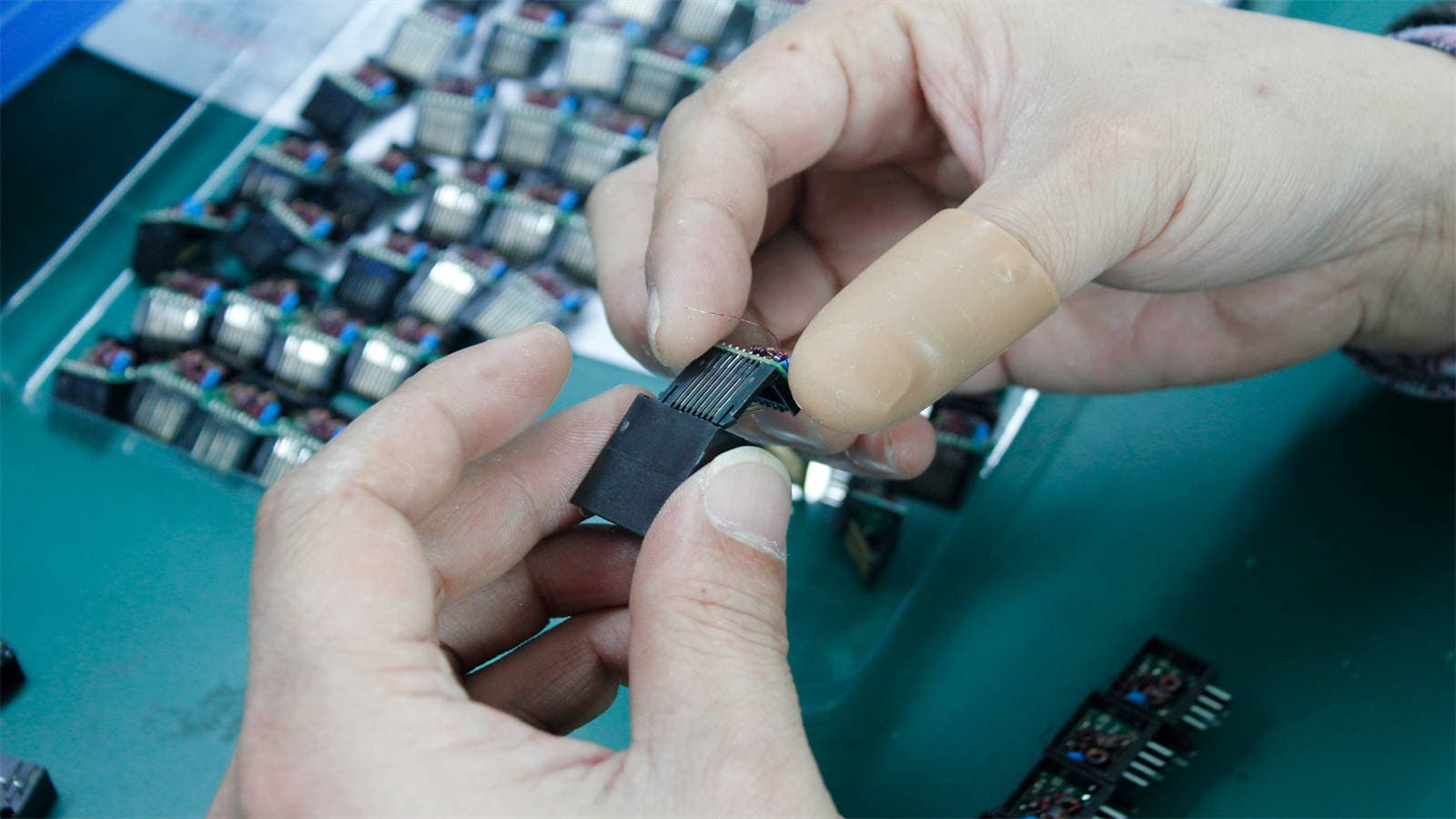
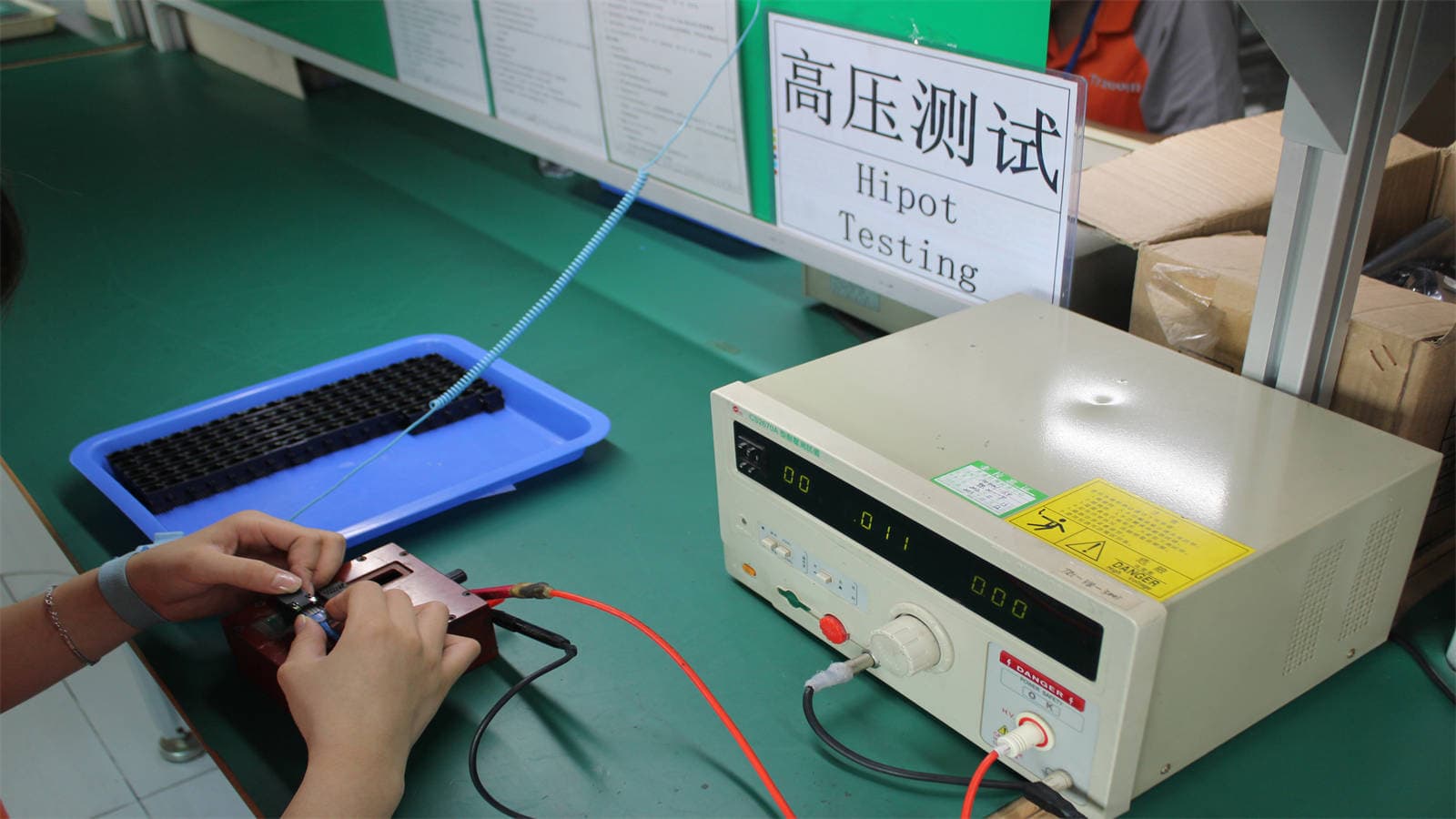

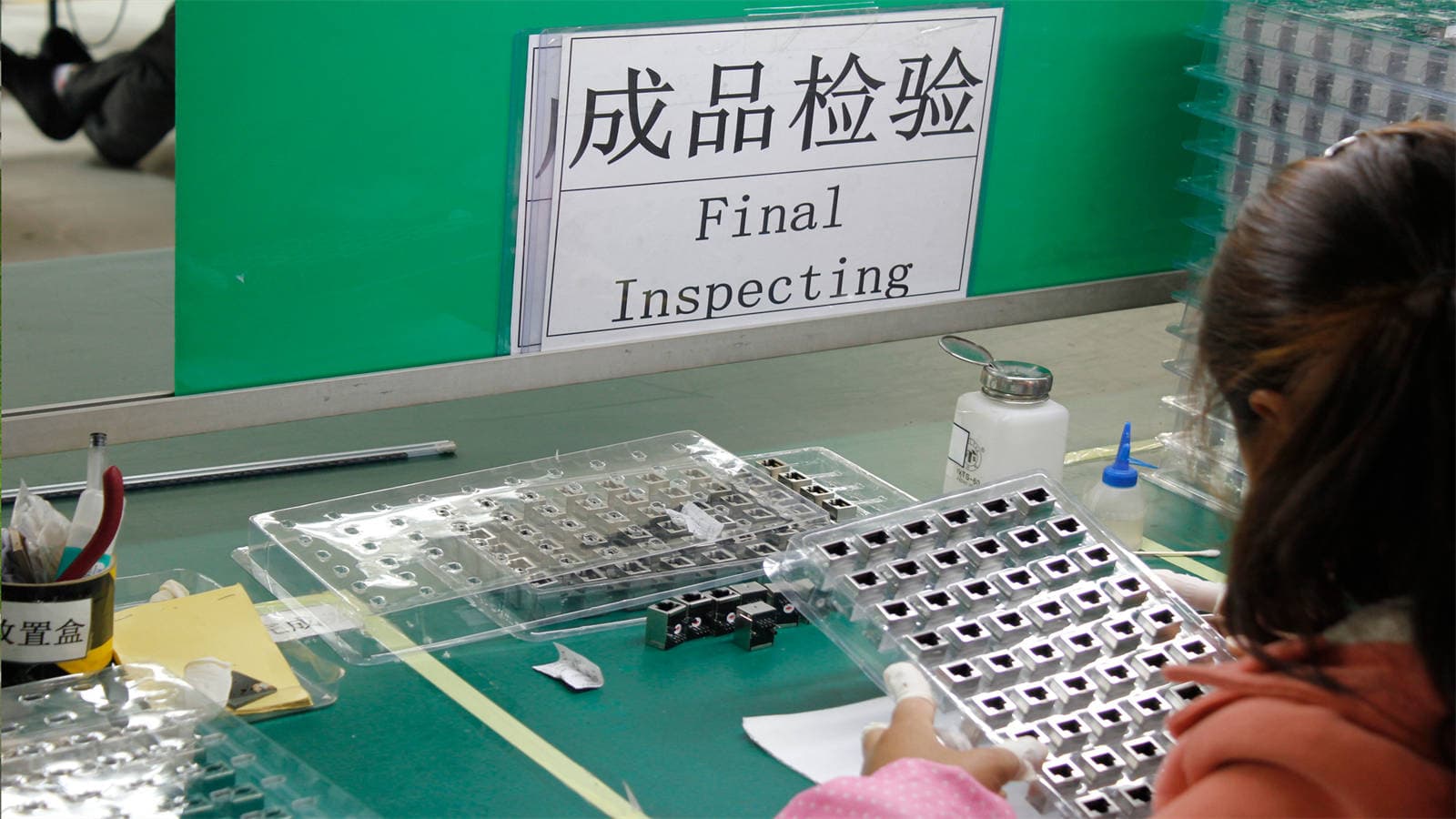


Analyzing current deployments in the Middle East and the technological pathways of modern networks.
Technical compliance is a primary consideration for global procurement directors in telecommunications and enterprise networking. Compatibility with major network hardware vendors is verified via Multi-Source Agreement (MSA) compliance, ensuring that modules correctly identify and interface with host switches without triggering software blocks. Additionally, Digital Diagnostic Monitoring (DDM/DOM) according to SFF-8472 is required for real-time tracking of parameters such as optical output power, receiver sensitivity, and temperature.
For deployment in Western and Middle Eastern regions, optical transceivers must meet international safety and environmental regulations. These include CE and FCC certifications for electromagnetic compatibility, as well as RoHS compliance to satisfy environmental restrictions on hazardous substances. Additionally, Laser Class 1 safety compliance (under IEC 60825-1) ensures that the laser output remains within safe limits during normal operation, protecting technical personnel during installation and maintenance.
Answers to common engineering questions regarding 1x9 transceivers and high-speed QSFP+ modules.
Our complete range of high-performance components designed for telecom and industrial networking systems.