Lumopt
Lumopt
Lumopt
Engineered for high-durability physical connections, optimized for localized systems across Northern Germany.
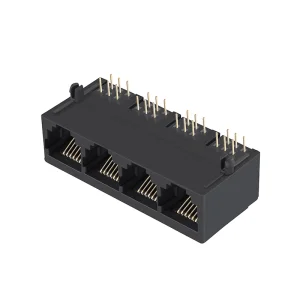
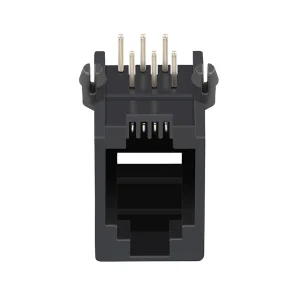
As the second-largest port in Europe, the Free and Hanseatic City of Hamburg is a critical node in the global logistics network. This status demands exceptionally stable, durable, and standardized telecommunications and telemetry infrastructure. While modern gigabit fiber links dominate the long-haul interfaces, local hardware networks, terminal installations, and legacy marine vessel control systems continue to rely heavily on RJ11/RJ12 connector interfaces for low-voltage sensor communication, voice telemetry, and diagnostic bus loops.
Local electronics suppliers in the Hamburg metropolitan region—spanning Altona, Harburg, and Wilhelmsburg—require components that can withstand demanding physical parameters. The harsh maritime environment of the Elbe river and nearby North Sea introduces challenges like high salinity, relative humidity fluctuation, and constant mechanical vibration from crane operations and heavy container logistics. Suppliers of RJ11 connectors must deliver components that feature advanced gold-plated contact interfaces and resilient housing polymers to combat galvanic corrosion and plastic fatigue.
“Maritime automation, railway diagnostics, and industrial automation assemblies deployed within Northern Germany require electrical connectors featuring strict environmental compliance (RoHS, REACH) and specific dimensional tolerances matching DIN standards.”
Analyzing global design standards, structural materials, and the mechanics of reliable connections.
The positioning of the latching tab changes routing constraints on PCBs. Our catalog lists both Tab-Up and Tab-Down configuration modes, ensuring integration with existing housing constraints without mechanical interference.
For high-frequency electromagnetic environments found in modern smart grids and machinery, unshielded connectors run the risk of signal crosstalk. We offer integrated metallic shielding options to redirect EMI to chassis ground.
Using UL94-V-0 rated fire-retardant plastics prevents localized electronic failures from propagating. The physical structural integrity is maintained across an extensive temperature envelope from -40°C up to +85°C.
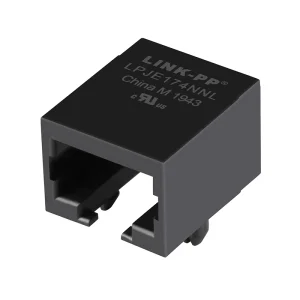
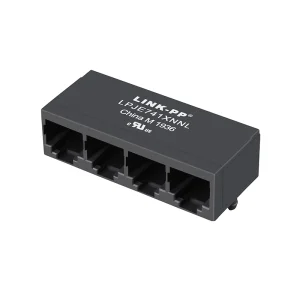
Industrial applications often utilize a 6P6C (6 positions, 6 conductors) or 6P4C configuration within an RJ11/RJ12 form factor. The difference lies in the contact count: while consumer phone lines only require two or four connections, automated industrial hardware, digital sensors, and RS-232 interface bridges require all six lines connected to handle full-duplex signals, auxiliary power channels, and specialized shielding grounds.
The transition toward high-density board designs presents space limitations. Standard modular jacks must align with automated pick-and-place systems or pass clean soldering profiles without plastic deformation. Consequently, choosing a supplier that understands the thermal profile of wave soldering processes is vital for Hamburg’s electronics manufacturers who target low assembly failure rates.
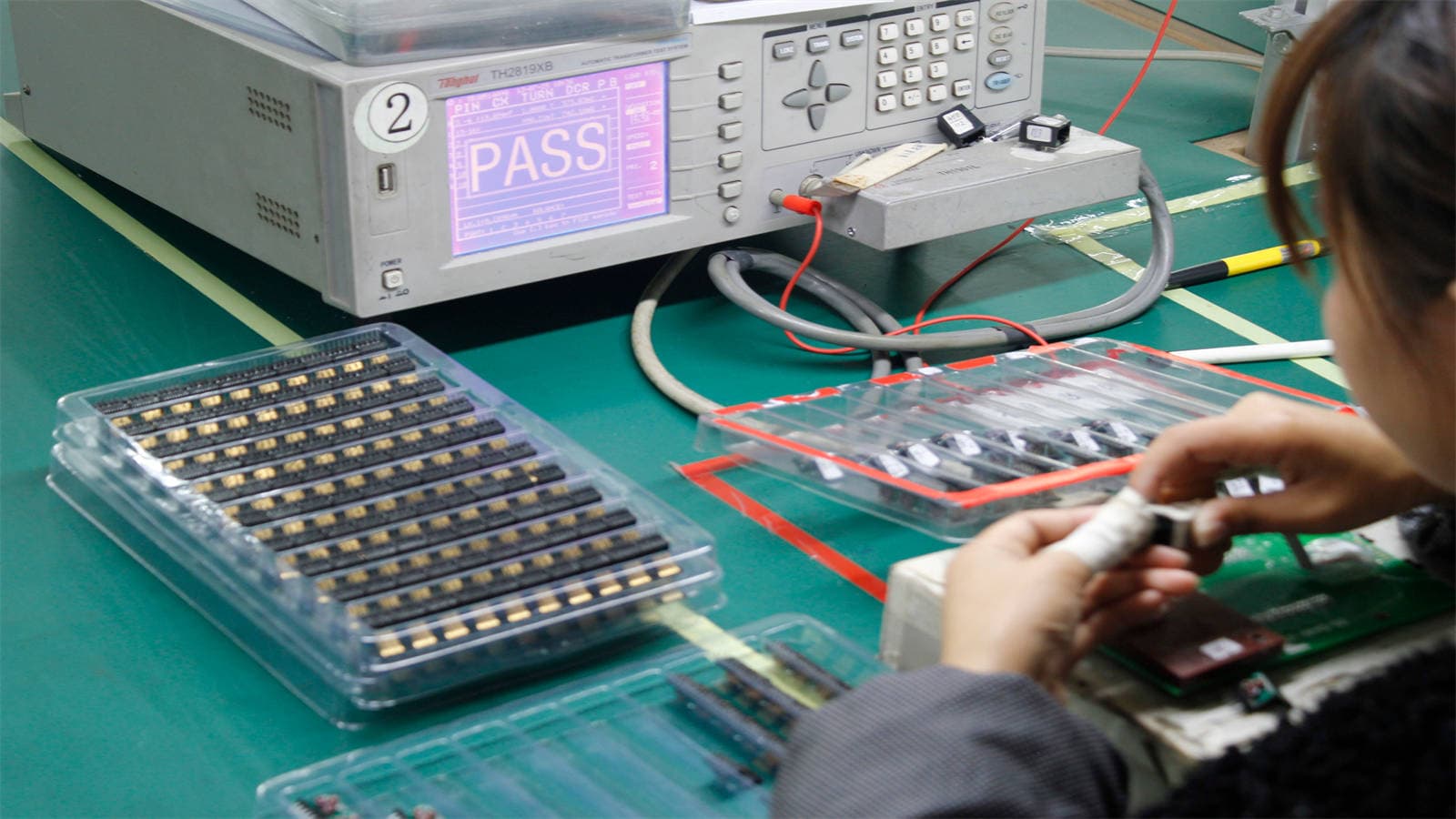
In the contemporary electronics landscape, supply chain resilience is a primary KPI for procurement managers in Europe. Relying solely on localized distribution networks can lead to component shortages and inflated prices. China’s advanced Industry 4.0 manufacturing ecosystem offers a strategic alternative, characterized by highly automated production lines, vertically integrated supply chains, and rigorous quality inspection protocols.
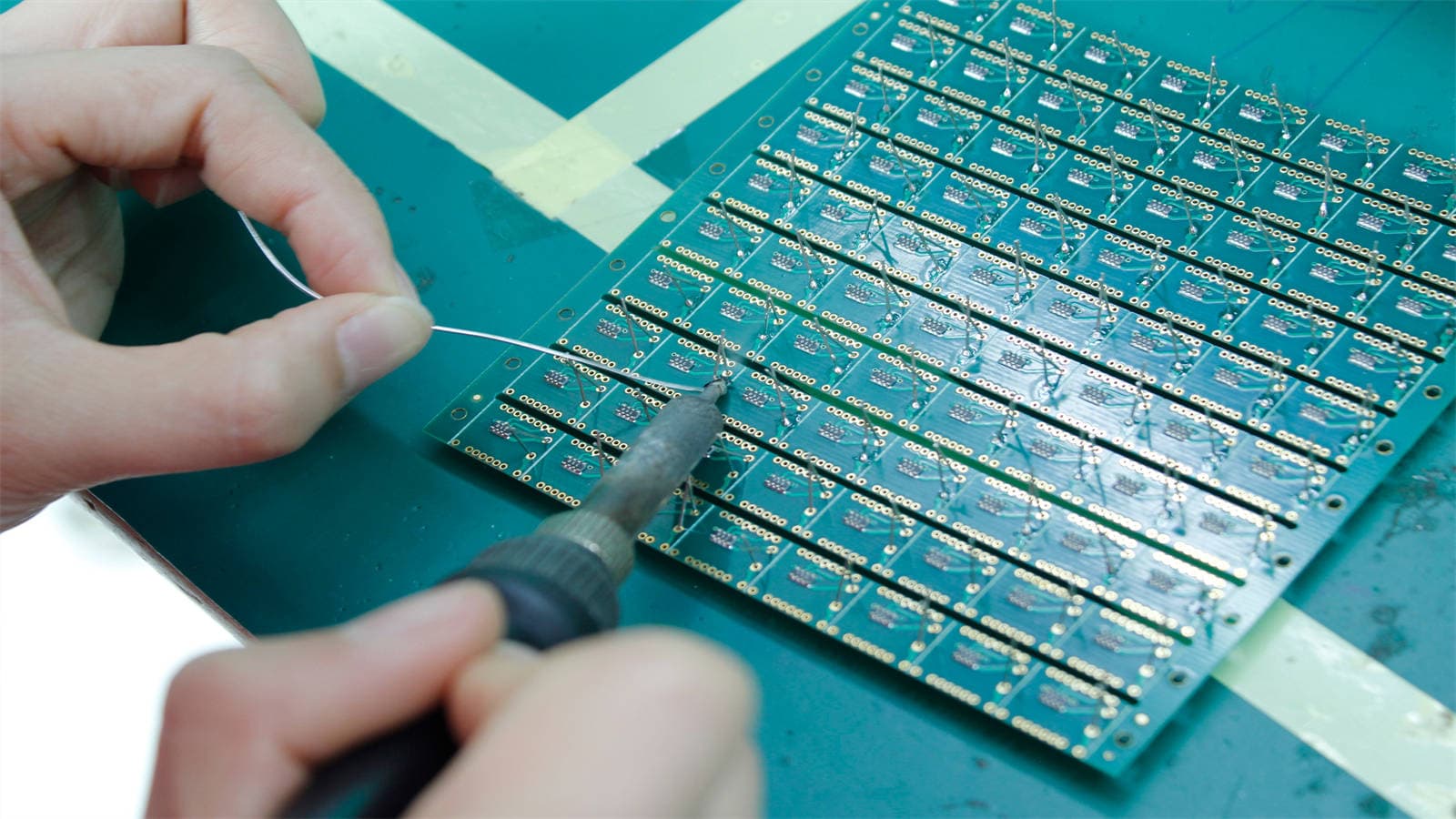
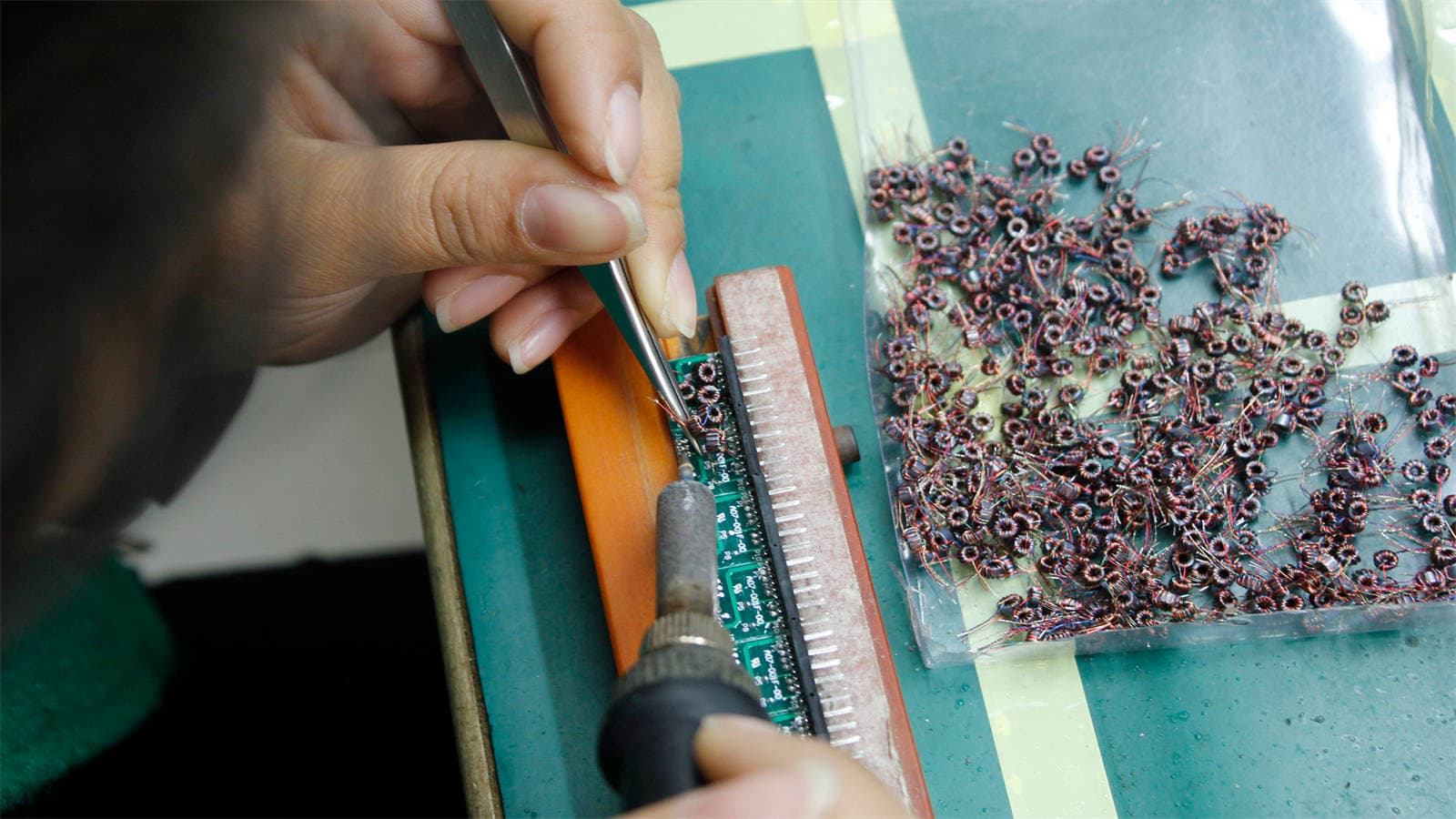
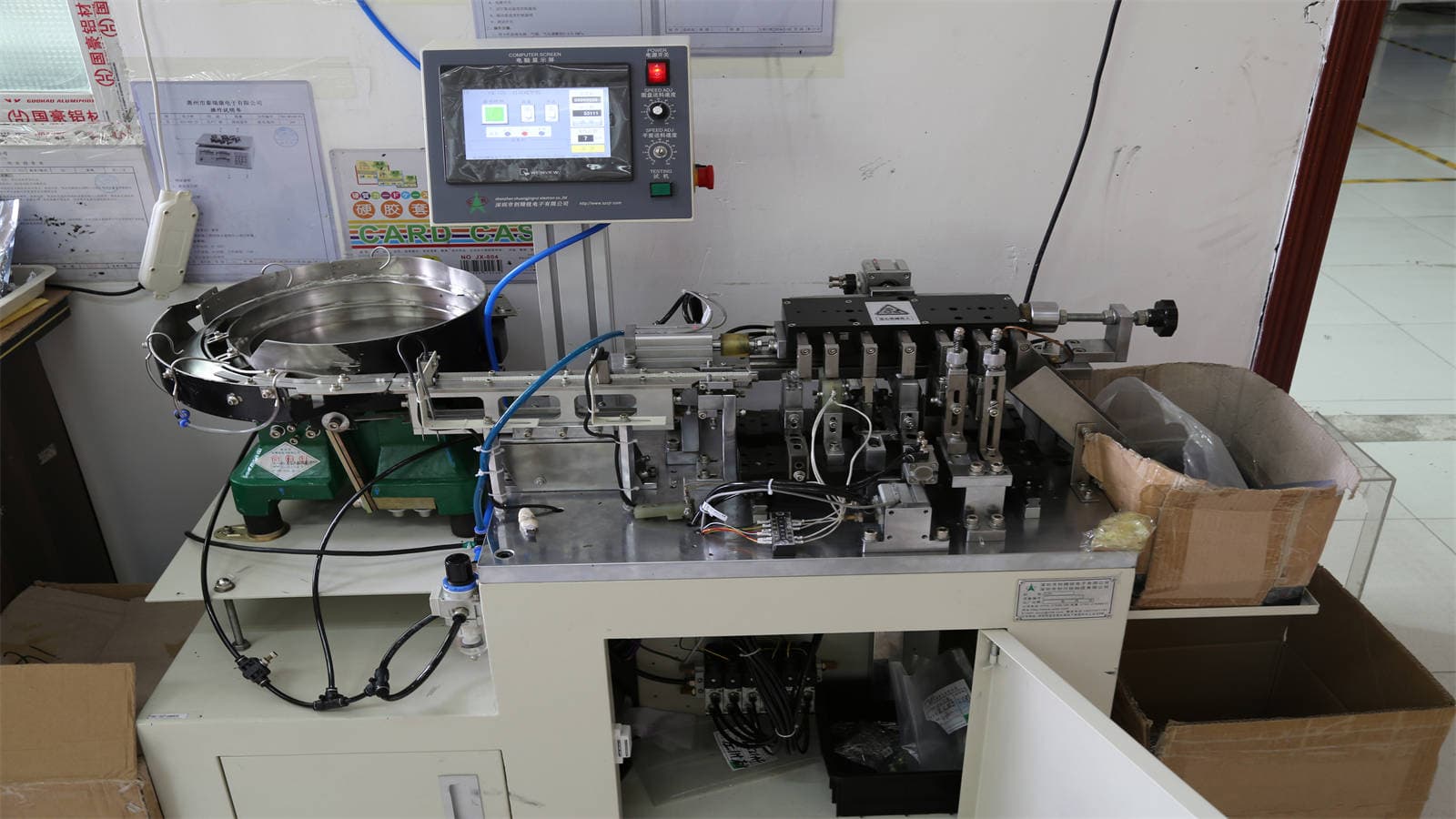
Lumopt Opto Technology Co., Ltd. (registered in China as Luguang Communication Technology Co., Ltd.) represents this modern manufacturing paradigm. Operating clean, automated manufacturing spaces, we combine cost efficiency with stringent technical standards. Every production phase is automated, minimizing human error, lowering defect rates, and supporting volume scaling for global projects.
By bypassing multiple layers of intermediaries, Hamburg OEMs can source components directly from our manufacturing facility. This direct-sourcing model cuts supply chain margins and provides direct engineering support for customized pin configurations, housing modifications, and alternative materials.
Request Free Engineering Samples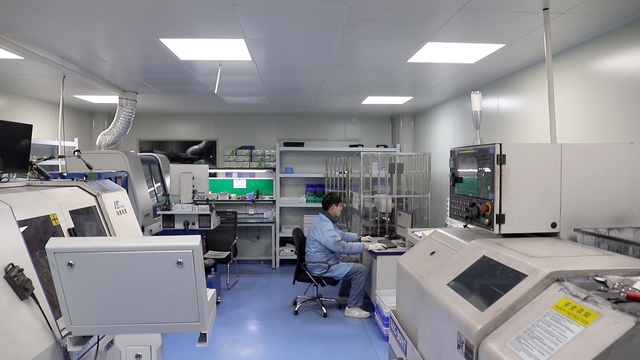
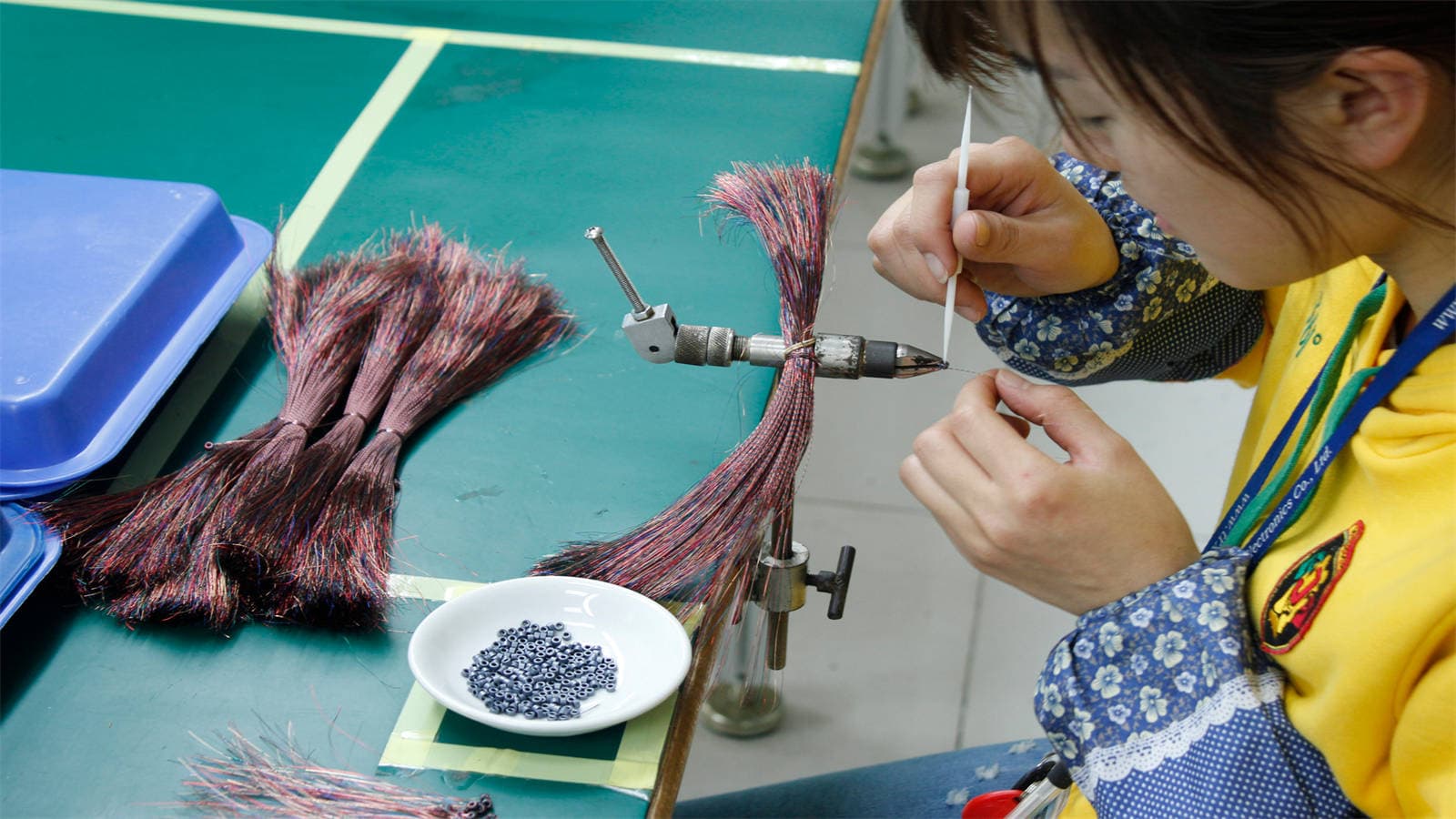
Strict quality control throughout the manufacturing sequence ensures consistent structural and electrical performance.
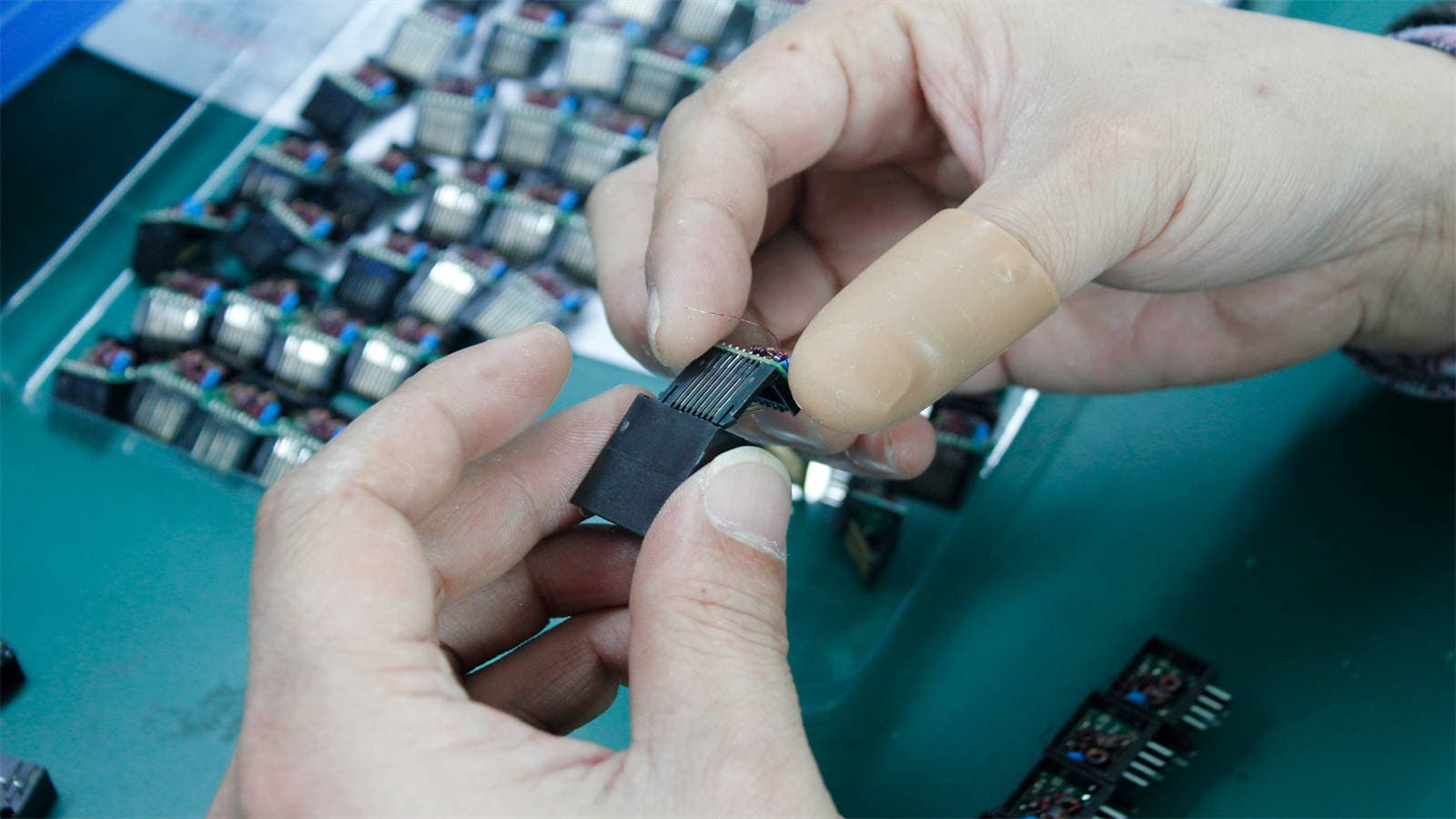
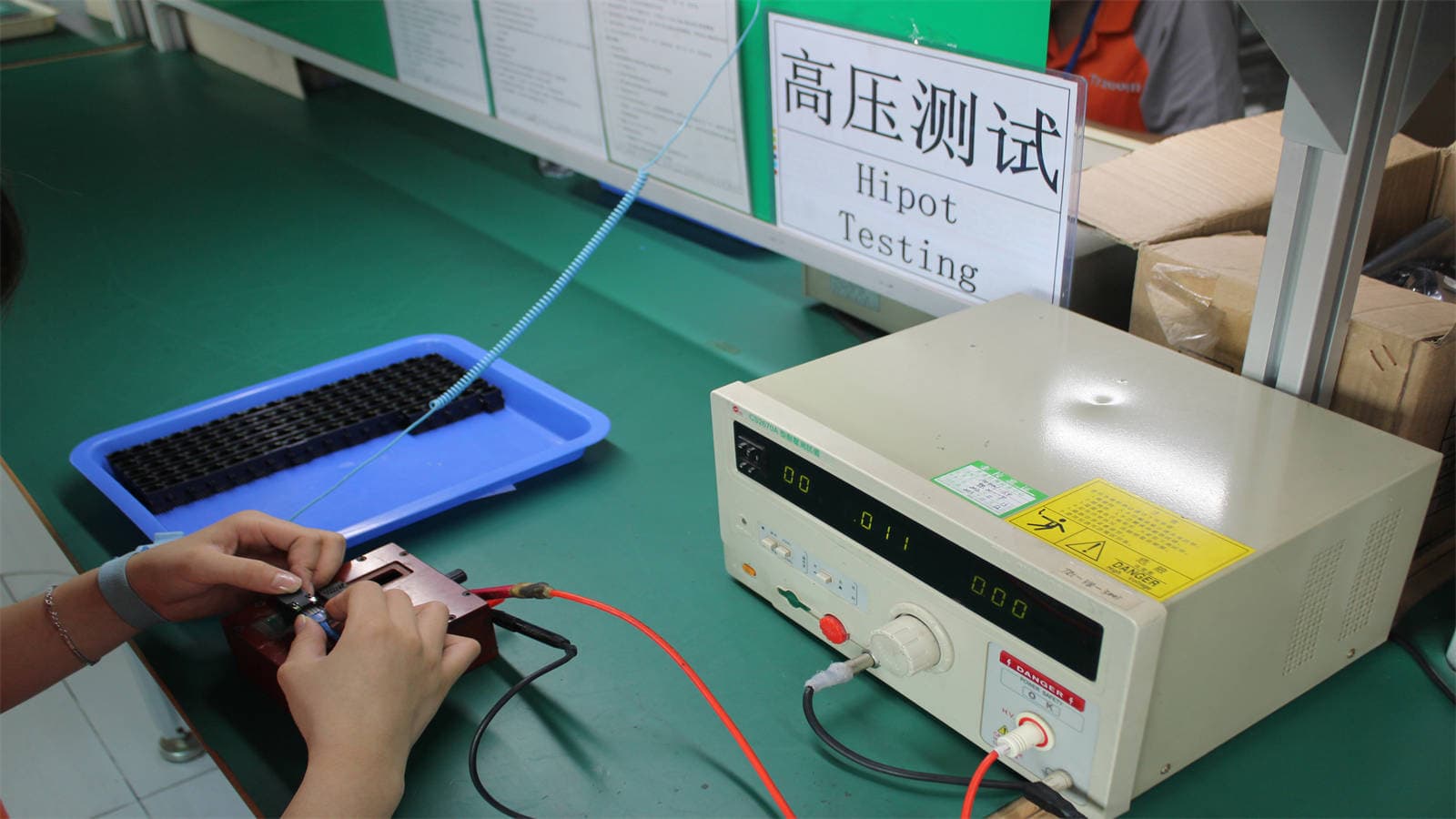
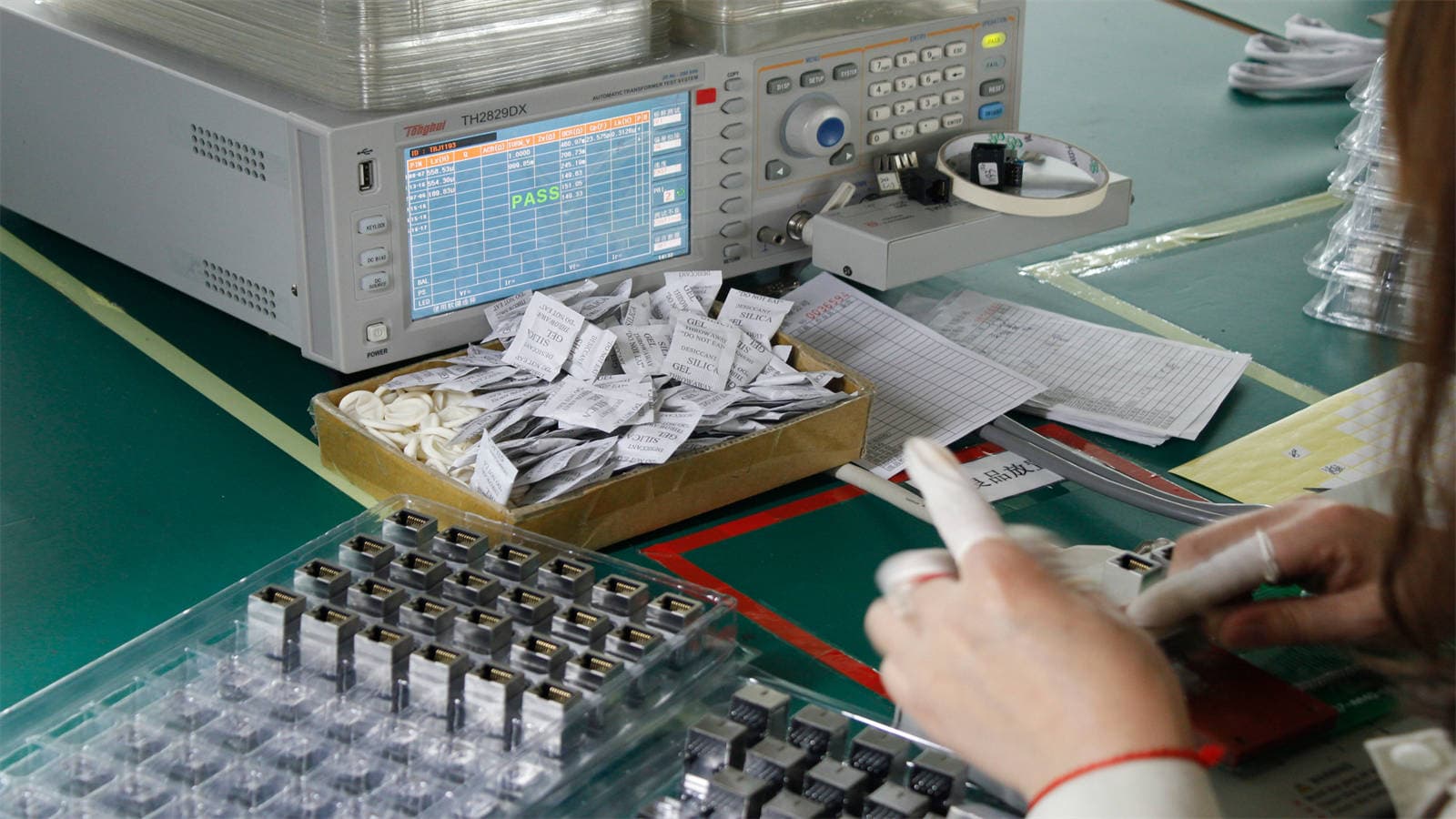
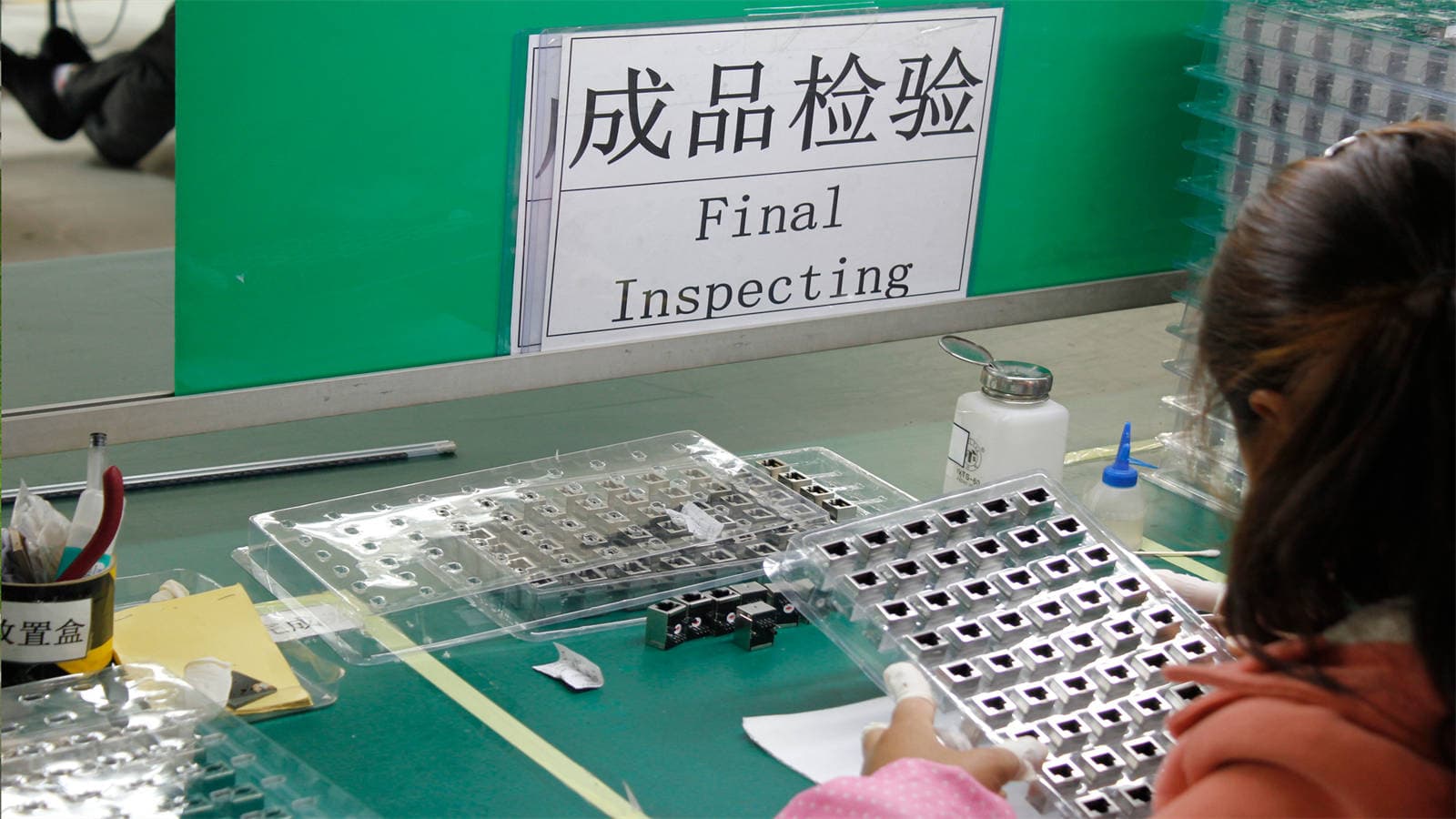
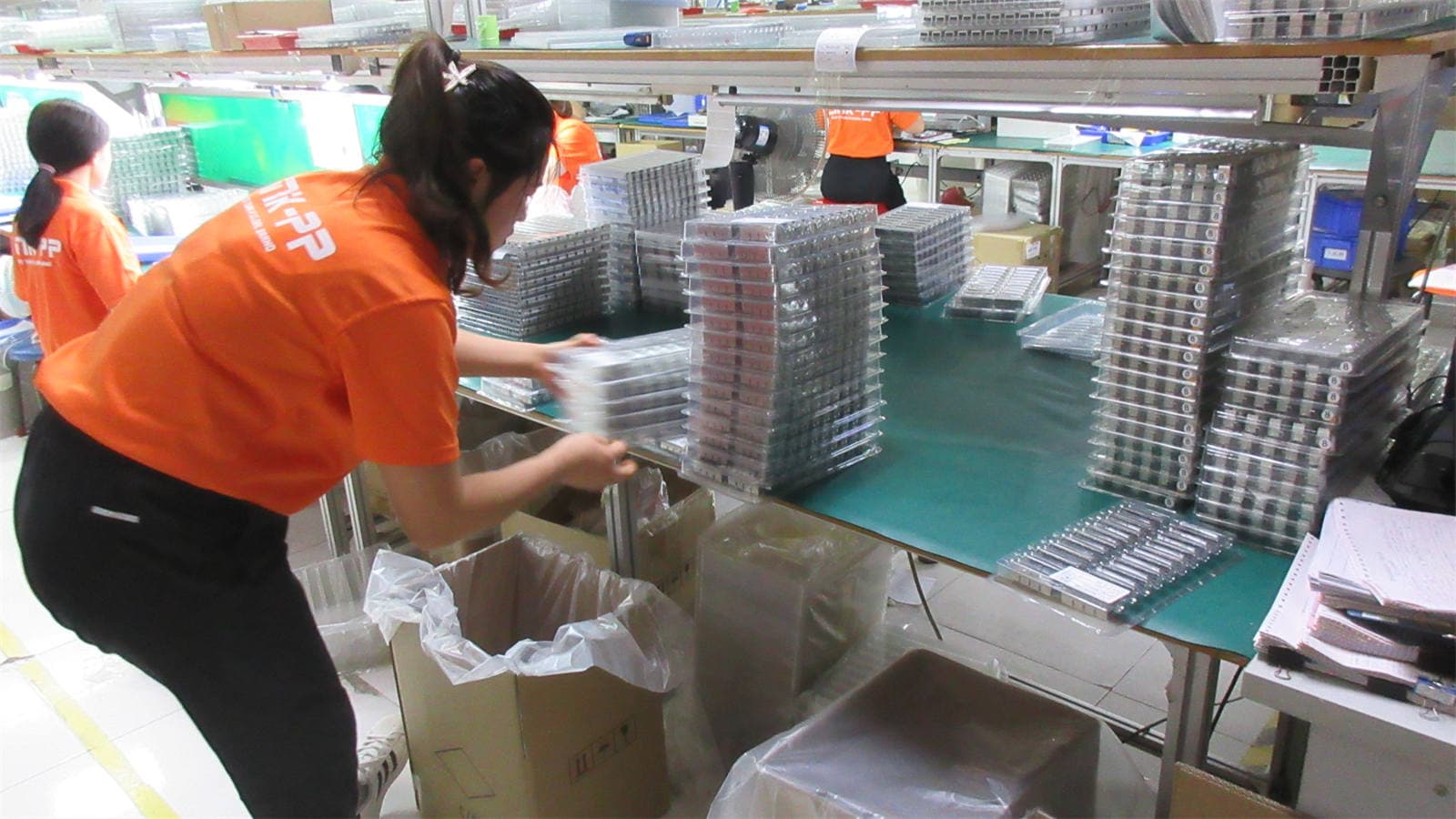
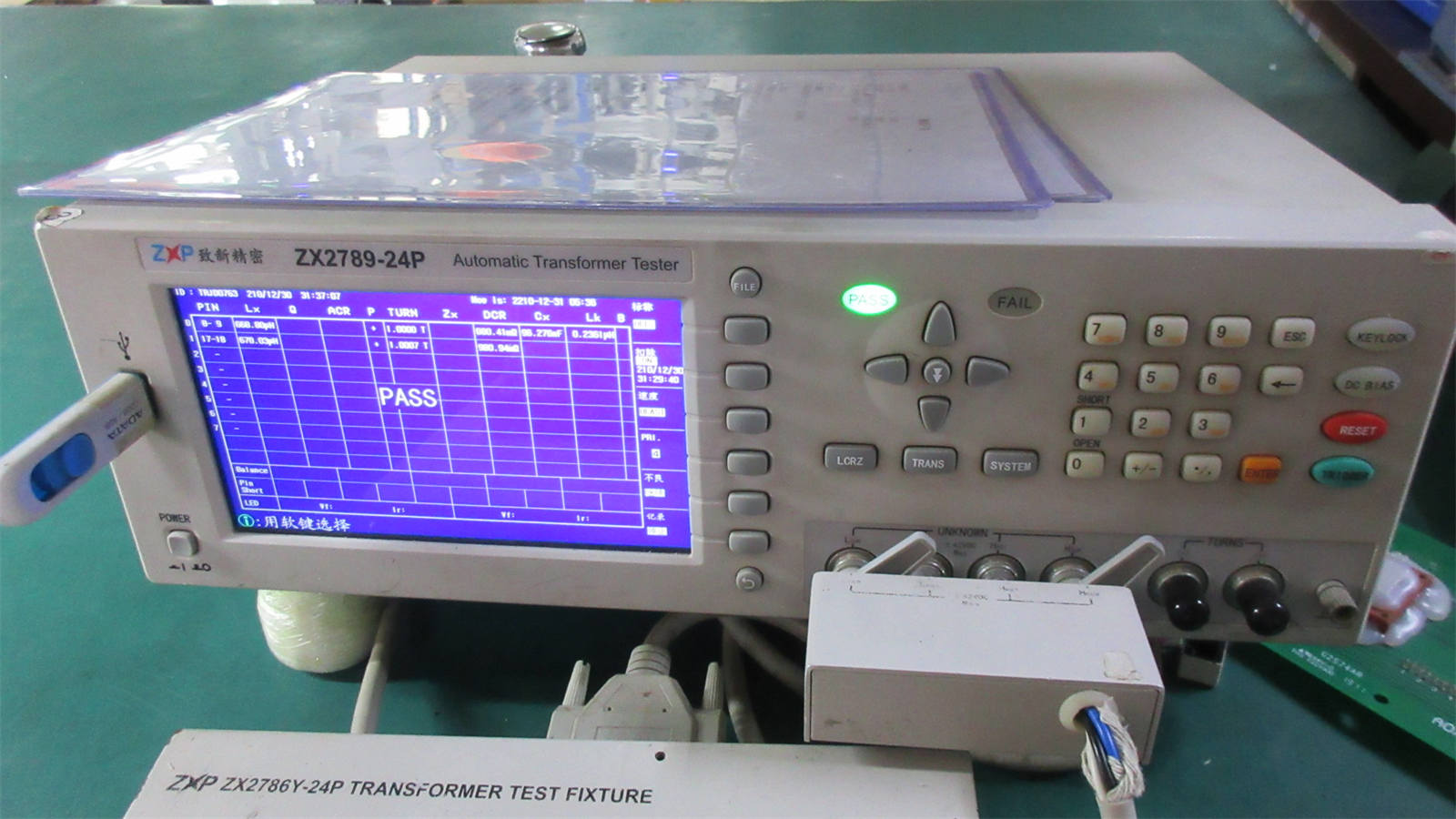
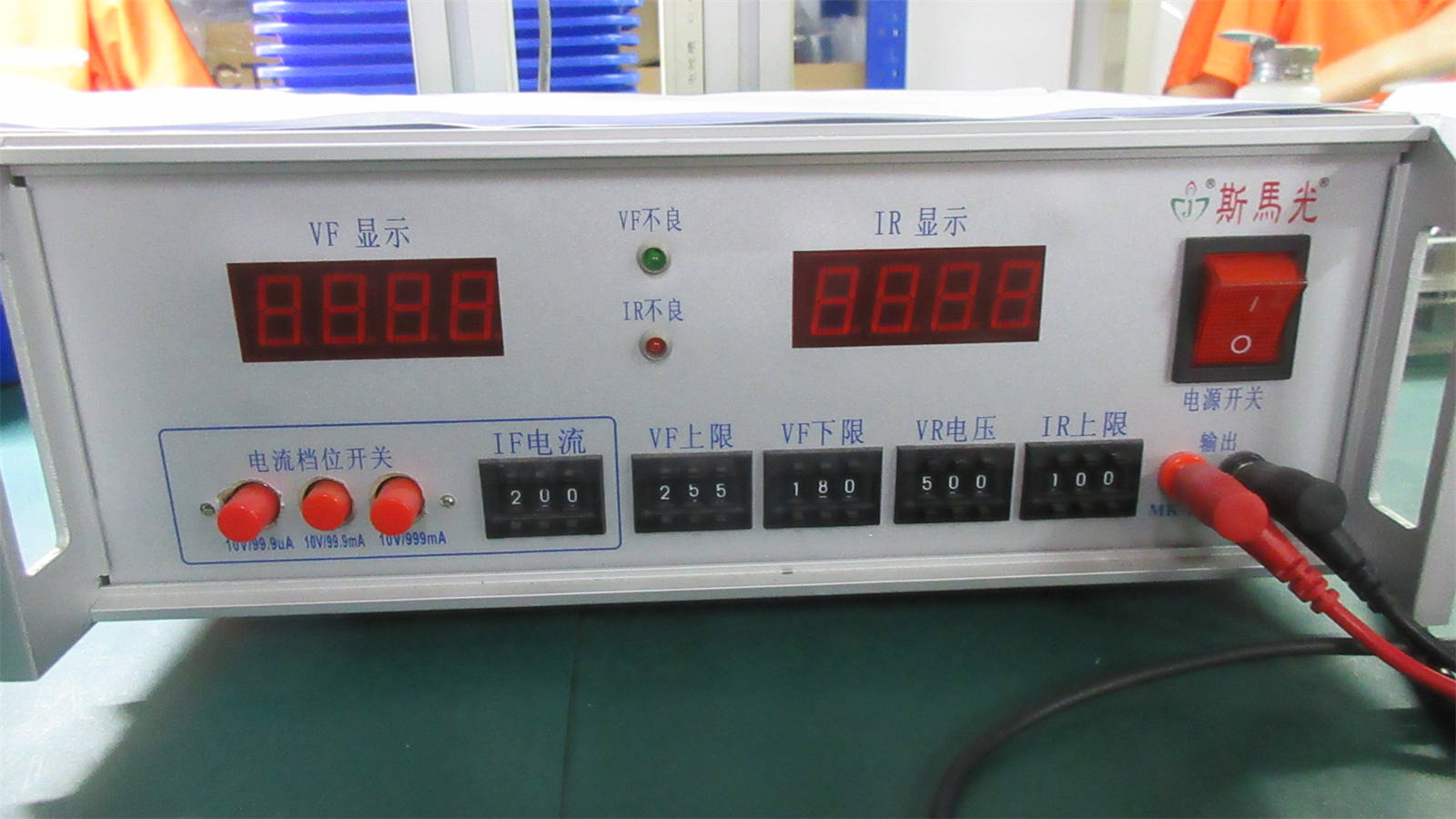
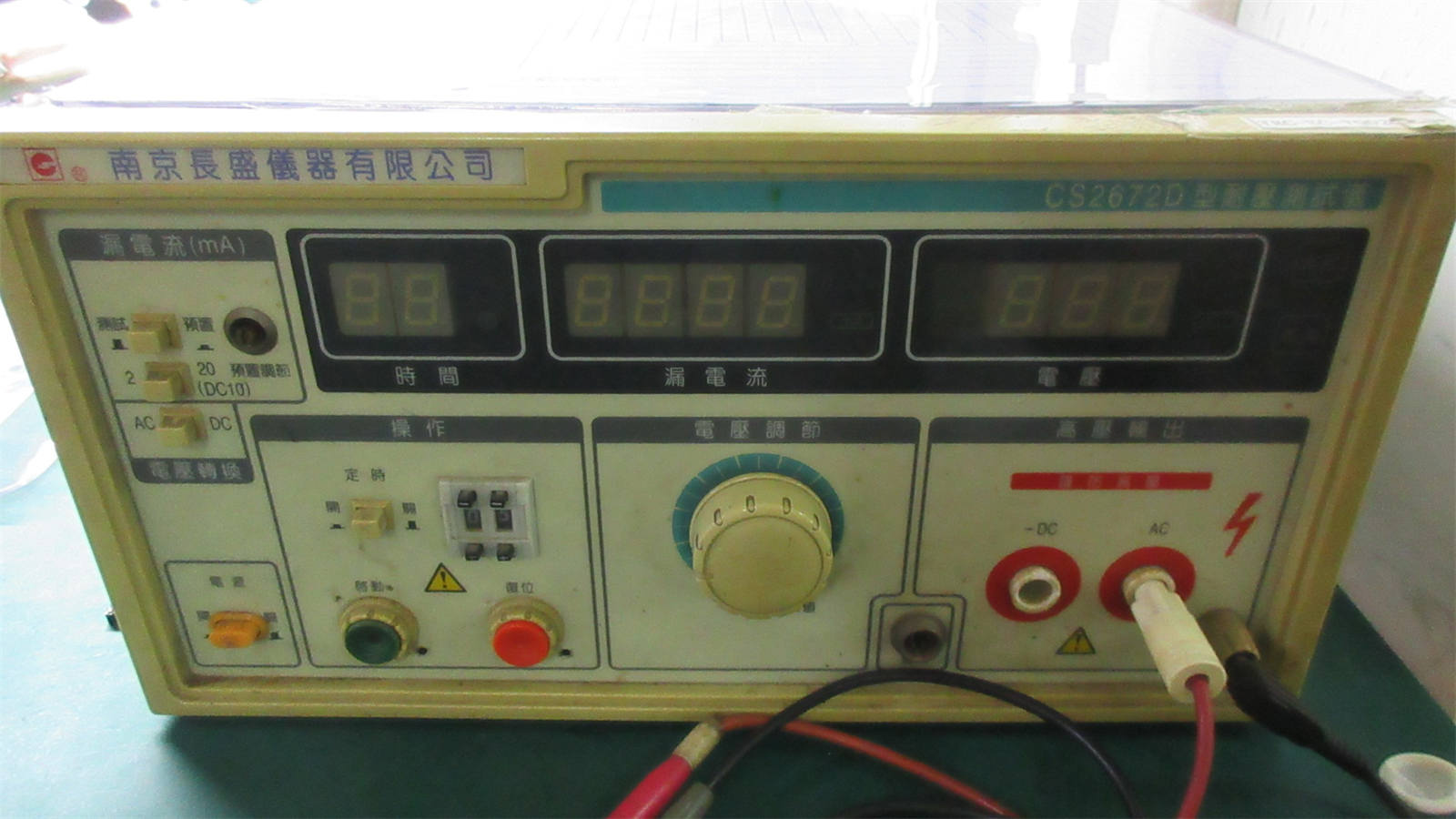
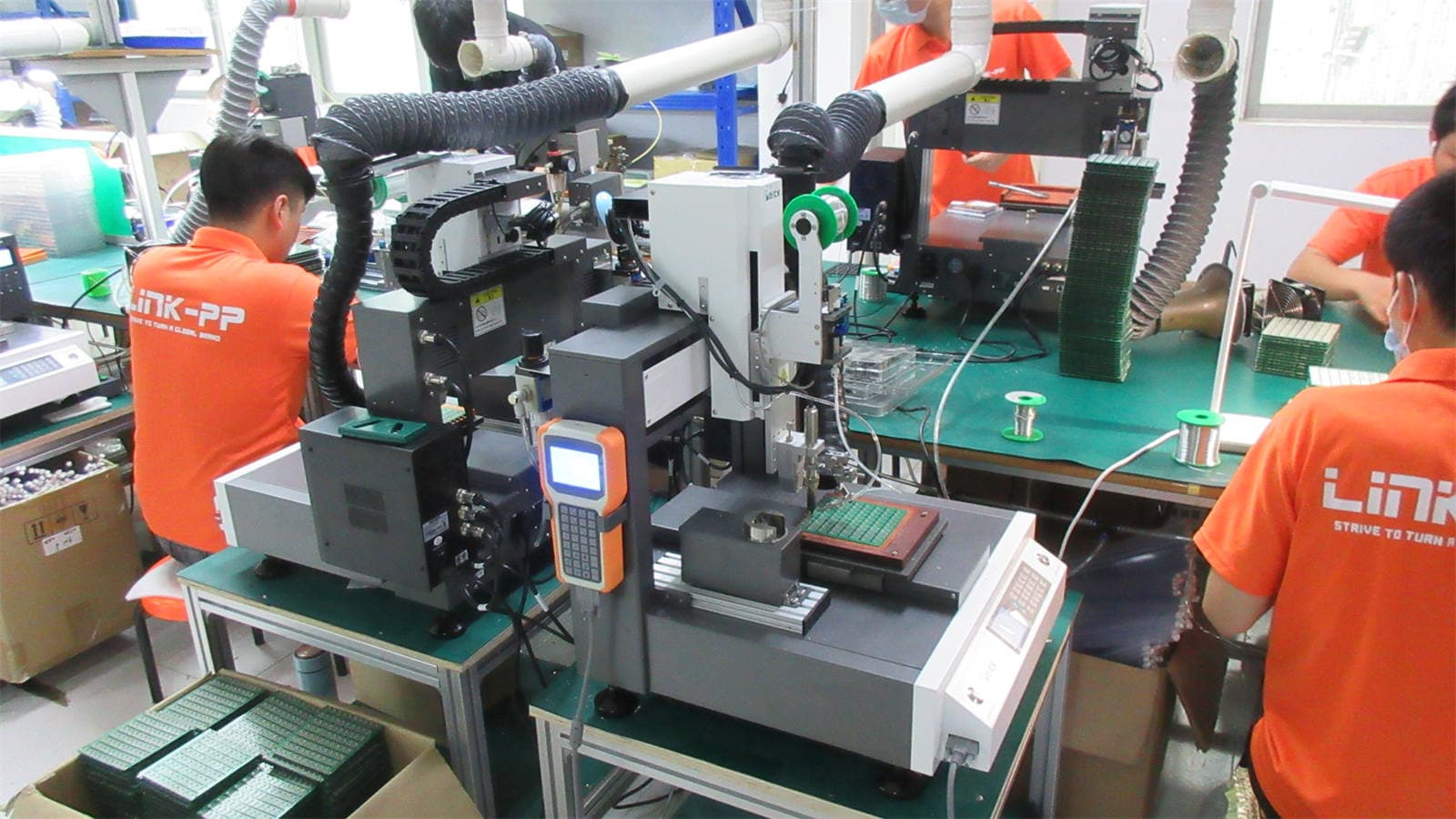
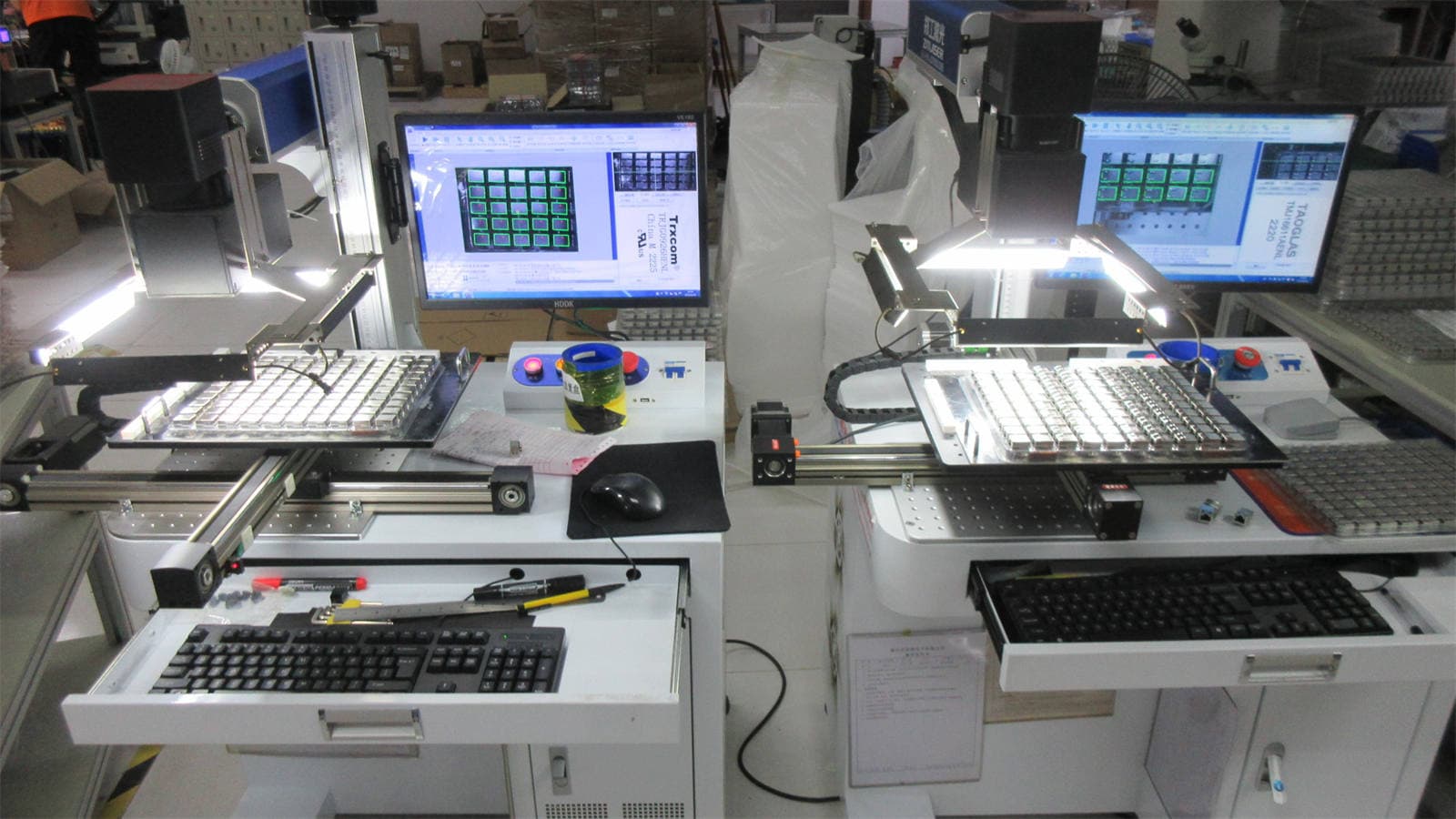
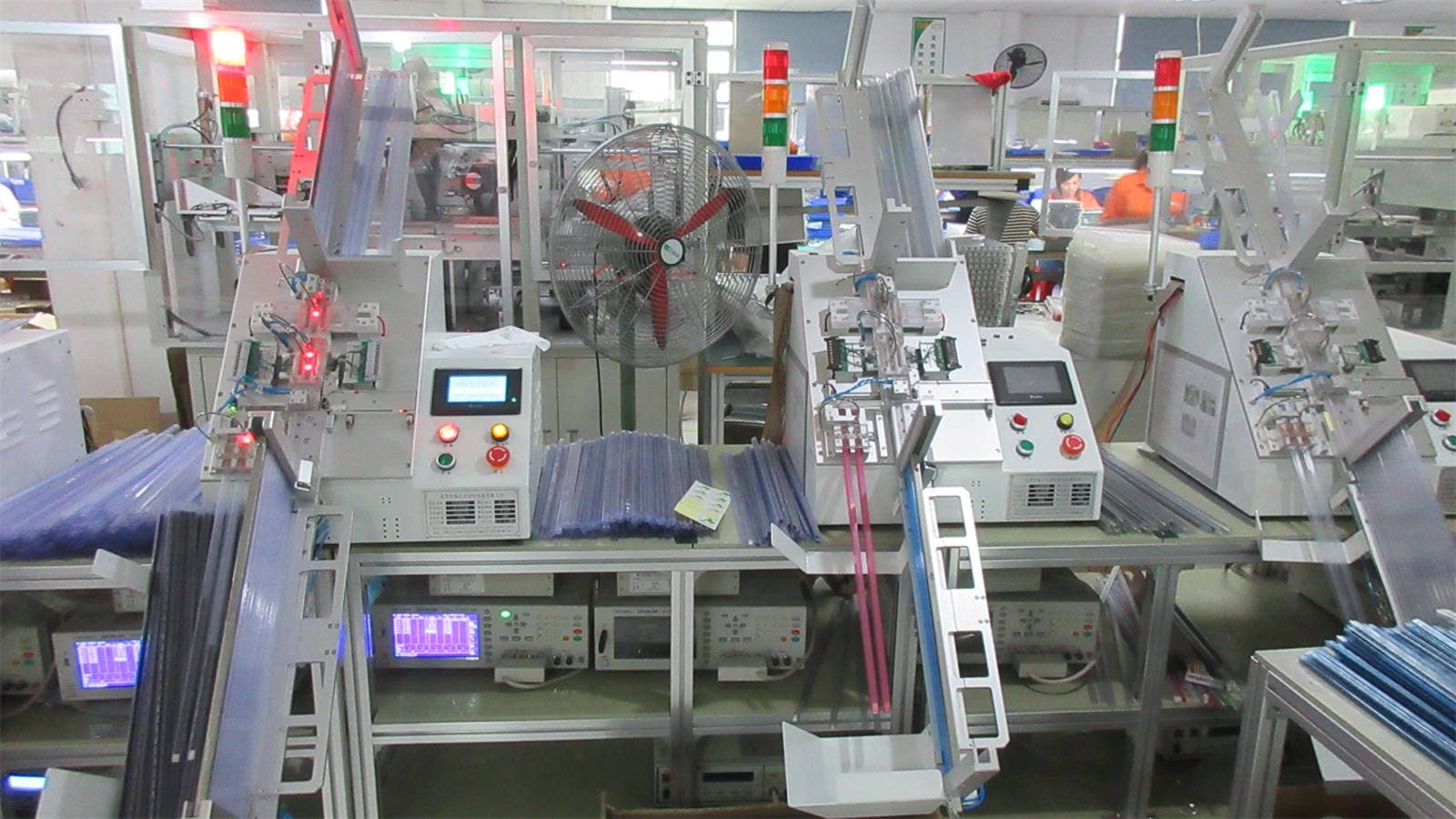
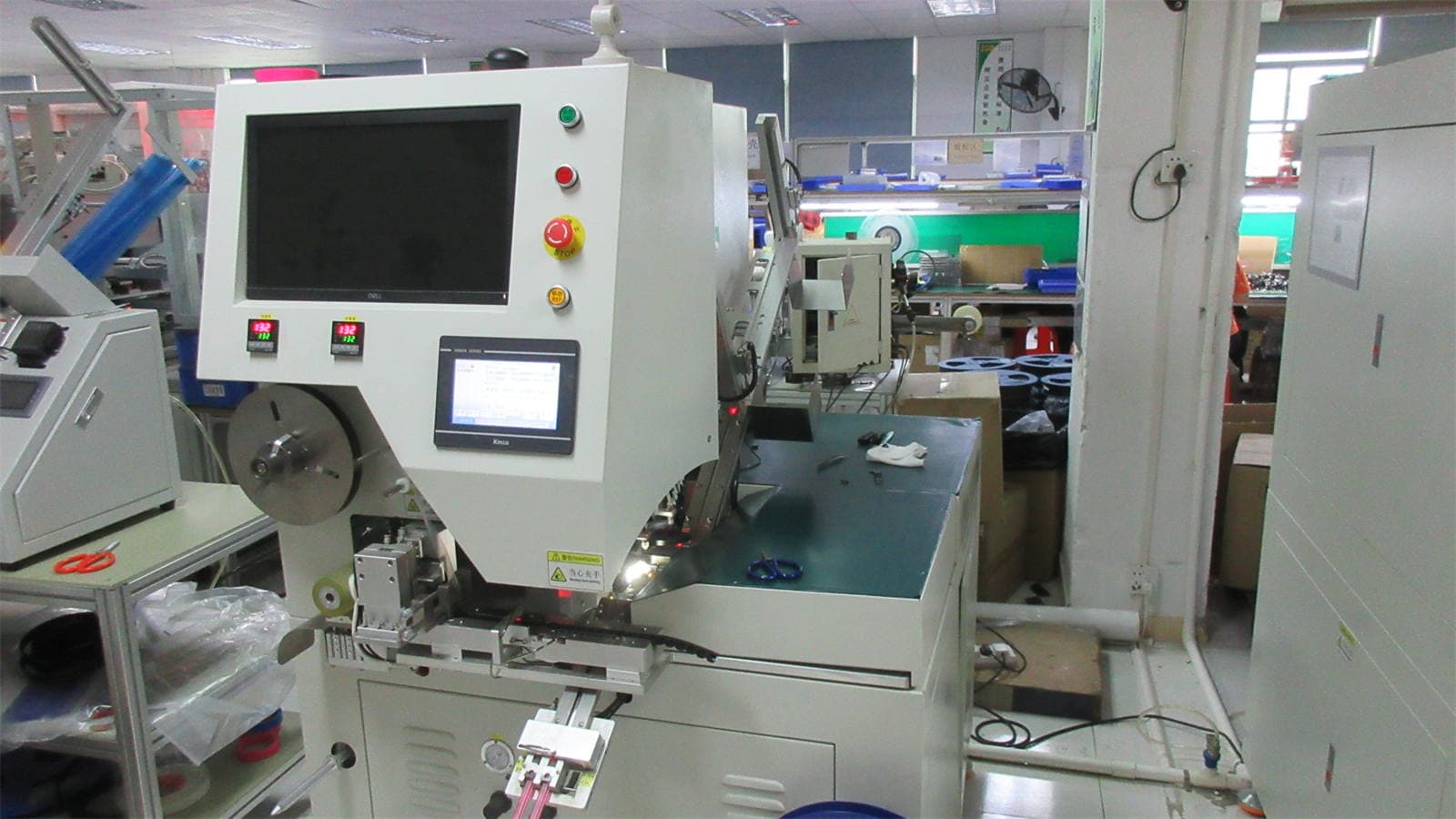
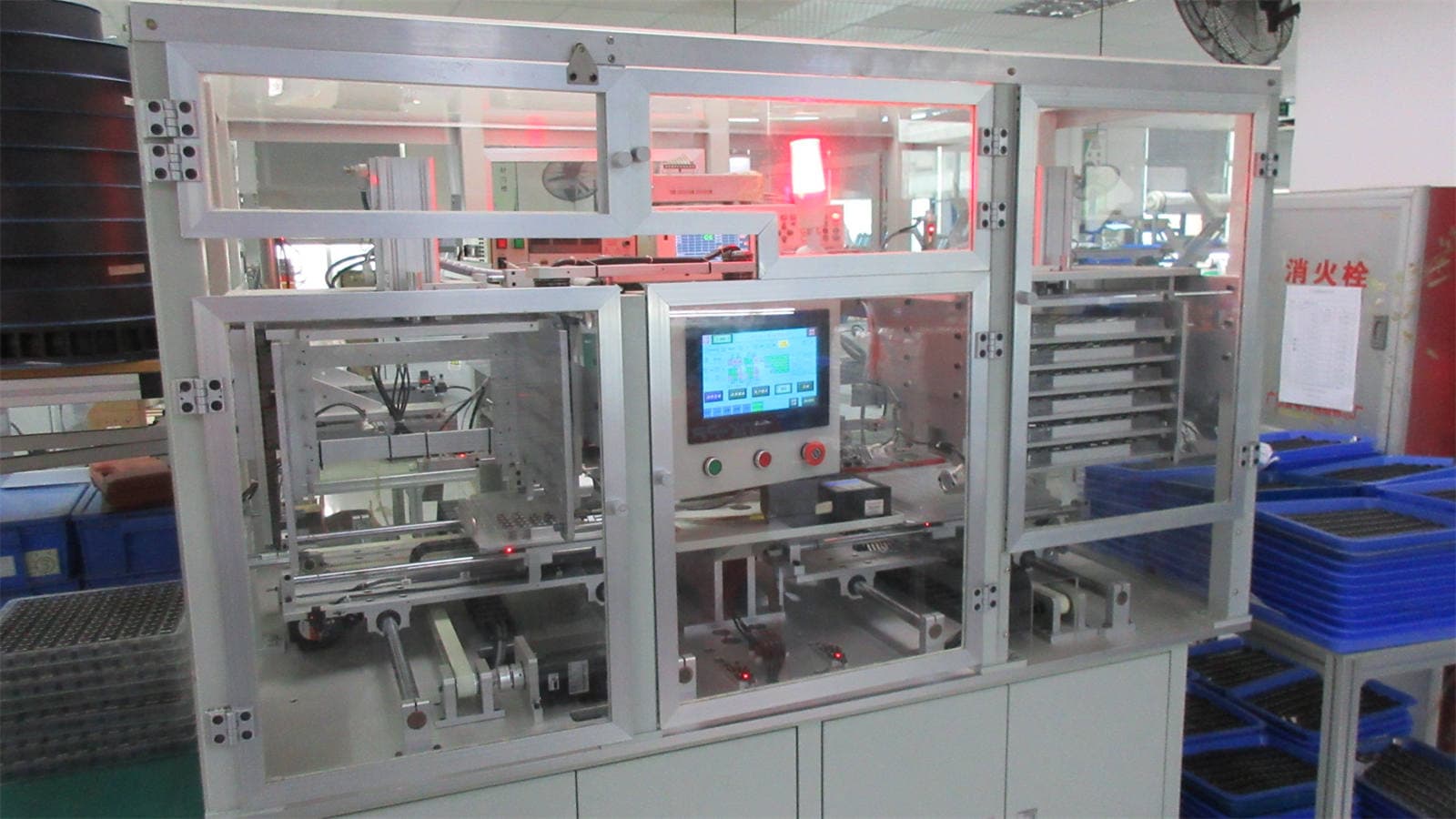
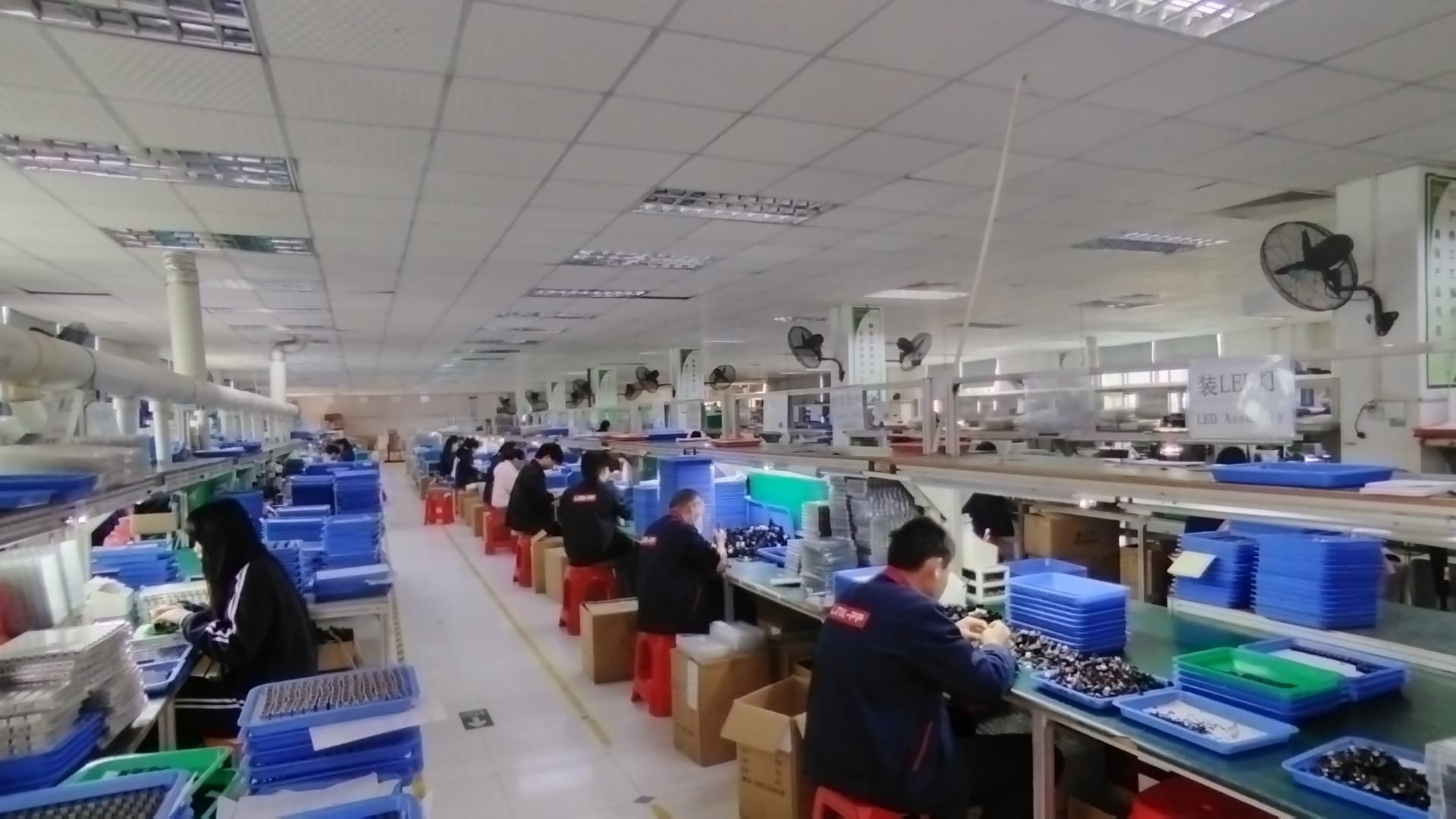
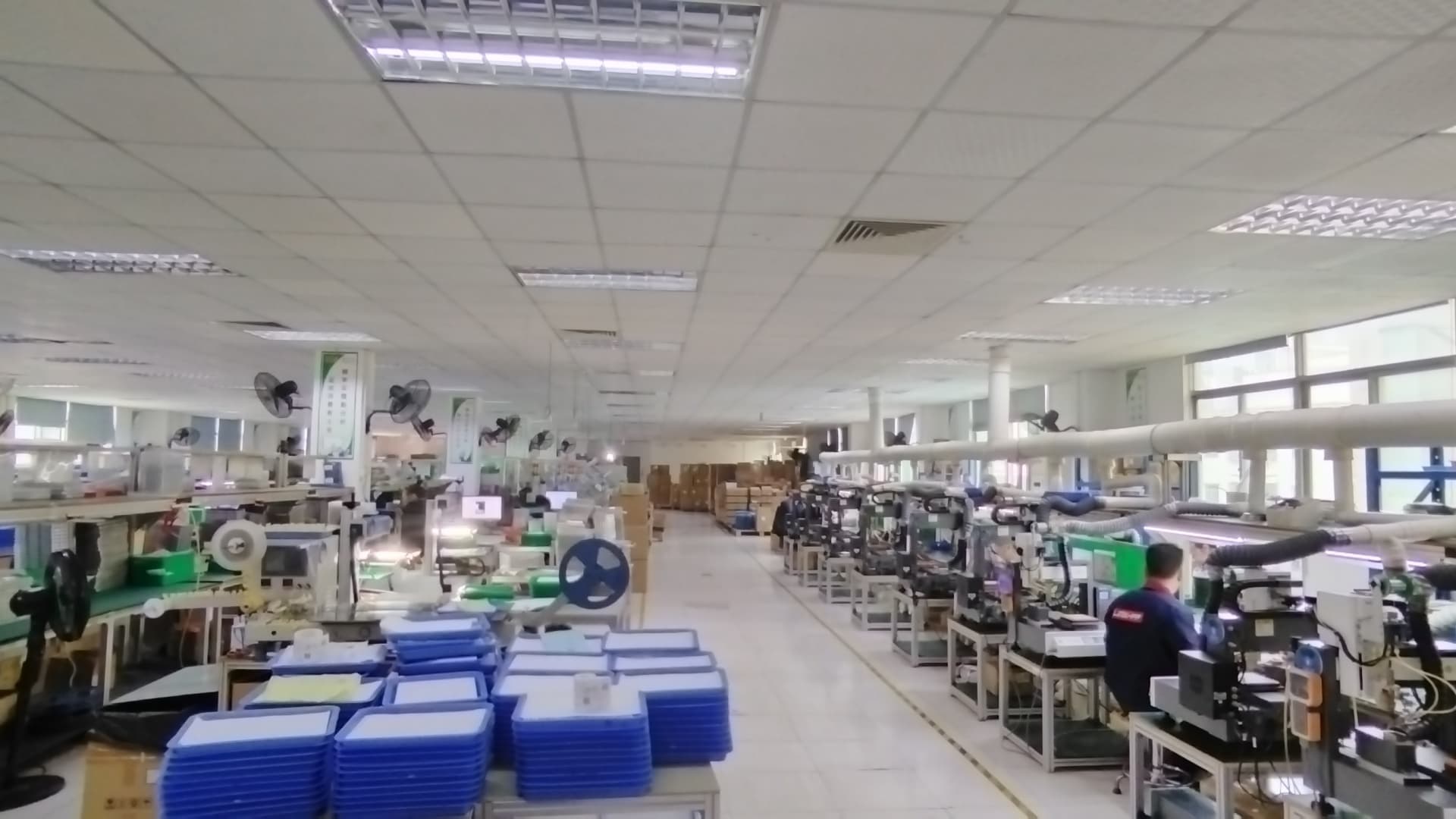
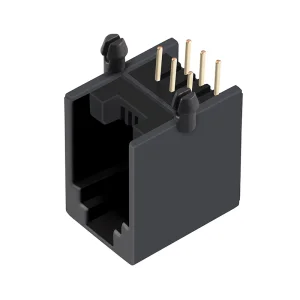
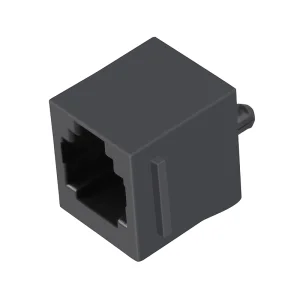
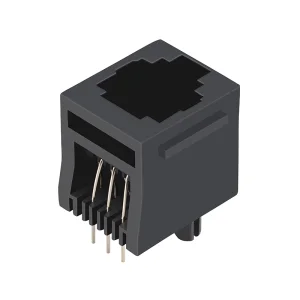
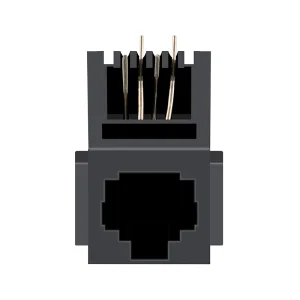
Complete mechanical designs targeting PCB integration, local telecommunication terminals, and automation machinery across Germany.
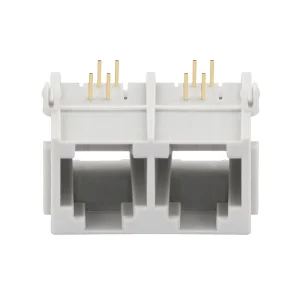
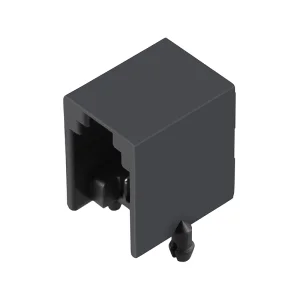
Ensuring end-to-end data backhaul compatibility from local industrial nodes to central cloud networks.
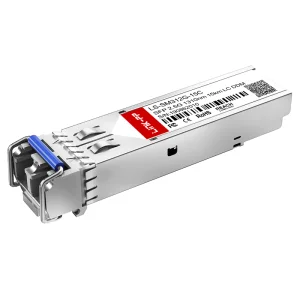
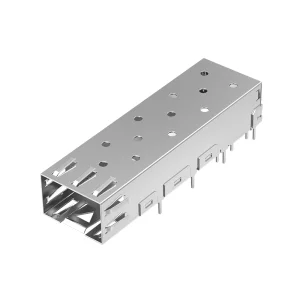
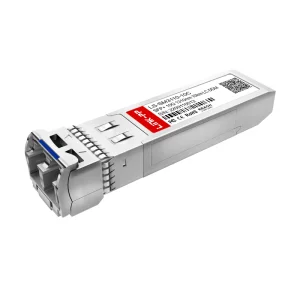
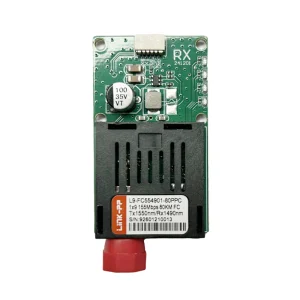
Deploying copper modular jacks and high-speed optical assemblies in industrial, maritime, and transport networks.
In container terminals, central control rooms monitor spreader positions and load weights via physical CAN-bus systems. Our 6P6C shielded connectors link high-durability sensor cabling inside weather-resistant junction boxes, ensuring continuous operation amidst constant machinery vibrations.
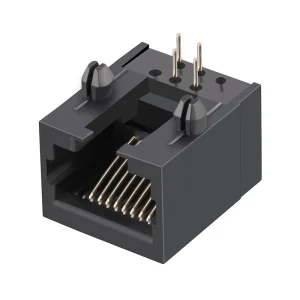
Hamburg’s extensive rail networks (including Deutsche Bahn signaling systems and local Hochbahn facilities) rely on resilient RJ11 and RJ45 connections. Solder-pin through-hole configurations provide mechanical anchoring on control cards to prevent vibration-induced signal loss.
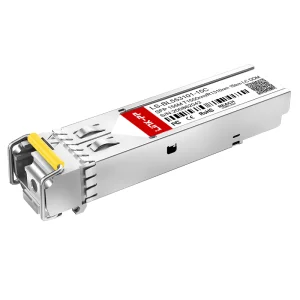
For data centers and smart factory systems in Hamburg-Harburg, we supply high-performance optical transceivers. These hot-pluggable modules transition local copper RJ45/RJ11 network loops to fiber optic rings, guaranteeing low latency and noise isolation.
Addressing the common design, regulatory, and mechanical questions raised by German hardware engineers.
"6P" indicates that the modular plastic shell has 6 positions or contact slots. "4C" and "6C" designate the number of loaded copper contacts. 6P4C connects four lines (commonly used for standard telephone and basic serial interfaces), whereas 6P6C links all six available lines. 6P6C is widely utilized in industrial telemetry, multi-channel analog diagnostics, and proprietary control systems to handle secondary signals and power lines.
High relative humidity combined with maritime salt spray triggers galvanic oxidation on exposed copper contacts. To guarantee stable contact resistance, we utilize specialized gold plating (varying from 3u" to 50u" based on project requirements) over a nickel barrier layer. This protection prevents oxide build-up, maintaining low contact resistance across years of operation in coastal climates.
THT pins pass completely through the PCB board, anchoring the connector body. This structural design offers superior resistance to mechanical pull forces during mating and unmating cycles, preventing contact solder pads from peeling away under high mechanical stress.
Yes. All modular jacks, SFP modules, and associated cages conform to WEEE, REACH, and RoHS directives. Our products meet European safety and environmental standards, facilitating easy integration for OEMs selling into Germany and the broader European market.
Discuss your mechanical tolerances, gold plating specifications, and annual volume requirements directly with our technical team.
Send Inquiry Now