Lumopt
Lumopt
Lumopt
High-speed data transceivers, magnetic RJ45 jacks, and telecom transformers engineered for standard and rugged network deployments.
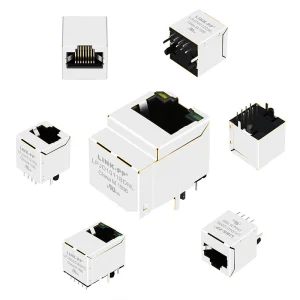
As the backbone of localized networking hardware, the RJ45 socket (Registered Jack 45) continues to play an irreplaceable role in modern Ethernet infrastructures. Even as wireless technology advances, the physical integrity, noise immunity, and Power over Ethernet (PoE) capabilities of wired copper connections keep RJ45 interfaces critical in carrier-grade, industrial, data center, and corporate environments.
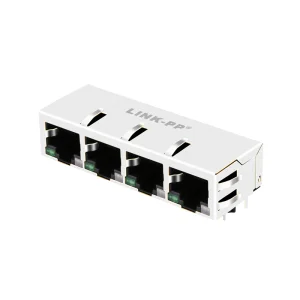
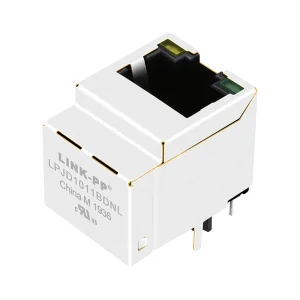
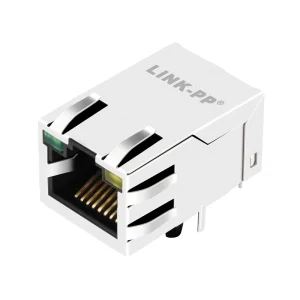
The global market for RJ45 connectors is driven significantly by the rising demand for higher bandwidth systems—specifically transitioning from Cat5e to Cat6, Cat6a, and Cat7 networks, capable of supporting bandwidths up to 10Gbps. Standard RJ45 sockets are adapting into complex Integrated Connector Modules (ICMs) that combine the physical RJ45 footprint with internal magnetic isolation transformers, LEDs, and EMI shields, reducing system footprint and mitigating electromagnetic interference on high-density PCBs.
An objective analysis of the industry-leading suppliers who define current standardizations, electrical performance benchmarks, and distribution channels.
TE Connectivity is a multinational leader in highly engineered connectors and sensor systems. Their RJ45 lineup ranges from basic PCB modular jacks to heavy-duty industrial plugs with IP67 ingress protection, defining standard footprints for high-vibration applications.
Widely recognized for high-speed connectivity solutions, Amphenol excels in ruggedized RJ45 sockets, specialized military-grade Ethernet connectors (RJField), and modular jacks for telecommunications servers requiring massive EMI shielding.
Molex produces a massive assortment of micro-miniature, heavy-duty, and optical connectors. Their RJ45 portfolio features their proprietary Magnetic Jack (MXMag) series, providing exceptional space efficiency and ESD protection.
A powerhouse in magnetics design. Pulse manufactures Ethernet Integrated Connector Modules (ICMs) that set the industry benchmarks for return loss, crosstalk reduction, and high-efficiency PoE power delivery across standard RJ45 dimensions.
As part of the Bel group, Stewart Connector produces RJ45 jacks designed specifically for high-speed networking, including Cat6, Cat6a, and 10G Base-T applications, focusing heavily on coplanarity and contacts optimization.
Based in Japan, Hirose focuses on micro-connectors, providing highly reliable, space-saving RJ45 structures. Their connectors are highly regarded in industrial automation and precision robotics where space constraints are severe.
A leading European manufacturer specializing in passive components. Their WE-RJ45 design incorporates EMI-integrated filters, helping global engineers achieve CE and FCC compliance with minimal layout modifications.
As the consumer electronics assembly giant's connector division, FIT manufactures extremely high volumes of standard RJ45 ports for PC motherboards, laptops, smart TVs, and network switches with incredible cost efficiency.
HARTING is the gold standard for industrial RJ45 solutions. Their Han-modular and EtherLink systems are built to endure harsh factory conditions, chemical exposures, extreme temperatures, and mechanical shock.
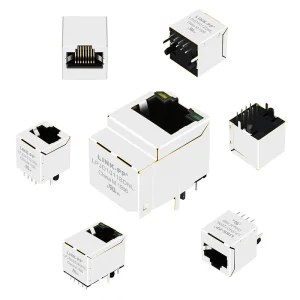
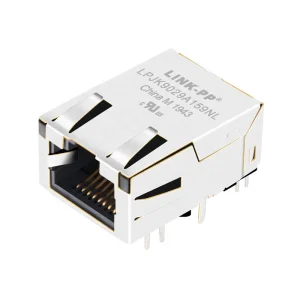
Operating out of China's high-tech industrial hubs, Lumopt (registered locally as Luguang Communication Technology Co., Ltd.) represents the vanguard of agile manufacturing, providing highly competitive, customized, and standard-compliant RJ45 sockets, SFP cages, and magnetic transceivers for global distributors and system integrators.
Global procurement teams actively look to Chinese manufacturers for component supply due to structural efficiency, mature component clustering, and highly specialized automation lines. Sourcing RJ45 connectors and magnetic jacks from China offers three key benefits:
Southern and Eastern China host dense manufacturing networks. Raw materials like phosphor bronze (used for high-cycle contacts), liquid crystal polymers (LCP for reflow soldering resistance), and high-frequency ferrite cores for magnetic transformers are sourced locally. This localized ecosystem minimizes transport delays, stabilizes raw material costs, and accelerates prototyping phases.
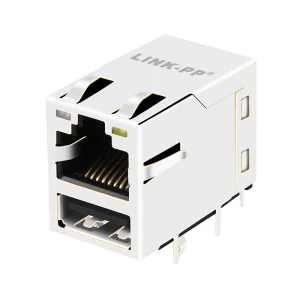
Established Chinese factories accommodate bespoke engineering modifications. Whether custom LED pinouts, specific shield tabs, stacked configuration (2x1, 2x4, etc.), or hybrid USB-RJ45 integration, Chinese engineers can customize tooling designs much faster than competitors in traditional Western markets.
Precision is vital for RJ45 connectors. A variance of 0.05mm can result in signal discontinuity or high insertion loss. Leading Chinese factories utilize high-precision automatic stampers and injection molds, enabling fast throughput while maintaining tight dimensional tolerances. This allows for scale economies that lower per-unit costs for buyers.
Ethernet connectors must meet different mechanical, electrical, and environmental demands depending on the target system. Standardizing on a single RJ45 design is often not feasible across different industries.
| Industry Sector | Key Challenge | Recommended RJ45 Configuration | Performance Standard |
|---|---|---|---|
| Hyperscale Data Centers | Extreme port density & heat dissipation | Multi-port Ganged/Stacked Sockets with Integrated SFP+ cages and heatsinks | 10G Base-T / IEEE 802.3an compliant |
| Industrial Smart Factories | Vibration, humidity, electrical arc noise | IP67 Sealed Waterproof Vertical Sockets with metal-reinforced shielding | Cat6a, ISO/IEC 11801 Class EA |
| Edge AI Computing | High processing speeds, electromagnetic crosstalk | Magnetic Jacks (ICMs) with built-in EMI filtering & dual-color LEDs | 2.5G/5G Base-T, low return loss |
| Smart Buildings & PoE Lighting | Continuous thermal loads due to high power delivery | PoE+ / PoE++ (up to 90W) Optimized Jacks with gold alloy contact plating | IEEE 802.3bt Type 4 compliance |
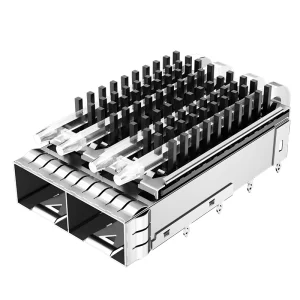
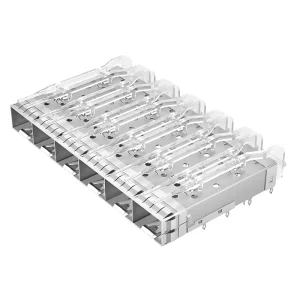
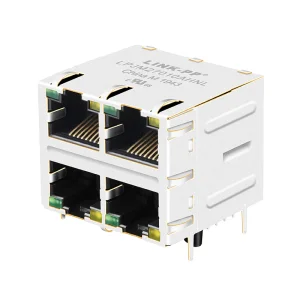
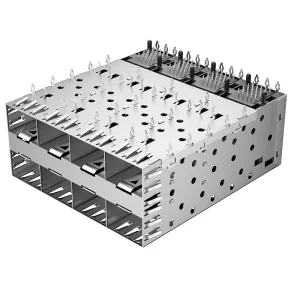
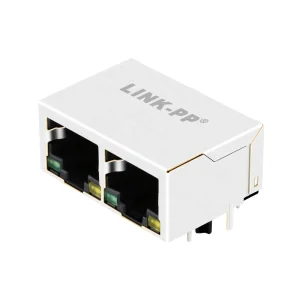
In high-density server architectures, standard single-port RJ45 configurations are replaced by Ganged Cages (e.g., 2x4 or 1x6 ports). These structures integrate SFP (Small Form-factor Pluggable) optical cages alongside high-speed copper jacks. This allows network switch engineers to design hybrid motherboards, giving customers the flexibility to choose between short-range copper patches and long-range optical transceivers depending on network topology.
To ensure global interoperability and long-term deployment reliability, professional engineers evaluate several technical criteria beyond the basic physical footprint:
How Luguang Communication Technology integrates strict quality control and automation into high-performance optoelectronic and Ethernet component assembly.
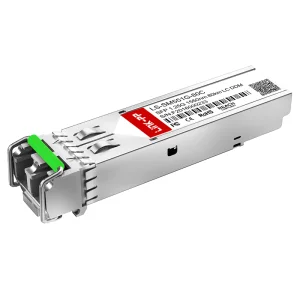
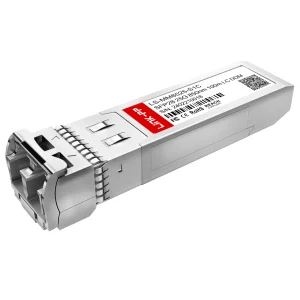
Lumopt Opto Technology Co., Ltd., registered as Luguang Communication Technology Co., Ltd. in China, is a professional Chinese manufacturer and exporter specializing in high-performance optical transceivers. We focus on the R&D, production and customization of full-series optical modules covering 10G, 25G, 100G, 400G, 800G and 1.6T products, which are widely applied in data centers, telecom networks, cloud computing, AI computing equipment and enterprise communication systems.
Equipped with standardized dust-free production workshops, advanced automatic testing equipment and a professional technical R&D team, we implement strict quality control throughout the whole production process. All our optical transceivers comply with international industry standards and have passed relevant reliability certifications, supporting OEM & ODM customized services to meet diverse demands from global buyers. Adhering to the concept of stable quality, competitive pricing and reliable after-sales support, Lumopt has built long-term cooperative partnerships with distributors, system integrators and communication enterprises all over the world.
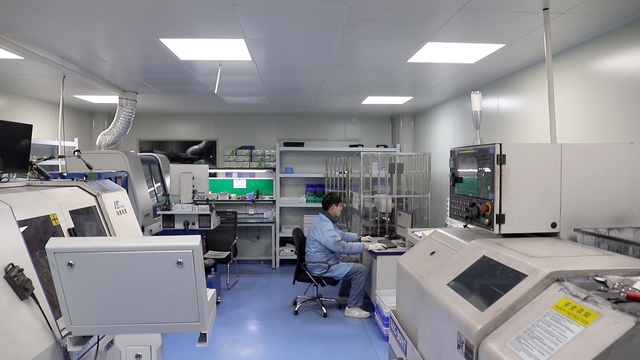
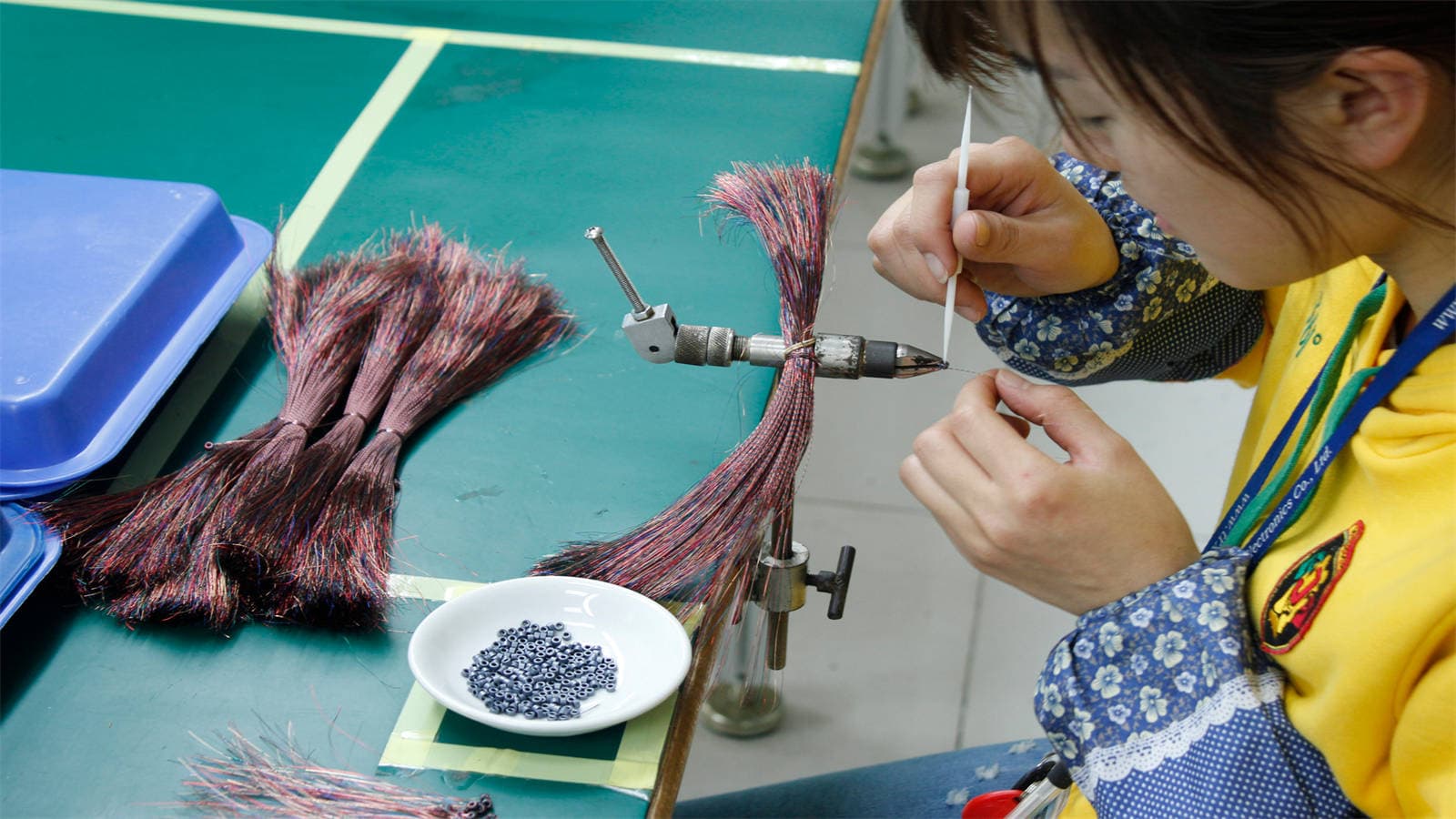
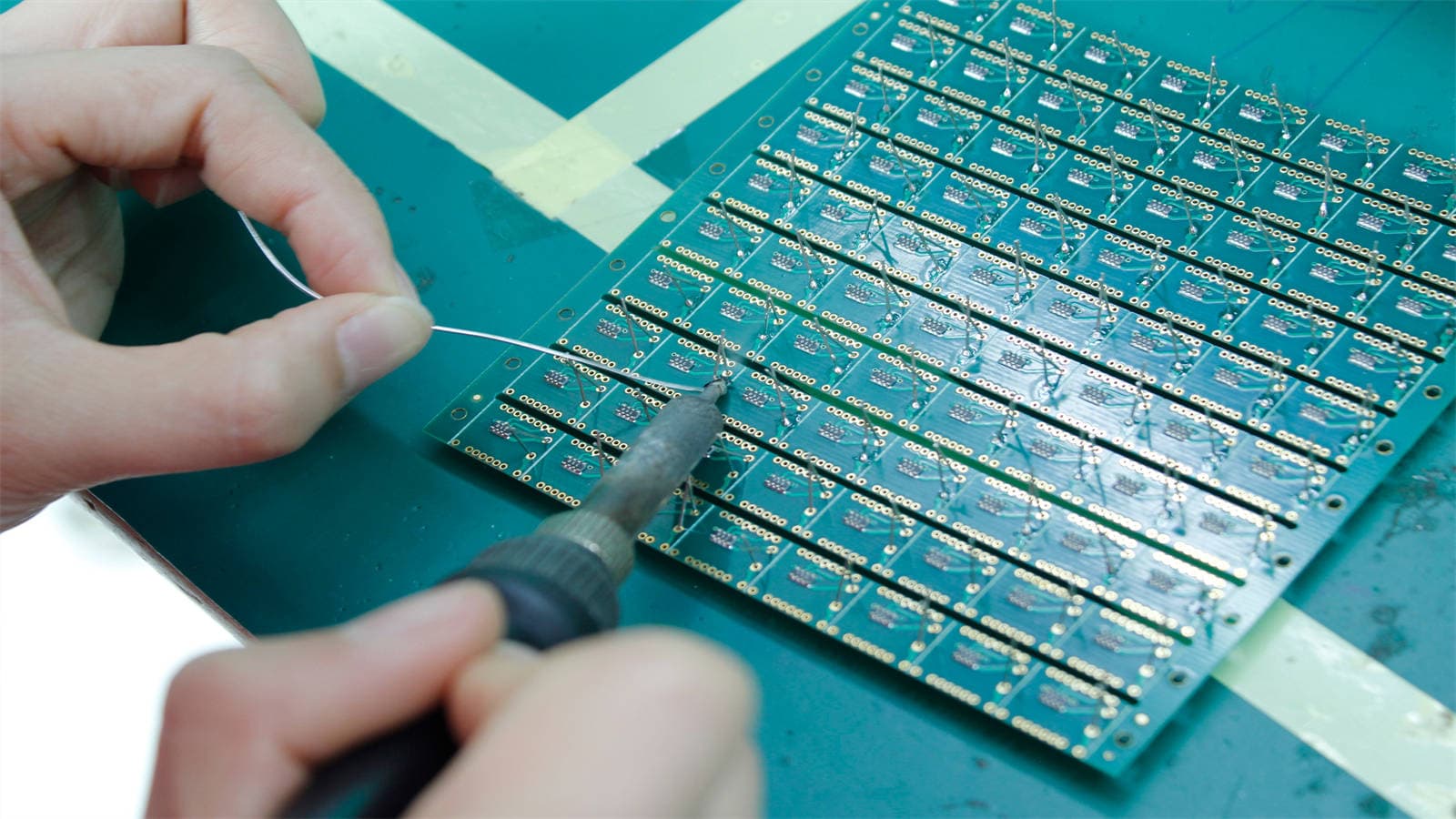
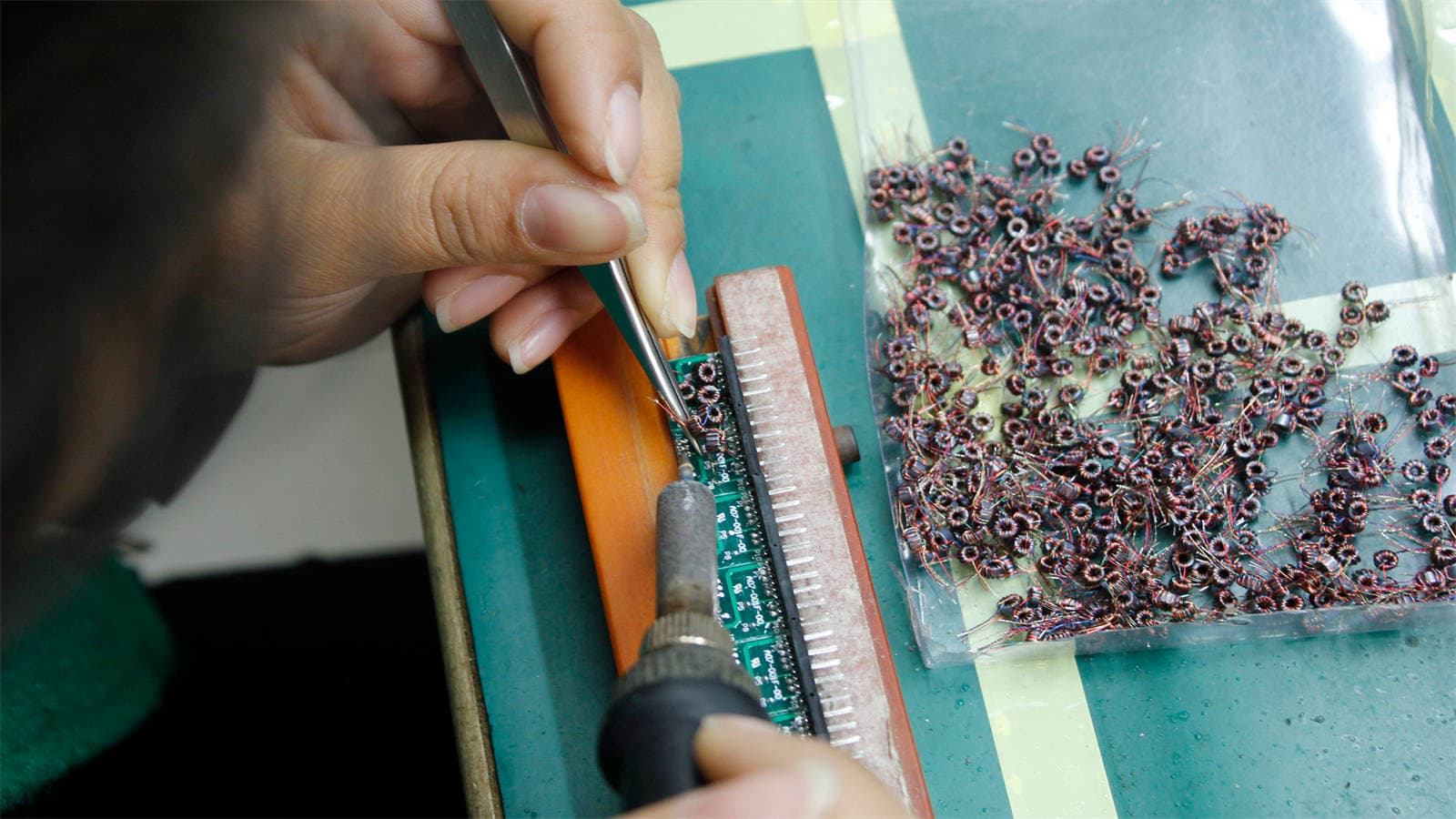
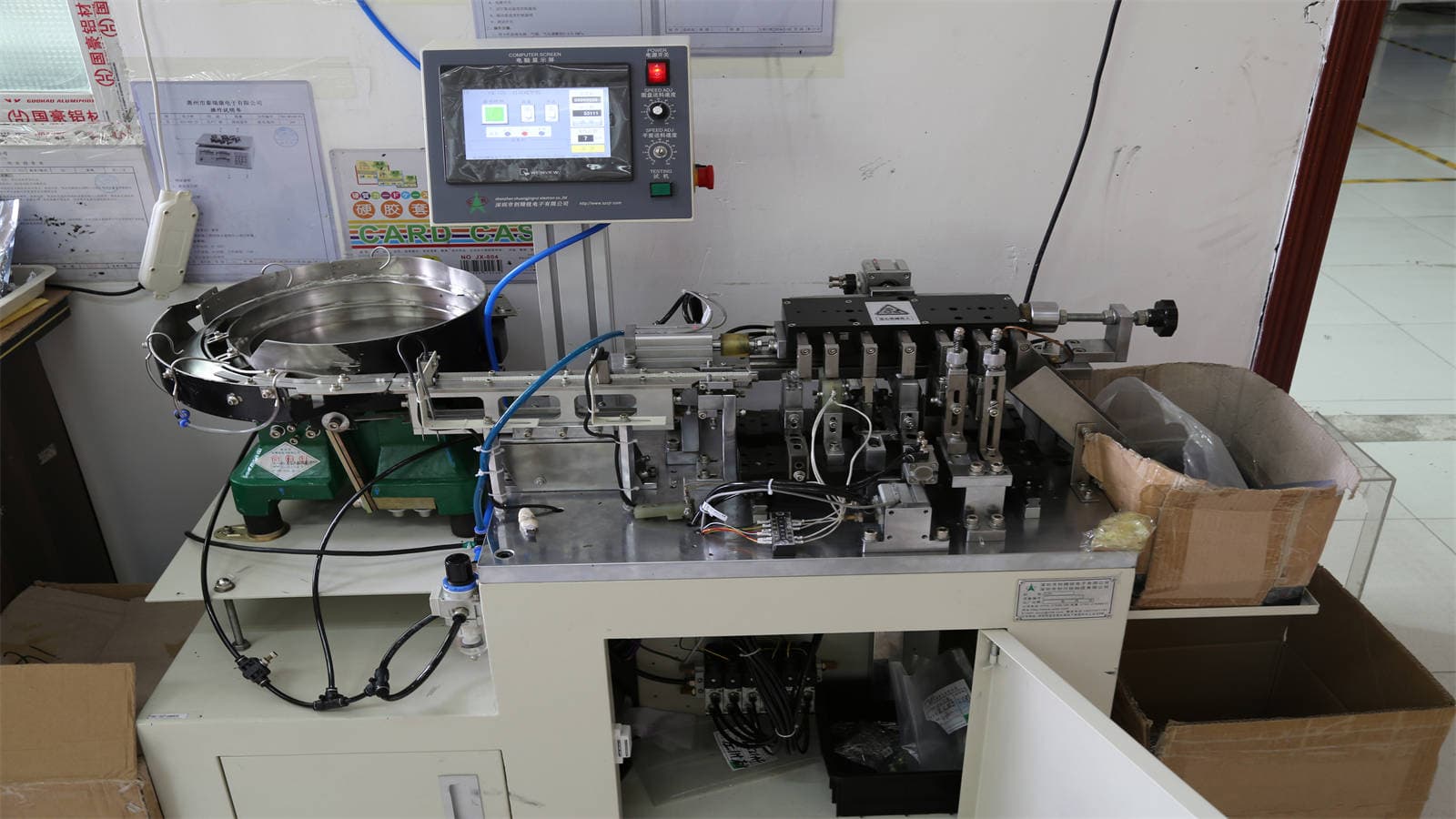
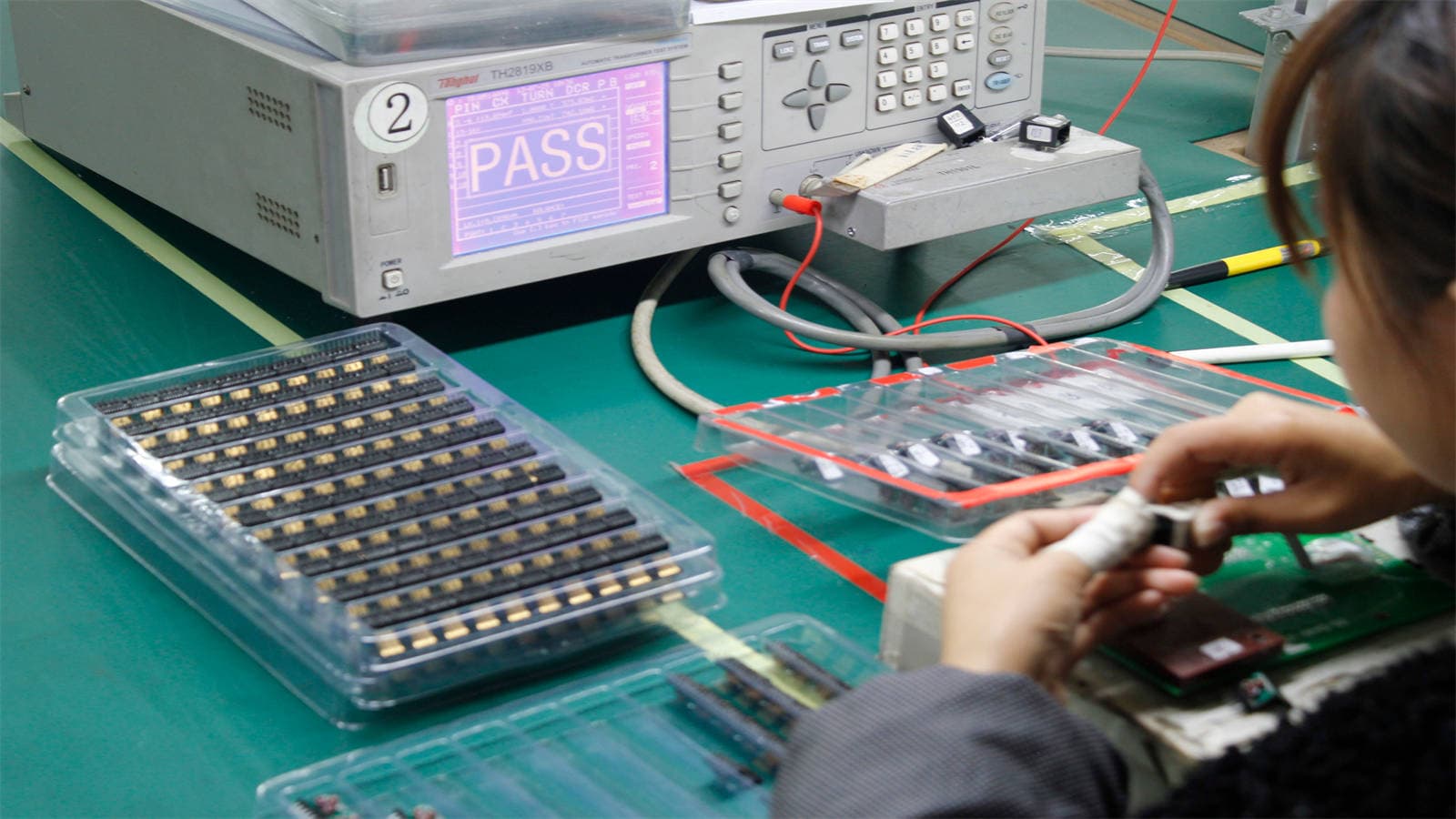
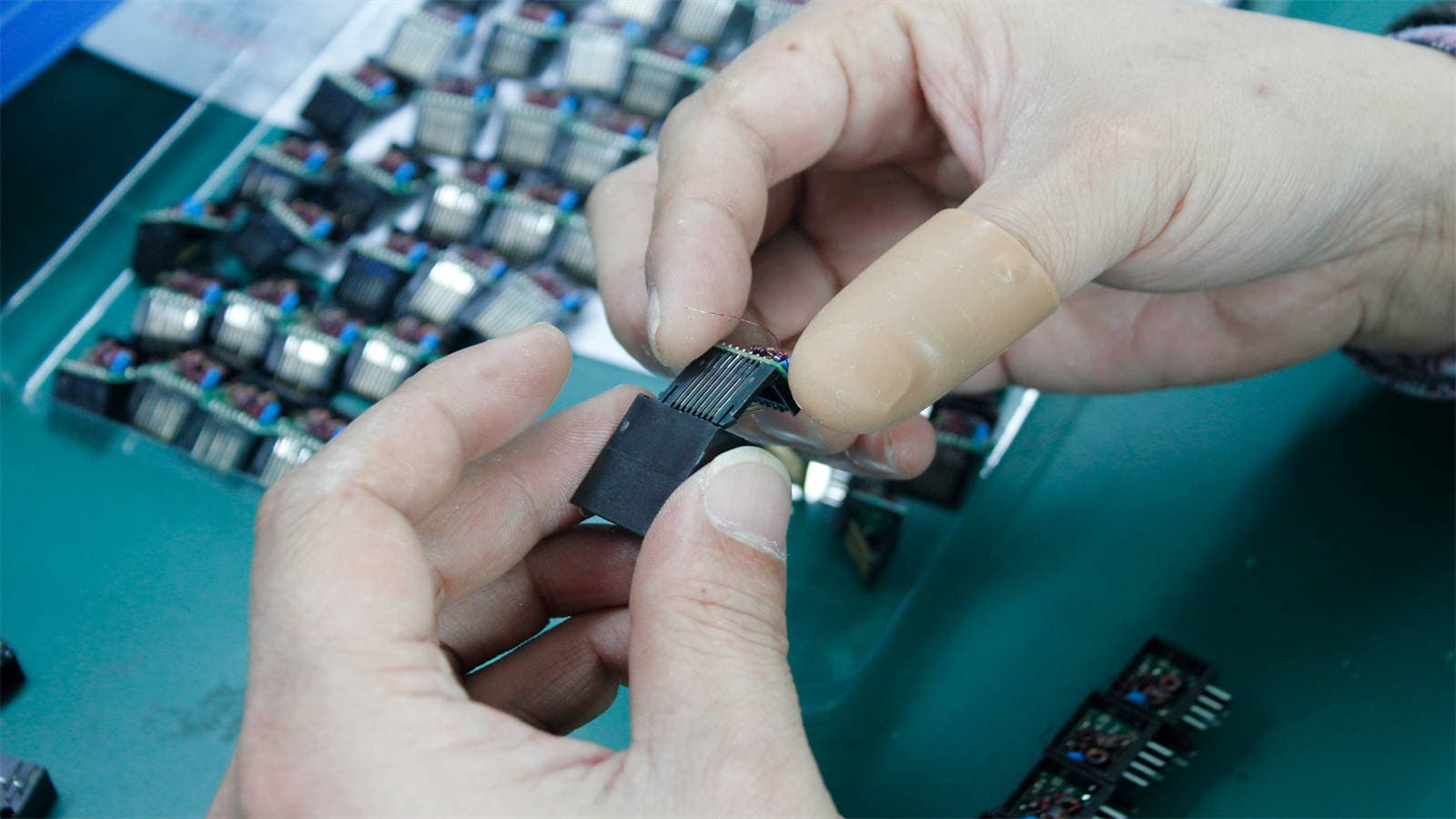
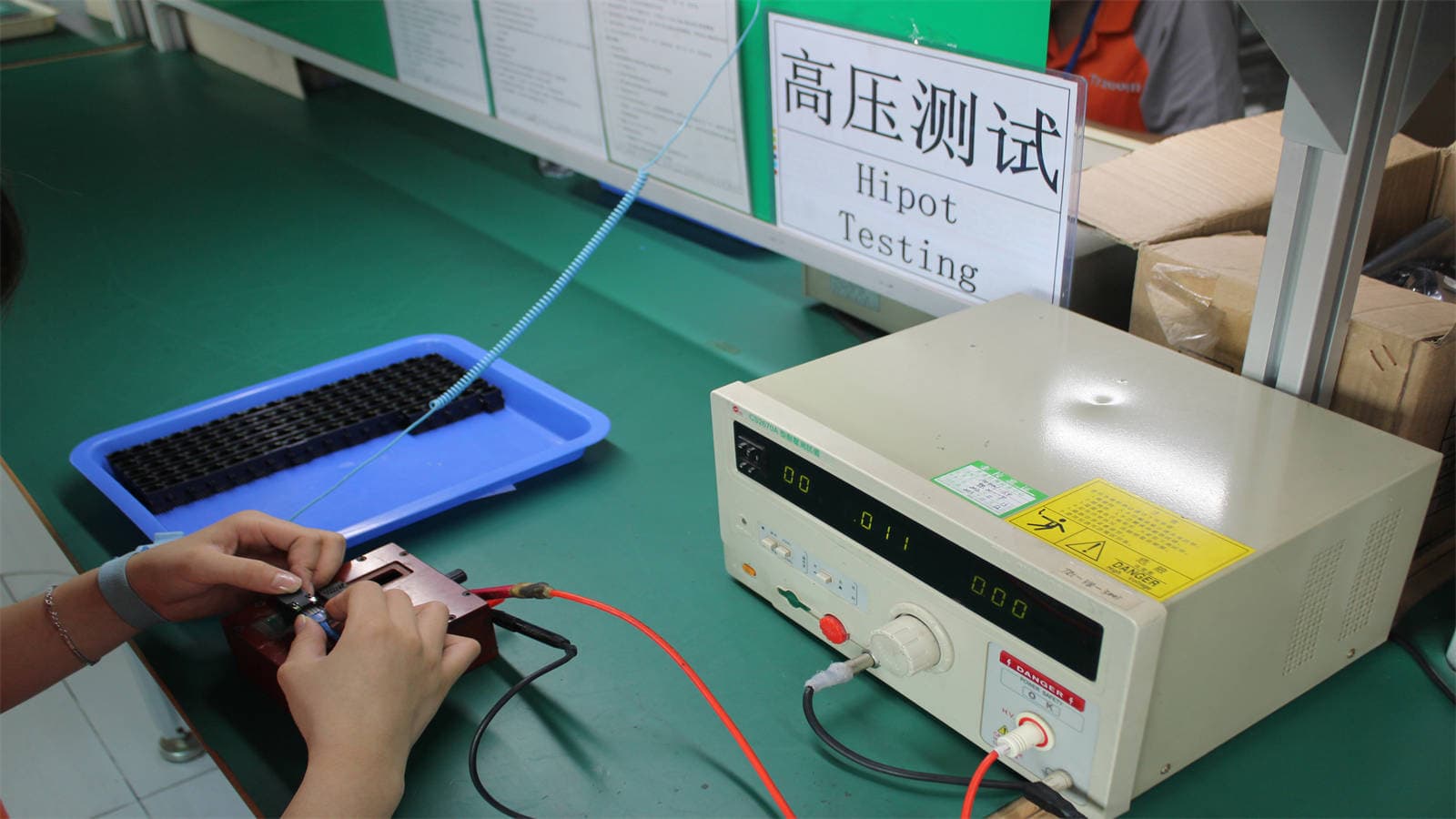
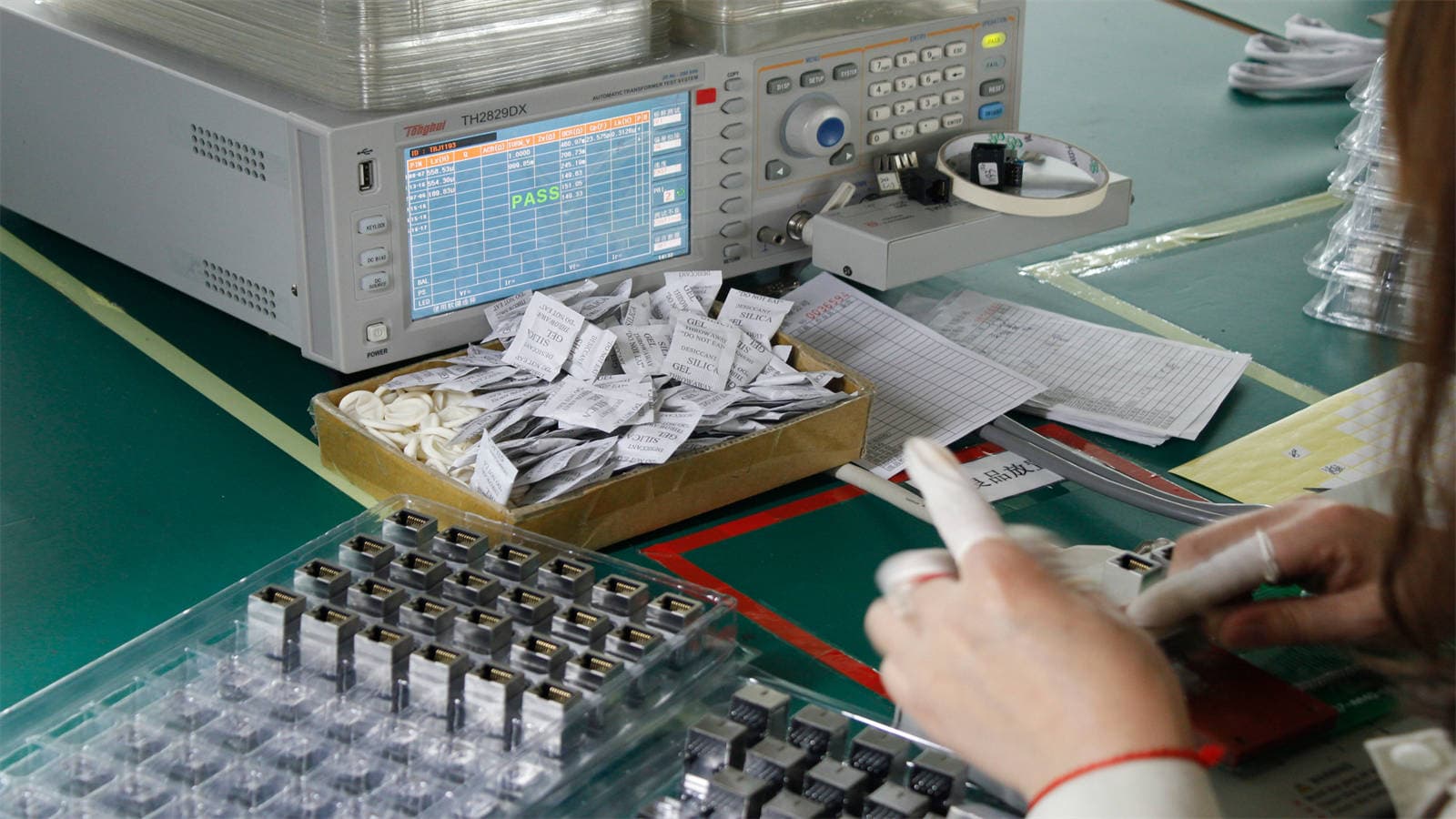
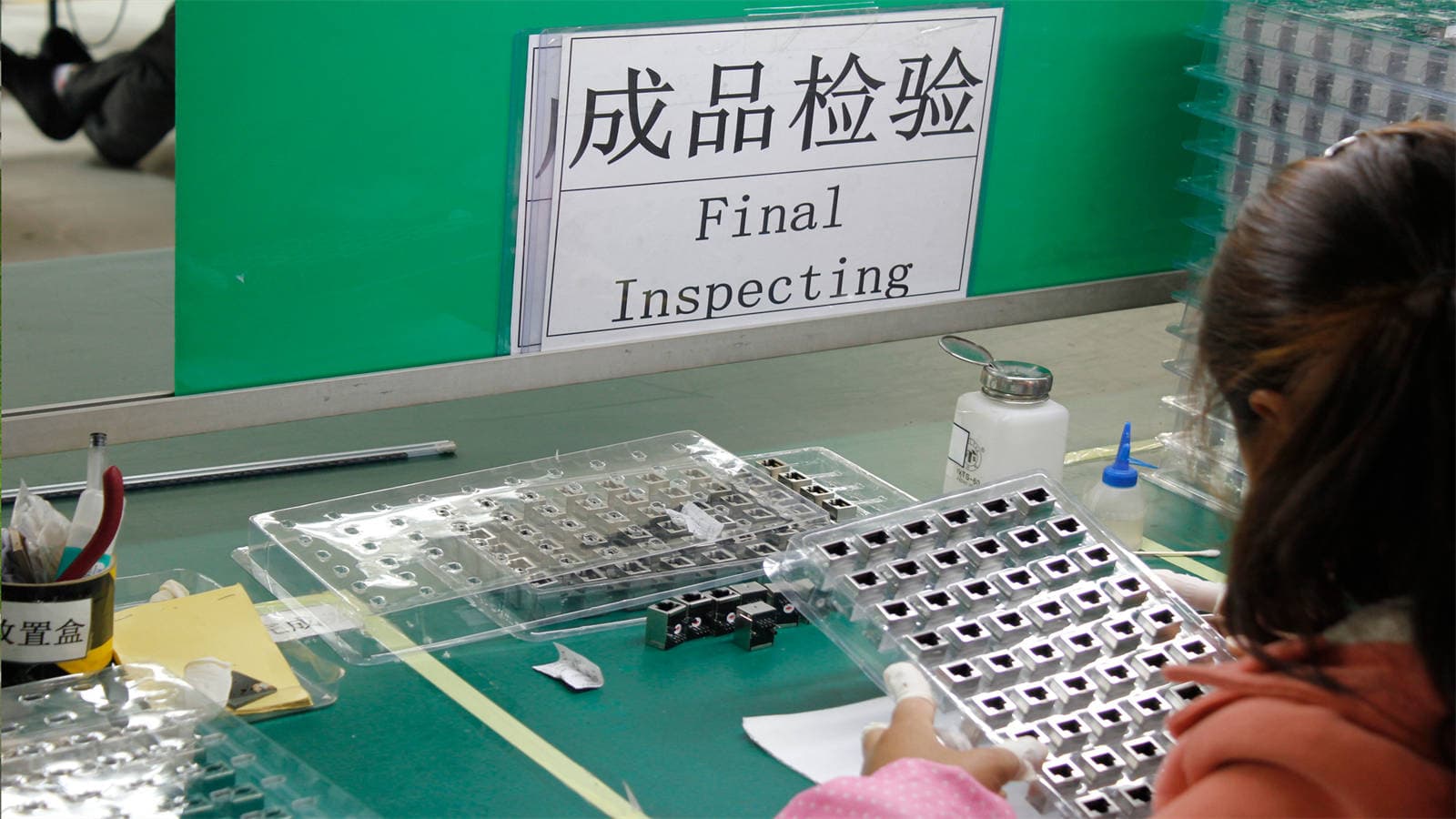
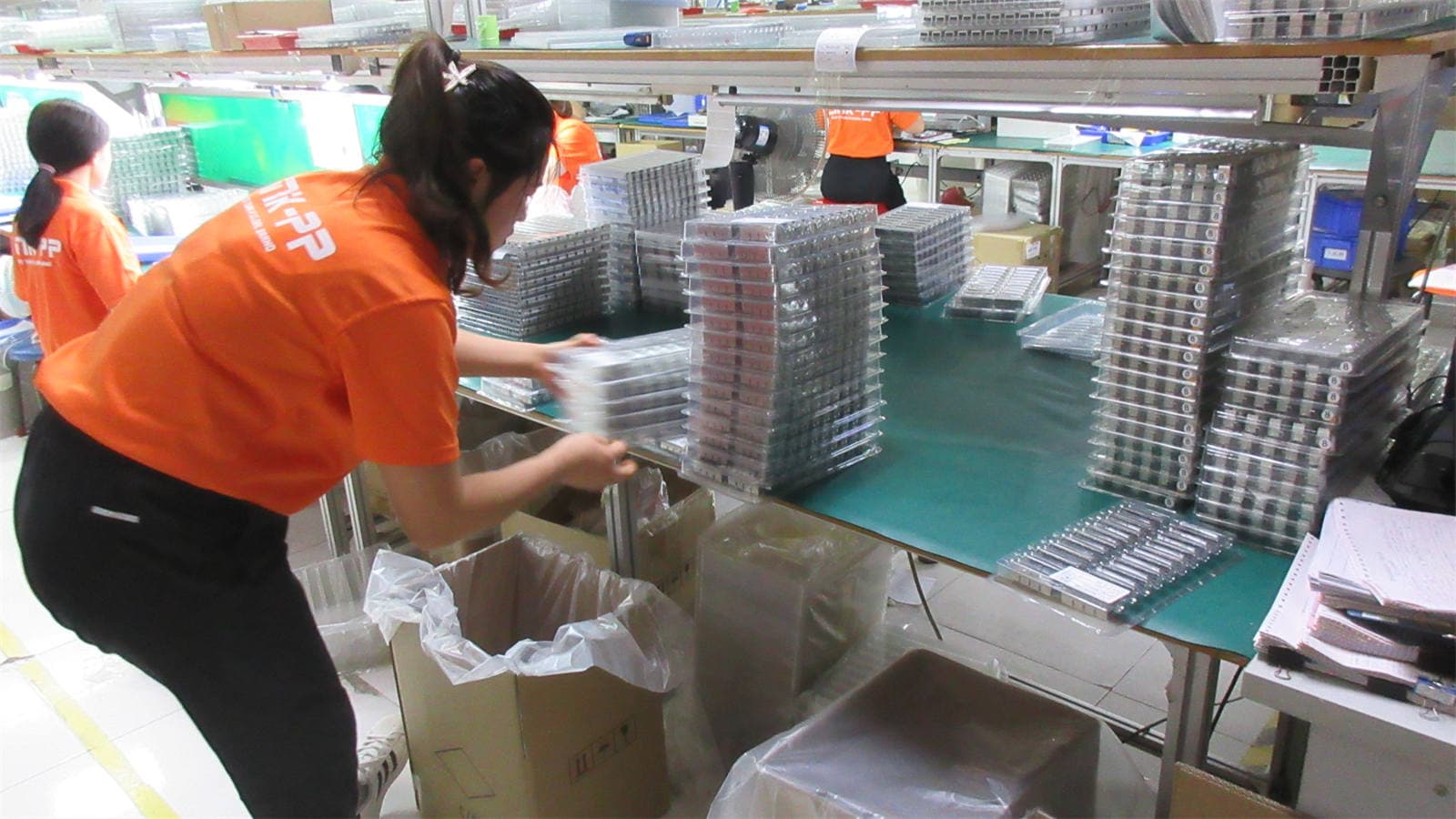
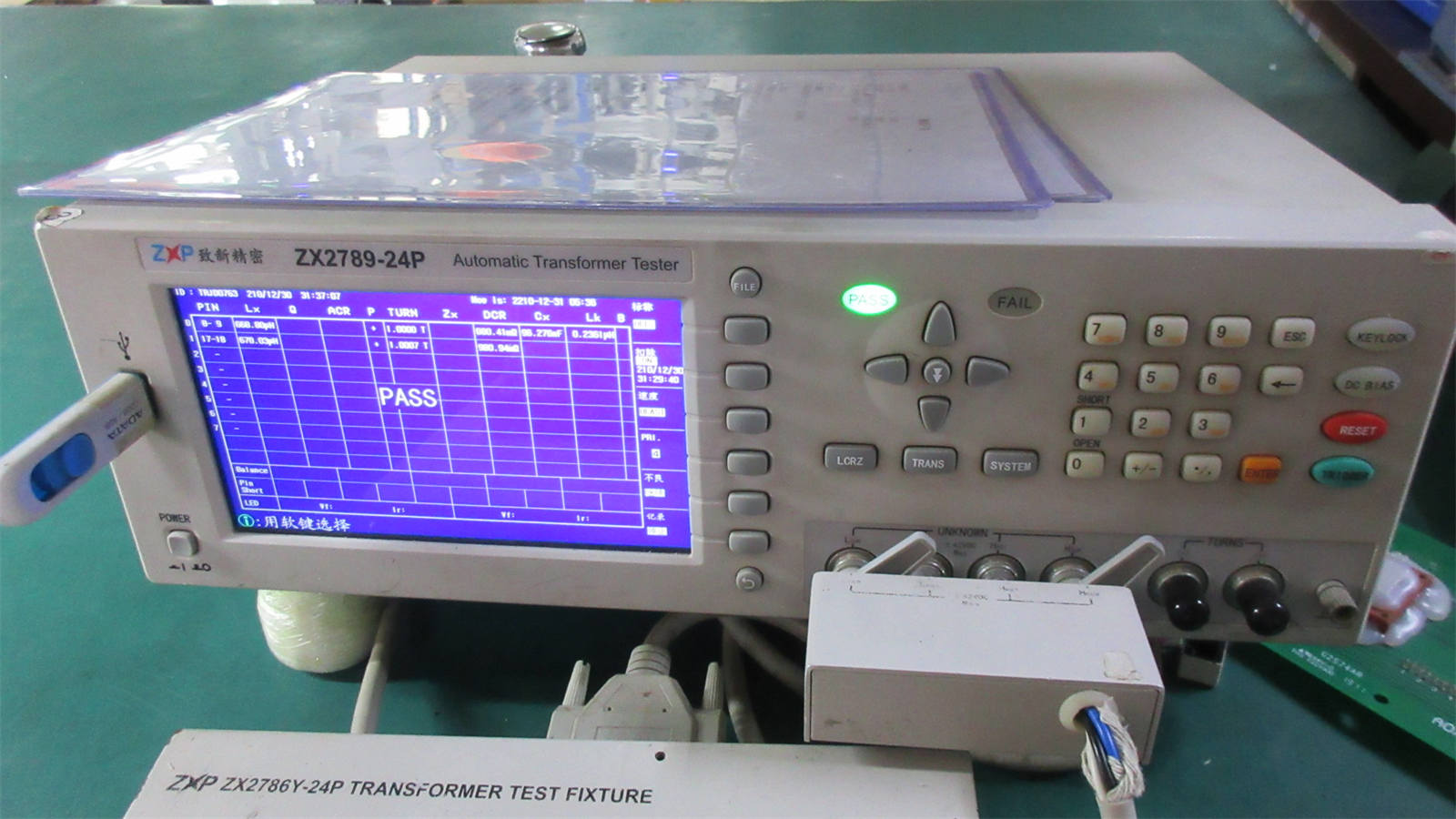
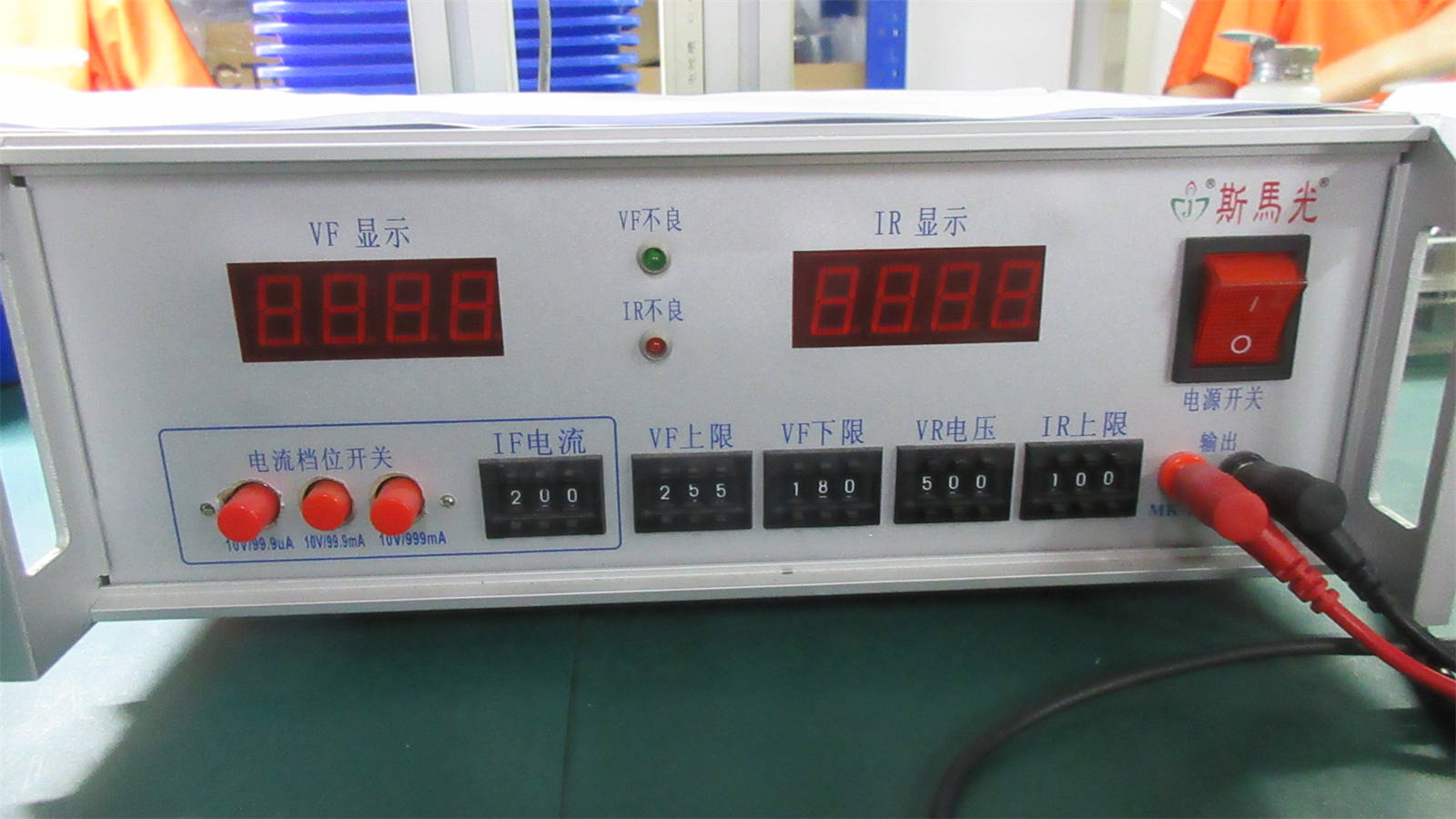
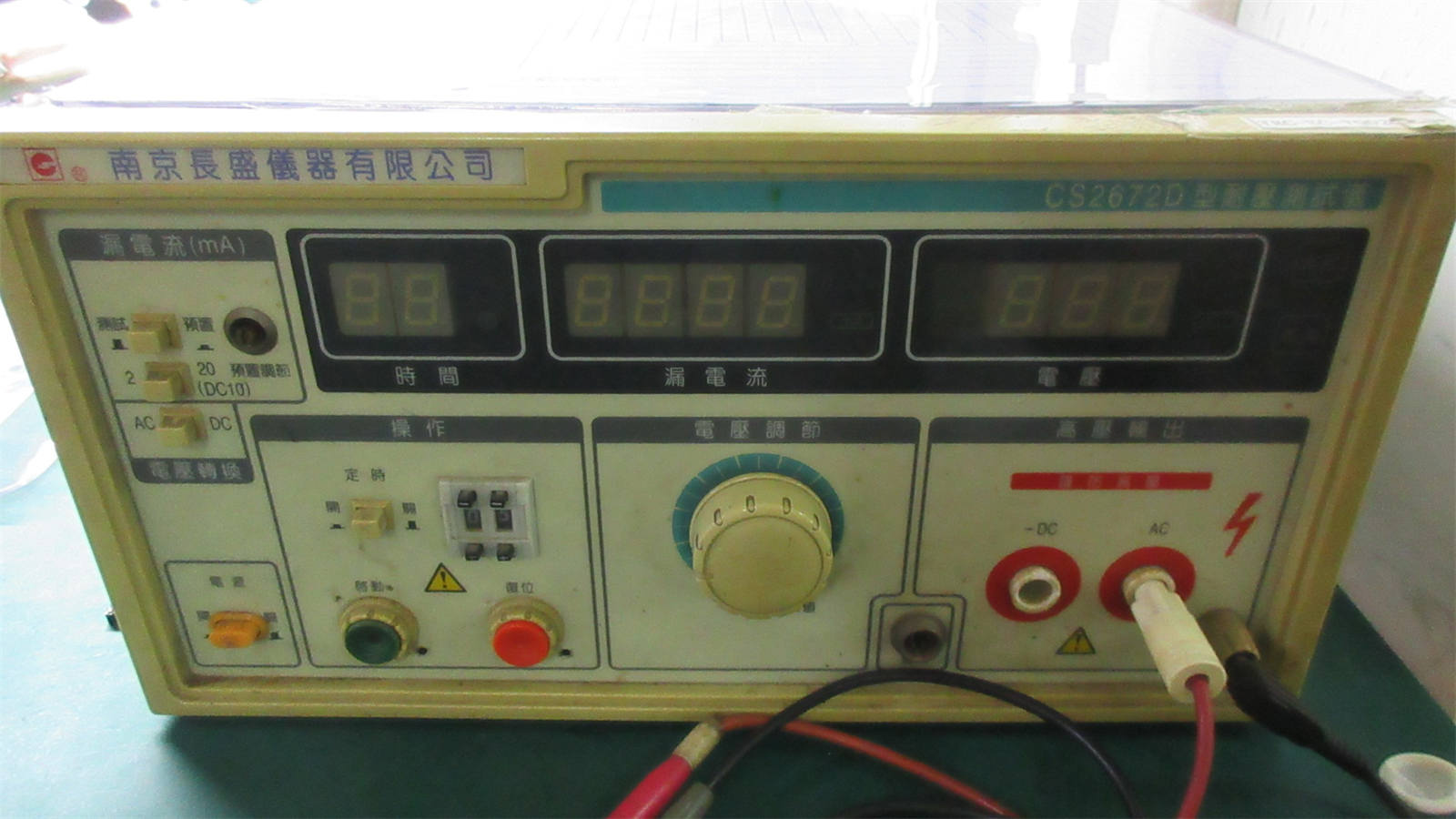
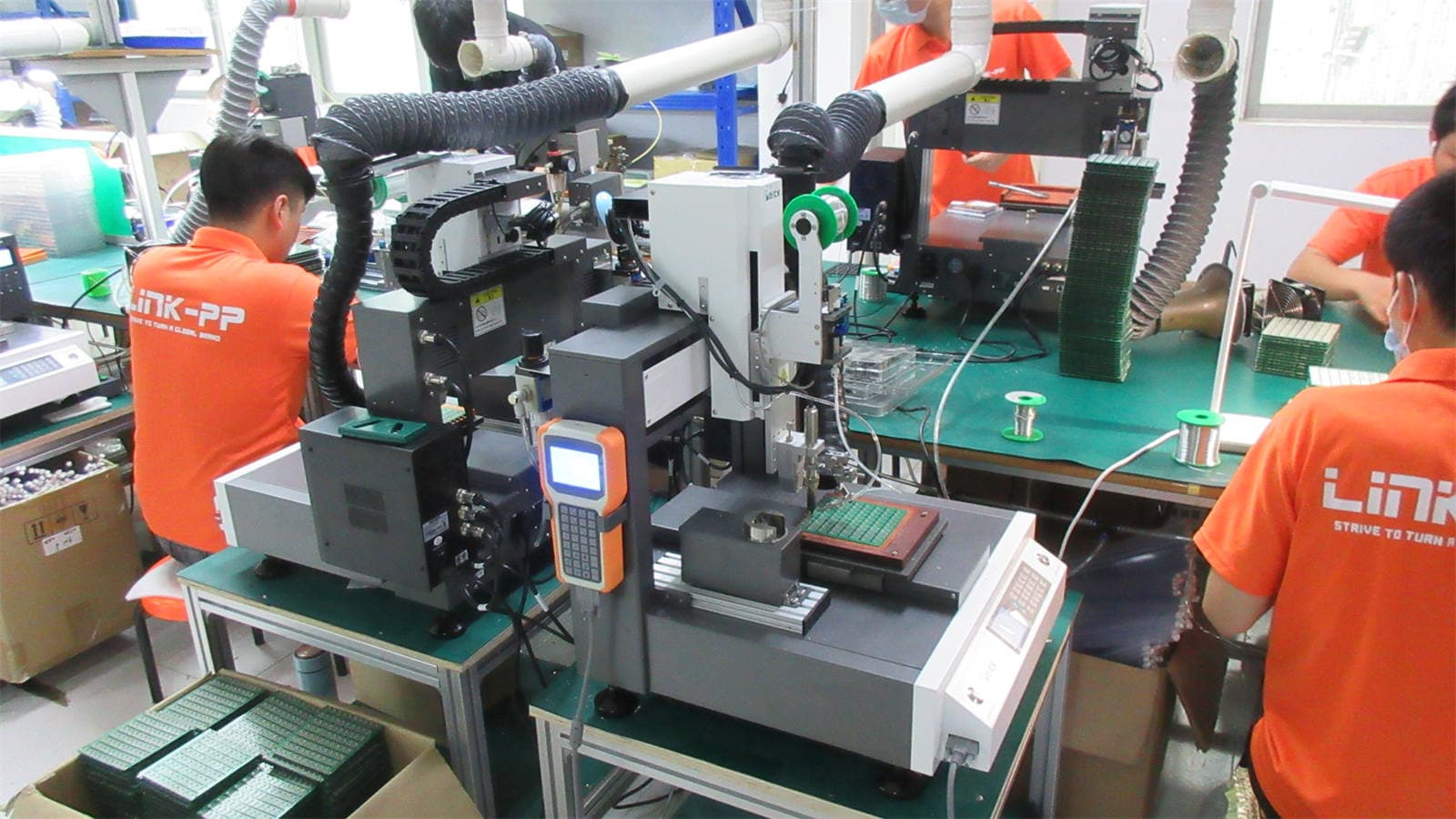
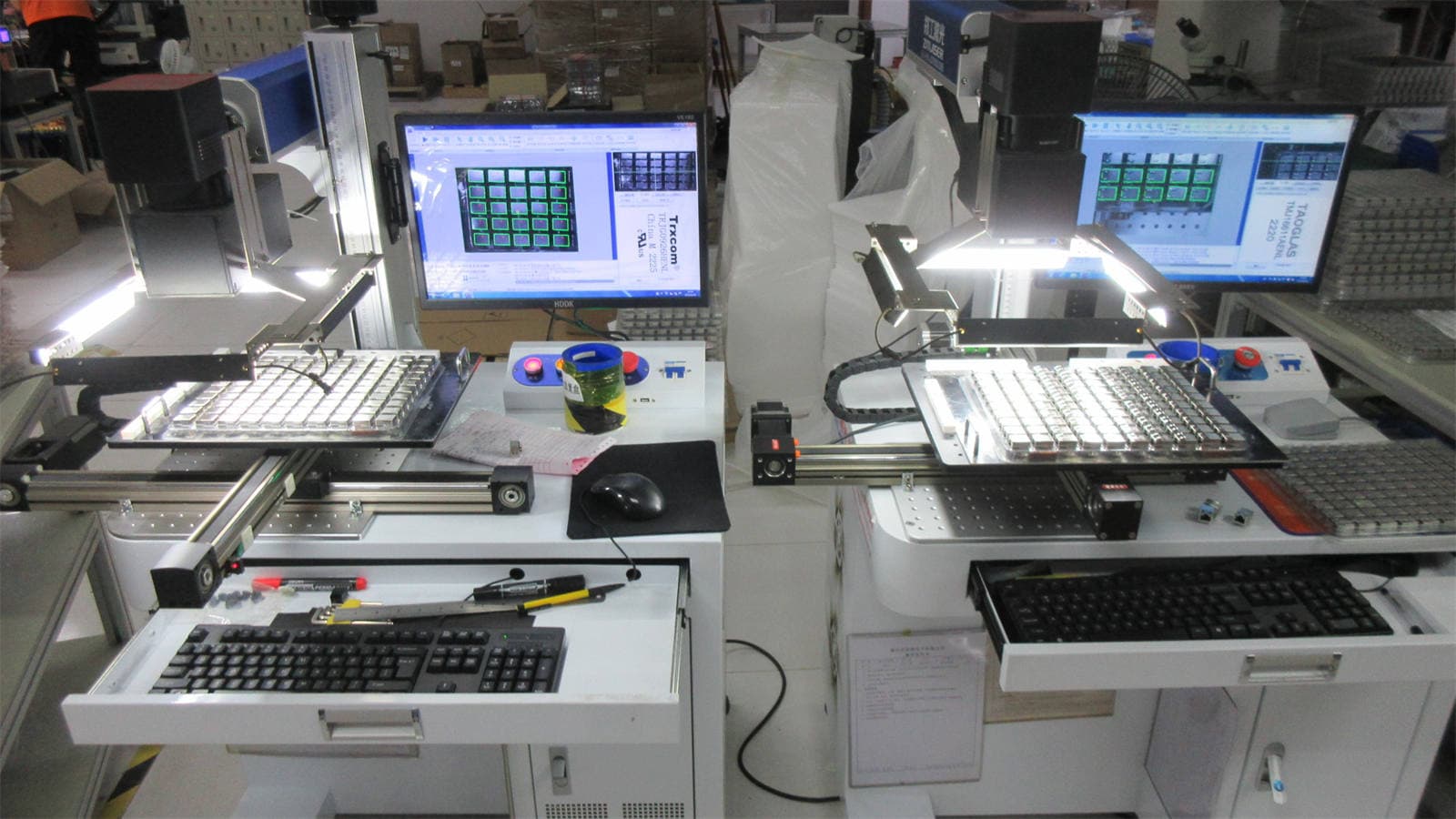
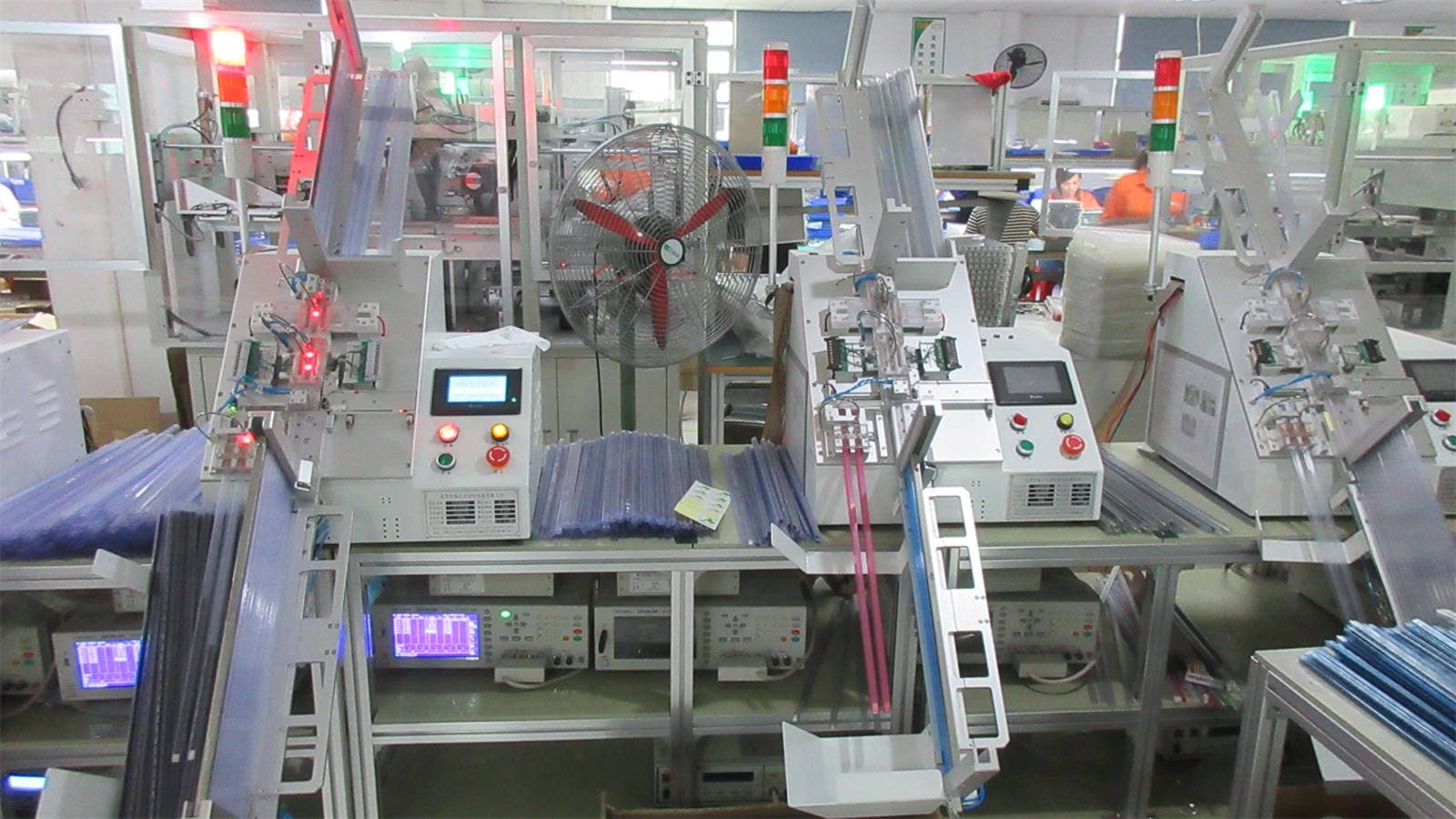
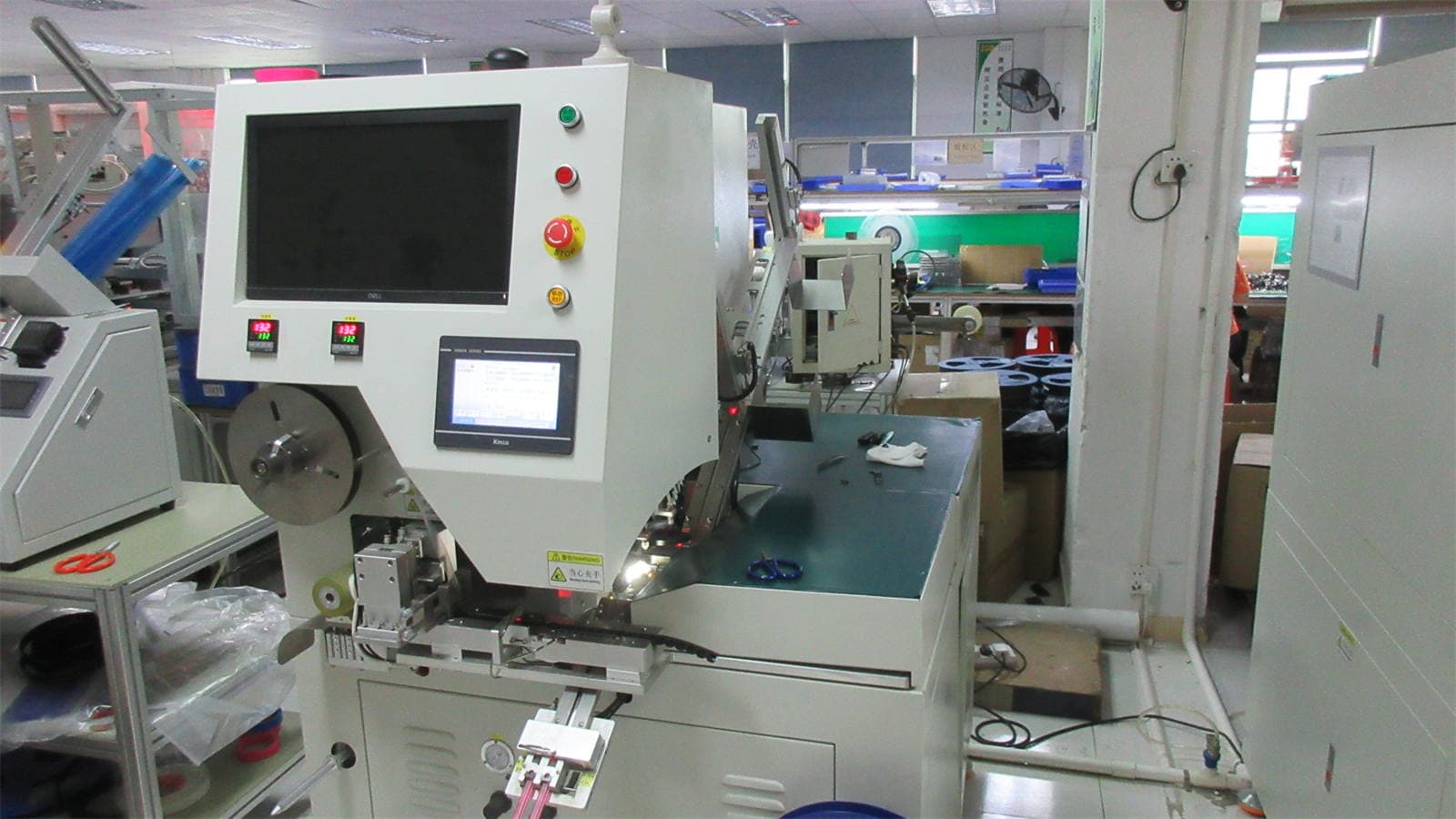
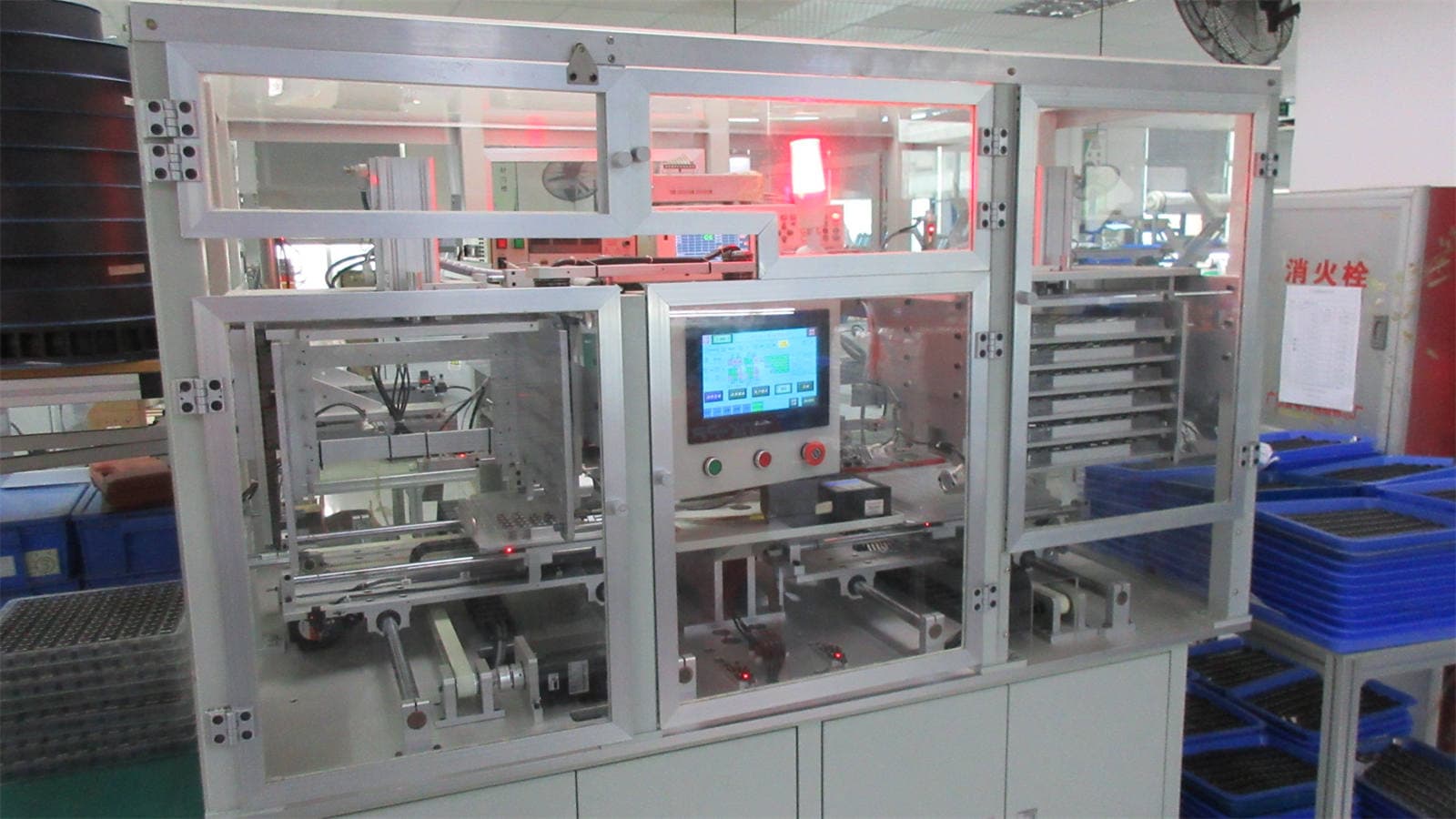
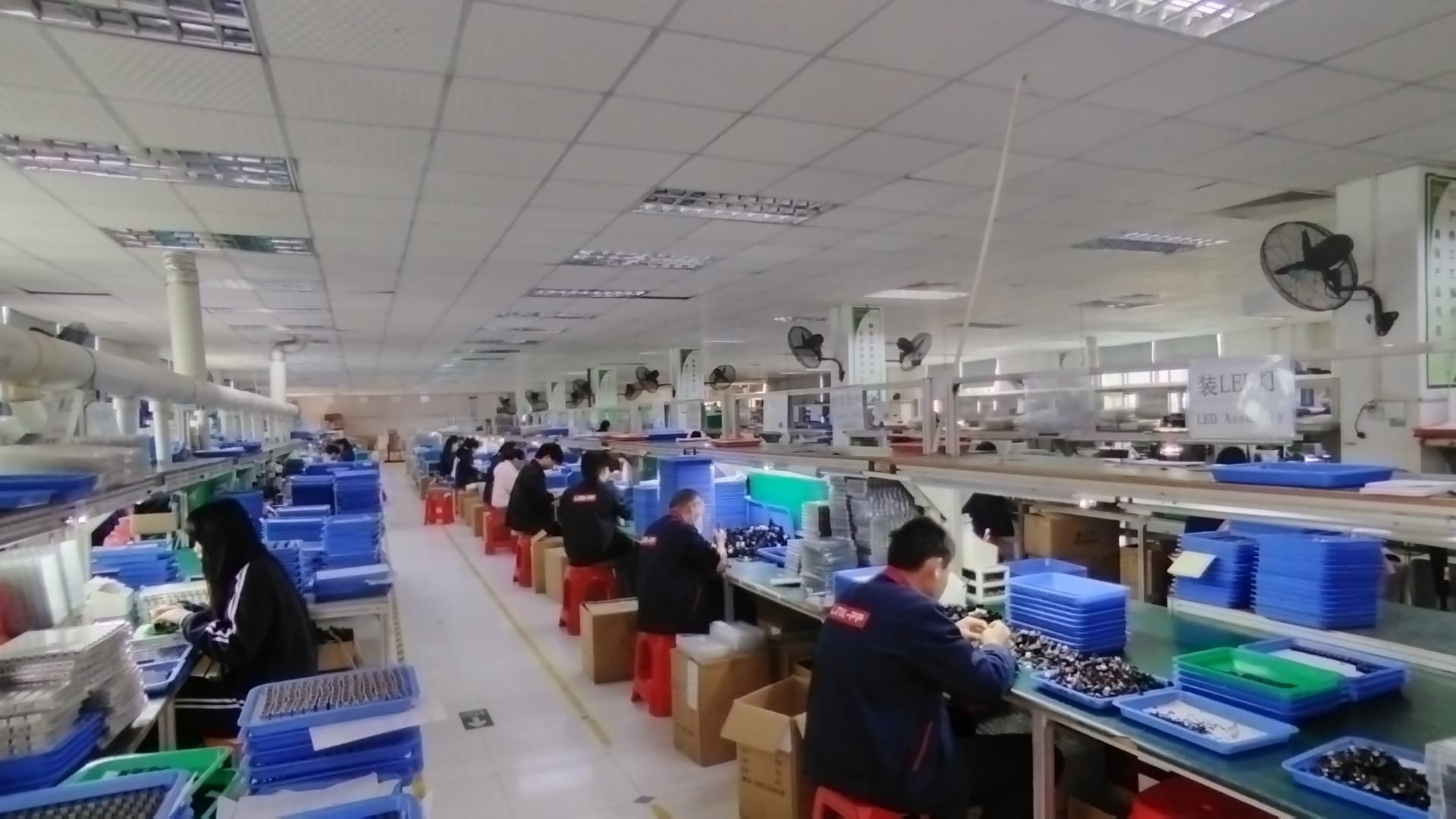
Precision manual alignment and contact inspection during manufacturing.
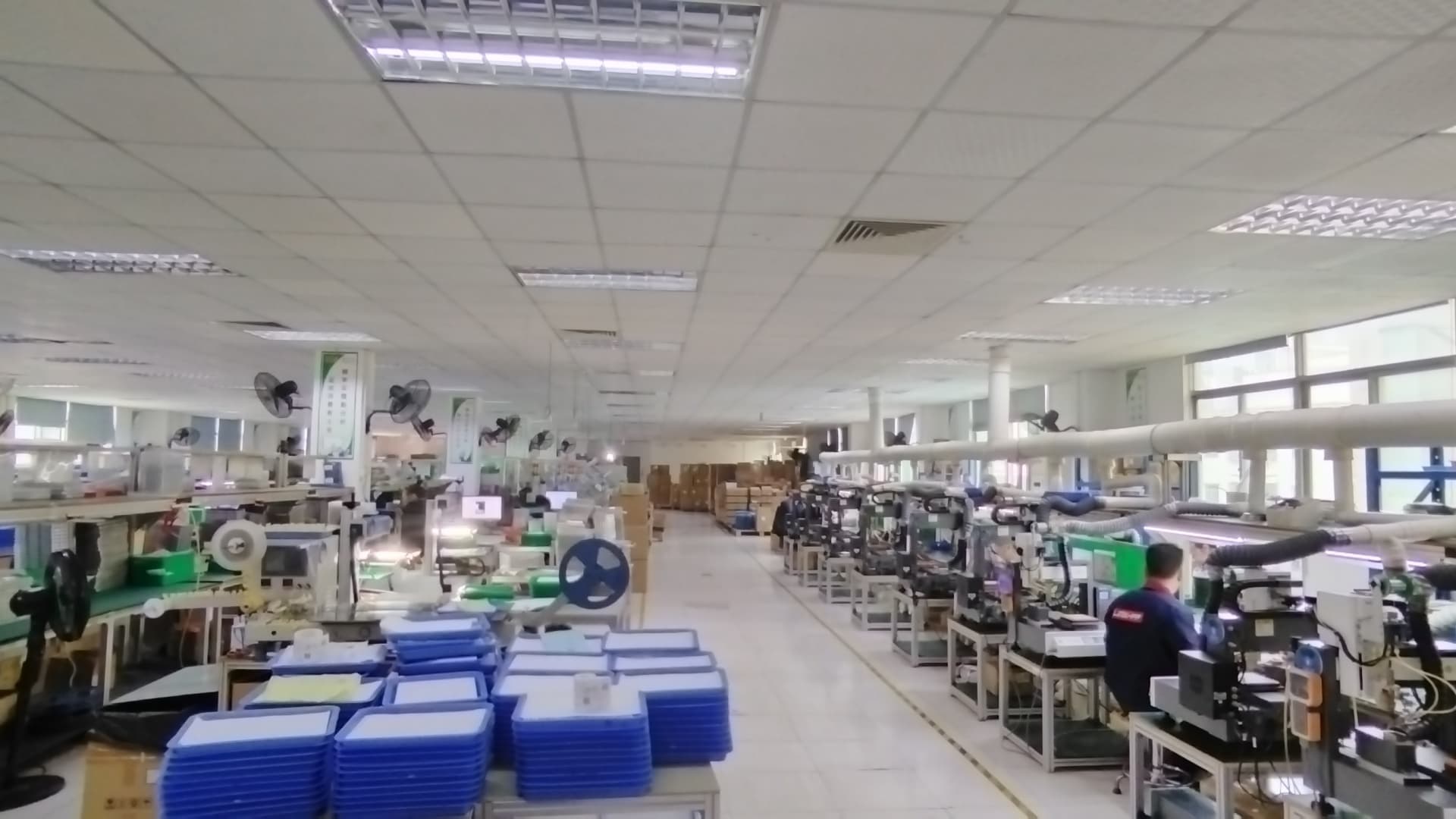
Optical testing bench for validating signal attenuation in high-speed optical modules.
Global sourcing teams require systematic qualification protocols to vet components before onboarding vendors. In the network hardware industry, minor quality issues can lead to costly recalls or systemic network failures. Ensure your potential vendor is evaluated through the following criteria:
Ensure the manufacturer has active ISO9001:2015 certifications. For target export markets in Europe and North America, verify that their components comply with RoHS (Restriction of Hazardous Substances) and REACH directives. Ask for UL (Underwriters Laboratories) registration numbers for the plastic resins used in housing parts.
Do not rely solely on mechanical drawings. Request performance data showing cross-talk attenuation, dielectric withstand voltage, return loss, and insertion loss profiles. A professional supplier will provide TDR (Time-Domain Reflectometry) testing results to confirm high-speed network performance.
Evaluate the manufacturer's ability to iterate designs. A reliable partner will provide CAD files and 3D step files within 48 hours, and physical prototypes (via rapid injection tooling or high-resolution 3D printing) within two weeks to speed up your validation cycle.
Common queries from network hardware engineers, systems integrators, and industrial purchasing agents.
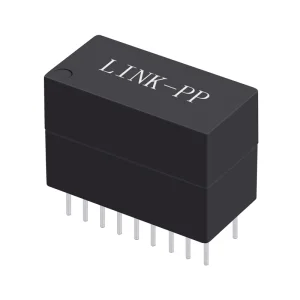
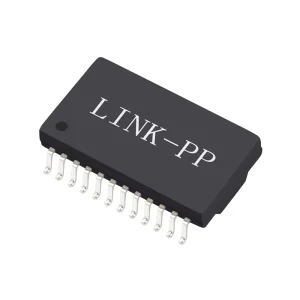
An Integrated Connector Module (ICM) places the isolation transformer, common-mode chokes, and LEDs directly inside the metal shield of the RJ45 socket. This saves valuable PCB area, improves electromagnetic compatibility (EMC) by shielding the components within the connector housing, and reduces testing complexity since the entire connection assembly is pre-tested.
Gold resists corrosion and guarantees low electrical contact resistance. For industrial and network equipment, 50 micro-inches (50µ") of gold plating is standard to survive 750+ insertion cycles. Lower-spec consumer devices might use 3µ" to 15µ" to save costs, but they degrade quicker under humid or high-vibration conditions.
PoE++ (IEEE 802.3bt) supplies up to 90W of power, causing temperature rises inside the connector contact arrays. Sockets must be designed with thicker pins, high-temperature LCP housings, and specialized contact geometry to prevent electrical arcing when disconnecting cords under load.
Yes. Cat6a standard components are specified up to 500 MHz and are fully compatible with 10GBASE-T Ethernet protocols over distances up to 100 meters, provided the terminal sockets, cable shielding, and patch panels meet equivalent category requirements.
Reliable Chinese factories utilize automatic optical inspection (AOI) systems, automated LED testers, high-voltage insulation tests (Hi-pot), and mechanical mating cycle simulators. Every batch of raw materials is trackable via ERP systems from stamping through final assembly.
Complementary physical layer connection components for switches, network routers, and telecom terminal equipment.