Lumopt
Lumopt
Lumopt
Optimized for rapid deployment in Toronto's enterprise systems, multi-gigabit campus architectures, and edge network infrastructures.
As Canada's leading financial and technological center, Toronto, Ontario demands resilient, scalable digital infrastructure. From downtown financial headquarters along Bay Street to the booming carrier hotels like Equinix TR2 at 151 Front Street West and data centers in Markham, Mississauga, and Vaughan, network architects are facing unprecedented demands for bandwidth capacity.
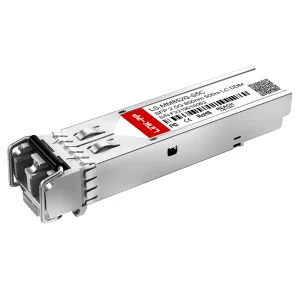
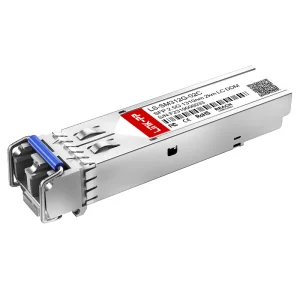
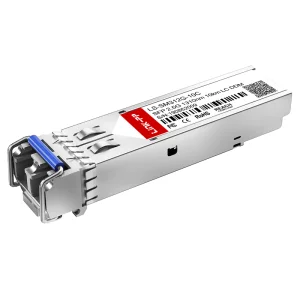
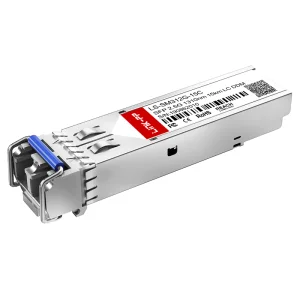
The expansion of multi-gigabit broadband, 5G wireless networks, and distributed enterprise edge computing nodes has created a significant surge in the procurement of optical modules. Specifically, 2.5G to 6G SFP transceivers are crucial components for network operators upgrading legacy 1G infrastructure. They provide a cost-effective gateway to higher data rates without requiring a complete overhaul of fiber patch cables and switch architectures.
These transceivers are optimized for local deployment environments, offering seamless compatibility with popular core architectures deployed across major Canadian service providers (Bell, Rogers, Telus) and local campus networks such as the University of Toronto and York University.
On a global scale, the market for 2.5G, 3G, 4G, 5G, and 6G SFP modules is driven by the rise of Wi-Fi 6E/7 access point backhauling, CPRI/eCPRI interfaces in cellular mobile towers, and industrial automation networks.
While data center centers prioritize high-density 400G and 800G optical lines, the enterprise access layer and distributed metro networks rely heavily on fractional speeds (like 2.5G and 6G) to optimize spectral efficiency and optical budgets over extended distances.
How Lumopt Opto Technology (Luguang Communication) translates manufacturing scale into field reliability.
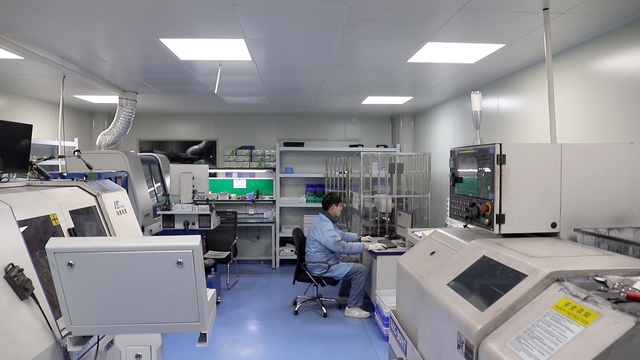
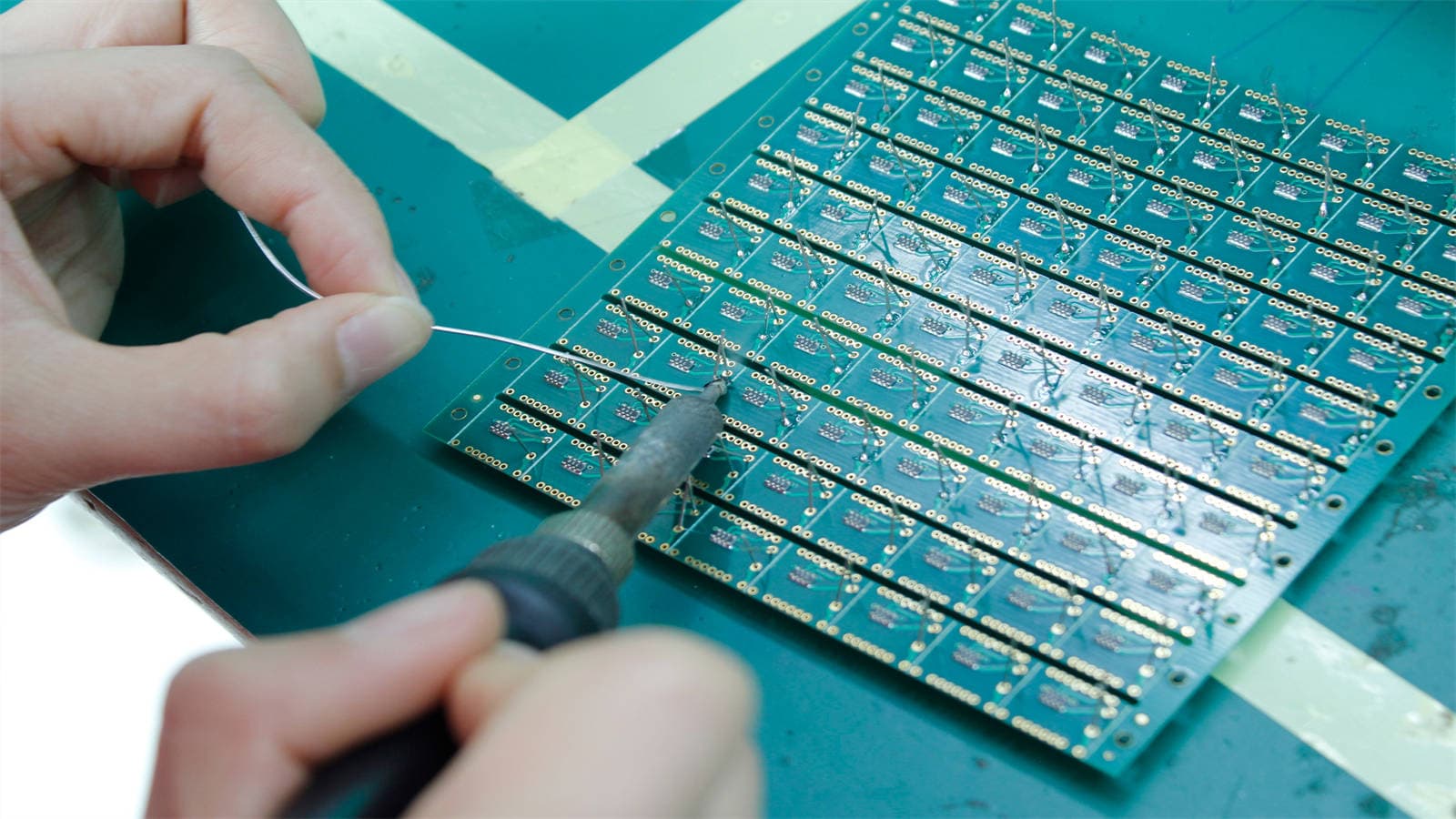
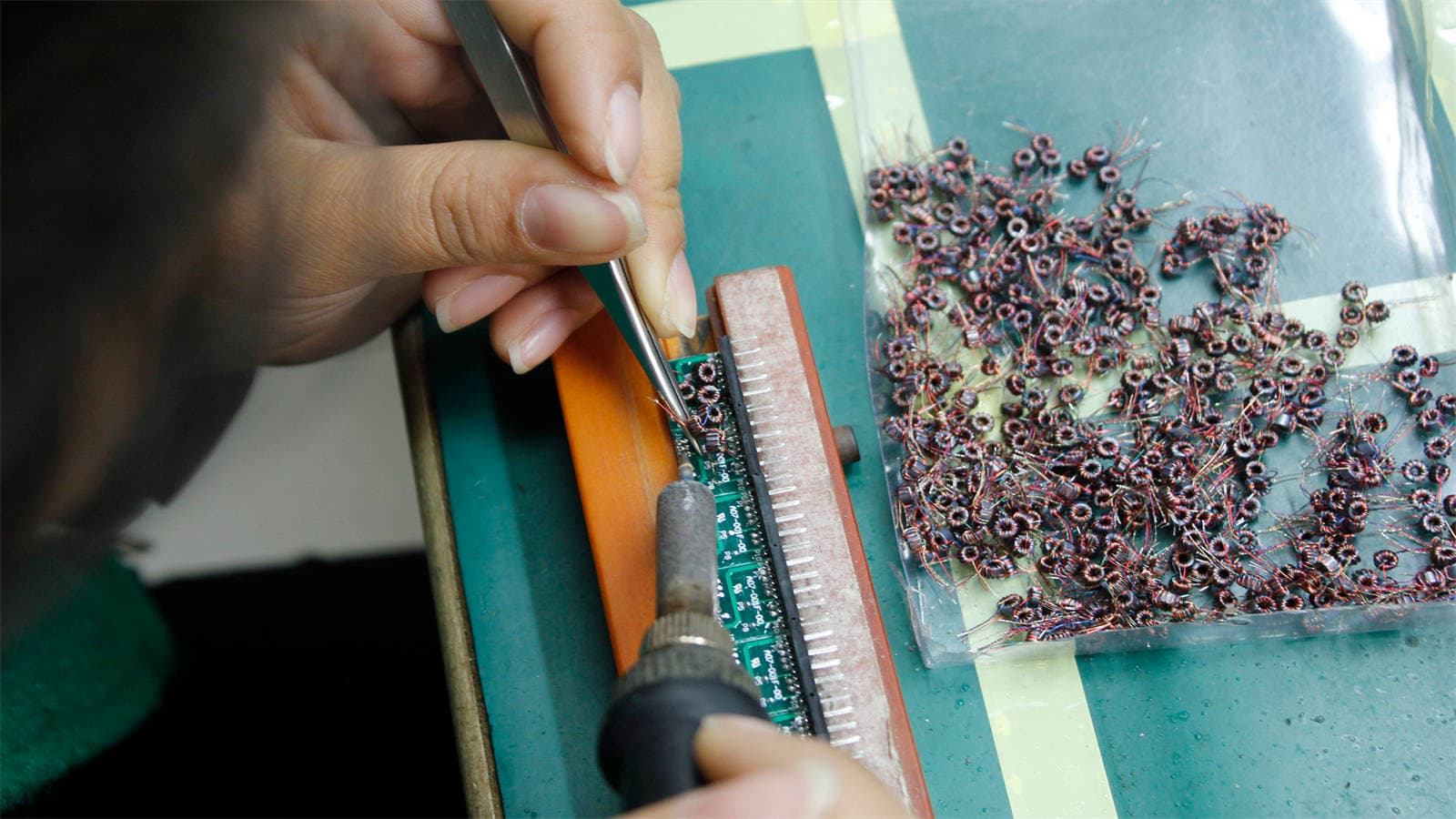
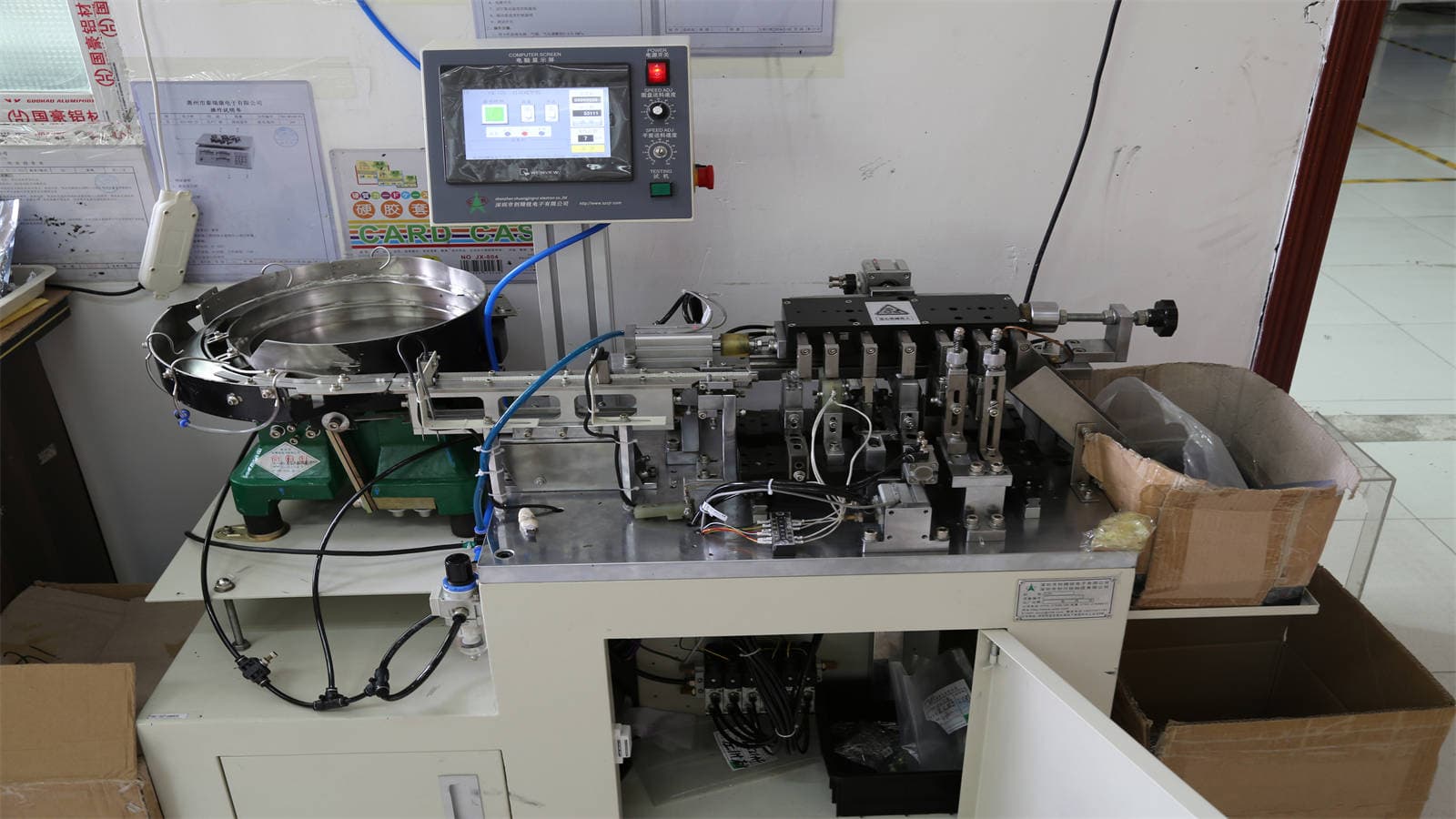
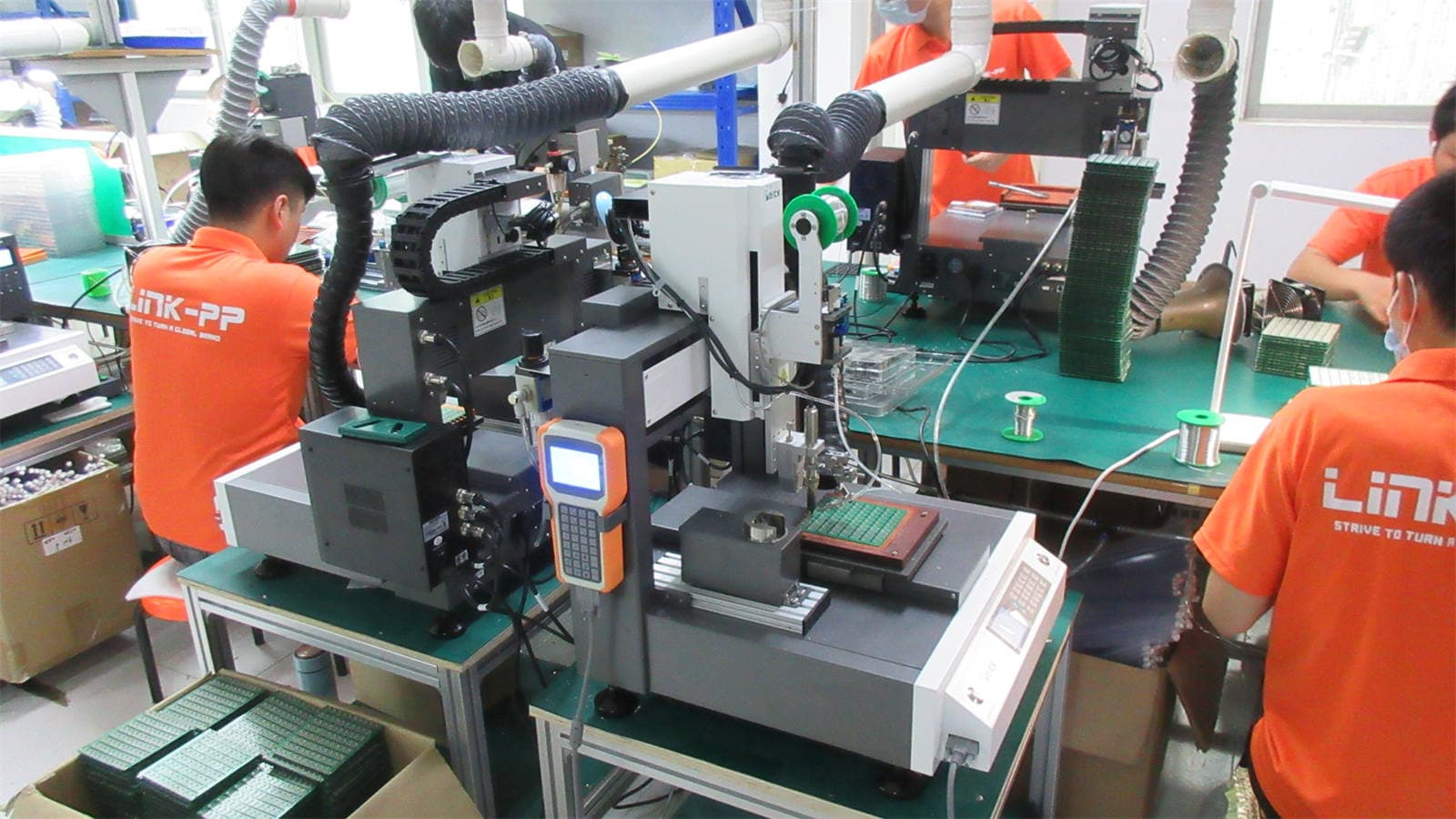
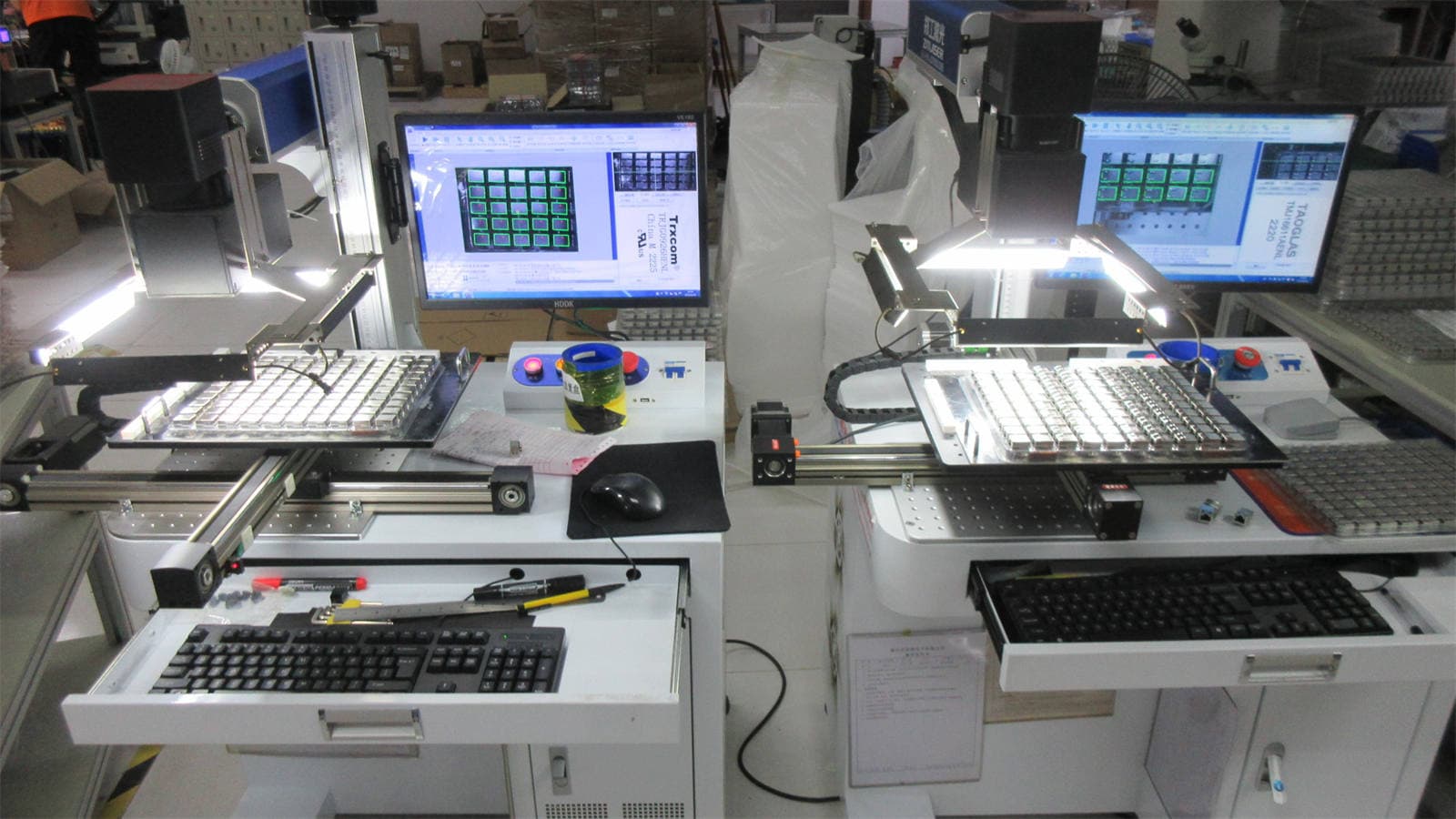
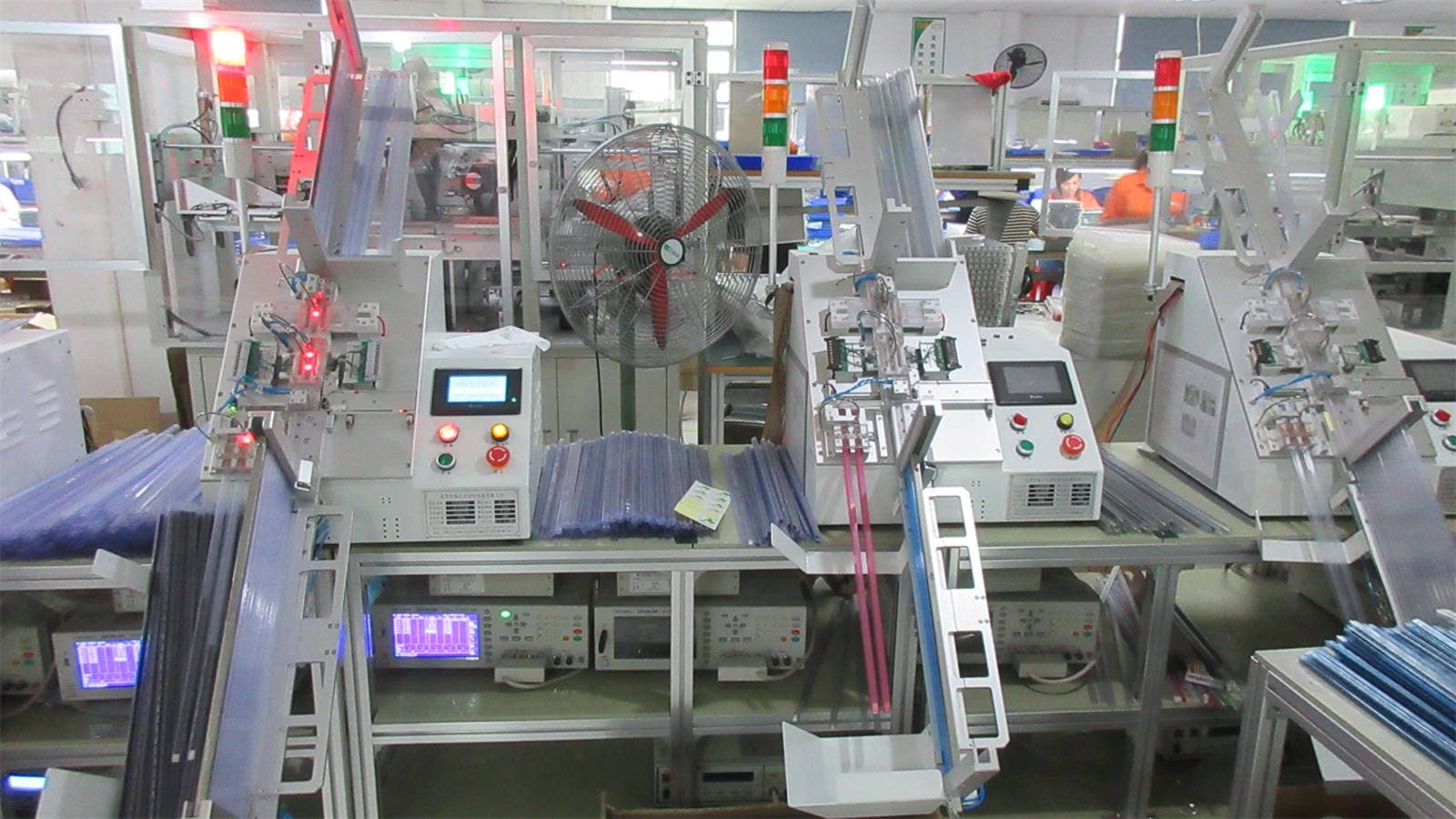
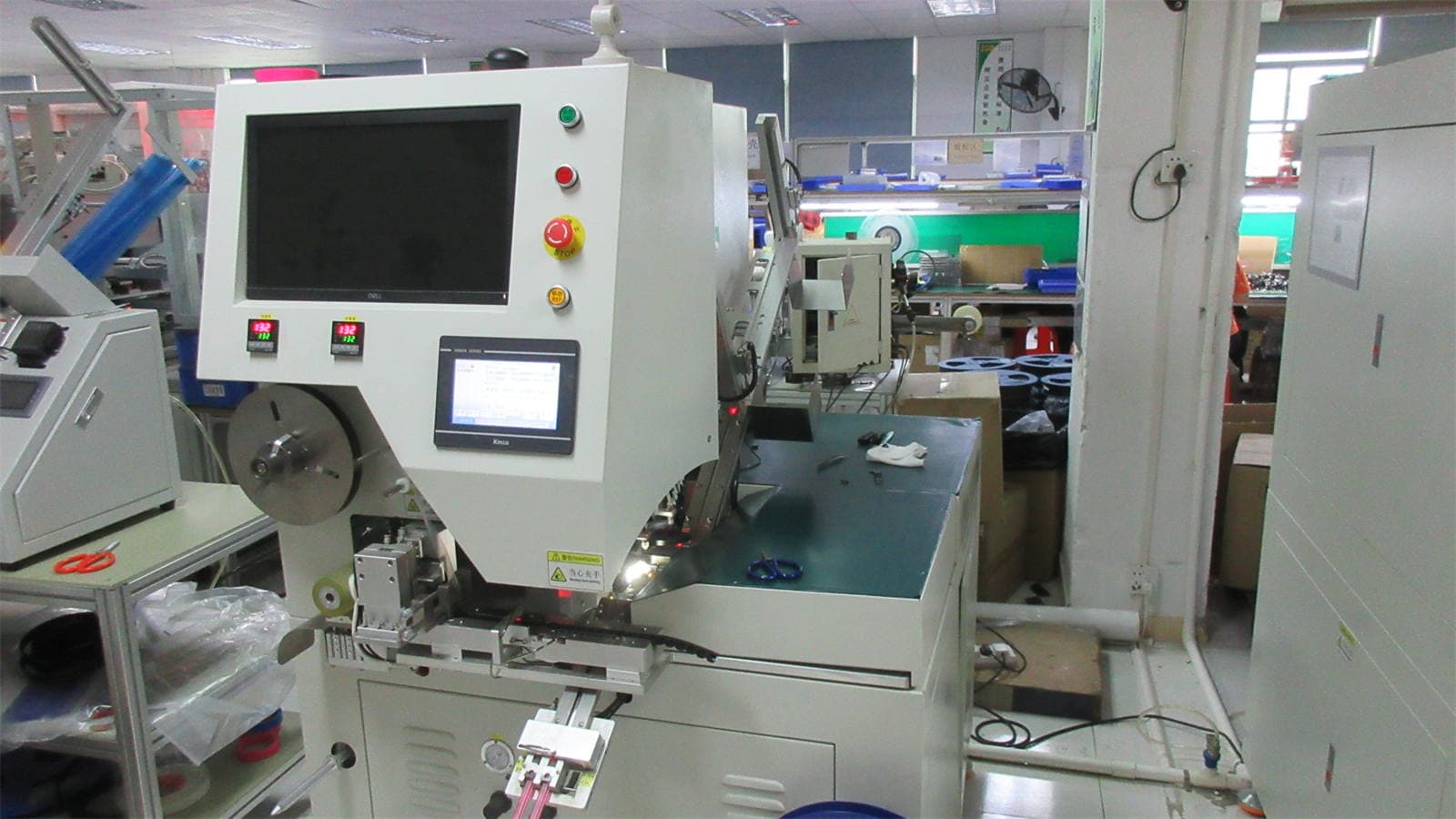
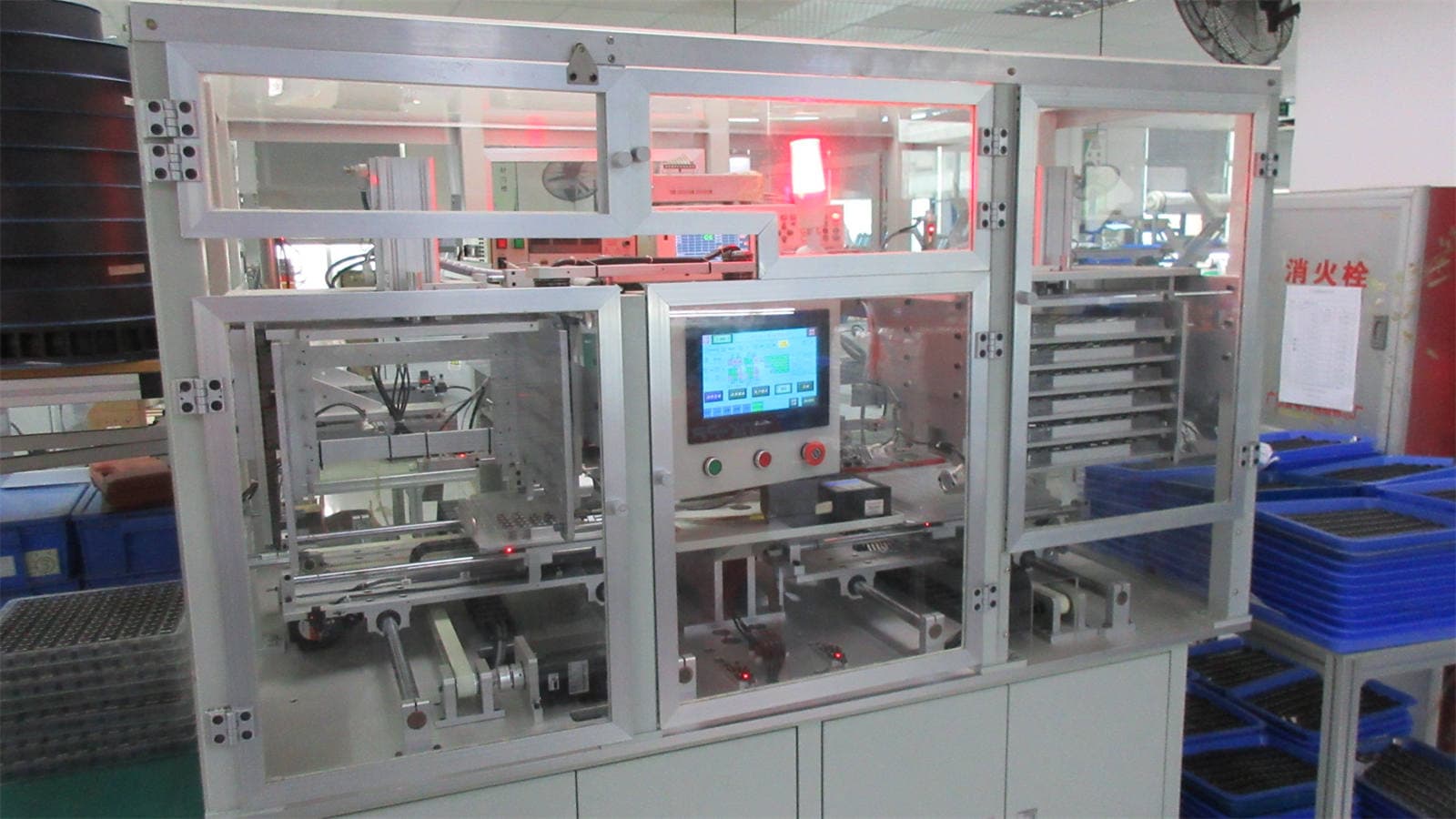
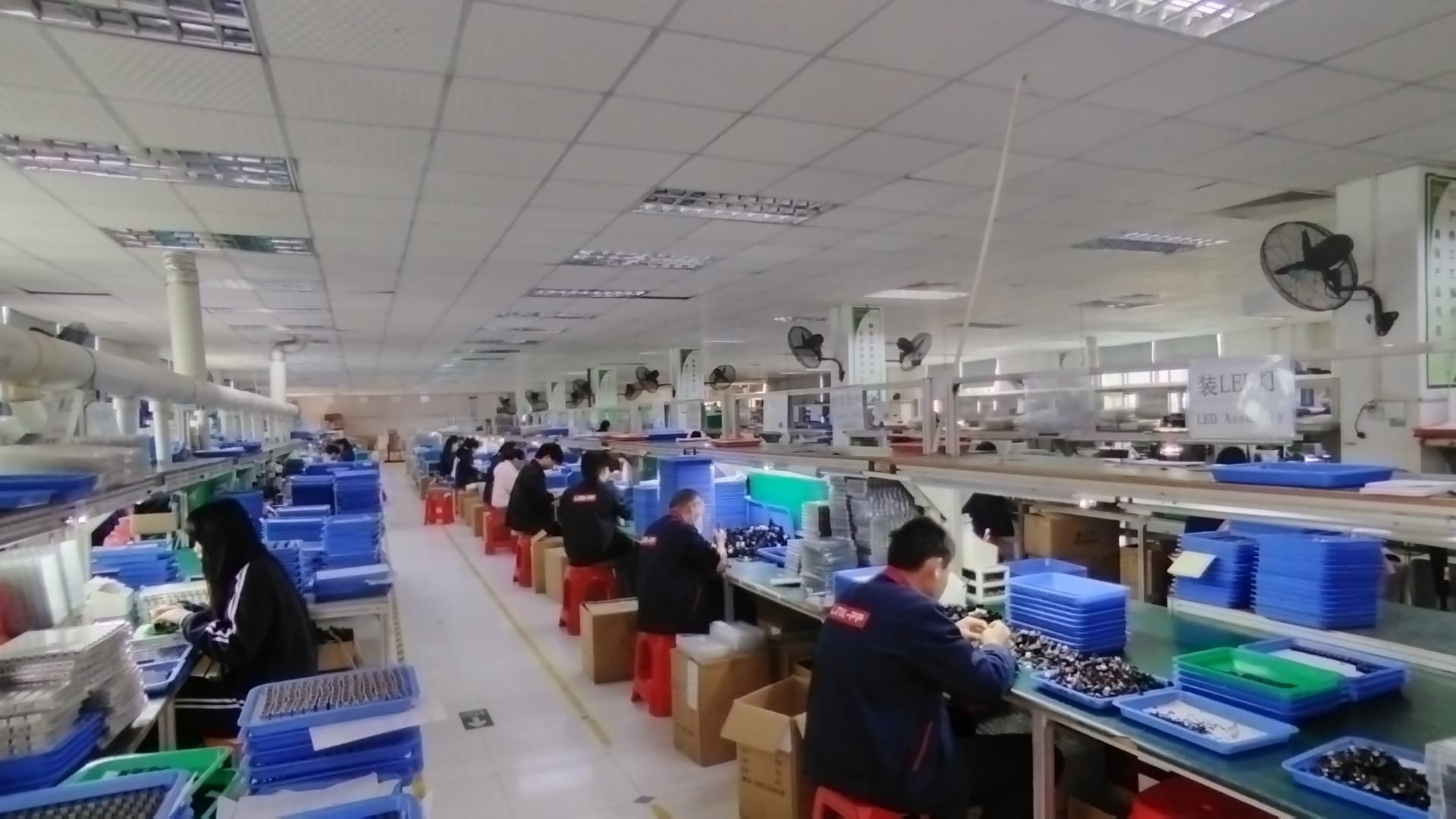
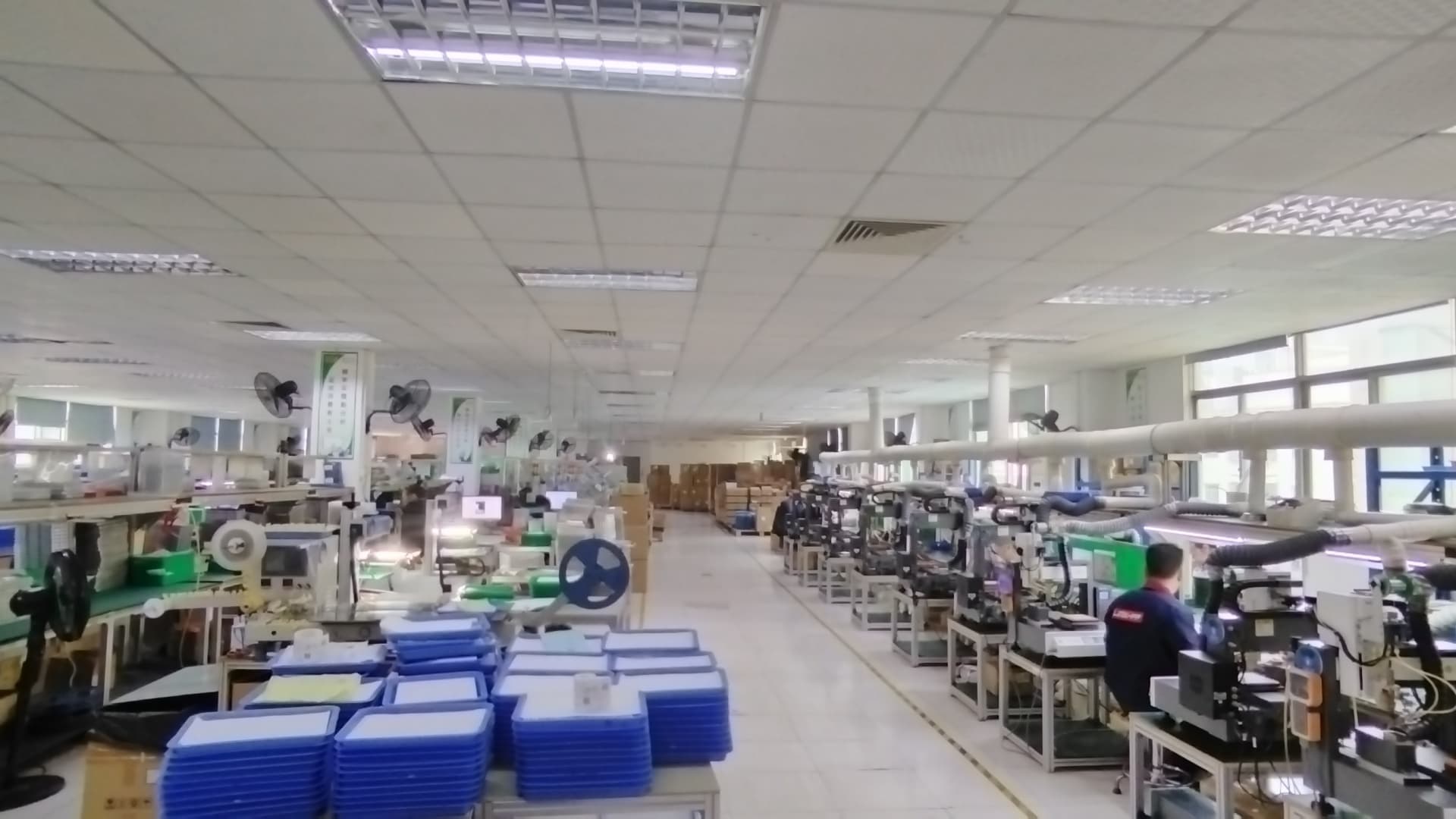
Based in China, Lumopt Opto Technology Co., Ltd. (operating locally as Luguang Communication Technology Co., Ltd.) leverages a highly integrated manufacturing ecosystem. This ecosystem allows us to achieve exceptional cost-efficiency without compromising on technical quality or mechanical tolerances. Our production center is equipped with cleanroom environments, high-precision surface-mount technology (SMT) lines, and custom diagnostic testing rigs.
Every 2.5G~6G SFP transceiver we assemble goes through an exhaustive multi-stage verification protocol, including:

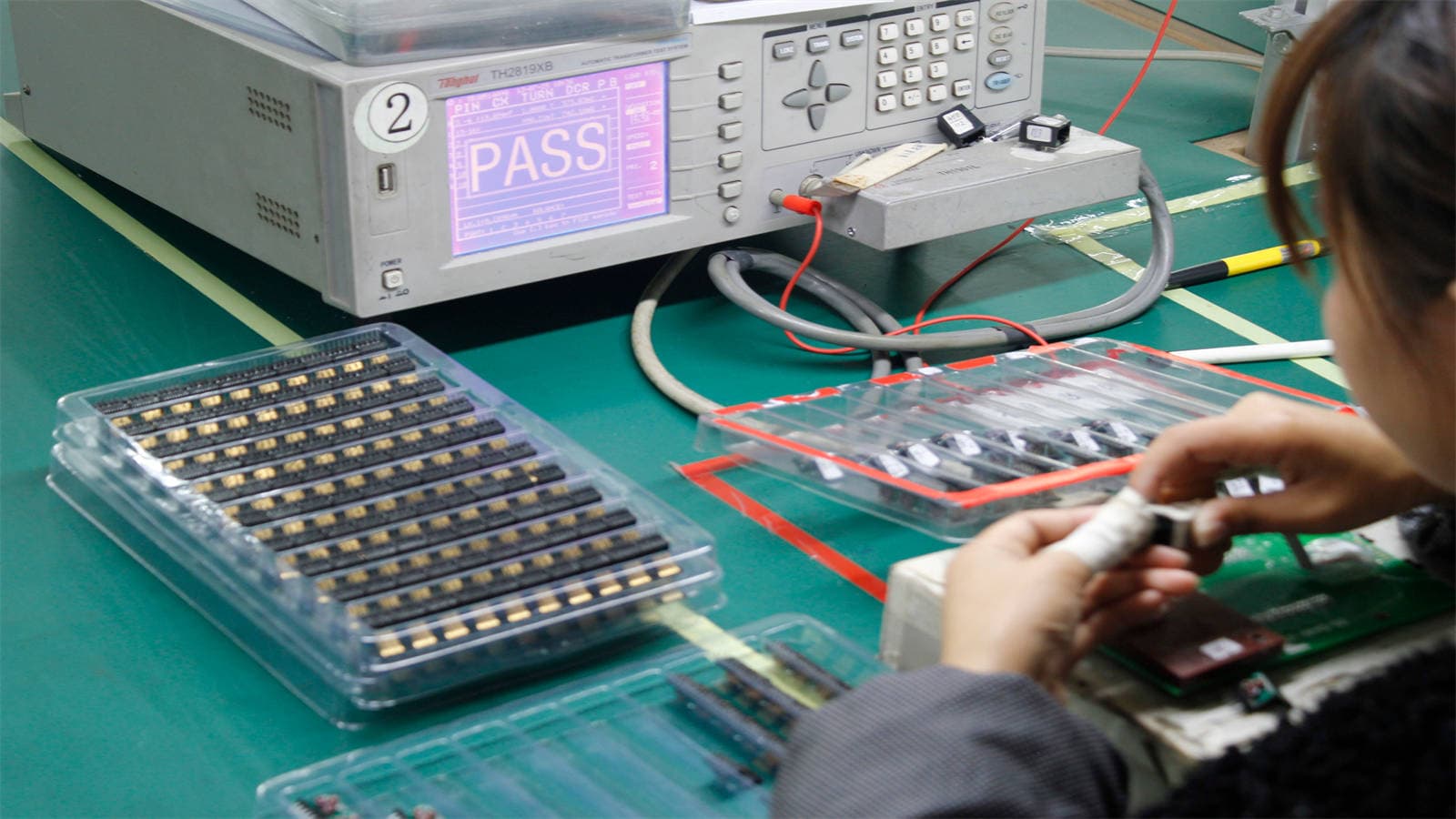
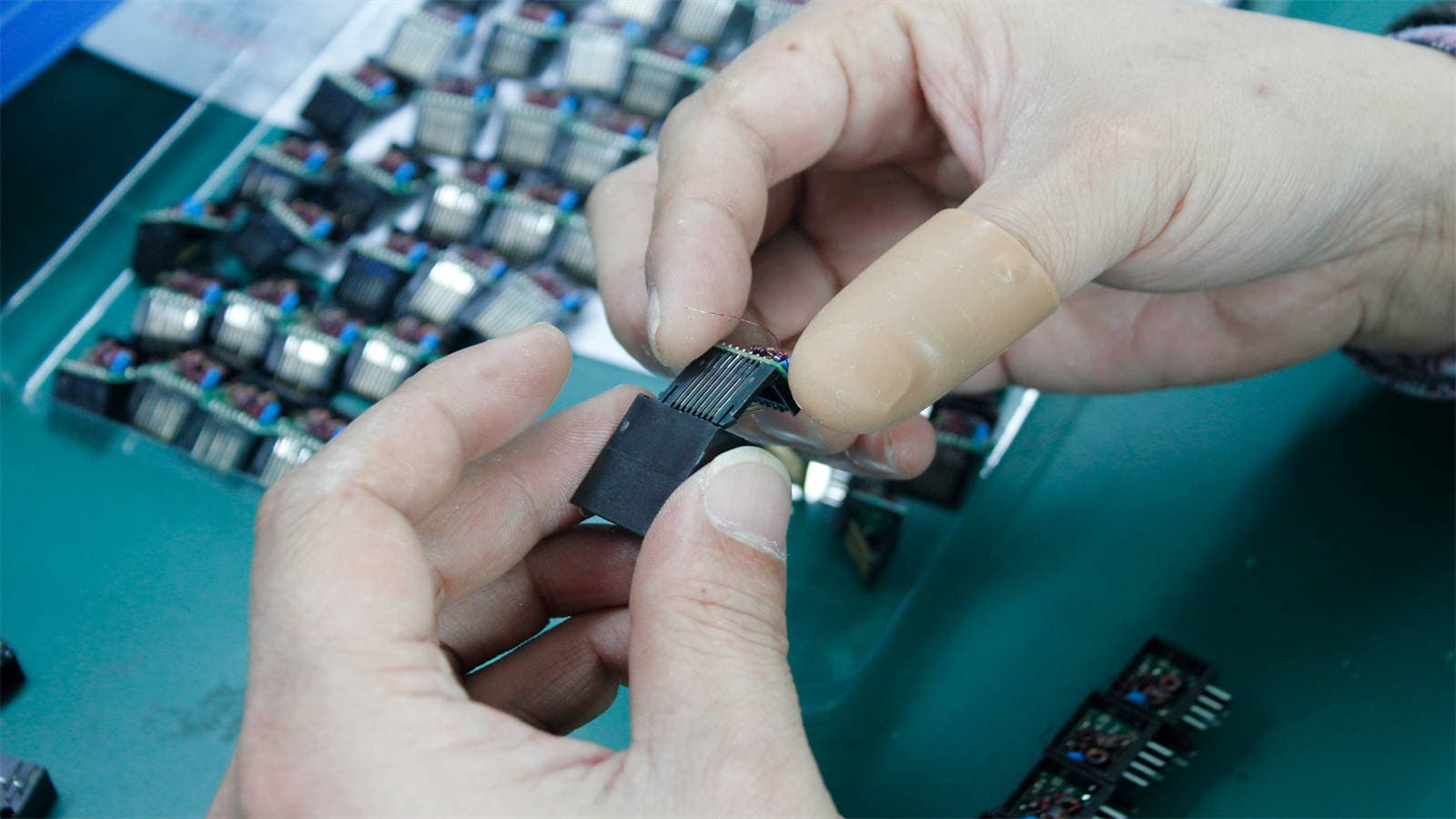
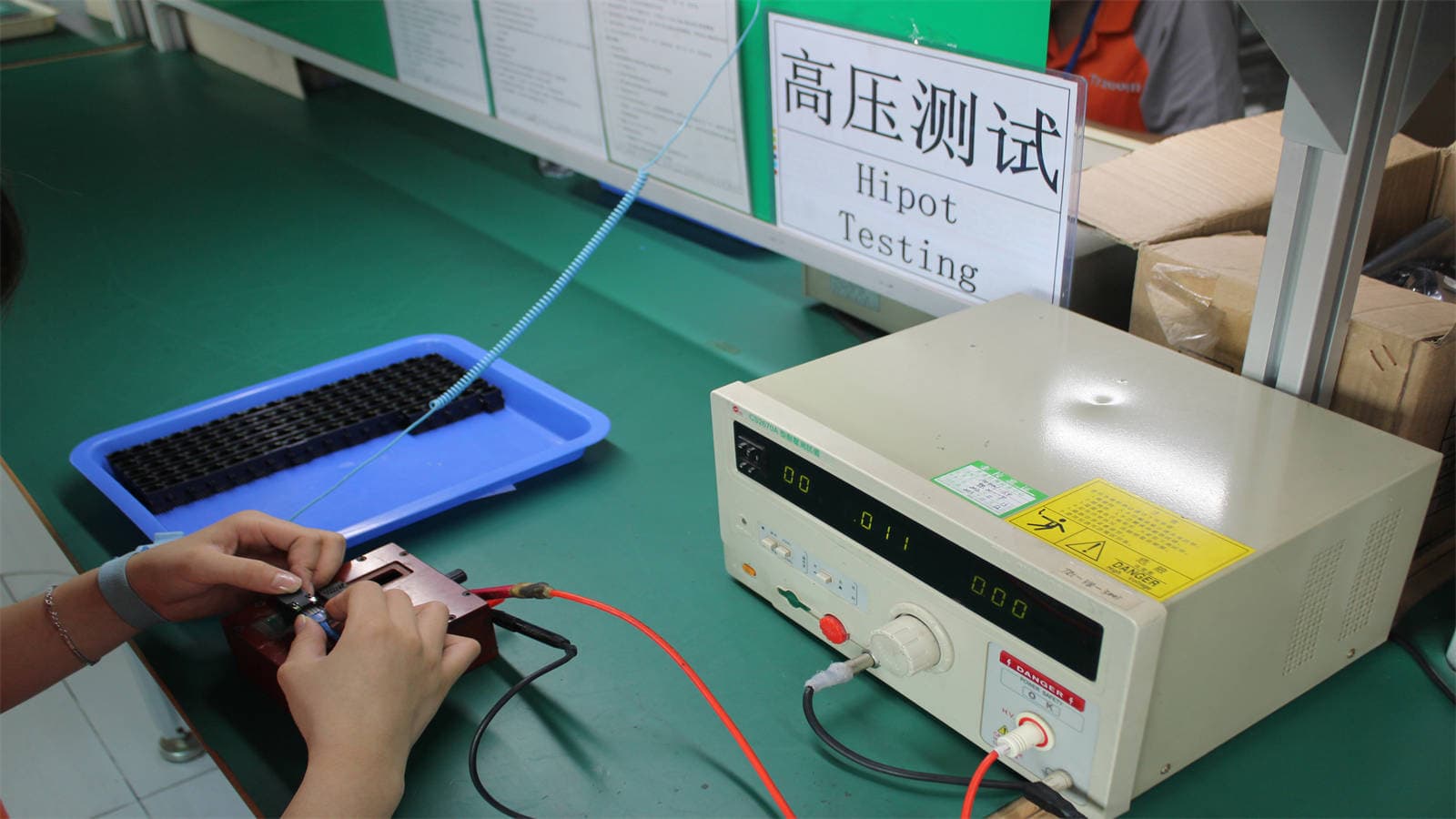
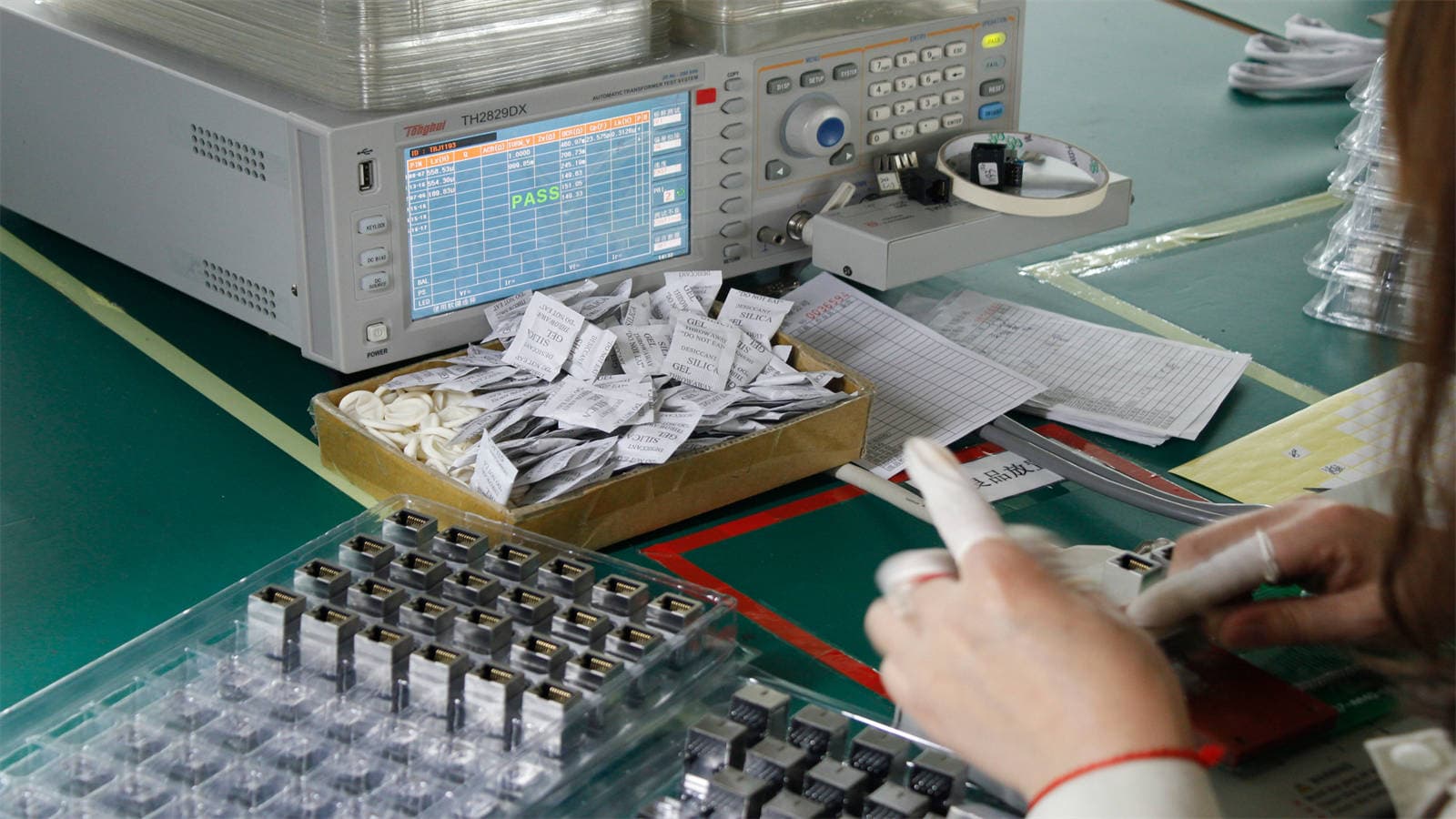
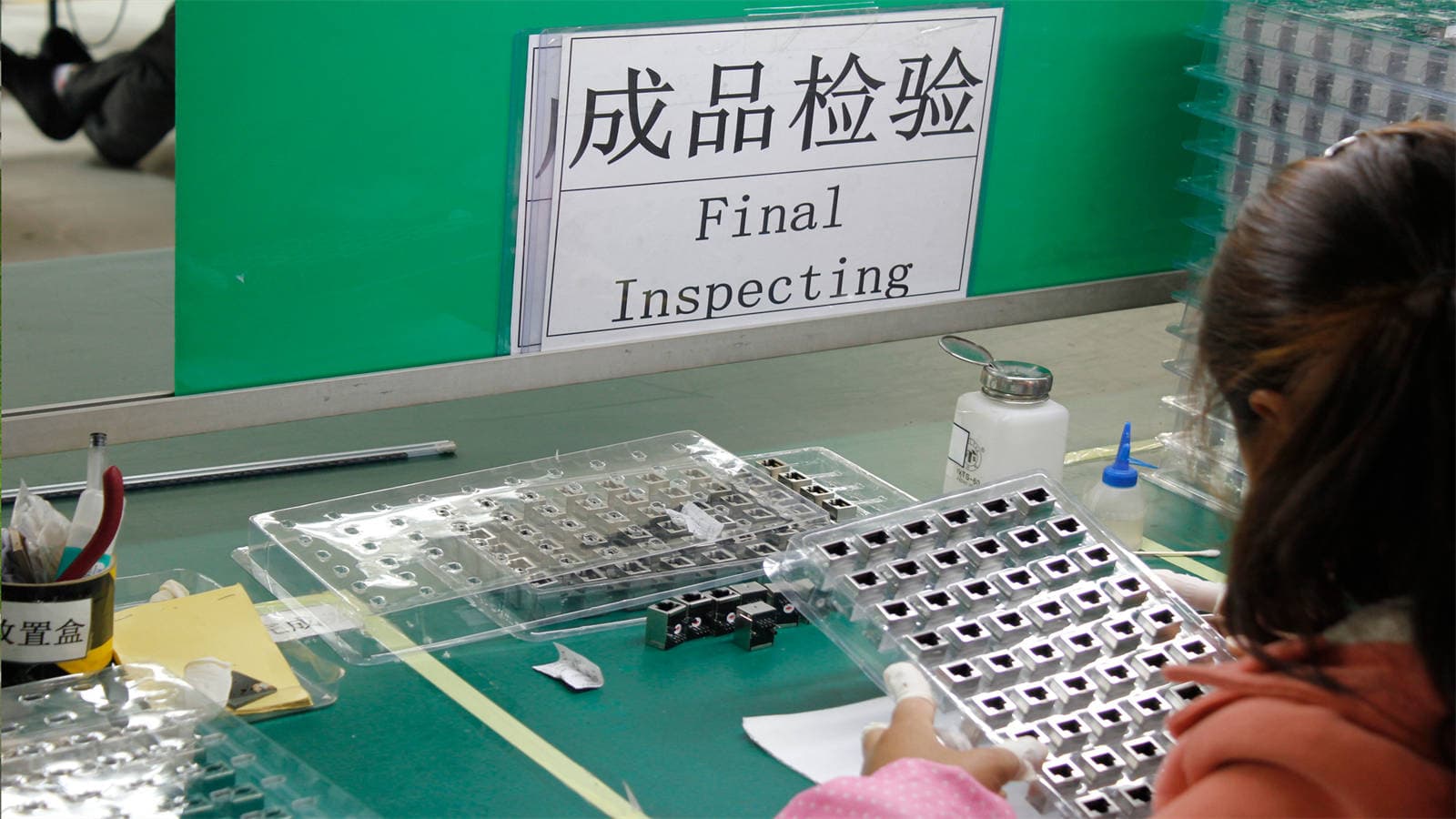
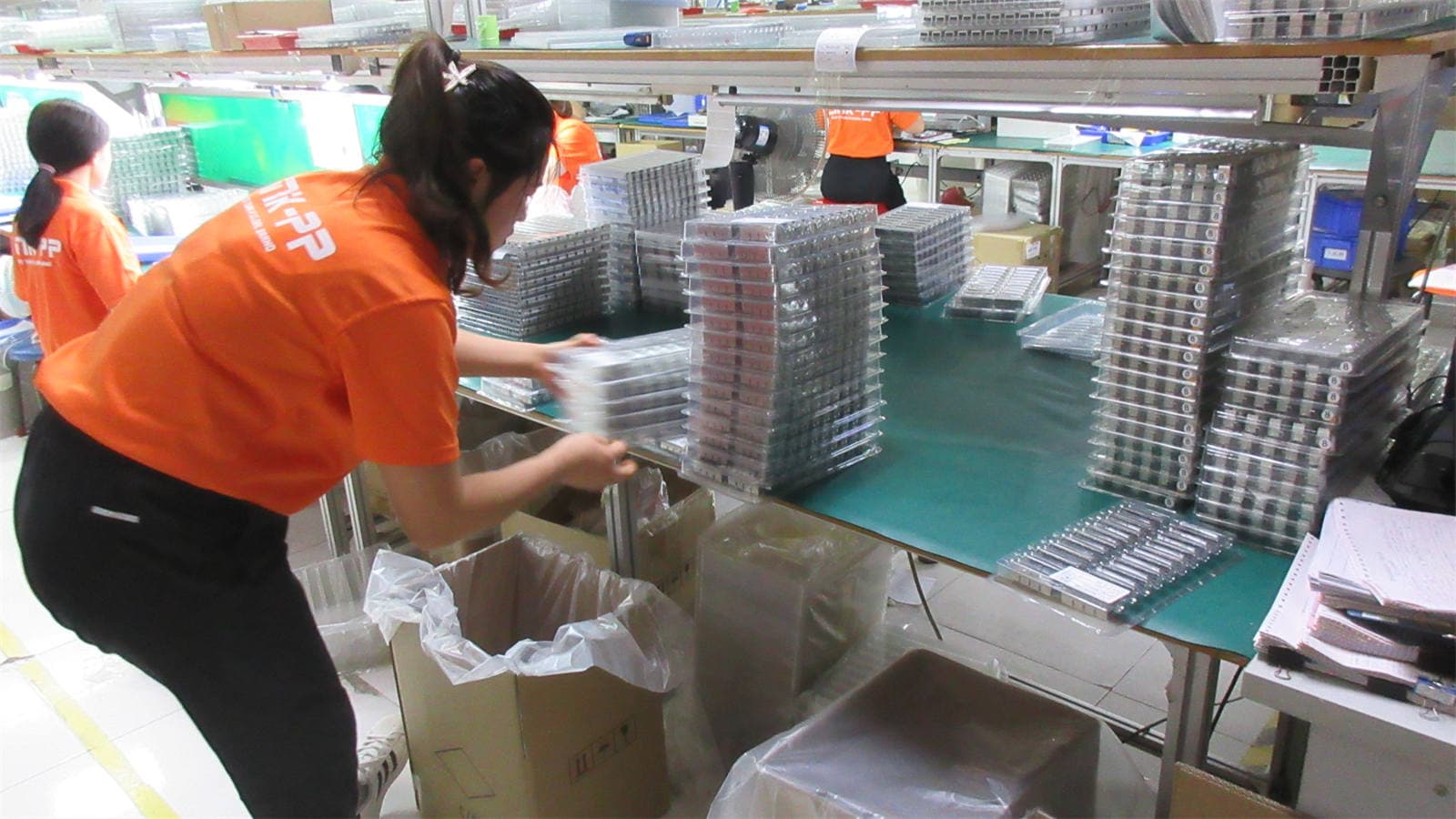
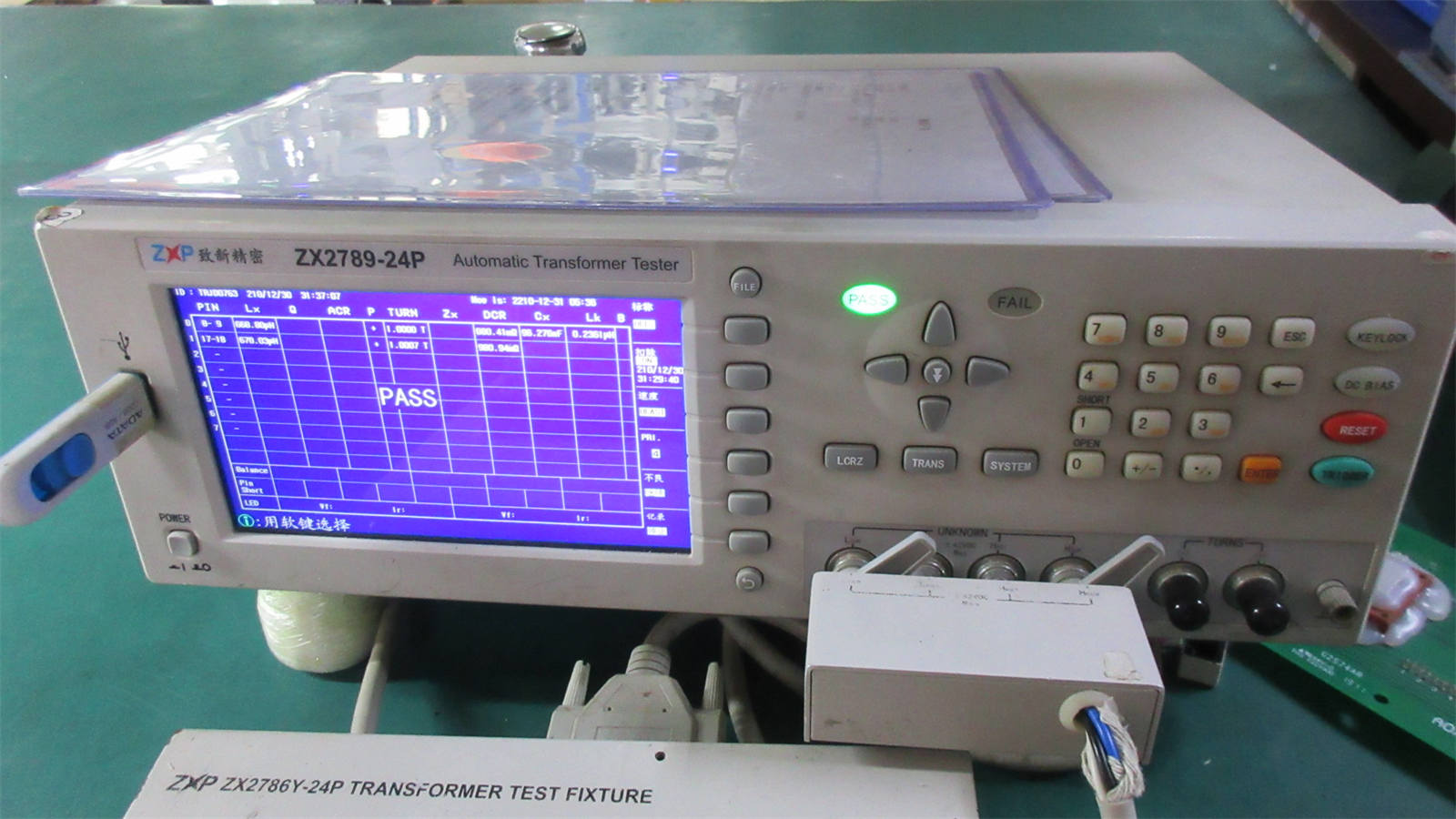
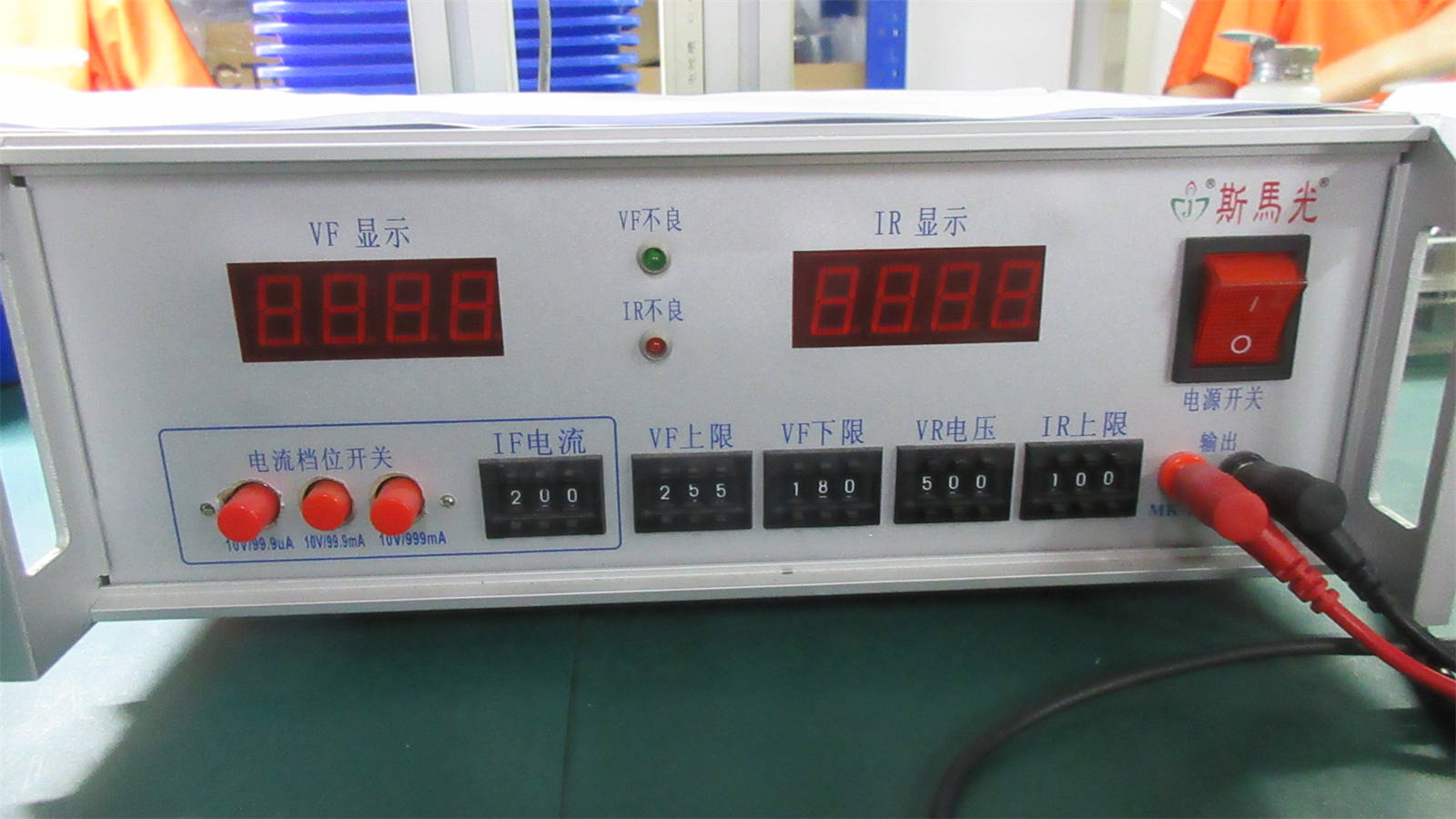

Understanding transmission dynamics, spectral budgets, and wavelength selection criteria for high-reliability networks.
Deploying 2.5G to 6G SFP modules requires deep knowledge of optical budgets, physical medium dependent (PMD) sublayers, and switch transceiver matching. Below, our engineering department outlines key considerations for network operators when designing links for metropolitan areas like the Greater Toronto Area (GTA) or inter-city trunks.
| Module Configuration | Fiber Type | Wavelength (TX/RX) | Max Link Length | Optical Budget (dB) |
|---|---|---|---|---|
| 2.5GBASE-SX | MMF (OM3/OM4) | 850nm / 850nm | 300m / 550m | 8.5 dB |
| 2.5GBASE-LX | SMF (G.652) | 1310nm / 1310nm | 2km / 15km | 15.0 dB |
| 2.5G Bidi SMF | SMF (Single strand) | 1310nm-TX / 1550nm-RX | 20km / 40km | 18.0 - 23.0 dB |
| 6G CPRI Industrial | SMF (Dual LC) | 1310nm / 1310nm | 10km - 40km | 14.0 - 20.0 dB |
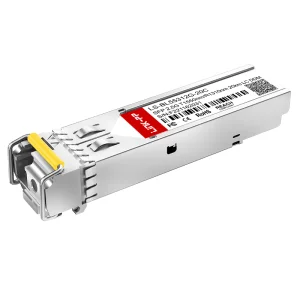
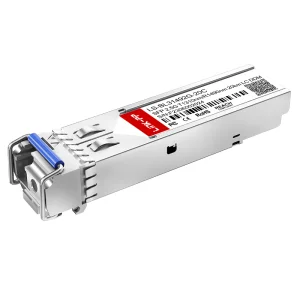
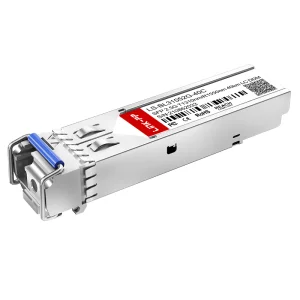
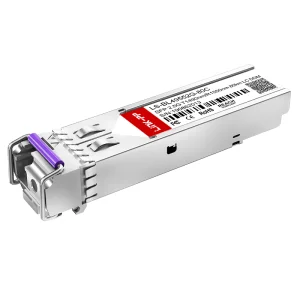
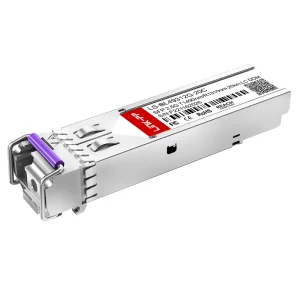
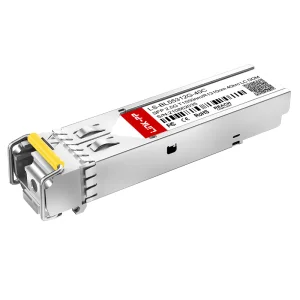
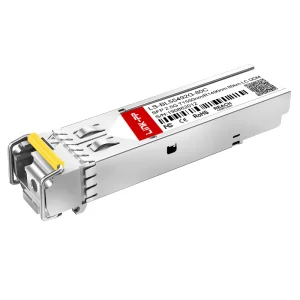
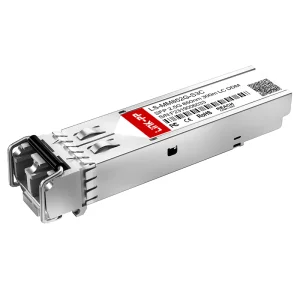
Explore our wide selection of duplex multi-mode, single-mode, and bidirectional transceivers.
Talk directly to our network engineers to configure OEM firmware for proprietary switches, industrial operating ranges, or large volume bulk quotes.
Send Inquiry NowAnswering key configuration, installation, and procurement questions for network engineers in Canada and globally.